
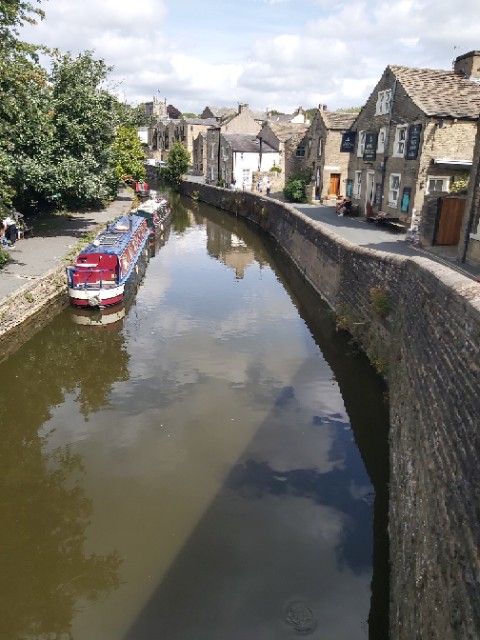
‘Let’s nip to Skipton, it’s not far, and my Milly Adams’ series, The Waterway Girls, is going to have another trot around the block fairly soon with DP Digital Publishers, oh yes it is, and how thrilling is that, so much so I want to toddle along beside a canal again.’ So said Milly/Margaret to Dick, without taking a breath. So off we nipped, with Dick sighing, ‘It’s actually quite far.’
‘Ah, but look at the fabulous scenery,’ insisted Milly/Margaret.’ ‘The time will fly as we cross the country.’
Silence fell, but Milly/Margaret had put her foot down, because, frankly, she really did want to see a canal again, as well as Skipton. After all, here in Thirsk we only have a beck, though it was thought this might be turned into a canal at one time. Like so many things, it came to nowt.
The thing was, that with the lovely news of the ‘Girls’ revival, I realised I had quite forgotten the details of the three books, and promptly re-read them, and really enjoyed them which is a great relief. What’s more, I found myself wanting to be near a canal again, see the wildlife, see the locks, see the narrowboats… Heavens, what a time these girls, who volunteered for the Inland Waterways Scheme in WW2, had to endure as they came to terms with the world of – in my girls’ case – the Grand Union Canal and the boaters, and the dreaded bucket (no, you’ll have to wait, and I might do a reveal when publication is revealed. Or I might not, of course).
There was the loading and unloading of materials to keep Britain going, the cold, the heat, the wind, the rain, the locks, the cleaning of the hold, the relaxing in the pub in the evening, thank heavens, thank heavens. Basically learning the ways of the true boaters. And all the time a war was in progress, relatives were in danger, my girls were in danger and not only from bombs. And God bless it, love was in the air, then not, then it was again – for some. What amazing people these Inland Waterways girls were. What amazing people these Inland Waterways boaters were, and they all darned well deserve books based on their lives – so people know.
But right now, we want to know about Skipton, eh? The town’s 900-year-old medieval castle is open for visitors and overlooks the main street, as it did during the English Civil War, when Sir John Mallory’s royalist garrison was situated at Skipton Castle. It was the last remaining royalist stronghold in Northern England until its surrender on 20th December 1645 after a three year siege.
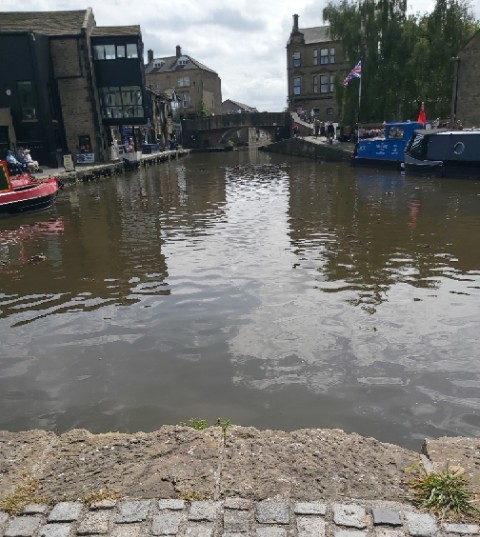
Skipton, known in Anglo Saxon times as Sheep Town because it was so important to the wool industry of Craven and the Southern Dales, stands by the River Aire, and the Leeds Liverpool Canal – constructed during the Industrial Revolution. It was Britain’s longest inland waterway when it opened in 1816,and carried stone, coal, wool, cotton, limestone, grain, and other goods throughout the 19th century and is now a busy hub for leisure cruising, based in the basin, so still earning its place in this bustling town. A town with a plethora of small fascinating independent shops, cafes, and a large market with anything and everything on offer. It really is energized and what’s more, friendly.
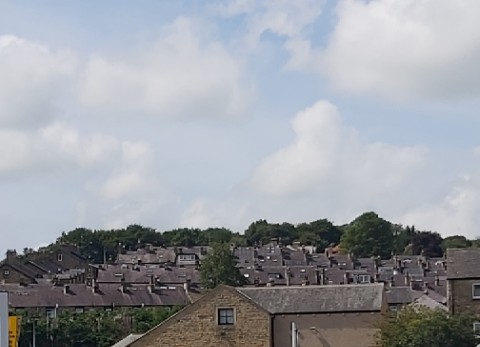
Skipton is known as the gateway to the Yorkshire Dales, as it is the road, rail and canal hub for many areas. The station sits on the Airedale line, with direct trains to Leeds, Bradford and nearby towns and villages. By road, we came from Thirsk in little over an hour – well OK, twenty minutes over an hour but such a lovely journey. Skipton is accessible, charming and historic – and a canal. What more can one ask… (I will let you know when publication date is arrived at for The Waterway Girls). https://canalrivertrust.org.uk/canals-and-rivers/places-to-visit/skipton https://southpenninespark.org/2022/10/21/skipton-a-castle-canal-paths-and-cobbled-streets/ https://www.facebook.com/authormillyadams/ http://www.millyadams.com