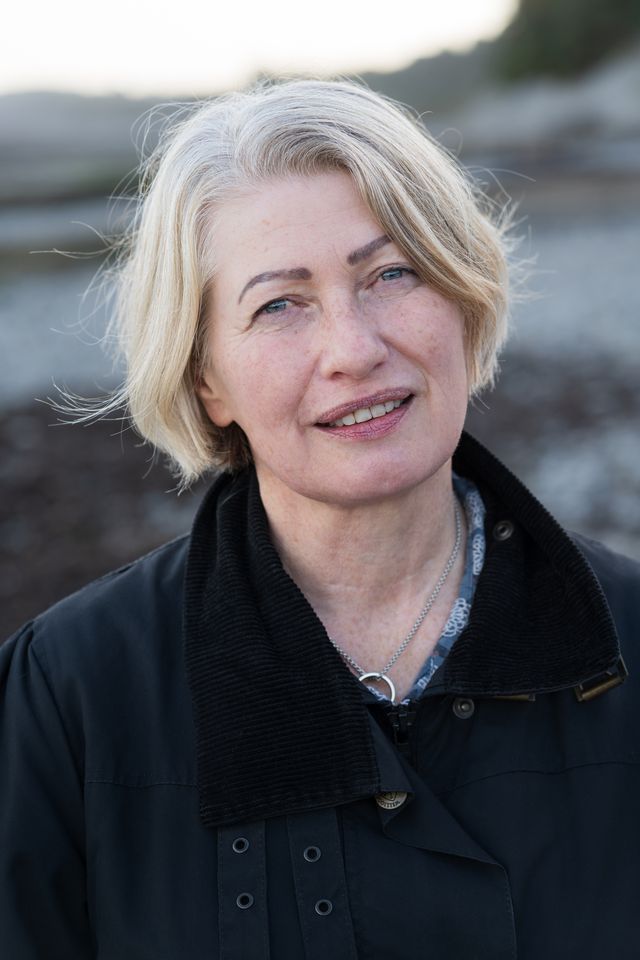
Produced by New Writing North, the Durham County Council event features a very special appearance from one of the UK’s most revered living authors, Dame Pat Barker. The Durham author has written 16 novels, including the Booker-Prize winning The Ghost Road. Her daughter, the writer and poet Anna Barker, has spent a decade uncovering her mother’s life story. The two will be in conversation for Dipped in Ink, an event about their forthcoming memoir spanning 40 years exploring family silences, literary legacy, and maternal relationships.
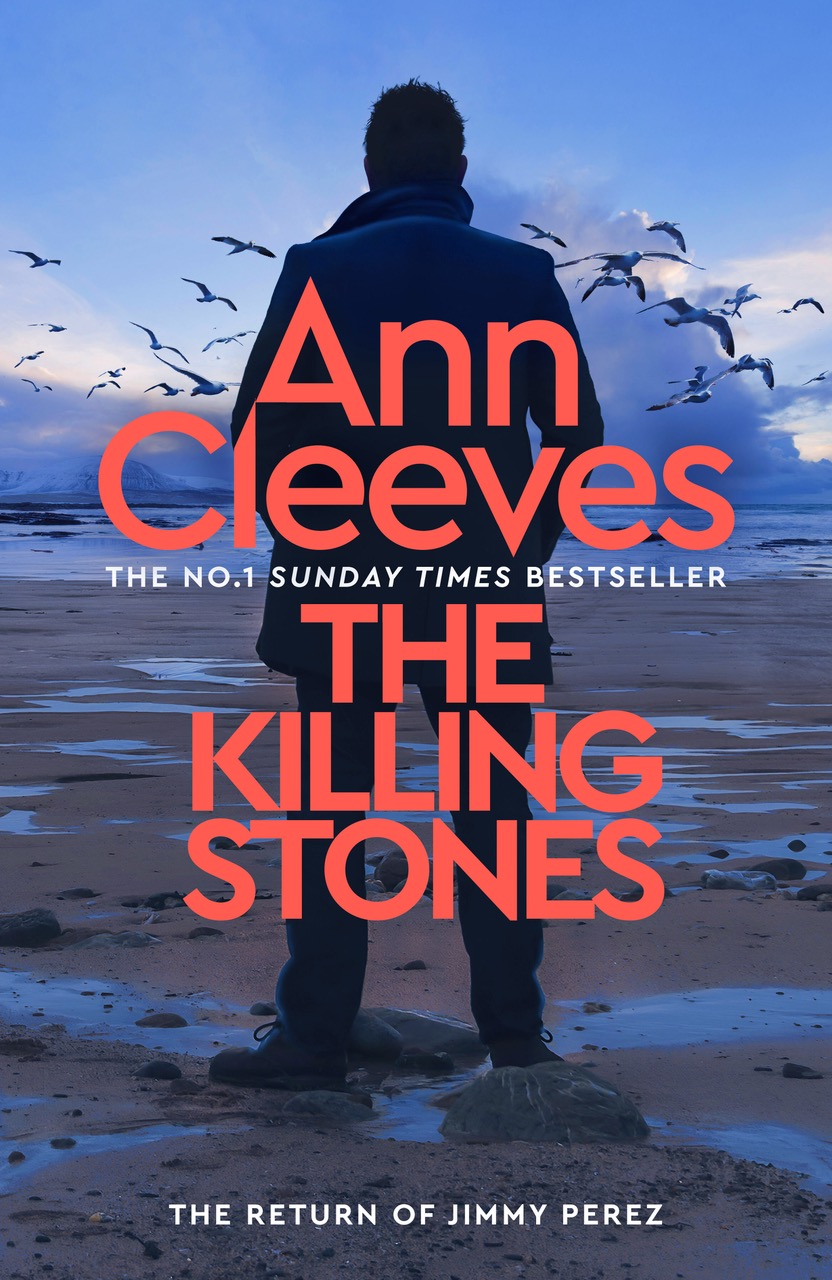
Other internationally best-selling North East authors include Whitley Bay’s Ann Cleeves whose books have been adapted into major TV shows, including ITV’s Vera and BBC’s Shetland. She’s in conversation with the award-winning broadcaster Steph McGovern, with her debut crime thriller, Deadline. Hailing from Middlesborough, Steph began her career as a producer on Radio 4 Today, before moving to BBC news and presenting her own magazine show, Channel 4’s Steph’s Packed Lunch.
This year a special Durham Book Festival commission, with support from Manchester Metropolitan University, will mark the 40th anniversary of the publication of Tony Harrison’s seminal poem, v. Poets Andrew McMillan, Malika Booker, Jo Clement, and Paul Farley will present their reimagining of the 1984 poem that explored class, anger, and Northern identity during the Miner’s Strike.
There’ll also be another Durham Book Festival commission of an exclusive dramatic live reading from author Eliza Clark’s short story collection, She’s Always Hungry, directed by Maria Crocker, followed by a Q&A with the author. Eliza grew up in Newcastle and was named one of Granta’s Best of Young British Novelists in 2023.
Fiona Hill, the Chancellor of Durham University, will discuss her new podcast series Forged in the North. Fiona is also a political advisor specialising in Russian and European affairs and from 2018 to 2019 served as deputy assistant to the President of the US. She’ll be in conversation with the Northumberland internationally bestselling author, LJ Ross, and Romani storyteller, Richard O’Neill, on how the North East forged their writing.
Cllr Lyndsey Fox, Durham County Council’s Cabinet Member for Economy and Partnerships, said: “A good book is like an adventure, transporting us to different worlds, introducing us to fascinating characters and making us laugh and cry along the way. Durham Book Festival is a celebration of the power of the written word in all its guises. It helps to spread the joy of reading among people of all ages and provides an opportunity to showcase talented writers from our own region. This year’s line-up is truly inspirational, and I hope it encourages aspiring authors, poets and journalists from County Durham to follow their dreams.
“Furthermore, Durham Book Festival helps to raise our profile as a cultural destination and boosts the local economy by attracting people into County Durham. We are incredibly proud to commission such a fantastic event.”
All this, and much much more, but let’s not forget that the festival also features a series of events for aspiring children’s book writers programmed in partnership with Children’s Books North Network and the return of the Little Read, which will see 500 free copies of North East children’s author, James Harris’ picture book, Help! We Need a Story distributed by libraries across the county.
Founded in 1990, Durham Book Festival is a Durham County Council event produced by New Writing North, with support from Durham University and Arts Council England. To book and find out more, visit www.durhambookfestival.com
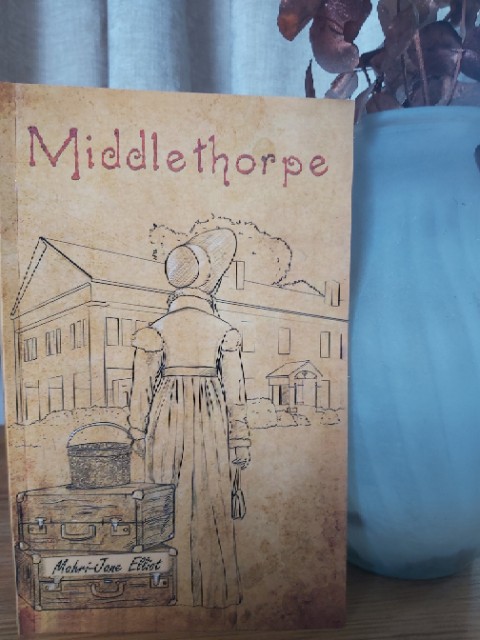
It is a truth, not universally acknowledged, that one can come across an absolute gem of a novel, or novella, in which the author tucks herself up into the world of Jane Austen with panache, and socks it to us in the most pacey style. Middlethorpe is, as Mahri-Jane Elliot says, her attempt to fill the void left by Jane Austen’s untimely death, and consequently the cessation of her novels. And does she fill it?
Written much as Jane Austen might have continued to do, I feel Elliot has a shrewd eye on today as well as yesteryear, and pursues Middlethorpe’s characters with a deep knowledge of Austen’s world: the mores of which dictated behaviour – but not necessarily the innermost thoughts. It is this depth of thinking that could, perhaps, result in the delicate manipulation of these mores into something echoing rebellion, or at least into caring little for them?
So, shall we look at the blurb, pray? Oh dear, sorry about that but one does become so absorbed…
The first duty of any female was to marry well and bear children, particularly an heir. Failure to achieve this was a cause of contempt, no one respects ‘the Old Maid’. Spinsters for life were expected to nurse their elderly relative or to care for their sibling’s children or worse still, become a governess. So when a beloved member of one’s family attempts to force spinsterhood upon another for their own ends, the wickedness is all the more wicked.
I loved the Forward, something I usually race through, in which Austen and the Bronte’s, with their harsher Yorkshire background, were not so much compared but discussed which gave great food for thought, and was, incidentally laugh aloud amusing in many places.
Then, off we jumped, into the world of correspondence, for Middlethorpe is written in the form of letters, which I confess I usually dislike. I fell, however, hook line and sinker for Middlethorpe – which from the first line, draws us into the family and the problem it apparently faces on two levels: the safety of the brother, and the problem of Athena, the spinster eldest daughter. From the start this novella absorbs, amuses, emotionally moves. Always written in the vogue of Austen it is sufficiently modern to be relatable, thankfully wryly amusing at one minute, at others laugh aloud –As an example, ‘from a brother to a sister, about an unmarried fairly independent sister. ‘Pretty her up and tell her to keep her mouth shut and simper a bit…’
Underpinning everything, though, is an evocation of heartache, of unfairness, and importantly a sense of betrayal as regards the family’s and society’s attitudes (I should think so) to single women. What, therefore, is Athena expected to do, but attempt to be useful in some capacity? Babysitting an elderly relative, becoming a governess, slipping around a sister’s family, essentially being invisible. Oh, the humiliation, the pain, the lack of hope… Unless of course, this particular spinster has a core, in which lurks incipient rebellion, determination… And unless the elderly relative she toddles off to ‘care for’ has a similar core… Unless a younger sister stays in support…
Will there be love? Will there be acknowledgement of her value? Will there be further betrayal…? Well, read Middlethorpe, you simply must. Bravo Mahrie-Jane Elliot. I just loved it. Ate it in one bite – well, you know what I mean.
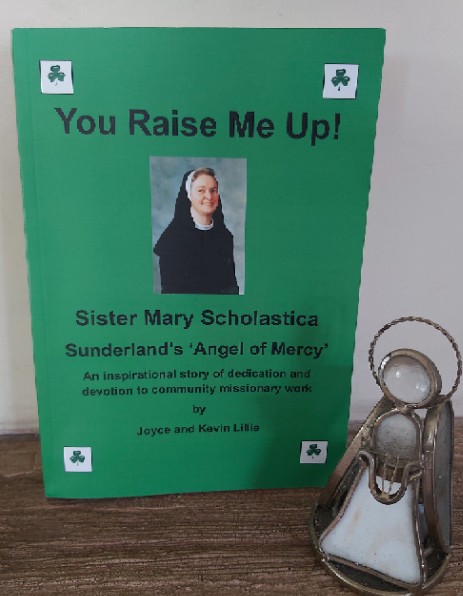
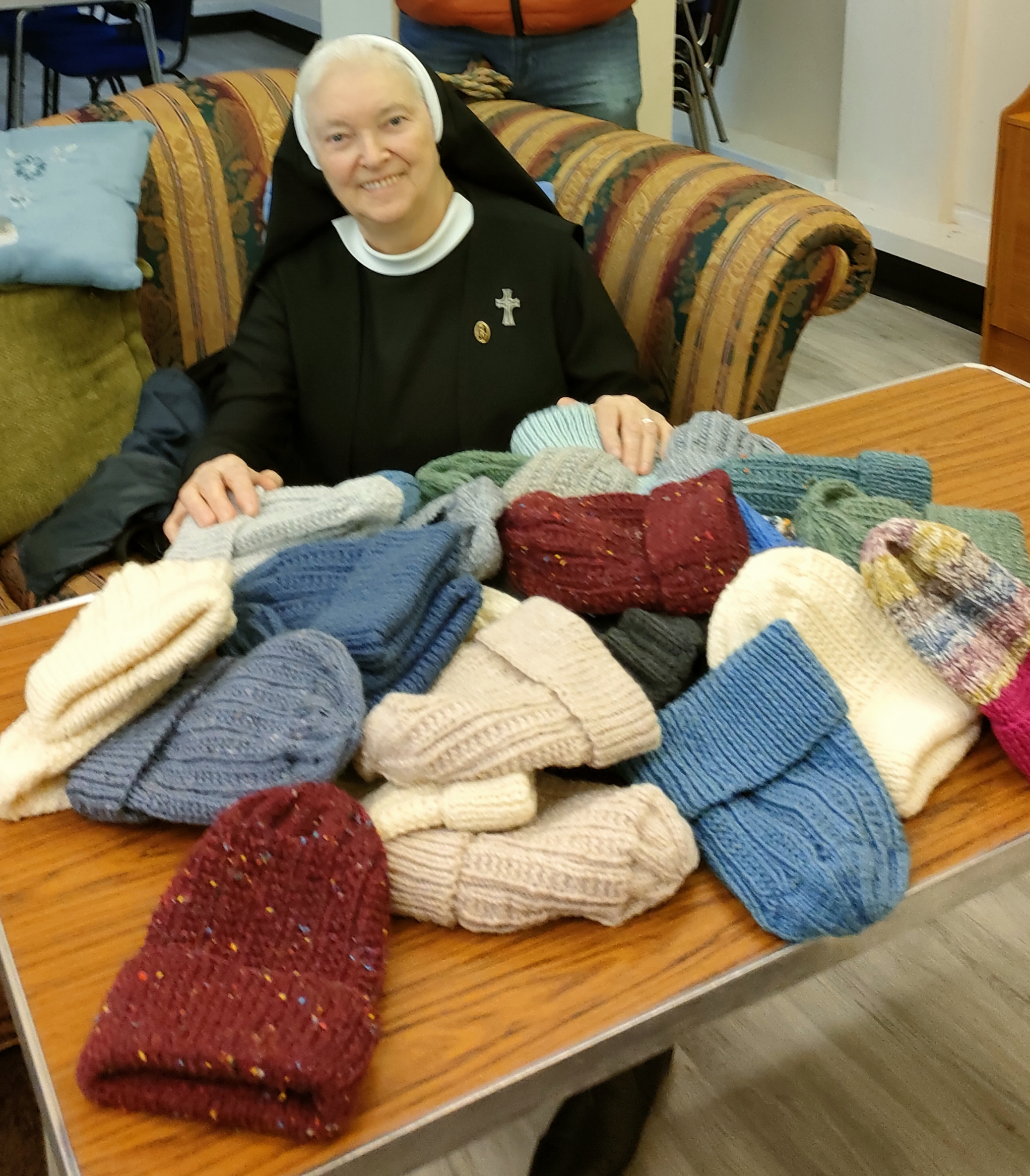
In You Raise Me Up!, Joyce and Kevin Lillie present a warm, deeply personal portrait of Sister Mary Scholastica—born Mary Nolan on 18 May 1940 in the rural town of Gort, County Galway, Ireland—and her life of devotion to the poor, the sick, and especially to seafarers in the industrial port city of Sunderland, England. Drawing on a rich tapestry of firsthand reports, media archives, personal letters, and the subject’s own reflections, the book tells the story of a woman who quietly transformed her community through decades of unwavering service.
The early chapters trace Sister Mary’s upbringing on a small Irish farm steeped in faith and family prayer, setting the tone for her eventual religious vocation. At 17, she entered the Convent of the Sisters of Mercy in Sunderland, moving far from home to embrace a life that was, as she put it, “lonely… away from family and friends.” Despite the austerity of convent life—marked by little heating and frugal conditions—Sister Mary found her strength in obedience, humility, and her calling to serve.
The book comes alive as it recounts Sister Mary’s decision in 2004 to take over the mission to seafarers in Sunderland, after Peter Barragan, then the port chaplain, found himself without support. With determination and prayer, Sister Mary stepped into leadership. The local council made a building, ‘Westhouse’, available as a seafarers’ centre, though it needed significant work. With help from friends, she cleaned and restored the space, eventually transforming it into a hub of welcome, free internet, refreshments, donated clothing, and pastoral care. Her ethos was shaped by the Sisters of Mercy foundress Catherine McAuley: “The poor need help today, not next week.”
The middle chapters draw heavily on Sister Mary’s annual reports and media profiles, including her appearance on BBC Two’s Sea Cities – Sunderland in 2018. These sections vividly illustrate her tireless daily rhythm—ship visits, long hours at the centre, coordination with national welfare networks, and fundraising events—all done with grace and energy. She recognized services like internet access for modern seafarers and adjusted her mission accordingly, helping mariners reconnect with their families and feel at home, if only for a moment. Like other seafarers’ missions, work during the COVID-19 pandemic was especially meaningful and intense.
Notably, the book resists presenting Sister Mary as a solitary hero. Though her name is central, her own reflections and the authors’ framing repeatedly stress the collective nature of the work. The final chapters contain tributes from fellow Sisters, priests, seafarers, and volunteers, underlining that such ministry is built not only on compassion but also collaboration. The proceeds from the book go to The “Friends of Sunderland Seamen’s Mission,” further reinforcing that this is not just a retrospective but an ongoing story of care.
You Raise Me Up! does not pretend to be scholarly history, but its documentary quality—gathering clippings, reports, and correspondence—makes it a valuable resource in its own right. The narrative offers insight into the rhythms and realities of contemporary port chaplaincy, highlighting both the mundane and miraculous aspects of the work. While Sister Mary’s path may be unique, the book offers inspiration for anyone committed to seafarers’ welfare, showing how a life of ordinary faithfulness can quietly echo with extraordinary impact.
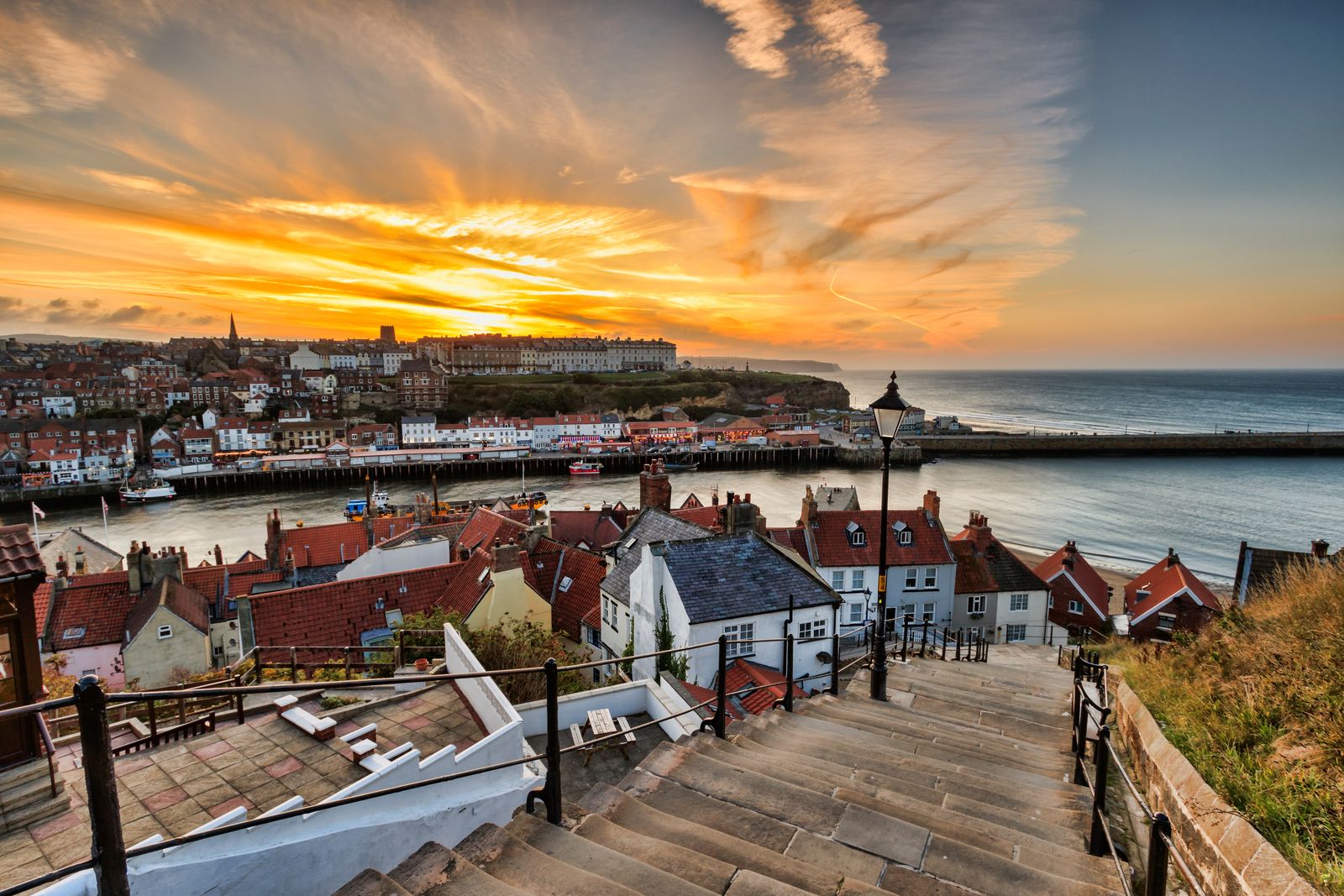
A celebrated playwright, a national treasure, and a host of bestselling authors and household names take part in the first ever Whitby Lit Fest. Stand by for more than 50 authors chatting in venues across the coastal town from Thursday 6 to Sunday 9 November. Tickets go on sale 5 August and are available at the official website Whitby Lit Fest – Inspired by and Celebrating Whitby
Whitby Lit Fest celebrates storytelling in all its forms—bringing together authors, playwrights, poets, and readers for a long weekend of events, conversations, and performances.
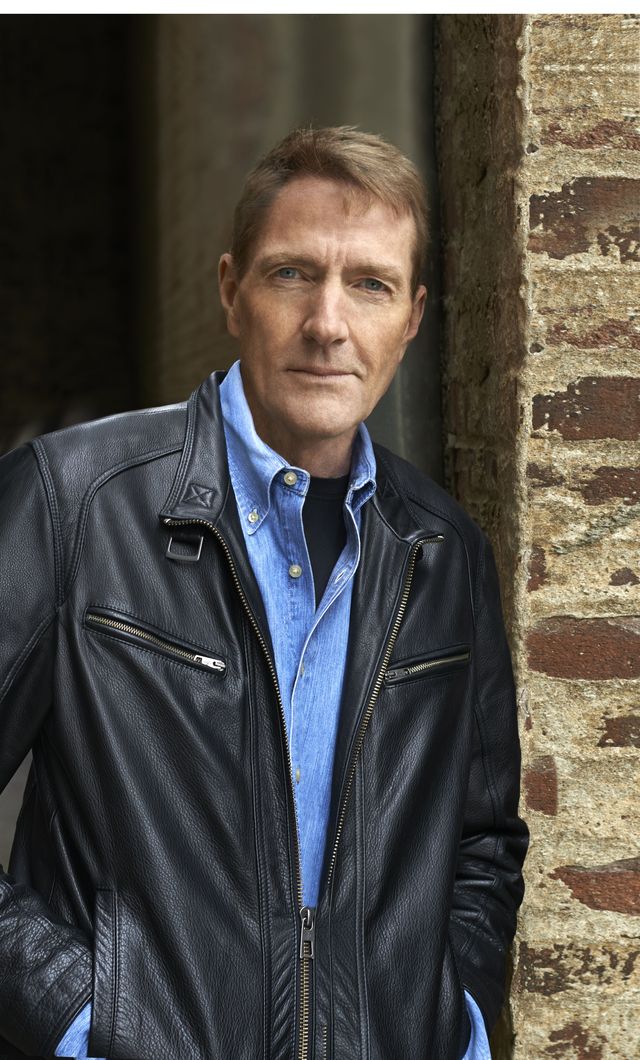
The crime writing icon Lee Child will discuss his 30th Jack Reacher book, Exit Strategy as well as his first book of autobiographical essays, Reacher: The Stories Behind the Stories. He’ll be in conversation with the author, barrister and TV personality, Rob Rinder. The Sunday Times No.1 bestselling author has a series of novels inspired by his experiences as a barrister: The Trial, The Suspect and The Protest. Sir Alan Ayckbourn will be interviewed by Whitby Lit Fest patron, author and former BBC Radio 4 producer, Kate Fenton. One of Britain’s most celebrated playwrights, Sir Alan has a special connection with the coast, as the former Artistic Director of the Stephen Joseph Theatre in Scarborough. The Olivier and Tony Award winning playwright promises a funny, insightful glimpse into his craft.
National treasure Miriam Margolyes will bring her latest book The Little Book of Miriam to Whitby. The celebrated BAFTA-winning actress and Charles Dickens’ afficionado will be in conversation with the writer and historian, Lucinda Hawksley, Charles Dickens great, great, great granddaughter. Lucinda will also host an author talk and dinner at The White Horse and Griffin, the original coaching inn where Dickens stayed whilst visiting Whitby.
Steph McGovern will discuss her debut crime thriller, Deadline with the CWA Dagger-award winning author, Anna Mazzola. Hailing from Middlesborough, Steph began her career as a producer on Radio 4 Today, before moving to BBC news, and presenting her own magazine show, Ch4’s Steph’s Packed Lunch. The former Blue Peter presenter – Scream Queen Yvette Fielding will talk about her experiences on TV’s Most Haunted, as well as hosting a bespoke children’s event on her new book set in Whitby – The Vampire of Whitby.
Whitby also welcomes the literary phenomenon, Shaun Usher, whose book Letters of Note not only became a huge bestseller, it evolved into Letters Live featuring A-list actors reading out the letters on iconic stages in London, New York, LA, and Venice. Whitby is his next stop. He’ll be discussing his new book, Diaries of Note 366 Lives, One Day at a Time.
One of the UK’s most original voices on nature, North Yorkshire’s Rob Cowen, will talk about his highly acclaimed, genre-defying book, The North Road. Rob will be in conversation with Jenn Ashworth, whose memoir, The Parallel Path follows her transformative walk along the Wainwright coast-to-coast path.
A mini-crime wave hits Whitby as Belinda Bauer discusses her literary thriller, The Impossible Thing, an extraordinary tale of stolen rare bird eggs with a talk hosted in the backdrop of Whitby Museum’s rare egg collection. She’ll be in conversation with Leeds author Steve Mosby (writing as Alex North). His book The Whisper Man, has been adapted for Netflix starring Robert de Niro. Steve will be discussing his latest, The Man Made of Smoke.
Two of the hottest award-winning crime writers, Abir Mukherjee and Vaseem Khan, will also be in conversation discussing their new thrilling books, The Burning Grounds and Quantum of Menace. The festival asks big questions with author James Bailey’s The Meaning of Life: Letters from Extraordinary People and their Answer to Life’s Biggest Question. The psychotherapist Joshua Fletcher brings his entertaining and enlightening insights into therapy with his book, And How Does That Make You Feel? Everything you (n)ever wanted to know about therapy.
A number of books set in Whitby will be celebrated at the festival.
Whitby takes centre stage with Paul Magrs’ Brenda and Effie Mystery series of supernatural books. Optioned for TV, Paul will be in conversation about the books – and Whitby – as a location, with the TV producer, Barry Ryan, from Free@Last TV. Local authors include Amanda Mason, who was born and brough up in Whitby, with her chilling ghost story, The Hiding Place. Jo Moseley and Sara Barnes talk of the transformative power of nature and how we can find adventure and joy in later life. Scarborough’s Rowan Coleman leads a panel on romance fiction, with Jess Kitching, presenting their latest blissfully escapist books.
The festival will also celebrate the town’s incredible literary legacy. Rebeka Russell, who runs the publishing imprint Manderley Press will discuss her 2026 release, Storm Jameson’s Whitby-inspired novel The Moon is Making. New Writing North records their Working Class Library podcast in front of a live audience, with author and editor Richard Benson (The Farm, The Valley) and special guest author, Adelle Stripe (Basenotes).
There will also be book-inspired folk music with Between the Covers from former bookseller Paul Armfield and a musical afternoon of traditional ballads led by Sunday Times bestselling author, Amy Jeffs (Storyland, Wild). Other events include a celebration of the BBC’s Shipping Forecast, which celebrates its 100th anniversary with Kathy Biggs (Attention All Shipping) and Rob Stepney, (Good Occasionally Rhyming), and a look at the forgotten women in history with authors Anna Mazzola, Liz Hyder, and Donna Moore.
They’ll also be an exploration of the Mitford sisters with Rob Rinder and Leticia Lentini, owner of Whitby’s The Crow Emporium, who will be joined by some very special guests – relatives of the Mitford clan. Ann Dinsdale from the Bronte Society presents Let Me In: The Brontes in Bricks and Mortar with writer Sharon Wright and journalist, Julie Akhurst. And the investigative journalist Rose George presents Every Last Fish, her explosive expose of the fishing industry’s misdeeds.
The festival will also run a series of events for children and young people, including author talks and creative workshops. It welcomes the bestselling and award-winning children’s author, Emma Carroll, among others, who fittingly brings her brand-new book Dracula’s Daughters to Whitby. There will be a poetry and short story writing competition for local children, supported by The National Literacy Trust. A poetry strand also features, with a focus on local East Coast and North Yorkshire talent, including Wendy Pratt, Bob Beagrie, Harry Gallagher, and many more.
Lois Kirtlan, Committee Chair of the Whitby Lit Fest, said: “From the haunting ruins of Whitby Abbey to its rich history of storytelling, Whitby is ripe for its own literary festival. The coastal town is famed for its dramatic coastline, gothic heritage, and literary ties to Bram Stoker’s Dracula. It’s a fitting backdrop to inspire authors and book lovers alike. We’re really proud of the incredible line-up we’ve secured for the inaugural festival, and can’t wait to give everyone a warm Whitby welcome. Autumn is a beautiful time of year to experience Whitby, and there can’t be anything better than escaping to the seaside with the promise of a good book, fish and chips, and to meet like-minds.” https://whitbylitfest.org.uk/
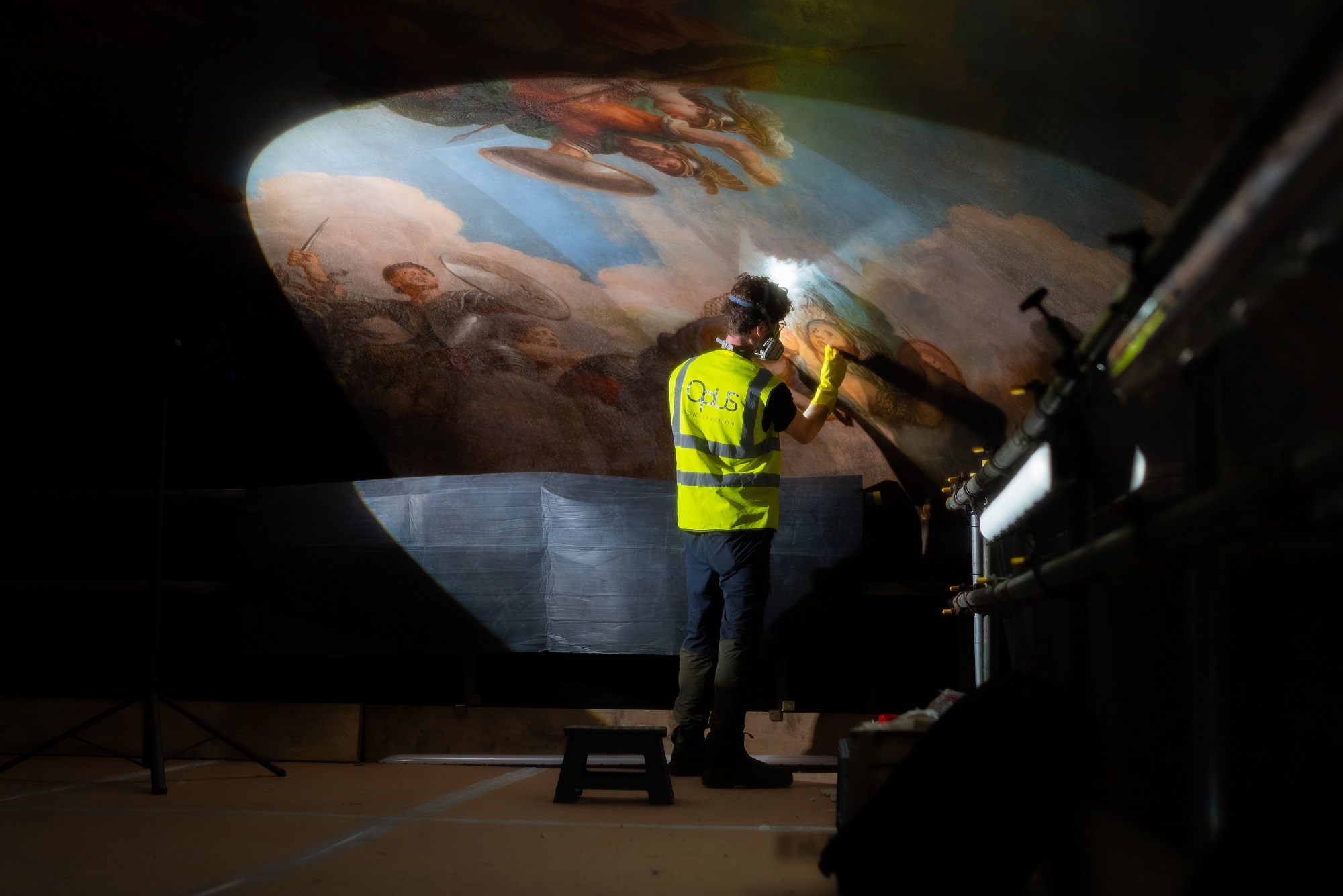
Blenheim Palace Heritage Foundation has announced the launch of a major £1 million conservation project focused on the restoration of its iconic Saloon and Great Hall paintings.
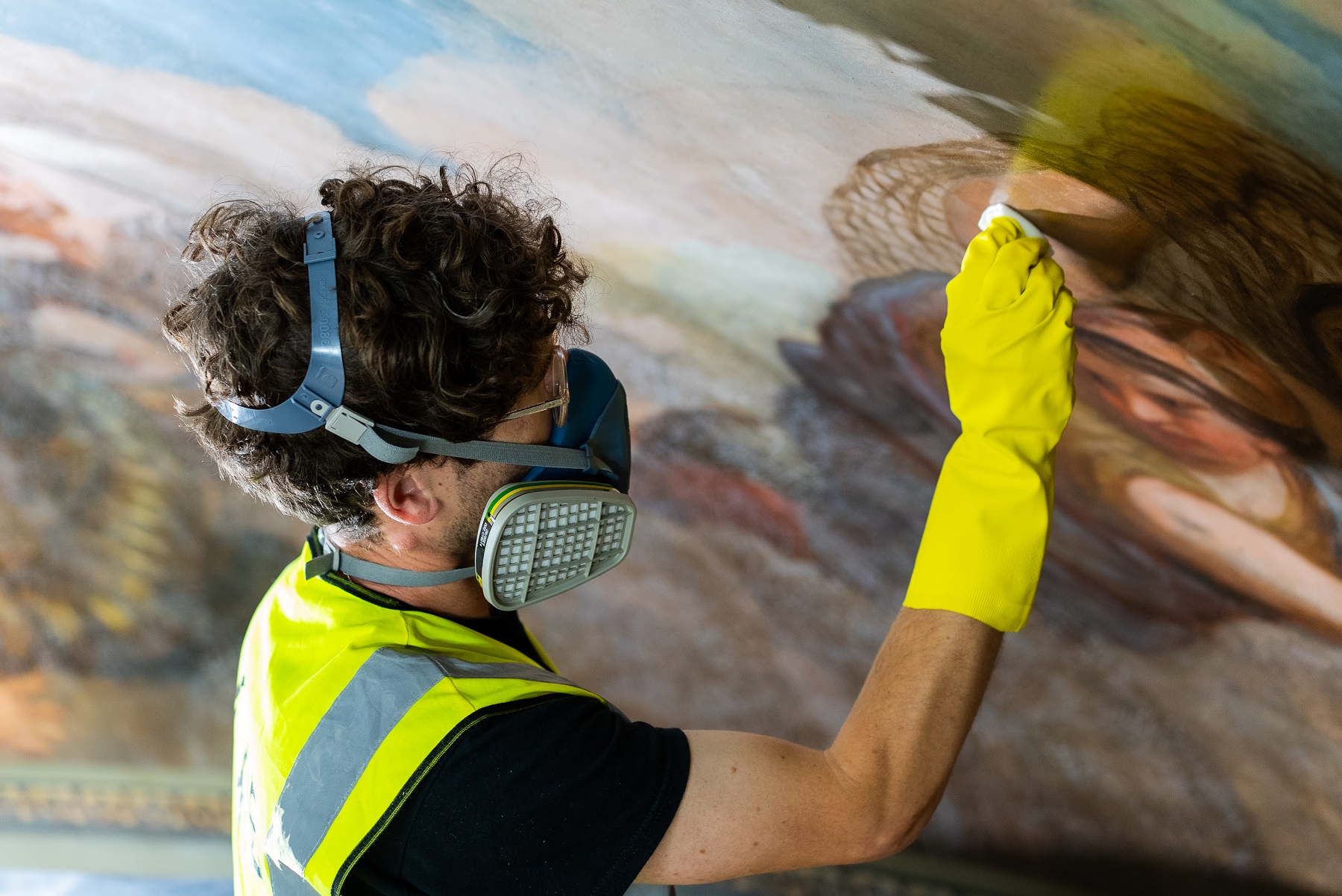
The year-long programme, led by OPUS Conservation, marks a significant investment in the conservation of the World Heritage Site’s most architecturally and artistically significant interiors.
The project is generously funded by The National Lottery Heritage Fund and The Blenheim Foundation, and will bring together a unique collaboration of expert conservators, academics, and heritage professionals. It will also serve as a hub for learning and research, with contributions from the Tate, The Courtauld Institute of Art, and the University of Oxford.
The painting conservation work will run alongside the monumental £12 million roof restoration project – the most ambitious undertaking in the history of Britain’s Greatest Palace. A combination of age, climate change and penetration from rainfall have led to the declining state of the roof, attic timbers and ceilings below. The priceless artworks in the Saloon and Great Hall are at risk of being lost forever if the work is not carried out. The artworks which are central to the painting conservation project include The Great Hall ceiling painting by Sir James Thornhill, and Louis Laguerre’s paintings of the Battle of Blenheim in The Saloon.
“This is a pivotal moment for Blenheim Palace,” said Kelly O’Driscoll, Head of Built Heritage at Blenheim Palace. “The Saloon and Great Hall are not only central to the Palace’s story, but also to the experience of the hundreds of thousands of visitors we welcome each year. This project will ensure they are protected while opening up new opportunities for learning, research, and public engagement.”
The conservation work also will include detailed analysis and trials, and provide a platform for academic study and hands-on training for the next generation of heritage professionals.
Lizzie Woolley, Director of OPUS Conservation, commented: “We are honoured to be entrusted with this extraordinary project. The Saloon and The Great Hall are masterpieces of Baroque wall painting, and we look forward to working closely with Blenheim Palace and our academic partners to ensure their best treatment and long-term care.”
Stuart McLeod, Director of England – London & South at The National Lottery Heritage Fund, said: “We’re proud to support this vital conservation work at Blenheim Palace, which will help protect some of the UK’s most significant Baroque artworks for generations to come. Thanks to National Lottery players, this project will not only restore these historic paintings, but also create inspiring opportunities for visitors to learn, engage, and connect more deeply with our shared heritage.”
Work has begun this summer, with regular updates and behind-the-scenes insights to be shared with the public throughout the year.
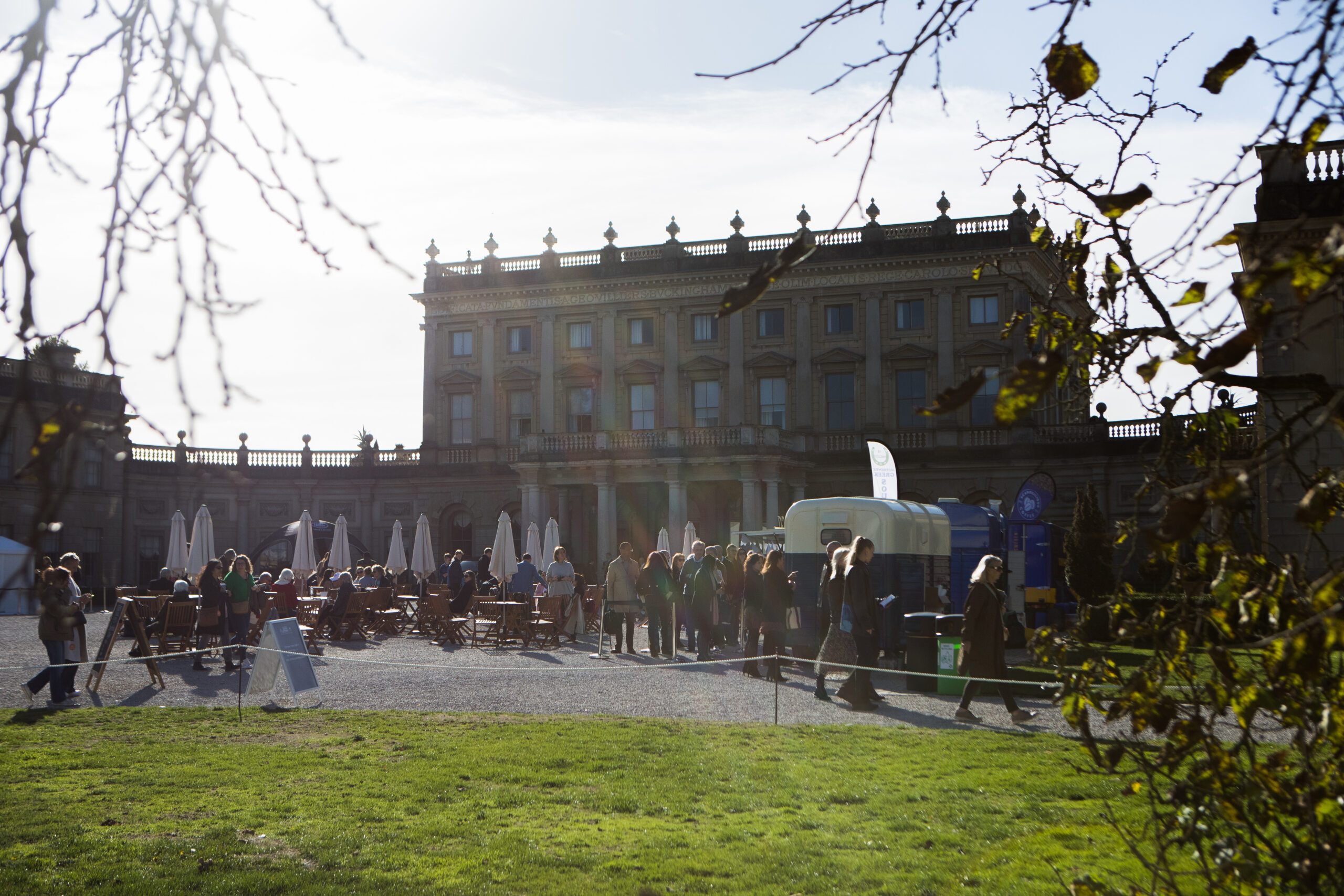
Returning for its eighth year, the festival is a unique forum for lively discussion, thought-provoking ideas, and political debate. Last year Elif Shatak described the festival as a cultural space we leave ‘feeling much more nurtured, nourished and inspired‘.
Rachel Eliza Griffiths said, ‘the setting of Cliveden… is a kind of mirror of the beauty that I find in books’.
The 2024 programme featured: Salman Rushdie, Rachel Weisz, William Boyd, Ian McEwan, Tom Holland, Emily Maitlis, John Banville, Neil Jordan, Robert Harris, Patrick Radden Keefe, Niall Ferguson, Elif Shafak, Helen Castor, Dan Jones, William Dalrymple, Alex Younger, Michael Gove, Merve Emre, Nicole Taylor, and many more. Soon we will know this year’s line up. So exciting.
Cliveden Literary Festival is run by a committee of authors and historians – Andrew Roberts, Natalie Livingstone, Catherine Ostler and Simon Sebag Montefiore – drawing on Cliveden House’s unique history as a literary salon frequented by writers and thinkers including Alexander Pope, Alfred Lord Tennyson, George Bernard Shaw, Jonathan Swift and Sir Winston Churchill.
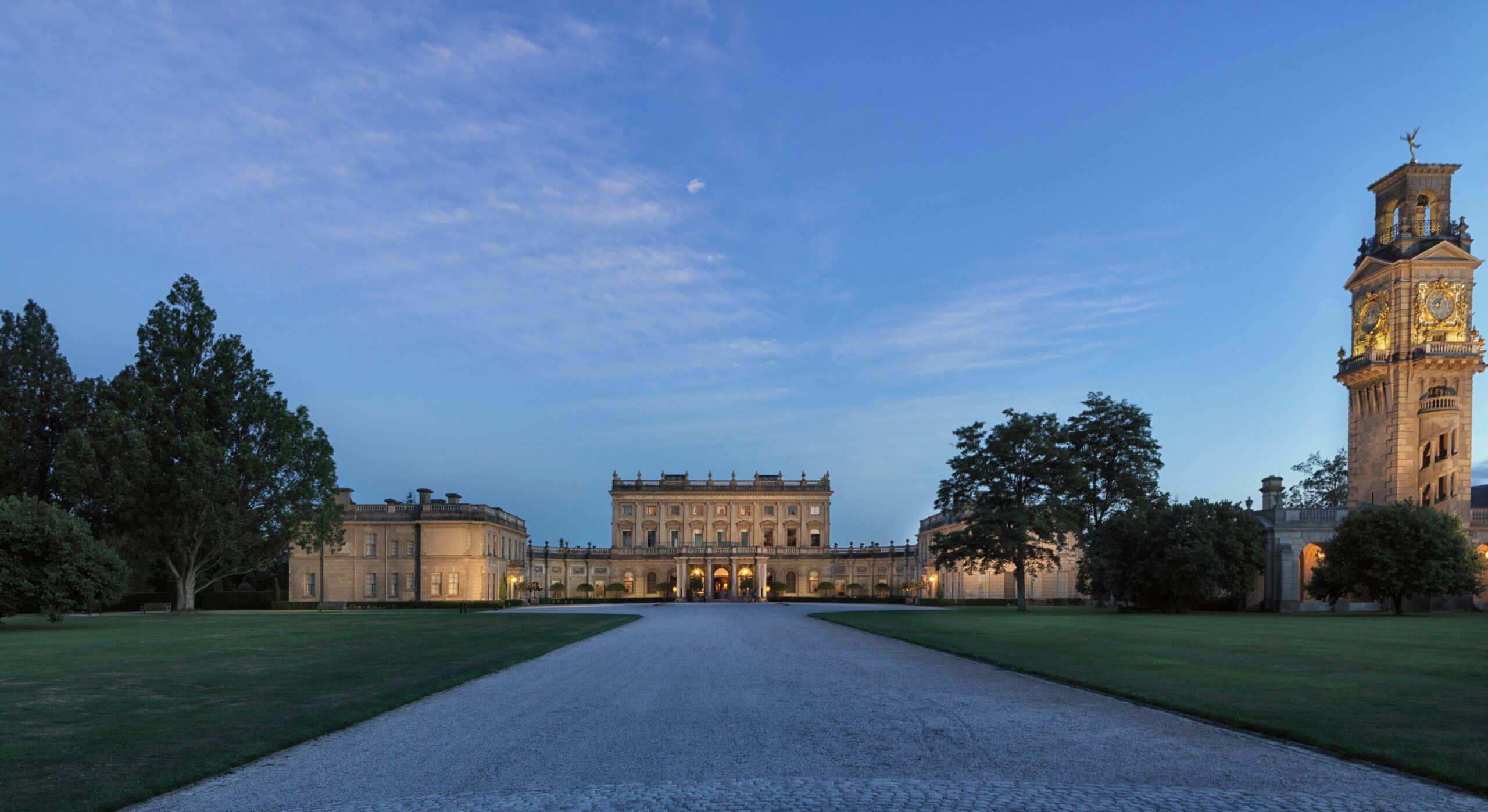
Cliveden Literary Festival is well entrenched in the ‘Literary Festival experience’ after launching in 2017. It continues the rich literary heritage of Cliveden House, which has inspired writers and thinkers from Alexander Pope, Alfred Lord Tennyson, George Bernard Shaw and Jonathan Swift to Sir Winston Churchill. Cliveden’s unique setting, architecture and interiors are matched only by the palpable sense of history that infuses its walls: for over 350 years the house has been dedicated to the pursuit of pleasure, power and politics. Built in 1666 by the 2nd Duke of Buckingham as a gift to his mistress, Cliveden from its first incarnation was a site of intrigue and glamour – good heavens, one so wants to know more.
Perhaps you’ll find out when tickets will go on sale in July 2025, and you can go and investigate in October. Why not sign up to the Cliveden Literary Festival newsletter and follow on Twitter and Instagram to be notified when tickets go on sale.
Additionally, visitors to Cliveden Literary Festival will also have the opportunity to explore the beautiful National Trust gardens and enjoy scenic walks down to the River Thames. Cliveden House, operated by the Iconic Luxury Hotel group, has been awarded a Forbes Travel Guide Star Award, and Condé Nast Johansens Award for Excellence.
www.clivedenliteraryfestival.org • @ClivedenLitFest on Twitter and #ClivedenLitFest on Twitter and Instagram for further updates
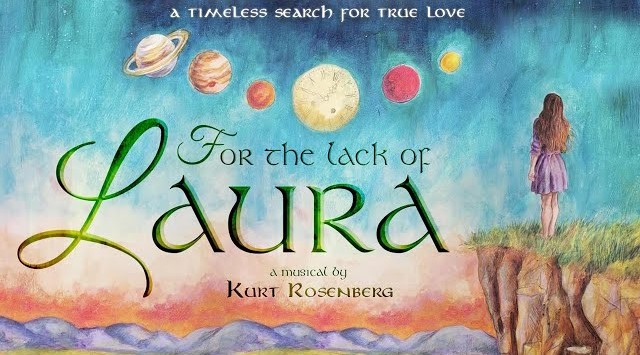
The Shaw Theatre is such a lovely space – and it has a marvellous history. So it was a pleasure to pop down and be entertained by the visions of Kurt Rosenberg. For The Lack Of Laura has been 25 years in the making. It still has a few years to go yet…
A wonderful cast of 16 performers, plus a live 12-piece orchestra (many of whom are hidden behind the set) do their utmost with the material. But they do struggle at times.
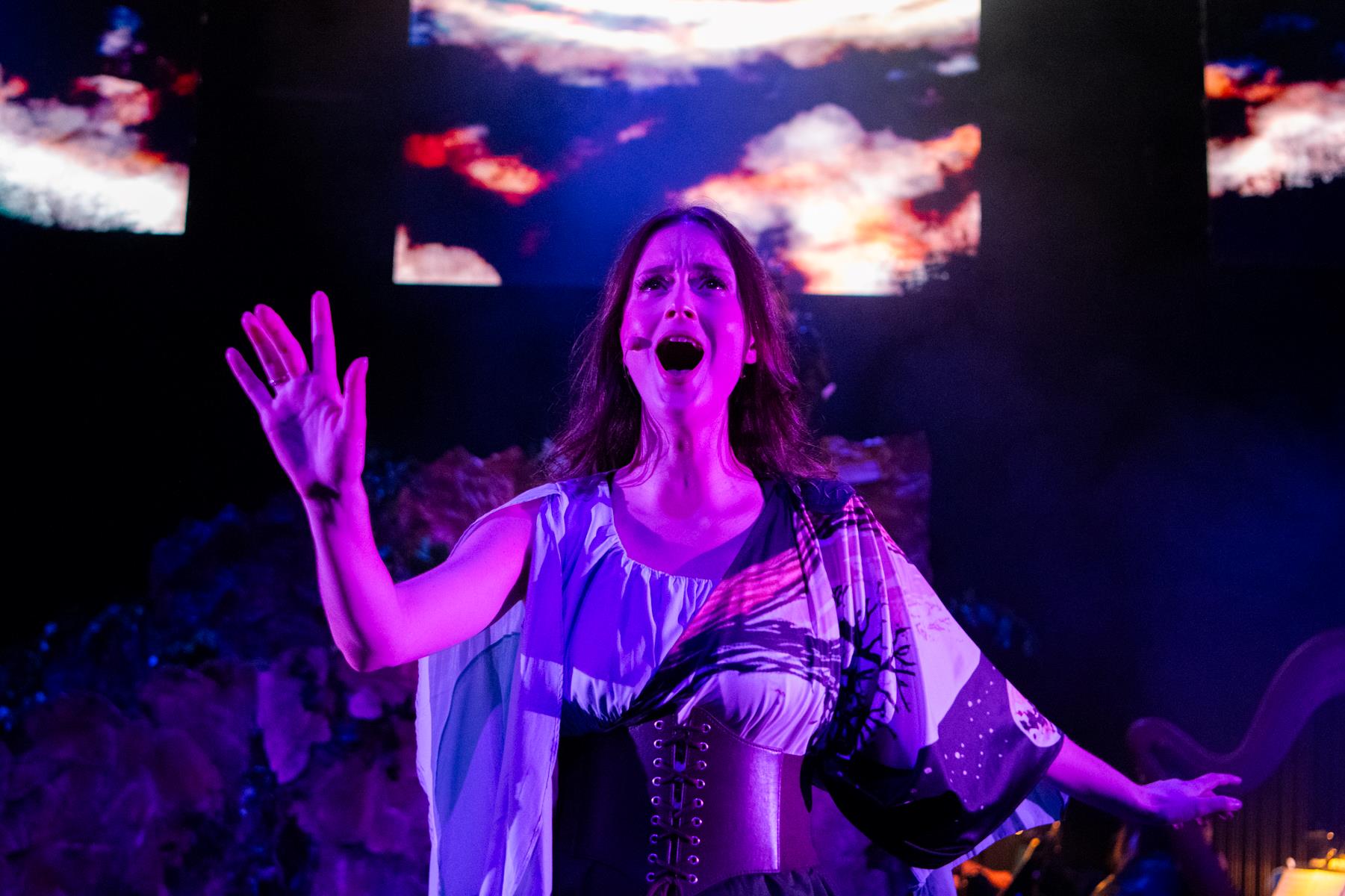
[Jane Patterson as Laura]
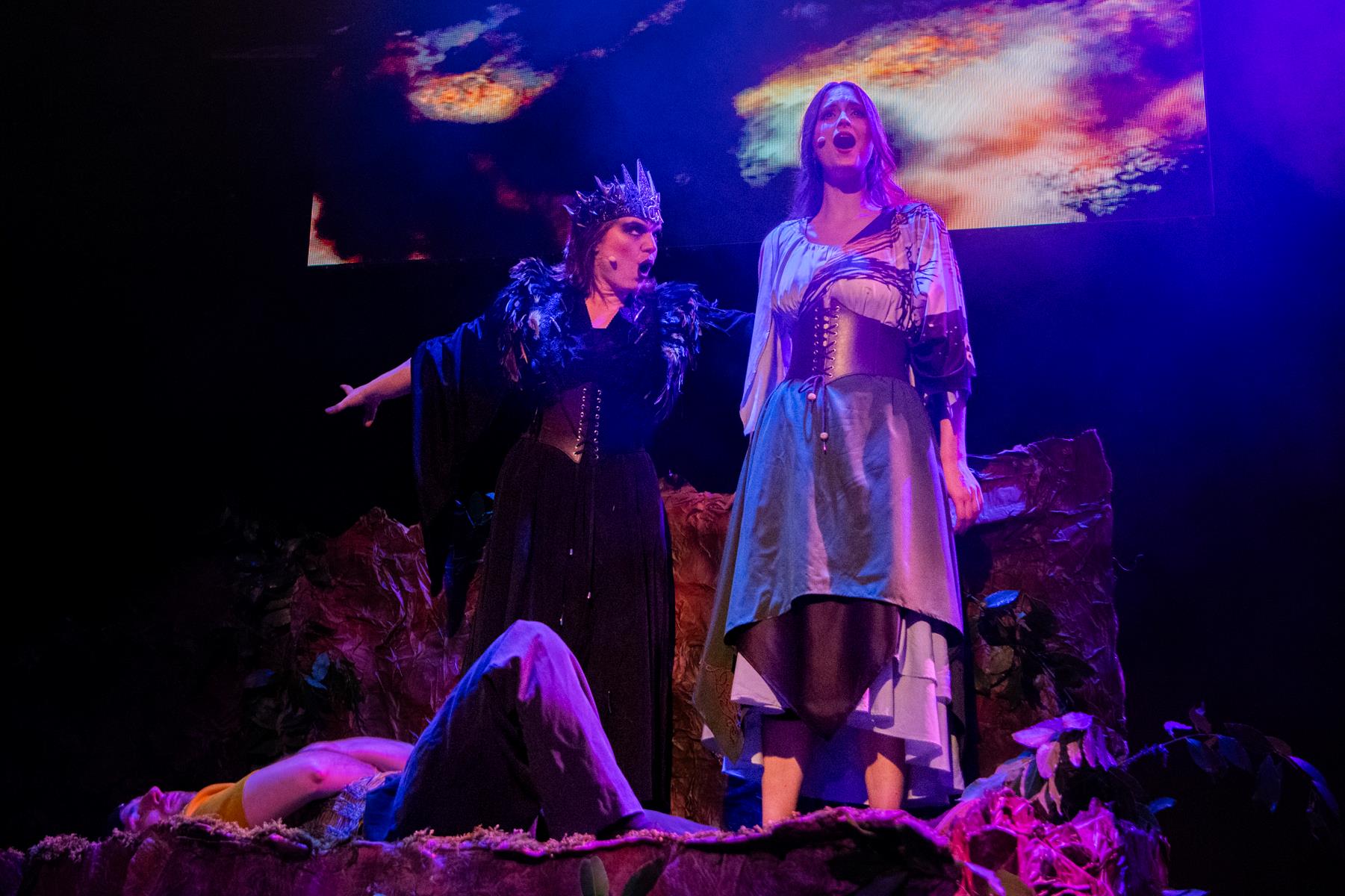
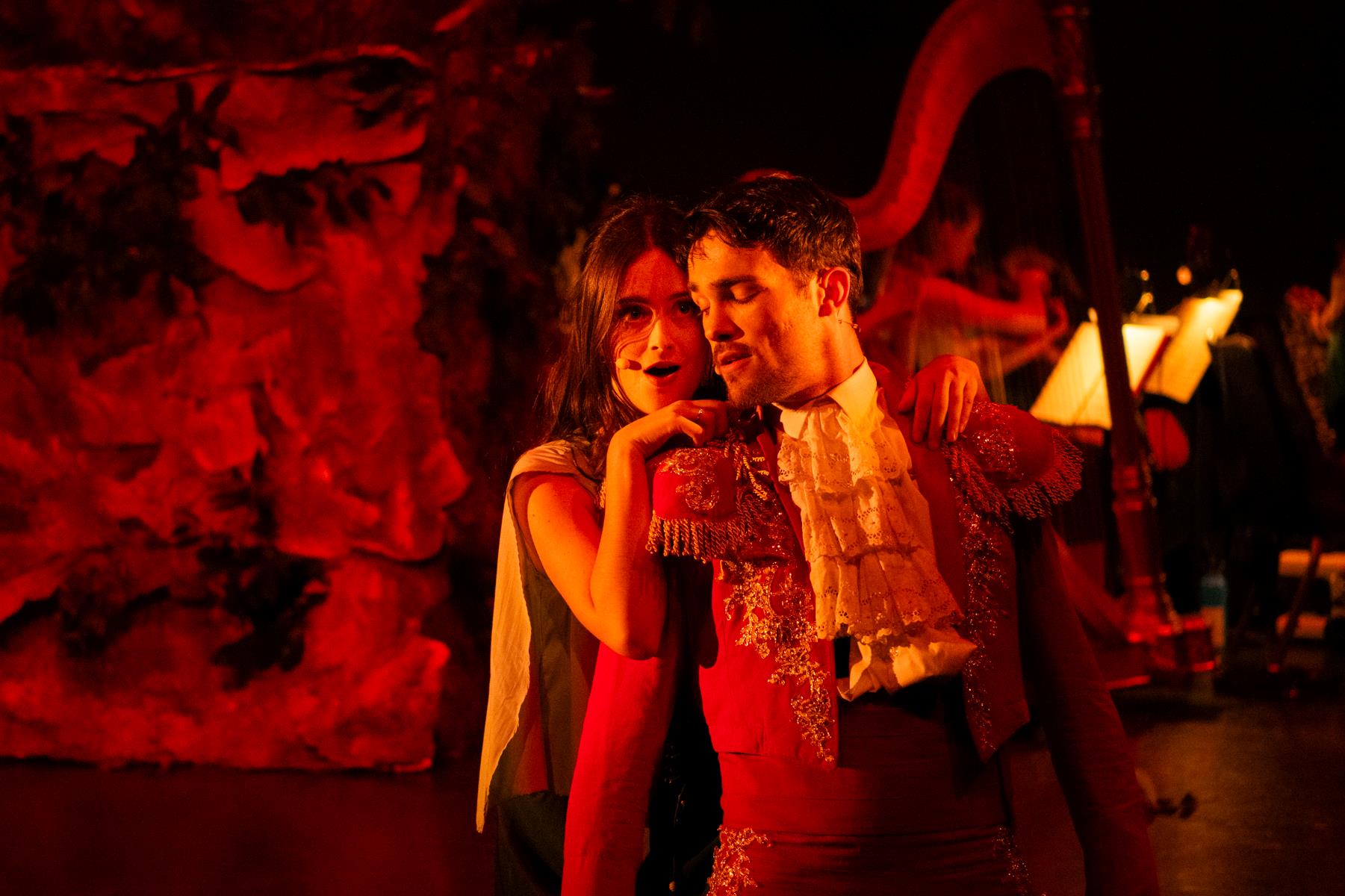
Laura, a pompously annoying young Irish heroine (think Alice while she’s in Wonderland), bizarrely accepts an immortality bargain from Gwendolethe, who is an evil sorceress. The bargain allows Laura to travel through time and space where she meets five different potential suitors as she seeks true love: a matador, a vicar, a ballet dancer, an impressionist painter and a playwright. Who will she choose – will there be a happy ending?
Personally, I’m not quite sure what the stakes are in the bargain. The sorceress doesn’t appear to gain anything except, perhaps, a part in next year’s panto as a worthy villain.
[Mo Lombardo as Gwendolethe, with Laura]
The songs (all 26 of them!) come and go, some better than others. None memorable enough to leave the audience humming as they leave. Too many scene changes unfortunately create a clunky stop-start judder, like a misfiring limousine. For there is quality here. The singing, the music, the bravery in the vision. But I think director Luke Morgan struggles to keep the show moving through all its genres. The overall air is that of a community play where everyone is doing their best, but excellence is just beyond them through no fault of their own.
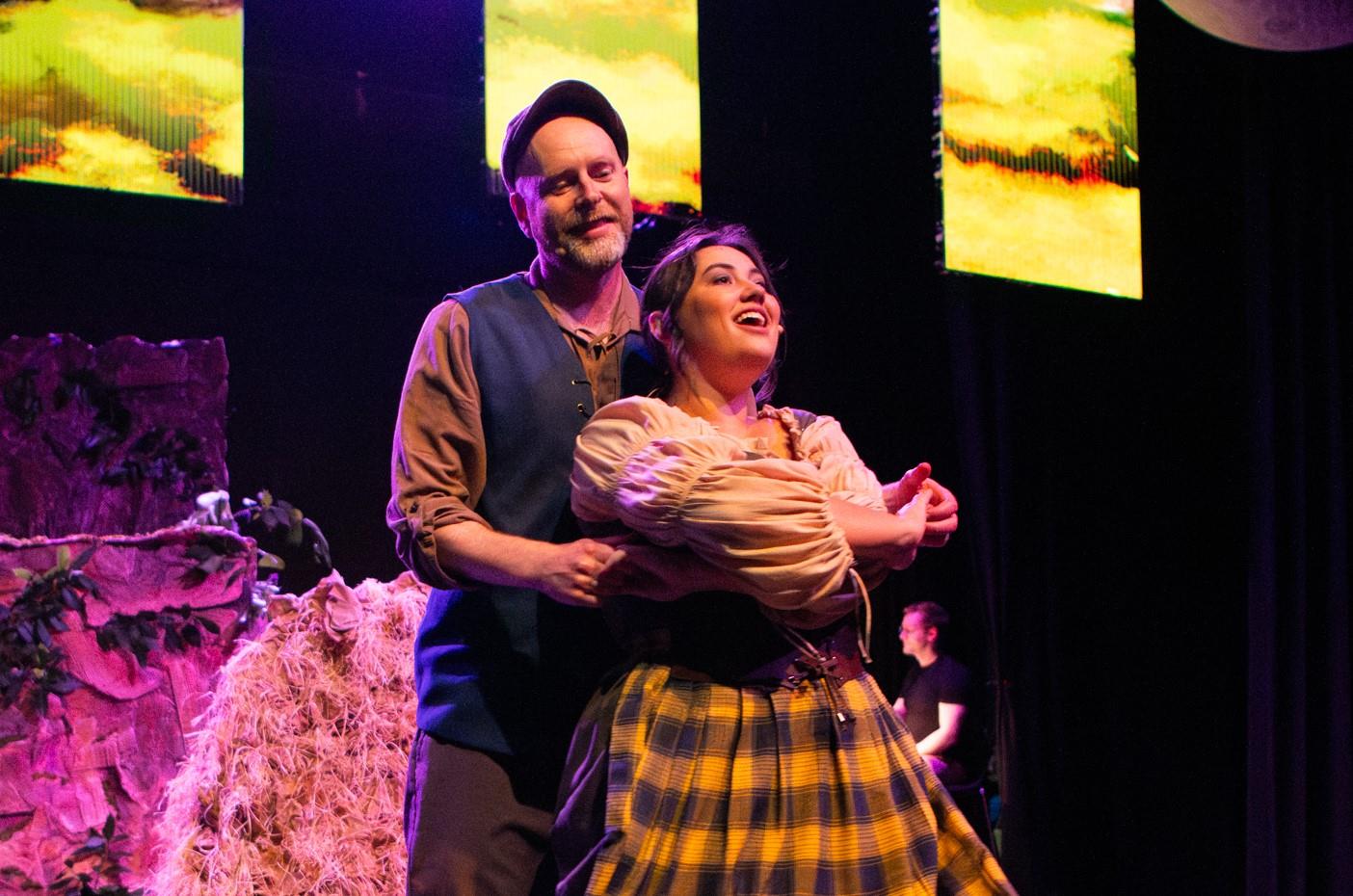
[Patrick with Maggie – played by Brian May and Emma Daly]
There is so much to like, though. The staging (perhaps with too much reliance on the digital screens) is imaginative and playful. For me, Allan the vicar and Salvador the matador (Lenny Turner and Keith Hanley respectively) get to grips with the difficult material. A subplot involving the romance between two villagers, Maggie (played by Emma Daly) and Patrick (Brian May), is so sweet, it’s wonderful.
[Laura with Salvador – played by Keith Hanley]
For The Lack Of Laura is a show that is so nearly very good. I hope its journey continues and it carries on growing in confidence.
Photography Brigid Vinnell Director Luke Morgan Musical Director Jake Morgan Choreographer Declan J Gardiner Production Design Kin San Pedro Creator, Composer Kurt Rosenberg & Writer
Venue Shaw Theatre, 110 Euston Road, London NW1 2AJ Until Saturday 2nd August 2025Tickets £29 (£24 conc) from www.shaw-theatre.com Tel: 020 7666 9037
Showtimes 7.30pm daily (no shows on 28th and 29th July) Running Time 140 minutes – inc interval Ages Suitable 10+ Instagram @forthelackoflaura Facebook #ForTheLackOfLaura Website www.forthelackoflaura.com
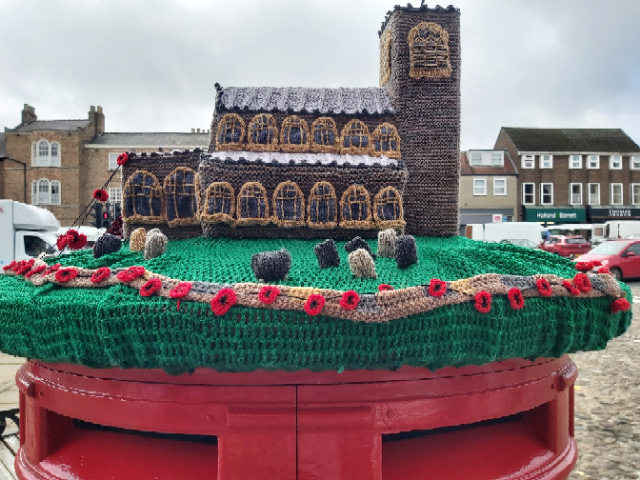
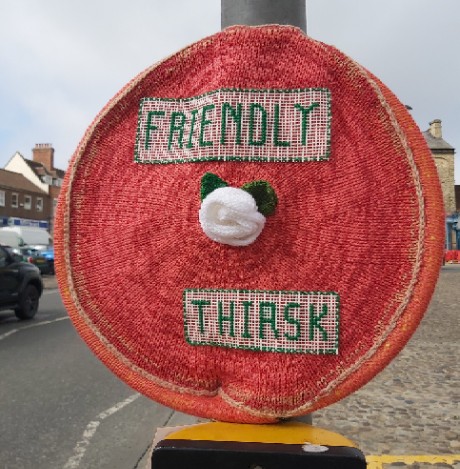
You see before you St Mary’s, in the Yarnbombers appreciation of Thirsk. And why not, after all Thirsk – mentioned in the Domesday Book – is the most friendly and wonderful community.
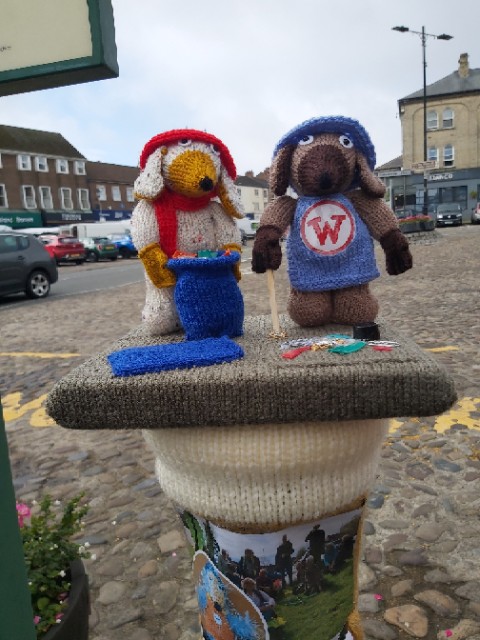
Not only is it friendly, but the groups who keep the whole show on the road are endlessly busy and productive, just like the Yarnbombers. Here are just a few displayed by the Yarnbombers. We have Wombles, yes we do, who nip about, keeping Thirsk tidy.
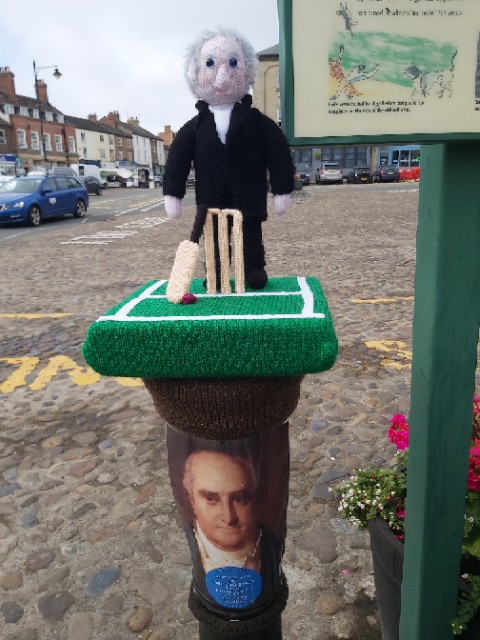
We have famous people, oh yes we do. Thomas Lord the founder of Lord’s Cricket Ground was born where the Museum is. This is almost opposite the house where Alf Wight (James Herriot) lived, and worked as a vet. Oh yes he did and which is now known at The World of James Herriot, which you can visit and learn more.
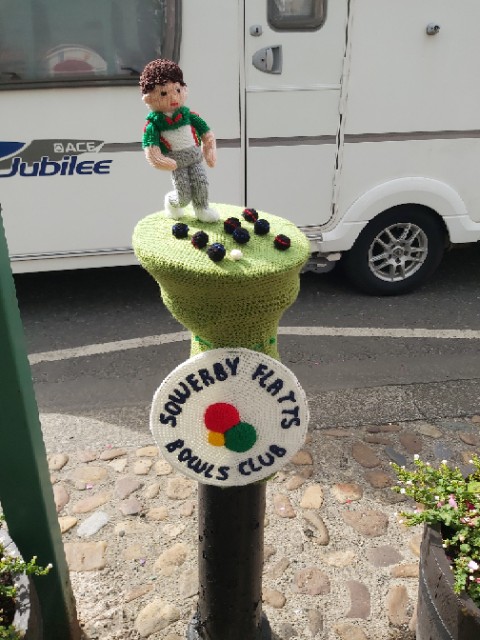
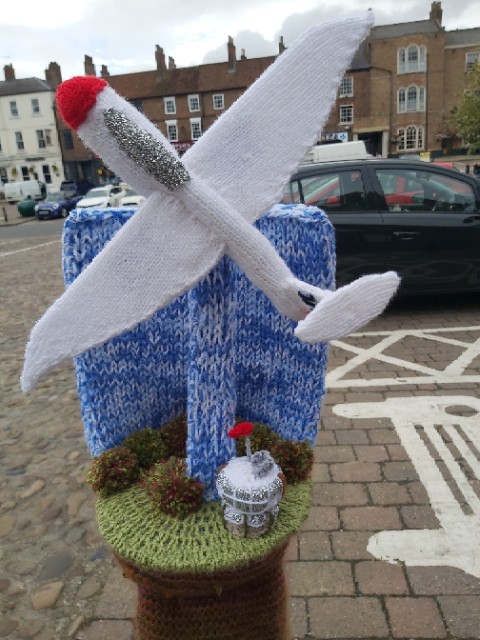
If you fancy a bit of recreation, what about bowling, on the lovingly tended green a quick toddle from the renowned, The Golden Fleece Hotel? Or gliding with the Gliding Club, Sutton Bank? Or watching a film at our voluteer run Ritz cinema? Oh yes, all of this was in the display around the Market Place, Such a picture. Thirsk is so lucky. but remember there is so much more, which our wonderful Yarnbombers have brought to life, and those they haven’t this time around.
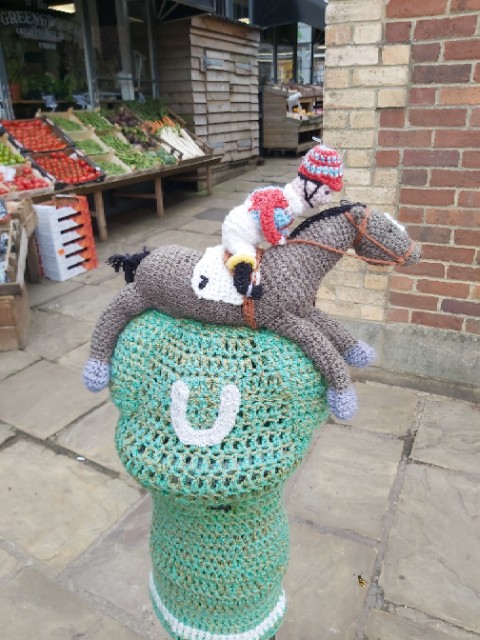
And just one more: why not experience for yourself the horse racing with events over most of the summer.
Just remember that Thirsk is one of the friendliest places in heavenly North Yorkshire and one of the most interesting. Remember also that The Golden Fleece gives 3 maltesers in a spirit glass with every cup of coffee. The problem begins when your companion decides to have a cold drink, with which there are no maltesers given. Does one share? Indeed, how do you share 3 maltesers? Readers, I shared. I gave one, and kept two. Perhaps I even licked my two. My mum would have said that was not nice, kind or funny. She would be right, but if you want three, you need to buy a hot drink, so very there. https://goldenfleecehotel.comhttps://visitthirsktown.com/