WforW Georgina Hawtrey-Woore Award for Independent Authors: 2nd Place winners of Non-Fiction Category


This is the inaugural year of the Georgina Hawtrey-Woore Award for Independent Authors. As many of you will know by now, Georgina died in 2017. As a senior editor at Arrow, Georgina was determined that her authors should fulfil their potential, and, more, she was also a great supporter of WforW. To commemorate her life, the three grannies who run Words for the Wounded determined that Georgina should be honoured. To this end they renamed the competition and re-jigged its structure. So now we have four categories.

This year,  Margaret Graham, Penny Deacon and Jan Speedie are delighted to say that not only are the entry numbers up, so too is the standard. ‘It is heart warming to see so many excellent entries, and a great treat to read them;Georgina would be thrilled. Of course, though, there have to be winners and ultimately our team led by Milly Adams, one of Georgina’s authors, reached unanimous decisions. Unusually for WforW, we have joint 2nd place winners in two of the categories, so close was the standard.’

Frost Magazine  featured First Place on 9th June, so now we bring you up to speed on the Joint 2nd Place winners.


Joint 2nd Place (in no particular order) :

a Testament of Grief  – Jennifer Wilkin Shaw

A personal memoir exploring the passage of grief by a widowed mother who has lost her fourteen year old daughter.

No, it’s not an out of control reveal, but more a prose poem which explores and narrates the path of grief. On the one hand she talks to her daughter, on the other she compares her grief with that of Mary, mother of Jesus, who also experienced the horror of a lost child.

Judges’ Comments:

a Testament of Grief is written in short paragraphs, just like the fragmented thought line of a person in pain and despair. A painful but beautiful book to read as the author questions herself, her daughter, life.  For those who have lost a child, or wish to understand those who have, this is essential reading.

As Jennifer Wilkin Shaw charts her way through the treacherous waters of a bottomless grief, towards a very distant shore, we hope it it might make others feel not quite so alone.
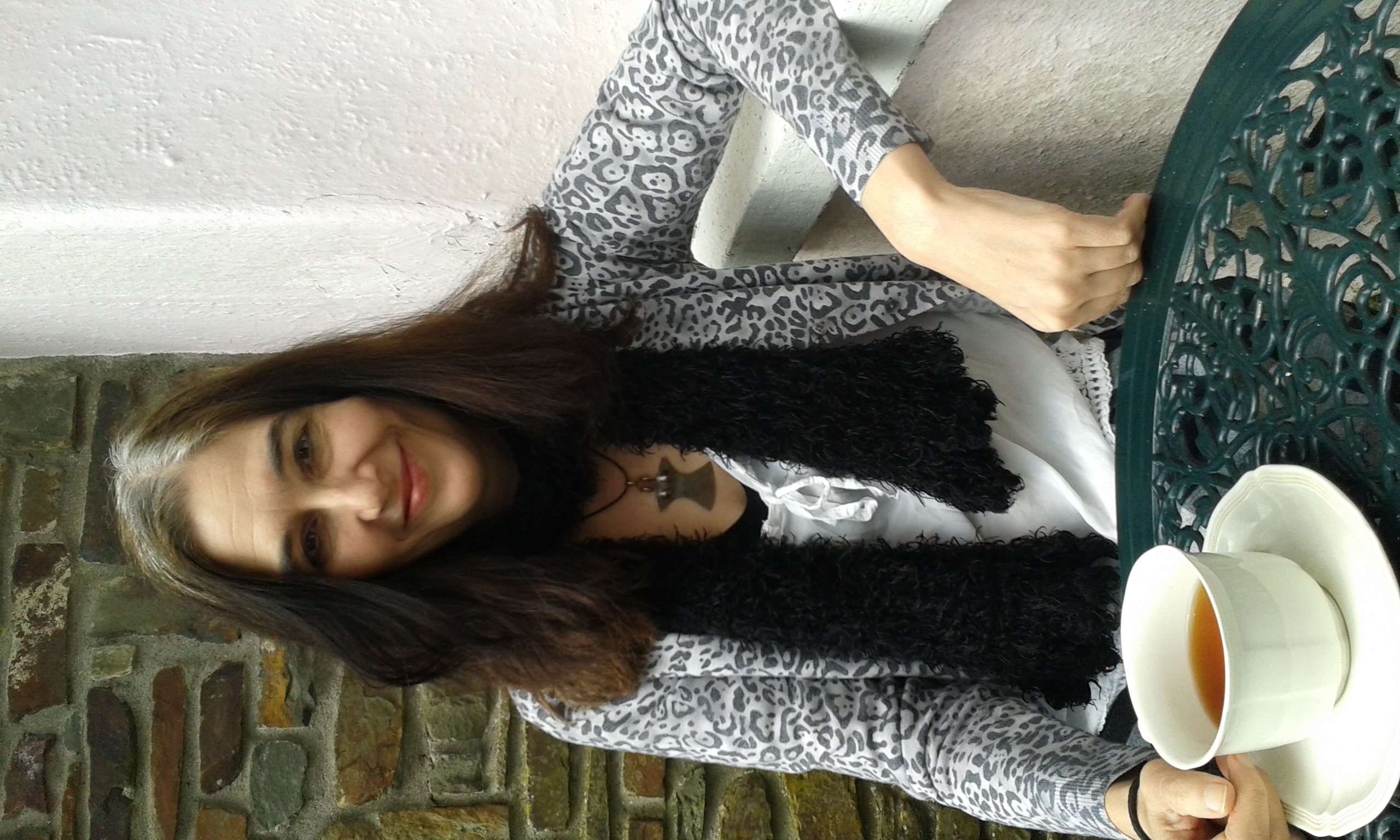


Jennifer says: When my daughter Charlotte died on Dartmoor, it felt like my life was over. Having already lost my husband to suicide I was terrified. But strangely, and without realising it I was slowly  becoming fluent in a topic I would never have chosen; grief. In order to move forward I had to  accept these metaphorical lemons that life had given me.

It was then I  discovered that trauma is like compost. New life and creativity can spring from it. I was compelled to write about the grief in a new and surprising way. This gave rise to a book that doesn’t leave anything out: the truth about grief, warts and all, and I mean all!

From this – others who were suffering would have a companion and be spared the shame and aloneness of something  we find so hard to talk about.

Born to a sunny Sri Lankan secretary and a Canadian musician in a two room London flat, Jennifer attended one of the capital’s finest schools. A risk taker, she has owned/ run successful restaurants in Norwich, London and Devon and has worked for Devon’s Health Service co-ordinating Smoking Cessation services, creating breakfast clubs and reducing inequalities.

Winner of the Temull cup for English, Jennifer, a History of Art graduate understands suffering. Her constant smile belies her husband’s suicide and the sudden death of her only child Charlotte, on Dartmoor, which made international news. She wrote about the grief and ‘A Testament of Grief’ was born. Among the online reviews is the word ‘Masterpiece’.

Having staged her own musical, Jennifer has now finished writing a talk on Spider-Man, trauma and creativity. Her third play- about domestic violence, the protagonist, a 90 year old demented female killer, will have its second read shortly. She is also working on her second book.

Jennifer lives in Frithelstockstone, Devon which you can’t say after 10 Gins to a taxi driver. Luckily she survives on tap water and drives an old rust bucket.  She often writes in coffee shops with a sharp pencil and a macchiato.

a Testament of Grief by Jennifer Wilkin Shaw pub Simone Bluestock Publishing

Available as e-book or paperback from Amazon.co.uk.

https://www.amazon.co.uk/Testament-Grief-Mothers-Story-Survival/dp/0995594902

https://www.facebook.com/jennifer.wilkinshaw

Joint 2nd Place: Odd Man Out – A Motiveless Murder?   By Denise Beddows


The Words for the Wounded judging team could not separate  a Testament of Grief and Odd Man Out   so, as mentioned,  they’ve created a joint 2nd place.
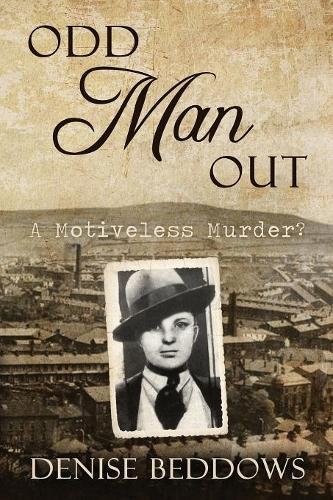
Odd Man Out is an extraordinarily well researched and, the judging team felt, empathetic sensitive exploration of a murder.

In post war Rawtenstall, a Lancashire mill town, an elderly woman, Nancy Chadwick, was brutally murdered 70 years ago. A transgendered conductress, Margaret ‘Bill’ Allen was arrested, and convicted for this apparently motiveless crime, though she barely knew Nancy Chadwick. Margaret  was duly hanged.

So what do we know about Nancy? She was an elderly woman, described by her own family as abnormal and was found beaten to death. Five days later a suspect, also deemed ‘abnormal’ was arrested. So was this a case of an easy ‘fix’ based on prejudice and ignorance? Or was it a correct conviction?

Judges’ Comments:

70 years on, Denise Beddows painstakingly explores the event, but never loses accessibility or immediacy. The wealth of research material never becomes heavy, just intriguing as Beddows reveals detailed information which gives body to the crime. Is that an unfortunate use of words? Perhaps, but it becomes clear that information was suppressed, so was this conviction in 1948, during a bitter winter and when Britain was still recovering from the war, a miscarriage of justice?

Did the wrong person hang? Read it and decide. Beddows has produced a cracking real life  ‘whodunit’.

Denise shared with Frost Magazine her reasons for writing Odd Man Out. which as titles go, is a cracker.
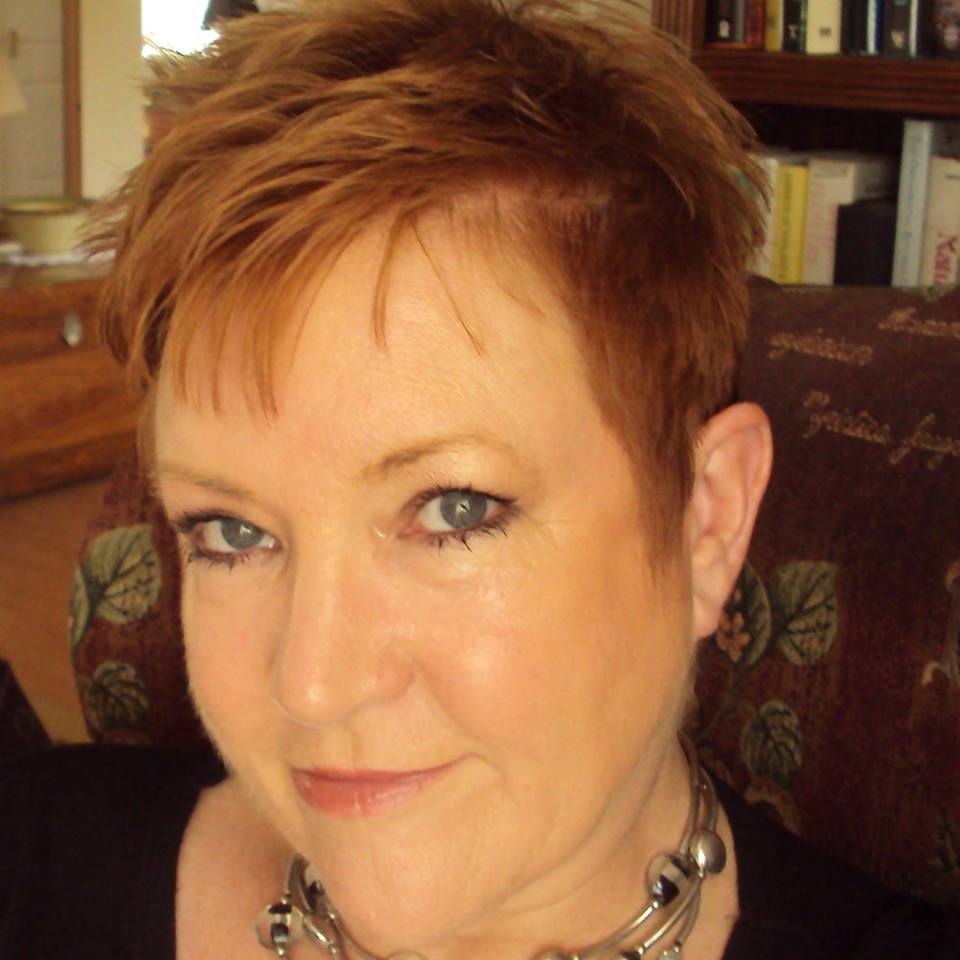
A couple of years ago, I stumbled across mention of a 1948 murder which had taken place in a law-abiding community in Lancashire. Former wartime bus conductress, the transgendered  Margaret ‘Bill’ Allen, had brutally slain a 68 year-old woman whom she barely knew. Surprisingly, perhaps, it was the first murder ever recorded in the town. Even more surprising was the fact that my mother, an avid fan of tabloid murder reports who had also worked on the buses in wartime Lancashire, had never once mentioned the execution of one of her fellow ‘clippies’. Press reports on the case were few and mostly inaccurate, so I felt I had to learn more. On scrutinising the police and criminal files, medical and prison records etc., I was shocked to discover that critical witness testimony had been suppressed by the police and vital lines of enquiry not followed up.  Described by the trial judge as a ‘senseless and motiveless killing’, the case had sunk without trace into the dusty annals of crime.  With the seventieth anniversary of the murder approaching, however, I felt it was time to take another look at this allegedly ‘motiveless murder’.

Chalfont St Peter based author Denise Beddows has lived, worked and played in 20 countries across several continents but has maintained a home base in Buckinghamshire since 1982. With a background in research, investigation and intelligence analysis, Denise nowadays writes biographical fiction, local history, true crime and screenplays, both under her own name and as DJ Kelly. A member of the Society of Women Writers & Journalists and of the Society of Authors, she has had over 100 articles published in local, national and international press and journals and she reviews books, films and plays for journals, societies and publishers.

A volunteer researcher for several history and heritage groups, she regularly gives talks to a variety of community groups. She is married with one grown-up daughter.

Denise, who also writes under the name of D J Kelly, has also written the well received Buckinghamshire Spies & Subversives, The Famous and Infamous of The Chalfonts and Gerrards Cross, Chalfont St Peter and Gerrards Cross at War, A Wistful Eye – The Tragedy of a Titanic Shipwright, Running with Crows – The Life and Death of a Black and Tan, Homes for Heroes – Life in a 1940s Prefab (ghost written with Joan Brant).
Odd Man Out – A Motiveless Murder? by Denise Beddows. pub by Misbourne Press in paperback
Available from: https://www.amazon.co.uk/ODD-MAN-OUT-Motiveless-Murder/dp/178697973X/ref=sr_1_sc_1?ie=UTF8&qid=1528376817&sr=8-1-spell&keywords=odd+man+out+Denise+beddowes
www.wordsforthewounded.co.uk


FLYING TOO CLOSE TO THE SUN:  Myths in art from classical to contemporary: review by Penny Deacon

The blurb describes this book from Phaidon as ‘sumptuous’. It’s not wrong. From the deep orange and bright gold of its cover to the weight of its paper and, more importantly, the quality of its illustrations, Flying Too Close to the Sun, is a delight to browse. But there is far more to it than this, which makes it more than yet another glossy coffee table art book.

Twenty five of the most celebrated Greek and Roman myths are organised from the divinities (and monsters) of creation to the utterly human plaything of the gods themselves, Oedipus. Some, possibly all, will be familiar but the fascination is in seeing and comparing the ways in which artists from antiquity to the present have chosen to depict them.

Mat Collishaw Narcissus 1990 – print on resin coated paper

19.3 x 29.2 cm. Tate London. Picture credit courtesy of the artist and Blain Southern. (p 133)

Interestingly, the compilers of this book have chosen not to organise the illustrations of over 200 artworks chronologically. Within the compass of each myth you might see Velasquez beside Hirst (Arachne) or John Armstrong beside Canova (Icarus). We are not allowed to assume that there is a development over history in our appreciation of myth, although I began to be intrigued by what the unusual focus of a particular period might say about that period’s preoccupations. In the second half of the twentieth century and the beginning of the twenty first, there seems to be a marked emphasis on Narcissus.

This is a book to be dipped into, but it is also one which you will find absorbs you for far longer than you initially intended. Its scope is relatively limited (twenty five western European myths) but encompasses the whole span of human art. And, if your recollection of the relationships of gods, heroes, monsters and wars has faded a little, there is a very helpful appendix. The short texts that accompany each illustration reveal the fascinating and sometimes unexpected links between the artwork and the myth.

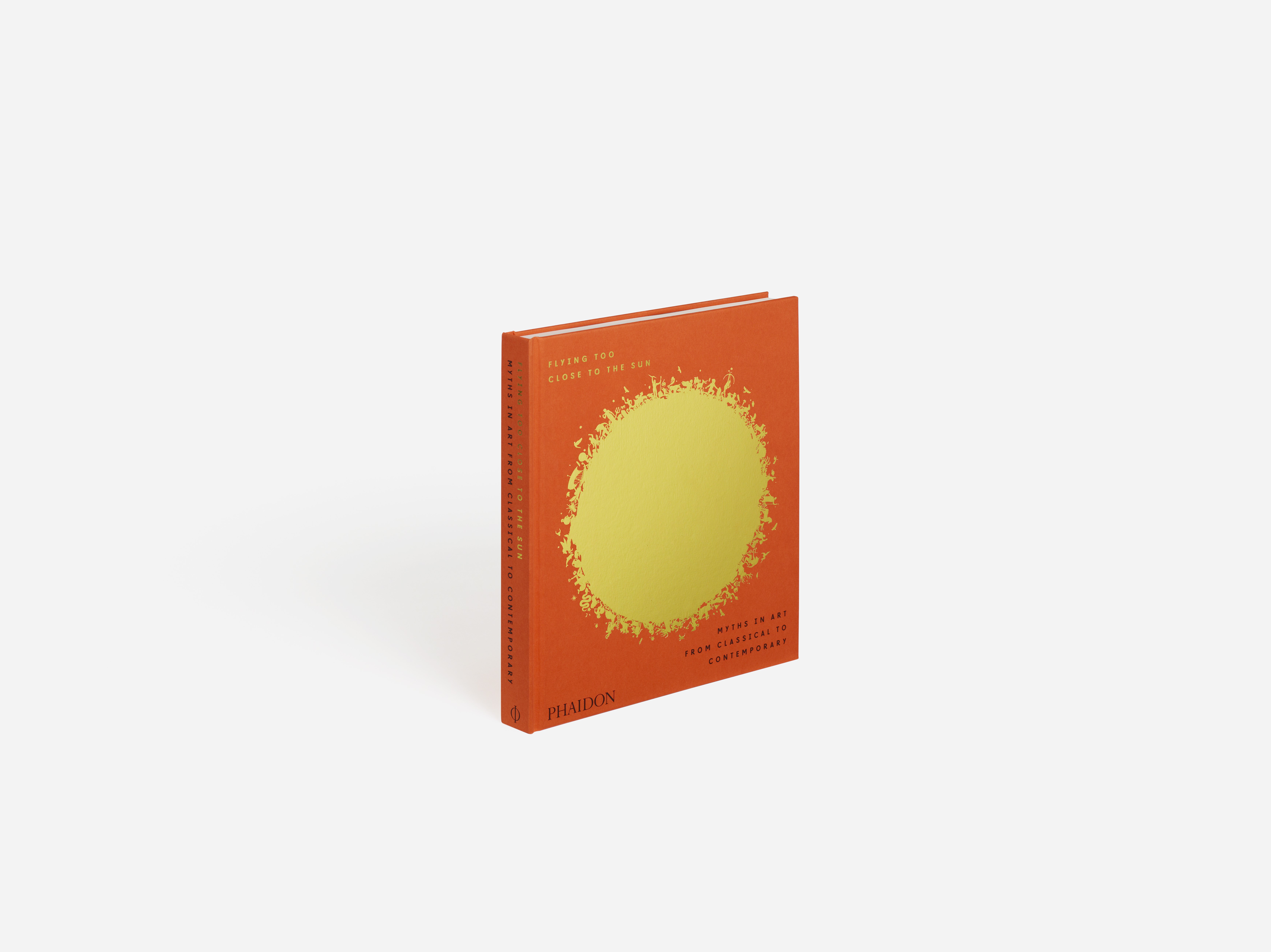
Holding this book (seat yourself comfortably, this is not a light volume in any sense of the word), you may be reminded, as I was, of the joy of turning actual pages and eventually closing real, glowing, covers. By the way, look closely at the detail of the sun’s image on the front, it’s worth it.

Flying Too Close To The Sun pub Phaidon   £39.95

WforW’s Georgina Hawtrey-Woore Award for Independent Authors: Non-Fiction Winner

As Frost Magazine have mentioned before, this is the inaugural year of the Georgina Hawtrey-Woore Award for Independent Authors. Georgina died, too young, in 2017. As a senior editor at Arrow, Georgina was determined that her authors should fulfil their potential, and, more, she was also a great supporter of WforW. To commemorate her life, the three grannies who run Words for the Wounded determined that Georgina should be honoured. To this end they renamed the competition and re-jigged its structure. So now there are four categories.

This year the grannies are delighted to say that not only are the entry numbers up which will enable them to do more to help veterans, so too is the standard. ‘It is heart warming to see so many excellent entries, and a great treat to read them and Georgina would be thrilled.’

Of course, though, there have to be winners and ultimately the team led by Milly Adams, one of Georgina’s authors, unanimously arrived at the winners of all categories – absolutely no blood on the floor. Unusually for WforW though, they  have created joint 2nd place winners for two categories, so impossible to separate were those entries. Today Frost Magazine features the winner of the Non-Fiction Category. Tomorrow the joint 2nd place winners.

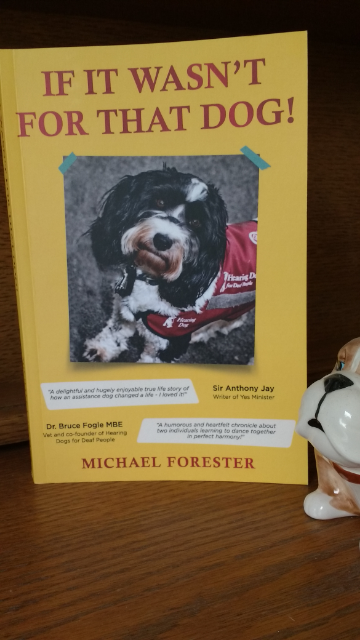
1st Place: If It Wasn’t For That Dog!  – Michael Forester

A beautifully written exploration of a journey from sound into silence, and the subsequent arrival of a companion of inestimable worth.

From page one we get a handle on the man, his denial of his increasing deafness, the changes his loss of hearing brings, his humanity, his laugh aloud humour, and how Michael Forester made his life work with the help of his AD, (assistance dog); his pal, his companion, his Matt.

His Matt who gives him confidence, fills in for his hearing, and makes him laugh, usually.

Judges’ Comments: Forester drives a structurally sound memoir, enlightening the reader on every page – did you know that one should make sure light falls on your face, when in the company of a deaf person, so that lips can be read? Such practicalities leap off the page, as does the sheer fun of living with the beloved Matt. We become aware of Forester’s spirituality, his practicality, and the confidence that builds through his partnership with Matt. What a character – Matt’s we mean, but Michael Forester has a whacking dollop too, and a writing talent.

Read it, learn, enjoy. Not often the two come together into such an energetic satisfying whole. The judging team loved it.

But let’s hear more about Michael and of course, Matt:

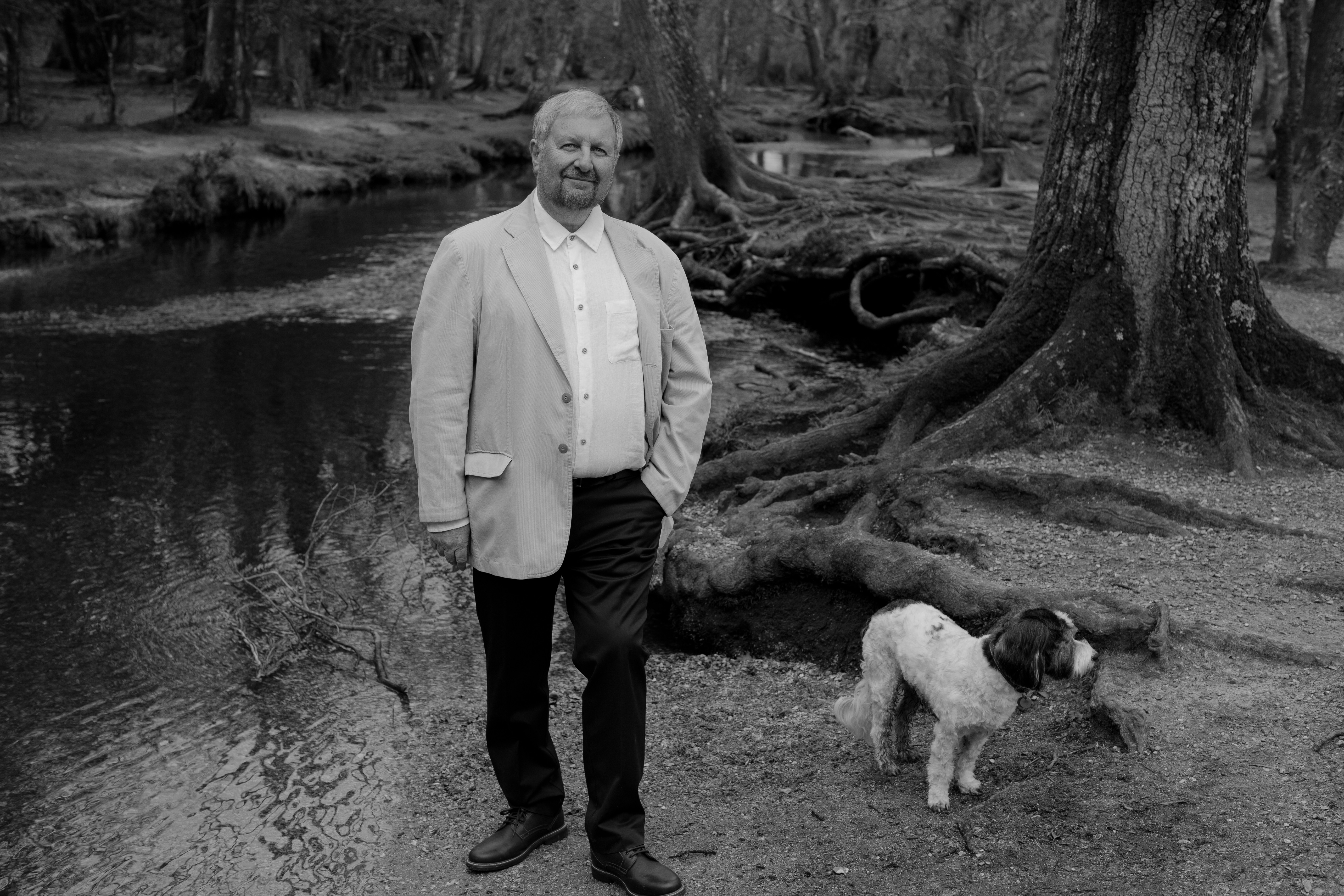
Some are born with silver spoons in their mouths. Michael Forester was born with a pen in his hand.

Of course, it was immediately pinched by his big brother who put it on a shelf too high for him to reach. He got his own back though. He nicked his brother’s abacus and hid behind the sofa with it. Thus his accountancy and entrepreneurial career was born, but always clouded by a nagging suspicion that his true calling had something to do with writing.

By the time he was 30 he was finally tall enough to reach the shelf, and took down the pen. This induced a bout of split personality disorder in which he oscillated between pillaging the stock market and writing books teaching others how to make incalculably vast sums of money (one was called Going for Growth and the other, How to Make More Profit). Unfortunately, they didn’t make incalculably vast sums of money themselves.

The millennium year saw a complete volte-face (millennia can be quite feisty like that, Michael says – still, not to worry, he’s fully prepared for the next one) in which he determined to devote his life to poetry, fiction and life writing. The first result was If It Wasn’t For That Dog!, about his first year with his beloved hearing dog, Matt. Michael has been severely and progressively deafened from the age of 30 onwards.

Michael wrote the book during the all-important first year he spent with Matt,  living in the New Forest, learning how to work in a hearing dog partnership. Matt was trained to hear sounds around Michael’s home (the door bell, the smoke alarm etc.) and alert him. He ventures out and about with Michael, in a distinctive maroon coat, acting as a vital visible indicator of an invisible disability.

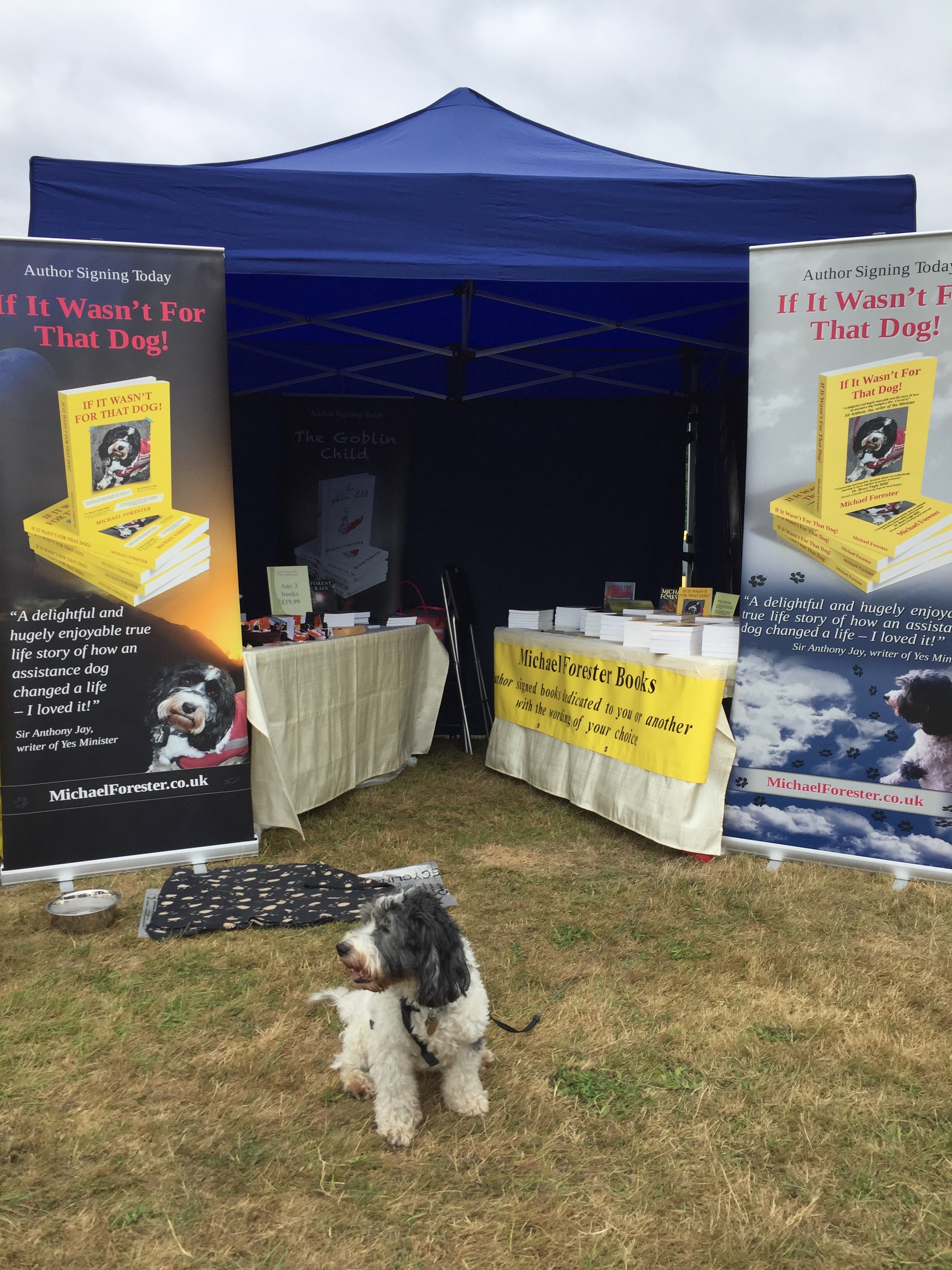
In 2017 Michael began travelling internationally, speaking inspirationally and signing books for his many international followers. That first trip, to the Philippines, was followed in 2018 by a second, covering Cambodia, Thailand and a return visit to the Philippines. Further tours are planned for 2019 and beyond.

Now at the venerable age of 62 Michael divides his time between Tenerife and the UK as wel as travels internationally in support of his work. He numbers dryads and angels amongst his closest friends.

His children look on aghast as he squanders their inheritance on such profligacies as A4 printing paper and laser toner cartridges.

They need have no concern. He plans to leave them the pen.

Michael’s web site, michaelforester.co.uk is regularly updated with details of his activities and includes a widely read blog at michaelforester.co.uk/blog

If it Wasn’t for That Dog! by Michael Forester: pub Paralight Press. Available from Amazon.co.uk  in e-book and paperback.

Breaking News*

Michael  is delighted to offer a 20% donation to Words for the Wounded on the cover price of all purchases of If It Wasn’t For That Dog! that come by referral from WforW. This offer will draw to a close on 31st December 2018.
To take advantage of Michael’s kindness, customers will need to find their way to his web site, and the book’s page at that site. The full reference for the page is
The following short link will also take you there and may be easier to use.
The method for ordering the book is obvious at the page – you need to click the ‘add to basket’ button.
At the checkout page, apply the coupon: words-for-the-wounded
The donation will then be directed to Words for the Wounded.


A Day in the Life of award winning author Christopher Donaldson.

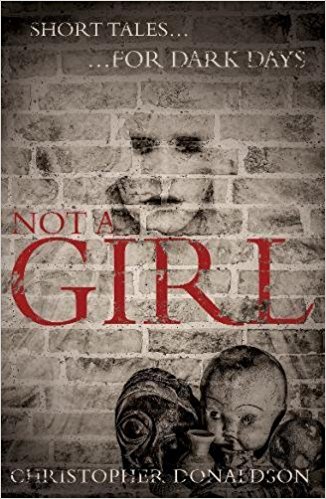
Christopher Donaldson won 1st Prize in the International Words for the Wounded Independent Author Book Award with Not a Girl – his fabulous collection of short stories, and he is now taking us into his life, for one day only. So over to Christopher.

I can conquer the world at five a.m. on a summer day, less so past eight in the evening, and so I tend to write early.  I’m also a keen road cyclist and so these two disparate things constantly vie for attention.  Cerebral day?  Sweaty day?  They do sometimes combine as I pound the Fenland lanes.  Cycling is amazing exercise but basically the most boring thing on earth, therefore I’ll mentally review a story in progress, try sentences aloud to see if they work, if the voice is right, if the rhythm is there.  Old ladies clutch their bags more tightly and children throw rocks.

There’s a madman abroad.

By seven I’m back at the desk writing.  It’s going to be something strange.  I don’t know why I’m drawn to ‘speculative’ fiction, but I am.  Ghosts, Aliens, dark things, bleak things.  There it is.  Lock up your children.

I guarantee that by eleven I’m flicking through my two (unpublished, mucho rejected) novels on the shelf.  In hindsight all the rejecters were right – they simply aren’t good enough.  However, they are a repository of some excellent sentences which I constantly poach for my current story – much as you might keep an old car for spares.  These two novels resent me greatly and scream in pain as I cut out one of their wordy children and transplant it into a new favourite.  I am a scoundrel and have no shame.

Over a Midday sandwich I’ll doubtless do a bit of hopeful surfing for an Agent (they love the coast – just kidding, Internet surfing).  It seems that there are a very small amount of people willing to take on an unknown who writes exclusively short fiction.  I get this, but remain hopeful.  Hello?  Hello?  I’m so shallow.

There’s too much life to do for me to write all day, but I, as I suspect many writes do, trawl for characters when I’m out and about.  Those two gossips in the Supermarket will combine will combine to become an acid tongued Landlady, and that old guy in the pub with service medals on his chest and the twinkle of wisdom in his eye will enjoy a new life as a Sea Captain.  The world is full of characters, they just don’t know.

I don’t write in the evenings. I simply can’t, and the myth of waking up in the small hours with a flash of inspiration is simply that for me – a myth.  It’s hard slog at my desk, with very few things born fully formed.  That’s why short stories I guess.  Much easier to make into something as perfect as you can without a year of your life vaporising in the process.  Sorry Novelists, it’s only envy, and I have a short attention sp…

Then I’ll go to bed – bet you didn’t see that coming eh?

However I don’t feel I can finish without thanking the organisers of ‘Words for the wounded’ who created this competition and unwittingly gave me the chance to win and unleash some weirdness on the world.

Did I mention I was looking for an agent?

Not a Girl  pub Matador (Troubador) pb £8.99 (Amazon)

www,wordsforthewounded.co.uk

www.troubador.co.uk


White Rose Book Cafe Thirsk offers more fabulous literary events.

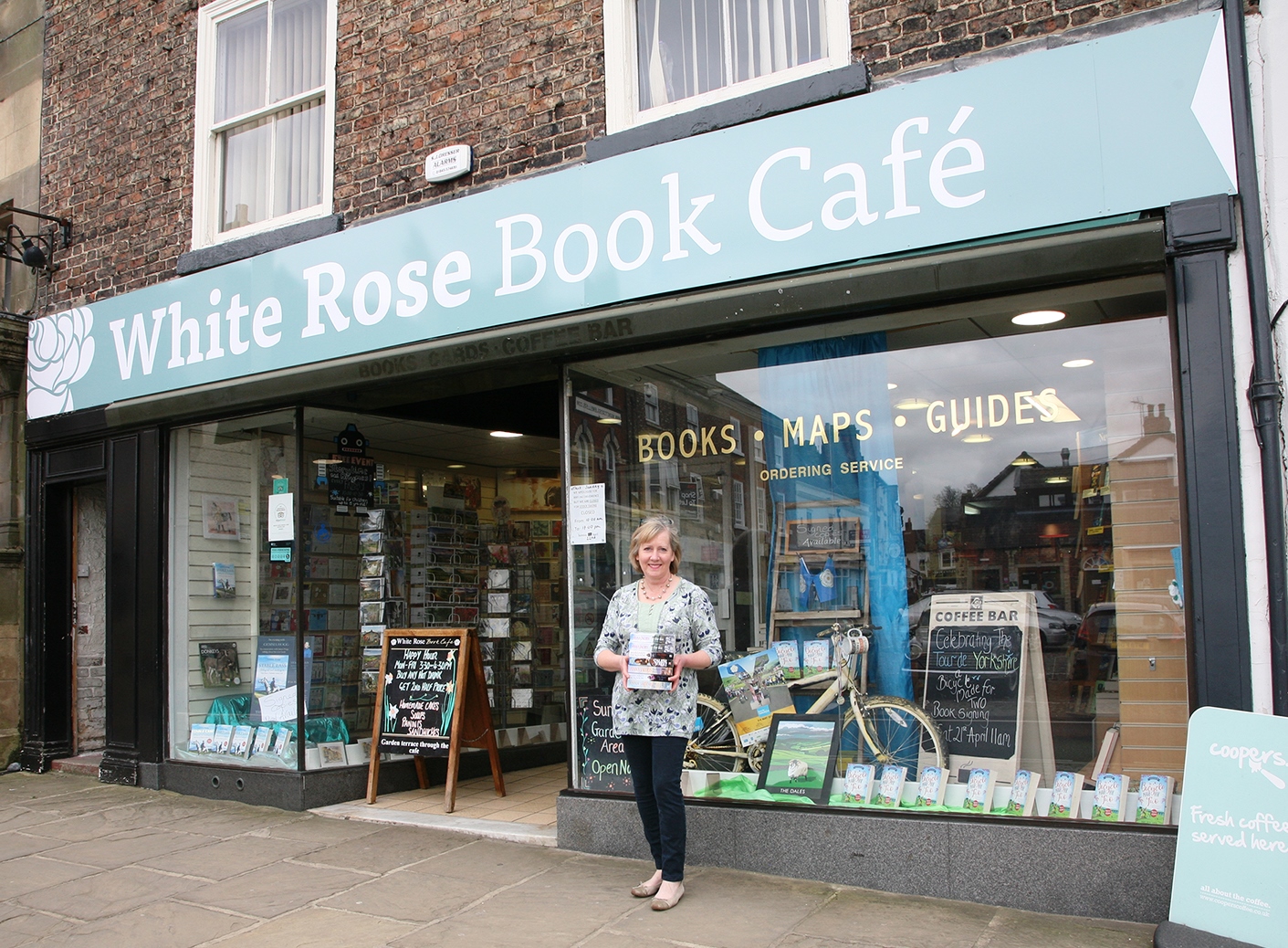
The White Rose Book Cafe in Thirsk, North Yorkshire, with co-owner Sue Lake

Thirsk, well known as the home of ‘James Herriot’ and now The Yorkshire Vet, is becoming almost as well known for being the home of The White Rose Book Cafe in Thirsk.

This very special independent bookshop and cafe is showcasing yet another prestigious  literary event – this time during the Independent Bookshop Week of 16-23 June, and is only one of 9 in the UK to be chosen to do so. It is to be held at St Mary’s Church, Kirkgate. I was there just a few weeks ago, and it’s a beautiful setting for such a rare event.

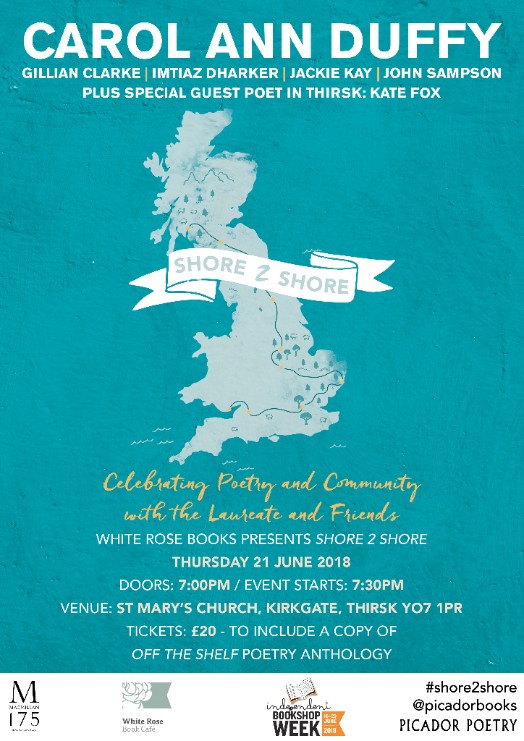
Carol Ann Duffy with SHORE 2 SHORE  – Celebrating Poetry and Community with the Laureate and friends.

Shore 2 Shore is the brainchild of Poet Laureate, Carol Ann Duffy, with 4 Poets Laureate: Gillian Clarke, Imtiaz Dharker, Jackie Kay and John Samson, and includes music and local guest poet, Kate Fox.

21 June is the longest day, so come and spend the light evening at St Mary’s Church, Kirkgate, Thirsk YO7 1PR in the company of these memorable poets.

Tickets £20 to include a copy of Off The Shelf poetry anthology. Tickets can be obtained from the bookshop: 01845 524353 or e-mail sales@whiterosebooks.co.uk Event opens at 7.00 to start at 7.30.

There is yet more during Independent Bookshop Week as well as special offers and exclusives all week.

Celebrating our Book Award, Adult and Children’s Shortlist – Winners announced 15th June.

Book Signing with children’s author – Jane Clack on Saturday 16th June at 10.30am

Free ‘Tiger Who Came to Tea’ Tote Bags

Free Chridren’s Storytime every Friday 10am in the Storyroom

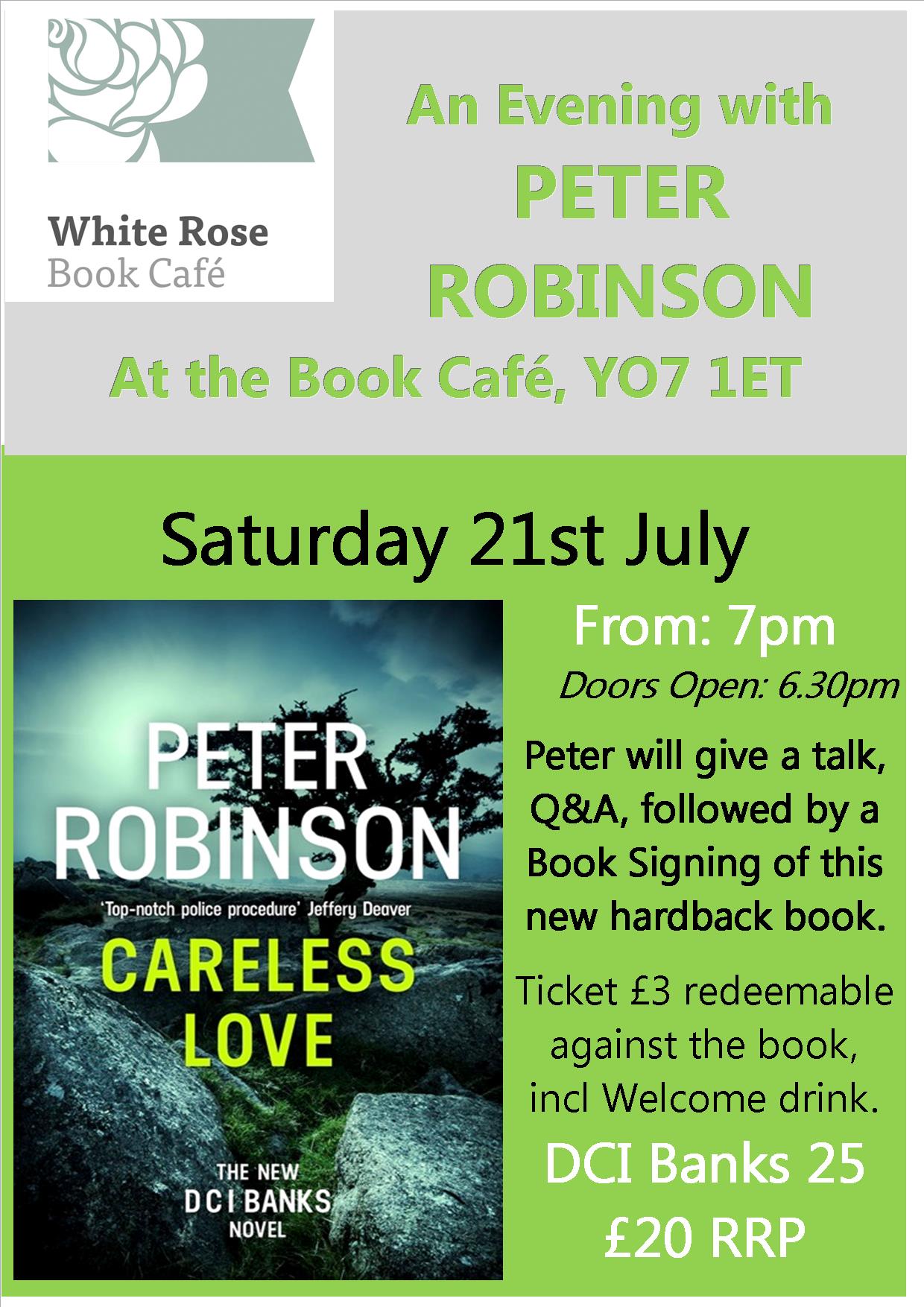
And on 21st July why not spend the evening with Peter Robinson at the White Rose Book Cafe YO7 1ET from 7.00 pm with this bestselling author of the DCI Banks novels

‘Top-notch police procedure’ says Jeffrey Deaver of Peter Robinson‘s novels, and this is a great opportunity to come and listen, and then ask questions of this humdinger of an author. The £3 ticket is redeemable against the purchase of his latest DCI Banks novel, Careless Love, which Peter will be delighted to sign. The ticket also includes a welcome drink.

I wonder what August will bring at the White Rose Book Cafe? Look in on Frost Magazine and we’ll show you.


WforW’s Georgina Hawtrey-Woore Award for Independent Authors Picture Book for Children Category.

This is the inaugural year of our Georgina Hawtrey-Woore Award for Independent Authors. Georgina died, too young, in 2017. As a senior editor at Arrow, Georgina was determined that her authors should fulfil their potential, and, more, she was also a great supporter of WforW. To commemorate her life, we three grannies who run Words for the Wounded determined that Georgina should be honoured. To this end we renamed the competition and re-jigged its structure. So now we have four categories.

This year we are delighted to say that not only are the entry numbers up, so too is the standard. It is heart warming to see so many excellent entries, and a great treat to read them and Georgina would be thrilled. Of course, though, there have to be winners and ultimately the team led by Milly Adams, one of Georgina’s authors, reached unanimous decisions.

We will be featuring more about each of our winners as the days go by, so keep an eye out in Frost Magazine for the reviews, the biographies, and the reason behind the writing of their winning entries.

So, onto the Picture Book for Children Category:

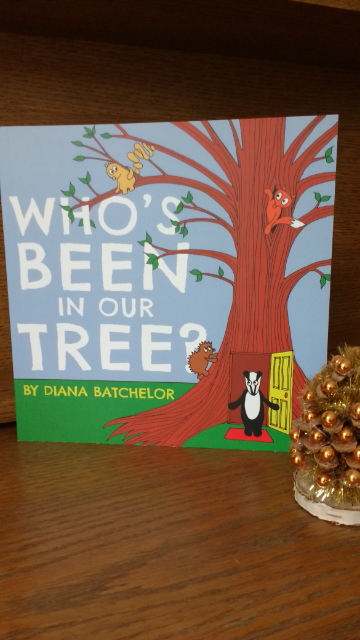
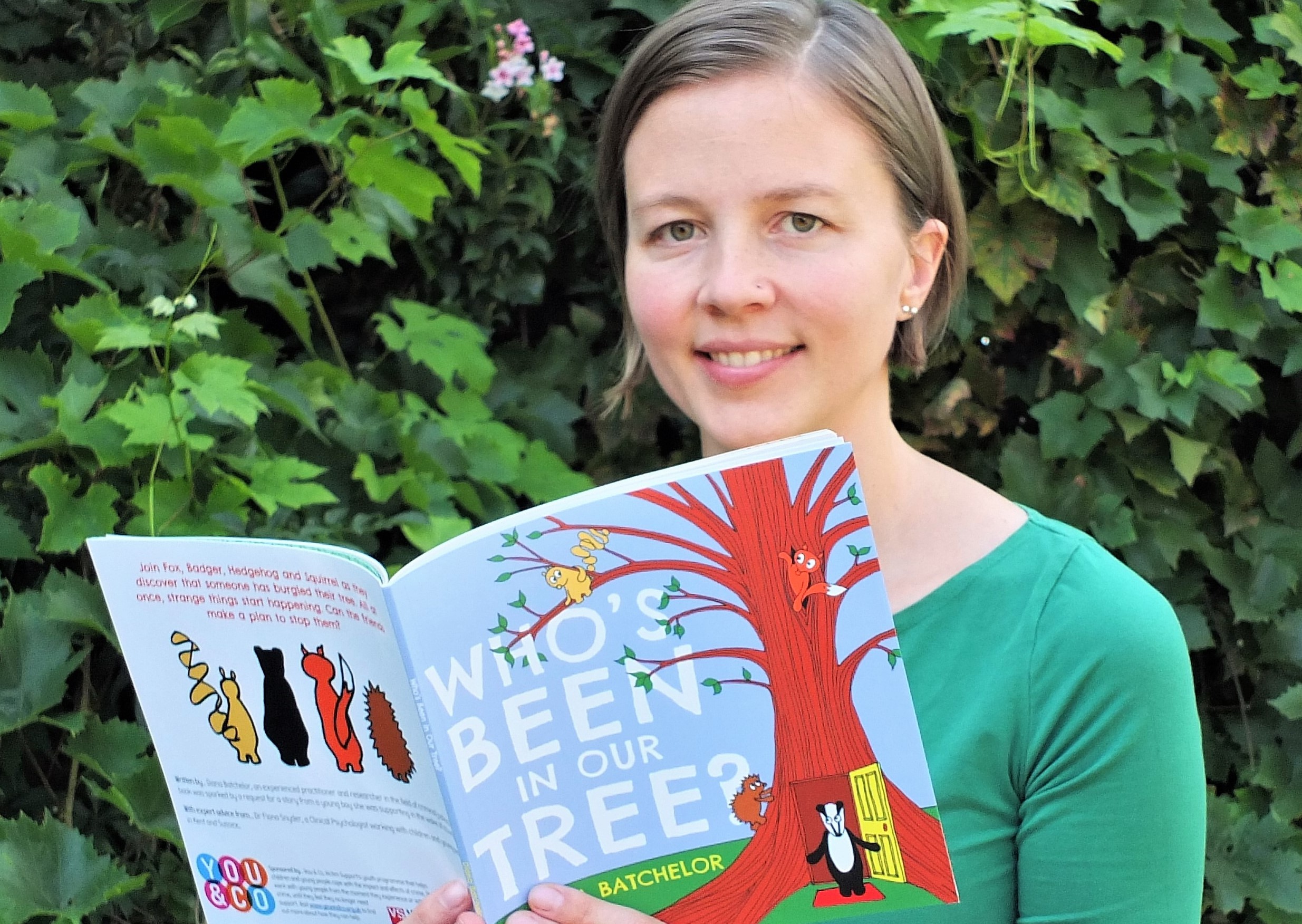
Winner: Who’s Been in our Tree? –  Diana Batchelor

This is a vividly illustrated picture book. It concerns a community of tree based animals whose home has been broken into, and how, after the initial panic, fear, unhappiness and confusion, they make a plan to at least make themselves feel better, even if the birds can’t trace their belongings.

The judges adored this vividly illustrated picture book.

Who’s Been in our Tree? by Diana Batchelor has glorious illustrations, the text is helpful and accessible, the pace just right. The assembled grandchildren were the final arbiters, but came to the same conclusion as the judging team.  Absolutely brilliant.

It is a careful, entertaining, and helpful picture book and – so say the judges – should be available in all schools and libraries.

Who’s Been in Our Tree? is written with advice from a Clinical Psychologist working with children and young people, and which offers evidence based practical advice that children and families can rely on. A fabulous picture book.

Diana Batchelor tells Frost Magazine that she was supporting a family who had been burgled, and they asked her for a book to read with their young son who was having nightmares. She searched high and low for one, but found nothing. Who’s Been in Our Tree? is a belated answer to their request.

Diana began her career in the criminal justice sector in 2006, and has since worked in the UK, South Africa and Lebanon. Her work has mostly been with victims of crime, especially young victims and families bereaved by murder. She has also worked with victims who choose to meet their offenders as part of what is known as restorative justice. This led to her PhD research about the reasons that victims take part in restorative justice and what difference it makes, which she is currently conducting at the University of Oxford.

Diana goes on to say that Who’s Been in Our Tree? is about four animals — Fox, Badger, Hedgehog and Squirrel. We meet them just after their tree has been burgled. First we see their shock, then some strange things start happening. The ‘strange things’ are in fact common reactions to trauma, so the story reassures children (and grown-ups) that they are not alone. The animals make plans to cope, and find in the end that some of their favourite things (feelings and memories) were not stolen after all.


‘I wrote this book having worked with children who had been burgled, and have since had feedback that it is useful in other circumstances too – e.g. moving schools, parents’ separation, accidents, and even recovering from abuse. I wanted to be honest with children, but also to give them hope. The friendly characters help them to understand their own reactions, learn to let their feelings out, build a support network and identify healthy ways of coping that suit them best.’

Frost Magazine is much looking forward to reading more from Diana when we receive her  A Day in the Life.

But in the meanwhile:  www.whosbeeninourtree.com

Who’s Been in our Tree by Diana Batchelor, pub by Matador.

Available from: https://www.amazon.co.uk/s/ref=nb_sb_noss?url=search-alias%3Daps&field-keywords=Who%27s+been+in+our+tree+Diana+Batchelor

A Day in the Life of Harriet Angell   

pic 1. harri cuddles


First thing, I feed the cat, keep the dogs away from him, moan about the weather if it’s raining, get dressed…

I am passionate about helping people of all shapes, sizes and ages to run/jog and do Pilates, for health, fitness and general wellbeing. Anyone can run. Really.  I lead a local running group, we’re called Harri’s Running Team which has the unfortunate  acronym of HRT. Running is life-enhancing, it gives one a sense of self and sense of freedom, builds confidence, difficult to explain, but I can’t live without it.

Pilates is an amazing, magical form of exercise that keeps us strong, flexible, coordinated, mobile and improves posture and mood. I discovered it by chance really, and it’s still associated with older people but it really is for everyone. I am currently developing a Power Pilates class to attract those who feel the need to sweat.

I haven’t always done this as a job –  I  went to drama school  (LAMDA) and then worked as an actor.
Eventually I got a ‘proper job’ and I worked for Weight Watchers in their Programme Development department. I was also a Company trainer. In addition, I have a Diploma in Creative Writing and about half a degree in Sports Science – interesting mix. I am lucky that my studio is at the back of my house. This is actually my sitting room and conservatory combined, so with a few walls knocked down, furniture moved to the side for the day, it provides an excellent space in which to teach – but what do I do first thing? Hoover up the dog hair.

Incidentally, Border Terriers are supposed to be good runners. I planned to run with both of ours. I used run with our gorgeous old labrador too. But Archie, the eldest Border gets so excited when he runs that he just jumps up and bites my bum. Figgy, the younger one, has congenital knee problems, so it’s no go there either. I am on the look out for a gentle rescue dog of any variety who loves to run and has no issues regarding my bottom or their knees.

I usually have up to 8 people in a class. I teach both men and women, oldest is 84, the youngest 14. My classes are low key and laughter is compulsory. I want everyone leaving happy, energised and feeling good about life.


Afterwards I do a quick turnaround, trainers on and out the door for a private running session which could be with a nervous runner whose goal is to run a half-marathon say, or a complete beginner. And then after that I usually have another running client who might want me to send her up hills or help her run faster.

Back home and my lovely husband has usually made soup for lunch – he is semi-retired.

In the early afternoon I have a TRX class to teach – this is  suspension training. Briefly, these are straps with handles, attached to the wall and you work against your own body weight to improve strength, flexibility and balance while toning up  – they were invented by Navy Seals and are the most brilliant piece of kit, suitable for everyone. Difficult to explain in words – have a look at my website, link below, for details.


And so it goes on…


Thursday is my writing day. I don’t want to do or think about anything else and if I could stay in my pyjamas all day and not speak to anyone at all, I would.  I like to immerse myself totally in what I’m writing.

pic 3.harri

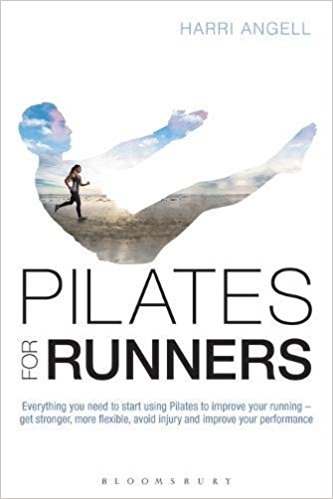
I have just received the first copies of my book ‘Pilates for Runners’ published by Bloomsbury and it is very exciting to see and feel the finished work. I am currently writing my second book for Bloomsbury now – ‘Pilates for Living –  get stronger, fitter and healthier for an active  later life.’ It will be published in April 2018I also write poetry, short stories and features.
Future plans? The novel needs writing of course, it’s in my head…And I would love to write full time…and live in sunnier climes. But for now, I am very grateful for my lot.

My contact details: harri@pilatesandrunning.co.uk
Website: www.runwithharri.co.uk
Blog: www.inthepinkoflife.co.uk
Twitter: @harriangell
Instagram: harriangell
Facebook business page: https://www.facebook.com/trainwithharri/


WforW’s Georgina Hawtrey-Woore Award for Independent Authors : Fiction for Young Adults winners

This is the inaugural year of our Georgina Hawtrey-Woore Award for Independent Authors. Georgina died, too young, in 2017. As a senior editor at Arrow, Georgina was determined that her authors should fulfil their potential, and, more, she was also a great supporter of WforW. To commemorate her life, we three grannies who run Words for the Wounded determined that Georgina should be honoured. To this end we renamed the competition and re-jigged its structure. So now we have four categories.

Today we are featuring the 1st and 2nd Place winners of the Fiction for Young Adults category.

Fiction for Young Adults

It was a close run thing between first and second place but in the end – unanimous.

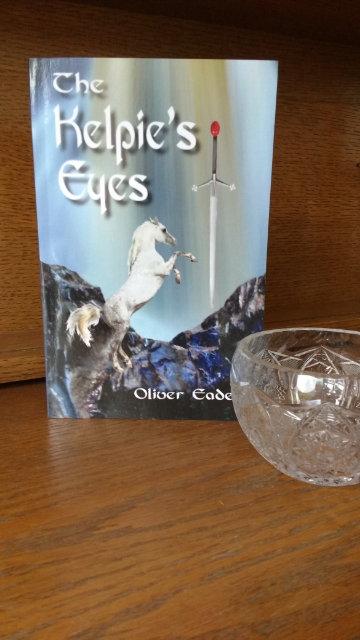
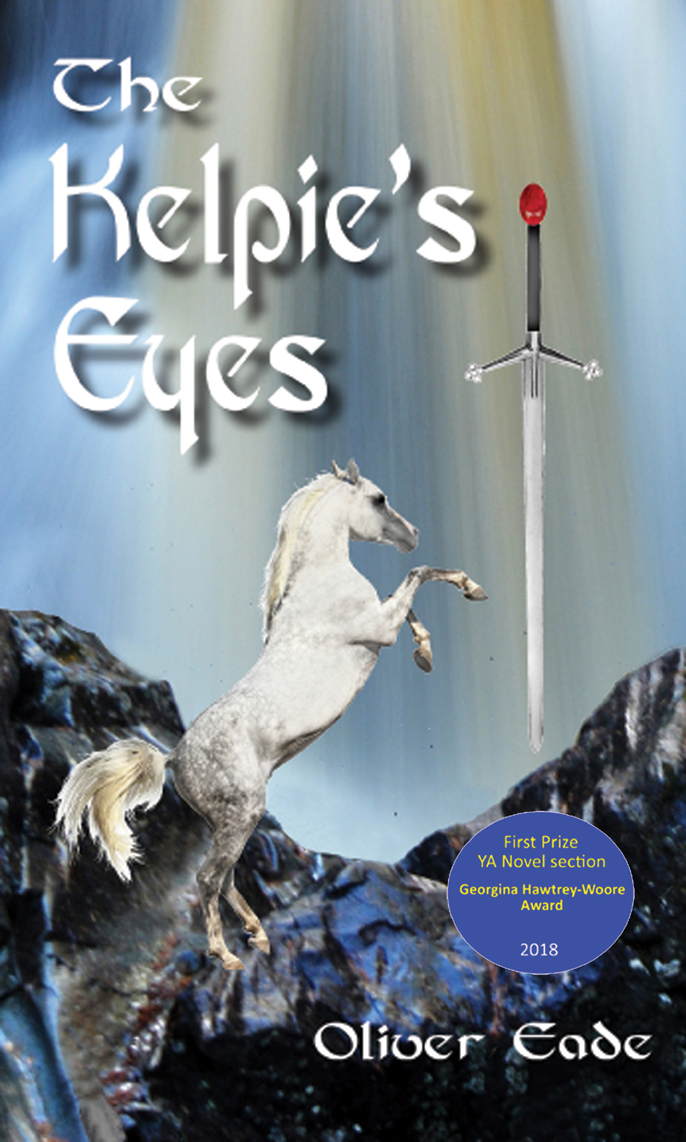
1st Place: The Kelpie’s Eyes – Oliver Eade


The Kelpie’s Eyes is an extraordinarily good fantasy novel of sisters standing firm against dark and determined forces which intrude into their time slip world.

The novel opens in the stinking streets of Victorian Glasgow, so starkly portrayed that you smell and taste them, as well as feel the the fear of the hunted orphan. We almost become Mairi, as she attempts to evade discovery, only to be subsumed into a time warp, or is it the present day Caitlin who is subsumed into Mairi’s world?

Judges’ Comments: This fantasy is a complex story, at times dark, but is so well-handled that it grips throughout. This is due in part to the author’s grasp of show not tell, so that the settings are vivid and empathetic, but also because there is such clarity of structure that the pace and tension never wavers or becomes confusing.

We are indeed in good hands as Oliver Eade builds the tension, the questions, the warmth, the fear, sometimes to almost unbearable heights. It is exciting, and moving, and clever as the power struggle between the sinister gnomes and the fearsome Kelpie is played out.

A most worthy winner. Bravo. So let’s hear more about the winner, Oliver Eade, and the inspiration behind The Kelpie’s Eyes

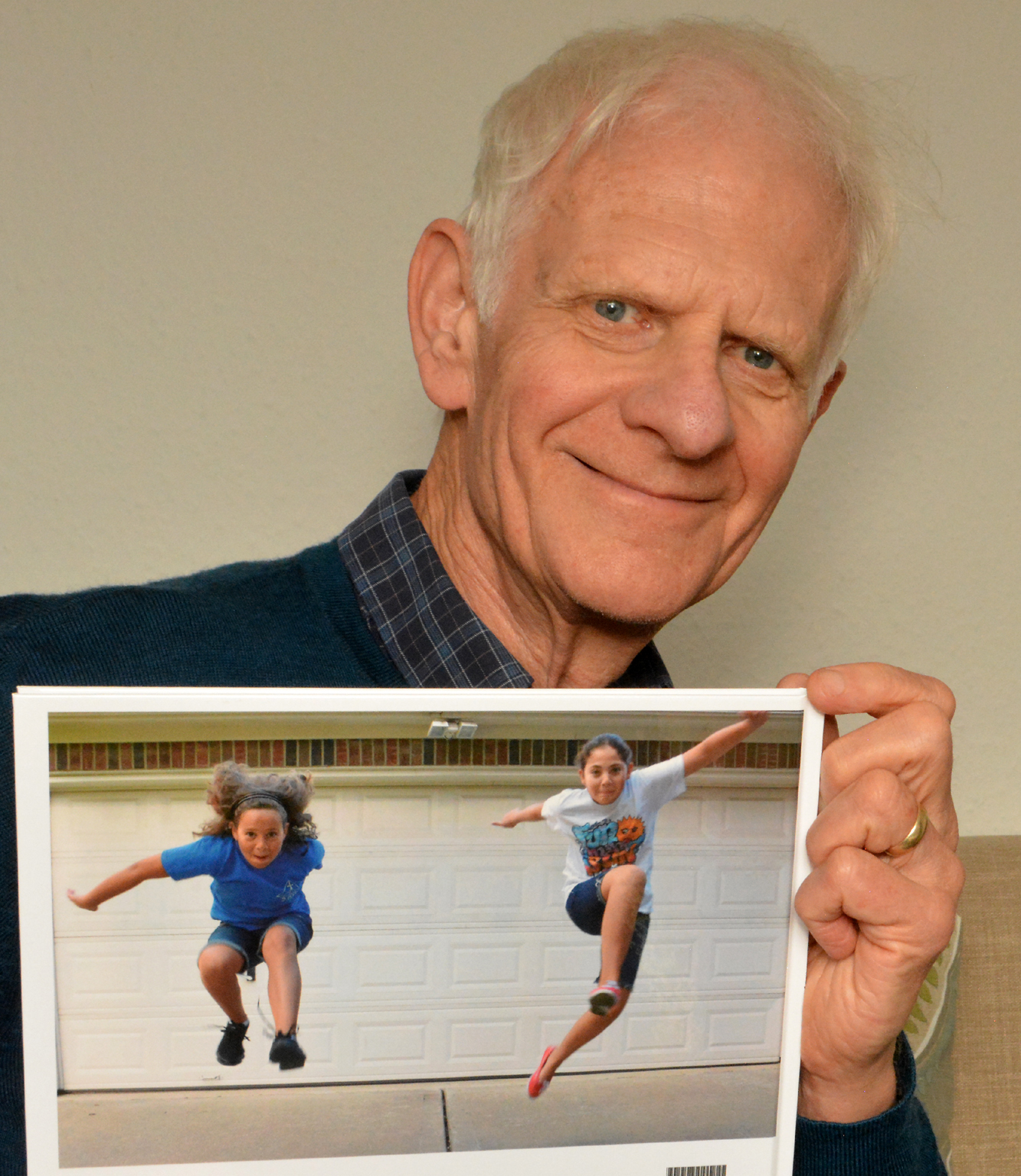
Oliver Eade – including the Texan sisters – Lucia and Beatriz – who inspired the book

And to whom it is dedicated. .

Oliver, a Scottish doctor, has written over a hundred short stories, published as  Lost Whispers & other stories. His debut children’s novel, Moon Rabbit, was a winner of the WAAYB 207 New Novel Competition its sequel, Monkey King’s Revenge, a children’s category finalist for The People’s Book Prize. Both link present day Scotland to mythological China.

He has published novels for young readers, teens and adults. Whilst his novels for the young are mostly in the fantasy genre, his mainstream adult writing is set in the real world. Oliver’s debut adult novel, A Single Petal, winner of the 2012 Local Legend Competition, is based in ancient China, his wife being Chinese. With family in Texas, some of his novels for younger readers, inspired by Native mythology, are set in North America.

Oliver has also written twelve plays, one a runner-up winner in an international one act playwriting competition. Another, The Gap, inspired by the writer being caught up in an earthquake in 2008, was staged in 2012. He has led writing workshops for children in Scotland and elsewhere.

Apart from writing, his main passion is for street photography. He gives talks on photography as well as on aspects of writing.

Oliver Eade tells us:

Inspiration for The Kelpie’s Eyes came from taking my two Texan granddaughters, in the rain, to see The Grey Mare’s Tail Waterfall, one of Scotland’s highest, made me wonder whether its name had been inspired by the legendary Scottish ‘kelpie’, a dark horse spirit. From this, and the girls’ sisterly love, was born The Kelpie’s Eyes.

The sisters in the novel, Caitlin and Rhona, are also close but different, and sibling rivalry takes hold where a handsome woodcutter’s son is concerned. My own love of ‘losing myself in a novel’ inspired the idea of Caitlin becoming Mairi, the Victorian Glaswegian teenager in the book she had to abandon when her father insisted she join them on a walk beside the Grey Mare’s Tail. And my granddaughters’ sisterly love was behind the younger girl’s desire to seek out the land beyond the waterfall to find Caitlin.

Like a literary babushka doll, there’s a story within the Glaswegian’s girl’s story. Orphan Mairi (also Caitlin) believes she’s really the fairy-tale princess of a picture book that she’d kept hidden in the poorhouse she escaped from. I wanted this magical fairy-tale land to contrast with the bleakness of life for children forced to work in a Victorian poorhouse. The kelpie, victim of an even greater evil, Auld Clootie, needs Mairi for her eyes and soul, with which he hopes to extend his domain beyond the confines of the fairy-tale land.

The story, good versus evil, travels through these different dimensions as Rhona and the woodcutter’s son, a true fairy-tale prince, fight to save the bookworm-turned-orphan-turned princess.

As well as from reading about Scottish myths and legends, I found inspiration from the magical realism of some Latin-American writers, such as Isabel Allende’s ‘City of the Beasts’.

Oliver Eade will be writing A Day in the Life for Frost Magazine shortly.

The Kelpie’s Eyes: paperback or e-book. pub. Mauve Square Publishing.

Available from: https://www.amazon.co.uk/Kelpies-Eyes-Oliver-EADE-ebook/dp/B00KK2COCU/ref=sr_1_1?ie=UTF8&qid=1528376472&sr=8-1&keywords=Oliver+eade+The+Kelpies+eyes

www.olivereade.co.uk

And now on to 2nd Place

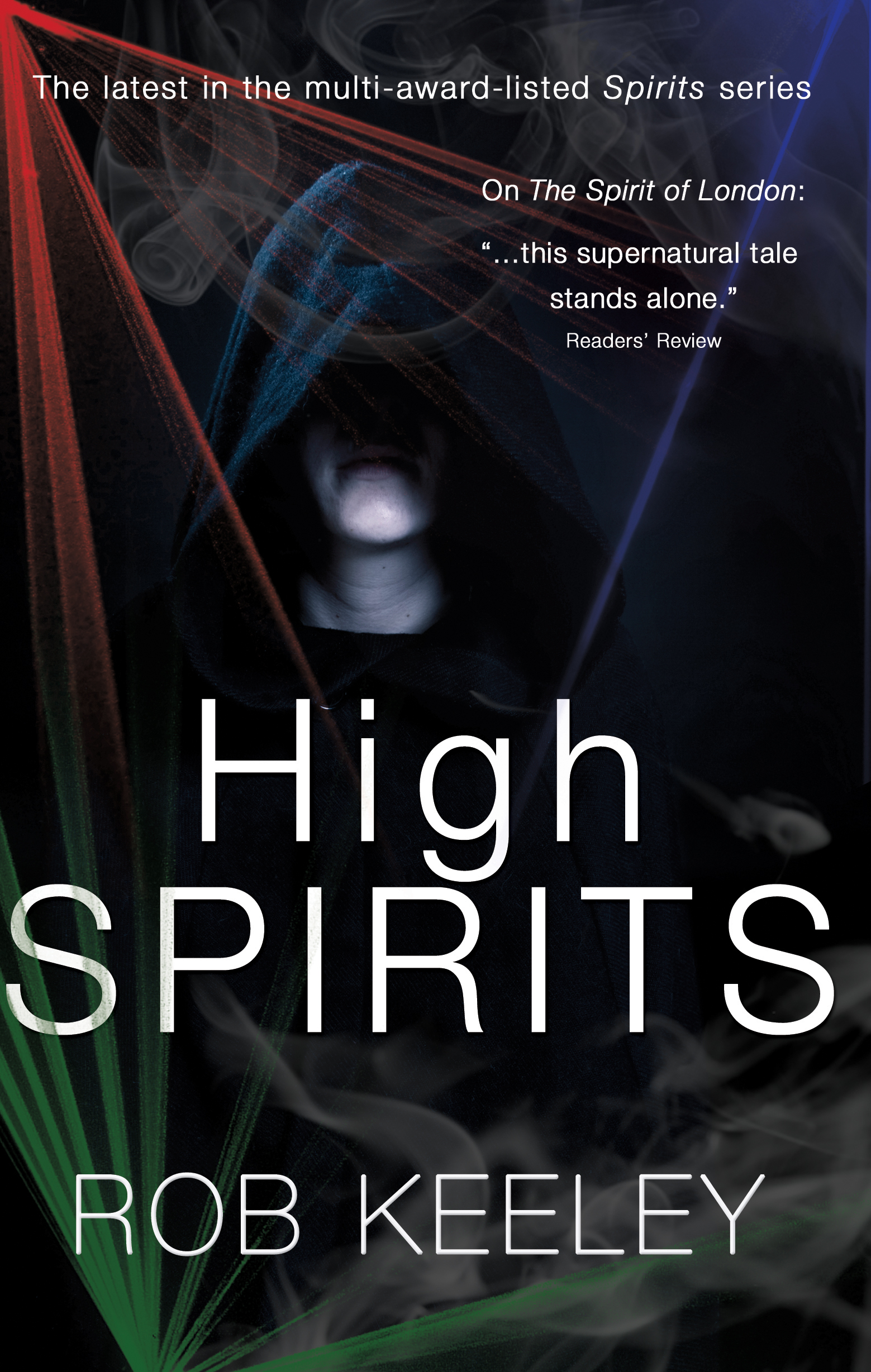
High Spirits by Rob Keeley


Here we have a novel, High Spirits, with a rapid pace, a dollop of humour and a time slip, this time back into the 1930s where a crime must be prevented.

Judges’ Comments: One of a series, the author handles the backstory well, so that we are effortlessly brought up to date with Ellie’s past, as she weaves through her present. We are made aware of the existing tensions between her parents before Ellie has to return to Inchwood Manor, which is where she is dragged into another dimension.

Imaginative, energetic, this is part fantasy part crime novel. Good fun, many twists and turns, and with excellent period and political detail.

Let’s hear more about it from Rob.

Rob was born in Merseyside. As a wheelchair user, the authorities placed him in a special school, aged three. Rob, however had other ideas. He worked his way up to mainstream schooling, college and then university, gained a degree in Law and qualified as a barrister amongst other things.

His first children’s book, The Alien in the Garage and Other Stories, was published in 2011.  The Dinner Club and Other Stories, was longlisted for the International Rubery Book Award.  The 1st in the 4 book Spirits series, Childish Spirits, gained him a Distinction for his MA in Creative Writing before being longlisted for the Bath Children’s Novel Award and nominated for the People’s Book Prize in 2015. The 2nd, The Spirit of London, was Highly Commended for the Independent Author Book Award in 2016.

He has written for the BBC – Chain Gang and Newsjack for Radio 4 Extra. He recently studied Screenwriting and Film making, and was a judge for the IGGY and Litro Young Writers’ Prize. He is a Patron of the Children’s Media Foundation. His books have been used in schools, libraries and at literary festivals and he is in demand for his author workshops, which one teacher even described as “inspirational”!

Rob tells us: I’m delighted that High Spirits has achieved second place in the Fiction for Young Adults category. It’s the fourth in my series of ghostly time travel tales and is based around 1936 and the abdication crisis – a period I wanted to tackle as I don’t know of it being dealt with in a novel for this age group before. I did much research into Edward VIII and Wallis Simpson. The fun came from two shape-changing spirits impersonating them!

In studying World War Two at school, young people may not realise just how many people in this country in the 1930s supported Hitler. The themes covered – racism, anti-Semitism and the rise of the Right – seem worryingly relevant again today and I wanted to make young people aware of the dangers they can bring.


A Day in Rob’s life will be published on Frost Magazine in due course, but in the meantime:

For more information about Rob, visit www.robkeeley.co.uk or follow him on Twitter @RobKeeleyAuthor.

Rob’s books are available on: https://www.amazon.co.uk/High-Spirits-4-Rob-Keeley/dp/1788036158/ref=sr_1_6?s=books&ie=UTF8&qid=1528373204&sr=1-6

Publisher: https://www.troubador.co.uk/bookshop/young-adult/high-spirits/