Frost Magazine loves this pick of the latest offerings from Joffe Books

Joffe’s book of the week is a brand-new completely unputdownable psychological thriller — THE GIRLS IN THE CABIN by Caleb Stephens is out now for just £0.99 | $0.99*.

A dad will do anything to keep his daughters safe. This camping trip is the last chance to repair their broken relationship, but instead they’ve broken bones. They need to find shelter, fast.

Finally they think they’ve found safety in an old farmstead. But the phone lines are down and the roads are blocked. This family’s nightmare is only just beginning . .

CLICK HERE TO GET THE GIRLS IN THE CABIN BY CALEB STEPHENS FOR THE SPECIAL LAUNCH PRICE OF JUST £0.99 | $0.99

. 

How to Murder the Man of your Dreams by Dorothy Cannell:

AN UTTERLY CHARMING ENGLISH MURDER MYSTERY. Tragedy strikes when the local librarian and milkman are found dead. Then the hunky model from Ellie’s favourite book covers turns up and is in line to be the next victim.

She must stop the killer before they murder the man of her dreams . ..

For a mere £0.99/$0.99

The complete Blue Murder Mysteries by Cath Staincliffe £).99/$0.99

FOUR OF THE MOST ELECTRIFYING CRIME THRILLERS EVER WRITTEN.

Discover the books behind the hit ITV detective drama, starring Caroline Quentin. £0.99/$0.99

‘A real knock-out.’ Ian Rankin    Such a good writer.’ The Times

The Complete  Cotswold Murder Mysteries by Stella Cameron

SIX UTTERLY GRIPPING COZY MYSTERIES (1-6)  IN ONE BOX SET.£0.99/$0.99

From a New York Times and USA Today bestselling author with over fourteen million copies of her books in print. Fans of Faith Martin, Agatha Christie, Jane Adams, J.R. Ellis and Clare Chase will adore these atmospheric village mysteries. £0.99/$0.99

The Latest from LUME Books


The Lipton St Faith Norfolk Mysteries by Keith Finney  £0.99/$0.99

GET THREE COSY WORLD WAR II MYSTERIES 

Meet 19-year-old Anna Grix. Vicar’s daughter and amateur sleuth…

And from Choc Lit

Things they never said by Linda Middleton  £0.99/$0.99

It’s the night of Liz Cartwright’s big break when she sees Alex Sinclaire — her late brother’s best friend.Liz still blames Alex for her brother’s death, but it seems they were both told different things. Perhaps it’s finally time to share things they never said.

As I said, what a great choice of books.

For more information: Joffe Books

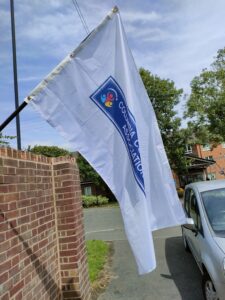
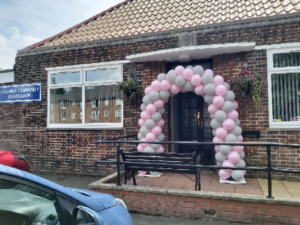
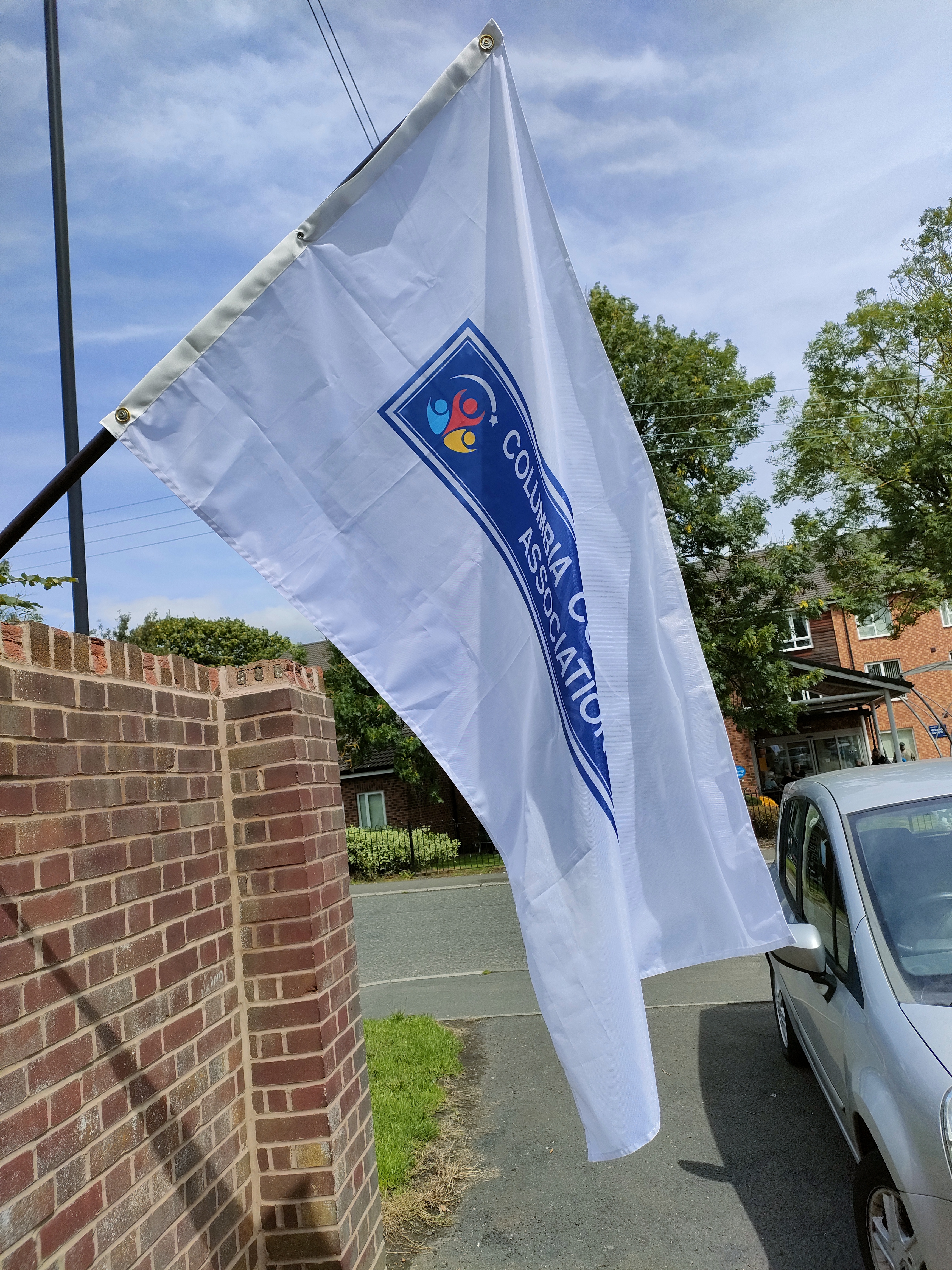
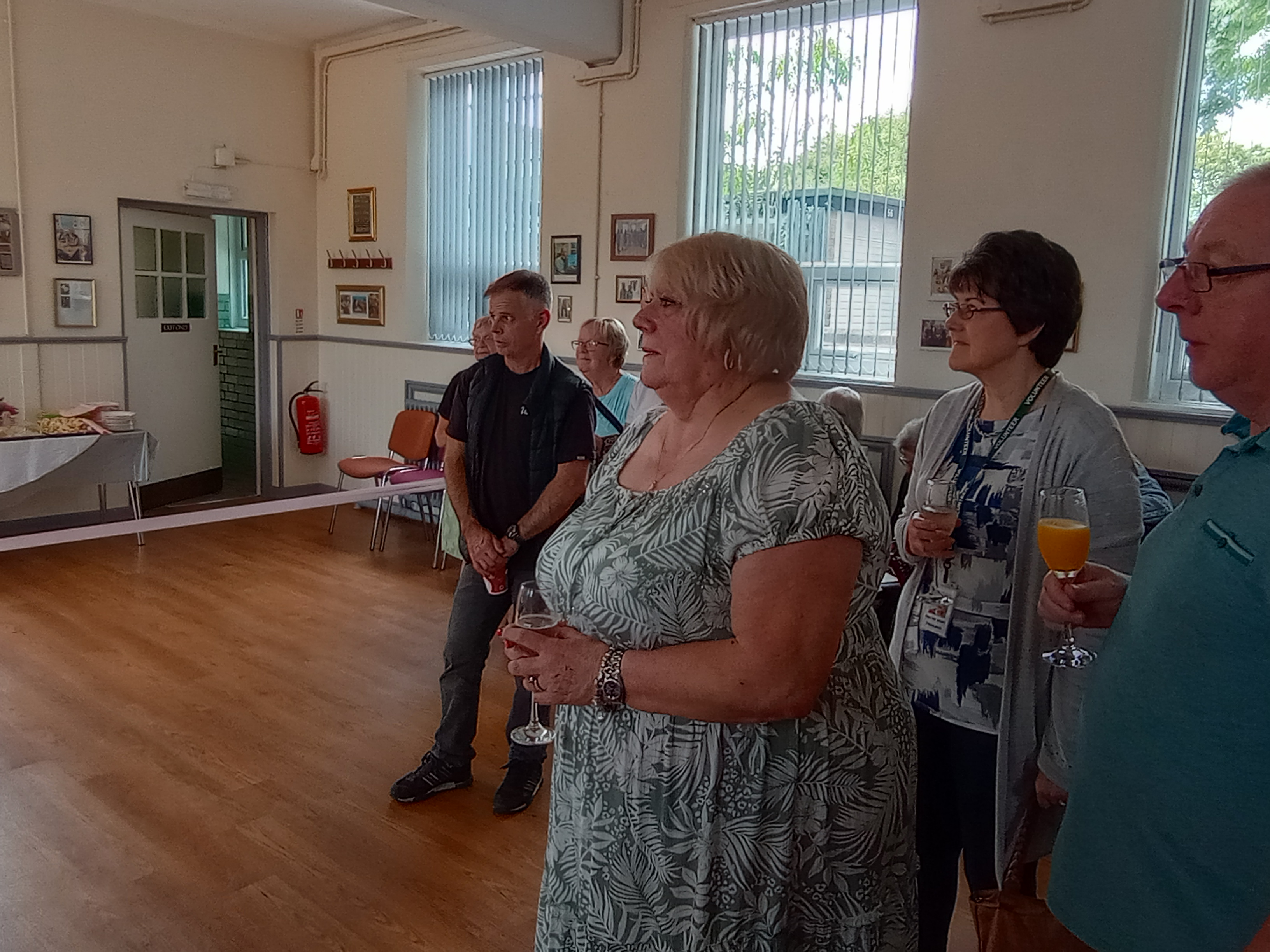
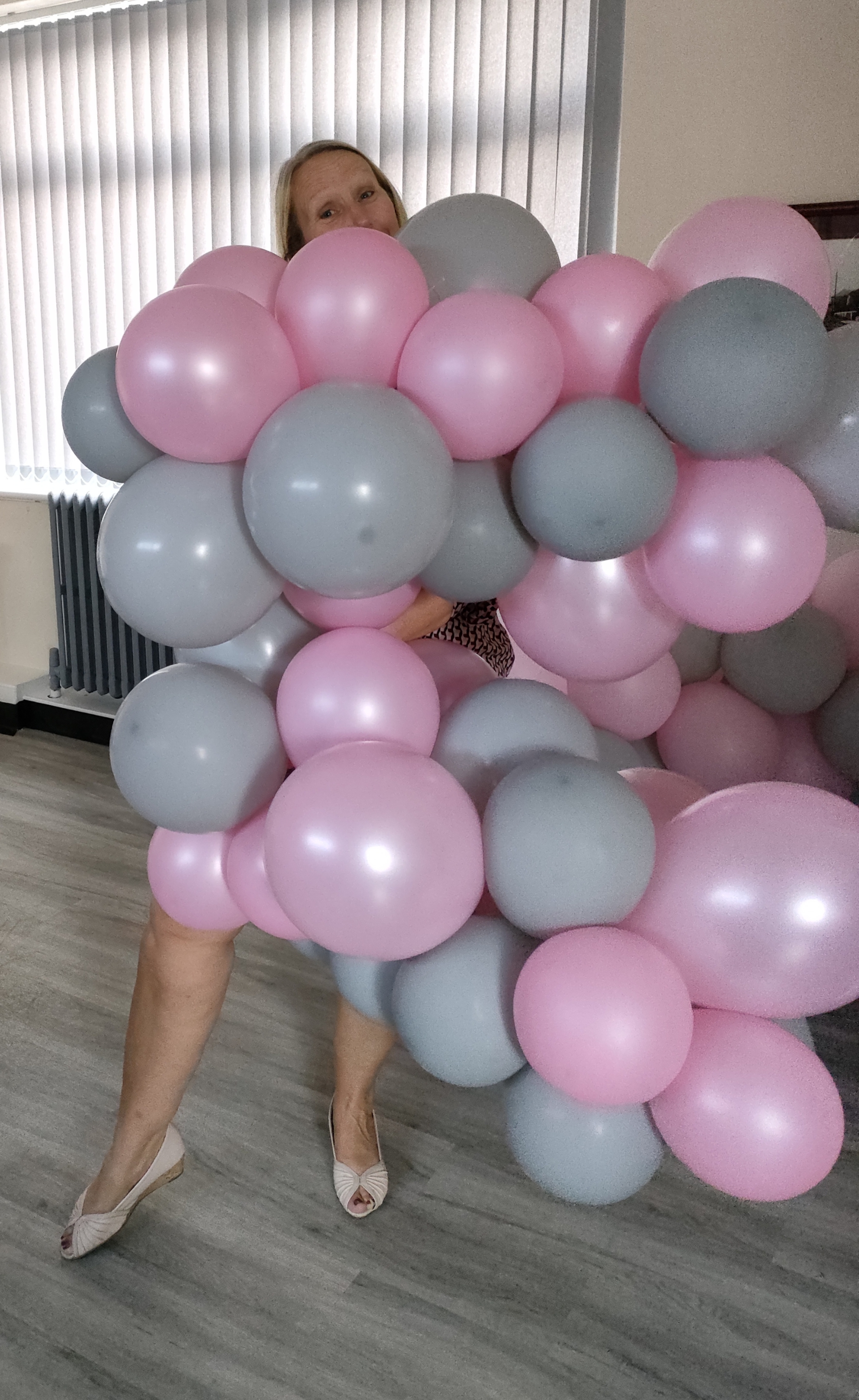
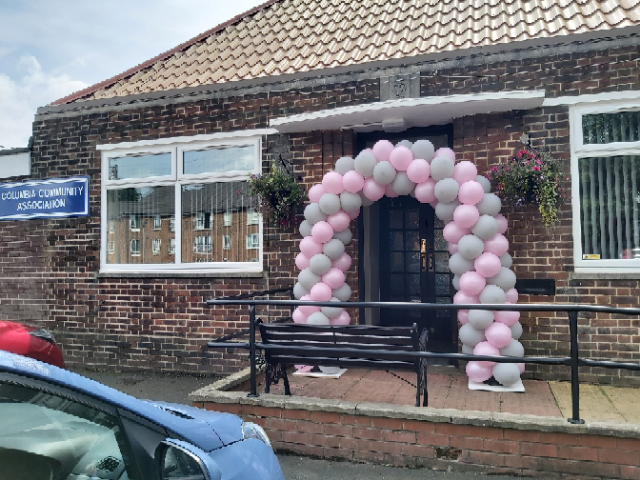
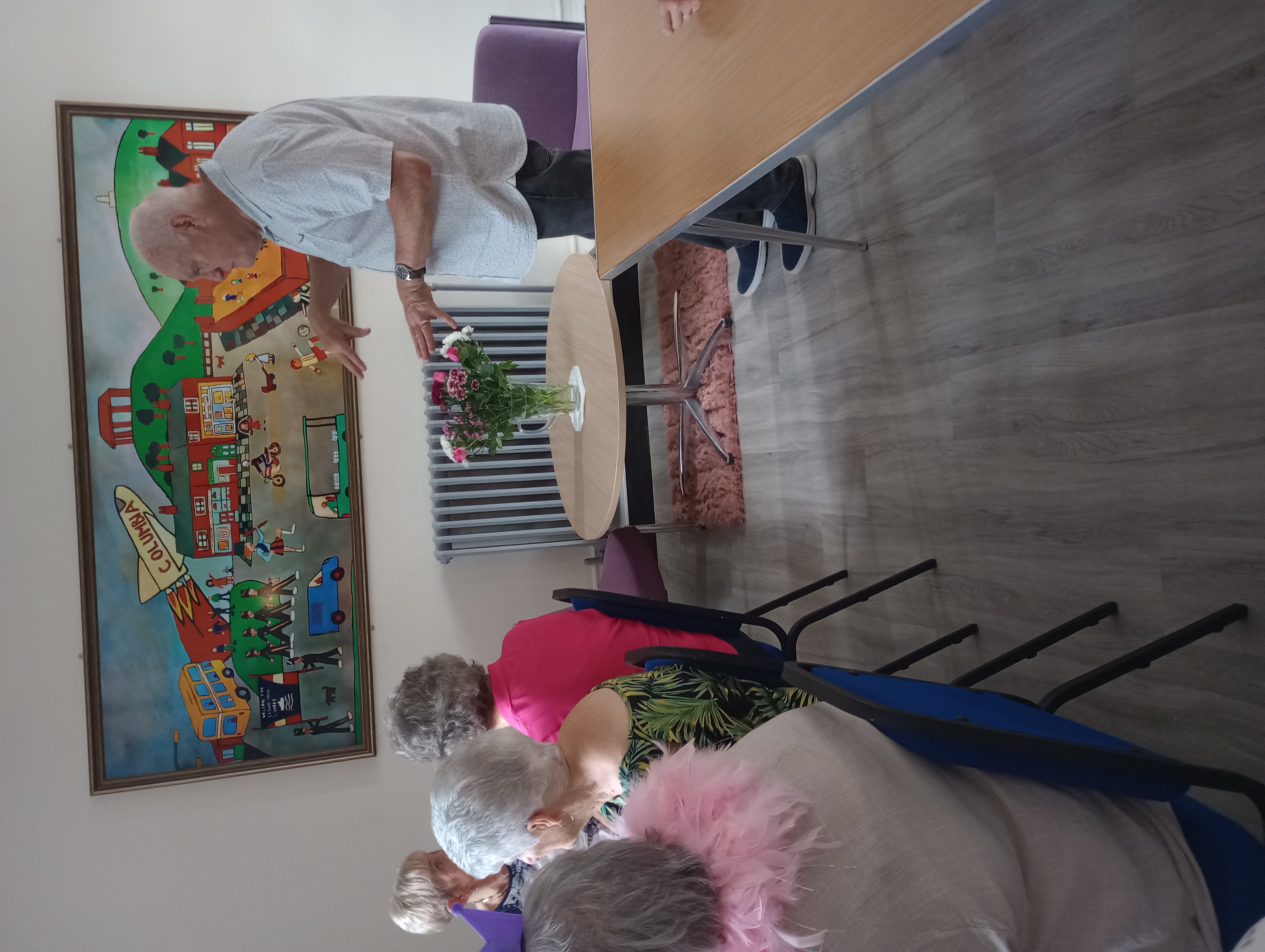
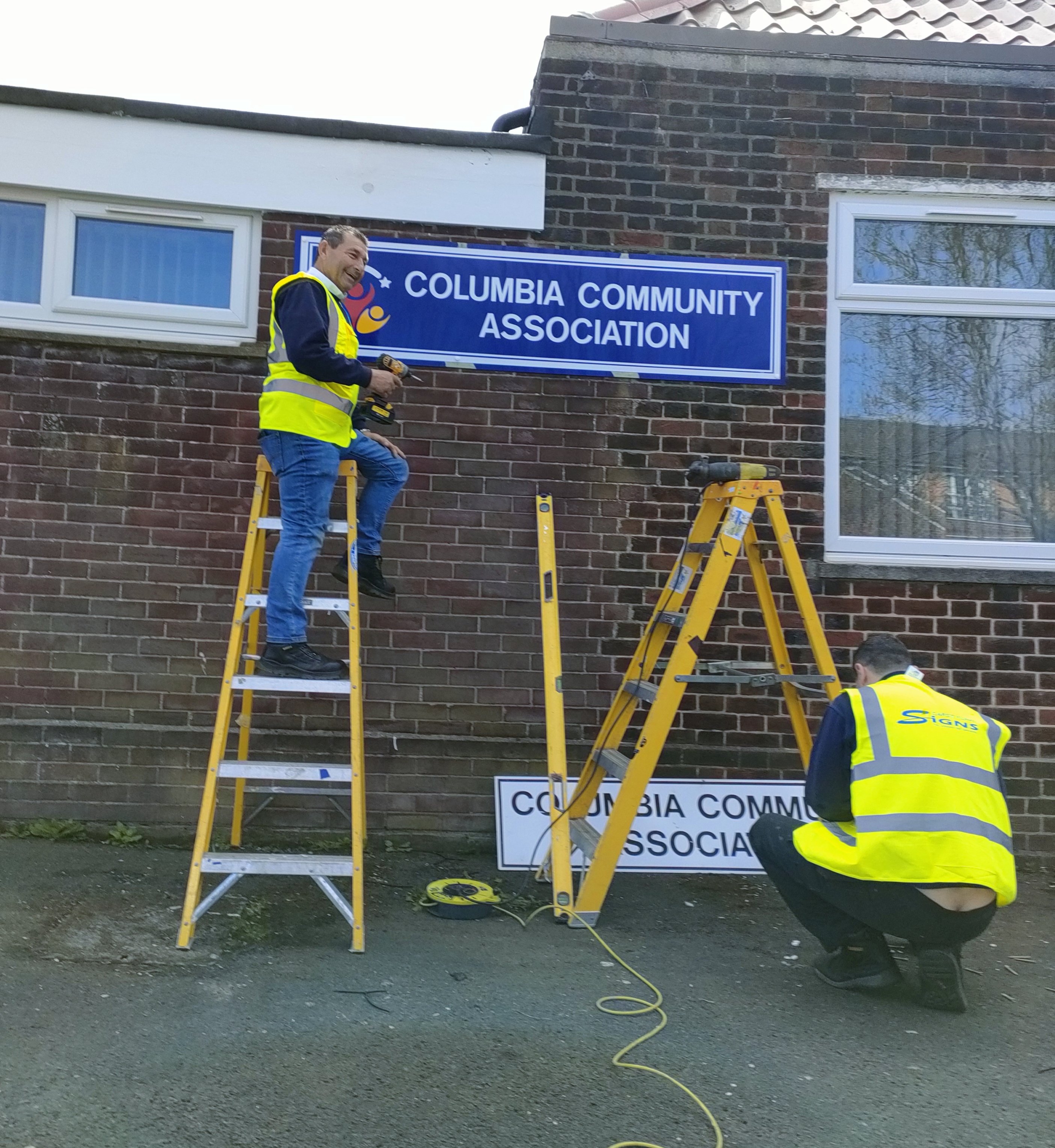
At the Columbia Community Association they are saying ‘What a difference a week makes’

What a difference a week makes,‘ says Marion. ‘We seem to be working in a very different environment, and it’s wonderful.’

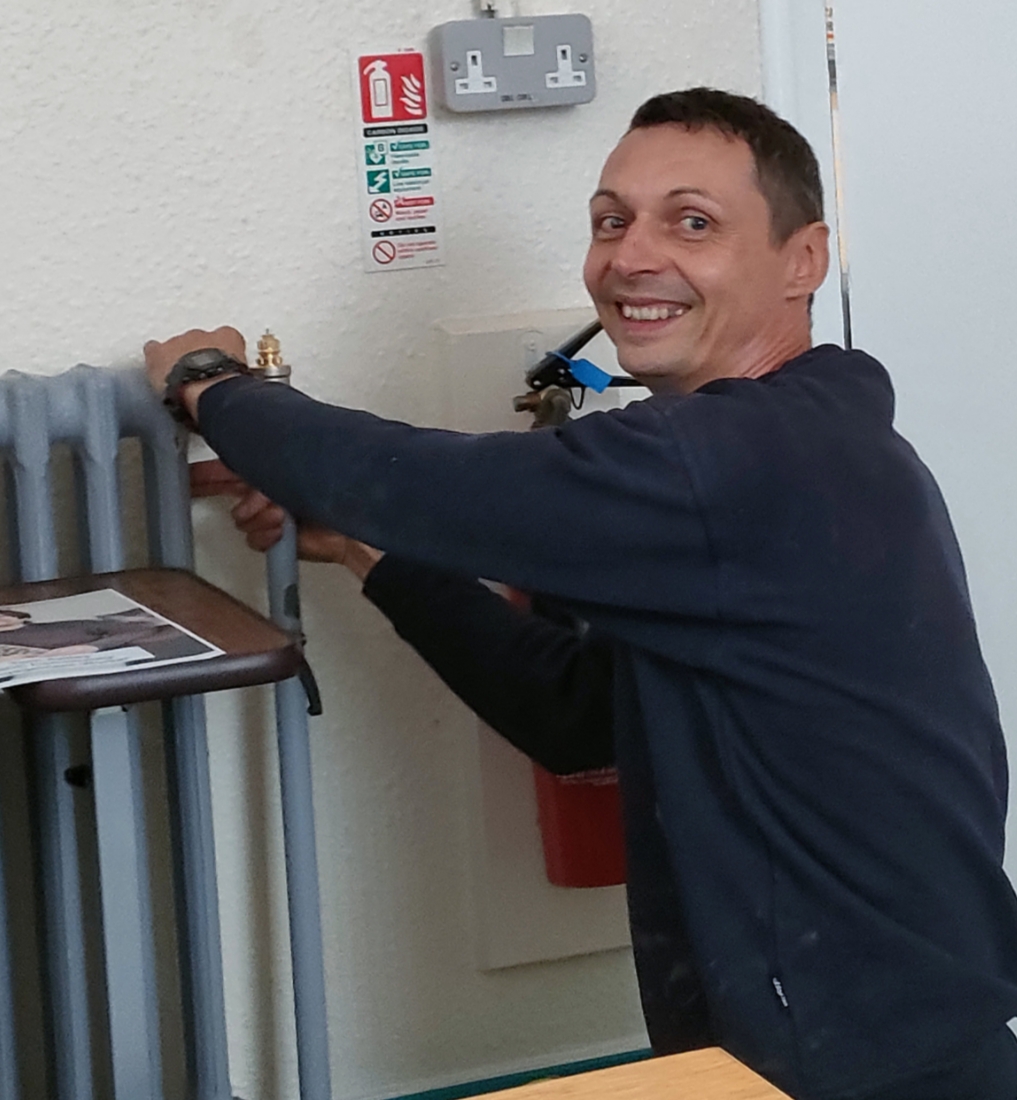
Mariusz, the plumber arrived to change the valves on the radiators, and he  assured our Marion that this time they the right ones. He was at the CCA  most of the day as he had 17 radiators to do. His mug was replenished as he worked, of course.


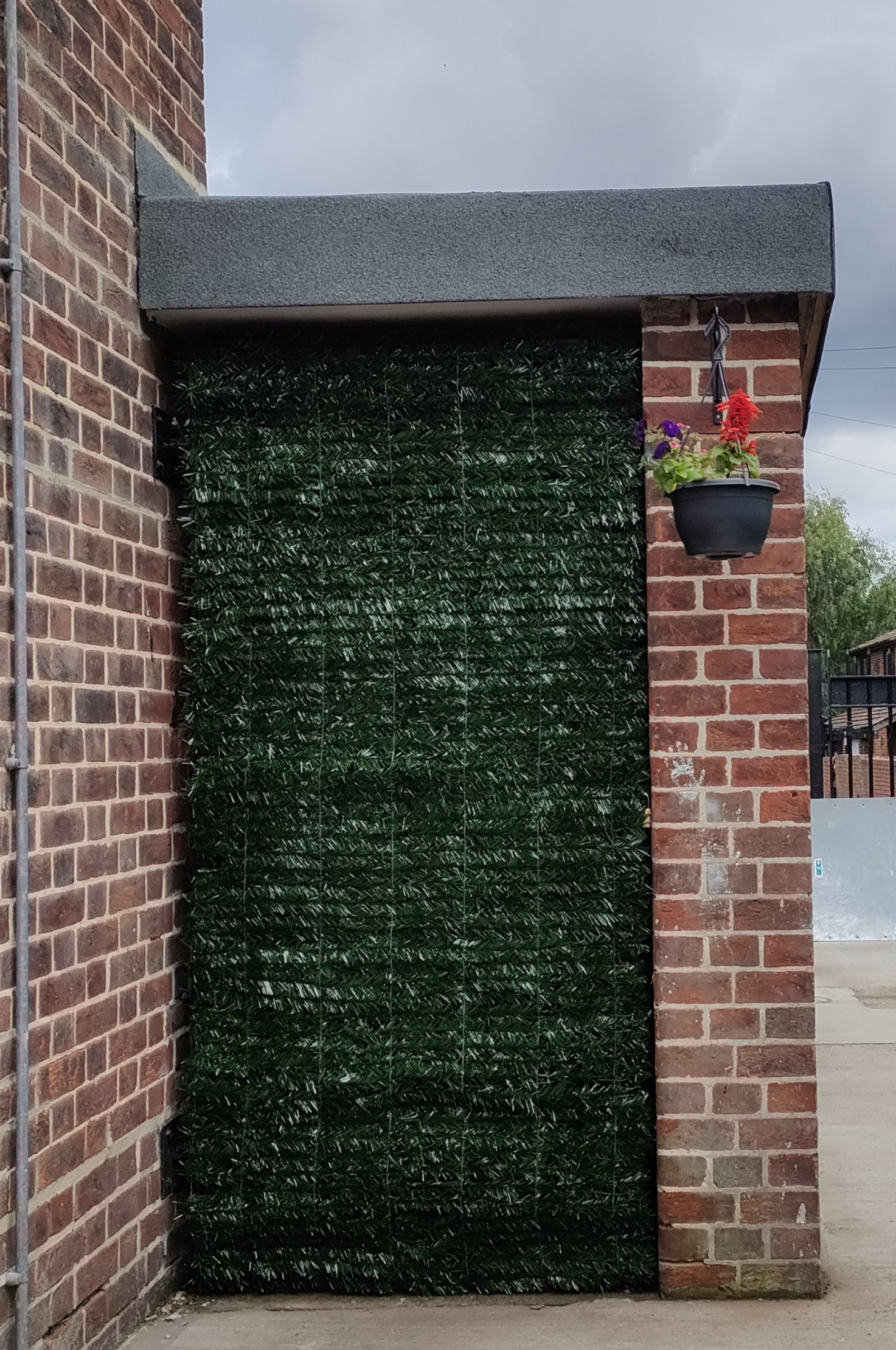
The  new gates came equipped with spy holes, four to be exact, so one plank needs to be changed. Rather a shame really, just imagine the peeking that could have gone on.

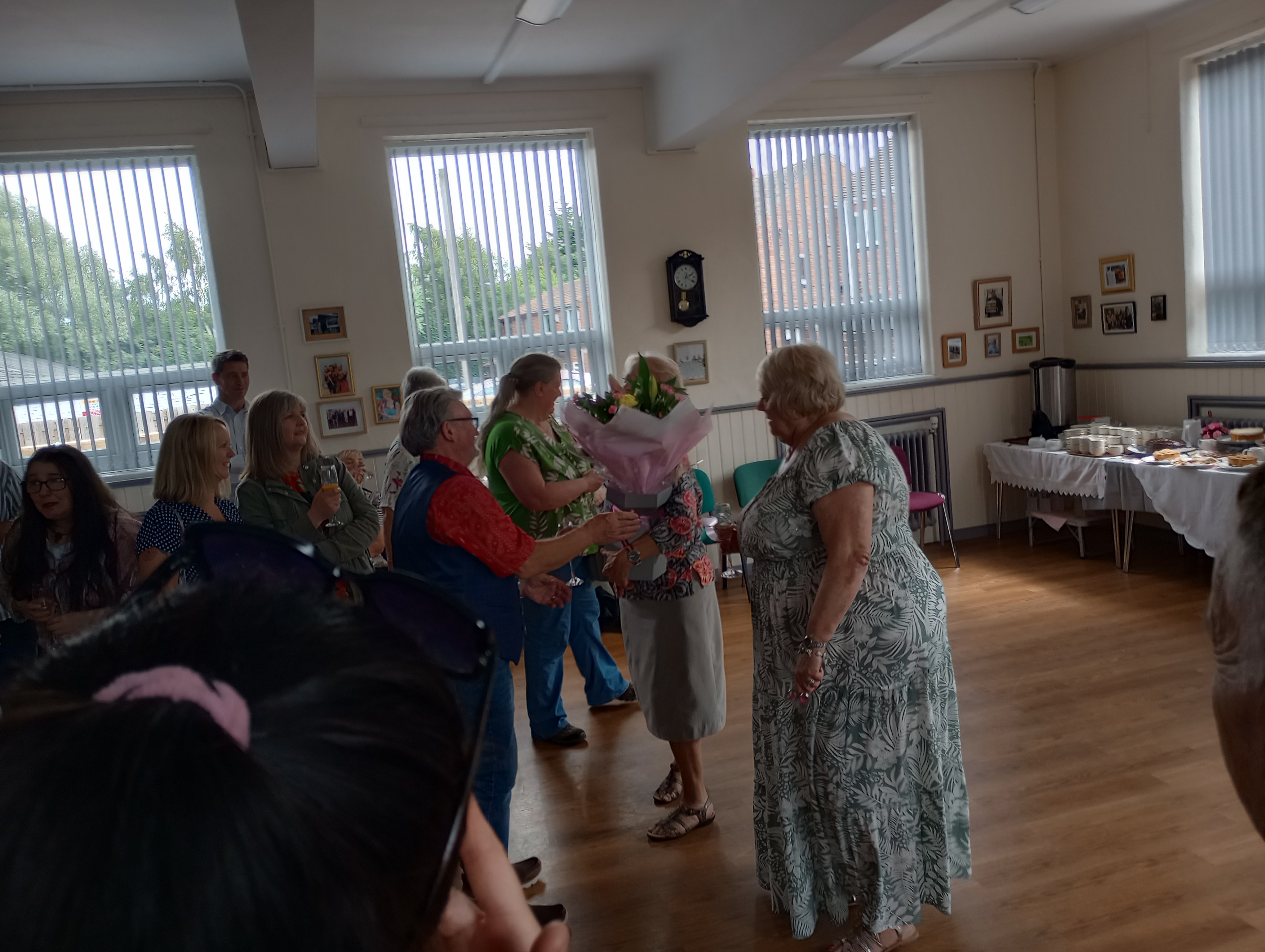
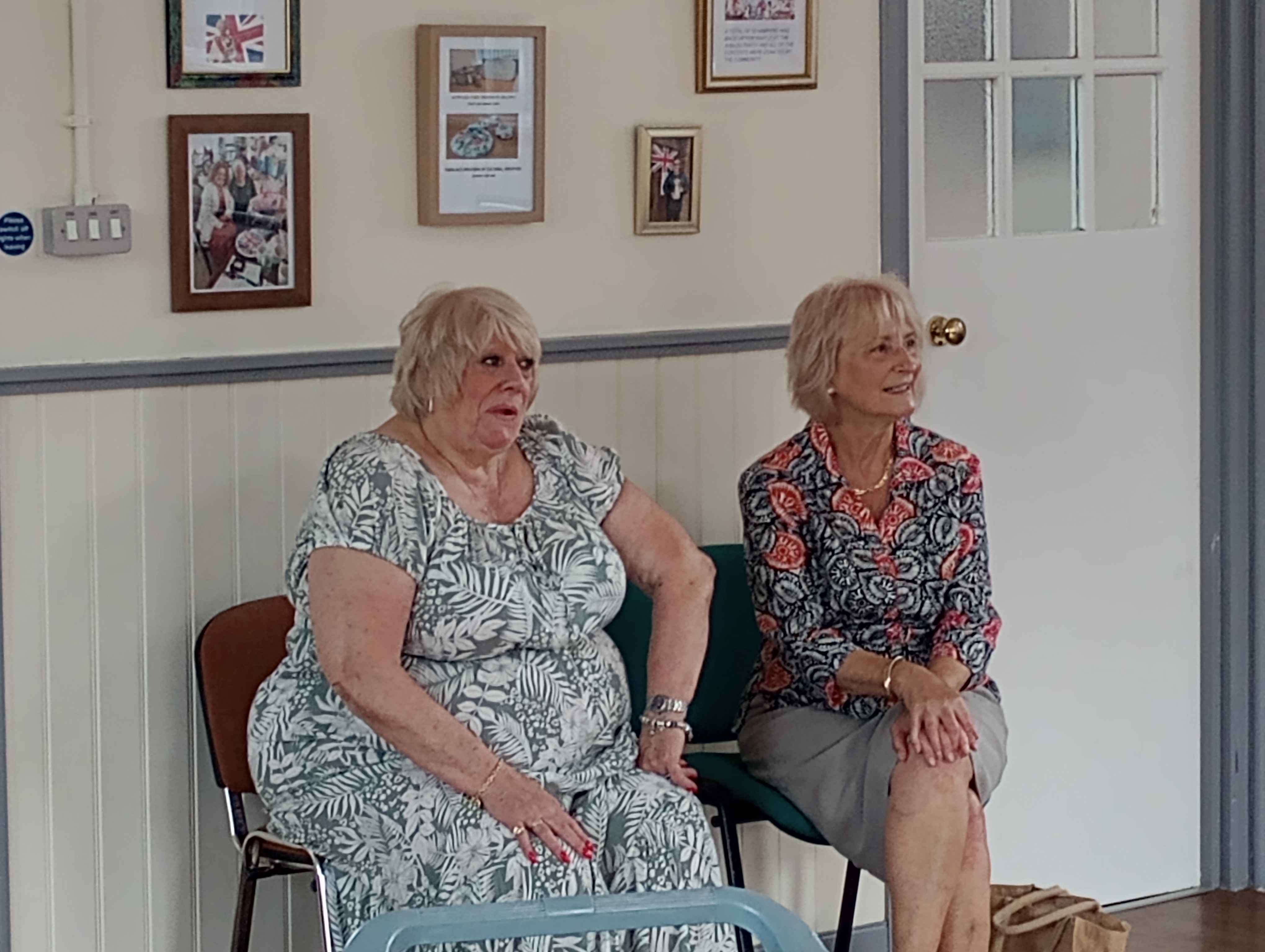
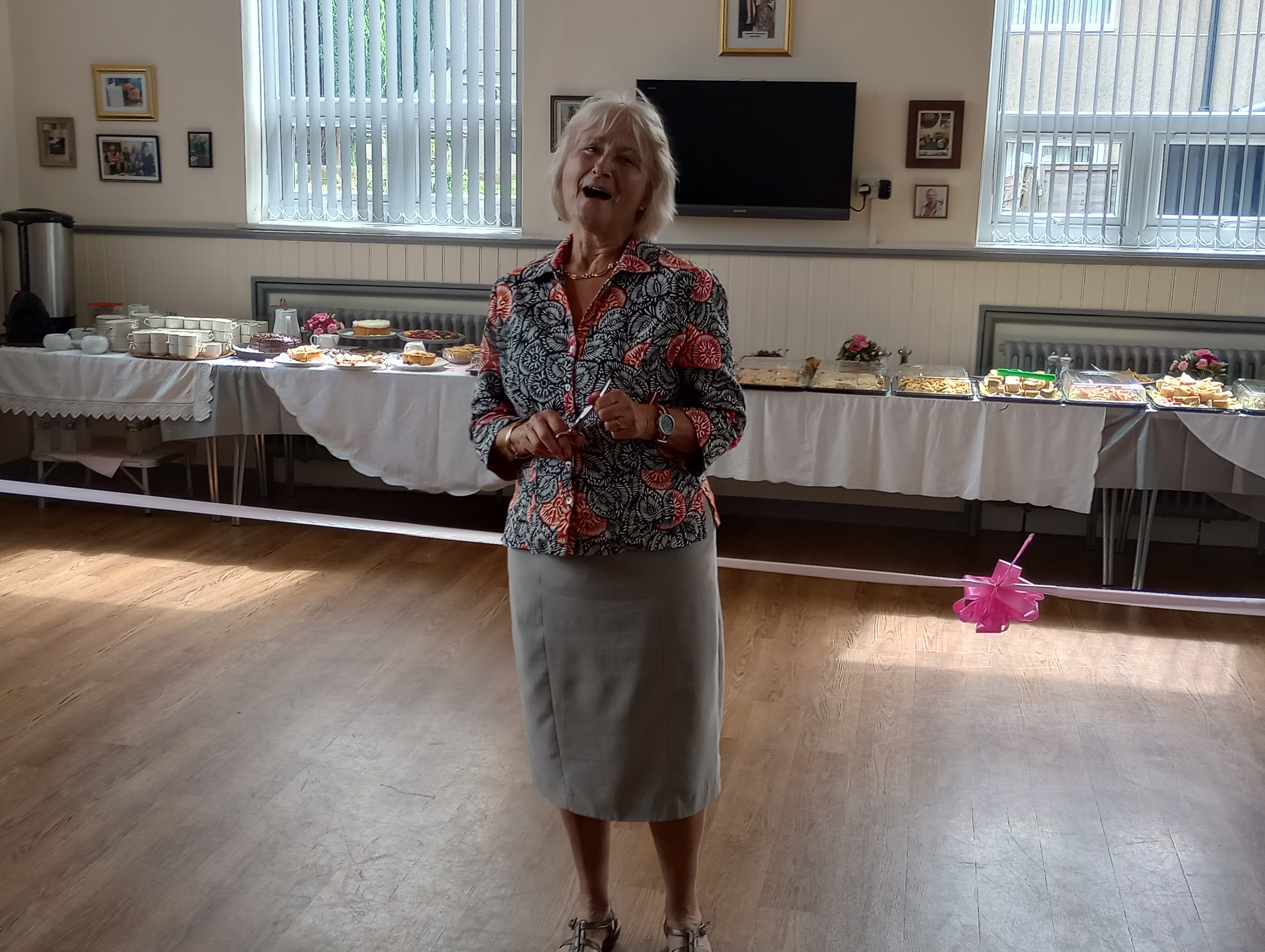
A lovely bunch of flowers arrived for Marion from the CCA Chair, Dianne, and were very much appreciated. Plus, a Deluxe Belgian Chocolate Cake, her absolute favourite.
Parasols and mats have been delivered by Pauline and strategically placed in the corridor.

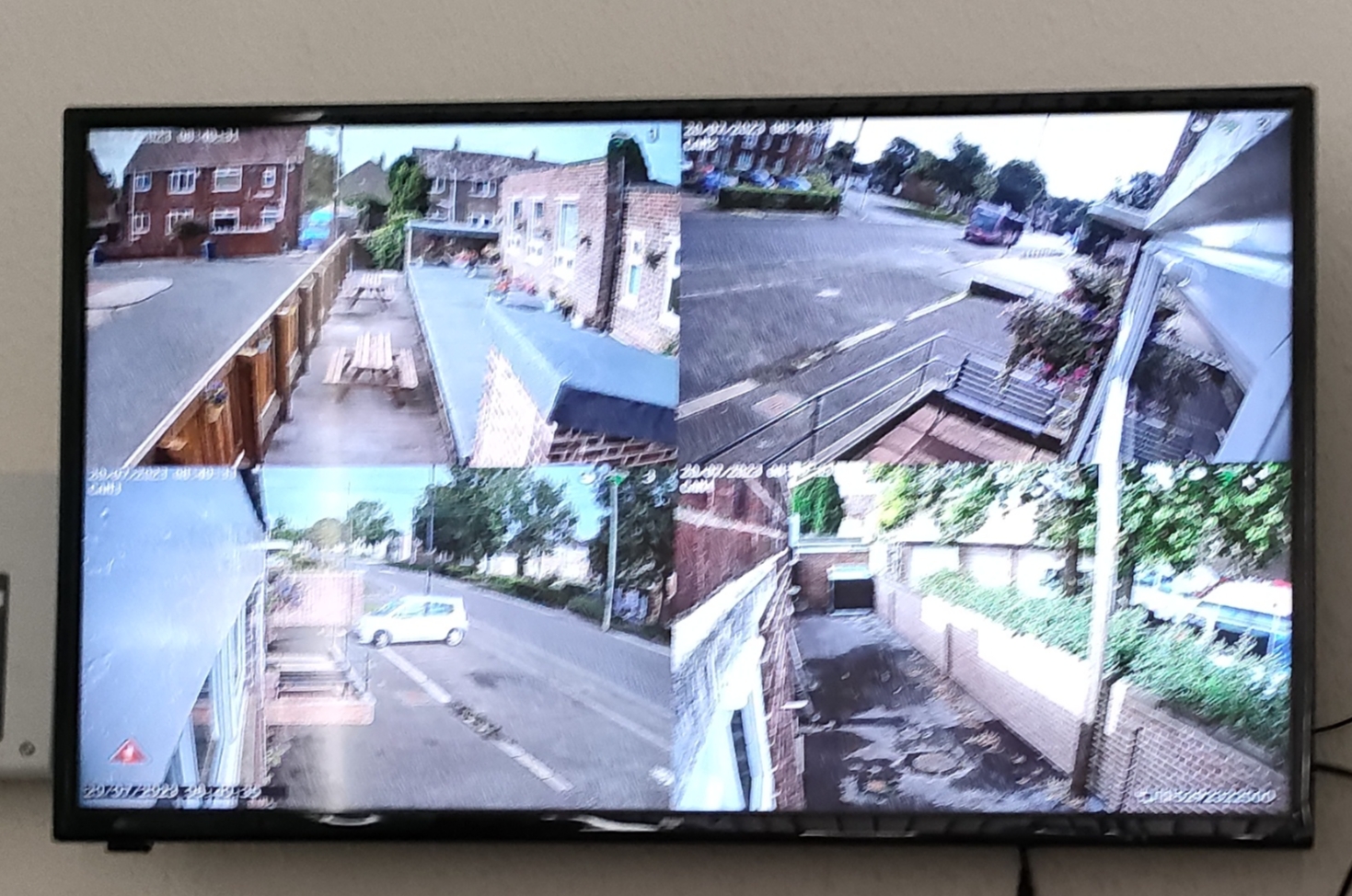
A lot of ordering has taken place during the week, so the Amazon man will be kept very busy delivering CCA’s wares, and Marion insisted Frost Magazine included her  thanks to Simon Grant for his help in rehanging the swing doors, ‘They are very big boys and quite heavy.’ Simon also offered to help install the WIFI Security system scheduled for delivery  during last week. Gary from ACT dropped a ladder off for when the CCTV system is  installed though there is no date yet planned. The hope is that it’s SOON.
ACT drilled the ground to fill with tarmac,which will add to the patchwork quilt they have created.

Marion told Margaret of Frost Magazine that it was actually raining men during the week, what with  plumbers, decorators, electricians all working away. Coffee was on hand and everyone was happy, including the lovely ladies from Cultural Creatives who made a “Patchwork Block”


Thank you, Barbara Fiddy, for the ceramic planters, it was so kind of you to deliver them to our centre.‘ boomed Marion, delighted that she’d simply HAVE to visit the garden centre again. Does it serve coffee, I wonder?  Wheelbarrow No 2 from Joanne Leech, now painted and flowers planted.   ‘Joanne Leech, that’s a bookcase and a wheelbarrow you have donated to our community centre for which we are extremely grateful.

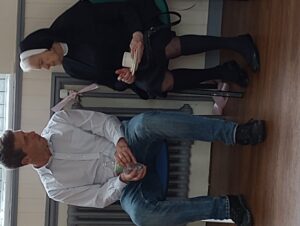
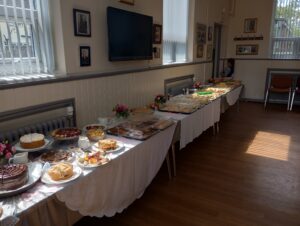
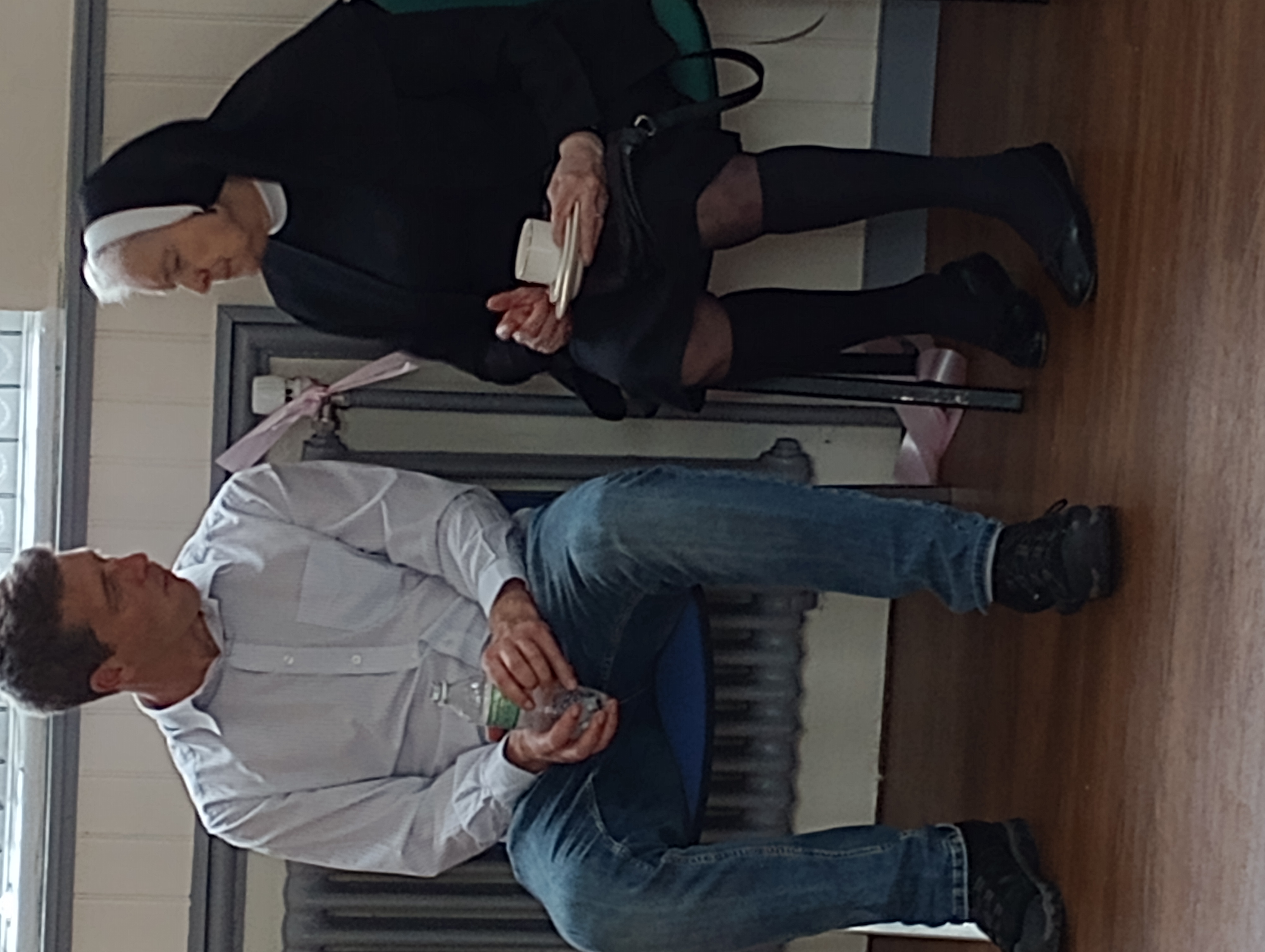
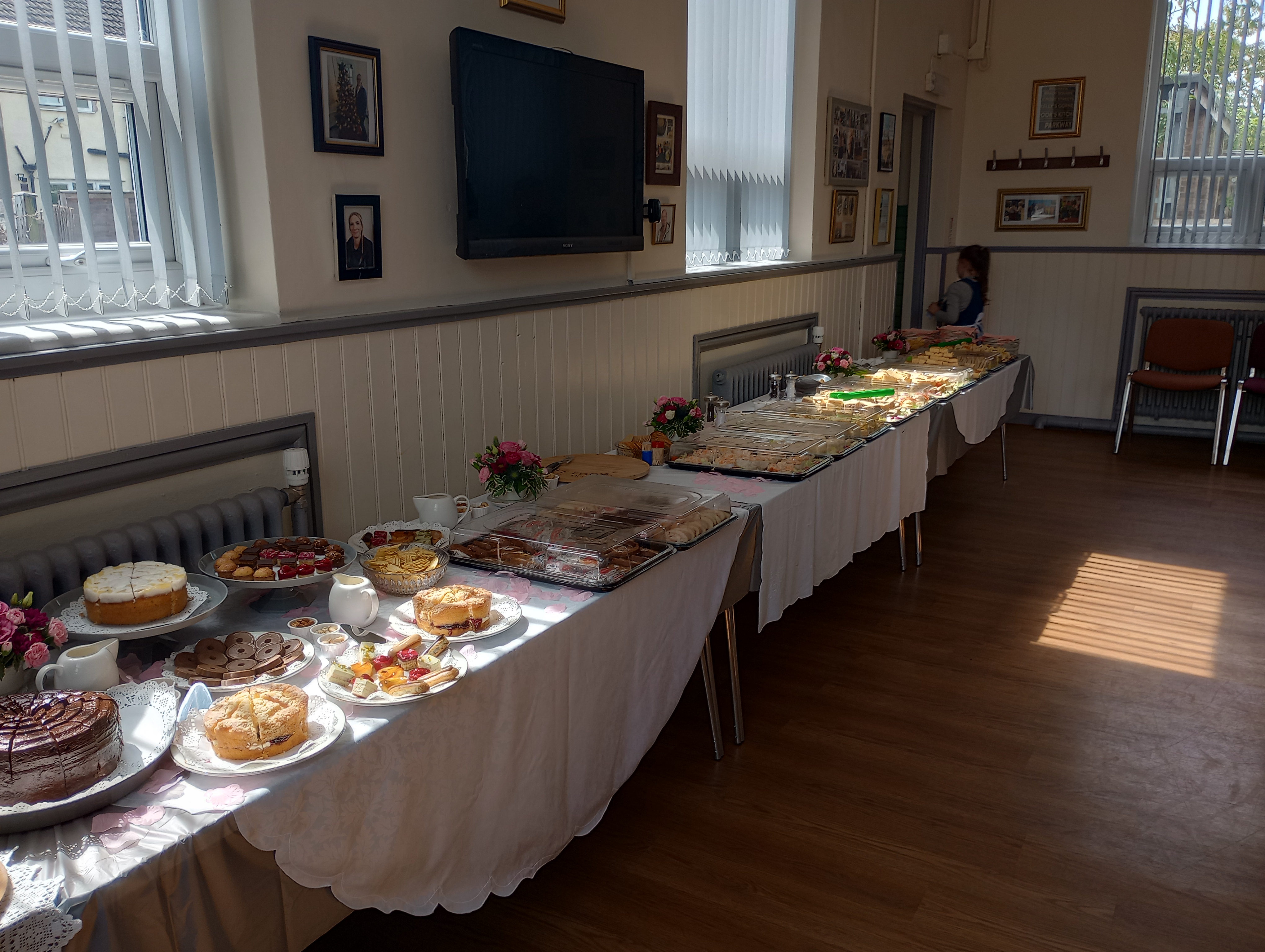
Tom Astley, Sunderland City Council, Community Engagement Worker, came to visit, and was enormously  impressed with all the CCA does in respect of Warm Spaces, particularly the photographs they have displayed. ‘Tom has promised to down load every edition of the Frost Magazine as he thinks it is amazing and come along to our Friday coffee morning one week. Once he tastes the scrumptious food, something tells me he will be a regular,’ says Marion.

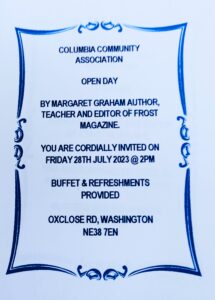
During the week there were tears. Heavens… But… hang on… the CCA’s VSA Denise is moving on, and will be missed greatly. Marion says that she has been a guiding force in the progression of the CCA but of course they all wish her the best of everything in her new career as a Social Worker. Denise has promised to pop in for the CCA Open Day. Marion shared with Margaret that Denise gave her  an amazing little bag called Marbles filled with several little items all with their own meaning. She promises to tell us all about it in due course.

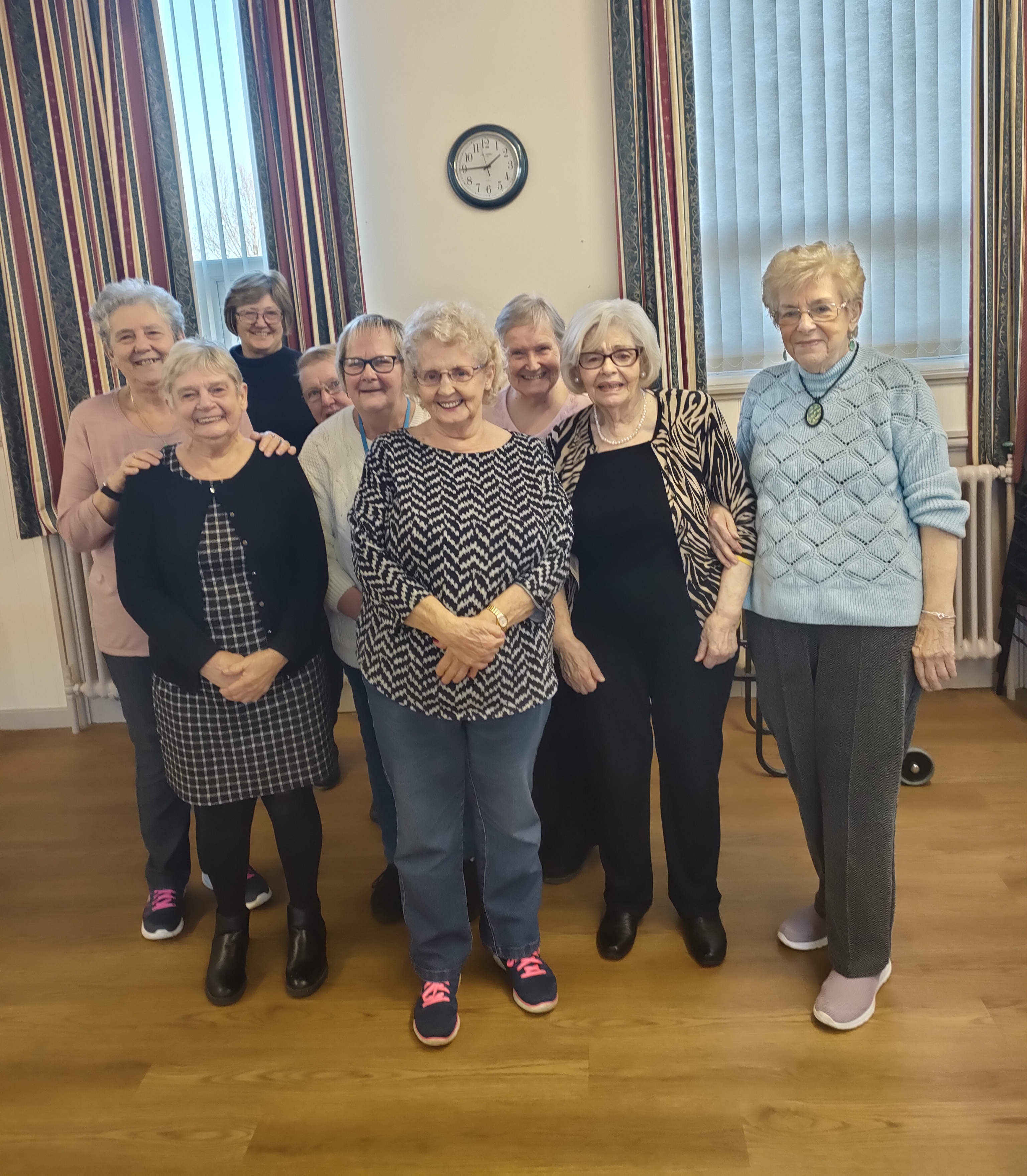
The coffee morning was wonderful as always, (followed by the Flower Arranging class). ‘I do believe that we all missed our good old chin wag last week,’ confessed Marion. ‘And it was lovely to hear how pleased everyone is with the new corridor flooring, and a relief to know that  Chris from SCC checked the water system for Legionella’s (all OK) and said,Wow, the place has gone from a shack to a Palace”.’

WEll, of course it has. Look who’s in charge, in collusion with Red Shoes Bob. What’s more there is glorious sunshine this weekend. Last word from Marion, (Goodness, that’s a surprise.)

Be careful out there and enjoy.

Information: Columbia Community Association  Columbia uk Community Forum

Memories of Brady Square

Artist Louisa Skinner talks to Frost Magazine about her life and work

Frost Magazine, and Thirsk,  enjoyed Frank Family Butcher’s newly painted shop front, the actual window, created and signed by ‘Louisa’ so much that Frost Magazine’s editor has hunted her down to hear just how her inspired window painting came about.

It seems that like so many artists she has been drawing and painting since she was able to grip a pencil. Encouraged by her mum, whose brother David was a painter, one who died at the early age of 30, Louisa drew every day. Believe it or not, her first commission arrived at the tender age of 7 years old.

‘I was asked to draw a picture of my primary school, to be presented to the Mayor. I still remember sitting in the playground on a sunny, breezy June day meticulously drawing every brick on the small Victorian building. The teachers at my primary school (Miss Rachel Howard’s Primary school in Ackworth, West Yorkshire) encouraged ‘the arts’. They were old school teachers, in their late 60s/ 70s with neat wartime hairstyles and wore dresses from below the knee to chin with a tightly secured broach on the neck. They were wonderful and influenced me no end. I had a passion for drama too and played the lead in several school plays.’ 

The editor of Frost Magazine was in several plays too, but in the chorus, well hidden from view, though she felt she was star material, of course. The managing editor and owner of Frost Magazine really was, however, a burgeoning star until writing took her fancy. 

The duality of Louisa’s interests led her into drama initially, enrolling on a theatre studies and performing arts course at A level, but at one point she switched back to art, focussing on fashion design (influenced by below the knee to chin outfits perhaps?). Accepted on a BA Hons Degree in Fashion at Leeds College of Art and Design she developed cold feet. Lord, we all know that feeling, and changed back to drama. Her drama course included set design, so it was, as Louisa said, ‘Really a mixture‘. 

With a  2:1 in Theatre Studies under her belt Louisa moved into acting professionally, performing in fringe theatre, travelling theatre companies and small walk-on TV roles. Working hard at auditioning, not to mention studying with the amazing Method Teacher Jack Waltzer in London, she thrived, but still the art was ongoing. 

Then, as it does, romance intervened, marriage and a baby brought about a move to Harrogate and an end to performing in far away places. Then another baby arrived, and Louisa found herself working at Grove Road Primary school as a teaching assistant, and overheard the Head Teacher talking about stairwell art. Grove Road has staircases that go on forever. (Apparently the kids call the old building (built in the 1800s) Hogwarts or The Princess Castle.) ‘The head wanted artwork going all the way up each stair case. I immediately jumped in and volunteered to do it. He chose the work of Axel Scheffler and Quentin Blake, and I happily recreated them on canvas and huge A1 boards.’

My best friend Becky of 35 years then suggested the window painting idea after seeing my paintings. It was during covid, and she was walking to work in Ealing on the empty streets, but she was cheered by the wonderful window art in all of the shops. She told me I should do it….’ 

Louisa tried out various techniques and materials, and gradually windows began to be commissioned increasing markedly as Christmas 2022 approached. ‘Ah, seasonal windows. Of course,’ Louisa realised. 

Now  we are into 2023 Louisa has regular customers coming back for seasonal paintings, as well as pet portraits and t-shirt design commissions. ‘I have chosen the name ‘Louisa’ for my business name ‘Louisa Loves Painting’ as a nod towards my mum. Louise is on my birth certificate as my Dad registered me incorrectly. My Mum preferred Louisa but she didn’t go with my Dad to register me. He took the lead as he thought Louisa was ‘too posh’. My Dad is living in Spain now, but I take the ladders he left me to every job. They are ancient, rickety and I should probably worry about my safety, but I remember using them to paint the house with him as a child.’

Margaret’s  dad also registered  his children’s names, which he got right, but none of the birthdays. One was a month and a day out. Margaret’s was a day out, and the eldest sister’s too. 


I have my favourite jobs,’ explains Louisa, ‘But find all my clients to be fun to work with. So many come to me with wonderfully crazy ideas that I then get the pleasure of putting on their window. If a client has a vague idea or promotion but is then happy to leave it up to me I will do lots of research and suggest design ideas to them. I always draw free hand. One of my favourite things about this job is meeting the clients and discovering their unique businesses. So many independent businesses ask me to work with them and I find it inspiring to hear of their products and their success. I make sure I promote them with a fun video on social media and also by recommendations via word of mouth. The absolute best thing is being able to work with the same client again on a new project, it’s often like visiting an old friend. I feel honoured to be able to support their business.’ 

Two of Louisa’s recent works include the ‘Monarch of the Dog’s Bakery and Cafe’ competition which featured in the local paper. Local dog walkers entered their pooches into the competition, to have the chance of winning the prize of place as ‘monarch’ on the cafe window. Owner Emma, also gave away a free afternoon tea to both owners and winner. All the proceeds went to Dogs4Rescue

Another is the work she has created for Jeni at Grassington Farm shop and kitchen – designing their branding, including t-shirts, windows, A-boards and also their artwork for Pride of the Dales. 

Interestingly, Louisa still studies art, and has attended multiple classes in Harrogate since moving here in 2012. She, like many others, thinks it’s important to keep learning and has finally settled on a fantastic teacher – Andres of York Corner studio– and attends his classes weekly. Also… she has been a supporting artist on Emmerdale since moving here, as she says, ‘I just can’t help myself!‘. 

Louisa’s goals are to expand her business as her children get older and is  moving into pet portraits as well as looking forward to the Halloween and Christmas bookings.  ‘Many members of the public have commented when I have been working or contacted me through social media to say that my artwork puts a smile on their face, and this takes my job satisfaction to a great new level.’ 

Louisa is  available for commissions in the North Yorkshire area. Facebook  Instagram

Roots and Fruits,    Kendalls Farm Butchers HarrogateYork Corner Studio

Grassington Farm Shop and Kitchen ,  The Dogs Bakery and Cafe, Dogs4rescue

JANE CABLE’S HIDDEN CORNWALL: FOOD & DRINK

I sometimes wonder how much, if any, of Cornwall is really hidden these days. It’s one of those locations that thrive on visitors finding something off the beaten track… even if that track is not much more than six feet wide and they’re towing a caravan.

Nevertheless, the county is my adopted home and I am sure I see it a little differently. For a start, I see it out of season; lashed by winter storms and on unreasonably soft and sunny spring days. I see city, countryside, and coast. I love its history and it inspires me. I love the people, because, let’s face it, the ones I know are my friends.

So as a taster for the first of these articles I’m going to write about another love of mine. Food and drink. And to give you a few ideas you may not have thought of if you find yourself hungry or thirsty in Cornwall this summer.

TAPAS TIME

No, not in Spain, but every bit as delicious, with a fabulous atmosphere and seasonal menus suitable for vegans and meat-eaters alike, as well as – a big plus for me – gluten free options. I’m talking about Bodega 18 in Truro, our current favourite restaurant. There’s a branch in Falmouth too, but we haven’t tried it. We have no reason to when we can stagger home from this one.

TAP YARD

Very sadly for Cornish folk, Skinners Brewery went into receivership more than a year ago, taking with it not only its most famous beer, Betty Stoggs, but also its brilliant tap yard bar in Truro. It had an amazing outdoor area with a casual vibe and visiting food trucks, and filled with locals on Friday evening it was just the most laid back place to be.

The good news is that Goodh Brewing, who have taken Skinners over, will be bringing back the tap! Hopefully in July, just in time for it to start pouring with rain again.

WOOD FIRED

The St Kew Inn is rather less hidden since chef Andy Tuck appeared on the Great British Menu earlier this year, but it’s still in the middle of nowhere a few miles inland from Port Isaac, and not a place to tow your caravan to. It’s definitely worth a visit though, because the wood-fired food is genius. If you haven’t tried Baked Alaska cooked that way then you haven’t lived. Not only that, the welcome is super friendly too.

BEACH BREAKFAST

No 4 Breakfast & Bistro in Perranporth gets my vote every time. After a walk along the beach – which can be miles and miles when the tide is out – or a bracing swim – the portions here are as generous as the welcome. Even for the dogs… although the local cat who seems to own the garden can make life interesting for the pooches at times.

A GOOD HONEST PINT

Tucked away near Trevaunce Cove in St Agnes (or St Pirans, in my first Cornish Echoes mystery, The Forgotten Maid) is The Driftwood Spars. A pub, a brewery, a restaurant, and a guest house, all within a stone’s throw of a fab surfing beach with the added seasonal entertainment of some idiot who thinks it’s a good idea to park their very expensive car on the sand. Trust me, it happens. Don’t let it be you.

The bar of the Drifty is on the ground floor and their own beers are amazing, and perfect for me because they are brewed using a gluten free process.


Photo credits belong to the venue concerned as I never take pictures of my food!


Michael Rowan, Frost Magazine’s Food and Drink critic, visits Thirsk, a traditional market town nestled between the Yorkshire Dales and the North York Moors, and drops in at the Golden Fleece for a large helping of Yorkshire hospitality

Overlooking the main square, the imposing building that is the Golden Fleece is equally impressive on the inside, but it was the warm welcome from the staff that set the tone for the afternoon.

There were several smaller rooms and comfortable looking alcoves, where lunch could be taken, but we headed straight to the impressive chandelier bedecked dining room.

The dining room was painted in creams and blue with matching uphostery helping to create a relaxing atmosphere, and I was happy that the music, which also added to the ambiance, was playing in the background but not so loud as to interfere with conversation.

We were seated at a table in a corner of the room where an elegant French antique style beautiful mirror hung on the back wall, and I noted that the tables had been carefully placed to ensure a degree of conversation without fear of being overheard, though we were so loud we could probably be heard out in the car park.

Our waitress, Charlotte, charming and efficient, guided us through the extensive menu, explaining that the seasonal menus featured the finest locally sourced ingredients. As importantly she brought the wine list and later the pudding menu.

After much deliberation and a few changes of mind, all watched by our ever- patient waitress, we settled back sipping a very palatable Rioja and awaited our food.

As a vegetarian I have come to understand that it can be quite a test for a kitchen to provide anything above the ordinary, so I ordered the BBQ tofu burger, which came with a portion of fries. It didn’t look big, but given that this was lunch and I didn’t eat any more that day, you can draw your own conclusions.

One friend chose a Fajita Quinoa bowl with added chicken but declared herself beaten by the time it came to the third wrap, Our other friends ordered a Fleece Burger, which was a 6 oz beefburger also served with Fries and a Ham and Chicken pie served with thick cut chips. All delicious and all filling.

Not so filling however, that we couldn’t find room for a delicious pudding, my lemon curd cheesecake was perfectly tart and the others expressed their satisfaction with Chilled Chocolate Fondant. 

Four coffees, later with the Golden Fleece’s famous and obligatory three maltesers each, and to a chorus of cheery goodbyes we were ready to walk off a lovely lunch in a lovely market town and bid farewell to Thirsk, but hopefully not for the last time.

For more information: The Golden Fleece, Thirsk

The Golden Fleece Hotel, Eatery and Coffee House
Market Place, Thirsk
North Yorkshire, YO7 1LL
Phone: 01845 523108
Email: mailto:goldenfleece@innmail.co.uk
 

Minding the Law by Michael Scott – hilarious, sobering, thought provoking, absorbing, worrying, never patronising and most importantly, revealing on so many levels.

Mum, she of the far reaching voice, (well she was a military nurse in the war) used to boom: I hope you’re minding your manners or I’ll want to know the reason why.

The remembered childhood frisson of nervous sniggering was my companion, plus outright hilarity, as I began to read Minding the Law for such is Scott’s style. Crikey, what a task though and just as well he led the 2nd Battalion Scots Guards in the Falklands War, amongst other triumphs – not that Scott would have been a match for my mum, let me tell you. But how on earth did Michael Scott arrive at the gates of the first Complaints Commission? Indeed, what is the Complaints Commission?

As civilian life loomed for the author, The Bar Council which regulates the behaviour of barristers, interviewed and appointed Michael Scott, with his distinguished war record but no legal experience – crucial to an unbiased approach – to head its first Complaints Commission. Whose complaints?  The public’s complaints against the legal profession.

In at the deep end doesn’t really cover it, because who would show Scott the ropes when the ropes were as new as he?

So off the author goes, drawing us into a different minefield to that experienced in the military world. It is, however, still a place in which one should  tread carefully in the search for justice, as he encounters hostility, distress, desperation, not to mention scrutiny by others, including journalists.

In Minding Your Manners – oh sorry, Minding the Law, we laugh, wince, bury our heads in our hands overcome with sadness, narrow the eyes aghast at the complainant, muttering, ‘What were you thinking?’.

Minding the Law is a marvellous page turning book: accessible, fascinating, and in his  silent responses to some legal beagles and those from the other side of the coin I heard my mum’s voice. It is not only hilarious, but also sobering as we meet many of the disparate characters and complaints, some, by  no means all,  worthy of a second look. But that’s the thing: that has to be decided by the Complaints Commission. It is a world with which we are mostly unfamiliar, though I did go to Winchester Prison to ask our builder, in for GBH, to return on release and finish the job. (He did, dear reader)

But back to Minding the Law. As well as amusing, it is thought provoking, absorbing, worrying, never patronising and most importantly, revealing on so many levels. Read it, I insist, as the Complaints Commission endeavour to decipher the wood from the trees.

Michael Scott Minding the Law. The hazardous and hilarious world of handling complaints against barristers. HB. Marble Hill Publishers £16.99 Available on Amazon Prime.


Michael Rowan is counting down the days to his visit to Opera Holland Park to enjoy one of his favourite Shakespeare plays set to the music of Mendelssohn at the Holland Park Theatre, Ilchester Place, London W8 6LU

If, like me, you find it annoying to read a great review, start making plans, only to discover that all the tickets have been sold – read on…

I am writing this without (as yet) having seen the production, but all the elements are present for an excellent evening’s entertainment. However, if you prefer to wait until the review, feel free to come back and read my thoughts, but if that means that you can’t the get a ticket, don’t blame me.

Could there be a more perfect setting of Midsummer Night’s Dream, the latest offering at Holland Park Opera?

This summer, sensational historical performance ensemble Figure return with a fresh staging of Shakespeare’s classic comedy, A Midsummer Night’s Dream.

Unbridled desire meets magic as Figure stages Shakespeare’s celebrated play, accompanied by Mendelssohn’s enchanting orchestral score.

Figure’s performance of A Midsummer Night’s Dream will feature Mendelssohn’s famous incidental music. Mendelssohn wrote the extended ‘Overture’, followed by numbers such as the ‘Wedding March’.

Reuniting the play with this glorious music, Figure’s musicians will be playing instruments modelled on those from Mendelssohn’s time, including the rarely heard ophicleide.

As Midsummer’s Eve approaches, four young lovers and a troupe of am-dram artisans venture deep into the woods, but little do they know about the amorous antics about to ensue … In the enchanted forest, fairies rule and mischief- maker Puck is on hand to ensure the course of true love is anything but smooth. With trickery, havoc, and chaos afoot, it isn’t long until love triangles, mistaken identities and magical transformations begin to unfold.

A Midsummer Night’s Dream: A play by William Shakespeare with orchestral, vocal, and choral music by Felix Mendelssohn. Dates Thursday 29th June – Saturday 1st July 2023 Running time

2 hours, 45 mins (including interval)

Location Opera Holland Park Theatre, Ilchester Place, London W8 6LU

Tickets are priced £20 – £100 and can be purchased at https://operahollandpark.com/productions/a-midsummer-nights-dream/

How To Write A Lens Essay

A lens essay is a type of comparative paper that, instead of comparing two subjects, compares two different interpretations of one subject. When writing a lens essay, it is important to choose a text that has two different interpretations. These interpretations can be from different time periods, different authors, or even different schools of thought. The key to writing a successful lens essay is to use your own critical analysis of the texts to argue for the validity of one interpretation over the other.

There are a few steps you can take to ensure your lens essay is successful. First, it is important to have a clear understanding of both interpretations of the text. Second, you need to develop a thesis that takes a position on which interpretation is more valid. Finally, you must use evidence from the texts to support your position.

When writing your lens essay, be sure to:

1. Choose a text that has two different interpretations.

2. Develop a thesis that takes a position on which interpretation is more valid.

3. Use evidence from the texts to support your position.

Enhance your essay writing skills and boost your academic success with Trust Essay Writers. Our blog is dedicated to providing valuable tips, insights, and resources to help you become a confident and effective essay writer. Whether you’re struggling with essay structure, researching techniques, or polishing your writing style, our expert advice is here to guide you. Visit https://trustessaywriters.biz/ to access our wealth of knowledge and elevate your essay writing to new heights. Trust Essay Writers for all your essay writing needs.

Understanding the Purpose of a Lens Essay

A lens essay is a type of critical writing that focuses on a single text, poem, play, or work of art through the perspective of a particular idea, theory, or lens. The purpose of a lens essay is twofold: to explore the significance of the text under analysis and to articulate your own argument about that text.

When approaching a lens essay, it is important to keep in mind that you are not writing a traditional research paper. In a research paper, you would typically present a series of evidence to support your argument. In a lens essay, however, your goal is not to simply present evidence, but to critically engage with the text under analysis. This means that you will need to bring your own interpretation to the text and use evidence from the text to support your claims.

There is no one right way to approach a lens essay, but there are a few things that you should keep in mind as you write. First, it is important to select a text that you can find interesting and that you can find evidence to support your claims about. Second, you will need to develop a clear thesis statement that articulates your argument about the text. And finally, you will need to support your claims with evidence from the text itself.

If you are having trouble getting started on your lens essay, try brainstorming a few possible ideas. Once you have selected a text and a lens, you can begin to develop a thesis statement. Remember, your goal is not simply to summarize the text or to provide evidence, but to critically engage with the text and to develop your own argument.

Once you have developed a thesis statement, you can begin to gather evidence from the text to support your claims. As you read, take note of passages or quotes that you think could be helpful in supporting your argument. When you have gathered enough evidence, you can begin to organize your essay.

When organizing your lens essay, it is important to keep your argument in mind. Begin by introducing your text and your lens, and then present your thesis statement. After your thesis statement, you can provide evidence from the text to support your claims. Finally, conclude your essay by reaffirming your argument and showing how your evidence supports your claims.

Remember, a lens essay is not a research paper. You are not simply presenting evidence, but critically engaging with the text under analysis. By approaching the text from a particular perspective, you can bring new insights and interpretations to the text. By developing a clear argument and supporting it with evidence, you can write a successful lens essay.

Selecting a Primary Text and Secondary Source

A lens essay is a type of comparative paper that, instead of comparing two subjects, compares a single subject against a secondary text. The purpose of a lens essay is twofold: to demonstrate your critical reading and writing skills, and to reveal your ability to analyze a complex text through the lens of another text.

In order to write a successful lens essay, you must first choose an appropriate primary text and secondary source. The primary text is the work that you will be using as your lens; it is the work through which you will interpret the secondary source. The secondary source is the work that you will be using as your main point of reference; it is the work that you will be interpreting through the lens of the primary text.

When choosing your primary and secondary texts, there are a few things to keep in mind. First, the texts should be from different genres (e.g., you wouldn’t want to compare a novel to a non-fiction work). Second, the texts should be of different lengths; a short story would not be an appropriate primary text if your secondary source is a full-length novel. Third, the texts should be from different time periods; it would be difficult to compare a contemporary work to a work from the Victorian era, for example.

Once you have selected your primary and secondary texts, you are ready to begin writing your lens essay. The first step is to read both texts carefully, taking note of any passages or ideas that stand out to you. As you read, you should also be thinking about how the two texts might be connected; what are the similarities and differences between them? What is it about the lens text that makes it a good tool for interpreting the secondary text?

After you have finished reading both texts, it is time to start writing your essay. The first step is to write a thesis statement; this should be a single sentence that sums up the overall point you will be trying to make in your essay. For example, your thesis statement might be “In ‘The Great Gatsby,’ Fitzgerald uses the character of Jay Gatsby as a lens through which to critique the empty materialism of the 1920s.”

Once you have written your thesis statement, you can start to develop your argument. In your body paragraphs, you will want to discuss how the lens text sheds light on the secondary text. What does the lens text reveal about the secondary text that we might not have been able to see otherwise? How does the lens text help us to understand the themes and ideas of the secondary text in a new way?

When you are writing your essay, be sure to support your claims with evidence from both texts. Quotations from the texts will help to illustrate your points, and will also show that you have read both texts closely. In addition, you should also make sure to explain how your evidence supports your thesis statement; simply quoting a passage from the text is not enough, you must also explain why that passage is significant.

A lens essay can be a challenging, but ultimately rewarding, assignment. By carefully selecting your texts and developing a well-supported argument, you can use the lens essay to reveal new insights into familiar works.

Analyzing and Interpreting the Primary Text

A lens essay is a type of close reading that focuses on a single text or group of texts. Unlike other forms of close reading, a lens essay requires that you not only analyze the text (or texts) in question, but also interpret it in light of another text, typically one that is considered to be a classic or canonical work.

The idea behind a lens essay is that you take a single text and use it as a lens through which to view another text. In other words, you use the first text to shed light on the second text. The lens text can be either shorter or longer than the target text, but it should be of a similar genre (e.g., if you’re writing about a novel, you would use another novel as your lens).

To write a successful lens essay, you’ll need to do the following:

1. Choose a target text and a lens text.

2. Read both texts closely, taking careful notes.

3. Develop a thesis about how the lens text illuminates the themes, ideas, or characters in the target text.

4. Write an essay in which you analyze the target text using the lens text as a guide.

When choosing a target and lens text, look for works that share common themes, ideas, or characters. For example, if you’re interested in the theme of love in Romeo and Juliet, you could use another Shakespeare play, like A Midsummer Night’s Dream, as your lens. Or, if you’re interested in the character of Hamlet, you might use another character-driven play, like Macbeth, as your lens.

Once you’ve chosen your texts, read them both closely, taking careful notes. As you read, think about how the lens text sheds light on the target text. What themes, ideas, or characters do they share? How do they differ? What does the lens text reveal about the target text that you might not have noticed otherwise?

Once you’ve considered these questions, you should be ready to develop a thesis about how the lens text illuminates the target text. Your thesis should be specific, and it should make an argument about how the lens text helps us to understand the target text in a new or different way.

Finally, write an essay in which you analyze the target text using the lens text as a guide. In your essay, be sure to discuss both the similarities and the differences between the two texts. How do they illuminate each other? What can we learn from looking at the target text through the lens of the other?

A lens essay can be a challenging, but ultimately rewarding, exercise in close reading and interpretation. By using one text to shed light on another, you can gain a deeper understanding of both.

Exploring the Lens or Theoretical Framework

When you are asked to write a lens essay, you will be asked to analyze a particular text through a specific lens. This may be a literary work, a film, a political document, or anything else that can be looked at in different ways. In order to write a successful lens essay, you will need to have a strong understanding of the text you are analyzing and the lens through which you will be viewing it.

There are a few steps you can take to ensure that your essay is successful. First, it is important that you have a clear thesis statement that outlines the main argument of your paper. Next, you will need to provide a detailed analysis of the text, using evidence from the work itself to support your claims. Finally, you will need to discuss the implications of your analysis and how the work can be interpreted in different ways.

If you follow these steps, you will be well on your way to writing a successful lens essay. Remember to stay focused on your argument and to use evidence from the text to support your claims. With a little practice, you will be able to write a lens essay that explores the different ways a text can be interpreted.

Identifying Points of Convergence and Divergence

In a lens essay, two texts are brought into conversation with one another in order to shed new light on each. The lens essay typically employs a theoretical text as a lens and uses it to examine a more concrete text. In this way, the lens essay brings together two texts that may initially seem quite different in order to explore a larger issue.

There are a few things to keep in mind when writing a lens essay. First, it is important to identify the points of convergence and divergence between the two texts. Convergence occurs when the texts share something in common, while divergence occurs when the texts differ from one another. It is important to note both the points of convergence and divergence, as they will inform your reading of the texts.

Next, it is important to situate the texts within a larger context. What is the historical moment in which the texts were written? What are the larger issues at play that the texts address? By situating the texts within a larger context, you can begin to see how they speak to one another.

Finally, it is important to bring your own critical lens to the texts. What are you hoping to learn by bringing these texts into conversation with one another? What new insights can you glean from this conversation?

By keeping these things in mind, you can write a strong lens essay that brings two texts into conversation with one another in order to explore a larger issue.

Crafting a Clear Thesis Statement

A thesis statement is a sentence or two that states the main argument of your essay. It tells your readers what you’re going to be discussing in the paper and helps to keep your writing focused. In a lens essay, your thesis statement will typically be located at the end of your introduction.

There are a few things to keep in mind when crafting your thesis statement for a lens essay:

1. Make sure that your thesis statement is clear and concise.

2. Be sure to take a position on the issue at hand. A lens essay is not simply a summary of another text.

3. Be sure that your thesis statement is arguable. In other words, it should be something that someone could reasonably disagree with.

4. Keep in mind that your thesis statement will likely be one of the first things that your readers encounter in your paper. As such, it’s important to make sure that it is well-crafted and pack a punch.

With these things in mind, let’s take a look at a few examples of thesis statements for lens essays.

Example 1:

“In ‘The Great Gatsby,’ F. Scott Fitzgerald uses the lens of Jay Gatsby to explore the issue of the American dream.”

In this thesis statement, we can see that the author has taken a position on the issue at hand (the American dream) and that they are using the character of Jay Gatsby as a lens through which to examine it. This is a strong thesis statement that is arguable and provides a clear focus for the rest of the essay.

Example 2:

“Though ‘The Catcher in the Rye’ is often seen as a coming-of-age story, Holden Caulfield’s lens reveals a much darker view of adolescence.”

This thesis statement also takes a position on the interpretation of the novel, in this case arguing that it should be seen as a darker story than is typically assumed. Again, the use of Holden Caulfield as a lens is key to this interpretation.

Example 3:

“Through the lens of Scout Finch, Harper Lee’s ‘To Kill a Mockingbird’ challenges the idea that justice is always served.”

This thesis statement argues that the novel is not a simple story of justice being served, as is often assumed, but instead uses the character of Scout Finch to challenge this idea.

These are just a few examples of thesis statements for lens essays. In each case, the thesis statement takes a position on the interpretation of the text and uses the lens character to support this interpretation.

If you’re having trouble crafting a strong thesis statement for your lens essay, remember to keep these things in mind: take a position on the issue, make sure your thesis is arguable, and focus on creating a strong, punchy statement that will grab your reader’s attention.

Integrating Evidence and Examples

A lens essay is a type of critical writing that focuses on a particular text or piece of artwork through the lens of a critical theory or approach. In other words, a lens essay provides a critical interpretation of a given text or artwork by using a particular theoretical framework or lens.

There are a number of different ways to approach writing a lens essay, but regardless of approach, there are a few key elements that all lens essays should include. First and foremost, a lens essay must provide a thesis statement that states the overall argument or interpretation that the essay will be providing. This thesis should be based on a close reading of the text or artwork in question and should make use of evidence and examples from the text or artwork to support the thesis.

In addition to a thesis statement and evidence-based support, a lens essay should also include a discussion of the implications of the argument or interpretation. What does this argument or interpretation mean for our understanding of the text or artwork in question? What are the larger implications of this argument or interpretation? These are the kinds of questions that a lens essay should seek to answer.

If you are interested in writing a lens essay, there are a few things that you will need to keep in mind. First, you will need to choose a text or artwork to focus on. It is important to choose a text or artwork that you are familiar with and that you feel confident in your ability to interpret. Second, you will need to choose a critical theory or approach to use as your lens. There are many different critical theories and approaches that can be used, so it is important to choose one that you are familiar with and that you think will help you to interpret the text or artwork in question in a new and interesting way.

Once you have chosen a text or artwork to focus on and a critical theory or approach to use as your lens, you will need to close read the text or artwork in question. As you close read, you should be looking for evidence and examples that you can use to support your thesis statement. Once you have gathered this evidence, you can begin to formulate your argument or interpretation.

Once you have formulated your argument or interpretation, you should then turn your attention to the implications of this argument or interpretation. What does this argument or interpretation mean for our understanding of the text or artwork in question? What are the larger implications of this argument or interpretation? These are the kinds of questions that you should seek to answer in your lens essay.

If you keep these key elements in mind, you should be well on your way to writing a successful lens essay.

Writing a Comparative Analysis

A comparative analysis essay is an essay that compares two or more subjects. These subjects can be related to each other, or they can be completely different. For example, you might compare two different theories, or two different works of literature.

When writing a comparative analysis essay, you need to first identify the similarities and differences between the subjects you are comparing. Once you have done this, you can then start to write your essay.

There are a few different ways that you can structure your comparative analysis essay. One way is to simply list the similarities and differences between the subjects. Another way is to start with a general introduction, and then move on to discuss the similarities and differences between the subjects.

Whichever way you choose to structure your essay, make sure that each paragraph focuses on one particular point. Also, make sure to use evidence from both subjects to support your points.

If you are having trouble getting started, try brainstorming a list of the similarities and differences between the subjects you are comparing. Once you have this list, you can then start to create your essay outline.

If you need help writing your comparative analysis essay, there are a few places you can turn to for assistance. First, you can speak to your professor or TA. They will be able to give you some tips on how to get started.

You can also find a number of resources online that can help you write your essay. There are a number of websites that offer essay writing tips, and there are also a number of essay writing services that you can use.

Remember, when writing your comparative analysis essay, it is important to first identify the similarities and differences between the subjects you are comparing. Once you have done this, you can then start to write your essay. Use evidence from both subjects to support your points, and make sure to structure your essay in a way that makes it easy to follow.

Concluding with a Critical Evaluation

A lens essay is a type of analytical essay that focuses on a particular text or piece of media. In order to write a successful lens essay, you must have a clear thesis, an engaging introduction, and a well-organized argument.

Your thesis should be a statement about how the text or media you are analyzing reflects a larger issue or theme. For example, you could argue that the novel you are studying reflects the social ills of its time period.

Your introduction should give your reader a clear sense of your argument. It should also explain why you have chosen to focus on this particular text or piece of media.

Your argument should be well-organized and supported by evidence from the text or media you are analyzing. Be sure to use specific examples to illustrate your points.

Your conclusion should summarize your argument and offer a critical evaluation of your evidence. It should also explain how your analysis contributes to our understanding of the larger issue or theme you were exploring.