‘What causes droopy eyelids?’ is at breakout on Google Trends (up by a staggering 5,000%) and so we tapped Britain Todd, Founder of Contours Rx for her expert insights on the subject.
“Droopy eyelids, or ptosis, is a condition that affects many of us as we age, but there can also be other underlying factors that lead to this. By understanding factors that contribute to droopy eyelids we can help in managing and preventing the condition effectively” says Britain.
Causes of Droopy Eyelids “Droopy eyelids, or ptosis, is primarily result from the natural ageing process which weakens the skin and muscles around the eyes. This weakening is largely due to a decline in collagen and elastin, essential proteins that maintain skin firmness, coupled with the deterioration of the levator palpebrae superioris muscle, responsible for lifting the eyelid. Additionally, genetic factors can predispose individuals to ptosis if it is prevalent in their family. Various medical conditions, including Horner’s syndrome, myasthenia gravis, and nerve damage, can also contribute to this condition. Furthermore, lifestyle factors such as excessive sun exposure, smoking, and inadequate sleep can accelerate the ageing of skin and muscle around the eyes, exacerbating the droopiness.”
Preventing and Addressing Droopy Eyelids While some causes are unavoidable, there are preventive measures and exercises that can help manage and potentially delay the onset of droopy eyelids, says Britain: “Eating a balanced diet rich in vitamins and antioxidants helps to support skin health. Always avoid smoking, excessive sun exposure, and ensure you’re getting sufficient sleep. In addition to this, regular eye exercises can help strengthen the muscles around your eyes. Here are a few exercises to consider”: Eyebrow Lift: Place your fingers just above your eyebrows and gently push down while lifting your eyebrows. Hold for a few seconds and then relax. Repeat 10 times. This exercise helps strengthen the muscles that support the eyelids. Eye Squeeze: Close your eyes tightly and then open them wide. Repeat this 10-15 times. This exercise can help improve muscle tone and reduce sagging. Blinking Exercise: Blink rapidly for 30 seconds, then close your eyes and relax for 30 seconds. This exercise can help keep the eyelid muscles active and engaged. Eye Rolling: Look up and roll your eyes in a circular motion. Repeat this in both clockwise and counterclockwise directions. This exercise can help with muscle flexibility and strength.”For those seeking a non-surgical approach to address drooping eyelids like myself, I developed Lids by Design as an innovative solution to offer both aesthetic and practical benefits without the need for surgery.”
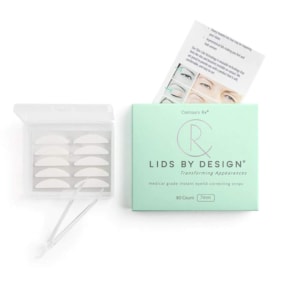
Contours Rx Lids by Design: A Quick-Fix Solution“I designed Contours Rx Lids by Design to offer a quick and effective non-surgical alternative to blepharoplasty, delivering an immediate lift and definition for a youthful look that lasts all day. With 24-hour wear, these eyelid strips are ideal for both daily use and special occasions.Crafted from high-quality organic and medical-grade materials, dermatologist-tested, hypoallergenic, and latex-free, I wanted to ensure Lids by Design is suitable for even the most sensitive skin. Their ease of application makes them a straightforward solution for enhancing appearance without the complexities of surgery” says Britain.
Moving to a new house can be both exciting and challenging, but with the right approach, it doesn’t have to be overwhelming. With a little planning and organization, you can make the process much smoother. From packing up your belongings to settling into your new home, the key is to take things step by step.
If you’re getting ready to move, using some practical hacks can help reduce stress and save time. Moving in West Palm Beach, Florida, offers a unique experience with its vibrant coastal lifestyle, warm weather, and beautiful surroundings. Whether you’re relocating within the city or coming from afar, the process can feel more manageable with some thoughtful planning.
Being organized can help you settle into your new home and enjoy everything West Palm Beach has to offer. Here are some simple and effective tips to help simplify your next move and make the transition as easy as possible:
Hire Professional Movers
Moving is a big task and sometimes it’s worth investing in professional movers like WheeKeep to make the process easier. When hiring movers, it’s important to do your research. Look for reputable moving companies, read reviews, and request quotes from several options. This will help you find the right team to fit your needs and budget. Whether you’re moving across town or to a new city, professional movers can take a lot of the stress out of your moving day.
Hiring movers can save you time and energy, especially when it comes to heavy or bulky items. Professional movers also have the experience to handle your belongings with care, reducing the risk of damage during the move. For instance, Solomon & Sons Relocation, a West Palm Beach moving company, provides reliable and efficient moving services, ensuring a smooth and stress-free experience for customers. Their team handles everything from packing to transportation with care and precision, making your move seamless from start to finish.
Label Everything
Labeling your boxes is one of the simplest ways to keep your move organized. When you label your boxes clearly, you’ll know exactly where everything goes in your new home. One easy way to do this is by labeling boxes based on the rooms they belong in. This helps both you and the movers know where each box should go.
You can also consider color-coding your boxes by using colored tape or markers to represent each room. Another good tip is to make sure fragile items are clearly labeled so they are handled with care. Proper labeling saves time during unpacking and prevents unnecessary confusion.
Create a Moving Checklist
When you start packing, one of the most important things you can do is create a packing list. Having a list of tasks helps you stay on track and makes sure nothing gets missed. Break down the tasks into categories such as packing, scheduling movers, and setting up utilities at your new home. Writing everything down helps you see what needs to be done and keeps you from feeling overwhelmed.
Your checklist should also include deadlines. Give yourself a timeline for when each task should be completed, starting well before your moving day. This way, you’re not rushing to finish everything at the last minute. Planning ahead makes the entire process more manageable.
Purge Before Packing
Moving is the perfect time to go through your belongings and decide what you no longer need. Decluttering when you start packing will help you avoid bringing unnecessary items to your new home. Go through each room and set aside items to donate, sell, or throw away. The fewer items you have to pack, the faster and easier your move will be.
This approach is particularly beneficial if you’re moving to a smaller space or downsizing. Letting go of unnecessary or unused items not only streamlines the packing process but also allows you to begin life in your new home with just the essentials you truly need.
Wrap Fragile Items Carefully
Packing fragile items like dishes, glassware, or vases can be stressful. Instead of buying bubble wrap or packing paper, you can use your own clothes to protect these items. Not only does this save money, but it also reduces waste and helps you pack boxes for moving more efficiently.
Simply wrap fragile items in soft clothing like t-shirts, sweaters, or even socks. You’ll protect your breakables while packing two things at once: your fragile items and your clothes. This method is especially useful for saving space, as you won’t need to pack bulky protective materials separately.
Use Garbage Bags for Clothes
Moving hanging clothes from your closet can be a hassle if you try to pack them in boxes or take them off the hangers. A great way to move them quickly and easily is to use garbage bags. By keeping the clothes on the hangers and covering them with a large garbage bag, you can transport them without the need to fold or rehang everything later.
To do this, grab a group of hanging clothes, slide a garbage bag over them (with the hangers still on), and tie the bottom of the bag to keep the clothes in place. This method is quick, protects your clothes during the move, and makes unpacking a breeze.
Pack Room by Room
One of the most efficient ways to tackle packing is to do it room by room. Instead of trying to pack everything at once, focus on one room at a time. This method helps keep things organized and allows you to clearly label which boxes belong in each room of your new home.
By packing room by room, you can avoid mixing up items from different spaces, which makes unpacking much easier. Start with rooms that you use less frequently, like guest bedrooms or storage areas, and leave everyday essentials for last.
Moving doesn’t have to be as stressful as it seems. By using some of these simple hacks, you can make the process more organized, efficient, and less overwhelming. Planning ahead, staying organized, and finding creative ways to pack your belongings can help you save time and energy during your move. This approach also gives you a sense of accomplishment as you finish each room, making the entire process feel more manageable.
Shaken Udderlaunch a new range of delicious protein milkshakes.
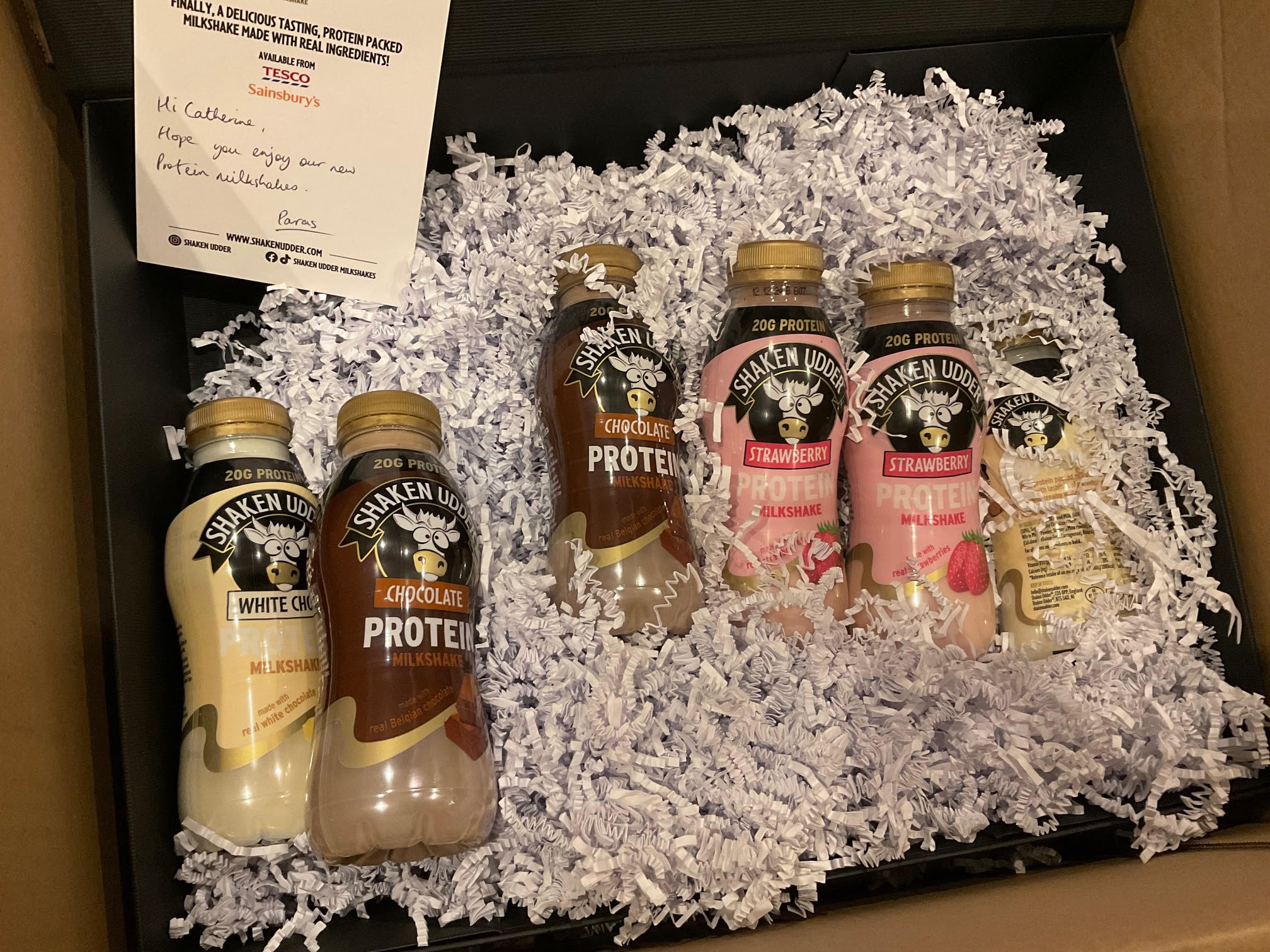
I love milkshakes and I’m always trying to get more protein in my diet. So these milkshakes from Shaken Udder are perfect. They taste brilliant. Like they have been freshly made in a restaurant. They also come in a good amount of flavours. I would definitely be adding them to my shopping basket.
Premium milkshake brand, Shaken Udder, has launched a new range of delicious and creamy protein milkshakes in chocolate and strawberry flavours. The new shakes contain 20g of protein, are made with top-quality real ingredients — including Belgian chocolate & real strawberries — and have no artificial colours, flavours or sweeteners
Shaken Udder’s new protein milkshakes can be found in selected Sainsbury’s stores.
A recent food and drink study* showed that a third of people look for foods which are high in protein and 12% of people have actually changed their diet over the past year to consume more protein.
Shaken Udder Co-Founder, Andrew Howie, said: “Protein products are in demand at the moment. We identified the need for a protein milkshake that still delivers exceptional taste. Our new range of shakes offers customers delicious flavour with a 20g protein hit.”
Shaken Udder will celebrate its 20th anniversary later this year. The brand has seen phenomenal success over the last two decades and is now the second largest milkshake brand in the UK**. All of Shaken Udder’s milkshakes are gluten-free, contain less than 5% added sugar and are suitable for vegetarians.
Shaken Udder began as a top-quality event-based brand in 2004 bringing fresh, tasty milkshakes to festival goers. Today their silky-smooth shakes are sold in all major supermarkets nationwide and the full range includes seven different flavours, 750ml sharing bottles and yummy kids shakes. Their bottle design features the infamous Shaken Udder cow and celebrates their festival spirit and real ingredients.
The Shaken Udder Story
Shaken Udder began as a top-quality event-based brand in 2004 bringing milkshakes to festival goers. Founders, Andy and Jodie Howie, quickly realised there was year-round demand for their premium shakes and by 2009 Shaken Udder was sold in Harvey Nichols. Waitrose, Harrods and Selfridges followed soon after.
The brand has its headquarters in Tiptree in Essex and today the milkshakes are sold in all major grocery retailers; wholesalers; schools; farm shops and cafes nationwide. The range continues to expand and includes protein and kids shakes, 750ml share bottles and exciting new flavours. Shaken Udder are the No. 2 flavoured milk brand in the UK and celebrate their 20th anniversary this year. ShakenUdder.com
Home improvements are a great way to boost both the comfort and value of your property. While many homeowners focus on areas like the kitchen or living room, the bathroom is often overlooked. Yet, upgrading your bathroom can have a significant impact on your day-to-day life.
From increasing property value to making your space more comfortable, the benefits are clear. Austin, Texas, is known for its unique blend of modern city living and traditional charm, making it a prime location for home improvements. Remodeling your bathroom in Austin not only enhances your home’s comfort but also boosts its value in a competitive housing market.
With local trends leaning toward energy-efficient upgrades and sleek designs, a bathroom remodel in Austin can bring a fresh, updated look to your home while improving functionality. Let’s highlight a few key ways that remodeling your bathroom can add value and comfort to your home:
Increases Property Value
One of the biggest advantages of remodeling your bathroom is the boost in property value. Potential buyers often look for homes that have modern and updated bathrooms. Even if you’re not planning to sell your home anytime soon, knowing that a remodel can increase its value is a great incentive. A freshly remodeled bathroom with new fixtures, tiles, and a modern layout can be a major selling point. Buyers appreciate the work that has been done, and it can give your home a competitive edge in the market.
For instance, in Austin shower replacement cost can vary depending on materials, labor, and the installation process you choose. However, rest assured that it will be significantly less than the return on investment (ROI), making it a cost-effective upgrade that adds significant value to your home. Acquiring professional services, such as the ones provided by ZINTEX Remodeling Group, is key to ensuring the job is done right. They offer expert remodeling services, providing high-quality, durable installations tailored to your needs. Their team ensures a hassle-free remodeling experience with custom designs and professional craftsmanship to enhance the look and functionality of your bathroom.
Improves Energy Efficiency
Another important benefit of remodeling your bathroom is the opportunity to improve energy efficiency. Older bathrooms often have outdated fixtures and appliances that use more water and energy than necessary. By upgrading to energy-efficient models, you can save on utility bills while also helping the environment.
Low-flow toilets, faucets, and showerheads are great examples of energy-saving fixtures. You can also install LED lighting, which uses less electricity than traditional bulbs. These upgrades not only lower your monthly expenses but also make your home more environmentally friendly. Over time, these changes can significantly reduce your energy consumption.
Enhances Aesthetic Appeal
A bathroom remodel is a perfect chance to improve the overall look of your space. Whether your current bathroom feels outdated or you simply want to change its style, remodeling gives you the opportunity to create a fresh, modern design. From choosing new tiles to selecting updated countertops, you can design a bathroom that fits your taste and enhances the look of your home.
Today’s design trends offer a variety of options, from minimalist styles to more luxurious finishes. Whether you prefer a sleek, modern look or a more classic, timeless feel, remodeling allows you to create a bathroom that you love. A visually appealing bathroom also adds to the overall aesthetic value of your home, making it more attractive and enjoyable for both you and your guests.
Boosts Storage Space
Remodeling your bathroom can also help you make better use of the available space. Many older bathrooms lack sufficient storage, leading to clutter and disorganization. By adding cabinets, shelves, or built-in storage, you can increase the functionality of your bathroom and keep it tidy.
Modern bathroom designs often include smart storage solutions that maximize the use of small spaces. For example, floating shelves or vanity cabinets can provide extra storage without taking up too much room. By incorporating these features into your remodel, you can create a bathroom that is both practical and stylish, with everything you need neatly organized and easily accessible.
Increases Home Comfort
One of the main reasons people choose to remodel their bathrooms is to increase comfort. A bathroom should be a relaxing space where you can unwind, and upgrading it can make a big difference in how comfortable it feels. Simple changes, like installing a new shower or bathtub, can enhance your daily routine and provide a more enjoyable experience.
Upgrades such as heated floors, towel warmers, or a rain showerhead can turn your bathroom into a personal oasis. These small changes can significantly improve your overall comfort, making your bathroom a place where you can relax and recharge after a long day. Whether you’re looking for a more luxurious experience or just a more functional space, remodeling can make your bathroom much more comfortable.
Fixes Existing Plumbing Issues
A bathroom remodel is the perfect time to address any plumbing problems that might have been causing issues in your home. Older bathrooms often have outdated pipes, fixtures, or drainage systems that can lead to leaks, blockages, or water damage. During the remodel, you have the opportunity to inspect the plumbing thoroughly and fix any problems before they become more serious.
Repairing or upgrading plumbing can prevent long-term damage to your home. Leaky faucets or pipes not only waste water but can also cause mold, mildew, or structural damage if left unattended. By tackling these issues during the remodeling process, you’re not just improving the look of your bathroom, but also ensuring it functions properly for years to come.
Enhances Safety & Accessibility
Safety is another key benefit of remodeling your bathroom, especially if you have small children, elderly family members, or someone with mobility challenges in your household. Modern bathrooms can be equipped with features that improve safety, such as grab bars, anti-slip flooring, and walk-in showers.
These additions can make your bathroom more accessible and reduce the risk of accidents. For instance, walk-in showers and bathtubs with low thresholds are easier to use and safer for people with limited mobility. Installing these features can help create a bathroom that is safer and more comfortable for everyone in your home.
A bathroom remodel is a smart investment that can bring both value and comfort to your home. From increasing property value to improving energy efficiency and safety, the benefits of remodeling your bathroom are clear. It also provides an opportunity to fix existing plumbing problems, enhance air quality, and make the space easier to maintain. Whether you’re planning to sell your home in the near future or simply want to improve your quality of life, a bathroom remodel is a worthwhile project that can have lasting benefits.
Preventing Alzheimer’s is easy, but it is being ignored!
Everybody wants a cure for Alzheimer’s. The medical industry has spent around $100 billion searching for one and, so far, come up relatively empty-handed with over thirty failed drug trials. Yet a simple to administer, cheap test could predict Alzheimer’s and allow preventative measures – saving the NHS over £60million a year.
The focus to date has been on drugs that lower two of the chemical compounds associated with Alzheimer’s and dementia in general – amyloid and p-tau, a pair of messed up proteins that can lead to plaques in the brain and tangled nerves. There is a third compound – an amino acid called homocysteine, that becomes toxic if you have too much, that the drug industry and the Alzheimer’s charities don’t talk about, for reasons that will become clear.
Predicting Alzheimer’s
The actual clinical measures that are used to diagnose Alzheimer’s are a decline in cognitive function and shrinkage of the central area of the brain called the medial temporal lobe. Both changes in cognitive function and brain shrinkage can be picked up thirty years before a diagnosis of Alzheimer’s is made.
Current study
So now a £10 million study is underway to see if a blood test for p-tau, or amyloid, will ‘predict’ if you are more likely to develop the disease and there are plans for a major program to identify those at risk so they can be treated as early as possible. This sounds sensible but there are serious drawbacks. To begin with not everyone with raised p-tau or amyloid go on to develop Alzheimer’s.
Drawbacks and side-effects
This means, as a recent article in the New York Times entitled, ‘Apparently healthy but diagnosed with Alzheimer’s,’ pointed out, people without a diagnosis or no brain scan showing shrinkage, could well be offered new drug treatments that are, so far, only marginally better than placebos but have awful adverse effects.
These include brain bleeding or swelling which has occurred in more than one in four participants in the last two drug trials and resulted in seven deaths. Medical agencies in the US, EU and UK are reluctant to licence their use but are under a lot of pressure to do so.
So thousands of desperate people with early stage Alzheimer’s or cognitive decline, hoping for a cure, are queuing up to join these drug trials because they perceive these drugs, that so far come with little or no benefit plus highly unpalatable side effects, are a better alternative than doing nothing.
The research
But are there really no alternatives? Well, none that patients are routinely told about. They involve changes in diet and lifestyle, that are very likely to improve your overall health, including that of your brain, and very unlikely to cause damaging side effects.
Almost all money for research, pledged by governments and raised by Alzheimer’s charities, is going in the direction of drug treatments. Alzheimer’s Research UK’s (ARUK) website says, “we exist for a cure”. Yet, most of the money is going toward amyloid and p-tau related research, neither of which has been established as causal. In other words, high levels may just be a consequence of the disease process.
Homocysteine
The same is not true for raised blood levels of homocysteine. If levels rise in the brain, it shrinks faster and cognitive abilities decline. If it goes down, they improve, and brain shrinkage slows. This means that it is causing the damage and so would logically be a target for treatment. The only way to do it, however, is with high dose B vitamins (B6, B12 and folate). Several gold standard, placebo-controlled trials have found this to be very safe and effective. But this approach is not patentable and so yields nothing like a drug profit.
But the benefits of treating homocysteine don’t stop there. It is a much better biomarker of risk for Alzheimer’s than plaque and p-tau both because it is more easily measured and more safely lowered. And when it is lowered, unlike those two, it actually improves cognitive function and slows brain shrinkage by as much as two thirds. It also helps to stop p-tau formation.
Routine checks save £60million a year
Routinely checking homocysteine levels could prevent thousands of cases. Just doing this “could save costs to the UK economy of approximately £60 million per year,” says Dr Apostolos Tsiachristas, Associate Professor in Health Economics at the University of Oxford. His research also estimated it would promote healthy longevity, adding 14 years to life expectancy.
About half of people over 65 have a homocysteine level above 11mcmol/l, which is where it starts to become damaging.
Supporting studies
In one study a third of those treated ended the study with no clinical dementia rating, meaning they could no longer be diagnosed with cognitive impairment. Those with sufficient omega-3 DHA, which is the most important structural fat in the brain, had 73% less brain shrinkage compared to placebo when given the B vitamin treatment. In contrast, in the last anti-amyloid treatment trial, brain shrinkage accelerated by about a fifth in those getting the drug, compared to placebo and not one person achieved a clinical dementia rating of zero.
It should be clear by now, after decades of scientific research that amyloid plaque is not a cause of Alzheimer’s, but a consequence. The same is likely to be true for p-tau tangles.
As an analogy consider your teeth. Is plaque the cause of tooth decay? Sure, flossing your teeth and getting the plaque scraped off by the dental hygienist helps, but what causes the plaque? The answer is a bad diet – in this case, one high in sugar and low in fibre. Despite fifty years of research there is no ‘cure’ for tooth decay, but it can be prevented. The same concept applies to Alzheimer’s, which is as preventable as tooth decay with the right diet and nutrition and lifestyle – which also happens to include less sugar and more fibre.
Alzheimer’s Prevention
How preventable is Alzheimer’s? It accounts for two thirds of dementia cases. The most conservative figure is 40%. More optimistic estimates say around 80%. Since only one in a hundred cases is caused by genes Alzheimer’s may be entirely preventable in those 99% who do not have the rare causative genes and act early enough to optimise all diet and lifestyle factors. It is not an inevitable consequence of the ageing process as evidenced by the fact that the majority of people don’t get it.
Why the difference in figures?
Why the difference in figures? It’s all to do with what is or isn’t included in prevention studies. The most widely used review for dementia prevention in the UK is the 2020 report of the Lancet Commission, authored by Professor Gill Livingston. Both this and the first edition in 2017 failed to even mention homocysteine, despite being repeatedly sent all the evidence of the undeniable beneficial effects of homocysteine-lowering B vitamins by the Oxford Project to Investigate Memory and Ageing (OPTIMA) at the University, headed by former Deputy Head of Medical Science, Professor David Smith.
This is a major and damaging error and has led to the widespread belief that B vitamin supplements are not part of the usual list of preventive actions. But it should be corrected, especially considering that a US National Institutes of Health study attributes 22% of the risk of Alzheimer’s to raised homocysteine. Also, the best study of all, looking at 396 studies in total, published in 2020, concluded: ‘Homocysteine-lowering treatment seems the most promising intervention for Alzheimer’s disease prevention.’
Other prevention studies you may have read are possibly based on data from the UK Biobank. This major research data bank also ignores homocysteine, not for any malevolent reason but simply because it wasn’t measured when it was enrolling people. So, one of the single biggest risk factors and arguably the simplest to change, is repeatedly ignored.
Given that a conservative half of Alzheimer’s cases could be prevented, shouldn’t half the available research money be spent on prevention? This certainly doesn’t happen at the moment. Of the three leading charities, two spend nothing on prevention. ARUK claim to spend 5% but none of this goes towards B vitamins or other brain-friendly nutrients such as omega-3 or vitamin D. They too ignore homocysteine, and the beneficial effects of lowering in with B vitamins, as first shown in a 2010 Oxford University study they actually helped fund!
Prevention studies are almost always going to under-estimate (never over-estimate) the power of prevention due to excluding risk factors, but also because they largely ignore the ‘1+1=3’ compounding impact of interactive risk factors. B vitamins, for example, don’t work without sufficient omega-3 and omega-3 oils don’t work in people with raised homocysteine, because of a lack of B vitamins. This has been shown in four trials – in the UK, Holland, Sweden and China. The combination of B vitamins given to people sufficient in omega-3 DHA improved the reduction in brain shrinkage from 53% to 73%. Pollution exposure is a risk factor but, in those with lower homocysteine this effect is much reduced. Poor sleep is a risk factor, but less so in those who exercise.
For the past five years leading UK researchers led by neurologist Professor Peter Garrard, who is the Director of the dementia research group in the St George’s, University of London Neuroscience Research Section, have tried to get funding to test the most promising combination – B vitamins and omega-3 – to no avail. Such a trial is badly needed and would cost of a fraction of that being spent on amyloid or p-tau.
So, what if a person does everything right – enough B vitamins to keep homocysteine low, sufficient omega-3, low sugar, high fibre diet, enough vitamin D (Alzheimer’s is four times less likely in those with sufficient vitamin D), and an active physical, intellectual and social lifestyle, plus good sleep and not too much stress?
The only ongoing study and database, the COGNITION Biobank, that assesses all these risk factors as well as including blood tests of four critical biomarkers, homocysteine, omega-3 index, vitamin D and HBA1c, which measures glucose control, is being run by the charity foodforthebrain.org. It describes itself as ‘citizen science’ because anyone can get involved doing a free online Cognitive Function Test, filling in a questionnaire about their diet, lifestyle and medical history, and sending in a blood sample from a home test kit.
So far, over 400,000 people have been tested. But, unlike the £10 million trial, funded by the People’s Lottery, the Gates Foundation, ARUK and the Alzheimer’s Society, it gets no funding. It is literally funded by the citizen scientists who chip in £50 a year and pay for their own tests. Their message is simple: prevention is better than cure – don’t jump.
Patrick Holford is a Nutrition and Mental Health expert & Founder of the Institute for Optimum Nutrition, VitaminC4Covid, and the charitable Food for the Brain Foundation, where he directs their Alzheimer’s prevention project, including Alzheimer’s Prevention Day. Patrick reads hundreds of studies a year assimilating the latest health breakthroughs and turning them into practical advice to make it easy for everyone to live a healthy life. He is author of 46 health books translated into over 30 languages. www.alzheimersprevention.infoand https://foodforthebrain.org/
References:
These are key papers regarding stated facts in this article.
Health economics of B vitamins: Tsiachristas A, Smith AD. B-vitamins are potentially a cost-effective population health strategy to tackle dementia: Too good to be true? Alzheimers Dement (N Y). 2016 Aug 11;2(3):156-161. doi: 10.1016/j.trci.2016.07.002. PMID: 29067302; PMCID: PMC5651357.
Omega-3 and B vitamin interactions and studies: Smith AD, Jernerén F, Refsum H. ω-3 fatty acids and their interactions. Am J Clin Nutr. 2021 Apr 6;113(4):775-778. doi: 10.1093/ajcn/nqab013. PMID: 33711096.
Less brain shrinkage and cognitive decline with B vitamins and sufficient omega-3: Jernerén F, Elshorbagy AK, Oulhaj A, Smith SM, Refsum H, Smith AD. Brain atrophy in cognitively impaired elderly: the importance of long-chain ω-3 fatty acids and B vitamin status in a randomized controlled trial. Am J Clin Nutr. 2015 Jul;102(1):215-21. doi: 10.3945/ajcn.114.103283. Epub 2015 Apr 15. PMID: 25877495; see also Oulhaj A, Jernerén F, Refsum H, Smith AD, de Jager CA. Omega-3 Fatty Acid Status Enhances the Prevention of Cognitive Decline by B Vitamins in Mild Cognitive Impairment. J Alzheimers Dis. 2016;50(2):547-57. doi: 10.3233/JAD-150777. PMID: 26757190; PMCID: PMC4927899.
NIH Alzheimer’s prevention review: Beydoun MA, Beydoun HA, Gamaldo AA, Teel A, Zonderman AB, Wang Y. Epidemiologic studies of modifiable factors associated with cognition and dementia: systematic review and meta-analysis. BMC Public Health. 2014 Jun 24;14:643. doi: 10.1186/1471-2458-14-643. PMID: 24962204; PMCID: PMC4099157.
Meta-analysis of 396 studies favouring homocysteine-lowering B vitamin treatment: Prof Yu study Yu JT, Xu W, Tan CC, Andrieu S, Suckling J, Evangelou E, Pan A, Zhang C, Jia J, Feng L, Kua EH, Wang YJ, Wang HF, Tan MS, Li JQ, Hou XH, Wan Y, Tan L, Mok V, Tan L, Dong Q, Touchon J, Gauthier S, Aisen PS, Vellas B. Evidence-based prevention of Alzheimer’s disease: systematic review and meta-analysis of 243 observational prospective studies and 153 randomised controlled trials. J Neurol Neurosurg Psychiatry. 2020 Nov;91(11):1201-1209. doi: 10.1136/jnnp-2019-321913. Epub 2020 Jul 20. PMID: 32690803; PMCID: PMC7569385.
September has always been one of my favourite months , the leaves starts to change colour , the temperature starts to drop, wearing slippers and snuggling under a blanket is more acceptable. Children return to school with new school uniform and start a new chapter of their lives. Everything just feels like it’s changing and I love it. However the past 2 years September has also meant something else to me, it is the month of awareness for IIH.
What is IIH I hear you ask ? It stands for Idiopathic Intercranial Hypertension. Clear as mud right ? When the doctor told me that he said it with his serious doctor face on and I chuckled and said ‘in English?’ Basically it means that I have high fluid pressure in my brain , idiopathic means that they don’t know what the cause is.
So I’m going to talk to you about some of the fabulous symptoms that go with having IIH in order to raise awareness for this rare condition.
a constant throbbing headache which may be worse in the morning, or when coughing or straining.
temporary loss of vision.
feeling and being sick
feeling sleepy
feeling irritable
finding it difficult or painful to look at bright lights
hearing a pulsing noise in your ears
problems with co-ordination and balance
mental confusion
loss of feeling or weakness
Glorious isn’t it? IIH is often treated with medication , I am taking a drug called Acetazolamide which comes with its own and rather long list of side effects. The one that has effected me most is my sense of taste , especially with drinks, pop especially cola now tastes so bitter I can’t stand to drink it. And fruity drinks tast very sour.
As of yet there is no cure for IIH but the lovely people at www.iih.org.uk are constantly raising money for better , more effective treatments as well as supporting those affected with IIH and their families.
For me personally some days are are bearable , and others are not. Everyday is painful but what keeps me going is the support I have from my family , my amazing partner , beautiful children as well as the online community, with a rare condition it can be easy to feel as though you are alone and that others don’t understand what you’re feeling but there is always support out there. No one is alone.
· A pioneering, awards-driven campaign launched by Festival of The Girl for young girls to celebrate each otherand aspire to be future leaders
· Builds girls’ self-esteem and confidence to use their voices
· A great summer holiday activity for girls to nominate a special girl in their lives
The team behind the ground-breaking Festival of the Girl have launched their inaugural awards-driven campaign which will shine a light on the importance of girls supporting girls and celebrating each other’s achievements.
Why are these awards important, why do we still need to be building girls’ self-esteem and confidence, and why do we want to encourage girls to use their voices and support one another?
1. In a time when society still reinforce gender stereotypes and female rivalry (think Swift vs Beyonce narratives), when ‘mean girl’ behaviour is normalised with responses like ‘girls will be girls’, these awards aim to help build self-esteem and confidence with the next generation of girls
2. Just 15% of UK girls believe politicians act in their best interest with almost half of UK girls (47%) having lost trust in them over the last three years. Now with the largest (40%) proportion of female MPs in the UK government and a potential female US president, we need to change this trajectory and see girls celebrating each other, and the leadership and change girls and women can create
3. In the lead up to the 2024 General Election 20% of women didn’t feel inspired to vote or believe they had a voice in the election, so we need to build the agency and confidence in our future women voters
The awards campaign invites girls aged 7-11, with the help of their parents and carers, to nominate a special girl in their life for one of the following awards:
INSPIRING GIRL 2024 AWARD
Who has inspired you recently? Who do you know that did something brave? Maybe they stood up for someone else, maybe they’ve had to overcome something really difficult, or maybe they’ve simply worked incredibly hard at something and it has felt inspiring to you.
LOYALTY AND FRIENDSHIP 2024 AWARD
Who is your very best friend, or has shown amazing friendship to someone else you know? Maybe they’ve spent loads of time helping their friends, or supporting them in some way. Or they might have been thoughtful about how to cheer someone up when they’ve been having a hard time.
LEADER AND CHANGEMAKER 2024 AWARD
Who has made a difference in your school or community? Who has created a change that really mattered? Maybe they campaigned for something they believed in, and got the decision makers to really listen. Maybe they got lots of other people interested in a problem they wanted to solve and you all worked together on it, joining in with their idea and making things happen.
The Awards Ceremony, sponsored by V2 Studios, will take place at the Festival of The Girl 2024 on Saturday 5th October at the Business Design Centre, Islington, London. With an incredible panel of judges, beautiful awards and exciting presenters, it will be a truly inspiring event.
Top Tips for busting Perimenopause: from co-Founder of Valerie, Wizz Selvey.
These are some simple everyday tips that should be prioritised when you’re dealing with symptoms that sound like they might be Perimenopause. Hormone replacement therapy (HRT) may still be necessary for some people, but following these foundational strategies can help support added HRT, or help you on your way to leveling out a regular day to day.
1. Feel Strong Overtraining, HIIT and excessive cardio will drain your natural energy levels, and deplete hormones, so focus on supporting your skeleton through resistance training. Pushing your body too hard will only increase cortisol production, which in turn can weaken your immune system. So focus on training smart, not hard.
In mid-life we should prioritise building strong bones and muscle around the joints, because of the hormonal fluctuations and the impact that has on bone health. A full-body gym (or home) strength routine that focuses on choosing a goal and slowly increasing the intensity over time gives all of your muscles a chance to rest and build strength; providing balance, flexibility, and support to your body and joints. Body-weight training is a good place to start, and there are some great beginner routines on YouTube or social media to follow along to at home.
2. Feed Your Body Right Stay as close to ‘whole and natural’ as possible and have a full range of nutrients. Think about groups of protein, fat, and carbs. As our bodies age and hormones begin to fluctuate, our nutritional needs change too. The most common nutrient that women lack in mid-life is protein. Generally speaking, we should have at least 1 gram per 1lb of body weight just to manage our normal nutritional health. These protein requirements change with hormone fluctuations, infections, and other types of stress, depending on the person.
Understanding the role and basic principles of nutrition is never more important than as we transition through to menopause. Our bodies need fats (cholesterol) and protein (amino acids) to make hormones. It is important to make sure that whatever diet you follow, you are nurturing yourself with the correct amount of protein, fat, and carbohydrate. To manage Oestrogen really effectively it’s crucial to eat these as whole foods and both insoluble and soluble fibres; supporting a healthy gut microbiome.
3. Manage Everyday Stress We all know it’s harder to cope, think and function at your best when you’re stressed, but this is amplified by fluctuating hormones. Try meditating (apps I recommend are: Calm, Headspace, Healthy Minds Program, and Smiling Mind – the last two are free.), focusing on diaphragmatic breathing, or some grounding practices like forest bathing, to bring you back down to earth. Or mitigate the stress before it starts to mount by keeping your environment toxin and clutter-free, phone-free time, trying some novel activities, and socially connecting in person.
Another way to decrease stress can be limiting your alcohol intake; because it is a stressor to the brain and body — and its impact is worse in Perimenopause stages. If drinking is on the cards, make sure you stay optimally hydrated with foods/electrolytes and take supplements to help support your liver and brain function (suggestions below).
4. Recharge Your Body and Mind Sleep’s one of the hardest things to maintain when mid-life gets to you, but it is really important for your the brain and body to maintain a regular circadian rhythm by going to bed and getting up at the same time each day. As we age our Lymphatic System starts to slow, which is one of the reasons we don’t feel refreshed from sleep. One way to manually stimulate this is through diaphragmatic breathing.
Diaphragmatic breathing gets the Lymphatic system moving, but also works to relax the nervous system. Do your best to breathe through your nose in bed, as this will decrease the chances of sleep apnea, which can limit diaphragmatic breathing and create stress in the nervous system. These things act as a gateway for jaw clenching or grinding, that can further impede Lymphatic flow.
Wearable devices can really kickstart your sleep routine, such as Oura, Sensate, and Whoop. Manual lymphatic techniques such as Body Brushing are also great ways to help improve your overall circulation. I always have a Herbal Tea before bed, and Pukka make a really great Nighttime Tea that I recommend to everyone.
5. Supplements I know, supplements are a minefield, with endless options! As this field is not very well regulated, it’s really important to know what you’re looking for, read the labels and stay aware.
Here are some key points to look out for when choosing a high-quality supplement:
What are the therapeutic effects? Find this by checking the dosing amount of ingredients in the bottle.
What fillers and other potentially toxic compounds are included? These can diminish the benefit of the supplement. What else, besides what you need is in there? What is included in the supplement to help manage your symptoms? Nutrients such as Magnesium, Vitamin D, Omega fatty acids, and Adaptogens are very important to have and perhaps best in a blend.
Lastly, what’s the delivery method? (pills, liquids, sublingual etc.) The right delivery method is going to help the nutrients get to work as quickly as possible. Liposomal formulations (like Valerie’s liposomal product) really are the best to ensure quick absorption and assimilation or bioavailability.