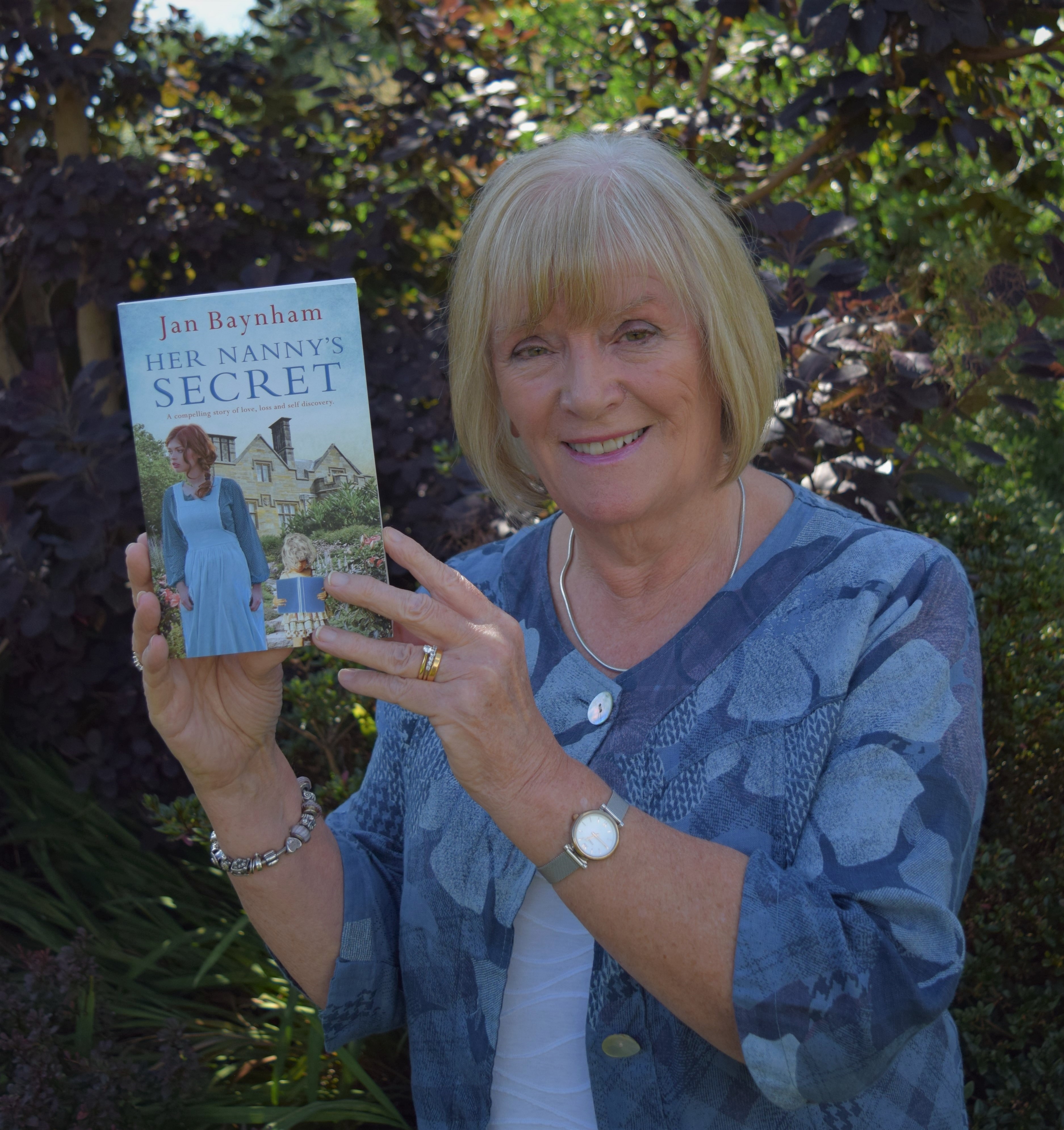
SUNDAY SCENE: JAN BAYNHAM ON HER FAVOURITE SCENE FROM HER NANNY’S SECRET

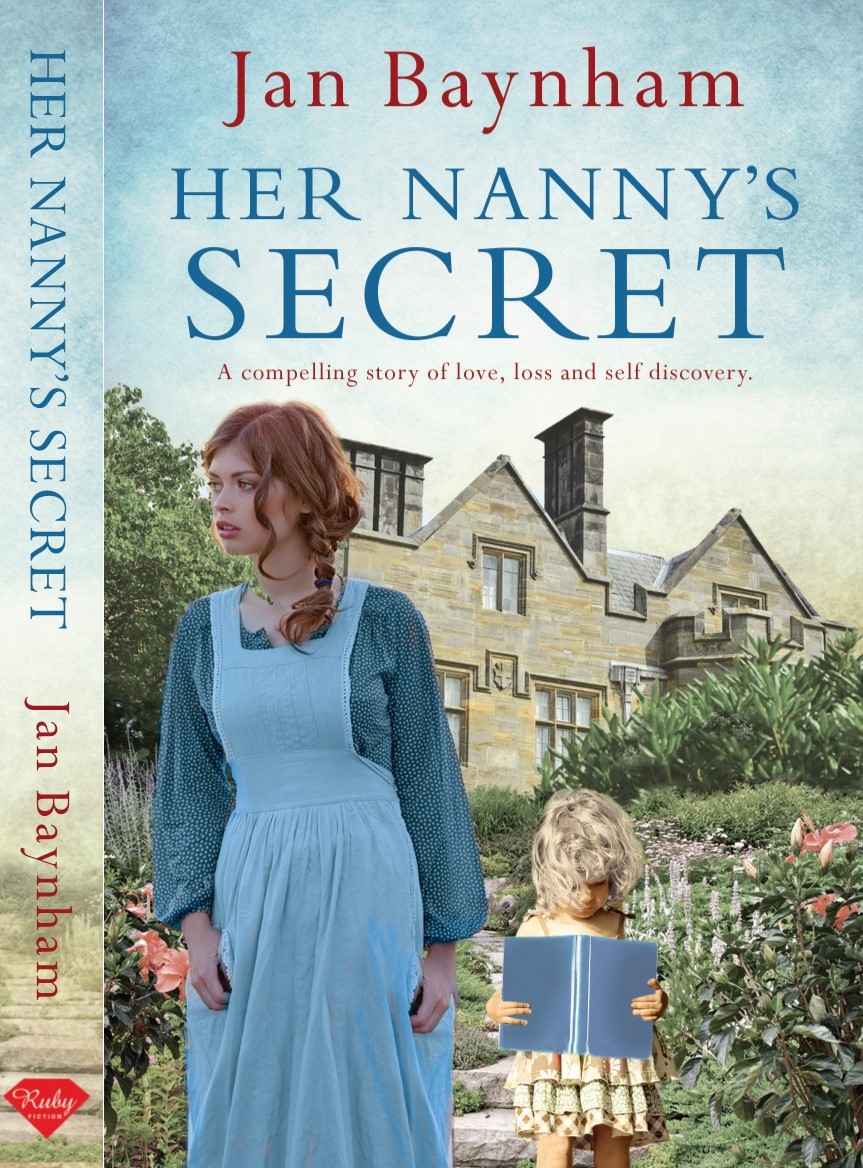
My third book, ‘Her Nanny’s Secret’, is a dual timeline novel, set in wartime and the sixties in rural mid-Wales and Normandy. It involves secrets, forbidden love, loss, and hope. In the 1963 story, my main character, Annie, travels to France with Clara Pryce to whom she was nanny when she was younger. Clara’s father had been shot down over Normandy in June 1943. Now as an adult, Clara is keen to try to find out what happened to him and where he’s buried. My chosen scene in the novel is when Annie accompanies Clara to Ville de Roi, a town near where her father’s Spitfire fighter plane had been shot down. It’s her first day and I want to capture Annie’s reactions to French life, seeing it through the eyes of someone who had never been to France before.

As she and Clara approach the town, ‘the sea sparkled like a mirror in the afternoon sun’ to the left; ‘coves and inlets surprised her around each bend’ in the road. Once parked, they wander through the streets, eventually choosing a pretty crepêrie where they can have lunch.

La Belle Epoque was situated down a narrow, cobbled street branching off from the main square. Outside, tables, covered with red-and-white tablecloths, and bentwood chairs were placed along each of the two large windows. Ornamental fruit trees in brightly glazed pots separated each table.

‘Is it warm enough to sit outside, do you think?’ asked Clara.

Just being able to sit out in the fresh air to eat is a new experience for Annie. A real treat. None of the cafés in Pen-y-Rhos have outdoor seating.
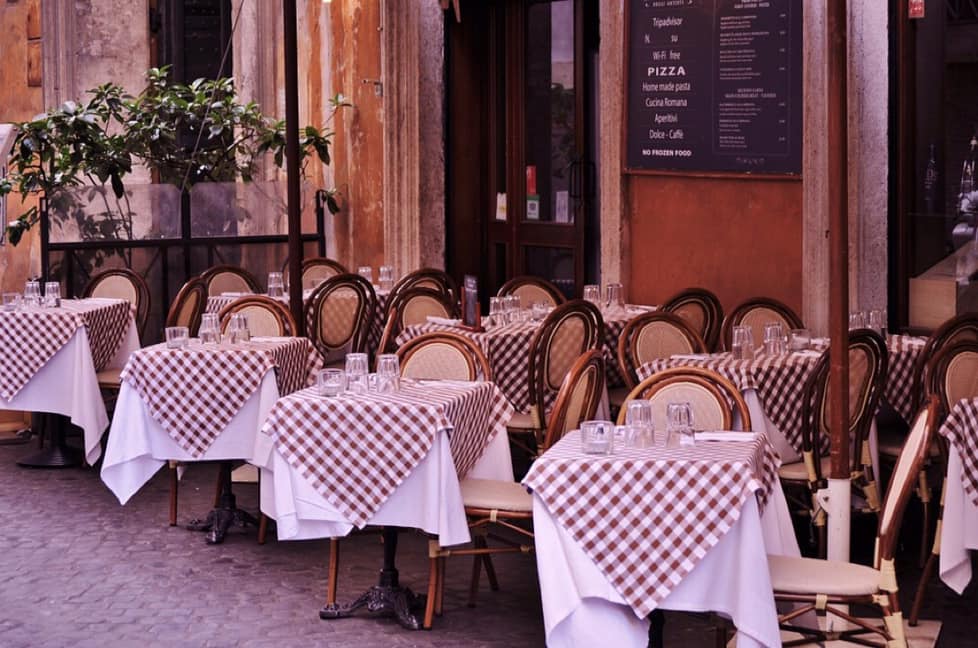
They sat down and studied the menu. Annie had never seen such a choice and couldn’t decide from the images between a savoury galette filled with ham and cheese, topped with a fried egg, or, to satisfy her sweet tooth, a crêpe, oozing with cooked local apples and whipped cream.

Clara laughed at her indecision and Annie wondered if her eyes were as wide as she felt them to be.

Back home, pancakes are only eaten on Shrove Tuesday and then always with lemon juice and white sugar.

Later in the scene, they come to a central square where a group of elderly men are playing a game Annie hadn’t seen before.

‘Pétanque,’ said Clara. ‘It’s very popular in this part of France.’

They found a bench and watched the game in progress. One man threw a small white ball onto the dusty gravel, a ‘jack’ Clara called it. In turn, each player threw a larger silver coloured ball, a boule, as close to the jack as they could. The men became more animated as the game went on especially when someone’s boule knocked another’s further away from the jack.
‘Every village will have a square for pétanque. Can you see how earnestly the old men take the game? You must never disturb a player when they’re about to throw.’ Clara laughed, waving a finger.

Clara explains to her that even the smallest village in France would have a square and a town hall, a mairie. Annie can’t get over how many cafés and bars there were in one place.

Pretty window boxes adorned the upstairs windows and scarlet summer geraniums and tumbling blue lobelia gave a blaze of colour.

During the rest of her time in France, Annie is to encounter many more new experiences. In the search for Clara’s father, she could never have imagined the outcome of the visit. Keeping her secret for over twenty years is justified at last.


https://janbaynham.blogspot.com
 

EVA GLYN’S HIDDEN CROATIA: ON TOP OF MOUNT SRD

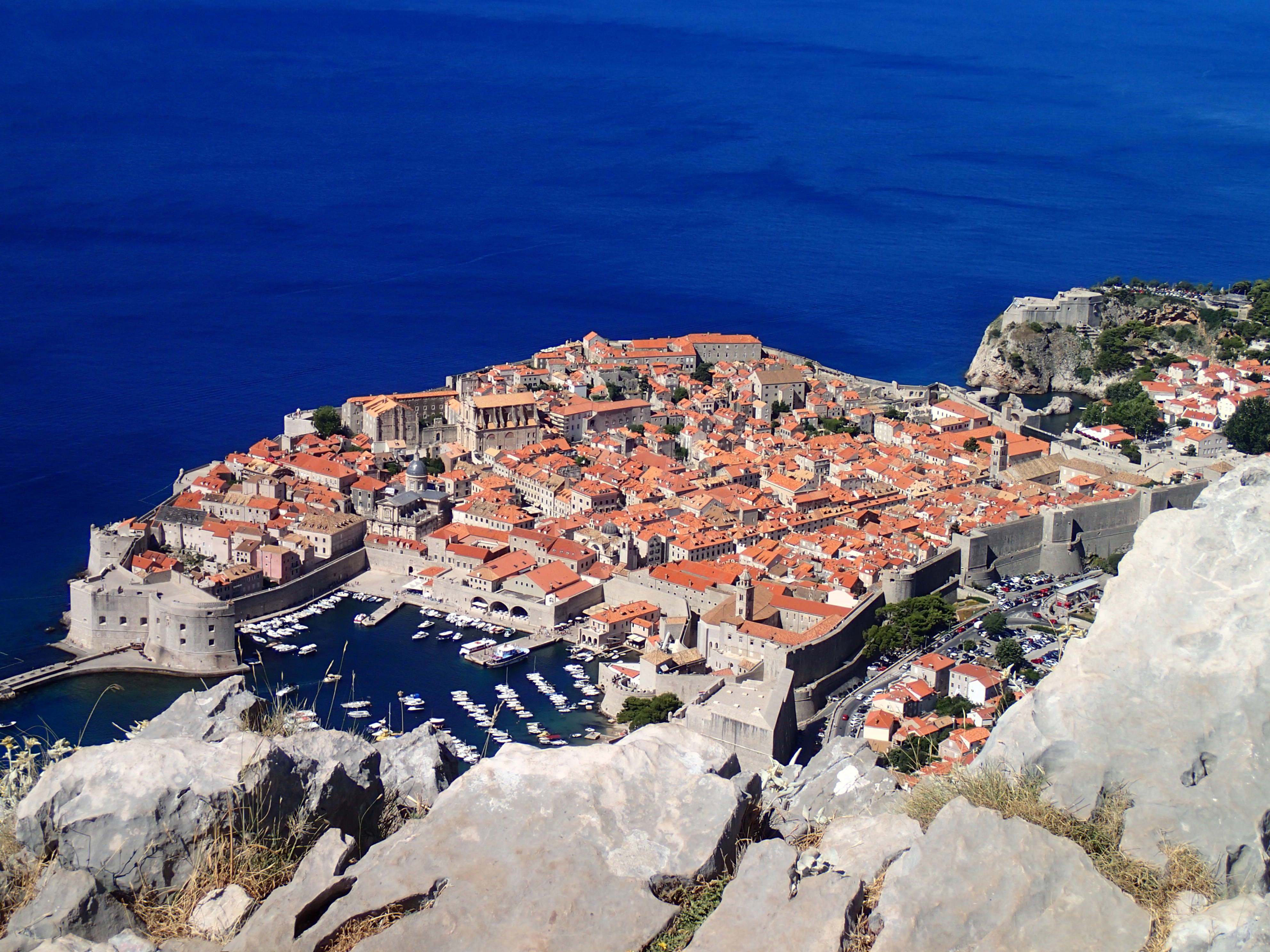
Anyone who’s been to Dubrovnik will quite rightly question why I would call Mount Srd hidden Croatia. After all, it stands proudly four hundred metres above the city, a wall of rock protecting it from the outside world.

But that’s the point; we see it, but how well do we know it? The majority of visitors who actually venture up there do so by cable car, to admire the spectacular views for half an hour, perhaps drink a coffee, certainly take any number of selfies, then head straight back down again.

To discover Mount Srd properly you need to hike, bike (neither recommended in the height of summer), take the bus, or even better book a knowledgeable driver or small group tour. Because it’s what the majority don’t see that is so very fascinating.

To say we got lucky with our choice of driver is an understatement. We were staying in Cavtat along the coast so decided booking a car was the best option, and I’d ‘met’ Dubrovnik 4 U Transfers on Instagram so chose them. Kresimir is an absolute gem with a knowledge of, and a passion for, his city rarely seen in the UK. But then in the UK we haven’t had to fight for our homes.

To me that’s what Mount Srd was all about. It was certainly the focus of my visit there. I was in Croatia to add the final touches to my research for next summer’s book, where one of my main characters is a veteran of the Siege of Dubrovnik and I wanted to visit the Homeland War Museum in Fort Imperial that sits on top of the mountain.

But there was somewhere Kresimir wanted me to see first. The village of Bosanka that had been raised to the ground by the aggressors (Serbian and Montenegrin troops) during the autumn of 1991. Of course much of it has been rebuilt, but there are some ruins left amongst the trees, and a roadside picture board in Croatian and English, making sure that visitors understand what happened here.

In fact almost the whole of Mount Srd was taken. Everything except Fort Imperial and that was to make all the difference to the survival of the city below. How it held out against all the odds on 6th December 1991 is a miracle in itself, but that is a story for a few months hence.

The fort was built by Napoleonic troops, a long, low slab of the grey-gold rock of the region, almost blending into the hillside beneath it. Even now much of it is in a semi-ruined state, but a number of rooms have been turned into a museum where visitors can learn about the Homeland War. And if you want to understand Dubrovnik and its people, you have to understand what happened here thirty years ago.

There was a sepulchral silence as we wandered through the barrel-vaulted rooms, stunned by the images of destruction displayed on their walls. The museum tells the story more or less chronologically but it is the images that hit home the hardest; iconic sights in the city below in ruins or in flames, the faces of the refugees. You don’t have to read a word of the commentary. You just have to look to understand.

But deeper understanding comes from talking to someone who lived through the conflict and Kresimir shared his memories freely. For the first time I knew what it had been like to live in that city under siege; no power, little water, even less food. People dying around you.

After our visit to the museum he took me out to the viewpoint, where there is a memorial to 6th December 1991 and a Croatian flag. I watched him take a photo of it, his pride heartfelt and genuine. To me, that said it all.

SUNDAY SCENE: ANGELA BARTON ON HER FAVOURITE SCENE FROM SPRING BREEZE

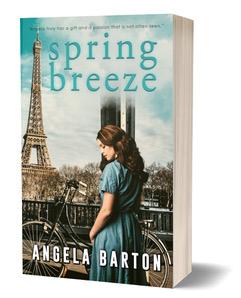
I love the freedom of writing fiction. I construct imaginary buildings and places, create characters, invent stories for them and decide how they’ll react to the obstacles I put in front of them. I forge their relationships, decide who they’ll fall in love with and I determine their outcome. But over the years as my writing has evolved, I like to include real events from history, real people who were alive at the time of my story, and real objects. In Spring Breeze, Irène Némirovsky and Picasso make appearances and interact with my characters, but my excerpt below is about an object.

A great deal of responsibility comes with including actual people or objects in a book. Research has to be thorough and accurate, then entwined into the storyline without sounding like a history lesson! I never enjoyed history at school. Every time I was given homework is was to learn a seemingly endless list of names and dates. I wanted dramatic stories, heroes and heroines. I wanted adventure, romance and excitement. Perhaps that’s one of the reasons I became a writer. Now I can make my own stories whilst adding a touch of realism and history to them.

My protagonist in Spring Breeze is Matilde Pascale. She used to work in an auction house before the German invasion caused its closure. Forced into working for the enemy at the Jeu de Paume museum in Paris, Matilde discovered an object she’s been asked to log; a priceless artefact from history. Imagine the scene. Matilde has been led to the basement of the Jeu de Paume museum where the Germans are storing looted valuables: jewellery, antiques, paintings, ornaments etc. It’s gloomy, lit by dim bare light bulbs, it’s eerily quiet except for the faint echoes of footfall on the floor above her, and she’s alone in the vast storage room.


Kneeling, Matilde placed her notepad and pen on the floor. Whatever could it be? She touched it. It felt solid. She peeled back its wrapping and saw material that had been rolled tightly. She found one end but it was too heavy to unroll. She followed a fold, running her fingers along its length and gradually teasing out the material until she had enough to fold it back. Slowly she peeled back a corner to reveal embroidery. The workmanship was exquisite, in vibrant colours and Latin inscriptions. The material felt like linen and smelt musty, like walking into an old church. Looking closely she could see that it had been sprinkled with moth powder. She unfolded a little more: a horse, a man with a sword, arrows. The figures were immediately so individual and so identifiable that her mouth fell open. Her eyes, now wide with wonder and horror, took in what lay before her on the floor.

It was the Bayeux Tapestry.

Matilde knelt reverentially before the giant roll of fabric and pulled on her gloves. She gently laid her palm against the cloth, leaned forward and smelled it. A frisson of awe forced her to close her eyes and wonder at the history this tapestry had seen. It had been associated with such bellicose men as William the Conqueror and Napoleon Bonaparte. It had survived the French Revolution in the 18th century and withstood examinations and transportations.


www.angelabarton.net


CARIADS’ CHOICE: SEPTEMBER 2022 BOOK REVIEWS

Lynne Francis’ A Maid’s Ruin reviewed by Susanna Bavin

This thoroughly engaging and enjoyable story follows the fortunes of young Molly Goodchild, a dairymaid whose life is one of unrelenting hard work. She dreams of better things, but this doesn’t mean she isn’t a practical person, well versed in the demands of everyday life and family responsibilities.

I was enormously fond of Molly. She is a naturally strong character who shows both determination and tenacity in the face of adversity, but at the same time, her youth and inexperience make her vulnerable. I found her utterly believable and I rooted for her all the way.

This emotional and dramatic story is set in Georgian times and Lynne Francis has filled the pages with period detail and beautifully written descriptions of the various settings. A lot of research has gone into this book, adding vibrancy, immediacy and depth to the telling.

This is the coming-of-age story at its best.


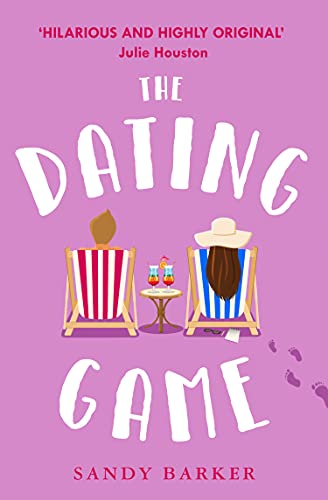
Sandy Barker’s The Dating Game, reviewed by Jessie Cahalin

What happens when a journalist goes undercover on a reality show?

I absolutely loved The Dating Game. Abby is a wonderful character guiding the reader through her hilarious observations of the world of reality television. This smart, witty character exposes the micro-politics behind the scenes. This is a romance novel with so many twists and turns you’ll be dizzy, and you’ll giggle your way to the end. Besides entertaining me, this was an astute observation on reality TV culture. The novel is jam packed with wit, sensitivity and humour. I could not put this novel down! A perfect beach read, and I wanted to book a holiday in Sydney by the end.


Jules Wake’s The Wednesday Morning Wild Swim reviewed by Carol Thomas

This was a fun, feel-good read with a cast of wonderful characters. I enjoyed the setting and the unfolding romance between Ettie and Dominic. There was plenty of humour; I even laughed out loud at times. I loved Ettie for her moments of candour, albeit she was also prone to the odd little white lie. The characters were from a broad age range, leading to realistic and funny interactions and a community feel. I enjoyed the blossoming friendship of the wild swimmers and getting to know what spurred them to need their swim. It was also great to check in with returning characters from The Saturday Morning Park Run, a book I also greatly enjoyed. While I was a little unsure about the set-up for the penultimate scene, I welcomed the happy ending. Overall, it is escapism that will make you smile!


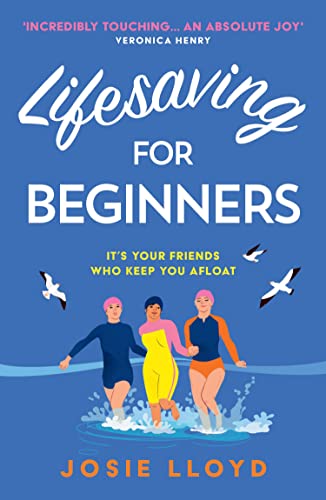
Josie Lloyd’s Lifesaving for Beginners reviewed by Jane Cable

There was nothing I didn’t love about this book. How often do you read that in a review, but it isn’t a phrase I use often and I really mean it.

The stories of the five women who meet on Brighton beach to swim during the pandemic are wound seamlessly together to make a cohesive whole. Maddy, whose marriage and Instagram-perfect lifestyle have fallen apart; Helga the elder stateswoman who refuses to accept the limitations of her advancing years; Claire, the wife and mother who feels she has become invisible; Dominica struggling with grief; and Tor who is afraid to tell her family about the woman she loves.

This is a book about the power of friendship and the ability to move on. There is no one central shared ‘quest’ and really no central character. Their stories blend and twist together in such a powerful way I found it impossible to put down.


Devika Shallivan’s tips for first time writers of erotica genre

Don’t be stumped: Most writers do not even attempt to write erotica as they are lost as to how they would write it? What words they would use? Whether a sex scene is good or bad? How would a reader react? Previously written books may be for a previous generation. You can write something new and unique.

Sex scenes aren’t about sex only:  A good sex scene is about the exchange of emotions, not bodily fluids. There can be emotions from rage or desolation to exultation, tenderness, or surprise.

Increase your vocabulary according to your book era: If you are attempting to write contemporary sex scenes try to find current slang or words. If you are trying to write in the Georgian or Victorian era then know more about the words current at the time. You can very easily do this by googling words and finding which centuries they were used.


Show the exchange of emotions:  The best way to show exchange of emotions is by dialogue, expression or action. Dialogue is by far the most flexible and powerful tool a writer has. What people say reveals the essence of their characters. A good sex scene is usually a dialogue scene with physical details.

Use all senses: Many writers and authors use only sight and sound. You can make a vivid scene by including smell, taste, touch.

Do not use ambiguous words: Do not leave too much to imagination. Try to fill in the blanks in the mind of your reader.

Use appropriate trigger warnings : If your story includes violence, sexual harassment, sex trafficking, coercion, rape, make up sex, sexual assault, childhood sexual abuse, sexual fantasy, BDSM, fetish, etc put appropriate trigger warnings.

These stories need to be written and be heard rather being labelled as pornographic or too rude.

Get Feedback: If you are writing a sex scene and are unsure if it would be something your readers would like. Join a writers’ community or group who would be happy to tell you what works and what doesn’t work.

As a writer or author write your story and have a distinct voice. Tell your story!


Devika Shallivan Services: https://www.facebook.com/rgrprt/services

Resources

Wikipedia: Erotica Genre
Game of Thrones – George R. R. Martin (1996) Books
Bridgerton – Julia Quinn  (2000) Books
Nymphomaniac Volume I (2013) Film
Nymphomaniac Volume II (2013) Film
Fifty Shades of Grey (2015) – E L James
Sex Education (2019) TV Series

As with all articles in Frost, the opinions expressed are the contributor’s own.


SUNDAY SCENE: SUZANNE SNOW ON HER FAVOURITE SCENE FROM SNOWFALL OVER HALESMERE HOUSE

Inspiration for me often begins with the setting and I knew I had found my characters’ home when I visited this gorgeous house and garden in Cumbria. Soon I could envision Ella and Max here and picture their story unfolding around me. The scene I’ve chosen to share is set on a Sunday evening when Ella is feeling tense and alone in the house on her first weekend at Halesmere. Active by nature, she heads out into the frosty night for a walk in the grounds to settle herself before bed:


Not a thing seemed to be stirring when Ella reached the empty lane; she felt like the only person awake and watching the world at this hour. She really ought to go back to bed; midnight would soon be past, and she couldn’t spend the night marching up and down the drive.

She heard Prim before she saw her as she neared the house. She saw the dog freeze, then her tail shot up and Prim barked once, cautiously, then let out a volley of noise that had Max running after her.

‘Prim, shut up, there’s nothing there,’ he hissed. ‘Be quiet, you’ll wake the kids up.’

Ella had been looking for a tree or convenient spot where she might hide, but it was too late. Prim had found her and immediately swapped the barking for a madly wagging tail and a desperate wish to put her paws on Ella’s shoulders.

‘Who’s there?’ Max called sharply.

‘It’s me.’ She stepped forward, offering a quick smile she wasn’t sure Max would see through the dark. ‘Sorry, I didn’t mean to set Prim off like that.’

‘Ella! You had me worried for a minute, Prim’s never barked like that before.’

‘Just doing her job, aren’t you, girl.’ Ella stroked the dog leaning against her legs.

‘I suppose.’ Max was wearing a T shirt over lounging trousers, and he shivered. ‘It’s pretty late to be out for a stroll. Couldn’t sleep?’

‘No,’ she admitted. ‘Walking usually helps.’

‘I work rather than walk when I can’t sleep.’ He wrapped his arms across his body. ‘Not so easy for me to leave the house.’

‘Of course.’ She thought of his children, cosy in their beds. ‘But doesn’t working too many hours late at night just make you more tired?’

‘Yeah.’ She saw the gleam of his smile. ‘But I’ve got two excellent alarm clocks who like crashing on my head first thing, so there’s not much danger of me sleeping in.’

A gorgeous new image jumped into Ella’s mind, one featuring Max being woken with cuddles and love every morning by Lily and Arlo tumbling over him. ‘You’re not still working?’

‘Just finished. I let Prim out last thing before I head up.’ Max stamped his feet, blew out a breath. ‘It’s freezing. You don’t fancy a hot drink, do you?’

Not wise, Ella, she told herself. Not wise at all. But exactly what she wanted and quite possibly just what she needed. ‘I’d love one. Maybe not coffee though.’

‘No problem. I do a mean hot chocolate, and I could throw in a shot of brandy to warm us up.’

‘Perfect.’ It was, and Prim seemed delighted to be escorting Ella safely into the cottage instead of seeing her back to the silent house.


I loved writing this scene as it marks a change in Ella and Max’s relationship as they begin to understand one another and the circumstances which have led them to Halesmere House in search of new beginnings.


Sign up to Suzanne’s newsletter here: https://bit.ly/DownloadOpeningChapter


Devika Shallivan’s tips for readers who would like to dip a toe into the erotica genre

Understand erotica genre: Erotica is literary or artistic work that deals with sex and physical descriptions. There is a thin line between vulgar, raunchy, sensual and sexual. There is also a thinner line between pornographic and erotica.

Erotica genre is not for everyone: The characters will be adults and young adults now. Readers would be 16+ or 18+ depending internationally on the country’s age limit. The sex will be integral to the plot and/or the development of the romance. There will be no fade to black sex scenes. The sex scenes in the book will be explicit and frequent, as in recent Netflix TV series like Sex Education and Fifty Shades of Grey. We are just starting to get used to talking about sex in an easy to understand language.

Desensitized by violence, guns, bombs, cheating, rape and sex: Many Hollywood movies we see have such high stakes which sometimes isn’t true. It makes us desensitize and make us think this all is “normal”. The difference between fantasy and reality is grave.

Be sympathetic to erotica writers: Despite erotica writers trying very hard to not offend but there are so many words that can be used for penis and vagina. Many erotica writers struggle to put the right words as they do not want to offend their readers and even books from E L James were criticized.

Be open to rude words: Some writers write to please a different audience and leave lots to imagination or use words that some regular readers of erotica may find outdated.

Erotica genre is sometimes going to trigger:  When a writer is trying to tell a story they might trigger readers, so be aware of trigger warnings where they exist. Alternatively these stories could resonate with the reader and they would be able to empathize with the writer or characters.

Writer voice shouldn’t be shushed: We live in the diverse world. Just because readers haven’t experienced it doesn’t mean it becomes taboo.

Erotica genre isn’t for glamourising sad stories or to encourage bad fantasies: There are sometimes stories about violence, sexual harassment, sex trafficking, coercion, rape, make up sex, sexual assault, childhood sexual abuse, sexual fantasy, BDSM, fetish, etc. These stories need to be read and be heard rather than being labelled as pornographic or too rude.

Readers should be open to Erotica Genre for all the aspects of sex rather than limited written in the traditional language of romance.

Devika Shallivan Services: https://www.facebook.com/rgrprt/services


Resources

Wikipedia: Erotica Genre
Game of Thrones – George R. R. Martin (1996) Books
Bridgerton – Julia Quinn  (2000) Books
Nymphomaniac Volume I (2013) Film
Nymphomaniac Volume II (2013) Film
Fifty Shades of Grey (2015) – E L James
Sex Education (2019) TV Series

As with all articles in Frost, the opinions expressed are the contributor’s own.

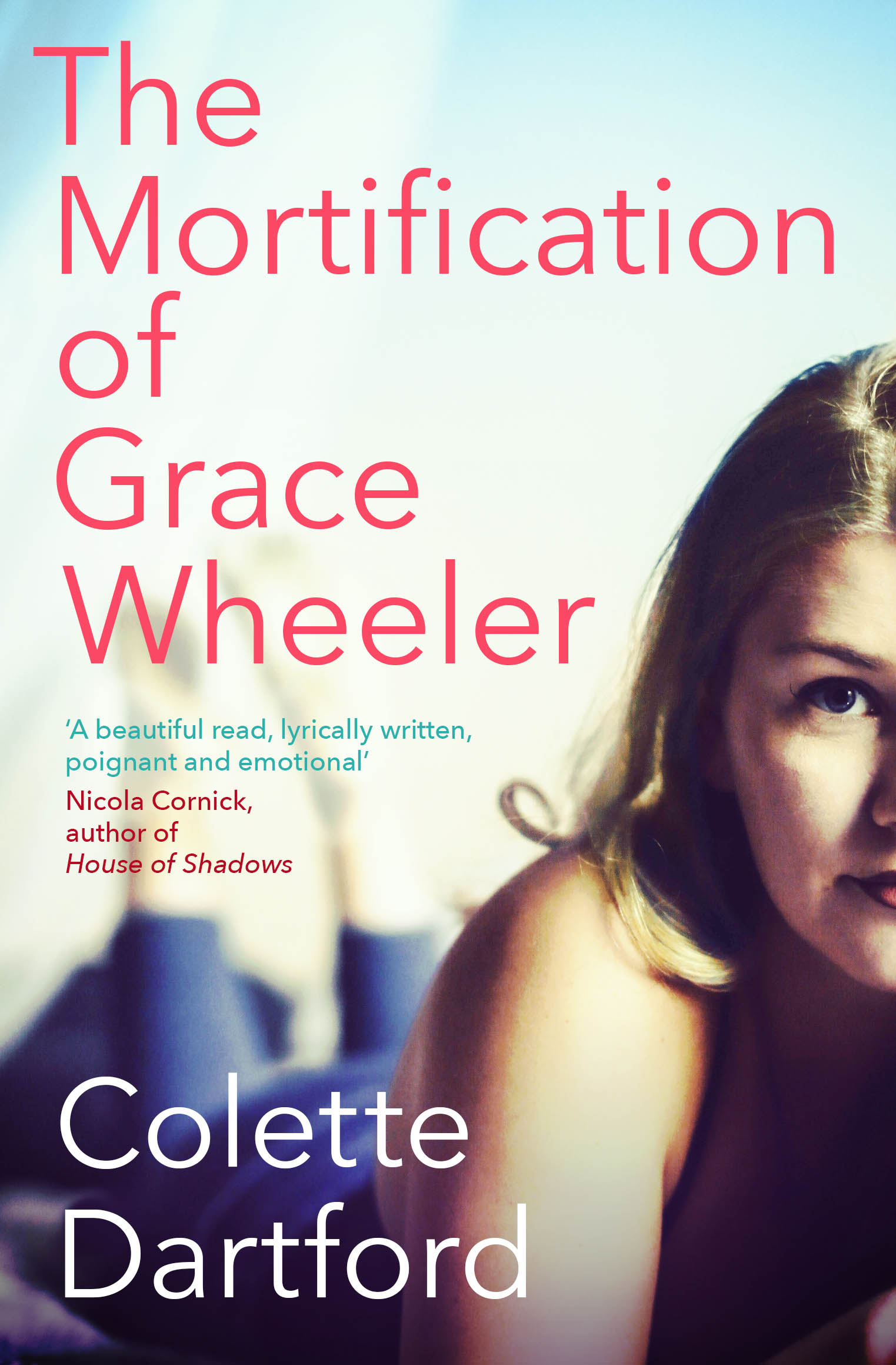
SUNDAY SCENE: COLETTE DARTFORD ON HER FAVOURITE SCENE FROM THE MORTIFICATION OF GRACE WHEELER

At the heart of my novels are relationships at a point of turmoil or crisis, because that is when they are most interesting. In Learning To Speak American, Duncan and Lola Drummond try to celebrate their twentieth wedding anniversary in sun-drenched California, while still grieving the loss of their daughter two years earlier. In An Unsuitable Marriage, Geoffrey Parry loses his business, his family home and his dignity. He is forced to move in with his elderly mother, testing their relationship, while his wife Olivia, takes a position at houseparent at their son’s prep school, testing their relationship too. In my third novel, The Mortification of Grace Wheeler, Grace is faced with a lonely empty nest when her only child, Josh, goes to university. For eighteen years they have been a family – Cal, Grace and Josh – but now Grace and Cal are a couple again, and she can’t see how that will work. The story begins the day before Josh – a keen fisherman – leaves home. Grace has taken him to one of his favourite fishing spots and watches wistfully from the grassy bank.

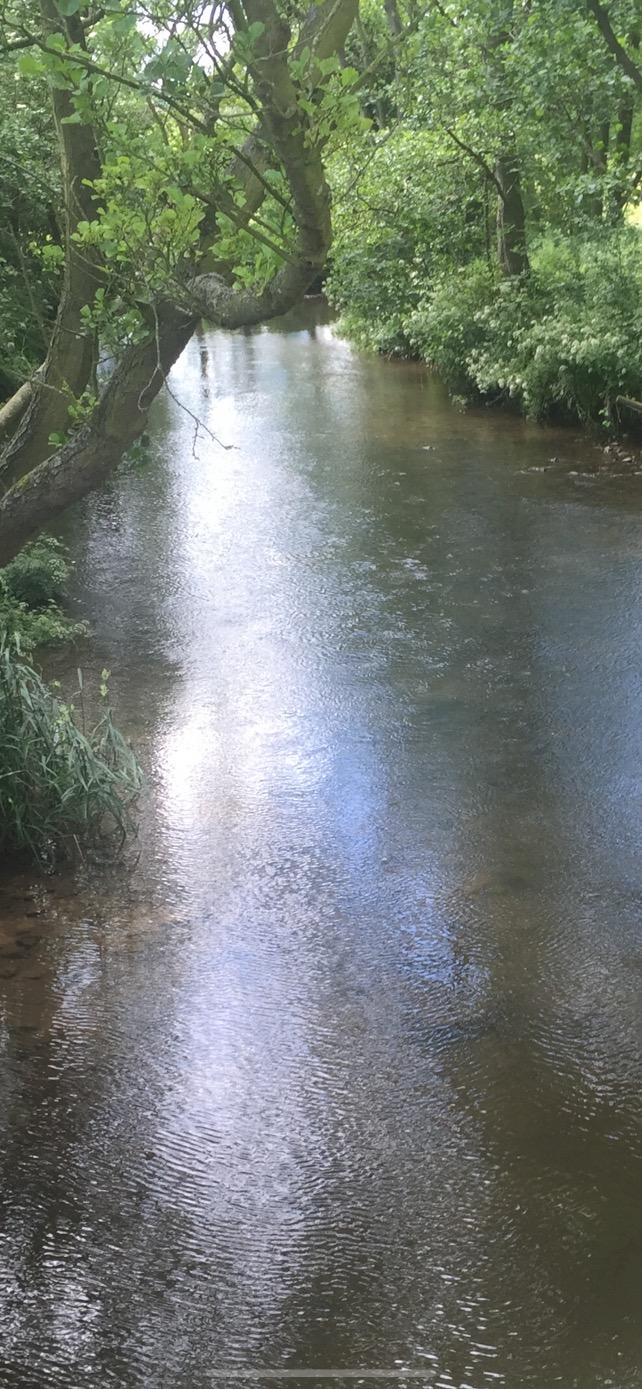
In many ways it was a perfect day. Late summer sun, buttery and low, showered gold dust on the river as it rippled over shallow rocks. A riot of insects flitted over the deeper water, tempting unsuspecting fish to the surface. Josh stood knee-deep in his waders and cast out with a long swish of his rod.

Grace sat on the riverbank, a tartan blanket spread out beneath her. The book her mother, Ruth, had given her lay face down on the picnic hamper – The Empty Nest: A Survival Guide. Ruth meant well, but even the title troubled Grace. It foreshadowed the vacuum Josh’s absence would create, and the spotlight it would shine on her marriage. From tomorrow, Grace’s own nest would be empty, and reading about it wasn’t how she wanted to spend this last day with her son.

Grace misses Josh terribly and is upset that Cal doesn’t. For him it’s a case of ‘job done’, an attitude that only highlights the distance between them. When she is advised to take up a hobby, Cal suggests she join his golf club, but she wants to spend less time with him, not more. Instead, she has fly-fishing lessons as a surprise for Josh when he comes home. Her instructor is a chilled and charming millennial, a complete contrast to Cal, more than twenty years her senior and unrepentantly set in his ways. Despite having always been true to her marriage vows, Grace finds herself drawn into a brief affair that has devastating consequences not just for her, but her entire family.

Rivers and lakes are the setting for some of the book’s more poignant scenes. As the story began by a riverbank, I wanted it to finish there too. ‘Bookend all the bad stuff’ is how Grace put it. I can’t say any more about what happens between these two excerpts, or how this particular day’s fishing will end.

Josh strode out into the gin-clear water and made his first cast. Grace watched from the bank and remembered the empty-nest book Ruth had given her. She had dumped it into the recycling, unread. No great loss, she told herself. Nothing could have prepared her for the trauma of her empty nest. Even now, she could hardly believe everything that had happened.