Hello, Frost’s editor-in-chief here, Catherine Yardley. Also known as Catherine Balavage. I’m being a bit embarrassing and self promoting my book. It’s always cringe as an author, but what we need to do. So here goes!
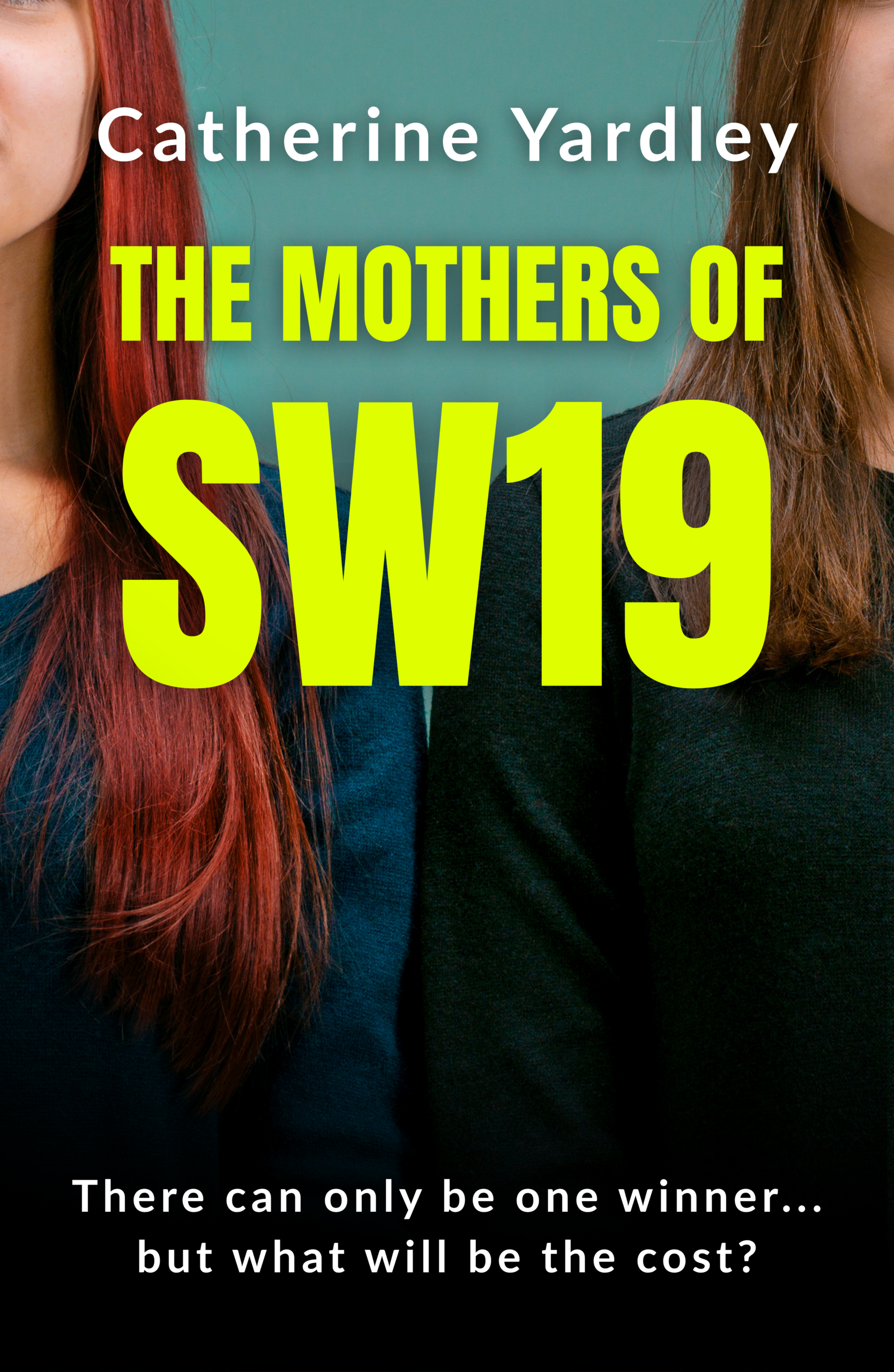
What an absolute bargain. Grab The Mothers of SW19 for only 99p. This book means so much to me. Thank you from the bottom of my heart if you decide to take a chance on it. I put my heart and soul into this book. If you’re a regular reader of Frost you will see a lot in this book to relate to. Emma, the protagonist, is a blogger who runs an online magazine much like Frost. The blurb is below. It’s satire and a domestic thriller which is hard to put down.
“Sharp and twisty, the school-gate politics in The Mothers of SW19 are painfully recognisable. The Mean Girls with Mortgages hooked me from page one, and I was desperate to know who’d be left standing once the truth came out.” Eleanor Tucker, author of TURN BACK TIME and THE REDO.
Unassuming Emma, a blogger turned wannabe social media influencer, moves to an exclusive enclave in SW19 to get her son into the best school in the area. On the first day of school, she bumps into Annabel, a gregarious journalist who is head of the PTA.
An unfortunate misunderstanding leads to a clash, and the school gate mothers taking sides. Emma’s world has been blown apart by motherhood. As she struggles to find her new identity, she has to defend herself against Annabel and her clique. The mean girls with mortgages.
Emma learns a devastating secret about Annabel that could destroy her entire life. Will Emma play dirty to win, and what lengths will Annabel go to protect what she has?
There can only be one winner. But what will be the cost?
Obsession, jealousy, revenge, cliques, motherhood, female friendship, female rage, loneliness, social media influencers, journalists… The Mothers of SW19 has it all in a famous postcode. 😍🤩
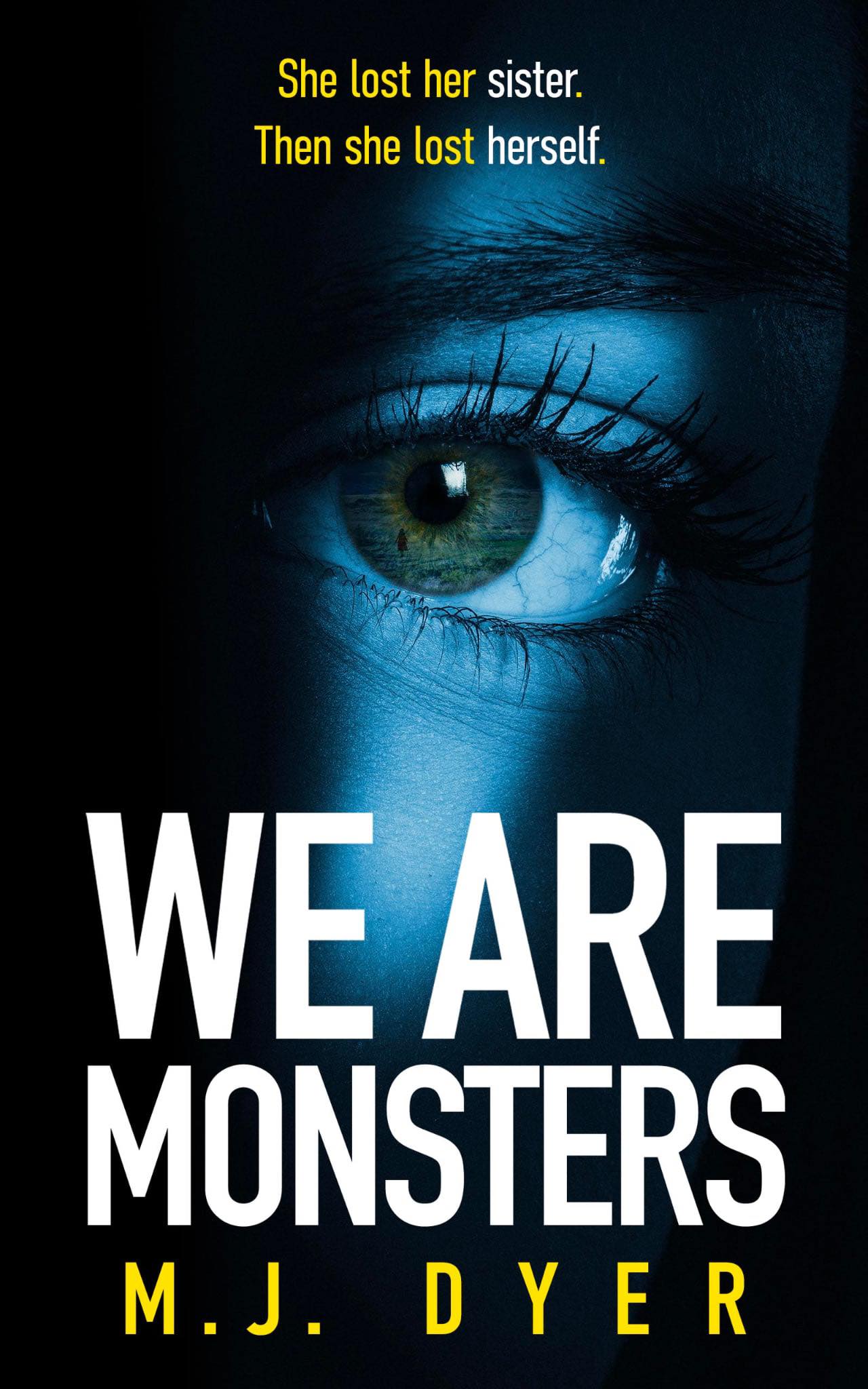
So, about a year or so before I started writing this book, I had an illness which caused brain inflammation and had me hallucinating and having very vivid dreams. One night, I dreamed of these three young women’s faces—all were very beautiful, with long dark hair and alabaster skin, and two of the women were identical. The third seemed a bit more on the periphery, and there was anger in her eyes.
This dream stayed with me for a while—particularly, as I felt like these women were looking right at me. I can’t remember if they did anything in the dream, or what the context was, but I remembered their faces.
And then, much later, and after I’d started treatment for my brain illness, I was visiting a charity shop and looking through a donated photo album. I turned the page and there was a photo of these three women. It really made me freeze, because it looked exactly like them. Two identical twins and another who looked very similar, maybe a sister.
It freaked me out and I left quickly, without the photo album. Yet I couldn’t stop thinking about the women—and I felt almost haunted. When I went back to buy the photo album, it had gone. But I just knew that I needed to ‘spend more time’ with these sisters, and so I began writing.
I love books about sibling rivalry. Do you have siblings!
I do, yes, and I’m quick to say that the experiences in We Are Monsters are not based on real life! I think sibling rivalry is such a fascinating thing to write about as so many people are able to relate.
Dark academia is a popular genre and going nowhere. Why do you think it resonates so much with readers?
I think there’s a strong aesthetic appeal with dark academia—the crumbling Gothic architecture, the isolated landscapes, and the powerful institutions that are never quite as they seem. Tradition is also something that’s seeped into the plot and it can be both a good and a bad thing, which gives so many possibilities to explore. There’s also quite a melancholic atmosphere that comes with dark academia, and it’s also the perfect setting for stories about rivalry as academic competition is often at its heart. The characters are also very much contained within the landscape, often unable to leave or go anywhere else, and there’s something quite frightening about that which also makes it an ideal place to set a psychological thriller.
Dark academia settings are also very much romanticised by a lot of readers. This genre represents passion for knowledge and desire to know the truth, while also immersing yourself really deeply in one aspect of life. Intellectualism is often at the heart of these stories, along with appreciation for education and the arts, and this is something that We Are Monsters really draws on: Elara is an art student living on an isolated university campus on Bodmin moor. She’s fascinated by what art can say about the human condition and what it means to be human, particularly in situations that bring out rivalry and (deadly) competition.
What is your writing routine?
The more books I write, the more I realise I just don’t have a set routine. Each book comes to me differently, and each book is written in its own individual way. But the thing that I have in common with them all is that I do very little planning. I just start writing and see what happens, and I love it when I get lost in a story and suddenly realise that hours have passed and the words have just been flowing beautifully.
I also love to hand write a lot of my drafts as I have limited vision and I find handwriting easier than typing. Luckily, I have a Remarkable Tablet which then converts my handwriting into text, which makes rewrites and editing so much easier!
What is your favourite part of being a writer?
It’s the ideas. I love getting lost in ideas and what-if scenarios. I process a lot of my own experiences through writing, and it helps me understand who I am. There’s something so satisfying about delving into the psyches of characters and becoming immersed in a story in the process.
And the worst part?
I’m one of those writers who works on about five or six different manuscripts at a time. I write under several pen names, across several genres, and I dip in and out of different stories several times a day when it is a ‘writing day’. This can be so overwhelming at times, and I often panic about it. I also often wish I was more organised and just focused on one story at a time, as then I’d get them written so much quicker!
What would you like readers to know about you?
I am a chronically ill writer, and I think it’s important to share my ‘reality’ with readers where I can. There’s often a tendency to put writers on a pedestal and think of them as these whimsical little creatures who have fun being creative all day, but I do have to treat this as a job (and it is my income!). My physical health limits what else I can do, but writing is my one constant, and it’s honestly all I’ve ever wanted to do. But I don’t—can’t—write every day. My health dictates a lot of it. I’m often writing while in hospital, dictating into my phone when my fingers are too painful, and wishing that I was well enough to write just another chapter rather than needing to rest. But when I finish a manuscript, it’s such a proud moment.
Who are your favourite authors?
I am a massive fan of Mary Kubica, Dawn Kurtagich, C.L. Taylor, Helen Oyeyemi, Susannah Clarke, Lucy Rose, Shanora Williams, Rebecca Wait, Coco Mellors, and Nova Ren Suma. I will read any books they release!
Did you always want to be a writer?
Yes! Some of my earliest memories are of me creating stories with my parents. I come from a creative family that really encouraged my imagination, and right from the start, I wanted to be a writer. As I got older, I was told by teachers I’d need to do something more practical with a guaranteed income (one even suggested I become a carpet fitter, which was…odd), but writing remained my goal.
I was a teenager when my autonomic system failed, followed by decades of health problems, and writing was the one thing that gave me an escape. My illnesses then made me more determined to be a writer, as it was a job I could still do. I’d just need to find a way to make it into an income.
I began writing under a couple of different pen names, and I was lucky enough to get my first book deal when I was nineteen, followed by my first literary agent a little while later. Since then, I’ve spent a lot of time learning about the business-side of writing to ensure that I can keep doing what I love and making it into a full-time job.
What books have you read recently and loved?
I absolutely adored Yesteryear by Caro Claire Burke and White is For Witching by Helen Oyeyemi. These are definitely top reads of 2026 for me!
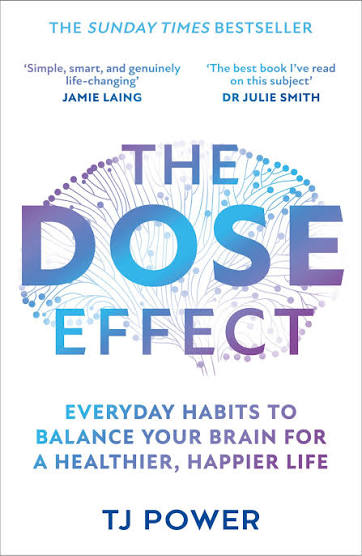
People, my bedroom is tidy. Why? Because this excellent book told me so. It had a positive impact, and was one of many little nuggets in this book that will enhance your life. Written by Neuroscientist TJ Power, who really knows his stuff, this book will make your 2026 the best year so far. Because it focuses on everyday habits, the advice in it all seems achievable. It is as easy to read as it is to implicate. Brilliant stuff. Get your copy now.
SMALL HABITS TO BOOST YOUR BRAIN CHEMISTRY
‘This is the book all parents need in their lives.’ – This Morning
‘If you want to buy just one book this year to make your life better…Get this one. And live by it.’ – Chris Evans, as heard on The Chris Evans Breakfast Show, Virgin Radio
‘This book will help you find more motivation, create deeper connections, energise your body and destress your mind.’ – Jay Shetty, author of Think Like a Monk
‘The best book I’ve read on this subject.’ – Dr. Julie Smith, author of Why Has Nobody Told Me This Before?
***
Life can feel overwhelming, but it doesn’t have to be.
Today’s fast-paced world leaves many of us struggling with extreme emotional highs and lows caused by chemical imbalances in our brains, brought on by the pressures of modern life and constant digital connectivity.
In The DOSE Effect, Neuroscientist TJ Power shares how you can reset and balance your brain chemistry with simple, everyday habits to lead a happier, healthier, and more productive life.
Unlock your brain’s four key chemicals and discover the powers of:
DOPAMINE to get motivated and stay driven
OXYTOCIN to build deeper connections with others
SEROTONIN to boost your energy and mood
ENDORPHINS to destress and find calm
TJ’s practical approach and straightforward solutions will guide you on an exciting, action-based journey to optimise your brain chemistry and transform your mental health.
TJ Power’s book ‘The DOSE Effect’ was a Sunday Times bestseller w/c 2026-01-26.
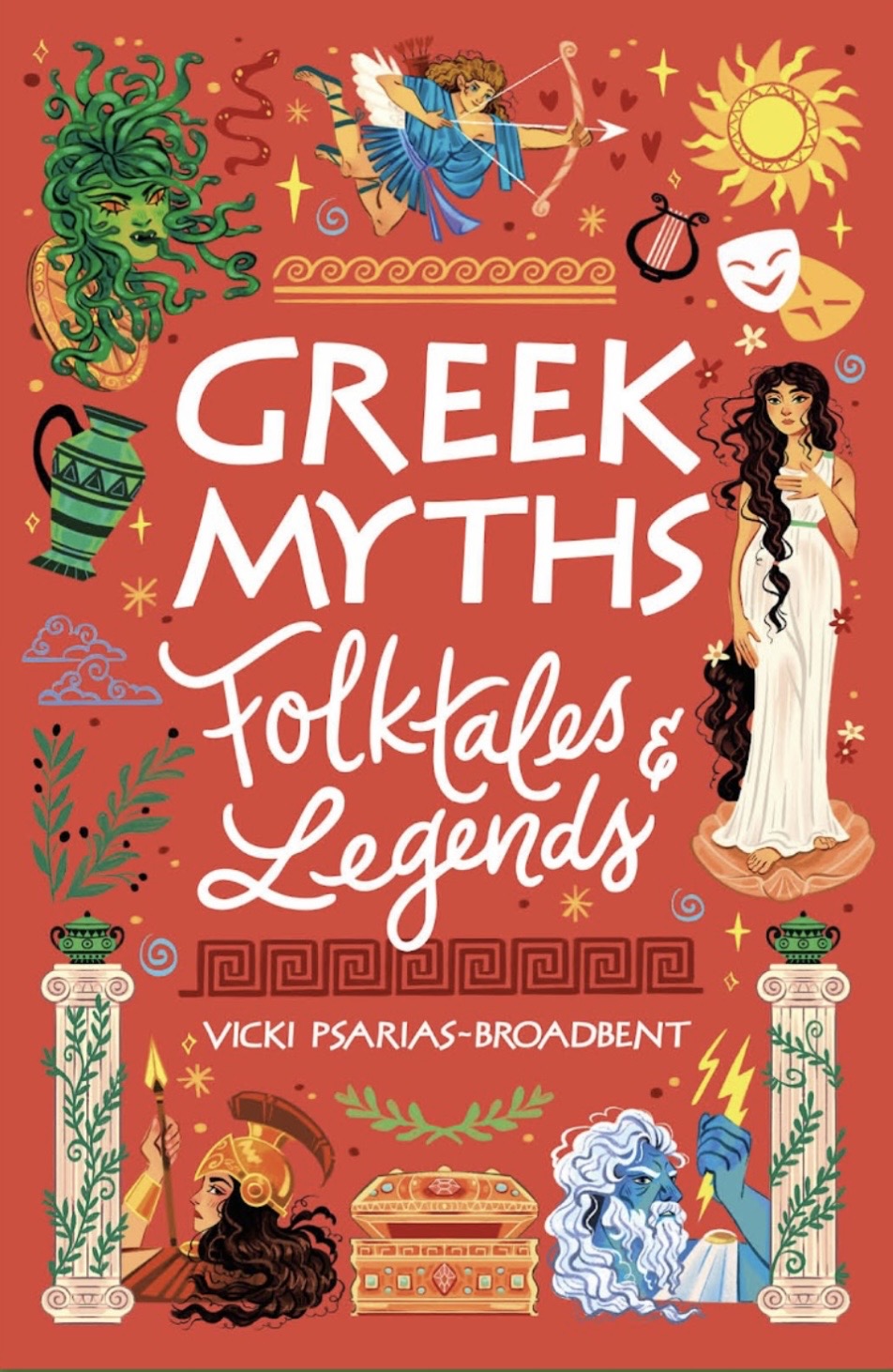
I’m reading your book, Greek Myths: Folk Tales and Legends, with my 10-year-old son at the moment. We are both loving it. Where did the idea come from?
The idea landed on my lap from the Greek gods and goddesses themselves I reckon (ha) and in the form of a modern day Hermes in my literary agent, Jo Bell, whom Scholastic had contacted to see if she represented anyone of Greek origin who might like to write the book as part of their Classic series. I submitted a draft retelling Medusa and another as the first was a little too mature for 8-12s and was commissioned to retell 20 myths. What followed was a period of immersive and meticulous research prior to allowing myself creative licence to retell these famous and some rare stories too, for a modern audience. It was a joy to reconnect with my ancestry and culture, the process provided intellectual stimulation and by the end I’d felt like I’d crammed a Classic MA into a year!
What is your writing process? I would submit 3 stories at a time to my diligent editor Bella and enjoyed working in batches, writing a minimum of two drafts of each story, before sending on for feedback and then rewriting. Writing is all in the rewriting after all. I had several months to write each batch and would aim to write 500 words a day as a minimum. I shed characters that didn’t drive the stories forward and invented poems and songs within the plots so these stories are very much my own interpretations, based and inspired on the original myths written over 2500 years ago. I used my experience as a screenwriter to create what I hope are memorable, cinematic stories children could imagine with ease. I wanted history to come to life for the reader.
This is your second book. Does writing them get any easier? I think when you’re passionate about a project, in my case anyway, I tend to hyper fixate on it and write, and write and write. I loved the research required here and returning to the earliest versions of these myths I could find, and then working from there, in many cases righting some of my ancestors’ wrongs in the process.
I find you inspirational. You are a mum-of-three, an influencer, broadcaster, and writer. How do you manage to juggle it all? I think I often fail, freak out, feel burnt out and struggle with imposter syndrome as much as I experience career milestones and highs, just like everyone else. In terms of the practical infrastructure in place, my youngest is at pre school and my parents help out in the holidays. It takes a village to raise a child and it takes a village to raise a working mum.
Emotionally, I oscillate between feeling confident and content and completely unworthy and sometimes in a single day. Sleep deprivation doesn’t help. My 4 year old has never been a great sleeper so that hasn’t helped with regulating emotions but I take each day as it comes, it’s the only way. Creative pursuits feel healing and give me purpose.
What advice do you have for other working mothers? Focus on what you can do, not what you can’t. That applies to every area of motherhood, careers, friendships and relationships. If you want to write, try to commit to 200 words a day or 500, whatever feels possible. Know that each phase passes, the best of phases and the worst.
You interviewed Keir Starmer. Tell us about the experience. It was a surprise to receive an invitation from No 10 asking if I’d like to interview Sir Keir Starmer during a school visit in Reading so we could discuss the success of the first 500 Breakfast Clubs rolled out across the country. 1 in 3 parents sadly struggle to provide breakfast for their children so these clubs are helping the most vulnerable, with many more planned. They will also serve working parents who are time-short on a morning, providing additional free childcare along with breakfast for children. The PM shared that he was committed to help improve the workplace for working parents. I’ve spoken in Parliament on several occasions, collaborated with the Department of Education and helped encourage the Online Safety Bill to be passed onto The House Lords (which it was and is now the Online Safety Act 2023). Politics is an area I’m interested and invested in although I couldn’t stand as an MP currently with a young child and two teenagers but I’d like to work more in this sector, continuing to advocate for working parents in particular.
Who else would you like to interview? I think Jacinda Ardern, the former PM of NZ would be top of my list. The way she led from the heart and during the pandemic under such unprecedented times, turned everything on its head that we’ve been led to believe about leadership. She’s an inspiration.
You’re incredibly supportive of other women. As well as being open and honest. What can women do to support each other? I think working on yourself is number 1, accessing therapy if you can or working on meditation/ yoga/ self improvement because operating from a healed place makes us the best and most calm and in control version of ourselves and in turn better friends, parents and allies to others. Ascertaining what your triggers are, if you are holding onto trauma or internalised misogyny for eg allows you to work through learnt behaviours and patterns and bad experiences, that might be harmful or destructive to yourself and others. I’ve had years of therapy and have found them to be life changing. There are a lot of women professing to support others when in truth, they haven’t done the work to fully champion those they profess to be behind. I am lucky to have a supportive community around me and have always enjoyed championing others, there’s a genuine ‘helper’s high’ from seeing others shine. I know myself deeply and I know there’s room for us all to thrive but only when we work side by side.
Tell us an interesting fact about you. I came 4th in the North in Junior Masterchef at 11 in the regional heats. My Dad was gutted I didn’t make the TV show as they only needed 3 contestants. My caterpillar brows at the time are forever thankful I didn’t. Another plus is that I learnt to cook well like high end fare and I wasn’t even a teen. My first week at uni was cooking 3 course meals for the other students in my halls. My Mum still laughs that I asked for a dinner set before I left home!!
I would also say as a bonus fun fact, that many don’t know I had what feels like another lifetime of a career as a screenwriter and filmmaker before pivoting into the digital world. My dream is to return to that industry one day.
You have had an amazing year. What’s next for you? Ooh, I’m not sure, a novel or screenplay perhaps, I relish a challenge and have a few ideas which I believe ‘have legs’ as they say in the film industry!
Greek Myths, Folktales & Legends for 8-12 year olds, published by Scholastic UK is OUT NOW in all good books shops and onAmazon.
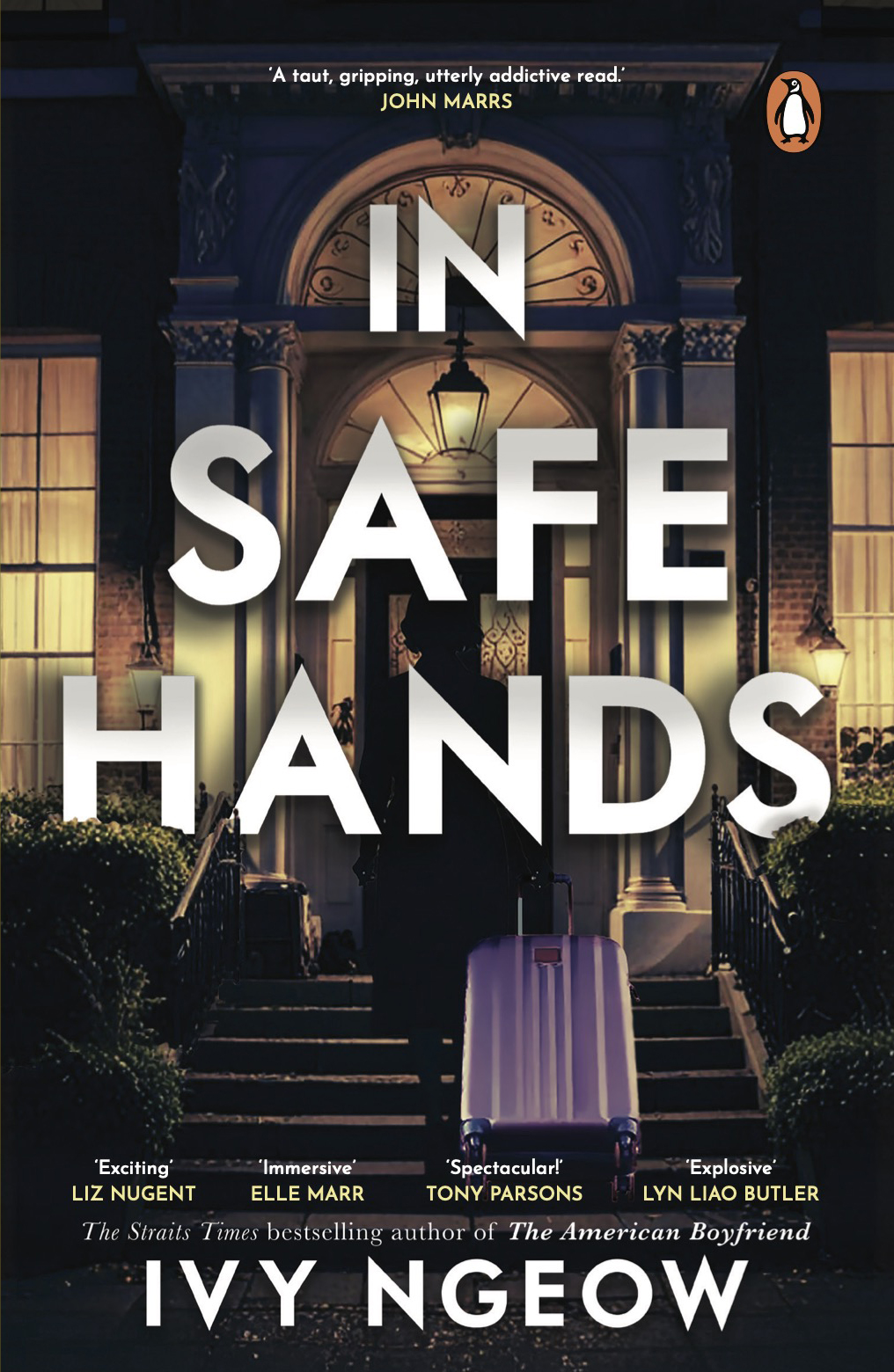
In Safe Hands is a psychological thriller set in London and Singapore, about a once successful but now penniless woman who seeks help from her elderly, wealthy father but finds that her role has been replaced by an attractive and efficient caregiver.
Where does your inspiration come from?
For me, inspiration comes from reading, theatre, sightseeing and walking, travel, TV and movies. I very rarely take inspiration from real people as I want to create settings and characters that are larger than life. Fiction is about stretching the boundaries of our imagination. For In Safe Hands, I was inspired by the class struggle and status consciousness in both Singapore and London, two parallel cities absorbed with economic and commercial growth which made me want to write about the have and have-not characters.
What does it feel like to be published by Penguin Random House?
Like most authors, I grew up on Penguin classics. I used to admire the plain orange spines, and wonder how I would ever write a book that appears on the shelf with the Penguin logo. When I received an offer 9 months after submission for The American Boyfriend, I thought it had to be a scam. I didn’t even reply for a week. After investigating the email, I was grateful that I was going to be not just an author, but a Penguin author.
Can you describe the moment you signed your book deal?
The moment I signed my book deal, I felt excited and light-headed, Prosecco-filled and buzzing. This was swiftly followed by a heavy responsibility, and also that I was an amateur and not good enough. Although in theory every author feels a debilitating sense of anxiety and inferiority, I felt the pressure of no longer someone who was just messing about, experimenting with writing, with sporadic success. Now I was a “real” writer and there were consequences, which were a sense of professional duty to perform, the urge to gain readers from all over the world, while developing my author brand, and finally the responsibility in delivering a top quality product to the world.
Tell us about your writing journey.
My writing journey actually began quite early, even though I only published my debut novel in my late 40s. I was writing short stories throughout my childhood for fun. Some received national commendation. I had always been interested in competitions, in case I won something. A real breakthrough came when one of my short stories was broadcast on the BBC World Service. I was actually even paid for it. It was the first time I had been paid for my writing. Gradually I entered more competitions and eventually won two big first prize competitions.
Encouraged by my initial success, I signed up for an MA in Writing. I began writing my first novel then, which won a literary prize in Hong Kong. After I started writing novels, I was less interested in writing short stories, which I saw as something you do in between novels, like a side dish or a snack. I really enjoy investing time and energy into novel writing, which I feel is all-consuming and more like a satisfying, seriously rich meal.
In Safe Hands is your sixth book. Does it get easier?
Yes and no. They’re like children. The problems change and get bigger. Before, they just come out, exist and you make sure they don’t die. Then, when you have more books, you have to look after the whole family, your brand identity, your own development, the commercialisation of your writing, your publishing strategy and plan. There is no more hodgepodge or random scribblings, unless they are just for fun. The marketing and promo is the least fun bit of being an author, yet a significantly and disproportionately large part of publishing today, to the detriment of the fun bit: just writing. Everytime I make a reel, I know I’m not writing.
Which book is your favourite?
In Safe Hands is my favourite book. I say this not just because it is my latest book. I have made meteoric improvements since my debut 8 years ago. I exceed my own expectations with each book. I wrote better and better books. With each book, I tackle a little weakness or strength learned from previous books. Had I given up, which of course, I have considered doing many times, I would never have realised my potential to grow as a creative thinker and writer.
What is your writing routine?
I don’t have a writing routine. Being a full-time architect and mum of two, I just write whenever I can. If I have one hour while waiting for my daughter at ballet, then I’ll write for one hour. If I have 15 minutes in between appointments, then I will write for 15 minutes. I don’t schedule any of it or get stressed if the words don’t come, because I feel that eventually when you get those minutes or an hour, the words will come. If it’s a story, then the story will be told sooner or later.
Are you a plotter or a panster?
I’m definitely a plotter, as I had made the mistake of spending 12 years writing my first novel due to not having any plot. I would just make things up as I felt like, until I got to the end. This only cost me many more years of rewrites. Now I can fill an A3 page with a diagram of my plot, and a google sheet with my chapter plan. It gives me a sense of peace just staring at these diagrams or Google sheets. I don’t mind if I have to spend a bit more time on the plotting. I see them as just as valid as plans for a building, or instructions to construct an object.
What writers and books do you love?
I enjoy character-driven plots. I read Liz Nugent, Elle Marr, Tony Parsons, Emily Barr, Shari Lapena, Lisa Jewell and Andrea Mara. I also enjoy literary fiction. Books which have influenced me include Penguin Classics. For contemporary book club fiction, I enjoy JM Coetzee, John Lanchester and Rebecca Kuang. An automatic read for me would be David Szalay. I have already ordered his Booker winner, Flesh. I love anything he’s written.
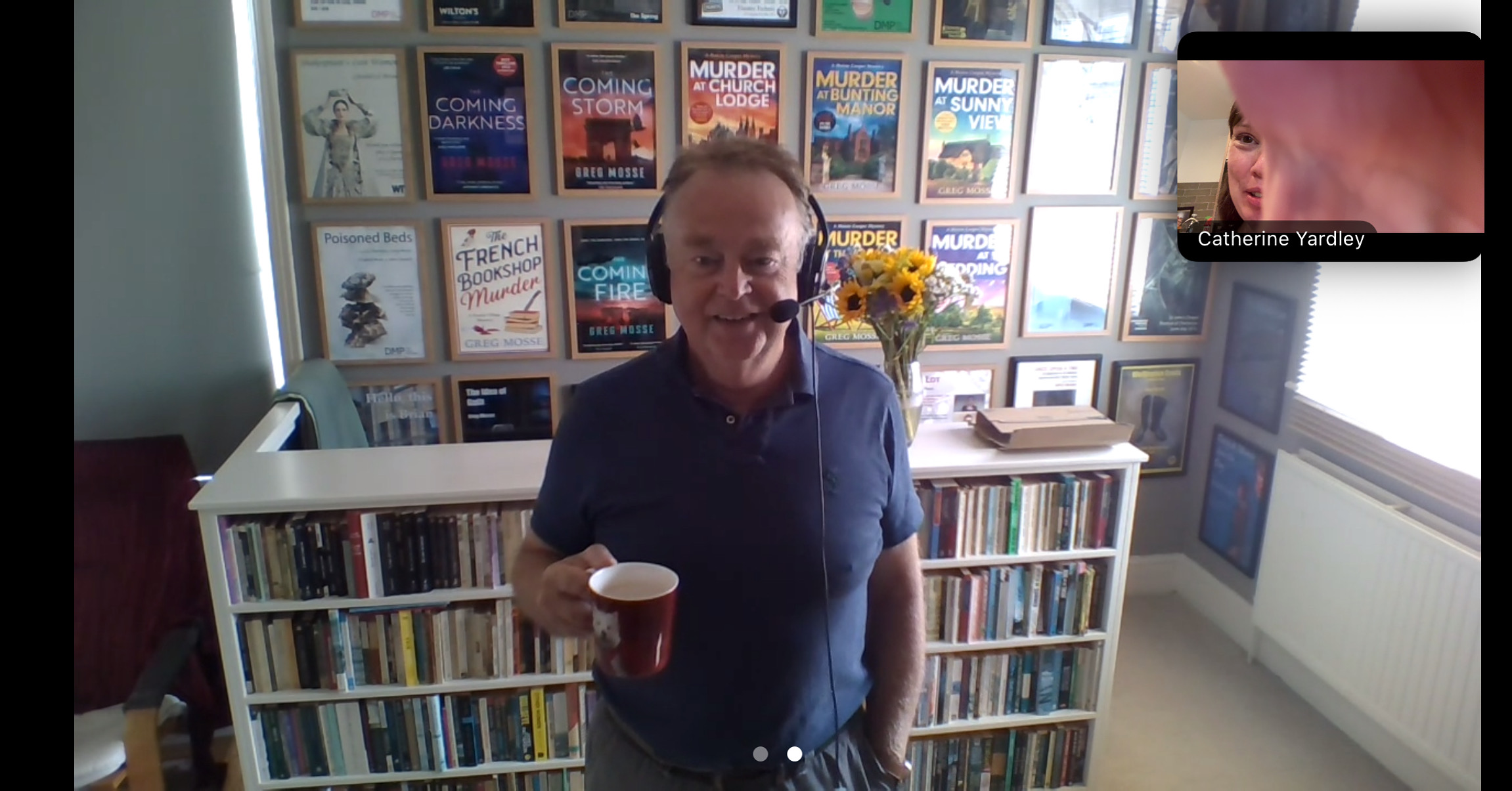
One of the best things about being editor-in-chief of Frost Magazine is all of the people I get to meet. Having a chat with a writer I admire is also exciting for my other life as an author. Greg Mosse is a great interviewee. Candid, kind, and bursting with interesting information. I read The Coming Darkness in 2022 and loved how unique it was. It is a great thriller. Now, the third in the trilogy, The Coming Fire, is out. I interviewed him over Zoom to talk all things writing, A.I., and Kate.
Greg complimented my children’s artwork on the fridge, and I complimented his impressive book posters.
On the impermanence of theatre and writing during lockdown: ‘The posters on the wall, most of them are mementos of my theatre work, because theatre is a wonderful fugitive experience. It’s that brilliant moment shared by the audience live in the room together that can never be repeated, but at the end of a run of theatre, for most shows it’s gone forever. And unless you’re in Les Mis or something like that, and it doesn’t stop, it’s great to have the poster on the wall as a reminder of, ‘Oh yes, I did that.’
The rhythm of my life under coronavirus lockdowns changed completely. In one way, because theatre had become illegal, and so there was really no point in writing new plays for I didn’t know how long, but in another way, it didn’t change at all. It just meant that I sat in the corner of my study, there with my red blanket, because it was March, wasn’t it? It was cold at first, and then it got really hot. It just changed from writing dialogue to writing prose and that’s why, in the centre of the wall of posters behind me, are all the novels I’ve published.’
That was a smart thing to do. Yes, but remember, we were utterly unemployed, weren’t we? We had to fill our days and I did find it very easy to be productive, because I was utterly without distractions.
As the lockdown started, I actually went and I picked up both of our children. My wife, Kate Mosse, and I. Felix was working in Norwich. He was on stage in a show that shut, and Martha was living in North London in a flat in a block, and we thought both of those circumstances would be a less pleasant way of being locked down than in our house in Sussex with fields that you could walk out to and all of those lucky things that we had, but that said, you know, they’re grown-ups, so it’s not like I brought them home and had to look after them. So I had not limitless time, but I had a lack of distractions, which really taught me how valuable that can be in terms of working quickly, but not necessarily efficiently.
On writing a trilogy: For The Coming Darkness, the first book in the Alex Lamarque trilogy, I wrote 170,000 words from which ultimately I cut 70,000 words because the thriller that MoonfFlower, my brilliant publisher wanted, was just under 100,000 words. However, when The Coming Darkness went very well, I got excellent reviews for which I’m very grateful. It meant that I had these subplots I cut from the first draft that were the heart of the second book, The Coming Storm. That also accelerated the process. So it wasn’t like I had to sort of start again. My hero, who’s like an action hero, a member of the French secret services. He wins at the end of The Coming Darkness, but he only wins a fragment of the battle that he’s engaged in. But I already had the heart of The Coming Storm already on the page. It had to be massaged into a different shape, a different timeline, but it already existed. The future, historical background to the book that I researched by reading lots of scientific papers and government papers and NGOs and everybody who’s predicting the future, trying to plan for what’s coming next. Five years, 10 years, 15 years, a generation. All of those notes were super valuable over the whole of the trilogy, and the things that we’re worried about today in 2037 are more urgent, more dramatic, more desperate, but they are the same things, but more so.
The Coming Fire is the culmination of a trilogy about a time when everything that we’re worried about today is more intensely felt and more intruding, more fully on people’s lives. So that meant I’ve already got a crescendo that can play out over three books, and then the other way of describing it. The further Alex goes towards the heart of this terrorist mystery, the closer he gets to the biggest, hardest enemy to defeat. There’s an overall shape that you know you’re writing into. I sometimes describe it as pouring creativity into a pre-existing shape, yet not just writing to find the shape, but the shapes already there in the back of my mind.
On authors being pigeonholed: As a writer for theatre, nobody says to you, “You know, last year, you wrote a play about smugglers, set in 1749. Why are you now writing a play about the First World War?” Whereas, as a novel writer, people say that to you all the time. Being able to write in these different voices, to tune into a different quality of creativity, is really normal for a playwright and to write dialogue in different voices. One day a king, another day a minor living 300 years later, another day a 12-year-old child living today, is totally normal. Now, the other part of your question, which one do I like best, writing plays or books? The great thing is that they refresh one another. You know what I was just saying about playwriting? That’s one of the best things about writing plays. So a full-length, two-hour play is about 20,000 words, whereas The Coming Fire is 98,000, I think. So a full-length, two-hour play is a fifth of a novel. So it’s more difficult to get that refreshing change in novel writing because the scale of the creative enterprise is so much bigger. If you have sympathetic publishers who understand that you’ve got these different goals, entertaining people in different ways, that’s what it’s about. They really bounce off each other super well.
On his writing routine: It’s 6:30 till 10:30 more or less every day. When I say every day, it’s like six days out of seven. Sometimes I’m travelling for other parts of my life. And so it can’t happen if I’m driving to London in the morning for the work I do in theatre, for example. But about six days out of seven. 6:30 to 10:30. In that time I’d expect to write a couple of 1,000 words. I’d expect it to begin with a two. Doing that for six weeks of six days a week, 2,000 words a day that’s 72,000 words, isn’t it? And once I’ve got to sort of that, I’ve actually got an unpublished novel in my computer over there that I’ve written about 65,000 words of, and I’m currently editing it because I’ve got an idea of how it will end, like a framework for how it will end, but in order to write the last quarter of the book, I need to make sure everything in the first three quarters ties up and is completely coherent, and that I’ve probably been writing for about six weeks and now it’s going to go really slowly for a week or 10 days, maybe because I’m reviewing everything, and I have to keep going backwards and forwards, you know, to tie things together. And I’ll find a thing on page 102 and God, where was that, although I referenced that. And then there it is on page 17. And all of that over and over and over again. And only once I’ve got all of that done, probably through the whole of those 65,000 words twice. Only then will I write the last quarter of the book. And then, of course, I’ll have to check it from line one to the last line again to make sure I’ve got it all right. So that means about 10 weeks in total for a draft that I am willing to show one person alone, and that person is my wife, Kate Mosse, [Most people would be scared to give Kate Mosse the first draft of their novel] yeah, probably. But, you know, there she is. She’s having a cup of tea in the morning, eating her Marmite on toast, and she’s trapped. You know, there’s nothing she can do.
I was asked this weekend, as I usually am at some point at festivals, ‘Greg’, was it helpful at all to be married to the international best-selling novelist Kate Mosse?’ And I always say she is the wave that I surf.
On supporting other writers: When Twitter was invented, before it became a cesspool of bots and hatred, it is I chose as my Twitter description, ‘writer and encourager of writers.’ Back then, almost all of my writing was theatre, of course, and that’s changed, but the encourager of writers hasn’t. It’s the reason why, with my son Felix Mosse, we run a theatre script development programme at the Criterion Theatre, Piccadilly Circus, which is free to the mid-career playwrights who take part. And then when I’m at a festival, like Harrogate, or in the new year, Kate and I will be in Jaipur, and then Dubai, at the Emirates Festival, the majority of my time there will actually be spent with readers and writers, aspirant writers, trying to help them develop their plots, understand the business. You know, all of that stuff. And that’s super rewarding.
His thoughts on A.I: My thoughts on A.I., what I wanted to put on stage in The Coming Fire was the fact that the terrorists, the big, bad, evil presence behind the whole of the trilogy, has a view on A.I. that you and I and many people probably share, which is that it’s an enormous danger, and there are two parts to this danger. There is a relinquishing of humanity, and thinking that A.I. is probably as good as the ways in which humans have evolved, in doing things over a gazillion years over evolution, and then recorded history.
And then the other part of it is that relates to the creative arts. There’s a brilliant, I think it’s in an Arthur C. Clarke science fiction story from many years ago, where he compares a flawless reproduction of a piano to a real piano. And he says it’s like the difference between being told that you’re loved and being held in your parents’ embrace. It’s great. It may not be a quotation, but it’s something like that, right? You know what I mean there, there is a difference that feels elusive, but it’s also really substantial.
Yes. So then the other part of it is the fact that, and we’ve seen this all through the technological age, technologies respond in ways that we don’t predict. There’s always a law of unintended consequences. There’s always unfortunate outcomes, even with the best of intentions. My brother, who has a sardonic cast of mind, sometimes says to me, no good deed ever goes unpunished, and you want, but people who are, I would argue, unthinkingly embracing technology, assume the best, whereas I’m a much more precautionary cast of mind. You never know where this will end up. So coming back to the big baddie in The Coming Fire.
He wants to set back Earth’s technological development by a few generations. He wants to destroy the hyper-connected world, the global village, and fragment and atomise human populations. Now, of course, that also means that he’s a completely inhumane barbarian,
utterly insensible to human tragedy and loss of life. Those things are meaningless to him because he has this conceptual idea of turning back the technological human clock,
and a thing that he can’t see is the inhumanity of the A.I. that he wants to exploit in order to achieve those terrible goals is actually super similar to his own cast of mind, and that’s why Alex must stop him.
Well, it’s the third part of a trilogy. There is a hero. Usually, the hero wins, but of course, it would be a spoiler to say if he does. I have a friend who’s a neuroscientist who works at the University of Sussex, with whom I was talking quite recently about the fact that he gets infuriated when he’s told that artificial intelligence has discovered or devised something. And he says there is no artificial intelligence. What there is is an algorithm that analyses statistical probabilities and comes up with likely scenarios from which it can choose one. But it’s not intelligence. It’s a sifting of data to find the most likely average outcome.
Thank you Greg.
The Coming Fire is out now and published by Moonflower.
I loved Milli Hill’s book, The Positive Birth Book, and I was excited to read Ultra-Processed Women. I believe our diets are causing health problems. It is not normal that the rate of many diseases has rocketed. Our food is full of rubbish, to put it politely. I have always felt overwhelmed about trying to improve my diet, but Ultra-Processed Women explains everything clearly. It is an eye-opening book which lets you take back control of your diet and health. Other health books I have read made everything too hard to follow and overwhelming. Basically, just give up everything you love and never eat anything nice again. Ultra-Processed Women takes a complicated subject and makes it easy to understand and follow.
Ultra-Processed Women is brilliant and informative. I think every woman should read it. This book is literally life-changing. I will be referring to it regularly. A must read.
In Ultra-Processed Women, acclaimed journalist and women’s health advocate Milli Hill uncovers the shocking truth. From period pain and weight gain to depression, hormone imbalances, autoimmune conditions and even Alzheimer’s, Hill reveals cutting-edge research into the hidden dangers thatlurk in your daily food choices.
But this is not just a book about food. Ultra-Processed Women also explores the way the modern food industry has exploited women in their advertising for decades and uncovers the damage being wrought not only on our bodies but on the environment and on our own ability to connect with each other through the fundamentally human experience of cooking and eating.
This isn’t just a wake-up call―it’s a battle cry. Written in Hill’s trademark down-to-earth style, Ultra-Processed Women will help you understand the issues and develop a clear course of action, arming you with tools and practical steps to cut through the confusion, break free from the damaging effects of UPFs, and reclaim your health without guilt or deprivation. Changing the way we eat, Hill argues, is a radical act of resistance to an ultra-processed world.
It’s time to take back control. Your body, your choices, your future.
Milli Hill is a writer and freelance journalist with a passion for women’s rights in childbirth and throughout their reproductive lives. Her book The Positive Birth Book is one of the UK’s bestselling pregnancy guides, and has sold nearly 100k copies since publication in 2017. Her more recent books, Give Birth like a Feminist, and My Period (for preteens), have also topped the Amazon charts.
HQ will publish Ultra-Processed Women on 3rd July2025 in hardback, eBook, and audiobook formats.
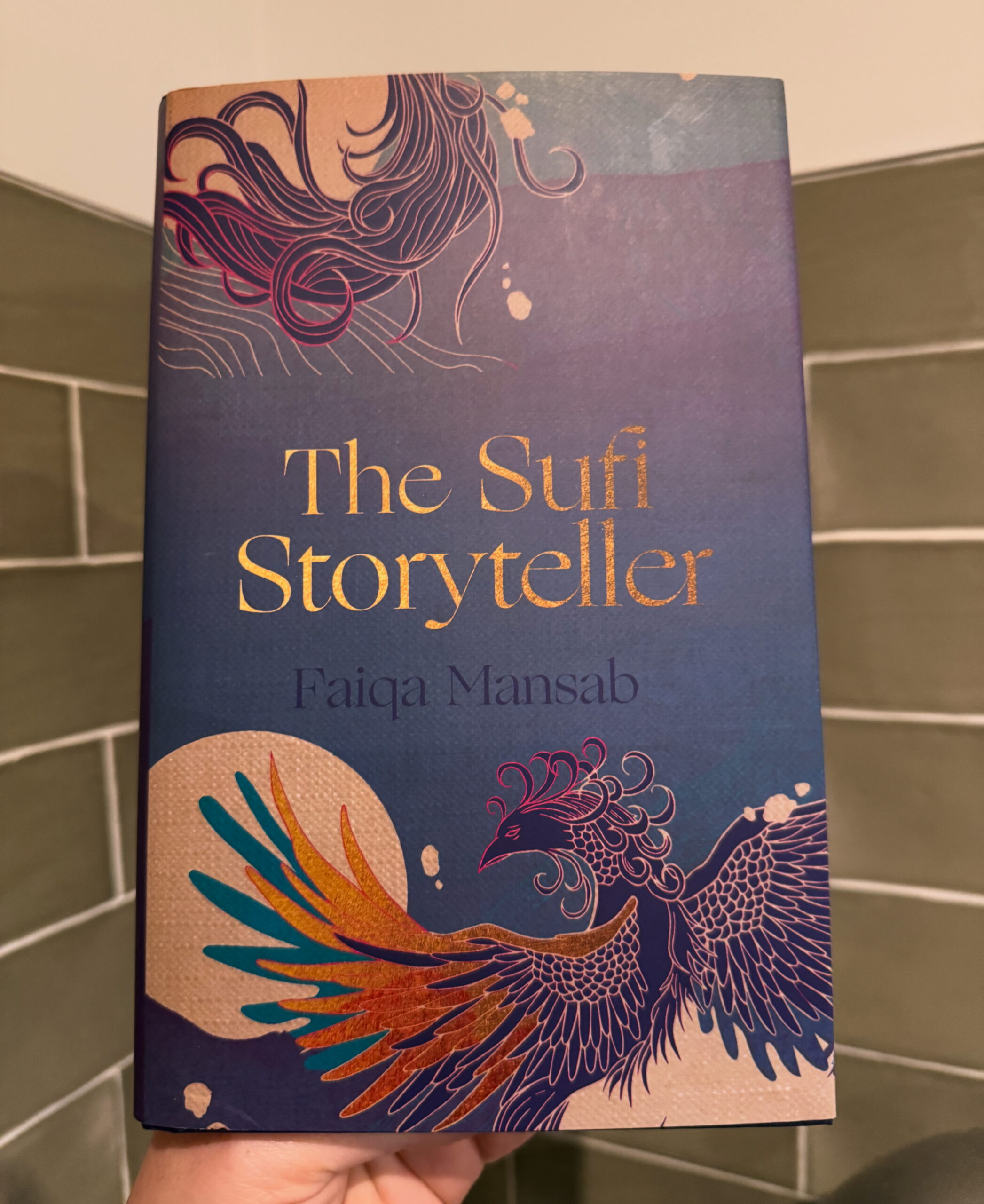
From the first page I was deeply drawn into The Sufi Storyteller. Faiqa Mansab is a fantastic storyteller. Her prose is beautiful and eloquent. This book is steeped in myth and I found the tales of Sufi story traditions fascinating. The books’s deep and full of knowledge, with a murder mystery woven through it. It is high-end literary fiction with a riveting crime twist.
Set in America and Afghanistan, the book is sprawling and is set in the past and the present. The novel is unique and immersive. I was hooked until the very last page. With a darkness that lingers through it, you will struggle to put it down. Faiqa Mansab is a writer to watch. Five stars.
An estranged mother and daughter urgently need to reconnect and navigate a world of Sufi story traditions to catch a killer, and to save each other.Layla is a scholar of women’s histories and stories. Her life is a carefully constructed set of routines in her small American liberal arts college, but all of that is about to change…
Mira is a renowned Sufi storyteller who is running from a terrible past. When she learns that the murdered woman in the library was carrying a note from the killer addressed to her, she is presented with an opportunity to break a cycle of trauma and hurt. To confront her past, she must disclose the truth to Layla.
Together they enter the realm of Story, but can Layla find the forgiveness in her heart necessary to lead them to the answers they are looking for?
This contemporary murder mystery takes readers from small town America to the mountains of Afghanistan.