PUBLICATION DAY SPECIAL: THE GILDED CAGE BY LUISA A JONES

The Gilded Cage emphatically introduces Luisa A Jones as a fresh and modern voice in historical fiction. It’s hard-hitting, pulling no punches in the way it deals with the domestic violence that is at the heart of this Edwardian story, and the author doesn’t hold back when it comes to the love scenes either.
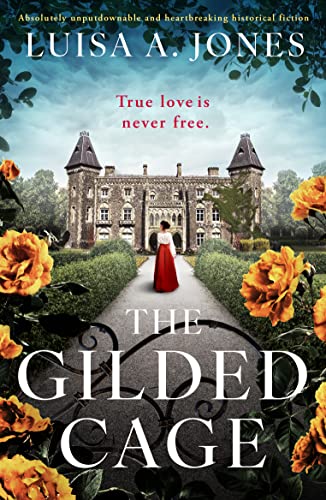
When Rosamund’s circumstances force her into marriage with Sir Lucien Fitznorton she is too young and innocent to even imagine the horrors that await, sharing her life with this controlling man. At the beginning of the story she is broken, with no allies, but that slowly begins to change when she uses Sir Lucien’s absence to learn to drive. Society and the servants consider her a little mad, but to her it represents a freedom she could never have imagined and she begins to recover at least a little confidence.

Although the story is a little slow to start, later it rattles along, its depiction of life in an Edwardian country house meticulously drawn, and by the end I was quite breathless to know what would happen.

What lingers most in the memory about this book are the brutally realistic depictions of the violence Rosamund has to suffer, particularly contrasted with the tenderness in some of the scenes which follow as she discovers her sexuality for the first time. I asked Luisa why she had chosen to write the book this way.
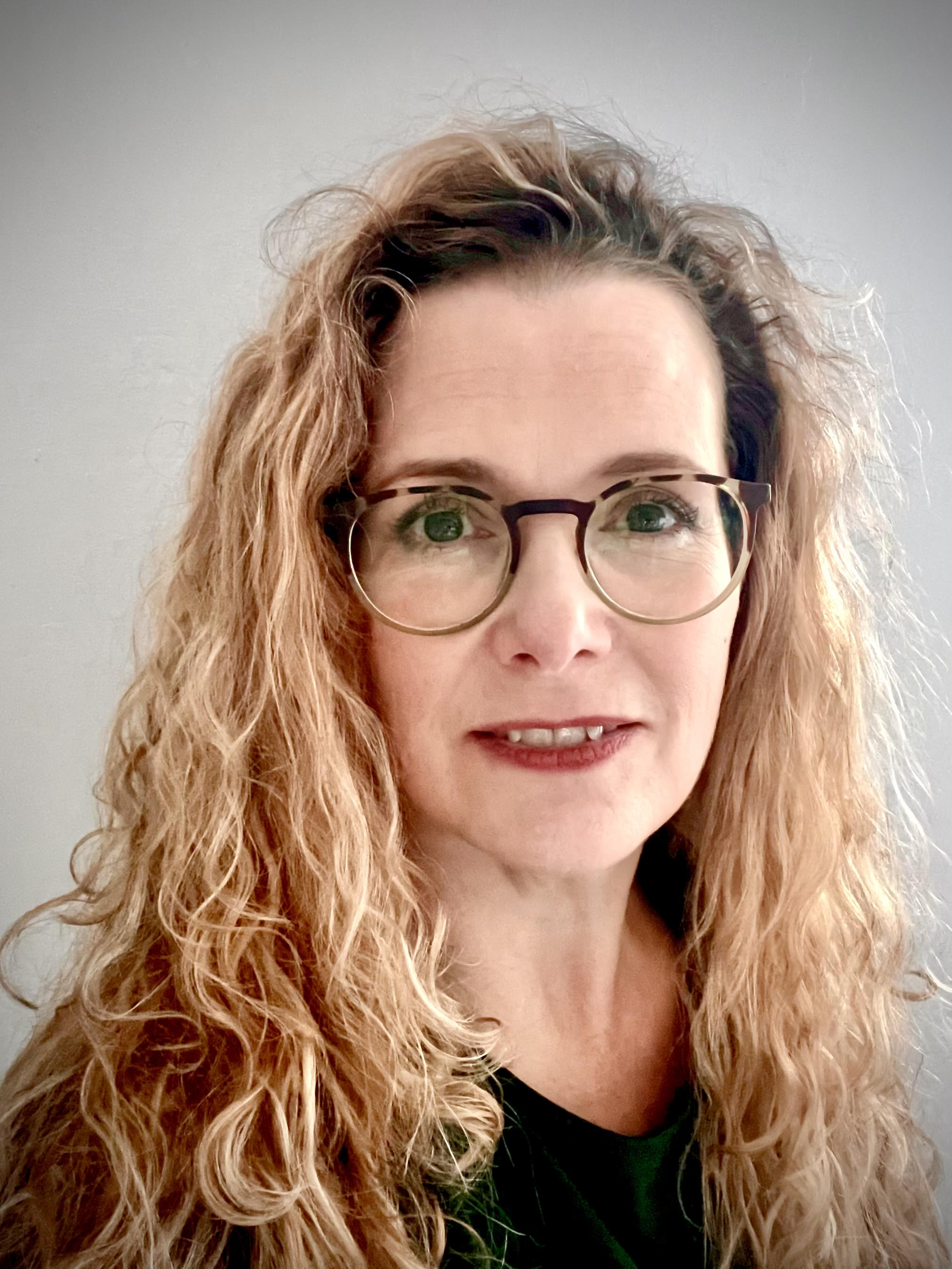
I was aware when approaching publishers for this book that certain aspects would be too strong for some readers, but I felt it was essential to tell Rosamund’s story honestly, and not to shrink away from depicting the harrowing impact of abuse. It was important to me to have her ultimately finding her own agency, and for her to experience tenderness and pleasure, despite her earlier dreadful experiences.

Rosamund’s story was inspired by several people I know well who have been raped and/or otherwise abused. I was, and always will be, incensed by the idea of anyone deliberately subjecting another person to sexual, mental or physical harm. A disturbingly high proportion of women report that they have experienced at least one incident of sexual assault in their lifetime. Rape within marriage was only made illegal in Britain under the Sexual Offences Act of 2003, and until at least the 1990s the law held that by marrying, a wife was effectively consenting to sex whenever her husband wanted it. Marital rape is still legal in many countries.

Alarmingly, a survey in 2018 by YouGov revealed that a third of British people believed non-consensual sex wasn’t rape if it didn’t involve violence, even though anyone with any understanding of psychology will tell you that freezing and flopping are common responses to threat, along with the perhaps more well-known responses of fight or flight. The same survey showed that a quarter of Britons believed non-consensual sex within marriage isn’t rape. I can’t read those statistics and not feel deeply angry.

I am aware that many will find aspects of Rosamund’s experience uncomfortable to read. If I upset any reader, I feel for them. Those scenes are included in the hope that her story will challenge people to rethink, and highlight that nobody should be used as another person’s sexual plaything. Everyone should have the right to decide who touches their body, whatever they wore when they went out for the evening, no matter whether they’ve flirted with the other person, and whether or not they once agreed to marry them.

Most of all, I hope I have honoured the real-life survivors I know and love, and that readers will not perceive Rosamund solely as a victim. I hope they will rejoice with her when she experiences kindness and feel uplifted at the end of the novel. For me, she is a victor.

WRITING CAREER CROSSROADS BY SUE MOORCROFT: PART 3

Working with my new agent

In my last two pieces, I explained how I’d set myself the goal of getting a publisher who could get my books into supermarkets, which had led to me finding a new agent. Telling my old publishers that I was now agented effectively changed our relationship because they didn’t work with agents. They would continue to publish my backlist but, inevitably, after the book we were working on, they’d concentrate on their front list authors.

Credit: Silvia Rosado Photography

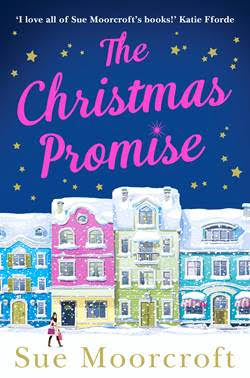
I wrote the first few chapters of what became The Christmas Promise. I roughed out a few other things I thought would happen – more of a vision than an outline. Juliet offered to represent me! I was over the proverbial moon. I could not sign that Agreement letter fast enough. All the years of writing and running workshops and then, shazam! I was the client of a big agency.

All I had to do was:

  • write the rest of the book
  • whilst continuing to write short stories and serials, and run workshops for income to add to my royalties from my novels

An important note here: relaunching my novel-writing career eventuated in a distinct dip in income for two years. To have a spouse with a steady income and supportive attitude helped a lot. I also got the opportunity to convert my writing guide, Love Writing, into an online course. Though it felt as if I was spinning my wheels, I took it because every penny was welcome.

The novel was written. I sent it to Juliet. The editing process began – and it was rigorous. I think I did three structural edits, influenced not just by Juliet’s suggestions but by comments from other people in the agency who read the book too. For anyone who thinks of being edited as someone interfering or instructing, I should point out that a process like this is something likely to happen to any book in any publishing house. I think of editing as other people helping me write the best book I can. I listen. I negotiate. I talk through ideas.

Takeaways from the edit:

  • this deep-dive process is not for wimps
  • it feels like a lot of structural work yet, in the end, the changes are nuanced
  • the book is a lot better
  • I probably didn’t know as much as I’d thought
  • my agent is on my side (This has become so important to me)

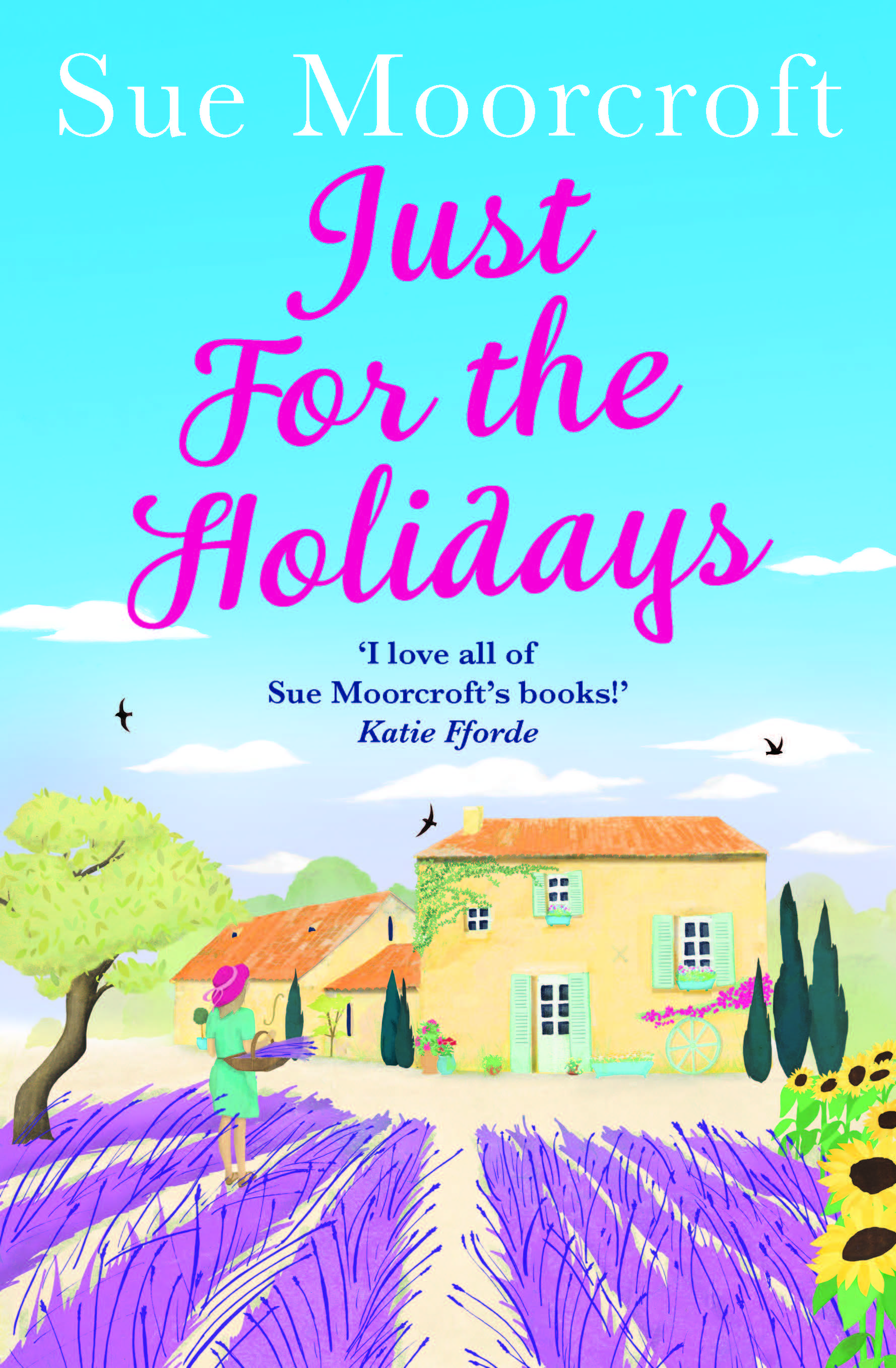
I began the next book, which became Just for the Holidays, sparked by a friend saying to me, ‘Let me tell you about my summer holiday from hell,’ and me replying, ‘Yes, please!’

Juliet sent the first book out to editors. We got a lot of interest, only one flat ‘no’ and some meetings to attend. As an aside, just to let you know how character-building the process was, some major interest led nowhere because the editor in question was going on maternity leave and guess who was coming from another publishing house to cover? The one person who’d given the flat ‘no’. But I wouldn’t want an editor who wasn’t wowed by my writing, so I took that on the chin.

The exciting day of meetings dawned, and I turned up in London to meet Juliet who was, of course, coming with me. The first was with Avon Books UK, HarperCollins. Just as it had at that first meeting with Juliet, everything clicked. The Avon team and I got on well, we shared similar visions. They gave me chocolate cake. By a stroke of good fortune, a slot for an author writing a winter book followed by a summer book had arisen on their list, just as my agent rocked up with a winter book and a summer book! The winter book was ready and the summer book not, so that played into there being a longer dip in income than might otherwise have been the case but still, once outside I said, ‘I think it’s going to be Avon.’ Juliet got down to terms with them for a two-book contract.

WRITING CAREER CROSSROADS BY SUE MOORCROFT: PART 2

Setting my goal

In my last article, I explained my self-coaching session that saw me dropping work that was problematic and/or didn’t earn me much money. With more time for my writing yet not losing much financially, my mental health improved! It was time to look at the other side of the coin. I now knew what I didn’t want – so what was it that I did want?

Credit: Silvia Rosado Photography

It was a question I found easy to answer as it hadn’t changed since the early nineties when I began to try and get published.

I wanted to earn my living from writing novels.

Not from writing novels and short stories, serials, courses, columns and writing how-to and judging competitions, appraising manuscripts and leading workshops. Just writing novels. Wouldn’t that be bliss?

How could I achieve this Utopia? I had a good, independent publisher, but their size limited their reach. I needed a publisher who would get my books into supermarkets.

Step one was to get a great agent, one who would love my books and be ambitious for me. I’d had an agent in the past, but we’d never completely gelled, and we’d eventually parted amicably, so for my last six books I’d dealt directly with my publisher.

Aiming high, I emailed Carole Blake of Blake Friedmann. I knew her slightly from writing conferences and social media – yes, friendly relationships can be forged on Twitter. The email began, ‘Dear Carole, I know you’re not taking anybody on but I’m going to ask you anyway.’ The short version of what happened next was that I was right – she wasn’t taking anybody on. But, happily for me, she showed my work to the wonderful Juliet Pickering at the same agency and Juliet wanted to talk to me as she was looking for authors writing commercial fiction. Would I like to talk to her?

Would I ever!

I met Juliet in London for lunch, and we got on wonderfully. I was transparent about what I wanted. She was equally transparent that that whilst was an agent’s job to help me achieve my ambitions, she couldn’t offer guarantees. She asked about ideas for future books, and I pitched three. She told me which of these she’d feel most confident in presenting to publishers and I had that happy feeling you get when something clicks into place, as it was the one I most wanted to write. It was an idea that had already received a green light from my old publisher, but they’d wanted a novella. I thought the idea had enough meat for a novel.

But I was deflated when Juliet didn’t offer to represent me. She asked me to write the book first. This is the book that eventually became The Christmas Promise.

The snag with that was by the time I’d spent a year on the book, my old publisher would be expecting it. It would be . . . awkward. I asked if I could send Juliet the traditional three chapters and outline instead. Would she make a decision on that basis? She agreed. She told me later she’d already made up her mind to offer to represent me but wanted to go through the process in the right way.

Takeaways from the meeting:

  • honesty and transparency on both sides is hugely productive
  • accepting the commercial realities of publishing is a must
  • listening to what’s on offer doesn’t prevent the putting forward of alternatives
  • take disappointment on the chin because, let’s face it, a writer’s life is full of it.

WRITING CAREER CROSSROADS BY SUE MOORCROFT: PART 1

Recognising the crossroads

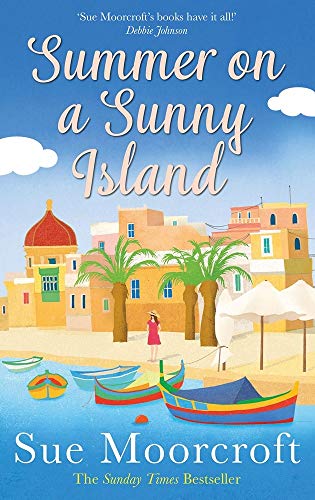
In my book Summer on a Sunny Island, Rosa and Zach stand at crossroads in their lives. In one scene on a sunny roof terrace, they attempt to coach each other over a beer. Is change necessary? If so, what does that look like and how can they effect it?

Credit: Silvia Rosado Photography

A few years ago, I felt at a crossroads. I wasn’t on a Maltese roof terrace overlooking the blue Mediterranean with a handy friend, so I coached myself. It had a profound effect on my writing career.

I’d published nine novels and a raft of short stories, serials, courses and columns; I was a creative writing tutor and writing-competition judge. I had what’s politely referred to as ‘a portfolio career’. Translation: I would take on most paid tasks if they related to writing and some that were unpaid if they might prove useful to my career or meant I was ‘giving back’.

I’d suffered a bereavement and felt unhappy, over-stressed and underpaid. I couldn’t change the bereavement (no matter how much I yearned to), so I assessed everything writing-connected under three headings, subdivided into good or bad.

Things that make me happy Things that make me unhappy Things that are good for me Things that are bad for me Things that earn me money Things that don’t earn me money


Two things were instant candidates for all three bold columns:

  • being a committee member and vice chair of an authors’ organisation
  • writing a column for a Formula 1 website

I was shocked to see volunteering for the authors’ organisation in all the wrong columns. But I had to accept that an organisation that has brought me a lot of joy and helped me professionally, was also sucking up hundreds of hours each year and causing anxiety. I emailed the chair, who’s one of my best friends, and said, ‘I don’t think I can be vice chair anymore.’ To her huge credit, she supported my decision and had me replaced without one word of reproach, though she could have felt immensely let down. After that, it was comparatively easy to email the Formula 1 website and gracefully retire from their list of writers. I think my son encapsulated this situation perfectly when he said, ‘You’d taken two of your greatest pleasures and made them into jobs.’

I felt tonnes lighter. I could read what I chose instead of books that needed appraising for awards. I could watch Formula 1 races without making notes or worrying about the angle the column I had to write.

Spurred by this success, I began to cut other things that appeared in negative columns. They earned me some money but not much:

  • appraising manuscripts
  • tutoring creative writing students
  • judging writing competitions – especially after a writing group ‘forgot’ to pay me a fee that was only ever nominal, even after three polite reminders

What made me unhappy about tutoring was not the students, who were fulfilling to work with, but the constant flow of work that piled up if I were ill or on holiday. The workflow was not within my control and kept me from my own stuff.

Sloughing off these two items gave me significant time for my own writing without losing me much money. A win-win.

Takeaways from the self-coaching:

  • recognise when self-coaching is necessary
  • recognise the results, even when shocking
  • act on them

WRITERS ON THE ROAD: KAREN KING

Places I’ve been to or lived in often inspire my writing, as do people I meet, conversations I overhear, incidents that happen. They’re all fuel for an author’s imagination, as my family and friends know and say to me ‘you can put that in a book’ when we go to a particularly interesting place or something unusual happens – and I frequently do!

I often set my books in places that I’ve lived in or visited – many of my romances are set in Cornwall – where I lived for many years – or Spain – where I currently live.  Whereas my psychological thrillers are usually set in a city such as Birmingham where I was born and grew up or Worcester where I lived for several years before moving to Spain. That doesn’t mean that I don’t have to do any research though, as I like to revisit a place to check on some facts,  especially at a different time of day or a different month. A busy city, for example, will have a different feel to it during the daytime when it will be bustling with people going to work or shopping to the evening when it can sometimes feel dark and threating, whilst a holiday destination such as Cornwall can be teeming with life in the summer and almost deserted during the winter months. Unless you’ve actually experienced the difference between the crowded streets of a popular Cornish town in the summer months when sometimes you can barely put one foot in front of the other because of the throngs of people and cling tight to your child’s hands in case they wander off and you can’t find them, and the empty streets and closed shops of the winter, it can be difficult to write authentically about.

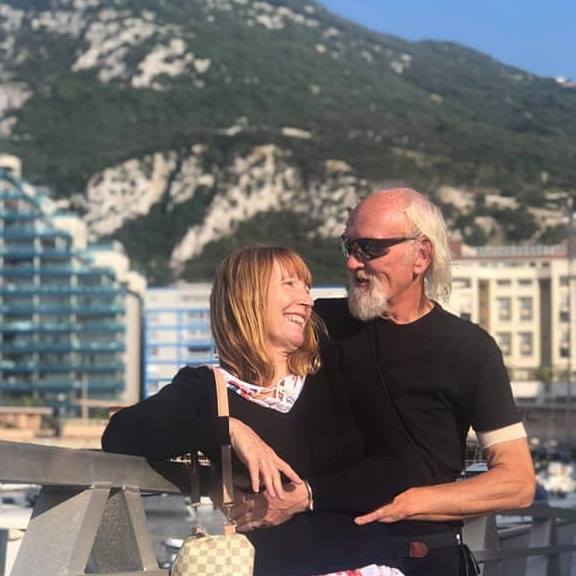
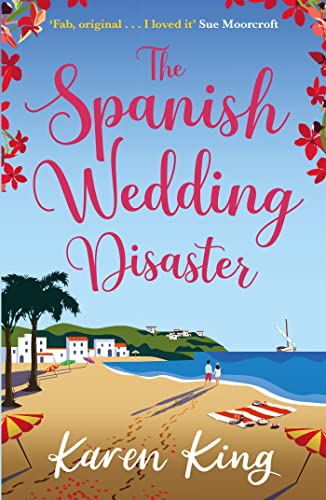
My latest romance, The Spanish Wedding Disaster, is partly set in Gibraltar, which I’ve visited several times, but I still made another visit to double check a few details for the book and went on both the dolphin spotting trip and the visit to the caves that feature in the book. I also stayed in a floating hotel as Steve and Kate do.

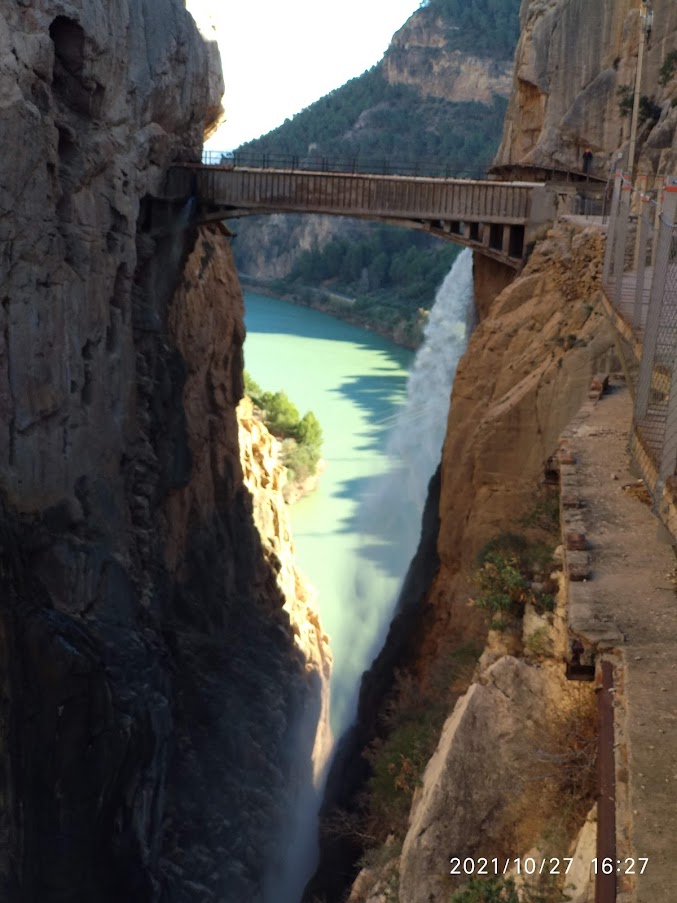
For my book, The Year of Starting Over, which again is set in Spain, I actually did the Camino del Rey walk which I mention in the book even though I’m terrified of heights.

Writing psychological thrillers and romance novels is like writing both sides of the same coin, in fact my tagline is ‘writing about the light and dark of relationships’ so I thought for my next thriller, which is out in October, I would do the dark side of The Year of Starting Over, which is partly set in a holiday retreat in Andalucia, Spain. It’s been interesting to turn the idea for my summer Spanish romance on its head and write it as a thriller. It meant looking at things from a different angle – in my romance novel the electricity going off sets of a romantic situation, in my thriller the consequences are more sinister. I can’t give much away at the moment as the book isn’t published yet but for a teaser let me tell you that my tagline is ‘Relaxation, Reconnection and … Revenge.’  And once again, it’s set in a location I know well.


If you want to find out more about me and my work, please visit my website at https://karenkingauthor.com/


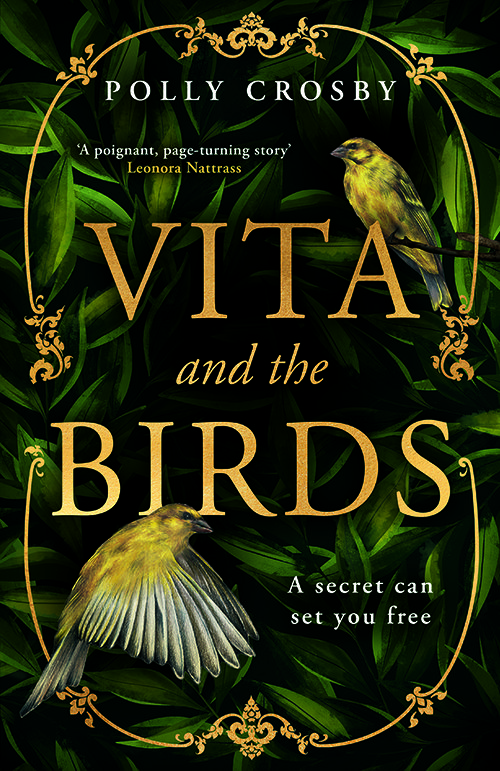
Win Copies of Vita and the Birds by Polly Crosby

We have copies of the stunning new novel from Polly Crosby to win. Just comment below, or share the post on social media. Good luck!

1938: Lady Vita Goldsborough lives in the menacing shadow of her controlling older brother, Aubrey. But when she meets local artist Dodie Blakeney, the two women form a close bond, and Vita finally glimpses a chance to be free.

1997: Following the death of her mother, Eve Blakeney returns to the coast where she spent childhood summers with her beloved grandmother, Dodie. Eve hopes that the visit will help make sense of her grief. The last thing she expects to find is a bundle of letters that hint at the heart-breaking story of Dodie’s relationship with a woman named Vita, and a shattering secret that echoes through the decades.

What she discovers will overturn everything she thought she knew about her family – and change her life forever.

 Vita and the Birds, polly crosby

Polly Crosby grew up on the Suffolk coast, and now lives with her family in the heart of Norfolk. In 2018, Polly won Curtis Brown Creative’s Yesterday Scholarship, which enabled her to finish her debut novel, The Illustrated Child. Later the same year, it was awarded runner-up in the Bridport Prize’s Peggy Chapman Andrews Award for a First Novel.


MORTON S GRAY REVIEWS…

Into a Cornish Wind by Kate Ryder

A gentle, slow-burn romance which I was reading at a very hectic time of my life, so it helped to soothe my senses. A hero, Mac, with a painful past, a heroine, Kat, who doubts love and men, interwoven with an otherworldly insight and a strong sense of place. I do not always like present tense written books, but with Kate Ryder this enables the chapters to be absorbed effortlessly. I am now left with a desire for a sequel and the need for a holiday in Cornwall.

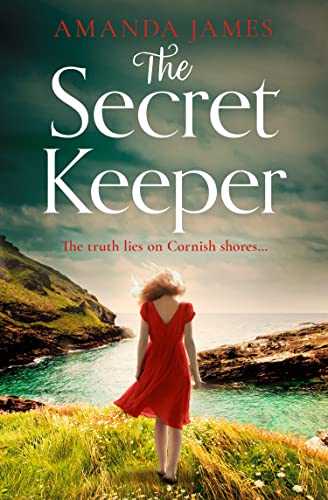
The Secret Keeper by Amanda James

I loved this story. As with Amanda James’ other recent titles, this has a touch of otherworldliness, a poignancy and lots of positivity and hope.

Rosa Fernley is keen to fulfil her grandmother, Jocelyn’s dying wish and that is what she sets out to do on her visit to Tintagel in Cornwall, but along the way she not only discovers more about the past, but also a lot about herself.

I had a fascination with Tintagel as a child and enjoyed revisiting the location of so many myths and legends. The story carried me along and was thought provoking and well written.

The Second Chance Holiday Club by Kate Galley

When I started this book, I wasn’t too sure about the age of the main characters, but this was soon dismissed as I got carried away with the story and the reveal about more detail of Evelyn, Joy and Cynthia’s lives. The revelations really make you think about your own life and in particular “seizing the day”. Sad, funny and uplifting. I really think we need a sequel to this one!

An Invitation to Seashell Bay: Part 1 by Bella Osborne

A classic Bella Osborne story with hot heroes, quirky heroines, misunderstandings, almost impossible strange situations and real life stuff. I finished Part One of An Invitation to Seashell Bay with a big outburst of laughter. Fun stuff. Can’t wait for Part Two.

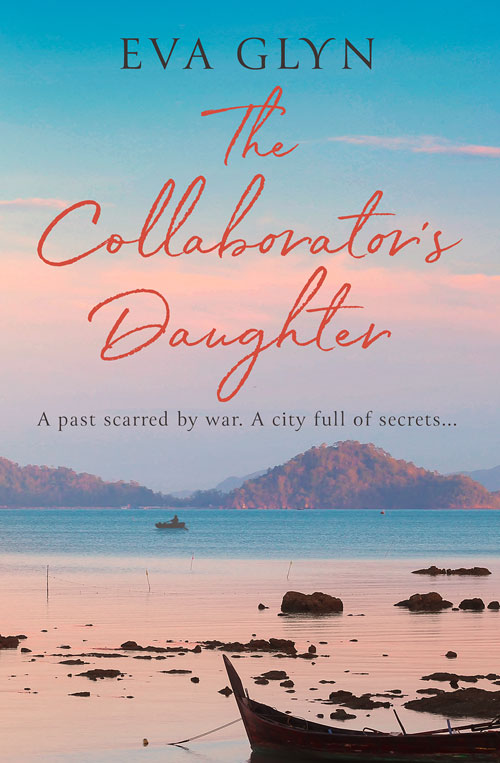
The Collaborator’s Daughter by Eva Glyn

This book is one of my favourite reads this year! I related to the feelings and thoughts of Fran the main character so much that I could be her. Having visited Dubrovnik in my teens, I could easily imagine walking in the streets and well remember oranges and lemons growing on the trees and the bullet holes in the buildings. Fascinating, intriguing, well researched, poignant, heart-breaking and a great read. Another triumph from Eva Glyn – more please.

An Introduction to Needle Felting by Linda Calver

What a beautiful cover this book has with the delightful, felted animals on the front. It immediately makes you want to pick up the book and open it…

Needle felting involves tangling wool fleece using a needle to make 3D sculptures by adding layers of the wool. The process of working the wool initially feels strange, but it is surprising how quickly you can see a project taking shape and how easy it is to change the size and character of what you are trying to make.

I realised very quickly that I would need to practice to achieve the lovely animals in the book, as mine tended to come out a little lopsided with funny faces to begin with, but the craft is very addictive and I will persevere to achieve the standard I would like.

This book is a great introduction to felting and I think if you only work through the projects contained in its pages you will be more than happy, although probably by then, firmly addicted and wanting to make more.


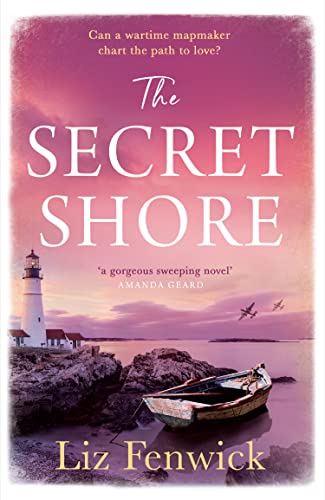
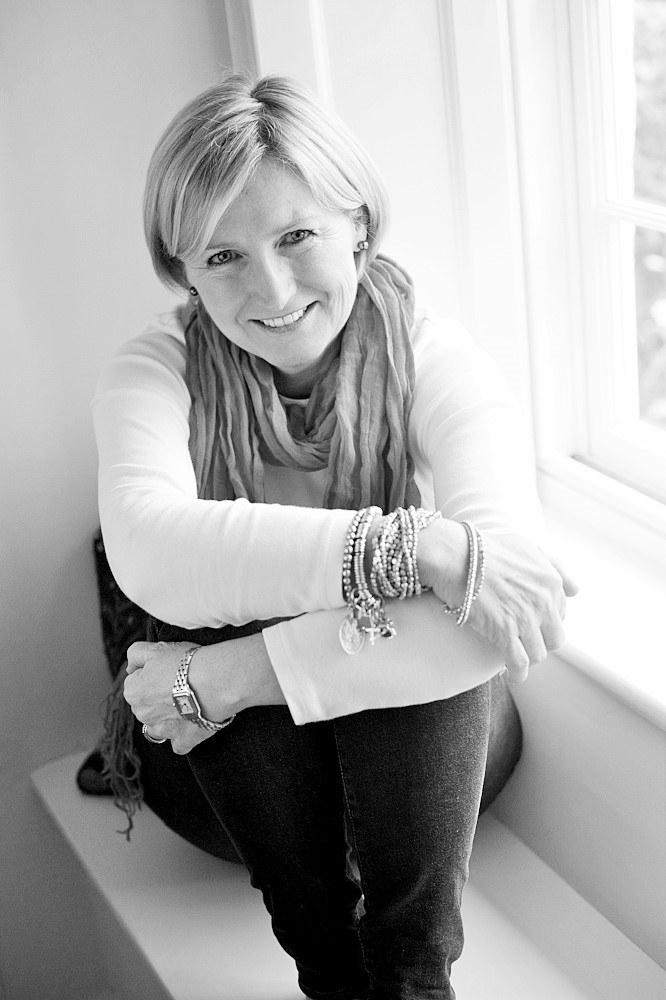
PUBLICATION DAY SPECIAL: THE SECRET SHORE BY LIZ FENWICK

I’ll say up front that for me, this is Liz Fenwick’s best book yet. It is just so very rich in everything; the sense of the era, the superbly described settings, the characters that refuse to leave your side.

The Secret Shore is also Liz’s first fully historical novel and her research is impeccable. Not only that, it is used so sparingly in both tiny period details and sweeping events, it whisks you back the Second World War in an entirely credible and unsentimental fashion that never gets in the way of the story.

The entire narrative is carried by the main character, Merry, an Oxford geography lecturer recruited to help the war effort. Merry is an expert in maps and they stretch into every corner of her world; her vital work, her hobbies, and even her personal life. If there is something she cannot map she is deeply uncomfortable. Liz uses the metaphor well and it never seems overdone.

War, however, throws up the unforeseen; the unmappable, the unfathomable, the tragic, the moments of laughter and intense joy. But it is also a time of transit, impermanence, the last time of all that career-minded Merry would want to listen to her heart.

Set mainly around Liz’s beloved Helford River, this book is a treat not to be missed.

When Liz told me in passing she had read forty books in the name of research, I had to ask more about how she set about that gargantuan task:

If I had known beforehand that it would require me to read forty books and multiple academic papers in order to write The Secret Shore, would I have done it? Yes. This story was one I had to write because I love the Helford River so much. The story of the secret flotillas in WW2 is part of the history of the river and I have wanted to write about them for ages. But I struggled to find a way until the character of Meredith Tremayne, a cartographer, came to me.

The starting point for my research was the book The Secret Flotillas by Brooks Richards. In the course of writing The Secret Shore, I reread his book three times just to keep straight the different operations running the routes from Devon and Cornwall to Brittany. After learning of the teams’ immense bravery, I made the decision to use the names of the real people in my novel and this led to more books to research… from general history, to biography, to memoirs, and finally to obscure titles to find the small details. Some I had also read previously while researching for The Returning Tide, such as the personal memoir of the woman who managed the Ferryboat Inn during the war.

In all this fascinating background work the key thing for me was to digest the information and then to step away. It’s far too easy to want to squeeze in all the riveting facts, but that would have dragged the story down. By the end of my research, I may have done the equivalent of a Geography A level, but more akin to the study of geography as taught in the 1930s.

For The Secret Shore I stuck to my tried and tested method of doing my research in chunks. To begin with, only enough to write the first draft, then as the story develops I commence the deep dive for the right information. I can if I’m not careful become easily led astray down the many rabbit holes of research. Through the ensuing drafts I keep seeing the need for further information and will keep reading more to add subtle layers, without overloading it, hopefully bringing the story alive for my readers.

Now the big question is where to put all the books?