
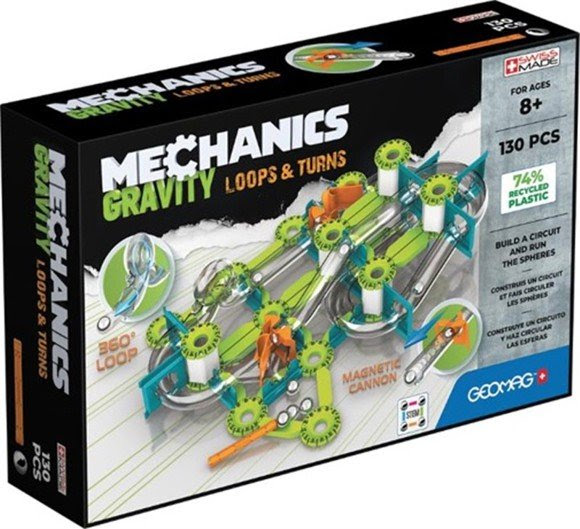
 Geomag Mechanics Loops and Turns 130 Piece Construction Set £34.99 from The Entertainer. Mechanics Gravity Magnetic Track harnesses the invisible forces of magnetism and gravity through original and surprising means. The spheres inside the circuit are set in motion by an innovative magnetic cannon that uses the force of attraction of the accelerating magnet. Gravity is the innovative evolution of the Geomag Mechanics line. Developed with expert players in mind, the new construction system is based on an innovative “gravity motor”: this uses the weight of the Geomag spheres to kickstart the mechanisms and movements of the Geomag Mechanics structures. The motion is provided by the invisible forces of Gravity and Magnetism, without using electricity or batteries. The play experience is based on these fundamental principles of physics. Mechanics Gravity is a STEM product that can truly stimulate curiosity and inspire to learn more about science.
Category Archives: Life & Style
Gift ideas for when you are stuck on what to buy
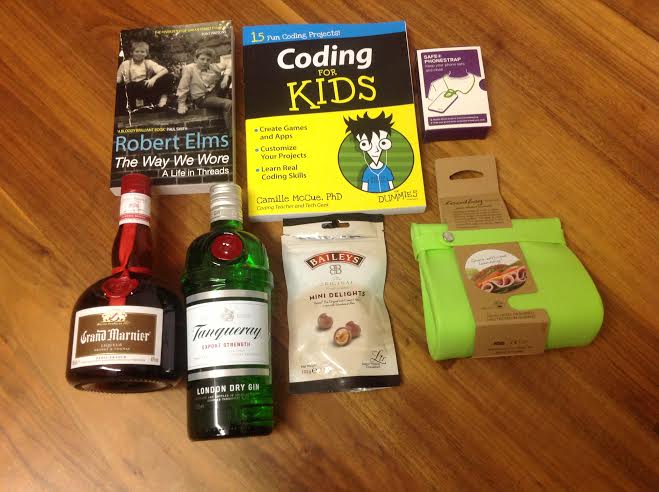
If you are like me, you always try and buy people interesting and thoughtful gifts as opposed to cold generic presents that they could get off anyone. If you have some kind of artistic talent then you probably like to make them something but if not then you might struggle to get good gifts every birthday and Christmas. You like the recipient to know that you have put some thought into their present, that you took time to consider what they would like and what would put a smile on their face. Here are a few suggestions for gifts tailored just for them.
- For anyone – photos – you can print a huge family portrait, an image of their pet and or travelling photos or photos of friends. Anyone would appreciate that you have picked out a special picture just for them but it is still relatively easy to frame a photo print or get a canvas print from a site like hellocanvas so you do not even need to leave your house. There are a huge variety of options available so you tailor it to their own personal style and find something that will fit in with their other home décor items.
- For the creative one – make your own lip balm kit – a lip balm kit is one suggestion but it could be anything, candle making or jewellery making. If they already like to make things then a beginners kit could be a great way to get them started on a new hobby. Or maybe you just think they would be good at it, perhaps they like a new challenge. The added bonus with this gift is that they might well gift their first creation to you!
- For the foodie – personalised kitchenware – you can get anything personalised or engraved these days and that applies to kitchenware. Get them a set of wooden spoons or a chopping board with their name carved on it. If they are partial to a drink then get them a wine carafe or personalised beer glass. There is always the classic novelty apron that your resident barbeque lover would enjoy. There is no end to possibilities!
- For pet lovers – custom dog lead holder or custom cat bowl – most pet owners absolutely dote on their furry companions and would likely love a gift that both of them can appreciate. Get a personalise dog leash hook with their puppy’s name on it or a personalised cat bowl for their feline friend. I can guarantee these kinds of presents will bring a smile to the face of any pet owner and they will probably appreciate that you remember their pet’s name!
- For the frequent traveller – a scratch map – this is perfect because it lets them show off all the places they have been to and show visitors just how well-travelled they are without it being too obvious. And it is something they can keep on using, scratching off every new place they go to throughout the years.
Margaret and Dick are the Janet and John of the grown up world – a sort of grown up world anyway though Margaret sometimes thinks the world is like a kindergarten
Dick tells Margaret to stop talking when she says things like, that, espcially in front of the Vicar.
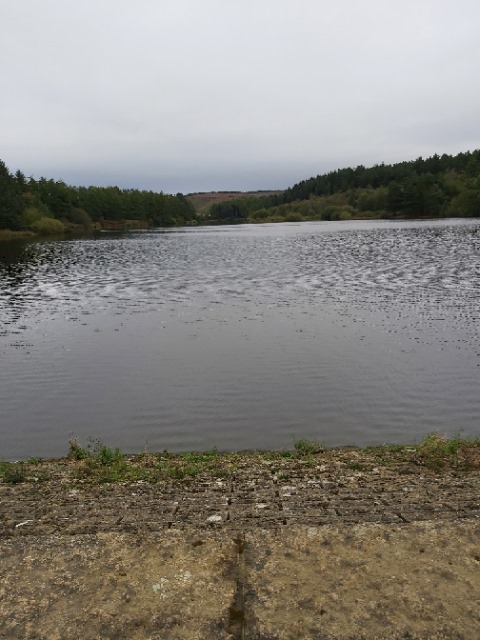
One October day Margaret and Dick drove to Cod Beck Reservoir. It didn’t start well. As they left their road, Dick turned left. Margaret thought he was going to go over the centre line. ‘T’here’s a car coming,’ Margaret shouted.
Dick braked rather sharply, Margaret though. Dick looked right. ‘No, that car.’ Margaret pointed to the car coming from the left, on the other side of the road admittedly, but still coming towards them.
‘Stop talking. I know what I’m doing. I am not over the centre line.’ Dick was very cross.
Margaret was in the back with the dogs, because the dogs make a fuss if they’re alone. It can make Margaret feel sick if Dick doesn’t go very very steady. Margaret thought she’d better stop talking, but perhaps it was too late, because Dick was a bit too cross to go really steady.
Round the bends they went, swish, swish. On they went, until they reached Osmotherley, then turned left at a T junction. Margaret thought Dick was swinging out – a bit close to the centre line – again. Margaret said nothing. Margaret didn’t feel very well because the road had been bendy. The dogs were quiet too. They don’t like bendy either.
Dick was pleased because it had been a quiet journey, and there was a parking space in the car park too. It was pretty with the moors one side, and the way to Cod Beck Reservoir the other. Margaret was pleased because they’d stopped. The dogs were too. Out they all got, and off they all went, walking alongside the beck which fed into the reservoir.
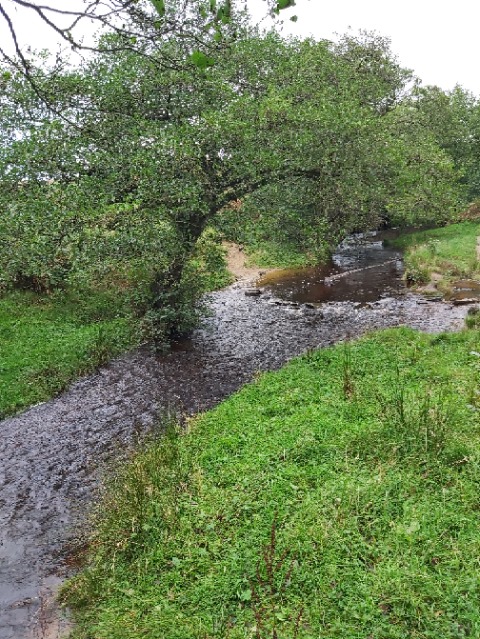
They walked through the woods. It was quiet, and lots of things to sniff, for the dogs of course. Not Margaret and Dick.

Once they reached the resevoir they passed ducks that quarrelled, took off, landed, took off, and two swans took off too, fed up with the ducks The ducks soundeda bit like Margaret and Dick: chatter, grump, no speakers. Chatter again.
Margaret and Dick and Rosie and Polly went all round,, They were keeping up with a formation of ducks heading along a narrow strip of water when a drake came to meet them. How very dare it. It was clearly a one way stretch.
The formation broke, went into battle, flank left and right, the leader in the middle, about to charge. The oncoming drake stared, stopped, turned, and paddled very very fast to keep ahead of the charge, which had gathered into formation again. It seemed that difficult driving was the rule of the day, Margaret thought, but didn’t say anything.
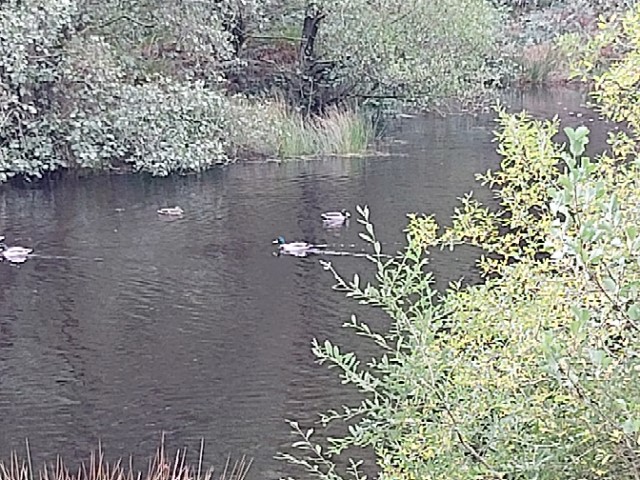
Margaret and Dick reached the car park and stood and watched a nice lady trying to put her key in their car’s locks, but she couldn’t get it in because it was not her car. The nice lady went round to the other side, and tried the passenger door. But no. Her friend said, ‘But hang on, this is not your car.’
Dick laughed. ‘No, it’s our car. But never mind, it’s what Margaret would do.’
Oh how they all laughed, but Margaret secretly thought that it would have been nice to shove Dick in the reservoir, the deep bit.
Margaret is very very bad.
But of course, she knew that she had done just that last year, but she didn’t know Dick had seen. Margaret decided she must be more careful when she did wrong things, and make sure Dick was not looking.
Margaret, Dick and the dogs went home chatter, grump, no speakers, chatter, and had a nice cup of tea. It had been a nice outing, all things considered.
Exciting news from Joffe Books, the leading Independent Publisher, and it’s not just the books…
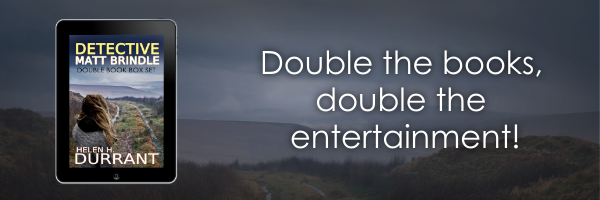
Joffe have shared the news that the DETECTIVE MATT BRINDLE DOUBLE-BOOK BOX SET by #1 bestselling author Helen H. Durrant is available as their Book of the Week If you missed the Matt Brindle mysteries the first time round, now’s your chance to catch up. Discover two crime thrillers in one really good value box set — double the books, double the fun – or is fun the right word?? 99P / 99C
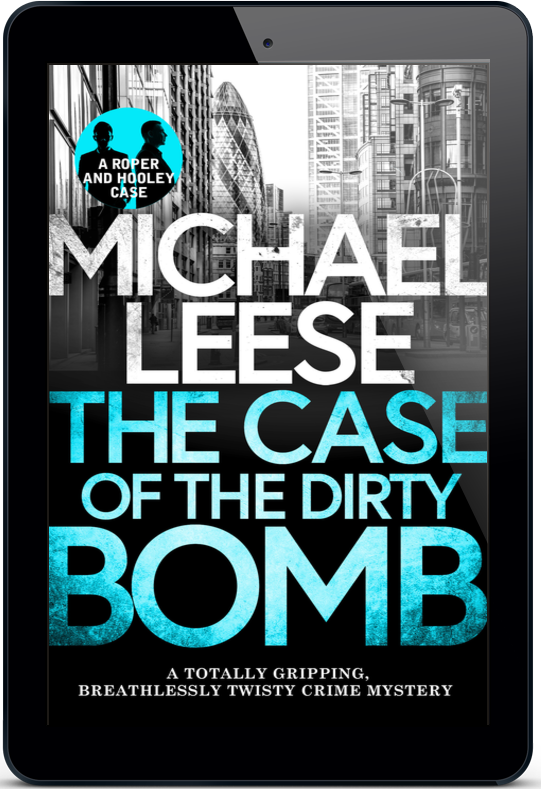
Roper and Hooley are called into a top-secret meeting with MI5. Someone is trying to smuggle a dirty bomb into London. Now the detectives are in a race against time to find the bomb before the people of London are put in mortal danger. Leese uses a fear that is under the surface of many of us – could they, would they?
Get THE CASE OF THE DIRTY BOMB by Michael Leese today for half price 99p/99c

Nick Shannon is investigating an insurance company who are ripping off their customers. Then David, one of the company directors, dies in suspicious circumstances. Meanwhile Nick’s lover, Arlene, needs his help. She’s caught up in a property scam and wants to use his skills to bring down the conmen responsible.
Can Nick scam the scammers? Or will his plan backfire? And who hasn’t wanted to spank a scammer. 00p/99c

Joffe Books welcomes Kate Lyall Grant to the team. Severn House publisher Kate Lyall Grant is joining Joffe Books as publishing director in November.
Lyall Grant said of her new role: “Having worked closely with Jasper Joffe and his team on some of our backlist series in the past year, I have been blown away by the passion, vigour and expertise with which Joffe Books have reinvented authors for the digital market, transforming their fortunes and selling their books in breathtaking quantities. The opportunity to join such an innovative, far-sighted young company at a key moment in its development was one I simply couldn’t turn down. I am so excited to be joining the team.”
Says it all really, about Joffe Books. Bravo, well done. You can read the full Bookseller article here.

Tune into BBC Radio Berkshire next Tuesday the 12th at 3 p.m. for an interview with Joffe author Susanna Beard. Susanna will be talking about her latest book, The Perfect Neighbour, which came out on 30 September.
If you haven’t read this excellent psychological thriller yet, grab your copy today
Daggers Drawn… the first Crime Writers’ Association’s Dagger Award retrospective… Some famous names collected into one edition
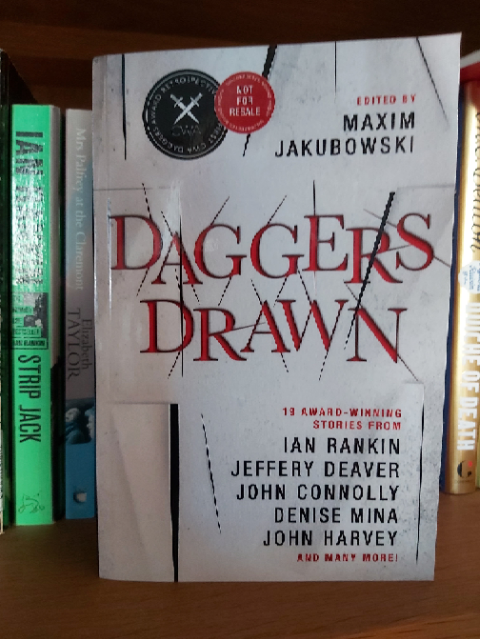
The first retrospective of the CWA’s Dagger Award winners gathers rogether some of the greatest names in crime fiction – get ready for blood on the floor scenarios, serial killers, world weary detectives, drug dealers, maybe forgers – yeah, let’s collect them all. Not sure a launch party would be a good idea though – all these fertile imaginations in discussion.
Ian Rankin is there, within the covers, manipulating a Senior Curator at the Tate Gallery into constructing the perfect crime, or is it? Stella Duffy’s souring romance becomes a deadly obsession under her incisive pen. And what about parents who discover their child has committed the unthinkable or at least in Denise Mina’s imaginagion., and those are just a few.
I am beginning to like crime short stories – is it because the mystery is wrapped up quickly and satisfactorily, so one can get some sleep, with another to read tomorrow night? A well written sharp, incisive crime story (much like a dagger thrust should be) is a thing of beauty. There are many in this anthology. Read and enjoy.
Edited by Maxim Jakubowski, the well respected anthology editor with over 70 volumes to his credit – so applause to Maxim.
Daggers Drawn Edited by Maxim Jackubowski – 19 CWA Dagger Award-winning short stores from the best of best in crime fiction.
HB £17.99 Pub. Titan Books.
Books2Door offer HUGE discounts on Back2School Booksets
Online book retailer Books2Door who are committed to encouraging a love of reading in all children are launching their Back2School campaign, offering exceptional book sets at affordable prices from treasured classics to the latest must-have series. We are fully behind them and cannot recommend them enough. Head onto their website now and grab some books for your little ones.
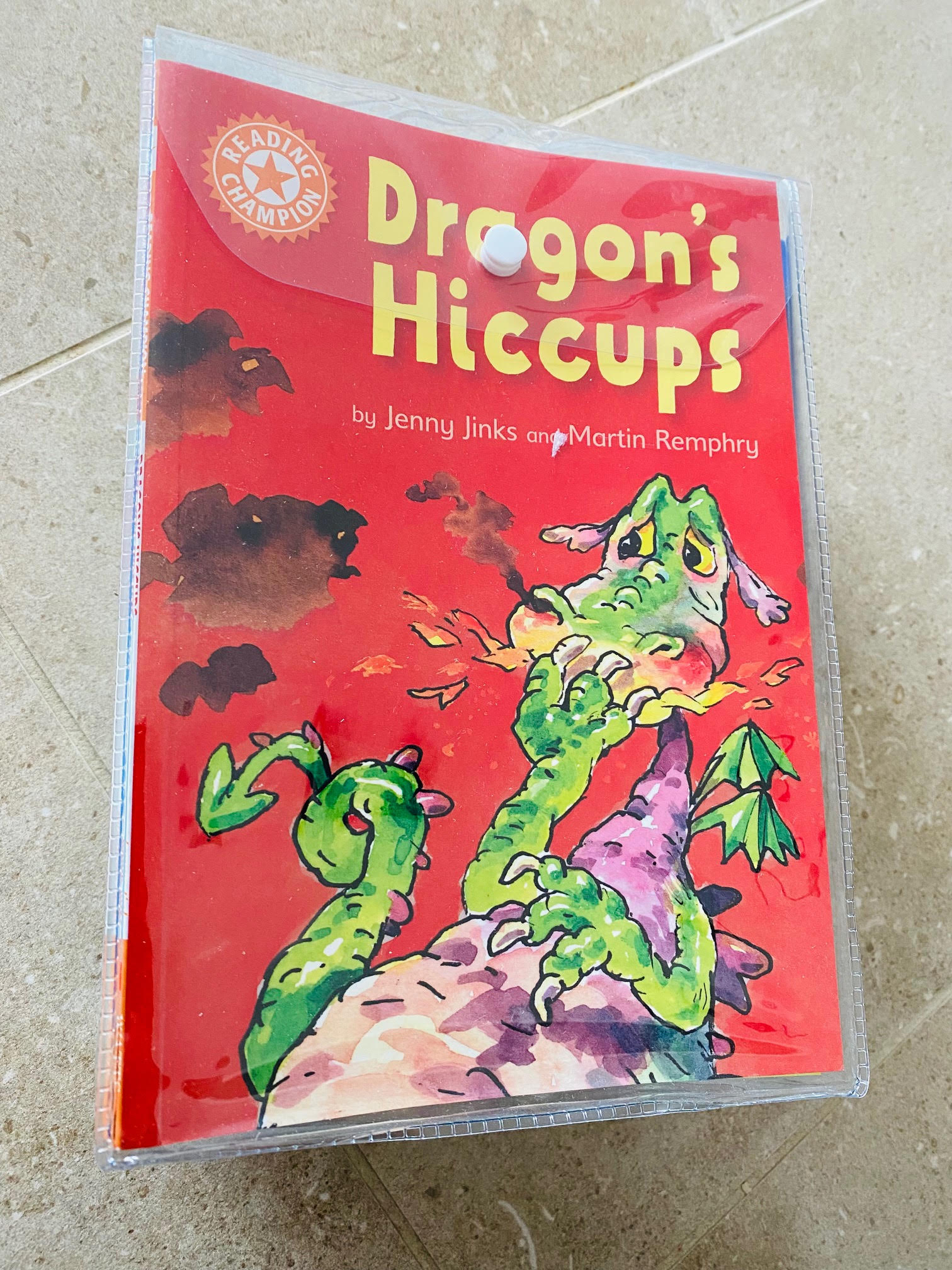
Reading Champions Developing Readers 30 Book Collection Level 6 to 10 (Series 2) – Ages 5-7 – Paperback
In this Reading Champions series, every book was carefully constructed to make for an effective means in helping kids develop important reading skills. Each book was designed to help kids mature in their reading journey step by step from the age of 5. Each book was not only designed to be informative and educational but also fun and engaging at the same time too! The themes and topics are very interesting with each book focussed on a different story making this collection always keeping kids wanting for more due to the new and unexpected storyline.
The books are colour banded, this makes sorting the level of difficulty much easier to organise. At the same time, this helps tutors and parents to monitor the progress of reading development, at the same time children will feel a sense of accomplishment as they level up. Reading Champions is one of the most effective reading series and has remained our bestselling collection on our entire website for many months, the Reading Champion series is a modern masterpiece for aiding kids readingdevelopment. Each book was designed by literacy experts to balance the books with enjoyment and education. The setting and characters are diverse, meaning readers are able to not only learn about reading grammar and language skills but also broaden their horizons in different contemporary topics to further increase the pleasure of reading. This series is a wonderful choice for the classroom and for additional homework at home, the amazing series is so well done and neatly organised together that it can make for a perfect gift for children. We have heard so many great stories and feedback from our customers and parents who noticed a massive improvement in their children’s reading skills. Reading Champion is published by Franklin Watts and will continually to remain an all time favourite for us and our customers. Be sure to check out our Home Learning and Featured category for more fantastic and useful learning tools.

The Science Behind Yoga – part 1 by Alex Bannard – Frost Magazine’s Wellness and Wellbeing Editor
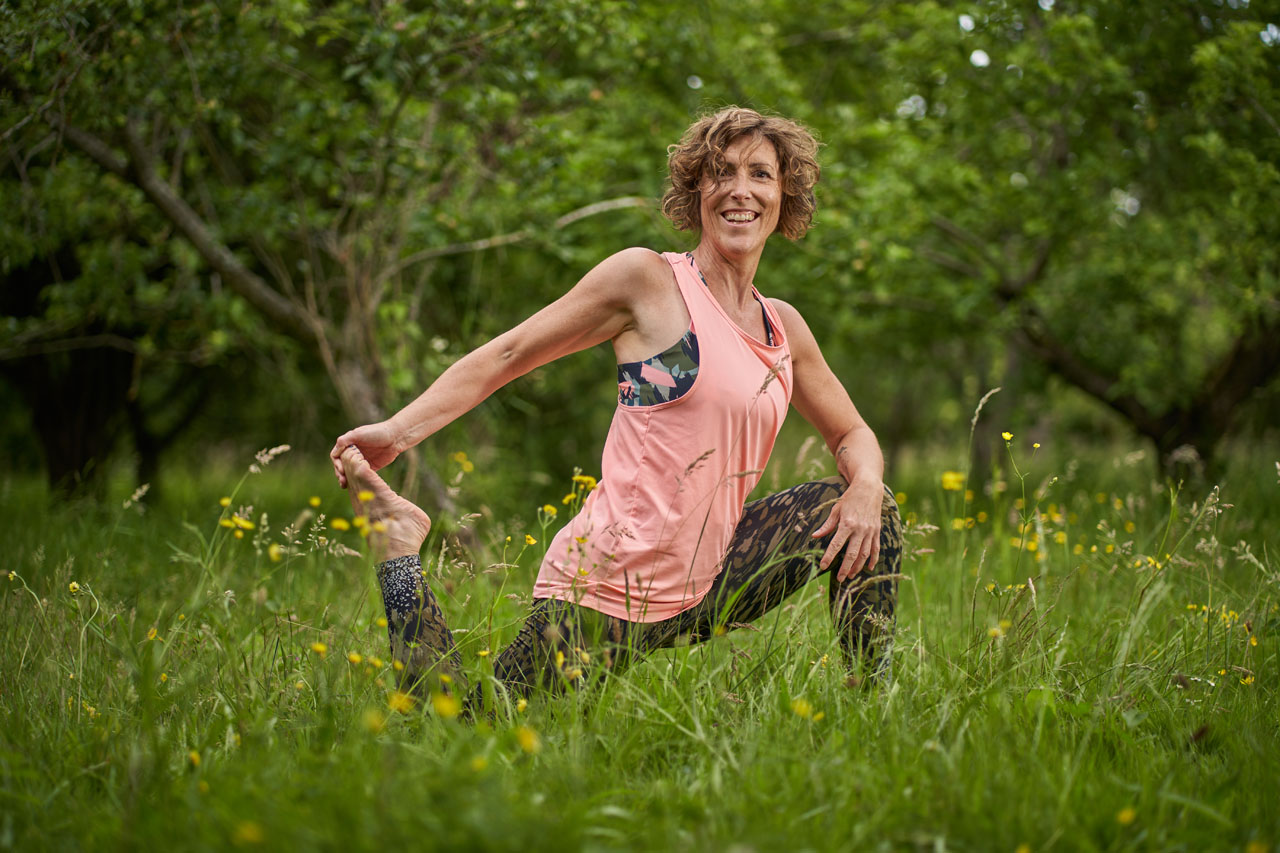
Anyone who has been to one of my yoga classes, will know that I do like to wax lyrical about the benefits of each of the poses. One of my clients called out on me on this, saying, “How do you actually know inversions slow the aging process?” Hmmmm, good question.
Let’s begin with some basics…
Firstly, yoga is ancient practice which is thousands of years old. Yoga is derived from the Sanskrit ‘Yuji’ which means union. By uniting the body with the breath, we can help to clear the mind. Since yoga incorporates breathing exercises (pranayama) with physical poses (asanas) and conscious relaxation techniques this can lead to significant physical, mental, emotional & spiritual benefits.
Interestingly, what the ancients & we who practice yoga ‘know’, science is beginning to confirm. Michael de Manincour, a Psychologist at the Yoga Institute quotes a study done with a group of people suffering from clinical depression & anxiety. They practiced yoga everyday for 6 weeks versus the control group, also suffering with their mental health, who did not practice yoga.
The yoga group recorded a 33% reduction in depression & anxiety, reduced emotional & mental distress, increased resilience & an increase in the number of positive experiences they recorded along with a reduction in the negative experiences. The control group did not record the same benefits. What is even more staggering, is that those who practiced yoga did so for only an average of 12 minutes a day.
And this is not the only study: try typing ‘scientific benefits of yoga ‘into google & you will come across scores of studies reporting similar results.
We are not only beginning to understand the enormous benefits from yoga but why.
Dr. Loren Fishman explains, ”It (yoga) thickens the layer of the cerebral cortex, the part of the brain associated with higher learning & increased neuroplasticity, which helps us learn new things & change the way we do things.”
Yoga not only benefits our mental health but it also helps us manage stress. There is no doubt we are living in increasingly stressful times. Our neuro-endocrine system has inbuilt mechanisms to help us fight stress. But if we are constantly triggered & not given the opportunity to reset ourselves, then stress hormones flood our system affecting our physical & mental health significantly. Our automatic nervous system has 2 parts: the sympathetic nervous system which is responsible for our fight, flight or freeze response & the parasympathetic nervous system which controls the activities our body does whilst at rest including digestion, healing, sleep, sex, learning & creation.
When these complimentary systems work in harmony, alignment & balance we feel great, harmonious & balanced. When the sympathetic system is overused, the balance is upset which creates dis-ease: illness & disease. Yoga helps us to restore balance because it activates the parasympathetic nervous system, balancing the hormones of stress, allowing our body to heal.
In yoga we work with our body & our breath to restore calm in our minds. This works on many levels. First the breath. It is one of the most powerful ways to impact stress. Longer smoother breaths send a powerful message to the brain & balance our automatic nervous system. We can also reduce our blood pressure by slowing the rate of our breath. But yoga also helps to bring our mind into focus & coherence. Try standing on 1 leg if you are thinking about something else. Indeed, you can often tell how much someone has going on in their mind, by how easily they can stand on one leg. Try balancing on your hands and arms, which is almost impossible if your mind is wandering or ruminating. By focusing on what we are doing physically, this focuses our mind & this helps to change our brains. It’s called neuroplasticity. And this focus & coherence is incredibly healing.
Advances in science & the advent of MRI scanners have enabled us to see how meditative practices (& yes yoga is a meditative practice) can change the structure & activity within the brain.
By using MRI scans, we can monitor the activity in our prefrontal cortex. When we are balancing, we can see on MRI scans that redirecting our thought patterns helps to create new circuits in the prefrontal cortex, which helps us access these in times of stress, when we need them. Not only are we beginning to be able to actually see the changes in the brain from practicing yoga & meditation but advancements in molecular & cellular biology & science are beginning to show biomedical changes in our neurons & the functioning of the body at both cellular & molecular levels. Almost every week there is a new body of evidence being published about how yoga impacts our body at this micro level.
And since there is so much to share regarding the science behind yoga we will expand upon this next time.
If you would like to put some of these scientific benefits to the test & practice yoga with Alex her YouTube channel offers free short classes for everyone & is available here: https://www.youtube.com/channel/UCQlKZJ7MeyYc6lqkv6seISw
Alternatively all of her classes are streamed on live on Zoom, for more information message her at alex@alexbannard.com
Free resources are also available on her Facebook page: https://www.facebook.com/AlexBannardYogaMindfulness
And her website is www.alexbannard.com
Alex is based on the edge of the stunning Cotswolds & has been sharing her love for all things yoga & mindfulness for almost a decade, not just in the UK but also around the world. Her mission is to help everyone discover a more mindful way of living & to encourage them to embrace regular self-care practices for a happier & healthier way of being.
Frost Loves Sea Change Wines
We love Sea Change wine. They are environmentally-friendly and have an organic range. We tried their Prosecco and it is to-die-for. Get your hands on some now.
Sea Change are passionate about two things: protecting our oceans from plastic pollution and great tasting wine. Every bottle of Sea Change helps fund ocean conservation projects across the globe and our minimal packaging reduces waste and environmental impact.
They have an organic range available, the perfect accompaniment for your cosy fireside evenings or candle-lit dinner dates. Available in a lesser-known red varietal, Bobal (RRP £13.99), and a classic white Chardonnay (RRP, £13.99), the production process of these wines means only naturally occurring sulfites are present. So, every sip is gentler on the head and stomach than regular wine – excellent for a more relaxed evening.
As with all Sea Change Wines, both have minimal packaging, with the unnecessary plastic wrap covering removed from the neck of the bottle, and labels.

For Christmas, Sea Change’s Christmas Day Pack (£35 RRP) has got you sorted. The pack includes a bottle of their fruity, soft Prosecco, zesty Sauvignon Blanc and rich Malbec wines. Whatever your guests choose to drink, Sea Change is suited to everyone’s taste!
Amongst the excitement, Sea Change are committed to giving back this Christmas. With each bottle sold, a donation will be made to marine conservation charities fighting plastic pollution – ideal for those who want to do their bit for the environment.
The Sea Change wine collection is available to buy online at www.seachangewine.com. Free delivery is available for orders over £100.