More Summer reads


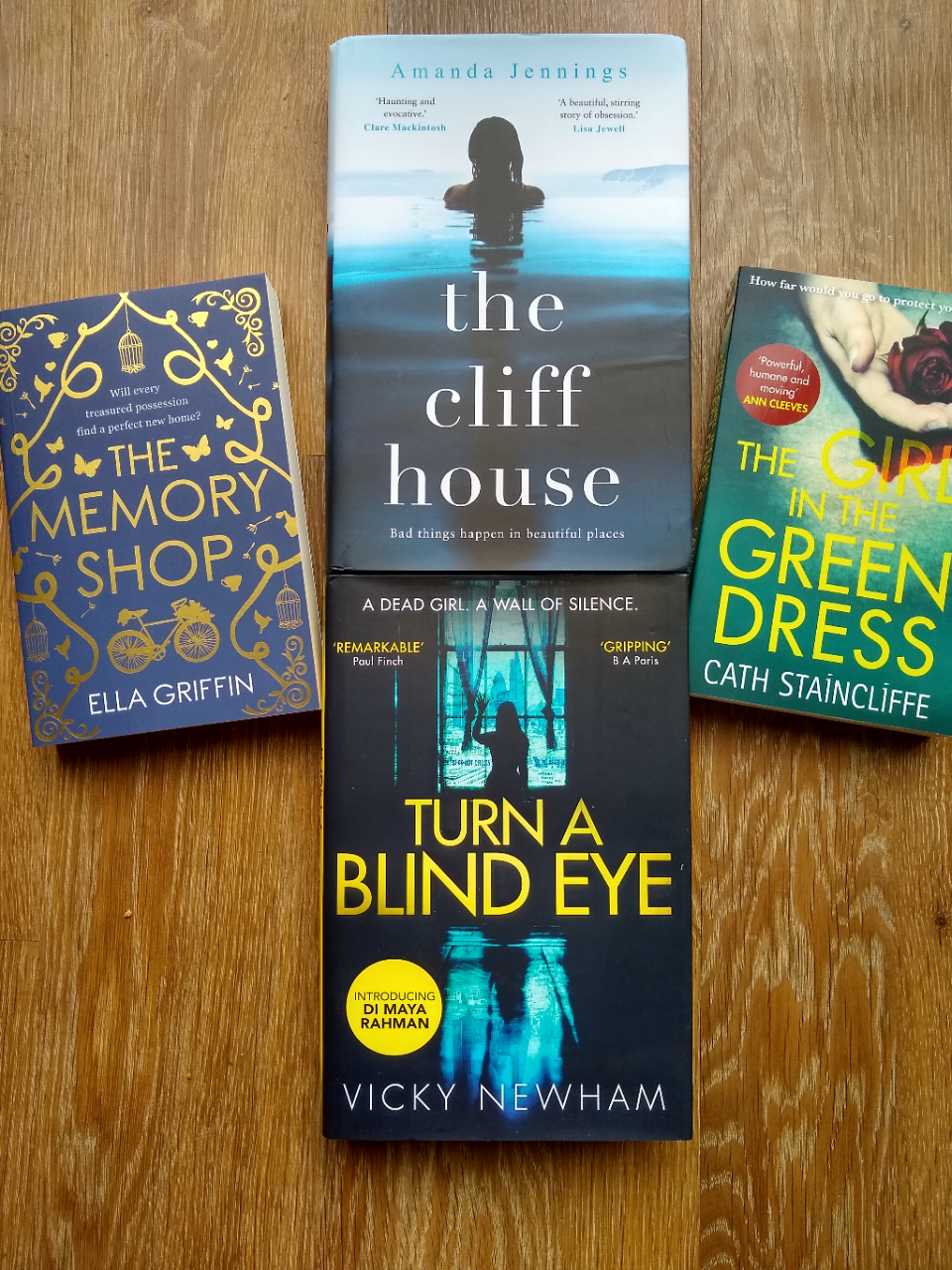
The Cliff House by Amanda Jennings broods, if you get my meeting – there’s an ambience which pervades. A good book, exploring obsession, loss and longing, and set against the North Cornish coastline which I know well.

The Davenports, with their fast cars and fabulous clothes are living as many would wish in a perfect house overlooking the sea. But they are watched from a distance through her bins, by Tamsyn… If only, she thinks.

In spite of the sun – it broods as I have said. A compelling read.

The Cliff House by Amanda Jennings. pub by HQ HB £12.99. ebook £5.99 audio £12.99

Another from HQ:

Turn a Blind Eye by Vicky Newham

A twisted killer has a deadly riddle for DI Maya Rahman to solve – this is the first in a series set in East London.

A headmistress is found strangled in her school, she is the victim of a brutal and ritualistic act of violence. The only clue, an ancient Buddhist precept written on a scrap of paper.  A page turner… But not a cosy crime read.

Turn a Blind Eye by Vicky Newham HB £12.99 ebook £5.99 Audio £12.99

The Girl in the Green Dress by Cath Staincliffe

I had the pleasure of reading a bit of Cath’s first novel years ago now, when Maggie, one of her group members asked my opinion. Great, I said then. And she is.

One June evening teenager Allie Kennaway heads off to her school’s end of year prom. She doesn’t arrive home again. Could it be because of her transgender identity? Love, hate on many levels. Clever clever…

The Girl in the Green Dress by Cath Staincliffe. pub Constable £7.99 pb. And as an ebook.

The Memory Shop by Ella Griffin will uplift you after immersing yourself in crime. It’s all about love, family and the joy of making new memories. And you know, it is joyous. Nora escapes from London and heads for her home in Dublin where she hears that her grandmother’s home is being sold with all her belongings. As she unlocks her grandmother’s past, she starts to let go on her own. Great stuff.

The Memory Shop by Ella Griffin. pub Orion paperback and eBook. £7.99.


Tomcat trikes change the lives of the disabled by Milly Adams


Tom’s story

In 1997, Bob Griffin founder of Tomcat, met his wife Anne, and her son Thomas who had Angelman’s syndrome; a profound disability, typified by severe learning difficulties, sleep disturbance and poor coordination.

One day Anne made the casual remark that would change not only their lives, but the lives of disabled children worldwide. “If only we could tire Tom out”, she said, “he’d sleep all night and so could we!”

Tom required 24 hour supervision so exercise or outdoor activity was all but impossible on safety grounds. Cycling seemed the answer, but in 1998 special needs trikes were crude contraptions; little used outside school for weight and safety reasons. Something revolutionary was needed!

An invention with a purpose

Six months later Bob built the very first trike for riders with learning difficulties and visual impairment; furthermore, it did not look like a trike built for disabled children. It had lightness for ease of use and lightning fast transportability and a revolutionary rear steering and braking arm with park brake and speed regulation to put the carer in control.

Suddenly, Tom’s many problems evaporated and he cycled an astonishing three miles on his first attempt, laughing all the way. Bob recalls the day as a “wonderful, safe, rewarding, memorable, sunny day.”

Life changing trikes accessible to everyone

Tomcat trikes certainly turned the tricycle industry on its head by offering a bespoke solution to those families who thought cycling was entirely beyond their reach. So, what was initially a good idea turned into an innovative business.

Over the past twenty years Tomcat has become the leading light of the trike industry, with many innovations becoming industry standard by which all other trikes are judged. Tomcat has also been recognised for the difference it has made to people’s lives by the many awards it has won; including Britain’s highest business accolade – The Queen’s Award for innovation.

Quality isn’t expensive it’s priceless

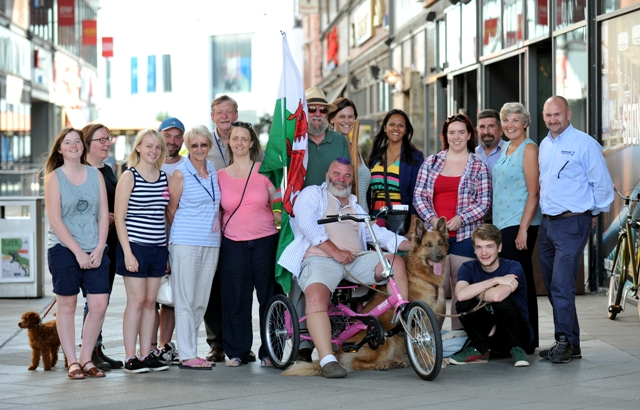
The impact that Tomcat trikes has had on the disabled community would not have been possible without the funding support of charities like Gloucestershire Disability Fund and in Guy’s  particular case Words for the Wounded, (WforW helps ill and injured veterans) Guy’s trike was presented by two members of the Tomcat team in the company of Guy’s friends, members of the supporting charities and family.

Photography credit: GloucestershireLive

But Guy, himself a mature student at the University of Gloucestershire tells us that the original impetus came from a third year University of Gloucestershire student George Helder who started a GoFundMe page to raise money towards the bike after Guy had attended a Wheels for All at the Prince of Wales stadium and saw something that would benefit him enormously – exercise and transport. Another friend, Tracey approached the trustees at the Gloucestershire Disability Fund for help and Guy contacted Words for the Wounded.

Guy, who was placed third with a poem in a Words for the Wounded writing award some years ago says: I have Primary Progressive Multiple Sclerosis, Polycythemia Ruba Vera which puts in me in the LINC unit of Edward Jenner at Glos Royal every two weeks – it’s a red blood cell cancer / disorder, and Chronic Thrombo Embolic Pulmonary Hypertension (try saying that after a visit to the pub) which is a lung disorder that puts pressure on my heart. Rest assured, I’m off to get a heart rate monitor this afternoon.

So the obvious thing to do, as my son would say, is ‘go hard or go home’.

I plan to spend my future running and promoting the charity I’ve set up called Shepherding the Mind using dogs, horses and poetry for unlooked for mindfulness. And being a clown, I’ve got the badges to get away with it.’

Guy has set himself a gobsmacking challenge for himself, and his Tomcat trike. Painted pink in aid of breast cancer awareness – the trike, not Guy though Frost Magazine wouldn’t put it past him – Guy is intent on not only being able to walk his wonderful companion, the German Shepherd, Zen, but – and here’s the challenge – he is intending to cycle the entire length of the A40 on a charity fundraising mission. During the journey he hopes to have a Riding for the Disabled Association pony with him as well as Zen.

Bob Griffin of Tomcat says “Tomcat will always try and find a way for disabled children and adults to integrate into mainstream sport activities like cycling because it has so many health and social integration benefits.  At its best, cycling can change the future from life spent in a wheelchair to walking, and that is a rite of passage to us all.  For us as engineers, there can be no better reward than that.”

http://www.tomcatuk.org    Or phone: 01452 616900

www.wordsforthewounded.co.uk

www.shepherdingthemind.org.uk

http://www.fearfulodds.co.uk


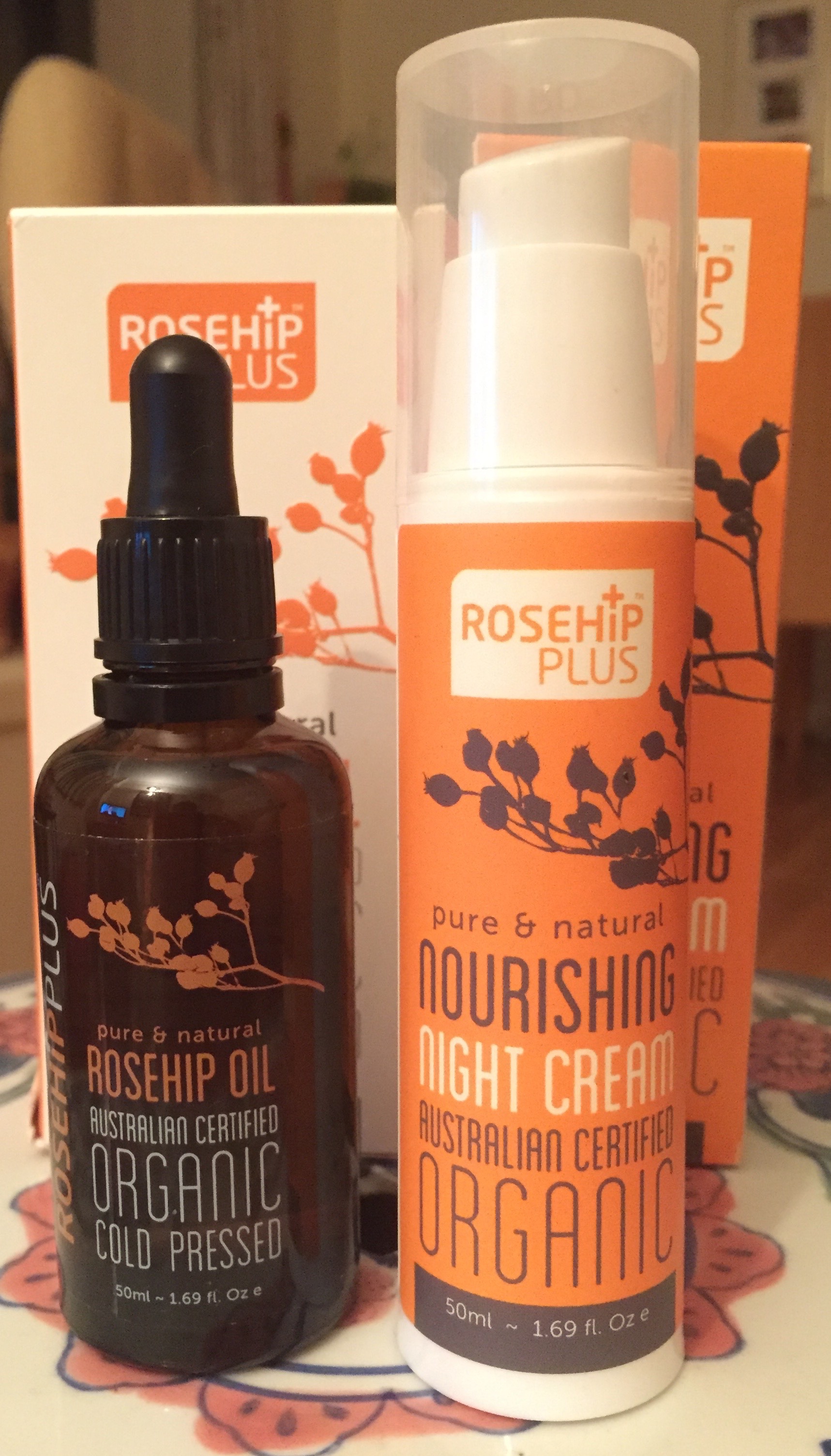
RosehipPLUS® – Night Cream and Oil – Organic, Luxurious – a Very Special Treat by Dr Kathleen Thompson


Sometimes I just love my job, and ‘having’ to review RosehipPLUS® products was one of those occasions.

Our skin absorbs much that is applied to it – good and bad. You’ve probably used painkiller creams, which pass through your skin to ease joint pain.

For this reason we need to be careful what we use on it, and it’s great to know that RosehipPLUS® products contain no toxins, chemicals, preservatives or other nasties.

The rosehip oil, which is the basis of their range, is cold-pressed from seeds,  which are wild harvested in the Chilean Andes, and thus it is 100% pure, natural and organic.

When I was a child, mothers dosed their youngsters with rosehip syrup daily, as it has always been known to have beneficial effects. In fact, rosehip oil contains natural bioflavonoids, which are potent anti-oxidants. They combat free radical skin damage and reduce fine lines and wrinkles. It also contains essential fatty acids (omega 3,6 and 9) which help keep the skin hydrated, moisturised and younger looking.

The Nourishing Night Cream also contains a blend of cocoa seed butter, jojoba seed oil and shea butter which help to lock in moisture and deeply nourish the skin’s surface.

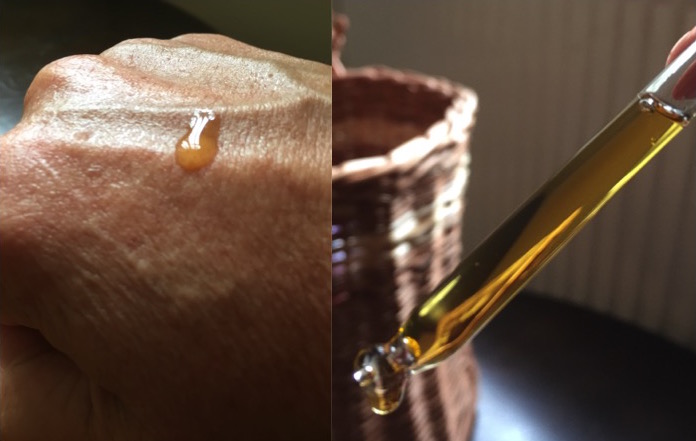
Naturally I was keen to test my night cream and pure rosehip oil samples.  I was not disappointed. The rosehip oil is supplied with a dropper, and felt wonderful as I tested it on my hand.

The night cream was rich and luxurious. Both products had a pleasant light perfume and disappeared easily into my skin without leaving any residue.

The verdict – my skin is saying ‘thank you’

https://www.rosehipplus.com.au/our-range/

 By Dr K Thompson, author of From Both Ends of the Stethoscope: Getting through breast cancer – by a doctor who knows

http://www.amazon.co.uk/dp/B01A7DM42Q http://www.amazon.com/dp/B01A7DM42Q

http://faitobooks.co,uk


Summer reads by Milly Adams

The sun is out, the school holidays are not far away, so we’ve put together a few collections that might appeal to you, as much as they did to us.


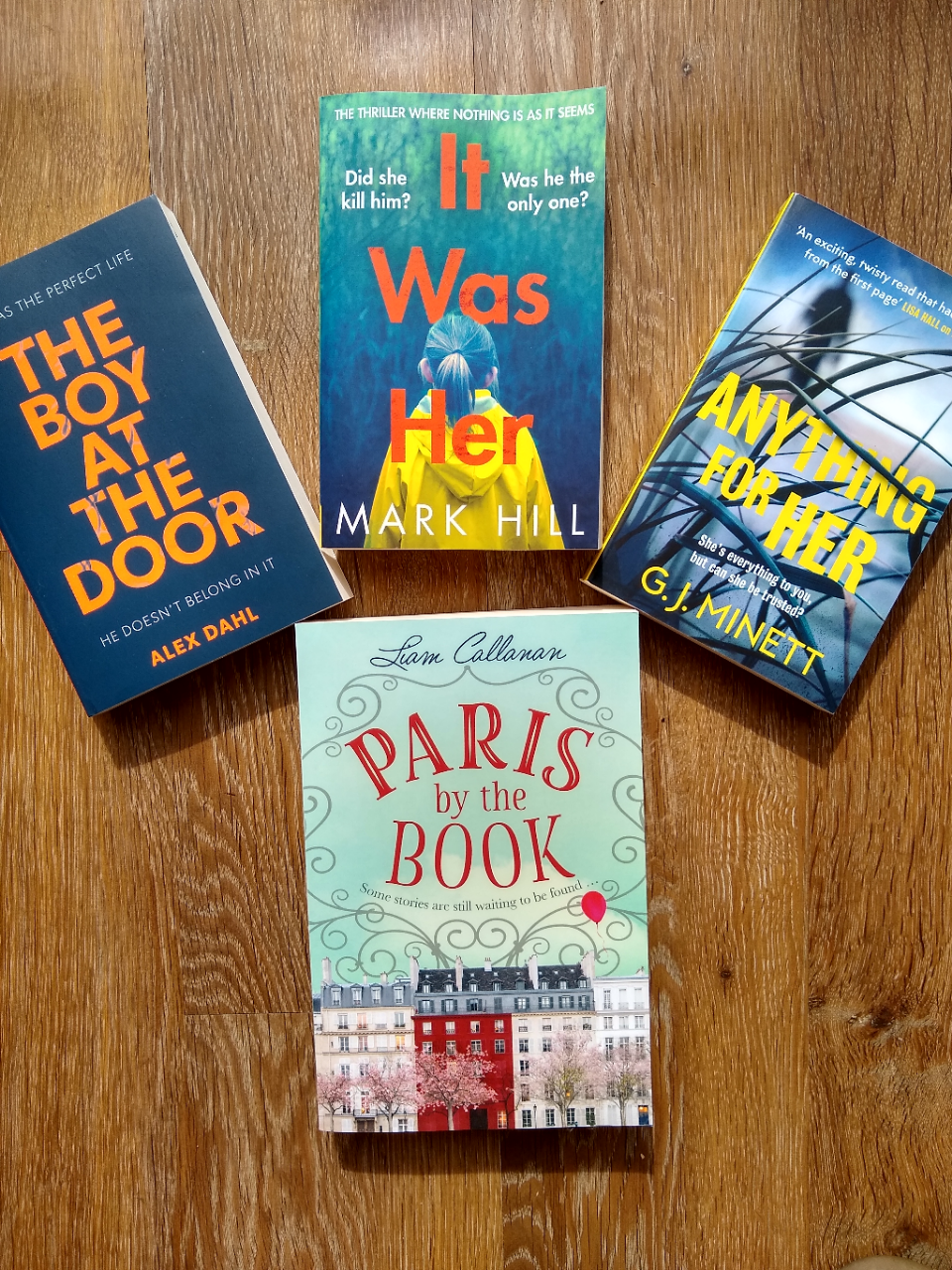
Liam Callanan’s Paris by the Book: One day Leah finds more that her wheaties in the cereal box. It’s a note from her husband who has gone missing. It leads her to that mosy romantic of city’s, Paris. But is it romance that brought him here?

She discovers an unfinished manuscript written by her husband.  Leah takes over a bookshop with her two daughters hoping for more clues. But is he alive, or not? A lovely book by the author of The Cloud Atlas and All Saints. Yes, you’ll enjoy it.

Paris by the Book: Liam Callanan. pub HQ pb £12.99 and in e-book and audio.

Anything for Her by G.J. Minett is a satisfying psychological thriller by an author with a devoted fan base. Billy Orr bumps into his ex-girlfriend, Aimi,  when he returns to spend a bit of time with his terminally ill sister. Back ‘when’ he’d have done anything for Aimi and still would. And does. But who is Aimi now? Has he done the right thing? A speedy twisty read.

Anything for her by G.J. Minett. Pub. Zaffre. pb £7.99

It was Her by Mark Hill

An adoption story which works well. Tatia was adopted into a well-off home and was happy enough until the youngest boy dies in an accident, and she is blamed. Is that deserved? She takes over the homes of families on holiday, but death follows her, or does she cause it?

It was Her by Mark Hill. pub Sphere £8.99

The Boy at the Door by Alex Dahl

Cecilia Wilborg has the perfect life: great husband, lovely daughters, fabulous house in a lovely town. What could possibly go wrong? Tobias arrives… and this is what could go wrong.

Good thriller. Twists, turns and secrets. Give it a whirl.

ebook pub 1st May £7.99. (print 12th July)


CUBANA WATERLOO  – RESTAURANT REVIEW    

The amazing city of London, which we’re lucky enough to live in, is known for its celebration of cultures and Cubana celebrates culture like no other.

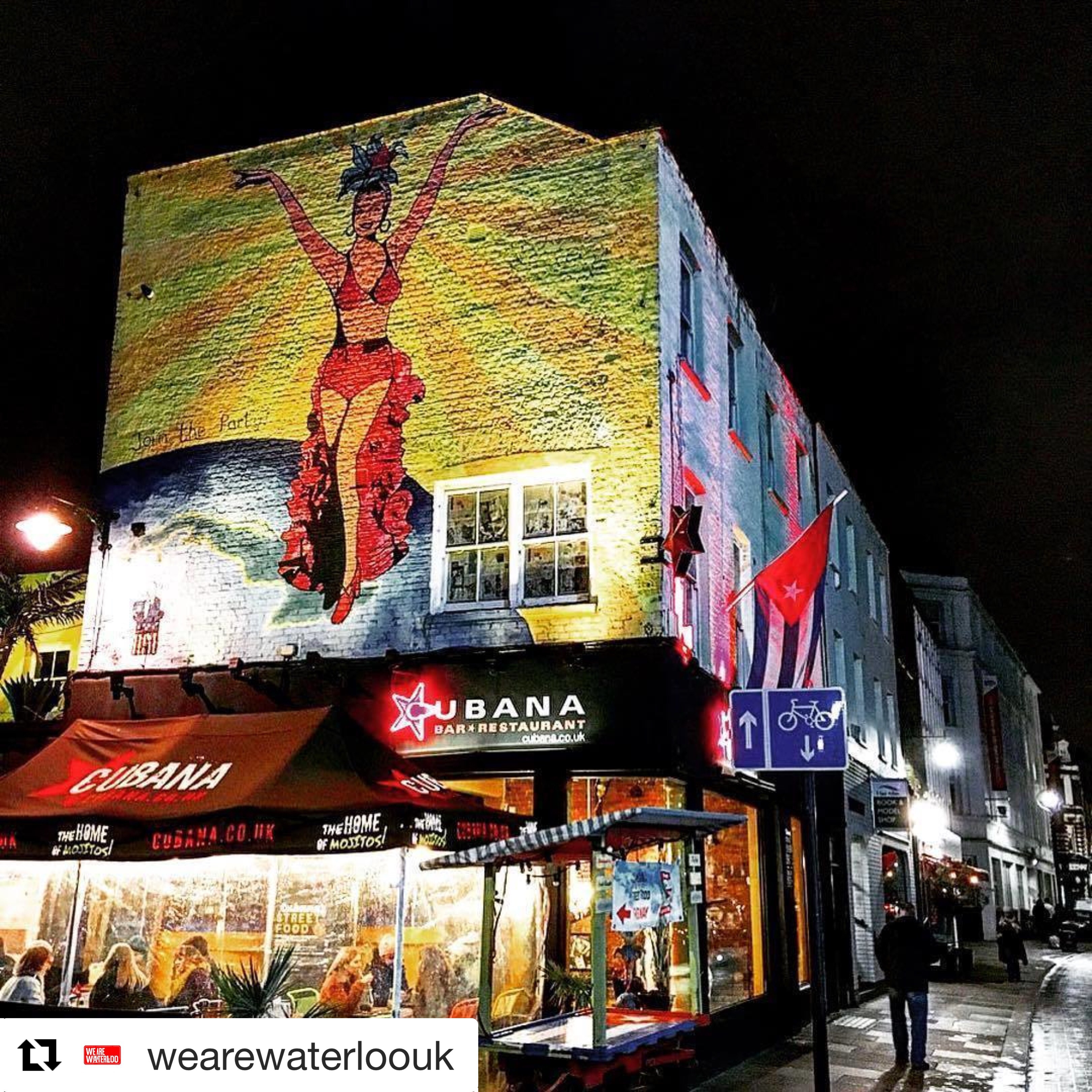
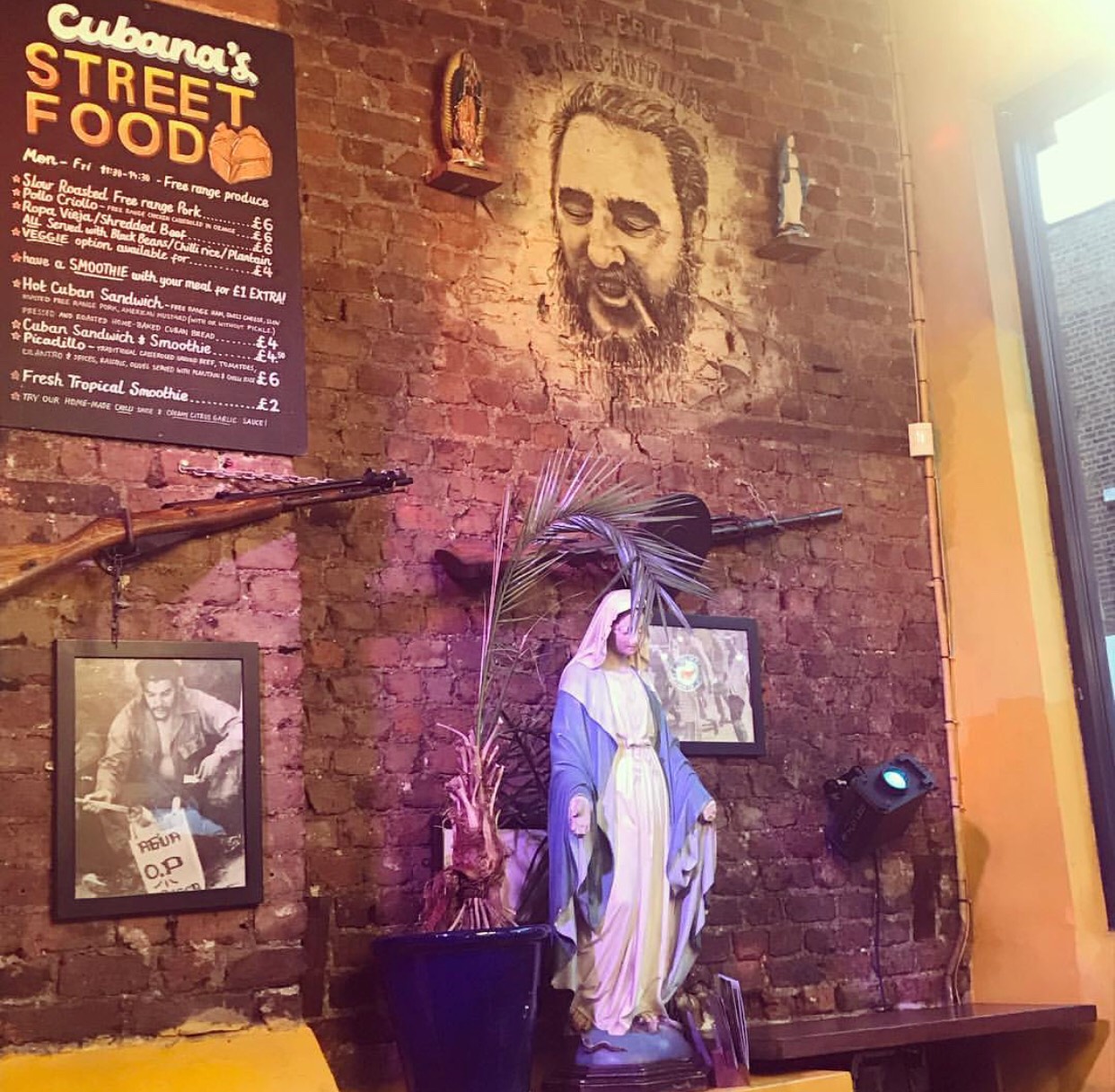
Just a stone’s throw from Waterloo station, Cubana is pretty tricky to miss when you pass it on the street due to its wall murals, brightly coloured outdoor seating area, authentic Cuban music blasting from its speakers and the traditional food stand out front (which you can purchase at insanely low prices). As soon as you head inside, you feel like you’ve been transported from London to Cuba, with Mother Mary statues and bold bright colours covering every single surface.

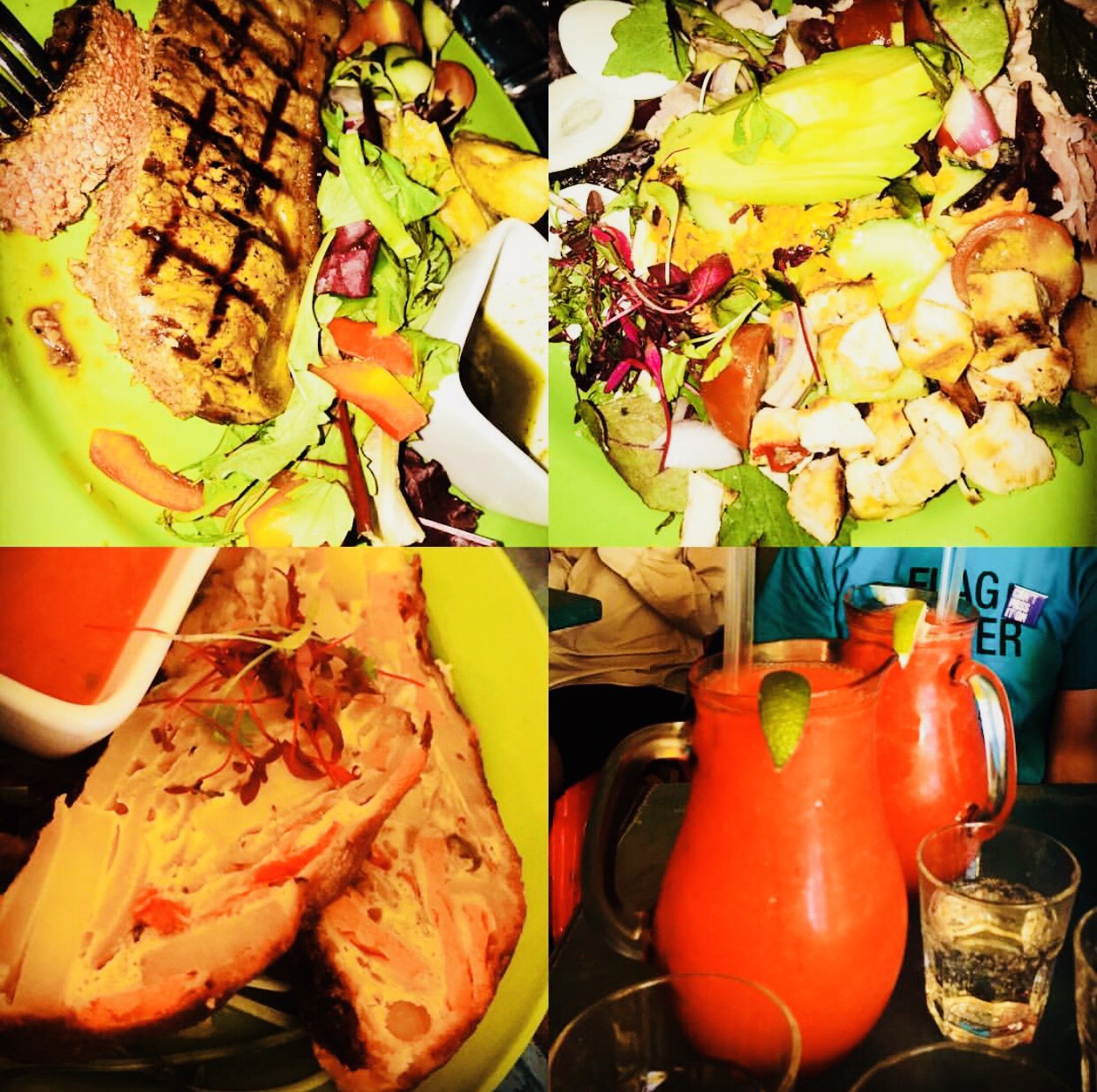
The highlight of Cubana, aside from its décor, has to be the food. Cubana does everything from main stand out dishes through to sharing tapas and individual bites and sweet, delectate desserts. You could definitely manage a few sides to go with your main and given the flavours are so good here, I’d definitely recommend it. The chorizo croquettes, lime covered chicken wings and yukka chips (a bizarre texture to grasp if you’re unfamiliar but incredibly tasty!) and the Pollo Criollo (free-range chicken, seared and casseroled in fresh orange, onions, garlic and sherry) was sweet and delicious. Definitely order yourself a side of their slaw too. It’s creamy, well-seasoned and goes with everything.

We ordered a few of our bits as starters and were getting a little nervous when we were waiting a while but it turns out everything was brought over as art of the main so definitely be really clear if you want your food staggered. In all honesty though, we really didn’t mind because it meant more of a feast to pick at!

The drinks menu is really reasonably priced and they do a two for one happy hour which even holds on a Saturday (quite difficult to find in the City!) which is from 4pm – 7pm and offers two for one on certain cocktail glasses and also jugs. A great bargain which we found drew the crowds in as soon as 4pm struck. If you fancy embracing the Cuban culture I’d recommend the strawberry and mango colada which genuinely just tastes like a smoothie (so drink responsibly!) but you also can’t go wrong with the jug of mojito to share. Absolutely packed with mint (and rum!) this is insanely refreshing and quite easily one of the best mojitos in town.

The venue is really open with high ceilings and is staggered across two floors which are split into three rooms. If you can, we suggest trying to get one of the podium tables. They’re both raised up and are really secluded so you have your own, sectioned off taste of Cubana (you’ll need to book these though because they only have two in the venue).

Don’t just consider Cabana as a daytime eatery though. We’re told the weekend evenings get LIVELY with live music and salsa dancers. Should you be heading down there soon, expect to see us back there!

You can book Cubana here: https://www.cubana.co.uk/

We were guests at Cubana restaurant and asked the owner to describe what’s good about the venue in his own words. He said: Cubana is London’s freshest, juiciest bar-restaurant, where you can enjoy authentic Cuban and Latin-American dishes, freshly-prepared with free-range produce, the very best Mojitos and fresh tropical cocktails and late night live Salsa – all at reasonable prices

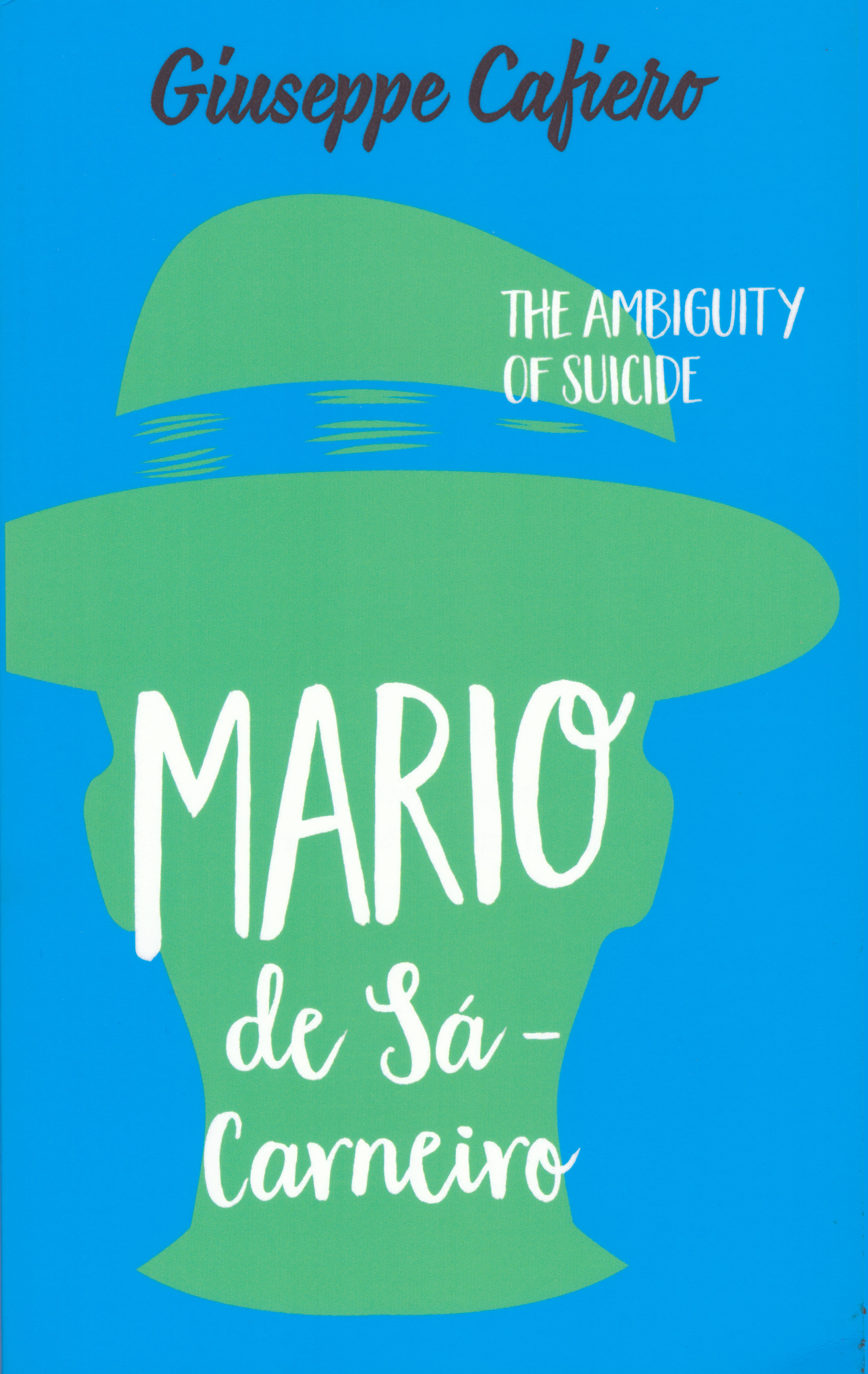
Mário de Sá-Carneiro – The Ambiguity of a Suicide, by Giuseppe Cafiero

By Staff Writer

Part biography, part historical travelogue and part detective story, this fictionalised investigation into the suicide of the Portuguese writer Mário de Sá-Carneiro is admirable on many levels. 

Part of the acclaimed ‘Ambiguities…’ series by Italian author and playwright Giuseppe Cafiero, Ambiguity of a Suicide is an artful, intriguing meander through the mind of a gifted yet troubled soul.

Cafiero’s works are described by the author himself as works of ‘bio-fiction’, a type of metaliterature that plays with the blending of fact and fiction. This literary form is particularly effective in telling the story of de Sá-Carneiro, an acclaimed avant-garde writer of the early 20th century whose mind was muddied by his taste for strong alcohol and a desire to numb his sense of ‘saudade’ (a uniquely Portuguese word best translated as ‘melancholy’).

The word is key to the novel’s depiction of a man apparently tormented by feelings of inappropriate desires, of  something ‘missing’ and of a general mournful malaise that could not be shifted by boozy nights in Lisbon and Paris, or dreams of making a new life in the Portuguese territory of Brazil.

The Ambiguity of Suicide follows the journey of de Sá-Carneiro’s close friend, fellow poet Fernando Pessoa; Mondine, a private detective; and Doctor Abilio Fernandes Quaresma, a ‘solver of enigmas’, as they retrace the tragic author’s footsteps in light of his recent death.

Together, they drink in his watering holes, eat in his favourite restaurants and talk to the characters that he came across before he took his own life in a desperate bid to shed light on the circumstances that led to his demise.

Cafiero effortlessly evokes the period and settings that shaped de Sá-Carneiro during his time in Lisbon and Paris, and there is a fitting sense of beautiful melancholy throughout the book, such as the following description: “Sea and salt air. Duino was then in his heart. A manor house corroded by time. White, skeletal, dried by the sun. Progenitor of imperial deaths. The ocean is another thing. Gusts of an Atlantic wind. Gazing at conquered lands. Lisbon”.

Following a trail that leads them into seedily sensual territories, the three characters come to understand a little more of Sá-Carneiro and his troubled mind,

but ultimately (and as the ‘ambiguity’ title suggests) they find there is never any simple answer to the ‘why?’ of a suicide. 

The translation from the original Italian is extremely well done, but so too are the translations from the original Portuguese – the text is dotted with direct quotes from the writer and poet’s works, as well as from his friend Pessoa (best known for The Book of Disquiet).

It is perhaps fair to say that the works of Mário de Sá-Carneiro are little known outside of Portuguese-speaking countries. It’s also fair to say, however, that readers willing to engage with the unfamiliar will glean a lot of enjoyment from this novel and will probably find themselves eager to familiarise themselves with de Sá-Carneiro’s back catalogue after reading it.

Mário de Sá-Carneiro – The Ambiguity of a Suicide by Giuseppe Cafiero (Clink Street Publishing) is available from Amazon UK, priced £1.13 in paperback and £1.07 in Kindle edition. Visit www.giuseppecafiero.com.


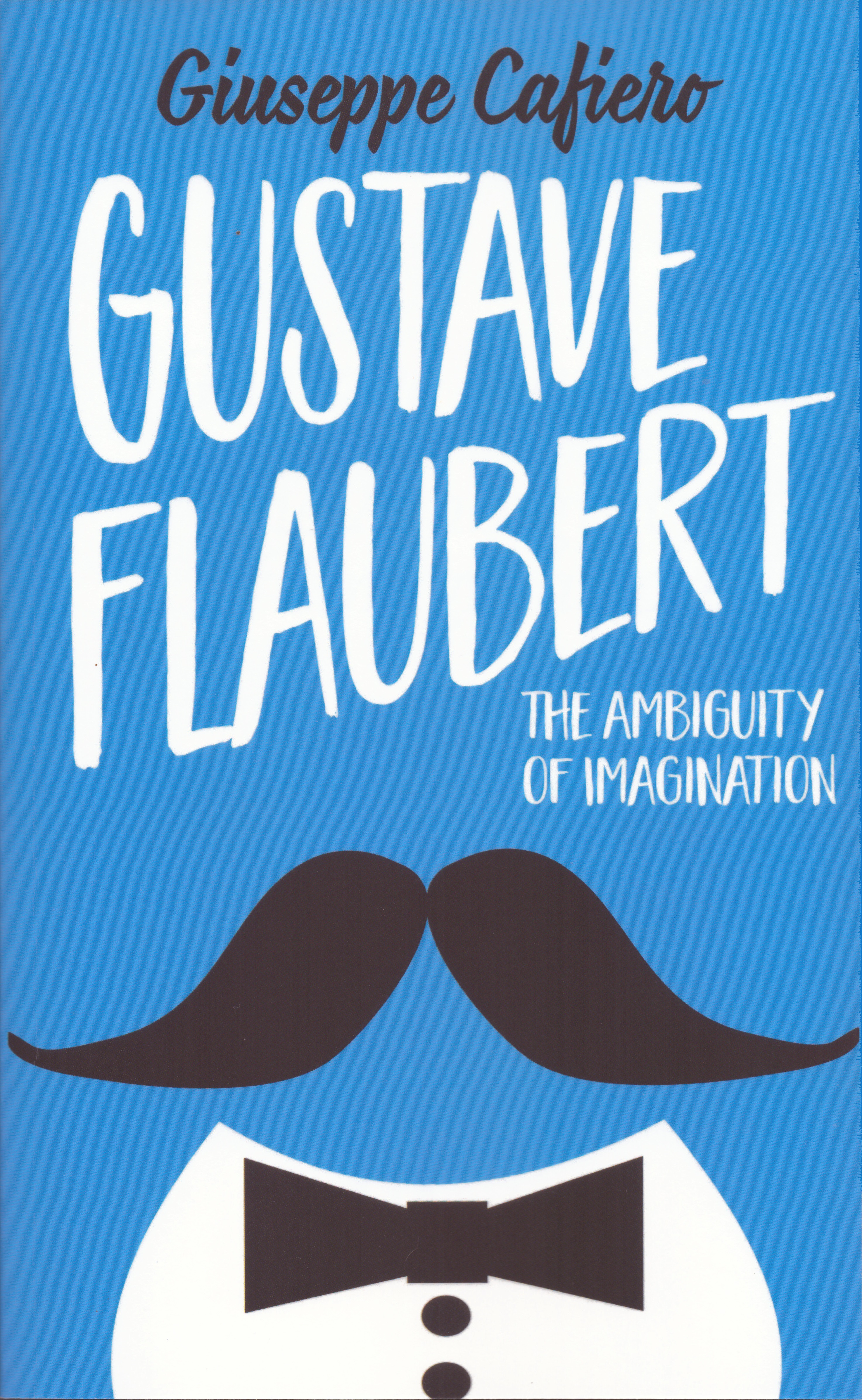
Gustave Flaubert: The Ambiguity of Imagination, by Giuseppe Cafiero

By Staff Writer

This latest novel from acclaimed Italian author Giuseppe Cafiero is a wry and racy journey through the world of French writer par excellence, Gustave Flaubert.

Gustave Flaubert: The Ambiguity of Imagination is part of Cafiero’s acclaimed ‘ambiguities’ series, which offers surreal and metafictional accounts of the lives of great authors and artists such as  Edgar Allan Poe (The Ambiguity of Death)  and Vincent Van Gogh (The Ambiguity of Madness).

Cafiero refers to this singular treatment as ‘bio-fiction’, a genre of his own creation and which is best defined as the playful interchange of truth and fiction in a broadly biographical account of its subject.

Rather than presenting a serious trawl through the life of the controversial, and somewhat seedy, Madame Bovary author, the novel takes its lead from a minor footnote in the works of Flaubert.

One of the books that Flaubert had planned to write, but never did, was entitled ‘Harel-Bey’, which as his letters attest would have been set in Middle East. In The Ambiguity of Imagination, that decision comes to haunt him – literally – as the titular Harel-Bey pops into existence with a huge grudge against his creator, both for leaving him a mere rough sketch and for writing him as a blind man.

Described by Cafiero as an “Arab who spent his life in the salon of the frères Goncourt, authors of a famous Journal, where he was born in an evening of drunkenness and carousal from the fervent imagination of Monsieur Gustave Flaubert”, Harel-Bey embarks on a voyage of discovery through the author’s oeuvre and correspondence, in the company of one Monsieur Bouvard – star of another unfinished Flaubert work, Bouvard et Pècuchet.

Like a spurned child, he has one mission in mind – to wreak revenge against the fully fleshed-out protagonists of Flaubert’s published novels and stories. In doing so, he visits locations described in Flaubert’s novels, and meets some of the characters therein, including the famed Madame Bovary.

Told in epistolary form, the novel – translated from the original Italian – is rich in period detail and liberally sprinkled with direct quotations from Flaubert’s works and letters, as well as deliberately evoking the distinctive literary style of the French writer himself.

The novel does hang – somewhat loosely – around the plot concerning Harel-Bey, but the real joy is in the fascinating, semi-biographical peek into the mind of a great writer and the fruits of his imagination.

However, to get the most out of this singular novel, its many allusions and references, it’s best that the reader should already have, or seek, acquaintance with Flaubert’s works beforehand. 

Gustave Flaubert: The Ambiguity of Imagination by Giuseppe Cafiero (Clink Street Publishing) is available now on Amazon UK, priced £9.99 in paperback and £2.84 in Kindle Edition. Visit www.giuseppecafiero.com


WforW Georgina Hawtrey-Woore Award for Independent Authors Fiction Category: Joint 2nd Place winners

And so we come to the last stage of  the inaugural year of the Words for the Wounded Georgina Hawtrey-Woore Award for Independent Authors. The excellence of the entries, especially that of the winners would please Georgina enormously, just as it has pleased the judging panel.

Georgina died, too young, in 2017. As a senior editor at Arrow, Georgina was determined that her authors should fulfil their potential, and, more, she was also a great supporter of WforW. To commemorate her life, the three grannies who run Words for the Wounded determined that Georgina should be honoured. To this end Jan, Margaret,and Penny renamed the competition and re-jigged its structure. So now there are four categories.

This year they are delighted  that not only are the entry numbers up, so too is the standard: ‘It is heart warming to see so many excellent entries, and a great treat to read them and Georgina would be thrilled.’ Of course, though, there have to be winners and ultimately the team led by Milly Adams, one of Georgina’s  authors, reached unanimous decisions. As in the Non-Fiction Category, the WforW judging team decided on joint 2nd place winners in the Fiction Category: ‘Just too close to call‘ was their  comment.

In alphabetical order:

Joint 2nd Place winners of the Fiction Category.

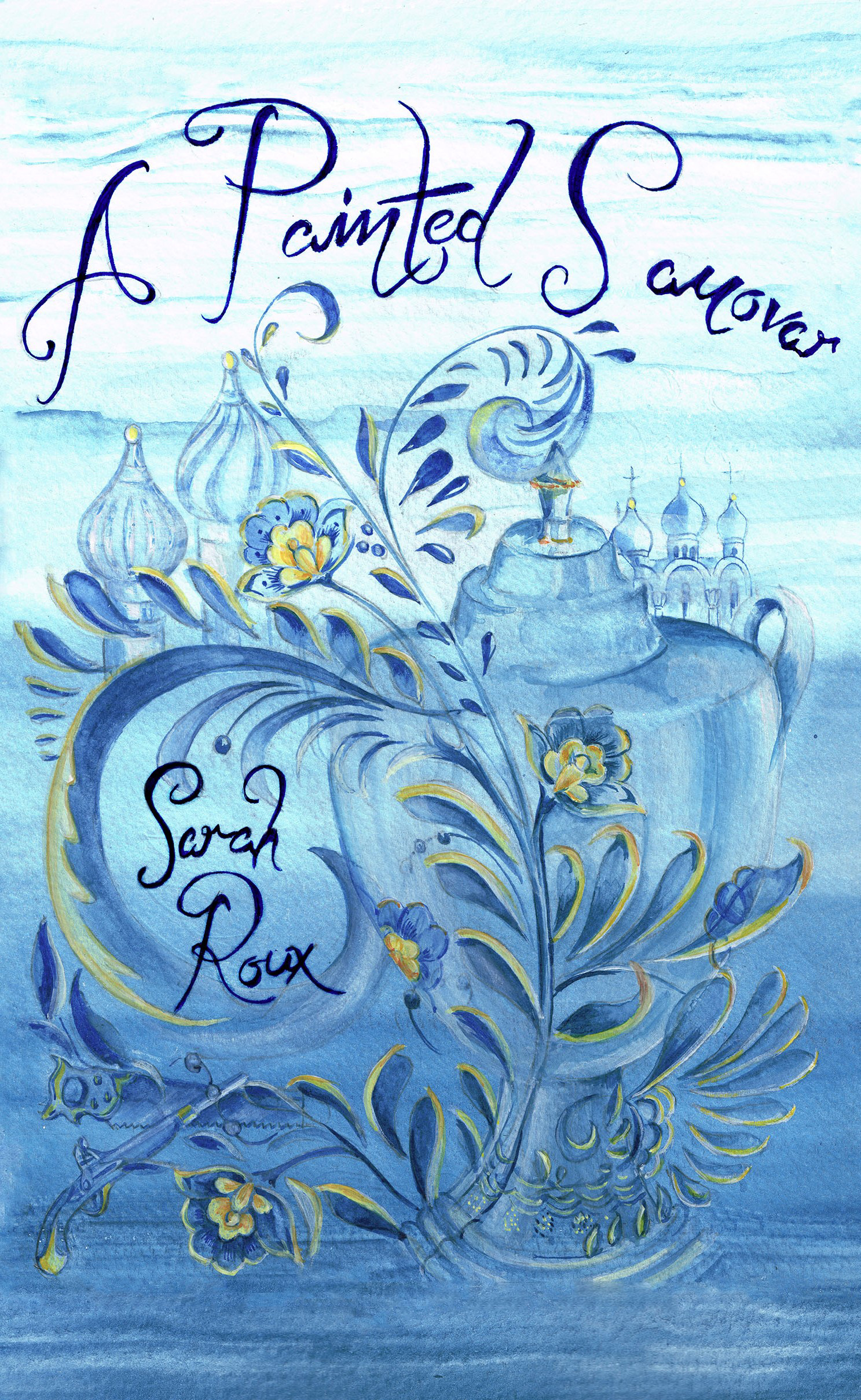
A Painted Samovar by Sarah Roux.
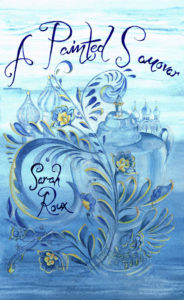
A well crafted and evocative novel which takes us from the Russo-Japanese war of 1905 in which Isaac fights for his country, Czarist Russia, only to seek refuge in Britain post war. Later war beckons again, but this time Isaac has further decisions to make: whether to fight for his adopted nation, Britain, or  to return to Russia which is in a state of growing political turmoil. He  returns to Russia, leaving his wife and children. Will he ever see them again? Only if he undertakes a perilous journey. Does he, doesn’t he? And what were the reasons for leaving Britain in the first place? Read it and see.

As with life, either decision would have had problems, and how does one ever know what is/was the right one. and this was skilfully handled by the author.

A fascinating period, well handled; a human story set in a chaotic context, which after all, is so often the case in world affairs.  An epic story, with a complete structure and bags of human interest. It left the team with lots to think about.
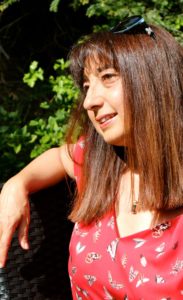
Sarah Roux writes under a pen name; a convergence of her grandmothers which sadly never happened in real life. Born and bred in North London, she now resides in Buckinghamshire with her husband and son.

When she’s not writing, researching or parenting, she can usually be found wandering the stacks of the local community library where she is a volunteer librarian and trustee.

Sarah let us know the backstory to A Painted Samovar and it was interesting to hear that as an ardent lover of history, Sarah has always felt the sting of injustice when discovering an untold story or a forgotten figure hidden in the footnotes.

Her way of dealing with this is to write novels. A Painted Samovar was born out of the discovery that her maternal grandfather, a Jewish immigrant from the Russian Empire, was one of four thousand men expelled from Britain during the Great War and plunged into the Russian Revolution. Her grandfather was one of the lucky ones who eventually made his way back to Britain after four years away.

Although he never spoke a word about what had happened, Sarah likes to think he would be happy to have his life and those momentous times remembered; albeit in an entirely fictional way.

Learn more about Sarah on: www.sarahroux.co.uk


A Painted Samovar available on: https://www.amazon.co.uk/Painted-Samovar-Sarah-Roux/dp/1999795709/ref=sr_1_1?ie=UTF8&qid=1528377700&sr=8-1&keywords=A+painted+samovar+by+sarah+roux


Joint 2nd Place in Fiction Category

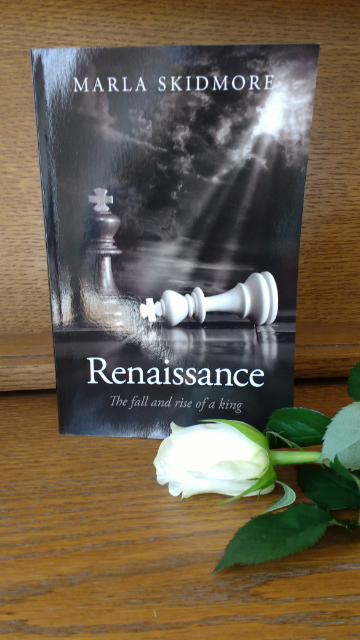
Renaissance – The Fall and Rise of a King by Marla Skidmore
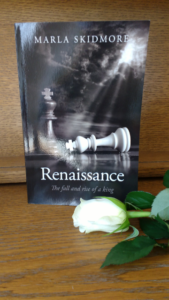
 

Set in the time of the Plantagenet Richard III and his challenger, Henry Tudor, Renaissance captures the essence of that turbulent period, galloping the reader into Richard’s battle to retain power in the face of Henry Tudor’s challenge at the Battle of Bosworth. We can hear the clash of weapons, see the fist of mail, the thunder of hoofs, and then – the death of the perhaps much maligned Richard III. But is it death?

Marla Skidmore grasps the nettle of her research and invests it with her interpretation, and a good dash of imaginative realisation, to bring to life this period which is clouded by myth and legend. The author uses the relationship between Richard and his celestial mentor Father Gilbert to discuss and reveal a different slant on Richard who might not after all be the monstrous villain of William Shakespeare’s play, and of the Tudor histories.

The premise was fascinating, and the execution skilled.

A memorable novel of what ifs…
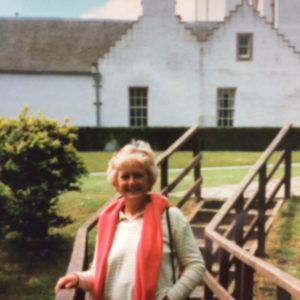


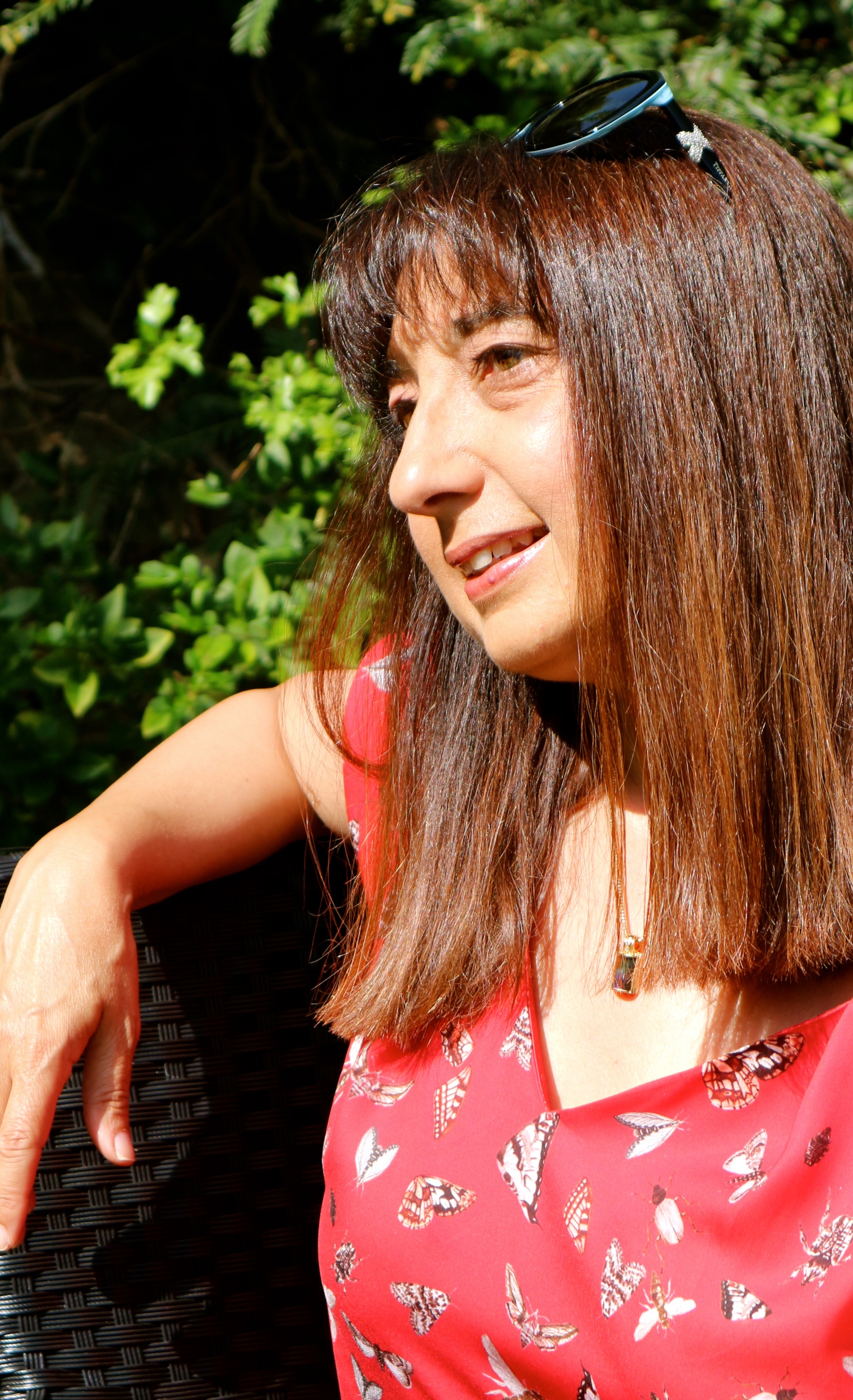
Frost Magazine was delighted  Marla Skidmore had the time to tell us more about herself and the writing of Renaissance:

I grew up in Richard III country, in a small medieval city located on the edge of the Yorkshire dales – between Middleham and York – where I met and married my soldier husband at the tender age of 18.  After following the flag for a number of years, I decided to return home to become a mature student at Leeds University – I told my family “it will only be for 4 years.”   7 years later I emerged with a BA(Hons) in English and History, a Masters in English Literature and a PGCE and went on to teach in Further and Higher Education.

It was during a prolonged break in my career, due to a serious health issue, that I returned to writing. I had dabbled in it on and off for years – writing short stories, poems and even the beginnings of a couple of novels, but life in the shape of career and family commitments always got in the way of me giving it my full attention.  It was natural therefore that when I was forced to take a ‘time out’ my love for literature; for words and a fascination for history would lead me down the path of writing a historical novel.

I was well into the 5th chapter of a romantic murder mystery, set during the Napoleonic Wars, when at lunch with a group of university friends, at the time of the rediscovery of Richard III’s grave and the ensuing controversy about his reburial place, I speculated about what he would have made of all the fuss.  A member of the group (a respected medieval historian) challenged me to write the story – “do one about Richard in blue jeans” were her words. The idea took root and snippets of a story constantly inserted themselves into my mind.  Finally, I had to put aside my Napoleonic novel – the result is ‘Renaissance – The Fall and Rise of a King.’  My Richard did not turn out to be in blue jeans but I did bring him into the 21st century – in my own way.

I promised myself that I would resume writing the earlier story as soon as ‘Renaissance’ was written but now ideas for a sequel are running through my head – about that most loyal of Richard’s friends, the mysterious Francis Viscount Lovell.  So…here I am… with a published novel, one partially written novel and another in the researching stage – which one of the latter two do I tackle first? Can one write two novels simultaneously?

Breaking News…

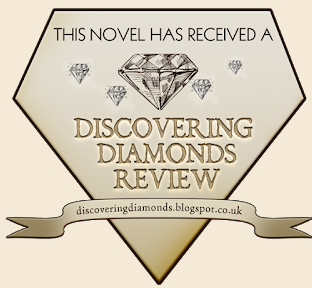
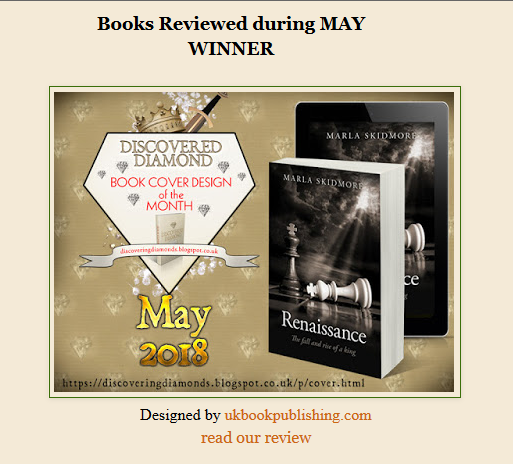
Marla tells us: ‘Renaissance’ was reviewed by author Helen Hollick’s team of Bloggers on 24th May and it has received their ‘Discovering Diamonds’ seal of approval as a recommended read.’
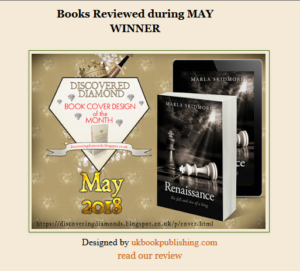
‘ It gets better…when I got back from holiday on Monday evening I found another email from her informing me that the book was winner of ‘Discovering Diamonds’ Cover Design for the Month of May and will be put forward for Cover of the Year in December.’
She is being interviewed on a podcast which will go out on UTube; the Richard III Society is publishing a review in the September issue of their quarterly magazine – The Bulletin; and their American branch would like her to do an interview for their June Newsletter. Bravo…

https://www/facebook.com/MarlaSkidmoreAuthor/

The book is available on Amazon:

Also on Booklinker: http://mybook.to/TheRiseofaKing and you can also find Marla on Twitter: @marlaskidmore44

And this ends what has been a fabulous list of authors and books, and a most impressive inaugural WforW Georgina Hawtrey-Woore Award for Independent Authors. Frost Magazine will be meeting the winners of next year’s award in 2019. We can’t wait.