“The LPO played a trio of composers’ works … with varying success”
Under the assured baton of Principal Conductor Edward Gardner, the LPO played a trio of composers’ works … with varying success.
Mark-Anthony Turnage’s Three Screaming Popes was inspired by a series of Francis Bacon paintings (which themselves drew on portraits by 17th-Century works by Veláquez), transforming the distorted figures into a vivid orchestral canvas. To be honest, I was internally screaming like the Popes – the 15-minute piece was discordant and anxious, something akin to a horror film’s soundtrack. I think some of the instruments were screaming, too.
Béla Bartók (1881-1945)
However, this was followed by Béla Bartók’s Violin Concerto No.1, with soloist Alina Ibragimova. Two beautiful movements without a break. And a return to ‘conventional’ music. It was mesmerising and a wonderful teaser to what would follow after the interval. Alina clearly enjoyed herself, her passion and enthusiasm shining through.
Alina Ibragimova ⓒ LPO
Modest Mussorgsky’s Pictures at an Exhibition was inspired by his friend’s paintings. Victor Hartmann created works which Mussorgsky imagines are hanging in a gallery and we step from one to the other. There are fifteen short movements representing each canvas – from the grotesque to the haunting to the romantic. Climaxing in the triumph of entering The Great Gate of Kiev with the playing of a real Liberty Bell. Yet, strangely, the pieces were written just for piano in 1874 – the whole work was orchestrated by Maurice Ravel in 1922.
Modest Mussorgsky (1839-1881)
Another superb evening spent with almost 100 musicians and the amazing LPO. The London Philharmonic Orchestra has a vast range of events at various venues around the country. Check out their website for details – https://lpo.org.uk/whats-on/ .
Principal Conductor Edward Gardner Artistic Director Elena Dubinets
The Reading Agency’s Quick Reads giveaway for World Book Night in Waterstones Bradford – photo credit Guzelian Photography
UK charity The Reading Agency has joined forces with Spotify to make free-to-stream Quick Reads available for World Book Night on 23 April 2026.
The Reading Agency and Spotify have partnered as part of a wider joint campaign within the National Year of Reading – including a new audiobook toolkit for libraries and Spotify’s industry-leading reading aids such as ‘Page Match’ and ‘Audiobook Recaps.’ The initiative is part of The Reading Agency’s mission to tackle the UK’s reading crisis, with only around half of adults regularly reading.
For the first time, all six Quick Reads titles will be available in audiobook format, widening access for people who struggle with print, including those who are time-poor, neurodivergent, or lacking confidence in reading. Quick Reads, which marks its 20th anniversary this year, was launched in 2006 to support adults who are lapsed readers, non-readers, or face barriers such as time, confidence, or concentration. The short, accessible books are written by bestselling authors across a range of genres.
Audiobooks on the rise
With the average UK adult now spending 52 hours a year listening to audiobooks, audio has become a powerful and increasingly mainstream reading format. Its popularity in the UK is growing rapidly, with the market nearly tripling since 2016, driven largely by 16–54-year-olds and changing, multitasking lifestyles. Spotify’s ‘Multi-Format Readers’ research found more than a third of U.K. readers (34%) are more likely to consider listening to audiobooks as “real reading” than they were a year ago, and over half of readers in the U.K. (51%) now switch between audio and print/e-book formats to meet their reading goals.
The Reading Agency’s State of the Nation report found that almost half of adults (46%) struggle to focus on reading due to distractions, while one in three multitask while reading. Those who read fewer books are more likely to engage with audio: 33% of men listen to audiobooks weekly, compared to 24% of women, while women are more likely to read daily. More than half of 25–34-year-olds are regular audiobook listeners, including 56% of men in that age group.
Audiobooks are also helping to widen access: 52% of adults with learning differences listen weekly, compared to 22% without. For time-poor adults, audiobooks offer a practical solution. Over half (53%) of parents with children under 11 listen at least once a week, compared to 18% of those without.
Karen Napier MBE, CEO, The Reading Agency said: “Audiobooks create shared experiences in new ways — whether families listening together at home or groups coming together in libraries. We’re seeing a real rise in audio listening groups, where people listen and discuss books collectively. We want to challenge the idea that ‘real’ reading must be print. Listening to books delivers many of the same benefits, from supporting comprehension and vocabulary, to increasing wellbeing and empathy.”
Duncan Bruce, Director of Audiobooks Partnerships and Licensing, Spotify said: “Stories have the power to connect, entertain or inform us. But for some, finding the time or confidence to pick up a book isn’t always easy. Audiobooks are helping to change that with people increasingly moving between formats – listening on the go and reading when they can – and that flexibility helps more stories fit into busy lives. We’re proud to help more people discover stories, including this year’s Quick Reads, in ways that work for them, supporting a more accessible and inclusive reading culture across the UK.”
Supporting libraries during the National Year of Reading
As part of the partnership, The Reading Agency and Spotify are developing a new audiobook toolkit for libraries, supporting staff to deliver audiobook clubs, group listening sessions and inclusive reading activities. The organisations will also work together with the National Year of Reading to champion audiobooks as an accessible and engaging way into reading, helping to reach new and underserved audiences across the UK.
Shared listening and national reach
A selection of the 2026 Quick Reads titles will be available to stream for free on Spotify on World Book Night. A new curated audio resource will also be distributed to libraries and schools to support classroom listening, community events and group listening experiences.
The Reading Agency’s research highlights a strong link between audiobooks and wider reading, with one in four listeners saying audiobooks have encouraged them to read more. Spotify is one of several landmark partnerships marking a step change in ambition for Quick Reads, which has grown from a small intervention into a national reading movement.
To mark its 20th anniversary, The Reading Agency aims to gift up to one million Quick Reads to communities across the UK.
@readingagency #QuickReads #WorldBookNight #GoAllIn For all enquiries, please contact: ann@causeuk.com m: 0753 489 2715.
Whitby Lit Festival has announced the first authors confirmed for its 2026 programme, as the event returns (from 19–22 November) following a highly successful inaugural year. Leading the first wave of announcements are Ann Cleeves OBE, Joanne Harris OBE, Dr Sian Williams, and Mark Billingham.
Ann Cleeves Author Pic (c) Micha Theiner
Ann Cleeves OBE, creator of the Vera Stanhope and Jimmy Perez (Shetland) series—both adapted for television by ITV and the BBC—has received widespread acclaim for her crime writing, alongside an OBE for services to reading and libraries. Her latest novel, The Dying Light, from the Detective Matthew Venn series, was published in October. Joanne Harris OBE, best known for her bestselling novel Chocolat—later adapted into an Academy Award-nominated film starring Juliette Binoche and Johnny Depp—has written more than 30 books. Her forthcoming novel, Sleepers in the Snow, will be published in October 2026.
Dr Sian Williams is an award-winning broadcaster and chartered counselling psychologist. After a 40-year career in television and radio, including over a decade presenting BBC Breakfast, she now hosts Life Changing (BBC Radio 4) and Classical Unwind (BBC Radio 3). Her work focuses on trauma, stress, and anxiety, including collaborations supporting emergency services personnel. Her latest book, The Power of Anxiety, published this month, combines research, case studies, and personal insight.
Mark Billingham (c) Steve Best
Mark Billingham, originally from Birmingham, is a novelist, actor, and comedian, and a familiar presence across UK media. He is best known for the Tom Thorne crime series, adapted for Sky, starring David Morrissey. The latest instalment, What the Night Brings, is released in paperback this March. Further authors will be announced in the coming months, with the full programme continuing the festival’s commitment to showcasing both bestselling and emerging voices. The debut festival exceeded expectations, drawing large audiences and establishing Whitby as an exciting new destination on the UK literary calendar. Building on that momentum, organisers promise an ambitious and diverse programme for 2026. Uniquely, Whitby Lit Festival is the UK’s only literary festival headquartered in a fish and chip restaurant—Hetty & Betty.
Lois Kirtlan, Chair of Whitby Lit Festival, said: “We were thrilled by the response to our inaugural festival in 2025. The enthusiasm from audiences, authors, and the local community was extraordinary. For 2026, we’re expanding the programme and are delighted to begin announcing what promises to be an exceptional line-up.”
Festival Patron Kate Fenton has also announced that Sir Alan Ayckbourn CBE will join as Honorary Co-Patron.
Sir Alan Ayckbourn (c) David irlan
Sir Alan Ayckbourn said: “I’m delighted to become co-patron of this exciting new venture. The festival promises to inject fresh literary energy into Whitby in a way unequalled since the days of Bram Stoker.”
Set against Whitby’s dramatic coastline and historic streets, the festival will once again feature author talks, panel discussions, workshops, book signings, and special events across multiple venues. Whitby Lit Festival continues to champion accessibility and inclusivity, bringing readers and writers together in a vibrant cultural celebration.
Tickets and full programme details will be released in summer 2026. Early updates and exclusive content are available via the festival’s website and social media channels. Website:www.whitbylitfest.org.ukSocial: @whitbyliteraturefestival
The striking thing about Amanda’s art is the colours she uses – perhaps because she is a natural health therapist and experience tells her that colour carries its own energy. I agree, I feel the vibrancy reaches out along with the energy of her compositions.
‘Tell us more about that, Amanda,‘ I asked.
‘Ah, I believe that people respond to mood and frequency, as much as to image. That’s why my forests, waterfalls and wildflower meadows are intentionally more luminous and emotive, than pedantically realistic. You see, my work is created to be felt – to calm, uplift and reconnect one with the quiet power of nature every time you pass by.’
This resonated with me, as I find actually walking by meadows, and woods is mood calming, and adds something to my life, and indeed, helps my work as an author.
Meadow Glow
Amanda Brake is an English artist whose love of colour and creativity took root in her childhood in Poole, Dorset. Growing up by the coast and countryside, she was surrounded by natural beauty which encouraged her to notice the small details of light, texture, and atmosphere. She was fortunate at school to have teachers who recognised her ability, and encouraged her imaginative, expressive approach.
Bluebell Woods
‘Was this partly because your father was an artist, and not someone who pushed your talent to one side, and suggested you pushed on with the usual career skills.’
‘Oh yes,very much so. He and my teachers nurtured my confidence and curiosity and more or less gave me permission to use my talent to explore my feelings, observations and sense of the world around me.’
Of course, as Amanda developed as an artist, she extended her interests into a variety of projects such as he illustration of children’s novels. She also became a member of the Milan Art Institute, thereby connecting with an international community, all of which deepened and refined her skills,
‘Now, at Amanda’s Art,‘ she tells me, ‘ I specialize in creating captivating illustrations and unique prints that seem to resonate with diverse art lovers. This excites me enormously as I believe strongly in the power of art to inspire and evoke emotions.’
I found myself nodding along, because, for me, that is exactly the response Amanda’s art evokes. After all, you can remember an image of a cornfield that calmed or inspired you, but why not try putting a work of art on the wall that evokes the same response. Long may she continue to produce such individual work.
“Tan Dun is not afraid of pauses, recognising how silence can be just as important”
It’s staggering to realise that worlds collide in mysterious ways… Beethoven grew up in times we now term the Enlightenment. The world was changing, with revolutions in France and America. At home, he experienced first-hand when Napoleon’s troops invaded Vienna in 1805 and 1809.
His first large-scale composition was at the age of 19. His Ninth Symphony was created in 1824, three years before he died. And it’s the fourth movement that stands out – famous now because since composition it has been used in so many different contexts. This is his Choral piece Ode To Joy – you will know it. Search the internet and nod in recognition. The Ode is actually a lengthy poem by Friedrich Schiller, who had long wanted it set to music.
Ludwig van Beethoven
The London Philharmonic Orchestra, numbering over 100 musicians on this evening, performed the Ninth Symphony with grace, pomp and power. Accompanied by the London Philharmonic Choir and the London Chinese Philharmonic Choir, they played under the precise baton of Tan Dun.
Tan Dun is not afraid of pauses, recognising how silence can be just as important. Before each piece, he freezes, holding everyone’s attention, as though ready to go into battle, composing himself. During the movements he singles out soloists, urging them to excel – and they do. He conducts as though it is a martial art, creating shapes with his arms and hands like no other conductor.
Tan Dun ⓒ LPO
The Ode To Joy was sung, not just with the thrilling choirs, but four soloists – underused in the piece really, but exciting to hear: soprano Elizabeth Watts, mezzo-soprano Hongni Wu, tenor John Findon and bass Matthew Rose.
Sadly, the interval talk amongst the audience was about the opening of the evening’s music – Tan Dun conducting his own contemporary composition, the Choral Concerto Nine. This was inspired by Beethoven’s Ninth. Hmmm. Although an Oscar-winner for his soundtrack to the stunning film Crouching Tiger, Hidden Dragon, the ever-youthful Tan Dun left us a little nonplussed with his piece in three movements. Modern music is always hit-and-miss with traditionalists. The first movement Nine was almost anti-musical, with the chorus not just using words, but gibberish. The same could be said for the musicians, not just playing their instruments but tapping and scraping them… The second movement, Wine, had more gibberish and randomness. It was only the third movement, Time, that sounded more like ‘music’ – a Hans Zimmer-like sound – reaching to a climax that gave us all some relief that it was over. But, one has to appreciate that all music begins somewhere and, who knows, this could become as much a classic as Beethoven’s Ninth. It could, but, to be honest, I don’t think it will!
The London Philharmonic Orchestra has a vast range of events at various venues around the country. Check out their website for details – https://lpo.org.uk/whats-on/ .
Paul Vates.
Principal Conductor Edward Gardner Artistic Director Elena Dubinets
Dates until Saturday 25th April 2026
Check with the LPO website for details
Instagram @londonphilharmonicorchestra – X @LPOrchestra – Facebook @londonphilharmonicorchestra
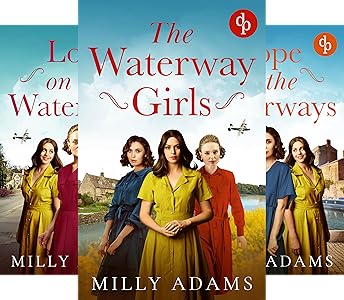
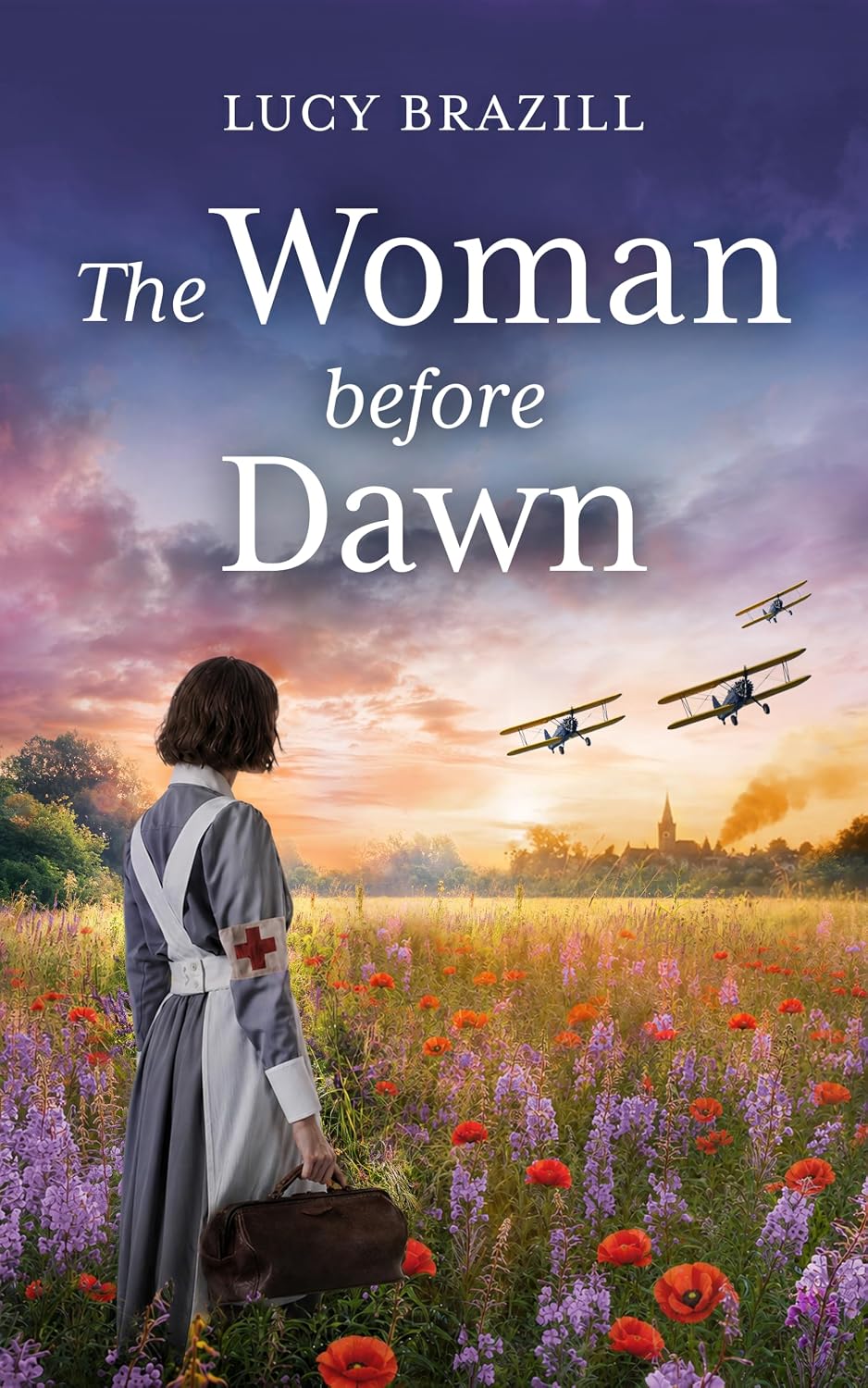
He left her sister at the altar and now she’s the one forced to keep him out of trouble – and out of her heartThis fun and flirty romantic comedy is really lovely and after all, , everyone deserves a second chance, even Matthew.
April hates Matthew’s guts, because seven years ago, he left her sister at the altar and broke her heart. Now June’s getting hitched to another man. April’s making the dress, the cake is iced, and nothing will ruin her sister’s big day. Or will it? Cue the potential crisis. June has chosen Matthew as her ‘something old’ and … Oh no, no what was she thinking? – It’s free and a lovely novel, so read and see what happens. https://www.amazon.co.uk/dp/B0G4HCCC1N/ It is FREE.
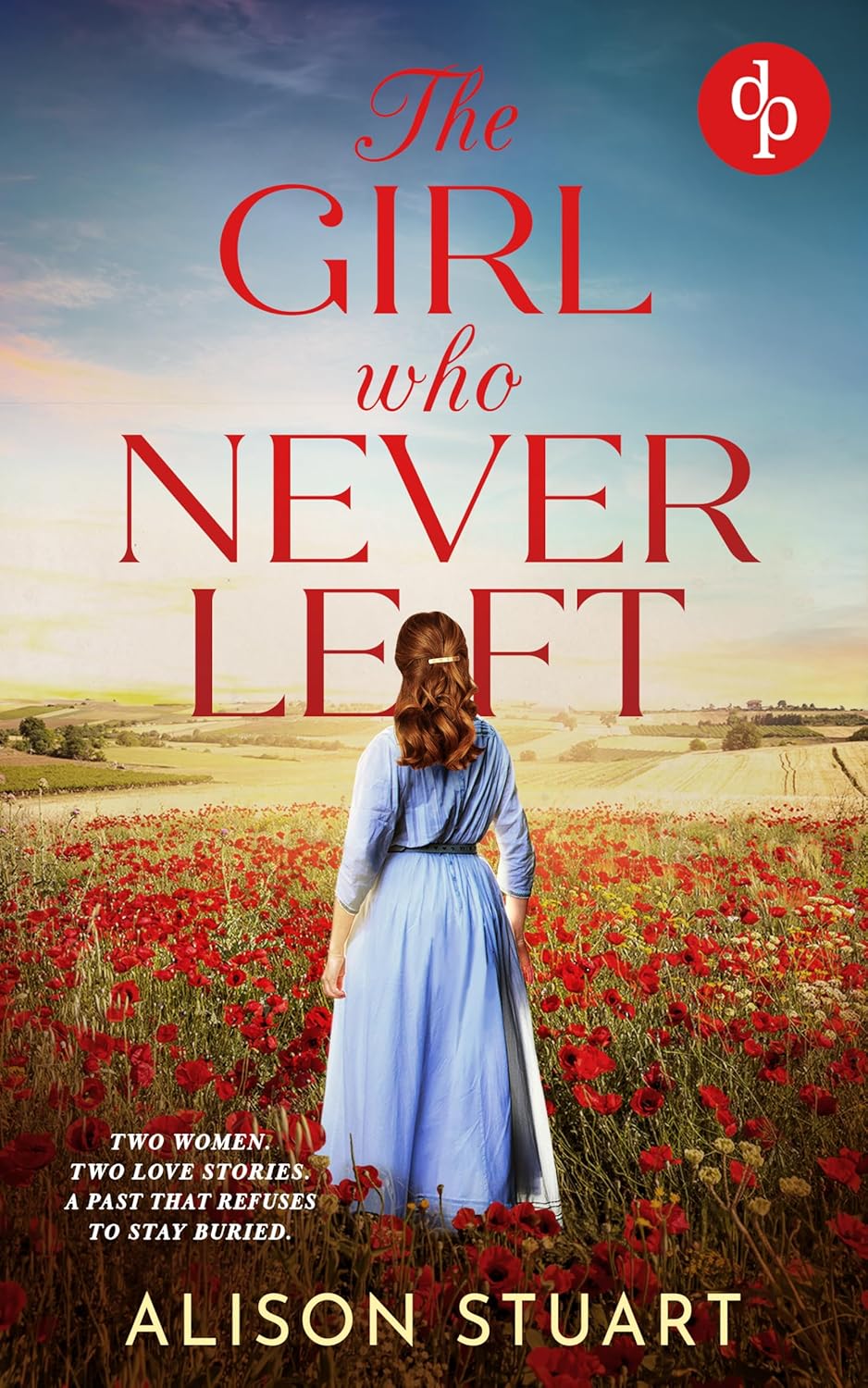
Discover a Regency romance that continues the story of Jane Austen’s unforgettable characters, where love and betrayal intertwine… and the cost of freedom is higher than ever. This is the breathtaking launch of the Regency Romance Series The Ladies of Pemberley. At eighteen, Cassandra Wickham is as headstrong and sharp-witted as her beloved aunt, Elizabeth Darcy, preferring the thrilling pages of a book to the stifling decorum of crowded ballrooms. Yet, her mother, Lydia, has different plans for her: Cassie must marry a wealthy officer, and the grand Regimental Ball is the perfect opportunity for her debut into society… or so her mother hopes.
But Cassie harbours no interest in soldiers. Her heart belongs to one man only: Dr. Richard Courtney… Uh oh… read on and see what happens https://www.amazon.co.uk/dp/B0GTZM2JT8/ @ £0.99 instead of £4.99
She doesn’t believe in love. He wasn’t looking for it. One kiss changes everything. A fun and flirty romance starting with a speed dating event.
Photographer Valentine Jones doesn’t believe in love, but when her romantic friend Maggie drags her along to a speed dating event, she finds herself reluctantly attracted to architect Finn Logan. Against her better instincts, she ticks yes on her scorecard to seeing him again. He never calls. Finn shouldn’t have flirted with Val at the speed dating event. Well, of course, he shouldn’t – what was he thinking..? https://www.amazon.co.uk/dp/B0G8GZ7VMT/ @ £0.99 instead of £1.99
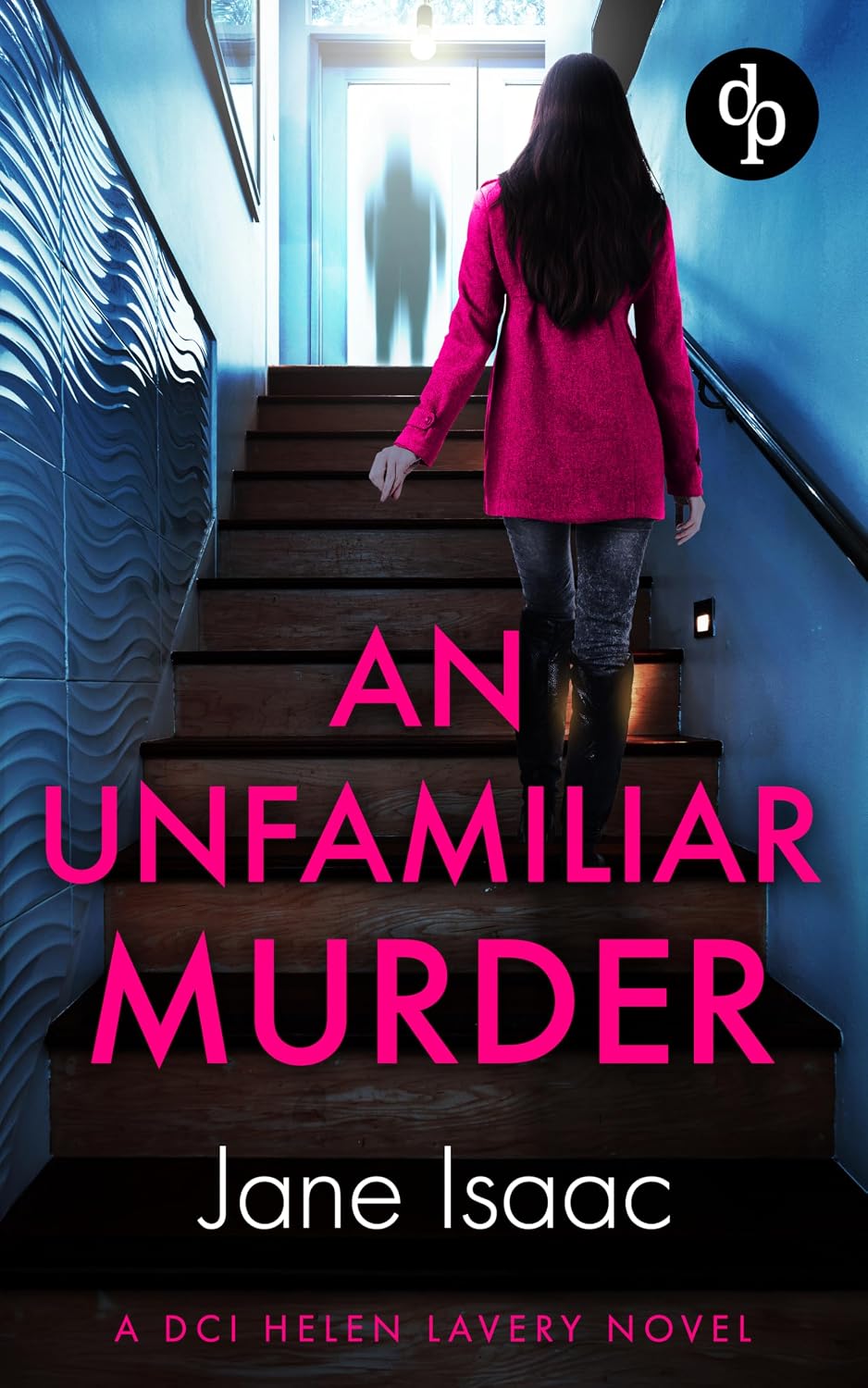
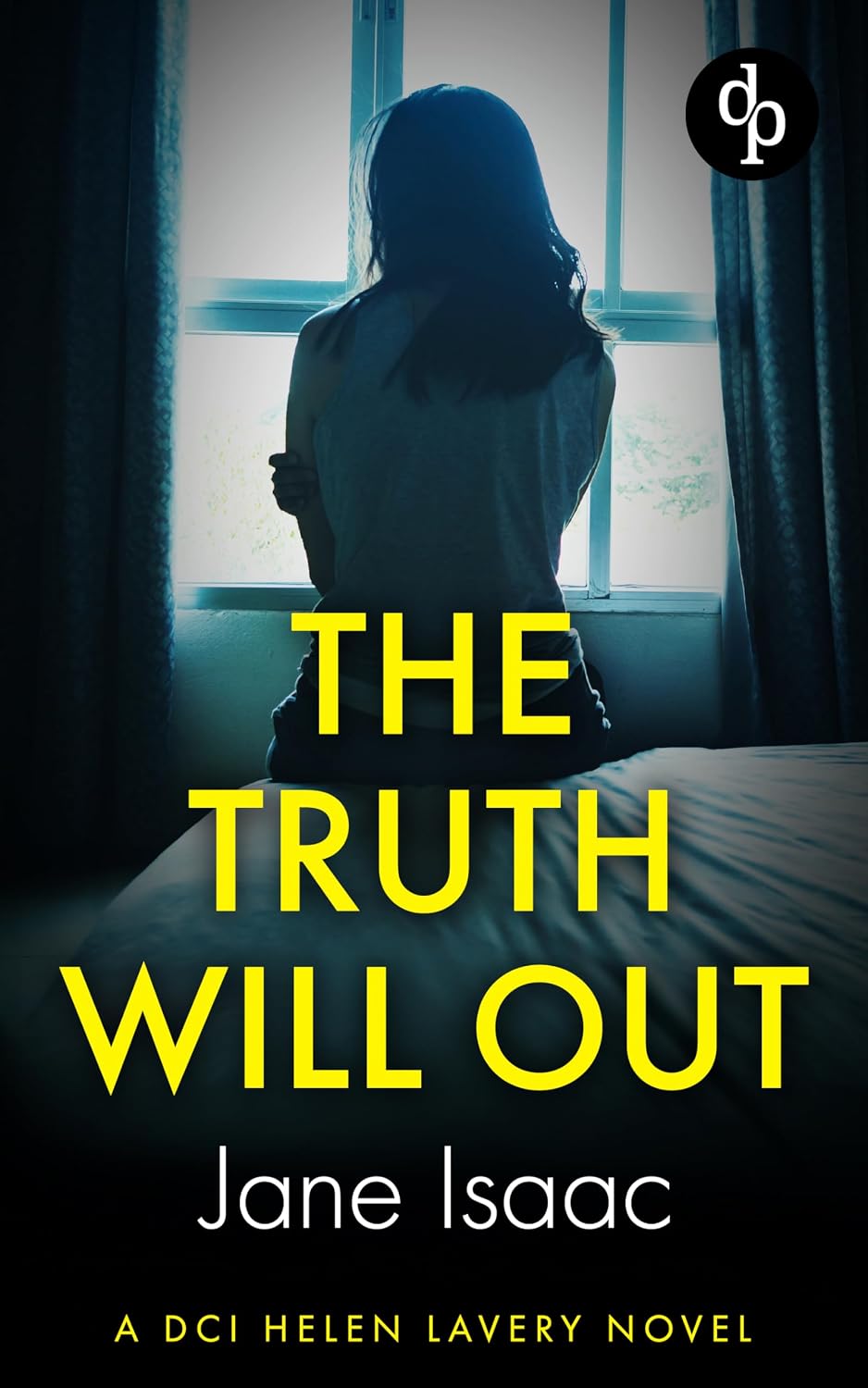
A missing woman. A race against time. A detective haunted by the past.
Following an argument with her British boyfriend, Chinese student Min Li is abducted whilst walking the dark streets of picturesque Stratford-upon-Avon alone. Trapped in a dark pit, Min is at the mercy of her captor. Detective Inspector Will Jackman is tasked with solving the case and in his search for answers discovers that the truth is buried deeper than he ever expected. But, as another student vanishes and Min grows ever weaker, time is running out. Two murders, two kidnappings—are they linked?
Every organisation reaches a critical moment when its current technology fails to meet increasing demands. Servers hit their limits, collaboration tools lag, and IT teams devote more time to hardware upkeep than to advancing goals. For companies operating in 2026, cloud technology is no longer an optional upgrade. Cloud technology has become the essential backbone of daily operations, supporting everything from customer-facing applications that serve end users to the internal data management systems that keep organisations running smoothly behind the scenes. This article guides your cloud migration decisions and provider choice. Whether you run a mid-sized e-commerce brand or lead the IT department of a multinational firm, the insights presented below will help you make sharper, better-informed decisions that align with your organisation’s specific needs and long-term goals.
What Makes Cloud Technology Non-Negotiable for Today’s Enterprises
Real-Time Collaboration and Global Reach
Teams working in different time zones rely on tools that update in real time and stay accessible at all hours. Cloud platforms enable global teams to collaborate without version conflicts. This connectivity leads directly to faster project completion times. Marketing teams can finish campaign assets in hours when all files share a cloud workspace. Businesses still using emailed attachments and local files fall behind competitors who adopted cloud systems years ago.
On-Demand Resource Allocation
One of the strongest arguments for cloud adoption is the ability to scale computing resources on demand. During a seasonal sales spike, an online retailer can temporarily increase server capacity and then dial it back once traffic normalises. This elastic model removes the need to purchase and maintain expensive hardware for peak-load scenarios that occur only a few weeks per year. For companies dealing with large volumes of unstructured data such as images, video files, and log records, object storage provides a reliable, S3-compatible architecture that grows alongside business needs without complex migration efforts. The financial advantage is clear: you pay for what you actually use instead of investing in idle infrastructure.
Hidden Costs of Relying on Legacy IT Infrastructure
Maintenance Drain on IT Teams
Older systems demand constant attention. Patching, firmware updates, and hardware replacements consume time that skilled engineers could spend on revenue-generating projects. A 2025 survey by Flexera showed that organisations with predominantly on-premises infrastructure allocated up to 40 percent of their IT budget to maintenance alone. That figure does not include the indirect costs of downtime. When a physical server fails at two in the morning, someone has to respond. Those unplanned emergencies erode team morale and inflate overtime expenses. Cloud providers absorb most of this operational burden, freeing your staff to focus on application development, security improvements, and user experience. As we have explored in our coverage of innovations in 3D technology and design, digital progress depends on redirecting human talent toward creative problem-solving rather than routine upkeep.
Security Vulnerabilities in Ageing Systems
Legacy servers frequently operate on outdated software versions that, because they have reached end-of-life status, no longer receive critical security patches or updates from their original vendors. Every unpatched vulnerability serves as a possible gateway for attackers to exploit. Cloud platforms, in contrast, automatically deploy security updates and uphold strict compliance certifications like ISO 27001 and SOC 2 Type II. Built-in compliance lowers breach and fine risks. Moving sensitive workloads to a managed cloud can strengthen your security rather than weaken it.
How Scalable Object Storage Supports Rapid Business Growth
As organisations generate more data every quarter, traditional file-based storage systems reach their limits. Object storage architectures handle billions of files without the folder hierarchies and naming conventions that slow down legacy setups. Each piece of data receives a unique identifier, making retrieval fast and straightforward regardless of scale. Media companies that manage terabytes of video content, research institutions archiving sensor data, and SaaS providers storing user-generated content all benefit from this approach. A thorough explanation of fundamental cloud computing concepts helps clarify why these storage models outperform older alternatives. The flat namespace of object storage also simplifies disaster recovery, because data replication across geographically distributed nodes happens behind the scenes. For businesses planning international expansion, this architecture removes many of the headaches associated with multi-region data availability.
Five Critical Factors When Evaluating Cloud Providers
Choosing the right provider involves much more than simply comparing monthly subscription costs. Before you commit to signing any contract with a provider, you should carefully evaluate the following key criteria, which will help you make a well-informed decision.
1. Data residency and sovereignty: Verify data storage locations, especially for European businesses requiring GDPR-compliant jurisdictions.
2. Uptime guarantees: Seek SLAs promising at least 99.95 percent availability and ask about compensation for failures.
3. Interoperability and open standards: Choose providers supporting open APIs to avoid costly vendor lock-in during migrations.
4. Transparent pricing: Request detailed cost breakdowns before committing, as hidden fees can dramatically inflate bills.
5. Support quality: Prioritize providers offering 24/7 live support and dedicated account managers over slow ticketing systems.
Conducting a small pilot project with your top two candidates often exposes critical differences in real-world performance that polished sales presentations, no matter how convincing they may appear, simply cannot capture. Pay close attention to how smoothly data transfers work during the trial period, how intuitive and user-friendly the management console feels when you interact with it daily, and how quickly the support team resolves any test issues that arise.
Building a Future-Proof Digital Strategy With Cloud-Native Tools
A forward-looking IT plan goes beyond merely migrating current workloads to the cloud. It reconsiders how applications are designed, deployed, and maintained over their lifecycle. Cloud-native development depends on microservices, containerised environments, and automated deployment pipelines, which together enable teams to release updates at speed without introducing instability into the production systems that end users rely on. Adopting these patterns in 2026 prepares your organisation to react swiftly to market changes, from launching features rapidly to scaling for sudden demand.
Digital publishing offers a useful parallel. Just as spring releases from digital publishers remind us to embrace fresh content, technology leaders should adopt a mindset of continuous renewal. Clinging to monolithic application architectures slows down every team that depends on the software. Containerisation tools like Kubernetes orchestrate workloads across clusters, ensuring high availability and resource-smart distribution. Coupled with infrastructure-as-code practices, these tools let engineers replicate environments in minutes, reducing the gap between development and production to near zero.
Turning Cloud Adoption Into a Competitive Edge
Cloud technology has evolved well beyond its early roots in basic file sharing and email hosting, since it now supports a wide range of advanced and demanding enterprise workloads. Cloud now powers AI workloads, real-time analytics, and personalisation tools that boost revenue. Organisations that approach cloud migration as a strategic priority rather than merely a cost-saving exercise are able to unlock powerful capabilities that their competitors simply cannot match or replicate. Assess your infrastructure, set milestones, and pick aligned providers. The businesses that truly thrive over the next decade will be those that commit to investing in flexible, cloud-native foundations today, because such early preparation creates a lasting competitive advantage that is difficult to replicate.
Frequently Asked Questions
Why is on-demand resource allocation important for modern businesses?
On-demand resource scaling allows businesses to adjust computing capacity based on actual needs rather than peak requirements. Online retailers can temporarily increase server capacity during seasonal sales spikes and reduce it when traffic normalizes. This elastic model eliminates the need to purchase and maintain expensive hardware for peak periods that may only occur a few times per year.
How can cloud technology improve collaboration for distributed teams?
Cloud-based platforms enable teams across different time zones to work on the same documents and datasets simultaneously without version-control issues. This real-time collaboration capability allows employees in London, Singapore, and New York to complete projects in hours rather than days. Marketing teams can finalize campaign assets much faster when design files, copy drafts, and approval workflows all exist in a shared cloud environment.
How does cloud technology give companies a competitive advantage in 2026?
Companies using cloud technology can respond faster to market changes and customer demands through instant scalability and global accessibility. While competitors relying on emailed attachments and locally saved files experience delays, cloud-enabled businesses complete projects more efficiently. This speed advantage directly translates into better customer service and faster time-to-market for new products or services.
What are the best storage solutions for businesses implementing cloud infrastructure?
When implementing cloud infrastructure, choosing the right storage architecture is crucial for long-term scalability and cost efficiency. For organizations handling diverse file types and unpredictable growth patterns, object storage provides the flexibility that traditional block storage cannot match. cloud.ionos.co.uk offers scalable storage solutions that adapt to your business needs without requiring upfront hardware investments.
What are the main signs that a company needs to migrate to cloud technology?
Key indicators include servers reaching capacity limits, collaboration tools slowing down significantly, and IT teams spending more time maintaining hardware than driving business progress. When existing technology cannot keep pace with growing demands and teams struggle with file sharing and real-time updates, it’s time to consider cloud migration.
Lynsey Robinson Global Health lead. Credit Global 50 50
As new legislation comes into force, employers are being urged to ensure that AI does not undermine equality action and women’s pay and conditions. Artificial intelligence could undermine progress to closing the UK’s gender pay gap, according to the authors of a new guide to employment legislation which comes into force next month. How to close the gender pay gap: A practical guide aims to help employers with 250 or more staff develop and implement equality action plans required by the 2025 Employment Rights Act. But the authors warn unless these plans take account of AI, they risk widening women’s pay gaps and undermining women’s leadership. The guide provides employers with step-by-step actions to meet new legal requirements and future-proof their equality strategies.
“Equality action plans offer a pathway to workplaces where everyone is valued, supported and able to advance their careers, and where barriers to women’s leadership are dismantled,” says Dr Lynsey Robinson, health sector lead at Global 50/50. “We welcome equality action plans as a step in the right direction, but they will have only limited impact if they are not properly measured, monitored, evaluated and enforced.”
However, Global 50/50 warns that equality action plans must keep pace with the growing use of AI or risk widening the gender pay gap. With AI used more and more in recruitment, workplace processes and career development, employers should consider how it may amplify gender bias or impede efforts to eliminate pay disparities.
Fawcett Society CEO Penny East Credit Fawcett Society
“We are concerned the legislation doesn’t mention the potential for AI to widen the gender pay gap,” says Penny East, chief executive of the Fawcett Society. “As AI becomes more embedded in the health and social care, admin and public sectors, the government must ensure that women aren’t left with a widening pay and pension gap. Our research indicates clear evidence that AI tools without necessary safeguards and tests can embed and entrench bias.”
As well as practical tips for creating equality action plans, the new guide features examples of organisations from across the world which are already using them to close the gender pay gap and to promote women’s leadership. “Women’s leadership matters,” adds Dr Robinson. “When more women are represented in leadership roles, equality follows. Our research shows that organisations with women CEOs had, on average, smaller gender pay gaps over an eight-year period than those led by men. The gender pay gap is not simply a number. It marks a life-long unequal distribution of opportunity, power and privilege.”
Alongside inspiring stories of organisations practising feminist leadership values to close the gender pay gap, the guide contains a wealth of practical information, resources and case studies covering the entire employee journey from recruitment through retention and progression. There’s advice on what to include in equality action plans and what they can do now to develop or update them.
“We hope that employers both in the UK and internationally can learn from the women leaders and feminist leadership principles featured in the guide to accelerate change in their organisation,” says Dr Robinson. “Closing the gender pay gap benefits people of all genders. It corrects historic imbalances, challenges ingrained stereotypes about what ‘men’s work’ or ‘women’s work’ is worth, and ensures that everyone is treated equitably for their contributions.”