Interview With Land of Hope Author Cate Baum

Cate Baum, Land of hope author

Did you always want to be a writer? 

I think I did. I fantasised about being Charlotte Brontë or Daphne Du Maurier, and being a difficult woman living in a big house in the wilds. It was always going to be that or a musician or artists of some kind. I got lazy with music and art when I grew up but writing was a constant. I wrote my first book when I was seven, and I still have it. It was a sci-fi adventure about children who leave Earth in a protective cloud! I’m certainly a difficult woman living in a big house. Not in the wilds though, unless Spain is a sort of wild.

What books did you read growing up? 

My parents had a full library and were avid readers. They didn’t prevent me or my sister from reading anything except perhaps the racy works of Jilly Cooper! I remember reading Jane Eyre when I was really young. I didn’t get any of the deep stuff obviously, but it gave me the distinct impression women were in an inferior position in life and even influenced my novel Land of Hope. I also treasured a book called The Wickedest Witch In The World by Beverley Nichols, who I was disappointed to find out was a man. But I still have that book, and it seems to be a sort of phenomenon for people who know of it. I also read Born Free and Tarka The Otter, and these left a big adventurous impression on me but now I can’t read anything about animals in case they die in the end. I think The Razor’s Edge by William Somerset Maugham had the biggest impression on me, and it was my father’s favourite book. I am still fascinated with the idea of running away like Larry Darrell in the novel. The Two Faces of January by Patricia Highsmith is the reason I became a serious writer. It’s such a slapped together novel with somewhat tipsy grammar and a funny arc but the storytelling is just stunning. I wanted to do that. It seemed almost delinquent and I loved it.

What was the idea behind Land of Hope? It has had an amazing reception. Did you expect that? 

Yes and no. I think any writer who has their book published is both a complete egoist and suffers from imposter syndrome. I knew I’d written something special because I stopped seeing the seams after I wrote something. I’d read it back and congratulate myself because I didn’t remember writing it. I see that as a sign the muse has been at work and I’ve channelled the words successfully onto the page. I take no credit whatsoever. It’s the lady who sits behind me dictating the story from another world and time where my book already existed for aeons… I’m just the seer with typing fingers.

Can you tell us about your publishing journey? 

I went to UCLA in Los Angeles to study screenwriting initially. I loved it and did very well but I found it all a bit banal when it came to sending out queries. So I started back on my novels, and interviewed for an MA course that caught my eye at City University in London. I was so taken with the leader of the course, Jonathan Myerson (award-winning novelist and screenwriter), who just seemed like a guru of all things literary, that I took the place and moved to London for two years to do it. I learned things I didn’t even know I didn’t know about writing. I was a complete pain on the course, as it was hard to go to uni in my forties. But I came out on top, won the prize for best novel (a different novel), and started looking for an agent. It took me about six months of hardcore Excel spreadsheet action researching and understanding you cannot just blanket query. Each submission must be thoughtful and you must want to be with the agent you are querying. They know somehow! And I got a lot of rejections, and a few near-misses before Sabhbh Curran at Curtis Brown took a gamble on me and we started working on the novel in earnest with many passes before she felt it was ready. Including an entire rewrite! She’s great because she invested in me and not just the book, and helped me develop as an author along the way so that by the time she got an offer from The Indigo Press for the manuscript I felt entirely ready to embrace the work.

Jonathan Myerson and I are still friends and it was the best decision I ever made to go to City. He’s interviewing me at the Haringey Arts Festival on July 18th in London at a book signing event.

What’s your writing routine? 

I don’t write until it hits me. I’ll think and think. Then I’ll let myself just write as purple as I like, and maybe knock out a good 40k words to make sure the idea has legs. Oftentimes people think they have a book, but it’s just a premise with no development. This might be a whole night of writing, or a few hours here there. But it’s never when I expect it. I have to make room for that happening in my life. It entails shutting the door and entry is prohibited expect in the case of fire or flood. I might not eat or sleep. People are let down. Appointments not attended. It doesn’t matter to me if I’m on a roll. Then, I start out with a synopsis, a habit I procured from my screenwriting days, and I make a beat sheet (every beat of the hero’s journey). I was mentored by Claire Fuller at City, and she drew me a tiny diagram that shows the arc of a novel. I kept it and refer to it constantly! Then I talk each character’s journey through with someone, who is right now my assistant Arthur Lemon, a poet from Estonia who happens to be a fantastic editor and stickler for English grammar. I make a sort of diagram of the story with his notes, and then I take that to my desk and start with a few bits. Once I have a good 50k, I will give that to my readers, who will be Arthur, my husband Henry, and Jonathan Myerson for the next one. I get notes and impressions from them, and kick it all up. Usually I end up with about 20k words from the original 50k and have to really be tough with myself. But actually it’s a bit like cleaning a closet. It feels like a task but then I start enjoying chucking stuff out. I kill all my darlings to a serial level. When I finish, I don’t look at it for a while. There’s usually quite a lot of nonsense in it when I go back. I feel like writing a novel is more about what’s left when you’ve deleted almost everything you thought you’d done well with.

Who are your favourite authors and books?

I love a lot of older writers. Joan Didion’s essays, Emily Dickenson and Sylvia Plath’s poems, and Lucia Berlin’s shorts. I love Milan Kundera and Vladimir Nabokov. Modern writers I love are Michel Faber, Philippe Djian, Virginie Despentes, Rachel Cusk, and Suzanne Collins. But some of my favourite books are The English Patient by Michael Ondaatje, The Red Parts by Maggie Nelson, Bitter Orange by Claire Fuller, and Surfacing by Margaret Atwood. I’ve also recently enjoyed Daisy Johnson’s The Hotel. I could go on all day.

What’s your favourite thing about being a writer? And the least? 

Best? That I get to make up stuff for a living and don’t have to speak to anyone except my very favourite people in the world, and then only about abstract subjects. Worst? Writer’s bum. I have to make sure I get on that treadmill of a morning or all is lost.

What’s next? 

I am working on my second novel’s synopsis for my agent, which will be in the vein of folk horror and fantasy once again. This time in East Anglia… I’m also looking forward to seeing what’s happening with selling the movie rights for Land of Hope, which is in the pipeline. And in July, Land of Hope comes out in the United States, which is truly exciting!

Land of Hope is out now.

 Living without Itch Book Review

Living without Itch (Second Edition)

Proven Strategies and Treatments for Relief

By Gil Yosipovitch, MD, and Zoe M. Lipman, MD

Many members of my family have itchy skin. It is not fun at all and finding a solution can be hard. This book, Living Without Itch, is a great and comprehensive book that covers a range of skin conditions, and how to manage itching. It is an essential read for anyone living with this annoying skin condition.

Chronic itch (medical term pruritus) can be incredibly annoying and has numerous causes, from inflammatory skin conditions, autoimmune disease, insect bites, skin wounds such as burns or scars, as well as treatment, age  or illness induced pruritus.  In recent years significant advancements in our understanding of mechanisms of itch and new treatments have been developed.  Living without Itch offers the millions of people suffering from itch an essential and updated guide on how to find relief from their suffering. Researcher and clinician Gil Yosipovitch, MD, draws from his decades of experience caring for patients to share a treasure trove of easy-to-understand information to educate you on how to manage your itchy conditions.

This book comprehensively covers both acute and chronic itchy conditions, from hives, psoriasis, and eczema, to systemic and neurologic diseases, as well as recommendations for treatment options. Patients share their lived experiences and advice, while contributions from multi-disciplinary experts in nursing, psychology, and alternative medicine provide unique approaches to managing itch. This new edition includes:

  • Updated information about the itch pathway—why it occurs and the cascade of events that result in itch
  • Newly available treatments
  • Special considerations for populations such as individuals undergoing immunotherapy for cancer
  • Recommendations for lifestyle interventions, including nutrition, psychotherapy, allergy medications, and behavioural changes.

Completely revised and updated to include important developments in the field since the last edition’s publication, this guide provides the information you need to understand, prevent, and manage itch.

April 2025 | Paperback 168 pages | ISBN 9781421450469 | Price £20.00

Sweet & Healthy: Protein Pancakes From Nature’s Path

As a freelancer my lunch is not always healthy. On busy days I will grab something and then feel bad about my diet. We got sent Nature’s Path Nice & Nobbly Organic Granola. It’s gluten free and it tastes great. If I need a quick breakfast, or lunch I can do so without feeling guilty. My kids also love it.

What’s more, it is packed with protein. You can add Nature’s Path Nice & Nobbly Organic Granola, to add a real deliciousness to everyday pancakes. 

Perfect for kids, muscle building or a weekend breakfast treat that won’t leave you feeling guilty. 

Nature’s Path Protein Granola Pancakes 

Makes 6 pancakes

Ingredients: 

150g Nature’s Path Nice and Nobbly Granola 

30g vanilla protein powder 

2 tsp baking powder 

3 eggs 

90g Greek yoghurt 

Cooking spray 

Toppings: 

Nature’s Path Nice and Nobbly Granola 

Fresh strawberries, raspberries and blueberries 

Greek yoghurt 

Maple syrup or honey 

Method: 

  1. Place the granola, protein powder and baking powder into a food processor and blend until fine. 
  1. Add in the eggs and yoghurt and continue to blend until everything is fully incorporated. 
  1. Place a non-stick pan over a medium heat and spray lightly with cooking spray. 
  1. Start by cooking 3 pancakes, approx 4 tbsp of batter per pancake, leaving adequate space in between each one. 
  1. Cook until risen and bubbles start to appear on the surface, this should take about 3-4 minutes, then flip each one and cook for a further 2-3 minutes until the other side is browned. Remove from the pan and stack on a plate.  
  1. Repeat with the remaining batter. 
  1. Top the pancakes with extra Greek yoghurt, berries and granola before drizzling with maple syrup or honey. 

Design Ideas That Support Multi-Generational Living

Image Source

Have you ever walked into your kitchen and wondered how it became a daycare, conference room, and nursing station all at once? You’re not alone. More families today are choosing to live together across generations. Some do it to share expenses. Others do it out of love—or necessity. Either way, modern homes are doing more than ever before.

According to Pew Research Center, multi-generational households in the U.S. have quadrupled since the 1970s. Rising housing costs, longer life expectancy, and changing cultural norms have all played a role. It’s not just about saving money. It’s about staying connected. But let’s be honest—living with your in-laws or your grown kids isn’t always simple. That’s where smart design comes in.

In this blog, we will share practical design ideas that make life smoother, cozier, and more respectful for everyone under one roof.

Why Shared Spaces Need Rethinking

Most homes weren’t built with three generations in mind. They were designed for the nuclear family: two parents, a couple of kids, maybe a dog. Now, many households include grandparents, adult children, and even grandchildren—all with different routines, noise levels, and privacy needs.

This change is pushing homeowners to think differently about space. It’s not just about cramming in more beds. It’s about creating zones where people can live together without stepping on each other’s toes. That often means adjusting layouts or repurposing unused areas of the house.

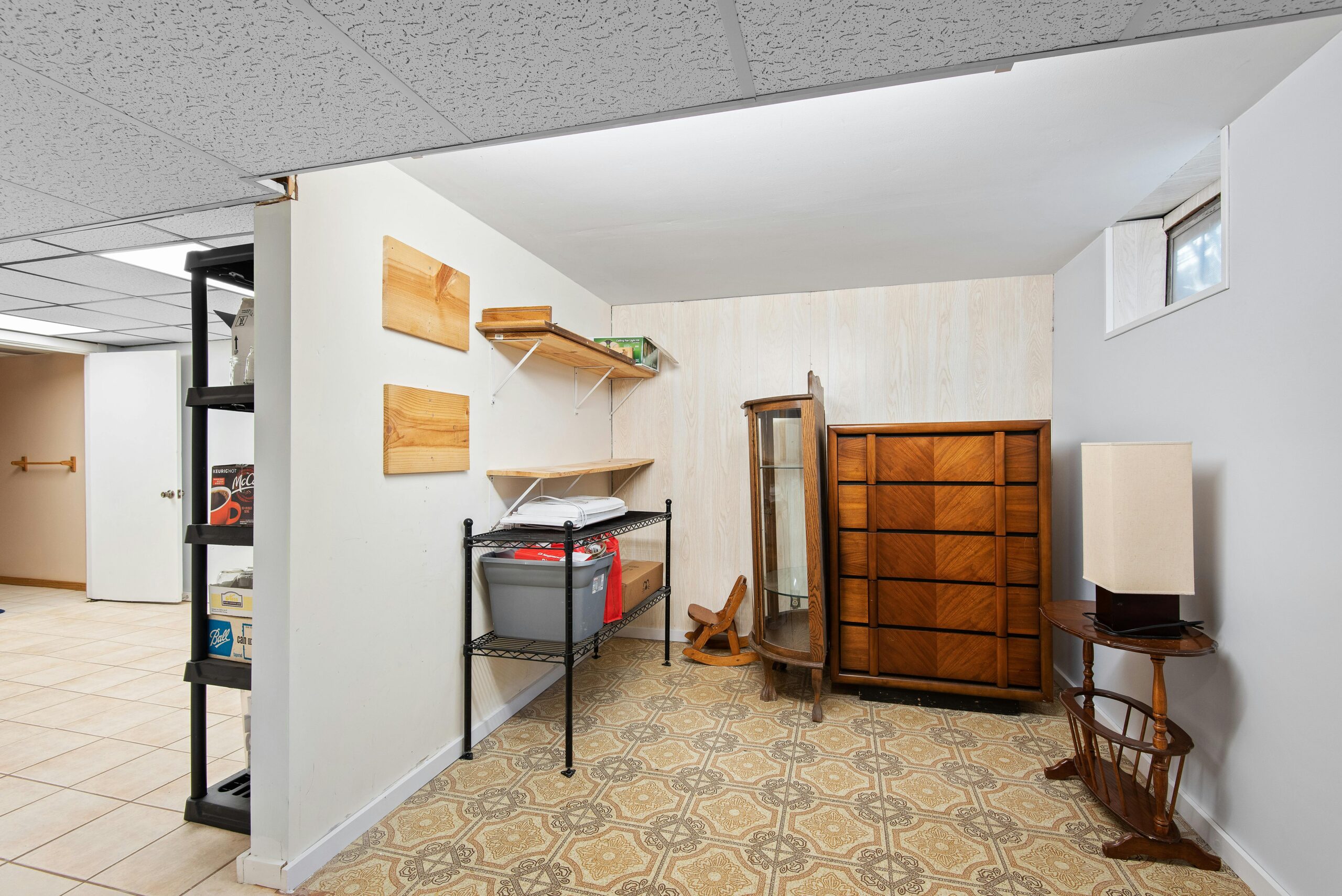
If your current layout feels cramped or chaotic, you’re not stuck. Solutions can range from small adjustments to full renovations. For example, turning a lower level into a private suite is one smart way to give everyone their own corner. If you’re thinking along those lines, working with a basement remodeler can help you design something that’s functional, attractive, and tailored to your family’s needs.

These projects aren’t about fancy finishes. They’re about flow, boundaries, and comfort. A well-designed lower level might include a small kitchenette, full bathroom, and living area—giving someone the feel of a private apartment without needing to move out.

Privacy Isn’t Selfish—It’s Survival

Let’s be real. Even the most loving families need space. Grandma doesn’t want to hear your toddler’s morning tantrum. Your son probably doesn’t want his video call interrupted by your book club. That’s why good design for multi-generational homes includes clear physical separation.

One popular method is to create separate entrances. It gives older parents or adult children more independence. They can come and go without needing to tiptoe past a sleeping baby. Pocket doors, soundproof panels, and dedicated bathrooms are also great for reducing friction.

Think about scheduling, too. Are there enough bathrooms for the morning rush? Can someone shower without waking up the whole house? These little stressors add up. Design isn’t just about pretty colors. It’s about making daily life easier to live.

Shared Kitchens Without Collisions

Now let’s talk about the busiest room in the house: the kitchen. In multi-generational households, the kitchen is where everyone eventually crosses paths. That’s fine—unless you’re all trying to cook at once.

To make a shared kitchen work, focus on zones. Set up separate food storage areas. If you can, add a second fridge or even a small kitchenette in another part of the home. That way, people can prep or snack without waiting in line.

Islands with multiple seating options help, too. Some folks like to chat while others cook. Others just want to eat in peace. Offering different ways to use the space keeps things flexible.

And don’t forget lighting. Good overhead lights and task lighting reduce strain and help people of all ages move around safely. Consider non-slip floors as well—stylish ones exist, we promise.

Multipurpose Living Areas That Work for All Ages

When designing for more people, flexibility is key. A single room might need to host a toddler during the day and a Zoom meeting at night. Choose furniture that can shift or store easily. Sectionals with hidden storage, fold-out tables, and stackable chairs all come in handy.

Media zones are another big deal. If one group wants to watch the news while another plays video games, it helps to have separate viewing areas. Don’t rely on one central TV to satisfy everyone. You’ll just end up arguing over the remote.

Keep noise control in mind, too. Rugs, curtains, and soft furniture help absorb sound. You’re not turning your home into a recording studio—you’re just making it more livable.

Bathrooms Designed for Comfort and Access

Bathrooms can be a pain point if not set up right. For multi-generational homes, you’ll want a mix of accessibility and function. Walk-in showers with grab bars serve older adults, while lower counters and step stools help young kids.

Storage is key. Give everyone a designated space for toiletries. This isn’t just about neatness—it’s about respect. Nobody likes digging through someone else’s floss and face cream to find their razor.

If you’re short on bathrooms, consider adding a powder room or expanding an existing half-bath. Even one more toilet can save you from daily family drama.

Outdoor Space: The Overlooked Hero

Let’s not forget the outside. Yards, decks, and patios are often underused. But they can be game changers for large households. A small garden can become a calming retreat. A covered patio offers space for grandparents to sit while kids play.

Outdoor zones can also double as work or study areas during good weather. Add some shade, plug-ins, and strong Wi-Fi, and you’ve got a makeshift office. Fresh air helps with mood and productivity. It also gives people a place to go when they need a break—from each other.

And yes, invest in comfy outdoor furniture. If it’s not comfortable, no one will use it.

The Emotional Side of Shared Living

Good design helps people live better together. But design alone can’t fix every problem. Multi-generational living works best when paired with mutual respect and clear expectations.

Having separate spaces doesn’t mean building walls emotionally. It means giving each other room to breathe, so the time spent together can be enjoyable—not just forced proximity.

Talk openly about needs. Ask what makes people feel comfortable, heard, and safe. Then use that input to guide your decisions. You’re not just designing a space. You’re shaping the daily lives of people you care about.

Building with Intention

Multi-generational living isn’t a trend. It’s a return to something older and wiser—something that puts people first. But to make it work in today’s world, homes need to keep up. That means better layouts, smarter use of space, and choices that support comfort, privacy, and connection.

The good news? These changes aren’t about luxury. They’re about function. You don’t need a mansion to make it happen. You just need a plan—and maybe a few honest conversations.

So whether you’re adding a suite, updating your kitchen, or turning a forgotten space into something beautiful, remember: the goal is to live together without losing yourself. With thoughtful design, you can create a home where everyone feels welcome—and no one has to fight for the last seat at the table.

Collaboration with our brand partner.

How to Handle Financial Stress During Major Life Transitions

Major life transitions often bring financial challenges that can feel overwhelming. Facing a divorce, career change, or relocation often strains our financial resources and emotional wellbeing simultaneously. The stress that comes with money worries during these periods can make clear thinking and decision-making even more difficult.

Financial pressure during transitions like divorce creates a unique kind of stress. Bills continue to arrive while income and living situations may change dramatically. Many people find themselves navigating unfamiliar territory, perhaps managing household finances independently for the first time or adjusting to a significantly different budget. This uncertainty about the future can trigger anxiety that affects sleep, relationships, and overall health.

Learning effective ways to manage this specific type of stress is important for moving forward successfully. With thoughtful planning and the right support, it’s possible to move forward through these challenging waters and establish financial stability again. The path forward involves practical steps combined with emotional resilience.

The Hidden Financial Impact of Divorce and Separation

Divorce and separation bring financial challenges beyond legal fees. UK statistics show divorce costs range from £2,500 for simple cases to £30,000 for complex situations. The typical uncontested divorce costs around £14,500 including legal fees and lifestyle adjustments. Early consultation with a family law firm in Nottingham helps individuals understand these costs and prepare necessary budget changes.

Housing costs create major pressure after separation. Many families must maintain two homes on income that previously supported one household. This often drains savings or creates new debt. Tracking new expenses and having open conversations about shared housing costs brings clarity. Tools for projecting future housing expenses help families get ready for these changes.

Legal expenses increase if disputes reach court, though even amicable agreements have costs. These combine with practical expenses like moving, childcare, or support sessions. Keeping detailed records of all expenses brings clarity and supports future planning.

The emotional impact of financial stress deserves attention. Anxiety and sleep problems are common. Work performance may suffer due to distraction. Noticing warning signs like avoiding financial decisions helps prevent further problems.

Financial Self-Care Strategies During Family Transitions

Building an emergency fund becomes important during major life changes. Financial specialists recommend saving three to six months of essential expenses in an accessible account. This fund provides breathing room when income becomes unpredictable during separation. Creating this financial buffer is essential, which is why practical budgeting takes priority during times of change. Track all expenses for at least one month to understand your spending patterns. Then create a realistic budget focusing on essential needs like housing, utilities, food, and childcare. Apps and spreadsheets can reveal spending habits and identify possible savings areas.

Setting clear financial boundaries with former partners prevents ongoing stress. Written agreements outlining shared obligations remove assumptions and reduce future conflicts. Using digital payment methods creates accessible records for both parties when questions arise.

Professional financial advice proves helpful during challenging transitions. While some people manage independently, others benefit from expert guidance about settlements, obligations, and planning options.

Protecting Children’s Financial Wellbeing Through Transitions

Children need age-appropriate explanations about financial changes. For younger children, simple reassurances about meeting their basic needs provide security. Older children might understand budget adjustments, but should never carry adult financial worries.

Maintaining stability in children’s essential expenses requires planning. When possible, prioritise keeping children in their schools and continuing important activities that provide emotional support. Small sacrifices in other budget areas often preserve this stability. Planning ahead helps manage financial stress from childcare costs.

Clear communication about shared financial responsibilities for children is essential. Detailed parenting plans should specify who pays for what, including everyday expenses, medical costs, and activities. Nottingham divorce lawyers can create legally binding agreements that protect children’s financial interests.

Planning for future educational expenses requires extra attention after family changes. Parents should document how these costs will be divided, whether for university or vocational training. Setting up dedicated savings accounts with contributions from both parents helps keep educational goals on track despite family transitions.

Checklist: Financial Documents to Gather Before Meeting with Advisors

Before consulting with Nottingham family solicitors, gather key documents to improve advice quality. Collect recent bank statements, tax returns from the past three years, and pension information. Include mortgage details, insurance policies, credit card statements, and existing court orders. Having these documents ready is part of the pre-divorce checklist recommended by financial experts.

Also collect property valuations and vehicle registration documents if these assets form part of a settlement. For business owners, organise company records alongside investment account statements. Include accurate details about debts and loans, as missing information complicates negotiations.

Rebuilding Financial Confidence After Major Life Changes

Establishing an independent financial identity marks an important step after separation. This includes opening individual bank accounts, building personal credit history, and setting new financial goals. For those who previously shared financial responsibilities, this independence feels both challenging and rewarding.

Credit scores need special attention during life changes. Request credit reports from all three major bureaus to understand your current position. Then build or repair credit through responsible credit card use, timely bill payments, and debt reduction.

Recovery Timeline and Warning Signs

Financial recovery after divorce follows familiar patterns that help set realistic expectations. Most people experience three phases: initial adjustment lasting approximately 6 to 12 months, stabilisation taking 1 to 2 years, and long-term rebuilding extending beyond 2 years. This outlook prevents discouragement when recovery takes time.

Warning signs of financial anxiety include ongoing money worries disrupting sleep, avoiding financial tasks, or using spending as a coping mechanism. If these signs appear, seek support quickly. Local Citizens Advice offices in Nottingham or government services like MoneyHelper offer confidential help for debt, budgeting, and benefits. Taking note of signs of financial anxiety is important for getting help.

Creating a future-focused financial plan with achievable milestones provides motivation. Start with small goals like building an emergency fund or reducing specific debts. As successes accumulate, confidence grows, making larger goals like homeownership or retirement planning feel achievable again.

Collaborative post with our brand partner.

Sister Mary Scholastica’s life story has been captured by Joyce and Kevin Lilley in a biography -“You Raise Me Up” – which was launched to huge delight and excitement in Sunderland – launch review by Marion Taylor, North East Correspondent

On arrival this powerhouse of woman was there to greet us, full of enthusiasm, a smile to brighten any day and as always, a heart full of love for people and a strong affection and care for others, making us so welcome. As a crowd of approximately 100 gathered -dignitaries, fund raisers, anyone who had supported sister – were seated and the proceedings began.

The Mayoress Linda Scanlon opened the celebration event, next came the newly appointed Mayor Ehthesham Haque who thanked Sister for her tireless work in supporting local people.

Mayor Ehthesham Alderman Peter Wood Lynda Scanlon Mayoress Sister Mary Scholastica Alderman Mark Greenfield Former Tyne and Wear Lord Lieutenant Mrs Susan Whitfield

Next came the author, Kevin Lilley, who told us how the idea came about for a book and, how in 2022 “You raise me up” was no longer merely a vision. Sister Mary thoroughly enjoyed Kevin’s homage, laughing at his comments until… it was almost her turn. But let’s pause, and take a short look at the ways in which this remarkable woman has helped her beloved community, which is in fact, her adoptive home.

Sister Mary was born in Ireland, and it was at the tender age of 17 that she came to Sunderland to join the Convent of the Sisters of Mercy in order to live a life of service. And indeed, that is exactly what her life became as she worked amongst Sunderland’s wonderful and often needy community. Her work involved, amongst many other causes, the homeless, support for young people, respite care, and of course, the seafarers. Heavens, was there anything she wasn’t involved in? Well, no, the list goes on and on.

Mayor Ehthesham Sister Mary Scholastica

Ever modest, Sister Mary, beloved by so many, spent her launch celebrating and highlighting, not her life, but the efforts and generosity of so many people who helped and supported her over the years. Sister also took the opportunity to tell the mayor that more people need to be honoured, as ordinary folks are overlooked and do not get the recognition they deserve for the charitable work they do. (She never misses an opportunity to get her point across).

The list could have been much longer,’ she finally remarked, with her beautiful smile. Amongst those listening to Sister, were some of her family members, and for us, her friends, it was a humbling experience to be part of this auspicious occasion.

Columbia Community Association (Marion and Bob Taylor) along with Margaret Graham of Frost Magazine, felt privileged to be presented with a copy of the book which Margaret will be reviewing shortly. What a day, spent with fabulous people, lovely buffet and an amazing celebration of the one and only Sister Mary Scholastica “Angel of Mercy”. Raise me up will be published soon, at a cost of £20 and all proceedings will go the Seafarers Mission.

Meet Active Microscrub: Teoxane’s First Exfoliating Scrub

There is a new product on the block, Active Microscrub, the first exfoliating scrub from Teoxane. Designed to enhance your skin’s radiance by hydrating, strengthening the skin barrier, and gently removing dead skin cells.

Inspired by Teoxane’s ground-breaking dermal filler technology, Active Microscrub features the brand’s signature RHA resilient hyaluronic acid®, which is a cross linked form of hyaluronic acid, created through a patented process to deliver optimal hydration.

Active Microscrub (50ml, £42) is available at www.teoxane.co.uk.

  • A luxurious gel-to-milk texture
  • Exfoliating grains derived from volcanic glass, infused with mineral-rich ingredients
  • Papain enzyme, a natural polypeptide that promotes gentle exfoliation and speeds up cell turnover
  • Suitable even for sensitive skin — leaving it smooth, toned, and refreshed

Apply 2 to 3 times a week to clean, dry skin (avoiding the eye area). Leave on for 2–3 minutes, then rinse thoroughly with water.

Alcohol-Free White Wine. Just In Time For Summer!

I have a new favourite thing: luxury alcohol-free wine brand, Moderato

With brighter days ahead and summer socials well and truly on the horizon, Moderato (the award-winning French wine brand shaking up the alcohol-free scene) is here to answer all of our non-alcoholic needs.

With so many of us choosing a more mindful approach to drinking during the summer months, Moderato’s Cuvee Revolutionnaire White Wine lands in Majestic wine stores at just the right time. With <0.5% ABV and no compromise on taste, this white wine is fresh and crisp. What’s more, it tastes just like the real thing. A typical grape variety from Gascony, our colombard is responsible for our non-alcoholic white (<0.5%), which is highly aromatic and slightly acidic and a true representative of the region.

 So, whether you’re hosting a sun-soaked BBQ in the garden, picnicking in the park or simply enjoying golden hour with friends on the balcony, Moderato’s alcohol-free wine brings effortless elegance to the occasion – allowing you to make the most of your active summer social plans.  

Founders Sebastien and Fabien created Moderato, together with Oenologist Frédéric Brochet, to pioneer a new approach to alcohol-free wine. Just last year Moderato has collected a total of four medals from the globally recognised international Wine, Beer and Spirits Competition of Lyon, as well as the World Alcohol Free Awards. Moderato’s full range of award-winning alcohol-free wines is available to taste and buy at the Club Soda shop, bar and tasting room, online at joinclubsoda.com, with Moderato Cuvee Revolutionnaire Colombard, Moderato Cuvee Revolutionnaire Merlot-Tannat and Moderato Cuvee Revolutionnaire Rosé available at Majestic Wines.  

Moderato’s Cuvee Revolutionnaire white wine is available from Majestic wine.

Why not explore the rest of the Cuvee Revolutionnaire range (red, rośe and sparkling) at MajesticClub Soda or Wise Bartender?