The largest and longest-running writer development programme in England is now open for entries, deadline 6 February 2025. Founded and produced by New Writing North with support from Northumbria University and Arts Council England, the Northern Writers’ Awards are now in their 26th year. The awards cover a range of genres including poetry, fiction, narrative non-fiction, young adult, middle-grade fiction and short stories. The submission window for the awards varies but all winners will be announced in June 2025.
The Northern Writers’ Awards deliver crucial support for writers at an earlier stage than most literary awards, usually before an agent or publisher is involved. As such, they have an enviable track record for identifying some of the country’s best unpublished writing, providing a pipeline of new talent to the publishing and broadcast industries.
Will Mackie, Senior Programme Manager (Talent Development) and Programme Leader (MA in Publishing), said: “Launching the Northern Writers’ Awards is always a highlight of the year for New Writing North. We continue to build the reputation of this flagship programme and could not be more proud of the impact of our Awards.We identify talented writers, create opportunities and guide writers towards their individual goals. We act as a bridge between industry and the exceptional artistic talent in the North. This work is made possible through the support of our lead partners, Arts Council England, Northumbria University, Hachette Children’s Group, Channel 4 and a wide range of industry partners and individual donors. I am also grateful for the expertise of our amazing judges and the continued dedication of the highly skilled team at New Writing North.’
Judges for 2025 include the Scottish poet and essayist Kathleen Jamie for the Northern Writers’ Awards for Poetry and the Northern Debut Awards for Poetry.
Kathleen Jamie’s poetry collections include The Overhaul, which won the 2012 Costa Poetry Prize, and The Tree House, which won the Forward prize. From 2021-24, Kathleen served as Scotland’s Makar, or National Poet.
The novelist and poet Kit Fan and interdisciplinary artist Tice Cin will judge the Northern Writers’ Awards for Fiction and Narrative Non-Fiction, the Northern Debut Awards for Fiction and Narrative Non-Fiction and the Northumbria Student and Alumni Award. Tice Cin is a music journalist, DJ, music producer, filmmaker, and author of Keeping the House, named as one of the Guardian’s Best Books of 2021. Kit Fan’s first novel is Diamond Hill, and his poetry collection The Ink Cloud Reader was shortlisted for the Forward Prize and T.S. Eliot Prize.
Agent Sandra Sawicka has been announced as a judge of the Northern Debut Award for Young Adult Fiction and the Young Northern Writers’ Awards. Sandra joined the Marjacq literary agency in 2014, with an interest is genre fiction, including horror, gothic, crime, and Young Adult fiction.
Just a reminder that the Hachette Children’s Novel Awards, for debut writers of middle-grade children’s fiction and early teen fiction, is already open for entries. Submission deadline is 13 January 2025, with two winners receiving £3000 cash prize and a programme of mentoring opportunities within Hachette Children’s Group and New Writing North.
The full suite of awards is made possible by a range of vital partnerships with Arvon, Bonafide Films, Channel 4, Hachette Children’s Group, Rollem Productions, Red Production Company, The Literary Consultancy, Newcastle University, The North Literary Agency, Oneworld Publications, The Society of Authors, ALCS, the Michael Marks Charitable Trust as well as generous donations from individual donors including the Hale family, Andrew McMillan and Benjamin Myers.
Further award categories open in February 2025, including the Tempest Prize for LGBTQ+ writers based in the North, The Finchale Award for Short Fiction, the Arvon Award, the Northern Promise TLC Read Awards and the Sid Chaplin Award for writers from working-class backgrounds.
Christmas is almost here and if you are anything like me you hate shopping. Don’t panic, Frost is here to help. We will have the perfect gift in our pages. You just sit back and scroll.
Anything from L’Occitane. L’OCCITANE Christmas Gift Guide 2024
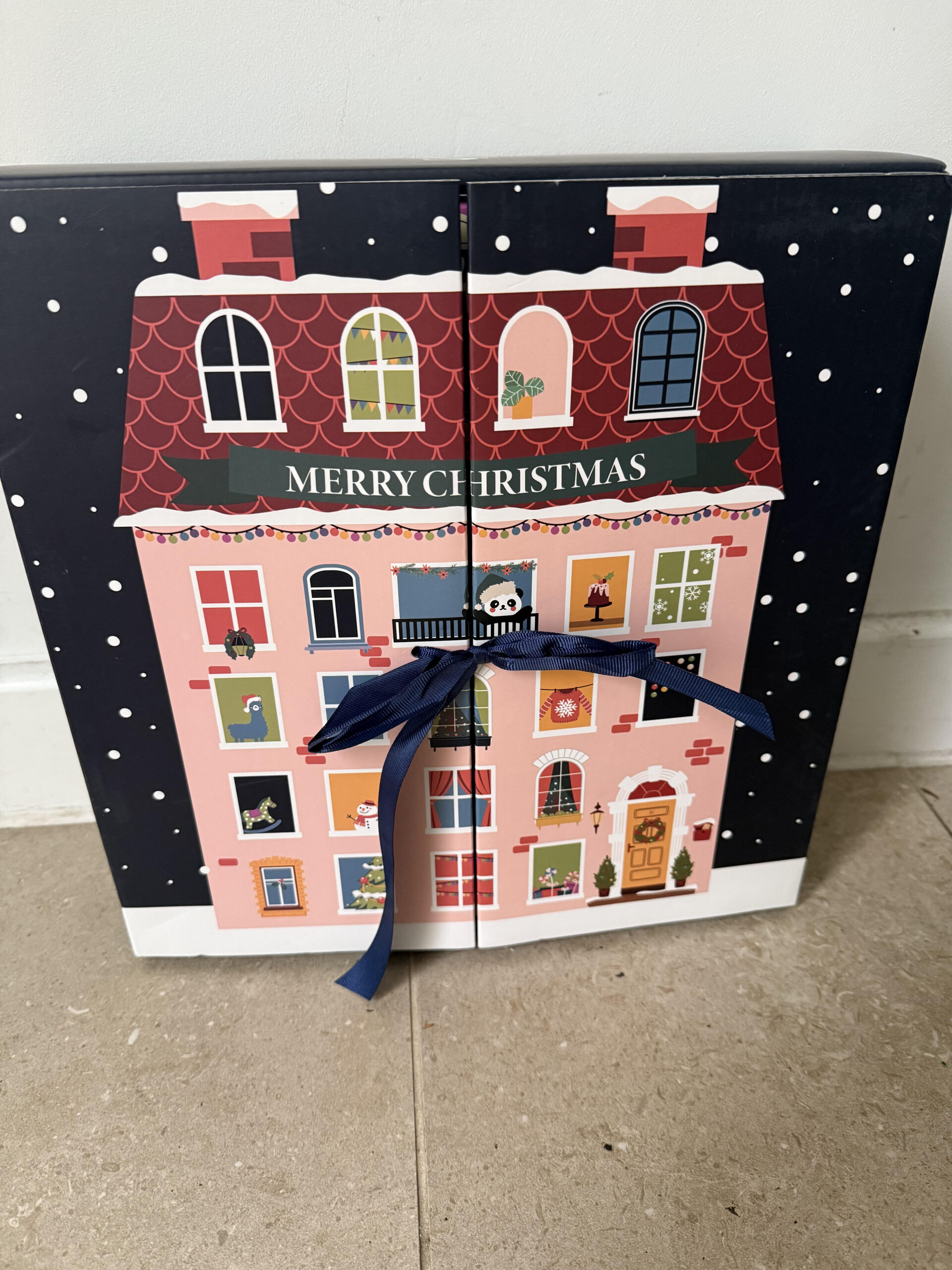
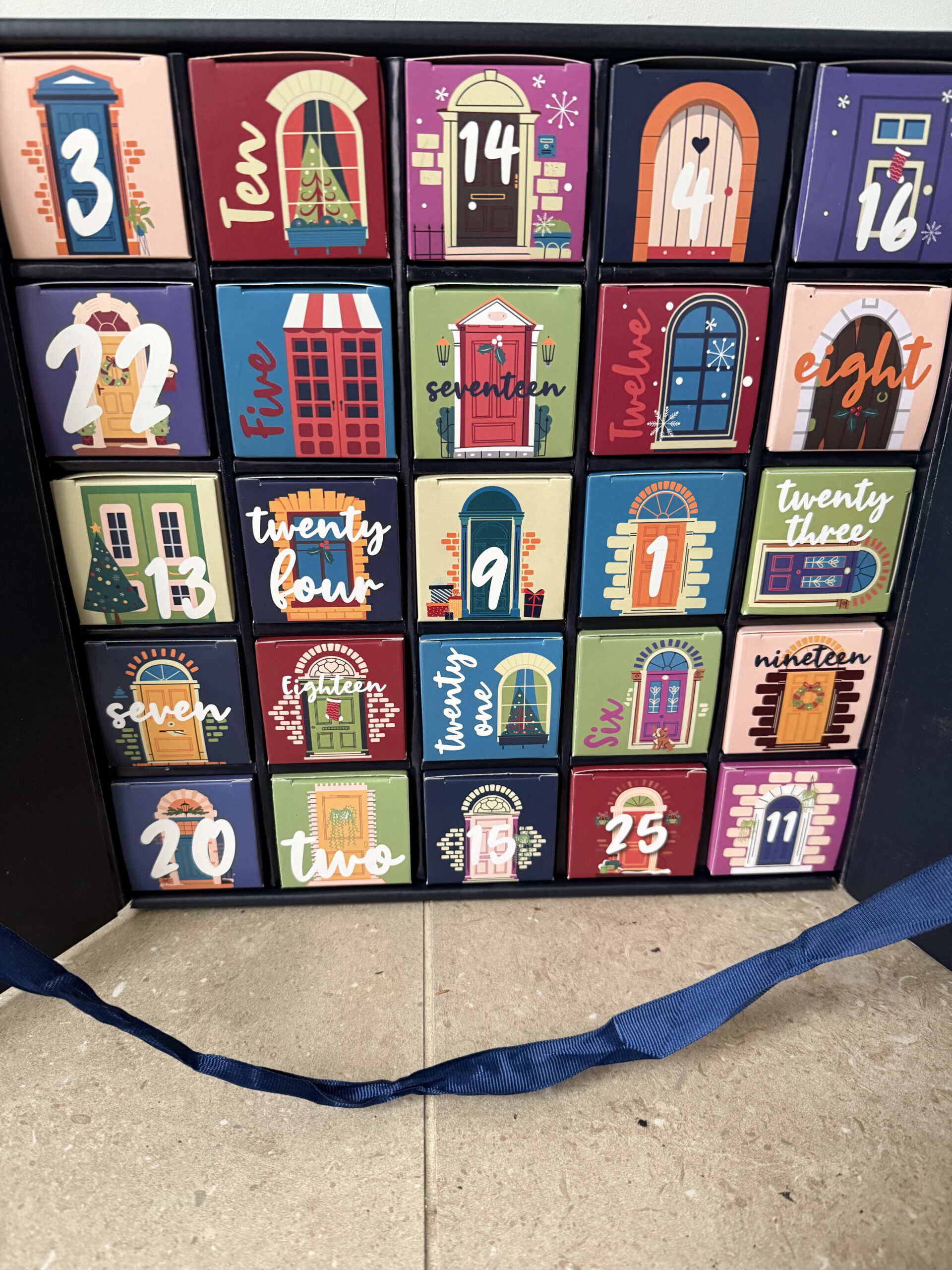
Advent Calendar.
The Best of L’Occitane. An absolute gorgeous set of the best L’Occitane has to offer.
Le Grand Voyage. A perfect gift with the best skincare. Wow-worthy.
Shea Butter Body Care Collection. I love shea butter and this gift set from L’Occitane is one of the best.
For stuffing stockings. This luxury, independent, cosmetics brand, Doll Smash is gorgeous and such high quality. I love the stylish packaging and the palette leaves you spoiled for choice.
Then luxury, independent, cosmetics brand, Doll Smash have a huge range of giftable goodies. The Expressionism Eyeshadow Palette £42, that features twelve carefully curated and highly pigmented colours with 6 matte and 6 metallic shades is an essential. Secondly is the luxurious and ultra-glossy Crystal Glow Lip Oil £22- enriched with jojoba oil and vitamins to keep lips smooth and moisturized throughout the day, this non-sticky, fragrance free, lightweight, vegan oil is available in four delicious shades and is ideal for stuffing stockings. Frost Loves.
The Perfect Bra: Bravado Designs | Everyday collection | From RRP: £28.00 | Stockist: Bravado Designs
These are so comfortable and I usually hate bras. I actually bought another one after reviewing them.
Give the gift of comfort this Christmas, thanks to Bravado Designs Everyday lingerie collection. With an extensive range of sustainable options made from the softest eco-conscious quality fabrics, Bravado continues to offer comfort with a conscience. Known for their maternity & nursing bras, the lingerie experts support women from pregnancy, through to breastfeeding and beyond. The latest launches include the Balconette bra, offering a feminine and flattering sweetheart neckline, designed to lift from below the breast to accentuate a shapely silhouette. And the Sculpt, a best-selling design for a good reason, the bra will truly elevate the wearers day in more ways than one –seamless, wire-free and engineered beautifully.
Smart Toys & Games | IQ Gears | RRP: £12.99 | Stockist: SmartToys&Games
This is a brilliant gift for kids and adults. We have already had hours of fun with it and there is a lot of levels you can do. Love it.
Get those brains geared-up this Christmas with the award-winning compact IQ Gears! With up to 120 challenges, players 7+ must fit all the gears on the gameboard to make the cogs rotate!
The Puppet Company | ECO Sockettes | RRP: £19.99 | Stockist: The Puppet Company
These hand puppets are beautifully made and children love them. A great way to entertain.
For the big kids of the family, these fabulous, fun, knitted Sockette puppets with a squeaker in the tongue, are sure to get the conversation started around the Christmas dinner table! Designed to be both eye-catching and highly functional, these easy-to-use creations work well alone and look even more striking when used with some of their other Sockette friends! With larger than life characters, they are full of mischief with friendly faces and big mouths. Making a really unique gift, they are now made from recycled materials and embroidered eyes, with no plastic in sight.
Advent Calendar From Sockshop. Finding matching socks in the morning is always a pain. This advent calendar is joy encapsulated. Brilliant, comfortable socks which are high quality, along with a little fun everyday.
SOCKSHOP Advent Calendars Available for men & women
Priced at £59.99 with 10% of sales going to their partner charity Emmaus
Perfect Books For Children
The Story Orchestra. A Midsummer Night’s Dream. A sound book which is a retelling of Shakespeare’s Classic. As fun as it is entertaining. I love this series and I have a few others in the collection now. Everything about this is perfect, from the illustration to the story.
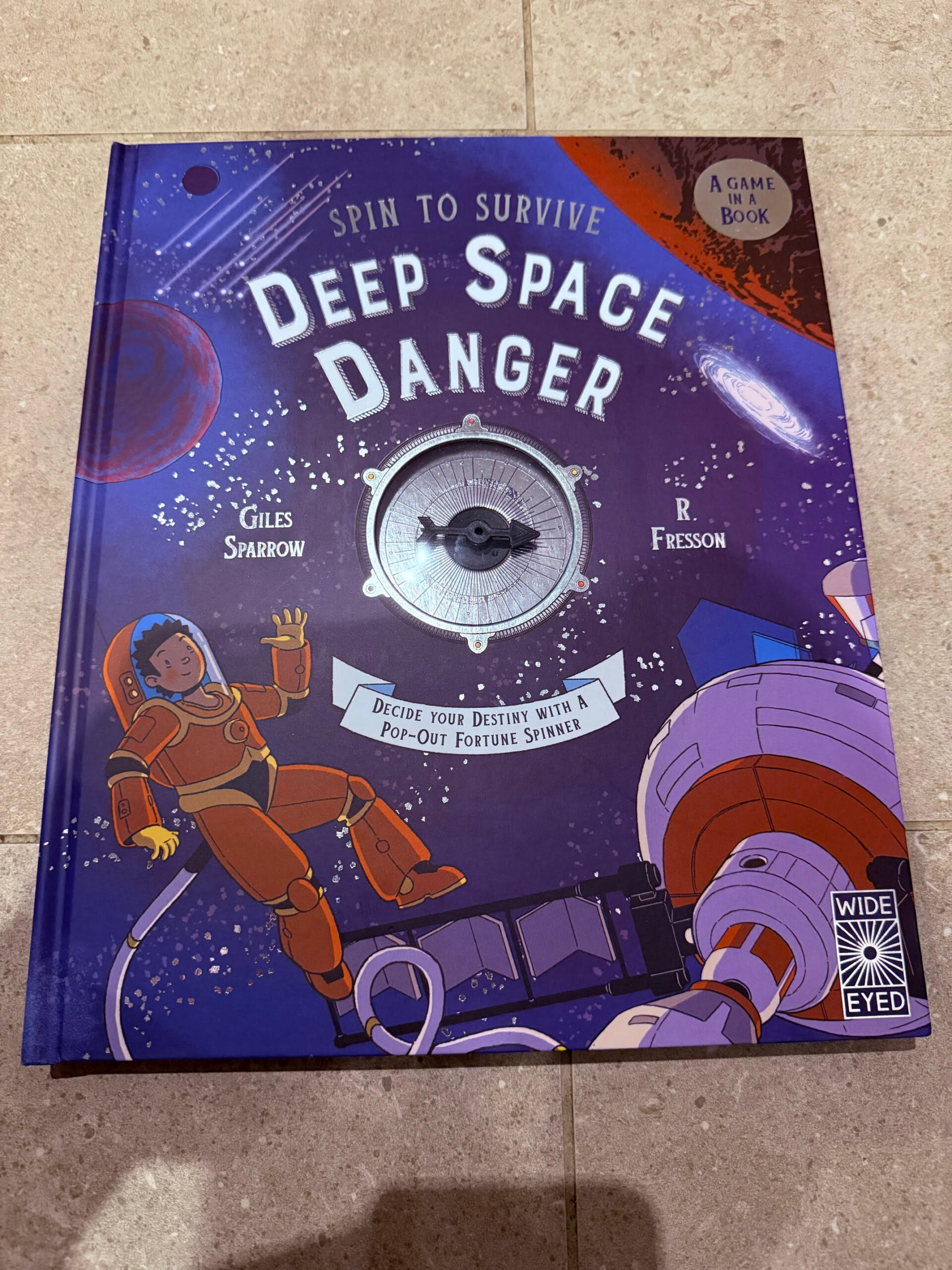
Spin To Survive Deep Space Danger. A game-in-a-book where you survive on a space ship heading for disaster. It’s thrilling and perfect for family fun this Christmas.
Enter The World of Dinosaurs. Immersive 3D Viewer. See dinosaurs in 3D with this immersive 3D viewer. It has 30 dinosaur cards with facts and observational dinosaur games.
12 Days of SkinCycles Advent Calendar
Another gorgeous beauty advent calendar. The products are premium and full-size. This exclusive 12 Days of SkinCycles Advent Calendar – a curated selection of best-selling products in full sizes, is perfect for anyone who wants to experience the full range of clinical-grade skincare. It’s a luxurious way to count down to Christmas while treating the skin to scientifically backed, rejuvenating skincare. The advent calendar will be available for pre-order by November 1st.
With sustainability and ethics at the core of SkinCycles. Products are PETA-approved and coral reef-safe. They were also awarded the Butterfly Mark for r dedication to ethical beauty practices.
SkinCycles, a cosmeceutical skincare brand that merges advanced dermatology treatments with the luxury of at-home skincare – perfect for Christmas gifting!
The Perfect Gift for Film Fans. The official DC Cinematic book has landed, DC Cinematic Universe, published by DK books. Comprehensive and a great read.
See how DC’s characters, locations, costumes, and weapons have been adapted from page to screen and evolved over the decades. Witness some of the world’s finest actors, such as Academy-Award winners Marlon Brando, Jack Nicholson, Christian Bale, Nicole Kidman, Joaquin Phoenix, Viola Davis, and others transform into the Super Heroes, Super-Villains, and supporting cast for their times.
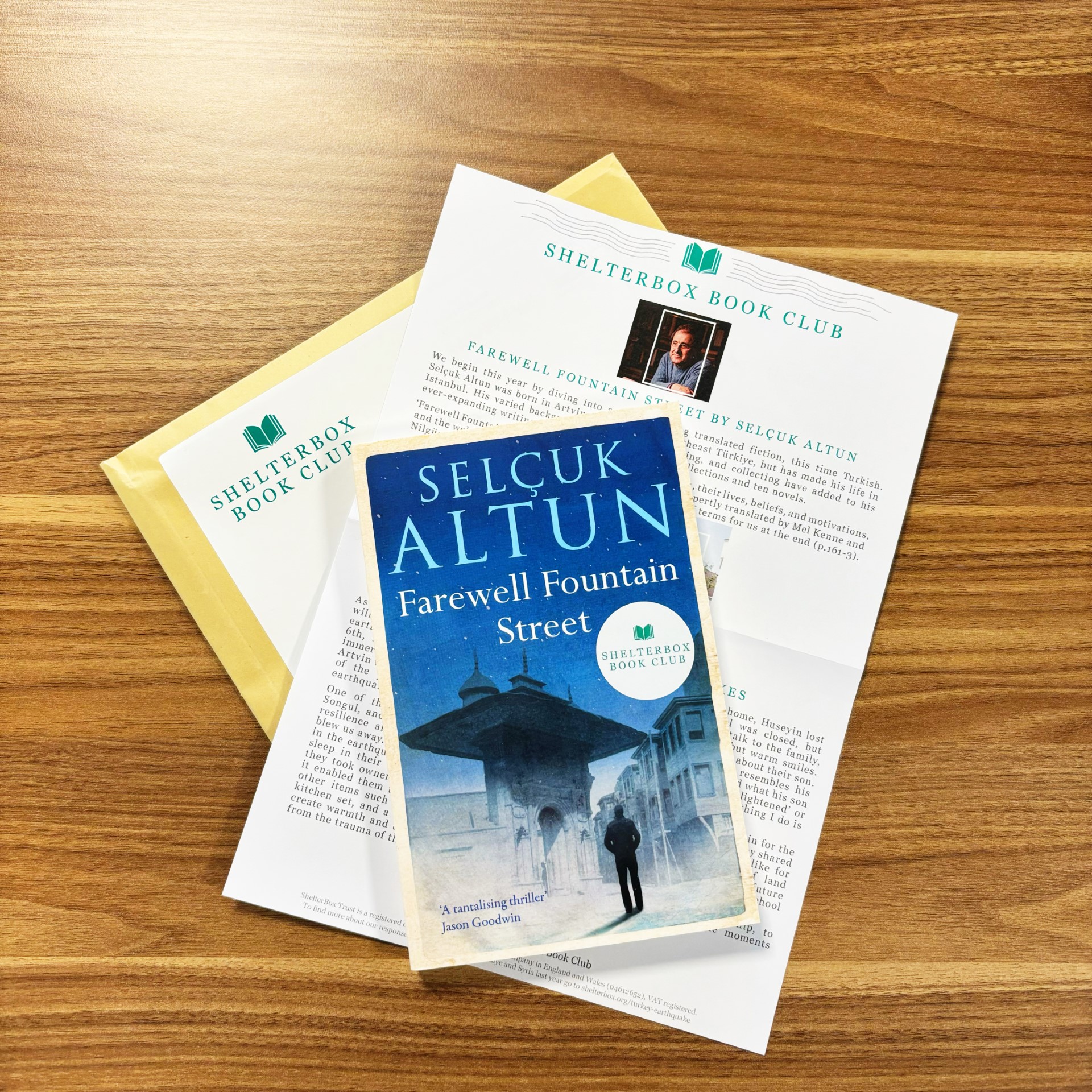
ShelterBox Book Club
A charity book subscription service with a difference. Every six weeks our 2,000+ members receive a physical book in the post and access to exclusive online events like live Q&As with the authors and discussions with the other members.
It’s no ordinary book club. It’s a community of book worms, passionate about books and ShelterBox’s vision: No one left without shelter after disaster.
A UK based international disaster relief charity that supports people with emergency shelter, and basic items like solar lights, blankets and mosquito nets, when disaster or conflict has torn them from their homes.
The ShelterBox Book Club has been running for 6 years and since then over 90,000 books have been read and nearly £1.5 million has been raised.
It’s a perfect Christmas gift for a book lover. Every 6 weeks members vote their favourite choice from a specially selected shortlist reflecting the countries and cultures ShelterBox has worked in. The book with the most votes is the one that’s posted out to everyone to read.
Processed with VSCO with a6 preset
Noughty’s 2024 Christmas Gift Shop – Perfect Haircare Gifts for Everyone. Haircare is so mood-boosting and these products are brilliant.
Noughty’s 2024 Christmas Gift Shop, a festive selection of natural, sulphate-free, and vegan-friendly haircare bundles perfect for gifting this season. With products designed for every hair type and concern, cruelty-free gift sets are ideal for Christmas. I loved the Sensitive Scalp Starter Bundle: £22.49 – Instant relief from itching and dryness, fragrance-free and ideal for eczema-prone scalps.
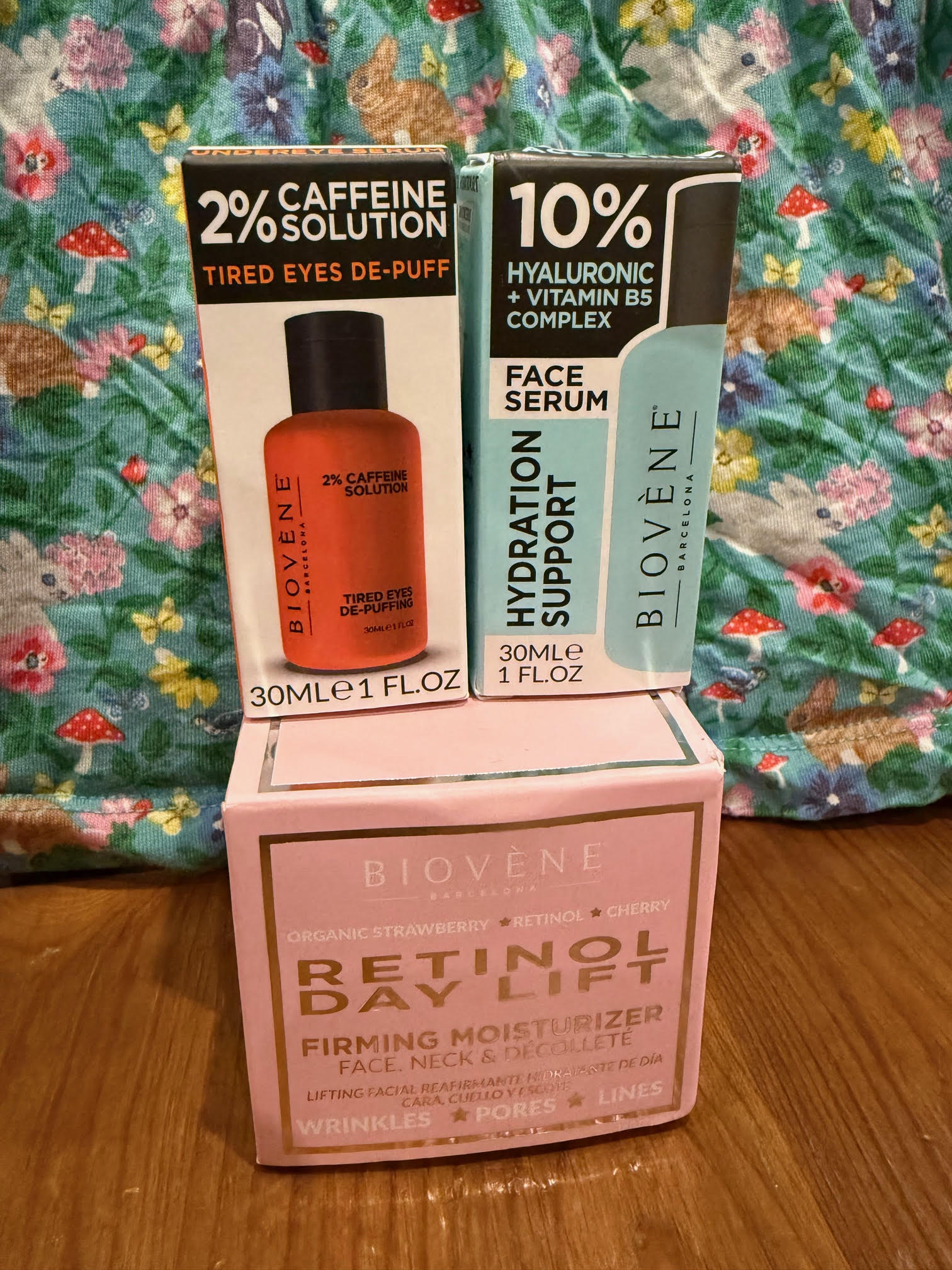
Biovene Barcleona – Great Products and Clean Beauty.
Biovene Barcelona has now launched at Morissons. These make great gifts, and stocking stuffers or add-ons for Christmas!
Biovène Barcelona is a multi-award-winning, socially conscious, brand, which promotes ‘Clean’ Beauty; and where transparency is found in the formulations of products without Sulfates, SLS, SLES, parabens, formaldehyde, phthalates, mineral oil, microplastics, oxybenzone, hydroquinone, Triclosan, Triclocarban and less than 1% of synthetic fragrances. The brand does not test on animals and strives to provide product options that are either vegetarian or vegan.
Born in Barcelona, Spain, the brand embraces diversity in gender identity and culture, as it does in its world-renowned inclusive city. Spanning all over the globe, from Europe to the Middle East & America, Biovène Barcelona innovates prestigious products defined as ‘premium’ but accessible and believes beauty should be fair it of religion, ethnicity, or any part of life- it should not be limited the access to life and beauty.
The brand instils confidence and establishes itself as a trusted name by assuring consumers that products are made with integrity and free from harmful ingredients. Available from Morrisons.
We’re hurtling towards Christmas at a rate of knots, and I for one cannot wait. That said, there is much to do before I can relax, which is why I was so delighted to discover Somrus Coffee, a rum based cream liqueur.
Perfect as a gift, the bottle is covered in a stylish Christmassy, indented gold jacket which will not only stand out in the drinks’ cabinet, but as the standout present beneath the Christmas tree.
Certain scents and tastes immediately bring Christmas to mind, and in this respect Somrus Coffee does not disappoint, I will certainly be using it in some Christmas cocktails such as the one’s below, and poured over vanilla ice cream for a no effort Christmas dessert, Looking for words to describe the taste, I found myself instinctively smacking my lips (it helps me think – at least that is what I tell my wife.) Served over ice Somrus coffee is a smooth well balanced well gentle hit of alcohol and yes, lip smacking, with a subtle taste of coffee coming through.
SOMRUS Coffee Cream is part of the SOMRUS range of creams inspired by India and made for the world.’ SOMRUS has three flavours in the range; Mango, Coffee and Chai and has become the world’s most awarded cream since its launch in 2014. SOMRUS is new to the UK, having been a best-selling cream in the US and Global Travel Retail for many years and is marketed as a next-generation rum cream. SOMRUS Creams have a premium rum base, low viscosity, low alcohol by volume (ABV), no preservatives, no artificial flavours and are gluten free. SOMRUS Creams are made in the US with fresh Dairy Cream and 5 x distilled rum.
Somrus Irish Coffee: 1 part Irish Whiskey | 2 parts SOMRUS coffee | 4 parts freshly brewed coffee | Whipped cream – Combine the ingredients in a mug. Garnish with whipped cream.
Somrus Peppermint Mocha: 3 parts SOMRUS Coffee Cream | 2 parts Creme De Cacao | 1 part Peppermint Schnapps | Crushed candy cane | Syrup
Dip the rim of your glass in syrup and roll in crushed candy canes. Combine in a shaker with ice, shake then strain into your prepared cocktail glass and enjoy!
SOMRUS Cream Café Mocha: 1 part SOMRUS Coffee Cream | 3 parts hot chocolate
Combine the ingredients in a mug. Garnish with whipped cream and grated chocolate.
Somrus Coffee Cream Liqueur is definitely at the top of my Christmas list this year.
ABV: 15% for a 70cl bottle | RRP from £19.99. Available to purchase from Amazon and Master of Malt.
I finished reading The Commuter in a day. I raced through it. It’s a brilliant domestic thriller which had me hooked from the very first page. Here’s my interview with Emma.
The Commuter is your seventh novel. How does that feel? It’s a huge achievement.
It feels like a huge achievement! I started writing, submitting and getting rejections when I was in my late twenties, found an agent in my late forties and published my debut when I was fifty, so I definitely put the work in. I still sometimes pinch myself.
Does the writing get easier?
I think the writing does, the editing doesn’t. It’s a long hard slog full of dead ends, frustrations and moments when I want to run away from it all. But when it’s finally signed off the satisfaction is huge. Writing the first draft is such a pleasure. If only the first draft was the last!
Where did the idea for come from?
I’ve lived in London and used the tube all my life and I’ve always enjoyed the free newspapers. The Rush Hour Crush feature in the Metro is so intriguing. When I was a teenager I used to look for Mr Darcys, now I scan faces and wonder what I’d write if I fancied someone. No one so far! It seemed like there could be a thriller in there somewhere.
What is your writing routine?
I get up early, ideally around 6am, have breakfast and start work. Then I work fairly solidly until twelve, have lunch and go for a long walk to mull over what I’ve done and set up the next chapter for the next morning. I like routine and deadlines and I’m not very flexible. But it gets things done.
Do you have a favourite novel that you have written?
Yes, my favourite is Keep Her Quiet which came out in 2020. One of the protagonists is an arrogant male author. I loved writing him!
What books have you read recently that you loved?
The Paper Palace by Miranda Cowley-Heller. I recommend it to anyone who asks me what to read next.
Do you have any favourite authors?
Loads! JP Delaney for quirky concept thrillers. Stephen King for lessons in story-telling. Celeste Ng is fantastic for family based noir. Robert Galbraith because I adore Cormoran Strike and need to know what happens between him and Robin. I like American literature too. AM Homes is a favourite. I wish Chimamanda Ngozi Adichie would publish another novel!
How did you get published?
Since it took me such a long time, that is a very good question. I had given up for a few years, then my oldest child went off to University and I felt like I had to have another go. I wrote two novels, both rejected, then started writing short stories and entering them in online competitions. These did well. I had about a 25% hit rate of first, second and third prizes and those gave me credibility in the eyes of agents. I needed that because I had zero connection to the publishing industry. I turned one of the prize winning stories into a novel and this time, instead of sending it out to a handful of agents, getting rejections and losing heart, I sent it to thirty within three weeks so that I wouldn’t give up at the first No Thanks. That worked. I had twenty-six rejections, four requests for the full manuscript and an offer. One of the best days of my life. My agent at the time, Victoria Hobbs at AM Heath, secured a deal with Transworld.
What advice would you give other writers?
Mark out your time, even if it’s only half an hour a day. Stick to a routine and write even if you don’t feel like it.
Learn to properly critique and edit your own work before you give it to anyone else – I did a course on this and it was invaluable (Jericho Writers).
Don’t give your MS to friends and family to read and comment on. It puts them in a difficult position. Instead, if you’re serious start saving up for a professional critique from a reputable company like Cornerstones, Jericho Writers or The Novelry. But don’t send them anything until you’ve gone the extra mile. (see learn to critique and edit your own work!)
Also, interrogate your ego. It could be getting between you and representation. There’s the ego that will organise a professional edit but not take the advice because it doesn’t agree. There’s the ego that has that one precious pearl of a book and can’t move on from it despite repeated rejections. There’s the ego which will only write ‘what I want to write’, and won’t look for the space where what it wants to write dovetails with what people want to read.
What’s next for you?
Next is a thriller about the devastating aftermath of a lie told by an angry and embarrassed teenage girl. That’s coming out in October 2025 and I’ve just sent a draft to my agent to take a look at before it goes to my editor. I have everything crossed! I heard today that she’s read a third of it and loves it. Hopefully the next two-thirds won’t change her mind.
In a world where the cost of living continues to climb, finding ways to save money has become more important than ever. In cities like Portland, where expenses are 19% higher than the national average, people might hesitate to spend a large amount of money. But when it comes to your home, the right investments can lead to long-term savings and increased value. These upgrades reduce monthly bills and, at the same time, make your home more sustainable and comfortable.
Let’s explore how spending smartly now can pay off significantly in the future.
1. Upgrade Your Insulation
Proper insulation is the backbone of an energy-efficient home. Poorly insulated walls and attics allow heat and cold to escape, forcing your HVAC system to work overtime. Investing in high-quality insulation ensures that your home stays comfortable year-round while lowering energy bills. Consider eco-friendly options like spray foam or cellulose insulation for maximum efficiency and minimal environmental impact.
A trusted HVAC Lakeland specialist can evaluate your insulation needs and recommend soulutions that boost enrey efficiency and reduce utility costs. High-performance insulation reduces heat transfer, creating a more consistent indoor temperature no matter the season. It also lessens your dependency on heating and cooling systems, ultimately decreasing wear and tear on these appliances.
2. Focus on Your Home’s Siding
Upgrading your siding is a game changer for both energy efficiency and curb appeal. Modern siding materials, such as fiber cement or insulated vinyl, provide better thermal performance, helping to maintain indoor temperatures and reduce heating and cooling costs. Moreover, high-quality siding gives your home a refreshed appearance, complementing Portland’s charming aesthetics. Consulting a professional Portland siding contractor is essential to ensure the job is done correctly and efficiently.
Upgraded siding also protects your home from weather damage, reducing maintenance costs over time. Professionals can recommend materials best suited for your area and ensure proper installation, preventing future issues like moisture intrusion or drafts. Though it’s a substantial investment, the combined benefits of energy savings and enhanced curb appeal make it an excellent long-term decision.
3. Install Energy-Efficient Windows
Old or single-pane windows are often ignored culprits of heat loss. Replacing them with double or triple-pane energy-efficient windows prevents drafts and improves insulation. Look for windows with low-emissivity (Low-E) coatings and tight seals. Though the initial investment may seem steep, the reduction in heating and cooling costs will quickly balance the expense.
Energy-efficient windows also offer noise reduction and increased UV protection for your interiors, preserving furniture and flooring. These windows add to your home’s value and can greatly enhance comfort levels by eliminating cold drafts in winter or excessive heat in summer.
4. Switch to LED Lighting
Lighting accounts for a substantial portion of a home’s energy use. By replacing incandescent bulbs with LED alternatives, you can reduce your energy consumption by up to 75%. LEDs also last much longer, meaning fewer replacements and less waste. This simple upgrade has one of the fastest returns on investment.
Modern LED bulbs come in various designs and brightness levels, making it easy to find an option that suits your home’s aesthetic. Moreover, smart LED bulbs can be controlled remotely or programmed for schedules, providing extra convenience and energy efficiency.
5. Add a Smart Thermostat
Smart thermostats, such as Nest or Ecobee, let you control your home’s temperature remotely and adapt to your routine over time. These devices optimize heating and cooling schedules, ensuring you only use energy when needed. The result is not only lower energy bills but also a more comfortable living space tailored to your preferences.
With advanced features like motion sensors, these thermostats can adjust temperatures automatically when rooms are unoccupied. They also provide detailed energy reports, helping you identify areas for further savings. The initial cost is quickly recouped through the reduced energy usage they facilitate.
6. Opt for Solar Panels
Solar energy is one of the most sustainable ways to power your home. While it’s true that solar panels require a major chunk of your budget, many states offer tax incentives and rebates to make it more affordable. Over time, generating your own electricity reduces your dependence on the grid and can even earn you credits for excess energy.
Solar panels also contribute to reducing your carbon footprint. Advances in solar technology have improved efficiency and durability, ensuring your system delivers value for decades.
7. Upgrade Your Water Heater
Traditional water heaters often waste energy by constantly heating water. Switching to a tankless water heater or a high-efficiency model ensures you use only what you need when you need it. These systems also take up less space and have a longer lifespan, adding to their overall value.
Tankless water heaters heat water on demand, eliminating standby energy losses. High-efficiency models are often eligible for rebates, further offsetting initial costs. The result is reduced water heating bills and an endless supply of hot water tailored to your household’s needs.
8. Seal Air Leaks
Air leaks around windows, doors, and ductwork can lead to significant energy loss. Simple solutions like weatherstripping, caulking, or adding door sweeps can drastically improve your home’s energy efficiency. These small fixes are inexpensive and easy to implement but offer noticeable savings over time.
Sealing air leaks also improves indoor air quality by keeping out pollutants and allergens. When paired with proper ventilation, this upgrade ensures a healthier living environment while reducing energy consumption.
9. Install Low-Flow Fixtures
Reducing water usage is just as important as cutting down energy consumption. Installing low-flow faucets, showerheads, and toilets reduces water bills without sacrificing performance. Many modern fixtures are designed to maintain high pressure while using less water, making them a practical and cost-effective upgrade.
Low-flow fixtures also help conserve water resources, a critical consideration in areas facing water shortages. With sleek and modern designs available, these fixtures blend functionality with style, enhancing both savings and aesthetics.
10. Improve Your Landscaping
Strategic landscaping can help lower energy bills by providing natural insulation. Planting shade trees around your home reduces heat in the summer, while evergreen shrubs act as windbreaks in the winter. Native plants also require less water and maintenance, saving money on irrigation and gardening.
Thoughtful landscaping doesn’t just reduce energy costs; it also boosts property value. Incorporating permeable paving and rain gardens can manage stormwater effectively, further enhancing environmental benefits. Investing in professional landscaping ensures a design that complements your home while maximizing energy savings.
Saving money doesn’t always mean cutting corners; sometimes, it means making smart investments. Each of these home upgrades not only reduces your monthly bills but also increases the value and comfort of your home. While the initial costs may feel overwhelming, the long-term benefits far outweigh the expenses. By thinking ahead and taking proactive steps, you can achieve a home that’s both economical and sustainable.
Have you ever wondered if your home is truly built to handle life’s challenges? From harsh weather to everyday wear and tear, a strong and safe home is essential for peace of mind. Renovations aren’t just about improving how a house looks—they’re also about making it more secure and durable for the future.
Whether you’re considering small upgrades or major changes, investing in your home’s strength and safety is always worth it. With the right renovations, you can create a space that protects your family and stands the test of time.
In this blog, we will share renovation ideas that enhance your home’s safety and durability while boosting its value.
Strengthening Your Roof
The roof is one of the most important parts of any home. A strong roof protects against rain, wind, and snow while keeping the interior comfortable. If your roof is old or showing signs of damage, it’s time to consider an upgrade.
Working with a trusted roof replacement company can help you address issues like leaks, missing shingles, or structural problems. Professional roofers can recommend materials that are durable and suited to your local climate. A roof replacement not only strengthens your home but also adds to its overall value and appearance.
Upgrading Windows and Doors
Windows and doors play a big role in your home’s safety and energy efficiency. Old, drafty windows and weak doors can let in the elements and even compromise security. Upgrading to modern, energy-efficient models helps keep your home secure and reduces heating and cooling costs.
Consider windows with impact-resistant glass if you live in an area prone to storms. For doors, choose sturdy materials like steel or fiberglass with secure locks. These upgrades create a safer environment and make your home more comfortable year-round.
Improving Foundation Stability
A strong foundation is critical for the safety and longevity of your home. Cracks in the foundation can lead to serious structural issues over time. If you notice cracks, uneven floors, or doors that don’t close properly, it’s worth consulting a professional to assess the problem.
Foundation repairs might involve sealing cracks, reinforcing walls, or installing drainage systems to prevent water damage. Strengthening your home’s foundation protects against future problems and adds long-term value.
Installing Modern HVAC Systems
An efficient HVAC system keeps your home comfortable while improving air quality. Outdated systems can struggle to maintain the right temperature and may use more energy than necessary. Upgrading to a modern system ensures better performance and can lower utility bills.
Consider adding air purifiers or humidity controls to improve indoor air quality further. A well-functioning HVAC system not only makes your home more comfortable but also contributes to a healthier living environment.
Adding Home Security Features
Home security is a key part of creating a safe living space. Modern security systems include features like smart locks, cameras, and motion sensors that you can control from your smartphone. These tools provide real-time updates and peace of mind.
If you prefer simpler options, installing outdoor lighting, deadbolts, or window bars can also enhance your home’s security. Combining these features makes it easier to protect your family and belongings.
Reinforcing Walls and Ceilings
Walls and ceilings can weaken over time due to water damage, pests, or aging materials. Reinforcing them with modern building materials makes your home more durable. This may include adding drywall, insulation, or waterproofing treatments.
For areas prone to earthquakes or extreme weather, retrofitting walls with braces or anchors can provide extra protection. These upgrades keep your home safe while improving its energy efficiency and comfort.
Installing Storm-Resistant Features
For homeowners in areas prone to hurricanes or tornadoes, storm-resistant upgrades are essential. Reinforced doors, storm shutters, and impact-resistant windows can help protect your home from high winds and flying debris.
You might also consider adding a storm shelter or safe room for added safety. These features provide peace of mind during severe weather and can be a valuable selling point if you decide to move.
Modernizing Plumbing and Electrical Systems
Outdated plumbing and electrical systems can pose safety risks and reduce your home’s efficiency. Old pipes may leak or burst, while outdated wiring can lead to electrical fires.
Updating these systems ensures that your home meets modern safety standards. Replace old pipes with durable materials like copper or PEX, and upgrade your electrical panel to handle today’s energy demands. These changes improve your home’s safety and functionality.
Including Fire Safety Features
Fire safety is an essential aspect of a stronger, safer home. Many homes lack modern fire prevention systems, which can increase risks in case of emergencies. Installing hardwired smoke detectors with battery backups is a critical upgrade that adds an extra layer of safety. These detectors are more reliable than battery-only models and can alert you to danger faster.
Adding fire extinguishers in key areas like the kitchen, garage, and hallways is another simple yet effective measure. For added protection, consider installing a fire sprinkler system, especially in older homes where risks may be higher due to outdated wiring or materials.
Updating Exterior Landscaping
Landscaping isn’t just about aesthetics—it can also enhance your home’s safety. Overgrown trees and shrubs can damage your home during storms or provide cover for potential intruders. Trimming branches, removing dead trees, and maintaining a clear yard improve safety and curb appeal.
You might also consider adding drainage systems or grading the land around your home to prevent water from pooling near the foundation. These updates protect your property from water damage while keeping it visually appealing.
Boosting Energy Efficiency
Energy-efficient upgrades make your home more sustainable while saving money on utilities. Options like solar panels, energy-efficient appliances, and smart thermostats reduce energy usage and enhance your home’s value.
Adding insulation to walls, attics, and floors is another effective way to boost efficiency. These upgrades make your home more comfortable and environmentally friendly.
All in all, strengthening and securing your home through thoughtful renovations is one of the best investments you can make. Each upgrade adds value, protects your property, and creates a safer space for your family.
Take the time to evaluate your home’s current condition and prioritize changes that will have the biggest impact. Whether it’s a new roof, updated windows, or modern security features, every step brings you closer to a stronger, safer home. How will you make your house a better place to live?
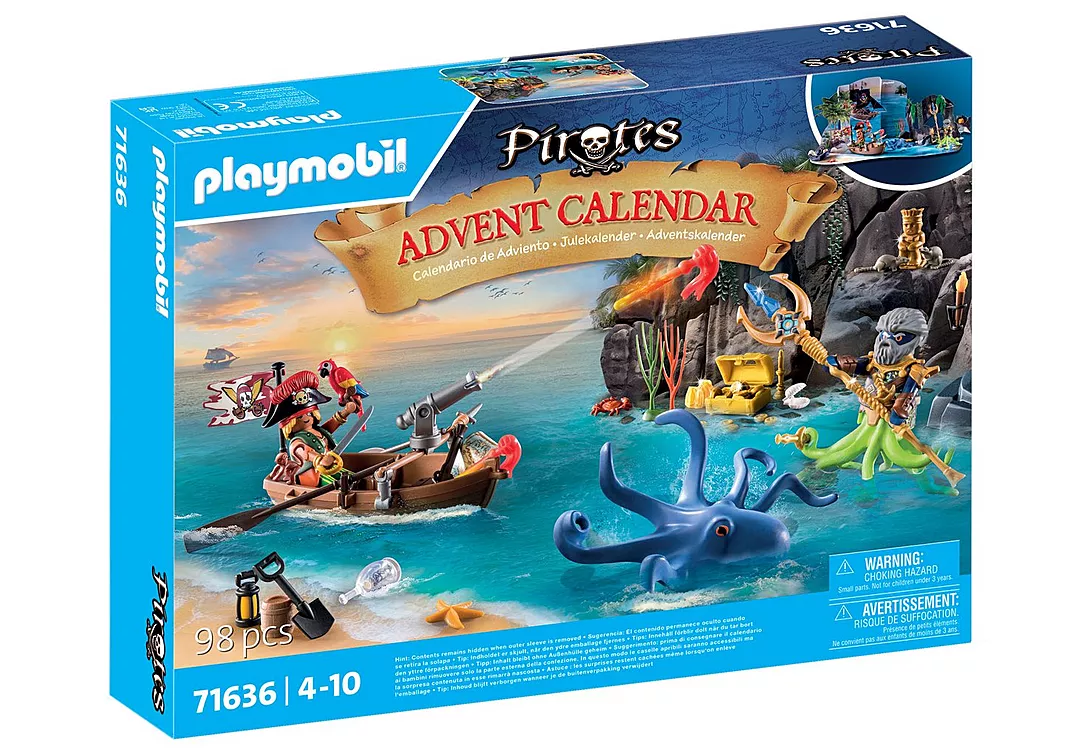
A joyful and fun advent calendar to get kids excited for Christmas. Yes, chocolate advent calendars are great, but they can’t compare to this swashbuckling advent calendar from Playmobil. It’s the perfect way to kick off festive fun. Hours of fun lay ahead for little ones.
Are you ready for a fun-filled Christmas countdown? Playmobil has just launched four exciting new advent calendars that are sure to bring joy and excitement to your festive season! Get ready to embark on a magical journey with the PLAYMOBIL 71472 Advent Calendar: Christmas Market, where you can explore a winter wonderland filled with festive cheer. Or, set sail on a swashbuckling adventure with the PLAYMOBIL 71636 Advent Calendar: Pirates, and uncover hidden treasures behind each door! For our littlest fans, the PLAYMOBIL 70297 Advent Calendar: 1.2.3 Snowy Christmas is perfect for toddlers to enjoy the festive season. And for all the Miraculous fans out there, the PLAYMOBIL 71344 Advent Calendar: Miraculous: Picnic is a must-have for a miraculous Christmas! Each calendar is filled with surprises that will help you build a set ready for Christmas, making it the perfect way to count down the days until the big day. The best part? There’s no sugar involved, so you can enjoy the excitement without the sugar rush! These festive advent calendars are available online and in toy stores, so make sure to grab yours before they sell out. Get ready for a Christmas full of fun, surprises, and joy with Playmobil’s new advent calendars. Happy adventuring!
Effective household management, often referred to as housekeeping, is about more than just cleaning and organizing your home. It also involves ensuring that household finances are well-managed to save your family valuable time and money. Whether it’s budgeting for groceries or reducing energy consumption, efficient household management allows you to successfully manage your family’s resources to meet your daily needs.
Ensuring proper maintenance to avoid costly repairs, negotiating insurance costs, or shopping prudently, household management requires strategy, planning, and discipline. Here are some helpful tips on how to manage your household efficiently to save time and money.
Establish a Budget
Setting up a household budget is the cornerstone of efficient household management, and it can do wonders for saving both time and money in the long run. A well-planned budget gives you a clear picture of where your money is going, allowing you to make informed decisions about expenditures.
For instance, opting for a higher mileage, affordable car could lead to savings not only in terms of fuel efficiency but also in terms of insurance costs. Many families have saved a substantial amount of money by choosing Toyota insurance for their vehicles due to its reasonable rates. It is important to note that every dollar saved through wise decision-making can add up to significant annual savings.
Reduce Energy Consumption
Energy-saving practices are not only beneficial to the environment but also result in significant reduction in household expenses. By implementing measures such as using energy-efficient appliances, reducing water consumption, using LED lights, and insulating your home, you can save a substantial amount of money over time. Turning off unused electrical appliances, utilizing natural light during the day, and maintaining an energy-conscious mindset can also greatly contribute to reduced energy bills.
Plan and Cook Meals at Home
Eating out frequently or getting takeout can quickly add to your expenditures. A more cost-effective solution is planning and cooking meals at home. Meal planning allows you to use your grocery shopping time more efficiently and prevents wastage of food. Additionally, home-cooked meals are usually healthier and more nutritious compared to fast foods. When possible, buying groceries in bulk could deliver significant savings.
Embrace DIY and Maintenance
Adopting a do-it-yourself attitude toward home repairs and maintenance can save you a lot of money usually paid to professionals for minor repairs. Moreover, regular home maintenance can prevent future headaches and expensive repairs. For example, regularly servicing your car, checking for leaks, maintaining your home appliances, and cleaning your home regularly can extend the life of these items, saving you both time and money.
Automate Bill Payments
Automating your bills reduces the risk of late payments and the exorbitant fees that come with them. Most banks offer free online bill pay services. You can set up automatic withdrawals to cover your mortgage, utilities, car payments, and other regular expenses. This not only guarantees timely payments but it also saves you the time and effort of keeping track and writing out checks.
Negotiate
Never shy away from negotiating prices or contracts. This includes everything from your cable bill to your gym membership. Large corporations have some flexibility in their pricing structures and would rather give a discount than lose a customer. It’s definitely worth a call to ask if any discounts or promotions are available.
In conclusion, efficient household management entails a well-planned budget, energy-saving practices, meal planning, DIY maintenance, automated bill payments, and the ability to negotiate. By applying these principles you can save a lot of time, while also preserving your family’s financial health. Essentially, managing a home effectively is similar to running a business, requiring both strategic planning and the discipline to follow through.