
The Life of Riley

Frost loves a pantomime (oh yes we do!) and so does Riley Clark, who returns to Bognor Regis this Christmas to slap his thigh in Cinderella as Dandini. We nipped off to the seaside for a cuppa and a chat with him.
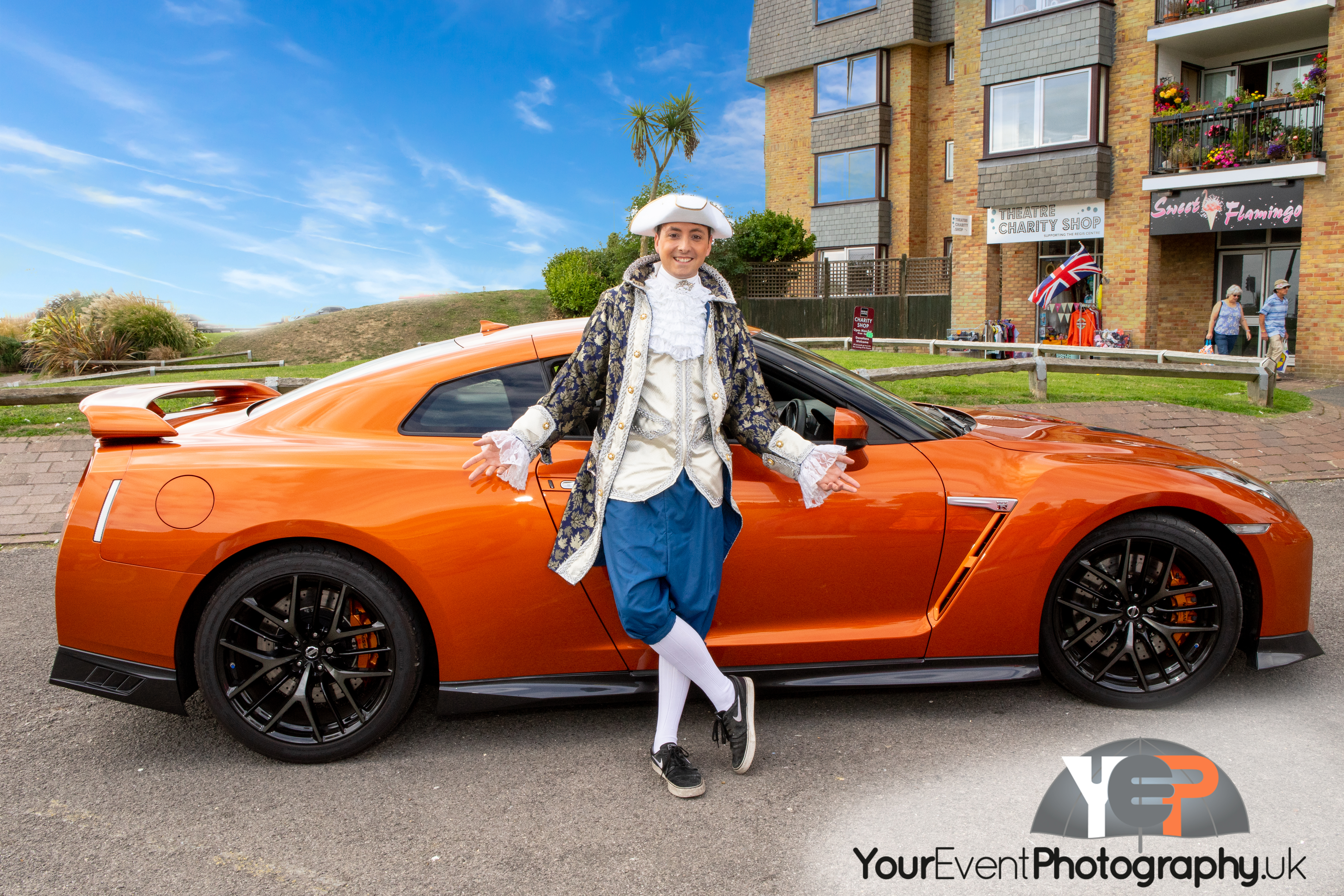
Credit:youreventphotography.uk

Q: Cinderella is widely regarded as the best-loved panto of all time. Why do you think this is?
A: Because it is such a classic. It is funny and emotional, with a couple of nasty bits thrown in by those ugly sisters, and of course it is magical.

Q: What makes The Alexandra Theatre in Bognor Regis such a great venue for Panto?
A: It is big enough that you experience lots of audience participation and atmosphere, but small enough to still feel intimate. It is shaped perfectly that you will never miss a gag. But I think my favourite part about working there has to the staff. Everyone who works there is so friendly and helpful that you are sure to have a good experience from the moment you walk through the doors.

Q: As well as several other pantomimes over the years, you starred as the baddie in Beauty and the Beast in Bognor two years ago. We’re guessing that you love panto?
A: I love doing Panto because it’s the one time of year where both actors and audience can come together and be silly while telling a great story and feeling all Christmassy at the same time.

Q: How did you get into acting?
A: After seeing a panto at the age of 8 (I was in my first show aged 9!). I was in awe of the actors onstage, and how they got to tell a story and bring laughter and joy to all of these families – everyone had a couple of hours of pure enjoyment. I decided a couple of years later that I wanted to pursue acting as a career and here I am today. I also perform my own Swing and Rat Pack act.

What is your Christmas wish?
A: that everyone comes to see the show! I know for a fact it’s going to be a great one, and if you’re lucky you may get to see the mice do a little song as well! I wish all Frost readers a very Merry Christmas.

Q: When is it on and how can we book tickets?
A: Cinderella runs from 12 December 2018 – 2 January 2019. Box office on 01243 861010; www.regiscentre.co.uk

FASCINATING PANTO PEARLS
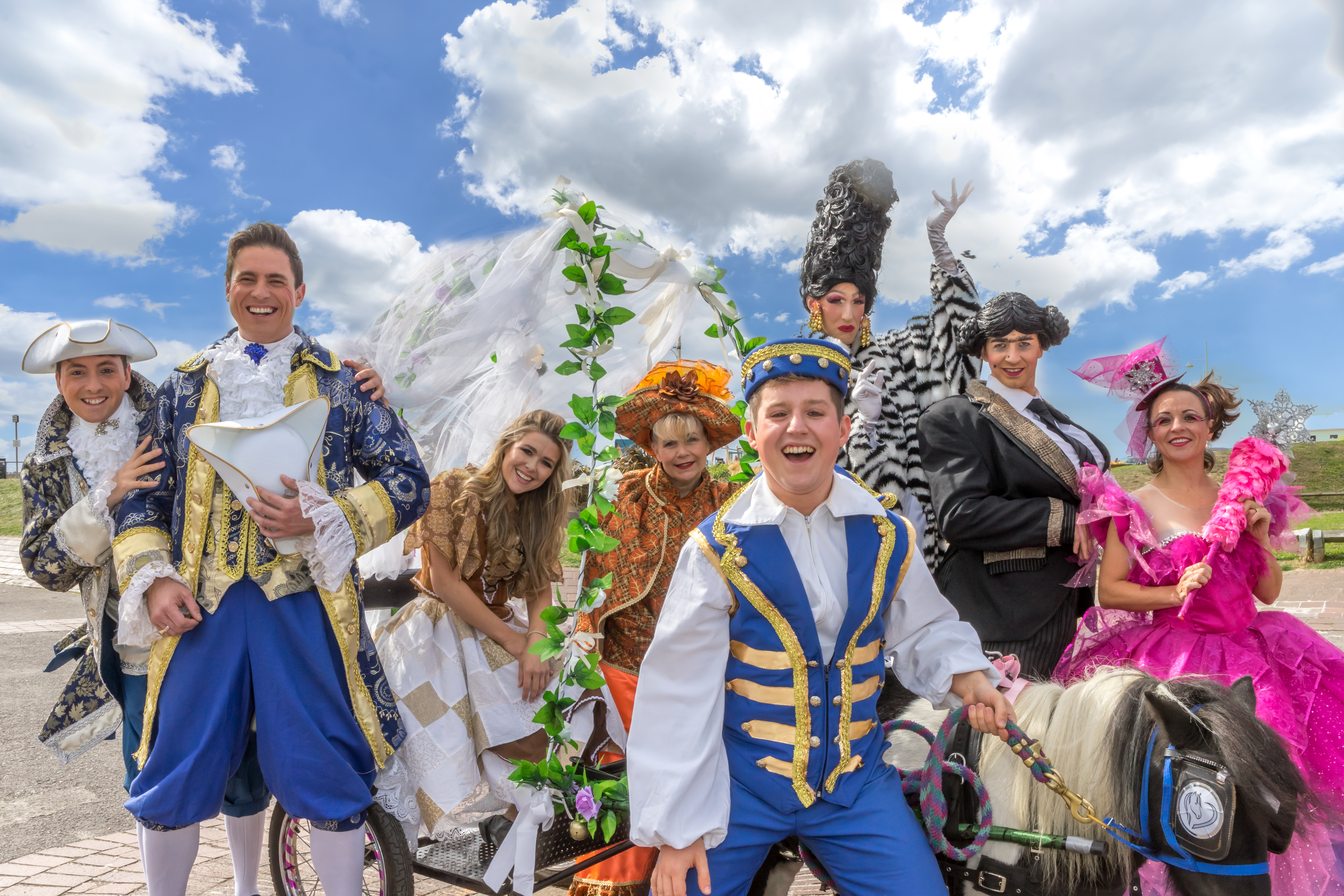
• The word pantomime comes from the Greek words ‘pan’ meaning all, and ‘mimos’ meaning imitator.

• Travelling entertainment in Italy and France, the traditions of the Italian Commedia dell’ Arte were also influences on modern panto, as were British Music Hall and of course traditional fairy stories.

• Cinderella, originally written by Charles Perrault in 1697, was based on a folk story. The slipper was probably made of squirrel fur, but the change to glass came about as a result of a translation mix up: the French word for glass is ‘verre’ and white squirrel fur is ‘vair’. But it was a change for the better. Cinders wearing footwear fashioned from a dead rodent isn’t really in keeping with the romance of the story!

• Fairy Dust was a hurried addition to the original story of Peter Pan. Originally Peter and the Lost Boys could fly independently, but after reports of children injuring themselves as they tried to fly from their beds JM Barrie added Fairy Dust as a requirement for taking flight.

Let Kindness Triumph Over Materialism this Christmas

Go cold turkey on consumerism this Christmas and give the best present there is – love, urges the acclaimed children’s author M.C.D. Etheridge.

By M.C.D. Etheridge

What do you love most about Christmas? From the uplifting chorus of carols to the fragrant smell of pine needles and unmistakable taste of figgy pudding, a traditional Christmas really is an assault on the senses. Yet, maybe it’s the way that Christmas makes us feel that really brings us joy.

Because when it comes to this special holiday, it doesn’t really matter if you’re a church-going Christian or if you simply value the time you get to spend with your family, what you probably love most about Christmas is love itself.

It’s easy to lose sight of this when you’re lost in the frenzied aisles of the shopping mall where even the calmest individual can find themselves part of an angry, anxious mob. You don’t even have to venture further than the multi-storey carpark to witness the annual pilgrimage to these great cathedrals of consumerism spiralling out of control. Just observe the alarming scream of car horns crying mayhem over the distant loop of Christmas jingles. It’s enough to drown out any semblance of festive cheer before you’ve even set foot in the building. Meanwhile, as you fight your way towards the snaking check-out queues to purchase the overpriced items your children reassured you they wanted just hours ago, they’re at school, immersed in the unforgiving, materialistic mania that brainwashes them into wanting something else entirely. Don’t get sucked in.

The pressure we put on ourselves at this time of year can be overwhelming. It’s enough to drive you insane. So let’s, just for a moment, take a step back and try to remember what this holiday is all about, because it’s not just about buying things.

In the 21st Century, we have to acknowledge that for many people in modern Britain, Christmas has evolved from the Christian celebration of the birth of Jesus, and yet most of us continue to celebrate the constant theme central to the Nativity. For at its heart, Christmas, both in the biblical narrative and in its modern form, is a celebration of the family. And rightly so. Let’s not forget that if you have a family, you are lucky. If you have friends, you are luckier still. For some of us at Christmas, our friends are our family and there’s nothing wrong with that either. Christmas is a time to celebrate, appreciate and love the people we have in our lives.

It’s also a time when we experience the joy of giving and the Christmas tradition of being kind. For if the Nativity introduces our children to the idea that the family is special, then it’s Santa Claus who arrives as the champion of human kindness. The way he introduces our kids to the idea that there are people out there who do things for others out of the kindness of their heart is wonderful. For this reason alone, he’s epic.

In many ways, with all his Christmas magic, Santa is the first superhero our kids experience, and yet ever since I was a boy, I’ve felt this incredible Christmas character has been missing a worthy backstory. It’s the reason why I put pen to paper to write Whitebeard.

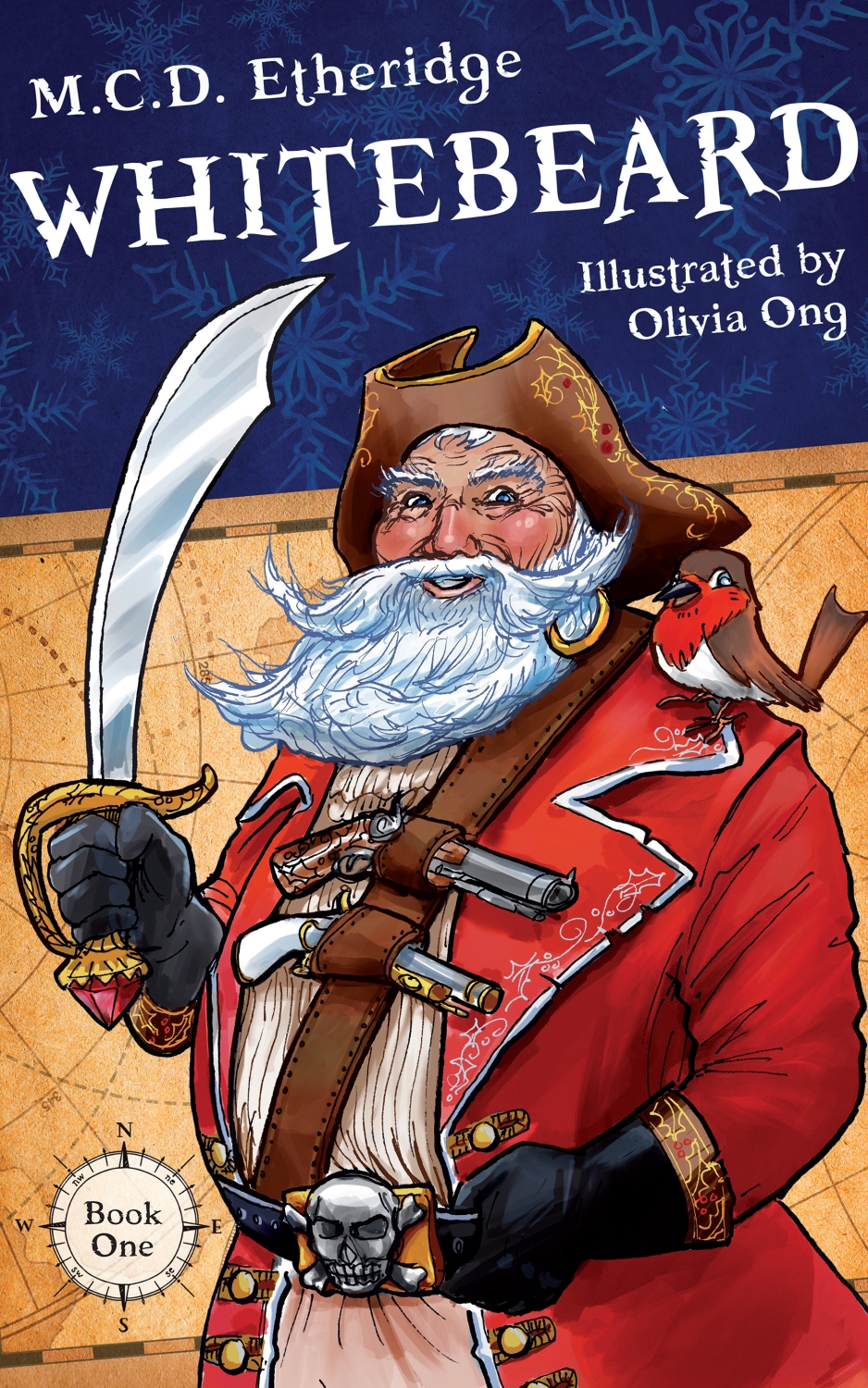
Whitebeard, my new book, is Santa’s origin story and as the name might suggest, reimagines Santa as a good-natured, Falstaffian pirate captain. It’s been enormous fun writing this children’s adventure story and so much of the joy lies in the fact that everyone already knows how the story ends. We know Santa must have a flying sleigh and reindeer, the ability to deliver gifts to all the children of the world and have a heart as pure as the driven snow. It’s how he gets there, and who he meets along the way, that makes it fun.

My research uncovered the little-known fact that Saint Nicholas (the man on whom most Santa traditions are based) is not only the patron saint of children, but of repentant thieves and sailors too. It would emerge that seafaring adventures and repentance are themes historically linked to the famous and loving Christmas character. Well, if that doesn’t shout out reformed pirate I don’t know what does and I just loved the idea of an old, saltwater thief changing his ways to become the man we know and love as Father Christmas. The triumph of kindness over materialism is therefore at the heart of the story I wanted to write.

Admittedly, I haven’t received an official thumbs up from Lapland on the authenticity of my festive tale, so I like to think of it more as an unofficial biography. I don’t expect to receive too many complaints though, because between the pages of Whitebeard there’s a healthy respect for all our favourite Christmas traditions and a determination to celebrate family, kindness and love. And whichever way you look at it, that’s what Christmas is all about.

M.C.D. Etheridge is a journalist and TV producer for SKY News, ITN, ITV, Channel 5, and Australia’s Channel 9. His new children’s book, Whitebeard, is described as a “rollicking Christmas adventure story” and is ideal for children aged between 8 and 12. It is out now on Amazon UK priced £7.99 in paperback and £1.99 in eBook. Visit www.whitebeardbook.com