Time For a Crime Wave? The Best Upcoming Crime Books

Ready for a crime wave? Here are Frost’s top three psychological thrillers.

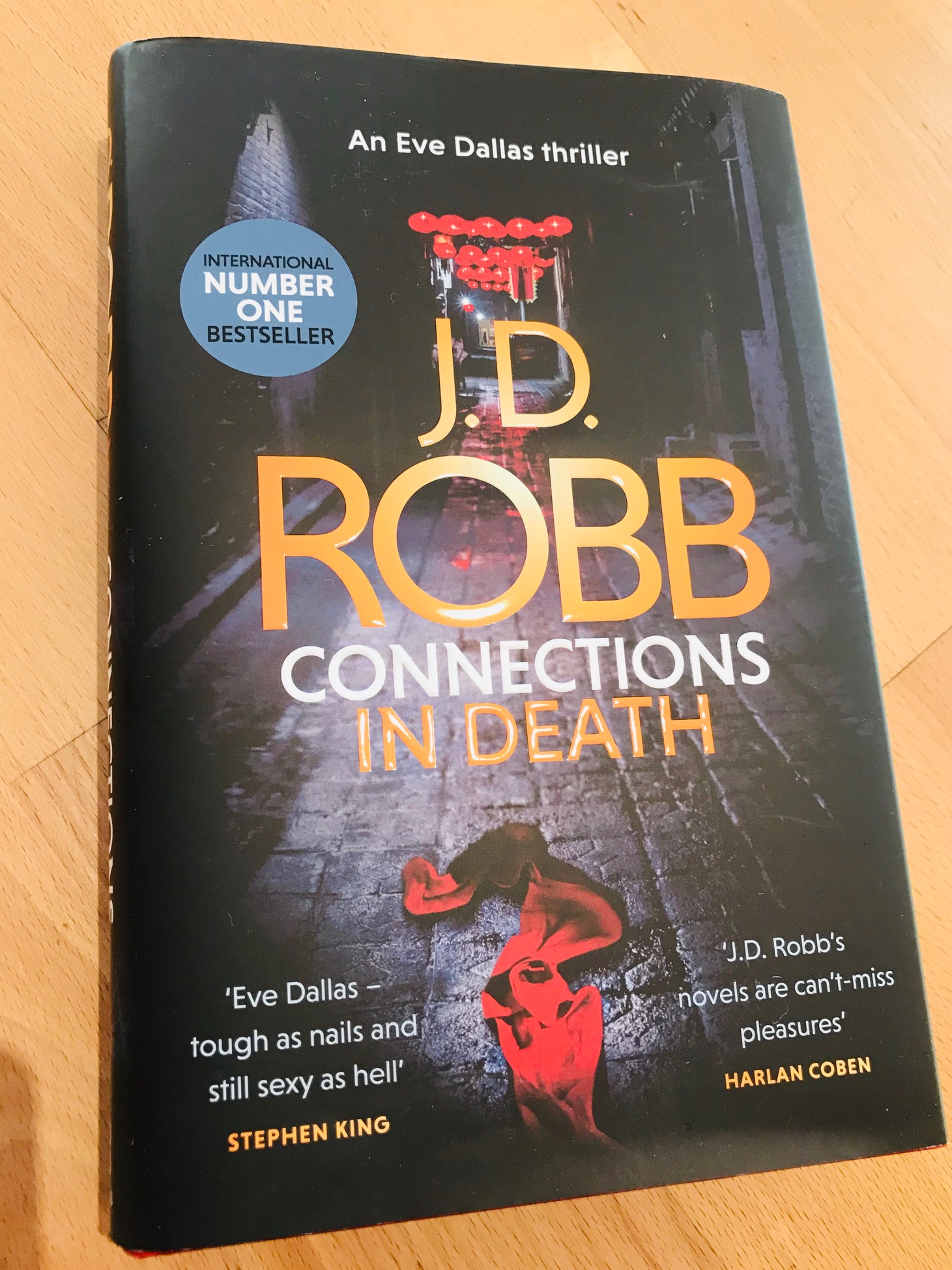
Connections in Death by J.D Robb. The latest Eve Dallas thriller. Unadulterated entertainment. Out now.

When recovering drug addict Lyle Pickering is found dead of an overdose, it looks like a tragic accident. But his sister Rochelle knows better, and so does Lieutenant Eve Dallas. Lyle was murdered, and the evidence points directly to his old street gang.

As Eve and husband Roarke track the killer through the city’s dive bars, drug dens and strip joints, another body is discovered. With connections growing between the living and the dead, and the body count on the rise, Eve knows she needs to close this case fast, before the killer’s lust for power turns the city’s streets into a bloodbath.

Available here.

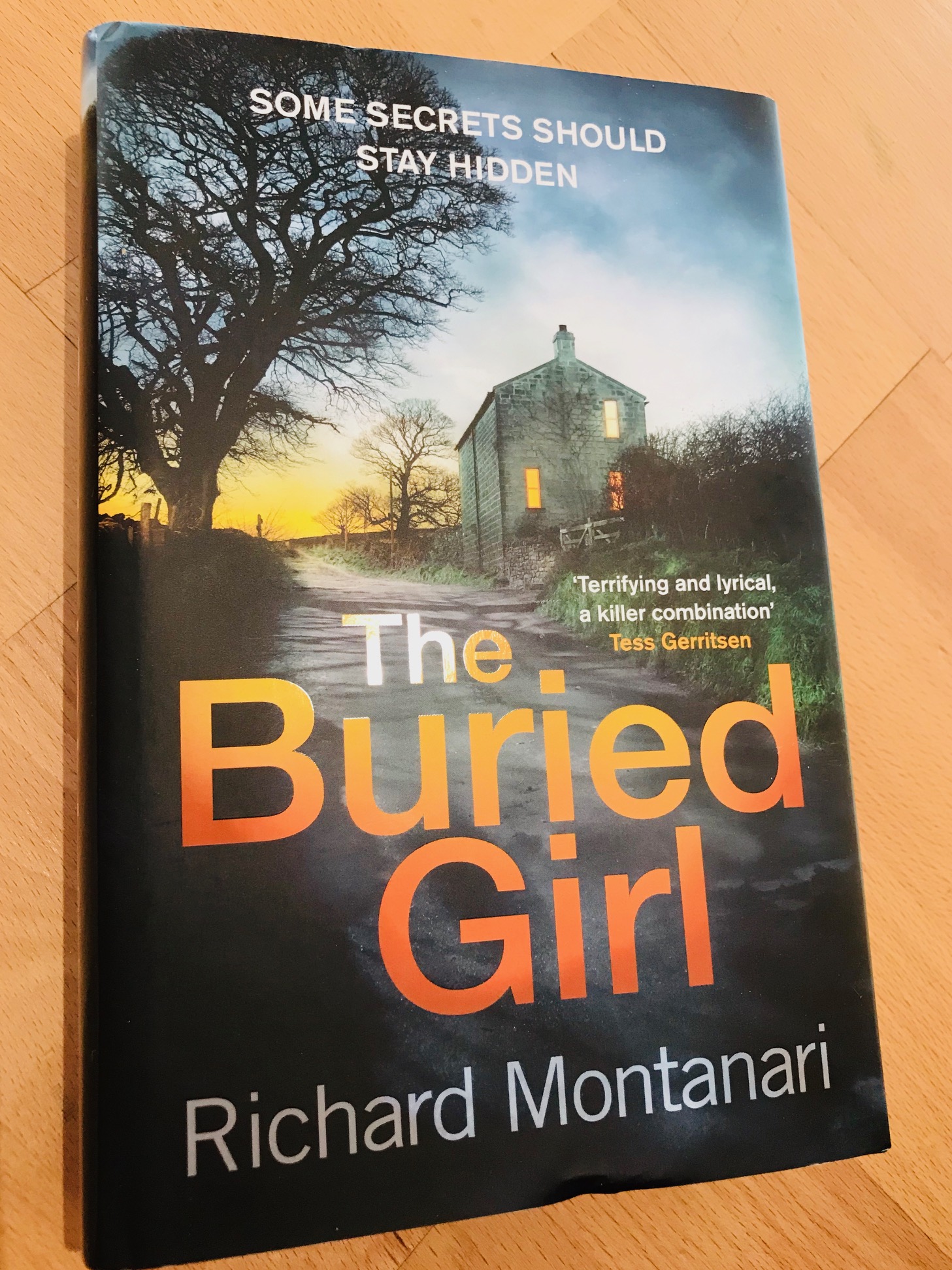
The Buried Girl by Richard Montanari. A terrifying read that will stay with you. Out on February 14th.

A haunting, nerve-jangling psychological thriller from Sunday Times bestselling author Richard Montanari set in a small town hiding a very dark secret.

When New York psychologist Will Hardy’s wife is killed, he and his teenage daughter Bernadette move into Godwin Hall, a dusty, shut-up mansion in the small town of Abbeville, Ohio.

Meanwhile, Abbeville Chief of Police Ivy Holgrave is investigating the death of a local girl, convinced this may only be the latest in a long line of murders dating back decades – including her own long-missing sister.

But what place does Will’s new home have in the story of the missing girls? And what links the killings to the diary of a young woman written over a century earlier?

Available here.

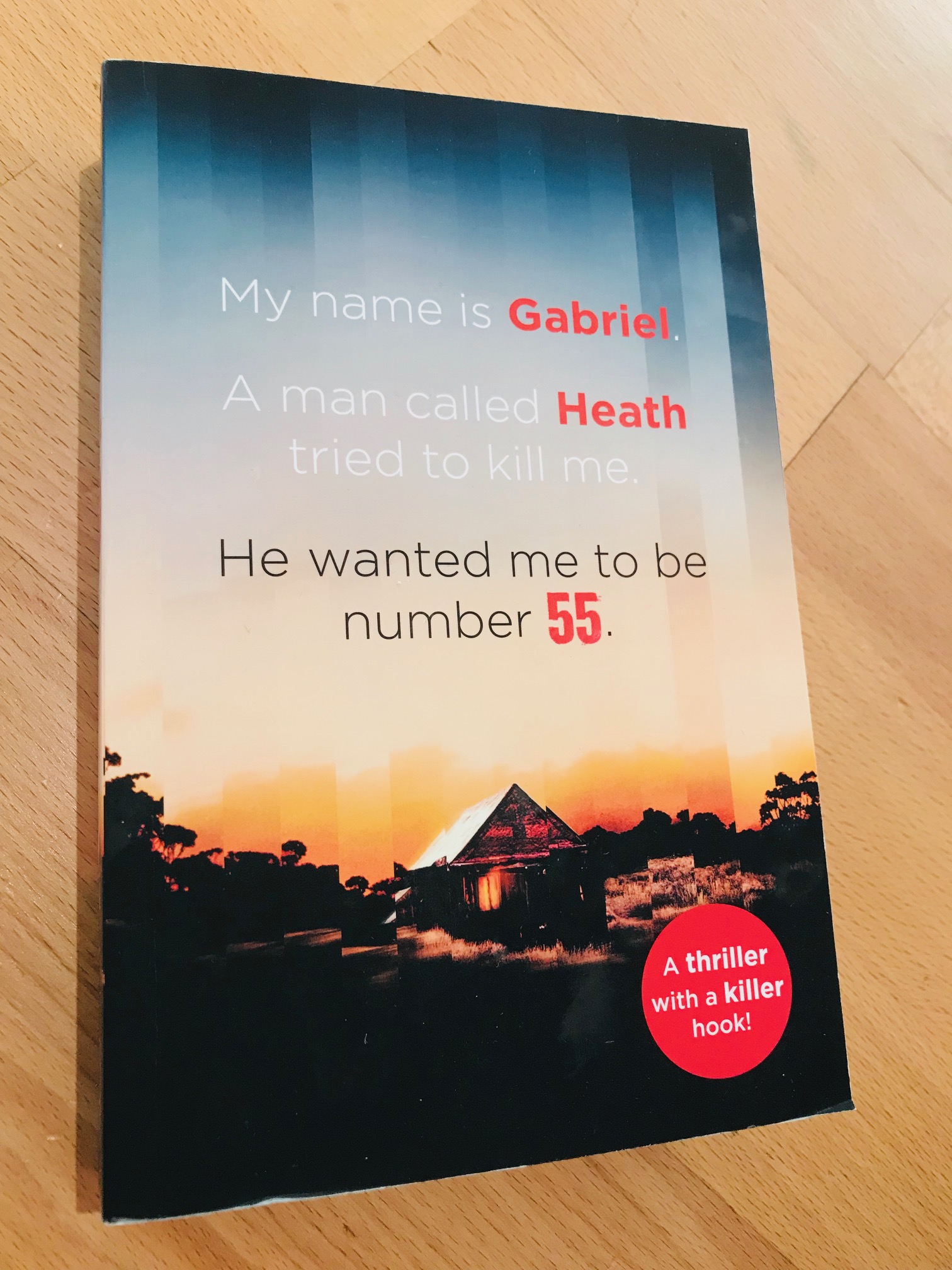
55 by James Delargy. Brilliantly done. Will keep you breathless until the last page. Out on 4th April. 

*** There were 54 victims before this. Who is number 55? ***
A thriller with a killer hook, and an ending that will make you gasp!

Wilbrook in Western Australia is a sleepy, remote town that sits on the edge of miles and miles of unexplored wilderness. It is home to Police Sergeant Chandler Jenkins, who is proud to run the town’s small police station, a place used to dealing with domestic disputes and noise complaints.

All that changes on a scorching day when an injured man stumbles into Chandler’s station. He’s covered in dried blood. His name is Gabriel. He tells Chandler what he remembers.

He was drugged and driven to a cabin in the mountains and tied up in iron chains. The man who took him was called Heath. Heath told Gabriel he was going to be number 55. His 55th victim.

Heath is a serial killer.

As a manhunt is launched, a man who says he is Heath walks into the same station. He tells Chandler he was taken by a man named Gabriel. Gabriel told Heath he was going to be victim 55.

Gabriel is the serial killer.

Two suspects. Two identical stories. Which one is the truth?

James Delargy has written one of the most exciting debuts of 2019. He masterfully paints the picture of a remote Western Australian town and its people, swallowed whole by the hunt for a serial killer. This novel has been sold in 19 countries so far and has just been optioned for film.

Available here.

Millions of Brits admit to ignoring environmental concerns to make their lives easier

At Frost we try to be as environmentally friendly as possible. Nobody is perfect however. Here are the things Brits try to do but end up ignoring. Come on everyone, I think we can do a little bit better.


Top 20 things Brits do because it’s more convenient than being green

1. Buy new batteries instead of rechargeable ones

2. Use a plastic straw

3. Pay for a 5p plastic bag instead of remembering your re-usable shopping bags

4. Put fresh fruit and veg in a plastic bag at the supermarket

5. Leave lights turned on when you aren’t in the room

6. Buy a plastic bottle of water instead of carrying one you can reuse

7. Leave plug sockets switched on even when they aren’t in use

8. Drive when you could have walked

9. Throw out plastic food packaging instead of washing it out to recycle it

10. Use a tumble dryer instead of hanging clothes on the line

11. Put something recyclable into the bin instead of sorting it into the right recycling box

12. Throw food away which could have been eaten or reused

13. Boil a full kettle for one cup of tea

14. Buy paint in plastic pots instead of metal, which can be recycled

15. Use a new coffee cup with your takeaway coffee instead of taking a reusable one

16. Still ask for paper bills when you could go paperless

17. Leave a tap running for a long time/ when you aren’t using it

18. Have the heating on while also having windows open

19. Leave the shower turned on when you aren’t it

20. Wash laundry on a hot wash when it didn’t need it


Millions of Brits admit to ignoring environmental concerns to make their lives easier, a study has found.


A poll of 2,000 adults found despite 87 per cent agreeing on the importance of being green, more than half believe it’s often ‘inconvenient’.


Three in 10 admit binning plastic food containers rather than washing them out and recycling it.


And 23 per cent have requested a paper bill when they could have gone ‘paperless’ – and had the receipt emailed to them instead.


Almost half pay for plastic bags with their shopping to save them having to remember to carry a reusable bag around, and 27 per cent often use a tumble dryer instead of hanging washing out to dry.


Others admit buying paint in a plastic pot rather than a metal can that can be recycled at most household waste and recycling centres.


Environmental concerns also go out the window amid boiling a kettle filled with more water than we need and having the heating turned up high all the time.


A spokesman for Metal Packaging Manufacturers Association, which commissioned the research, said: “Our results found the vast majority of Brits are keen on the idea of being green.


“Unfortunately, it often only takes the slightest inconvenience to knock all of the wind out of our sails and we wind up doing things that are easy – but not great for the planet.


“But we do also look to retailers and manufacturers to make it clear how we can be more environmentally friendly when we use their products.


“Those on-pack recycling logos and instructions clearly matter.”


The study also found a quarter of Brits have thrown food away which could have been eaten or reused in some way, and a third are happy to jump in the car when they could easily walk the distance.


More than half pick up disposable batteries rather than ones they need to recharge and 37 per cent have bought a bottle of water when they could have used one from home.


It also emerged a fifth of respondents would go as far as to say they feel that being environmentally and ecologically friendly is a ‘burden’ on their lives.


A quarter think it’s too expensive, and one in five simply don’t believe their contribution will make a difference to the future.


Others say they are ‘too busy’ to be green – or find it confusing.


However, 65 per cent of respondents do worry about the impact of people not being environmentally friendly on future generations.


Brits also admit to being far less environmentally friendly at work than they would be at home.


The research, carried out via OnePoll, also found almost 70 per cent believe retailers aren’t doing enough to present the recycling attributes of the products they sell.


Another 83 per cent believe retailers should make it crystal clear whether a packet, pot or parcel can be recycled or not.


And when buying a product such as paint, the recyclability of the container is often the third most influential factor – after the cost and quality of the product.


A Metal Packaging Manufacturers Association spokesman added: “Consumers want to be given the information to make an informed choice and not be misled into believing a pack is infinitely recycled when in fact it isn’t, as is often the case.


“Take paint cans. Empty plastic paint cans have a comparatively limited recycling life, while metal paint cans which can be recycled over and over with no loss of quality.


“The choice is yours.”


4 Guidelines to Buy a Comfortable Wedding Dress for Your Beach Wedding

Picking your wedding dress is nothing short of an experience. A Wedding dress is perhaps the most iconic thing of your big day. Yes, finding a wedding dress that ticks all the boxes within your budget isn’t easy. When opting for a wedding dress (especially, if you are going to marry on the beach), there are a few things you need to consider. 

These guidelines help to assure your wedding dress is comfortable, practical and won’t drag on the sand. Sure you are not going pick the same dress you would if you were going to marry in a church. With that said, following we are going to share some tips that will help you pick the ideal dress for the beach setting. 

  1. Show Your Style Sense

Beach Wedding Dresses don’t have a lot of restrictions. Yes, there are some style rules you have to follow. Not everything is ideal for a beach setting. Sure you don’t have to restrict yourself to short flocky dress category found in most bridal stores. 

You can go for something a little exotic if you want. Just make sure can walk in the sand wearing it. Why don’t you try something traditional? Just make sure you have a short dress because a long dress will drag in the sand and get ruined. 

  1. Floaty and Flimsy

Floaty and whimsical dresses are ideal for beaches. They are romantic and stylish. Moreover, they complement the movement of the ocean and bohemian vibe surrounding beach weddings. Not to forget, they are practical. These dresses will help you get through the heat and move easily on the beach. Just avoid long sleeves because you don’t want to be sweating when hugging the guests.  

Short wedding dresses are popular among young brides. These dresses also make an excellent choice for beach weddings as they don’t restrict you in any way. They help you to keep cool, are fun and a bit flirty.

  1. Veil

It’s better if you forget the veil because of the breeze. Yes, the wind can snatch away your veil before you get to the aisle. If you have your heart set on having a veil, then go for a short one. It won’t restrict your vision to prove to be too heavy. The closer you get to the ocean, the windier it will be. Some wedding dresses do come with a veil, but they are not meant for the beach. 

  1. Footwear

Another important thing that needs a lot of consideration is wedding footwear. Stilettos won’t fare well in sand. If you are wearing stilettos, make sure you set a boardwalk. It’s better if you wear flats or sandals for the big day. If you want to wear heels, you can save it for the reception. 

The key is, pick something which won’t get too much sand in them. When you are picking something for your big day, just be true to yourself. The wedding is a celebration for you and your significant other. So don’t get carried away because of these petty things. 


Sponsored Post.

Planning a Backpacking Trip through Europe

Backpacking through Europe is an adventure, and unlike in many parts of the world, Europe truly caters to the backpacking lifestyle. You can find hiking trails, public transit, and hostels that all support the backpacker. However, you can’t just hop on a flight to Europe and go. There are some things you’ll have to be aware of, even if you’re going somewhere you think will feel familiar. Here are a few tips for planning a backpacking trip through Europe.

Have the Right Gear

There are several benefits to having a backpack over a suitcase when traveling in Europe. You can fly there with just a backpack and maybe one personal item instead of checking luggage. You’ll be able to quickly leave the airplane, buses, and trains carrying everything. You’ll be on your way as soon as you arrive. Just make sure you have a comfortable, durable backpack that will carry everything you need while still being safe. If you’re carrying a lot of gear, it should have a built-in frame and waist belt to make it easier to carry.

For some, a daypack needs to be added to the list. This simple smaller backpack can carry personal papers, a laptop, wallet, and other essentials. If you’re going to take a daypack, then you need to have a way to comfortably carry it in your backpack or in addition to your backpack. 

Plan Your Itinerary

Having a rough itinerary before you go is essential. You need to know where you’re going if you’re going to get permission to travel there if it is necessary in your case. Some places like Sweden, for instance, have laws that allow campers to camp on private property. A general itinerary tells you what the weather will be like, while a detailed itinerary allows you to book accommodations in advance. That will save you money over last-minute check-ins. Buying train passes and bus passes in advance can save you money, as well. Research cheap flights to Europe, and don’t forget the return trip.

If you don’t want to be locked into a strict schedule, then search for airlines that let you reschedule your return trip without taking on massive fees. This is a good time to look into travel insurance as well, so you’ll be covered no matter what.

Packing Right

Whether backpacking in the wilderness or through serene countryside, weight matters. Use a lightweight sleeping bag instead of a conventional, bulky one. Carry a minimum of clothes, though the clothes need to suit the climate you’re in. Take several pairs of underwear and socks. Always carry essentials like a phone, identification papers, cash and any medications you take. An extra battery pack, flashlight, and adapters are essentials because you’re lost without them. Take a basic supply of toiletries. You can always buy more socks and toothpaste at your destination.

Put Things in Order at Home

You don’t want to take a trip abroad and return to chaos at home. Put things in order before you leave. Ensure that the rent and other bills will be paid in your absence. Inform your financial institutions that you’ll be traveling abroad, so they don’t lock down your accounts out of fear of fraud because you used your credit card in Europe. Turn off the data on your phone to avoid roaming fees and find out how you could use the phone in those countries at minimal cost.

Conclusion

Backpacking in Europe is an enriching experience. However, you need to take the right steps now to truly enjoy the trip without regretting it later.


Sponsored Post.

The Food Medic: How to reduce free sugars in the diet

January leaves us all wanting to eat healthier as the decadence of Christmas tends to be hanging around. Mostly in weigh gain. The Food Medic is here to tell you how to reduce free sugars in your diet and be healthier.

You might be thinking, hey, why all the fuss about reducing sugars? First things first, sugar is not poisonous or toxic, nor is it uniquely to blame for obesity or poor health. However, we could generally do with consuming less “free” sugars. The Scientific Advisory Committee on Nutrition (SACN), a committee of independent experts that advises the Government on nutrition issues, recommends that the average intake of FREE sugars should not exceed 5% of total dietary energy intake, as they can contribute to excess calories in our diet and tooth decay. But what are free sugars and how might we limit our intake?


Free sugars includes sugars added to food and drinks by the manufacturer, cook or consumer, but also includes ‘natural sugars’ found in honey, syrups and juices. These are sugars we generally need to eat less of as they can contribute to excess calories in our diet and tooth decay. Sugars found in fruit and vegetables, grains and cereals, or lactose naturally present in milk and dairy products are not included in this.


How can I cut down my consumption of free sugars?


Most of the free sugars we consume come from sugars that we add to food and drink, including fizzy drinks and juices, jams and condiments, biscuits, pastries and cakes. There’s no need to totally avoid these foods completely, but you can reduce the amount of free sugars in your diet by basing your meals on fibre-rich, carbohydrates such as brown rice and sweet potatoes, protein-rich beans and pulses, essential fatty acids from oily fish and flaxseed, and a variety of colourful fruit and vegetables, such as berries and leafy greens.


Here are some helpful suggestions:


Make your own chia jam – Although there is nothing quite like old fashioned jam, it does contain quite a lot of added sugar, which isn’t great for our teeth or health if we eat too much of it. Chia seed jam is a quick, low-sugar alternative to regular jam. All you need is a punnet of berries and a tablespoon of chia seeds –  You can whip this up in 5 minutes and have an incredible, homemade jam in your fridge for up to 2 weeks!

Simply stew in a pot with 2 tablespoons of water over a medium heat. Cook until the fruit breaks down and becomes syrupy, 5 to 10 minutes. Mash the berries with the back of a wooden spoon and stir in the chia seeds. Cook for another 2-3 minutes then remove from heat and let stand 5 minutes, until thickened. If you’d like a thicker consistency, especially with very juicy fruits, stir in more chia seeds 1 teaspoon at a time. Once the jam has cooled to room temperature, transfer it to a jar.


Many breakfast cereals are quite high in sugar, including those marketed to be “healthier” options. One way to reduce your sugar intake at breakfast time is to swap to lower-sugar cereals such as plain porridge oats. You can make it just as, if not more, satisfying and delicious by jazzing it up with some warm berries, cinnamon and chopped nuts.


Smart snacking – despite their healthy image, many cereal bars and “energy” balls are often pretty high in sugar and fat. Instead of trying to navigate the snack aisle, plan ahead and make your own snacks to take with you – it’s also a great way to save money. How about your own DIY trail mix made with a small handful of chopped nuts, fresh berries, and a square or two of dark chocolate roughly chopped?


A large proportion of the added sugar in our diets comes from sugar sweetened beverages such as fizzy drinks and juices. If swapping to water isn’t something you feel particularly excited about, you could try flavoring it with a herbal tea bag, a handful of chopped strawberries or cucumber, or simply just mint.


Surprisingly for some, there are also some sugar added to savoury foods – what some people call “hidden sugars” – such as in; condiments, sauces, and ready meals. This is usually to improve taste and texture but it can mean you’re consuming some extra sugar. By making your own sauces at home, and cooking from scratch as much as possible, you are likely to reduce the amount of added sugar in your meals.


Beat the January Blues With Top Tips From Inhere Meditation Concept

As we enter day 17 of dry January, our New Year’s resolutions are starting to wobble and still 13 days until payday, it’s no wonder that by day 21, we are all but ready to give up. Monday 21st January is officially named Blue Monday and has been recognised as one of the most depressing days of the year.

However, there are ways to combat this and co-founders of Inhere (London’s most innovative meditation concept), Adiba Osmani and Ghazal Abrishamchi, have identified a number of foods to alleviate depression and stress as well as a simple, yet effective meditation session to see you through the January Blues.

  • Are there any simple meditation techniques people (even beginners) can use to relieve stress in 2019?
    • As we enter a new year with so many aspirations and resolutions to make this year bigger and better than the previous, even the slightest down fall can cause emotions to run high and our thoughts might just get ahead of us. Practice taking a few minutes each day to gather the attention on the breath, breathing deeply from the belly…and then a few minutes to just observe whatever thoughts or emotions there are, being completely accepting of them. Doing this every day even for a few minutes keeps us grounded, in the moment, helps to rein in the incessant pull of thoughts and emotions that may seem too much to handle sometimes.
  • Are there any particular foods we can eat to ensure we remain calm and in good mental health?
    • Stress is a complex mental health issue, and multiple factors are involved in its development and maintenance, recent evidence suggests that habitual diet plays an important and independent role in the development of this condition. The relationship between mood and our diet is bidirectional: when we eat good food, we feel good, and when we feel good, we are more likely to want to take care of our bodies by feeding it nutritious food. The opposite is also true… when we eat “junk food” we feel sluggish and down, and when feel down, we are less likely to snack on vegetables!
      • There are many studies showing there’s a strong link between a balanced diet and relaxation. For example:
  • Deficiency in certain nutrients such as vitamin D, folate, vitamins B6 and B12, calcium, magnesium and omega-3 fatty acids, are associated with increased risk of depression and feeling stressed.
  • Supplements with calcium, magnesium, and B vitamins have been shown to reduce perceived stress, and has positive effects on mood
  • Omega-3 a fatty acids, tryptophan, and some carbohydrates have been shown to improve mod, reduce stress and cortisol – which is a biomarker of stress
  • Here is a list of foods that make up a balanced diet that can promote good mental health:
  • oily fish-good source of omega-3 fatty acids
  • lean meat- good source of B 12 and B6
  • dairy-good source of calcium, B12 – cheese in particular
  • eggs-good source of tryptophan, B12
  • nuts and seeds and legumes- good source of tryptophan, B6, magnesium
  • green leafy vegetables-good source of magnesium and folate
  • wholegrains- good source of complex carbohydrates, magnesium
  • fermented foods such as yogurt, kimchi, kamboucha – promote the growth of healthy gut bacteria
  • A simple meditation concept
    • Research has shown that regularly practicing compassion meditation not only helps us relate more to others, it also boost our positive feelings of joy and connectedness. Take a couple of minutes to consider yourself and wish yourself well, perhaps saying “May I be well, May I be happy, May I make progress”. then take a couple of minutes to do the same for someone you care for. Then take someone you may know only in passing. And finally, extend this wish for the world…you can do this as part of a step by step guide to meditation:
      • Start small: Setting aside even 5 minutes a day is a great starting point. Write it down in your calendar.
      • Sit up:  you can sit on the floor or on a chair in a comfortable position – keep your back straight so that you don’t fall asleep and the breath flows easily.
      • Breathe: feel your breath as it moves in and out: just follow its rhythm and notice how it feels as it flows through the body.
      • Observe: observe the thoughts that pass through your mind, the sensations that arise in your body, and the emotions that surface (impatience is a common one!). Become the “silent witness”, letting it all come and go, without getting caught up too long any one thought, feeling or sensation.
      • Bring it back: Your mind will wander. This is normal, just notice your mind has wandered, and bring your awareness back to the present experience.
      • Don’t interfere: Don’t try to stop or ignore any thought that rises in your mind, your task is only to become aware of them.
      • Don’t judge: all of our thoughts, feelings and sensations are valid; when meditating, we watch, we don’t judge.
      • Be patient: When you notice an impulse to get up and do something else, be patient, trust that things will unfold in their own time and just stay with your breath.
      • Commit: Try it every day for a week to see how you feel after. As with any practice, it takes a few sessions for it all to make sense.
      • If all fails, relax: If you find it’s not for you, try just breathing deeply in and out of the belly for a few minutes at a time, every day. This triggers the well-documented “relaxation response” in the body, so your stress levels drop as a matter of course.


Recommended Reads: This Child of Ours By Sadie Pearse

this child of ours sadie pearse

A timely book that is both thoughtful and beautiful. 


If you’ve been watching and enjoying Butterfly on ITV then this book is perfect for you.
———————
You know what’s best for your child.
Don’t you?

Riley Pieterson is an adventurous girl with lots of questions. There’s plenty she doesn’t know yet; what a human brain looks like. All the constellations in the night sky. Why others can’t see her the way she sees herself.

When Riley confides in her parents – Sally and Theo – that she feels uncomfortable in her own skin, a chain of events begins that changes their lives forever. Sally wants to support her daughter by helping her be who she dreams of being. Theo resists; he thinks Riley is a seven-year-old child pushing boundaries. Both believe theirs is the only way to protect Riley and keep her safe.

With the wellbeing of their child at stake, Sally and Theo’s relationship is pushed to breaking point. To save their family, each of them must look deeply at who they really are.

A story of a marriage in crisis and a child caught in the middle, this is a beautiful novel of parents and their children, and how far we’re prepared to go in the name of love.
Perfect for fans of Jodi Picoult, Laurie Frankel, Kate Hewitt and Jill Childs.


Available here.

This Week’s Must Read: Vincent Van Gogh, The Ambiguity Of Insanity

Vincent Van Gogh’s turbulent and tragic life story is told with compassion and wisdom in Giuseppe Cafiero’s exceptional work of bio-fiction, writes Lucy Bryson.

By Lucy Bryson

This fascinating audiobook from prolific writer Giuseppe Cafiero provides a nuanced account of the life and times of one of the greatest painters of the 20th-Century. It sheds fresh light on the ways in which the artist’s life and works were shaped by people, places – and by a dangerously obsessive personality.

Loosely based around the correspondence between Van Gogh and his brother Theo – here portrayed as one of very few constantly supportive figures in the troubled artist’s all-too-short life – Van Gogh, The Ambiguity of Insanity presents Van Gogh’s life as a fictional series of chapters, each shaped by a particularly meaningful woman and by the place where the Dutchman was living at the time. Cafiero creates a portrait of a man both proud and vulnerable, reclusive yet deeply desirous of emotional, artistic and physical companionship.

Beginning with his early life on the Dutch-Belgian border, born to a pious pastor father and staunchly religious mother in a “sterile, oppressive land, burdened with gossip, ill-feeling and sickness“, Cafiero goes on to present Van Gogh’s life in 10 chapters, each of which takes as a focus a specific woman – be she an unrequited love, a lover, family member, model or muse – who was instrumental in shaping the troubled artist’s life.

Cafiero’s audiobook paints a stark yet vivid picture of an obsessive, psychologically vulnerable man, prone to extremes of emotion that led him to dark and troubled places. He was, we learn, driven by obsessions, which were often seemingly at odds with each other: an obsession with religious piety; with erotic love; with redemption; with artistic perfection; with family ties and with friendship (Vincent is seen to be hugely emotionally affected by the collapse of his friendship with fellow artist Gaugin). Suffering the pain of rejection on numerous occasions (and often as a result of inappropriate fixations), Van Gogh was perhaps overly dependent on his more stable brother Theo, who supported him both financially and emotionally throughout Vincent’s turbulent life and until his premature death at the age of just 37.

But we discover that Van Gogh’s emotional and artistic life was shaped not only by the women he encountered, but also by the places he lived, studied and painted – from the glamour of Paris to the decay of London’s insalubrious back streets. Van Gogh travelled extensively in his 37 years, and was apparently deeply susceptible to external influences.

The book follows Van Gogh’s long and painful mental unravelling and his sad journey towards apparent suicide (it has never quite been an open and shut case, and some people still maintain Van Gogh was murdered…). As its title suggests, this book shows that ‘insanity’ is not a constant, easily identifiable condition, but rather a spectrum, and something that may be more or less apparent at different life stages. Cafiero’s passion for his subject matter is evident (as is his painstaking research) and he has taken care avoid sensationalism. 

Vincent Van Gogh, The Ambiguity Of Insanity is a powerful, thoughtful account of a fascinating figure in art history. 

Vincent Van Gogh, The Ambiguity Of Insanity by Giuseppe Cafiero (Rowanvale Books), is out now as an audiobook on Amazon UK, Audible or iTunes.

Q&A with Italian author Giuseppe Cafiero

Giuseppe Cafiero is pioneering the ‘bio-fiction’ genre with meticulous research and masterful storytelling. Frost Magazine finds out more about what drives and inspires him, and his plans for the future.

Frost Magazine (FM): You have become known for your bio-fictional accounts of the lives of authors. What made you turn your attention to the life of an artist? 

Giuseppe Cafiero (GC): My main interest in the life of Vincent Van Gogh is in his humanity. In attempting to understand the man and his art, I have focused on the women and the places which played an essential part in his development. In my opinion, no previous biography has concentrated so specifically on these two factors, which I have used to provide the framework for my account.

FM: Van Gogh is more typically portrayed as the stereotypical ‘tortured genius’ – do you think that is an oversimplification? 

GC: Certainly. The vital factor in Van Gogh’s life was his obsessive determination to become a painter. It is impossible to understand man without investigating the nature of this obsession.

FM: How did researching the book alter your understanding of Van Gogh and his work (if at all) and did anything about his relationships or personality surprise you?

GC: I was surprised by the obsession as a subtle and tragic illness that inexorably consumed man. He was driven by a passionate determination to express himself through colour: above all with yellow as a symbol of life and spirituality.

FM: Who is the book likely to appeal to, and what do you hope readers will take away from reading it?

GC: The book is for lovers of Van Gogh and those who try to understand how madness can be a creative means. The long and painful progress towards suicide, the desire for extinction once madness turned out to be a painful companion and certainly not the source of hope.

FM: Why did you choose to base each of the chapters around a woman and a place in Van Gogh’s life? Was it a clear choice as to which females and locations to include?

GC: The book really focusses on Van Gogh’s obsessions: the obsession with redemption (his mission among the miners of Borinage and his relationship with Sien); the obsession with friendship (the failure of his relationship with Rachel in Arles); the obsession with a selfishly tormented spirituality (the relationship with the Kee Vos in Etten); the obsession with the sun of southern France (Madame Ginoux in Auvers); and the obsession with family love (her relationship with her sister-in-low Johanna in Paris).

FM: This title seems to have a more straightforward narrative than other titles in the Ambiguities series. Was this a conscious decision?

GC: Yes, of course. I had to tell the life of Van Gogh, the women he met, the places he frequented, the paintings he painted year after year.

FM: Van Gogh produced some of his finest works while his mental health was at a low (for example Starry Night). Do you think his mental health issues were integral to his genius as an artist?

GC: Van Gogh’s life was a moving struggle to find his way as an artist. He managed to express at the end of his life and through a tender and overwhelming madness, a pictorial proposition in which the colours are an unimaginable beauty.

FM: Are there any other titles planned in the Ambiguities series? And how would you summarise the series for readers who are not yet familiar with the books?

GC: Certainly. I have written books on the ambiguity of Gustave Flaubert, Edgar Allan Poe, Virginia Woolf and Mario di Sa Carneiro. Ambiguity is just a way of seeing some writers from a particular perspective: in their imagination and their desire for imagination.