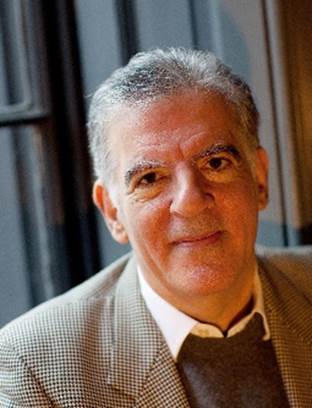
My Writing Process Michael Arditti

 Michael Arditti , authorWhat you have written, past and present

I am the author of eleven novels and one book of short stories, all of which have either been published or reissued by Arcadia and all of which I’m pleased (and proud) to say are currently in print.

I began my career writing plays for the radio and the stage, the former with more success than the latter, although I had a very happy experience writing The Volunteer for the National Youth Theatre in the 1980s.  Meanwhile, my play, Magda, about Magda Goebbels and Eva Braun in Hitler’s bunker, is to be produced in Latvia this autumn.  Nevertheless, I hate conflict in any form, and I learnt relatively early that such talents as I have are better suited to the reflective, discursive medium of fiction than to the more confrontational medium of drama.

What you are promoting now

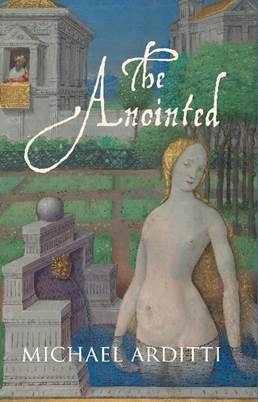
The paperback edition of The Anointed, a novel about King David, narrated by his three most significant wives.  The novel came out at the beginning of lockdown last April and, although sales were hit by the closure of bookshops, it was widely and well received, with the Evening Standard describing is as ‘#MeToo meets the Old Testament.’  That somewhat catchpenny phrase neatly sums up the book, in which three women, Michal, Abigail and Bathsheba, who are side-lined and almost totally silenced in the Bible, are given their voices and enabled to give their views of Ancient Israel’s greatest hero.
A bit about your process of writing

I am a ‘morning person’ and write from 6 or 7 am until 1 or 2 pm, with breaks for breakfast, herbal tea (and sugar-free biscuits!).   I very rarely write in the afternoons, preferring to read, listen to music or see friends.  Until last autumn, I worked as a theatre critic and spent three or four evenings a week in various auditoria.  I’m slowly adjusting to the new rhythm of life.

Like many writers, including my hero, Marcel Proust, I write in bed.  I always have done, since for me it offers the perfect mixture of freedom and constraint.  In 2001, I suffered a severe back injury, which has left me slightly disabled, so lying, propped up by pillows, with my laptop carefully positioned, is my most comfortable position.  Friends, who previously thought me self-indulgent and lazy, now think me practical and brave.  A great relief!

Do you plan or just write?

I feel a mixture of awe and envy for anyone who does things that I can’t (from swallow-diving to fixing computer glitches).  The same goes for writers who open a blank page (or a Word document) and write the first sentence of a novel, without having any idea of what the next will be.  In my own case, I need to know the arc of a novel before I can start.  Of course, the characters lead me in unexpected directions, and we all know what happens to the best-laid plans of mice and men.  But I do need to have a plan in place, to be able to deviate from it creatively.

What about word count?

I pay no attention to word counts whatsoever, either in having to complete a certain quota every day or in requiring a book to be a certain length.  Every novel is different.  My longest, Of Men and Angels, is around 180,000 words, and my shortest, The Young Pretender (about the Georgian child actor, Master Betty, which is to be published next January) is 55,000.  But the majority of my books, including The Anointed, are around 120,000 words.

How do you do your structure?

Structure is very important to me.  It should say as much about the matter of a book as the story itself does.  When I mentioned that I always had a plan before starting, I was referring to a structure rather than a plot.  For The Anointed, I worked to a readymade plot for only the second time in my career (the first was A Sea Change, which tells of the ill-fated voyage of the St Louis, a ship taking almost 1000 Jewish refugees from Hamburg to Havana in 1939).   The biblical Books of Samuel follow the course of David’s life from his gilded youth to his despotic old age, although, from my point of view, what they leave out was as important as what they put in.  

Once I resolved to tell David’s story from the women’s perspective, everything fell into place.  Michal, King Saul’s daughter, bears witness to his youth at her father’s court, his early military prowess, and his relationship with her brother, Jonathan.  Abigail, a wealthy widow who facilitates his rise to power, knows him as a skilful (and ruthless) politician, prepared to betray his countrymen to the Philistines, and usurp his father-in-law’s throne.  Bathsheba, the best known of the three (largely because her nude bathing has been a gift to painters down the centuries), encounters him in old age, raping and murdering at will and unable to control his children.  Their stories intertwine and, at times, contradict each other, reflecting the many inconsistencies in David’s character.

What do you find hard about writing?

I could say ‘everything’, although that would be too glib and not entirely true.  Ever since I published my first novel, The Celibate, in 1993, I have met people who tell me that they too would write a novel, if only they ‘had the time.’  I listen politely but wish that they had both more sensitivity and understanding of how hard a profession it is.  It requires both self-discipline and self-confidence.  It is a long, solitary process, at the end of which you can be harshly judged, both privately by friends and colleagues, and publicly by critics and readers.  It isn’t manual labour but it is often utterly draining.  If the writing is honest (as it should be), it can be very painful both for yourself and those to whom you are close.

What do you love about writing?

Once again, I could say ‘everything’ and, once again, I would have to qualify it.  To be able to create a fictional world is a gift and to have the chance to share it with readers a privilege.  Losing oneself in one’s work so that all outside concerns and distractions disappear is the most glorious sensation, bettered only by reading through one’s writing at the end of a chapter and not knowing the genesis of a particular incident or exchange but knowing that it is absolutely right.

The Anointed by Michael Arditti is out in paperback by Arcadia.

 

Staycation Essential – The Snuggy

When I saw the press release for the Snuggy arrive in my inbox I was pretty excited. I am big on comfort and I hate being cold. When it arrived it was beautifully packaged and looked great. Putting it on feels like a warm hug. You are basically walking around wearing an incredibly comfortable blanket. I love it.

With the warmer weather in our sights and the Government’s overseas travel list in place, staycations are expected to be even more popular than ever before. If you’re heading on one yourself, or pulling together an essentials list, I wanted to introduce you to the Snuggy – the perfect addition to your staycation wardrobe.

snuggy, lounge wear, warm , comfortable.

Adored by celebrities such as Chloe Ferry and Alex and Olivia Bowen, the Snuggy is an oversized hoodie that’s super cosy and warm. It’s ideal for throwing on when the temperature drops in the evening or for those pesky nighttime trips to the loo!

Available in five different colours at www.snuggy.shop, and with options for adults (£59.99), children (£34.99) and even your canine companions (£22.99), its soft flannel fleece exterior and sherpa fleece interior make it the ultimate in campsite cosy comfort.


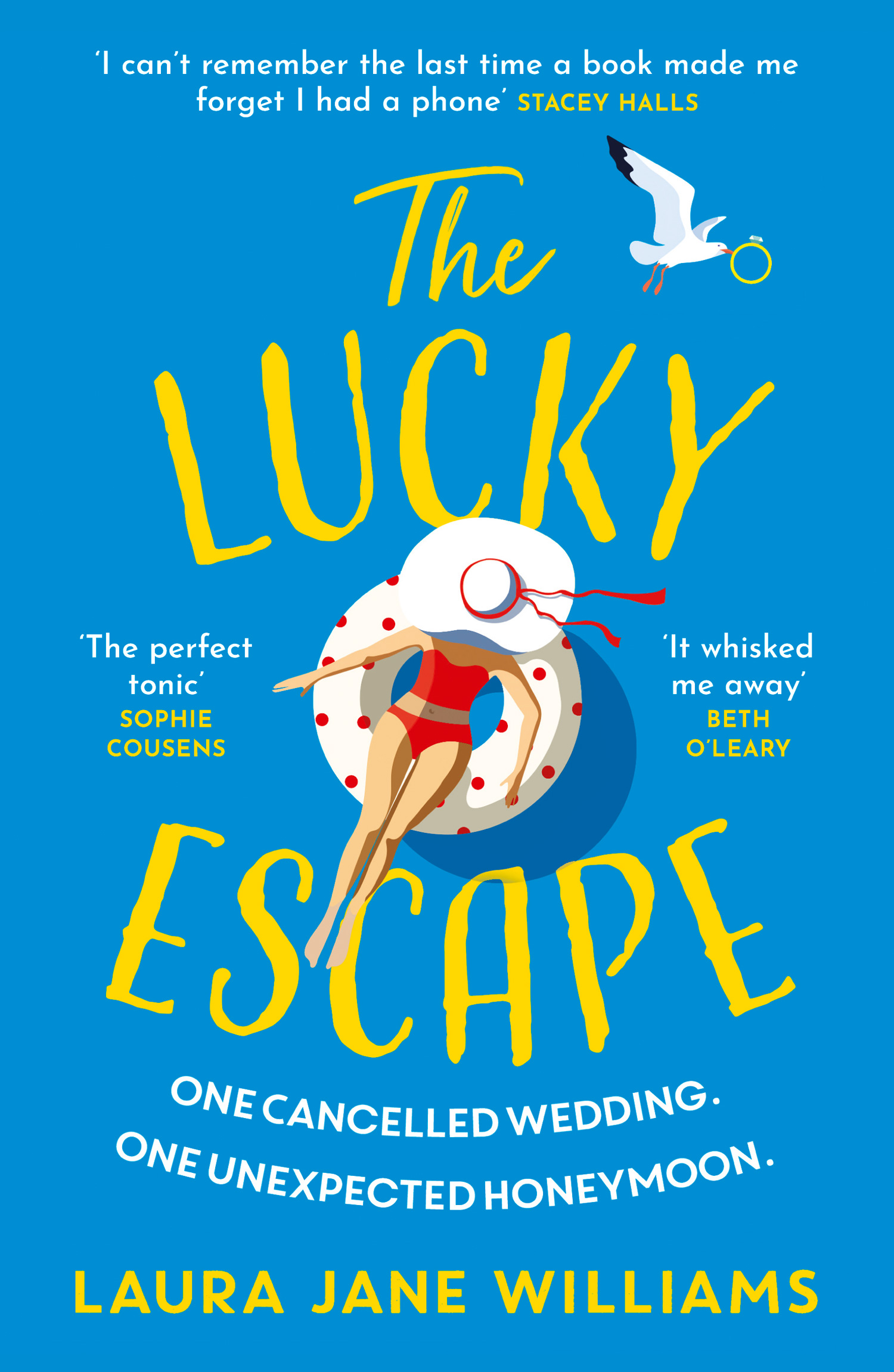
5 Books that Changed My Life By The Lucky Escape Author Laura Jane Williams

The Babysitter’s Club series

My parents had a rule when we were growing up: they’d always say yes to a book. I remember being in Waterstone’s Durham and randomly pulling a Babysitter’s Club of off the shelf, purely to get my dad’s attention and praise. Turns out, it was a gateway drug. Over the next few years I collected all of them, devouring the stories of these incredibly glamourous Americans who essentially ran their own little business. Couple that with starting highs school as The Spice Girls hit number one and a lot of my personality suddenly makes sense!

lucky escape, Laura Jane Williams, books that changed me,

On Beauty, Zadie Smith

I read this when I was about 20, and it opened a secret door within me that I hadn’t known about before. Every character in this book leaps off the page – there is no such thing as a flat or incidental character, everyone is 3-D and complete. It was the first time I remember being aware of not just enjoying the story, but that the story was created by somebody, a writer, who had worked at it and used certain techniques and skills to make their point. I know every man and his dog has been inspired by Zadie, but it really is for a reason. She’s remarkable – she’s got the most smart, intelligent brain.

Heartburn, Nora Ephron

I’ve read and re-read this book, and every time I just cannot get over the self-awareness of it. It’s so funny. There’s not a line wasted. It’s no mean feat, writing a character with so much life in them, with strong opinions and questionable choices who is still utterly likeable. It’s the same for Bridget Jones. I love knowing that the novel is a roman a clef and picking out which bits are slightly less veiled retellings of actual events than others. It must only be about 50,000 words, if that, so it’s proof that not every story needs to be an opus to be impactful.

Homegoing by Yaa Gyasi

This book taught me more about the lasting impact of slavery than anything else I’d ever read up until that point. I remember knowing that whilst the third chapter was some of the most difficult reading I’d come across it was unquestionably important. The novel branches out to illustrate the continued echoes of white supremacy alive today and so much clicked for me, then – my privilege had not allowed me to see so much, and through the gift of this story I could. It was a jumping off point for so much more interrogation into racial inequality.

Last Night, Mhairi McFarlane

I’d never read and Mhairi before this one, but offfft! What a book to get started on! Right from the first page I was sucked in to this world of banter and wholehearted friendship, and whilst I think the sort of rom-com/women’s fiction genre gets deliberately misunderstood (don’t get me started on that!) there’s no mistaking this book as an incisive, accomplished balance between hilarious and heart-breaking. That’s masterful! I read it in awe of her skill, trying to unpick how she’d done what she’d done. That’s how I know I’ve been impressed – I hold the thing up to the light desperate to learn from it!


The Lucky Escape publishing on the 10th June, is the third unmissable new novel from the bestselling author of Our Stop and The Love Square. The perfect romcom, and more: full of effortless banter; sizzling sexual tension and, above all, an overwhelming sense of hopefulness – in life as well as love.

Ocean Refresh Flip-Flops – Freeing Our Oceans of Plastic, One Step At A Time

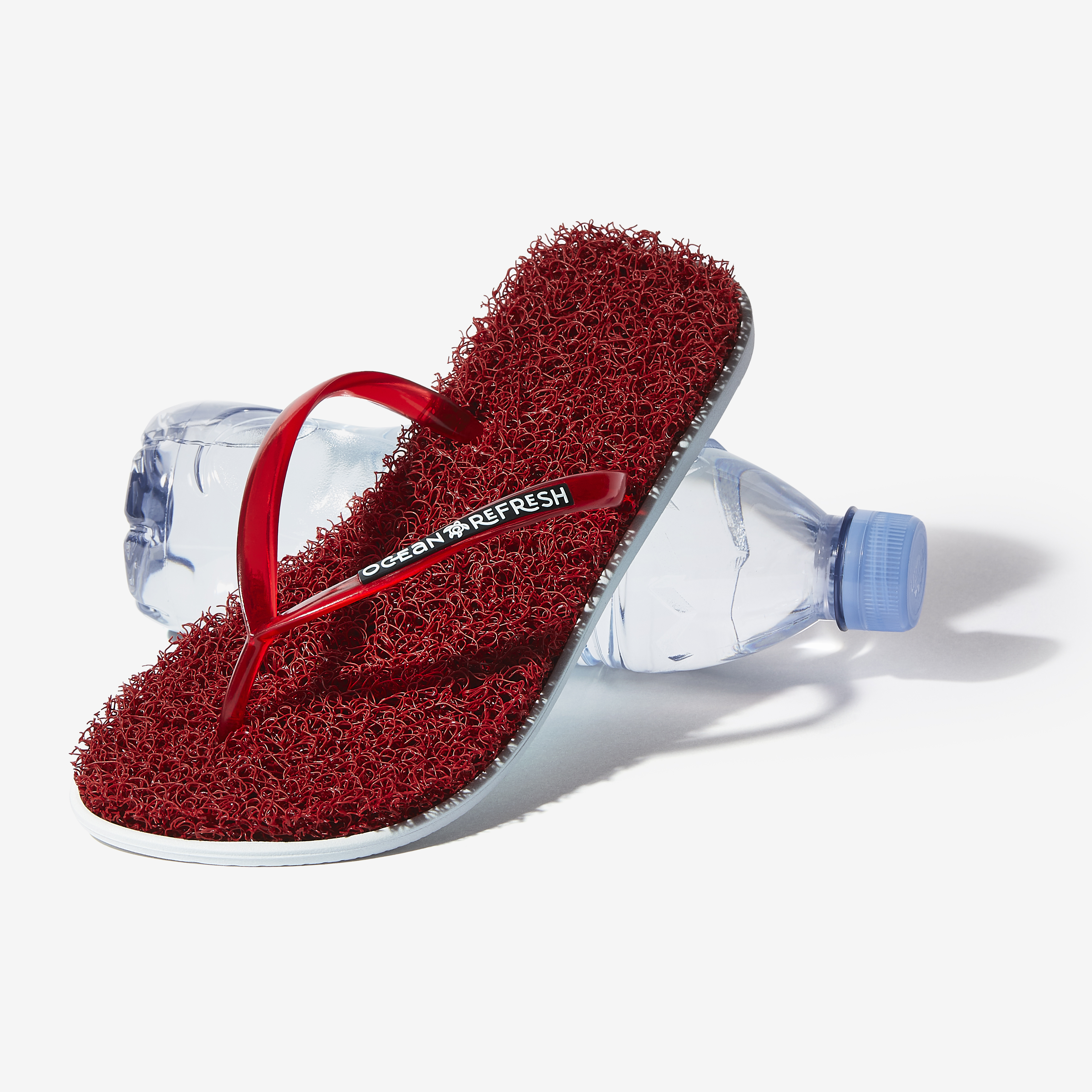
Now that the sun is finally out and we can start to emerge from lockdown, we can shake off our shoes and wear these stylish  flip-flops instead.  I love these sustainable flip flops. They look great and are so comfortable. I feel like my feet are being massaged while I wear them. I cannot recommend them enough.

These flip-flops are made completely from the plastic waste gathered from our oceans and coastlines, with each pair containing up to 24 plastic bottles!

ocean refresh, flip flops, plastic, sustainable,

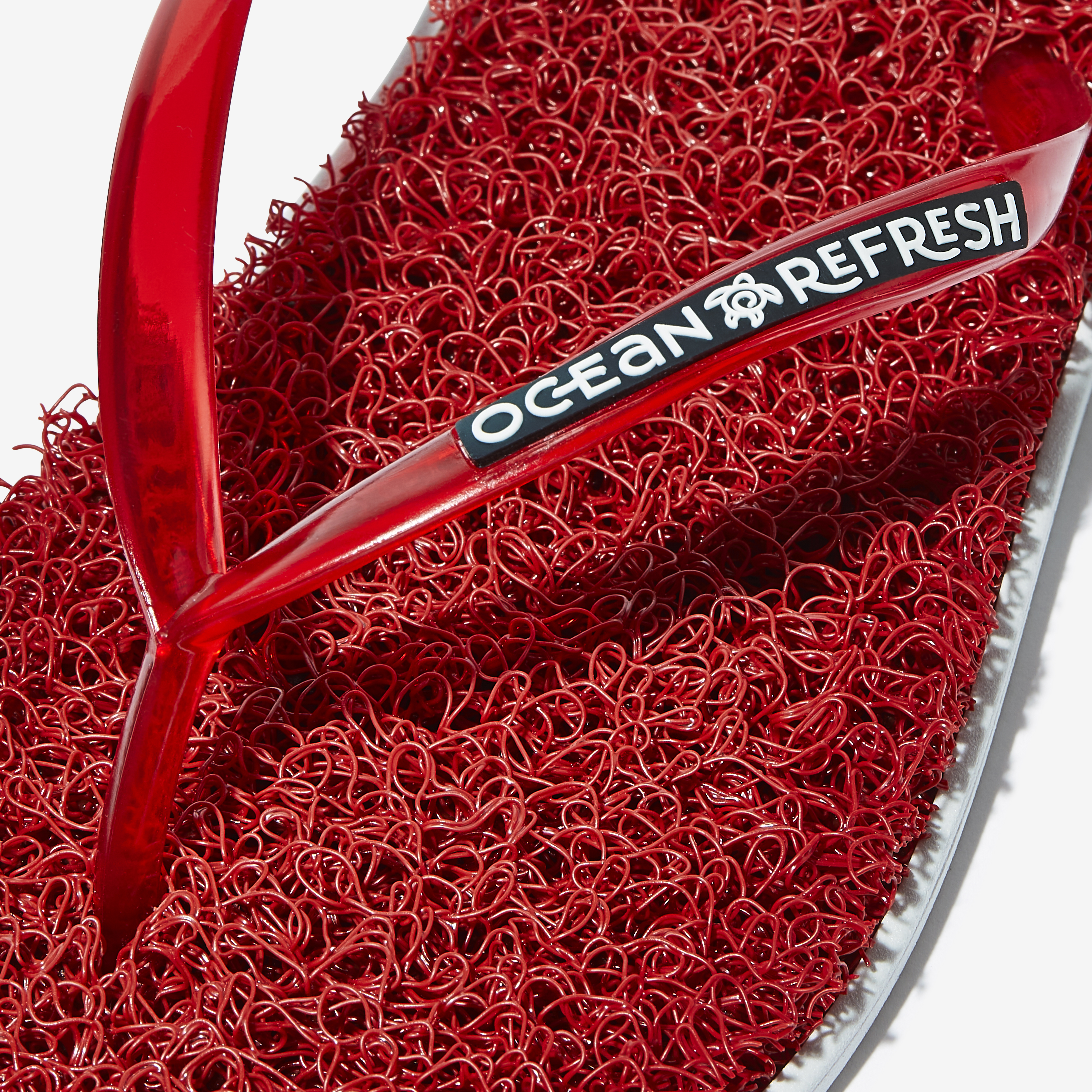
Ocean Refresh Flip-Flops are made from their unique silky smooth Oceatex™ carpet for extra comfort, which is non-slip and water resistant.

Ocean refresh, flip flops, sustainable,  They are:
✔ Made from Organic & Natural Materials
✔ 100% Vegan
✔ 100% Recyclable – Qualifies for their 360 Programme
✔ Lightweight ‘Noodle’ Microstructure
✔ Cushioned Massaging
✔ Anti Abrasive – Outsoles do not mark any type of surface

✔ Anti Bacterial – The material eliminates Funghi & Bacterial odours

www.oceanrefresh.com

ERIC CARLE, 1929 – 2021

Eric Clarke, author, hungry caterpillar.
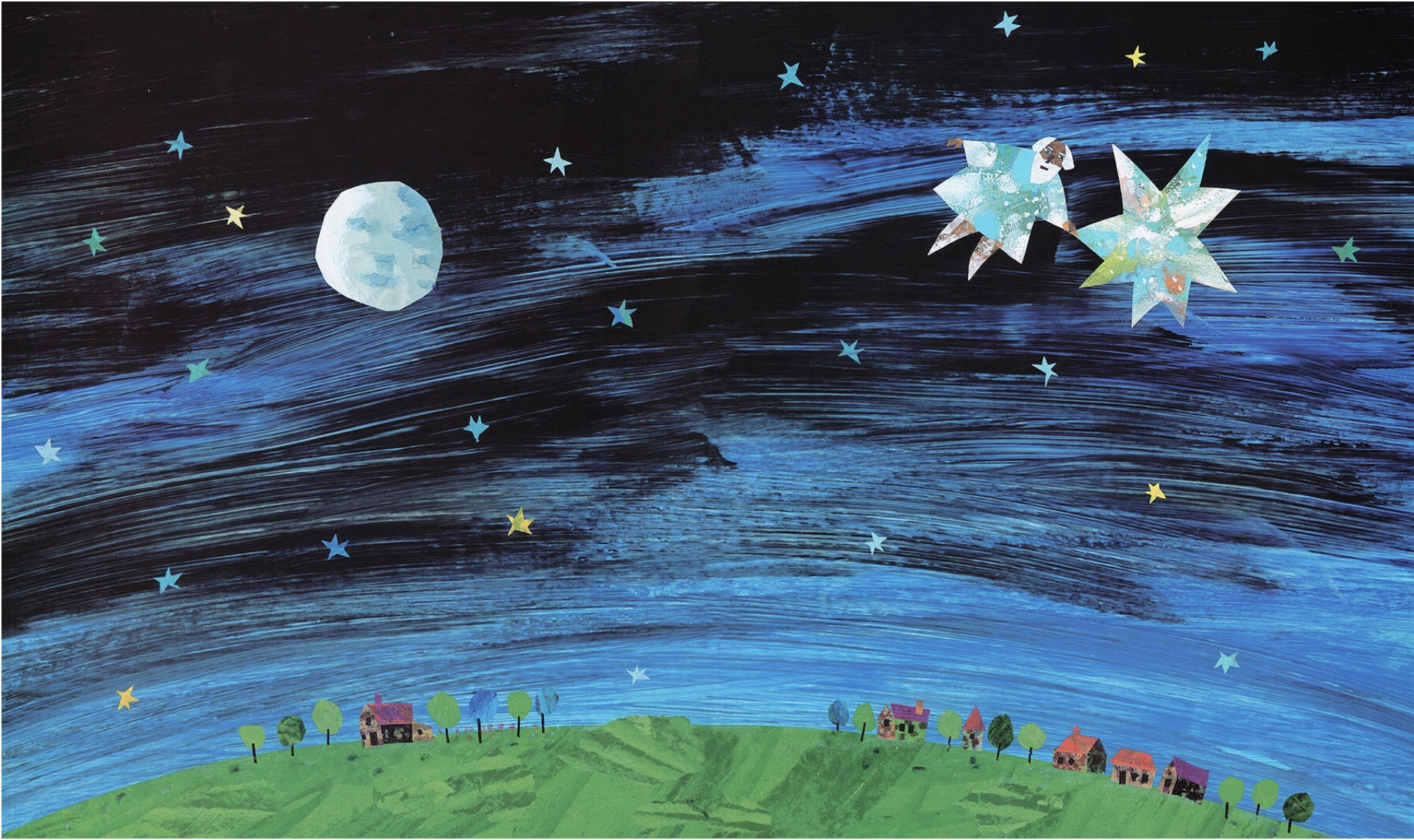
‘In the light of the moon,
holding on to a good star,
a painter of rainbows
is now traveling across the night sky’
The Carle family announces with great sadness that Eric Carle, beloved artist, illustrator, and writer, passed away peacefully and surrounded by family members on May 23, 2021  at his summer studio in Northampton, Massachusetts. Eric was 91.

A true creator, Eric Carle is renowned for his multi-dimensional practice, spanning a large body of fine art works in collage, painting, works on paper and fabric, and sculpture; theater and furniture design; and the stories he envisioned in over 70 brilliantly illustrated and designed children’s picture books. The books Eric created across more than 60 decades have sold over 170 million copies and include timeless classics such as Do You Want to Be My Friend? (1971), The Grouchy Ladybug (1977), Papa, Please Get the Moon for Me(1986), “Slowly, Slowly, Slowly,” said the Sloth (2002), The Very Clumsy Cricket (2017), and so many more. His best-known work, The Very Hungry Caterpillar, has been translated into over 70 languages (including Mongolian) and shared around the world since its publication in 1969.

Drawing on his formal training and ongoing practice as an artist (which Eric fondly referred to as his “art art”), Eric quickly developed a distinctive, personal style that he continued to explore and refine in his books, illustrations, and fine art. Numerous artistic influences came together in Eric’s creative output. His art took root in the long tradition of collage, an artistic technique tracing back to the 1900s Dadaist movement, combined with his hand-painted, colorful, and textured tissue papers, which recall the work of abstract artists associated with the Academy of Fine Art Stuttgart (the so-called Stuttgart avantgardists), from where he earned his fine art degree.


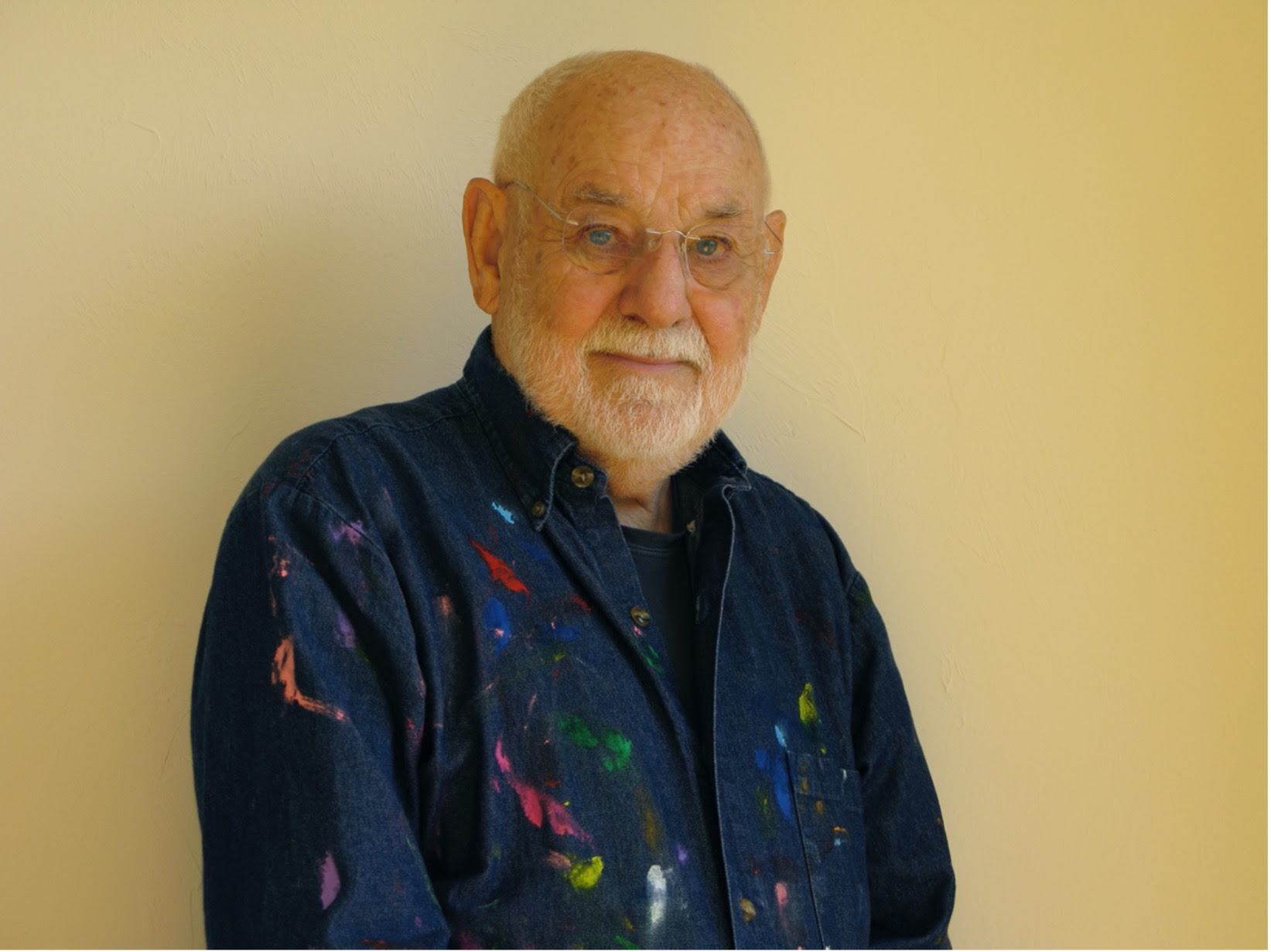
Eric Carle. Photo: Motoko Inoue
Eric’s prolific career as a picture book illustrator began by chance in 1967 when author Bill Martin Jr, while in a doctor’s office waiting room, saw a medical advertisement in a medical journal for antihistamines with an illustration Eric had done of a big red lobster. Soon after, Martin invited him to illustrate Brown Bear, Brown Bear, What Do You See? and the experience sparked his interest in creating his own stories, combining his artistic abilities with his experience in the field of printing.

His first original, 1,2,3 to the Zoo, was published the very same year. The book was published by Philomel Books, an imprint of Penguin Young Readers, and edited by the late Ann Beneduce, who Eric has always credited the success of his early works. They would go on to work together for the next fifty years.

Bright collage images, imaginative stories, and little details – die cut pages, a firefly’s twinkling lights, a quiet cricket’s song – made Eric’s illustrations uniquely playful. Eric was the recipient of the 2003 Laura Ingalls Wilder Award (now called Children’s Literature Legacy Award) and held eight honorary degrees, including from Williams College and Amherst College. He remains an important influence on artists and illustrators at work today.

In 2018, Penguin Young Readers established The World of Eric Carle, an imprint dedicated to Eric’s work. Eric is also published by Simon & Schuster, HarperCollins Children’s Books, and Macmillan. In 2020, the World of Eric Carle was the #1 bestselling literary preschool brand, led by The Very Hungry Caterpillar,which was 2020’s 16th bestselling book of the year, and the #1 best-selling board book. Penguin Young Readers continues to publish new books featuring Eric’s iconic and beloved characters and artwork under The World of Eric Carle imprint.

Eric’s career as a creator extended far beyond his beloved children’s books—his independent artwork (or “art art”) is the root of his deeply individual style, reflecting a sense of whimsy, unfettered creativity, and calculated spontaneity. Utilizing materials such as aluminum, silk, glass, including scraps, and objects found in his studio, Eric amassed an extensive body of visual artworks throughout his lifetime including abstract collages, glass sculptures, and works on paper. Part of Eric’s early training as an artist was to treat all the arts, commercial or otherwise, with the same dedication, the same passion, and the same respect.

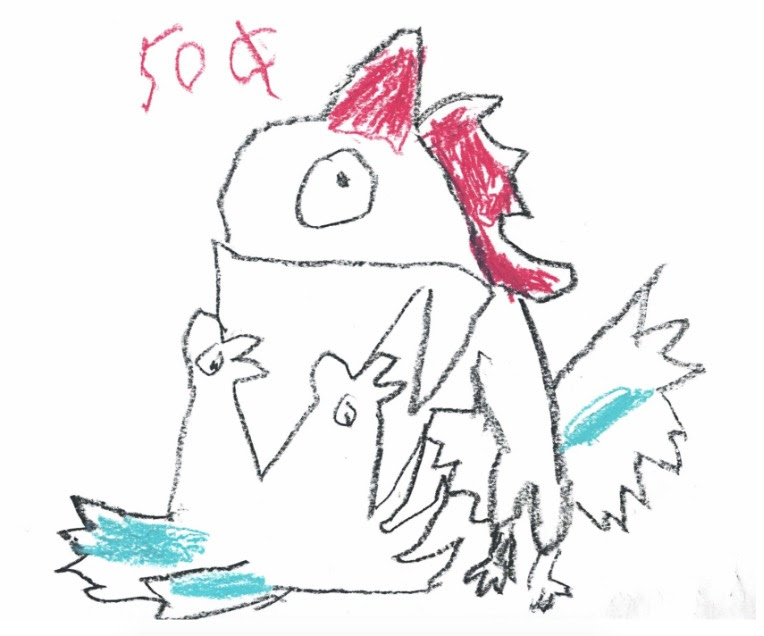
Eric was a true artist until the end—creating drawings as recently as this spring. Eric’s last drawing series, created in his final years, include several with “50 cents” written onto the image. When asked about this choice, he said that “children should know they too can sell their artwork.” A child at heart, the secret to Eric’s incredible legacy as a creator of picture books lay in his intuitive understanding of young minds—their feelings and their inquisitiveness, their creativity, and their intellectual growth. Besides being beautiful and entertaining, his books always offer children the opportunity to learn something about the world around them and encourage them to engage as artists themselves.

It was in this spirit that Eric and his wife Bobbie Carle (1938­-2015) co-founded The Eric Carle Museum of Picture Book Art in Amherst, Massachusetts in 2002. The Carles envisioned the museum as “a place for young visitors’ very first visit to a museum”, preparing them to develop the habits of museum going and discovery. The first major museum in the country dedicated to picture book art, it is a champion for illustrated children’s literature, collecting and exhibiting original illustration, and encouraging guests of all ages to read and create art. In summer 2020, The Eric Carle Museum of Picture Book Art presented Eric Carle’s Angels: An Homage to Paul Klee, an exhibition of 20 abstract assemblages dedicated to artist Paul Klee (1879-1940), who created over 70 drawings and paintings of angels during his lifetime. Eric’s singular, bold, three-dimensional “Angels”, created from painted cardboard and found objects, are a testament to the expressive power of collage in the hands of a master. His wishes for this series were that they never be conserved. Instead, he asked they be allowed to naturally disintegrate. The series represents a small but notable period of Eric’s extensive work in visual art.

Eric was born is Syracuse, New York on June 25th, 1929, and at the age of six moved with his parents Johanna and Erich Carle, both German immigrants, back to their hometown of Stuttgart, Germany. After graduating in 1950 from the prestigious Academy of Fine Arts Stuttgart (Akademie der bildenden Künste), he fulfilled his dream to return to America—the place of his happiest childhood memories. In 1952, with a portfolio in hand and $40 in his pocket, he arrived in New York City. With the help of the illustrator and art director Leo Lionni, who would go on to become a mentor, Eric landed a job as a graphic designer at The New York Times. He was drafted into the U.S. Army during the Korean War; after discharge he returned to his job with The New York Times and later he became an art director of a medical advertising agency, L.W. Frolich. Eventually, he was promoted to oversee International Hiring, recruiting art directors for the agency’s international offices (London, Mexico City, and Frankfurt), a job that took him away from designing himself. He soon left and began a career as a freelancer designing book jackets, album covers, and eventually children’s books.

Eric is survived by his two children from his first marriage to Dorothea Carle (née Dorothea Wohlenberg), Rolf Carle and Cirsten Carle, and Rolf’s wife Teresa Toro; his sister Christa Bareis, and his sister-in-law Rita Wiseman. Eric was preceded in death by his wife of 42 years Barbara ‘Bobbie’ Carle (1938 – 2015). Eric was a resident of Key Largo, Florida, where he and Bobbie lived since 2004.

An artist till the end, Eric continued to create art until early May 2021. Some of his latest works on paper can be seen here.

Online condolences, memories, and photos may be shared with the Carle family at:

Website: www.ericcarle.art/
Facebook: @ericcarleartist
Instagram: @ericcarleartist
#RememberingEricCarle

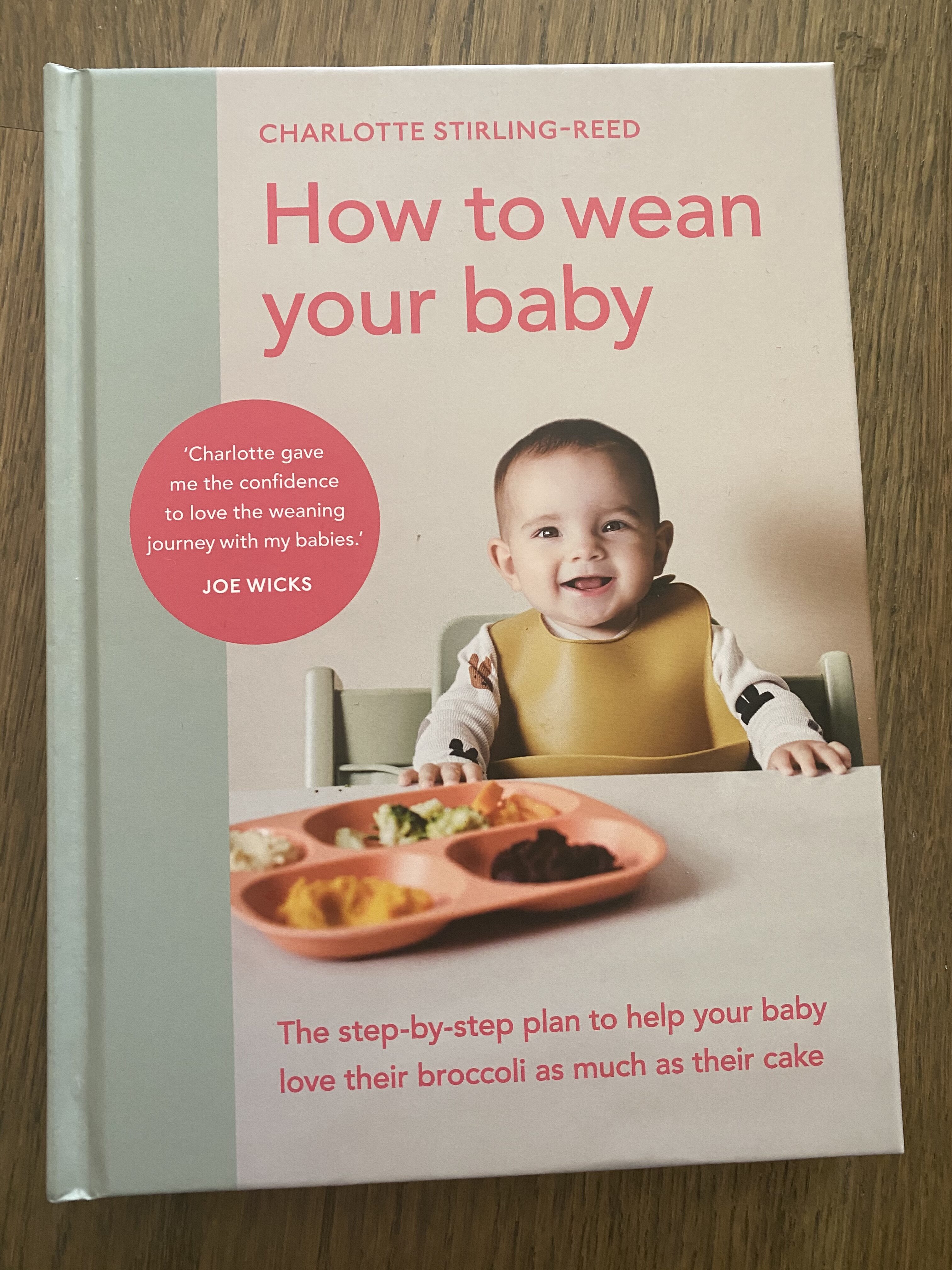
How To Wean Your Baby by Charlotte Stirling-Reed Book Review

The easy weaning plan to ensure your baby becomes a happy and adventurous little eater.
How to Wean Your Baby, The step-by-step plan to help your baby love their broccoli as much as their cake ,Hardcover , Charlotte Stirling-Reed , (AuthorWeaning a baby, especially if it is your first, can be hard and scary. You are so worried about getting it right. I wish I had this wonderful book from Charlotte Stirling-Reed years ago. It would have made my life so much easier. It is a step-by-step guide and it starts with vegetables. Not the cliché baby rice.

It has key principles, the basics, milestones and everything else. When it comes to weaning, what is not in this book is not worth knowing. It also has plenty of recipes. Joe Wicks and Ella Mills are fans and so am I. I also love Charlotte’s feeding webinars. Watch one if you can. Essential reading for parents. 

In this beautiful, full-colour book, expert nutritionist Charlotte Stirling-Reed reveals her renowned method that has helped thousands of parents wean their babies confidently.

Based on a vegetable first approach, the perfect way to develop healthy eating habits and to tackle fussy eating before it begins, you’ll be hand-held through the first 30 days of weaning as well as given lots of delicious recipes all the family can enjoy.

Packed with tried and tested tips, as well as the latest evidence-based guidance, How to Wean Your Baby will fully equip and empower you to take this exciting next step.

How to Wean Your Baby is available here

The Pact by Sharon Bolton | Book Review

I love getting my teeth into a good thriller and The Pact by Sharon Bolton is like a big, juicy steak. The characters are so vivid and the writing is so insightful that I loved every page. This clever book about six talented friends and the consequences of a very stupid thing they do. The daredevil game goes wrong and a woman and her two children die. It is heart-rendering stuff and someone must pay the price.
One of the friends, Meghan, takes the blame and pays a huge price. When she is released from prison the real fun begins. This is a clever and entertaining book that leaves you gripped all the way to the end.

A golden summer, and six talented friends are looking forward to the brightest of futures – until a daredevil game goes horribly wrong, and a woman and two children are killed.

18-year-old Megan takes the blame, leaving the others free to get on with their lives. In return, they each agree to a ‘favour’, payable on her release from prison.

Twenty years later Megan is free.
Let the games begin . . .

The Pact is available here.

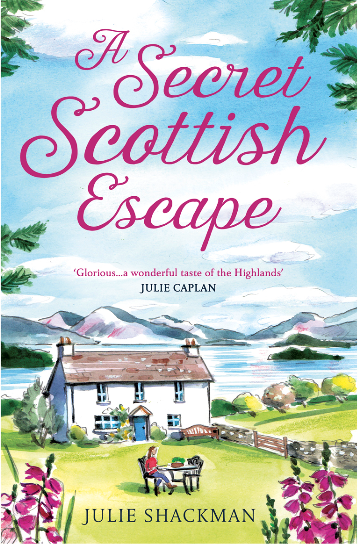
My Writing Process Julie Shackman.

I am a writer of feel-good romance and live to the North of Glasgow with my husband and two sons. I trained as a journalist and studied Communication & Media, but I always wanted to be an author. We  adopted a Romanian rescue puppy, who we named Cooper, just before Christmas and he is often my writing companion!

What you have written, past and present. 

A Secret Scottish Escape is my fifth published book. My first two novels, Rock My World and Hero or Zero, were published digitally by the London based publisher Not So Noble Books and my next novel after that, A Room at the Manor, was released by Allen & Unwin. Book number four, The McKerron Castle, was released in audio by Bolinda.

Years ago, I also had two children’s picture books published in Dublin, but I always wanted to write feel-good, escapist romance and that is the genre I love to read.

What you are promoting now. 

I am promoting my latest feel-good romance, A Secret Scottish Escape, which is being released by the wonderful HarperCollins imprint One More Chapter as an ebook on 21 May and in paperback on 19 August. I can’t wait to share the tale of Layla and Rafe!

A bit about your process of writing. 

I find it very difficult to write straight onto the PC, so I tend to write long-hand in one of my many notebooks (!) and then type it up. I usually go to my favourite tea shop to write, but since lockdown, that hasn’t been possible, so I have been learning to write on the sofa, in the kitchen and whilst staring out of the window in the office! I also have to have music playing. Listening to lyrics seems to work for me as well.

Do you plan or just write?

I used to be a real panster, but have got a little bit better since  my last couple of books. I haven’t been planning everything, but write more detailed notes now on character background, settings and where the story is headed.

What about word count?

I just tend to write the first draft, get it all down and then tweak polish and edit after that. if I can write about 1k-1,500 words a day, I’m pleased with that. The most I have ever written in a day was 4,500 words. I wouldn’t like to do that too often!

How do you do your structure?

I make lots of bullet points in my notebook, referring back to themes and characters. It can look rather chaotic, but it seems to turn out ok in the end!

What do you find hard about writing?

I procrastinate alot! I also have a habit of browsing through social media or reading the paper and then have to have a stiff word with myself.

What do you love about writing? 

I love creating worlds and characters that readers can hopefully lose themselves in. I think we all really need to be able to do that – especially now!

Advice for other writers. 

Don’t ever give up. Keep going, keep writing and keep reading. A published writer is an unpublished writer who never quit.

UK Amazon Link –

https://www.amazon.co.uk/Secret-Scottish-Escape-heartwarming-women-ebook/dp/B08T5WWNDR/ref=tmm_kin_swatch_0?_encoding=UTF8&qid=&sr=

US –

https://www.amazon.com/Secret-Scottish-Escape-Julie-Shackman-ebook/dp/B08T5WWNDR/