Book of the Week: Future Politics by Jamie Susskind

Future Politics is a riveting book that sparkles with great ideas. Full of facts and visionary ideas. It is chock full of facts and the book combines knowledge of politics and technology in a unique and fascinating way. A great book that really makes you think. 


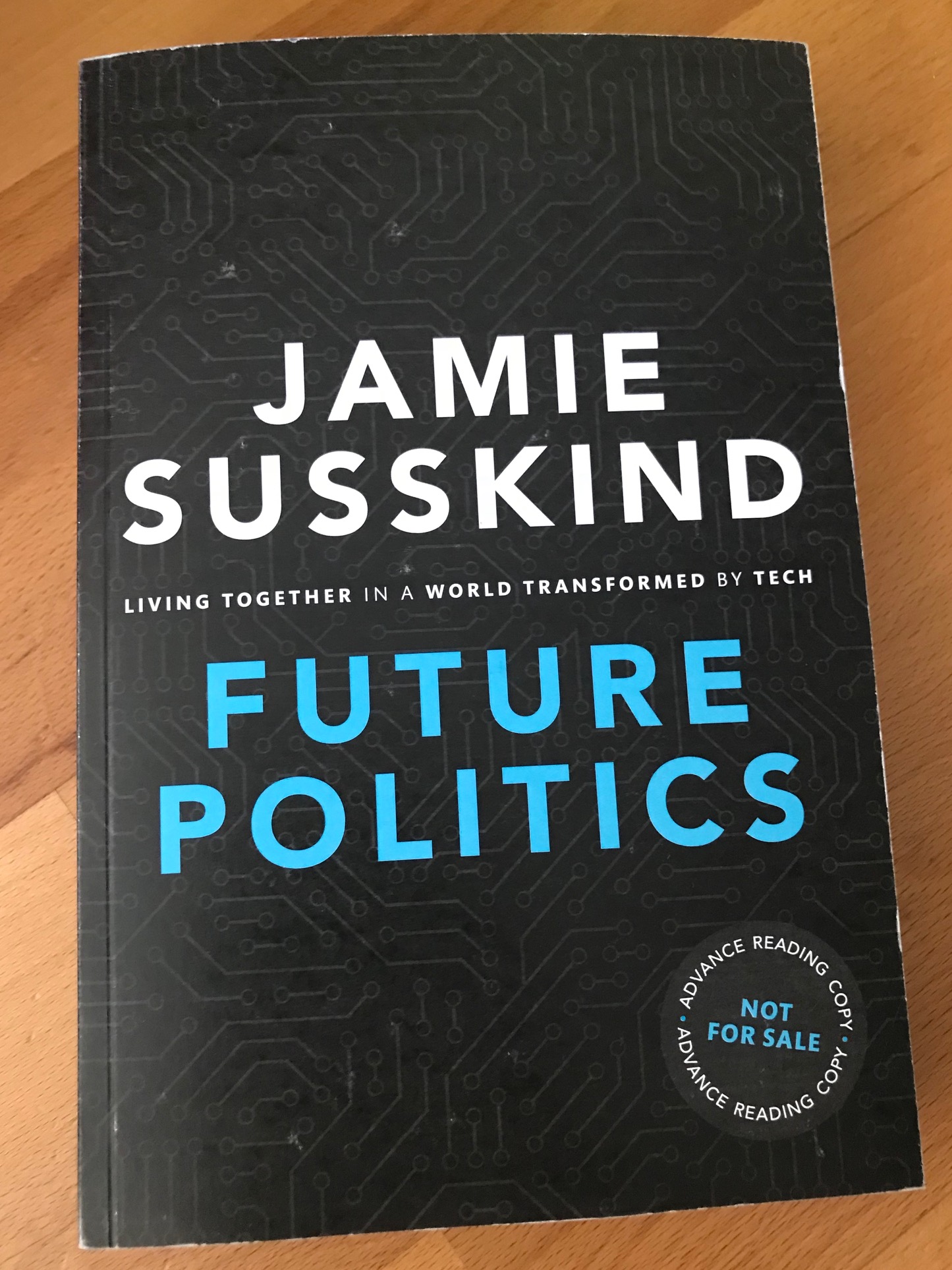
Future Politics confronts one of the most important questions of our time: how will digital technology transform politics and society? The great political debate of the last century was about how much of our collective life should be determined by the state and what should be left to the market and civil society. In the future, the question will be how far our lives should be directed and controlled by powerful digital systems – and on what terms?

Jamie Susskind argues that rapid and relentless innovation in a range of technologies – from artificial intelligence to virtual reality – will transform the way we live together. Calling for a fundamental change in the way we think about politics, he describes a world in which certain technologies and platforms, and those who control them, come to hold great power over us. Some will gather data about our lives, causing us to avoid conduct perceived as shameful, sinful, or wrong. Others will
filter our perception of the world, choosing what we know, shaping what we think, affecting how we feel, and guiding how we act. Still others will force us to behave certain ways, like self-driving cars that refuse to drive over the speed limit.

Those who control these technologies – usually big tech firms and the state – will increasingly control us. They will set the limits of our liberty, decreeing what we may do and what is forbidden. Their algorithms will resolve vital questions of social justice, allocating social goods and sorting us into hierarchies of status and esteem. They will decide the future of democracy, causing it to flourish or decay.

A groundbreaking work of political analysis, Future Politics challenges readers to rethink what it means to be free or equal, what it means to have power or property, what it means for a political system to be just or democratic, and proposes ways in which we can – and must – regain control.

‘Original and thought-provoking, this ground-breaking book challenges us to develop new policies for new times.’

GORDON BROWN

Prime Minister of the United Kingdom 2007–2010


Future Politics by Jamie Susskind is available here.


New beauty boosting drink contains six wonder ingredients | Frost Recommends

collagen drink A new beauty boosting drink contains everything you need to improve hair, skin and nails.

The 3 in 1 Collagen Beauty Drink developed by pinkcloudbeauty.co contains collagen, vitamin C and E, selenium, biotin and MSM (Methylsulfonylmethane) to help promote skin, hair and nail health.


The six ingredients work to boost hydration and elasticity, to develop new healthy tissue and to maintain and improve skin.

The pink lemonade flavoured drink is sugar and fat free containing only seven calories.


The 3 in 1 Collagen Beauty Drinks Available online at Pink Cloud Beauty Co and prices start from £29.99 for 30 sachets.

Frost tried it and we loved the results. 

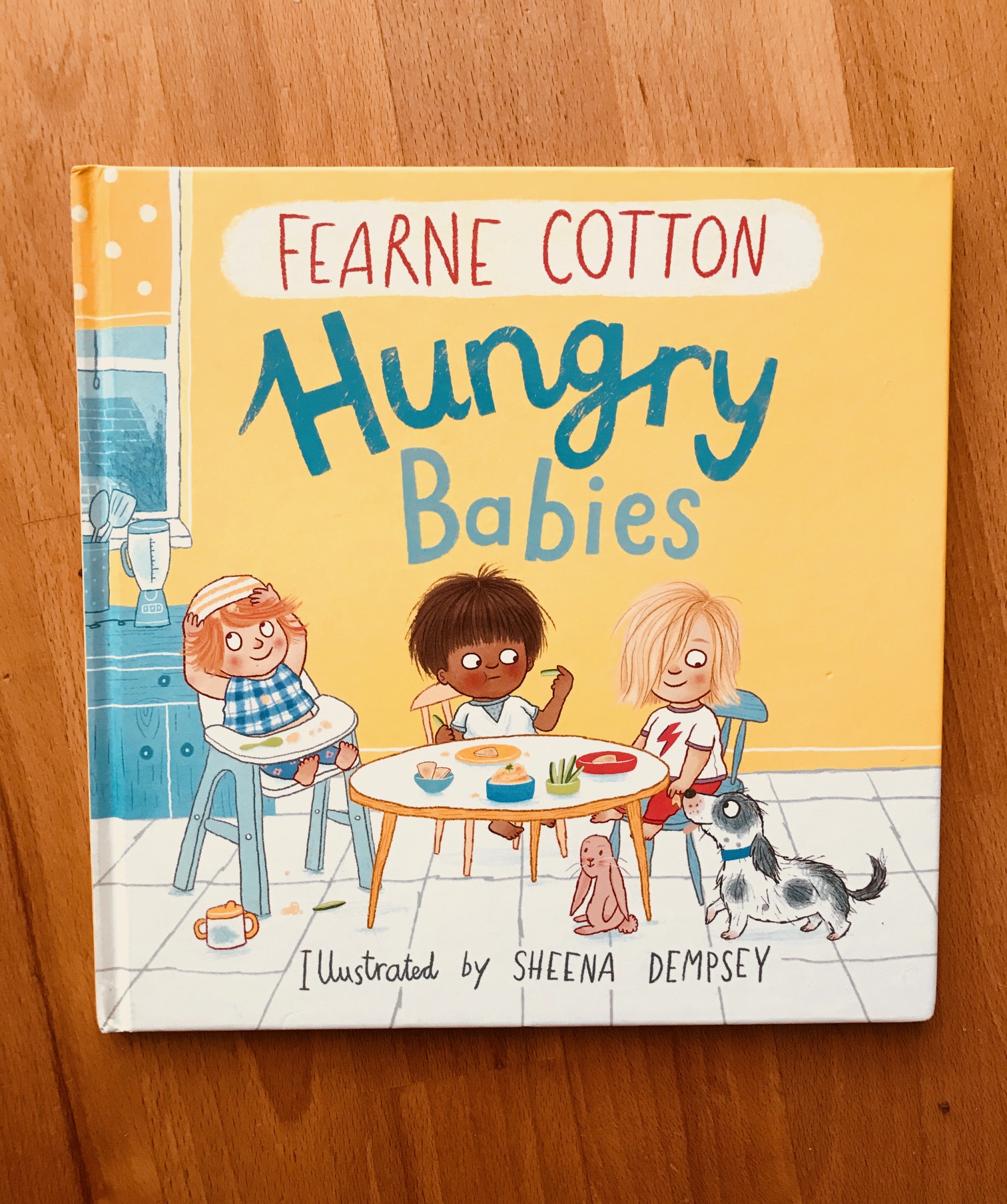
Book of The Week: Hungry Babies By Fearne Cotton

hungry babies fearne cotton book

This highly anticipated sequel to the best-selling Yoga Babies was a huge hit with my son. He loved the book and it is easy to see why. The book has a great storyline for children and glorious illustrations. There is so much to see in every page. The Hungry Babies story will also -hopefully!- get your child interested in some different foods. It is our well deserved book of the week.


Broadcaster, author and mum Fearne Cotton has revealed her brand new children’s picture book Hungry Babies to her millions of social media followers.


Once again illustrated by Sheena Dempsey, Hungry Babies follows the same set of children from Yoga Babies as they go through the many perils of meal times – from big eaters to fussy eaters, breakfast at home to eating on the go, Fearne’s warm, funny rhyme reflects all aspects of eating with little ones. Sheena Dempsey has snuck in a few familiar faces and places if you follow Fearne’s Instagram – with her kids Honey and Rex, Fearne’s kitchen and even the children’s wendy house making an appearance!


On creating Hungry Babies, Fearne has said:


“Being a mother you realise how fussy or strange kids can be around food. My two have very specific favourites and dislikes and it can be challenging at meal times. Sometimes it’s a joy but it is also hard work in producing new foods to reluctant participants.


Meal times in our house are usually pretty hectic! The kitchen floor looks like the Monday after Glastonbury Festival and I’m sweating. I try to get my kids to try new things. Rex is very good at this and loves the challenge where as Honey takes a little more work. Some days they eat every thing I put in front of them and other days not so much so I try not to worry too much.


I think the book will deliver hope that kids will eventually try new foods, but also that it is OK if there is a meal time that goes a bit wrong. Food on the floor, kids spitting new foods out – I think the book is a fair reflection on a plethora of possible outcomes.”


2018 has been an incredibly busy year for Fearne so far, including the launch of her chart-topping podcast Happy Place.


Hungry Babies is published in hardback, £10.99

ISBN. 9781783446858


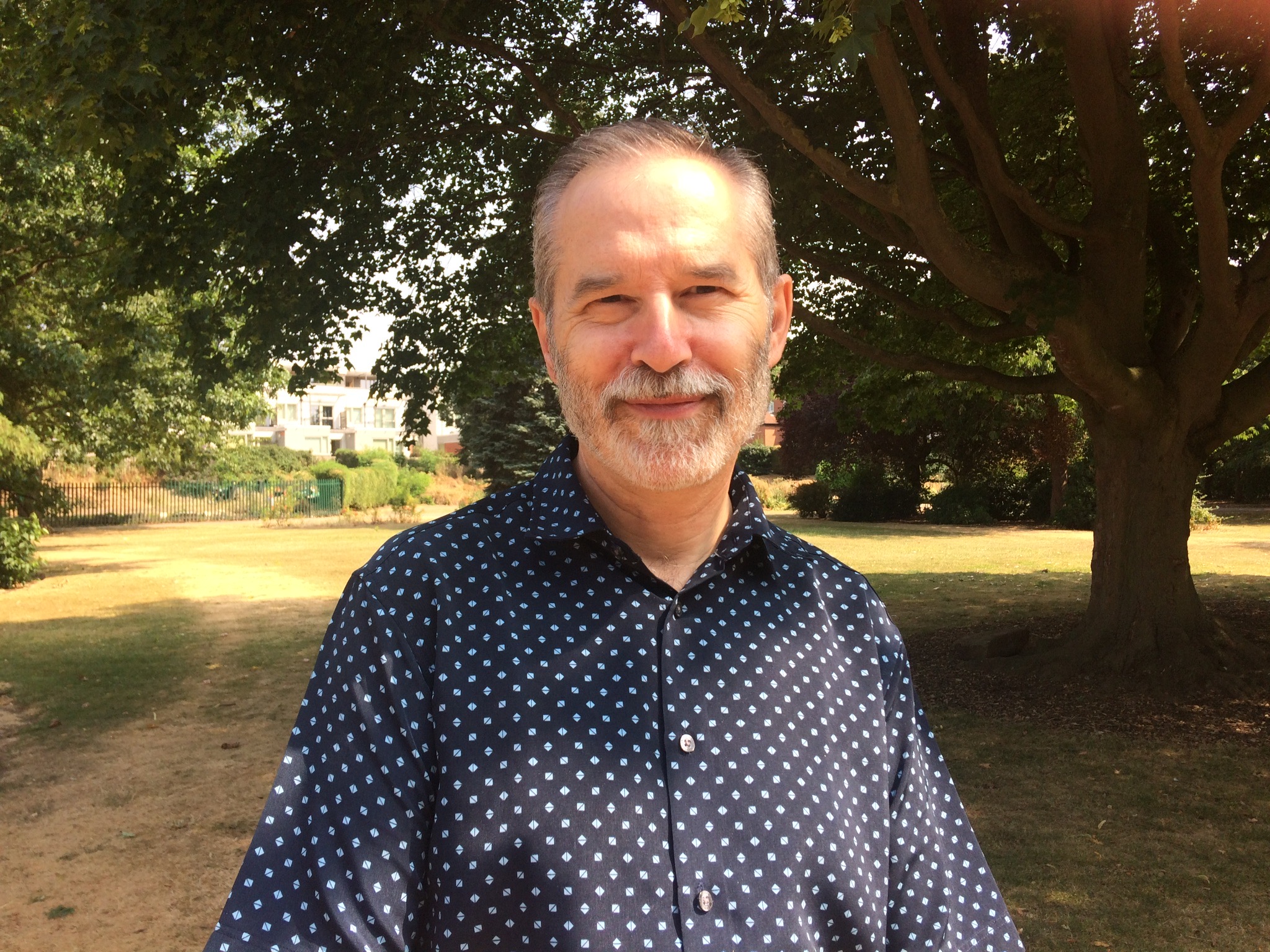
Interview with Brilliant Author Jack Messenger

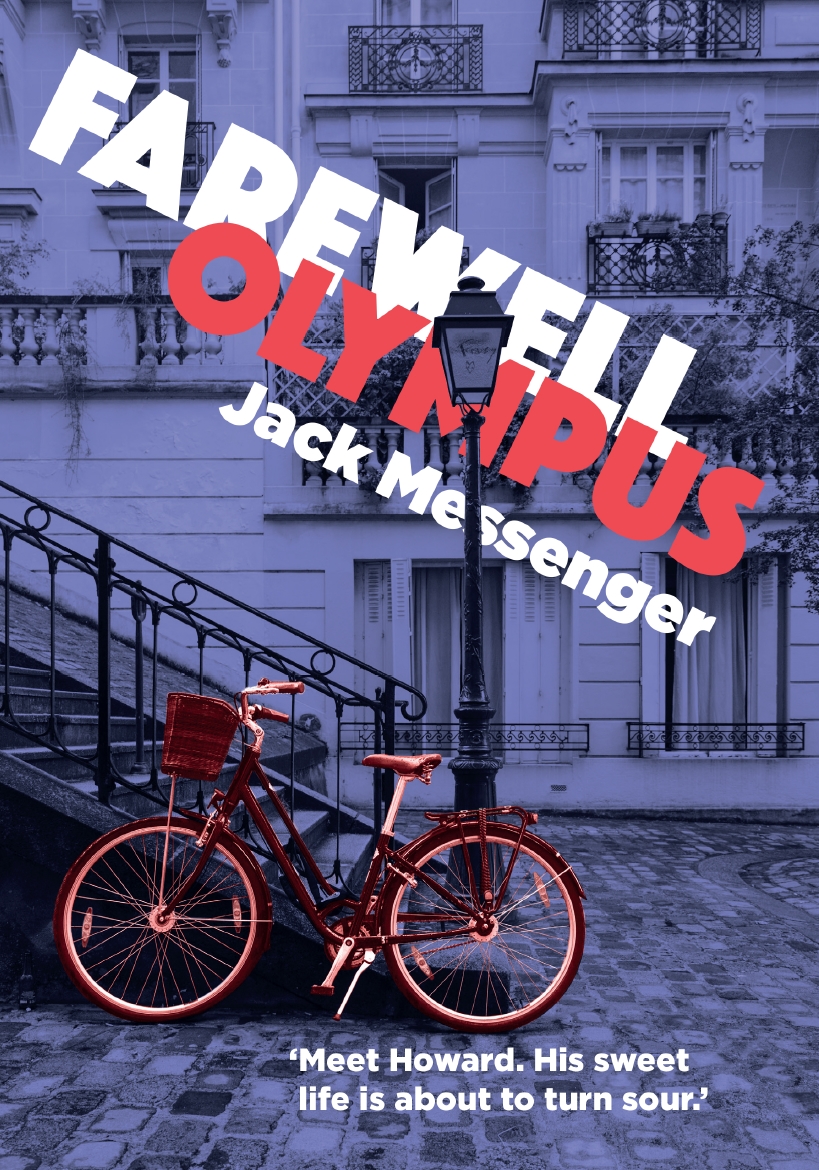
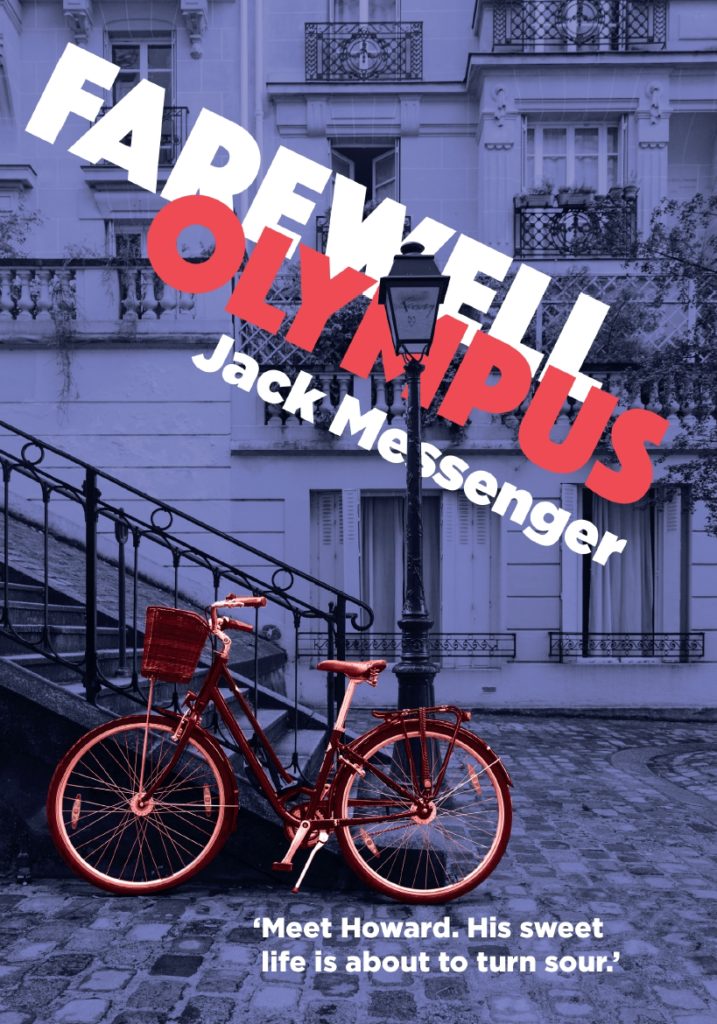
His debut novel, Farewell Olympus, might be a “laugh-out-loud” read but its humour belies Jack Messenger’s fierce battle with depression. In a candid Q&A, he tells Frost Magazine about the sadness behind the jokes and the inspiration for his wonderful work.

Q: Tell us about your book and who it will appeal to.

A: My new book is an outlandish novel called Farewell Olympus. Set in Paris, it’s about love and rivalry, ambition and morality, Armageddon and the quest for the perfect croissant. It will appeal to readers who enjoy a fascinating story with lots of twists and turns, bizarre characters, and, of course, humour. There’s a mystery to unravel, but mostly it’s the story of two half-brothers who drive each other mad.

Q: What inspired you to write the novel? 

A: My wife and I spent some years in France, where I also learned the language. It was partly a desire to process that experience which led me to write Farewell Olympus. It seemed to me that a brilliant novel could be written about British people abroad who were trying to work out the complexities of a different culture. I had always assumed there was so much in common between the UK and France that it would be easy to make the adjustment. While that is true in many ways, I was taken aback by the differences, which were all the more perplexing for being subtle and unexpected. Attitudes and assumptions, ways of looking at the world, are often dissimilar, especially when it comes to harvesting your leeks. And, at a practical level, some conventions were potentially deadly, such as the rule that a vehicle joining a road from the right had priority over vehicles already on the road. Tractors and combine harvesters would pull out from nowhere, regardless of traffic and speeds. My life flashed before my eyes on more than one occasion.
Q: Do you have a particular writing schedule and how strict or otherwise are you in this respect?

A: I like to relax in the evenings, so I don’t want to set myself an arbitrary target each day; I write as much or as little as I feel inspired to, and will often spend time reworking material until I’m happy with it.

Q: You’re a copywriter and editor by profession. You’ve also written a number of Berlitz travel guides. To what extent, if any, did your professional background help in the crossover into writing a novel?

A: It helped enormously. Many inexperienced writers have a surprisingly blasé attitude towards errors and inconsistency, for example; consequently, they don’t have their books copyedited or proofread. I am asked to review a great many books which turn out to be riddled with basic spelling and grammatical errors right from the first page. Readers notice these things and are put off reading because it 

shows a casual indifference to their intelligence. Travel writing was also a helpful discipline, as I had to produce a book to a specified word count by an agreed date – no exceptions. A writer has to be organised and care about every last detail in their work. There is no such thing as an unimportant sentence; every sentence, every word, has to be thought about. This is my mantra.

Q: What challenges did you face bringing the book to market, and what advice would you give to other aspiring authors to help them avoid a similar fate?

A: I decided to publish my book independently, so that I could control every aspect of the process. This entailed a great deal of learning by trial and error – everything from setting up a website to completing tax declarations. Marketing proved to be the hardest aspect by far. There is a great deal of useful marketing advice available online, but there is also a lot of stuff that is out of date. Social media use, for instance, grows in sophistication year by year, often outstripping our ability to keep up with the changes. As a result, my social media experiences were hugely disappointing. Nothing beats an organized publicity campaign run by professional people who know what they are doing and who have the necessary contacts. My advice to myself and others would be to produce the best work you can – that’s why you’re writing, after all. Make sure it’s copyedited and proofread, give it a professionally designed cover, publish it as widely as possible, and give the major marketing and publicity to someone you can trust.

Q: Did you base the central characters on anyone you know – and have you told them?!

As far as I know, I didn’t. If I had, I probably wouldn’t have told, just in case they were offended. My nose bleeds easily.

Q: What three words would you use to describe yourself?

A: Hirsute, indolent, callipygous.

Q: You’ve suffered with depression for some time; what effect has this had on your writing?

A: Humanity’s need for stories is all about broadening our experiences in an attempt to understand ourselves and our world. My writing is largely concerned with people rather than plot – with the ‘why’ rather than the ‘what’. I think my mental health problems have led me to take an interest in the complexity of people and the situations life puts them in, how they cope with themselves and interact with others. I am attracted to eccentricity as a form of personal defence, which often leads to humour and misunderstanding.

Q: Writing is said to be a form of catharsis. Is this true in your case?

Until recently, I would have said not, but Farewell Olympus was cathartic in a strange way I still don’t understand. It was written at a time when I was

dangerously unwell, yet it is full of humour and hope. I enjoyed writing it because characters and their words arrived easily. Readers find it amusing, which is great. I can also see my own sadness in it, lurking behind the jokes. There is a lot of me in Howard, who is perpetually thwarted by his misperceptions. 

Q: What plans do you have for the future?

A: I have an idea for a science fiction novel that I’d like to write under a pseudonym. It takes me a long time to come up with ideas, but I’ve had a lot of fun inventing a biography for my alter ego, and a title for the book. Many of the characters and incidents are already there, but one major thing still eludes me. If I can get that, I’ll start to write. I love stories set in confined spaces, so I am thinking of a space station or craft of some kind. In addition, I have other novels already written that I really should get around to publishing. Their characters keep badgering me to let them out.

Jack Messenger is a British author whose debut novel, Farewell Olympus, is a laugh-out-loud witty and intelligent farce about sibling rivalry, love and ambition set in the heart of Paris. It is out now through Greyhound Press on Amazon UK priced £8.99 in paperback and £3.99 in eBook.



Frost Loves Fulton’s Funbrella collection

funbrella fulton

Frost loves Fulton’s funbrellas. This Guard one is just gorgeous and any child will love it. They are safe for little hands and are also clear so the child is always visible. Clever and gorgeous. 

As summer draws to a close, and the new school year approaches ensure you little ones are prepared for the unpredictable British weather with a ‘funbrella’ from Royal Warranted Fulton Umbrellas.

Designed specifically for kids, Fulton’s ‘funbrella’ uses patented safety technology to ensure that small hands are protected when opening and closing the umbrella. Mirroring Fulton’s classic Birdcage style, the ‘funbrella’ provides full coverage over small heads and shoulders and the clear dome canopy allows superior visibility for a safer trip to school. So whether its florals, soldiers, trucks or a classic colour band, the Funbrella has your child covered this school year.

Founded in 1956 by Arnold Fulton, Fulton Umbrellas is renowned for being the leading umbrella manufacturer in the UK. Since been given their Royal Warrant from the Queen Mother in 1993, Fulton Umbrellas have been supplying The Queen and the rest of the Royal Family with their trustworthy umbrellas in not so trustworthy British weather!


Facebook: Fulton Umbrellas

Instagram: @FultonUmbrellas

Twitter: @FultonUmbrella


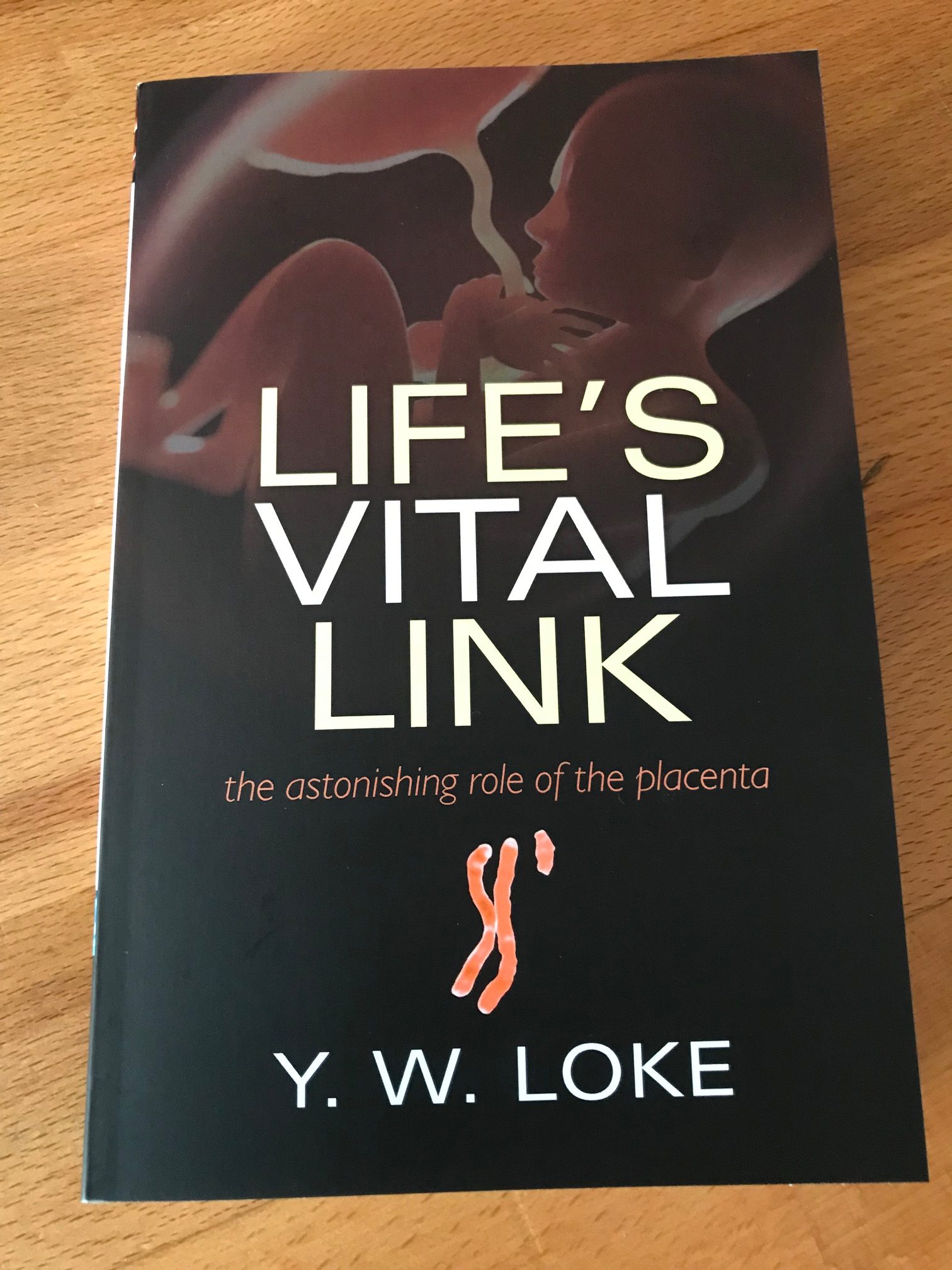
Life’s Vital Link By Y.W. Loke

I found this book fascinating. Did you know that the baby makes the placenta, not the mother? Or that it has genes from both the mother and father? There are facts from other animals too. I found Kangaroos particularly impressive. Well researched and written in an accessible way, this book is highly recommended.

The development of the placenta was a pivotal event in evolution. Without it, we would still be laying eggs instead of giving birth to live offspring. It represents the critical link between the foetus and the mother, but its character is extraordinary — it is, in effect, a foreign tissue that invades the mother’s body.

Compared to many other animals, the human placenta represents a particularly aggressive body. But how is it managed and controlled? How did such an organ evolve in the first place? And why is it tolerated by the mother? Y.W. Loke explores the nature of the placenta and what it can tell us about evolution, development, and genetics.

Available here.

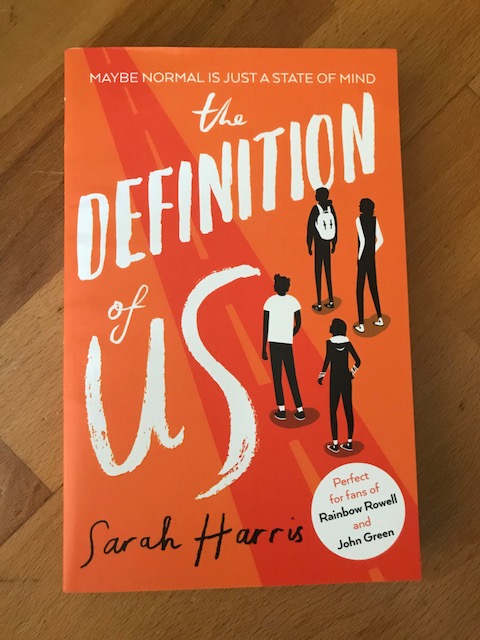
The Definition of Us By Sarah Harris | Book of The Week

This is a heart-warming and endearing novel. A YA novel which can be read by any age. A wonderful book on mental illness that will not just entertain, but also could improve, and even save, some some young people’s lives. We need more books like this. Just stunning and so important.

NORMAL (definition)
(adj.) Conforming to a standard; regular, typical or expected
(urban) A word inapplicable to human beings
(Florence) Round, smooth and bumpy like a cobbled street

Florence doesn’t always see things the way other people do. She feels different.

When Florence meets Jasper, Andrew and Wilf she can’t imagine they’d have much in common – with at least five mental health conditions between them, they all have very different reasons for being referred to Manor Lane Therapy Centre.

It’s only when their therapist, Howard, goes missing that they find a common purpose. Worried by his disappearance and wanting answers, the four of them decide to track him down.

As they cross the country in a ‘borrowed’ van, asking each other Ultimate Questions and facing a series of challenges along the way, they start to reveal their true selves – and Florence realises there’s more to all of them than just a diagnosis . . .

Maybe they’re not so different after all?

Full of irreverent humour, witty dialogue and characters you can’t help but fall in love with, this timely novel is perfect for fans of John Green, Rainbow Rowell and Jennifer Niven.

‘This is without a doubt one of the best (if not THE best) YA book about mental health that I’ve read; Sarah Harris takes such a delicate subject, weaves humour and love and friendship, and creates such a beautiful book’ Beautiful Bookland

‘This endearing story does much to enlighten readers of all ages by dispelling myths surrounding mental health in a rollickingly entertaining manner . . . a heart-warming odyssey’ Peterborough Telegraph

‘I can honestly say that this is the best book about mental health that I’ve read to date. The representation, understanding, acceptance and ‘relatability’ of mental health portrayed in this book was, in my opinion, flawless. It’s juxtaposed with sweetness, humour, romance and friendship and I enjoyed every minute of it’ My Endless Shelf

‘Everything I love about contemporary YA . . . highly recommended’ Goodreads reviewer

The Definition of Us By Sarah Harris is available here.

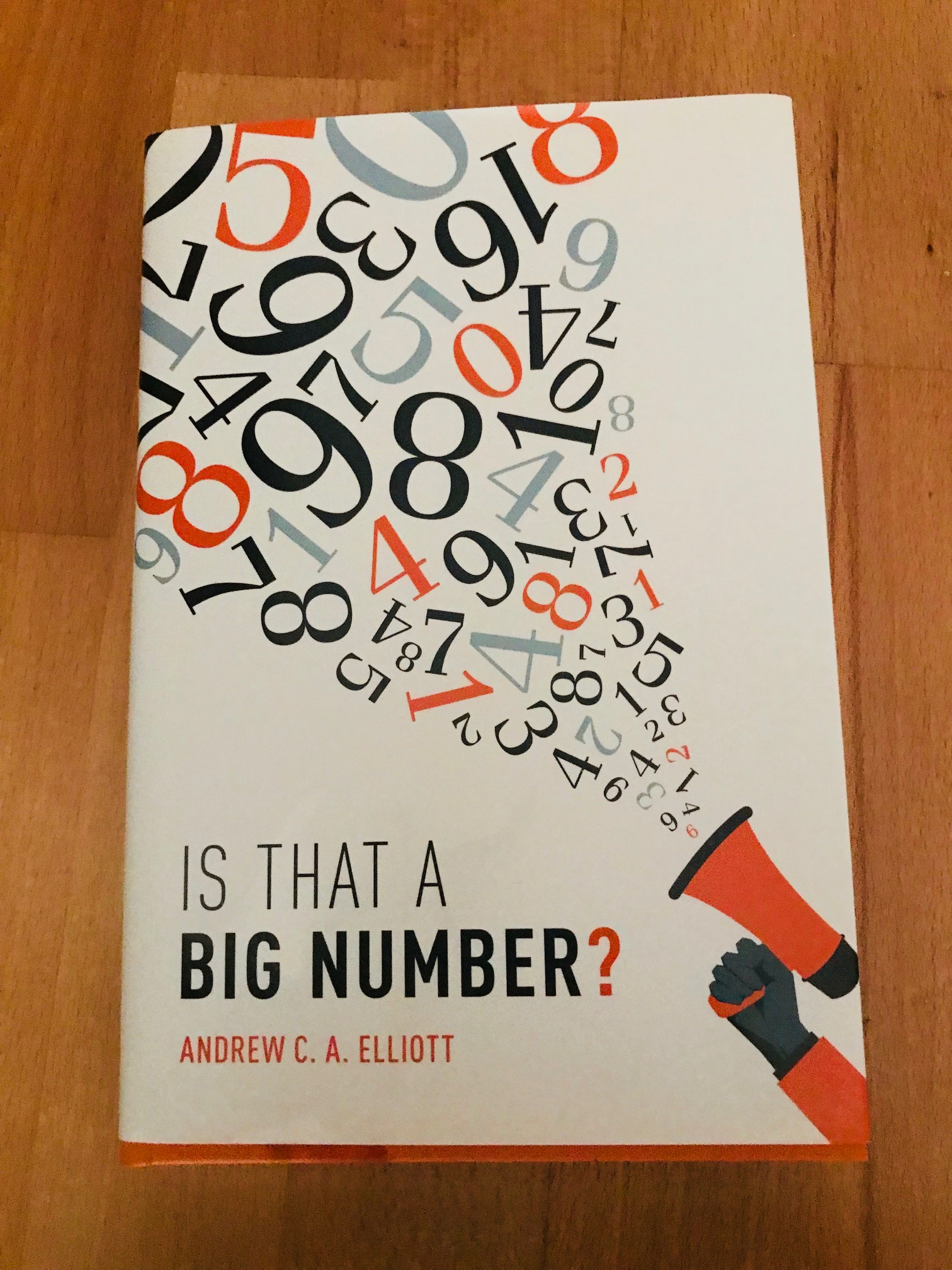
Is That a Big Number? By Andrew C. A. Elliott

is that a big number, maths,

This is a fun and riveting book. Written in an accessible and engaging way, it is unputdownable.

Impressive statistics are thrown at us every day – the cost of health care; the size of an earthquake; the distance to the nearest star; the number of giraffes in the world.

We know all these numbers are important – some more than others – and it’s vaguely unsettling when we don’t really have a clear sense of how remarkable or how ordinary they are. How do we work out what these figures actually mean? Are they significant, should we be worried, or excited, or impressed? How big is big, how small is small?

With this entertaining and engaging book, help is at hand. Andrew Elliott gives us the tips and tools to make sense of numbers, to get a sense of proportion, to decipher what matters. It is a celebration of a numerate way of understanding the world. It shows how number skills help us to understand the everyday world close at hand, and how the same skills can be stretched to demystify the bigger numbers that we find in the wider contexts of science, politics, and the universe.

Entertaining, full of practical examples, and memorable concepts, Is That A Big Number? renews our relationship with figures. If numbers are the musical notes with which the symphony of the universe is written, and you’re struggling to hear the tune, then this is the book to get you humming again.

Is That a Big Number? By Andrew C. A. Elliott is available here.