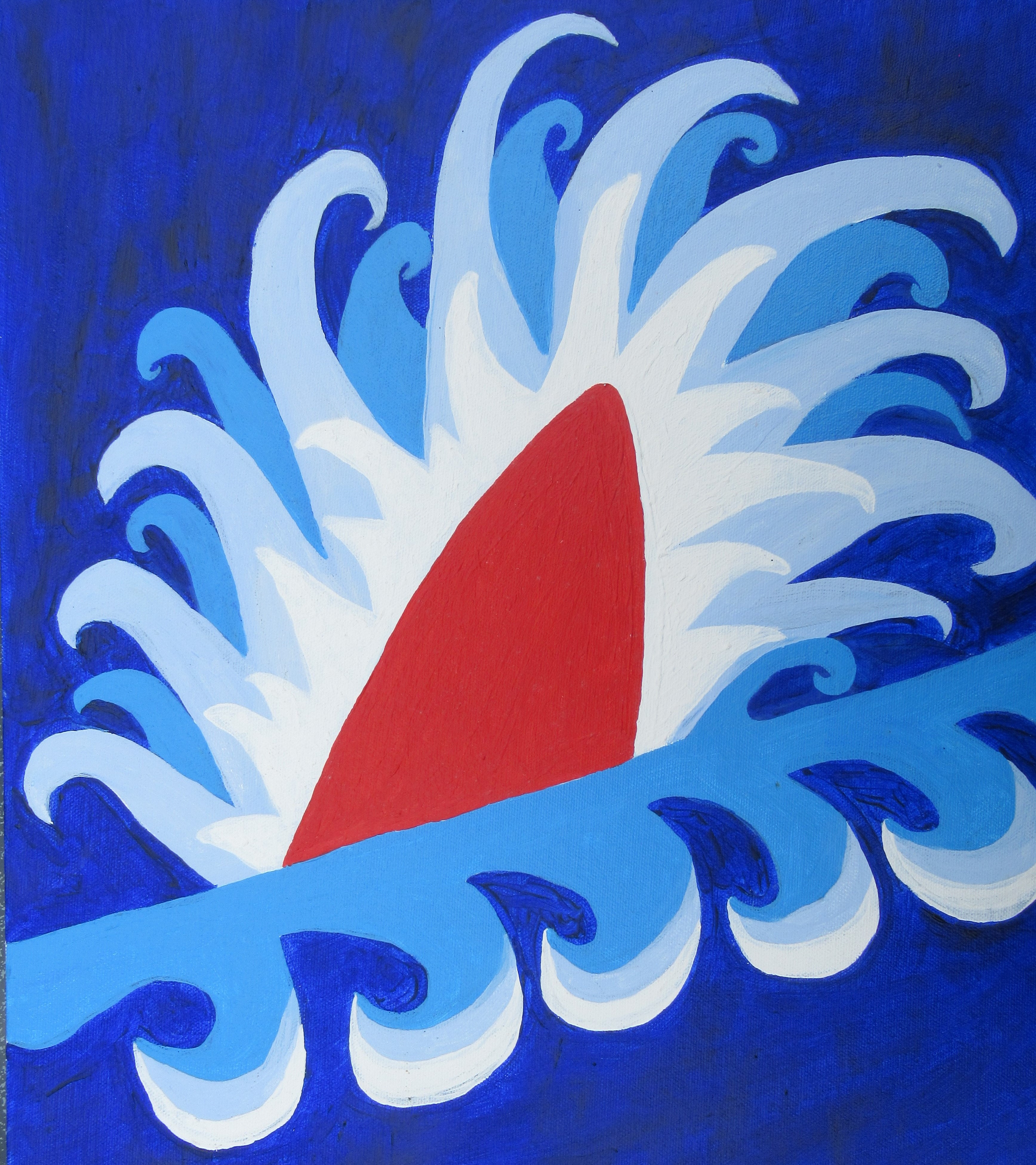
INTRODUCING SELF-STYLED ART LABOURER, ANGELA LOWETH

When it come to my art work terms I don’t see myself as skilled worker more as a labourer!!

I paint rocks, glasses, jars and of course pictures.
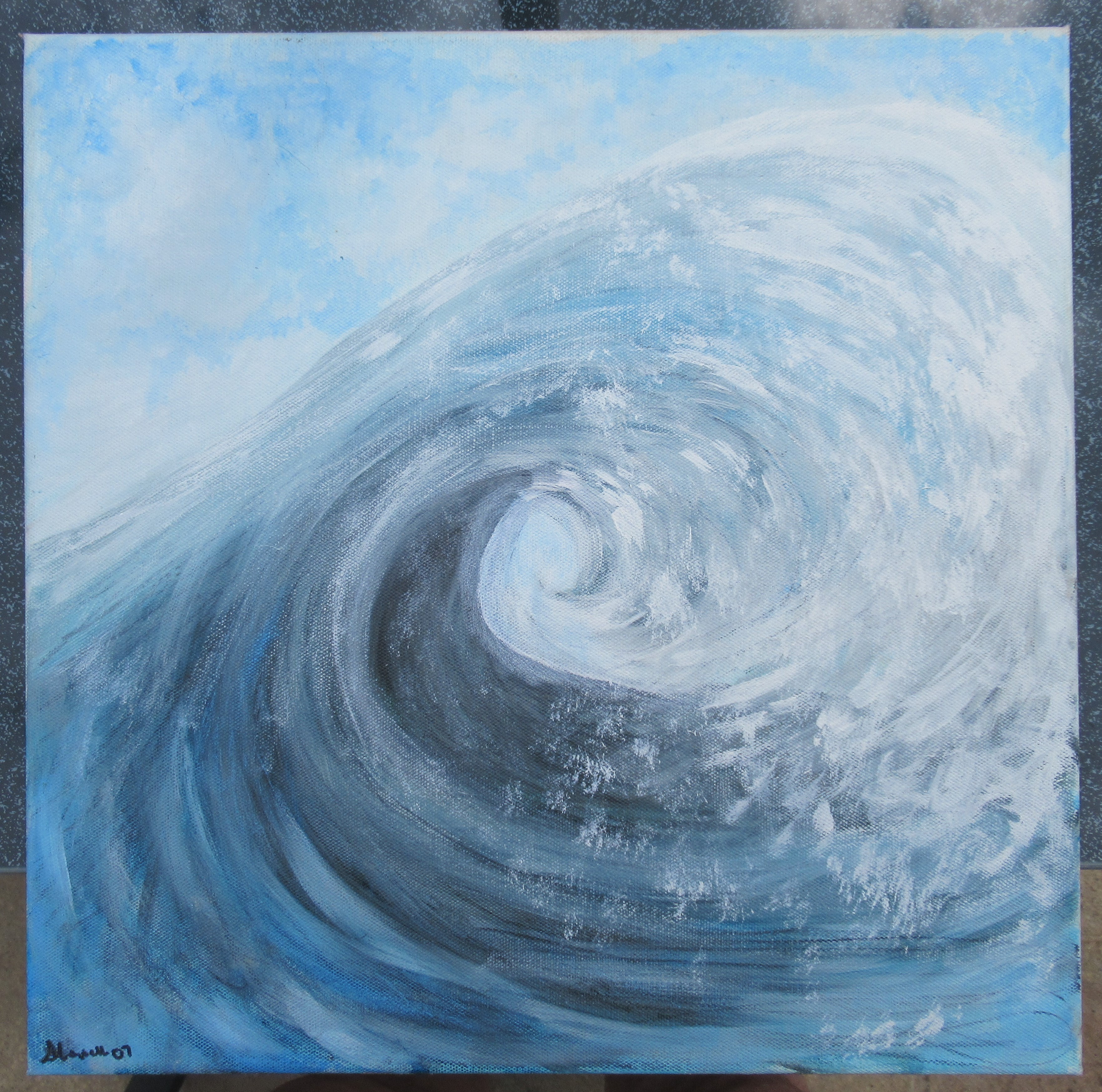
All my life I have loved art – most of my work is bright and bold that is why I find acrylics so wonderful to use, the colours, you can get fine details, but also build it up to create a texture if needed., but I also enjoy pen and ink. We moved to Cornwall over 12 years ago and I find it is the landscape, sea … well basically everything around me that inspires me to paint it. Art is my passion, my escapism but also my therapy. I take my watch off, sit and paint forgetting all about time, but just being in that moment putting brush to canvas, glass or rocks.

I put my emotions and be emotional into whatever I am working on at the time.

When it comes to painting it is the sea that I turn to, trying to capture the power of the waves and in my more abstract painting it is that power trying to be tamed and utilised by man (hence the surfboards).
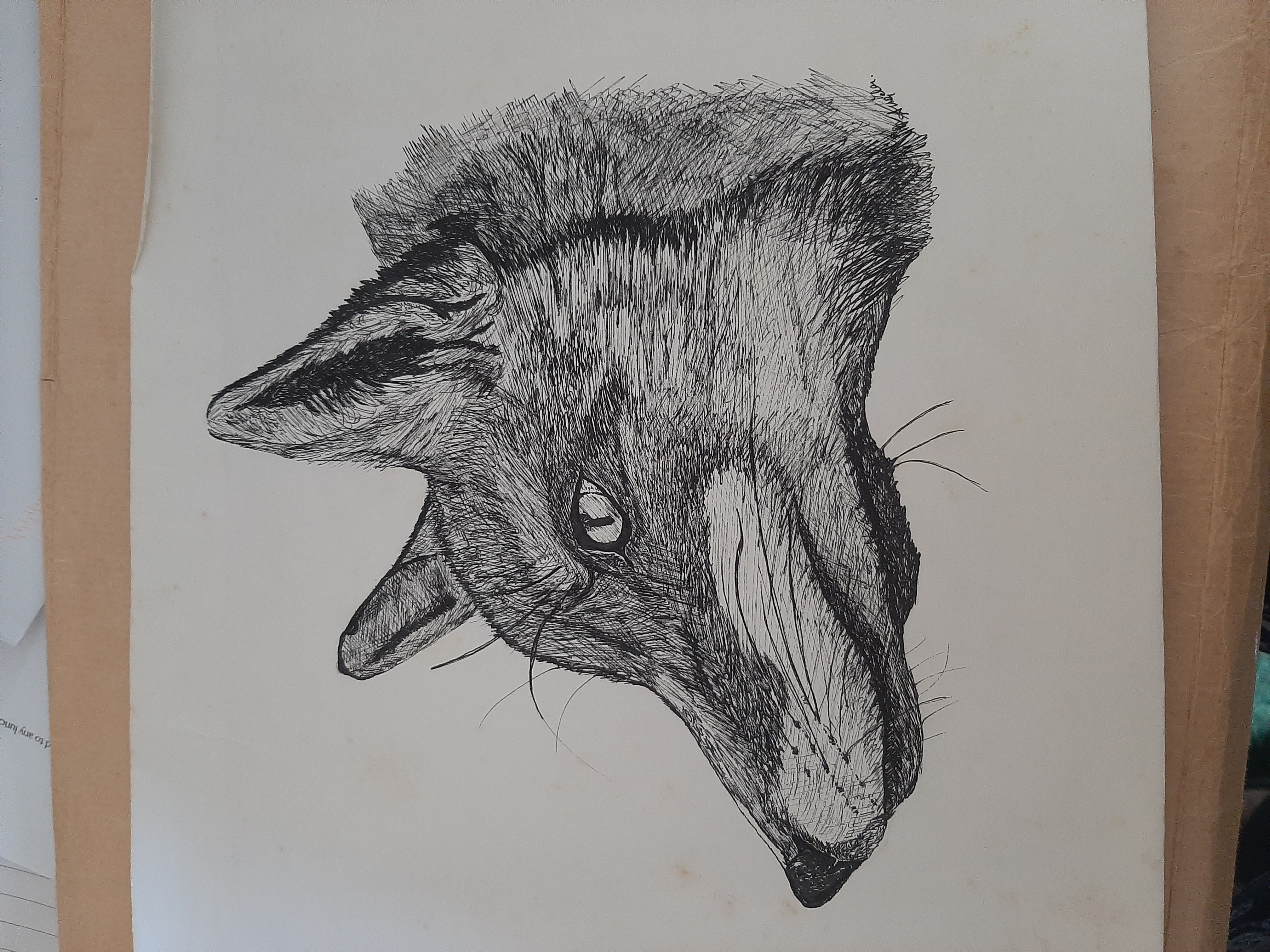
When it comes to pen and ink it is to nature I mainly look, trying to create reality and beauty from just one colour, but different thickness of pen.

I shall never be famous nor do I care if people don’t like my work, I do it because it’s what I love to do and what pleases me and yet when I do ask an opinion and you get that one person who finds a fault yes it hurts, especially when you have put your heart and soul into a picture and then I think to myself its only their view “it’s my work and if they should be grateful I showed it to them!! “

I am my own critic and I have may unfinished canvases to prove it, but art whatever I do, it lifts me up when I am down and helps me concentrate on being me and brightens my day when it is dark.


Find more of Angela’s art here: https://folksy.com/shops/angelaloweth
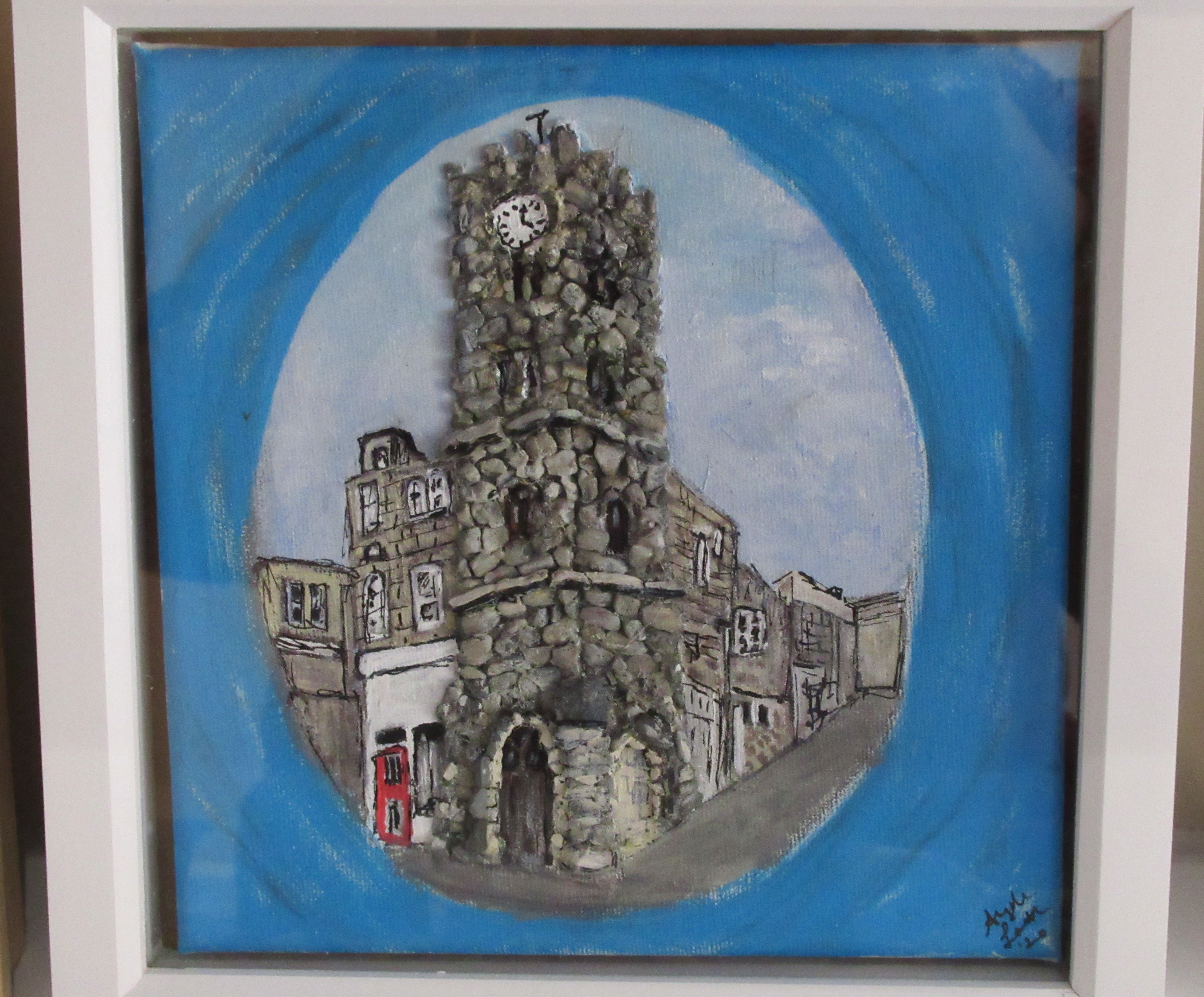
Redruth clocktower, pebbles and paint
A POEM A DAY DURING LOCKDOWN IS NOW A PUBLISHED COLLECTION

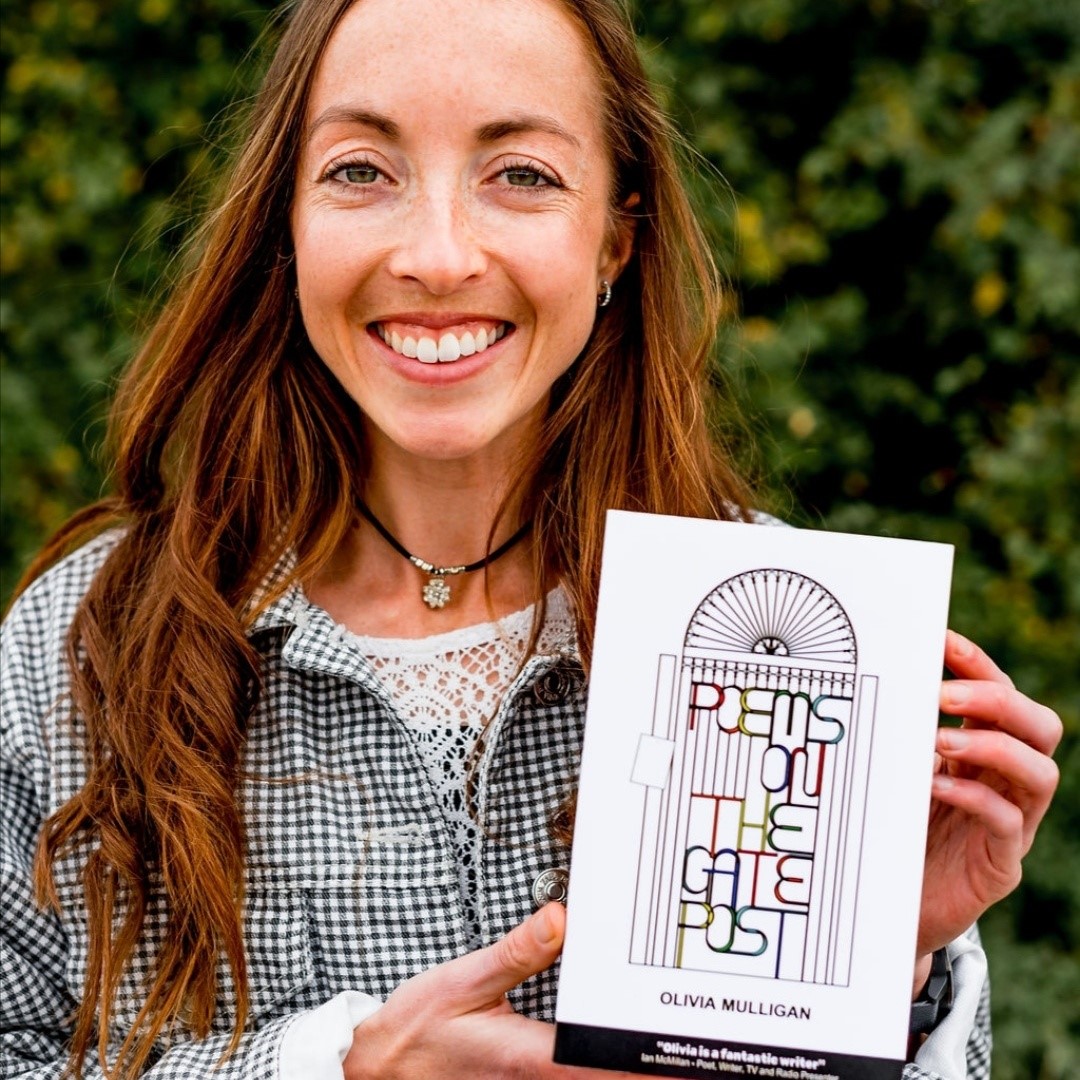
Guest article by gatepost poet Liv Mulligan about her debut collection

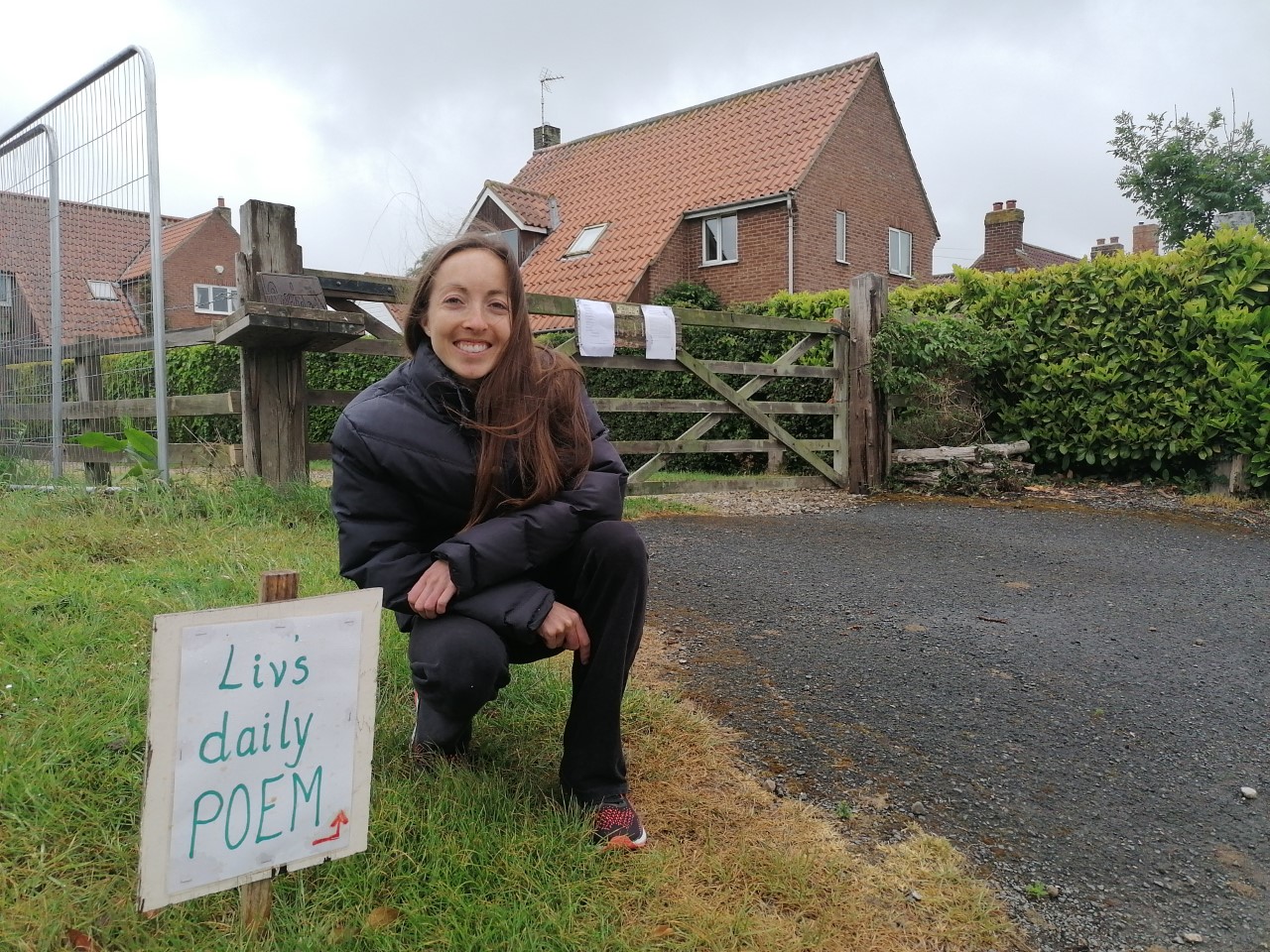
I certainly never imagined that lockdown would turn me into a ‘published poet.’ In April 2020, during the Covid-19 lockdown, my mother suggested that I write a poem each day inspired by the self isolation. She suggested that we then display each day’s poem at the end of the drive on the gatepost for passers by to read. “It might make people smile,” she said.

I agreed to the challenge because, let’s be honest, what else was I doing? I had already re-arranged my sock drawer three times that week and it was only Tuesday. Or was it Wednesday? Anyway, I didn’t have a good enough excuse to not agree. I decided to leave a phone number for people to text in suggestions for topics for the following day’s poem, so the whole village could feel part of the project too.

I then took on the ‘Daily Poem’ task quite literally as that, ‘a task.’ Something to do to fill the time.

However, as the days went by and as the collection grew, it has become so much more than that. Writing these poems became the highlight of my day. And hearing from the residents of the village, many who I had never spoken to before, telling me how much joy they receive from reading them – I owe both my mother and the 2020 lockdown experience a huge thank you.

The book, Poems On The Gate Post is now available in paperback, hardcover and ebook.

One of my spoken word poems, ‘The Lockdown Conversation’ was aired nationally on BBC iPlayer at their 2020 Upload Festival.

The Yorkshire Village Doctor

If I were a doctor
I’d prescribe packs of Yorkshire tea
Safe and suitable for all
It’s like the Master Key

Unlocking a sense of comfort
As your hands snuggle the mug
Unlocking an inner joy
As you sip, slurp or chug

I’d start you off with Yorkshire
With a splash of milk
The colour of a Werther’s Original
Tasting as smooth as silk

But not as expensive as silk:
Works out about three pence a bag
Cheaper than other prescriptions
And cheaper than a fag

You can use it recreationally too
When you want to impress a friend
Pressure’s on though. Make it good.
A bad brew will certainly offend

Once you become a regular
You might like to try the hard stuff
Maybe Green? Mint? Or Ginger?
Or Rooibos if you’re really tough

You might be reliant on tea now
Temporarily, your freedom is gone
But take it easy, take a breath
And stick the kettle on

I wonder…

I wonder if I wander there alone
Unknown eyes will stare, watch to harshly judge
Judge my feet on the public paths of stone
Sharp eyes reflect my purpose as I trudge

Heaving my lockdown legs up hills I’m free
Blood moves to circulate and rinse the doubt
But car-park eyes they’ll soon latch onto me
Cold critique of my Covid whereabouts

I too critique the man with watching eyes
My rambling thoughts will question his desire
Our woodland wishes watered down with whys
With bitter thoughts of others we conspire

I long for pine tree shadows without shame
Perhaps my unknown stranger feels the same


The book is currently stocked in White Rose Book shop (Thirsk), The Little Ripon Bookshop and Minskip Farm Shop. If you’re not about in North Yorkshire, it can be purchased from most online bookstores.

You can keep up to date with Liv’s poetry antics and spoken word videos on Facebook: Olivia Mulligan Poetry


SISTER SCRIBES: SUSANNA BAVIN ON CREATING A SENSE OF TIME

In my previous article for Frost, I celebrated two novels, A Mother’s Secret and The Italian House, which are notable for their wonderful sense of place. In these stories, the authors, respectively Jan Baynham and Teresa Crane, created their settings so evocatively that they produced books of the type that make readers say, ‘It made me feel I was there.’

This time, I’m writing about novels that have a particular depth and interest thanks to the attention paid to the historical detail. Part of the authors’ skill in this is the way each of them has woven the details into the narrative with a deft touch. Their historical details are never popped in just for the sake of it, but always to enrich the story.

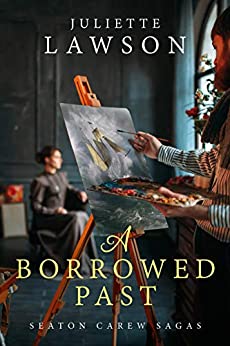
The first book is A Borrowed Past by Juliette Lawson, a clever and increasingly intriguing family mystery set in the Victorian era. A strong narrative is combined with  believable dialogue and a lively mixture of characters, not all of whom are what they seem. Add to this the many tiny details of life at the time and the result is an engrossing read.

Of one historical aspect of the book, Juliette says: “ Class distinctions were strong. Well-off families paid pew rents to reserve their seats in church (you can still see the brass name-card holders) and ran the Local Board to keep the village well-ordered. Children in poorer families were sent into service at a young age or they became mini-entrepreneurs, doing little jobs around the village for a few coins: blowing the bellows for the church organ, delivering meat for the butcher, carrying pails of sea water to the bath houses for visitors to bathe in, or baiting hooks on fishing trips.”

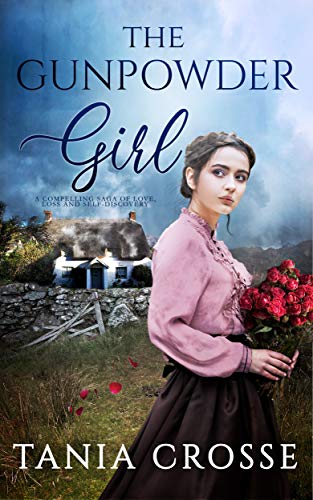
The other book I’ve chosen is the utterly wonderful The Gunpowder Girl (which was originally published as Cherrybrook Rose and A Bouquet of Thorns) by Tania Crosse. This book could just as easily have appeared in my previous blog about stories with a strong sense of place, but it also has its position here, thanks to the author’s characteristic attention to research. Tania Crosse has created an absorbing story laced with powerful themes, a relatable heroine and a gripping plot.

Tania says: “The rugged, savage beauty of Dartmoor is inspirational enough in itself, but its secret history has provided the basis for so many of my novels. In the case of The Gunpowder Girl, the discovery of the ruins of the 19th century Cherrybrook Gunpowder Mills drove me to write a story to illustrate what it would have been like for a beautiful, intelligent young woman to live at this remote, unforgiving location. The other element in the book, still very much in evidence and currently still in use, are the forbidding buildings of Dartmoor Prison. In Victorian times, life there could be hell, not just for the inmates – some of whom were guilty of what today would be considered relatively minor offences – but also for the prison warders and their families who were forced to live in the isolated and exposed prison settlement of Princetown.”

Both of these books drew me into their world. The stories are page-turners in which the characters face secrets and tragedy and both Juliette and Tania have have sprinkled historical details into their narratives in such a way as to make their books come alive.


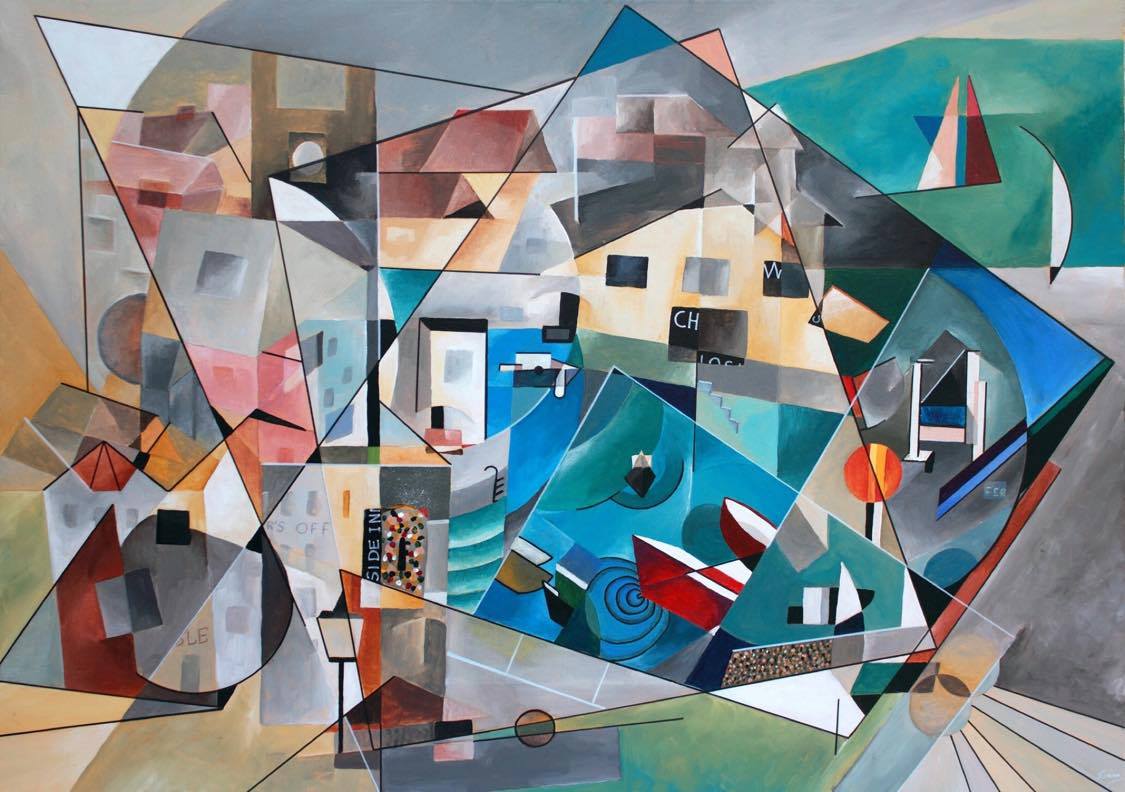
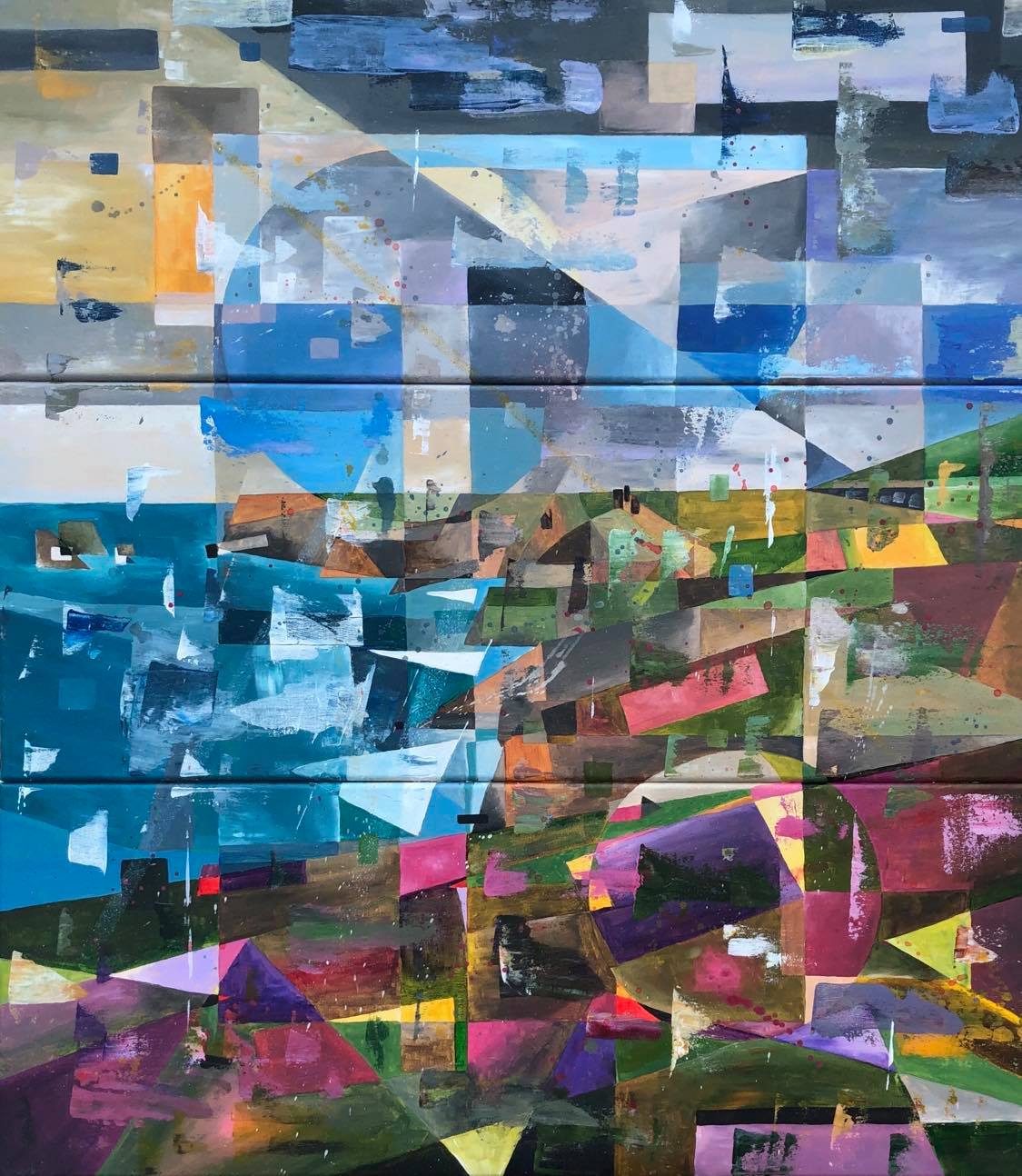
INTRODUCING CORNISH CUBIST, SIMON SMITH

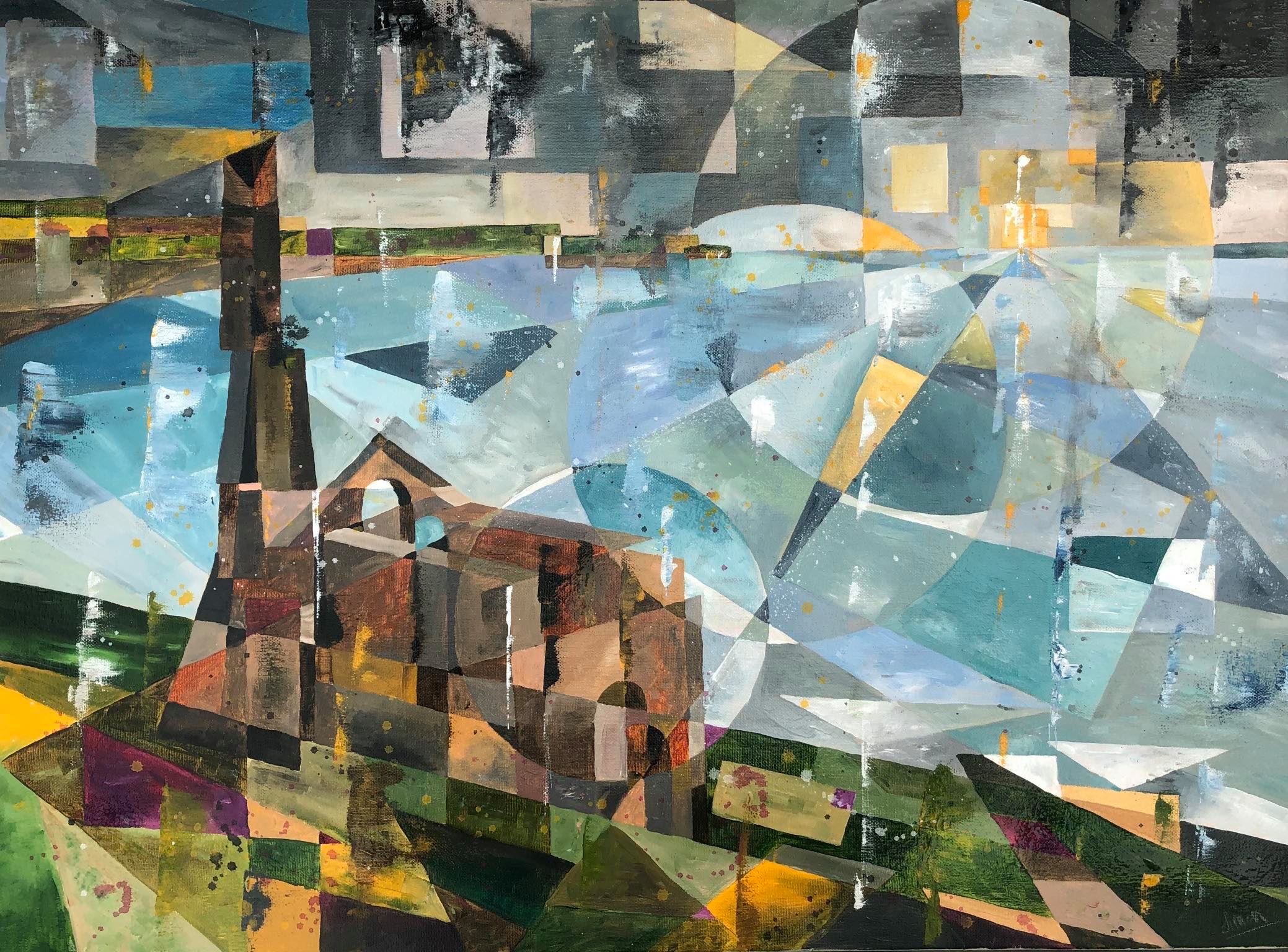
‘It is the desire to represent the world not as we see it, but the way it actually is’, is the driving force behind this Cornishman’s work. A native of Porthtowan on the wind swept Cornish granite coast, Simon Smith is essentially a modern day cubist. He’s a former Truro Schoolboy (the posh school) and a carries, amongst other qualifications, a degree in fine art – mentored by the great Welsh painter and printmaker David Carpanini.

After a successful career in business Simon essentially retired back home to Cornwall by buying and running a pub, and most importantly returning to his first love of art. “The iconic mining ruins of the heritage coast lend themselves perfectly to the painter,” he says, “with the endless sweeping sky and rolling ocean as the perfect partner”. His home and pub, in Porthtowan, are situated just a dozen miles up the coast from the iconic artist centre of St Ives and the hub of Cornish creativity.


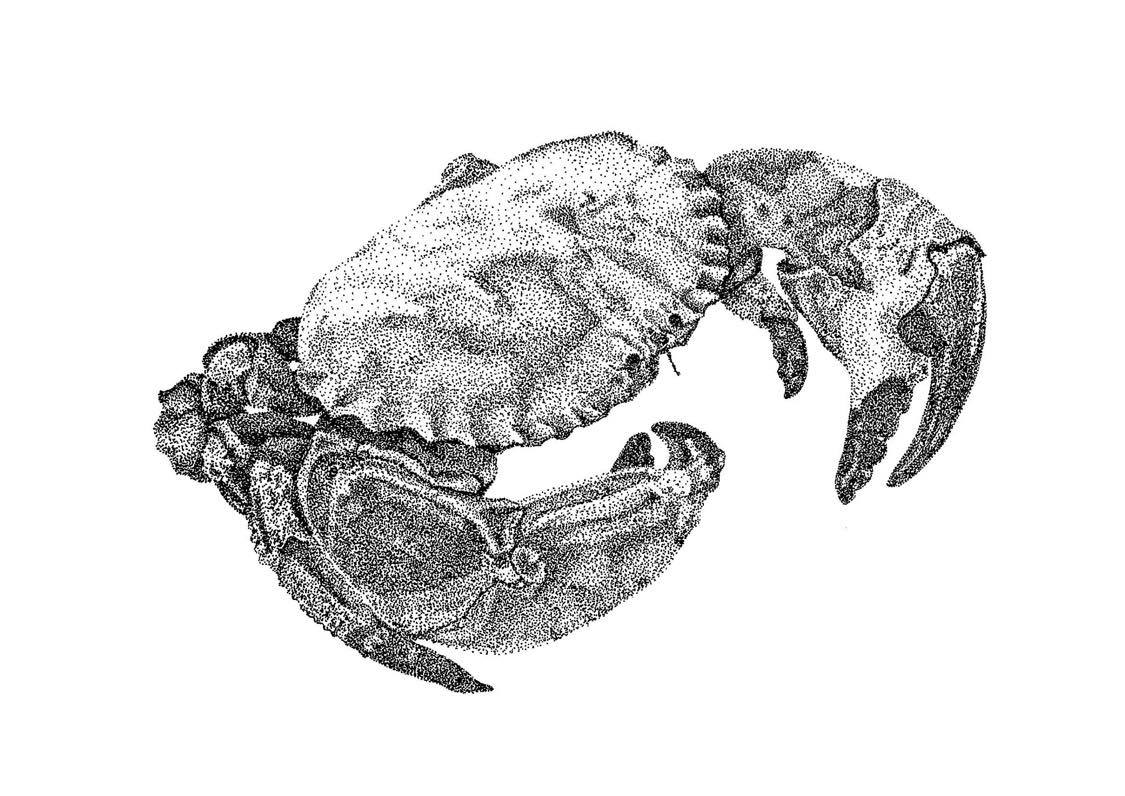
But why cubism? “I love to draw and financially speaking I gain a steady little income from my pointillist drawings of local sea life and fauna but, as rewarding as they are to complete, they don’t push the limits. Cubism on the other hand gives me the opportunity to push my limits to the maximum and really work at representing the 4th dimension of time.” And time is clearly important to him in his work with one beautiful triptych showing the not only a cubist sea/cliff scape but also the changing seasons from Spring to Autumn.

So what next? “I’m exploring the classic Analytic Cubist phase of Braque and Picasso and love the limited palette. My musician friends are keen for portraits so watch this space….”


See more of Simon’s paintings at https://www.facebook.com/Porthtowanfinearts


SISTER SCRIBES GUEST: JEN GILROY ON FINDING YOUR WRITING VOICE

Since Susanna Bavin introduced Canadian romance author Jen Gilroy to us at a Romantic Novelists’ Association conference she has been an honorary Sister Scribe and it’s an absolute delight to welcome her to Frost.

One of the questions I’m often asked when giving talks about writing relates to ‘voice’ and, specifically, how to find it.

For some writers, voice is instinctive. If you’re one of those fortunate people, this post likely isn’t for you!

However, for many others (me included) finding your ‘voice’ isn’t so straightforward.

First off, what is ‘voice?’

For me, it’s what makes one author’s fiction distinctive from that of another. At a superficial level, it relates to word choice, syntax and the mechanics of constructing a story.

Going deeper, though, voice reflects each author’s personal experience—the constellation of factors that make them who they are—as distinctive as their fingerprint.

A tip to identify voice?

Choose books by three favourite authors, set them side-by-side and consider the first few pages. Even if they write in the same genre, it’s likely that in only those early pages you’ll identify major differences in how the writer tells the story and makes you feel.

Those differences are rooted in voice and some authors have such distinctive voices that fans can often identify their work in only a short paragraph—without knowing the book’s title or author.

However, even if you know what ‘voice’ is and can identify it in other writers, how do you find yours?

For me, finding my voice was part of my writing apprenticeship and (as with many other parts of learning the craft) necessitated trial and error.

In the beginning, I sampled genres a bit like food at a tapas bar. From literary fiction through to young adult, historical and more, I tried writing in a number of different areas.

Yet, and like delicious tapas morsels, only one or two genres resonated enough for me to think I’d truly found my own ‘author voice.’

What does ‘voice’ feel like?

I liken my ‘voice’ to wearing my favourite pair of cosy slippers as I snuggle under a blanket by the fire on a cold winter night.

That ‘voice’ is drawn from the innermost part of myself and means I delve into emotions only I feel to express them on the page.

At first, that self-reflection was scary. With career in corporate and technical writing, I was so used to adopting a ‘corporate voice’ that I’d lost my own, and I’d also lost touch with the emotions that are the foundation of fiction.

Yet, with practice and patience—and by reading and writing widely—I dug deep enough to get to that comfortable state of knowing when I was writing in my voice—and when I figured that out, the genres were obvious.

Long before I became a writer, romance and women’s fiction were the genres I read for hope, comfort, escape and more. Not surprisingly, those were also the books that fit my voice and when I started to write from the foundation of who I truly am, the words flowed.

Although finding my voice was one of the most difficult parts of my writing journey, it was also the most rewarding. And, perhaps most importantly, writing with the warmth and intuition that comes from the core of who I am is the most honest gift I can give.


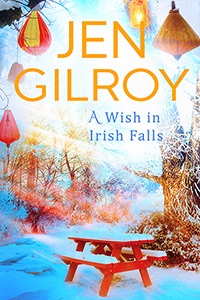
Jen Gilroy writes romance and uplifting women’s fiction with happy, hopeful endings. She’s a wife and mum who calls England and Canada home and her latest release, A Wish in Irish Falls, is out now on Kindle (free with Kindle Unlimited).

Connect with Jen via her website: www.jengilroy.com


SISTER SCRIBES: CASS GRAFTON ON HER LOVE FOR DAPHNE DU MAURIER’S CORNWALL

I’ve been reflecting lately on which books stand out most to me, from childhood through to the present day, and a pattern has emerged: my all-time favourite reads at any particular time of my life had a strong sense of place.

From Enid Blyton’s boarding school stories, through my teenage passion for the Brontës’ wild Yorkshire moorlands, it’s clear I was hooked on places from an early age. Onward I went into Jilly Cooper’s Rutshire, Harry Potter’s Hogwarts and Tolkien’s Middle Earth, always captivated by a good setting.

Alongside my fellow Sister Scribes friends, Kitty Wilson and Jane Cable, I have a deeply-rooted love of Cornwall, and whilst writing a recent novel, I thought back to when this fascination with the county began and realised it stemmed from my interest in a writer and her Cornwall-based stories: Daphne du Maurier.

It was the 1990s, and every autumn, my husband and I would spend a week on the south-east Cornish coast—days of kicking our way through crisp golden leaves, inhaling the smell of wood smoke from cottage chimneys, and watching the gulls wheel across steel-grey skies as waves lashed the rocky shoreline.

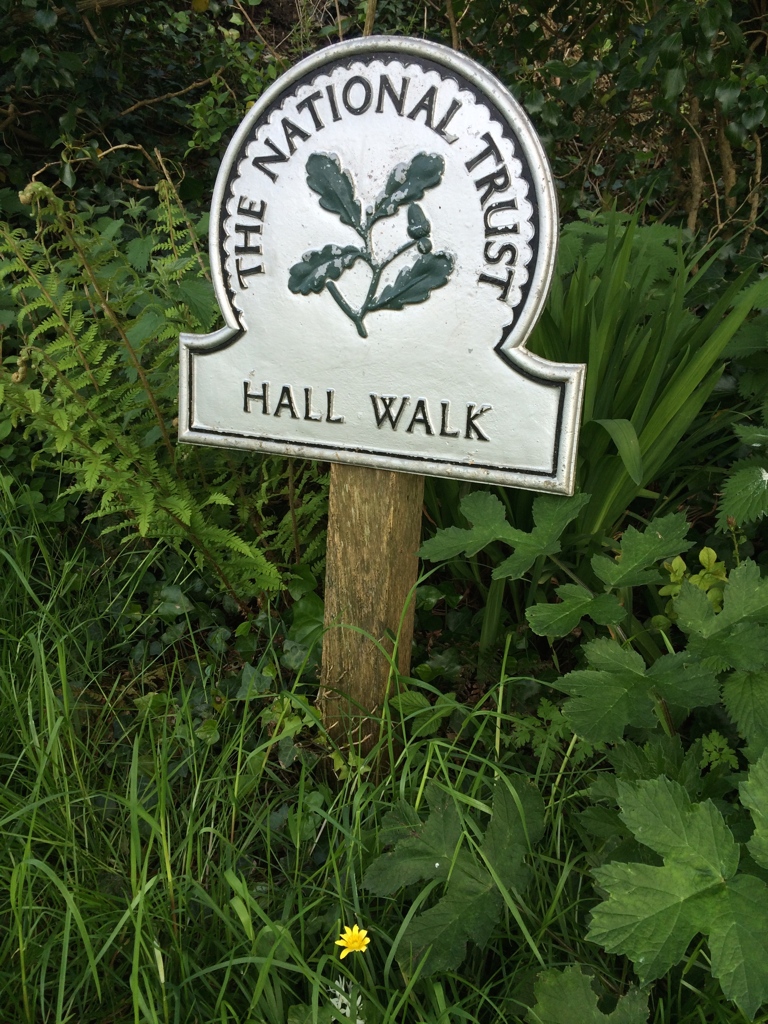
One of our favourite walks was the Hall Walk, which has stunning views across the charming town of Fowey and out towards Gribbin Head as you meander towards Pont Creek, onwards to Pont Pill and then back along the other side of the creek to Polruan.

During these holidays, I discovered Daphne du Maurier’s strong connection to the area, where she lived for many years, but at the time I had only read her most famous novel, Rebecca. I became fascinated with her life, devoured her biography and began to read her other works, beginning with the first full-length novel, The Loving Spirit.

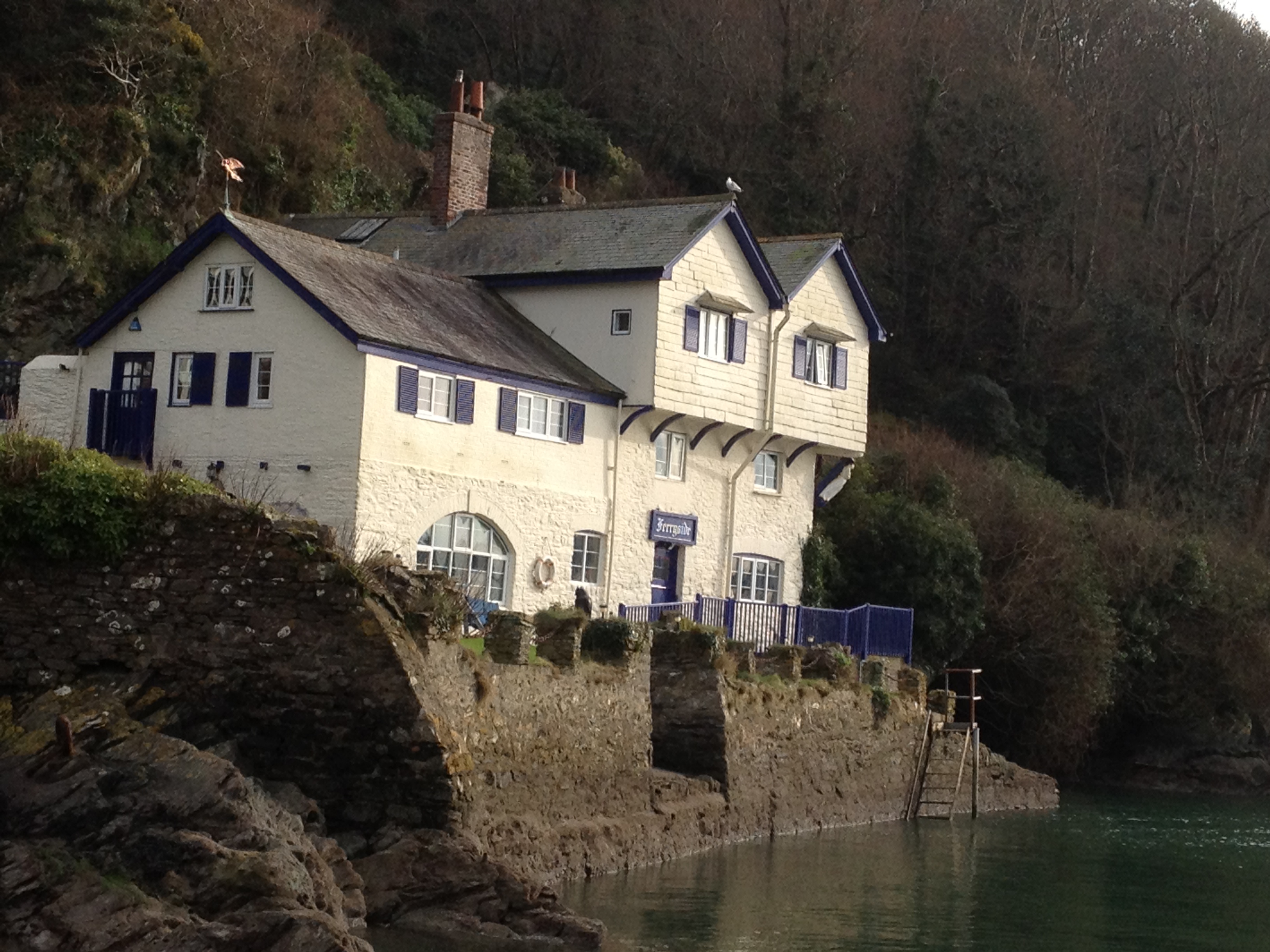
Daphne often walked the Hall Walk from her then home at Ferryside, adjacent to the Bodinnick Ferry where it docked after crossing the river from Fowey. It was on this walk, at Pont Creek, that she came across a derelict schooner, the Jane Slade. Although the ship was rotting, the figurehead remained intact, and she became spellbound by the ship, not only often climbing aboard and imagining its past adventures, but also going on to make local enquiries into the vessel and the local family who had built her.

She absorbed the history of the boat-building Slades, sought out the family tombstone in the churchyard at Lanteglos, up above Polruan (the church where Jane Slade had been married and where Daphne herself went on to marry), and was also given access to some family letters.

Bewitched by all she was discovering and inspired by her surroundings, Daphne realised she had enough material for a novel, a book she wanted to write ‘in which atmosphere and a sense of place would dominate’.

The Loving Spirit (the title came from a poem by Emily Brontë) was published in 1931— with the Slade family becoming the Coombes and Polruan renamed as Plyn—and is still in print today.

The figurehead from the Jane Slade was given to Daphne, and it was mounted on a beam below her bedroom window at Ferryside, where it still hangs.

My love affair with Cornwall is as strong as ever, and I’m looking forward to when I can visit again, walking those beloved paths, taking in the breath-taking views and inhaling the atmosphere of the place my heart calls home.


Sources: Daphne du Maurier – Margaret Forster (1993), Vanishing Cornwall – Daphne du Maurier (1967)


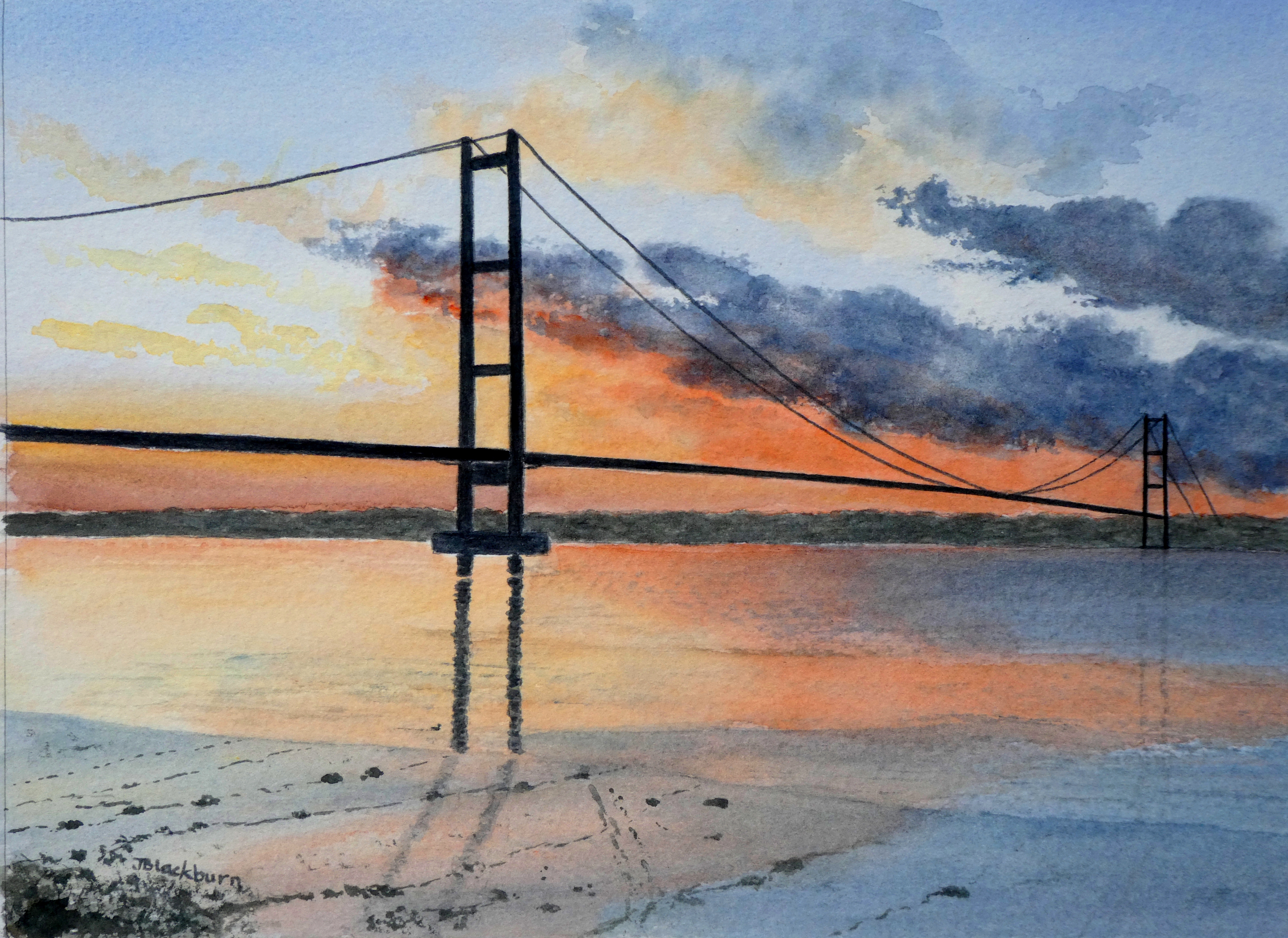
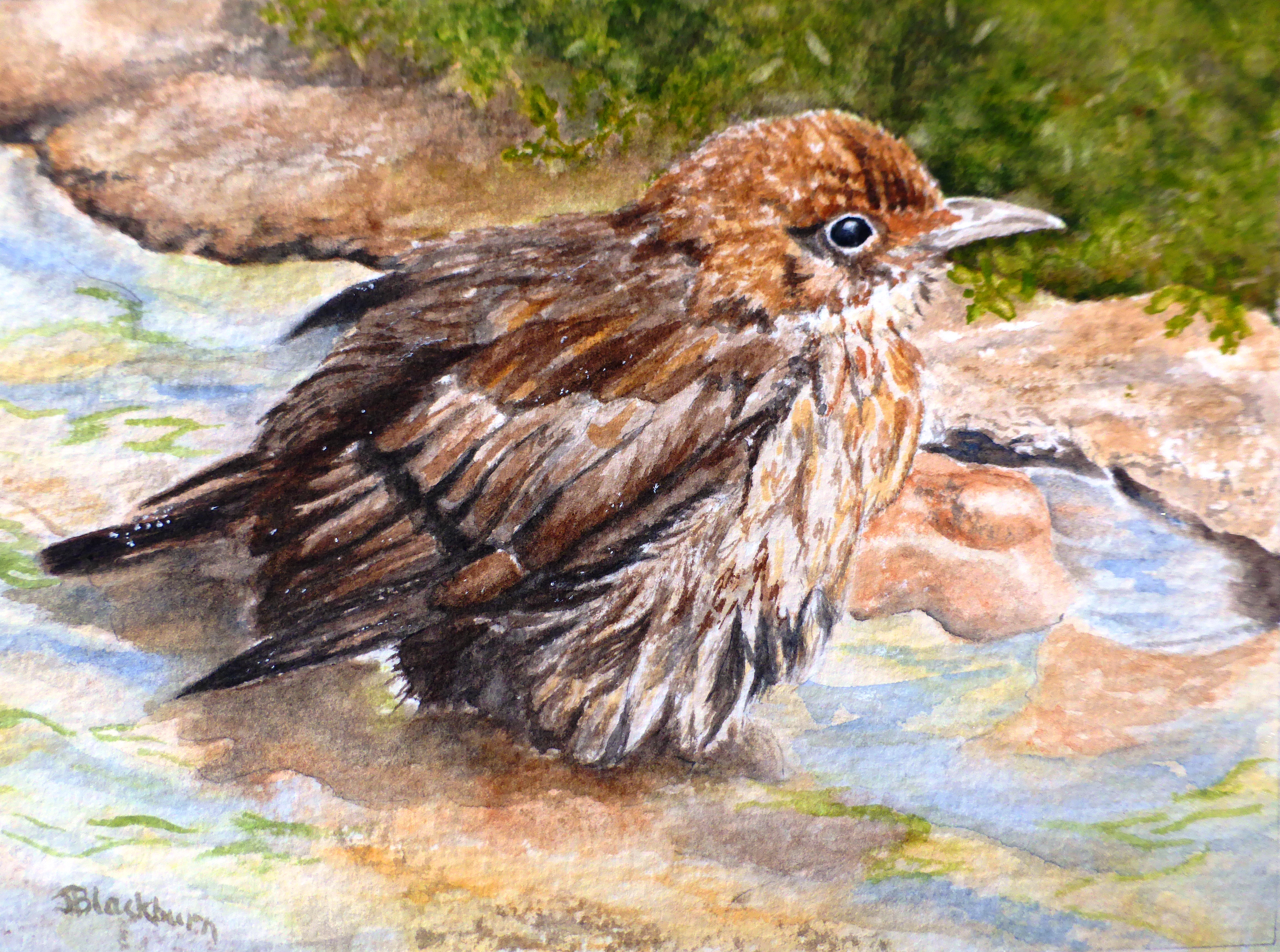
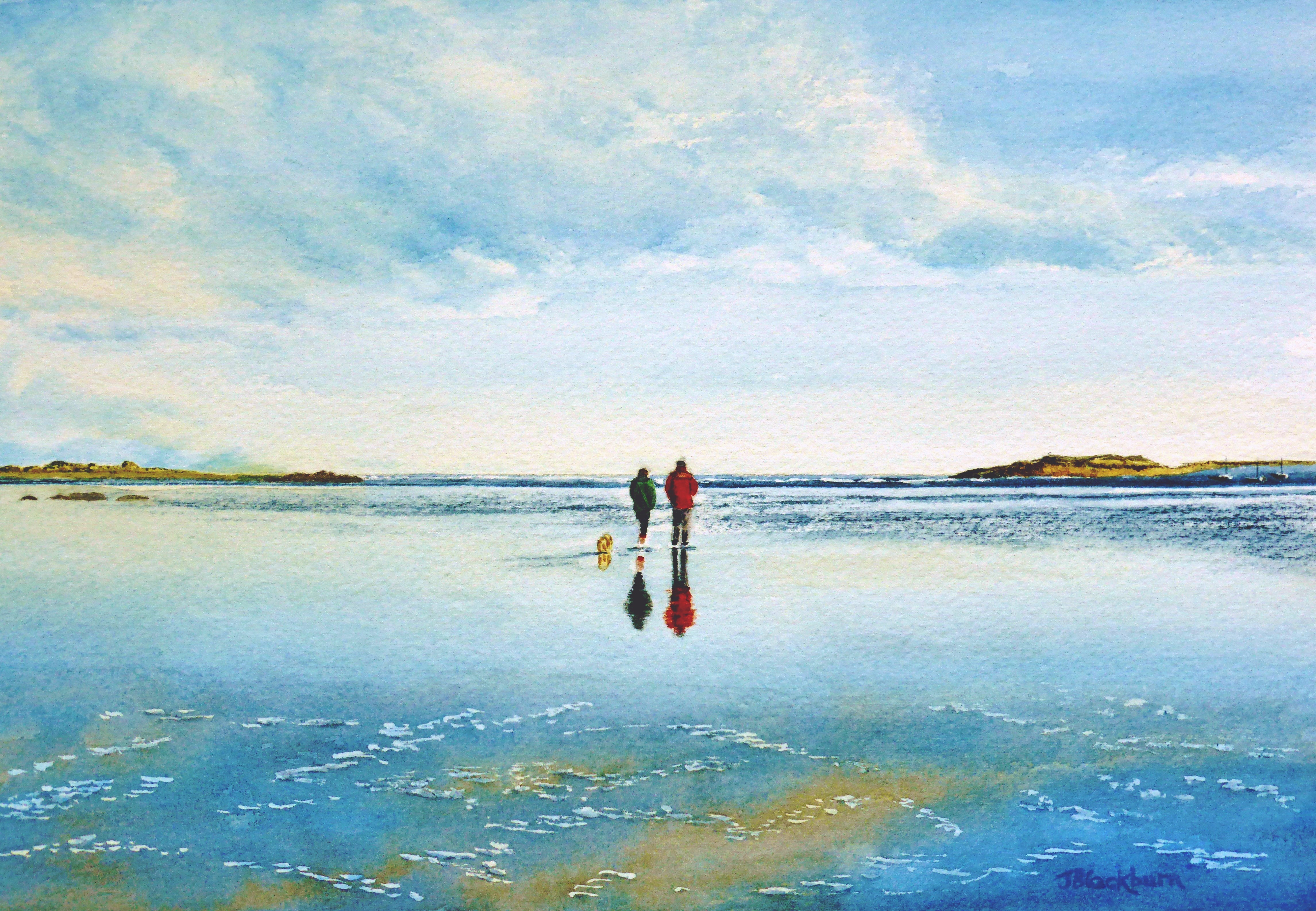
INTRODUCING NORTH LINCOLNSHIRE ARTIST, JOANNA BLACKBURN

I have always been creative and in my teens I painted in oils.  In early adulthood I explored many crafts and textile design on a commercial level.

Gardening is one of my passions too and I gained a qualification in Horticulture and Garden Design in 2002.  This included painting images of the gardens I was designing to help clients to envision them.  This took me back into painting and I began studying watercolours when on holiday in Scotland as this was the only time I had to indulge myself.  I sold my first painting there and this spurred me on to develop my talent further.  I joined a night class to learn more, became hooked and have not been able to stop painting since.

My paintings cover a wide range of subjects including birds and animals – whatever inspires me at the time.

The movement of water and different light conditions fascinate me so I love painting land, seas and skies. I enjoy capturing the beauty of the natural world and hope my work will uplift the viewer and fill them with a sense of place.

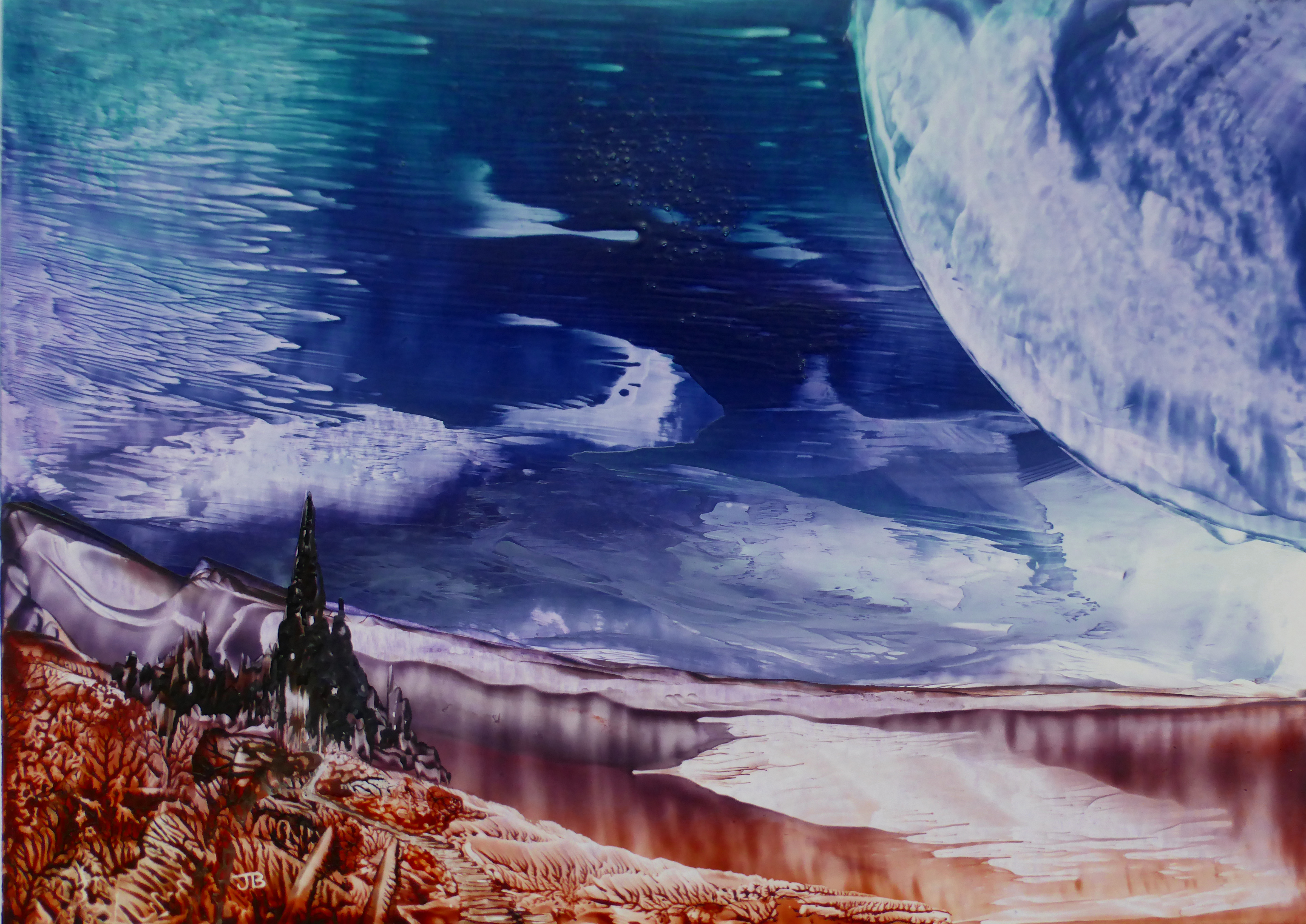
I paint in watercolours and acrylics mainly and also do encaustic work now and then.  This is painted by melting wax on an iron before smoothing it onto the surface.  Other heated tools can be used to work up the picture. I am really enjoying experimenting with this, creating fantasy landscapes which are totally different from my other work.

I have exhibited at various locations in England and Scotland and my work has sold internationally.  My work can be seen at www.joannablackburnart.com and www.facebook.com/JoannaBlackburnPaintings/

MELISSA OLIVER ON WINNING THE JOAN HESSAYON AWARD FOR NEW WRITERS

When I sat down in front of my laptop on that sun-drenched September afternoon, to find out who the winner of the prestigious Romantic Novelists’ Association Joan Hessayon Award would be, I had no idea that by the end of the zoom presentation, the wonderful Katie Fforde would open the envelope and say my name.

It was quite a surreal moment and it was actually a blessing (for me) that the recording of the presentation didn’t include my initial utter disbelief. For a few seconds, after my name was announced, I felt that time had actually stood still as I blinked repeatedly, wondering whether there had been some sort of mistake. And then of course, I was to make a garbled speech and this time the speech in all its effusive glory was recorded. Here, not only do I forget to thank Dr Hessayon – who generously sponsors the award in memory of his late wife, Joan- a vehement champion of new writers but also my lovely editor, Charlotte Ellis at Harlequin, Mills and Boon. I had been convinced that I had thanked both only to realise my mistake on second viewing. Thankfully, I have since rectified that oversight.

The truth is that I was and still am so ridiculously happy to be the winner of this amazing award, especially in the RNA’s 60th anniversary year.

The New Writer’s Scheme (or NWS) is a unique scheme run by the RNA offering unpublished writers the chance to have their work critiqued anonymously by the RNA’s team of published authors. My own experience of getting detailed feedback of my work was both nerve-racking and stressful yet immensely valuable as well.

For writers to be able to pass through the scheme and achieve the Herculean feat of getting their books published, it’s such an amazing feeling of accomplishment. After all the years of hard work, determination and at times disappointment, it all becomes worth it and not only that but this book that you’ve written- your debut can then qualify for this award as well.

The nurture and support from the RNA and the New Writer’s Scheme helped me achieve that elusive dream of becoming a published author. From the chapters (shout out to the London Chapter), to the seminars, courses, talks, events- the fabulous summer conference (where I met my editor, at the one-to-one meeting last year), Winter Party and the industry award ceremonies- it is such an amazingly warm, welcoming professional body.

This year there was an unprecedented number of books (21) that went through the New Writer’s Scheme to publication with a huge variety of stories within the romantic fiction genre. From historical romance, heart-warming contemporaries, saga, festive romance, romance infused with a thriller element, a paranormal romance to romantic comedies and so much more. I’m still quite bewildered by how the judges managed to choose from such a dazzling list of books this year but the fact that my debut, The Rebel Heiress and the Knight was selected as the winner is an absolute honour for me and something I will always cherish forever.

Melissa x

Melissa Oliver is from south-west London where she writes historical romance novels. She lives with her lovely husband and daughters, who share her passion for decrepit, old castles, grand palaces and all things historical.
When she’s not writing she loves to travel for inspiration, paint, and visit museums & art galleries.

Check out Kirsten Hesketh’s review of The Rebel Heiress and the Knight in this month’s Sister Scribes Reading Round Up.