SISTER SCRIBES’ READING ROUND UP: JUNE

Kirsten

This month I have finally got my writing mojo back after several months of not being able to concentrate on anything. But the first draft of book 2 is finally with my editor and I am suddenly devouring books like they are going out of fashion. Which, I am very pleased to report, they are not!
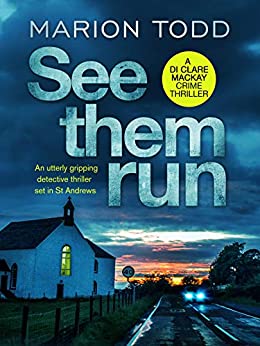
See Them Run by my Canelo stablemate Marion Todd is a ‘gripping detective thriller set in St Andrews’. I loved it. It’s nicely paced, has a very strong sense of place – I’ve only visited this part of Scotland twice, yet I feel I know it intimately now – a brilliant female lead and a cracking plot. I finished it in two days and the other books in the series are now downloaded and on my TBR.

Nicola Gill is a fellow 2020 debut so I know exactly what she is going through! The Neighbours is a lovely, laugh-out-loud story about picking yourself up, self-discovery and female friendship across the generations. It’s wonderfully heart-warming and uplifting read, yet it isn’t afraid to tackle some meaty topics – in this case depression – head on.  Highly recommended.

Kitty

Hamnet –  Maggie O’Farrell

This is a remarkable book. It is rare that I am moved to tears by reading and is testament to O’Farrell’s writing prowess that I was here, especially as readers come to the book knowing Hamnet’s fate. The way she weaves the story of this boy and his family is spellbinding, her writing evocative and a reminder to all of the beauty of prose. I loved every page.

Maggie O’Farrell creates scenes that are vivid and captivating, making you feel you are there in that moment, whether it be in woodland in the English countryside, a bedroom in the Shakespeare’s family home or aboard a ship from Italy as a plague carrying flea. She describes emotions with such beauty, such depth that I felt them myself – hence the tears and I can only bow down to this Queen of storytelling. I want to read it again and again and again. I cannot recommend it enough, it truly is a thing of beauty.

Natalie Normann – Summer Island
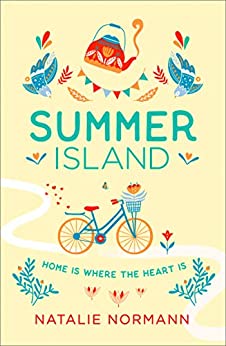
I raced through this book in two days and absolutely loved it. The romance between the two characters was fab and had me truly rooting for them, willing them on to have their happy ever after. The scenes where Ninni teaches Jack to row and their dash to the vet were so romantic, I adored them and that ending, embedded in the reality of life, that is true romance right there! The author has many strengths but for me the richness of the community was outstanding. I love how all the characters were drawn, how they interact with each other and how she creates a setting that I defy any reader not to want to visit immediately. I never thought I would want to plant potatoes on a Norwegian Island, but now I do. I learnt a thing or two as well, which is always a lovely upside to a good book. This book was cosy, feelgood heaven – so much so I have already pre-ordered the next in the series. Highly recommended.

Another Us – Kirsten Hesketh

I thoroughly enjoyed this debut novel. It is a tale of family and the bonds that tie us and how those bonds can stretch past what we imagine to be breaking point. The author has written an insightful story that explores the roles of motherhood and marriage, particularly when they clash with the expectations and desires we have for ourselves. Her voice is both honest and witty throughout as Emma comes to realise far more truth about herself than she had anticipated. Highly recommended.
 

SHEILA CRIGHTON ON ‘THE PRO’S AND CON’FERENCE’ OF 2020

Conference planning time reminds me of Christmas. Perhaps it’s because the planning begins around October when, life becomes a bit more twinkly. Or perhaps it’s because I get to open up a new spreadsheet and start putting together another buzzy, creative, inspiration-filled roster of sessions with which to lure people along to our next venue (Leeds Trinity in 2021, if you’re asking).

When I first started attending in 2015, the extraordinary Jan Jones was the doyenne of all things conference. And when I say all things, I literally mean all the things. She booked the speakers, the delegates, the venues (booking venues happens years in advance to make sure we get our early-July slot). She put up the signs pointing us up stairs and down corridors and around the corner to the loos. She knows where to get wine. Who can help make the microphones work (thank you, Janet Gover!). She knows who likes to sleep on a quiet floor and who needs a kitchen that parties into the wee hours. She did it all. Yes, there are helpers. People who greet lovely newbies (cheers, Kate Thomson) and people who schedule the industry appointment allocations (thank you, Elaine Everest). People who chair the RNA (kisses to Alison May and all past leaders), and of course the scads of folk who help stuff those lovely goodie bags, but still. Organising a conference for well over two hundred delegates and some thirty-plus speakers as well as the venue, the catering, the glitter on the tables for Saturday night etc etc is a big task.

So, a couple of years ago before I’d even had a sip of wine, I volunteered to help. I’d book the speakers and one-to-one industry experts and Jan would oversee the venue logistics (of which there is a mind-boggling amount to consider) and book the delegates (another epic job including, but not limited to, getting those lovely glittery first-time Conference attendee flowers on name tags).

Booking speakers is akin to picking thirty-six shiny candies from a huge jar filled with thousands of impossibly wonderful candies. The previous year’s speakers have to be considered. Delegate’s feedback is pored over (yes, we really do consider it). All this and more to create that all important balance for the myriad of novelists who make up our membership. We put a lot of thought into creating sessions that meet everyone’s needs and perspectives, headlining the RNA’s passion for inclusivity. As such, the speakers should showcase the variety in modern romantic fiction including: romcom, historical, SCIFI, saga with BAME, LGBTQ and all of the other protagonists in between seeking their Happily Ever Afters. After all, love matters to everyone. And then, of course, there are the one-to-one industry feedback sessions. The feedback – no matter the outcome – is unbelievably useful. It’s definitely taught me to take some constructive criticism on the chin!

This year, just as everything was getting exciting and I thought we’d nailed it, Covid-19 happened and we couldn’t hold the shiny conference I’d just organised and Jan had already taken over a hundred bookings for. Then our chairwoman Zoomed me (because that’s now a verb) and said “virtual conference.” I said no, no, no because I was mourning the conference we couldn’t have. When booking opened for the virtual conference Alison persuaded me to book speakers and industry professionals for despite my reservations, scores of you signed up. Which is just the juice we need, come autumn, to open up a shiny new spreadsheet and do it all again. Happy virtual conference everyone!!


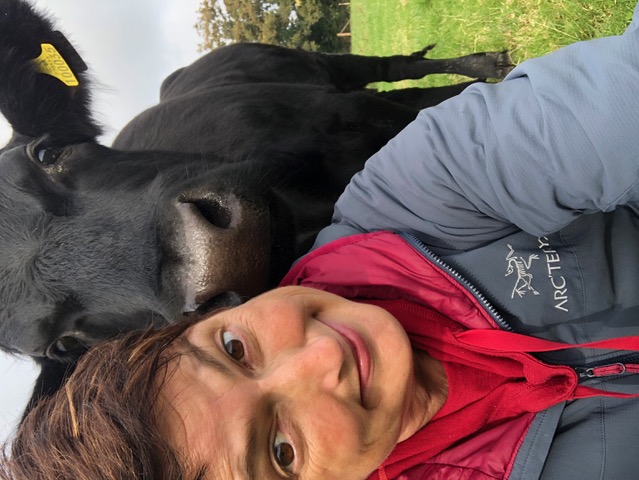
Sheila Crighton’s first job was selling popcorn at an arthouse cinema. She later became a cameraman and news producer for Associated Press TV, made a few TV programmes, then gave it up to raise stripy cows and write books as Annie O’Neil and Daisy Tate. One of her gazillion dreams is to write a Hallmark Christmas movie.


GIRLS, GIRLS, GIRLS – Jane Cable reviews two World War Two sagas

Although I am about to review two excellent books I have a bugbear I need to share. Not just aimed at these two, but at the saga publishing world in general. Why, oh why, do books featuring grown women have to refer to them as girls? Yes, I know it’s become a shorthand that readers recognise, but it still grates on me. Oh well…

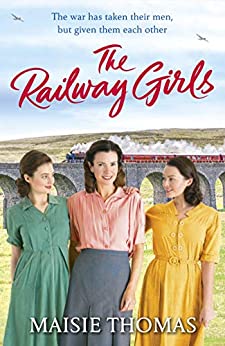
It is particularly the case in point with Maisie Thomas’s The Railway Girls, because one of the most engaging and interesting characters in Dot, who is well into her forties. She is the sort of woman who organises and takes care of everyone to her own detriment, but determined to strike out and help the war effort, through which she is to find a great deal of self respect.

That is the premise of this excellent book; women from different backgrounds who were thrown together in 1940 to help keep the nation’s vital railways running. The challenges they face, the friendships they form and even their romances weave together into an utterly believable tapestry, depicting wartime Manchester as it surely was.

Thomas’s research must have been meticulous but it is the richness of her storytelling that had me hooked. The detailed descriptions fitted so easily into the narrative the pictures were painted as the story moved along, and that is a rare talent. There is quite an extensive cast of characters too; not only Dot, Joan and Mabel, who will be the focus of the series, but other railway workers as well as their families at home.

For a debut novel this is stunning writing, perfectly paced and never rushed, a slow and realistic journey through the phoney war, Dunkirk and into the beginnings of the blitz.

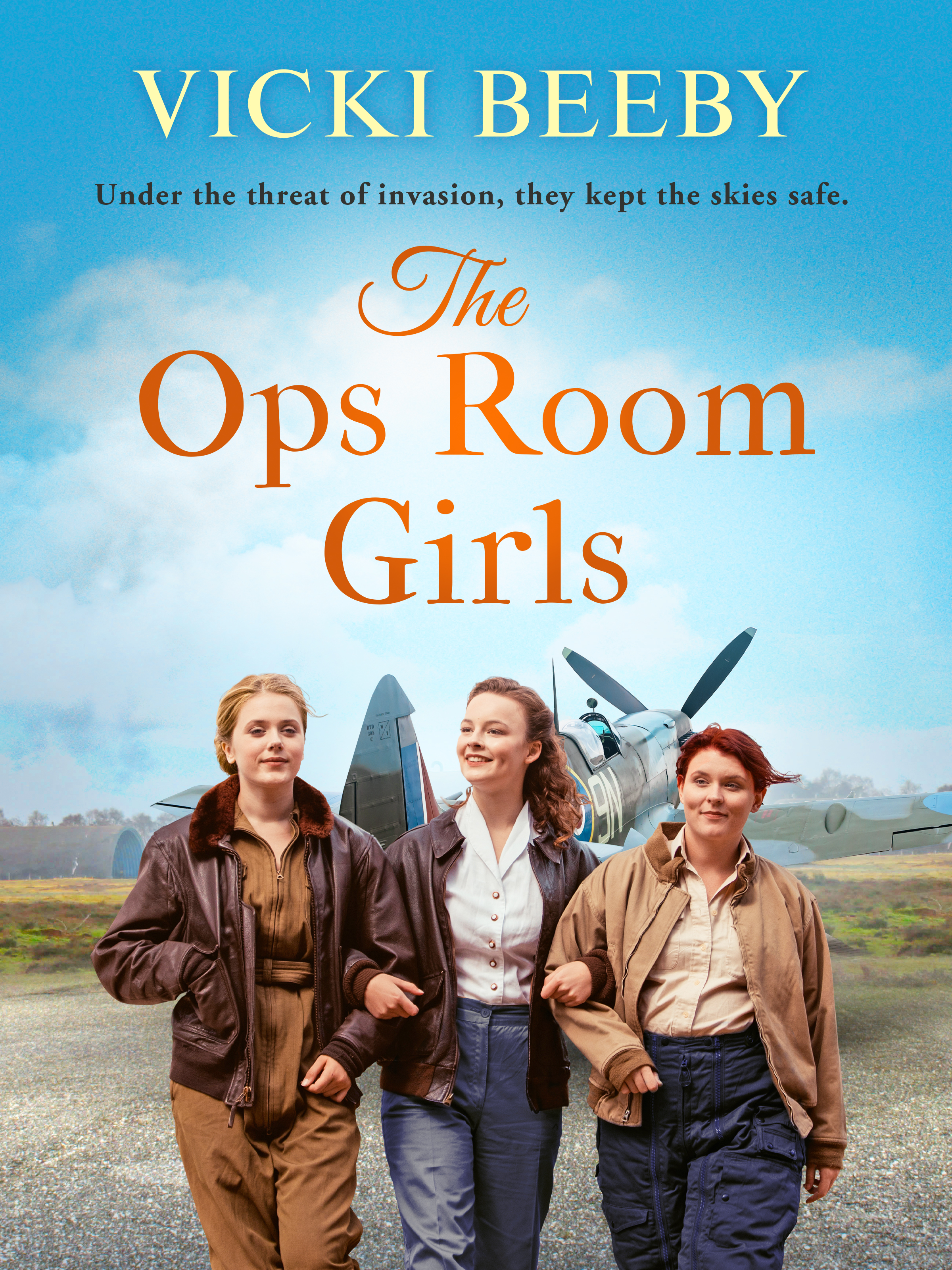
Vicky Beeby’s The Ops Room Girls is equally enjoyable but totally different. Here the story gallops along, making it difficult to put down, and there were places towards the end when my heart was actually thudding.

Again it features three women, but all of them are young and from modest backgrounds although they all join the WAAF for different reasons. This book (also the first in a series) focuses on Evie, a working class girl whose scholarship to an Oxford college was ripped away from her. The characterisation in this book is so good I was feeling for her within the first few pages and really wanted to know where her story was going.

The answer is the operations room of an airfield in West Sussex, where she arrives in the summer of 1940. She makes friends with glamourous former actress Jess and shy May who has been perpetually put down by her father and brothers. All of them are escaping from something but become totally committed to the war effort.

I expected this, and I expected love stories, but what made this book stand out is the mystery that had to be solved as sabotage rears its ugly head on the base. It is a compelling plot strand that certainly kept me turning the pages.


The Railway Girls by Maisie Thomas is published by Arrow and paperbacks and ebooks are available now. The Ops Room Girls by Vicki Beeby will be published as an ebook by Canelo on July 16th but can be ordered beforehand.

SISTER SCRIBES: KITTY WILSON ON HANDLING DIFFICULT TOPICS IN LIGHT HEARTED ROMANCE

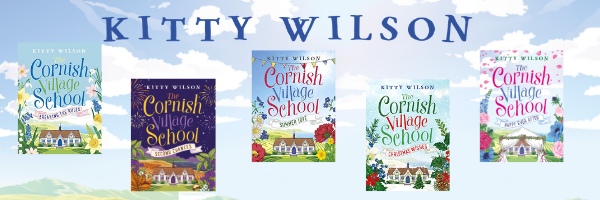
I had planned to write about Happy Ever after for this month’s post, the last in my Cornish Village School series and out last Thursday.

However, I had a lovely review today that has changed my train of thought. The reader kindly said that she really liked the way I handled difficult topics in an easy way. And this made me want to write about that…handling difficult topics within the confines of light-hearted feelgood reads.

And I ram them in.

So far across five books I have dealt with all sorts of real-life issues, including coercive relationships, maternal loss, war, marital breakdowns, parents with addiction issues, neglect.

I will forever remember my editor’s reaction when pitching the second in the series I dropped into conversation that I wanted to bring in the South Sudanese Civil War. I thought she was going to have a heart attack. I had to reassure her that yes, I was still writing a light-hearted romcom set in Penmenna and that she could a) trust me b) gamble knowing she could always edit it out later.

Why have I insisted on featuring these things? How do I justify including such things in feelgood books? The answer is simple. I love the romance of a romance novel, the sighs, the highs, the hopes and desires and the guaranteed happy-ever-after. But I also like real and relatable characters, people I can empathise with, bond with and enjoy writing about and then reading about (honestly, we have to read our own books so many times before they come to you). And the truth is I don’t know a single person in real life that hasn’t had to deal with trauma in one way or another, and many people who have to deal with far more than their fair share. Therefore, I need my characters to reflect the people I know and love in real life. Bad things frequently happen to good people, they just do. And whilst I love writing about a fictional village that features the best of Cornwall – beautiful beaches, picture postcard cottages and strong community I do need a smattering of something to balance that out. In the county I love we have all those things but it doesn’t mean that behind closed doors that life is as perfect as it is pretty.

My poor children have always had it rammed home that it’s not the things that life throws at you that are important, it’s the way that you deal with them that counts. And that has to be true in fiction as well. We need to see how our characters respond to real-life situations, to the tough things that real people have to face every single day. I want to recognise when I write that everyday people are as heroic and wonderful as characters in books, that they too have to deal with the most dreadful things and, apart from an occasional understandable wallow, they get up and keep going.

On the flipside are the joyful things about life, the big stuff – people we love, personal achievements and the everyday stuff, the hedgerows and the birds, a good book and delicious things to eat, or whatever your little joys are. The happy keeps us going when we have the awful, the awful makes us appreciate the happy.

I hope by bringing these subjects into my books, I am reflecting this balance and also acknowledging the heroic nature of what people have to deal with every day, and how I am in awe of the sheer resilience and goodness of human beings and life in general.


All love, Kitty.

SISTER SCRIBES: KIRSTEN HESKETH ON BEING A PUBLISHED AUTHOR

It’s three weeks since my debut Another Us launched and what a strange, exhilarating, fabulous, scary three weeks it has been.

What with that – and, of course, ‘real life’ overlaid over the top – it’s all been rather overwhelming and I think it’s only now that I am beginning to sit back and play it all over in my mind. So – if it’s not too self-indulgent – I thought I might devote this post to my recollections of the big day.

I had wondered that the day itself might feel like an anti-climax. After all, my very first book was being sent off into the world to fend for itself in the middle of a global pandemic! Publishers and agent were working from home, decisions over a paperback edition had been put on hold at the last minute, and it was proving difficult to get physical review copies out to the lovely writers and bloggers who had offered to read and potentially review the book. It all looked like it might be one great big wash-out.

In fact, the day itself was absolutely wonderful. The outpouring of support on social media was absolutely incredible and I literally couldn’t keep up with all the tweets and RTs coming through on Twitter. Several days later. I stumbled across about twenty messages I hadn’t seen before. (I do hope the kind senders didn’t think I was terribly rude.)

And then there were the gifts. The doorbell rang all day with flowers and chocolates and cards. My lovely friend Debbie made this incredible cake. My fellow Sister Scribes not only sent flowers and an 48-pack (!) of Curly Wurlies (how well they know me!) but have arranged for flowers to be sent for the next two months as well – so the celebrations can go on and on. My Coppa Club friends – Claire, Becci, Moira and Marilyn – sent a magnificent afternoon tea. My chums at Reading Writers sent flowers and chocolates.

How lucky am I?

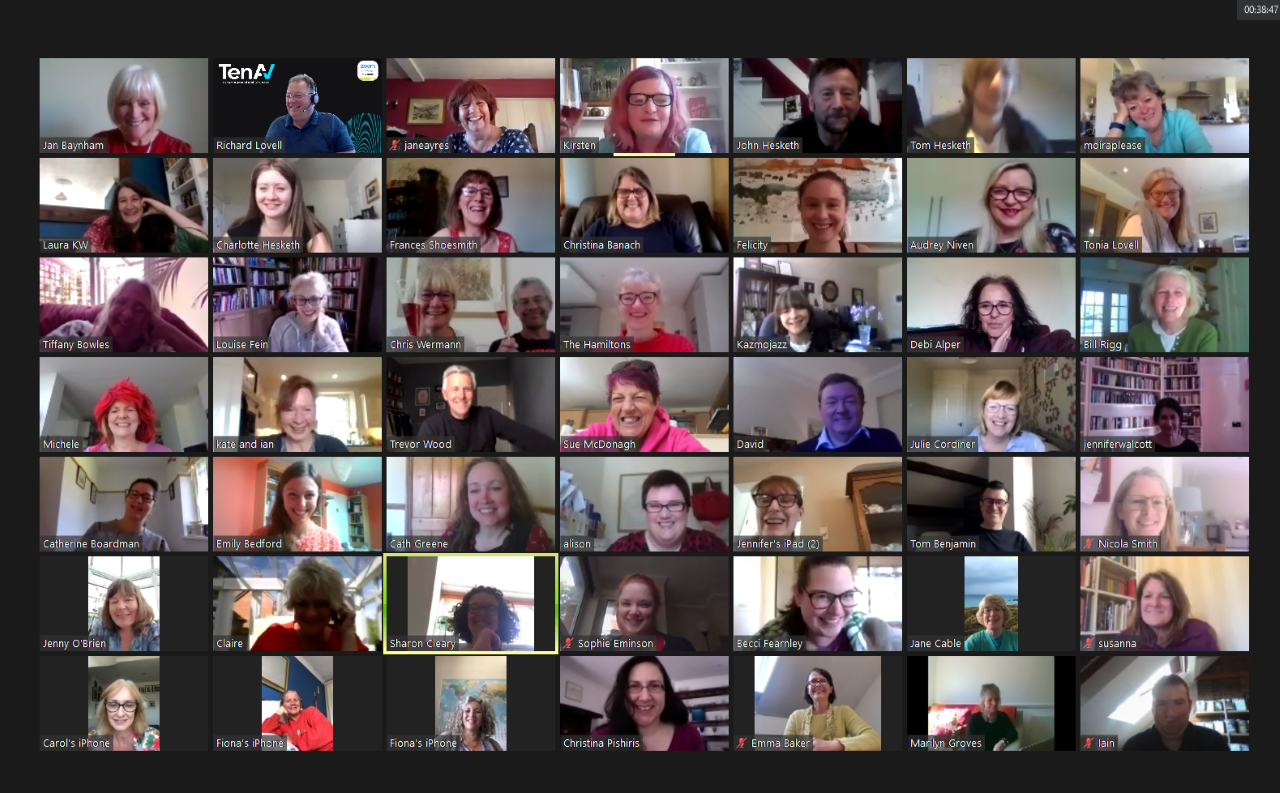
I hadn’t been sure what to do about the launch party. I had planned a very small afternoon tea at the Lanesborough Hotel for ten, but that was scuppered by Covid. In the end, I plumped for a Zoom launch which was brilliant and surprisingly emotional. As some of you may know, I dyed my hair red to match the book cover in order to raise money for Mind, and everyone got in the act. There were red tops and red wigs and Jane Ayres dyed her hair red too in solidarity. There was also a red drink competition judged by my children and I know Sue won but I’d slightly lost the plot by this point and I’ve no idea what she was drinking – or if she’d just made something up! More seriously, my editor Emily and agent Felicity both made wonderful speeches and I had a genuine lump in my throat when I came to reply to them.

So all in all it was a wonderful day and thank you to everyone who helped me celebrate and who has supported me in my journey.

And now Another Us is out there in the world and, as I write, has 42 fabulous 4* and 5* reviews. I have had lovely messages from people I know and don’t know saying how much they’ve enjoyed Another Us – including one from a Hollywood actress. I have no idea how many the copies the book has sold but it has been the most wonderful whirlwind!

Next time: the inevitable party hangover and the first 1* review!


SISTER SCRIBES GUEST: TANIA CROSSE ON AN AWARD WINNING SAGA

Susanna invites Tania Crosse to talk about winning the first ever Saga of the Year award from the Romantic Novelists’ Association as it celebrates its Diamond Anniversary

I was utterly thrilled when I learnt at Christmas that The Street of Broken Dreams had been shortlisted for the new saga category in the RNA’s major annual awards. With the other contenders, Lesley Eames, Jean Fullerton, Rosie Goodwin and Kate Thompson being such wonderful writers, I went to the ceremony in London with no expectations, just looking forward to a glittering evening out. So when my name was read out as the winner, I was totally overwhelmed. I managed to gabble a few incoherent words up on the podium, but I must confess, it was all a bit of a blur at the time.

It really is fantastic that this new saga award has come into existence. It remains an enormously popular genre, and the quality of so many of the brilliant sagas available, covering a huge range of different topics, deserves such recognition. I feel honoured that as the first ever recipient of this award, I can represent saga lovers everywhere.

Tania (left) with agent Broo Doherty

So what is considered ‘saga’? That is a good question, so here is my interpretation. Whatever length of time the story spans, the entire action must take place at least fifty years in the past. Secondly, the actual romance is not necessarily the main focus of the book. Characters must fight their way through extreme adversity, often – though by no means always – generated by the historical circumstances of the period, with the romance intertwined within it. Sagas are normally gritty, hard-hitting stories illustrating strong themes.

Like all sagas, The Street of Broken Dreams is a tale of spirit, warmth, courage and heart, and has been described as ‘searing emotional drama’ and as being ‘beautifully compelling and poignant’. It’s 1945 and WW2 is drawing to a close. But the consequences of war can be far reaching. Can dancer Cissie ever recover from the brutal night back in 1944 that destroyed her life? Will it take the love of a good man or the guilt and self-sacrifice of a stranger from across the sea to bring her peace? Does Mildred really know the man to whom she so hastily became engaged before he went off to war? Will she able to face the tearing conflict of loyalty on his return?  Can golden-hearted Eva, matriarch of the street and linchpin of the story, help them unite against the future?

I actually lived in Banbury Street, the street of the title, as a small girl, so writing the book brought back many childhood memories. Cissie’s story was inspired by an ‘encounter’ my mother experienced during the blackout, though fortunately it had a different outcome and my mother was unharmed. During the war, my father served in submarines in the Far East, which gave me the idea for Mildred’s story. Dance has been a lifetime passion of mine, and my ballet mistress with whom I kept in contact all her life, told me about her experiences as a dancer in wartime repertory, and this became the Romaine Theatre Company in the book.

So I think you can appreciate that this award means so much to me, not just in itself, but because so much of myself was poured into the book. As my fourteenth published novel, it feels like a lifetime achievement and I thank from the bottom of my heart the Romantic Novelists’ Association and the readers and judges who put me on the podium.

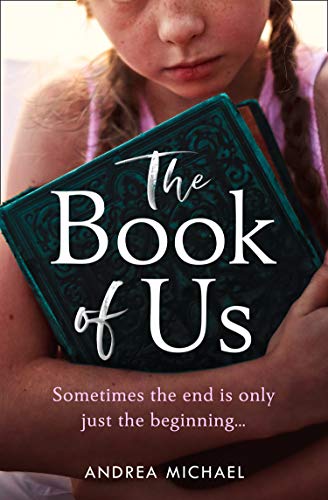
SISTER SCRIBES GUEST: ANDREA MICHAEL ON WRITING FRIENDSHIP IN FICTION

At Sister Scribes we often talk about how important friendship is within the writing community. Andrea Michael is one of those friends, we have shared publishers and parties, we share an agent and a similar sense of humour. I adored her latest book, a novel about the love involved in friendship, it made a change to reading about romantic love and was insightful and honest. With it out in paperback this month, I’m buying myself a forever copy. I’m so happy to host her on Frost, talking about writing friendship in fiction. Kitty x

When I wrote romantic comedies, it was easy to see the importance of a best friend. You needed someone to talk some sense into your main character, encourage risk, push them towards their destiny. They needed to be a support system, offering an opportunity to rant and rave and cry. That’s what best friends are for.

Without friends, it’s hard to convince your reader to trust your character. Why don’t they have people in their life? Why don’t we get to see more of who they are? Are they a real person? Are they loveable?

But most of the time this best friend never gets to have their own adventure, they always exist in relation to the main character. They are the equal opposite, the voice of reason or rebellion, depending on what the main character needs. They didn’t exist on their own.

And that was where the idea for The Book of Us came from. We so often focus on the romantic relationships that change our lives, but what about the important friends who have made us who we are?

Loll and Cass are two friends who fell out years ago. They became intensely close at university, Loll’s anxiety and shyness made smoother by Cass’ outgoing and wild nature. They evened each other out, knew each other’s traumas, weaknesses and dreams. And they planned to spend their life having adventures together.

But things change and sometimes when you make a close friend at that age, you want to know who you could be without them. Either you’re in the shadow or you’re always the leader, and either can be exhausting. Sometimes you just need a chance to grow apart before you come back to see if you still fit.

Writing friendship could be boring – after all the moments that make our friendships are often gradual, quiet and uneventful. We rarely have a manic pixie dream friend plonk herself in our laps and declare herself our best friend.

But much like with a love story, it’s about how it unfolds, how it falls apart, and why it comes back together. Nostalgia only really works when we bring in all the things our readers relate to – a seemingly carefree younger life. Staying out late, getting in trouble, thinking things were complicated when now you realise they were just so simple.

It’s the complexities and problems that I find the most interesting – the secrets and sore points and things unsaid. And the natural rhythms and waves that can come back into play a decade later. A true friendship, even one that ends (through big fireworks or a slow trudge) has an impact on who we are today. And that’s where the magic is, for your audience and your reader.

We just have to hope readers find friendships as complicated and precious as romances, just as they are in real life. Because sometimes your soul mate is your best mate.


Andrea Michael writes books to explore complicated relationships. Having trained in using writing for therapy, she really believes in the magic of stories to change your life. Failing that, sparkling wine and obnoxious sing-a-longs also do the trick.

Follow her on Twitter: @almichael_


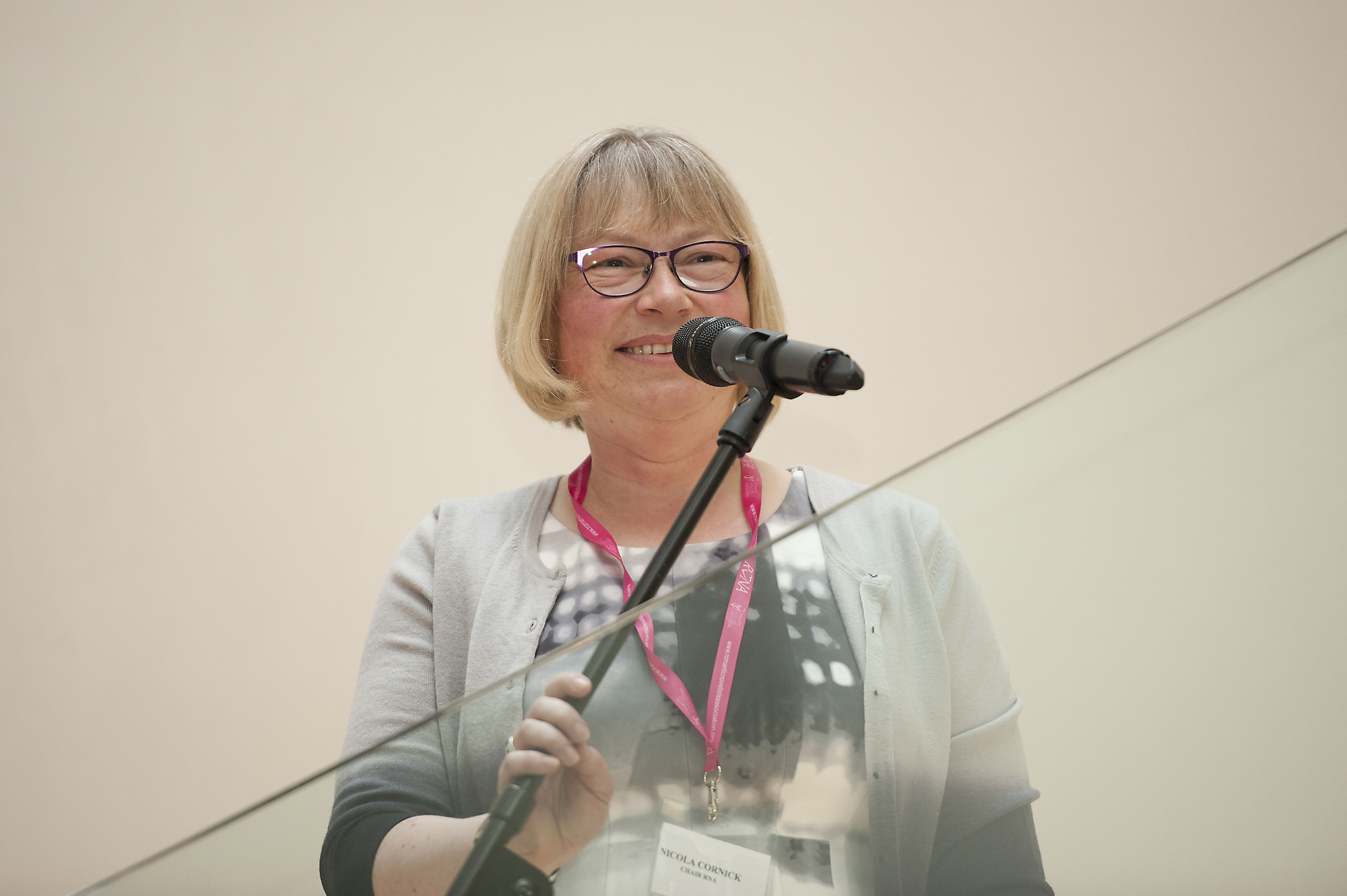
NICOLA CORNICK ON THE RICHES IN THE RNA’S ARCHIVES

In this very special 60th anniversary year for the Romantic Novelists’ Association it’s inspiring to look back at the history of the organisation and the extraordinary women who have made it the force it is today.

The origins of the RNA date back to January 1960 when author Vivian Stuart took the initiative to create an organisation dedicated to promoting and celebrating excellence in romantic fiction. Vivian was a redoubtable woman who had served in the Army in Burma during the Second World War, studied law, medicine and chemistry, married four times, had five children, travelled widely and was an extraordinarily prolific and successful author. She was the driving force that the organisation needed to get off the ground, and with the support of other famous novelists of the time including Denise Robins, Barbara Cartland and Netta Muskett they certainly made an impact.

Denise Robins, who became the first President of the RNA, was known for her exceptional glamour as well as for telling a cracking good story. She was a consummate networker whose connections in the publishing industry and the wider world were of huge benefit to the fledgling organisation.  As for Dame Barbara Cartland, she understood the value of branding long before it became a buzzword!

Photo credit: Winslow Photography

In order to achieve the aims of the organisation and promote and celebrate excellence in romantic fiction, these authors aimed to attract more respect to the genre. It’s interesting to see this theme recurring throughout the history of the RNA and indeed the history of romantic fiction. Romance, so frequently seen as a genre written for and by women, has experienced the twin criticisms of gender and literary snobbery. True fans of the genre, as well as the authors, know however that romantic fiction does not need literary approval. Those who denigrate it are missing the point and missing out. The strength of the genre and of the organisation lies in the loyalty of its aficionados.

Over the following decades new authors have taken the organisation forward, mirroring the society in which we live and its interests and preoccupations in the same way that these are reflected in the love stories of each different age. Lucilla Andrews was one of the RNA’s authors whose fiction mirrored her life experience, featuring as it did heroines who might be a single parent and breadwinner, as she had been herself.  Rosamunde Pilcher wrote about family dynamics, about love and loss and hope. But whilst there have been outstandingly successful author members throughout the RNA’s 60 years, it is the strength of the whole membership together that forges an organisation.

In the nineteen seventies the RNA began to build on one of its greatest strengths; the ethos of members helping and supporting other authors at all stages of their career. From the start, the RNA had set out to foster new authors in the genre through its New Writers Scheme, where established writers mentor aspiring novelists through a critique programme. The conference, introduced in the 1990s, also allows members and industry professionals to meet and discuss the latest publishing trends and career opportunities. Another important development, now one of the greatest strengths of the RNA, is the system of local chapters, which provide additional opportunities for networking. The sixty-year history of the RNA demonstrates its strength through the sharing of good practice, mentoring and support, themes that are as important today as they have been since the beginning. Here’s to another sixty years!


Nicola Cornick is the author of over forty bestselling historical romances over a career spanning twenty years. She is a former chair and current archivist of the Romantic Novelists’ Association. Her latest book, The Forgotten Sister, is a dual time novel set in Tudor England and the present, and is available from HarperCollinsHQ. Find out more about Nicola here: http://www.nicolacornick.co.uk/

For more information about the Romantic Novelists’ Association please visit our website www.romanticnovelistsassociation.org