SUNDAY SCENE: NATALIE NORMANN ON HER FAVOURITE SCENE FROM SUMMER ISLAND

When I was asked if I could write a contemporary romance set in Norway, I jumped at the opportunity. I didn’t have a story, but I knew the perfect setting.

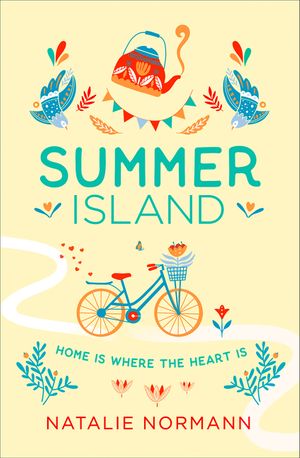
I love islands, but I couldn’t make up my mind which one of my favourite places to use, and I ended up making my own fictional island. From that, came Summer Island with it’s quirky characters and the best part of Norwegian summers.

It was the perfect place for a romance between two people with broken hearts who think they have lost what they loved most.

Ninni Torp comes to her beloved island to heal from the biggest shock in her life, only to find there are bigger suprises in store for her.

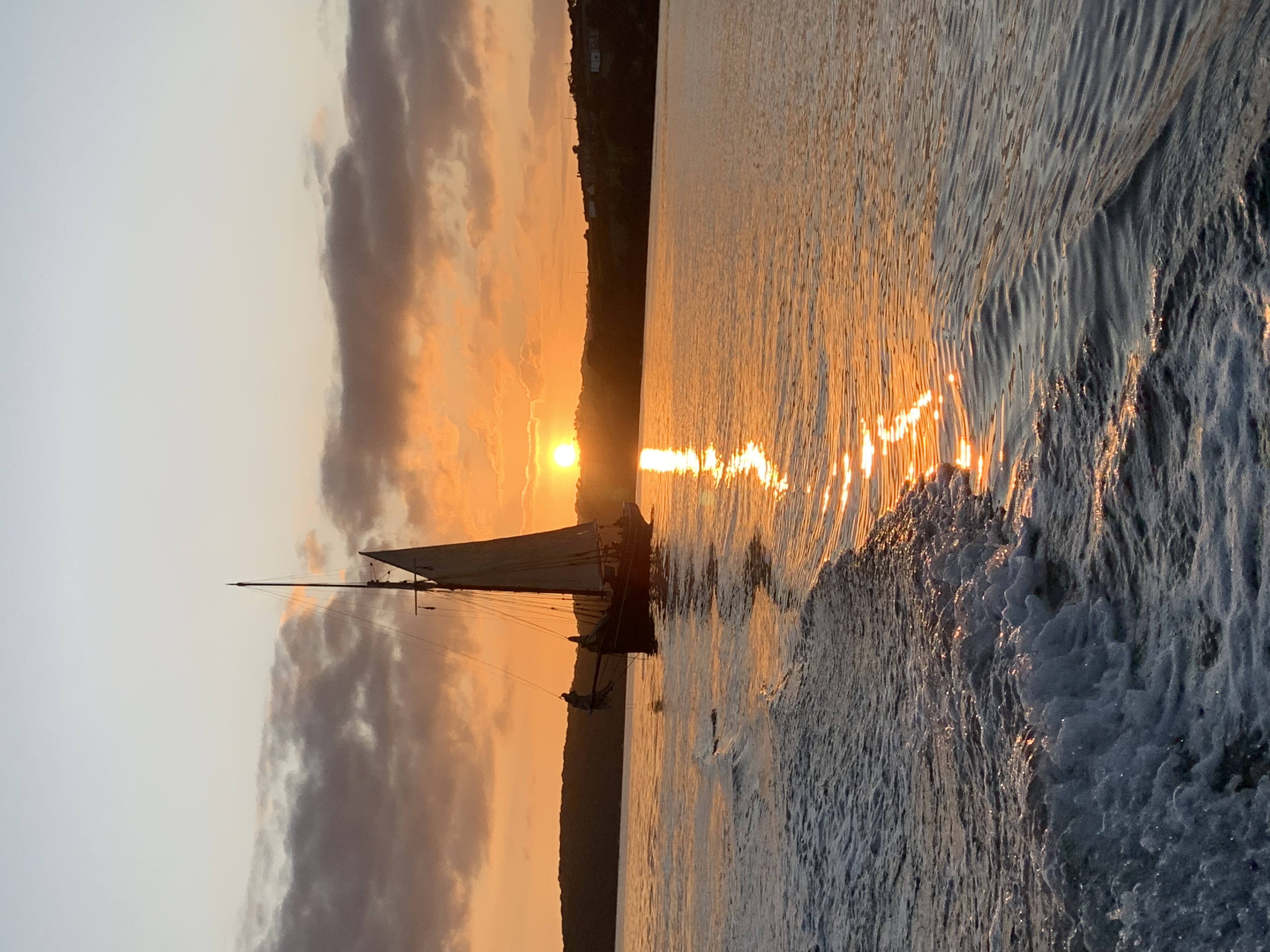
I also had great fun dropping a big city boy in an unfamiliar environment. Jack Greene arrives from London to sell the farm he has inherited, and finds the experience more than a little strange.  Like here in this scene, where he gets into a rowing boat for the first time.


Jack looked at Frikk with a wary expression on his face. The dog looked back at him, ears up, tail down.

‘Are you sure he’s friendly?’

‘Are you scared of dogs?’ Ninni smiled at him.

Jack kept a watchful eye on Frikk. ‘No, not really. I’m not used to them, that’s all. We never had any pets. My brother is allergic.’

Ninni turned to Frikk. ‘Say hello to Jack, Frikk.’

The dog lifted a paw and Jack, after a moment’s hesitation, shook it. ‘That’s pretty good,’ he said and smiled.

Ninni laughed. ‘He has excellent manners. Better than most people, I think.’

She climbed into the boat, keeping it steady by standing with her legs apart. ‘Come on, Frikk, jump in.’

The dog looked at Jack, seemed to grin at him, and then jumped. Ninni grabbed him and lifted him to the front. She looked up at Jack. ‘Come on.’

Jack hesitated. ‘Are you sure that thing is safe?’

‘My word, you are a scaredy-cat. Don’t worry, if you fall while getting into the boat you can’t drown. That’s what the life jacket is for.’

She held out a hand, but Jack ignored it. Copying her, he carefully stepped into the boat, then sat down. He stretched out his hands and grabbed hold of the gunwale on both sides.

Ninni didn’t say anything. It wasn’t nice to make fun of someone sitting in a boat for the first time, no matter how hilarious he looked. He seemed so sure of himself on land and now he sat there, staring at the water as if it was going to attack him.

She sat down in the aft and pulled the cord to the engine a couple of times. It spluttered and then started.

The wind was coming from the south and the water was a bit choppy. The bow jumped on the waves and Frikk had a grand time barking at them.

Jack turned pale.

Ninni leaned forward. ‘Are you seasick?’

‘No.’ He shook his head, then turned a shade greener.


I can’t even express how much fun I had writing the two books in A Very Hygge Holiday: Summer Island, and the sequel Christmas Island.

How to Get the Quality Health Care You Deserve: Insider Tips Straight From a Medical Professional

Although I am lucky enough to live in the UK I have always been fascinated by the American healthcare system. Not good fascinated, but WTF fascinated. It blows my mind that a country like America has people who are too poor to receive proper medical care. In the UK the National Health Service is free at the point of use. It’s free to see a doctor, have an operation, whatever you need. All you pay for is dental care. Which is probably why other countries think British people have bad teeth, some people can’t afford dental care. I digress, this book really spoke to me. I have family in America and I have always had a love for the country.

That is why I love this book. It puts the power back into the hands of the people. It saves both money and lives. I commend Dr. David Wilcox for writing it. It is comprehensive and full of knowledge. I recommend this book to my American cousins. It is an essential to navigate America’s complicated, health care system.

~~~~~~~~~~~~~~~~~~~~~~~~~~~~~~~~~~~~~~~~~~~~~~~~~~~~~~~~~~~~~~~~

Everyone needs health care at some point in their lives. Understanding the risks and benefits of procedures, making sense of medical bills, and interacting with insurance companies are all lessons we have to learn on the fly — and often when we’re already shouldering the stress of battling an illness ourselves or helping a loved one.

After 28 years in the health care field, Dr. David Wilcox has seen enough to realize that proactive patient education can actually have a life or death impact.


“Entering the American healthcare system, one has to have a basic knowledge of it to be safe,” he said during a recent interview. “Medical errors are the third leading cause of death. Not a lot of people know that.”


In his new book, How to Avoid Being a Victim of the American Healthcare System: A Patient’s Handbook for Survival, Dr. Wilcox offers information, facts and tips that can help patients and family members navigate through the morass.


“I have seen some alarming situations that nursing school never prepared me for,” Dr. Wilcox said. “Not being prepared and knowledgeable means you will have little control over the health care you receive.”


His goal in writing this book was to level the playing field, enabling consumers of health care to understand how to avoid getting caught in the systemic net.


In his own words, Dr. Wilcox’s book explores “what to do if you have to go to a hospital, how to handle an insurance company’s claim denial, how to find an alternative to high-priced prescriptions and why the current pay-for-fee system is inadequate. You will also discover the direction the healthcare system needs to move in, to holistically care for you, the patient … information that the health care entities would prefer you didn’t know.”


Dr. David Wilcox is an Amazon international bestselling author and health care professional who believes proactive patient education enables those accessing the healthcare system to be better partners in their health care. He also believes that everyone has the right to access the American Healthcare System safely. A Doctorate-prepared nurse who also holds a Master’s in Health Administration and is Board Certified in Nursing Informatics, Dr. Wilcox has nearly three decades of health care experience as a bedside nurse, hospital administrator and in health care information technology, which has helped him to develop his unique perspective on the American Healthcare System. For more information, please visit https://drdavidwilcox.com/.


How to Avoid Being a Victim of the American Healthcare System: A Patient’s Handbook for Survival

Publisher: Here for You Publishing

ISBN-10: ‎ 0578878364

ISBN-13: ‎ 978-0578878362

Available now at https://www.amazon.com/dp/0578878364


Top Books To Read Now

The Dead Romantics by Ashley Poston

This is one of my favourite romance novels EVER now. It’s funny and sad, heartbreaking and heartwarming. A definite five-star read. 

Florence Day is a ghost-writer with one big problem. She’s supposed to be penning swoon-worthy novels for a famous romance author but, after a bad break-up, Florence no longer believes in love. And when her strict (but undeniably hot) new editor, Benji Andor, won’t give her an extension on her book deadline, Florence prepares to kiss her career goodbye.

Although when tragedy strikes and Florence has to head home, the last thing she expects to see is a ghost at her front door. Not just any ghost, however, but the stern form of her still very hot – yet now unquestionably dead – new editor.

As sparks start to fly between them, Florence tells herself she can’t be falling for a ghost – even an infuriatingly sexy one. But can Benji help Florence to realise love isn’t dead, after all?

If you fell in love with Beach Read, The Love Hypothesis and The Hating Game, this laugh-out-loud romance packed with sizzling chemistry will give you all the feels!

The Serial Killer’s Daughter by Alice Hunter

A sequel to one of my favourite books of 2021, The Serial Killer’s Wife. This is just as good, twisty, compelling and full of depth. It’s impossible to put down. 
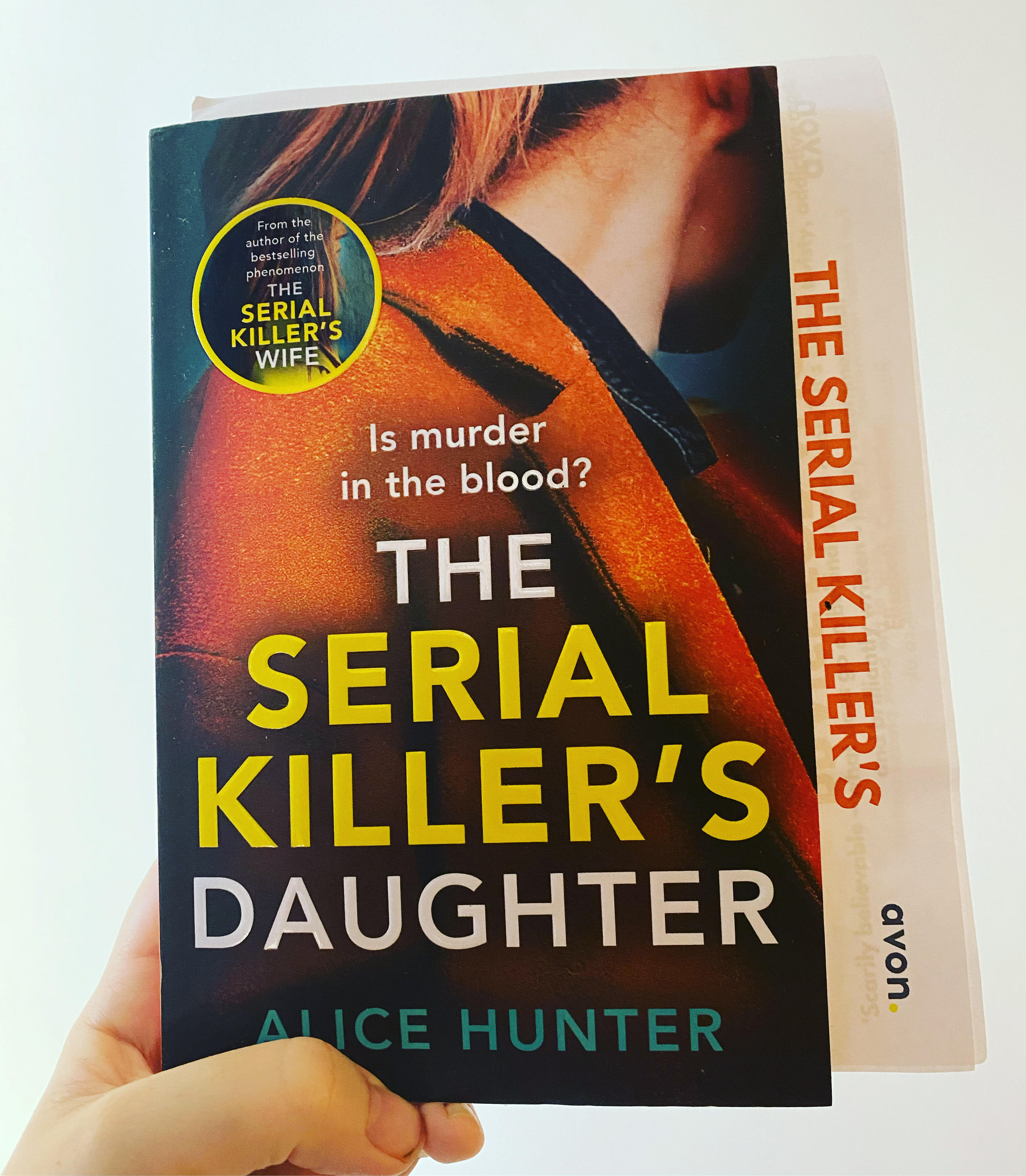
Is murder in the blood?

In a sleepy Devon village, a woman is taken from the streets. Local vet Jenny is horrified. This kind of thing doesn’t happen here.

But it’s not the first time she’s been so close to a crime scene. The daughter of a prolific serial killer, she’s spent her whole life running from who she really is.

And the crime is harrowingly similar to those her father committed all those years ago…

But she’s not her father’s daughter.

Is she?

All That’s Left Unsaid by Tracey Lien

A beautifully written and evocative debut. It’s original and shows that Tracey Lien is truly one to watch. 
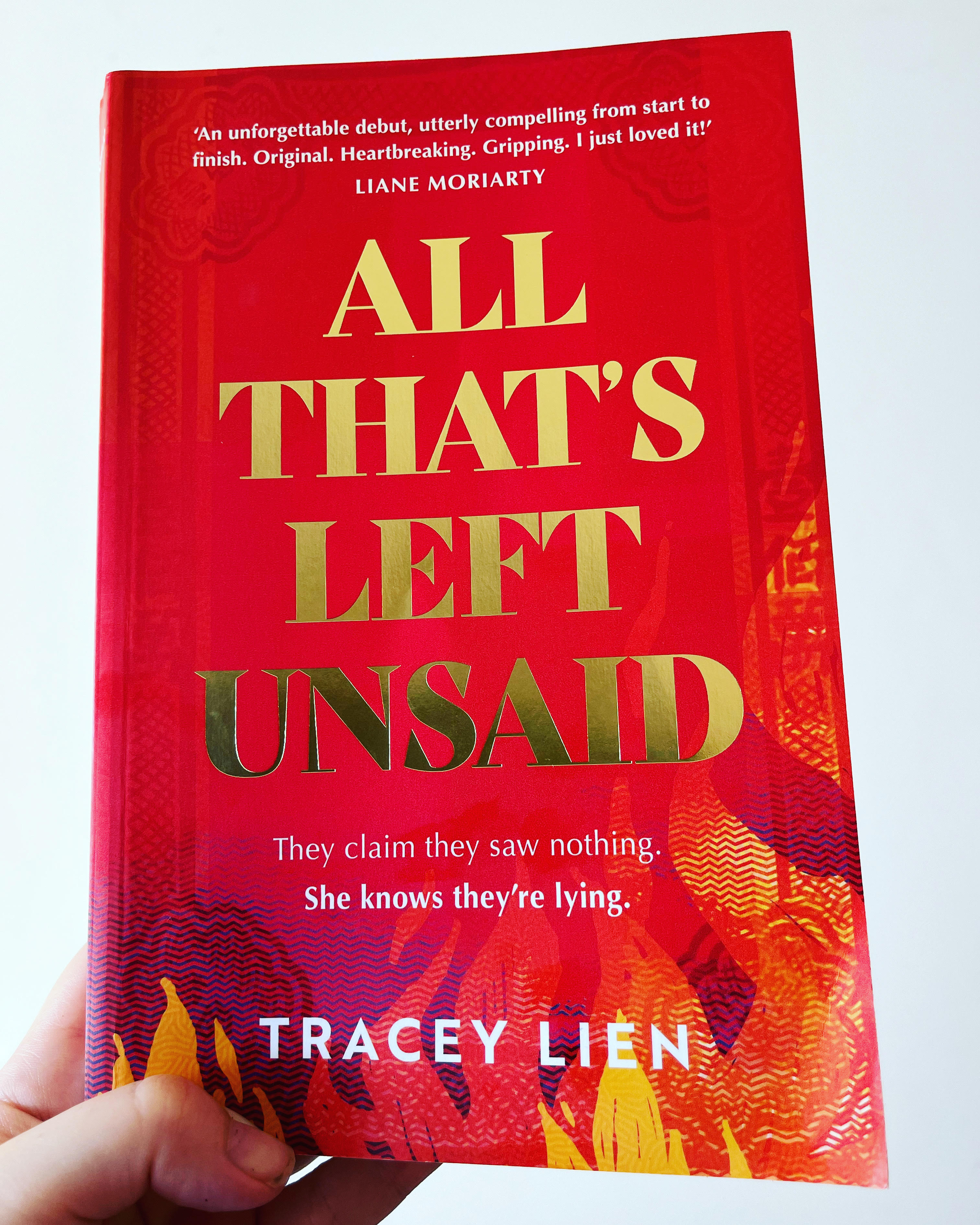
They claim they saw nothing. She knows they’re lying.

1996 – Cabramatta, Sydney

‘Just let him go.’

Those are words Ky Tran will forever regret. The words she spoke when her parents called to ask if they should let her younger brother Denny out to celebrate his high school graduation with friends. That night, Denny – optimistic, guileless Denny – is brutally murdered inside a busy restaurant in the Sydney suburb of Cabramatta, a refugee enclave facing violent crime, and an indifferent police force.

Returning home for the funeral, Ky learns that the police are stumped by her brother’s case. Even though several people were present at Denny’s murder, each bystander claims to have seen nothing, and they are all staying silent.

Determined to uncover the truth, Ky tracks down and questions the witnesses herself. But what she learns goes beyond what happened that fateful night. The silence has always been there, threaded through the generations, and Ky begins to expose the complex traumas weighing on those present the night Denny died. As she peels back the layers of the place that shaped her, she must confront more than the reasons her brother is dead. And once those truths have finally been spoken, how can any of them move on?

The Marriage Portrait by Maggie O’Farrell

Written with fierce brilliance, this is a story you won’t forget.
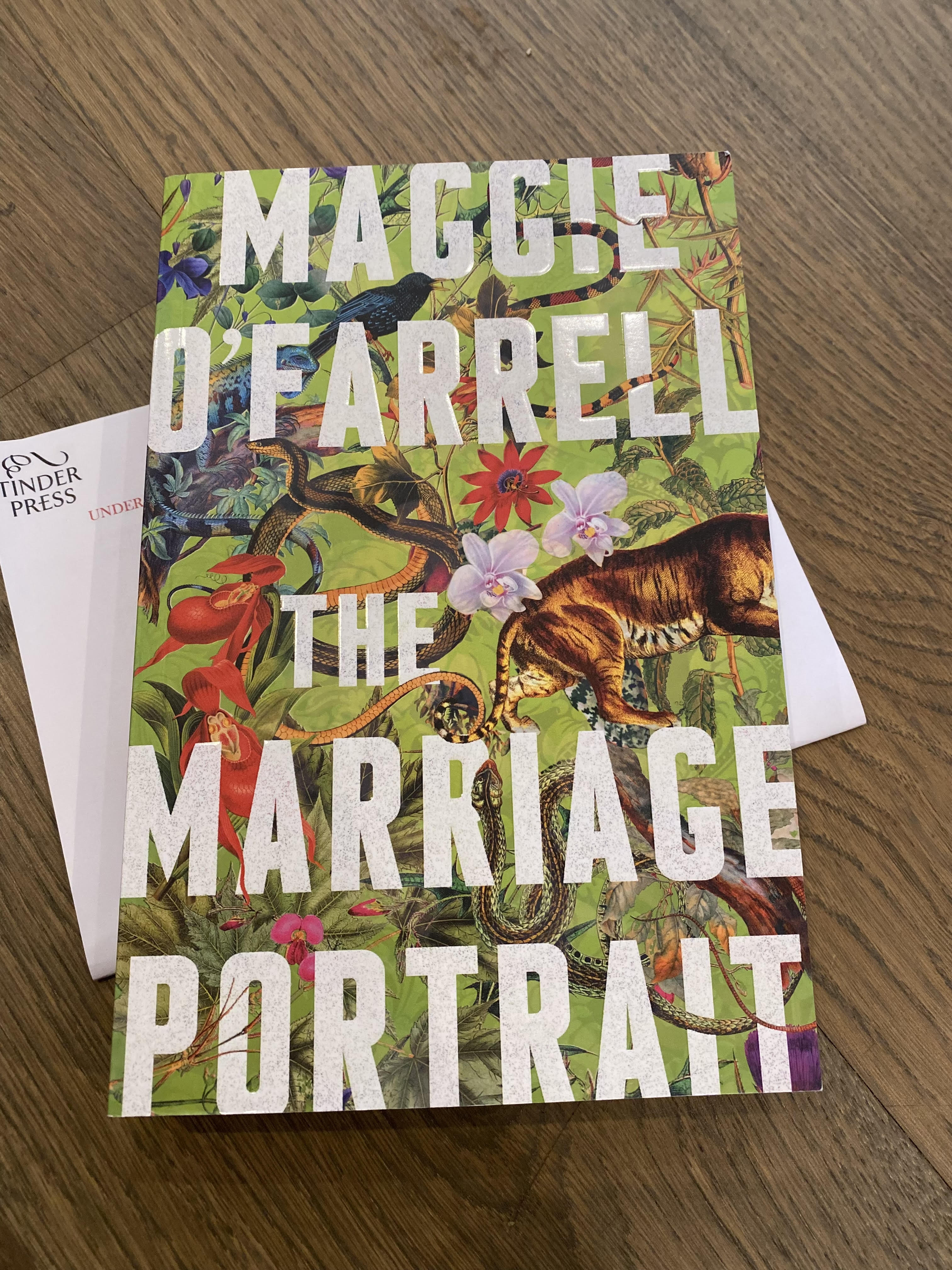
The Marriage Portrait is a dazzling evocation of the Italian Renaissance in all its beauty and brutality.

Winter, 1561. Lucrezia, Duchess of Ferrara, is taken on an unexpected visit to a country villa by her husband, Alfonso. As they sit down to dinner it occurs to Lucrezia that Alfonso has a sinister purpose in bringing her here. He intends to kill her.

Lucrezia is sixteen years old, and has led a sheltered life locked away inside Florence’s grandest palazzo. Here, in this remote villa, she is entirely at the mercy of her increasingly erratic husband.

What is Lucrezia to do with this sudden knowledge? What chance does she have against Alfonso, ruler of a province, and a trained soldier? How can she ensure her survival.

The Marriage Portrait is an unforgettable reimagining of the life of a young woman whose proximity to power places her in mortal danger.

Before I Do by Sophie Cousens

Another outstanding novel from Sophie Cousens, who is turning into the romance writer of our generation. She can’t put a foot wrong and this is another stunner. A must read. 
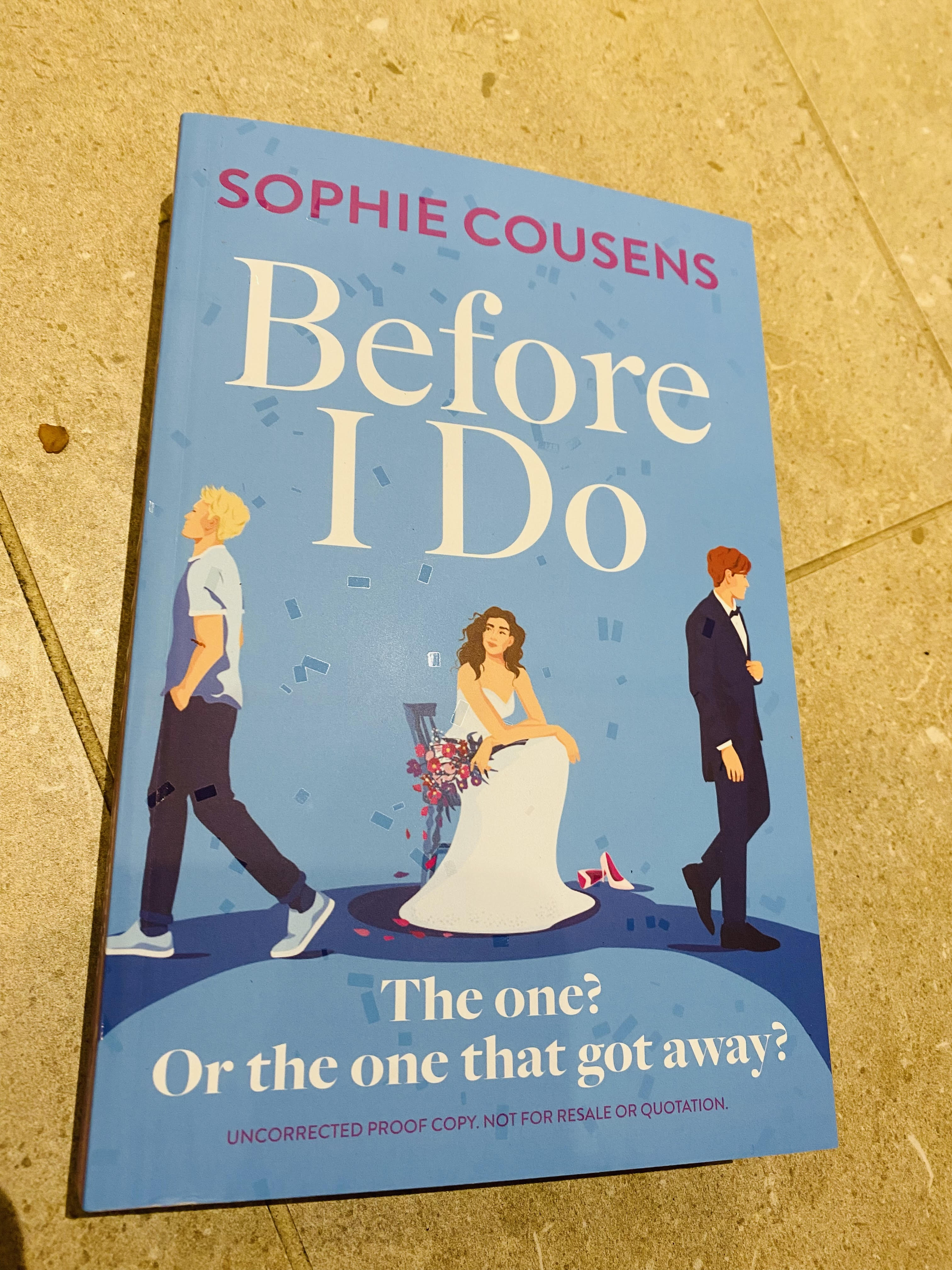
What would you do if the one that got away turned up the night before your wedding?

Audrey is marrying Josh; steady, dependable Josh, the love of her life. They share a flat and a bank account, and it’s the only relationship that Audrey’s ever had that feels like something she can put her trust in. But romance should be full of fireworks, and as the big day approaches, Audrey’s found herself wondering if Josh really is ‘the one’.

So, when Josh’s sister Miranda arrives at their rehearsal dinner with Fred – Audrey’s ‘What If?’ guy, the man she met six years ago and had one amazing day with but never saw again – Audrey can’t help but see it as a sign.

Surely Fred’s appearance the night before Audrey is due to get married can’t be a coincidence. And when everything that could go wrong with the wedding starts to go wrong, Audrey has to wonder: could fate be trying to stop her from making a huge mistake?

The Winter Garden by Alexandra Bell

Beautiful and full of wonder. 
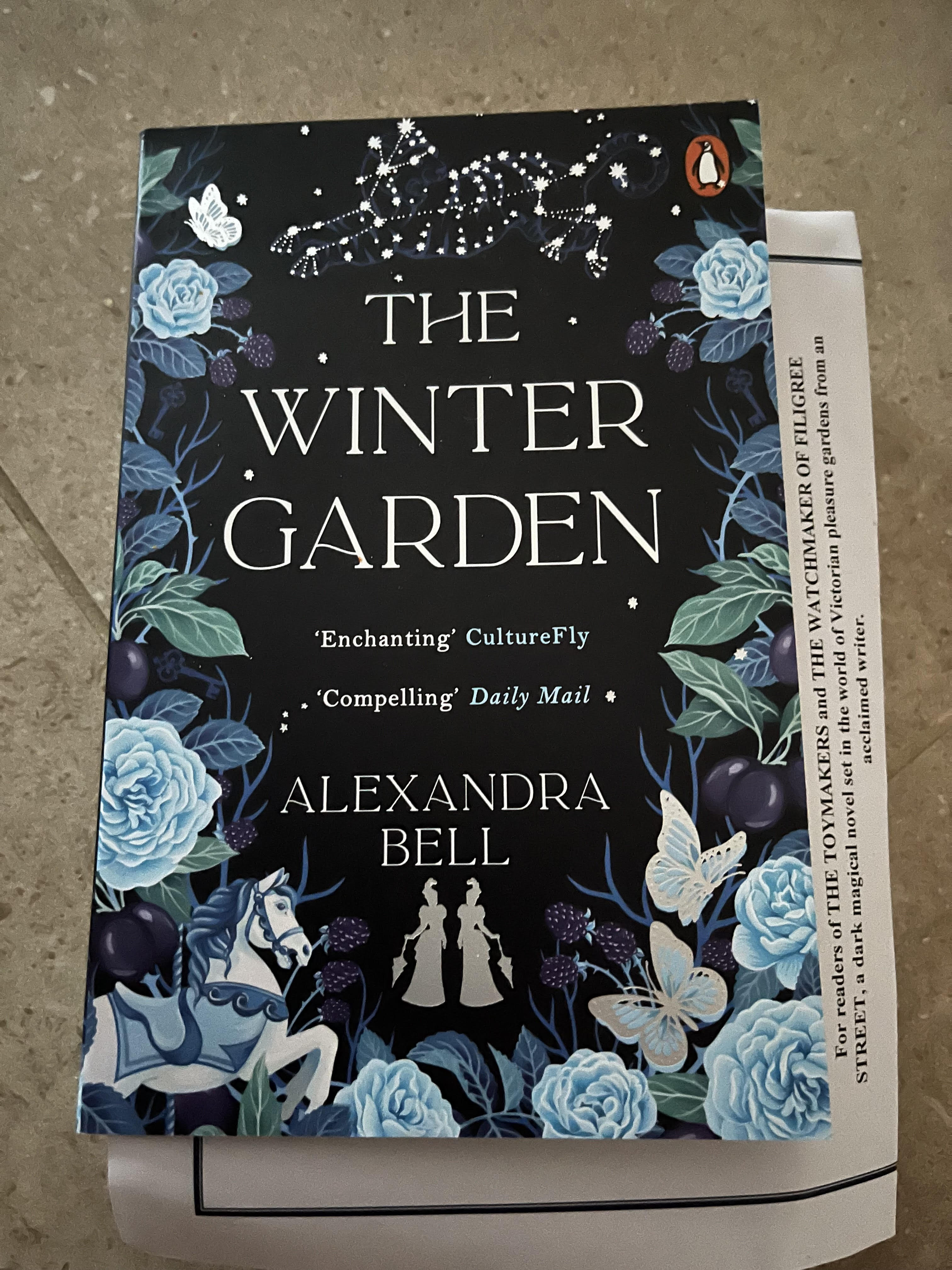
Welcome to the Winter Garden. Open only at 13 o’clock.

You are invited to enter an unusual competition.

I am looking for the most magical, spectacular, remarkable pleasure garden this world has to offer.

On the night her mother dies, 8-year-old Beatrice receives an invitation to the mysterious Winter Garden. A place of wonder and magic, filled with all manner of strange and spectacular flora and fauna, the garden is her solace every night for seven days. But when the garden disappears, and no one believes her story, Beatrice is left to wonder if it were truly real.

Eighteen years later, on the eve of her wedding to a man her late father approved of but she does not love, Beatrice makes the decision to throw off the expectations of Victorian English society and search for the garden. But when both she and her closest friend, Rosa, receive invitations to compete to create spectacular pleasure gardens – with the prize being one wish from the last of the Winter Garden’s magic – she realises she may be closer to finding it than she ever imagined.

Now all she has to do is win.

Coming in November…

Desert Star by Michael Connelly

Everyone knows I am a huge fan of Michael Connelly. I have never been disappointed in one of his books and I love his Bosch series. And…this one is my favourite Bosch book ever. He just keeps getting better and better. The prose, the story, the brilliant characters. Can Michael just give me an ounce of his talent please? He has plenty to spare. Utter perfection. Preorder now. 
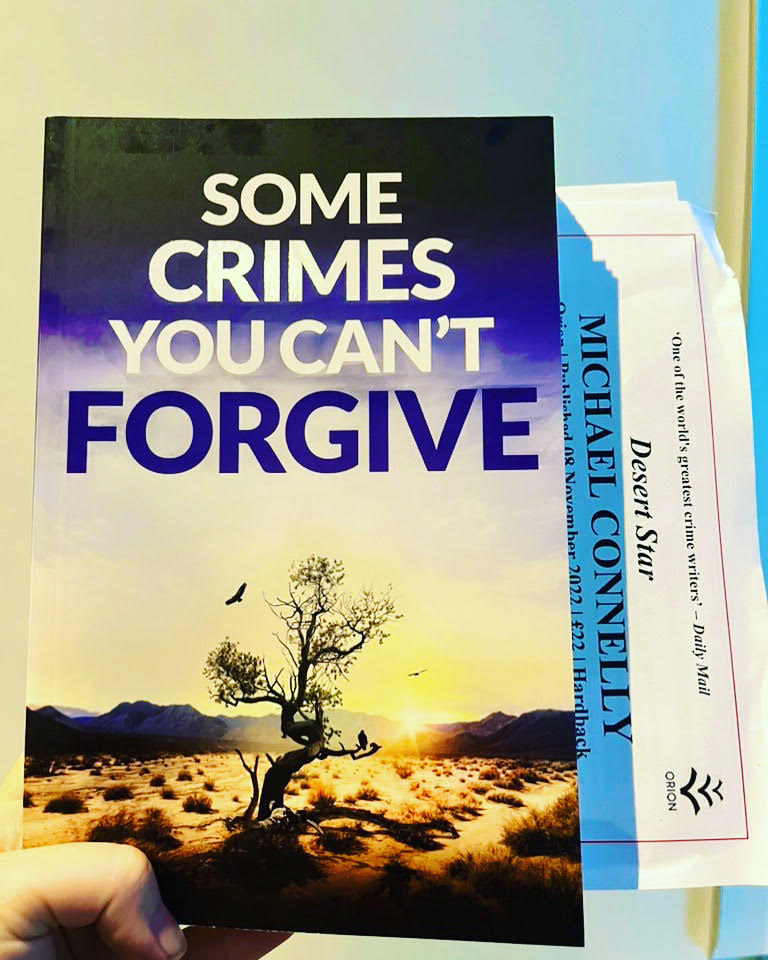
SOME CRIMES YOU CAN’T FORGET.
Detective Renée Ballard is given the chance of a lifetime: revive the LAPD’s cold case unit and find justice for the families of the forgotten.
The only catch is they must first crack the unsolved murder of the sister of the city councilman who is sponsoring the department – or lose everything…

OTHERS YOU CAN’T FORGIVE.
Harry Bosch is top of the list of investigators Ballard wants to recruit. The former homicide detective is a living legend – but for how long?
Because Bosch has his own agenda: a crime that has haunted him for years – the murder of a whole family, buried out in the desert – which he vowed to close.

WHAT WOULD YOU DO IF YOU KNEW WHO DID IT?
With the killer still out there and evidence elusive – Bosch is on a collision course with a choice he hoped never to make…


What are you reading?

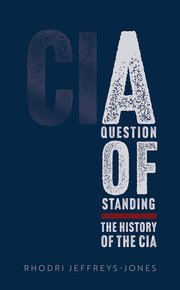
A Question of Standing: The History of the CIA by Rhodri Jeffreys-Jones

Like many people I have always had an interest in the history of intelligence. Espionage has always fascinated me, never mind the CIA itself. So I jumped at the chance to review A Question of Standing: The History of the CIA. I was not disappointed. 

This is a comprehensive and thoroughly researched history of the CIA. It is engaging, fair and thoughtful. This was released in time for the 75th anniversary of the CIA and it covers not everything, but enough to get the whole picture, right up to the present day. This book is an impressively enjoyable read. Few people could take this subject and write a book that is so easy to read. I loved this book and I will certainly be keeping it on my bookshelf for future reference. As a serial declutterer, there is no higher honour I can bestow.

A Question of Standing: The History of the CIA by Rhodri Jeffreys-Jones (August) – A Question of Standing deals with events that have shaped the history of the first 75 years of the CIA. Unsparing in its accounts of dirty tricks and their consequences, it values the agency’s intelligence and analysis work to offer balanced judgements that avoid both celebration and condemnation of the CIA.

A Question of Standing: The History of the CIA is available here.

SUNDAY SCENE: LIZ FENWICK ON THE HELFORD RIVER AS A SETTING FOR HER NOVELS

I first visited the Helford River in June 1989 and it has held my heart since then. It has become my muse, or a major part of it at least. It is difficult to write about this part of Cornwall without reference to the river. It pulls you in as much as the moon pulls the tide in. My first six novels are set on both the north and the south side of the river and this coming Spring my latest novel, The Secret Shore, returns there once more, this time set in 1942. The protagonist Merry Tremayne was born on the south side on a farm just above Frenchman’s Creek. From her early explorations of the many creeks that feed the river she draws her very first map. This is the start of her life journey that many woman of her time did not and could not travel.

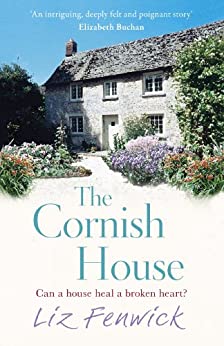
It was a challenge to look at the river through Merry’s eyes as I am so accustomed to viewing it through my own. But a setting only has true meaning when seen through the eyes of those viewing it. With each novel I have had to look at this familiar landscape and yet see it anew. In my debut, The Cornish House, it was fun to look at the area through the eyes of a stroppy London teenager. All Hannah could see was an empty landscape devoid of her former luxuries such as a decent latte and all she could smell was the air reeking of cow shit! Whereas Gabe in A Cornish Stranger experienced the area through the river’s sounds… the shrill cries of the wading birds at low tide and the soft wind in the Eucalyptus trees.

Merry is an Oxford geographer who doesn’t simply see fields and hills, but their structure, composition and development. She only notices their true beauty when she thinks of her mother Elise, an artist. It is Elise’s view which causes Merry’s analytical mind to stop every so often, enabling her to pause and see the elegance beyond the facts and figures.

Standing high on the plateau above the Helford, I watched the world change from the indistinct shapes of dawn to the defined ones of the day and I recalled my mother’s search for what she described as impossible light. It was the moment when the beauty was so sharp, so clear it hurt and broke into your mind and your soul giving everything new meaning. The only thing she had been able to compare it to was when she fell in love with my father. In that moment of understanding, her perception of everything changed.

When writing about landscape it’s important for me to be in my character’s mind because what the character sees also reveals her point of view. Does she pick out the light or does she notice how rundown things are? Victoria in Under A Cornish Sky sees the landscape through history and folklore whereas when Merry is on the river she experiences it quite differently.

This old canoe had provided Oliver and I with endless trips on the Helford and around its creeks while we pretended that we were travelling on the Amazon, or the Nile, or the Yangtze. The bending oaks and hollies had become far more exotic and dangerous.

The joy of writing is that with each book and each character I can take a fresh look at the landscape around me and discover something totally new. I appreciate it all the more for the experience.


www.lizfenwick.com


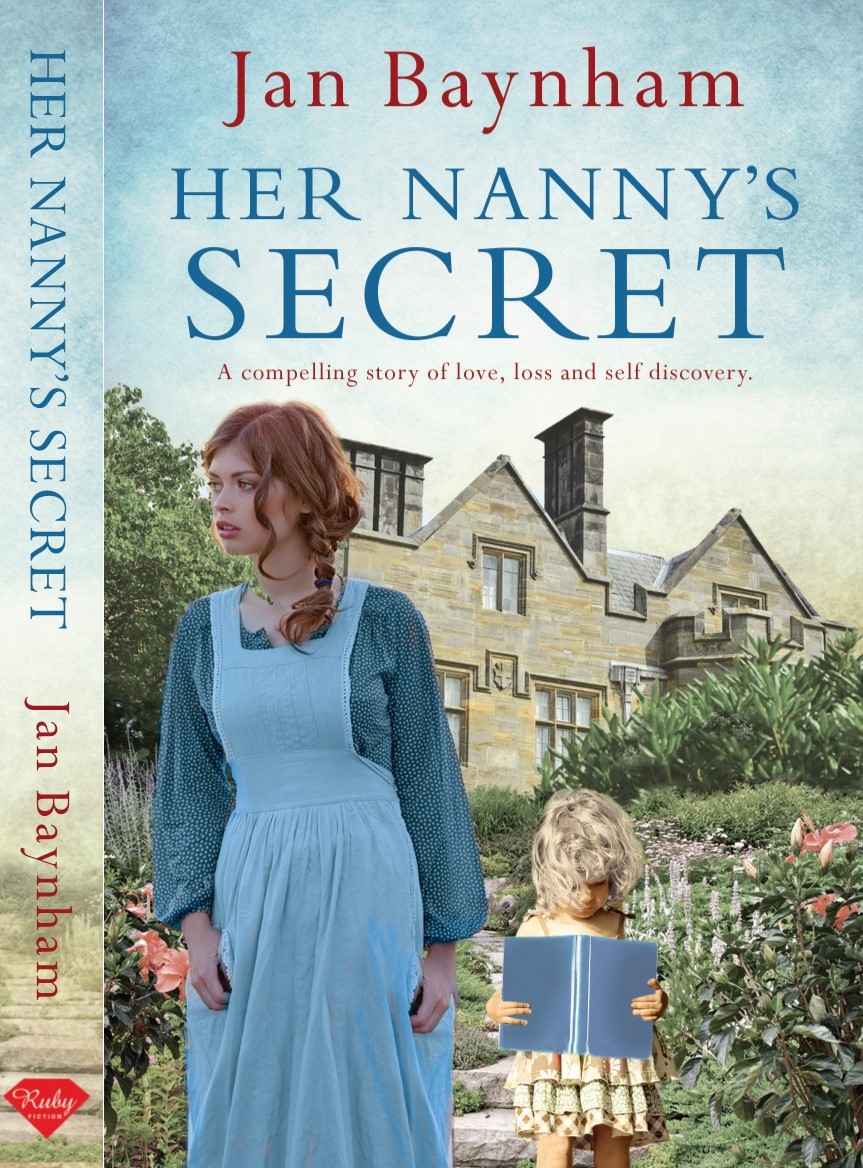
SUNDAY SCENE: JAN BAYNHAM ON HER FAVOURITE SCENE FROM HER NANNY’S SECRET

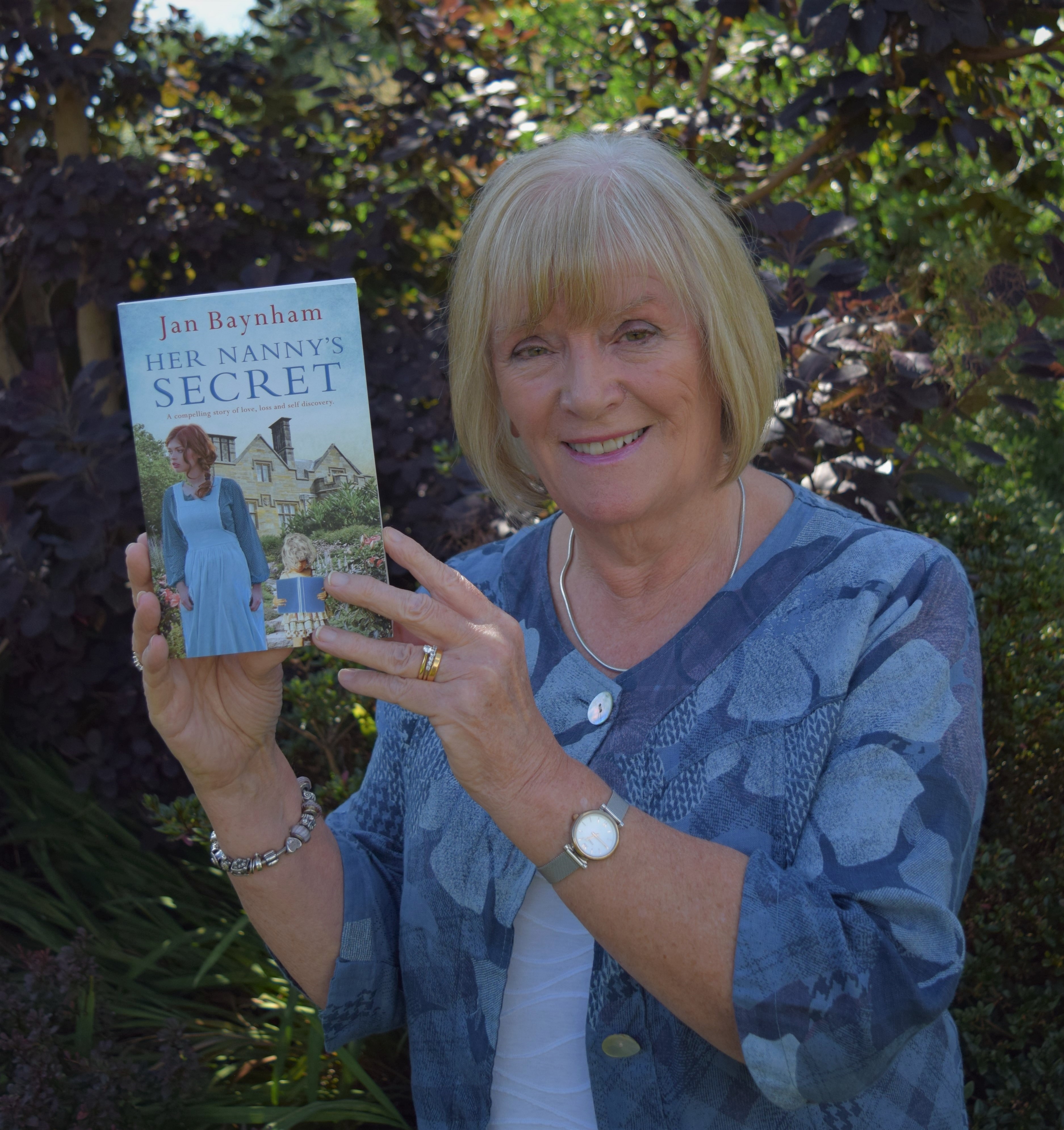
My third book, ‘Her Nanny’s Secret’, is a dual timeline novel, set in wartime and the sixties in rural mid-Wales and Normandy. It involves secrets, forbidden love, loss, and hope. In the 1963 story, my main character, Annie, travels to France with Clara Pryce to whom she was nanny when she was younger. Clara’s father had been shot down over Normandy in June 1943. Now as an adult, Clara is keen to try to find out what happened to him and where he’s buried. My chosen scene in the novel is when Annie accompanies Clara to Ville de Roi, a town near where her father’s Spitfire fighter plane had been shot down. It’s her first day and I want to capture Annie’s reactions to French life, seeing it through the eyes of someone who had never been to France before.

As she and Clara approach the town, ‘the sea sparkled like a mirror in the afternoon sun’ to the left; ‘coves and inlets surprised her around each bend’ in the road. Once parked, they wander through the streets, eventually choosing a pretty crepêrie where they can have lunch.

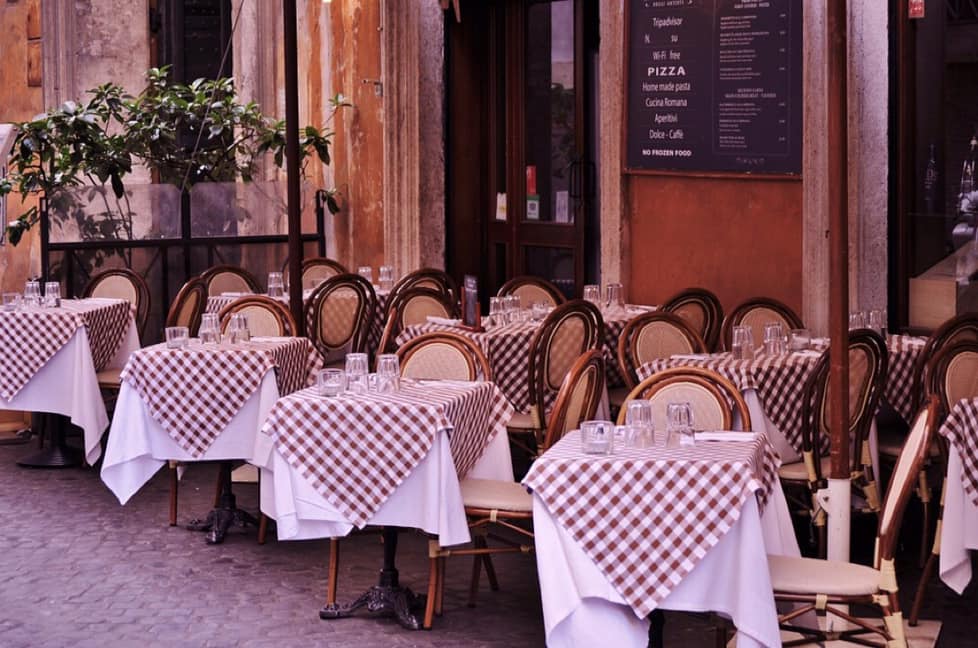
La Belle Epoque was situated down a narrow, cobbled street branching off from the main square. Outside, tables, covered with red-and-white tablecloths, and bentwood chairs were placed along each of the two large windows. Ornamental fruit trees in brightly glazed pots separated each table.

‘Is it warm enough to sit outside, do you think?’ asked Clara.

Just being able to sit out in the fresh air to eat is a new experience for Annie. A real treat. None of the cafés in Pen-y-Rhos have outdoor seating.

They sat down and studied the menu. Annie had never seen such a choice and couldn’t decide from the images between a savoury galette filled with ham and cheese, topped with a fried egg, or, to satisfy her sweet tooth, a crêpe, oozing with cooked local apples and whipped cream.

Clara laughed at her indecision and Annie wondered if her eyes were as wide as she felt them to be.

Back home, pancakes are only eaten on Shrove Tuesday and then always with lemon juice and white sugar.

Later in the scene, they come to a central square where a group of elderly men are playing a game Annie hadn’t seen before.

‘Pétanque,’ said Clara. ‘It’s very popular in this part of France.’

They found a bench and watched the game in progress. One man threw a small white ball onto the dusty gravel, a ‘jack’ Clara called it. In turn, each player threw a larger silver coloured ball, a boule, as close to the jack as they could. The men became more animated as the game went on especially when someone’s boule knocked another’s further away from the jack.

‘Every village will have a square for pétanque. Can you see how earnestly the old men take the game? You must never disturb a player when they’re about to throw.’ Clara laughed, waving a finger.

Clara explains to her that even the smallest village in France would have a square and a town hall, a mairie. Annie can’t get over how many cafés and bars there were in one place.

Pretty window boxes adorned the upstairs windows and scarlet summer geraniums and tumbling blue lobelia gave a blaze of colour.

During the rest of her time in France, Annie is to encounter many more new experiences. In the search for Clara’s father, she could never have imagined the outcome of the visit. Keeping her secret for over twenty years is justified at last.


https://janbaynham.blogspot.com


EVA GLYN’S HIDDEN CROATIA: ON TOP OF MOUNT SRD

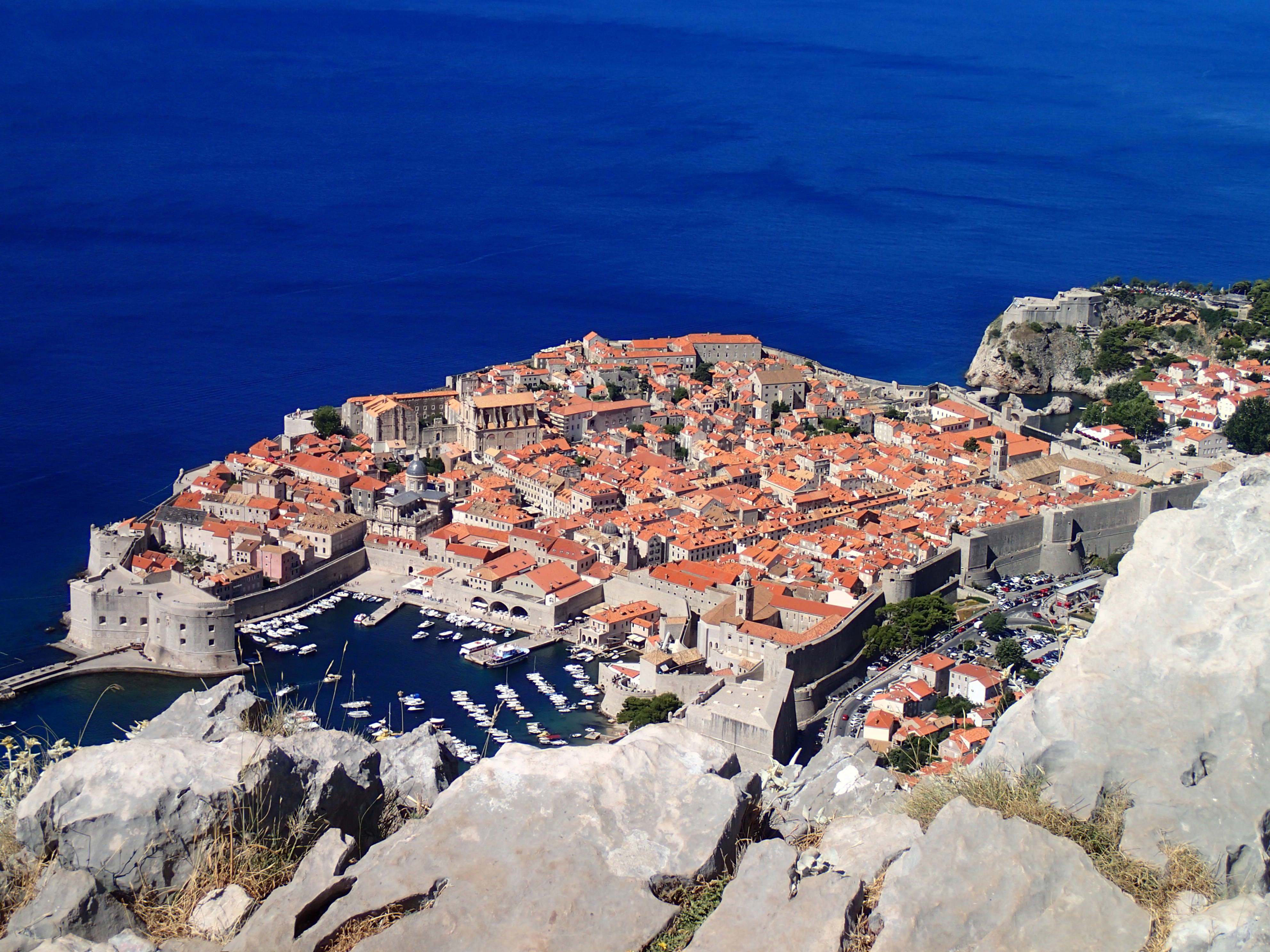
Anyone who’s been to Dubrovnik will quite rightly question why I would call Mount Srd hidden Croatia. After all, it stands proudly four hundred metres above the city, a wall of rock protecting it from the outside world.

But that’s the point; we see it, but how well do we know it? The majority of visitors who actually venture up there do so by cable car, to admire the spectacular views for half an hour, perhaps drink a coffee, certainly take any number of selfies, then head straight back down again.

To discover Mount Srd properly you need to hike, bike (neither recommended in the height of summer), take the bus, or even better book a knowledgeable driver or small group tour. Because it’s what the majority don’t see that is so very fascinating.

To say we got lucky with our choice of driver is an understatement. We were staying in Cavtat along the coast so decided booking a car was the best option, and I’d ‘met’ Dubrovnik 4 U Transfers on Instagram so chose them. Kresimir is an absolute gem with a knowledge of, and a passion for, his city rarely seen in the UK. But then in the UK we haven’t had to fight for our homes.

To me that’s what Mount Srd was all about. It was certainly the focus of my visit there. I was in Croatia to add the final touches to my research for next summer’s book, where one of my main characters is a veteran of the Siege of Dubrovnik and I wanted to visit the Homeland War Museum in Fort Imperial that sits on top of the mountain.

But there was somewhere Kresimir wanted me to see first. The village of Bosanka that had been raised to the ground by the aggressors (Serbian and Montenegrin troops) during the autumn of 1991. Of course much of it has been rebuilt, but there are some ruins left amongst the trees, and a roadside picture board in Croatian and English, making sure that visitors understand what happened here.

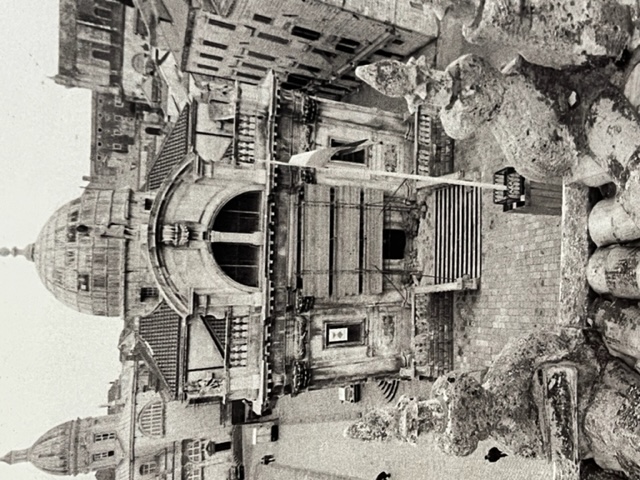
In fact almost the whole of Mount Srd was taken. Everything except Fort Imperial and that was to make all the difference to the survival of the city below. How it held out against all the odds on 6th December 1991 is a miracle in itself, but that is a story for a few months hence.

The fort was built by Napoleonic troops, a long, low slab of the grey-gold rock of the region, almost blending into the hillside beneath it. Even now much of it is in a semi-ruined state, but a number of rooms have been turned into a museum where visitors can learn about the Homeland War. And if you want to understand Dubrovnik and its people, you have to understand what happened here thirty years ago.

There was a sepulchral silence as we wandered through the barrel-vaulted rooms, stunned by the images of destruction displayed on their walls. The museum tells the story more or less chronologically but it is the images that hit home the hardest; iconic sights in the city below in ruins or in flames, the faces of the refugees. You don’t have to read a word of the commentary. You just have to look to understand.

But deeper understanding comes from talking to someone who lived through the conflict and Kresimir shared his memories freely. For the first time I knew what it had been like to live in that city under siege; no power, little water, even less food. People dying around you.

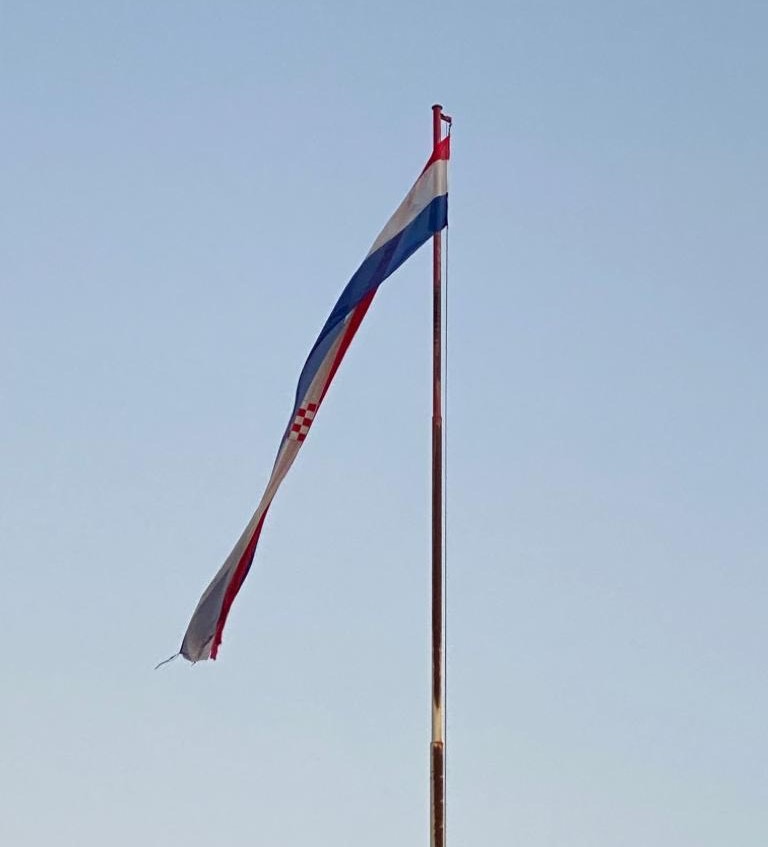
After our visit to the museum he took me out to the viewpoint, where there is a memorial to 6th December 1991 and a Croatian flag. I watched him take a photo of it, his pride heartfelt and genuine. To me, that said it all.

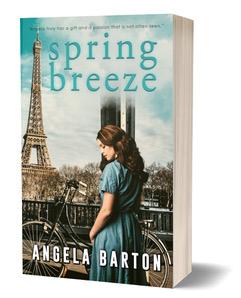
SUNDAY SCENE: ANGELA BARTON ON HER FAVOURITE SCENE FROM SPRING BREEZE

I love the freedom of writing fiction. I construct imaginary buildings and places, create characters, invent stories for them and decide how they’ll react to the obstacles I put in front of them. I forge their relationships, decide who they’ll fall in love with and I determine their outcome. But over the years as my writing has evolved, I like to include real events from history, real people who were alive at the time of my story, and real objects. In Spring Breeze, Irène Némirovsky and Picasso make appearances and interact with my characters, but my excerpt below is about an object.

A great deal of responsibility comes with including actual people or objects in a book. Research has to be thorough and accurate, then entwined into the storyline without sounding like a history lesson! I never enjoyed history at school. Every time I was given homework is was to learn a seemingly endless list of names and dates. I wanted dramatic stories, heroes and heroines. I wanted adventure, romance and excitement. Perhaps that’s one of the reasons I became a writer. Now I can make my own stories whilst adding a touch of realism and history to them.

My protagonist in Spring Breeze is Matilde Pascale. She used to work in an auction house before the German invasion caused its closure. Forced into working for the enemy at the Jeu de Paume museum in Paris, Matilde discovered an object she’s been asked to log; a priceless artefact from history. Imagine the scene. Matilde has been led to the basement of the Jeu de Paume museum where the Germans are storing looted valuables: jewellery, antiques, paintings, ornaments etc. It’s gloomy, lit by dim bare light bulbs, it’s eerily quiet except for the faint echoes of footfall on the floor above her, and she’s alone in the vast storage room.


Kneeling, Matilde placed her notepad and pen on the floor. Whatever could it be? She touched it. It felt solid. She peeled back its wrapping and saw material that had been rolled tightly. She found one end but it was too heavy to unroll. She followed a fold, running her fingers along its length and gradually teasing out the material until she had enough to fold it back. Slowly she peeled back a corner to reveal embroidery. The workmanship was exquisite, in vibrant colours and Latin inscriptions. The material felt like linen and smelt musty, like walking into an old church. Looking closely she could see that it had been sprinkled with moth powder. She unfolded a little more: a horse, a man with a sword, arrows. The figures were immediately so individual and so identifiable that her mouth fell open. Her eyes, now wide with wonder and horror, took in what lay before her on the floor.

It was the Bayeux Tapestry.

Matilde knelt reverentially before the giant roll of fabric and pulled on her gloves. She gently laid her palm against the cloth, leaned forward and smelled it. A frisson of awe forced her to close her eyes and wonder at the history this tapestry had seen. It had been associated with such bellicose men as William the Conqueror and Napoleon Bonaparte. It had survived the French Revolution in the 18th century and withstood examinations and transportations.


www.angelabarton.net