CARIADS’ CHOICE: AUGUST 2022 BOOK REVIEWS

Phil Rickman’s The Fever of the World reviewed by Georgia Hill

This is book 16 in the Merrily Watkins series featuring a beleaguered vicar and “Deliverance Consultant” – or exorcist – and set in the Welsh Marches. There’s a mysterious rockfall death, an examination of Wordsworth and his experiences as a young man in the Wye Valley, the odd Druid (a very odd Druid) and it’s all wrapped around with Covid’s cold, clammy hand. Phil has a cult-like following (I’m one) and his Merrily books are a fabulous and impossible to categorise mix of crime, the supernatural and folklore. Go read!

 

Jen Gilroy’s The Wishing Tree in Irish Falls reviewed by Jane Cable

I’ve been meaning to read this book for a long time and I enjoyed it so much I’m disappointed with myself for putting it off. It was absolutely delightful to escape to a small town community in the Adirondacks, the kind of place I suspect many of us have a secret hankering to live.

Jen Gilroy draws both the people and the place so beautifully, even the most minor of characters come alive in her skilled hands. I was pulled into Annie and Seth’s stories from the moment we meet them both. I knew they both had journeys to take and I knew how those journeys would end, but that’s the point of romantic fiction, isn’t it? No huge surprises, but a really interesting and emotional story that felt as though it was about real people. A place and a time to lose myself in with characters who become to feel like friends.

Not trying to be anything fancy, this is feelgood romance at its best.


Faith Hogan’s The Gin Sisters Promise reviewed by Morton S Gray

I loved Faith Hogan’s novel The Ladies’ Midnight Swimming Club and that was what attracted me to this title. Having finished this one, I’m off to find her other books.

A story full of love, pathos, family misunderstandings, secrets and laughter. Initially I wondered if I would cope with the three sisters’ storylines, but I soon became absorbed in their lives, loves and losses.

The book made me think about legacies and the family tangles and feuds we get into over the years.

I wanted each of the sisters to get their happy ever after and it seems their father did too. Definitely a thought-provoking novel which made me experience a wide variety of emotions from laughter to tears. Highly recommended.
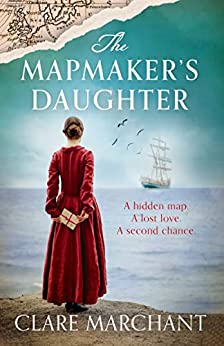
 

Clare Marchant’s The Mapmakers Daughter reviewed by Kitty Wilson

Probably my favourite book of the year so far. Both timelines fully held my attention and I loved both Frieda and Robyn’s stories. Clare Marchant’s writing is so skilled that she takes you deep into the heart of Tudor London, all the senses stimulated and I really felt if I was there, hearing, seeing, smelling all that was going on around her characters. The detail she weaves though is not merely evocative, her books are so well researched that I learn things that I did not before and she always makes me want to dive into further research the minute I finish reading.

Her writing is taut and deftly woven, everything moves the story on, informs the reader and weaves together a truly spellbinding story. The jeopardy she creates had me gasp out loud, my heart pounding with fear – all whilst safely tucked up in my own bed, such is the skill with which she writes. Honestly, I thought this book was flawless and I suspect it will remain one of my favourites for years to come. Absolute perfection.



SUNDAY SCENE: SARAH RODI ON HER FAVOURITE SCENE FROM ESCAPING WITH HER SAXON ENEMY

My story begins on the shores of 9th century England. At the King’s daughter’s wedding, Saxon warrior Ashford Stanton is disturbed to discover he finds a Danish shield maiden attractive…

‘Lord Stanton. Would you care for a drink?’ She held up the jug. ‘I don’t think I’ve seen you touch a drop all evening.’ Her narrow nose drew his gaze down and he studied her full, soft lips, which were a pretty petal-pink.
He gave her a brisk smile. ‘Thank you, but no. I am here out of duty, not pleasure.’
Her gaze turned glacial, her face taut, and he knew instantly that she liked his kind as much as he liked hers. Was she just putting on a show for her brother’s guests, as he was for his king? ‘And ale only serves to cloud the judgement, don’t you think?’
‘Well, we can’t have that,’ she mocked. ‘We all know your sound judgement is what’s keeping us all in check.’
His brow furrowed at her blatant disrespect. He was used to being well-regarded by the people of Termarth. ‘You must be referring to my judgement on the Crowe situation—my wisdom in demanding that you show mercy to a man already broken and on his knees…’
‘Crowe killed my father, Lord Stanton. You took the side of my enemy and denied me my revenge.’
He could detect the anger simmering beneath her words, the fire in her personality, and it was igniting an unwanted spark inside him.
Ash inclined his head slightly, as if to acknowledge the weight of her claim. ‘I didn’t know that at the time.’
‘Would your actions have been different had you known?’
‘Probably not. I don’t believe in taking the law into your own hands. What you did was reckless.’

When she was younger, Svea was attacked by Saxon soldiers. Now she has grown into a warrior who has vowed never to let a man take advantage of her again… and she shows Ash she won’t conform.


‘We are at my brother’s wedding, and unfortunately I have a duty to be gracious to all his guests.’ She lifted a tankard from a nearby table and poured herself a cup of ale. Raising it up in the air, she made a toast. ‘To the happy couple. I hope you enjoy the rest of your evening…’
‘Doubtful. I have no interest in weddings.’
‘We are in agreement about that, at least. Skol!’ she said, before downing the tankard of ale in one go.
Afterwards, she drew her sleeve across her mouth, wiping the tiny beads of moisture away. He stared at her, incredulous. He had never known a beautiful woman try so hard to disguise her allure. It intrigued him. ‘Still, you played and certainly looked the part today,’ he said.
Her face darkened and she gave an unladylike disdainful snort. He wished the words back the moment he’d uttered them, knowing he’d made a mistake.
‘You seem to have a knack of imparting your opinion upon people who don’t want to hear it, Lord Stanton. As I’ve been sweating like a pig on its way to the smokehouse all day, you should save your compliments for the bride.’
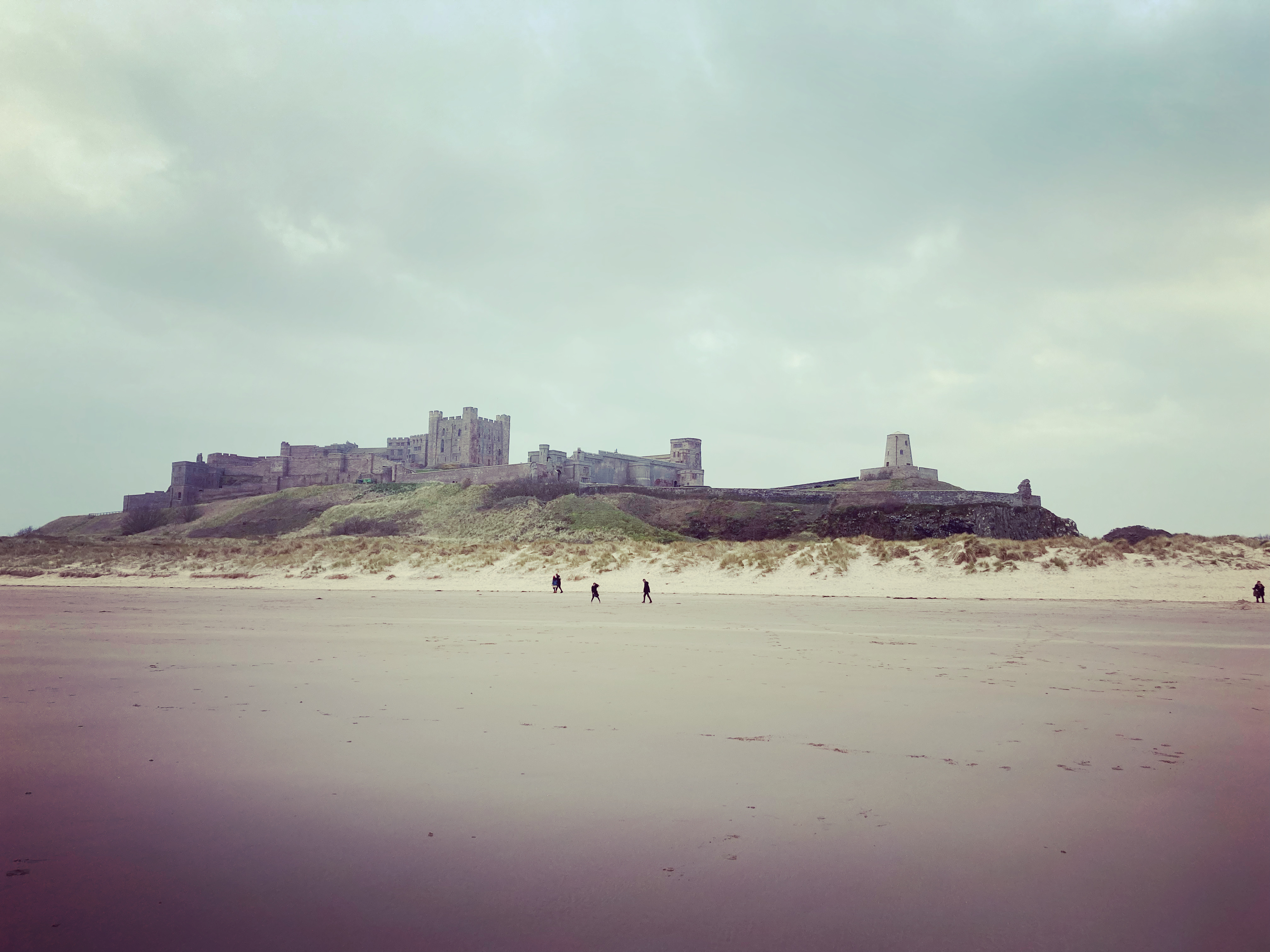
When the King is kidnapped, Svea has to join forces with Ash, returning to his fortress [I visited Bamburgh Castle – inspiration for the setting] to raise his army. Ash learns Svea has been mistreated by men, and he believes the same evil flows through him, but it’s hard to keep his distance… I hope you enjoy the chemistry between them on their journey towards happiness.
www.sarahrodi.com


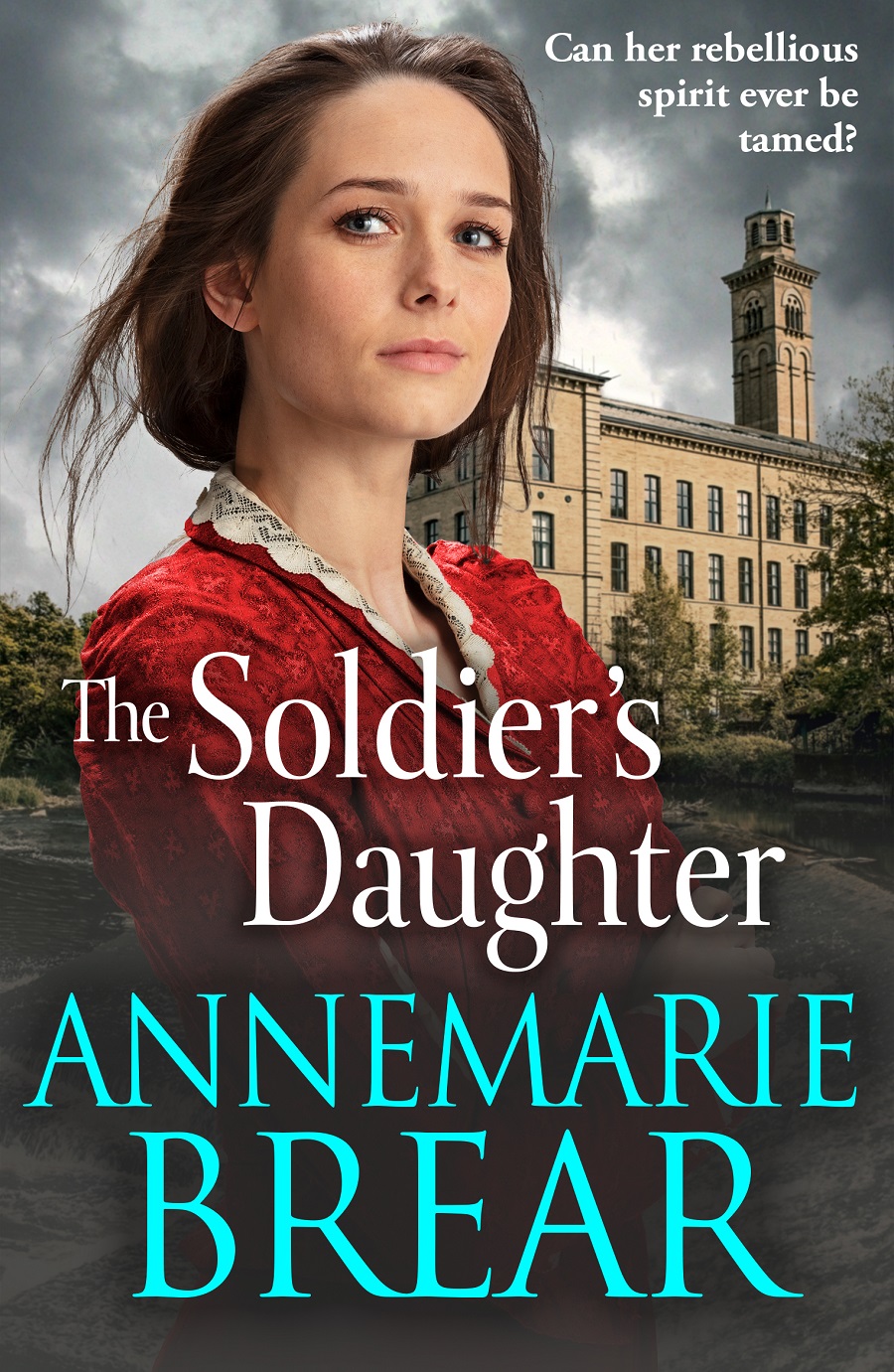
SUNDAY SCENE: ANNEMARIE BREAR ON HER FAVOURITE SCENE FROM THE SOLDIER’S DAUGHTER

My favourite scene in my next Victorian era release, The Soldier’s Daughter is when Evie and Sophie make the rash decision to sample some wines ordered for the Bellingham summer ball. Two well brought up young ladies from respectable families should never be drunk, but Evie is a little wild and likes to challenge the rules and leads Sophie into situations that they later regret, at least Sophie does!


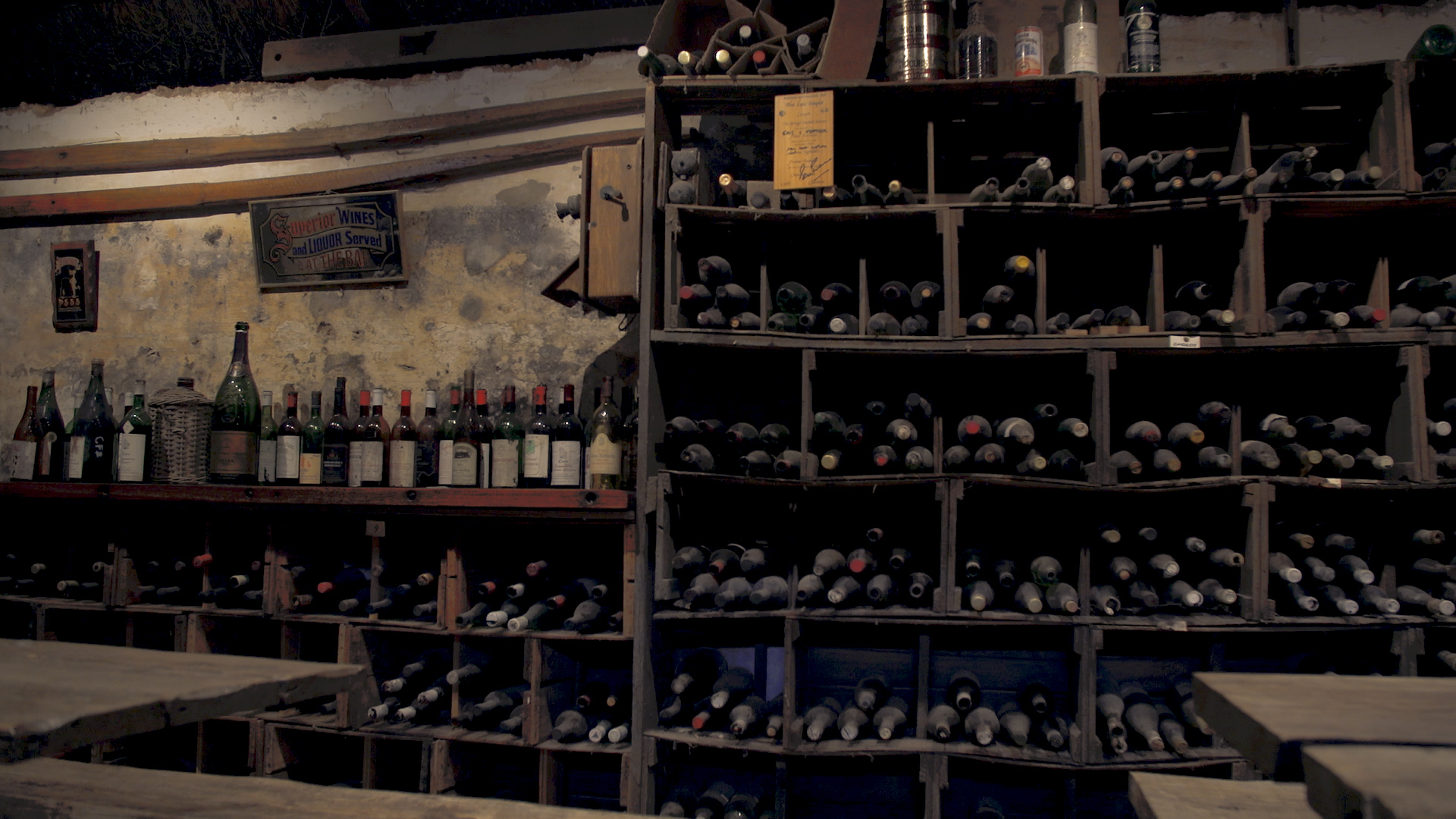
An hour later, deep in the cellar of Dawson’s Wine Merchant’s, Evie and Sophie sat on a wooden bench sipping another sample of white wine. Lanterns spilled out golden light, which banished the dark into the far corners. Although it was cool in the cellar, it wasn’t terribly cold. Workers rolled barrels onto trolleys, which were hoisted up to the warehouse floor above and put on canal barges.

Mr Dawson and his two sons, Bobby and George, strapping young men the same age as Evie and Sophie, were very attentive to them. Glass after glass of different wines arrived and they sipped and discussed the flavours until one wine resembled another.

‘I like this one better than the last,’ Evie said, feeling a little light-headed.

‘They all taste the same now.’ Sophie hiccupped. ‘Even the red and white taste the same.’ She giggled.

‘They do not! One is red and one is white!’ Evie suddenly found it hilarious.

Sophie laughed and held up her empty glass. ‘May I have a sam… sample of that one again?’ She pointed to a heavy red wine from Burgundy.

Mr Dawson Senior shook his head anxiously. ‘I do believe you have had your limit, Miss Bellingham. I fear you may have sampled too many. Your mother will be expecting you home.’

Sophie stood and swayed. ‘We have outstayed our welcome, Evie…’ She swayed again, her eyes closing.

‘Steady now, miss.’ George, a large, burly young man with a pleasant face, hurried to hold her upright.

‘You are terri… terribly big…’ Sophie leaned close to stare up at him. ‘Such arms…’

Evie stood, her focus wavering slightly. The steep staircase they’d come down would be impossible to get back up without help. The trolley was winched back down and workers, giving the two ladies a laughing glance, rushed to wheel more wine barrels onto it.

‘I want to go on that!’ Evie pointed to the trolley.

‘Oh no, Miss Davenport.’ Mr Dawson held up his hands in protest and seemed ready to pass out at the idea.

‘Those steps are dangerous!’ Sophie declared. ‘I nearly broke my neck coming down.’

‘Ladies, we will help you up the stairs.’

‘No. We shall ascend on that.’ Determined to climb on the trolley, Evie knocked away Mr Dawson’s hand that he held out to stop her. She realised she still held her glass of wine and gulped it down in one go before passing the empty glass to an amused Bobby Dawson.

‘Move the barrels, men,’ Bobby instructed.

Laughing, the men removed the barrels from the trolley. ‘Isn’t this a sight?’ one of them yelled.

Bobby gave assistance to Evie to step onto the trolley. ‘Hold on to the side, Miss Davenport.’

‘Sophie, hurry up,’ Evie encouraged.

‘Gracious me.’ Sophie stepped on board, giggling. She missed the side of the trolley and nearly fell to her knees, which made her laugh even more.

Bobby helped Sophie upright. ‘This is a first. Women on our trolley.’

‘Good God!’ Mr Dawson rubbed his eyes. ‘We’ll never have another Bellingham order again once this is known around the district.’


The Soldier’s Daughter is released 8th September 2022.

For more information, please visit AnneMarie Brear’s website. www.annemariebrear.com


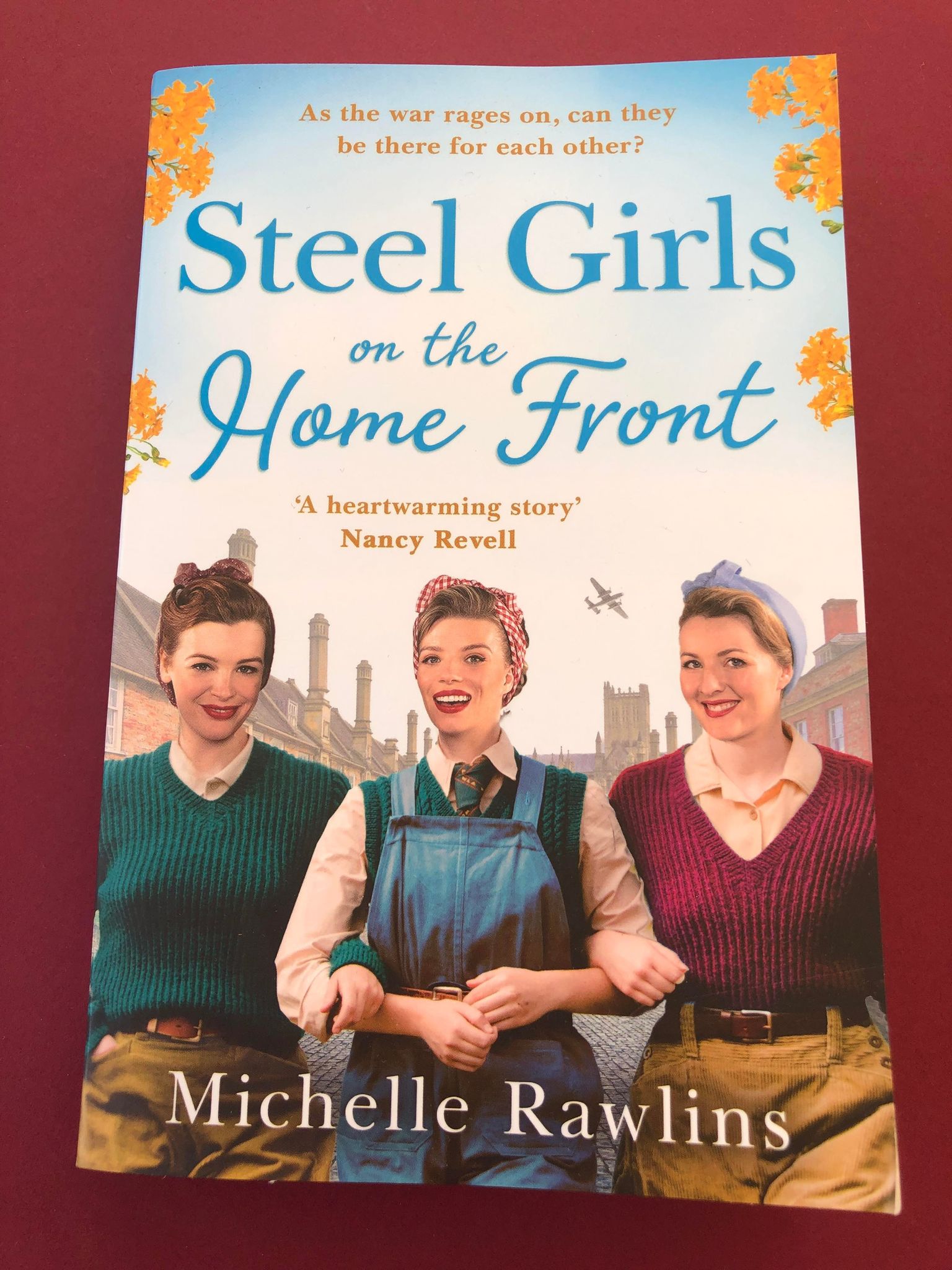
Steel Girls on the Home Front – Michelle Rawlins

Steel Girls on the Home Front is the third book in the Steel Girl series but can easily be read as a stand alone. That said, it made me want to go back to read books one and two to catch up on the characters’s stories in detail. The author makes them come to life from the first page and I was immediately wrapped up in Patty’s worries for her sweetheart, Archie as she tries to discover his secret. But Patty is only one of the three musketeers – the others being Nancy and Betty. I have to say I have a soft spot for Betty, always wondering what fund raiser to embark on next.

What I enjoyed most about Steel Girls on the Home Front was the sense of community, of the women, whatever their age, all pulling together to get through such strange times, not knowing where their men are, nor what they are doing. You feel their worry and cheer their uplifting ‘keep calm and carry on’ spirit.

There is lack – of men, of food, of security – but there is also so much gain – of warmth, community and friendship, and this is what helps each woman through their individual struggles and loneliness.

And although the ‘Three Musketeers’ are brought together by their work at the steel works it’s by no means the dominating force in the story – although you can be sure that the fine detail is spot on. Michelle Rawlins is also author of Women of Steel – The Feisty Sisters who Helped Win the War. Her meticulous research shines through but never slows down a story that moves at a cracking pace.

A warm hug of a read!

Description

As the war rages on in 1940, Vickers steelworks is busier than ever which is proving tough for Nancy as she juggles working long hours and looking after two young children, all while waiting for her husband to return home safely.

Betty is determined to roll up her sleeves and joins the Women’s Voluntary Service to keep busy and stop from fretting about her fiancé.

But Patty is left worrying about someone closer to home. Sweetheart Archie has been keeping a secret from her, and one that puts him in great danger. Will it threaten to pull them apart for good?

And with life at war tougher than ever, can the factory sisters rally together to find a way through?

Michelle Rawlins is an award-winning freelance journalist with over 20 years’ experience working in print and digital media. After learning her trade, Michelle began her freelance career writing for national newspapers and women’s magazines, concentrating on real-life stories and is the only person to have interviewed the surviving women who actually worked in the Sheffield steelworks in wartime.

Steel Girls on the Home Front is published by Harper Collins 

Available on Amazon


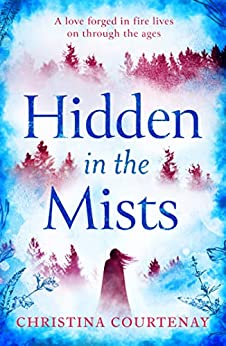
PUBLICATION DAY SPECIAL: HIDDEN IN THE MISTS BY CHRISTINA COURTENAY

It’s a very long time since a book has gripped me as much as this one. There was a time, close to the end, when it was genuinely hard to put down. I was so invested in the characters and their future happiness (or not!) that I didn’t want to leave them.

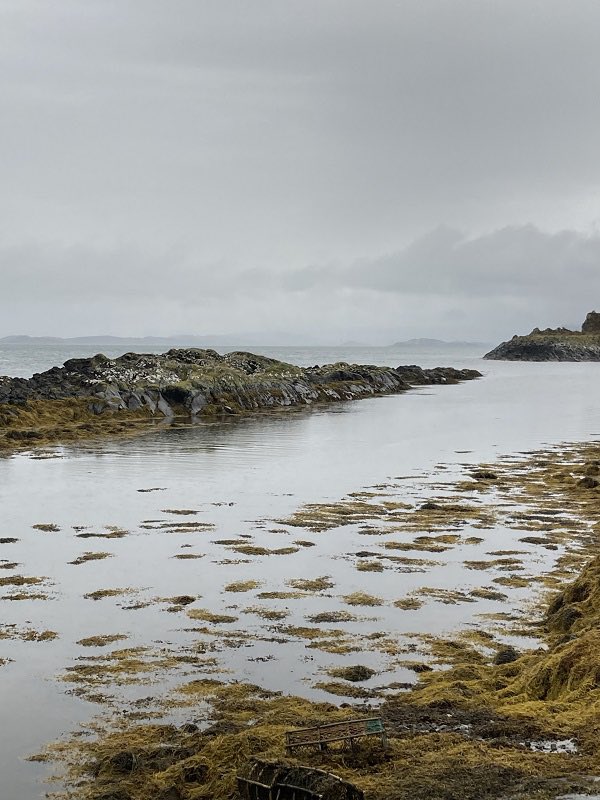
The setting on the Argyll coast is atmospheric and incredibly well drawn, as is the way of life but now and in the Viking age. Christina is the mistress of the Viking romance and personally I preferred the ghostly dual timeline story to time travel, which although popular I struggle a little to buy into.

For me, a sign of a great dual timeline is when I enjoy both stories equally and it was certainly the case with Hidden in the Mists. In the Viking era Asta’s world collapses when her father dies and her cousin steals her birth right and takes over the settlement, but help – and love – come from an unexpected quarter. In the present day narrative Skye is struggling to keep together the modern crofting existence she loves following her husband’s departure but then Rafe arrives out of the blue. Although the attraction between them is electric, both have secrets. And they’re both seeing ghosts.

The only other thing I’m going to say about this book is please do read it. Few writers pull off ghostliness as effectively as Christina and, coupled with an evocative setting, richly rounded characters, and a cracking plot, it’s one of the best romance novels I’ve read this year.

Given she writes ghosts so well, I asked Christina if she has ever encountered one:

“No, I have never had the honour of meeting/seeing a ghost myself, but I know people who have. People I trust implicitly, and who I’m sure would not lie about something like that or make things up. I used to spend a lot of time with friends in a 600-year old manor house which was definitely haunted. You felt it the moment you stepped inside – there was a certain atmosphere, as if the house itself was watching you and waiting for something. The owners told me all about their various experiences with their resident ghost. It changed my perception of ghosts as theirs seemed to be mischievous rather than trying to scare them. He (it was a man, dressed in chainmail the few times they saw him), used to sabotage all sorts of modern machinery, as if he didn’t like such newfangled things in his house – the lawnmower was forever breaking down, as were all the electrical appliances. It was hilarious, although obviously a bit of a pain for the poor owners who had to keep having things fixed or replaced. He would also open and close doors so that you’d think someone was arriving when there was no one there, or walk around upstairs when everyone was downstairs. At the time, I was actually terrified of possibly meeting him, but I’m braver these days and now I’m sorry I didn’t get to see him. I really do feel it would have been an honour!

“No one likes to think that death is final, that there is nothing else afterwards but a black void. The possibility that we can live on in some form or other is comforting, and with the amount of people who have come across ghosts, it is clear that there are plenty of unexplained things in the world. Therefore, I prefer to believe they exist, although I do think someone would have to have a very strong reason for lingering and it won’t happen to everyone. As for how I write about them, I just try to imagine how I would like my ghostly encounters to be if I had a choice and what possible reason they had for hanging around.”


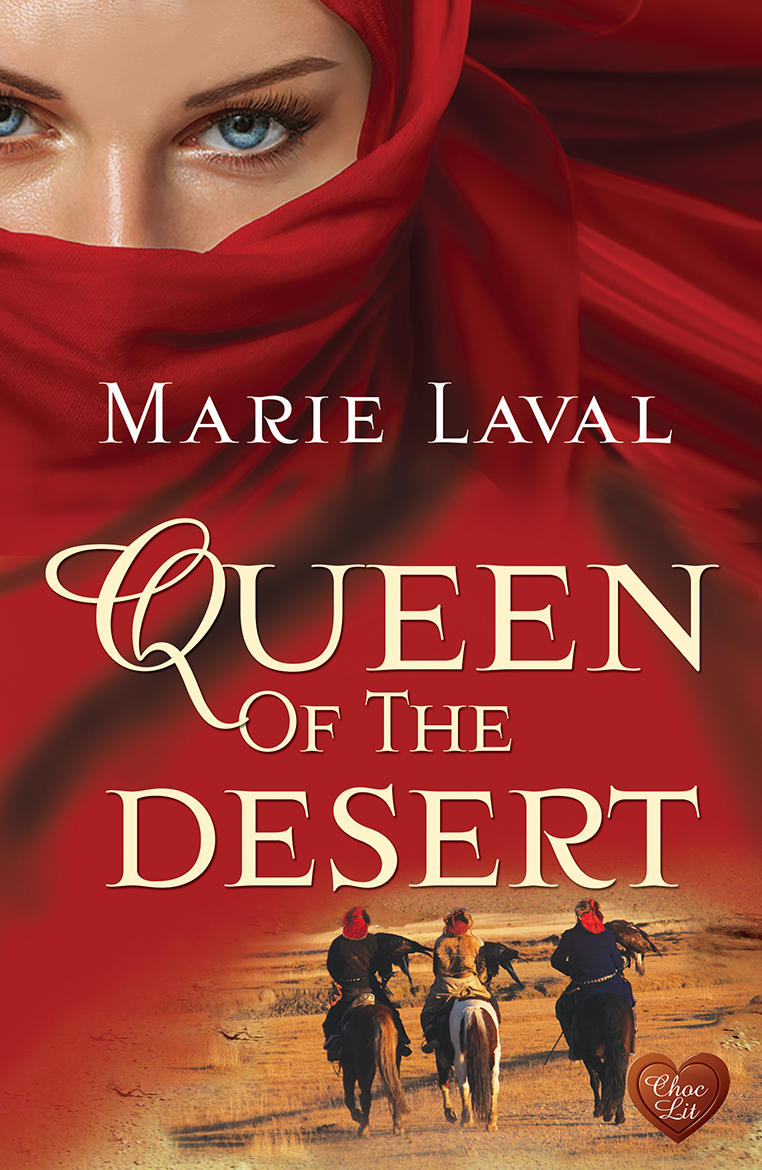
SUNDAY SCENE: MARIE LAVAL ON HER FAVOURITE SCENE FROM QUEEN OF THE DESERT

I have for a long time been fascinated by the history, cultures and landscapes of North Africa. It’s a part of the world I have always dreamt of visiting, especially the Sahara desert, the Ahagaar and the Tassili N’Ajjer National Parks. Sadly I’ve never had the chance to travel there, so whilst researching the background to my historical romance QUEEN OF THE DESERT, I tried to get a ‘feel’ for this incredible place and its people, the Tuaregs in particular, also sometimes called “Kel Tamasheq” (those who speak Tamashek) or ‘The People of the Veil’ because of the indigo veil men wear from around the age of fifteen.

I read Tuareg poems and folk tales and watched documentaries, but what gave me the greatest joy was the music I discovered. Music really brings people and heart together… I listened to so many incredible artists – Bombino, Tinariwen or Tarwa N-Tiniri to name but a few – and also to more traditional music featuring the imzad.

The imzad is a traditional string instrument played only by Tuareg women, who according to folk tales invented the imzad to distract men from their constant fighting. Here is a link to a documentary about the importance of the imzad for Tuareg culture. https://www.youtube.com/watch?v=J_0EdwuC9og

As they travel across the Sahara, the main characters from QUEEN OF THE DESERT, Lucas Saintclair and Harriet Montague spend a few days with a Tuareg caravan.

A strange landscape appeared in the distance, so strange she thought she was seeing another mirage, but they were only rock formations that the wind and the sand had eroded and moulded into weird, nightmarish shapes. Tents were pitched around them. Two dozen blue tents at least. Then she saw white mehari camels and the tall silhouette of a man outlined against the sunset. He resembled a spectre, still and gaunt, his face covered with a cheche and his long tunic floating around him.

Every evening, Lucas and Harriet listen to poems and stories.

Like every evening, they sat under a dark velvet sky studded with stars in front of the chief’s tent. Tonight was their last night with the caravan before reaching In Salah.

Lucas said a few words to the chief, who searched his leather bag and produced a smooth green stone shaped like an egg. Each stone in the story telling bag was unique, and prompted a different story by the chief. Tonight was no exception.

‘Tin Hinan,’ he announced.

‘An emerald,’ Lucas finished, his eyes shining. He stared at the sparkly green pebble the chief held in his hand as he started talking in his low, chanting voice.

‘Tin Hinan came from the Western lands beyond the great desert,’ Lucas translated. ‘She followed the stars and the ancient roads to Abalessa, the blessed.’

And after the stories there is music with women playing the imzad…

One of the women musicians picked up her imzad and started drawing long, intricate and soulful sounds. Her heart heavy, Harriet locked her fingers together and blinked the tears away. How she would miss the Tuareg caravan – setting off at sunrise in the transparent, purple dawn, camping out in sheltered gorges and lost valleys, and listening to Lucas’ voice as he translated the chief’s stories in the evenings. Most of all, she would miss the passion, the heat of Lucas’ arms every night. They had become as essential as air, water and fire.


I hope you enjoyed your imaginary journey to the Sahara desert. Thank you for travelling with me today…


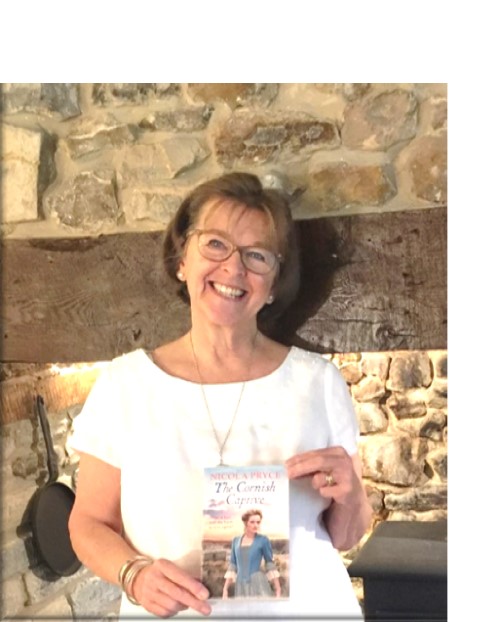
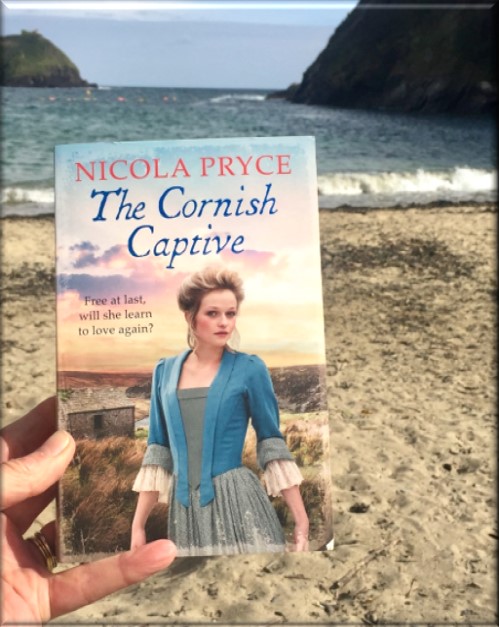
SUNDAY SCENE: NICOLA PRYCE ON HER FAVOURITE SCENE FROM THE CORNISH CAPTIVE

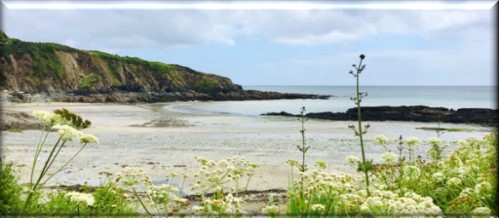
I’m delighted to share my favourite scene from The Cornish Captive. Set in a busy harbour on the south coast of Cornwall in 1800, Madelaine Pelligrew, a French aristocrat by birth, is walking on the beach for the first time in fourteen years. Recently released from false imprisonment she had almost given up hope of freedom. As she walks, revelling in the feel of the sand beneath her feet and the wind in her hair, she sees a seagull trapped in the rocks.

The struggling seagull triggers a need in her to free it. Equating the bird’s desperate attempts to free itself with her own plight, she ventures beyond the shingle. At once, her foot sinks into sand, her shoe becomes trapped, and her panic rises. A French frigate captain is also walking on the beach: a prisoner on parole, he has previously helped Madelaine find accommodation and he wades out to assist her.

        ‘The water was deeper than I thought, up to his thighs, but he kept striding out and I held my breath. He reached the seagull and held it up. It lay still in his hands, not the slightest movement and I covered my face, unable to stop my violent sobs. ‘Oh no … no…’

        The need to free it had been so powerful. I could feel myself shaking, a growing sense of agitation. My heart was thumping, pounding with sudden irregularity and I fought to breathe. Everywhere was too vast, the seagulls too loud, the sky too high. He stood smiling across at me, holding up the dead bird. ‘A piece of white drift wood, that’s all. But I must admit it looked very like a seagull struggling against the rock.’

Madelaine is very vulnerable at this stage and Piere de la Croix has already shown her great kindness by leaving a bowl of fruit for her at the inn. Yet she shies away from him, hiding behind her false name.

          ‘Please don’t think me ungrateful. My brother-in-law doesn’t take kindly to your interference. We must never meet like this again.’

         ‘As you wish.’ His voice held sadness, a stiffness in his manner as he pointed me up the beach.

         ‘That includes oranges, Captain de la Croix.’

         He reached for his jacket. ‘Once a ship’s captain, always a ship’s captain – always vigilant for the signs of scurvy. You will get better, Mrs Barnard, and quickly, too. Just eat as many oranges as you can and drink the juice of lemons and limes.’ 

           His hair was ruffled, dark lashes framed his eyes. He held up his hand to shield them against the sun. I did not want to see the kindness in his eyes, nor hear his consideration for my welfare. He was lying. All men were liars. He was a Republican spy: his only intention to trap my brother.

          Above us, soldiers in scarlet jackets watched from the fort. One was holding a telescope to his eye and Pierre smiled. ‘Do they think I’m about to steal a rowing boat?’ His laugh sounded hollow, a sadness in his shrug. ‘I’m allowed this far … yet they don’t like me being so near their fortifications.’

Later, Captain Pierre de la Croix carves a seagull out of the driftwood and it becomes Madelaine’s symbol of escape. The beach, too, features several more times: indeed this scene foreshadows a turning point in the story which is why I have chosen to share it with you.


http://nicolapryce.co.uk/

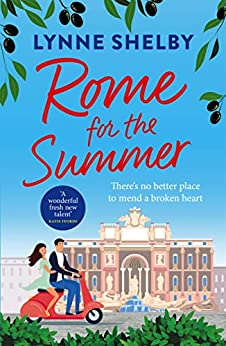
SUNDAY SCENE: LYNNE SHELBY ON HER FAVOURITE SCENE FROM ROME FOR THE SUMMER

Kate Harper, the heroine of my new book, Rome For the Summer, has always loved the painting that has hung in her parents’ dining room for years, never suspecting that it is worth a fortune – until her art dealer boyfriend cheats her family out of the proceeds of the painting’s sale, leaving her devastated.

Kate discovers that, two hundred years ago, the girl in the painting, Charlotte Browne, ran off to Rome with the artist who painted her portrait. He abandoned her, but her eventual fate is unknown. Hoping to uncover the mystery of what happened to Charlotte, Kate seizes the chance of a summer job in Rome, where she strikes up a friendship with artist Jamie Taylor . . .

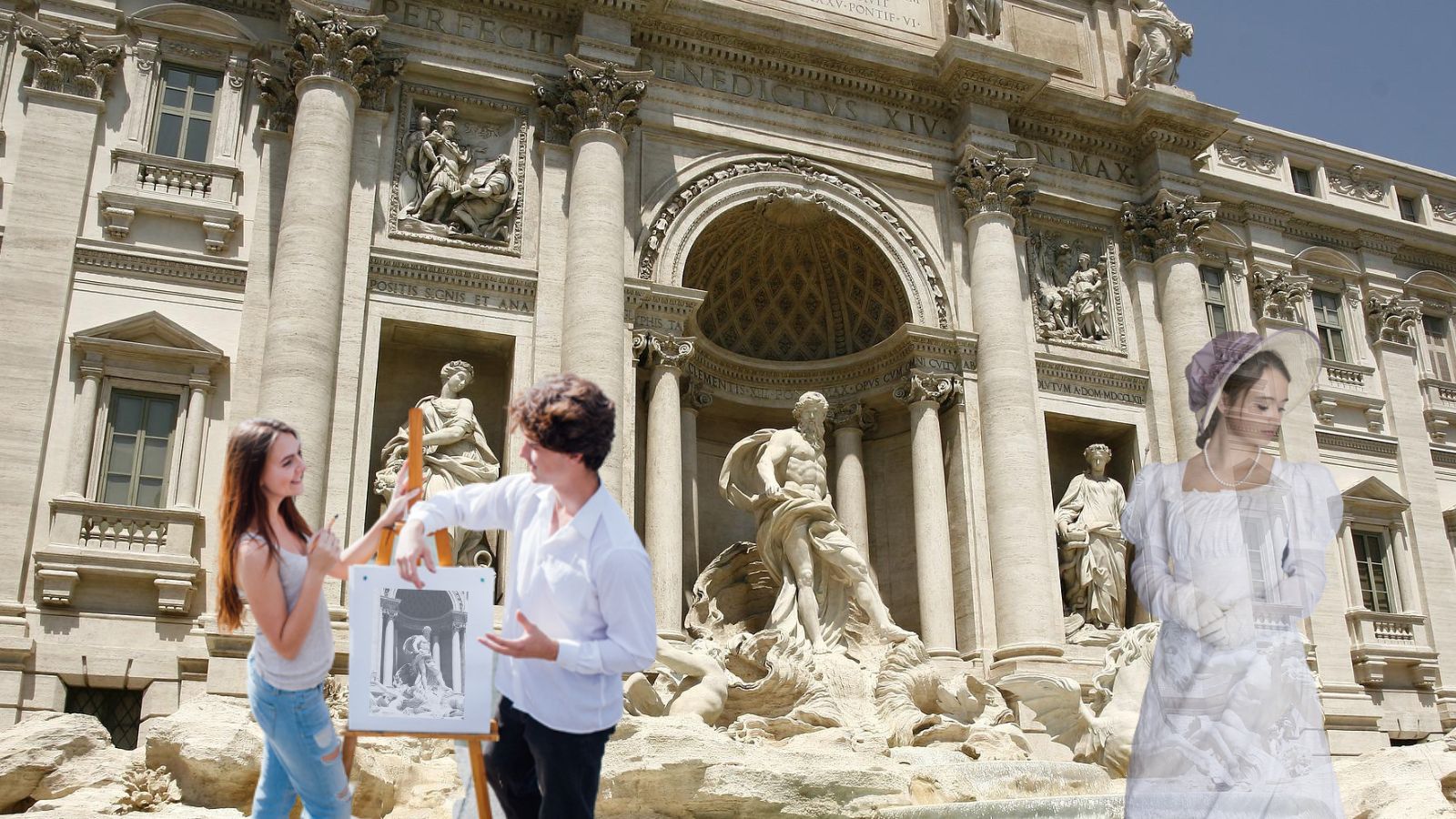
One of my favourite scenes in the book, takes place on Kate’s first day in the city, when Jamie takes her to see the Trevi Fountain, leading her through ‘a maze of streets’ narrow enough for her ‘to wonder how the cars parked along their length could possibly have driven down them.’ Passing apartments with flowers tumbling from their tiny balconies, restaurants with tables outside on the pavement, fruit stalls, ‘and street vendors selling anything from red roses to dubious leather handbags,’ they round a corner into bright sunlight and Kate hears the sound of rushing water . . .

‘Oh – there it is!’ I exclaimed. There in front of me was the famous Trevi Fountain, its white marble statues glowing in the late afternoon sun, water splashing down into a turquoise pool, the steps surrounding it packed with tourists, most of them holding up camera phones. It was a scene familiar to me from every movie set in Rome that I’d ever watched, and yet it took my breath away.

Writing this scene through the eyes of a character who has never visited Rome before bought back memories of my first visit to the city – my reaction on seeing sites like the Trevi Fountain, the Colosseum or the view from the Palatine Hill for the first time, was very similar to Kate’s!

The scene is also the first time Jamie, who spotted Kate sketching on the Spanish Steps earlier in the day, offers to help her improve her painting and drawing technique.

I looked again at the fountain with its statues of a man and two galloping horses set against a backdrop of a palace façade, and knew that I didn’t have the skill to capture it on paper.
‘I could never draw something like that,’ I said.
Jamie raised his eyebrows. ‘You don’t know that.’
‘Believe me, I do,’ I said. ‘I’m no good at drawing people or horses, even if they’re made of marble.’
‘I could help you draw them,’ he said, ‘if you’d like me too.’
He smiled encouragingly, and somehow, even although I felt sure he would be wasting his time, I found myself nodding my head.

Kate’s drawing of the fountain turns out a lot better than she expected, Jamie’s encouragement helping her find the confidence that she lacks to believe that she can actually draw, foreshadowing the way her summer in Rome will lead to her finding the confidence to pursue her dreams and ambitions in other areas of her life as well.

I very much enjoyed writing this scene and giving my heroine a great first day in the Eternal City. As Jamie says to her, at the end of the chapter, as they share a bottle of wine and a pizza at a pavement café: ‘Benvenuti a Roma, Kate.’


www.lynneshelby.com