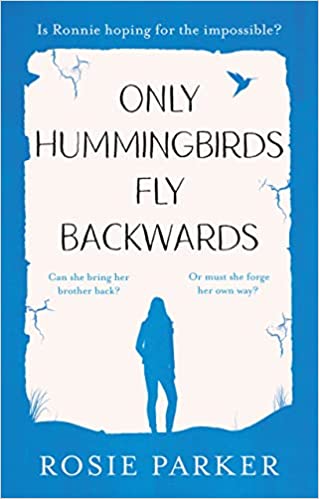
SUNDAY SCENE: ROSIE PARKER ON HER FAVOURITE SCENE FROM ONLY HUMMINGBIRDS FLY BACKWARDS

I began writing this novel not long after my own brother had a motorbike accident leaving him brain damaged. It took me quite a few years and several novels later to be able to fictionalise and give this story over to other characters to breathe life and their own tale.

Only Hummingbirds centres around twins Ronnie and Jake, now grown with their own families. After Jake’s horrific accident the two families decide to go on holiday to Brittany.

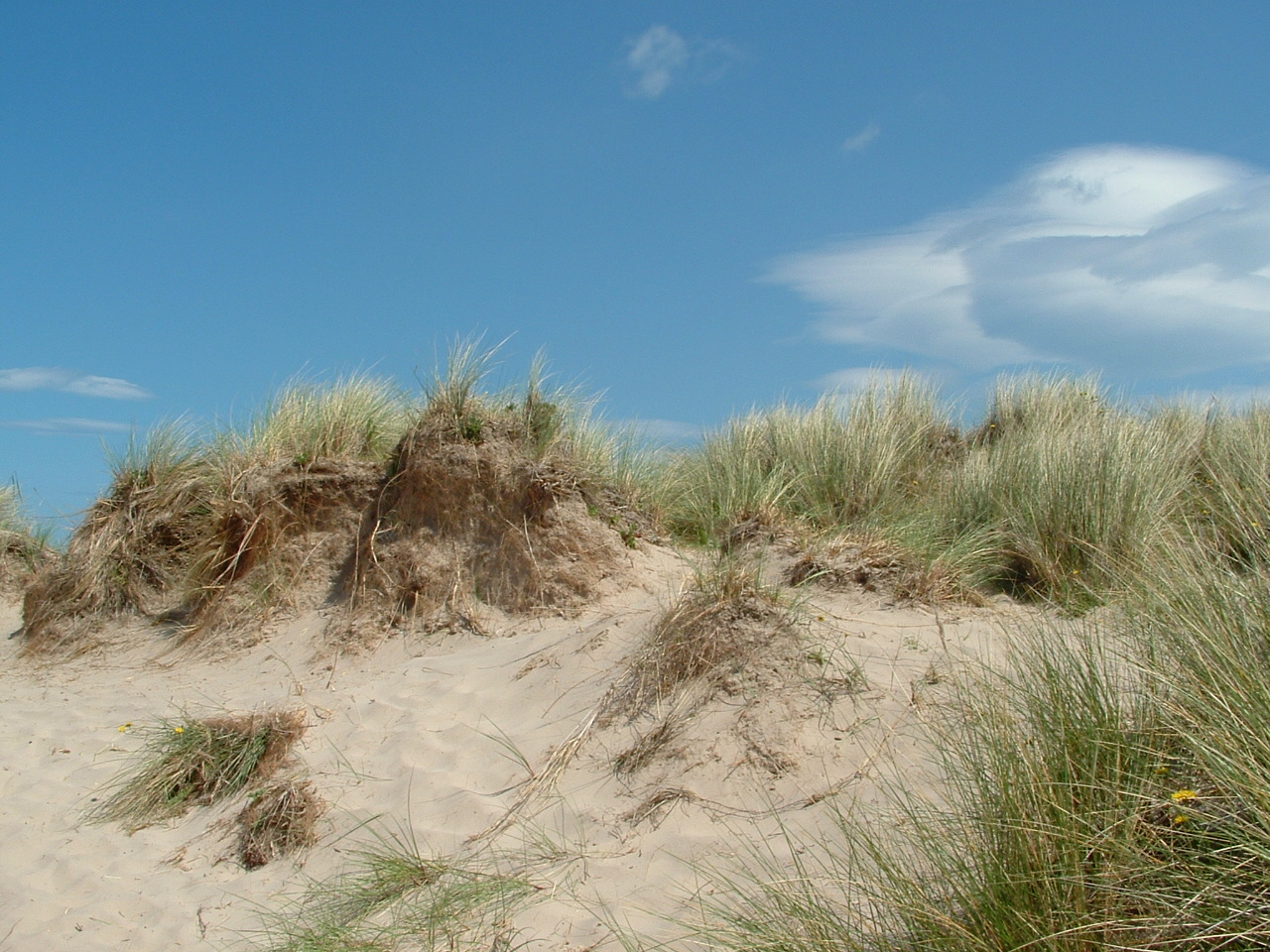
Much of the action takes place on the beaches and sand dunes of two seaside resorts: a fictional one in Brittany (based on Beg Meil where I holidayed with my own family), and the Somerset one of Brean (where my brother and I went many times, as children).

This novel has twin timelines (early 1970s and late 1980s), twinned places (West Country and Brittany), and focuses on twins Ronnie and Jake (before and after their marriages). When the two families decide to holiday in Brittany secrets begin to surface. Will Ronnie’s marriage survive, will she succumb to the charms of Xavier, and will she get her impossible wish?

Some of the story is shown in flashback and some in the form of letters. Below is part of a flashback from when the twins were young and on a day trip to Brean.

‘Howzat!’ cries Dad, not bothering to keep a note of triumph out of his voice.

            ‘Aw,’ says Jake, dropping his cricket bat.

            ‘Not fair. You should have bowled underarm,’ I shout at Dad. But the wind carries my voice up and away, just as it had sailed the ball plop into Dad’s hand.

            ‘What?’ he calls out.

            ‘Oh. Never mind.’

            I glance over to where the cars are parked at the edge of the dunes. Brean Sands is long and flat, the beach damp and hard from drizzle and high tides. When you swim in the sea, you get covered in brown stuff. We’re never too sure if its silt from the Bristol Channel Estuary, or sewage from neighbouring Weston Super Mare. I wonder if Mum is getting out the sandwiches yet. There’s no sign of her.

Our neighbour Beryl waves from her deckchair which is parked next to Slimy Bob’s Hillman Minx. Both her and stupid Marilyn sit with floppy sunhats. Marilyn is ill, and I once thought it’d be like in the book Heidi, with me tending the sickly Marilyn, but I soon discovered being Heidi is much overrated.

            ‘Come on Veronica!’ Dad beckons to me with large gestures. ‘Look lively. It’s Jake’s turn to bowl.’

I’m still fielding.

            Jake runs up to the crease Dad has made in the sand with his bat, and bowls – overarm – and wide.

            ‘Bad luck, lad. Try again,’ shouts Dad, as I fetch the ball then throw it to Jake, who rubs it on his groin – like real cricketers do. He pounds up to the crease, bowls, and this time Dad hits it. High high up into the sky only to disappear into the dunes.

            ‘Six!’ shouts Dad. Showing off as usual. I half run, half walk to fetch the ball – my brown Clarks sandals plodding on the sand. Dad is a member of Clifton Cricket Club: Jake and I are only ten. Which tells you all you need to know about Dad’s competitiveness.

            The wind off the sea is quite strong, but I can hear a soft laugh from behind the next dune.


I write romcoms under my own name of Rosemary Dun – this novel I’ve used a pen name – Rosie Parker.

https://www.facebook.com/RosemaryDunAuthor


Caroline Corcoran: Five Books That Changed my Life

Nearly ten years ago, I started keeping a notebook of every book I read. It’s incredibly geeky, totally pointless (turns out no one has ever wanted to know what book I was reading at Christmas 2015) and I don’t care at all because I love it. 

five days missing , Caroline corcoran

I love being able to look back and see what I read when the Big Life Events happened (I literally have zero memory of the first book in there I read after giving birth. No idea what it is. Not even vaguely). It also means I can revisit and see sometimes what I didn’t see at the time: how the books I chose related to what was going on in my life at the time. Still, <changing> your life is a big ask. I believe books are up to the challenge though. Here are five that did it…

Dear Nobody, Bernie Doherty

Context: I was a very dramatic teenager. If I broke up with someone I went out with for two weeks, I listened to Lionel Richie on my walkman and wept. I kept endless diaries where I wrote my pretty mundane teenage existence into what I see now was the prototype of a novel. I was fascinated by – and still am fascinated by – the depiction of human emotion at its edges. Only one thing to do: seek out the true drama in fiction. I loved a book with heartbreak and chaos and teenagers suffering loss and pain and grief. God, I loved all of it. But I loved none of it like I loved Dear Nobody, where teenage Helen writes letters to the baby she is pregnant with. It was award-winning and groundbreaking and I must have read it fifty times, easily.

I Know Why The Caged Bird Sings, Maya Angelou

“What do you like reading?” asked my then English teacher. I had moved on from that mega nineties shelf of joy in WH Smith – Judy Blume, The Babysitters Club, Saddle Club, every other club you can imagine etc – but I hadn’t figured out yet where to go next. She was a teacher that stayed with you, that English teacher, because she was the first person I had met (barring my chief book buddy Vic) who loved books like I did. Vic and I nodded in wonder when she passed on a list of recommendations to us for real grown up books (I could recite that list even now; it was a holy grail for me) and over the next few years, I read them all. I Know Why The Caged Bird Sings though, was the first and the best. I read it over and over, and I read everything else I could get my hands on by Maya Angelou, this incredible, life-changing woman. She was the first author who showed me what books could do: enunciate thoughts you didn’t know you had, make sense of the world by telling the most vivid truth and teach you about – not to mention transport you to – worlds so far away from your own. More than anything though, Maya Angelou made me fall in love with the unrivalled, crazy beauty of words.

The Handmaid’s Tale, Margaret Atwood

Somebody pointed out to me recently when I posted about writing this piece that when people speak of books that changed their lives, they usually quote books they read in their teens and early twenties and I think they are right. All but one in this list, I read before I turned 25. I suspect that’s because those years are when we are forming ourselves and books – as well as music and film – help us to do this. They show us who we are, who we want to be and what possibilities there are in the world. I would go on to read so much more Margaret Atwood (and to stare at her like she was a pop star heartthrob when I saw her being interviewed once) but this one got under my skin and kick started something in me. 

Gone Girl, Gillian Flynn

I think this was the first proper psychological thriller I read and the start of me uncovering – unbeknown to me at the time – the genre I would eventually write myself. Unreliable narrators, multiple points of view, twists… I adored the whole, all-encompassing experience and after Gone Girl, I read back-to-back psychological thrillers with barely a break for much else for years. Many were brilliant, but this was the masterclass. I still hold Gone Girl up as that holy grail and the most annoying thing: the book I would have <loved> to have written myself. Grrr.

Americanah, Chimamanda Ngozi Adichie

Most of the time, my reading pattern is based on instinct: when I finish a book I know where I need to go next whether that’s a move to something gentler, contemporary, a classic, some short stories, something funny… Every now and again I read a book and all I know is that next I have to read <every single book that author has ever written>. It happened recently with Taylor Jenkins Reid after I read Daisy Jones and the Six, and I did the same with Tana French. But never has it been so mesmerising as it was in the summer of 2014 when I picked up a book I kept hearing about: Americanah. I barely came up for air. I’ve never read a love story like it; I’ve never felt such a strong sense of place, and I spent that summer hovering up everything else she had written. It tracked all the way back to Dear Nobody: I love reading (and writing) about human emotion, and nobody does it like the inimitable Chimamanda Ngozi Adichie.

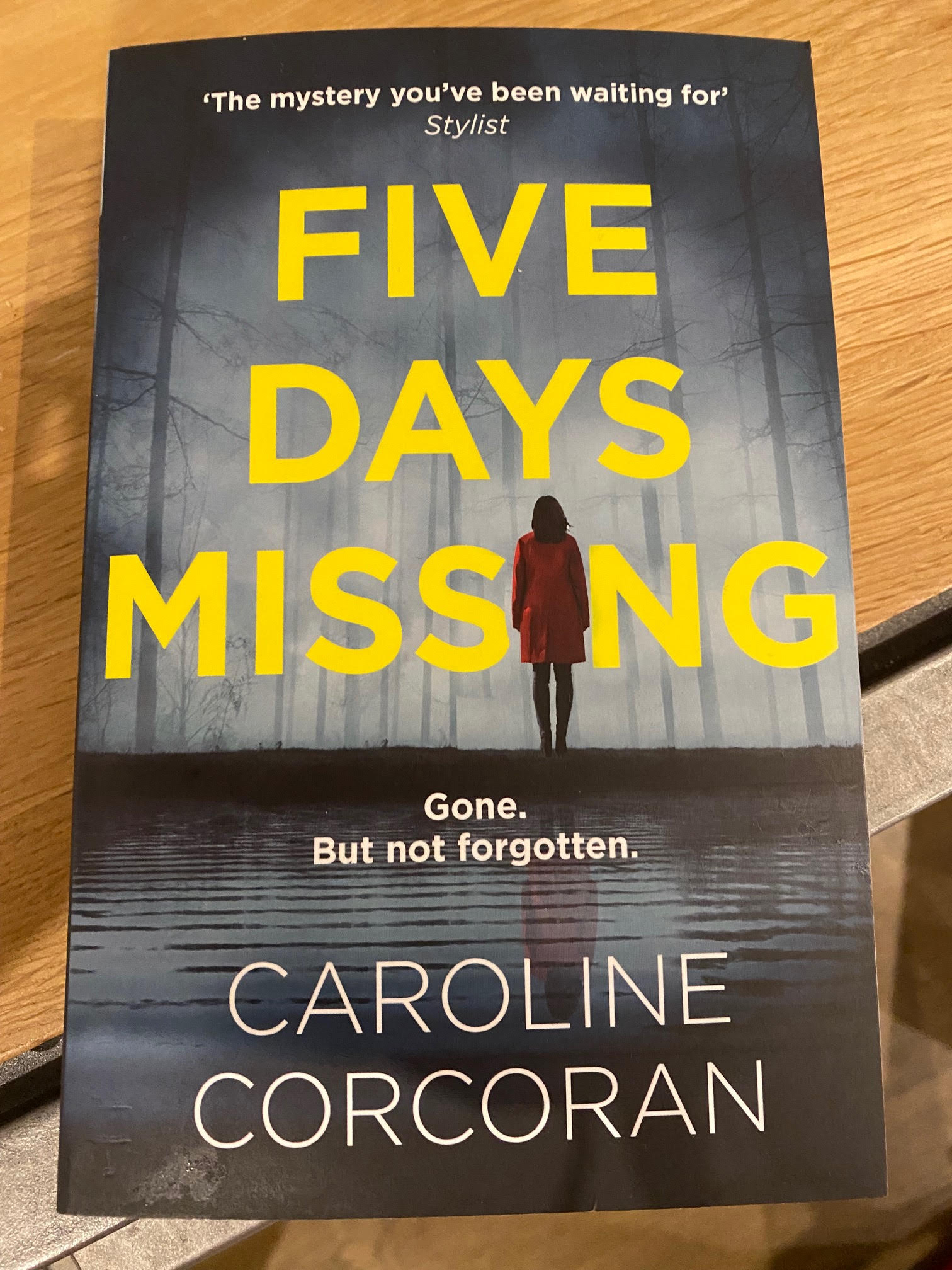
Five Days Missing is out 17 February (Avon, Harper Collins)

SUNDAY SCENE: ELAINE EVEREST ON HER FAVOURITE SCENE FROM HER WOOLWORTHS GIRLS BOOKS

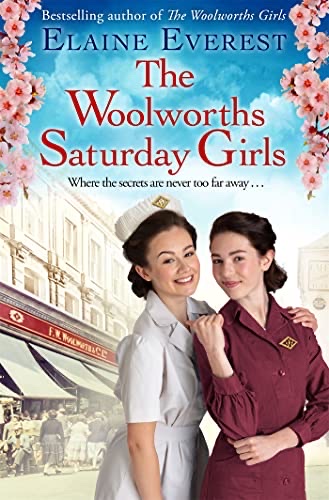
Having (so far) written ten books in ‘The Woolworths Girls’ series I thought long and hard about a favourite scene from the series. My mind kept straying to Alexandra Road in Erith, Kent, where many of my characters either live or visit. Why is it so special to me? It is because I not only set the series in the town where I was born and lived for so many years, but because it was also the road where I lived when first married in 1972. Writers are told to write about what they know, and I certainly made the most of that!

Although I set my books in the past it was easy to imagine number thirteen in times gone by as the road had changed very little externally since 1903 when the houses were built. The four terraces of bay fronted homes may now have new families living in them and so many mod cons, but the ghosts of the past linger on. As a young bride I was told stories of the people who first lived there, and what happened during the two wars. Even though I was not writing novels at that time I adored these stories, as well as the gossip and tittle tattle, with some linking to my own family. I discovered two great aunts had lived at the top end of the road during the 1920s, and a couple only a few doors up from my house had a son who had been in the army with my dad. Across the road another neighbour informed me she had been ‘courted’ by my dad… It was almost as if my family had turned into my own saga! My only thoughts whilst living at number thirteen was that I’d really liked to have experienced the WW2 years living in the house as it survived apart from a wonky wall in the hall which occurred after a bomb dropped nearby in 1940.

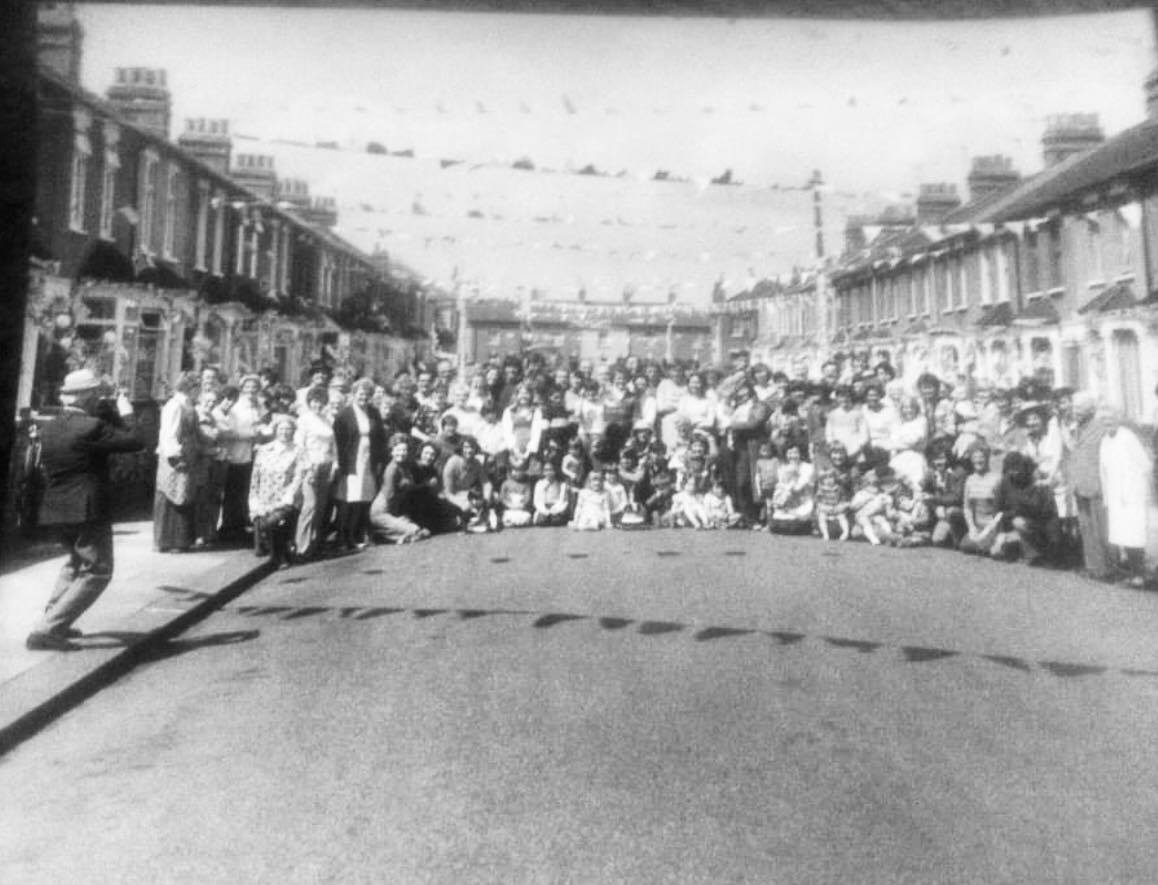
These days I devour any information about people who once lived in Alexandra Road. Fortunately, with being able to use Facebook, local groups have popped up where we can chat about our school years and living in the area of Slade Green and Erith. I’ve heard from three women who all lived in number thirteen at different time. I even chatted with the lady whose father had laid the awful multi-coloured floor tiles in the living room during the 1950s that were still there in 1972. What grabbed my attention most was the talk of street parties to celebrate, the end of wars, coronations of different monarchs, royal weddings, and our own much loved queen’s anniversaries. Alexandra Road won the best decorated street in the South-East in 1977 for Queen Elizabeth’s silver jubilee and I was there and part of the history of the road. I recall how every house was adorned in silver foil scrunched along the guttering, courtesy of a local meat pie factory. How sheets were dyed so we could make bunting that hung across the road between every one of the seventy-five houses.  It was a grand street party with trestle tables up the road and children in fancy dress. Not having children to dress up, my three dogs wore red, white, and blue ribbons attached to their collars.

Looking back, it is the road I remember most, and recalling the stories I wove around the lives of the families behind the lace curtains in those bay windows.


12 Hours to Say I Love You Book Review

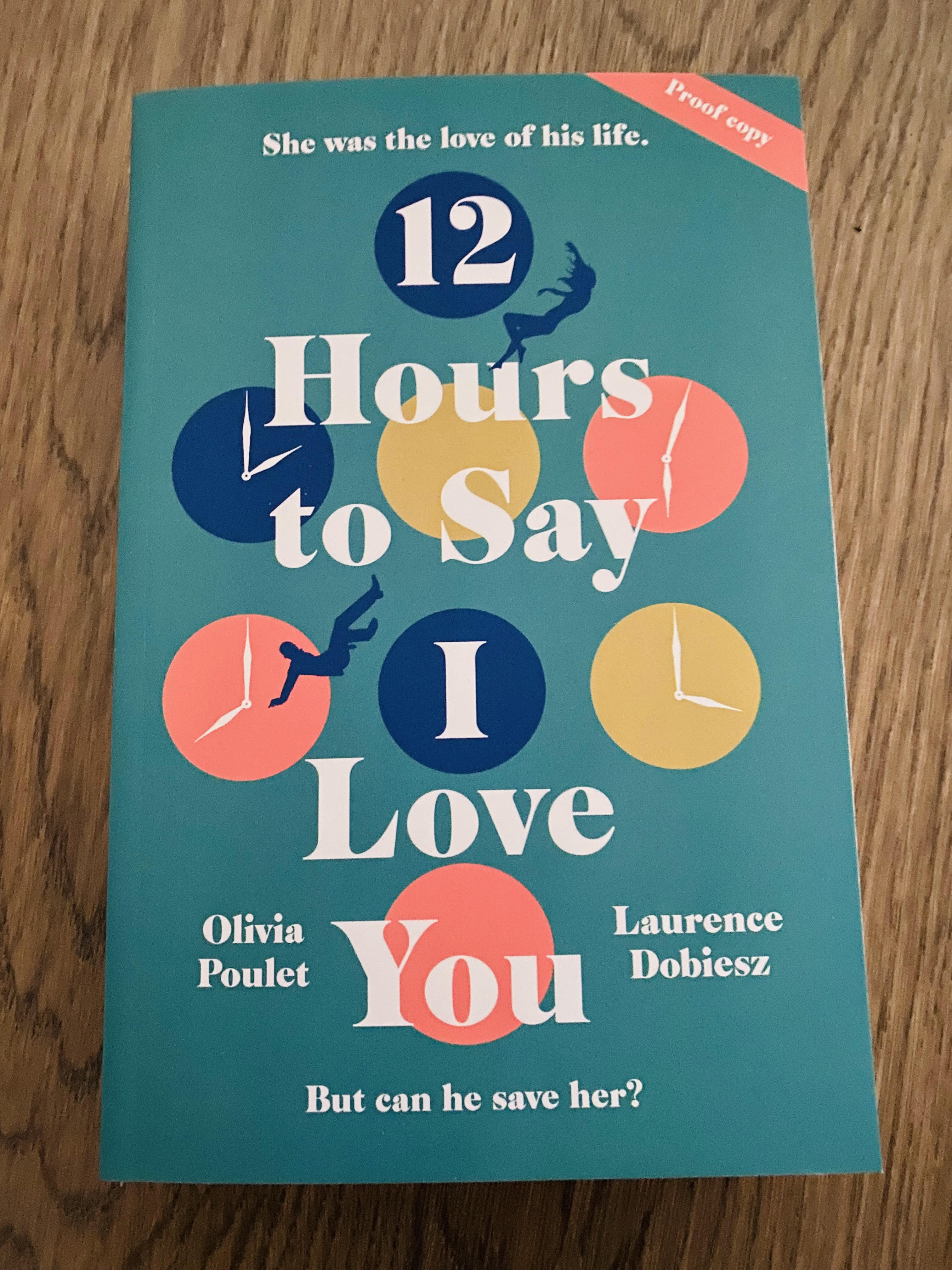
12 hours to say I love youWritten by married couple Olivia Poulet and Laurence Dobiesz, 12 Hours to Say I Love You is an original, beautiful and completely perfect love story. As you read this story of Pippa and Steve you fall in love with them as they fall in love with each other.

Pippa is lying in a coma as Steve talks to her, willing her to come back to him after a traffic accident. The concept is clever and delivered with aplomb. Stunning stuff. I loved it.


TWO PEOPLE. ONE LOVE STORY. TWELVE HOURS TO TELL IT…

Gripping, moving and beautifully observed, this is a love story told from both sides, with warmth, tenderness and heart.

Whir, beep, click, breath. Whir, beep, click, breath.

Pippa Gallagher is rushed in to hospital following a traffic accident.

As Pippa lies unconscious, she is aware of fragments. The day she met Steve Gallagher, her best friend and the man who would become the love of her life. The heartbreak she felt tonight as she got into her car, her eyes blurry from tears.

Meanwhile Steve sits at her bedside, his eyes fixed on her pale, still face. He has no idea where his wife was going when she crashed. No clue as to why she became distracted behind the wheel. All he knows is that she is his world. And that he wasn’t there when she needed him most.

For the next twelve hours, Steve tells Pippa all the reasons he loves her.

But is it too late? Can Pippa find her way back to him?

Here’s what early readers are saying about 12 HOURS TO SAY I LOVE YOU:

12 Hours to Say I Love You is available here.


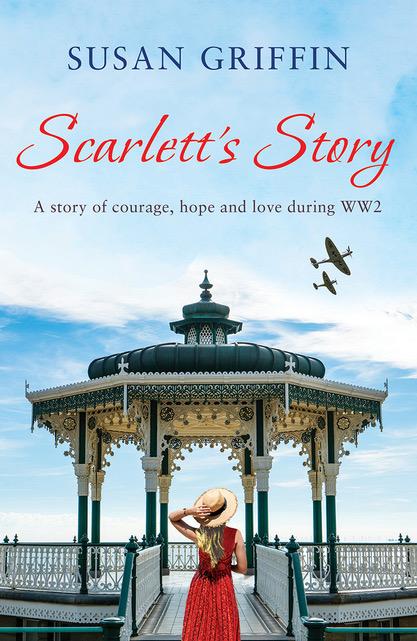
SUNDAY SCENE: SUSAN GRIFFIN ON HER FAVOURITE SCENE FROM SCARLETT’S STORY

Scarlett is a character from my novel The Amethyst Necklace, and was the first person to appear in my head when I was thinking up the plot for the book. However, as that book progressed, Scarlett soon became a larger and more colourful character than I had anticipated, with her own heart-breaking story overshadowing the dual-timeline book.

However, she was a pivotal part of the novel so I kept her in and decided to give her a smaller role to play in the book. That was when realisation dawned. Scarlett had to have her own novel, so that she could spread her wings, and tell the readers of The Amethyst Necklace her own story. And Scarlett’s Story, the book, was born.

After suffering the loss of her mother and siblings to the Spanish Influenza Epidemic, Scarlett’s father returns from the war in 1918 a changed man. The shock of this and her recent losses, gives Scarlett the strange gift of second sight, where she experiences dreams and visions of what might happen in the future. As a child this is frightening and something to be kept hidden, and when her father dies soon after his return from the trenches, Scarlett is left an orphan at only 10 years old.

Scarlett has experienced a difficult life, but with courage and determination she claws her way to a comfortable lifestyle. It’s not one, though, that’s true to her nature, and when she finally falls properly in love, with all the joy and heartache that brings, she comes to realise where her real values lie.

This excerpt from the book is my favourite chapter, where Scarlett realises that the man standing in front of her is the handsome stranger in her dreams.

Then it happened. As we locked our gaze defiantly, each of us it seemed was unable to look away. And as the seconds ticked by, I began drowning in those hazel eyes. With a jolt I realised that this was the man I’d been dreaming of for years, the man who in my dreams had loved me more than life itself.

Breaking the spell, Frankie tore his eyes from me and shook his head vigorously. Then, turning on his heel, he hurried back through the hallway, leaving me gasping for breath and wondering what exactly had just happened.

As Frankie reached the door, he spun around and glared back at me. ‘Women like you don’t know what harm they’re doing!’ he bellowed, before striding angrily down the footpath and banging the back gate shut behind him.

This is the point in the novel where Scarlett understands she may have been mistaken in her search for the comfort of material possessions in her life. And later in the book when she thinks she’s lost Frankie, after his plane is shot down over enemy occupied France, she is heartbroken.

With Scarlett’s Story I wanted to give Scarlett a difficult journey, a mission to become someone of importance, even though she was from lowly beginnings. This was a challenge she rose to and overcame, and once she had accepted love into her life, she went from a child who had nothing, to a woman who had everything.

As is so often the case in life, what we think we want and what we really need, are two different things entirely. And when Scarlett fell in love for the first time, she soon realised it was love that she had been searching for all along.


https://susangriffinauthor.com/


CARIADS’ CHOICE: JANUARY 2022 BOOK REVIEWS

Rosemary Noble’s The Bluebird Brooch, reviewed by Jane Cable

Very seldom does a book or a film make me cry, but this beautiful multi-generational love story made me so invested in the characters it did bring me to tears.

Laura has been dumped by her boyfriend so her life is in a state of flux when she hears she has inherited a house from a great aunt she didn’t know she had. Even more surprising is the fact her grandmother Peggy is still alive, albeit trapped in a silent post-stroke world in a nursing home. But Peggy has plenty of spirit and her world is brought back to life by Laura’s presence.

Together they trace family history, and Noble skilfully weaves the narratives of the women of the past with those of the present until the story is complete. Or is it? Perhaps there is one final secret that needs to be revealed before both Laura and Peggy can find happiness and peace.


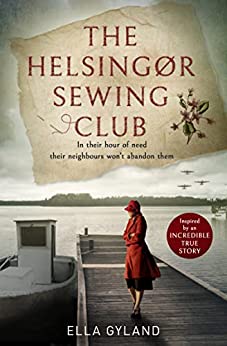
Ella Gyland’s The Helsingør Sewing Club, reviewed by Natalie Normann

One of the most incredible stories from WW2 is how the majority of Danish Jews were saved, right under the noses of the Gestapo and SS. Ordinary Danes risked everything to rescue friends, neighbours and total strangers to safety in Sweden.

In The Helsingør Sewing Club, this story comes to life when Cecilie Lund finds something in her late grandmother’s flat. It leads her to a meeting with a man who knew her grandmother in 1943, and she discovers just how brave she was.

Ella Gyland writes with warmth and respect, but doesn’t hide the realities of just how dangerous and risky it was. The story is beautifully written, with no sentimentality or exaggerations, giving the events even more of an impact. It’s so moving and painful to read at times, but it’s also impossible not to keep reading!

The research is phenomenal, and I can only imagine the work! I love the characters and how their story is told. It’s sad and brutal, but also hopeful and an inspiration for how everyone can make a difference.


Jane Cable’s The Forgotten Maid, reviewed by Jessie Cahalin

Set in Cornwall in the Regency era and 2015, we move from Thérèse’s world to Anna’s: Thérèse is a French maid and Anna is employed to set up a glamping sight. Both protagonists are warm characters suffering a sense of loss and longing. Cable artfully weaves in the link between the past and the present and tangles the reader in the mystery of this time shift novel. I was hooked from the first chapter when Thérèse’s spirit is left fluttering in the novel, waiting to be discovered. The ethereal quality in Cable’s writing is both haunting and believable. Clever twists and turn in the plot kept me captivated, and I adored the emotional parallel between the two characters. Poetic, accomplished writing – another triumph for Jane Cable.


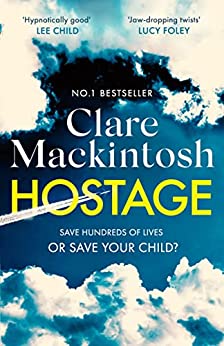
Clare Mackintosh’s Hostage, reviewed by Jill Barry

You can save hundreds of lives, or the one that matters most. That’s the dilemma facing flight attendant Mina when she’s 35,000 feet high in the sky on the inaugural non-stop flight from Heathrow to Sydney. The story unfolds on the ground, focussing on Mina’s husband and their young daughter, as well as in the air, with brief chapters introducing certain passengers by their seat numbers. The planet Earth’s future is the theme of Clare Mackintosh’s stunning novel in which eco-warriors on board are banding together in order to hijack the Boeing 777 aeroplane and force those in power to take action before it’s too late. Deep-seated fears and the tangled emotions of Mina and her police officer husband are revealed against a background of high tension while the hours slip by and the aircraft’s fuel supply diminishes. Maybe best not to read this one if planning a long-haul flight!


Top Books To Read In 2022

We have been sent more wonderful books. Here is a selection to get stuck into.
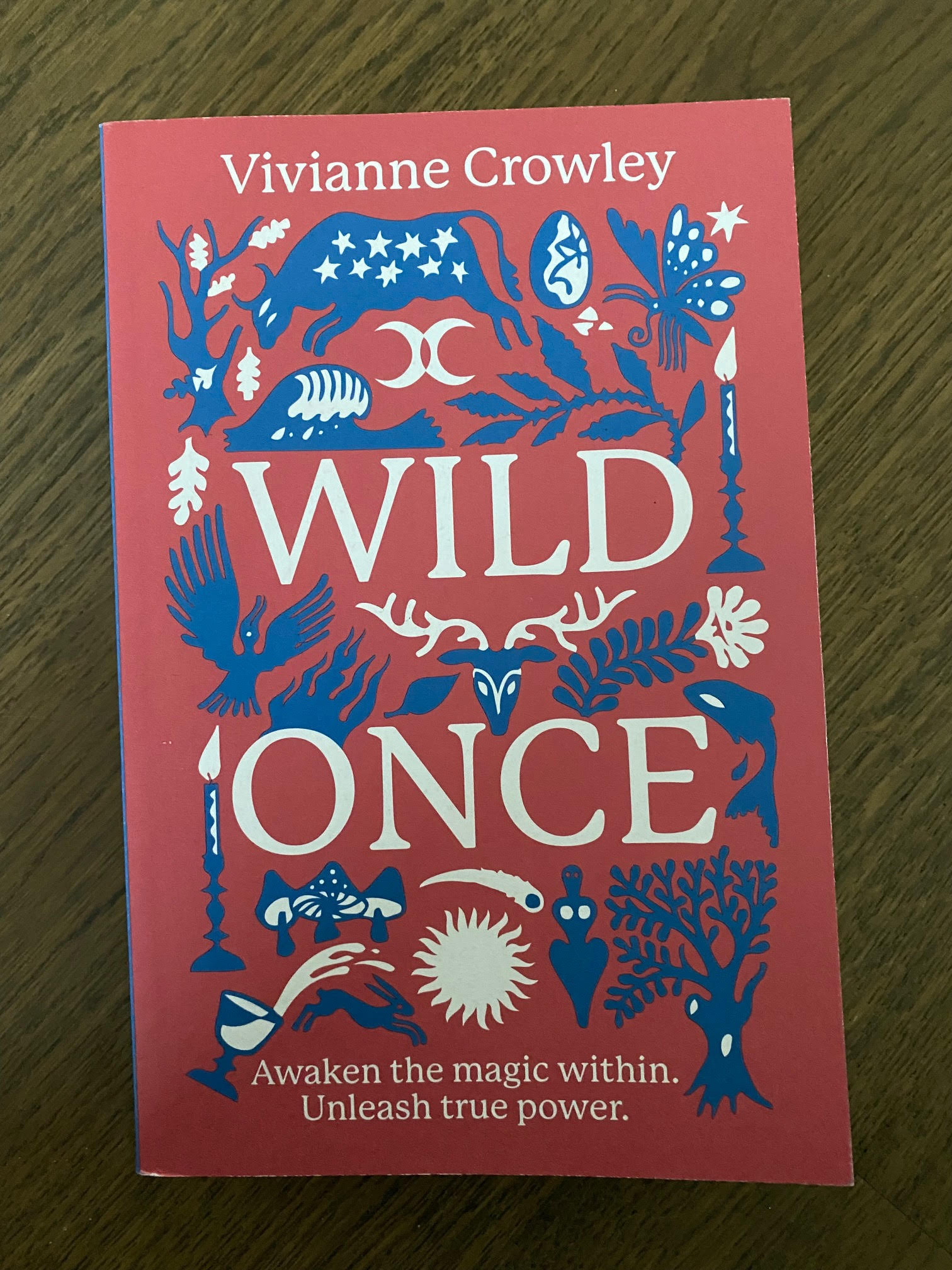
Wild At Once by Vivianne Crowley. Perfect for spiritual people who want to unleash the wild magic within them. Out March 10. 

What secret power is hiding within you?

There is an untamed wildness within each of us. Once found and nurtured, this wild power can lead to true and boundless freedom, creativity and purpose, and discovery of your deepest inner wisdom.

Witch, high priestess, doctor of psychology: Vivianne Crowley has been given many labels over the years. Wild Once is the extraordinary and inspiring tale of a life lived magically, of adventures into the unknown and of finding spiritual nourishment through reconnection with the natural world. It shows what can happen when you have the courage to step into the unexplainable and live untamed.

It is also an evocative, intricate account of a hidden world, a rich tour of modern magical practices, from meditation to manifestation, shamanism to spellwork. Magic is waiting to be discovered. It is here, just beneath the surface, if only you know where to look…

We all have wild magic within us; this book will inspire you to find it.
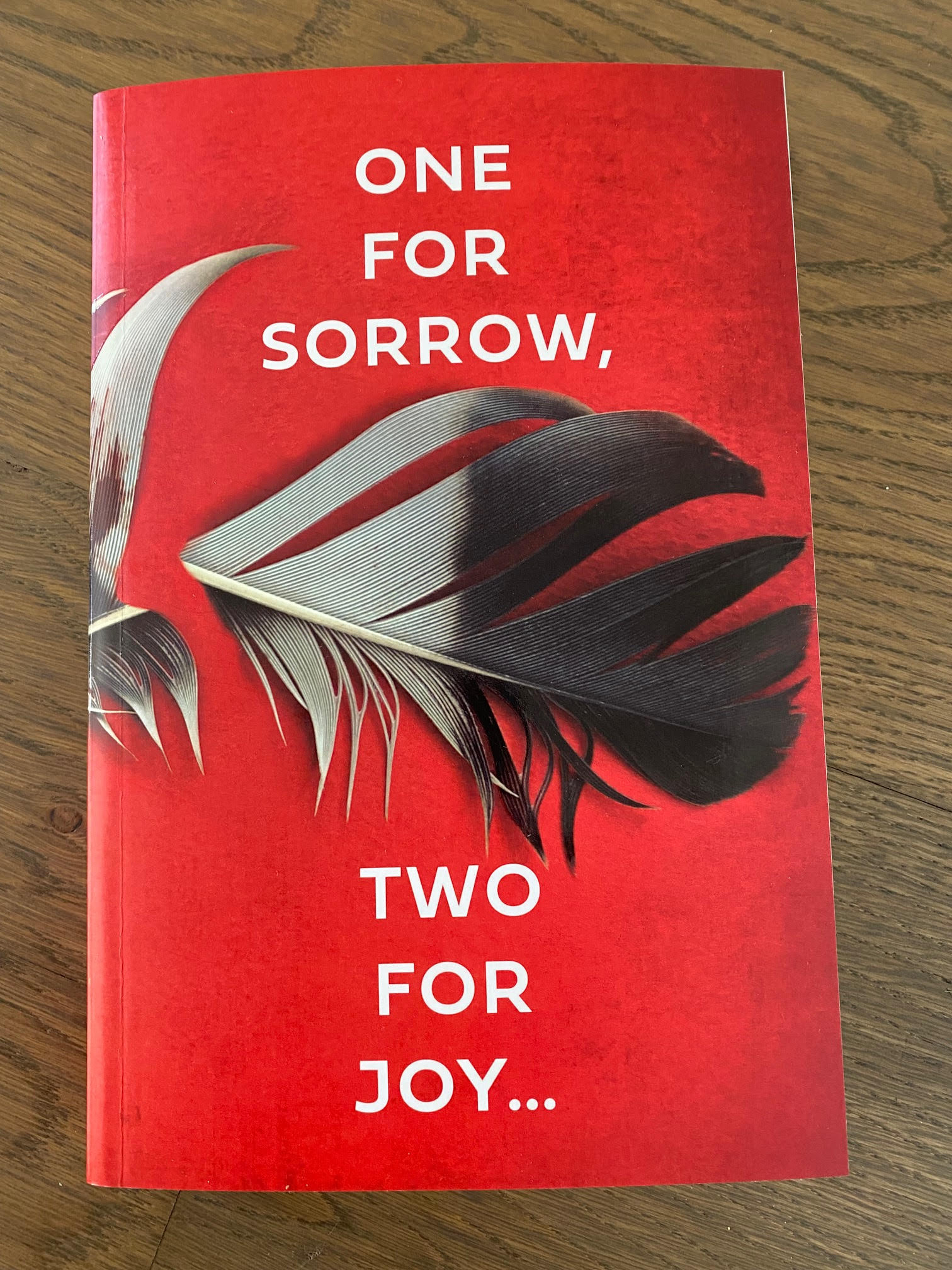
One For Sorrow by Helen Fields. Perfect for thriller fans: this a clever and riveting book. Out in March.

One for sorrow, two for joy
Edinburgh is gripped by the greatest terror it has ever known. A lone bomber is targeting victims across the city and no one is safe.

Three for a girl, four for a boy
DCI Ava Turner and DI Luc Callanach face death every day – and not just the deaths of the people being taken hostage by the killer.

Five for silver, six for gold
When it becomes clear that with every tip-off they are walking into a trap designed to kill them too, Ava and Luc know that finding the truth could mean paying the ultimate price.

Seven for a secret never to be told…
But with the threat – and body count – rising daily, and no clue as to who’s behind it, neither Ava nor Luc know whether they will live long enough to tell the tale…
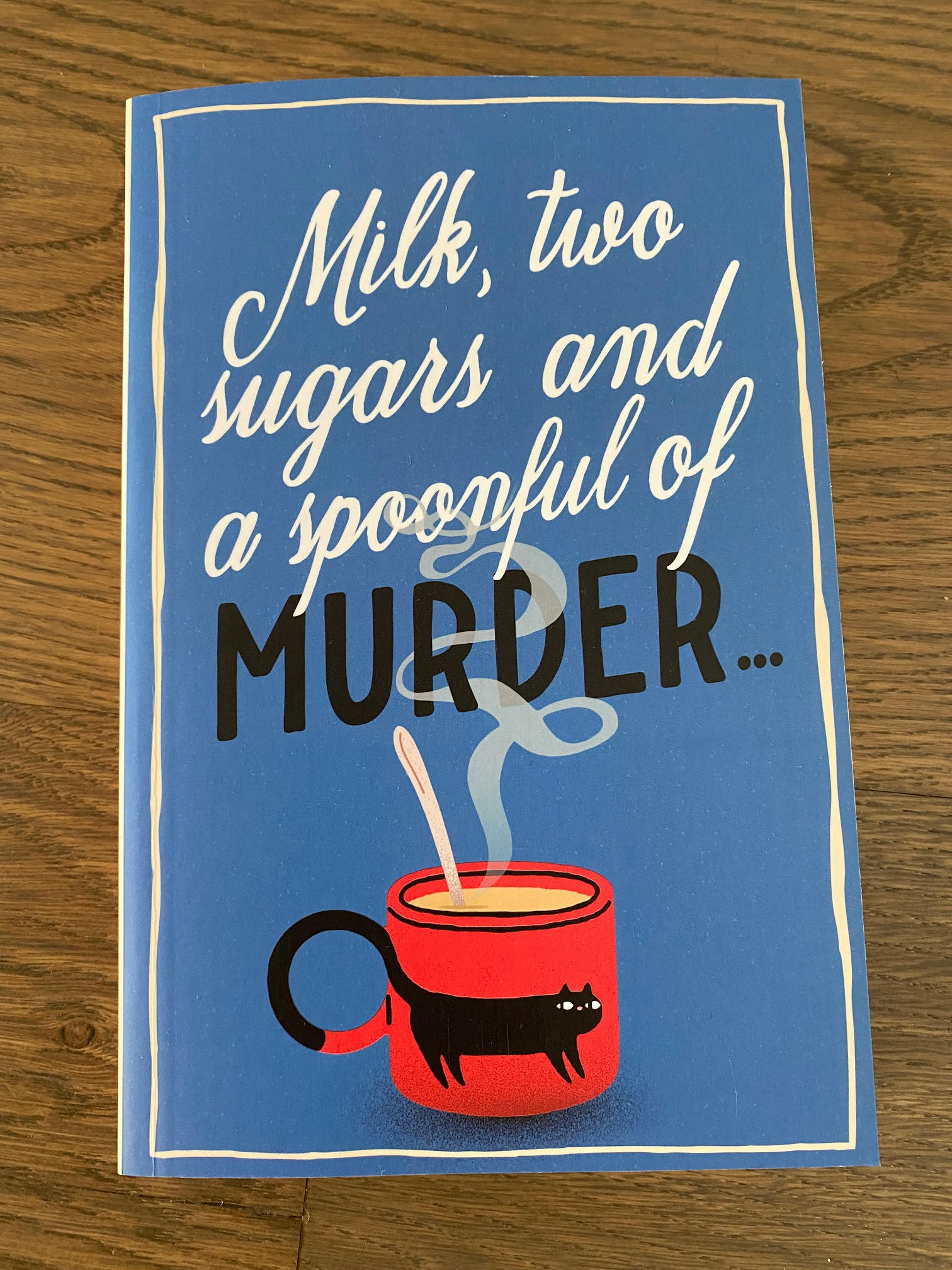
A Spoonful of Murder by J.M Hall. Perfect for fans of fun and  cosy crime. Out March 17th.

Every Thursday, three retired school teachers have their ‘coffee o’clock’ sessions at the Thirsk Garden Centre café.

But one fateful week, as they are catching up with a slice of cake, they bump into their ex-colleague, Topsy.

By the next Thursday, Topsy’s dead.

The last thing Liz, Thelma and Pat imagined was that they would become involved in a murder.

But they know there’s more to Topsy’s death than meets the eye – and it’s down to them to prove it…

Sit down with a cup of tea and this perfectly witty, page-turning cosy crime novel. Fans of Agatha Christie, Death in Paradise and Midsomer Murders will be hooked from the very first page.
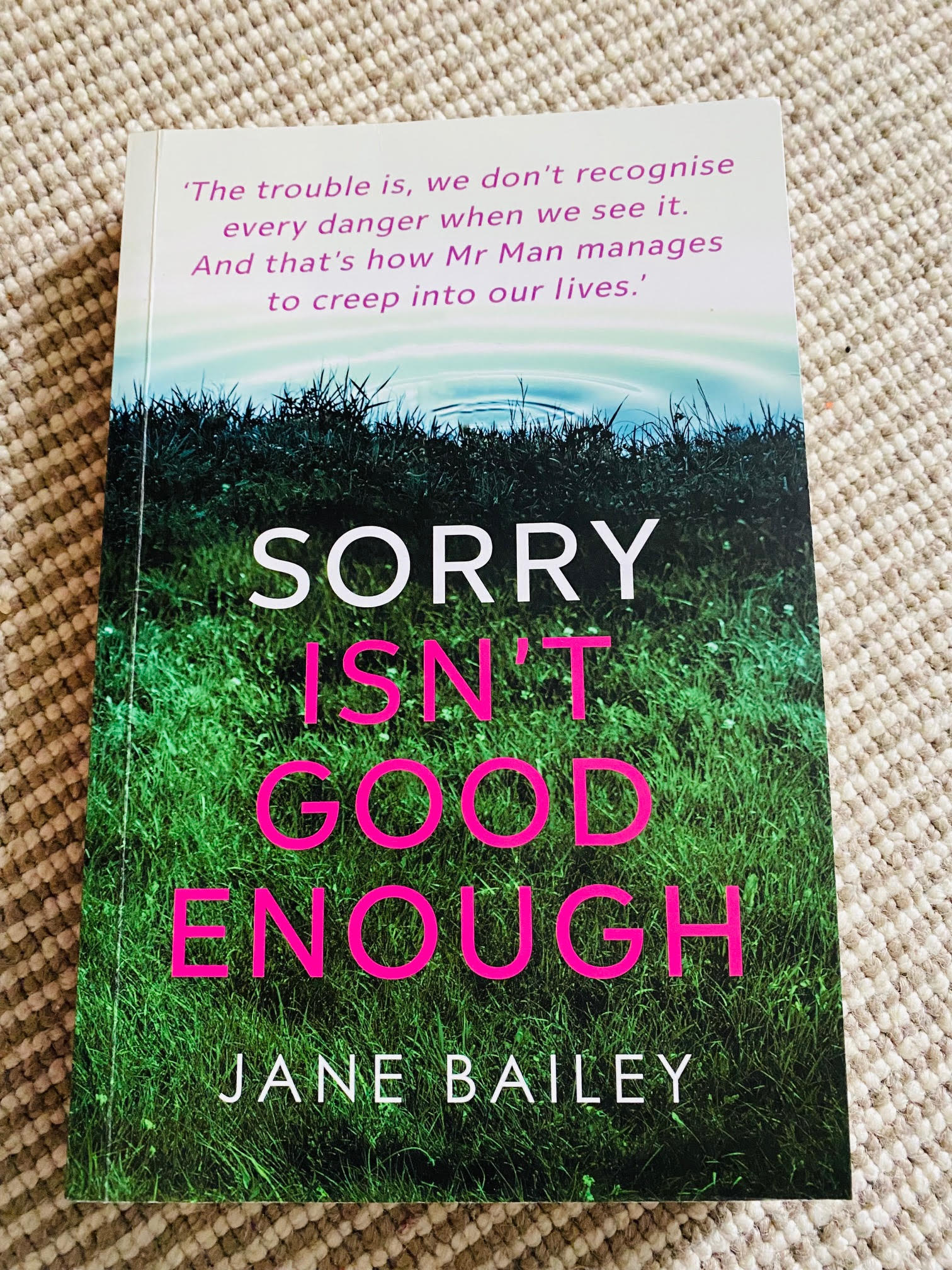
Sorry isn’t Good Enough by Jane Bailey. Perfect for fans of psychological thrillers. This was a huge hit at Frost, an intelligent and pacy read that leaves you wanting more. Out February 7th.

‘The trouble is, we don’t recognise every danger when we see it. And that’s how Mr Man manages to creep into our lives.’

It is 1966, and things are changing in the close-knit Napier Road. Stephanie is 9 years old, and she has plans:

1. Get Jesus to heal her wonky foot
2. Escape her spiteful friend Dawn
3. Persuade her mum to love her

But everything changes when Stephanie strikes up a relationship with Mr Man, who always seems pleased to see her. When Dawn goes missing in the woods during the World Cup final, no one appears to know what happened to her – but more than one of them is lying.

May 1997, and Stephanie has spent her life trying to bury the events of that terrible summer. When a man starts following her on the train home from London, she realises the dark truth of what happened may have finally caught up with her.
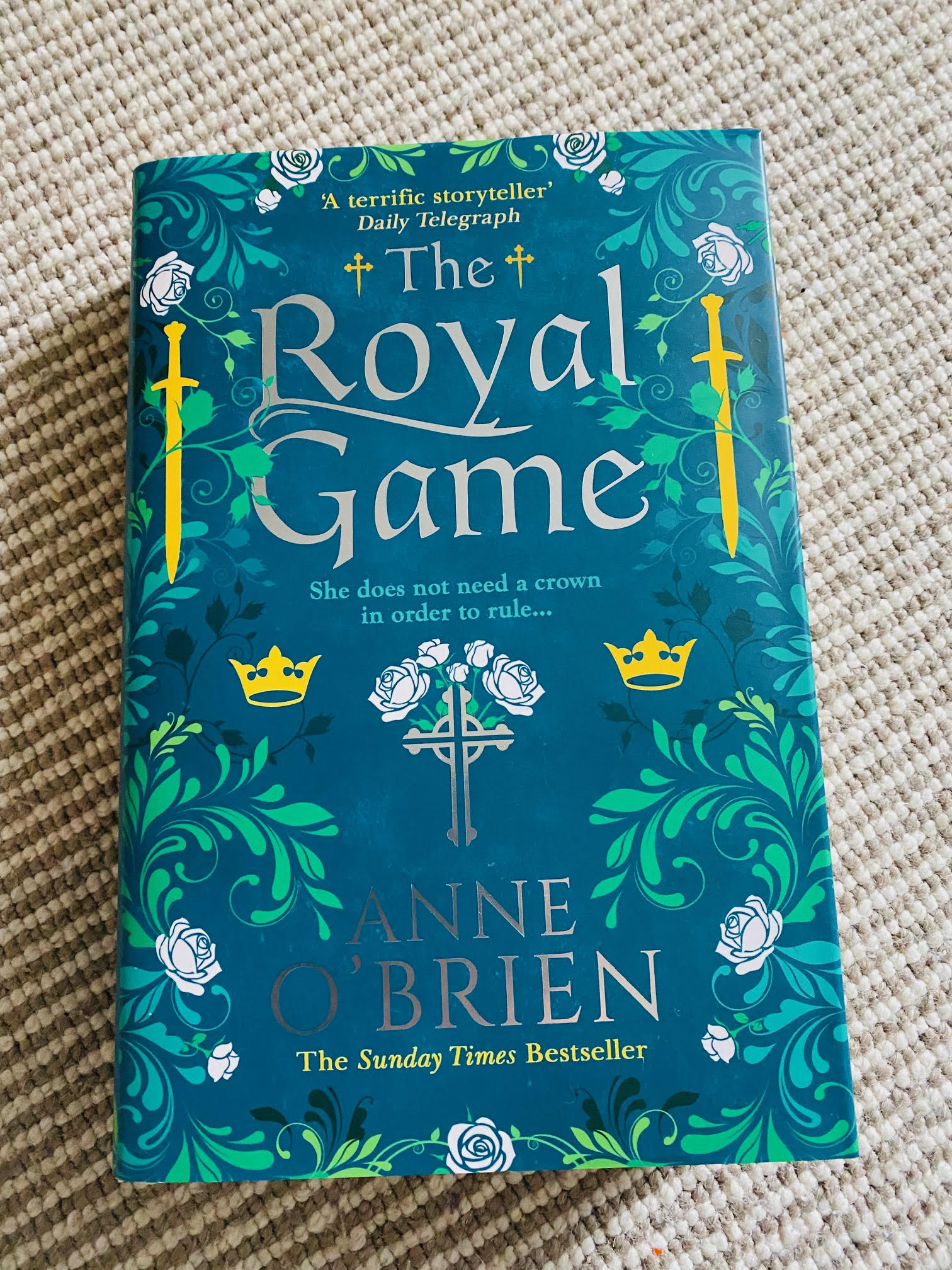
The Royal Game by Anne O’Brien. Perfect for fans of historical fiction. This is a glorious and compelling read.

England, 1444. Three women challenge the course of history…

King Henry VI’s grip on the crown hangs by a thread as the Wars of the Roses starts to tear England apart. And from the ashes of war, the House of Paston begins its rise to power.

Led by three visionary women, the Pastons are a family from humble peasant beginnings who rely upon cunning, raw ambition, and good fortune in order to survive.

Their ability to plot and scheme sees them overcome imprisonment, violence and betrayal, to eventually secure for their family a castle and a place at the heart of the Yorkist Court. But success breeds jealousy and brings them dangerous enemies…

An inspirational story of courage and resilience, The Royal Game, charts the rise of three remarkable women from obscurity to the very heart of Court politics and intrigue.
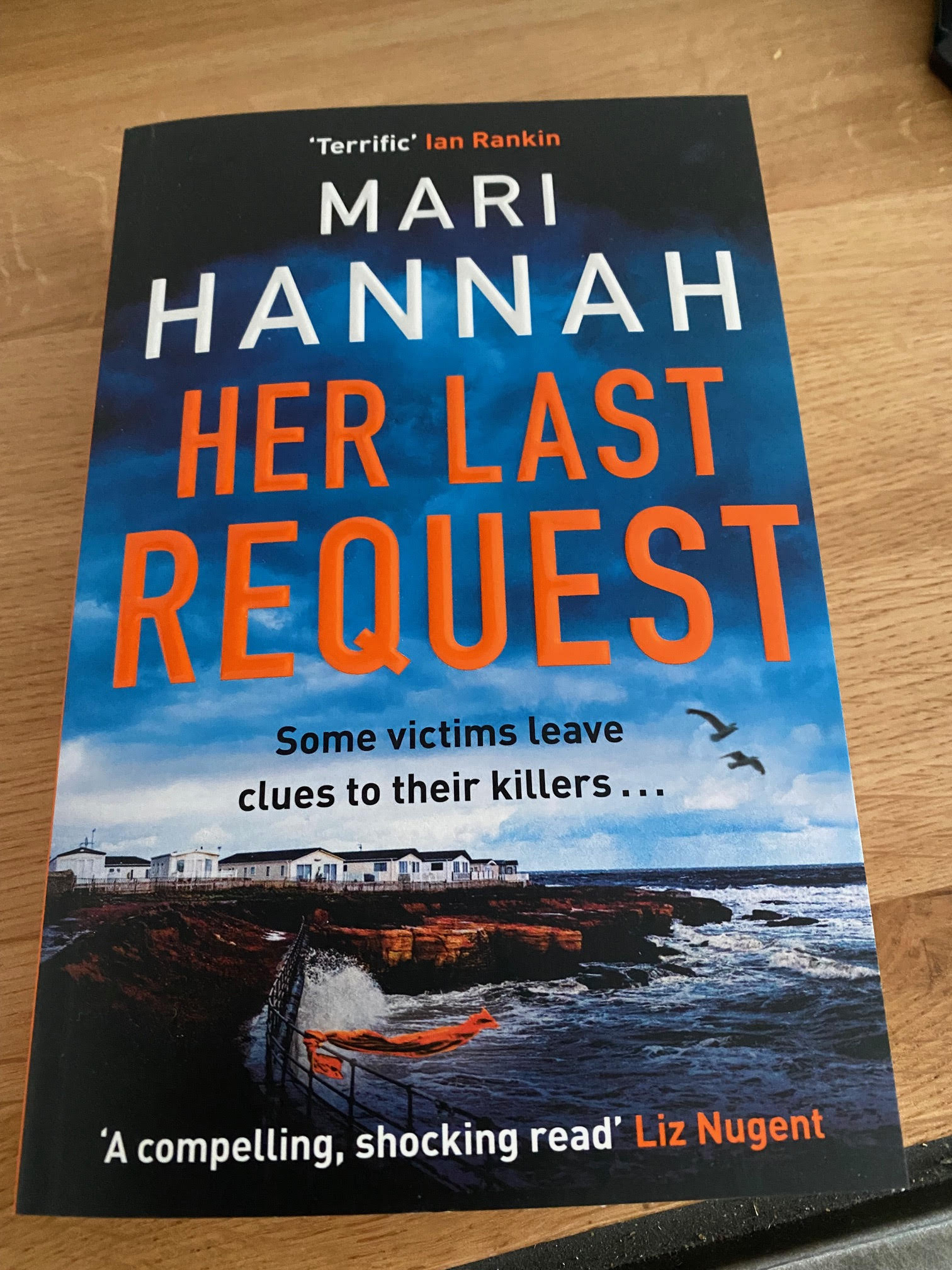
Her Last Request by Mari Hannah. This is another stunner from Mari Hannah, she is at the top of her game.

Some victims leave clues to their killers…

A Hidden Clue

A victim leaves a note for the SIO who will investigate her death. This not what DCI Kate Daniels expects to find concealed at a crime scene.

A Desperate Plea

The note contains a last request: ‘Find Aaron’. But is Kate searching for a potential second victim, or a killer?

The Countdown is on…

Following the clues, Kate becomes the obsession of her adversary who will stop at nothing to get what he wants. Will she find Aaron before he does? Emily and Daisy by Paul Yates. A lovely and thoroughly enjoyable time slip novel.
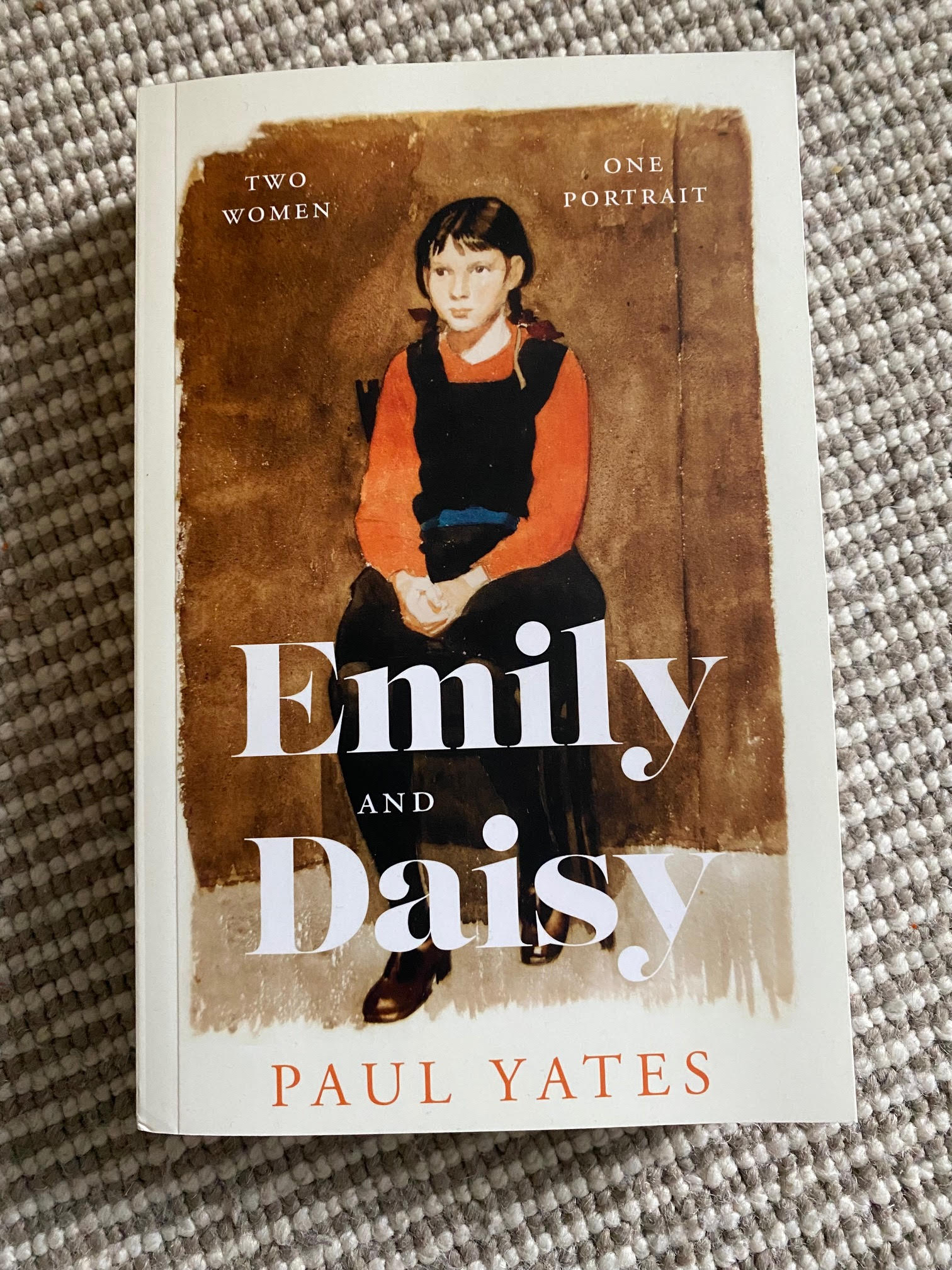
This is a love story. A love story with a difference that lives across time and space and explores the ways in which the accidents of love can combine in the forging of a life.

Rural Devon, World War II. In her last year of school and living above the family shop, Daisy studies for her exams and keeps her journal. After he paints a watercolour portrait of her, she falls for James, a young army captain.

Paris, the end of the twentieth century. Emily lives comfortably with her father, having just left university and unsure of what comes next. Upon discovering Daisy’s portrait, she becomes enchanted by the young woman who seems to have inexplicably disappeared from her uncle’s life.

Campiston house in rural Sussex connects the two women. In her teens Emily spends her Summer vacations with her great uncle, but he never speaks of Daisy. Later, James wills the house to Emily who pursues the mystery of Daisy’s disappearance.

Their lives may have different trajectories, but something resonates with Emily as she delves deeper into the traces of Daisy’s world. Each revelation demands that Emily see herself and her world in new ways.
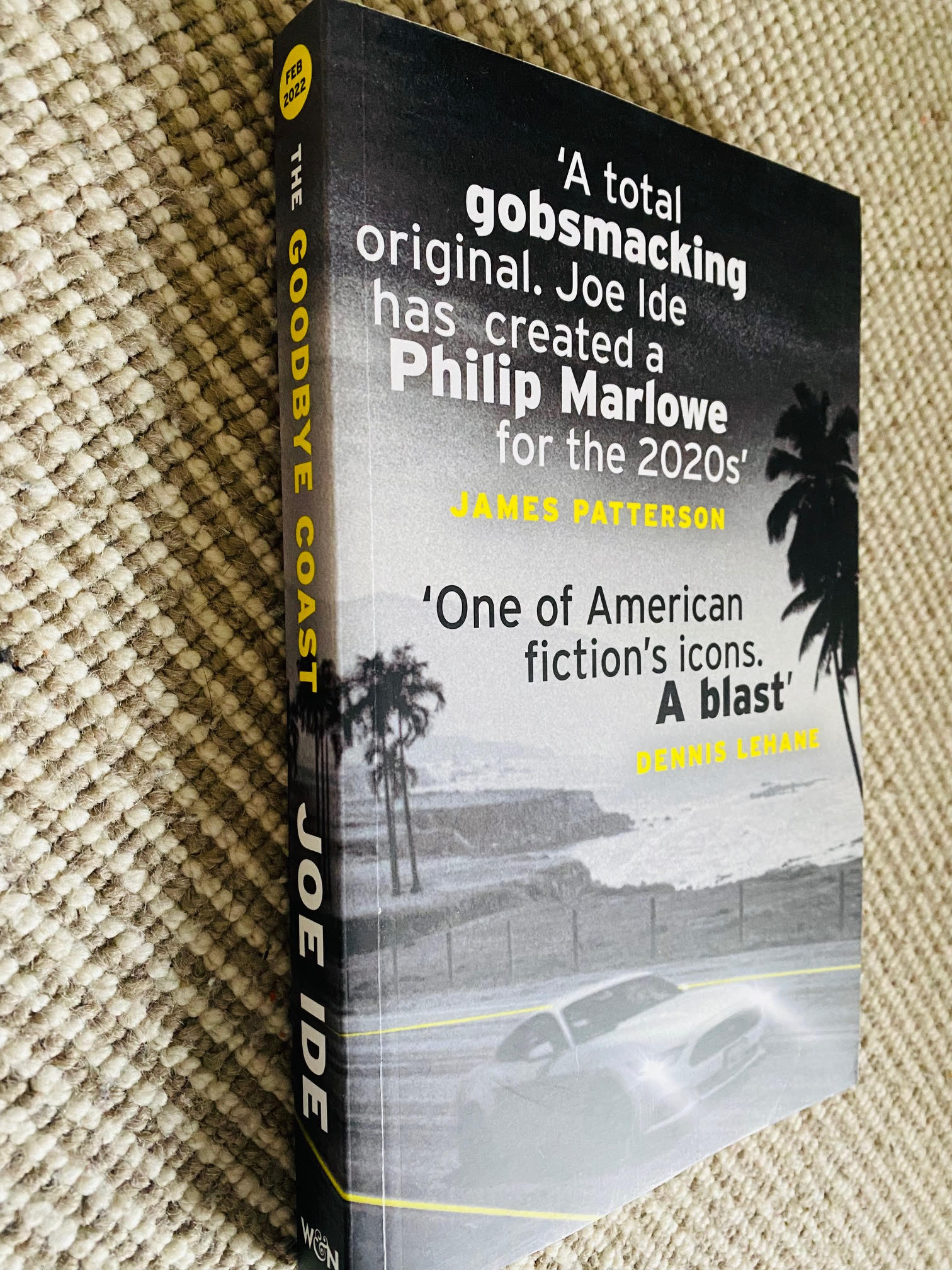
The Goodbye Coast by Joe Ide. An old-school novel with a new twist. Lots of fun.

The seductive and relentless figure of Raymond Chandler’s detective, Philip Marlowe, is vividly re-imagined in present-day Los Angeles. Here is a city of scheming Malibu actresses, ruthless gang members, virulent inequality, and washed-out police. Acclaimed and award-winning novelist Joe Ide imagines a Marlowe very much of our time: he’s a quiet, lonely, and remarkably capable and confident private detective, though he lives beneath the shadow of his father, a once-decorated LAPD homicide detective, famous throughout the city, who’s given in to drink after the death of Marlowe’s mother.

Marlowe, against his better judgement, accepts two missing person cases, the first a daughter of a faded, tyrannical Hollywood starlet, and the second, a British child stolen from his mother by his father. At the center of The Goodbye Coast is Marlowe’s troubled and confounding relationship with his father, a son who despises yet respects his dad, and a dad who’s unable to hide his bitter disappointment with his grown boy.

Steeped in the richly detailed ethnic neighborhoods of modern LA, Ide’s The Goodbye Coast is a bold recreation that is viciously funny, ingeniously plotted, and surprisingly tender.
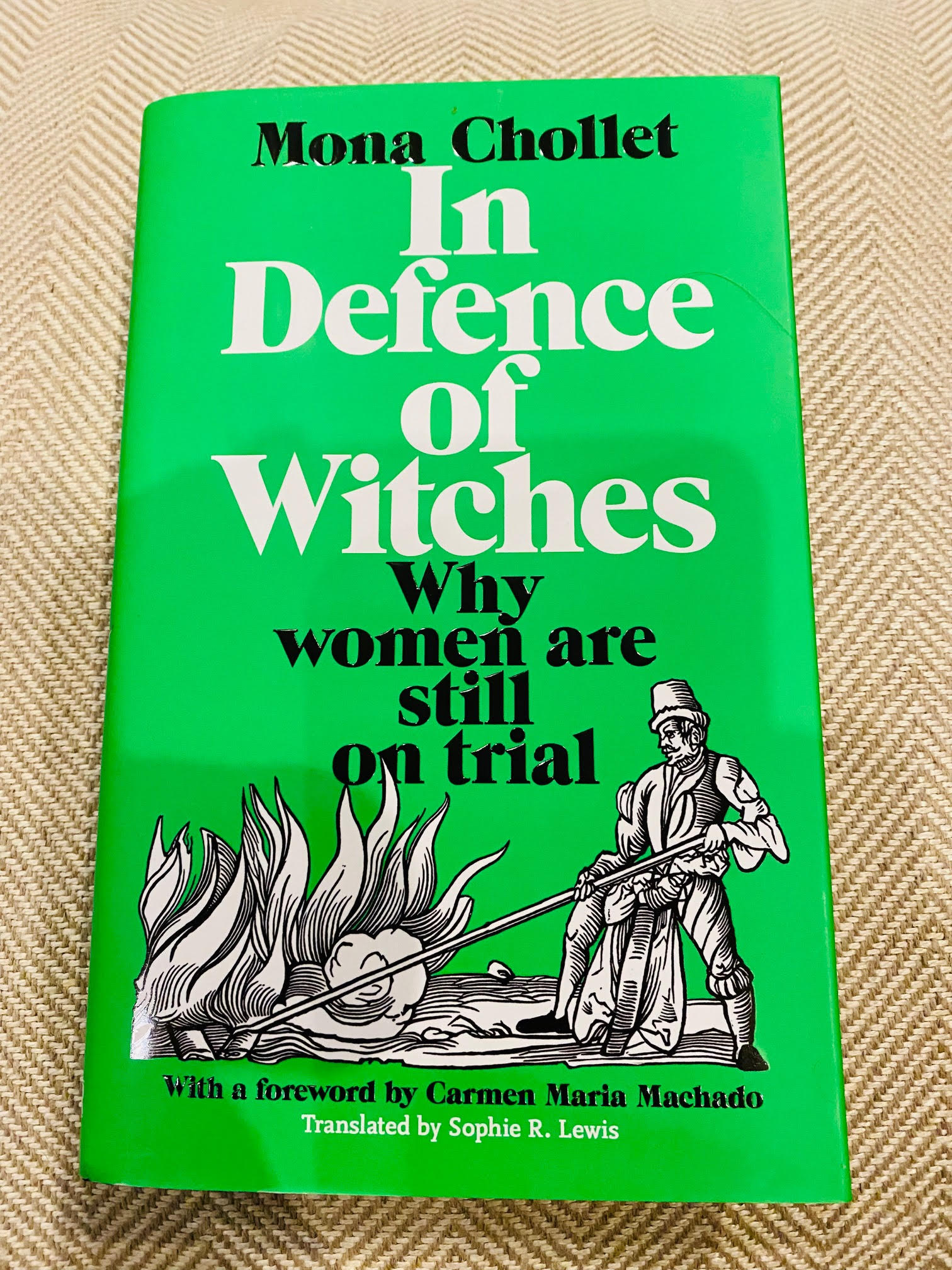
In Defence of Witches by Mona Chollet. A well-researched and timely novel. Essential reading.

A source of terror, a misogynistic image of woman inherited from the trials and the pyres of the great early modern witch hunts – in In Defence of Witches the witch is recast as a powerful role model to women today: an emblem of power, free to exist beyond the narrow limits society imposes on women.

Whether selling grimoires on Etsy, posting photos of their crystal-adorned altar on Instagram, or gathering to cast spells on Donald Trump, witches are everywhere. But who exactly were the forebears of these modern witches? Who was historically accused of witchcraft, often meeting violent ends? What types of women have been censored, eliminated, repressed, over the centuries?

Mona Chollet takes three archetypes from historic witch hunts, and examines how far women today have the same charges levelled against them: independent women; women who choose not to have children; and women who reject the idea that to age is a terrible thing. Finally, Chollet argues that by considering the lives of those who dared to live differently, we can learn more about the richness of roles available, just how many different things a woman can choose to be.

Available here.
 

SUNDAY SCENE: PENNY HAMPSON ON HER FAVOURITE SCENE FROM A PLETHORA OF PHANTOMS

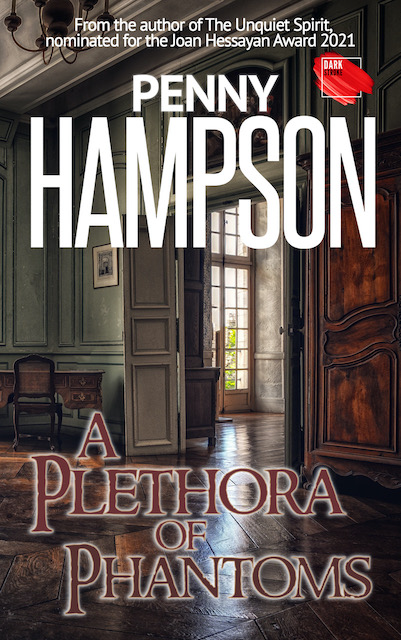
One of the perks of being a writer is being able to put one’s characters in dangerous situations and coming up with believable ways in which they can extricate themselves. A favourite example of mine occurs in my book, A Plethora of Phantoms, because it marks the point where my main character starts to become the man he wants to be.

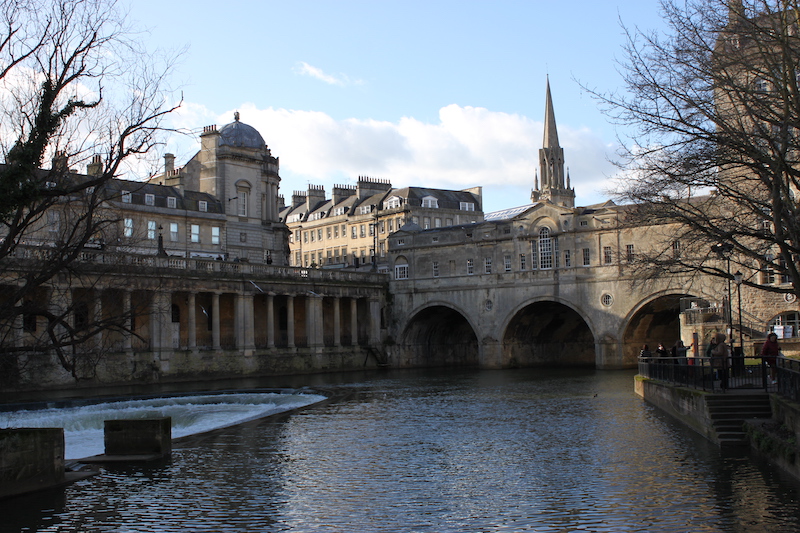
Aristocrat Freddie Lanyon is not your typical hero; he’s reserved, doesn’t enjoy being the centre of attention, and is head over heels in love with Bath antique dealer Marcus. Sadly, Freddie thinks he’s blown his chance for love because he’s too timid about coming out. Marcus has gone missing, so, urged by Marcus’ distraught sister, Freddie stays the night with her in Marcus’ flat above the antique shop. Unfortunately, a quiet night’s sleep is not what Freddie gets.

Woken in the early hours by the sounds of a violent scuffle in the street outside, Freddie spies Marcus being assaulted by two thugs as they attempt to gain entry to the shop below. Freddie telephones the police for assistance and is instructed to remain where he is, but this is an instruction that Freddie chooses to ignore – it would be a pretty dull story if our hero did nothing at all.

Tiptoeing swiftly down to the first-floor kitchen and pausing only to pick up something heavy – a sharpening steel – Freddie carried on towards the ground floor entrance of the flat. The bolts slid back silently. The sound of muffled voices told him that the street door had been breached and the intruders were attempting to gain entry to the shop.

            “Hurry up!” A harsh voice ordered.

            There was a groan. Freddie knew it was Marcus. Anger rose in his chest.

            “Key in the bloody number or I’ll hammer you again and you wouldn’t want me to spoil that pretty face of yours, would you?”

            Another voice chipped in, “You’d have thought he’d had enough when we smashed his fingers. Must be something really special in that safe of yours, eh, Spender?”

            Freddie took a deep breath. Now was not the time to hesitate. He had to take them by surprise.

            Clutching the steel in one hand Freddie flung the door open and charged forward with a roar, but instead of aiming high he went low, landing a heavy blow across the legs of the assailant who had Marcus in a stranglehold. The guy screamed as his limbs buckled and he crumpled into a heap on the floor, freeing Marcus. Freddie leapt on to the thug’s back, determined to keep him immobile until the police arrived, and watched as Marcus slid to his knees making choking sounds. Bracing himself for an attack from the assailant’s accomplice, Freddie looked up to see this guy staring open-mouthed with terror, not at him, but at something behind him.

            The crook’s mouth opened and closed but there was no sound as he slowly backed away.

            If Freddie didn’t know better, he’d have sworn that this ugly customer had seen something awful, not just a bloke in pyjama bottoms wielding a steel.

I loved turning Freddie into an action hero. Seeing Marcus being threatened with violence galvanises him into doing something out of character to save the day, although he does have a little supernatural assistance – this is a ghost story, after all.

I had great fun with Freddie, especially in this scene where he changes from being a quiet man to action hero.


To discover more about my action-filled romance stories visit my website: https://pennyhampson.co.uk/