WELSH WRITING WEDNESDAYS: CHRIS LLOYD ON WALES AS A STATE OF MIND

Wales has an extraordinary breadth of landscapes and moods. From cities to hamlets, from rural idylls to the legacy of the mines. A beautiful country pockmarked by elements of its past that has learnt to make a virtue out of the ravages it’s experienced. It’s a landscape and a history that invite legend and myth to flourish, a haven for stories and storytellers.

So, if that’s the case, why do I set all my books outside Wales?

In many ways, Wales is a state of mind. A way of viewing the world – both our own and others – that is born of being a small nation. How I view the world, the places I’ve lived, the countries I’ve visited, is determined not just by where I happen to be, but where I happen to be from.
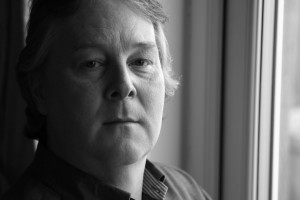
When I was twenty, I went to Spain for six months as part of my degree. I ended up going back there after graduating and staying for twenty-four years, twenty of them in Catalonia. My connection with Catalonia – initially the small city of Girona and then the big guns of Barcelona – was immediate. I felt an affinity with its history of being the smaller partner to a more powerful neighbour, a culture that had been denied and pushed and pulled about at various times, a language that had been banned and belittled, and a culture that continued to thrive despite everything it had faced. And I viewed it all through the prism of my own background.

And that is why, despite the richness of Wales as a setting, there was never any question in my mind that I should write about Catalonia. The problem was that I waited until I was living back in Wales before having the idea to write a book set there, a monument to my planning skills. Except it wasn’t a problem. Just as when I’d first gone to live in Catalonia, I found myself looking at Wales through new eyes and finally understanding how I felt about being Welsh, so writing about Girona from a distance actually helped me pin down my thoughts and feelings about my former adopted home. Oddly, I’ve found that to write about somewhere I love, I need a distance from it, which is probably one of my barriers to writing stories set in Wales – I live here.
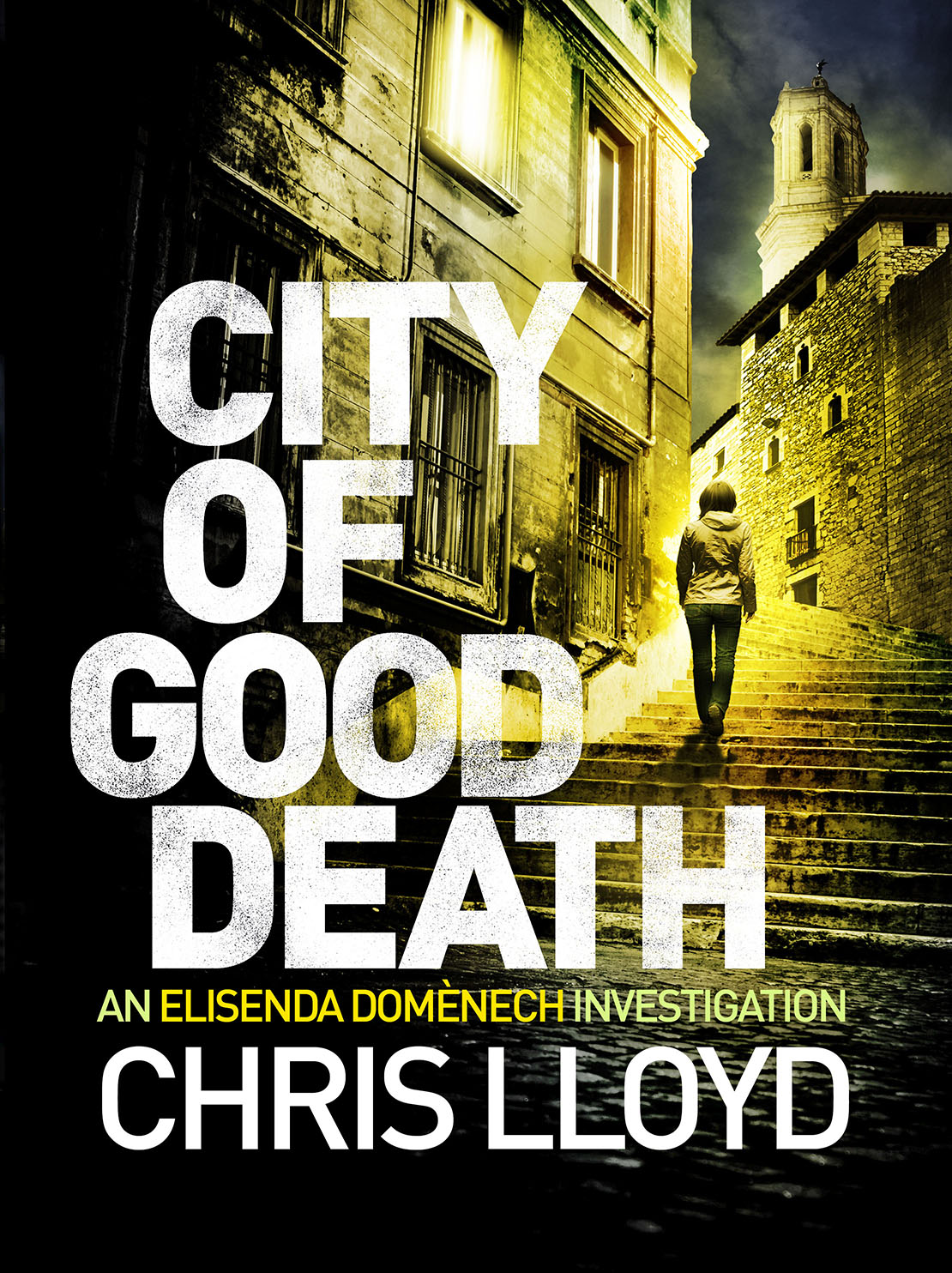
The first in my Catalan trilogy, City of Good Death, featuring Elisenda Domènech, a police officer in the newly-created Catalan police force, draws enormously from Catalan culture and the history and legends of Girona. A killer is using the Virgin of Good Death, a small statue dating from the Middle Ages, when it served to give convicted prisoners a final blessing before they were led out of the city to their execution, to announce the impending death of someone they feel is deserving of execution. Unfortunately, there are those in the city who agree and who applaud the killer’s every move. Until the victims become less deserving.

It was a similar passion that led to my new series, featuring Eddie Giral, a French police detective in Paris under the Nazi Occupation. I’d been fascinated for years by the notions of resistance and collaboration, and the blurred lines between them, but I wanted to write the story from a Parisian’s point of view, not the guns and guts heroism of the movies, but the day-to-day survival of ordinary people trying to get by. As near to the real history as possible. And I think that that is an essentially Welsh vision of life – an interest in society and community, an affinity with the underdog and the need to preserve a sense of self.


Follow Chris on Twitter: https://twitter.com/chrislloydbcn
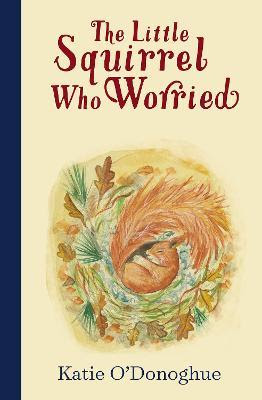


The Little Squirrel Who Worried: A Picture Book to Help Young Children Experiencing Anxiety

The Little Squirrel Who Worried


By Katie O’Donoghue


A beautifully illustrated picture book about overcoming

anxiety for young children to share with a parent,

teacher or mental health professional

  • children's book. anxiety
     A lovely, gentle story about conquering worries that any child will love, but particularly those who are in need a little bit of reassurance.


  • Author Katie O’Donoghue wrote and illustrated The Little Squirrel Who Worried while working for the Children’s Emotional Wellbeing Mental Health Service NHS last year during Covid 19. The book was created specifically to address cases of anxiety that she was seeing among young people every day.


  • A gorgeous gift for children who love to be read to and who love animals.


Little Squirrel hasn’t left his nest since last autumn. He needs to gather nuts for the long winter to come but he’s too worried to leave his cosy nest.


Luckily, Little Squirrel has lots of friends in the forest, from Wren to Snuffly Hedgehog, Grey Rabbit to Mister Fox, Old Badger to Great Stag. Will their encouragement and words of advice be enough to help Little Squirrel to venture out?


About the Author

KATIE O’DONOGHUE is a child and young person’s therapist with a background in fine art and design and a masters degree in Art Psychotherapy.


The Little Squirrel Who Worried is published by Gill Books available now in hardback at £11.99.   ISBN: 9780717192304

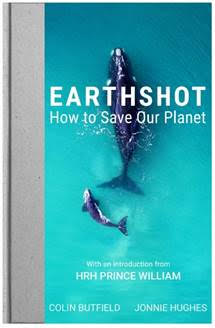
EARTHSHOT: HOW TO SAVE OUR PLANET by Colin Butfield and Jonnie Hughes

earthshot EARTHSHOT- HOW TO SAVE OUR PLANET by Colin Butfield and Jonnie HughesFollowing the recent Earthshot Prize ceremony and the crucial COP26 Climate Conference in Glasgow (31st October-12th November), we are all much more aware that we need to make serious changes to care for our planet. And now EARTHSHOT: HOW TO SAVE OUR PLANET tells us how we can do that.

EARTHSHOT: HOW TO SAVE OUR PLANET is the essential handbook to Prince William’s ground-breaking award, by Colin Butfield and Jonnie Hughes, long-time advisors to the award.

The book offers a guide to how we got to where we are today, with inspiring examples of how humanity is trying to set nature on the path to revival within these crucial next ten years. For those watching along at home, section three of their book focuses on practical things we can all do to make a difference, with excellent tips for people as they watch the coverage over the coming weeks and consider what they can do at home. Our individual efforts can make a difference, and the authors are optimistic at what can be achieved if we work together.

EARTHSHOT is written by Colin Butfield, former executive director at the international conservation charity WWF, and multi-award-winning producer/director Jonnie Hughes. Colin and Jonnie are creators of BBC One’s new landmark 5-part EarthshotPrize TV series, as well as the phenomenally successful documentary David Attenborough: A Life on Our Planet. Their involvement with The Earthshot Prize allows them unparalleled access to the people, science and imagery behind this inspirational project.

As the definitive book of the award – the most prestigious environment prize in history, with a mission to scale the best solutions to repair our planet – the book draws on a phenomenal range of voices including an introduction from Prize-founder Prince William and contributions from leading global figures: broadcaster and natural historian, Sir David Attenborough on protecting and restoring nature, former astronaut onboard the International Space Station Naoko Yamazaki on cleaning our air, singer and philanthropist Shakira Mebarak on reviving our oceans, Christiana Figueres, co-founder of Global Optimism and former UN Climate Chief on fixing our climate, and environmental activist Hindou Oumarou Ibrahim on building a waste-free world.

This timely and definitive book of The Earthshot Prize, along with the Earthshot prize and TV series, will be crucial in moving the dial on climate change.

We loved this book and we reckon you will too.

CARIADS’ CHOICE: NOVEMBER BOOK REVIEWS

Patricia Feinberg Stoner’s At Home in the Pays d’Oc, reviewed by Jessie Cahalin

I sniggered, I cackled and my belly ached as I travelled through the adventures in France.  What a treat!  Feinberg Stone presents her memoirs of life in France as an expat, and the dream of living in France is contrasted with the reality.

Patricia Feinberg Stoner has a unique flair for writing comedy.  She will make you laugh at stories involving: ironing boards, party planning, trips to the second-hand shops, renovation and every day incidents. Les Dawson, Dawson’s poodle and Mighty Mouse feature in the escapades.  If you are confused then you will have to learn the ‘gallic shrug’ and say ‘alors’.

Patricia’s witty observations will instruct you in French way of life. However, it is refreshing to view British culture through French eyes and laugh at our own idiosyncrasies.  Despite the culture gap, Patricia and her husband charmed the locals.  In turn, you will also be charmed by: Henri, Loony Tunes, P’tit Gui and a comedy of wonderful people and a dog.


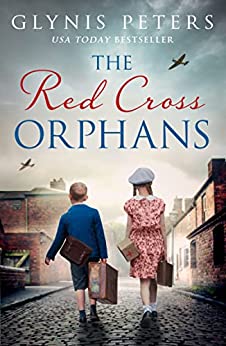
Glynis Peters’ The Red Cross Orphans, reviewed by Jane Cable

I honestly think Glynis Peters’ books are getting better and better. Although this time she has the familiar trope of three very different girls who become friends through their wartime choices, it is clear from the beginning that this story won’t necessarily follow the conventional pattern.

The orphans in this story are not the three girls, but one woman and one man, and it becomes very clear that this wonderful wartime romance is all about them. Kitty and Michael are rich and rounded characters with frailties and flaws that make the issues they encounter and their sometimes conflicted feelings for each other all the more convincing.

Coupled with the incredibly drawn background of a country at war, rich with historical detail, this book is definitely a must read for fans of World War Two fiction – or, indeed, those who adore a great love story.


Nicola Cornick’s The Last Daughter, reviewed by Evonne Wareham

A new and original slant on the eternal mystery of the fate of the Princes in the Tower, for those of us who think that Shakespeare got it wrong about Richard III. The book is a clever time slip that alternates between the life of Anne, growing to womanhood in the fifteenth century and witnessing the Wars of the Roses first hand, and Serena in the present day, whose life has been overshadowed by the mysterious disappearance of her twin sister and her own inability to remember the events of the night when Caitlin vanished. When a body is finally discovered, in seemingly impossible circumstances, Serena returns to her grandfather’s home in Oxfordshire in an attempt to make sense of the past. Throw in a handsome old flame who might not be all he seems, a mysterious talisman and a heavy sprinkling of the supernatural and you have an enthralling story.


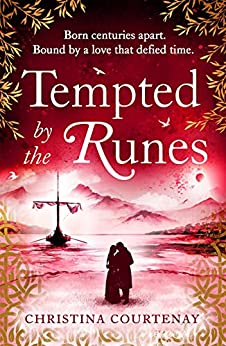
Christina Courtney’s Tempted by the Runes, reviewed by Natalie Normann

Maddie thinks she knows everything there is to know about Viking life, having taking part in Viking festivals since she was little. That is, until she finds herself in the 9th century, with real life hitting her in the face. Waking up in a proper longship on it’s way to Iceland will do that to you.

Having read the three other books in Christina Courtney’s Viking series, I’m happy to report that this is every bit as good. It’s gripping from the start, filled with daring adventure and lovely romance – and all the details of Viking life you ever wanted to know. You can’t help fall in love with Maddie and Geir as they try to figure out what’s between them. The story is well-written and so well researched it’s pure joy to read it. I didn’t want it to end!


CARIADS’ CHOICE: EXTRA WINTER READS

Angela Petch’s Mavis and Dot, reviewed by Jessie Cahalin

Embark on a series of adventures with Mavis and Dot but prepare yourself for a roller coaster of emotions. Humour and adorable, eccentric characters present a commentary on modern Britain.  Reading Angela Petch’s ‘Mavis and Dot’ is like delving into a large slice of Tiramisu: the pick me up dessert with a bitter sweet balance of perfection.

Like a quintessential seaside town, Mavis and Dot have Britishness stamped through their charming identities.  Though they are as different as builders’ tea and Lapsang Souchong, they are both women of a certain age from the same generation.    Beneath the façade of flamboyant Mavis and straight-laced Dot, there are secrets and loneliness.  Loneliness is a cruel companion who can be banished with the warmth of a cuppa and chat.  Peel away the faded glory of Mavis and Dot to reveal their secrets and warm hearts. I guarantee this story will warm your heart.


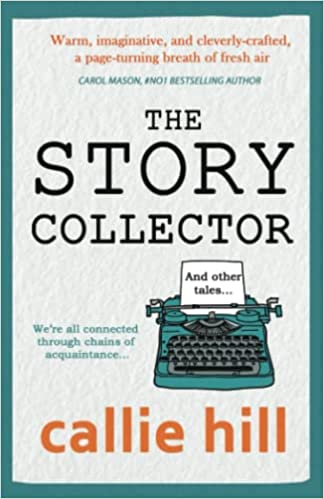
Callie Hill’s The Story Collector, reviewed by Helga Jensen

The Story Collector is a delightful compilation of short stories. The book starts with the wonderful character of Colin, a writer who you can’t help but love. The book grabbed my attention from the first chapter when someone was rather mean to Colin, and it said that ‘He would get revenge through other means. People really shouldn’t mess with a writer….’ What follows are the intertwined lives of compelling characters that bring on a whole host of emotions. Although this is a collection of short stories, each story is intertwined. There are references to some of the best works of literature, and there is even a rather wonderful magical mole. For this reason, I do think that this could be considered a fairy tale for adults! What is certain is that The Story Collector will take you on a magical journey. Callie Hill is exceptionally talented and a writer to watch in the future.


David Dodge’s To Catch a Thief and Jean Buchanan’s Mr Dodge, Mr Hitchcock, and the French Riviera, reviewed by Evonne Wareham

A double review here – the book that was the source for the Oscar winning film starring Cary Grant and Grace Kelly – Hitchcock’s glamorous confection of sunshine, jewel thievery and stolen gems – and the story of how the author David Dodge came to write it. An American thriller and travel writer, staying with his family on the French Riviera, Dodge was briefly suspected of being a cat burglar who had stolen a fortune in jewels from a neighboring villa. The plot of the book of It Takes a Thief concentrates on the efforts of John Robie, retired jewel thief, to stay out of prison when an imitator revives the interest of the police in the infamous ‘Le Chat’. Jean Buchanan’s book recounts the way Dodge made use of his brush with the law to produce the story that was immediately snapped up by Alfred Hitchcock.


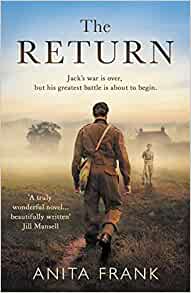
Anita Frank’s The Return, reviewed by Jane Cable

Set immediately before and after the second world war, The Return tells the stories of Jack, Gwen and the people around them on the Berkshire farm where Gwen has grown up and Jack appears one day out of the blue. It is clear from the beginning of the book that he’s on the run for a reason, although he soon finds plenty of other reasons to stay.

I have to admit I almost gave up at the first hurdle – the lengthy descriptions of farming life in the 1930s slowed the narrative too much for me, and doubtless I missed out on some faultless prose by skipping them, but I am glad I persevered with the story. The characterisation is nothing short of brilliant, the atmosphere claustrophobic, the plot taut and once I was finally hooked there was no way I could put this novel down.


ANNA HOLMES ON THE ENVIRONMENTAL INSPIRATION FOR HER LATEST NOVEL

The back cover blurb for my novel begins like this:

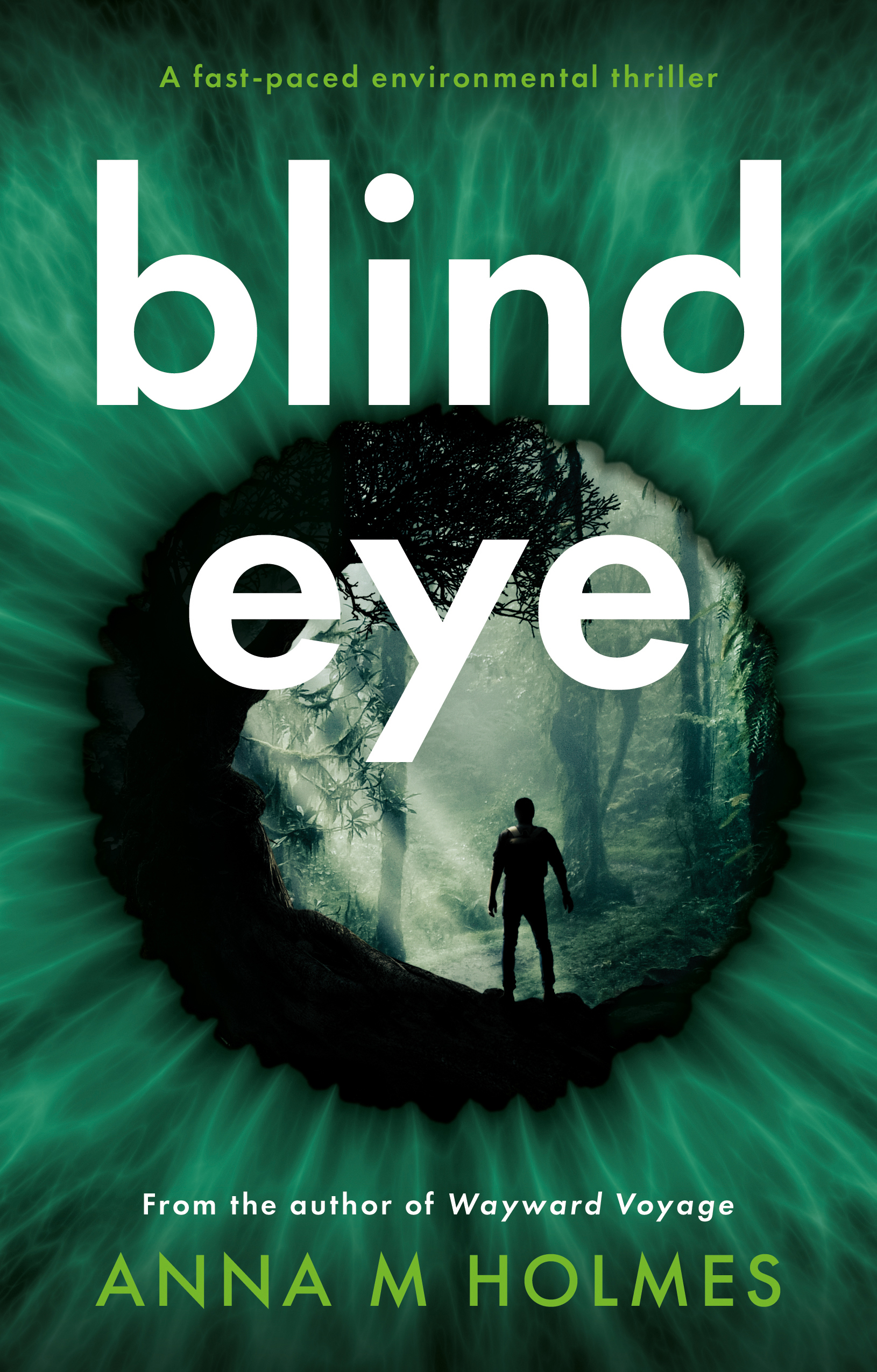
Set in the Indonesian rainforest, Blind Eye is a fast-paced environmental political thriller exploring moral predicaments and personal choices.

In a nutshell Blind Eye is about illegal logging.

Governments’ failures to stop this practice is depleting the worlds rainforest at alarming rates. In the eleven years since I first wrote my story as a screenplay, to when I turned it into a novel, forest cover roughly the area of Mexico has been lost according to figures compiled by Global Forest Watch (GFW) of the World Resources Institute.

My background is in dance, theatre, yoga and writing. I know a lot about these subjects and next to nothing about trees and timber. So what drew me to write about this subject?

My partner was a founder member of Forest Stewardship Council (FSC) which promotes responsible management of the world’s forests. He is still involved. At that time, he had a company supplying FSC timber and he had travelled to different places in the world to support community forestry projects. I felt there was a story waiting to be hatched in my brain.

Many of us recognise that distinctive logo incorporating a tree with a tick on it and the initials FSC. It appears on toilet paper packaging, books, wooden kitchen utensils, garden furniture and much more. All these wood and paper products can demonstrate a chain of handlers from a well-managed forest or plantation through the milling process to the finished product. Big projects that signed up to sustainable building include the Senedd building (Welsh Parliament) in Cardiff Bay with its the magnificent curvy wooden interior and the hardwood decking outside leading to the waterfront. That is a project I know about as my partner’s company had a small role in this. Gosh, I even remember the name of the Brazilian hardwood decking: Massaranduba. Not bad!

As I said, the timber trade is not my thing, but I am environmentally conscious.

I love world-building and am a plot and character type of writer. With my debut historical novel, Wayward Voyage, (inspired by a true story) I thrust Anne Bonny into a harsh seafaring pirate life. In Blind Eye my protagonist, Ben Fletcher, is thrust into the murky world of illegal logging in an Indonesian rainforest.

With Blind Eye I am not interested in hammering readers over the head with a preachy, do-goody story. Who needs that? Readers should want to turn the page to find out what happens next. And I don’t want to just highlight the problems – we know what many of these are – so I leave readers with some hope and show that solutions are possible.

One review blogger writes: “Holmes has put together a first-rate thriller, mixed in a little romance, and shown the brutal side of business putting profits ahead of people. If the end result of reading this book is not just an enjoyable ride through some thrilling pages but also beginning to open our eyes a little wider, then we can be grateful for this story on multiple levels”.

Think about it. Don’t turn a blind eye when replacing your garden furniture or purchasing a new coffee table. That wood has a story to tell. What is it?


Links to Blind Eye retailers on Anna’s website

https://www.annamholmes.com


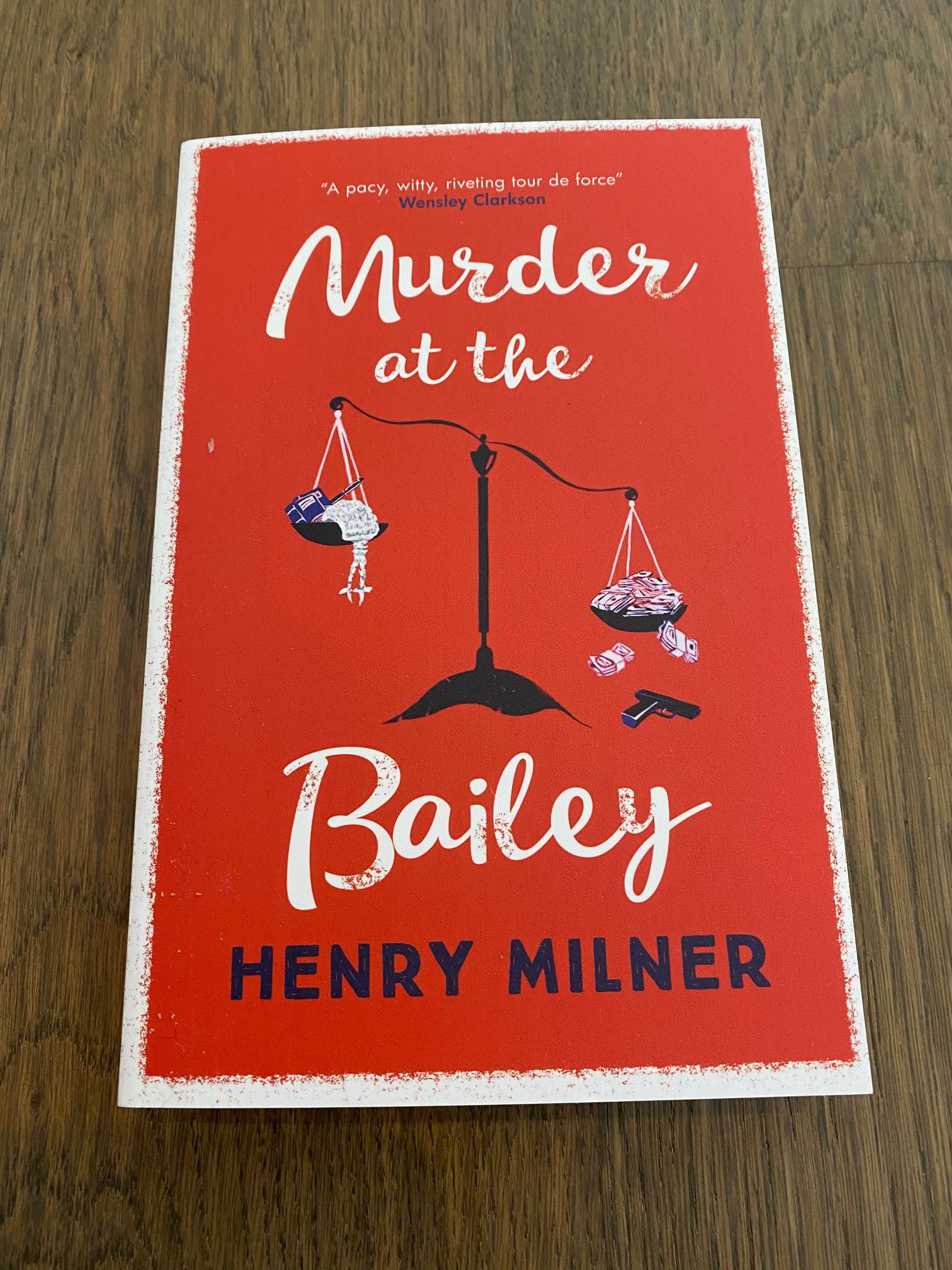
Murder at the Bailey by Henry Milner Book Review

muder at the baileyThis is a brilliant and believable novel due to the author being one of the UK’s top criminal lawyers. Gorgeously entertaining. A fantastic debut from a new rising star.

A notorious loan shark is shot dead, in broad daylight, right outside the front doors of the Old Bailey. The killer is arrested at the scene and Adrian Stanford is lined up to take on the toughest defence case of his career. Can he steer his client past the no-nonsense Detective Chief Superintendent ‘Iron-Rod’ Stokes, hell-bent on achieving a murder conviction in his last case before retirement? That’s assuming he can keep his client alive in prison long enough for the trial to go ahead. Can his illustrious defence QC, Patrick ‘The Edge’ Gorman, swerve the case past the acerbic judge known to all as Mack the Knife, whose own resolve is being tested to the limit by an adulterous wife? And why is London underworld numero uno Big Jake Davenport showing such a keen interest in the proceedings?

A wickedly eccentric cast of brilliantly drawn characters populate this daring debut from one of Britain’s top criminal defence lawyers. Dripping with sparkling dialogue and delicious wit, Murder at the Bailey is a masterly picaresque romp through the courtrooms, custody suites and London restaurants graced by the cognoscenti.

Murder at the Bailey is available here.


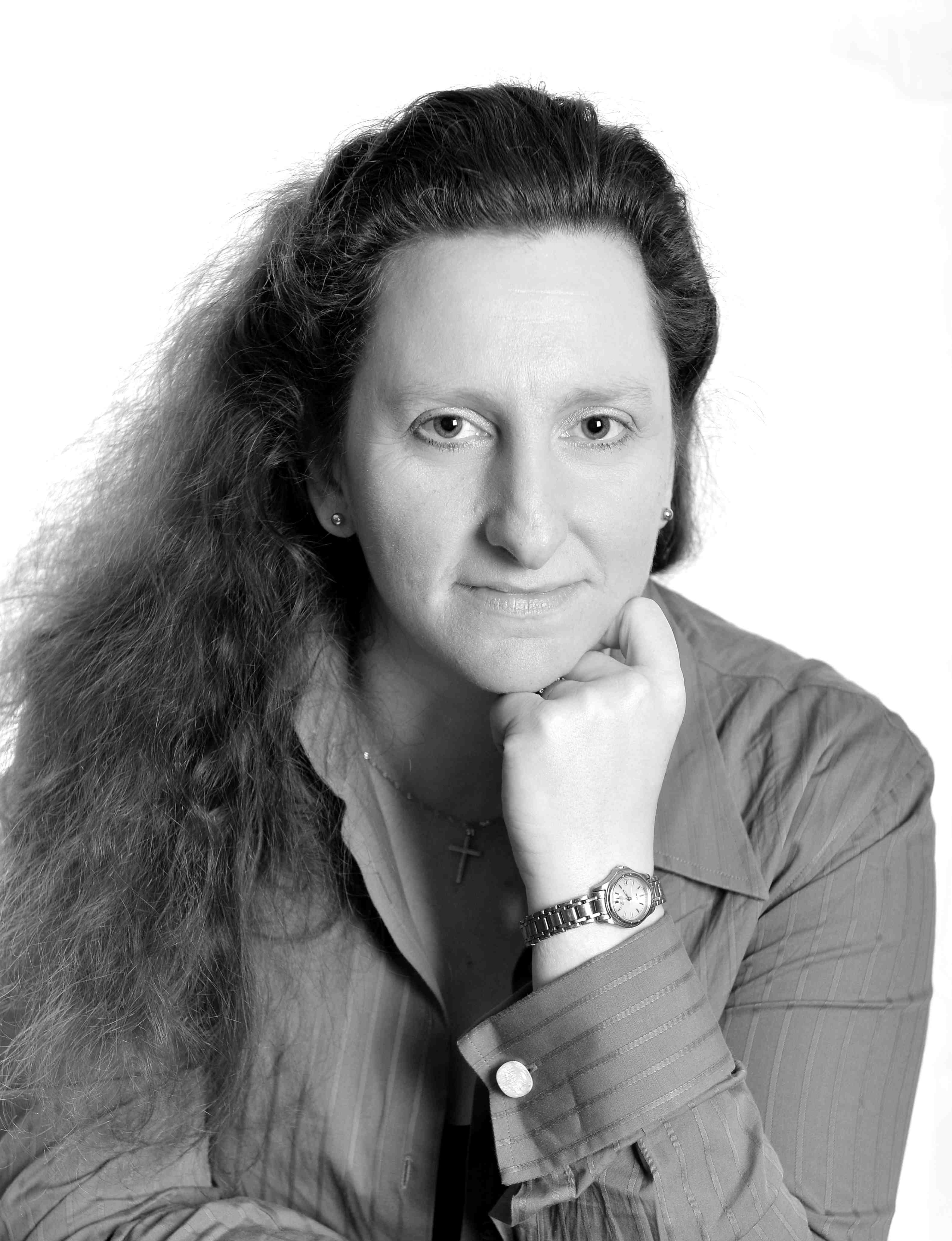
WELSH WRITING WEDNESDAYS: INTRODUCING CRIME WRITER GAIL WILLIAMS

I am a writer. That thought has been with me for as long as I can remember. I am a writer.

It’s not complicated, but it’s not something I was confident to say until fairly recently. So, hello, I am GB Williams, a crime writer. I have always known that writing is what I was supposed to do, though not what I’ve always done, still it’s what I’m here to talk about, I’m here to introduce you to my writing.

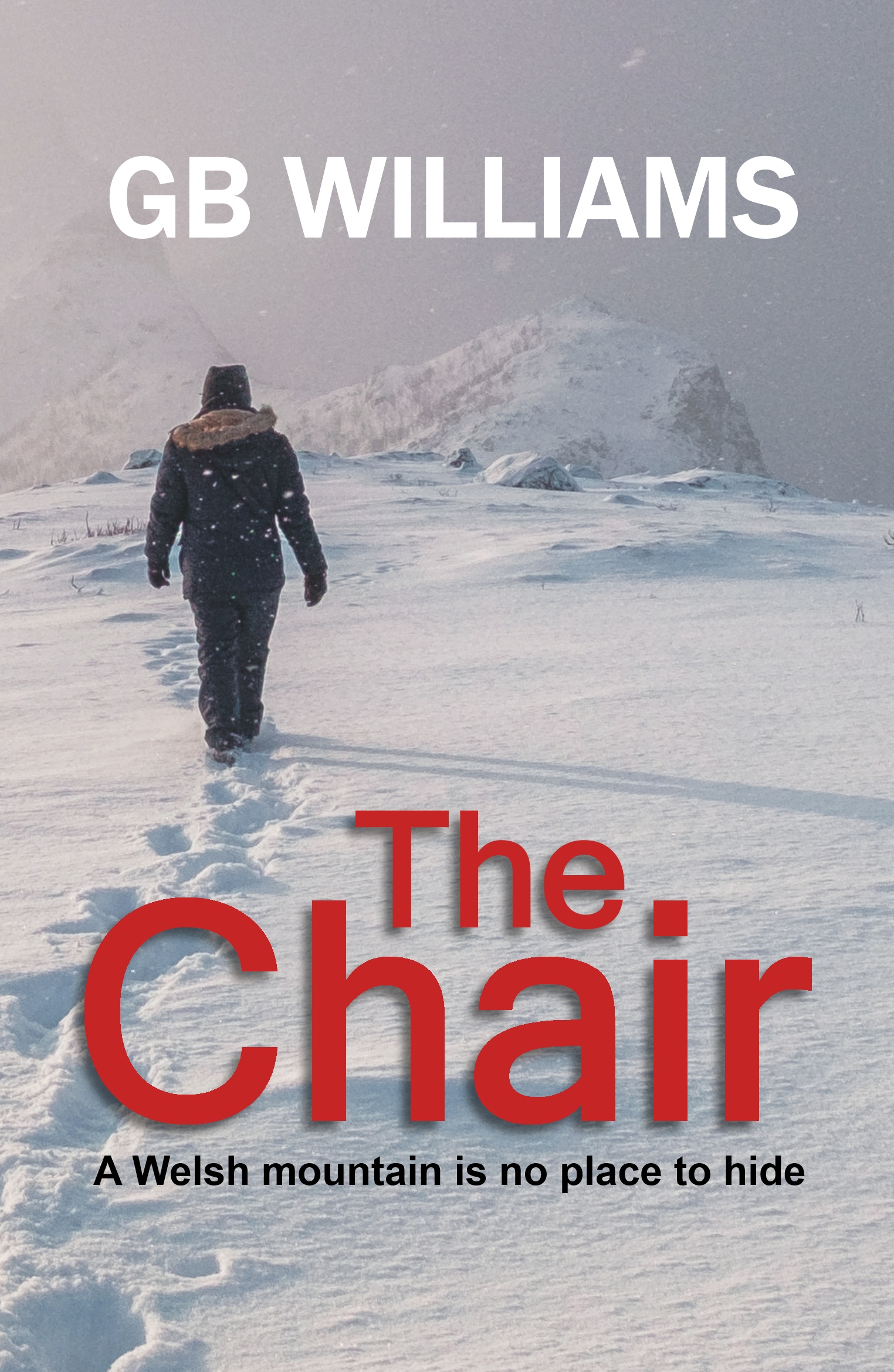
The Chair is a thriller-romance set on Cader Idris, in beautiful southern Snowdonia. The heart of the story starts with a hacker taking what he shouldn’t in London, and when cyber threats turn to physical threats, he has to run as far from the internet as possible. Remembering his parents’ complaints of no signal in north Wales is what brings him to Cadre Idris. Poor driving and the resulting crash is what keeps him there and draws local vet, Branwen Jones and the local hermit, Cobb, into his world of trouble.

Having grown up in the southeast and lived more than half my life in Wales, I know both sides of this story well enough to feel I can do justice to both worlds.

There are a lot of contrasts between London and Wales. Pace of life. Freshness of the air. The wide-open spaces, or lack thereof. But there are strong similarities too. We are all humans trying to survive after all.

That drive is what takes us all though life, and we discover different things alone the way, sometimes to find what we don’t know we’re looking for, we have to change trajectory.  That’s something I did, moved from a high-pressure office job, to writing and editing, and I love it, never been happier.

Changing trajectory is what I do with the characters in The Chair.

Cobb comes to Pen-Y-Cwm after tragedy changes his life. All he wants to be is alone to avoid heartache – only meeting Branwen threatens to drag him out of such splendid isolation. Branwen is looking to leave Pen-Y-Cwm because she can’t take the isolation and heartache of being there, a pain Cobb’s presence exacerbates. Jay is looking to make a quick buck in London, but to save his life he has to run, ending up in Pen-Y-Cwm. Baron works for money, inflicting pain isn’t what he enjoys, it’s just something he’s paid to do. He goes to Pen-Y-Cwm, because that is where he’s sent. He’d happily leave Branwen and Cobb alone, but they are between him and the mark.

This disparate group of people come together for a life-threatening climax, that you’ll just have to read to find out who survives, and decide for yourself if you think they should.


The Chair

Cobb retreated to Cadre Idris for a solitary life of peace and quite. It’s a bubble that bursts when he and Branwen Jones, the local vet, find an RTA victim during a blizzard and must shelter him in Cobb’s home.

When London’s underbelly reaches Wales, they discover that modern inconveniences persist, and this isn’t the uncivilization they know nor the one they expected. Their presence throws close-knit community life into stark relief.

Forced to help hide an injured hacker from people who will kill to stop the spread of stolen information, Cobb’s not sure he’s ready to rejoin the world when that means putting another woman in the firing line. Branwen’s not sure she can face the revelation of her darkest secret.

When they face the final showdown, they will all find that a Welsh mountain is no place to hide.


Author’s website: https://gailbwilliams.co.uk/