March Reading Round-up.

Kitty. 

I finished Circe by Madeline Miller this month and I cannot do justice to how much I loved it. The story of Circe, a woman locked in by her divinity whilst also dealing with the very female roles of mother, daughter, sister and lover. This retelling made Circe much more accessible and empathetic than the male-centric version that I grew up with. Full of self-discovery, courage and empowerment it turns the myth of vicious witch into a story of a true heroine. I loved it so much that having read it once I am going to store it, like a secret treasure, for a re-read in a few months so I can wallow in it slowly and feel the magic again. 

I’m also reading Lionel Shriver’s Property, a collection of short stories. I very rarely read short stories and have such a marmite reaction to Shriver’s novels (sometimes I adore her, others not so much – I am, however, always in awe) that I wanted to read these. As ever, her writing is taut, crisp and twisty with each story leaving me admiring her incisive skill and her insight into the reality of the human condition. Sometimes unnerving, sometimes a little bleak but razor-sharp. Quite remarkable. 

Kirsten.

It’s been non-fiction for me this month. I am researching London during World War One for a possible upcoming WIP and I stumbled across A Home Front Diary by Lillie Scales. Lillie lived in Hornsey and ‘she wrote about everything that came to mind … the result is an intimate and honest portrayal of day to day like for a middle-class family’. It’s fascinating – from the difficulty of getting food and the introduction of rationing, to the fear of the ever-increasing bombing raids. It’s all much more as I imagined the Second World War – sheltering from bombs in the Underground Stations and such like. I have also been reading Round About A Pound A Week by Maud Pember Reeves which concerns itself with the other end of the social scale. To quote the preface ‘for four years between 1909 and 1915, Maud Pember Reeves and other members of the Fabian Women’s Group visited 42 families in and around Lambeth-Walk to record in minute detail exactly how they survived on their low incomes.’ Reading about their daily struggle to survive makes absolutely fascinating – yet sober and harrowing – reading. It’s also so uplifting to read about the cheerful and loving homes that many women created in the midst of appalling poverty and depravation. Inspirational and humbling! 

Cass.

In Stolen Sister, the latest release from Linda Huber, the contrasting actions of two people many years earlier result in repercussions no one could have imagined.
When young parents, Paula and Joe, head off to a reunion with their barely days old daughter, they have no idea of the tragedy about to befall them. Their two older children, Vicky and Jamie (who suffers from disabilities and needs constant care), were to be cared for by Paula’s aunt, Maisie – just for a couple of days, or so it was assumed.
The tragedy has a far-reaching impact, with both Aunt Maisie and the young couple’s friend, Sylvie (also at the reunion) making decisions in a moment of crisis that will haunt them for the rest of their lives.
With siblings torn apart without their knowledge, a ‘mother’ who seems intent on history repeating itself and a race against time to protect a child, Linda Huber has crafted an excellent, gripping family drama!

pastedGraphic.png

Why The Lack of LGBT Book Prizes?

LGBT, LGBT issuesIf you imagine that finding a traditional publisher for a first-time unknown author is hard, think scaling the north face of the Eiger when it comes to LGBT writers. Equality has given us many opportunities in life, but in the world of publishing it has strangely reduced our chances. For while most publishing houses these days have LGBT authors and books on their catalogues, they are reluctant to take on too many and certainly when it comes to risky first-timers. Publishing, like any business, is driven by profit margins, and since gay authors and LGBT themed books are limited in their sales revenue, any manuscript landing on a publisher’s desk with a rainbow theme running through it, stands even less of a chance than the thousands of others already in the slush pile. Once, traditional publishers wouldn’t touch overtly LGBT books. Thus, it was left to independent presses to print small numbers, but which at least meant they were going into the shops, if only to be tucked away on a shelf at the back. Today, though the stigma of books dealing with a sexuality other than ‘the norm’ no longer holds sway, still the readership is relatively small and does not translate into big enough profits for the main influencers, the publishers who are supplying the highstreets and airport shops.

What percentage of book sales are LGBT? I scoured the internet for information but could find nothing. Someone must have these figures?

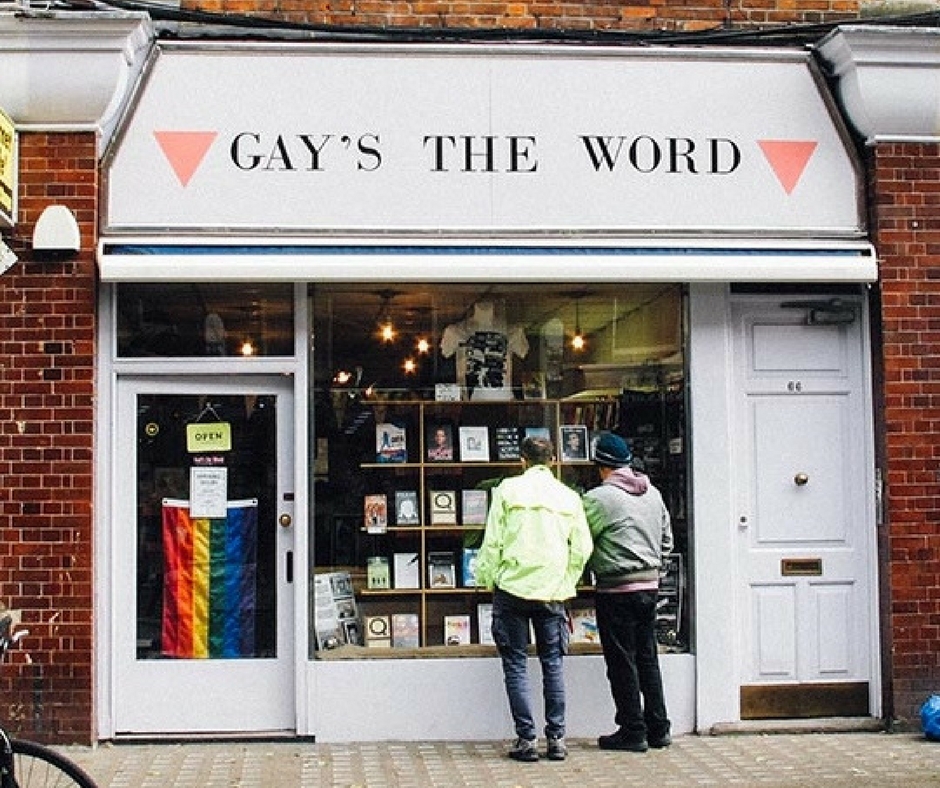
The scarcity LGBT bookshops seems also ironic, given the diversity we so enjoy today. There are only two in the UK (correct me if I’m wrong); Gay’s The Word in London, and Category Is Books in Glasgow. While LGBT only bookshelves are disappearing from the high street, independent bookshops such as the two mentioned provide much needed havens in which gay men and women can browse quietly and mix with other LGBT people. But why are there not more of these oases in our cities and towns? Are we missing something? Have we let the mainstream absorb so much of our culture that we are in danger of losing our identity and risk being ignored altogether? Is this what equality is?

Women in literature faced a similar dilemma when in 1992 a group of people from all areas of the literary world got together to discuss why The Booker Prize shortlist the previous year had not included any women writers. This was puzzling since 60% of books published were by women and yet they had been so underrepresented. The group discussed the value and purpose of literary prizes and whether they promoted reading or put people off, and the positive role such awards can bring to authors. From that meeting the Orange Prize for Fiction was launched in 1996. It is now called The Women’s Prize and is an important and integral event in the literary calendar.   

Apart from the Polari Prize for first time LGBT authors and the Diva Literary Awards, the only other solely LGBT prize is the LAMDAs based in the U.S. While the acceptance of LGBT literature into the mainstream has given it just as much chance of winning any of the plethora of book awards, and is welcomed, the fact remains that the LGBT category will always be so small it will inevitably make little impact on the shortlists.

The Green Carnation Prize was initiated in 2010 when, together with journalist and blogger Simon Savidge, Paul Magrs highlighted this ‘scandalous lack of prizes for gay men’ in the UK. Since 2017 and despite its success, it has fallen dormant. If help is required, the gay community must assist in either resurrecting this prize or establishing another if we are to give gay authors and their books the attention they deserve. It will take the support of major players and sponsors for it to happen and to be sustainable, but as the Women’s Prize has proved, it can be done.


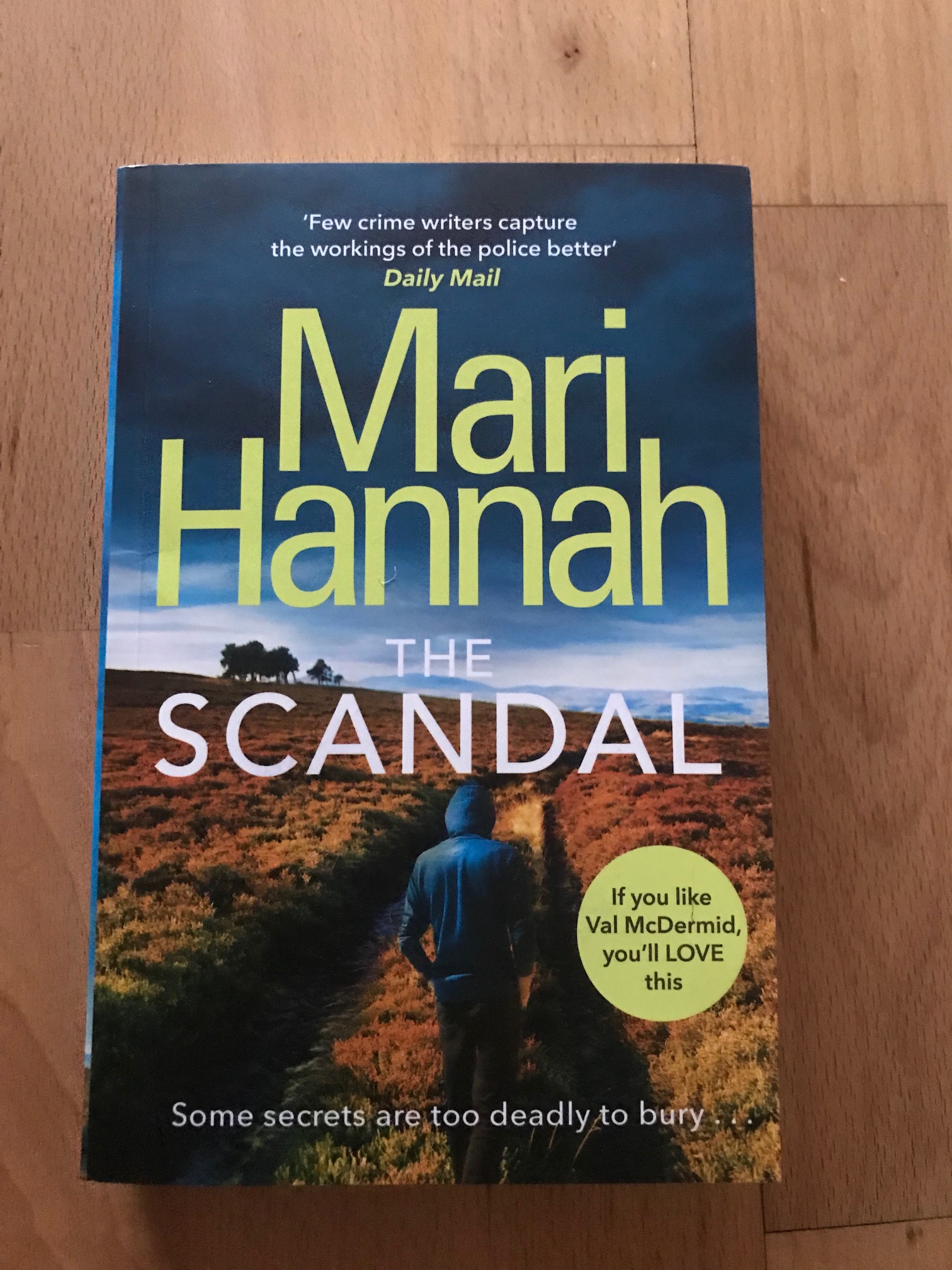
The Scandal by Mari Hannah | New Books

The Scandal (Stone and Oliver Book 3)

When an young man is found stabbed to death in a side street in Newcastle city centre in the run up to Christmas, it looks like a botched robbery to DCI David Stone. But when DS Frankie Oliver arrives at the crime scene, she gets more than she bargained for.

She IDs the victim as Herald court reporter, thirty-two-year old Chris Adams she’s known since they were kids. With no eyewitnesses, the MIT are stumped. They discover that when Adams went out, never to return, he was working on a scoop that would make his name. But what was the story he was investigating? And who was trying to cover it up?

As detectives battle to solve the case, they uncover a link to a missing woman that turns the investigation on its head. The exposé has put more than Adams’ life in danger. And it’s not over yet.

Available here.

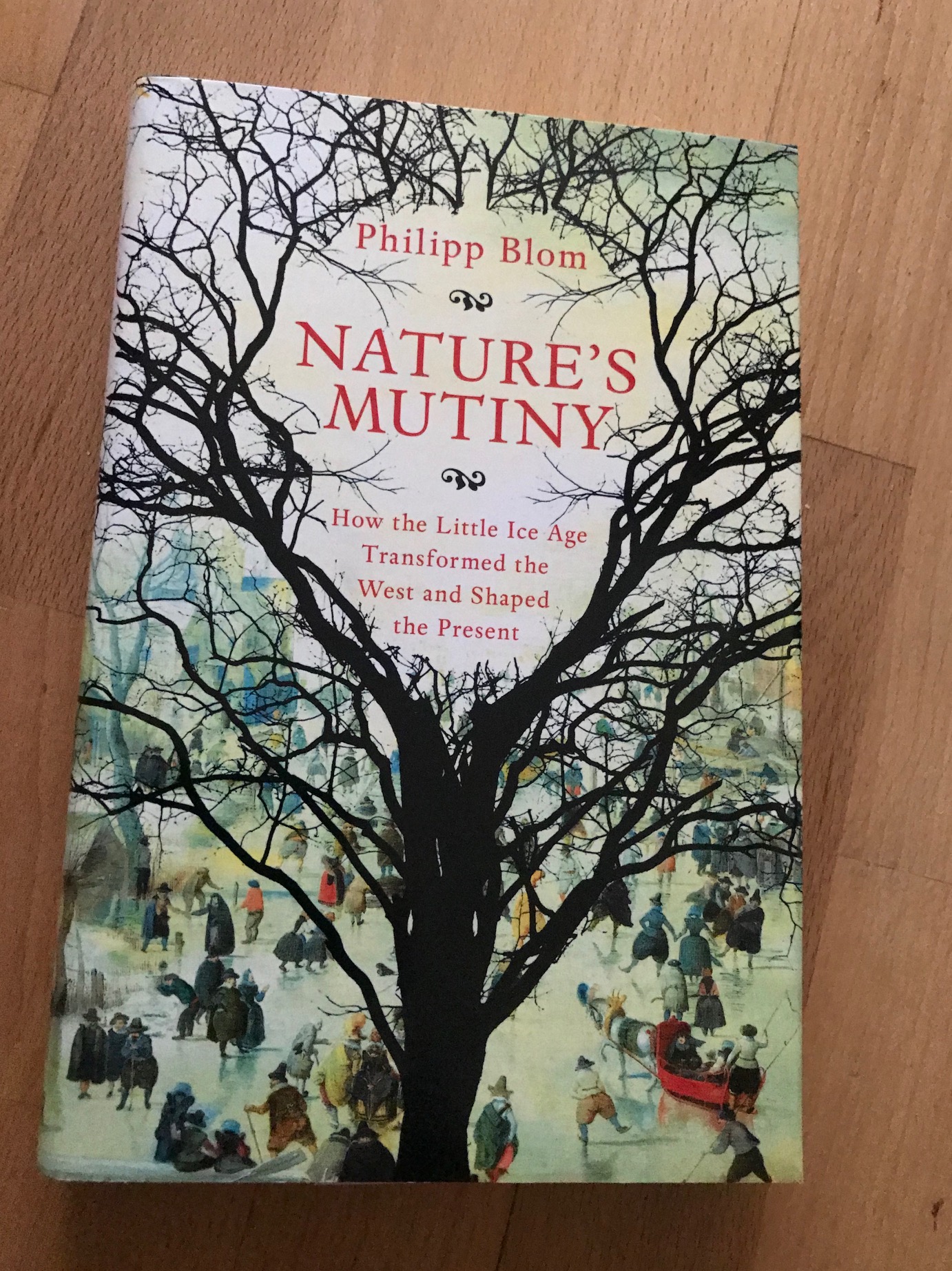
Nature’s Mutiny By Philipp Blom

An interesting and well researched book.

‘Europe where the sun dares scarce appear
For freezing meteors and congealed cold.’ (Christopher Marlowe)

In this innovative and compelling work of environmental history, Philipp Blom chronicles the great climate crisis of the 1600s, a crisis that would transform the entire social and political fabric of Europe.

While hints of a crisis appeared as early as the 1570s, by the end of the 16th century the temperature plummeted so drastically that Mediterranean harbours were covered with ice, birds literally dropped out of the sky and ‘frost fairs’ were erected on a frozen Thames – with kiosks, taverns and even brothels that became a semipermanent part of the city.

Recounting the deep legacy and sweeping consequences of this ‘Little Ice Age’, acclaimed historian Philipp Blom reveals how the European landscape had ineradicably changed by the mid-17th century. While apocalyptic weather patterns destroyed entire harvests and incited mass migrations, Blom brilliantly shows how they also gave rise to the growth of European cities, the appearance of early capitalism and the vigorous stirrings of the Enlightenment.

A sweeping examination of how a society responds to profound and unexpected change, Nature’s Mutiny will transform the way we think about climate change in the 21st century and beyond.

Available here.

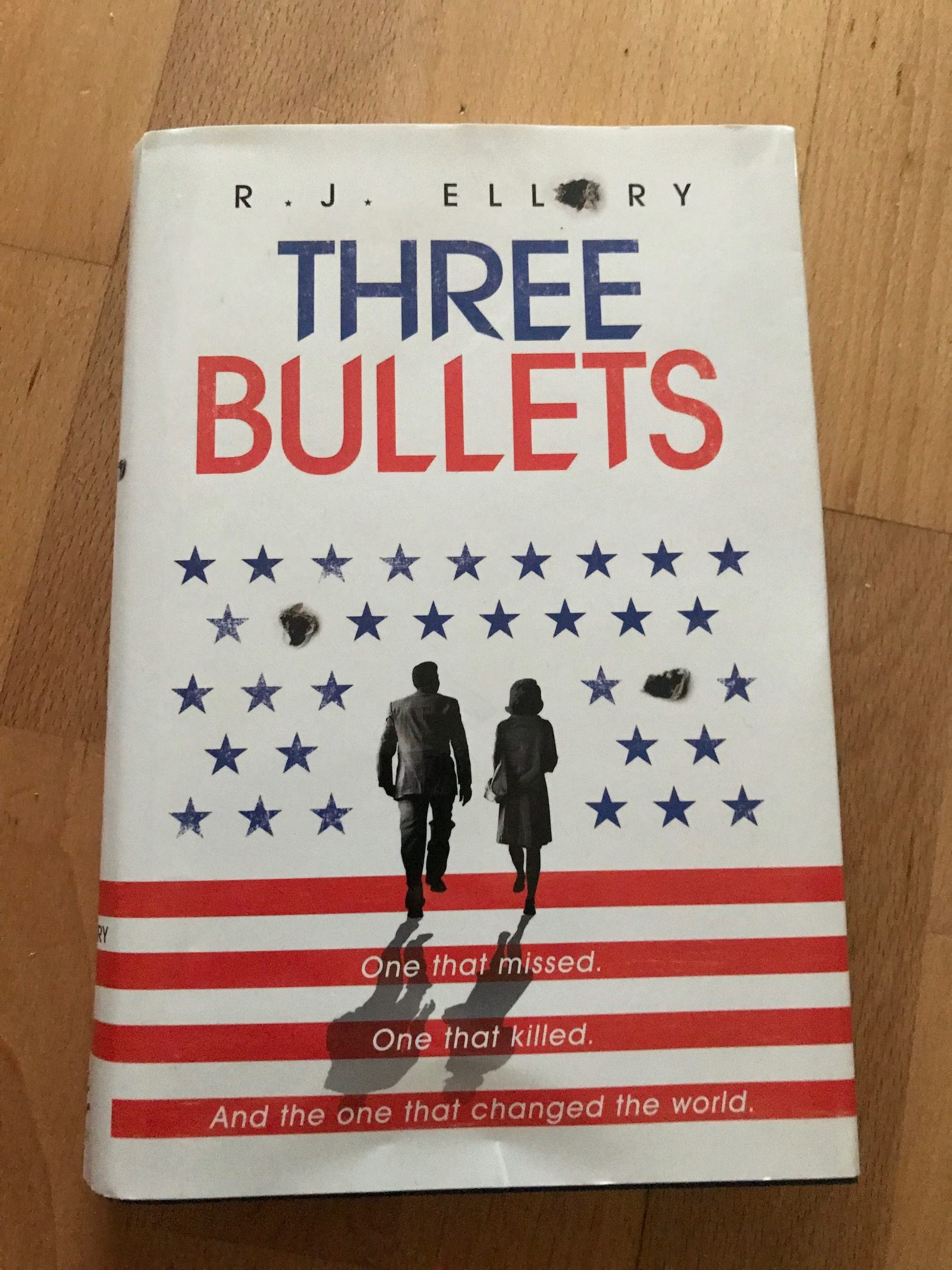
Three Bullets By R. J. Ellory | Book of The Week

three bullets R. J. Ellory, book, JFK

This is a stunning book that I only grudgingly put down when I had to. A mixture of fact and fiction: it is a gripping and pacy thriller. This is my favourite book of the year so far.

IT WAS THE SHOT HEARD AROUND THE WORLD
On 22nd November 1963, John F. Kennedy’s presidential motorcade rode through Dealey Plaza. He and his wife Jackie greeted the crowds on a glorious Friday afternoon in Dallas, Texas.

BUT WHAT IF IT MISSED?
Mitch Newman is a photojournalist based out of Washington, D.C. His phone never rings. When it does, a voice he hasn’t heard in years will tell him his former fiancée Jean has taken her own life.

WHEN THE TRUTH IS BIGGER THAN ALL THE LIES
Jean was an investigative reporter working the case of a lifetime. Somewhere in the shreds of her investigation is the truth behind her murder.

WHO WOULD BELIEVE IT?
For Mitch, piecing together the clues will become a dangerous obsession: one that will lead him to the dark heart of his country – and into the crossfire of a conspiracy…

Available here.

A Day in the Life – Glenda Young

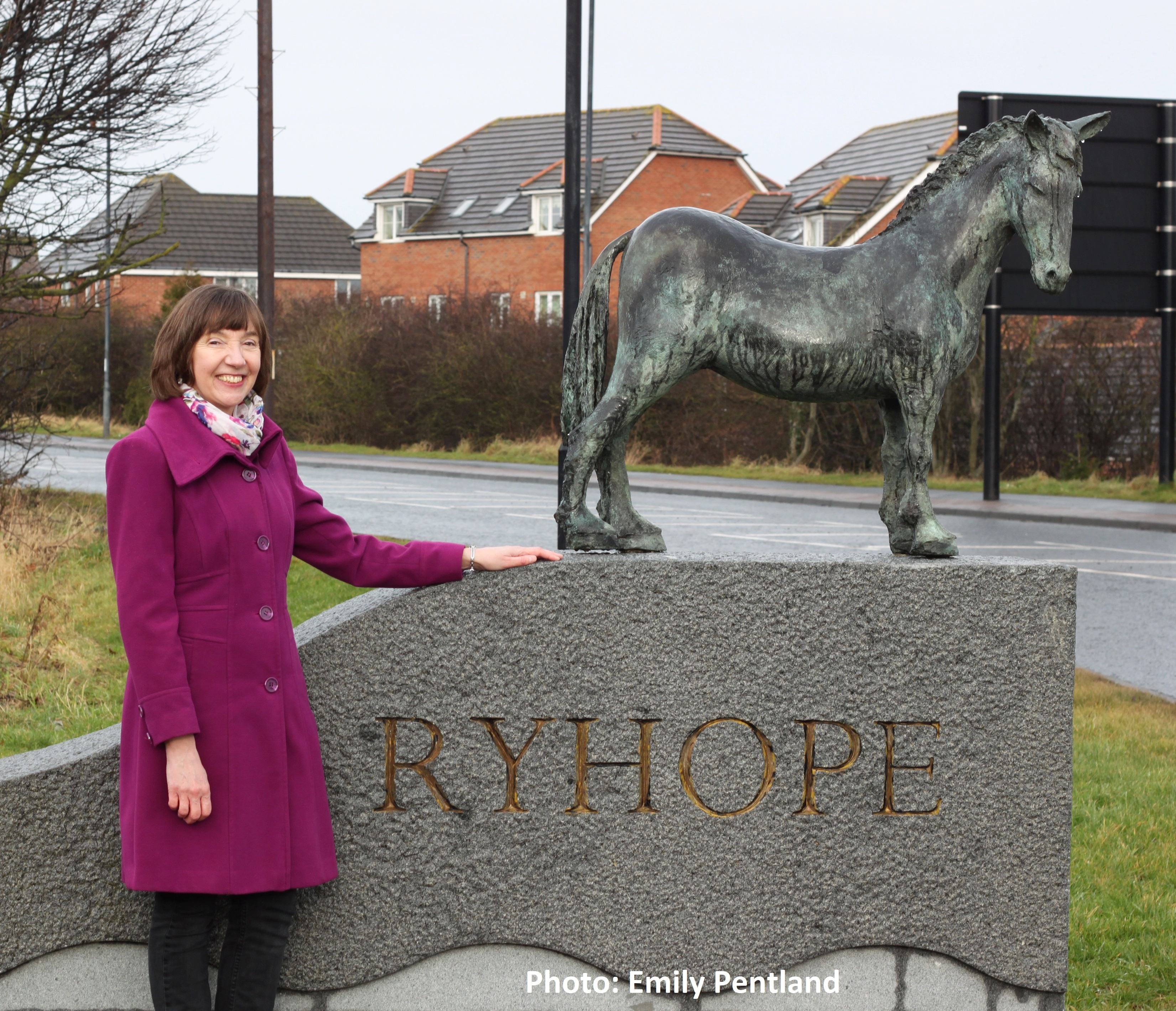
Glenda Young by Emily Pentland

My day begins with tea made in the pot and warmed by a tea-cosy. I try to schedule my days in advance into writing and non-writing so that I know, for instance, on a writing day I won’t even look at email or social media or do anything other than crack on with my work in progress.  This may make me sound as if I am incredibly disciplined. But in truth, as anyone who works from home will know, the lure of the hour-long coffee break, daytime TV and the call of the biscuit tin are often difficult to ignore. In order to get any writing done at all, I have to be very focussed. Hold on a moment, would you, while I go and pop the kettle on?

On writing days I aim for 2,000 words and no matter if I’m in the thick of it or not, once I reach those 2,000 words, I force myself to stop. This leaves me itching to get started again the next day, rather than being stuck as to how to start. It might sound odd, but it works for me!

And if it’s a non-writing day, then it’s admin – emails, social media, appointments, arranging talks and events. As a debut novelist, giving talks is very new to me. It’s exciting but more than a little scary as I’m really quite shy and have to force myself out into the world to stand in front of people and talk. Fortunately, all talks so far have gone down well, and (I hope!) people are laughing at my anecdotes rather than laughing at me.

Research is also a key and ongoing part of writing a novel and it’s one I enjoy tremendously (although, yes, just like the hour-long coffee breaks mentioned above, I know it can work as displacement activity from the real task in hand of writing!). My novels are set in the northeast village of Ryhope, where I grew up. It prospered as a coalmining village and there is still a very strong sense of community there. My family still live there and I visit Ryhope often. The Ryhope Heritage Society have been extremely generous with their time and resources in helping me research for my work.

On a Wednesday afternoon all writing of my novels and admin come to a halt. Wednesday afternoons are sacrosanct. This is when I write my weekly soap opera Riverside for The People’s Friend magazine. I’m honoured to be writing the first ever soap opera in the history of the longest running women’s magazine in the world.  I love Wednesday afternoons and writing Riverside. It’s a fun, sunny break bringing life to a community I’ve created.

And whether it’s a writing day or not, one thing I like to do as long as the weather allows, is take a bike ride outside in fresh air. I’m very lucky to live on the coast and we have cycle paths stretching for miles in each direction. As a writer sitting at a desk all day, getting outside to cycle is a real luxury and one I enjoy a lot. It’s also important for me to get out and talk to people and so I try to arrange meet-ups with other local writers. Mondays are my “day off” when I’ll go shopping in town or treat myself to the afternoon at the cinema – phone off, cup of tea in hand, cocooned in the dark and utterly, totally switched off.


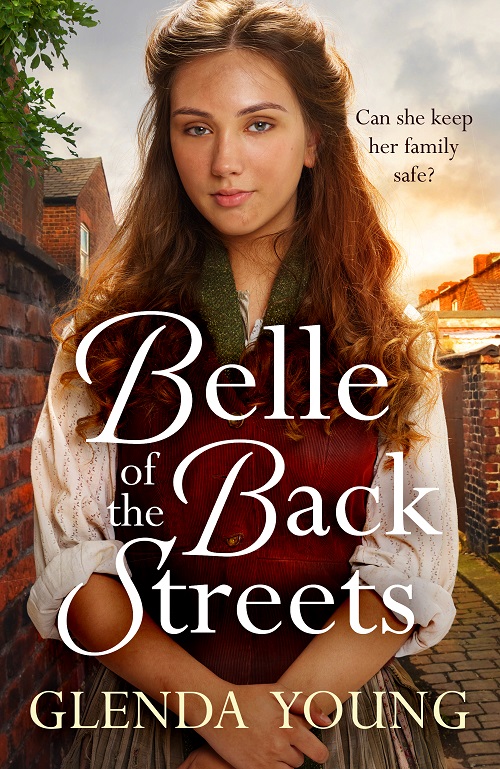
Belle of the Backstreets by Glenda Young is out now in paperback

Headline £6.99 RRP also available in E-book and audio

Glenda Young credits her local library in the village of Ryhope, where she grew up, for giving her a love of books. She still lives close by in Sunderland and often gets her ideas for her stories on long bike rides along the coast. A life-long fan of Coronation Street, she runs two fan websites for which she sometimes interviews the cast of the show. For updates on what Glenda is working on, visit her website glendayoungbooks.com and to find out more find her on Facebook/GlendaYoungAuthor and Twitter @flaming_nora.

Belle of the Backstreets by Glenda Young


Belle-of-the-Backstreets-Glenda-Young

When Meg Sutcliffe’s father returns from the Great War he teaches his fifteen year old daughter, Meg the ways of the rag and bone man. But when tragedy strikes Meg has no other option than to carry on alone with her trusty dog, Spot at her side and her beloved horse, Stella pulling the wagon. 

Meg is a beauty and attracts attention wherever she goes – not all of it of the right sort, and when she catches the eye of charming Clarky it looks like she might have found a protector and a chance of happiness. But is Clarky really what he seems? And could Adam, Meg’s loyal childhood friend, be the one who really deserves her heart?

Meg Sutclifffe is a feisty beauty who will do whatever it takes to keep her family fed, and a roof over their heads. The Sutcliffe family may not have much but they have each other. Totally unsuited to the hard, heavy work of her father’s rag and bone round, Meg will not be deterred and sets out to build up the business to provide for her family.

Set in the mining village of Ryhope in the north east, Glenda Young paints such a fine picture of the area and the period that by the end of the book I felt I had been there. Her descriptions of both character and setting are wonderful and although Belle of the Backstreets has its fair share of villains, there are enough good honest people in the community to support and encourage her. There is a warmth and humour in bucket loads and you’ll be rooting for Belle to overcome all the trials that beset her.

A warm-hearted debut from Glenda Young.

Lovers of Dilly Court and Rosie Goodwin will enjoy Belle of the Backstreets.

About Glenda Young

Glenda Young credits her local library in the village of Ryhope, where she grew up, for giving her a love of books. She still lives close by in Sunderland and often gets her ideas for her stories on long bike rides along the coast. A life-long fan of Coronation Street, she runs two fan websites for which she sometimes interviews the cast of the show. For updates on what Glenda is working on, visit her website glendayoungbooks.com and to find out more find her on Facebook/GlendaYoungAuthor and Twitter @flaming_nora.

Headline – Paperback Original – 7th March 2019- £6.99 Also available in E-Book and Audio


SISTER SCRIBES’ READING ROUND UP: FEBRUARY

Susanna:

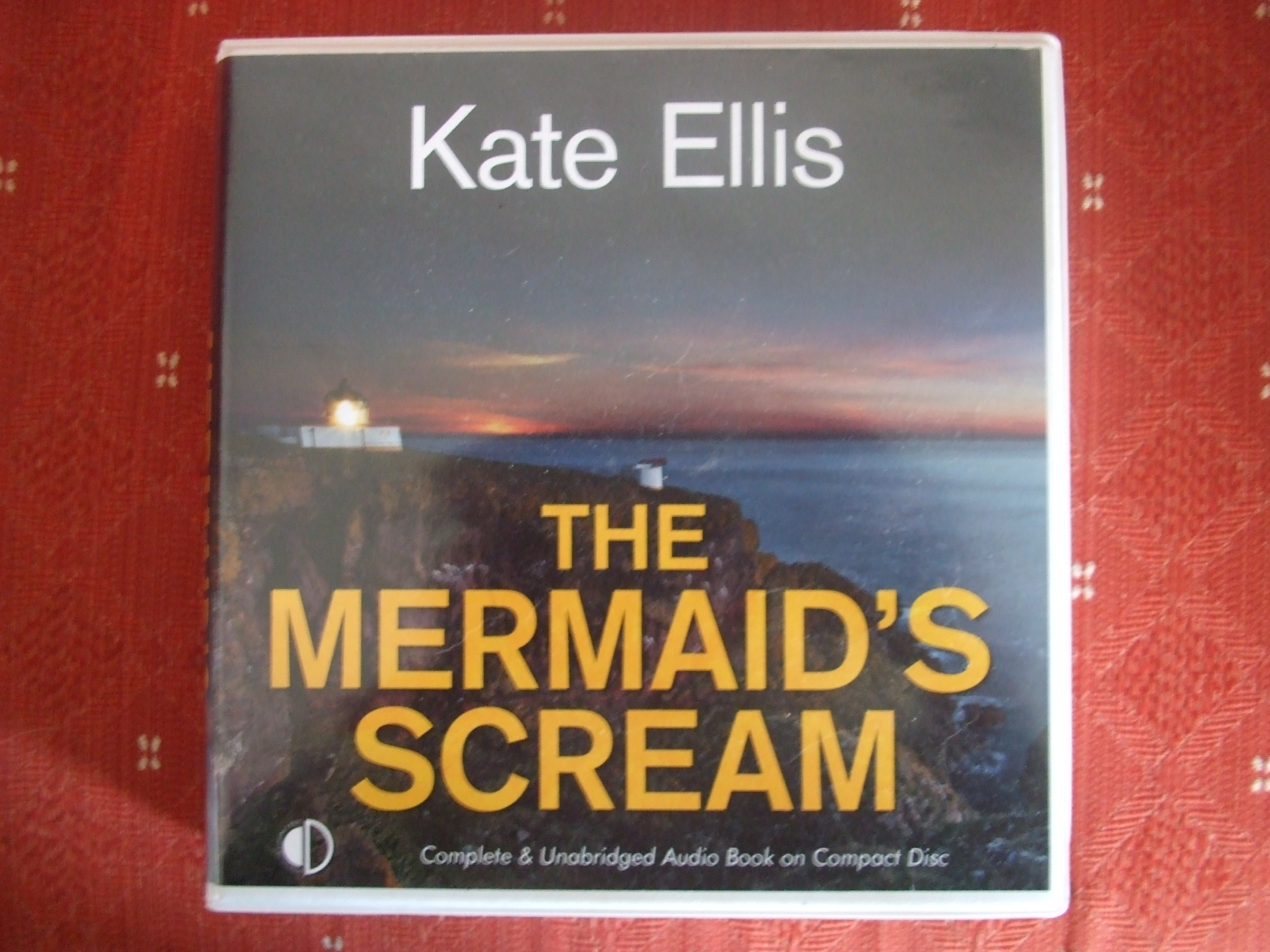
The Mermaid’s Scream by Kate Ellis

Famous author Wynn Staniland is as well-known for having turned into a recluse after his wife’s suicide as he is for the high-brow books he wrote before the tragedy. Now he has agreed to let Zac Wilkinson write his biography, but what are the startling facts Zac claims to have unearthed? When Zac is found murdered, DI Wesley Peterson’s investigation reveals a series of secrets in a mystery that successfully blends the present with the past.

Kate Ellis deftly handles the multiple threads in this story. As well as being intriguing and drawing the reader further in, the complexities of the plot make it impossible to predict what’s coming next. It is an engrossing, confidently-written story, featuring well-rounded characters.

I listened to the audio version published by Isis Soundings, read by Gordon Griffin, whose narration is in no way showy or intrusive, but who invests each character with their own voice and creates a quietly suspenseful atmosphere.


Kitty:

This month I finally finished Penmarric by Susan Howatch – it took ages but allowed me to wallow in adolescent nostalgia, always a favourite activity.

I have started to read Circe by Madeline Miller which I’m loving, my degree was in Classics so I love reading anything that features the Gods, heroes and myths of antiquity and this is beautifully written. She makes everyone so vibrant, I am quite in awe.

I also read Don’t You Forget About Me by Mhairi McFarlane which had me giggling on nearly every page apart from those that made me hold my breath as I raced through. I shall definitely be reading more of hers.

Finally, I have to mention Rachel Burton’s The Pieces of You and Me, a love story so honest, brave and uplifting that I fell deeply in love with it and will keep it forever.


Jane:

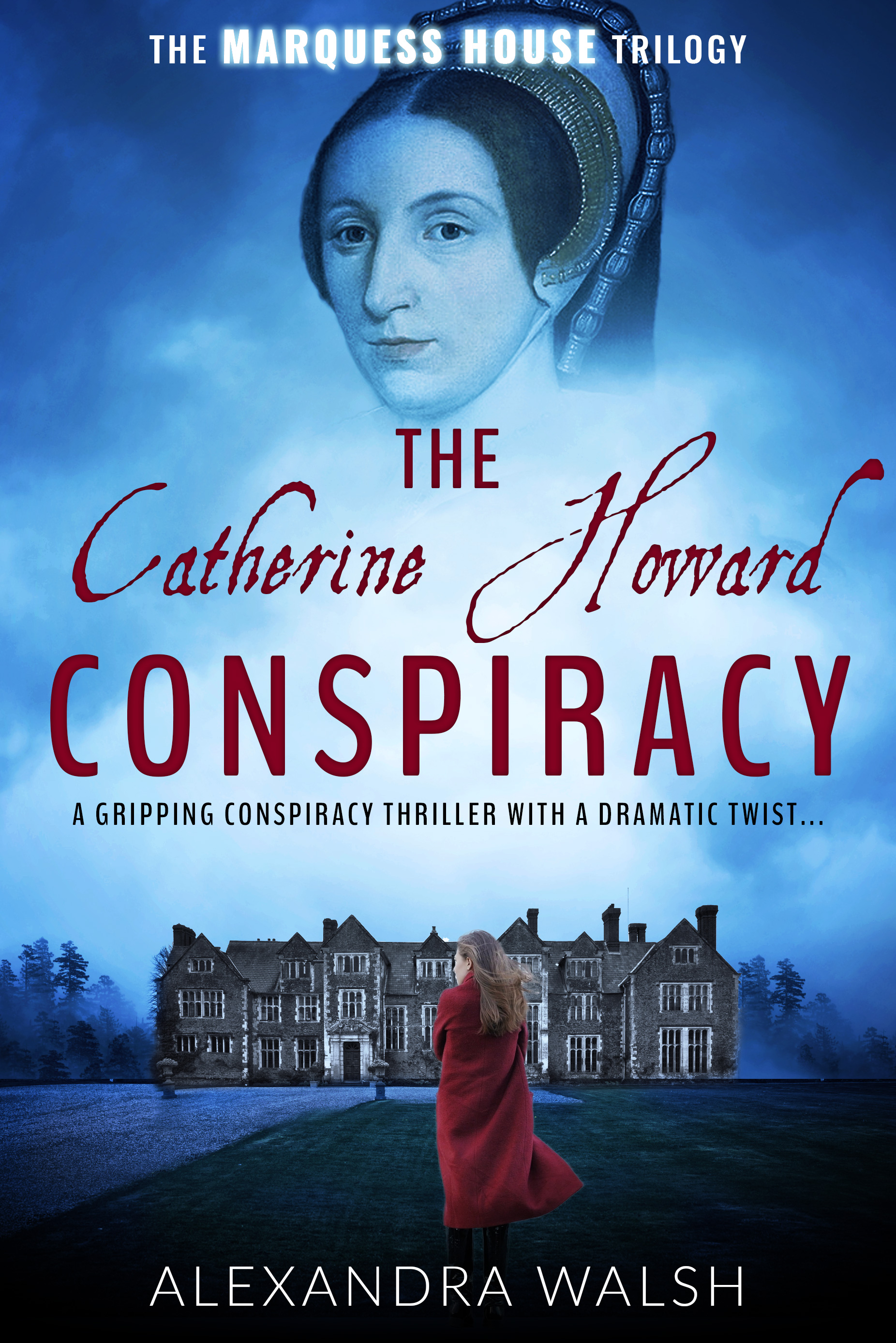
Although I hadn’t intended to read another Sapere book quite so soon, that’s exactly what happened. I was emailing with Amy Durant, the editorial director, with an idea for a timeslip novel for them and we fell to discussing the structure. As she felt it was something Alexandra Walsh had done particularly well in The Catherine Howard Conspiracy she emailed me an early review copy.

It’s the sort of book you don’t want to say too much about in case you inadvertently slip in a spoiler, but the timelines are split between present day and the early 1540s – not surprisingly, given that was when Catherine Howard was married to Henry VIII. I had expected to enjoy the modern part of the story, but I was completely captivated by Alexandra’s depiction of the Tudor court and the way she brought the historical characters to life.

The book kept me on edge from beginning to end. It was reasonably clear who could be trusted in the historical story but far less so in the contemporary strand and I just had to keep turning the pages. Not only that but the teasing out of an alternative historical truth was done so well that I even ended up almost believing it. The book is everything a classic timeslip should be and I’d thoroughly recommend it. It’s available for pre-order now.

It was when I was in Truro library tracking down local history books for research that I came across Winston Graham’s Poldark’s Cornwall. I’d been hunting for this book for some time and it didn’t disappoint with beautiful photos and the links – real and imagined – between Ross and Demelza’s world. It also contained a couple of pages of useful advice for authors. Most pertinent to me seemed: “…risk of becoming too preoccupied with history… But novels are about life.” I think I should pin that up on my wall.