BUSINESS OF BOOKS: READING AWAY

Jane Cable catches up on some reading

Those of you who follow this column will know that I struggle to read while I’m writing, so holidays are the best time for me to catch up with the books I’ve been squirreling away on my Kindle. My recent trip to the US was good in that there were long flights, but bad because once we were there we had such a busy schedule it was hard to squeeze in too many pages.

Nevertheless, I did manage to finish a few, mainly those by authors I know (you make promises and fell obliged – in a good way, of course). Others like screenwriting bible Save The Cat deserve an article all of their own, but here are some thoughts on the fiction I managed to chomp through.

The Particular Charm of Miss Jane Austen by Ada Bright and Cassandra Grafton

It clear to see that this is a book that was written for fun, with many personal quirks and touches and as such it’s very much a tale of female friendship which reflects the real one between the co-authors. But it’s much more than that; it’s also a romance with a mystery to solve and the history surrounding Jane Austen is impeccable researched.

Set in modern day Bath at the time of the annual Jane Austen Festival the plot revolves around the time-travelling author who gets stuck in the twentieth century – with serious – and hilarious – consequences. I’m delighted to say that the book has just been acquired by Canelo and will be re-issued next year.

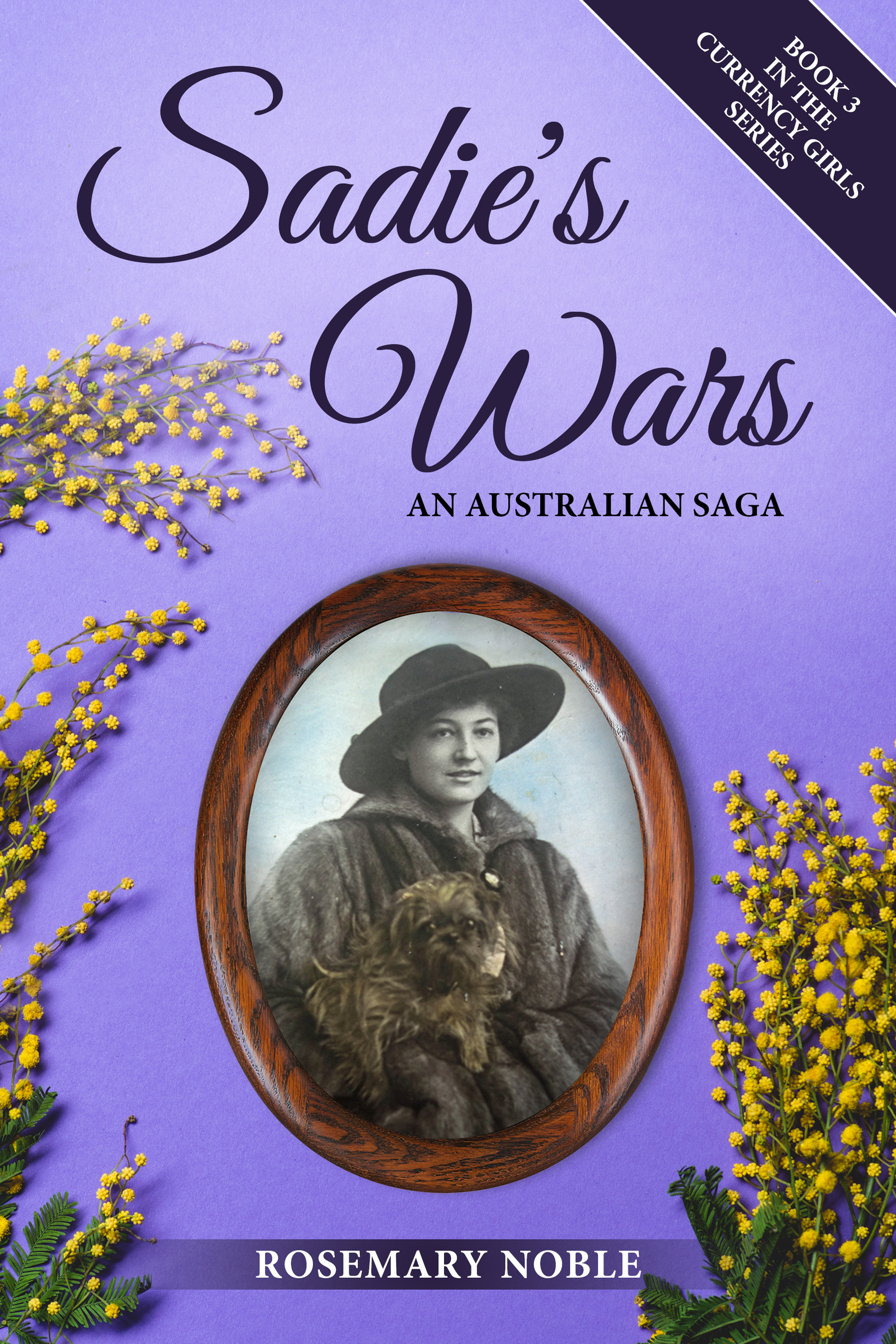
Sadie’s Wars by Rosemary Noble

I’ve known Rosemary for a number of years through Chindi Authors, but I have never before got around to reading one of her books. Sadie’s Wars is her latest – and technically third in her Currency Girls saga – but don’t let that put you off because it works well as a standalone novel.

The book goes back and forth between Australia before and during World War One and England during World War Two. Although both eras are beautifully drawn I found I related to the English story far more and it is a truly beautiful one. Rosemary captures the privations of the era so brilliantly and the love story Sadie finds in her later years is warm, real and lacking in sentiment.

The Cornish Village School – Breaking the Rules by Kitty Wilson

I’m not always the biggest romcom fan, but Kitty Wilson’s writing genuinely makes me laugh out loud. It’s the small observations, the turns of phrase – the genuine frustrations people feel when faced with contrary small children and difficult adults. And of course I was drawn to these books, not only because Kitty is a friend but because they are set in Cornwall.

Although inhabited by the cast of characters necessary to create romcom chaos and alchemy, the village of Penmenna itself feels pretty real. It’s not a tourist trap, it’s the Cornwall I’ve come to know and love since I’ve been here, with scruffy pubs full of genuinely eccentric locals who later career home down tiny single-track lanes and by some miracle get there unscathed.

The book is the first in a series and last week the next one – Second Chances – appeared. And it’s even better than the first.

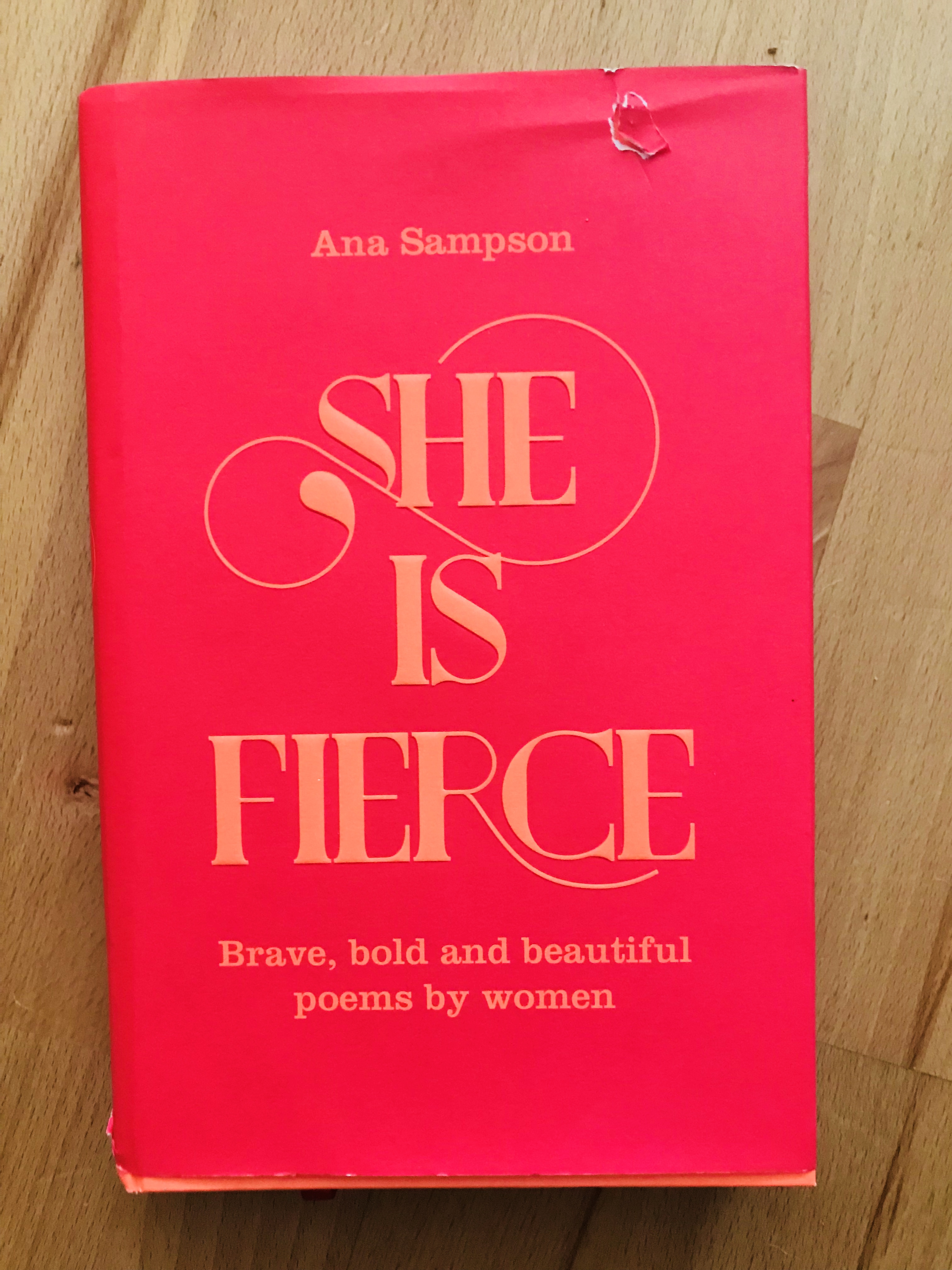
She is Fierce: Brave, Bold and Beautiful Poems by Women

poetry, women's poetry, poems, books

Poetry is having a resurgence, and rightly so. A good poem can make such a difference. It can comfort, console, or make us happy. This book of poetry is stunning. It is impossible to not be inspired. This book is the perfect book to leave you feeling fierce. An essential book for every women and girl. I will keep this for my daughter.

A stunning book containing 150 bold, brave and beautiful poems by women – from classic, well loved poets to innovative and bold modern voices. From suffragettes to school girls, from spoken word superstars to civil rights activists, from aristocratic ladies to kitchen maids, these are voices that deserve to be heard.

Collected by anthologist Ana Sampson She is Fierce: Brave, Bold and Beautiful Poems by Womencontains an inclusive array of voices, from modern and contemporary poets. Immerse yourself in poems from Maya Angelou, Nikita Gill, Wendy Cope, Ysra Daley-Ward, Emily Bronte, Carol Ann Duffy, Fleur Adcock, Liz Berry, Jackie Kay, Hollie McNish, Imtiaz Dharker, Helen Dunmore, Emily Dickinson, Mary Oliver, Christina Rossetti, Margaret Atwood and Dorothy Parker, to name but a few!

Featuring short biographies of each poet, She is Fierce is a stunning collection and an essential addition to any bookshelf.

The anthology is divided into the following sections:
Roots and Growing Up
Friendship
Love
Nature
Freedom, Mindfulness and Joy
Fashion, society and body image
Protest, courage and resistance
Endings


This excellent book is available here.

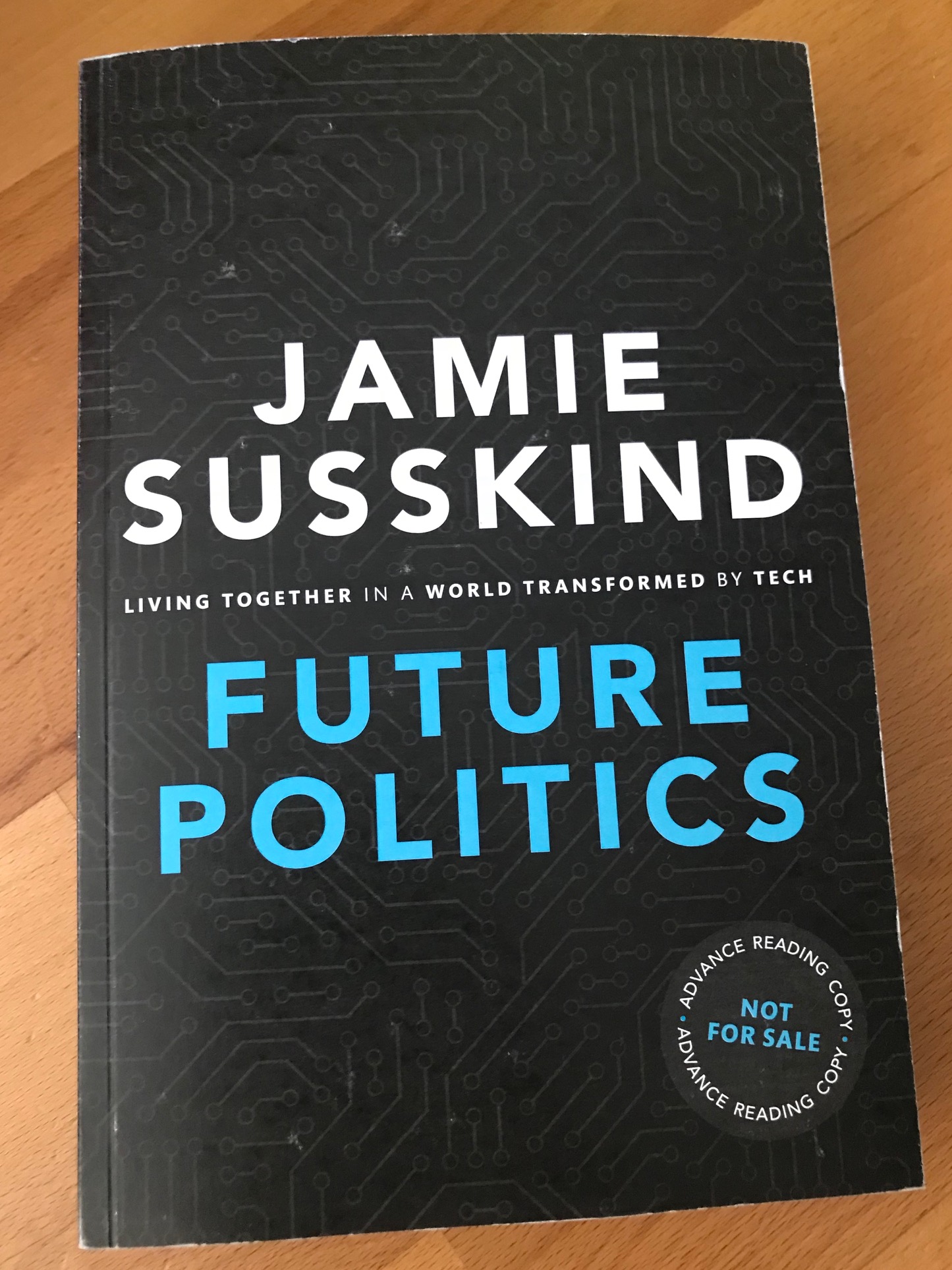
Book of the Week: Future Politics by Jamie Susskind

Future Politics is a riveting book that sparkles with great ideas. Full of facts and visionary ideas. It is chock full of facts and the book combines knowledge of politics and technology in a unique and fascinating way. A great book that really makes you think. 


Future Politics confronts one of the most important questions of our time: how will digital technology transform politics and society? The great political debate of the last century was about how much of our collective life should be determined by the state and what should be left to the market and civil society. In the future, the question will be how far our lives should be directed and controlled by powerful digital systems – and on what terms?

Jamie Susskind argues that rapid and relentless innovation in a range of technologies – from artificial intelligence to virtual reality – will transform the way we live together. Calling for a fundamental change in the way we think about politics, he describes a world in which certain technologies and platforms, and those who control them, come to hold great power over us. Some will gather data about our lives, causing us to avoid conduct perceived as shameful, sinful, or wrong. Others will
filter our perception of the world, choosing what we know, shaping what we think, affecting how we feel, and guiding how we act. Still others will force us to behave certain ways, like self-driving cars that refuse to drive over the speed limit.

Those who control these technologies – usually big tech firms and the state – will increasingly control us. They will set the limits of our liberty, decreeing what we may do and what is forbidden. Their algorithms will resolve vital questions of social justice, allocating social goods and sorting us into hierarchies of status and esteem. They will decide the future of democracy, causing it to flourish or decay.

A groundbreaking work of political analysis, Future Politics challenges readers to rethink what it means to be free or equal, what it means to have power or property, what it means for a political system to be just or democratic, and proposes ways in which we can – and must – regain control.

‘Original and thought-provoking, this ground-breaking book challenges us to develop new policies for new times.’

GORDON BROWN

Prime Minister of the United Kingdom 2007–2010


Future Politics by Jamie Susskind is available here.


Book of The Week: Hungry Babies By Fearne Cotton

hungry babies fearne cotton book

This highly anticipated sequel to the best-selling Yoga Babies was a huge hit with my son. He loved the book and it is easy to see why. The book has a great storyline for children and glorious illustrations. There is so much to see in every page. The Hungry Babies story will also -hopefully!- get your child interested in some different foods. It is our well deserved book of the week.


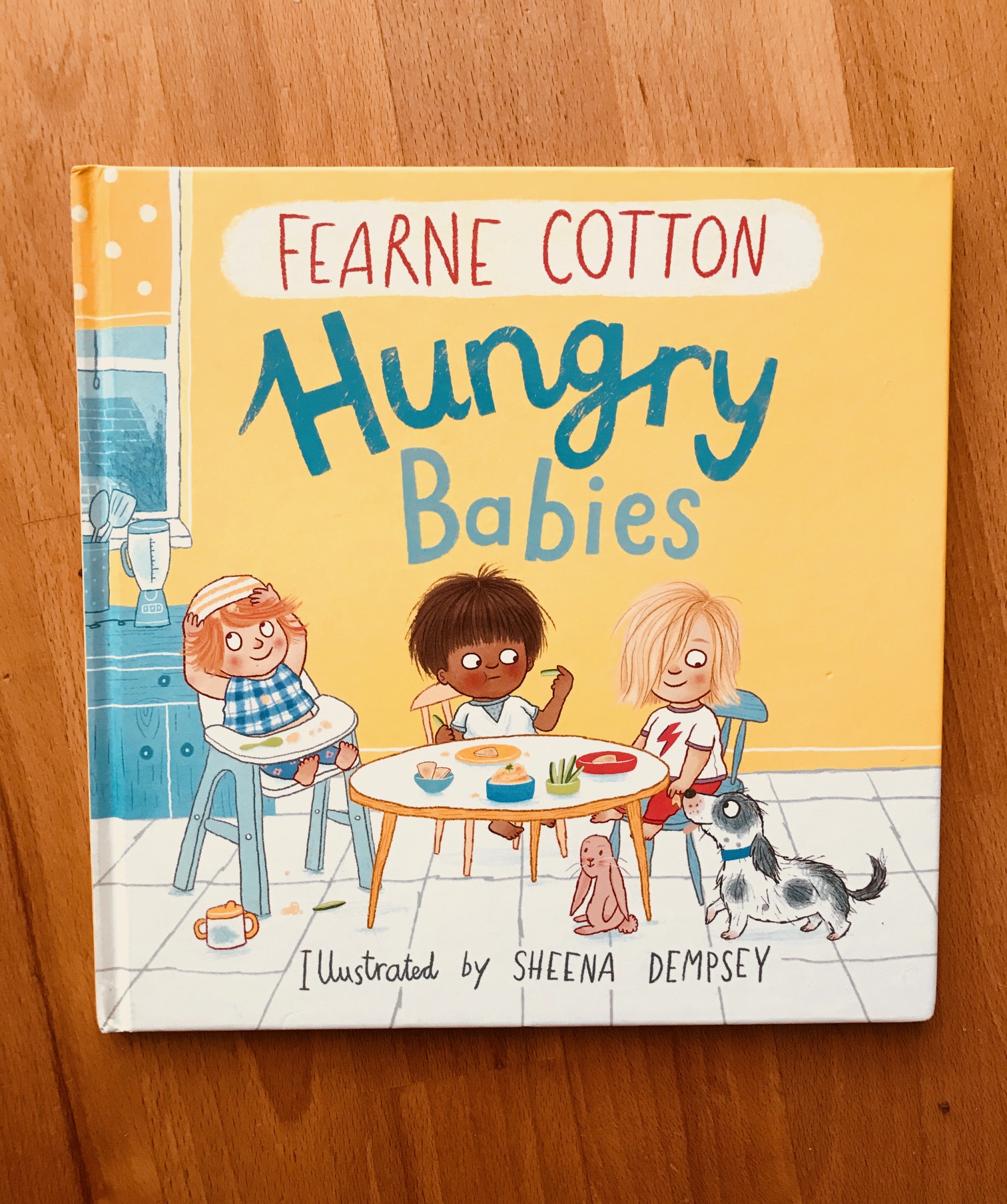
Broadcaster, author and mum Fearne Cotton has revealed her brand new children’s picture book Hungry Babies to her millions of social media followers.


Once again illustrated by Sheena Dempsey, Hungry Babies follows the same set of children from Yoga Babies as they go through the many perils of meal times – from big eaters to fussy eaters, breakfast at home to eating on the go, Fearne’s warm, funny rhyme reflects all aspects of eating with little ones. Sheena Dempsey has snuck in a few familiar faces and places if you follow Fearne’s Instagram – with her kids Honey and Rex, Fearne’s kitchen and even the children’s wendy house making an appearance!


On creating Hungry Babies, Fearne has said:


“Being a mother you realise how fussy or strange kids can be around food. My two have very specific favourites and dislikes and it can be challenging at meal times. Sometimes it’s a joy but it is also hard work in producing new foods to reluctant participants.


Meal times in our house are usually pretty hectic! The kitchen floor looks like the Monday after Glastonbury Festival and I’m sweating. I try to get my kids to try new things. Rex is very good at this and loves the challenge where as Honey takes a little more work. Some days they eat every thing I put in front of them and other days not so much so I try not to worry too much.


I think the book will deliver hope that kids will eventually try new foods, but also that it is OK if there is a meal time that goes a bit wrong. Food on the floor, kids spitting new foods out – I think the book is a fair reflection on a plethora of possible outcomes.”


2018 has been an incredibly busy year for Fearne so far, including the launch of her chart-topping podcast Happy Place.


Hungry Babies is published in hardback, £10.99

ISBN. 9781783446858


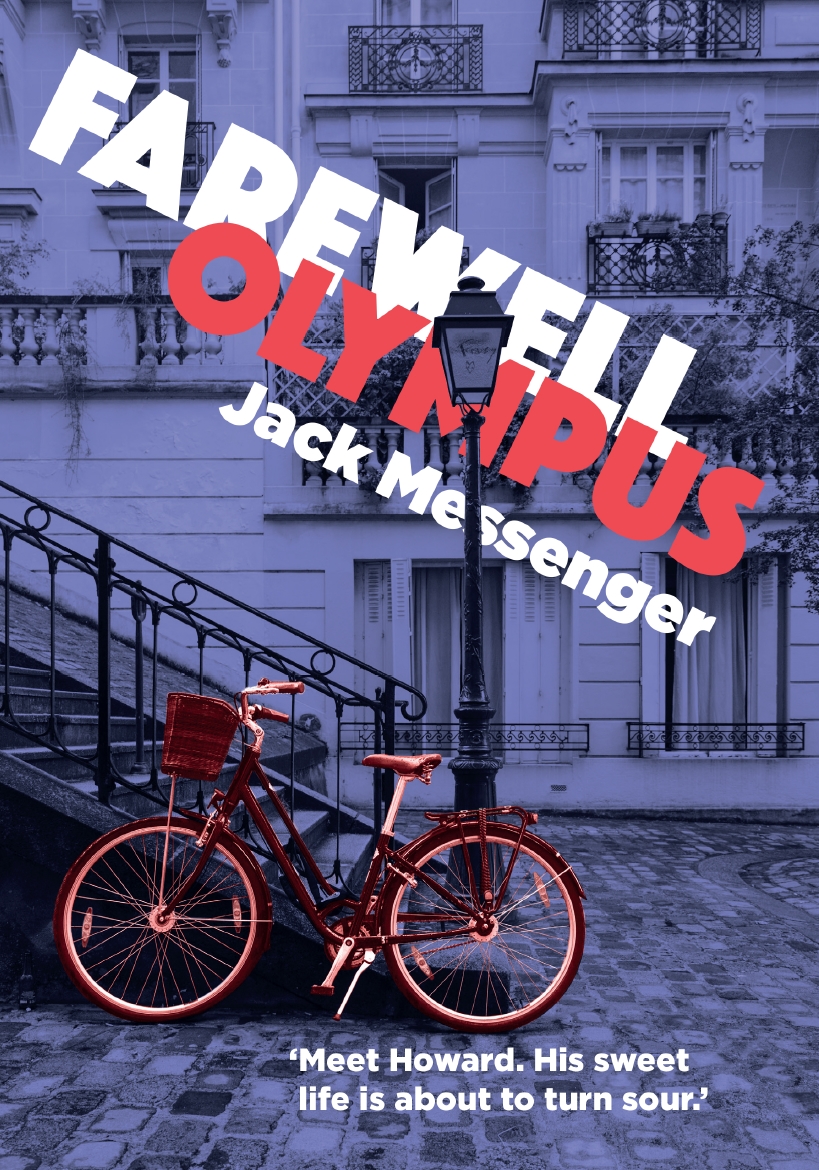
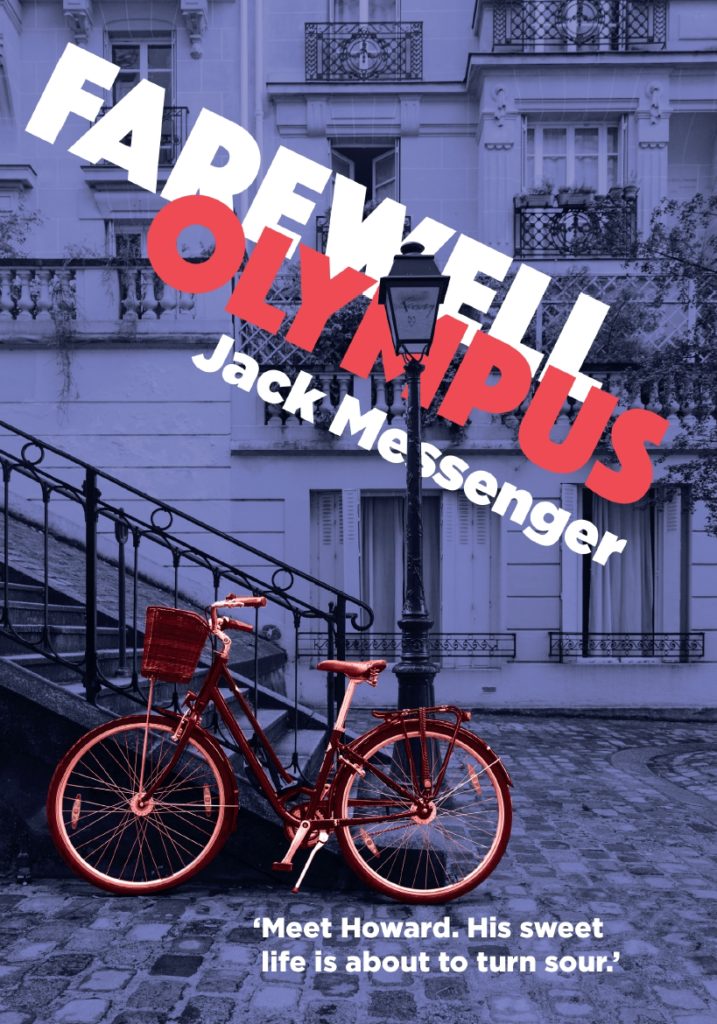
Interview with Brilliant Author Jack Messenger

His debut novel, Farewell Olympus, might be a “laugh-out-loud” read but its humour belies Jack Messenger’s fierce battle with depression. In a candid Q&A, he tells Frost Magazine about the sadness behind the jokes and the inspiration for his wonderful work.

Q: Tell us about your book and who it will appeal to.

A: My new book is an outlandish novel called Farewell Olympus. Set in Paris, it’s about love and rivalry, ambition and morality, Armageddon and the quest for the perfect croissant. It will appeal to readers who enjoy a fascinating story with lots of twists and turns, bizarre characters, and, of course, humour. There’s a mystery to unravel, but mostly it’s the story of two half-brothers who drive each other mad.

Q: What inspired you to write the novel? 

A: My wife and I spent some years in France, where I also learned the language. It was partly a desire to process that experience which led me to write Farewell Olympus. It seemed to me that a brilliant novel could be written about British people abroad who were trying to work out the complexities of a different culture. I had always assumed there was so much in common between the UK and France that it would be easy to make the adjustment. While that is true in many ways, I was taken aback by the differences, which were all the more perplexing for being subtle and unexpected. Attitudes and assumptions, ways of looking at the world, are often dissimilar, especially when it comes to harvesting your leeks. And, at a practical level, some conventions were potentially deadly, such as the rule that a vehicle joining a road from the right had priority over vehicles already on the road. Tractors and combine harvesters would pull out from nowhere, regardless of traffic and speeds. My life flashed before my eyes on more than one occasion.
Q: Do you have a particular writing schedule and how strict or otherwise are you in this respect?

A: I like to relax in the evenings, so I don’t want to set myself an arbitrary target each day; I write as much or as little as I feel inspired to, and will often spend time reworking material until I’m happy with it.

Q: You’re a copywriter and editor by profession. You’ve also written a number of Berlitz travel guides. To what extent, if any, did your professional background help in the crossover into writing a novel?

A: It helped enormously. Many inexperienced writers have a surprisingly blasé attitude towards errors and inconsistency, for example; consequently, they don’t have their books copyedited or proofread. I am asked to review a great many books which turn out to be riddled with basic spelling and grammatical errors right from the first page. Readers notice these things and are put off reading because it 

shows a casual indifference to their intelligence. Travel writing was also a helpful discipline, as I had to produce a book to a specified word count by an agreed date – no exceptions. A writer has to be organised and care about every last detail in their work. There is no such thing as an unimportant sentence; every sentence, every word, has to be thought about. This is my mantra.

Q: What challenges did you face bringing the book to market, and what advice would you give to other aspiring authors to help them avoid a similar fate?

A: I decided to publish my book independently, so that I could control every aspect of the process. This entailed a great deal of learning by trial and error – everything from setting up a website to completing tax declarations. Marketing proved to be the hardest aspect by far. There is a great deal of useful marketing advice available online, but there is also a lot of stuff that is out of date. Social media use, for instance, grows in sophistication year by year, often outstripping our ability to keep up with the changes. As a result, my social media experiences were hugely disappointing. Nothing beats an organized publicity campaign run by professional people who know what they are doing and who have the necessary contacts. My advice to myself and others would be to produce the best work you can – that’s why you’re writing, after all. Make sure it’s copyedited and proofread, give it a professionally designed cover, publish it as widely as possible, and give the major marketing and publicity to someone you can trust.

Q: Did you base the central characters on anyone you know – and have you told them?!

As far as I know, I didn’t. If I had, I probably wouldn’t have told, just in case they were offended. My nose bleeds easily.

Q: What three words would you use to describe yourself?

A: Hirsute, indolent, callipygous.

Q: You’ve suffered with depression for some time; what effect has this had on your writing?

A: Humanity’s need for stories is all about broadening our experiences in an attempt to understand ourselves and our world. My writing is largely concerned with people rather than plot – with the ‘why’ rather than the ‘what’. I think my mental health problems have led me to take an interest in the complexity of people and the situations life puts them in, how they cope with themselves and interact with others. I am attracted to eccentricity as a form of personal defence, which often leads to humour and misunderstanding.

Q: Writing is said to be a form of catharsis. Is this true in your case?

Until recently, I would have said not, but Farewell Olympus was cathartic in a strange way I still don’t understand. It was written at a time when I was

dangerously unwell, yet it is full of humour and hope. I enjoyed writing it because characters and their words arrived easily. Readers find it amusing, which is great. I can also see my own sadness in it, lurking behind the jokes. There is a lot of me in Howard, who is perpetually thwarted by his misperceptions. 

Q: What plans do you have for the future?

A: I have an idea for a science fiction novel that I’d like to write under a pseudonym. It takes me a long time to come up with ideas, but I’ve had a lot of fun inventing a biography for my alter ego, and a title for the book. Many of the characters and incidents are already there, but one major thing still eludes me. If I can get that, I’ll start to write. I love stories set in confined spaces, so I am thinking of a space station or craft of some kind. In addition, I have other novels already written that I really should get around to publishing. Their characters keep badgering me to let them out.

Jack Messenger is a British author whose debut novel, Farewell Olympus, is a laugh-out-loud witty and intelligent farce about sibling rivalry, love and ambition set in the heart of Paris. It is out now through Greyhound Press on Amazon UK priced £8.99 in paperback and £3.99 in eBook.



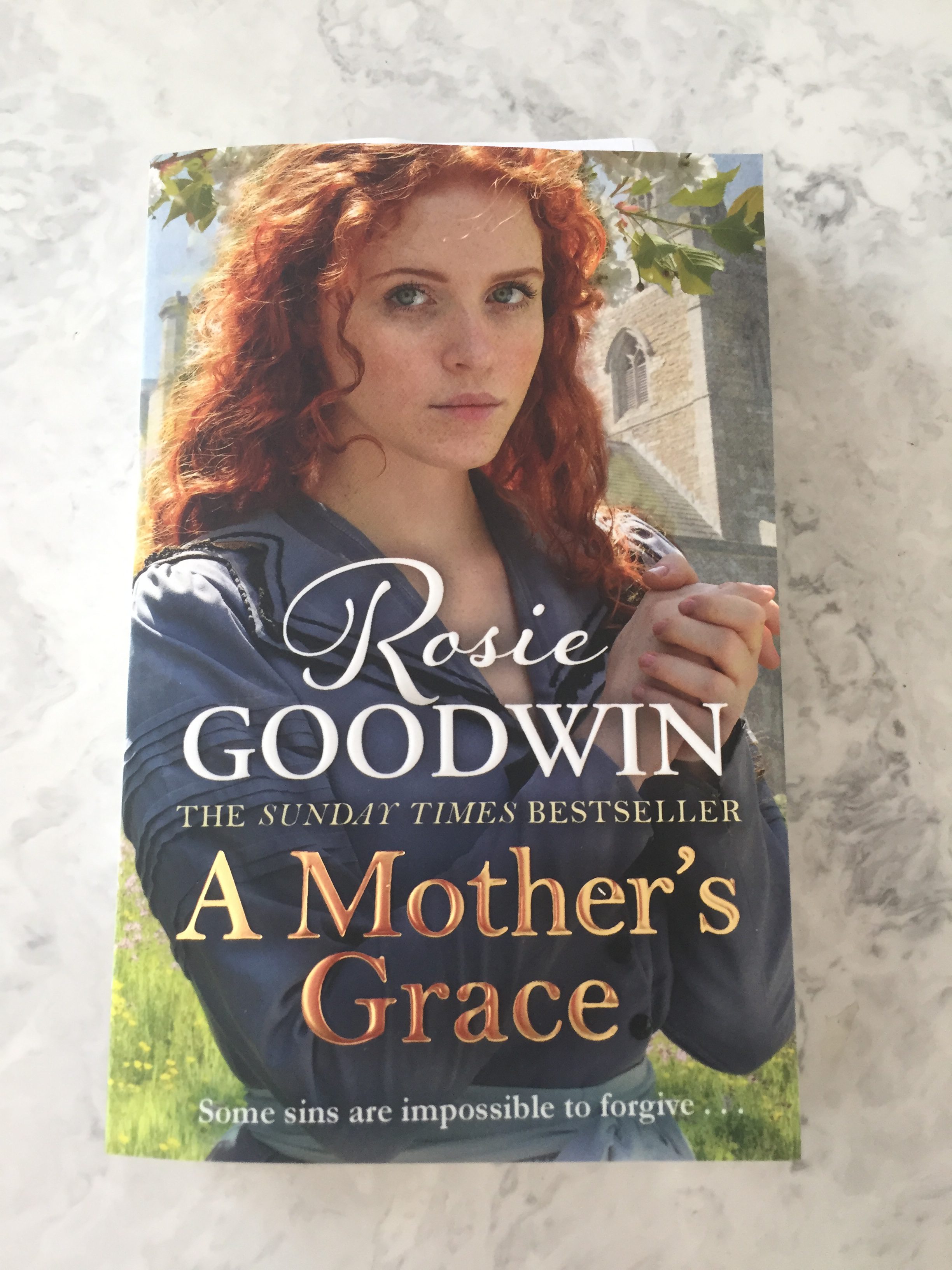
A Mother’s Grace by Rosie Goodwin


A Mother's Grace by Rosie Goodwin

This, the  third novel in the Days of the Week collection by Rosie Goodwin, turns its focus on why Tuesday’s child is full of grace.

A Mother’s Grace  follows the story of Grace Kettle who longs to escape her bullying, controlling father. She becomes devoutly religious and goes off to Wales to take holy orders and become a nun. But there she meets the dashing and devout Father Luke and things don’t go as Grace had hoped. She is forced to make a difficult and life changing decision, one that she will spend the rest of her life seeking forgiveness for.

Some of the characters from the previous two novels in the series make an appearance in this book but you don’t have to have read them to enjoy A Mother’s Grace.

If you love riveting, heart-warming saga then you will not be disappointed. A Mother’s Grace has all the elements of a good page-turning novel and is a ‘curl up in a chair’ read for autumn.

Rosie Goodwin’s books have  sold over a million copies and she has written over thirty novels. She’s been described as the Catherine Cookson for a new generation.

Rosie is also the only author to ever be allowed to follow three of Catherine Cookson’s trilogies with her own sequels.

www.rosiegoodwin.co.uk

Published by Bonnier Zaffre £7.99

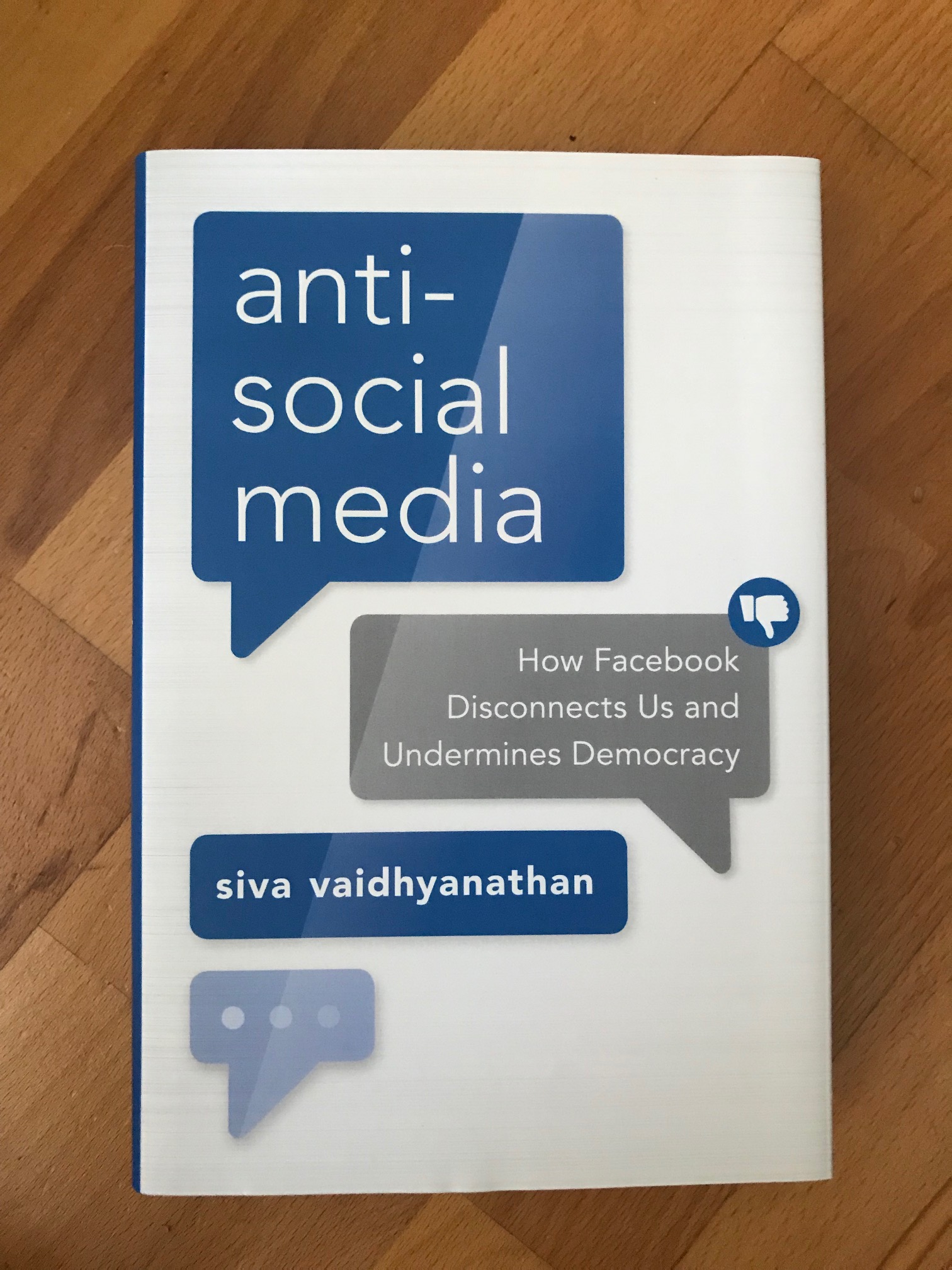
Antisocial Media: How Facebook Disconnects Us and Undermines Democracy

antisocial media, Facebook,

2.2 Billion people use Facebook every month. In this age of no privacy and mass commercial surveillance this book was never needed more. Our entire lives are subject to digital tracking. We have never had less privacy. The true scope of it is shocking, and all to sell things to us. Personally I hate targeted advertising. This fantastic book gives a strong argument that Facebook makes democracy a lot more challenging. A must read.

If you wanted to build a machine that would distribute propaganda to millions of people, distract them from important issues, energize hatred and bigotry, erode social trust, undermine respectable journalism, foster doubts about science, and engage in massive surveillance all at once, you would make something a lot like Facebook. Of course, none of that was part of the plan.

In Antisocial Media, Siva Vaidhyanathan explains how Facebook devolved from an innocent social site hacked together by Harvard students into a force that, while it may make personal life just a little more pleasurable, makes democracy a lot more challenging. It’s an account of the hubris of good intentions, a missionary spirit, and an ideology that sees computer code as the universal solvent for all human problems. And it’s an indictment of how “social media” has fostered the deterioration of democratic culture around the world, from facilitating Russian meddling in support of Trump’s election to the exploitation of the platform by murderous authoritarians in Burma and the Philippines.

Facebook grew out of an ideological commitment to data-driven decision making and logical thinking. Its culture is explicitly tolerant of difference and dissent. Both its market orientation and its labor force are global. It preaches the power of connectivity to change lives for the better. Indeed, no company better represents the dream of a fully connected planet “sharing” words, ideas, and images, and no company has better leveraged those ideas into wealth and influence. Yet no company has contributed more to the global collapse of basic tenets of deliberation and democracy. Both authoritative and trenchant, Antisocial Media shows how Facebook’s mission went so wrong.

Antisocial Media: How Facebook Disconnects Us and Undermines Democracy

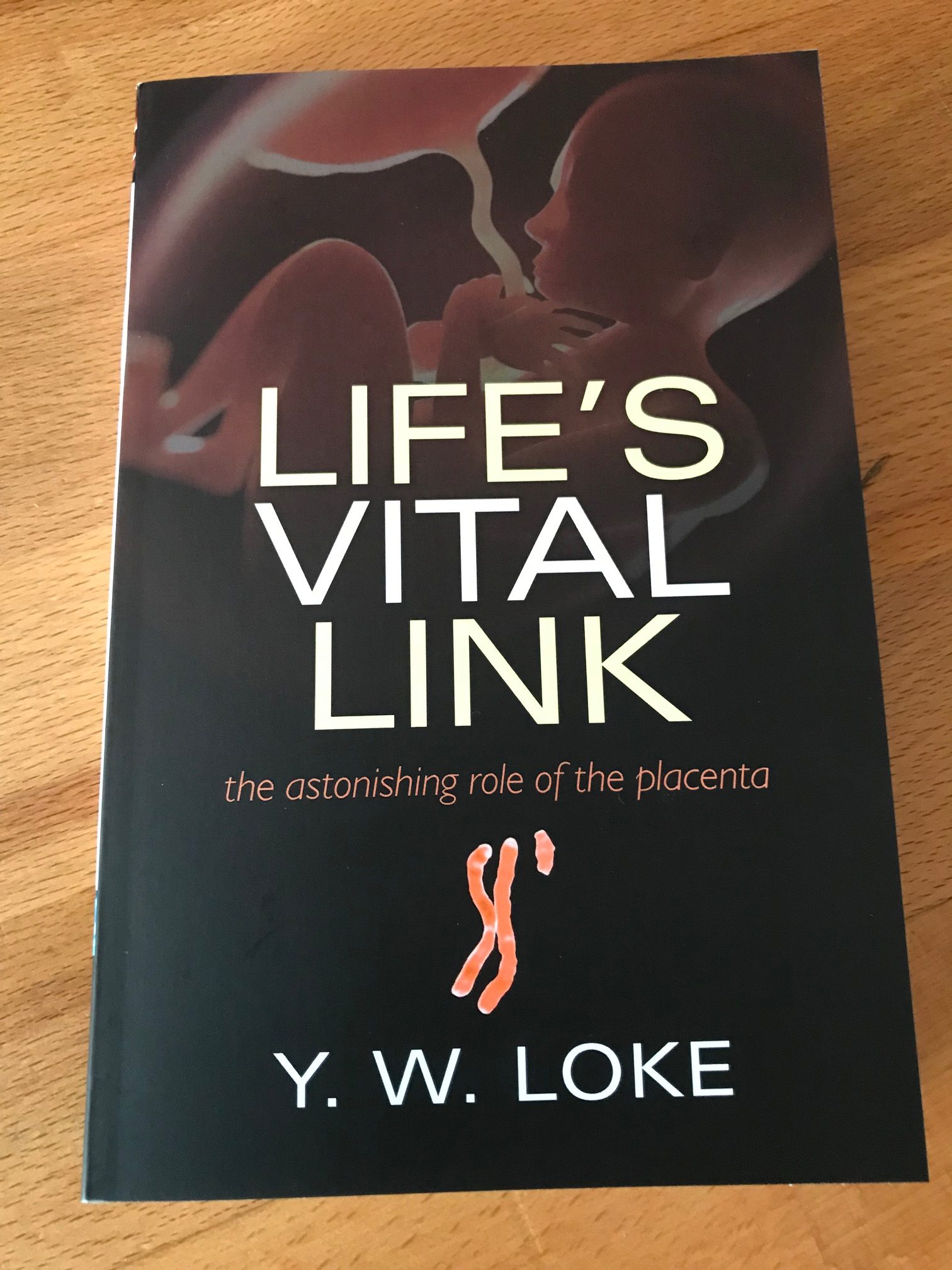
Life’s Vital Link By Y.W. Loke

I found this book fascinating. Did you know that the baby makes the placenta, not the mother? Or that it has genes from both the mother and father? There are facts from other animals too. I found Kangaroos particularly impressive. Well researched and written in an accessible way, this book is highly recommended.

The development of the placenta was a pivotal event in evolution. Without it, we would still be laying eggs instead of giving birth to live offspring. It represents the critical link between the foetus and the mother, but its character is extraordinary — it is, in effect, a foreign tissue that invades the mother’s body.

Compared to many other animals, the human placenta represents a particularly aggressive body. But how is it managed and controlled? How did such an organ evolve in the first place? And why is it tolerated by the mother? Y.W. Loke explores the nature of the placenta and what it can tell us about evolution, development, and genetics.

Available here.