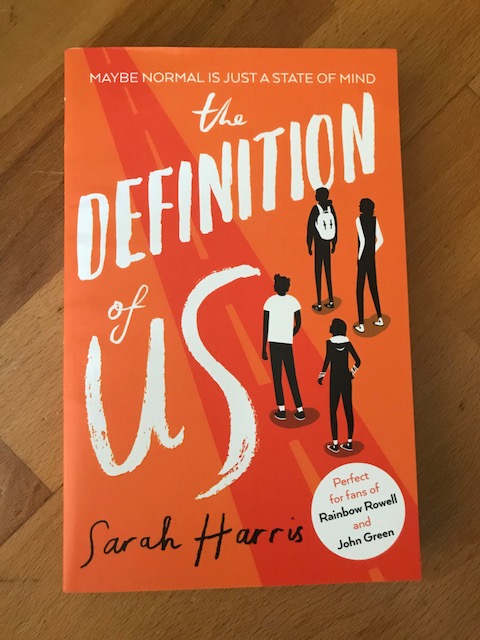
The Definition of Us By Sarah Harris | Book of The Week

This is a heart-warming and endearing novel. A YA novel which can be read by any age. A wonderful book on mental illness that will not just entertain, but also could improve, and even save, some some young people’s lives. We need more books like this. Just stunning and so important.

NORMAL (definition)
(adj.) Conforming to a standard; regular, typical or expected
(urban) A word inapplicable to human beings
(Florence) Round, smooth and bumpy like a cobbled street

Florence doesn’t always see things the way other people do. She feels different.

When Florence meets Jasper, Andrew and Wilf she can’t imagine they’d have much in common – with at least five mental health conditions between them, they all have very different reasons for being referred to Manor Lane Therapy Centre.

It’s only when their therapist, Howard, goes missing that they find a common purpose. Worried by his disappearance and wanting answers, the four of them decide to track him down.

As they cross the country in a ‘borrowed’ van, asking each other Ultimate Questions and facing a series of challenges along the way, they start to reveal their true selves – and Florence realises there’s more to all of them than just a diagnosis . . .

Maybe they’re not so different after all?

Full of irreverent humour, witty dialogue and characters you can’t help but fall in love with, this timely novel is perfect for fans of John Green, Rainbow Rowell and Jennifer Niven.

‘This is without a doubt one of the best (if not THE best) YA book about mental health that I’ve read; Sarah Harris takes such a delicate subject, weaves humour and love and friendship, and creates such a beautiful book’ Beautiful Bookland

‘This endearing story does much to enlighten readers of all ages by dispelling myths surrounding mental health in a rollickingly entertaining manner . . . a heart-warming odyssey’ Peterborough Telegraph

‘I can honestly say that this is the best book about mental health that I’ve read to date. The representation, understanding, acceptance and ‘relatability’ of mental health portrayed in this book was, in my opinion, flawless. It’s juxtaposed with sweetness, humour, romance and friendship and I enjoyed every minute of it’ My Endless Shelf

‘Everything I love about contemporary YA . . . highly recommended’ Goodreads reviewer
The Definition of Us By Sarah Harris is available here.

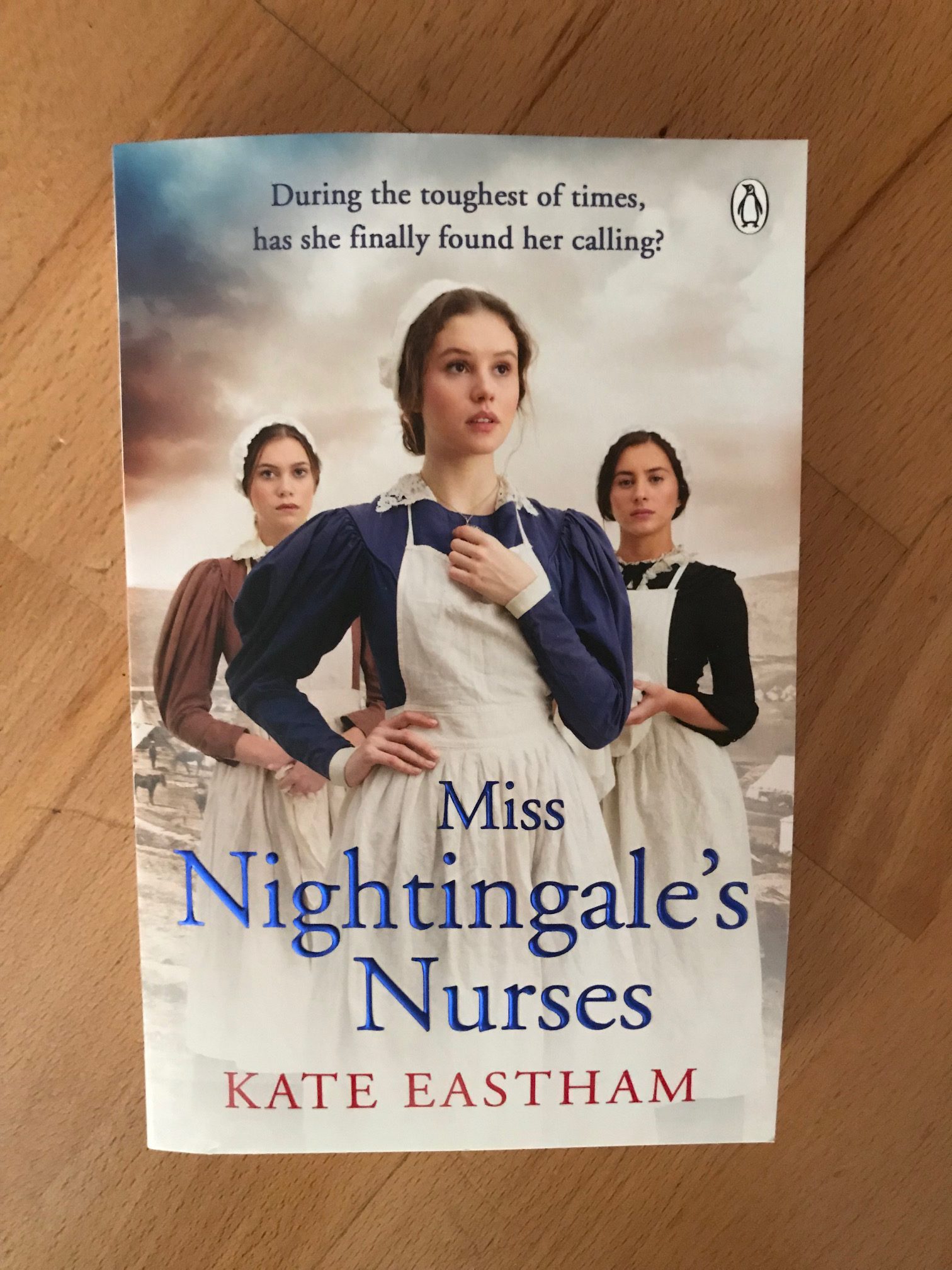
Miss Nightingale’s Nurses By Kate Eastham | Recommended Reads

miss nightingale's nurses

A great read.

Liverpool 1855.

Ada Houston is alone.

Her grandfather has recently passed away and her brother is missing, last seen working on the Liverpool docks. Everyone assumes him to be dead.

But she will not give up hope.

Ada’s determined search takes her to the Crimea where she joins the team of Florence Nightingale’s nurses. She may have set off looking for her brother, but along the way Ada finds friends, romance and a new purpose in her own life in the most troubling and difficult of places.

Available here.

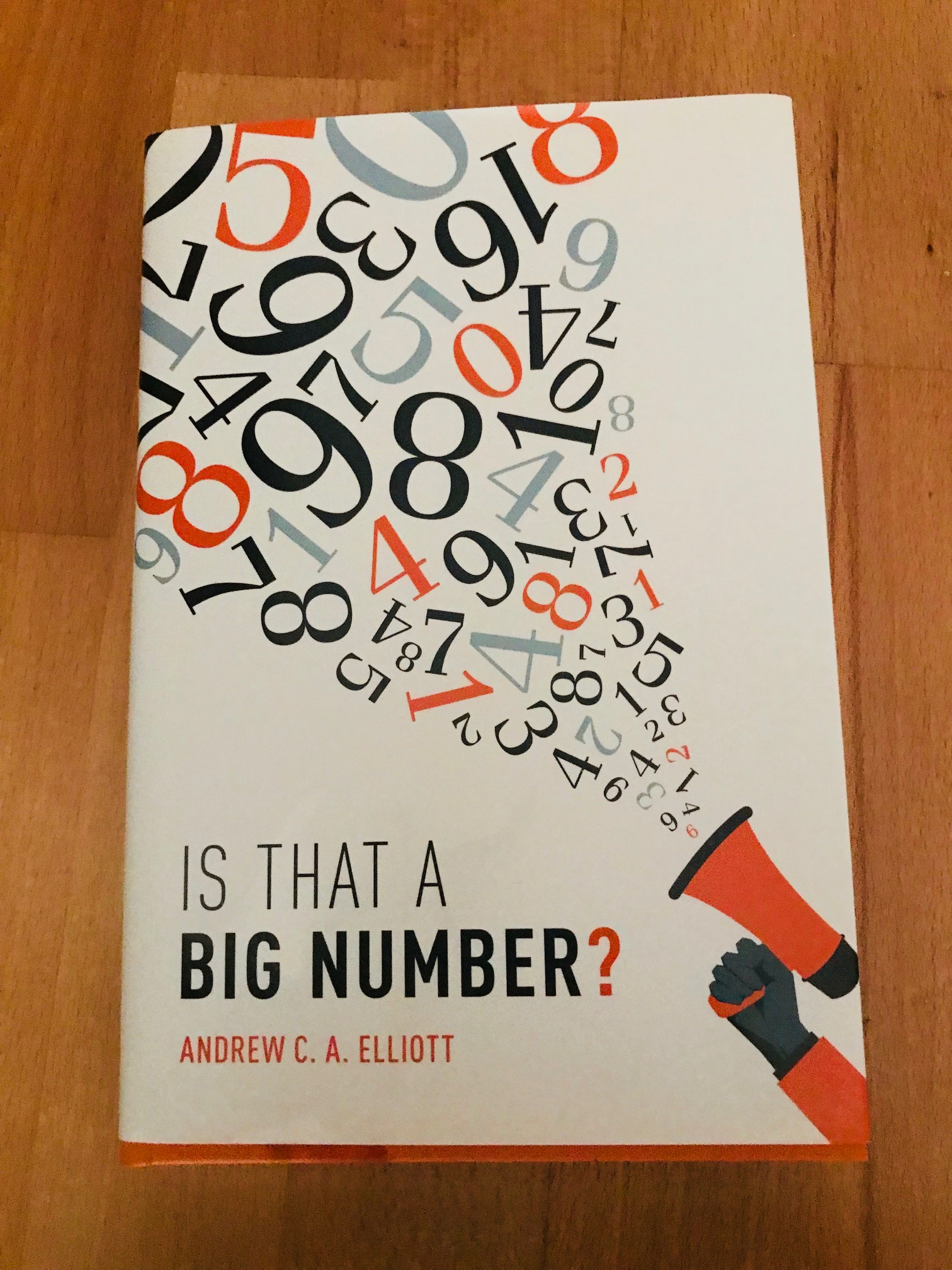
Is That a Big Number? By Andrew C. A. Elliott

is that a big number, maths,

This is a fun and riveting book. Written in an accessible and engaging way, it is unputdownable.

Impressive statistics are thrown at us every day – the cost of health care; the size of an earthquake; the distance to the nearest star; the number of giraffes in the world.

We know all these numbers are important – some more than others – and it’s vaguely unsettling when we don’t really have a clear sense of how remarkable or how ordinary they are. How do we work out what these figures actually mean? Are they significant, should we be worried, or excited, or impressed? How big is big, how small is small?

With this entertaining and engaging book, help is at hand. Andrew Elliott gives us the tips and tools to make sense of numbers, to get a sense of proportion, to decipher what matters. It is a celebration of a numerate way of understanding the world. It shows how number skills help us to understand the everyday world close at hand, and how the same skills can be stretched to demystify the bigger numbers that we find in the wider contexts of science, politics, and the universe.

Entertaining, full of practical examples, and memorable concepts, Is That A Big Number? renews our relationship with figures. If numbers are the musical notes with which the symphony of the universe is written, and you’re struggling to hear the tune, then this is the book to get you humming again.

Is That a Big Number? By Andrew C. A. Elliott is available here.

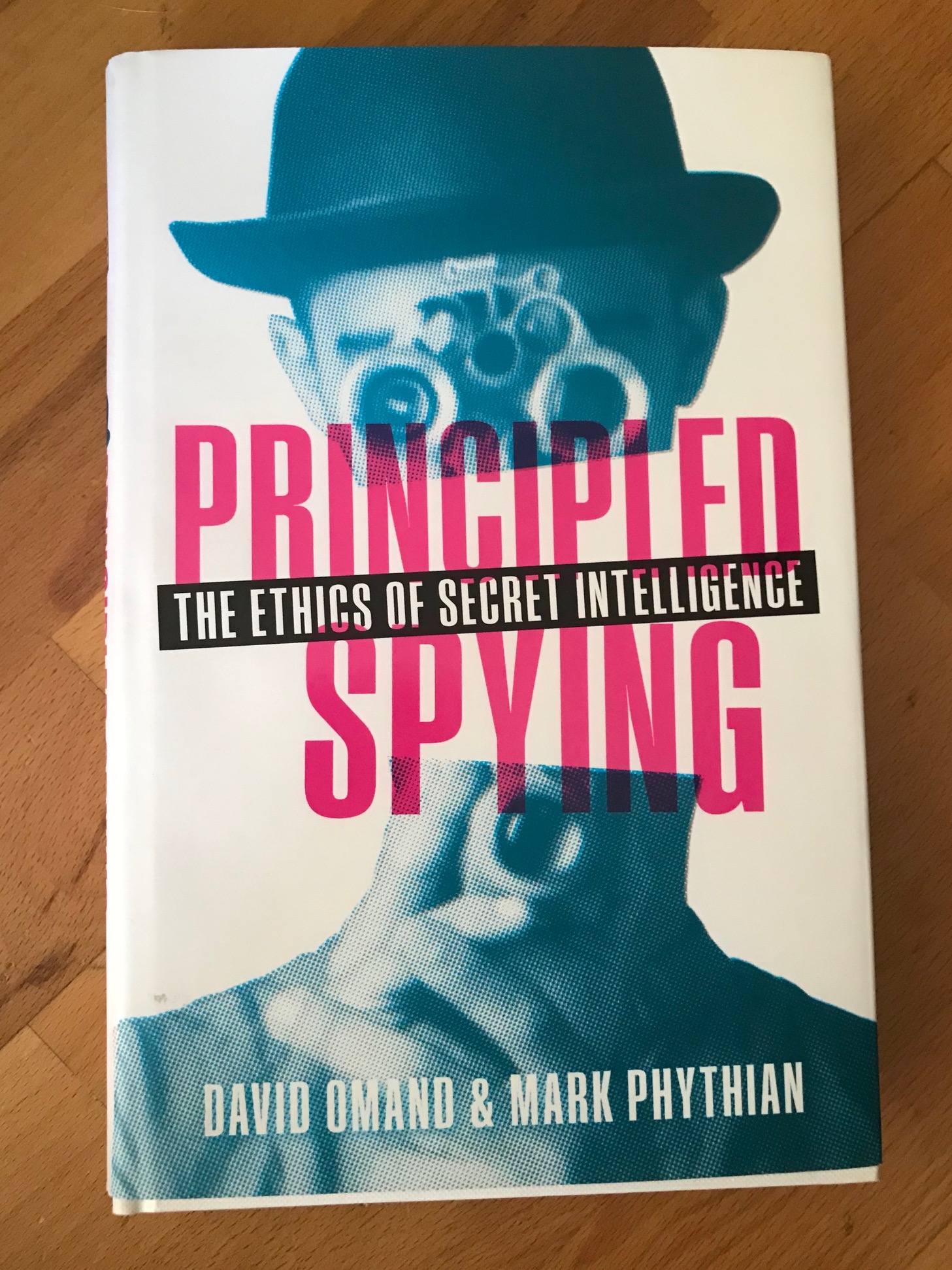
Principled Spying: The Ethics of Secret Intelligence | Book of The Week

principled spying

This book is both timely and much needed. How far should a state go to protect its people? Does the ‘greater good’ argument ever give just cause? This book has lots of fascinating history on spycraft and sound arguments on ethics. A riveting read and a well deserved Book of the Week. 

The question of how far a state should authorise its agents to go in seeking and using secret intelligence is one of the big unresolved issues of public policy for democracies today. The tension between security and privacy sits at the heart of broader debates concerning the relationship between the citizen and the state. The public needs-and wants-protection from the very serious threats posed by domestic and international terrorism, from serious criminality, to be safe in using cyberspace, and to have active foreign and aid policies to help resolve outstanding international problems. Secret intelligence is widely accepted to be essential to these tasks, and to be a legitimate function of the nation state, yet the historical record is that it also can pose significant ethical risks.

Principled Spying lays out a framework for thinking about public policy in this area by clarifying the relationship between ethics and intelligence, both human and technical. In this book, intelligence expert Mark Phythian teams up with the former head of Britain’s GCHQ signals and intelligence agency to try to resolve the knotty question of secret intelligence-and how far it should be allowed to go in a democratic society.

Available here.

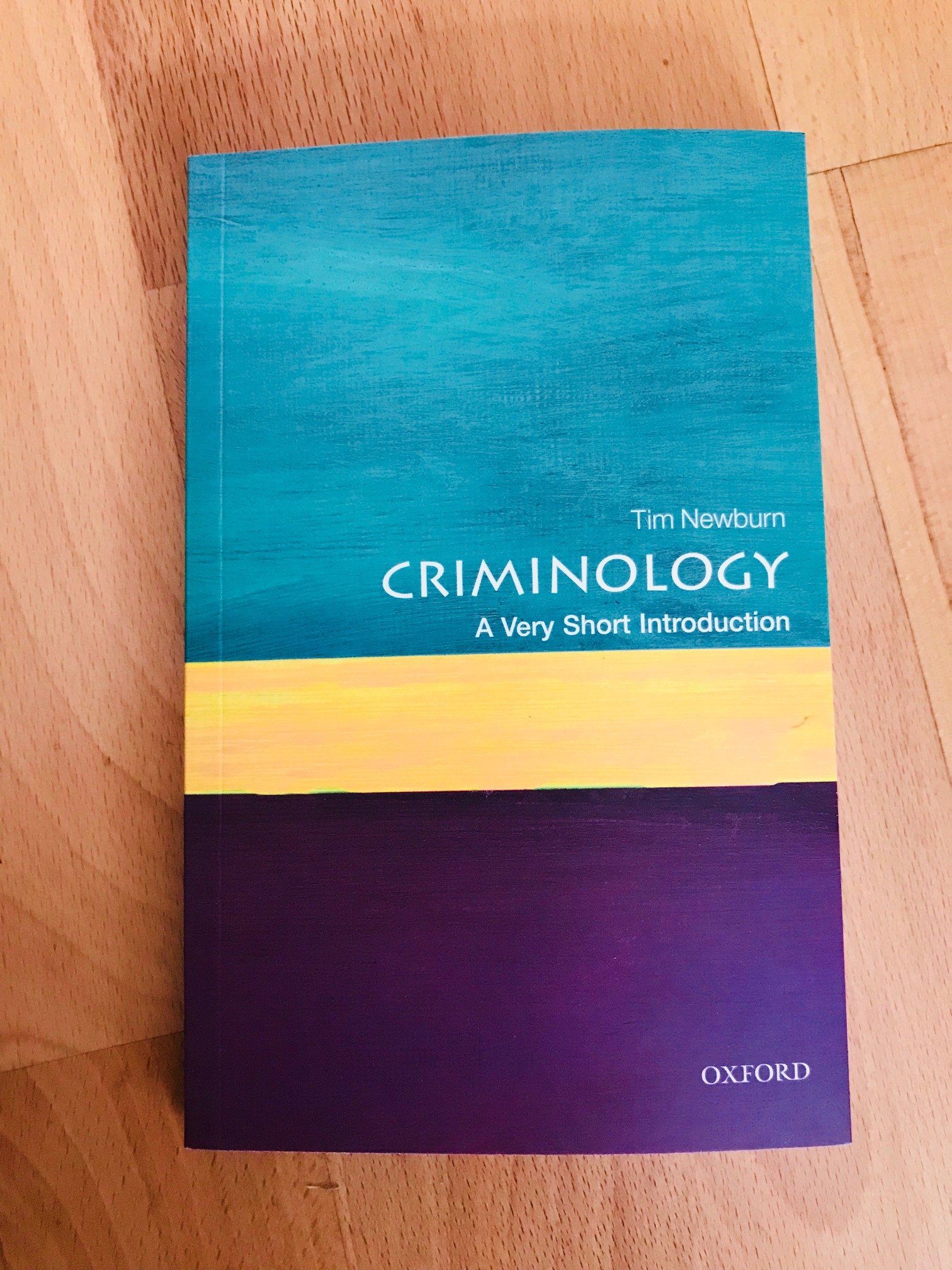
Criminology: A Very Short Introduction

criminology

These Very Short Introduction books are a great way to learn about hundreds of different subjects in an in-depth way. This one on criminology is fascinating stuff. Perfectly written and endlessly fascinating. Essential reading for anyone interested in crime.

Crime is big news. From murder to theft to drug gangs, crime and criminal justice affect the lives of millions of people worldwide. Hardly surprisingly, crime has been pushed high up the public policy agenda across the world. But how can we measure crime, or evaluate the effectiveness of preventative measures? Does the threat of prison reduce someone’s likelihood of reoffending, or would rehabilitation be more constructive?

In this Very Short Introduction Tim Newburn considers how we can study trends in crime, and use them to inform preventative policy and criminal justice. Analysing the history of the subject, he reflects on our understanding of crime and responses to crime in earlier historical periods. Considering trends in crime in the developed world, Newburn discusses its causes, exploring the relationship between drugs and crime, analysing what we know about why people stop offending, and looking
at both formal and informal responses to crime. Newburn concludes by discussing what role criminology can plausibly be anticipated to have in crime control and politics, and what its limits are.

ABOUT THE SERIES: The Very Short Introductions series from Oxford University Press contains hundreds of titles in almost every subject area. These pocket-sized books are the perfect way to get ahead in a new subject quickly. Our expert authors combine facts, analysis, perspective, new ideas, and enthusiasm to make interesting and challenging topics highly readable.

Available here.

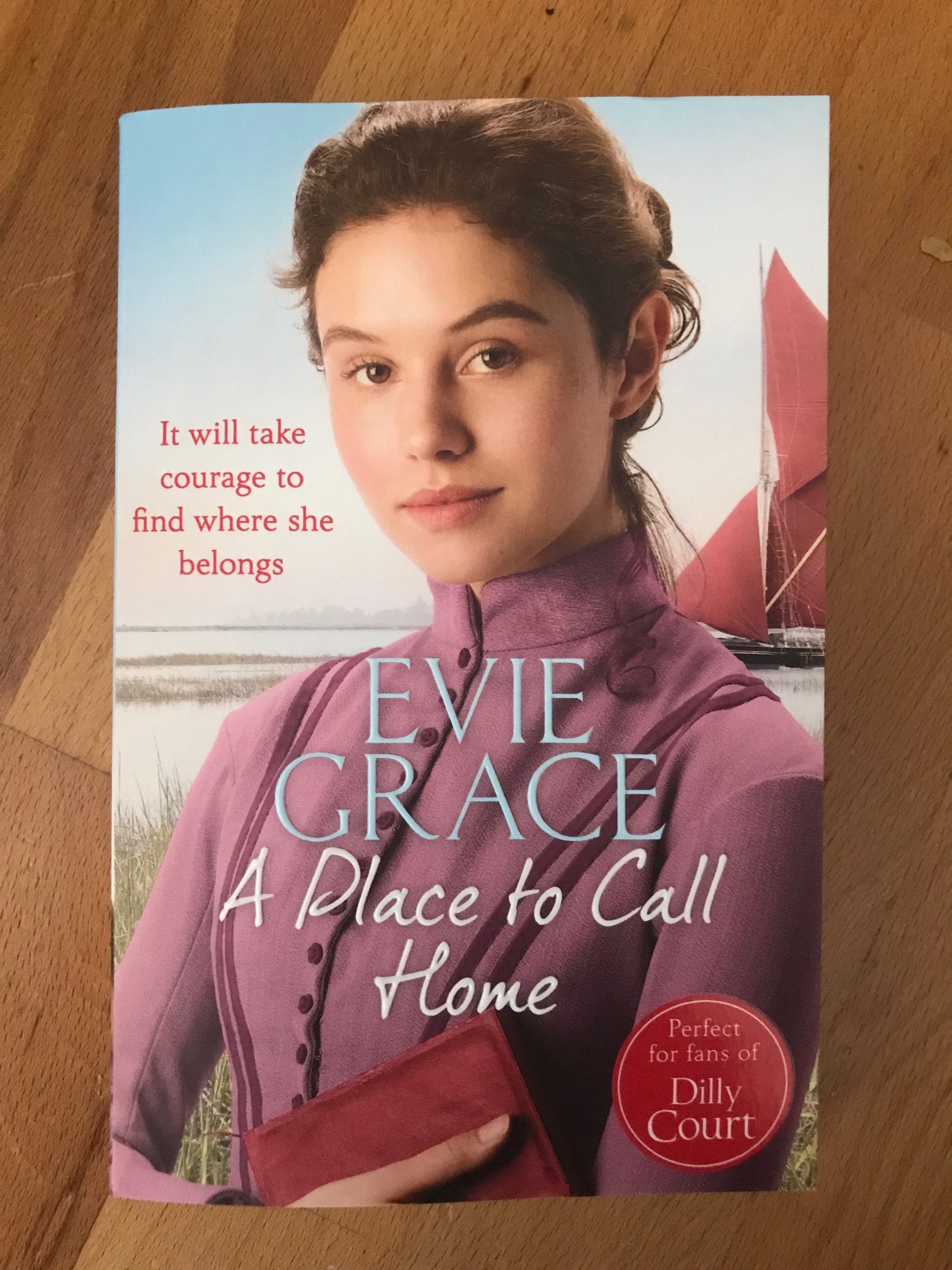
A Place To Call Home By Evie Grace | Recommended Reads

a place to call homeA perfect conclusion to this riveting saga. Get a cup of tea and dig in. The book equivalent to a great Sunday night drama.

THE THIRD AND FINAL SAGA IN EVIE GRACE’S MAIDS OF KENT TRILOGY.

East Kent, 1876

With doting parents and siblings she adores, sixteen-year-old Rose Cheevers leads a contented life at Willow Place in Canterbury. A bright future ahead of her, she dreams of following in her mother’s footsteps and becoming a teacher.

Then one traumatic day turns the Cheevers’ household upside-down. What was once a safe haven has become a place of peril, and Rose is forced to flee with the younger children. Desperate, she seeks refuge in a remote village with a long lost grandmother who did not know she existed.

But safety comes at a price, and the arrival of a young stranger with connections to her past raises uncomfortable questions about what the future holds. Somehow, Rose must find the strength to keep her family together. Above all else, though, she needs a place to call home.

Available here.

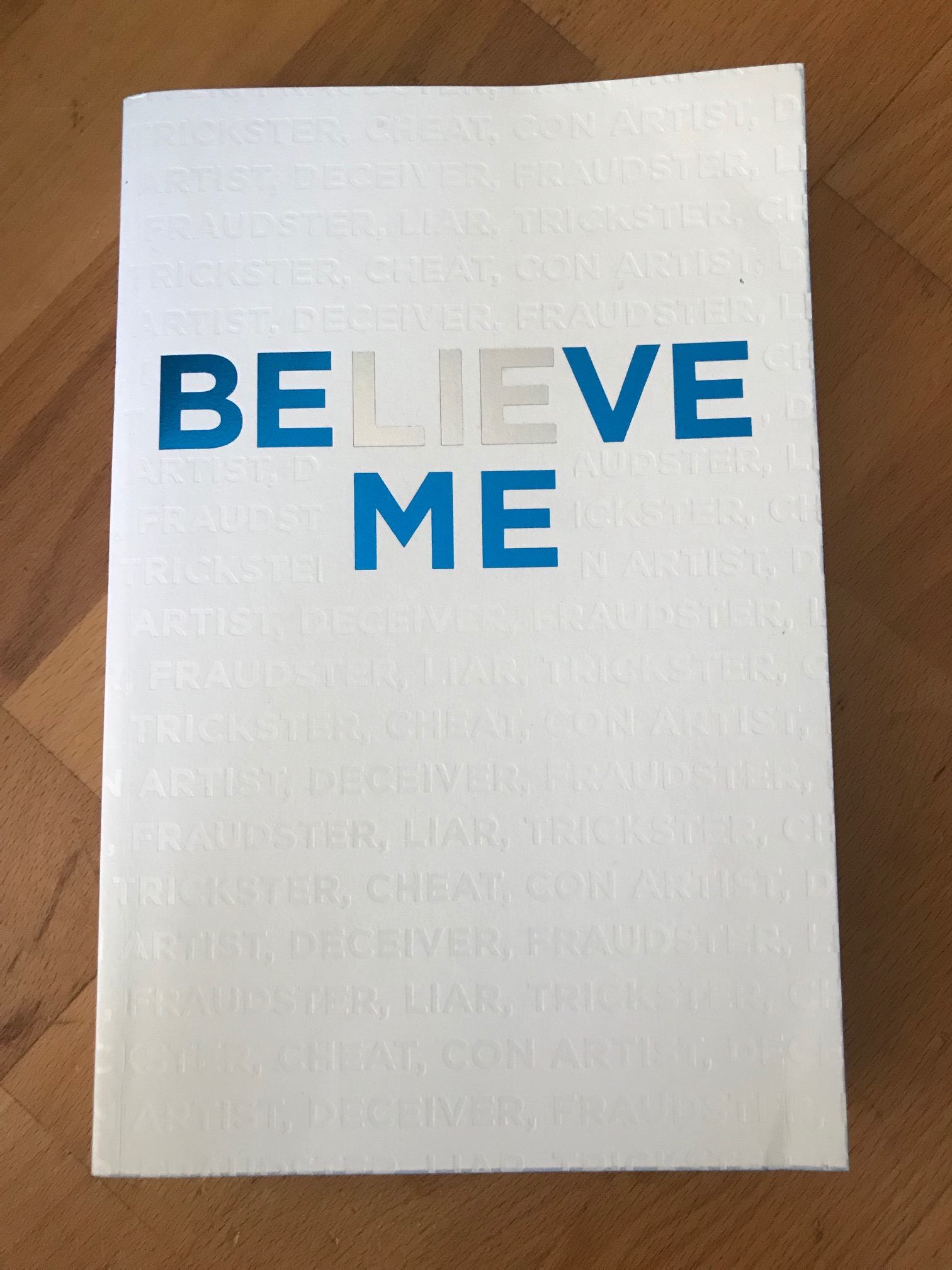
Believe Me By J P Delaney | Book of The Week

believe me JP Delaney

I found it impossible to book this book down. I do not even read much crime thrillers as I get upset about the high female body count, but this book is so well done and does not feel gratuitous. Despite the horror of the crimes. If your love Gillian Flynn and Paula Hawkins you will love this. A pitch perfect psychological thriller.

A British drama student, in New York without a green card, Claire takes the only job she can get: working for a firm of divorce lawyers, posing as an easy pick-up in hotel bars to entrap straying husbands.

When one of her targets becomes the subject of a murder investigation, the police ask Claire to use her acting skills to help lure their suspect into a confession. But right from the start, she has doubts about the part she’s being asked to play. Is Patrick Fogler really a killer . . . Or the only decent husband she’s ever met? And is there more to this set-up than she’s being told?

And that’s when Claire realises she’s playing the deadliest role of her life . . .

Available here.

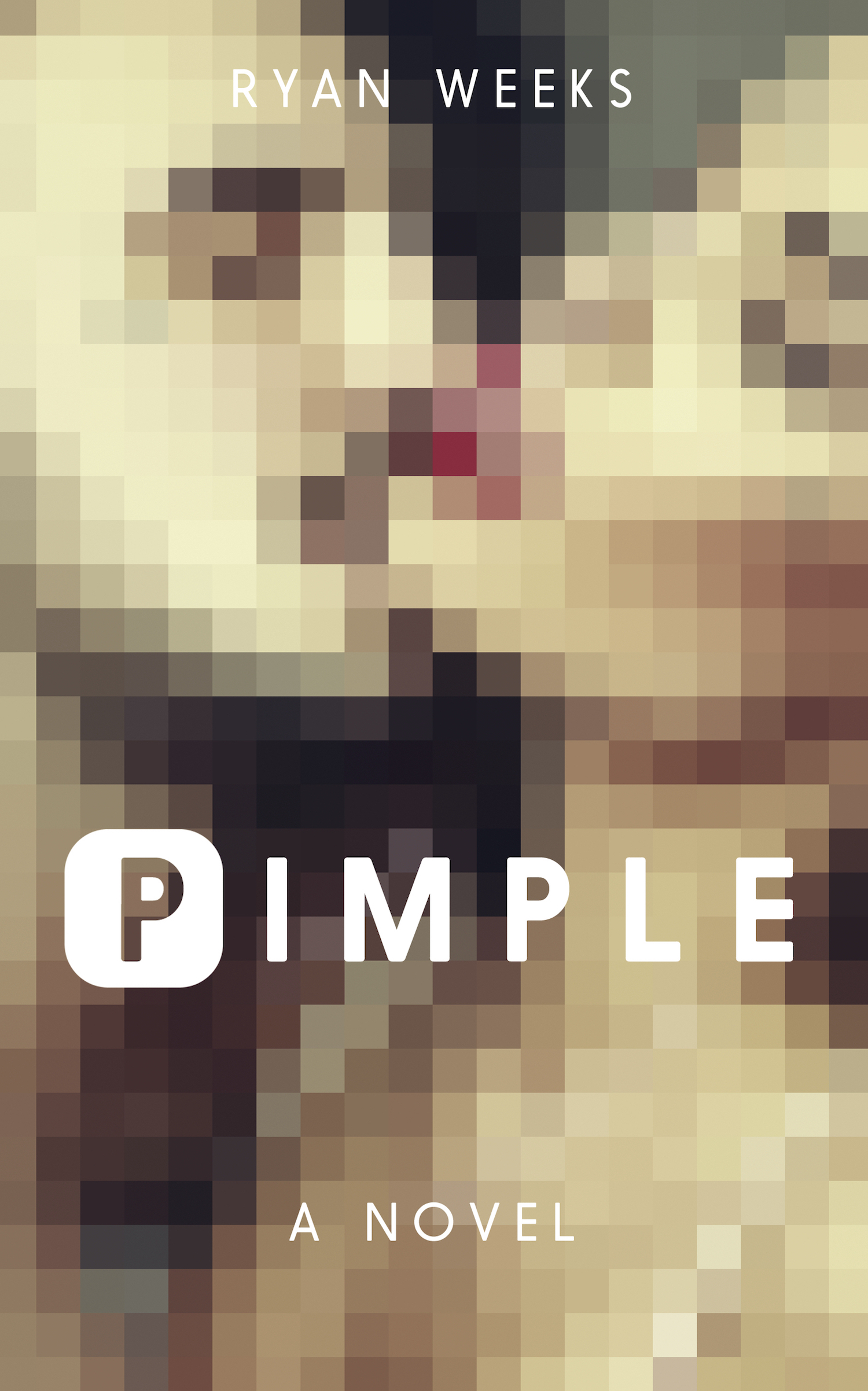
Book Review: Pimple, by Ryan Weeks

Ryan Weeks’ debut novel paints a disturbing picture of the sex industry fuelled not by drugs and organised crime but by download speed.
By Lucy Bryson for Frost Magazine
With shades of Black Mirror, the hit Netflix series, Pimple is a brave debut novel by the tech journalist, Ryan Weeks. In it, he transports us – hopefully for the first time – to London’s underworld where pimps, prostitutes and criminals abound. It explores what would happen if this shady cast of characters were thrust in the neon glare of the internet and the impact of ‘disruptive technology on society.

Pimple sees tech insiders take on the sex industry by creating an app that puts sex workers and clients directly in touch with one another, Uber-style.
With an insider knowledge drawn from his years as a mover and shaker within the world of ‘FinTech’ (or financial technology), Weeks casts a sideways glance at the buzz terms and behaviour of those involved in game-changing tech but isn’t afraid to confront tough questions about accountability.

The sex industry is a controversial subject to cover, and it’s very much to the author’s credit that Pimple doesn’t descend into tawdry imaginings of sexual encounters. Rather, it’s a thoughtful and stylishly-written novel that looks at the lives of four very different people – Annie, the tech-savvy young woman who creates the app; Elena the sex worker that signs up for what she hopes will be a safer and more profitable way of doing; Emerson, a disgusting pimp who violently object to the loss of income; and the police officers enforcing the laws that ban prostitutes and pimps from plying their trade.

Annie, the book’s main character, is a techy-savvy millennial looking for a new challenge after her financial start-up is bought out by a High Street bank. Looking for something morally rewarding, she begins to imagine ways in which she could use technology to stem a rise in violent crime against female sex workers in the city. With the help of close friend Veronica, she develops a revolutionary new app that is to throw an already dangerous situation into chaos.


The first chapters of the book outline the women’s attempts to launch the app on the street worker scene, and before long prostitutes begin to sign up in their droves – accustomed as they are to the abusive pimps, these vulnerable women find themselves suddenly in a more powerful position. Able to pick and choose her clients (rated on a 1-5 scale, as are the prostitutes) and her rates, Annie feels a cautious sense of liberation and independence. But neither the pimps nor the police are happy, and events spiral dangerously out of control, as several fraught chapters lead to a violent conclusion.

This is not a book that will appeal to all tastes. The stylised language sounds a little forced at times – particularly in the dialogue between Annie and Veronica – and some readers will baulk at the idea of a book about Millennials and their ‘tech-talk’. But Weeks is unafraid to poke fun at his own generation and its presumed pretentiousness, making this a more humorous read than the subject matter may suggest.

Weeks succeeds in conveying a sense of impending doom, and fans of the thriller genre will find a lot to enjoy here; the book crams a lot of tension, twists and turns into little over 200 pages.

But Weeks also poses some challenging questions about sexual exploitation and the impact of technology on society – questions which readers are likely to be pondering long after they’ve put the book down.

Ryan Weeks is the editor of AltFi.com, one of the leading news and intelligence resources for ‘fintech’ (financial technology) in the UK. Pimple, explores the dramatic consequences of technological disruption. It is out now through Amazon UK priced £10.99 in paperback and 99p in ebook.