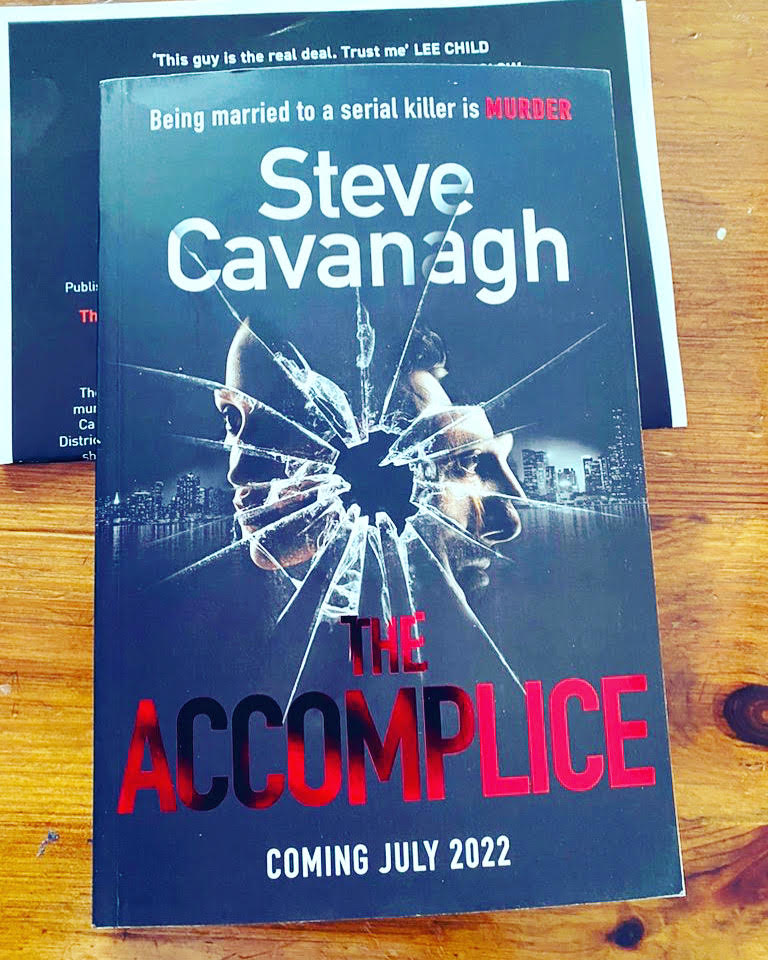
The Accomplice By Steve Cavanagh Book Review

I love Eddie Flynn and The Accomplice is the best Eddie Flynn novel yet. Yes, I know I say that every time, but this time it is true. Steve Cavanagh is one of the best crime writers of our times. Full stop. It left me terrified, excited and completely engrossed. The hardest thing about this book is not reading it all in one sitting. Clear a day in your diary and ignore everything else.
The Accomplice doesn’t take the easy, obvious path. It is full of surprises. It will break your heart and thrill you all at once. Brilliant.

steve cavanagh the accomplice

THE MOST HATED WOMAN IN AMERICA

The Sandman killings have been solved. Daniel Miller murdered fourteen people before he vanished. His wife, Carrie, now faces trial as his accomplice. The FBI, the District Attorney, the media and everyone in America believe she knew and helped cover up her husband’s crimes.

THE LAWYER

Eddie Flynn won’t take a case unless his client is innocent. Now, he has to prove to a jury, and the entire world, that Carrie Miller was just another victim of the Sandman. She didn’t know her husband’s dark side and she had no part in the murders. But so far, Eddie and his team are the only ones who believe her.

THE FORMER FBI AGENT

Gabriel Lake used to be a federal agent, before someone tried to kill him. Now, he’s an investigator with a vendetta against the Sandman. He’s the only one who can catch him, because he believes that everything the FBI knows about serial killers is wrong.

THE KILLER

With his wife on trial, the Sandman is forced to come out of hiding to save her from a life sentence. He will kill to protect her and everyone involved in the case is a target.

Even Eddie Flynn…

The Accomplice is available here.

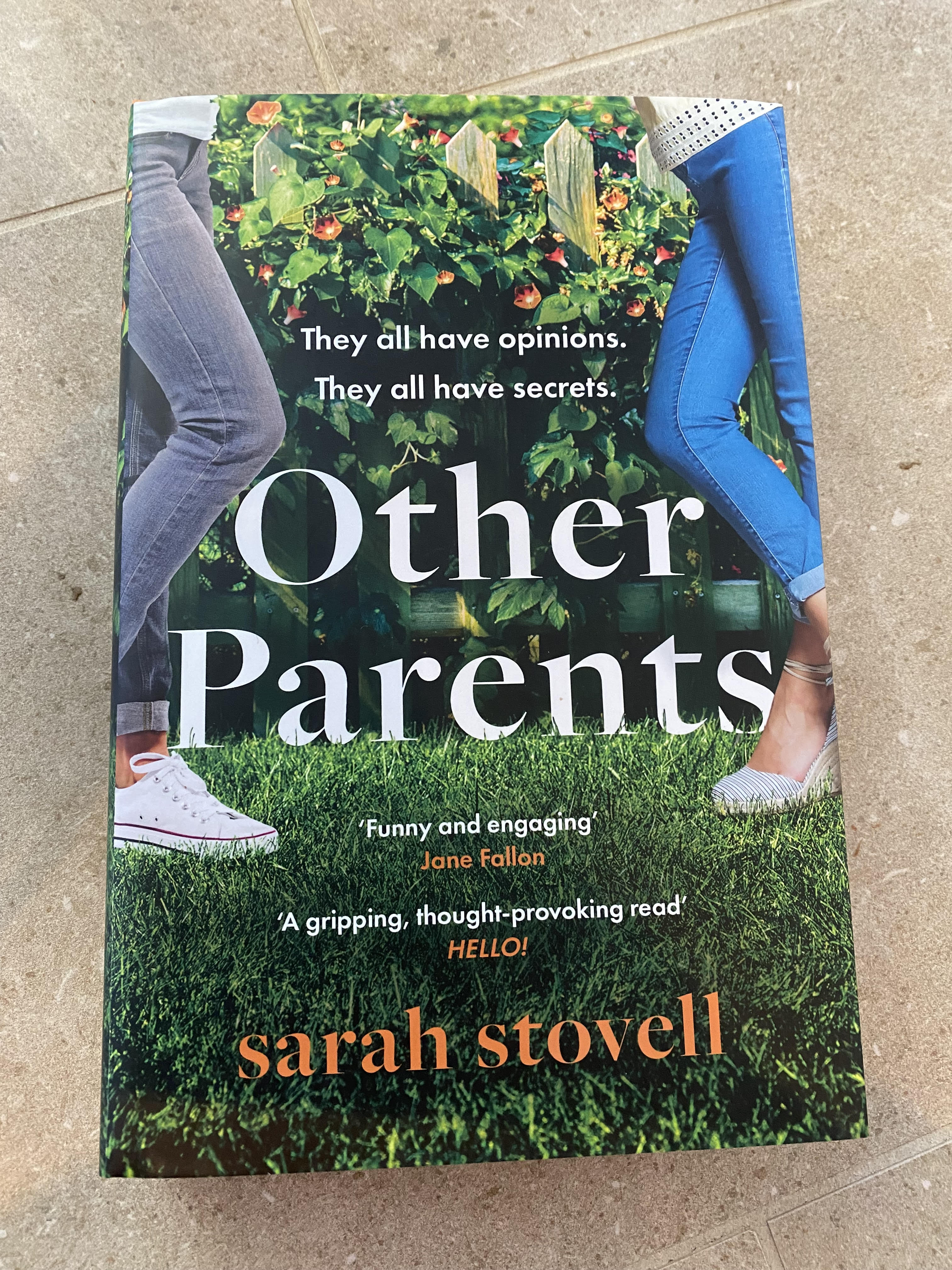
Other Parents by Sarah Stovell Book Review

Some books make you think not only while you are reading them, but also long after you have finished. Other Parents is such a book. Other Parents is a multi-layered book that delves deep into people and their motives. I felt every emotion while reading Other Parents. It is a book that opens your mind to how other people live and what might make them act the way they do.

I found myself both respecting Rachel, while being infuriated with her. I was equally infuriated with Laura, but also felt for her. We live in an unequal society and Sarah Stovell is an outstanding talent who has captured the class disparates in our society and laid them bare. Other Parents is a fascinating novel that I did not want to put down for a moment. It is clever and entertaining. With characters who are vivid and real, and a plot that doesn’t let you go. Loved it.

other parents, sarah stovell,

In a small town like West Burntridge, it should be impossible to keep a secret.

Rachel Saunders knows gossip is the price you pay for a rural lifestyle and outstanding schools. The latest town scandal is her divorce – and the fact that her new girlfriend has moved into the family home.

Laura Spence lives in a poky bedsit on the wrong side of town. She and her son Max don’t really belong, and his violent tantrums are threatening to expose the very thing she’s trying to hide.

When the local school introduces a new inclusive curriculum, Rachel and Laura find themselves on opposite sides of a fearsome debate.

But the problem with having your nose in everyone else’s business is that you often miss what is happening in your own home.

Other Parents is available here.


TWO EVOCATIVE AND INNOVATIVE DUAL TIMELINE ROMANCES FROM ONE MORE CHAPTER

Dual timeline romances based around the First and Second World Wars are tremendously popular, but these two new summer releases from One More Chapter break the mould: Deborah Carr’s moved between WW1 and WW2, and Eva Glyn’s is set in the former Yugoslavia, a theatre of war in the 1940s that is barely mentioned in modern fiction.


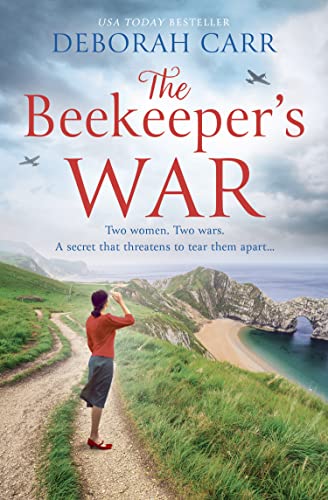
The Beekeeper’s War by Deborah Carr, reviewed by Eva Glyn

An unusual dual timeline in that it is set during the First and Second World Wars, but I enjoyed The Beekeeper’s War all the most because of it.

I have read Deborah Carr books before and she is so skilled at recreating believable and accurate historical settings and characters, without ever beating you over the head with it. The history just flows as the natural backdrop for her story, which is of course how it should be but is nonetheless not easy to achieve.

The novel opens in 1916 when two friends from Jersey, Pru and Jean, are nursing wounded soldiers. Despite herself, Pru begins to fall for a handsome airman Jack who visits Ashbury Manor and is a close friend of the son of the house, Monty, who is a patient there. Jack is still very much on active service and the book opens with a scene of him escaping his German captors a year later, so we know this affair is not going to run smoothly.

In 1940 Pru’s daughter Emma finds herself at Ashbury to stay with her mother’s friends, determined to unlock some secrets from the past. To say more would spoil this story and that I don’t want to do, because it is such an enjoyable read I’d like you to find out for yourself.


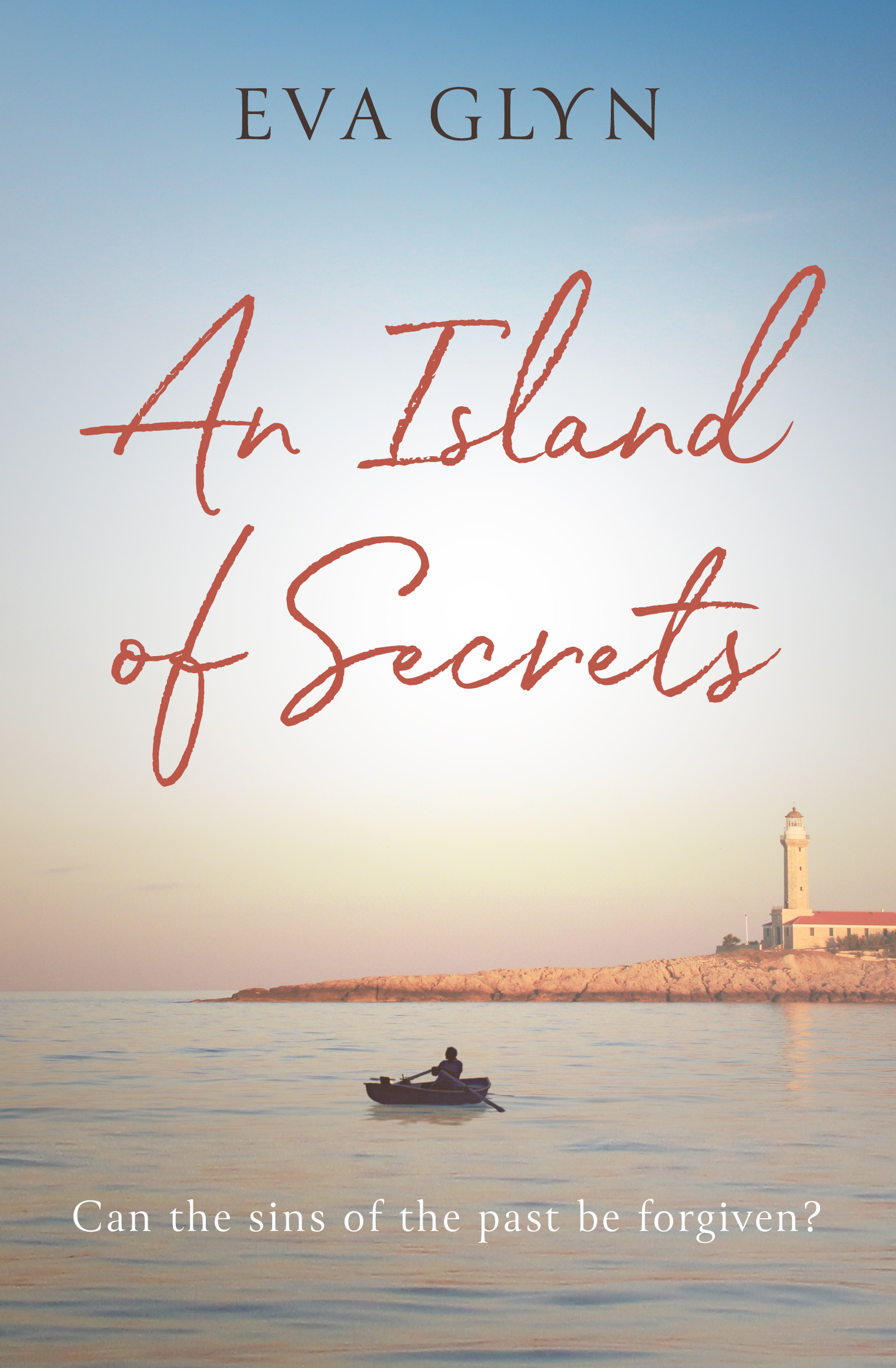
An Island of Secrets by Eva Glyn, reviewed by Kitty Wilson

I raced through this novel over the course of two days and was thoroughly swept into the story of Guy and Ivka, as well as that of Leo and Andrej. The only drawback being that it ended too quickly and I should have savoured it.

It is written as a dual timeline and is seamlessly woven together as Leo goes in search of answers to outstanding questions her elderly grandfather has about his time in Yugoslavia (as it was) in the Second World War. I found the story of Guy as an SOE operative on the isle of Vis truly compelling and Eva Glyn writes with a sensitivity and insight that comes across on every single page. She truly bought home the scenes where Guy witnessed the horrors of war and I was totally pulled into the story as he battled with the choices he had to make.

From the very start of his first meeting with Ivka I was so invested in their relationship, they seemed like a natural good fit and I couldn’t help but respect the courage both of them showed on a daily basis. In fact, all the characters were written in a way that had you aware of their flaws but thoroughly rooting for their success.

But for me the most outstanding element of this fabulous novel was Eva Glyn’s way of conjuring the isle of Vis in the reader’s mind, she had me there seeing and smelling and feeling the scenery and made me feel that I could truly inhabit her characters’ world.

Overall, I found this novel to expertly crafted and cannot recommend it highly enough, it is a deeply impactful and emotionally powerful read and the story of Guy and Ivka in particular will stay with me for a very long time.


CARIADS’ CHOICE: MAY 2022 BOOK REVIEWS

K T Dady’s Lemon Drop Cottage reviewed by Carol Thomas

This is the first book by K T Dady that I have read and, therefore, my first visit to Pepper Bay. As each book in the series is standalone, this didn’t spoil my understanding of the story.

I enjoyed meeting Scott and Dolly and spending time in this close, friendly community as their feelings developed. Dolly’s son, Dexter, is a great character who shone through; it was nice to see a teenage boy represented in a positive, caring way. There is an interesting sub-plot with the local retirement home being under threat and a good cast of secondary characters – I liked Giles, who has a close link to Scott and his secretive past. Having visited the Isle of Wight, I enjoyed the setting. Overall, this is a warm-hearted novel full of kind, caring characters who will make you smile.


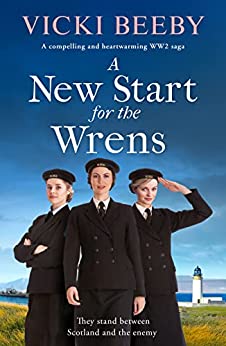
Vicki Beeby’s A New Start for the Wrens reviewed by Morton S Gray

Loved this book! I binge read it as I wanted to know what would happen. The three main female characters Iris, Mary and Sally are all so easy to relate to and care about, as is Rob. Love the glimpses of Orkney and the poignant history. Cottoned on to the baddie early on and kept shouting warnings at my Kindle lol. Loved Vicki Beeby’s Ops Room Girls series and was worried this might not be as good but it is! Can’t wait for the next instalment in this series.


Rosemary Noble’s Sadie’s Wars reviewed by Jessie Cahalin

I have been idle for two days and it is Rosemary Noble’s fault. I travelled from innocence to experience with her character, Sadie.  She had my ear as soon as I walked into this thrilling family saga.  This hard-hitting, realistic document of challenging times deals with: propaganda, inequality, domestic violence and loss. Insight into Australia and England placed me in the centre of the historical periods.

Strategic juxtaposition of Sadie’s life during World War One Australia and World War Two Grimsby is brilliant.  Noble explores how our experiences make us react in the future thus providing depth to Sadie’s character.  Wounded by past troubles, Sadie makes decisions that made me want to sit her down and give her advice.  Tempting questions hang artfully in each chapter of this novel. Noble shows the inequalities between men and woman at the turn of the century and contrasts it with changing attitudes in post Second World War Britain.  Historical events, attitudes and politics are artfully woven into the narrative fabric of the novel. Noble explores love so beautifully in the novel.

An intelligent, powerful and deeply moving novel from Rosemary Noble.


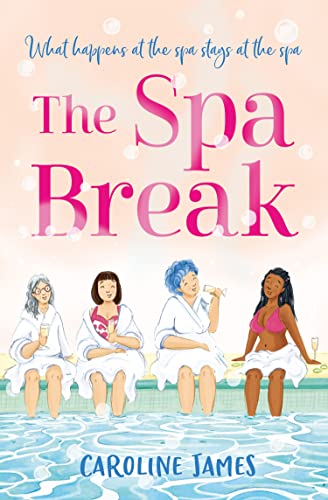
Caroline James’s The Spa Break reviewed by Jane Cable

How marvellous to have a book about four women in their sixties going away on a girls’ weekend. It happens in real life quite a lot (some young people would be amazed to hear), but rarely between the pages of a book, and frankly I’d like more of it.

Caroline James’ characters are brilliant; fully rounded, far from perfect and never, ever, falling into the trap of being stereotyped. Each of the four women has their own story to tell, their own future to grab hold of and change, and it seems that a spa break is the best place to do it.

This is a gorgeously warm, witty book and I would totally recommend it as a feelgood weekend or holiday read.


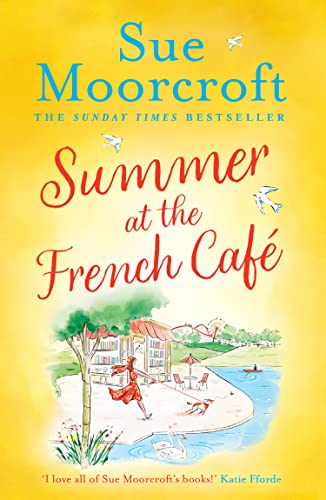
PUBLICATION SPECIAL: SUMMER AT THE FRENCH CAFE BY SUE MOORCROFT

As the saying goes, this is the first Sue Moorcroft book I have read, but it won’t be the last. On the face of it, Summer at the French Café is a happy ever after holiday read, but actually the book is far more.

So, what makes it stand out? The sense of place, certainly, and I love that. As I read I could actually see every place the author described; Parc Lemmel, the bookshop café at the story’s heart, the local villages… and without a single sentence of overblown description. All I needed to know was dropped seamlessly into the narrative in an exceptionally skilful way.

But more than the quality of the writing, I love the fact there is a very serious issue at the heart of the book, one that isn’t squashed or skimmed over in the search for a happy ending, one that is dealt with in a sensitive and realistic manner. That issue is emotional control; how it can be used in relationships, the reasons people accept it, and the dangerous patterns that mean it can echo across generations and years.

I asked Sue Moorcroft why she decided to tackle this insidious form of coercion…

“I’m interested in human behaviour, so when I read about control within relationships, I wanted to write about it. It provided the perfect secret behind central character Noah giving up his life in Dordogne and moving across France to Alsace. I write love stories, so the mystery had to be nuanced rather than a simple jeopardy.

I remembered someone who, when she lost her husband, refurnished and redecorated her home. I’d never come across that reaction to widowhood. She explained, ‘He liked to be the one to choose. But now I can.’ To me, this put their relationship in a whole new light. When we’d invited her out and she’d said, ‘I’ll have to check,’ had she meant with her diary? Or with her husband? When we’d picked her up, he escorted her to the car and looked inside to say, ‘Good evening’. How old-fashioned and courtly, I’d thought. But was he checking she was going out with who she’d said she was? If so, did this behaviour make her feel cherished?

Or did she resent it and feel controlled?

She also once mentioned that she’d married young and that her (by then deceased) dad had been a similar man to her husband…

I’ll never know if I jumped to conclusions, but my suspicions informed the background I gave Noah’s ex, Florine. When Florine’s controlling father died, she felt adrift. Attentive Yohan came along, telling her what she looked best in what he liked so that she could like it too, and she felt secure again. But leaving Noah for Yohan pitched her into a very different relationship.

The interesting thing about control, and which provided the nuances I was after, is that it doesn’t have to involve a traditional bully. Yohan doesn’t hit Florine or her daughter Clémence – he loves them. In fact, he almost suffocates them with his love, wanting constant knowledge of where they are or to have them with him, using his anxieties over them to cut them off from others, so he can bask in their undivided attention. His behaviour stems from his own insecurity and immaturity. Mix in a little self-importance and selfishness, and you have a controlling man. Yohan isn’t a main character, which means that Summer at the French Café is not his story – but the plot around Noah won’t work without him.”


Jane Cable


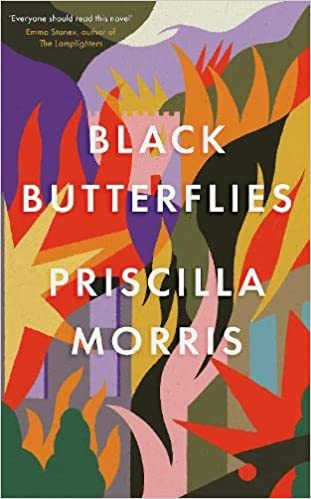
EVA GLYN’S PUBLICATION DAY REVIEW OF PRISCILLA MORRIS’S BLACK BUTTERFLIES

When the Netgalley notification came through of a novel set in Sarajevo during the conflict of the 1990s, I had to read it. My interest in the war had been sparked by a conversation with then tour guide, now friend, Darko Barisic, who as a child had lived through the same conflict in Mostar. I knew what he’d gone through and I greatly respected his resilience. I also knew I had to tell his story, which I did through the medium of The Olive Grove, my first women’s fiction title set in Croatia.
Black Butterflies is completely different to my own book, it’s literary fiction but reads almost like a memoir. It takes you to Sarajevo in 1992 real time through the eyes of Zora, an artist and tutor who along with her neighbours experiences the brunt of the siege. A siege that occurred when an army of Serbs surrounded what was a wonderful multi-ethic, highly cultured society. A society none expected would turn into a war zone.

The language the author uses is incredible in both its beauty and its harshness. It’s also immersive. I was in Sarajevo, and it is rare a book has so much power to transport me in such a multi-sensory way. The horror, the moments of lightness, the unremitting awfulness of losing almost everything… no work, no food, no power, no water… while being under fire. It all became absolutely real and that is an incredible talent.

I guessed early on that the author had access to first hand accounts and this proved to be the case. Although fictional, Black Butterflies is a melding of two family stories, and the experiences of a larger number of people, but skilfully woven together they make a unified whole.

A word of warning though; if you are particularly anxious about the situation in Ukraine, this isn’t the time to read this book. However if you would prefer to think on how conflicts do end, how people come out of the other side and go on to lead normal lives, then do.


Publisher’s blurb for Black Butterflies:

Sarajevo, spring 1992. Each night, nationalist gangs erect barricades, splitting the diverse city into ethnic enclaves; each morning, the residents – whether Muslim, Croat or Serb – push the makeshift barriers aside.

When violence finally spills over, Zora, an artist and teacher, sends her husband and elderly mother to safety with her daughter in England. Reluctant to believe that hostilities will last more than a handful of weeks, she stays behind while the city falls under siege. As the assault deepens and everything they love is laid to waste, black ashes floating over the rooftops, Zora and her friends are forced to rebuild themselves, over and over. Theirs is a breathtaking story of disintegration, resilience and hope.

Publisher’s blurb for The Olive Grove:

Antonia Butler is on the brink of a life-changing decision and a job advert looking for a multilingual housekeeper at a beautifully renovated Croatian farmhouse, Vila Maslina, is one she can’t ignore.

Arriving on the tiny picturesque island of Korčula, Antonia feels a spark of hope for the first time in a long time. This is a chance to leave the past behind.

But this island, and its inhabitants, have secrets of their own and a not-too-distant past steeped in tragedy and war. None more so than Vila Maslina’s enigmatic owner Damir Maric. A young man with nothing to lose but everything to gain…

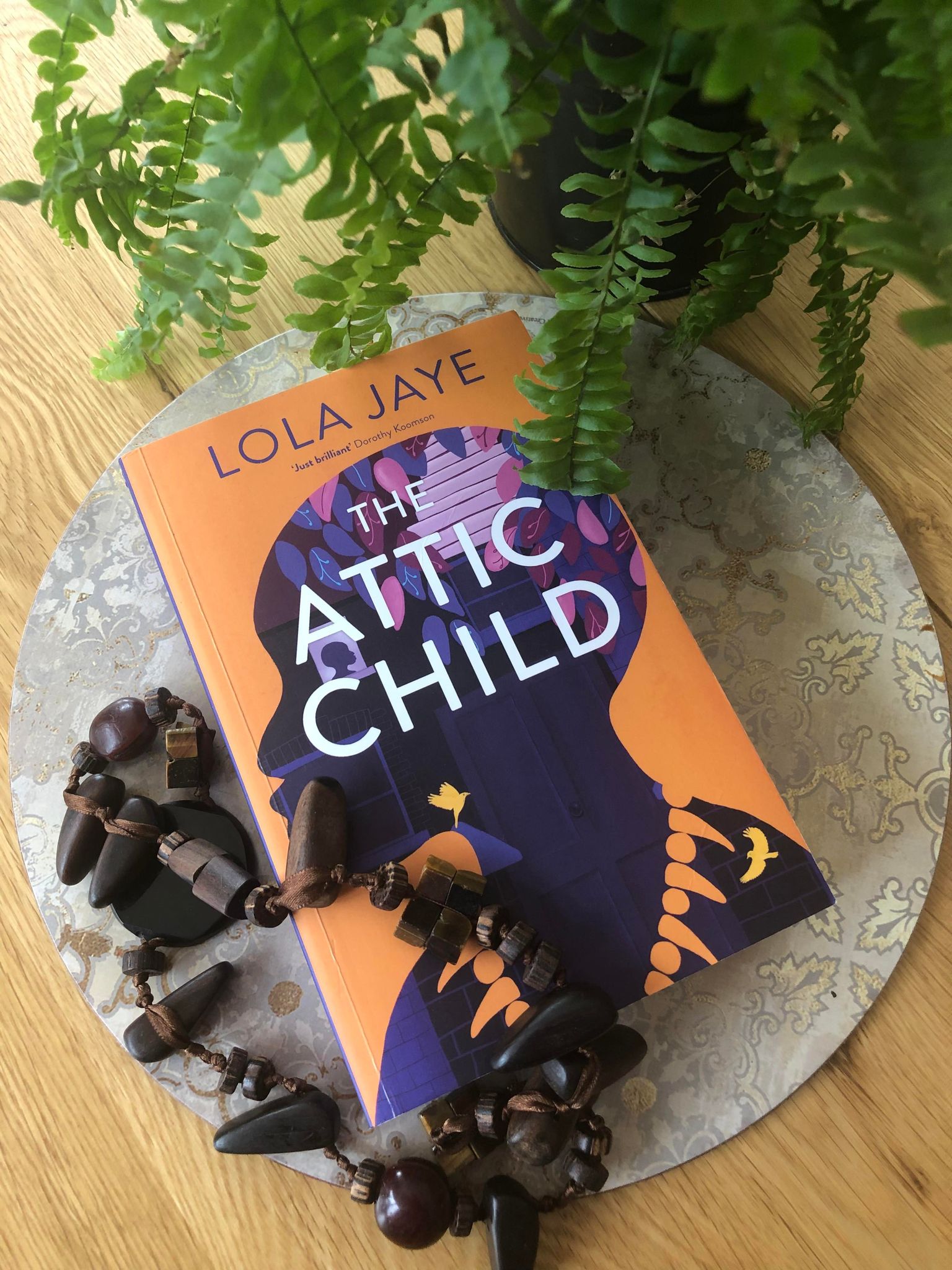
The Attic Child by Lola Jaye

the attic child lola jaye

Here’s the book for the weekend – and it’s a long bank holiday so you’ll have plenty of time to indulge yourself and be swept away by the wonderful The Attic Child by Lola Jaye.

This was such a powerful, if at times uncomfortable, read. A dual timeline novel telling the stories of two children trapped in an attic almost one hundred years apart.

From the opening lines, I was desperate to discover what happened to Dikembe, a young African boy who is taken from his family in the Congo at the tender age of ten and travels to England as a companion to explorer, Richard Babbington. Lola Jaye takes you by the hand and leads you on a journey that interweaves the lives of Dikembe and Lowra as they navigate their path through the terrible circumstances in which they find themselves.  It was at times a dark and disturbing read but a story of the redemptive power of friendship.

Lola Jaye’s inspiration for this novel was triggered by a photograph she saw at the National Portrait Gallery – part of an exhibition on Black British Victorians.

One of the photographs was of a young African boy, Ngudu M’hali, pictured alongside the explorer Henry Stanley. The boy had a short and tragic life, taken from his family and either sold or given to Stanley as either a slave, servant or companion. Accounts differ and the truth may never come to light. Ngudu M’hali drowned in a canoeing accident on the River Congo in 1877 when he was twelve years old but The Attic Child explores what might have happened to a boy in similar circumstances had he lived. This is not Ngudu’s story – but inspired by the photograph Lola Jaye began to craft a wonderful tale of one such boy, Dikembe. Oh, my heart broke for that small child, torn from his loving family and thrust into an unfamiliar life in an unfamiliar land.

A timely book and one that has stayed with me long after I reached the final page.

Two children trapped in the same attic, almost a century apart, bound by a secret.

1907: Twelve-year-old Celestine spends most of his time locked in an attic room of a large house by the sea. Taken from his homeland and treated as an unpaid servant, he dreams of his family in Africa even if, as the years pass, he struggles to remember his mother’s face, and sometimes his real name . . .

Decades later, Lowra, a young orphan girl born into wealth and privilege, will find herself banished to the same attic. Lying under the floorboards of the room is an old porcelain doll, an unusual beaded claw necklace and, most curiously, a sentence etched on the wall behind an old cupboard, written in an unidentifiable language. Artefacts that will offer her a strange kind of comfort, and lead her to believe that she was not the first child to be imprisoned there . . .


The Attic Child is published by  Pan and is available from all good bookstores and online retailers.


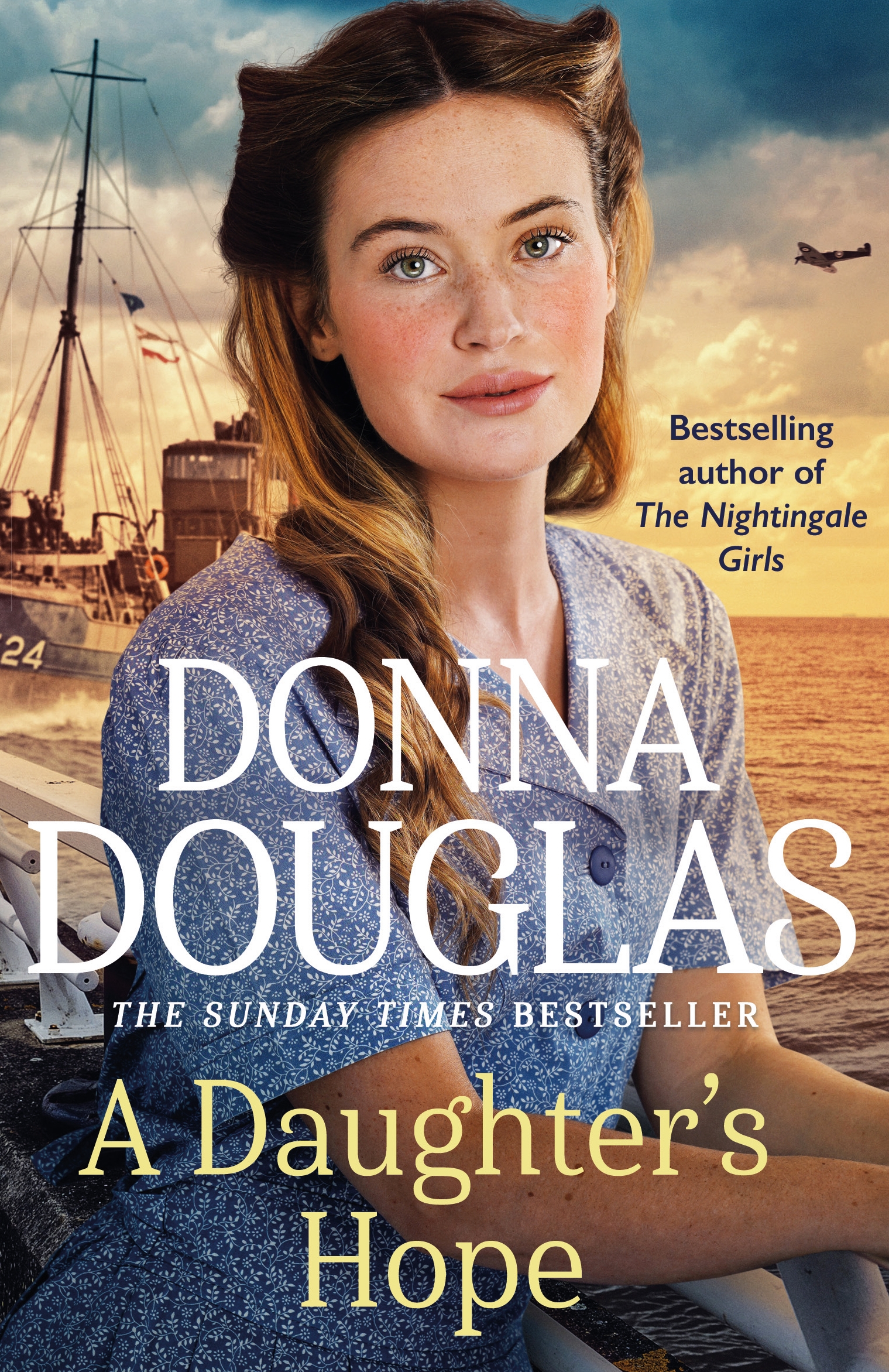
A Daughter’s Hope by Donna Douglas

a-daughters-hope-donna-douglas

A Daughter’s Hope is the conclusion to the Yorkshire Blitz trilogy by Donna Douglas. I do hope it’s not the last we see of the MacGuire family who are a fantastic bunch of characters – or are they real? They seem like it when you’re reading. It’s like peering into a window and watching as their lives unfold. Matriarch Big May MacGuire leaps from the page, a strong woman in charge of her noisy, squabbling, good-hearted brood.

It’s Autumn, 1942; the Blitz has come to an end and the residents of Jubilee Row begin to get their lives back on track. Twins Sybil and Maudie join the WAAF to do their bit for the war effort. The girls may be twins but each has their own personality, and they face their own struggles when it comes to adapting to force’s life and discipline.  Will they be able to thrive in this new environment?

Back in Hull, 42 year-old Florence, the eldest of May Maguire’s daughters, has a good job as supervisor of a typing-pool but feels thwarted when a new manager joins the staff and threatens to undermine her authority.

May understands Florence least of all her children and Florence’s strong independence keeps her hovering on the edge of family life. The love and awkwardness, the misunderstanding between the two women was gently revealed from the first chapter and I really enjoyed the complex relationship between Florence and her mum.

There is humour and warmth,  and a strong sense of making the best of things – there’s never a dull moment among the folks of Jubilee Row.

I have to say that having read the others in the trilogy this is my favourite. The plotlines are deftly interwoven and the skilled writing and storytelling draws the reader along until the very last page. I was sad when it came to an end.

I hope there’s more to come from the MacGuires, but if there isn’t I eagerly await the next book from Donna Douglas.

A Daughter’s hope by Donna Douglas is published by Orion and available from all independent bookstores, Amazon, and other online retailers from 28th April 2022 .

a-sisters-wish-donna-douglas a-mothers-journey-donna-douglas