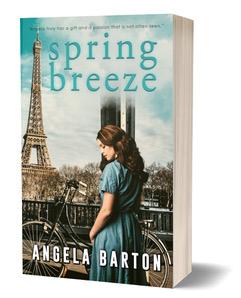
SUNDAY SCENE: ANGELA BARTON ON HER FAVOURITE SCENE FROM SPRING BREEZE

I love the freedom of writing fiction. I construct imaginary buildings and places, create characters, invent stories for them and decide how they’ll react to the obstacles I put in front of them. I forge their relationships, decide who they’ll fall in love with and I determine their outcome. But over the years as my writing has evolved, I like to include real events from history, real people who were alive at the time of my story, and real objects. In Spring Breeze, Irène Némirovsky and Picasso make appearances and interact with my characters, but my excerpt below is about an object.

A great deal of responsibility comes with including actual people or objects in a book. Research has to be thorough and accurate, then entwined into the storyline without sounding like a history lesson! I never enjoyed history at school. Every time I was given homework is was to learn a seemingly endless list of names and dates. I wanted dramatic stories, heroes and heroines. I wanted adventure, romance and excitement. Perhaps that’s one of the reasons I became a writer. Now I can make my own stories whilst adding a touch of realism and history to them.

My protagonist in Spring Breeze is Matilde Pascale. She used to work in an auction house before the German invasion caused its closure. Forced into working for the enemy at the Jeu de Paume museum in Paris, Matilde discovered an object she’s been asked to log; a priceless artefact from history. Imagine the scene. Matilde has been led to the basement of the Jeu de Paume museum where the Germans are storing looted valuables: jewellery, antiques, paintings, ornaments etc. It’s gloomy, lit by dim bare light bulbs, it’s eerily quiet except for the faint echoes of footfall on the floor above her, and she’s alone in the vast storage room.


Kneeling, Matilde placed her notepad and pen on the floor. Whatever could it be? She touched it. It felt solid. She peeled back its wrapping and saw material that had been rolled tightly. She found one end but it was too heavy to unroll. She followed a fold, running her fingers along its length and gradually teasing out the material until she had enough to fold it back. Slowly she peeled back a corner to reveal embroidery. The workmanship was exquisite, in vibrant colours and Latin inscriptions. The material felt like linen and smelt musty, like walking into an old church. Looking closely she could see that it had been sprinkled with moth powder. She unfolded a little more: a horse, a man with a sword, arrows. The figures were immediately so individual and so identifiable that her mouth fell open. Her eyes, now wide with wonder and horror, took in what lay before her on the floor.
It was the Bayeux Tapestry.

Matilde knelt reverentially before the giant roll of fabric and pulled on her gloves. She gently laid her palm against the cloth, leaned forward and smelled it. A frisson of awe forced her to close her eyes and wonder at the history this tapestry had seen. It had been associated with such bellicose men as William the Conqueror and Napoleon Bonaparte. It had survived the French Revolution in the 18th century and withstood examinations and transportations.

 

www.angelabarton.net


CARIADS’ CHOICE: SEPTEMBER 2022 BOOK REVIEWS

Lynne Francis’ A Maid’s Ruin reviewed by Susanna Bavin

This thoroughly engaging and enjoyable story follows the fortunes of young Molly Goodchild, a dairymaid whose life is one of unrelenting hard work. She dreams of better things, but this doesn’t mean she isn’t a practical person, well versed in the demands of everyday life and family responsibilities.

I was enormously fond of Molly. She is a naturally strong character who shows both determination and tenacity in the face of adversity, but at the same time, her youth and inexperience make her vulnerable. I found her utterly believable and I rooted for her all the way.

This emotional and dramatic story is set in Georgian times and Lynne Francis has filled the pages with period detail and beautifully written descriptions of the various settings. A lot of research has gone into this book, adding vibrancy, immediacy and depth to the telling.

This is the coming-of-age story at its best.


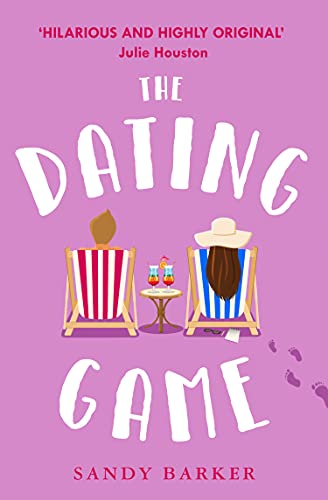
Sandy Barker’s The Dating Game, reviewed by Jessie Cahalin

What happens when a journalist goes undercover on a reality show?

I absolutely loved The Dating Game. Abby is a wonderful character guiding the reader through her hilarious observations of the world of reality television. This smart, witty character exposes the micro-politics behind the scenes. This is a romance novel with so many twists and turns you’ll be dizzy, and you’ll giggle your way to the end. Besides entertaining me, this was an astute observation on reality TV culture. The novel is jam packed with wit, sensitivity and humour. I could not put this novel down! A perfect beach read, and I wanted to book a holiday in Sydney by the end.


Jules Wake’s The Wednesday Morning Wild Swim reviewed by Carol Thomas

This was a fun, feel-good read with a cast of wonderful characters. I enjoyed the setting and the unfolding romance between Ettie and Dominic. There was plenty of humour; I even laughed out loud at times. I loved Ettie for her moments of candour, albeit she was also prone to the odd little white lie. The characters were from a broad age range, leading to realistic and funny interactions and a community feel. I enjoyed the blossoming friendship of the wild swimmers and getting to know what spurred them to need their swim. It was also great to check in with returning characters from The Saturday Morning Park Run, a book I also greatly enjoyed. While I was a little unsure about the set-up for the penultimate scene, I welcomed the happy ending. Overall, it is escapism that will make you smile!


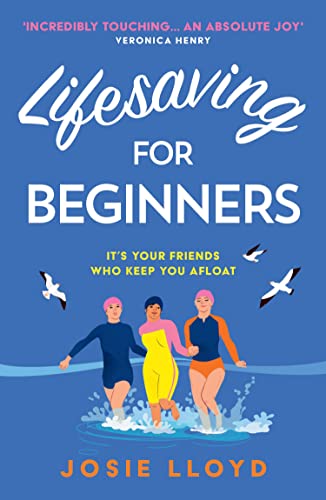
Josie Lloyd’s Lifesaving for Beginners reviewed by Jane Cable

There was nothing I didn’t love about this book. How often do you read that in a review, but it isn’t a phrase I use often and I really mean it.

The stories of the five women who meet on Brighton beach to swim during the pandemic are wound seamlessly together to make a cohesive whole. Maddy, whose marriage and Instagram-perfect lifestyle have fallen apart; Helga the elder stateswoman who refuses to accept the limitations of her advancing years; Claire, the wife and mother who feels she has become invisible; Dominica struggling with grief; and Tor who is afraid to tell her family about the woman she loves.

This is a book about the power of friendship and the ability to move on. There is no one central shared ‘quest’ and really no central character. Their stories blend and twist together in such a powerful way I found it impossible to put down.


SUNDAY SCENE: SUZANNE SNOW ON HER FAVOURITE SCENE FROM SNOWFALL OVER HALESMERE HOUSE

Inspiration for me often begins with the setting and I knew I had found my characters’ home when I visited this gorgeous house and garden in Cumbria. Soon I could envision Ella and Max here and picture their story unfolding around me. The scene I’ve chosen to share is set on a Sunday evening when Ella is feeling tense and alone in the house on her first weekend at Halesmere. Active by nature, she heads out into the frosty night for a walk in the grounds to settle herself before bed:


Not a thing seemed to be stirring when Ella reached the empty lane; she felt like the only person awake and watching the world at this hour. She really ought to go back to bed; midnight would soon be past, and she couldn’t spend the night marching up and down the drive.

She heard Prim before she saw her as she neared the house. She saw the dog freeze, then her tail shot up and Prim barked once, cautiously, then let out a volley of noise that had Max running after her.

‘Prim, shut up, there’s nothing there,’ he hissed. ‘Be quiet, you’ll wake the kids up.’

Ella had been looking for a tree or convenient spot where she might hide, but it was too late. Prim had found her and immediately swapped the barking for a madly wagging tail and a desperate wish to put her paws on Ella’s shoulders.

‘Who’s there?’ Max called sharply.

‘It’s me.’ She stepped forward, offering a quick smile she wasn’t sure Max would see through the dark. ‘Sorry, I didn’t mean to set Prim off like that.’

‘Ella! You had me worried for a minute, Prim’s never barked like that before.’

‘Just doing her job, aren’t you, girl.’ Ella stroked the dog leaning against her legs.

‘I suppose.’ Max was wearing a T shirt over lounging trousers, and he shivered. ‘It’s pretty late to be out for a stroll. Couldn’t sleep?’

‘No,’ she admitted. ‘Walking usually helps.’

‘I work rather than walk when I can’t sleep.’ He wrapped his arms across his body. ‘Not so easy for me to leave the house.’

‘Of course.’ She thought of his children, cosy in their beds. ‘But doesn’t working too many hours late at night just make you more tired?’

‘Yeah.’ She saw the gleam of his smile. ‘But I’ve got two excellent alarm clocks who like crashing on my head first thing, so there’s not much danger of me sleeping in.’

A gorgeous new image jumped into Ella’s mind, one featuring Max being woken with cuddles and love every morning by Lily and Arlo tumbling over him. ‘You’re not still working?’

‘Just finished. I let Prim out last thing before I head up.’ Max stamped his feet, blew out a breath. ‘It’s freezing. You don’t fancy a hot drink, do you?’

Not wise, Ella, she told herself. Not wise at all. But exactly what she wanted and quite possibly just what she needed. ‘I’d love one. Maybe not coffee though.’

‘No problem. I do a mean hot chocolate, and I could throw in a shot of brandy to warm us up.’

‘Perfect.’ It was, and Prim seemed delighted to be escorting Ella safely into the cottage instead of seeing her back to the silent house.


I loved writing this scene as it marks a change in Ella and Max’s relationship as they begin to understand one another and the circumstances which have led them to Halesmere House in search of new beginnings.


Sign up to Suzanne’s newsletter here: https://bit.ly/DownloadOpeningChapter


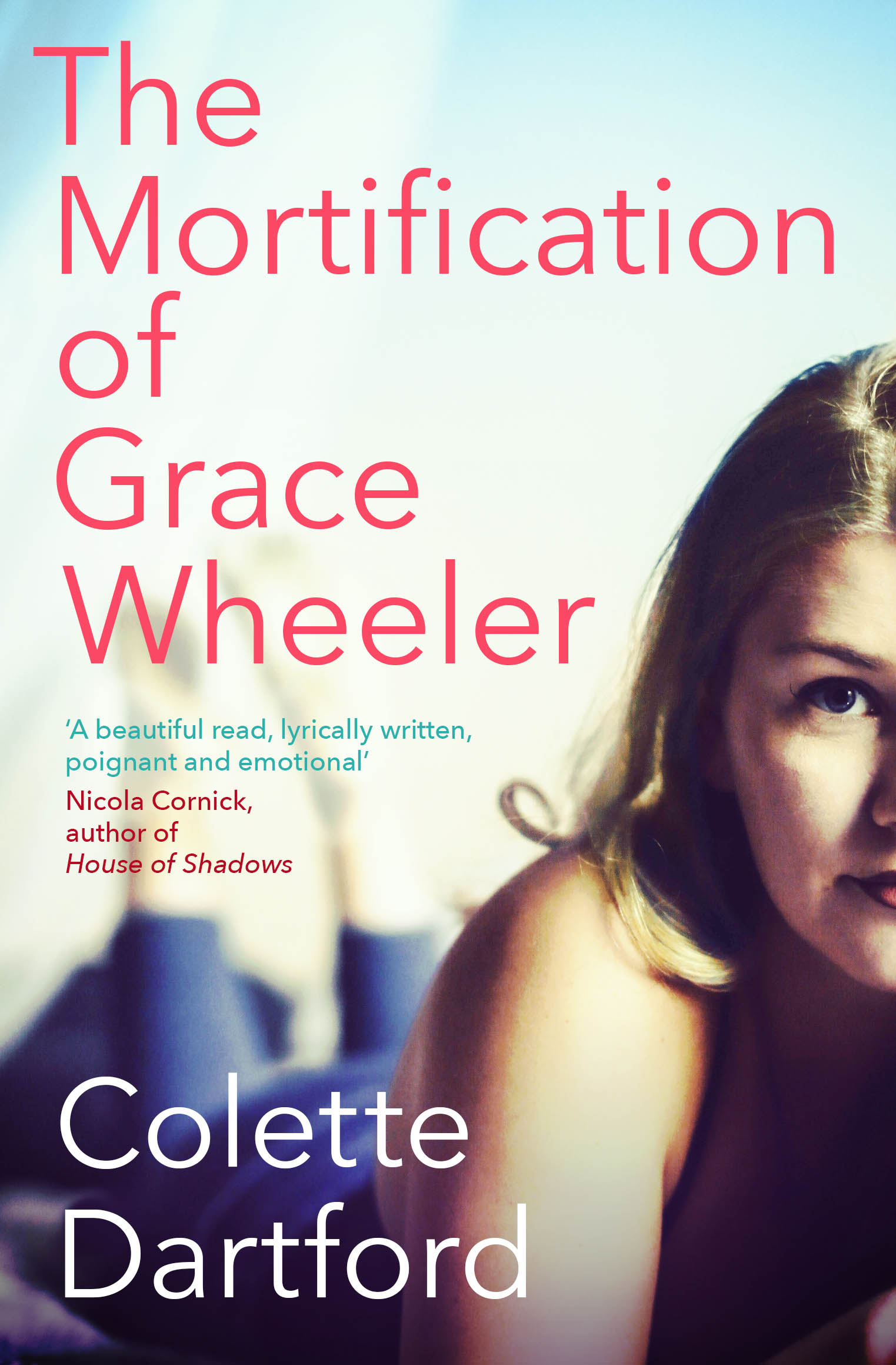
SUNDAY SCENE: COLETTE DARTFORD ON HER FAVOURITE SCENE FROM THE MORTIFICATION OF GRACE WHEELER

At the heart of my novels are relationships at a point of turmoil or crisis, because that is when they are most interesting. In Learning To Speak American, Duncan and Lola Drummond try to celebrate their twentieth wedding anniversary in sun-drenched California, while still grieving the loss of their daughter two years earlier. In An Unsuitable Marriage, Geoffrey Parry loses his business, his family home and his dignity. He is forced to move in with his elderly mother, testing their relationship, while his wife Olivia, takes a position at houseparent at their son’s prep school, testing their relationship too. In my third novel, The Mortification of Grace Wheeler, Grace is faced with a lonely empty nest when her only child, Josh, goes to university. For eighteen years they have been a family – Cal, Grace and Josh – but now Grace and Cal are a couple again, and she can’t see how that will work. The story begins the day before Josh – a keen fisherman – leaves home. Grace has taken him to one of his favourite fishing spots and watches wistfully from the grassy bank.

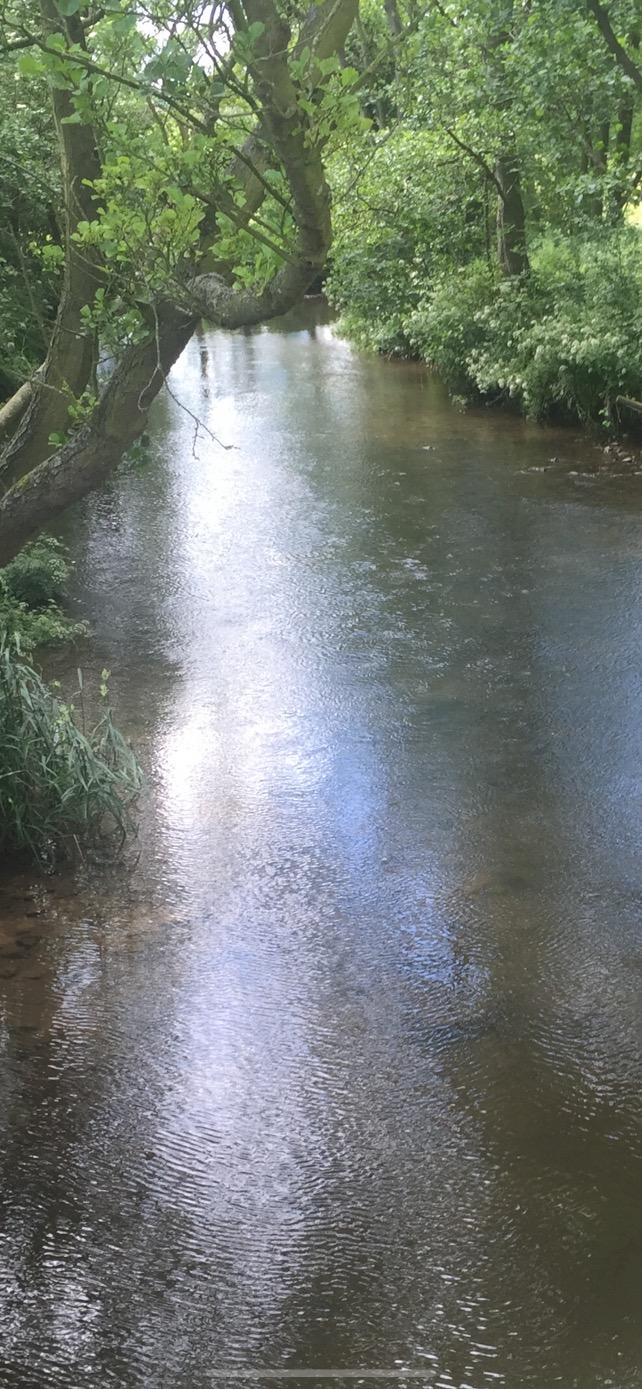
In many ways it was a perfect day. Late summer sun, buttery and low, showered gold dust on the river as it rippled over shallow rocks. A riot of insects flitted over the deeper water, tempting unsuspecting fish to the surface. Josh stood knee-deep in his waders and cast out with a long swish of his rod.

Grace sat on the riverbank, a tartan blanket spread out beneath her. The book her mother, Ruth, had given her lay face down on the picnic hamper – The Empty Nest: A Survival Guide. Ruth meant well, but even the title troubled Grace. It foreshadowed the vacuum Josh’s absence would create, and the spotlight it would shine on her marriage. From tomorrow, Grace’s own nest would be empty, and reading about it wasn’t how she wanted to spend this last day with her son.

Grace misses Josh terribly and is upset that Cal doesn’t. For him it’s a case of ‘job done’, an attitude that only highlights the distance between them. When she is advised to take up a hobby, Cal suggests she join his golf club, but she wants to spend less time with him, not more. Instead, she has fly-fishing lessons as a surprise for Josh when he comes home. Her instructor is a chilled and charming millennial, a complete contrast to Cal, more than twenty years her senior and unrepentantly set in his ways. Despite having always been true to her marriage vows, Grace finds herself drawn into a brief affair that has devastating consequences not just for her, but her entire family.

Rivers and lakes are the setting for some of the book’s more poignant scenes. As the story began by a riverbank, I wanted it to finish there too. ‘Bookend all the bad stuff’ is how Grace put it. I can’t say any more about what happens between these two excerpts, or how this particular day’s fishing will end.

Josh strode out into the gin-clear water and made his first cast. Grace watched from the bank and remembered the empty-nest book Ruth had given her. She had dumped it into the recycling, unread. No great loss, she told herself. Nothing could have prepared her for the trauma of her empty nest. Even now, she could hardly believe everything that had happened.


A SAFE PAIR OF HANDS


Jane Cable reviews three books from authors from whom quality is a given

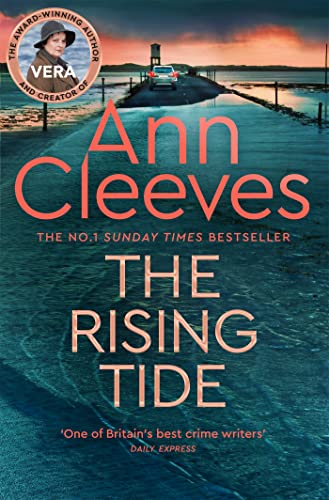
The Rising Tide by Ann Cleeves

I love it when you pick up a book and you know you’re in safe hands; seamless writing you cease to notice within minutes, credible characters, a beautifully bound together plot. I know it sounds strange to say so for a writer of Ann Cleeves’ experience, but not every author stays on top of their game in such an emphatic way.

This is the tenth Vera book and the first I have read. I don’t like crime books in general as I find them terribly formulaic and predictable, but, encouraged by my husband, I hoped for more. And The Rising Tide delivered in spades.

Fifty years ago a group of teenagers spent a retreat weekend on Lindisfarne and although their lives diverged, most of them return every five years, even though the first reunion was blighted by tragedy.  Now they are in their late sixties and make unlikely murder suspects, but when one of their number is killed they are all in the spotlight. Their backstories make them fascinating characters with so much depth, which is one of the things I enjoyed most about this fabulous book.


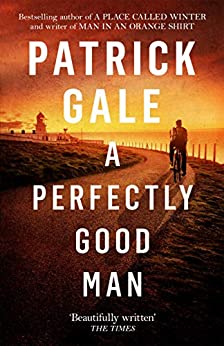
A Perfectly Good Man by Patrick Gale

It’s a long time since I read Notes From on Exhibition and I had forgotten what a convincing writer Gale is. His characters spring quietly from the page and somehow seep into your life so that you believe in their existence almost without knowing it. And for this book the setting was my adopted county of Cornwall and the author’s own home; the real Cornwall too, and not the sugar-coated touristy one.

The book opens with a young man’s suicide, and it isn’t hard to guess there is more than meets the eye to his relationship with the priest he calls to pray for him as he dies. Their stories, and the stories of those close to them, are then unwound, backwards and forwards, forwards and back in time, in a way that could feel disjointed, yet in fact makes perfect sense. This is a book I will remember for a long time.


Ordinary Thunderstorms by William Boyd

This was a book club pick and not the sort of thing I normally read. But that was my reason for joining a book club – to try new things. And guess what? I loved it.

A thriller set in the underbelly of London that most of us hope not to see, it follows the world of middle class academic Adam Kindred from the moment his world unravels when he’s accused of murder. At first one poor decision follows another and within days he is homeless and hungry, pursued not only by police, but by a ruthless hitman.

The story is told from multiple points of view that weave seamlessly together. Adam, the hitman, the boss of a pharmaceutical company that may be at the centre of it all, a policewoman and a prostitute. An unlikely cast of compelling characters who create a faultless narrative only a really skilled an experienced novelist could pull off.


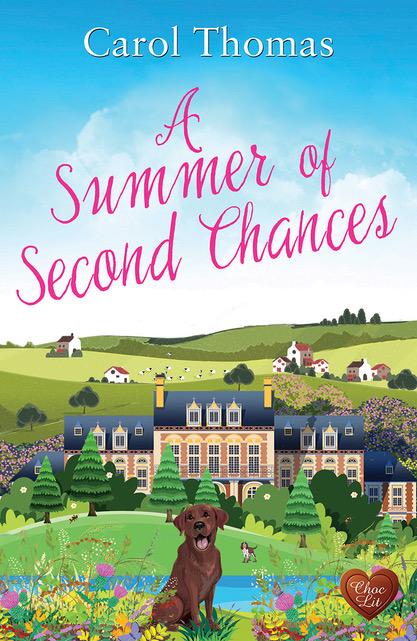
SUNDAY SCENE: CAROL THOMAS ON HER FAVOURITE SCENE FROM A SUMMER OF SECOND CHANCES

Ava Flynn, the heroine of my novel, A Summer of Second Chances, feels the clothes donated to the charity shop she manages have seen more life than her. Yet maximum dedication is what it takes to keep her late mother’s beloved wildlife charity, All Critters Great and Small, running.

But when Ava’s first love, Henry Bramlington, returns to the village, life suddenly becomes a little too eventful. As the heir to Dappleburry House and estate, Henry, has the power to make or break the village he left behind – All Critters Great and Small included.

In the scene I am sharing, Ava is running with her spaniel, Myrtle, in the grounds of Dapplebury House. Unaware that Henry has returned, but well aware she is trespassing (especially as she was banned from the estate many years ago), Ava is releasing the tension she has felt building inside as she encounters Henry for the first time in over a decade.


The trees went by in a blur. The sensation was freeing. Ava was running too fast for rational thought. Too fast to think about all that she would like to say to her mum; too fast to think about the weight of burden she felt at keeping All Critters Great and Small afloat; too fast to think about the never-ending mountain of donations at the shop, and – Oh God! – too fast to do anything to avoid the man stepping out from the line of trees just feet ahead of her.

With the deft agility that came from being half a metre from the ground, and in possession of four paws, Myrtle darted out of the way, while Ava braced herself for impact. Seeing the alarm in the man’s green eyes as if she were registering the situation in slow motion, Ava slammed into him, knocking him to the ground as the breath left them both.

Shocked at the abrupt stop as much as the fall, cushioned only by the fact she had landed on top of the man, it took Ava a moment to regain her faculties. Embarrassment taking over, she cursed and began scrabbling up from the horribly awkward situation. Myrtle ran around the unexpected scene in a frenzy of excitement as Ava and the man disentangled their bodies.

Ava stood. ‘Are you crazy? What are you thinking just stepping out like that?’

Slowly getting to his feet, the man laughed, the unexpected response doing nothing to ease Ava’s anger.

‘Seriously?’ She felt the beads of sweat on her temples prickle.

‘I’m sorry—’ The man, still doubled over with his hands on his hips, sounded winded. ‘I heard a scream … and came to see if everything was all right. I had no idea you were about to come … like a banshee, hurtling along from nowhere, on what is …’

‘Private property, I know,’ Ava retorted, flailing her arms in the direction of the woods.

She inhaled in readiness to continue, but as the man stood to his full height, flicking his fringe from his eyes, and offering the hint of a smile, no words came. Instead, Ava stood transfixed – recognition slowly dawning upon her.


I greatly enjoyed writing all of the scenes between Henry and Ava. While this marks a new beginning for them, all does not run smoothly, especially as Henry inadvertently leaves a donation at the shop that reveals secrets with far reaching consequences for them both.

EVA GLYN’S HIDDEN CROATIA: AFTER THE MONKS LEAVE…

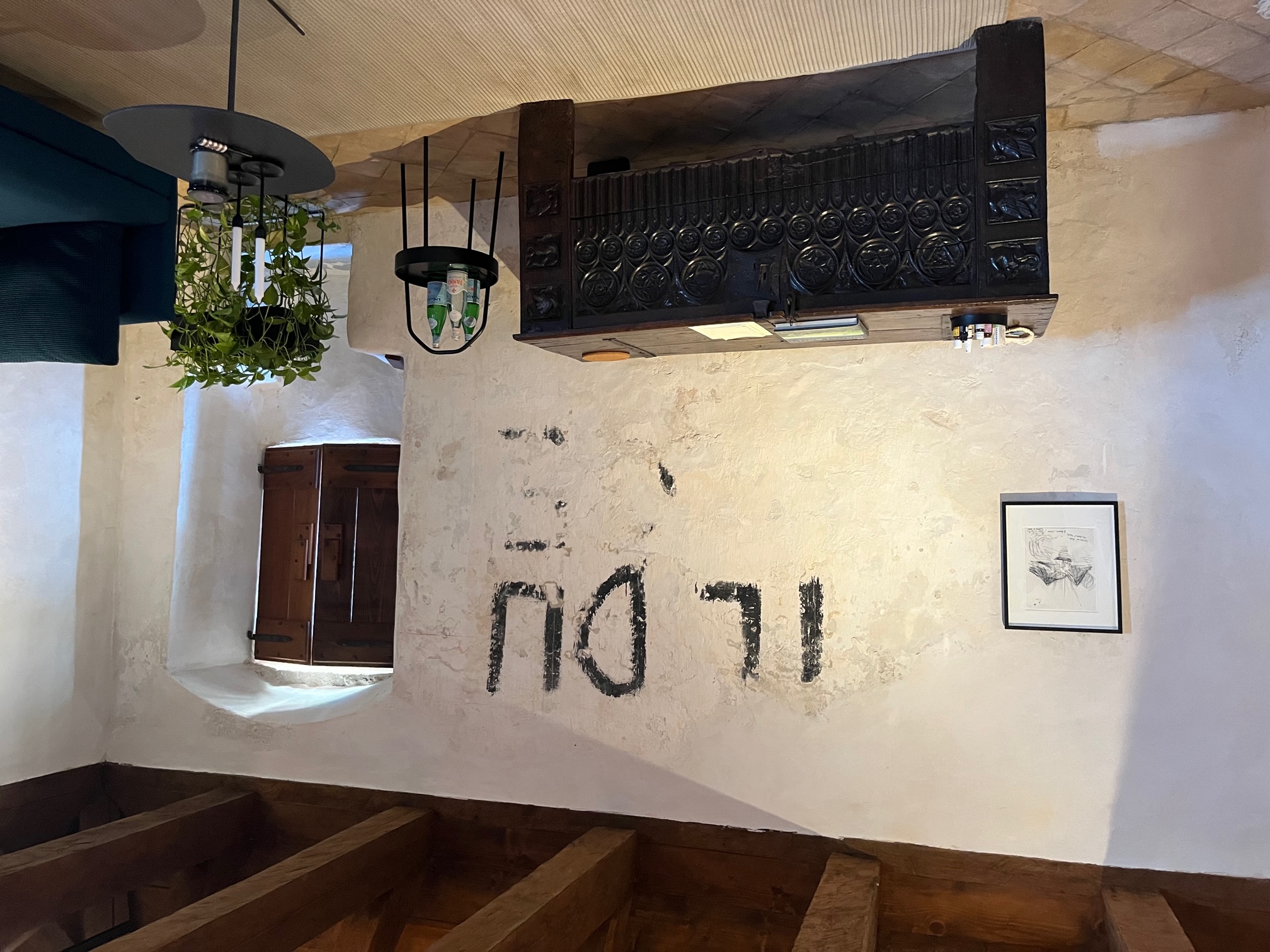
As so often happens when you’re researching, I stumbled across Lopud 1483. Strange name for a monastery now turned event space and high end holiday let, but not when you discover that was the year the Franciscans started to build Gospa od Spilice, or Our Lady of the Cave.

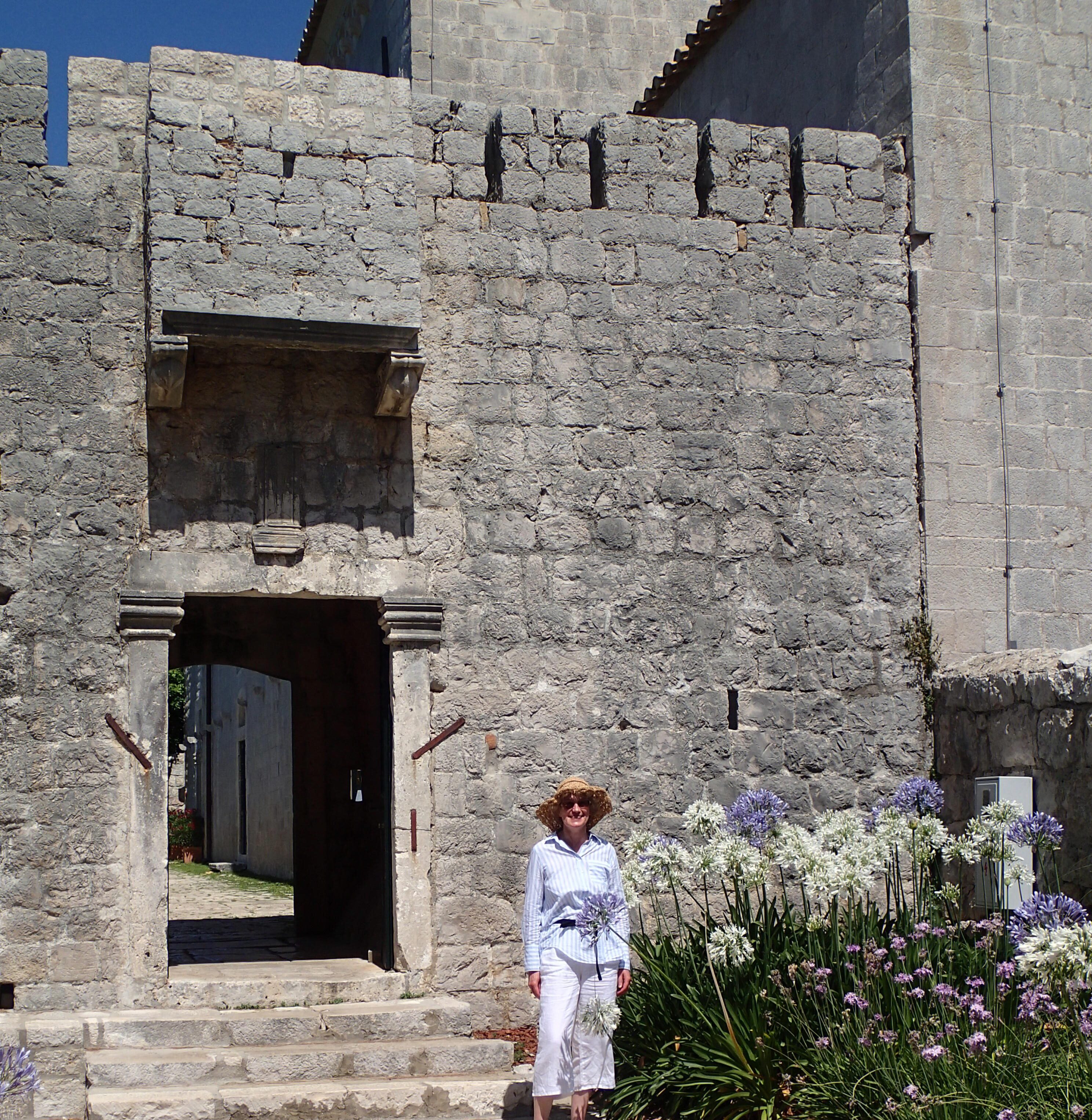
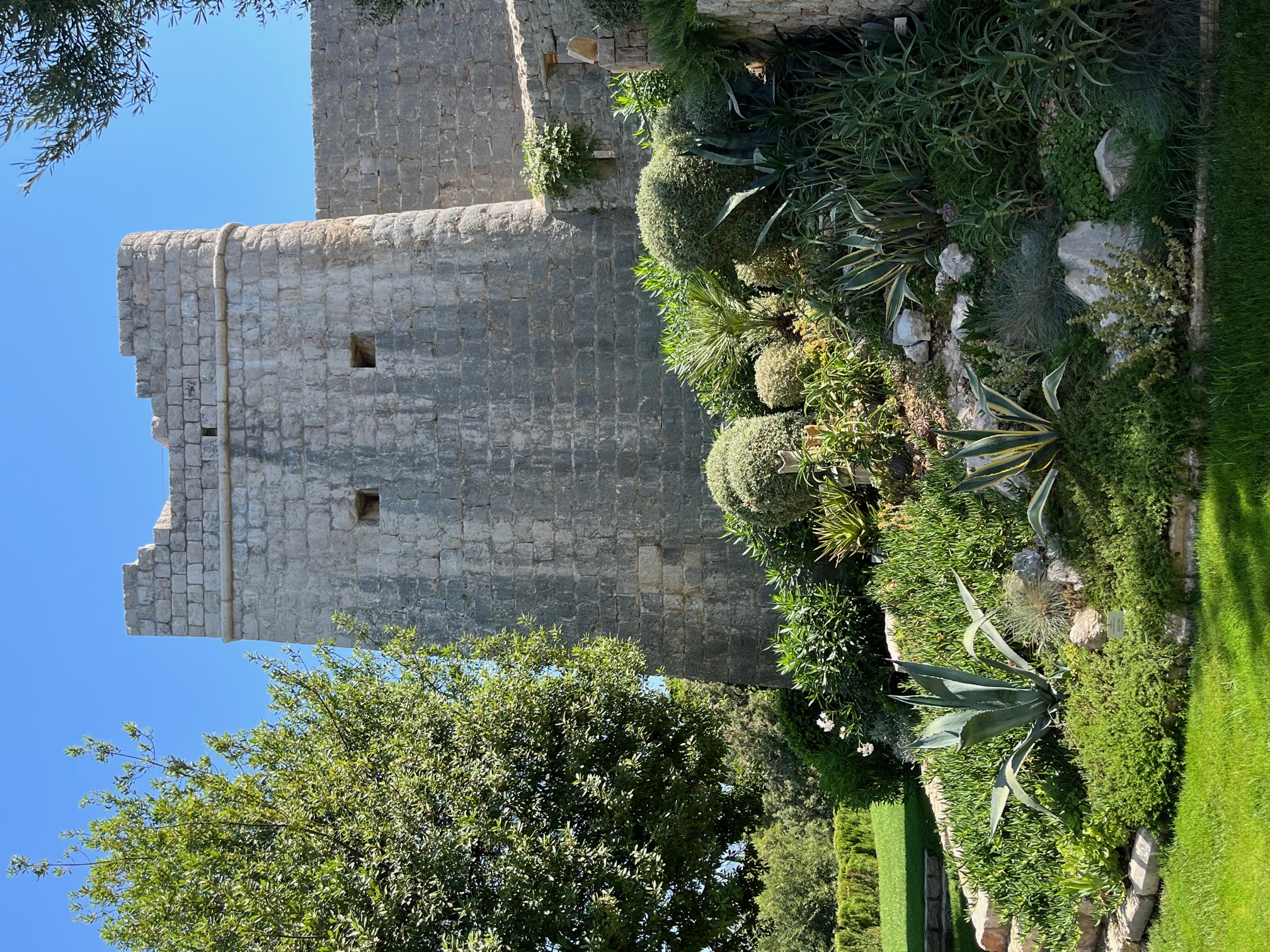
Perched on an outcrop overlooking the main harbour on the island of Lopud, just fifteen kilometres from Dubrovnik, the monastery and its fortifications have been a landmark for generations. After the 1820s it began to crumble, the monks having decamped back to the mainland leaving a local man to open the church for anyone who wanted to pray.

It was a tiny and often forgotten slice of the monastery’s history that fascinated me originally. I was researching what happened to Dubrovnik’s Jewish community during the Second World War and discovered that some of them had been interned on Lopud for a period of about six months. This was done under the strict instructions of the German occupiers, but the soldiers guarding them were Italians who up until that point had avoided imprisoning the Jews under their jurisdiction.

What fascinated me was exactly where on the island the unfortunate Jews had been interned. There didn’t seem to be very many buildings big enough, which left me thinking about the monastery. It might have been a ruin, but it had stout fortified outer walls and in many ways was an obvious choice. So imagine my surprise when, watching a documentary about the monastery’s restoration, I saw the words ‘il duce’ painted on a wall. Italian fascists had definitely been there.

I really, really wanted to visit this beautiful place, as my characters do in the book I was writing and researching. They would have been there in 2010, quite early in the restoration programme, but I knew from experience that walking around the building and grounds would enable me to recreate it so much better for my readers.

I knew I couldn’t afford to rent this iconic property (recent guests include the Beckham family), so I emailed the general manager with the dates of my Croatian trip and kept my fingers firmly crossed. The answer was yes; they had a small gap between rentals – basically a Sunday morning – and their security officer would show me around.

First let me say that Lopud 1483 is a little slice of heaven. Its restoration took the best part of twelve years, but in 2018 it opened its doors for cultural events and private rentals. The project was masterminded by Francesca Thyssen-Bornemizsa, and it now houses her family’s extensive collection of renaissance art, furniture and artefacts.

Our guide was keen to tell us about the art, but also about the property’s history, including the physic garden and the monks’ pharmacy which have also been restored. To walk through the gardens is a wonderful sensory experience and I could have lingered there for hours, but of course I needed to find out about the Italian connection in World War Two.

Standing in the master bedroom looking at the fascist graffiti from eighty years before sent more than a shiver down my spine. The monastery had certainly been the Italians’ headquarters on the island but, as I discovered that day, not where the Jews had been interned. That dubious honour went to a hotel that had been built in the 1930s as a beacon of modernity, something I would never have found out had I not visited Lopud.

And I can always dream that the book, due out in summer 2023, is an international bestseller so I can afford to go back to Lopud 1493 and stay!

My Writing Process Rebecca Raisin

What have you written, past and present?

I have written eighteen romance novels over a period of about ten years. At the moment I’m writing a book set in Venice and it’s been a joy exploring all the hidden gems albeit with the help of travel blogs and google images. It’s always a lot of fun to research a location to bring it to life in my stories. 

  • What are you promoting now?

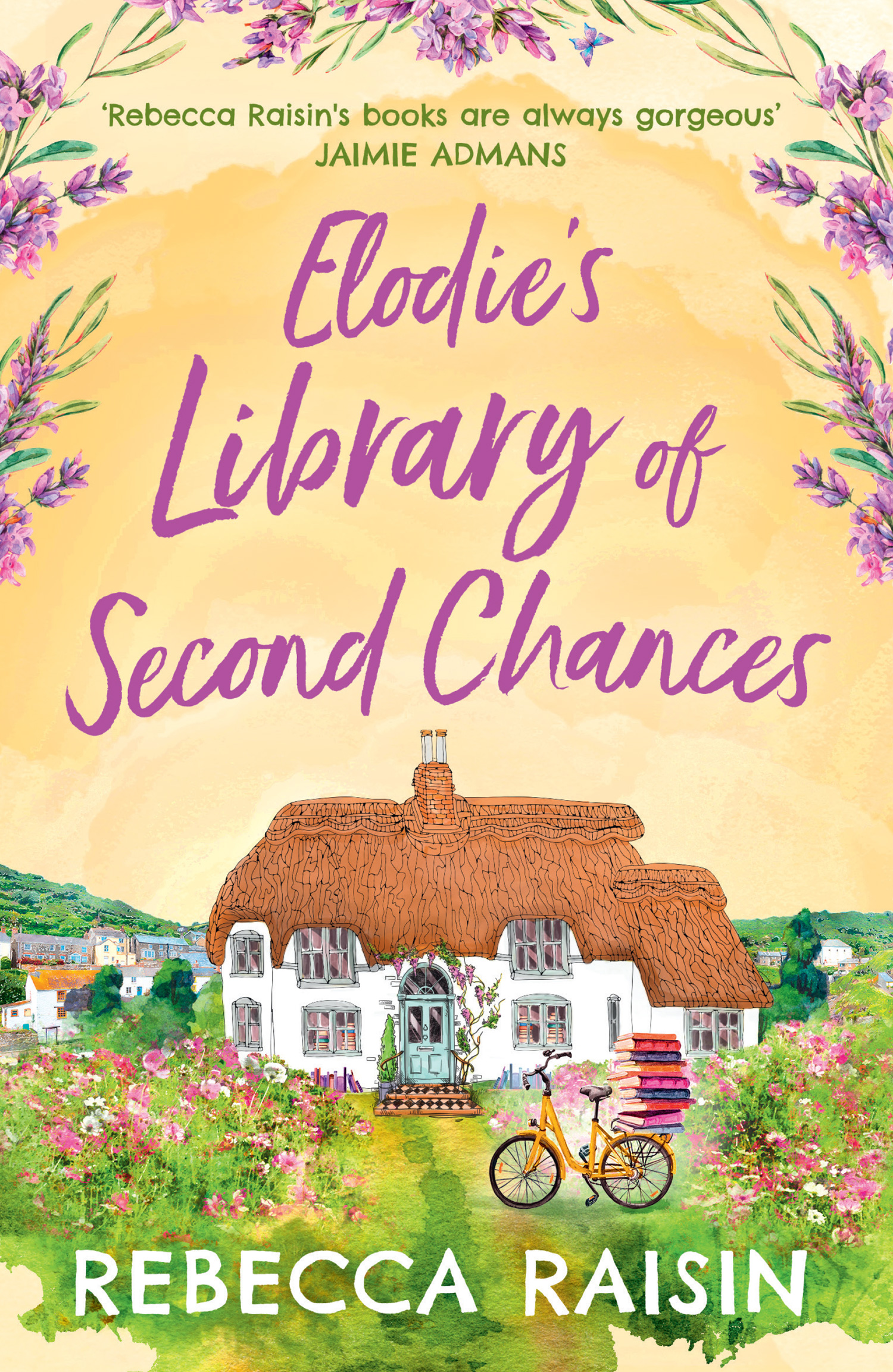
My latest release, Elodie’s Library of Second Chances is about the power of stories and second chances. Elodie escapes the family media empire to take the librarian job in small town Willow Grove. She hopes to save the library but with limited funds and resources she’s fighting a losing battle. Until she stumbles upon some real-life stories that need sharing. She decides to lend people to share their stories in the hopes the community will be more accepting of those on the periphery. Everything is going well until her own past gets scrutinised and people find out she’s not who she portrayed herself to be. But don’t we all deserve a second chance? 

  • Tell us a bit about your writing process

I write the first draft fast with a brief outline to guide me. I don’t like to plot in too much detail as I prefer the characters to guide me when they come to life on the pages. In saying that, I do a full character profile for the main characters before I start. I start with their physical descriptions and then dive into what sort of person they are. Do they cry in sad movies? What kind of laugh do they have? What do they want most in the world? What are they scared of? And that gives me a wide scope to work with when it comes time to add some conflict into the story and know how they’ll react to certain situations and where to push them that little bit further. 

  • How do you structure a book?

Every book is different depending on the goal of the heroine but I usually start with a hook, a catalyst that changes her life and forces her to act. The character profile comes in handy here because I will already know what she doesn’t want, or what she fears so I will then move the plot forward by making her face those fears. I use the general idea of what is her goal? Her motivation? What conflict can I add to the mix to make her work for what she wants ahead of the resolution. I also focus on friendship as well as romance so these factor in too but for my heroines the priority is always about them finding their own way in the world. 

  • What do you find hard about writing?

Deadlines! They creep up so fast! It feels like I’ve got all the time in the world and then two minutes later the book is due. Luckily, I love editing, so once I get the first draft done, I enjoy the editing process a lot more. 

  • What do you love about writing?

The best part of writing is when a story comes together in such a way that those characters are in your heart and on your mind and you know you’ve connected to the story on a deep level. The Venice novel I’m writing now feels that way, almost as though they’re real people and not inventions of mine. It’s the best feeling when that happens!