SUNDAY SCENE: LYNN JOHNSON ON HER FAVOURITE SCENE FROM THE POTTERIES GIRLS ON THE HOME FRONT

Would you have been ready to leave home to become a live-in servant in a posh country house – when you were twelve? That’s what happens to Potteries Girl, Betty Dean. She knows her life will be very different, but is she ready for the loneliness of being in two worlds and not being settled in either? In the following extract, Betty is about to leave home and all her sister, Mary-Ellen is worried about is taking over the housework.


‘I’m glad I’m going.’ Betty jumped to her feet. ‘You’ll all have to do some things for yerselves and about time too. I’ll come back to see yer on me day off each month, like I said.’ She glared at Mary-Ellen. ‘But I’ll not be coming back to do the washing, ironing, cooking or anything else, I’ll tell yer that for nowt.’

There was silence round the table. The faces looking up at her brought home the enormity of what was happening. Betty had to take a stand right from the outset.

Her annoyance soon fizzled out. It was beginning to hit her – from this point onwards, she wouldn’t know what her brothers and sisters were up to, whether someone was ill, happy, or sad. All she would have would be letters, if they could be bothered to send them. They would live in different worlds, with different things to talk about, and she would be a train ride away. She would come to know less and less about her own family, be the odd one out, living alone. She had wanted space to be herself in their crowded home, but it came with a heavy cost. When she put it like that, it sounded lonelier than she had ever imagined.

It would be up to her to make sure she didn’t lose touch. She would insist everyone, even little Tommy, with a bit of help, write her a letter each month. That way she could begin to bear it, she hoped.
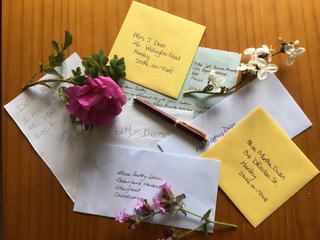
 

It’s only when you are parted from the family and friends that you realise how much you have taken them for granted over the years – a hard lesson to learn at so young an age. And it’s difficult to think about others when you are hurting too.


That night, she lay in bed, curled up with Mary-Ellen and Lily, eyes wide open, unable to sleep.

‘Betty?’

The hiss of a voice came from the doorway. A young voice. Tommy.

Betty sat up, careful not to bump against Mary-Ellen ‘Are you all right, Tommy?’

He let himself into the room. ‘I conner sleep knowing as you’ll be gone soon. Conner get it out of me mind.’

‘I won’t be far away. And I’ll come back regular. I promise.’

‘Why d’yer have to go?’

‘We need the money and now we’re all growing up, there’s no room for all of us here.’

‘I’m going ter miss yer.’

Betty put her arms around him. ‘And I’ll miss you so much. You know I will.’

‘Can I stay in here? Just for tonight.’

‘There’s no room, Tommy,’ muttered Lily.

‘Course there is, just for tonight, said Betty, on the verge of tears.

‘Yes, but you’ll have ter get up early.’

‘Dunner care.’

As he huddled against her, Betty put her arms around her brother and sisters. Would this be the way of it all from now on? Always saying goodbye. She had to be strong. To think for herself. To be herself.


Staying in touch – is at the heart of Betty’s story.


Website: www.lynnjohnsonauthor.com

CARIADS’ CHOICE: AUGUST 2022 BOOK REVIEWS

Phil Rickman’s The Fever of the World reviewed by Georgia Hill

This is book 16 in the Merrily Watkins series featuring a beleaguered vicar and “Deliverance Consultant” – or exorcist – and set in the Welsh Marches. There’s a mysterious rockfall death, an examination of Wordsworth and his experiences as a young man in the Wye Valley, the odd Druid (a very odd Druid) and it’s all wrapped around with Covid’s cold, clammy hand. Phil has a cult-like following (I’m one) and his Merrily books are a fabulous and impossible to categorise mix of crime, the supernatural and folklore. Go read!


Jen Gilroy’s The Wishing Tree in Irish Falls reviewed by Jane Cable

I’ve been meaning to read this book for a long time and I enjoyed it so much I’m disappointed with myself for putting it off. It was absolutely delightful to escape to a small town community in the Adirondacks, the kind of place I suspect many of us have a secret hankering to live.

Jen Gilroy draws both the people and the place so beautifully, even the most minor of characters come alive in her skilled hands. I was pulled into Annie and Seth’s stories from the moment we meet them both. I knew they both had journeys to take and I knew how those journeys would end, but that’s the point of romantic fiction, isn’t it? No huge surprises, but a really interesting and emotional story that felt as though it was about real people. A place and a time to lose myself in with characters who become to feel like friends.

Not trying to be anything fancy, this is feelgood romance at its best.


Faith Hogan’s The Gin Sisters Promise reviewed by Morton S Gray

I loved Faith Hogan’s novel The Ladies’ Midnight Swimming Club and that was what attracted me to this title. Having finished this one, I’m off to find her other books.

A story full of love, pathos, family misunderstandings, secrets and laughter. Initially I wondered if I would cope with the three sisters’ storylines, but I soon became absorbed in their lives, loves and losses.

The book made me think about legacies and the family tangles and feuds we get into over the years.

I wanted each of the sisters to get their happy ever after and it seems their father did too. Definitely a thought-provoking novel which made me experience a wide variety of emotions from laughter to tears. Highly recommended.


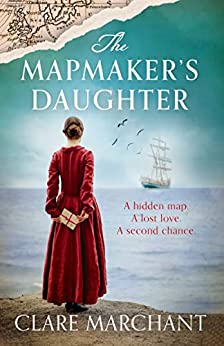
Clare Marchant’s The Mapmakers Daughter reviewed by Kitty Wilson

Probably my favourite book of the year so far. Both timelines fully held my attention and I loved both Frieda and Robyn’s stories. Clare Marchant’s writing is so skilled that she takes you deep into the heart of Tudor London, all the senses stimulated and I really felt if I was there, hearing, seeing, smelling all that was going on around her characters. The detail she weaves though is not merely evocative, her books are so well researched that I learn things that I did not before and she always makes me want to dive into further research the minute I finish reading.

Her writing is taut and deftly woven, everything moves the story on, informs the reader and weaves together a truly spellbinding story. The jeopardy she creates had me gasp out loud, my heart pounding with fear – all whilst safely tucked up in my own bed, such is the skill with which she writes. Honestly, I thought this book was flawless and I suspect it will remain one of my favourites for years to come. Absolute perfection.


SUNDAY SCENE: SARAH RODI ON HER FAVOURITE SCENE FROM ESCAPING WITH HER SAXON ENEMY

My story begins on the shores of 9th century England. At the King’s daughter’s wedding, Saxon warrior Ashford Stanton is disturbed to discover he finds a Danish shield maiden attractive…

‘Lord Stanton. Would you care for a drink?’ She held up the jug. ‘I don’t think I’ve seen you touch a drop all evening.’ Her narrow nose drew his gaze down and he studied her full, soft lips, which were a pretty petal-pink.
He gave her a brisk smile. ‘Thank you, but no. I am here out of duty, not pleasure.’
Her gaze turned glacial, her face taut, and he knew instantly that she liked his kind as much as he liked hers. Was she just putting on a show for her brother’s guests, as he was for his king? ‘And ale only serves to cloud the judgement, don’t you think?’
‘Well, we can’t have that,’ she mocked. ‘We all know your sound judgement is what’s keeping us all in check.’
His brow furrowed at her blatant disrespect. He was used to being well-regarded by the people of Termarth. ‘You must be referring to my judgement on the Crowe situation—my wisdom in demanding that you show mercy to a man already broken and on his knees…’
‘Crowe killed my father, Lord Stanton. You took the side of my enemy and denied me my revenge.’
He could detect the anger simmering beneath her words, the fire in her personality, and it was igniting an unwanted spark inside him.
Ash inclined his head slightly, as if to acknowledge the weight of her claim. ‘I didn’t know that at the time.’
‘Would your actions have been different had you known?’
‘Probably not. I don’t believe in taking the law into your own hands. What you did was reckless.’

When she was younger, Svea was attacked by Saxon soldiers. Now she has grown into a warrior who has vowed never to let a man take advantage of her again… and she shows Ash she won’t conform.


‘We are at my brother’s wedding, and unfortunately I have a duty to be gracious to all his guests.’ She lifted a tankard from a nearby table and poured herself a cup of ale. Raising it up in the air, she made a toast. ‘To the happy couple. I hope you enjoy the rest of your evening…’
‘Doubtful. I have no interest in weddings.’
‘We are in agreement about that, at least. Skol!’ she said, before downing the tankard of ale in one go.
Afterwards, she drew her sleeve across her mouth, wiping the tiny beads of moisture away. He stared at her, incredulous. He had never known a beautiful woman try so hard to disguise her allure. It intrigued him. ‘Still, you played and certainly looked the part today,’ he said.
Her face darkened and she gave an unladylike disdainful snort. He wished the words back the moment he’d uttered them, knowing he’d made a mistake.
‘You seem to have a knack of imparting your opinion upon people who don’t want to hear it, Lord Stanton. As I’ve been sweating like a pig on its way to the smokehouse all day, you should save your compliments for the bride.’
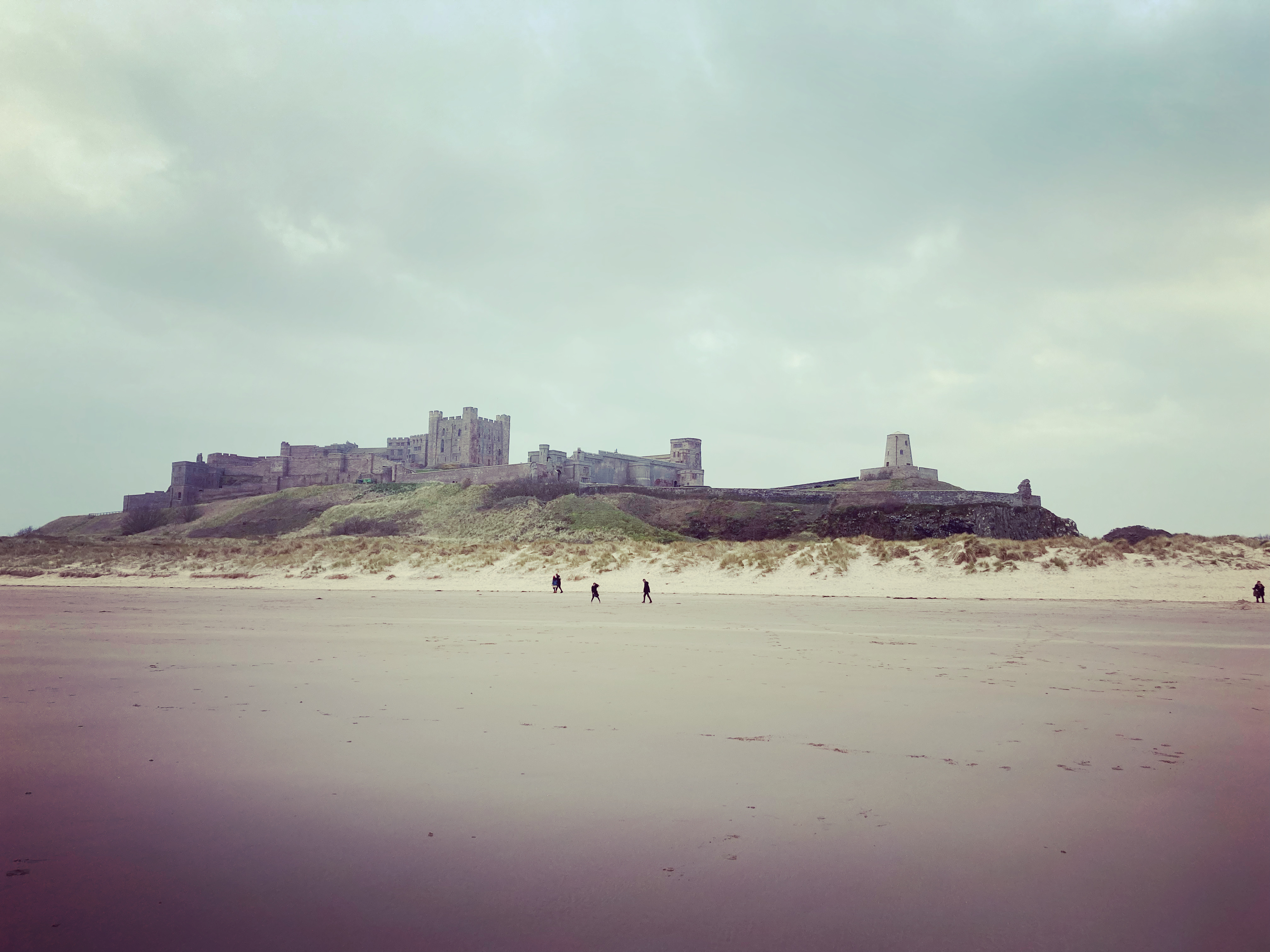
When the King is kidnapped, Svea has to join forces with Ash, returning to his fortress [I visited Bamburgh Castle – inspiration for the setting] to raise his army. Ash learns Svea has been mistreated by men, and he believes the same evil flows through him, but it’s hard to keep his distance… I hope you enjoy the chemistry between them on their journey towards happiness.
www.sarahrodi.com


How To Keep House While Drowning: A gentle approach to cleaning and organising, by KC Davis. Reviewed by Nadia Tariq


With the laundry baskets overflowing, three children at home creating chaos faster than I could possibly manage – and a handful of Audible credits that needed used up – I made what turned out to be the best spontaneous book choice.

Forget your typical summer reads (I wouldn’t be making it to the beach in any case). This book is exactly what I needed. Self help isn’t my usual genre, but the title alone – How to Keep House While Drowning – spoke to me, and with a listening time of only 3 hours, I’d be stupid not to give it a go.

Indeed, the key aspect of this book for me was its accessibility – it was very easy to engage with, very easy to understand, and very easy to finish (and I do have a problem with finishing audiobooks – difficulty concentrating through constant interruption can make them seem like more of a chore than a pleasure).

Crucially, author KC Davis is a licenced therapist, as well as having active experience ‘drowning’ while keeping house herself. She shares her struggles and her techniques for keeping afloat, which are all relatable, doable, adaptable and centred around caring for the self above all else.

I did not come away from this with a rigorous new game plan for tackling my home. I did not and still do not harbour dreams of becoming a domestic goddess. Instead – which in my view is far more valuable – I came away with the ability to not feel guilty about the state of my home.

Here are a few choice lessons that have stayed with me after listening (paraphrased):

Try not to think of it as ‘housework’ or ‘chores’. These are ‘care tasks’.

Anything that is worth doing is worth doing partially.

Momentum breeds momentum.

It is not tidying. It is ‘resetting your space’.

Your space exists to serve you. You do not exist to serve your space.

For the full experience, I thoroughly recommend giving this wonderful book a read or a listen. If your home doesn’t thank you, your mental health probably will.

Reviewed by Nadia Tariq

SUNDAY SCENE: ANNEMARIE BREAR ON HER FAVOURITE SCENE FROM THE SOLDIER’S DAUGHTER

My favourite scene in my next Victorian era release, The Soldier’s Daughter is when Evie and Sophie make the rash decision to sample some wines ordered for the Bellingham summer ball. Two well brought up young ladies from respectable families should never be drunk, but Evie is a little wild and likes to challenge the rules and leads Sophie into situations that they later regret, at least Sophie does!


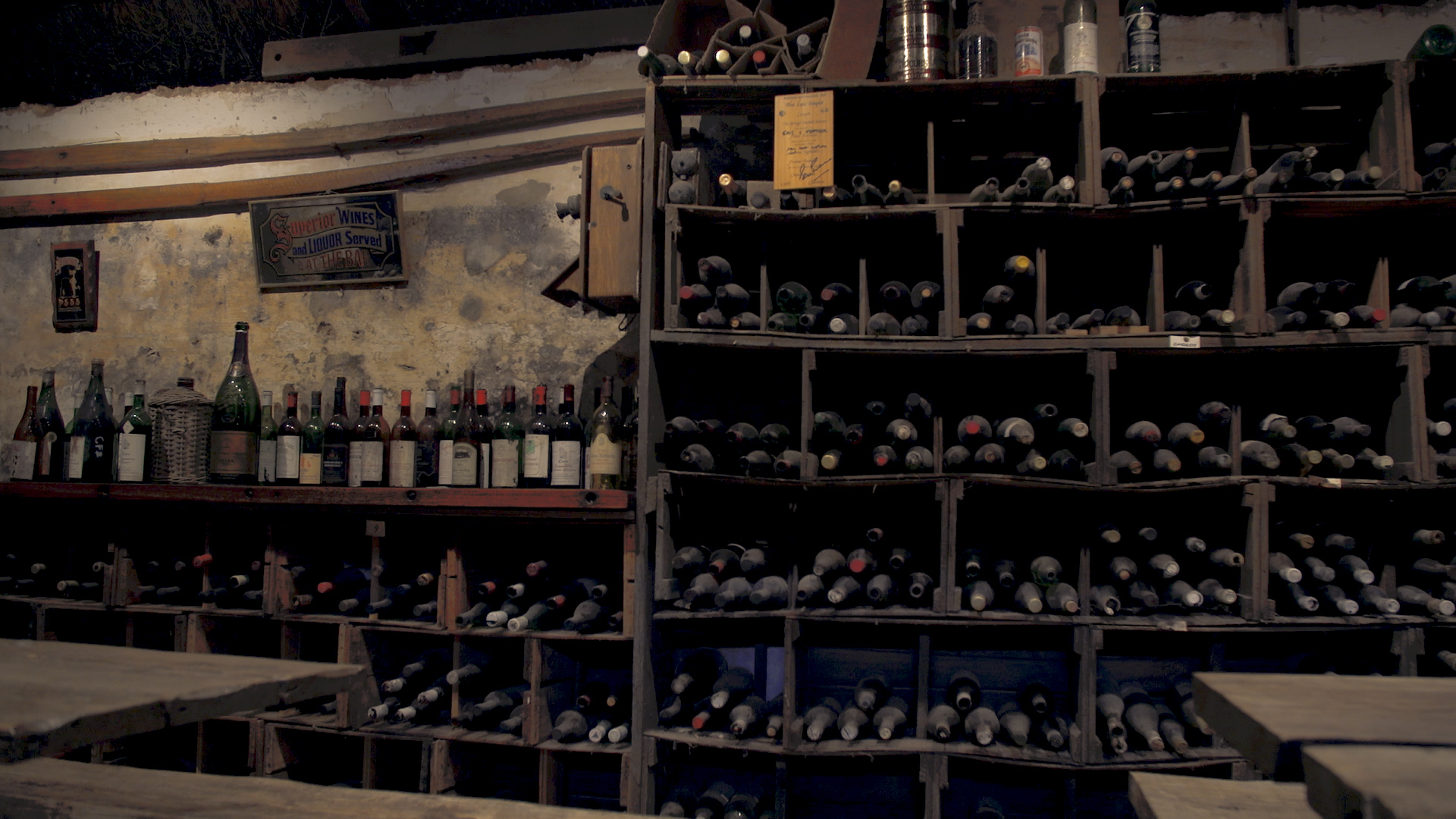
An hour later, deep in the cellar of Dawson’s Wine Merchant’s, Evie and Sophie sat on a wooden bench sipping another sample of white wine. Lanterns spilled out golden light, which banished the dark into the far corners. Although it was cool in the cellar, it wasn’t terribly cold. Workers rolled barrels onto trolleys, which were hoisted up to the warehouse floor above and put on canal barges.

Mr Dawson and his two sons, Bobby and George, strapping young men the same age as Evie and Sophie, were very attentive to them. Glass after glass of different wines arrived and they sipped and discussed the flavours until one wine resembled another.

‘I like this one better than the last,’ Evie said, feeling a little light-headed.

‘They all taste the same now.’ Sophie hiccupped. ‘Even the red and white taste the same.’ She giggled.

‘They do not! One is red and one is white!’ Evie suddenly found it hilarious.

Sophie laughed and held up her empty glass. ‘May I have a sam… sample of that one again?’ She pointed to a heavy red wine from Burgundy.

Mr Dawson Senior shook his head anxiously. ‘I do believe you have had your limit, Miss Bellingham. I fear you may have sampled too many. Your mother will be expecting you home.’

Sophie stood and swayed. ‘We have outstayed our welcome, Evie…’ She swayed again, her eyes closing.

‘Steady now, miss.’ George, a large, burly young man with a pleasant face, hurried to hold her upright.

‘You are terri… terribly big…’ Sophie leaned close to stare up at him. ‘Such arms…’

Evie stood, her focus wavering slightly. The steep staircase they’d come down would be impossible to get back up without help. The trolley was winched back down and workers, giving the two ladies a laughing glance, rushed to wheel more wine barrels onto it.

‘I want to go on that!’ Evie pointed to the trolley.

‘Oh no, Miss Davenport.’ Mr Dawson held up his hands in protest and seemed ready to pass out at the idea.

‘Those steps are dangerous!’ Sophie declared. ‘I nearly broke my neck coming down.’

‘Ladies, we will help you up the stairs.’

‘No. We shall ascend on that.’ Determined to climb on the trolley, Evie knocked away Mr Dawson’s hand that he held out to stop her. She realised she still held her glass of wine and gulped it down in one go before passing the empty glass to an amused Bobby Dawson.

‘Move the barrels, men,’ Bobby instructed.

Laughing, the men removed the barrels from the trolley. ‘Isn’t this a sight?’ one of them yelled.

Bobby gave assistance to Evie to step onto the trolley. ‘Hold on to the side, Miss Davenport.’

‘Sophie, hurry up,’ Evie encouraged.

‘Gracious me.’ Sophie stepped on board, giggling. She missed the side of the trolley and nearly fell to her knees, which made her laugh even more.

Bobby helped Sophie upright. ‘This is a first. Women on our trolley.’

‘Good God!’ Mr Dawson rubbed his eyes. ‘We’ll never have another Bellingham order again once this is known around the district.’


The Soldier’s Daughter is released 8th September 2022.

For more information, please visit AnneMarie Brear’s website. www.annemariebrear.com


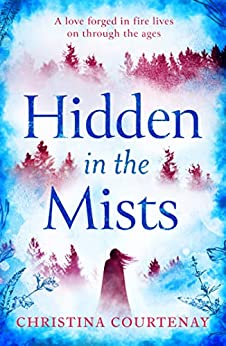
PUBLICATION DAY SPECIAL: HIDDEN IN THE MISTS BY CHRISTINA COURTENAY

It’s a very long time since a book has gripped me as much as this one. There was a time, close to the end, when it was genuinely hard to put down. I was so invested in the characters and their future happiness (or not!) that I didn’t want to leave them.

The setting on the Argyll coast is atmospheric and incredibly well drawn, as is the way of life but now and in the Viking age. Christina is the mistress of the Viking romance and personally I preferred the ghostly dual timeline story to time travel, which although popular I struggle a little to buy into.

For me, a sign of a great dual timeline is when I enjoy both stories equally and it was certainly the case with Hidden in the Mists. In the Viking era Asta’s world collapses when her father dies and her cousin steals her birth right and takes over the settlement, but help – and love – come from an unexpected quarter. In the present day narrative Skye is struggling to keep together the modern crofting existence she loves following her husband’s departure but then Rafe arrives out of the blue. Although the attraction between them is electric, both have secrets. And they’re both seeing ghosts.

The only other thing I’m going to say about this book is please do read it. Few writers pull off ghostliness as effectively as Christina and, coupled with an evocative setting, richly rounded characters, and a cracking plot, it’s one of the best romance novels I’ve read this year.

Given she writes ghosts so well, I asked Christina if she has ever encountered one:

“No, I have never had the honour of meeting/seeing a ghost myself, but I know people who have. People I trust implicitly, and who I’m sure would not lie about something like that or make things up. I used to spend a lot of time with friends in a 600-year old manor house which was definitely haunted. You felt it the moment you stepped inside – there was a certain atmosphere, as if the house itself was watching you and waiting for something. The owners told me all about their various experiences with their resident ghost. It changed my perception of ghosts as theirs seemed to be mischievous rather than trying to scare them. He (it was a man, dressed in chainmail the few times they saw him), used to sabotage all sorts of modern machinery, as if he didn’t like such newfangled things in his house – the lawnmower was forever breaking down, as were all the electrical appliances. It was hilarious, although obviously a bit of a pain for the poor owners who had to keep having things fixed or replaced. He would also open and close doors so that you’d think someone was arriving when there was no one there, or walk around upstairs when everyone was downstairs. At the time, I was actually terrified of possibly meeting him, but I’m braver these days and now I’m sorry I didn’t get to see him. I really do feel it would have been an honour!

“No one likes to think that death is final, that there is nothing else afterwards but a black void. The possibility that we can live on in some form or other is comforting, and with the amount of people who have come across ghosts, it is clear that there are plenty of unexplained things in the world. Therefore, I prefer to believe they exist, although I do think someone would have to have a very strong reason for lingering and it won’t happen to everyone. As for how I write about them, I just try to imagine how I would like my ghostly encounters to be if I had a choice and what possible reason they had for hanging around.”


SUNDAY SCENE: MARIE LAVAL ON HER FAVOURITE SCENE FROM QUEEN OF THE DESERT

I have for a long time been fascinated by the history, cultures and landscapes of North Africa. It’s a part of the world I have always dreamt of visiting, especially the Sahara desert, the Ahagaar and the Tassili N’Ajjer National Parks. Sadly I’ve never had the chance to travel there, so whilst researching the background to my historical romance QUEEN OF THE DESERT, I tried to get a ‘feel’ for this incredible place and its people, the Tuaregs in particular, also sometimes called “Kel Tamasheq” (those who speak Tamashek) or ‘The People of the Veil’ because of the indigo veil men wear from around the age of fifteen.

I read Tuareg poems and folk tales and watched documentaries, but what gave me the greatest joy was the music I discovered. Music really brings people and heart together… I listened to so many incredible artists – Bombino, Tinariwen or Tarwa N-Tiniri to name but a few – and also to more traditional music featuring the imzad.

The imzad is a traditional string instrument played only by Tuareg women, who according to folk tales invented the imzad to distract men from their constant fighting. Here is a link to a documentary about the importance of the imzad for Tuareg culture. https://www.youtube.com/watch?v=J_0EdwuC9og

As they travel across the Sahara, the main characters from QUEEN OF THE DESERT, Lucas Saintclair and Harriet Montague spend a few days with a Tuareg caravan.

A strange landscape appeared in the distance, so strange she thought she was seeing another mirage, but they were only rock formations that the wind and the sand had eroded and moulded into weird, nightmarish shapes. Tents were pitched around them. Two dozen blue tents at least. Then she saw white mehari camels and the tall silhouette of a man outlined against the sunset. He resembled a spectre, still and gaunt, his face covered with a cheche and his long tunic floating around him.

Every evening, Lucas and Harriet listen to poems and stories.

Like every evening, they sat under a dark velvet sky studded with stars in front of the chief’s tent. Tonight was their last night with the caravan before reaching In Salah.

Lucas said a few words to the chief, who searched his leather bag and produced a smooth green stone shaped like an egg. Each stone in the story telling bag was unique, and prompted a different story by the chief. Tonight was no exception.

‘Tin Hinan,’ he announced.

‘An emerald,’ Lucas finished, his eyes shining. He stared at the sparkly green pebble the chief held in his hand as he started talking in his low, chanting voice.

‘Tin Hinan came from the Western lands beyond the great desert,’ Lucas translated. ‘She followed the stars and the ancient roads to Abalessa, the blessed.’

And after the stories there is music with women playing the imzad…

One of the women musicians picked up her imzad and started drawing long, intricate and soulful sounds. Her heart heavy, Harriet locked her fingers together and blinked the tears away. How she would miss the Tuareg caravan – setting off at sunrise in the transparent, purple dawn, camping out in sheltered gorges and lost valleys, and listening to Lucas’ voice as he translated the chief’s stories in the evenings. Most of all, she would miss the passion, the heat of Lucas’ arms every night. They had become as essential as air, water and fire.


I hope you enjoyed your imaginary journey to the Sahara desert. Thank you for travelling with me today…


EVA GLYN’S HIDDEN CROATIA: NOTES FROM A SMALL ISLAND

It is a matter of great debate how many islands Croatia has. Some say over a thousand, and certainly they dot the coast like so many green jewels, set in an azure sea. In practical terms, only around fifty are inhabited although others offer inviting day trip getaways.

Last month we visited Sipan. It’s easily reached from Dubrovnik and its airport – in fact we were in our hotel room less than two hours after our plane landed – so it isn’t remote. But the joy of it is that it feels like it.

At the time of writing there is just one hotel on the island, the other having closed during covid. There is no doubt that Croatia’s economy suffered badly from the lack of tourism. It’s evident in marginal locations especially, with boarded up premises and half-completed building projects. But on Sipan at least construction has restarted and there were two enormous cranes perched above the harbour in Sudarad, the village where we stayed.

Although we were primarily in Croatia for a research trip for my summer 2023 novel, it was the kind of place we’d have chosen for a relaxing holiday. Small and quiet with a couple of narrow shops to buy supplies (despite the dearth of hotels there is plenty of self catering accommodation), and four or five bars and restaurants.

As for beaches, Croatians have rather different views on them. Sand is generally not favoured by the locals (and in truth there is hardly any, although Lopud, the island opposite Sipan, does boast some sandy beaches), pebbles are tolerated, and swimming from rocks – or concrete swimming platforms – is generally preferred. And there are plenty of these in and around Sudarad and the water is crystal clear.

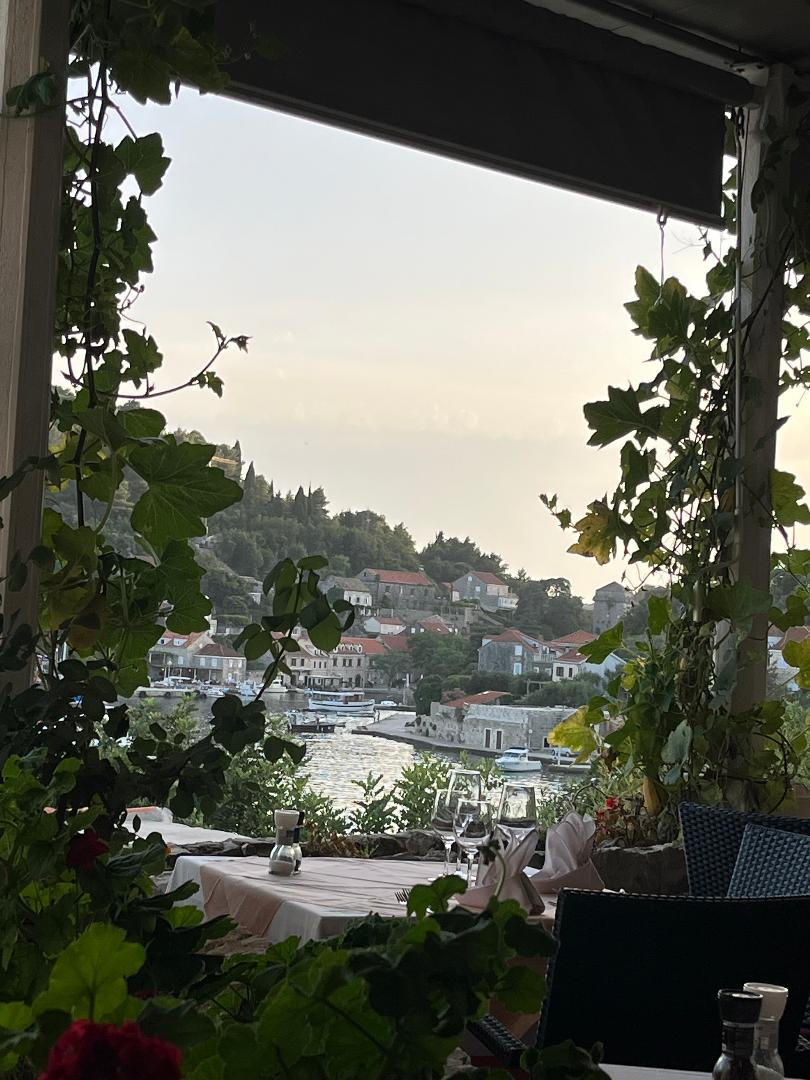
The unseasonable heat limited our desire to wander, but we quickly discovered the best restaurant, Tri Sestre, was next door to the hotel anyway. It was everything I adore about Croatian restaurants; friendly, family run, views to die for from its terrace, well priced local wines and fabulous meals. We mostly ate seafood because it was so fresh and simply prepared, normally with a side of potatoes and chard, which is traditional. At Tri Sestre all the vegetables are grown by the owner – he told us that in summer he gets up at four in the morning to tend them – but the results are definitely worth it. I can quite honestly say I’ve never tasted tomatoes like it, and I grow my own.

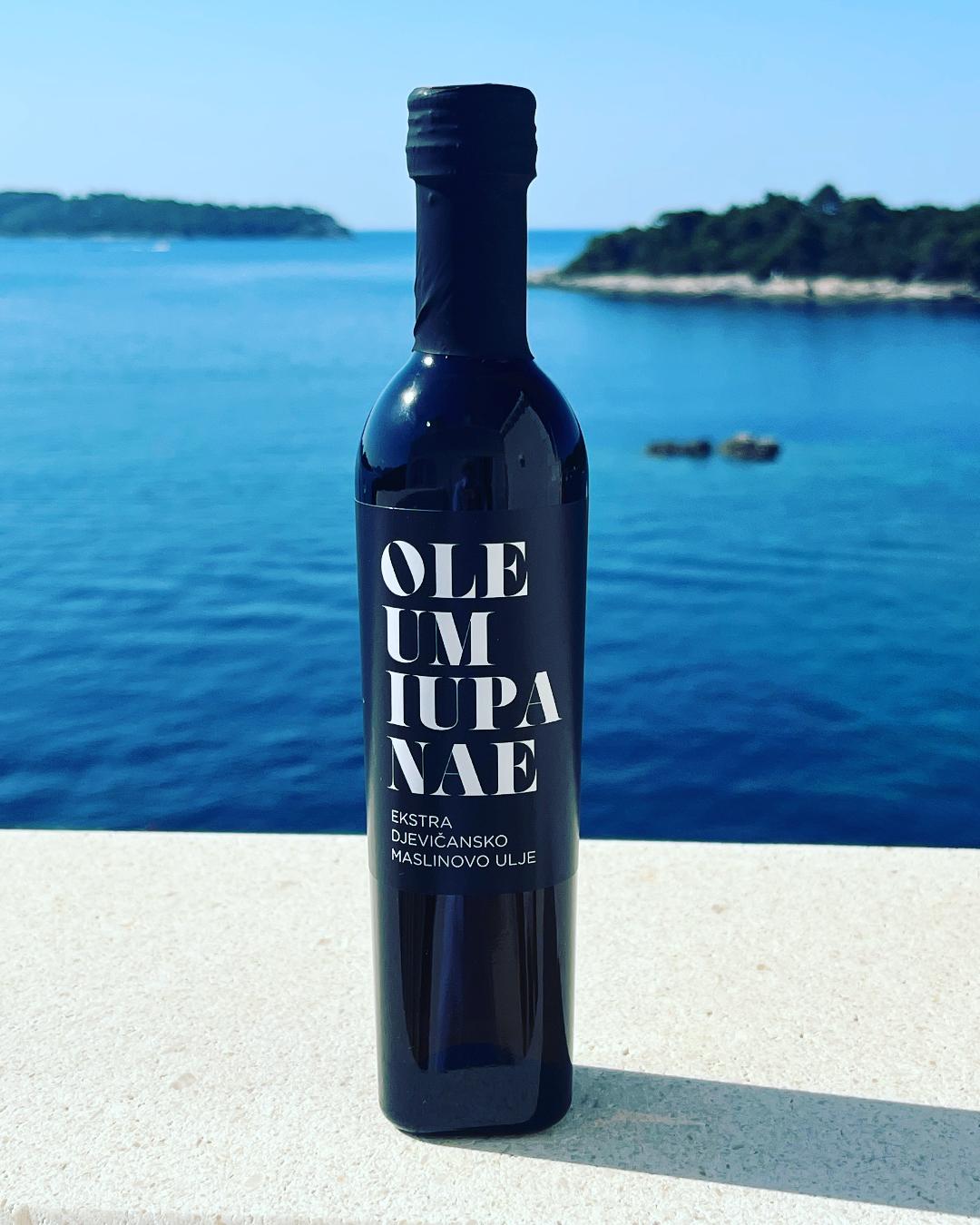
Growing things; market gardening, olives and grapes, is the mainstay of Sipan’s economy as it has been for generations, and on a slightly cooler day we did venture out into the countryside. We love Croatian olive oil and wanted to buy some to take home. Just outside the village we found a small producer selling from the terrace of their house. But there was nothing homespun about the oil or the bottle and a great deal of effort had gone into both.

On the opposite side of the road was a wine producer. Agricultural machinery lined the drive and a small sign directed us past the vegetable garden to a table set out under the trees. A woman emerged, having just finished hanging out her washing, and brought two wines for us to taste. No unfamiliar local varieties here, one was cabernet sauvignon and the other merlot, again in some of the smartest bottles we’ve seen. And the contents were of truly international standard too – delicious and meticulously made.

In fact the produce we found in its countryside echoed Sipan itself; high quality and small scale. Definitely a hidden corner of Croatia worth a visit.