SISTER SCRIBES GUEST: DAISY TATE ON GAL PALS

I’m over the moon to invite the wonderful Daisy Tate to the blog today. I met Daisy at a conference a couple of years ago and have reached out to her many times for the huge amount of wisdom she carries. From worries about contracts to the far more personal she is never anything but supportive, perceptive and insightful. Daisy, you’re a queen. 


Hello and thank you so much for letting me thumb a proverbial ride with the Sister Scribes.

The sun is sort of shining, the cows are out to pasture, and I’m counting myself a lucky bean as in a couple of week’s time my first book is coming out and let me just say…this baby wouldn’t have seen the light of day if it weren’t for my gal pals.

Happy Glampers is a four parter about four women (there’s a theme here) who were roomies in uni, lost touch, and are now rekindling their friendships en plein air. You can indulge in little one quarter reads or go mad and read the whole thing as they’re releasing all of them in a oner. One of the best parts about writing it was staring up at my corkboard where I pinned pictures of friends who are constant reminders of just how special female friendships can be. I was never a clique girl. Terrified of them in fact. Terrified because I was afraid of being kicked out for being the kooky, lone wolfish, drama nerd that I was. But now that I am a (vaguely) grown up woman, I am finally beginning to realise just how important the risk taking is. Is it scary to let someone close? Always. Are the rewards of a tight friendship incalculable? Absolutely.

Firstly, a good friend will tell you if there is spinach in your teeth. And a whole lot more. Like reading the early drafts of your novel for instance. I cringe to think of how awful my book was in the beginning (sheer genius, obviously glinting through, but…there was a lot of dreck to chisel away). None of that shiny polished prose would’ve seen the light of day if it hadn’t been for my gal pals who read this book over and over until it was finally deemed ready for the general public. Trusting that you’re going to get honest feedback is a huge thing. Trusting that your friendship can survive  constructive criticism is also a rather stupendous experience.

Being invited to appear with the Sisters Scribe-tastic is a testament to just how supportive women writers are. When I first entered the magical world of writing a few years ago I was prepared to get my very short nails out and, well, not claw my way to the top because I have zero upper body strength – but at least fend off any scary foes. THERE ARE NO FOES in the world of women’s fiction. (Please let this not be the moment where I unearth a mortal enemy). Along this windy path I’ve walked, I have only met people who are there to help others (like Kitty Wilson!). All of which is a hugely long-winded way of saying if you think you’re in this journey alone? You don’t have to be. You’ve got a host of friends – ready and willing to stand up by, beside and for you. So go for it.


Daisy Tate loves telling stories. Telling them in books is even better. When not writing, she raises stripey, Scottish cows, performs in Amateur Dramatics, pretends her life is a musical and bakes cakes that will never win her a place on a television show. She was born in the USA but has never met Bruce Springsteen. She now calls East Sussex home.

Twitter:  https://twitter.com/DaisyTatetastic

Facebook:  https://www.facebook.com/daisy.tate.92167

Instagram:  https://www.instagram.com/daisytatewrites/

Goodreads:  https://www.goodreads.com/author/show/18660359.Daisy_Tate

Ditching the daily grind and taking off in a camper van was novelist Rosanna Ley’s fantasy. Then she and her husband actually tried it… 

Who doesn’t fantasise about getting away from it all? Escaping the daily grind, travelling to somewhere warm and wonderful? Who doesn’t occasionally dream of cloudless blue skies, golden beaches and a sparkly Mediterranean sea – not just for a week or two on an annual holiday, but for longer… much longer?

Ten years ago, my husband Grey and I resolved to make this fantasy a reality. We were both in our frivolous 50s. We had both spent our adult lives working full-time. And we were both a little weary. Where had the excitement in life gone? We seemed to have reached some sort of turning point – a bit ‘do or die’. Now that the children had left home – almost – shouldn’t we be thinking about doing something we’d always dreamed of?

Need Text

‘If we weren’t working,’ Grey said mournfully one day, ‘we could just up sticks and leave.’

‘Leave?’ I echoed. It sounded so final. My younger daughter was still living at home, although she too had the travel bug and was planning to visit Australia for a year. How could we just leave? And what about all our… stuff?

‘We’ve got far too much,’ he declared dismissively. ‘We’ll do a car-boot sale, put the rest of our stuff in storage, rent out the house and go.’

Grey made it sound so easy. I thought of those clear blue skies, imagined the writing inspiration that might be had from such a trip.

But this shared dream was just a fantasy – wasn’t it? Couples talk like this all the time – well, we do. We go somewhere on holiday and by day two we’re looking in estate agents’ windows. It doesn’t mean we’ll be moving there anytime soon.

But a few days later, we spent our savings on a camper van. (Yes, the woman who dithers over cans of beans in the supermarket can spend £20,000 on a second-hand camper van in the blink of an eye.)

Should we have done this earlier, later, never? Were we too young or too old for a camper van? Who cared? We so fell in love with that van and were soon trundling off happily for weekends in Dorset. But it wasn’t enough. It was like a drug. We needed more of the open road. We needed to be living our dream.

So we took the plunge. I gave up my teaching job, Grey wound down his client diary. We cleared the house and begged the loan of friends’ garages for storage of all our worldly goods. We organised shelter for my younger daughter until she went to Australia and for my elder daughter who had moved back home to save up for a trip to South America. What was going on with this family?
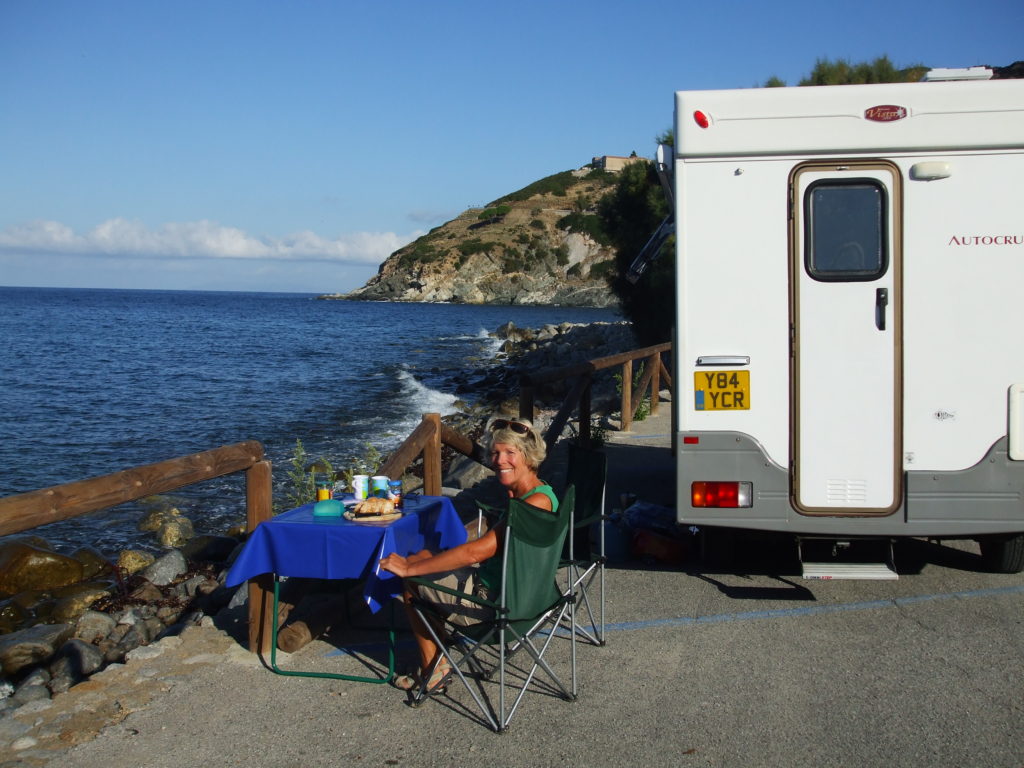
We redecorated the house and advertised it for rent – this would be our income. We would go on a road trip – for six months or more. We would live close to nature. We would make our own entertainment – Scrabble and reading, no TV for us! We would be free to go wherever the wind blew us. It was a fantasy, yes. But we would make it come true.

Our day of departure dawned. We waved goodbye to my daughters and headed for Dover. We had done it. We were on the road and heading for Italy.

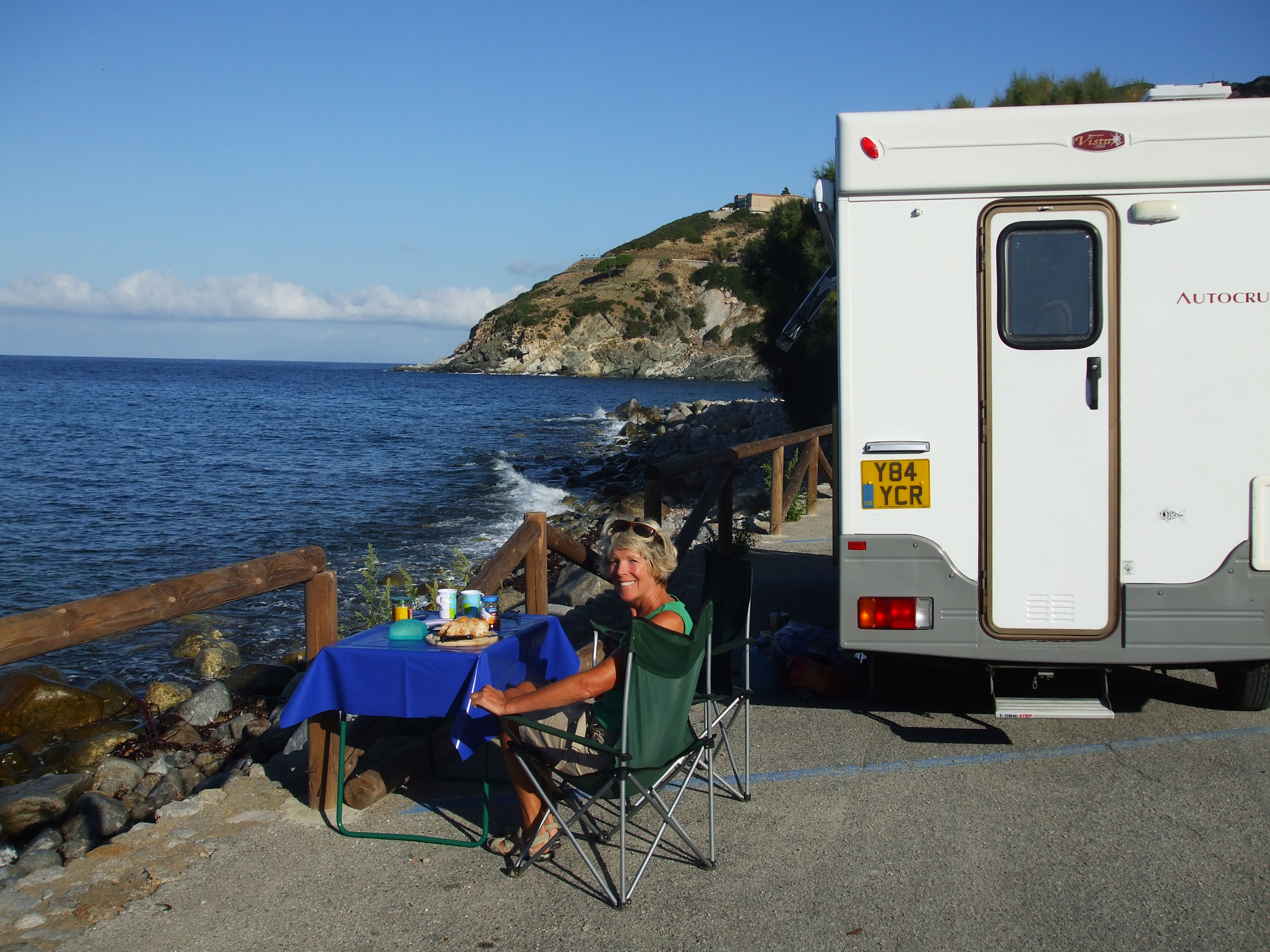
The first two weeks were wonderful. OK, there were some minor hiccups. We hadn’t taken into account the hilly terrain in Liguria – many a steep, narrow road proved too much for our van. Nor had we realised that campsites in Italy were so expensive. And we hadn’t dreamed it would be so hot. (I will never complain about air-conditioning in an apartment in the Med ever again.)

Getting stuck up a mountain on a tight bend, damaging the camper van’s back panel in a complex manoeuvre designed to get us to the beachfront then getting lost while scrambling down a hillside of olive trees… Such things are bound to make tempers fray – especially in that heat. And in our haste to be free of all our possessions we had forgotten a few vital pieces of equipment – such as the coffee maker and the duct tape. But that’s what it’s all about, we reminded ourselves, as we settled in for another interminable game of Scrabble. It’s about having exciting adventures, new experiences, being free. And there’s always another camper vanner around with an unfeasibly large toolkit to help out in times of trouble.

But, two weeks in, things were not going as smoothly as we’d hoped. Our van was small – with the table erected, the person trapped on the far side could barely breathe, let alone move – and we had to make up the bed from scratch (or should I say slats?) every night. Yes, every night. It’s surprising – even when you have little else to do all day – how very tedious this can become.

It turns out that – surprise, surprise – size matters. Claustrophobia set in. We tried to stay outdoors most of the time but, actually, it rains quite a bit in Italy. Still, we remained cheerful. This was our shared dream, remember. If this was what it took to make that dream come true…

By week three, like Napoleon once was, we were exiled on the island of Elba. And very nice it was too, we agreed, as we sampled the delicious gelato. But money was getting tight, which meant two things. One, we had to eat in – every day. And two, we couldn’t afford to stay in campsites. But, hey, weren’t we at one with nature? Heating up bottles of water on the dashboard for an outside shower after a day on the beach only went to show how resourceful we had become.

And, as all camper vanners know, there is an alternative to campsites – it’s called ‘wild camping’. In our fantasy, this meant finding deserted beauty spots in which to park the van and gaze out at an unspoilt landscape. In reality, it meant car parks (marginally safer and quieter than roadside parking, though I didn’t say this the night half a dozen youngsters practised their motorbiking skills around the car park at 2am).

How to keep the shared dream alive

  • Remember that sometimes a fantasy is more fun when it stays in your head
  • Check from time to time that you still want the same things
  • Value what you leave behind – you won’t know how much you miss it till it’s gone
  • Have a back-up plan
  • And don’t forget the Scrabble dictionary!

In one such car park we met some friendly Italian camper vanners, immune to the hordes of mosquitoes we fought to escape from at twilight every night, who showed us around their (much larger and homelier) van with pride. There was a language barrier, which may explain why they left the car park and we stayed – only to wake up at 5am with a raucous Italian market setting up around us and no way out. But, well, it’s all part of the fun.

Back at home, we had friends, family and colleagues to chat to; on the road we had each other. It was good to have so much time to talk. But… in small spaces, over time, conversations with your nearest and dearest can become a little, shall we say, intense. Past misdemeanours and misunderstandings that you may or may not have forgiven may once again rear their heads. But we could get through this – together.

It was lucky we were so close, we kept telling ourselves. But did we want to be quite that close? All the time? We had given up material things – but had we also lost sight of civilisation? When we eventually left Elba, Grey was following a camper van with GB plates at breakneck speed. I glanced across at him (by this point we didn’t need words).

‘They’re British! Why don’t they pull over and talk to us?’ he asked me through gritted teeth.

This, let me tell you, is what travelling in a camper van can do to a person.

And then autumn arrived, and it began to get cold. We realised with a feeling of mounting horror what this meant – more time in the van, together. More talking, more Scrabble, more opportunity to examine our relationship. Did we really want that? Could we survive?

We considered travelling further south in search of sunnier climes. But funnily enough, driving was beginning to feel monotonous, too. And finding places to sleep at night was also becoming a strain. It was still great to be on the road – but wouldn’t it be even better to stop in one place for a while?

‘Why not just dump the van and rent an apartment?’ Grey suggested.

I stared at him. Dump the van? Rent an apartment? What about our shared dream?

‘Somewhere hot,’ he continued. ‘The Canaries?’

Which is how we came to leave our van in Italy – to be collected in the spring – and book a flight to Fuerteventura. Sod the expense. We rented an apartment with entire rooms to be alone in. It had a bed that remained a bed, day and night, and a bathroom with proper drains – no chemical toilet to empty and clean. Pure bliss.

We started enjoying each other’s company again. We began looking forward to returning home. That’s right. Going back home became our new shared dream.

Rosanna’s latest novel The Lemon Tree Hotel is published by Quercus in hardback, priced £20.99.

 

Play Up, Malory Towers!

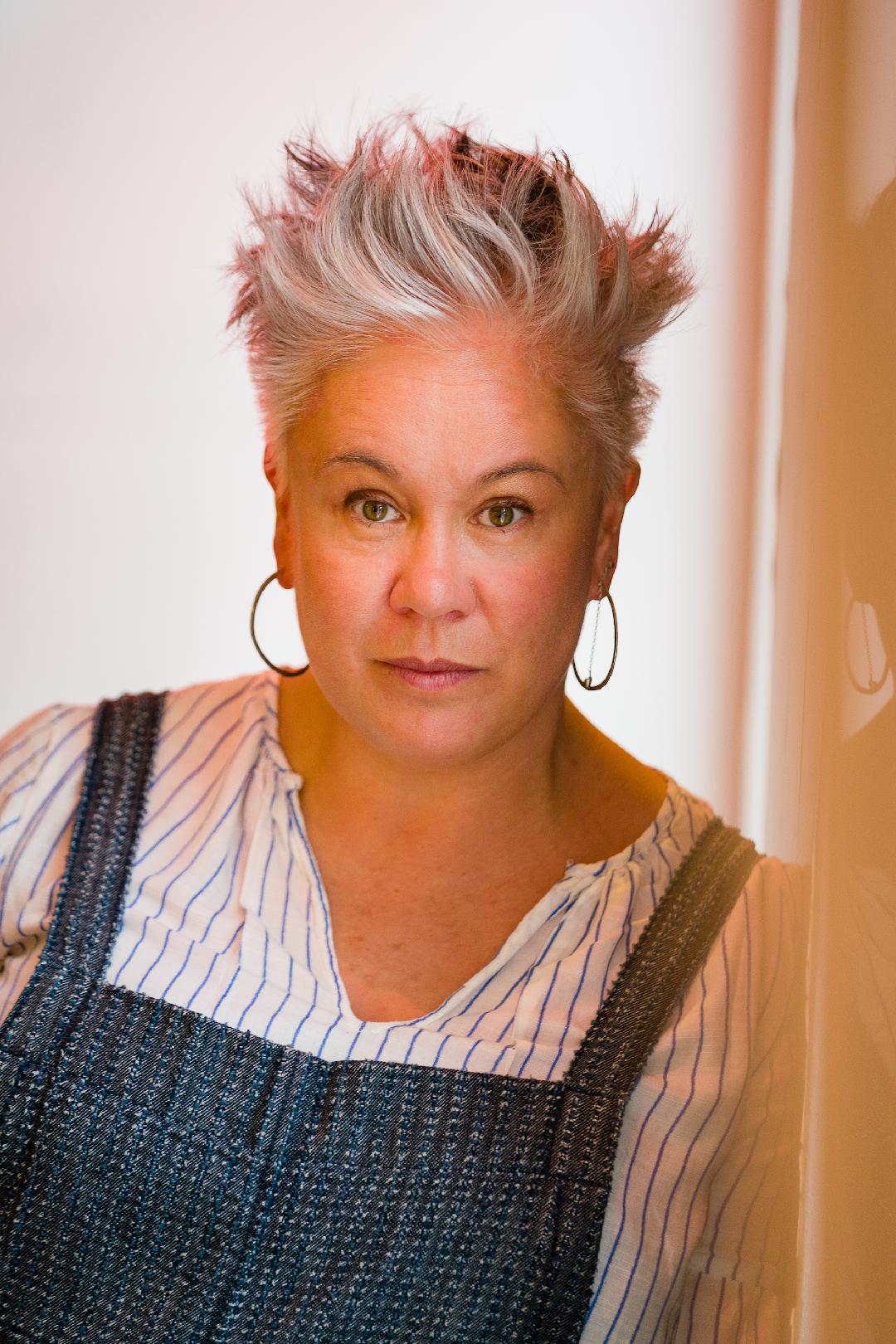
As the first ever stage production of Enid Blyton’s Malory Towers embarks on a national tour, Director Emma Rice tells Vicky Edwards why these classic stories are an enduring delight…

I’ve always thought optimism a lovely trait. Not only do the ‘glass half full’ brigade seem better equipped to withstand life’s slings and arrows, but their sanguinity is also marvellously contagious; even die-hard Eeyores struggle to maintain despondency when in the company of a fully-buoyant bright-sider. In literature, Malory Towers is the epitome of optimism. Nobody better, therefore, to adapt the original work and direct it than Wise Children’s super-sunny Emma Rice.

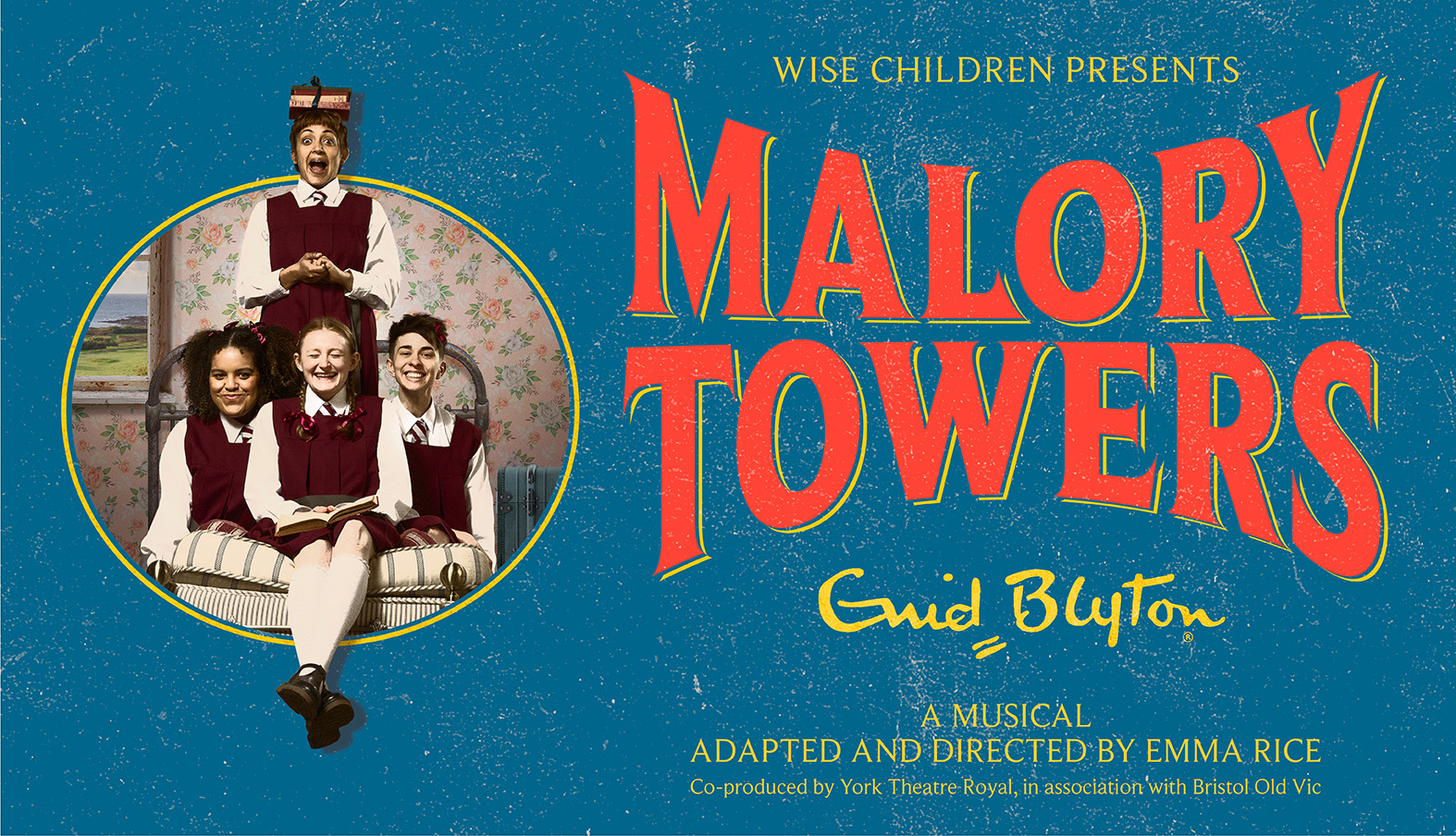
Co-produced with York Theatre Royal in association with Bristol Old Vic, and officially licensed by Enid Blyton Entertainment, a division of Hachette Children’s Group (HCG), Malory Towers is the original post war ‘Girl Power’ story. The high jinks of pupils at the Cornish boarding school have thrilled readers ever since the first story was published in 1946 – didn’t we all yearn to join in the midnight feasts and yell ‘Play Up, Malory Towers!’ at nail-biting lacrosse matches? The books remain hugely popular, with new generations devouring them and dreaming of being sent away to boarding school with an overflowing tuck box.


Emma Rice credit Steve Tanner

“But there is plenty for boys too,” urges Emma, in exuberant form after a productive week of rehearsals. “The only thing that would disappoint me would be if people didn’t bring their boys,” she added, promising a show that delivers plenty of thrills and spills.

“The animation is fantastic – we see the train arriving at the Cornish coast – and then there is a real cliff hanger just before the interval. We have just been rehearsing that bit today and it’s like Ben Hur!”

Described as ‘nostalgic, naughty and perfect for now,’ what initially appealed to Emma about the project?

“The Malory Towers books are great stories filled with great characters who don’t seem to age at all. It is very hopeful and I think that is right for now. I call it my happy Lord of the Flies: when left to their own devices, a group of girls decide to be the best version of themselves they possibly can be. They want to change the world and be women the world can lean on; they want to resolve conflict. They never talk about boys and they aren’t boring!”

Interestingly, Emma is a relatively new convert to Blyton’s best-loved school stories.

“I’ve worked with David [producer David Pugh] many times. He has great taste and he knows me so well, damn him!”
Laughing, she recalled how David piqued her interest by wooing her with a vintage set of the books, beautifully wrapped in brown paper.

“As soon as I read the first one I just knew they would make a great piece of theatre. They’re such page turners, the characters are so well observed and the powerful feminine voice comes through with such positivity.”

Anyone familiar with Emma’s work will know that music is an integral part of her productions.

“There is always lots of music with me,” she agreed cheerfully, “but I wanted the music in Malory Towers to be virtuosic; simple, but showing how rich the world is. There are some new compositions by Ian Ross and it’s a real musical feast,” she teased; “and it has got fantastic dancing, too. The choreography is incredible. I wanted my Malory Towers to be like Busby Berkeley, but in an earthy, feminist way!”

If the music is a feast then the actors Emma has assembled are a veritable banquet (‘simply top hole,’ as Darrell and her chums might say), and, refreshingly, it was achieved through a ‘character-over-looks’ approach to casting.

“For me, casting is always about getting the right personalities and the people who absolutely capture the spirit of the characters.” As proud as a Head Teacher with an intake of straight ‘A’ students, she adds: “My company comprises a range of actors with different backgrounds.

Gymslip clad, Emma’s performers will transport audiences to 1950s Cornwall where Darrell Rivers is embarking on her Malory Towers adventure. Bright, loyal and big-hearted, her fast and fiery temper is something she must learn to master. And, while she’s about it, can she save the school play and rescue terrified Mary Lou from the grip of a raging storm? Crikey!

But amid all the drama and japes runs Emma’s affection and regard for the generation of women who taught in schools in the wake of warfare.

“With lives shaped by the savagery of two wars, they devoted themselves to the education and nurture of other women. My Malory Towers is for them, and also for the two generations of men that died in those same wars, leaving us with the freedom to lead meaningful, safe and empowered lives. And it is for Clement Attlee and his Labour government of 1945 who looked into the face of evil and chose to do what was right. These people changed the political landscape in their focus on care, compassion and the common good. Malory Towers was written at the heart of this political revolution, and embodies a kindness, hope and love of life that knocks my socks off.”

Something else Emma is passionate about is the work of her company, Wise Children.

“We want to make fantastic world class ensemble theatre based on storytelling techniques that I have developed over my career, and at the same time teach the next generation of creative theatre makers. And we want to create access for people who might not be able to access theatre training,” she told me, explaining that there are free places given to those for whom such aspirations would otherwise be impossible.

Vowing to raid my daughter’s bookshelf and get reacquainted with Blyton’s finest work, on my way home I imagined what Miss Grayling’s comment on Emma’s end of term report might have been:

‘A splendid Head Girl who can surely be depended upon to lead Malory Towers to victory. Jolly good show, Emma!’

©Vicky Edwards

My Writing Process – Helen Baggott

Helen Baggott is the latest author in the series How I Write, which gives readers, and other writers, an insight into the minds of writers. Not only how they think, but how they work. 

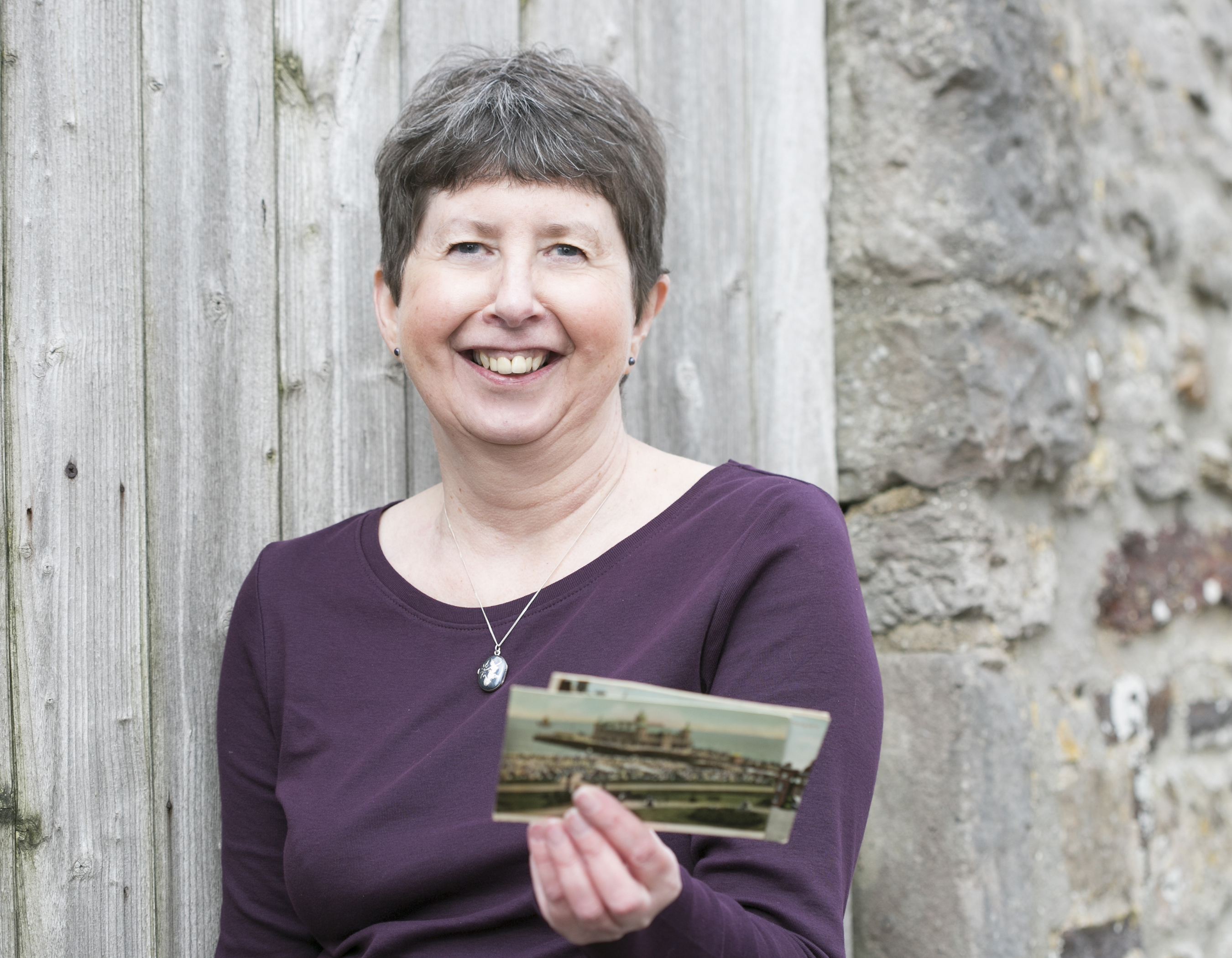
Helen Baggott


I grew up in Swanage and although I no longer live in the seaside town, home is still in Dorset. For as long as I can remember, I have always loved history and writing. Before I reached my teens, I recall creating my own magazine – and making my family read it. I even tried charging them to advertise!

I’ve always enjoyed writing both fiction and non-fiction. Despite having some success with short stories, I’m now focussing on non-fiction. I have written articles for local magazines and papers, and now my own book.

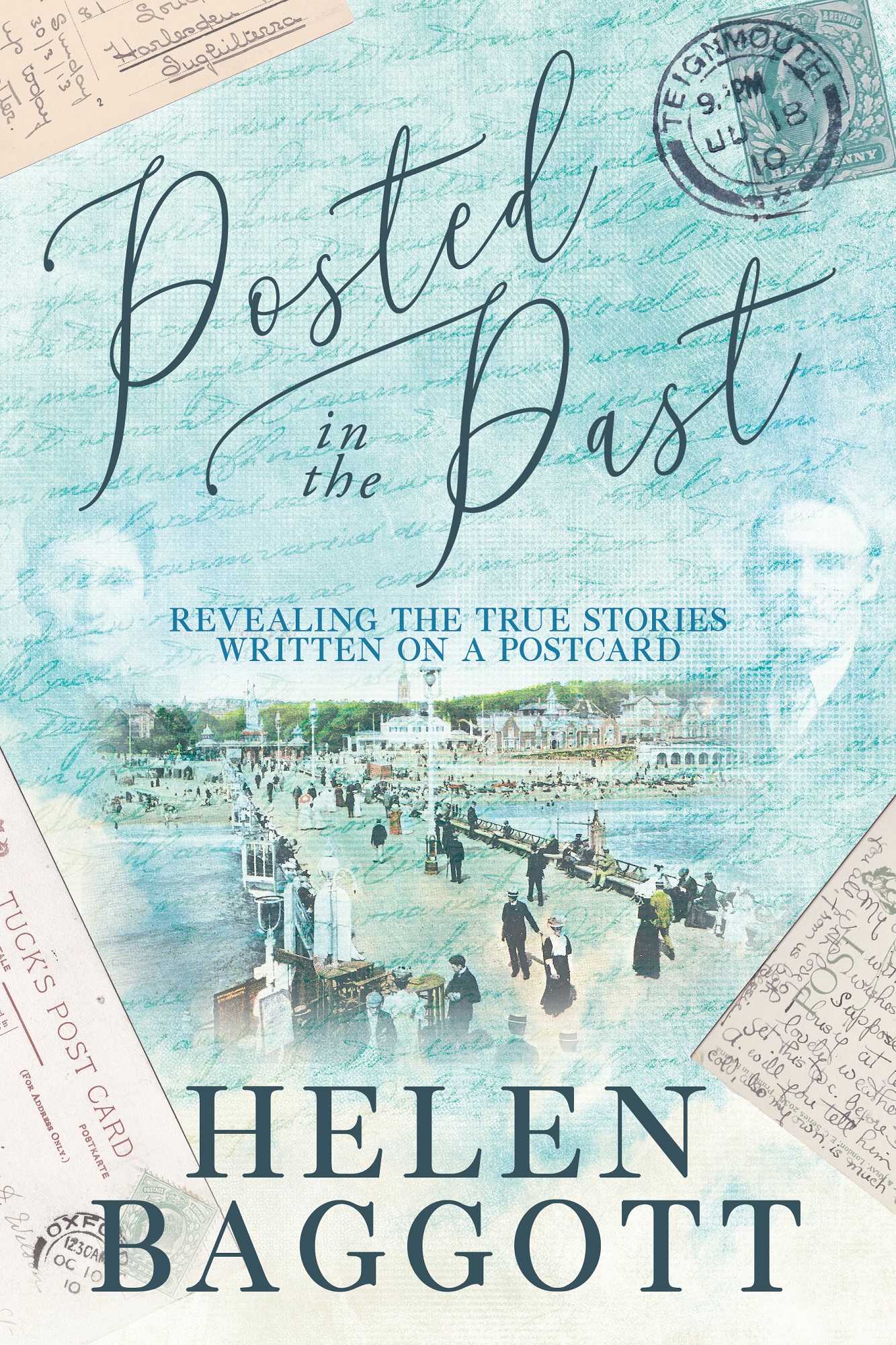
Posted in the Past was published in June and it’s the culmination of a project that was as much about research as writing. Through genealogy, I’ve researched the people who sent and received postcards more than a hundred years ago. The cards open the door to our pasts, but what was so surprising were the links I found to events of national and international importance. A housemaid who worked for Edward VII’s doctor was particularly exciting, not to mention discovering Arnold Schwarzenegger was linked to a postcard sent before the First World War.

What is your process of writing. 

Unless I’m in the right frame of mind – something that even I can’t describe fully – a blank page will remain blank. I possibly work best when a deadline looms.

Do you plan or just write?

When I was writing fiction I found that I would sift a story through my mind for days, if not longer, and then type it out. That first draft seemed to always work fairly well – although if you include those sifting stages, it was possibly version 20 that found its way onto paper.

What about word count?

With Posted in the Past I made a conscious decision to simply write each postcard’s story. The length was irrelevant – it was the story that mattered. I didn’t want to pad any of them – sometimes the shorter stories are just as interesting as the longer ones.

How do you do your structure?

I ask myself the questions that a reader might and I answer them on the page. A loose end is a distraction and tying everything together forms that structure.

What do you find hard about writing?

When the mood’s right, the planets are aligned, and I have the perfect cup of coffee, nothing is hard. Without the ideas, writing isn’t hard, it’s impossible.

What do you love about writing? 

Irrespective of whether it’s fiction or non-fiction, I love the escapism, living in another world and time.

Advice for other writers.

Have faith and confidence – to not write when you feel you should is the only time you will fail.


Posted in the Past is available on Amazon

www.helenbaggott.co.uk

www.stourcastle.co.uk

@SelfPubSupport

@PostedInThePast

My Writing Process – Helen J. Christmas

Helen J Christmas, authorI am a website designer and an author and have written a five-book mystery thriller series. 

When I was out and about one day, walking our dog along the beach, my imagination ran wild and I remember getting my first ideas for a story. It started with the characters but grew into a suspenseful saga that spanned four decades; this was my inspiration for ‘Same Face Different Place,’ a series I completed in 2017.

Writing is something I’ve always loved, but working full time, it was difficult to find enough hours to write a novel. Once I started however, I found myself waking up earlier (5-6am). So why was I lying there, restless, thinking about my book, when I could be up writing it? This became my prime time for getting the bulk of my story written.

I spent seven years writing my series and it wasn’t just the writing I loved but the planning, the research, the development of new characters and the way the storylines fused together. I always started out with an outline plot but the best ideas flowed when I was creating the scenes. At the time I wasn’t bothered about word count. I tended to include a lot of description and dialogue but this can be whittled down in the editing process to give a tighter novel. 

I derive a huge amount of pleasure from writing but the biggest reward is getting good reviews. No-one can describe the euphoria an author feels when they see a glowing testimonial from a reader. Just the thought that someone has enjoyed your book is a wonderful boost, something that really makes it worthwhile.

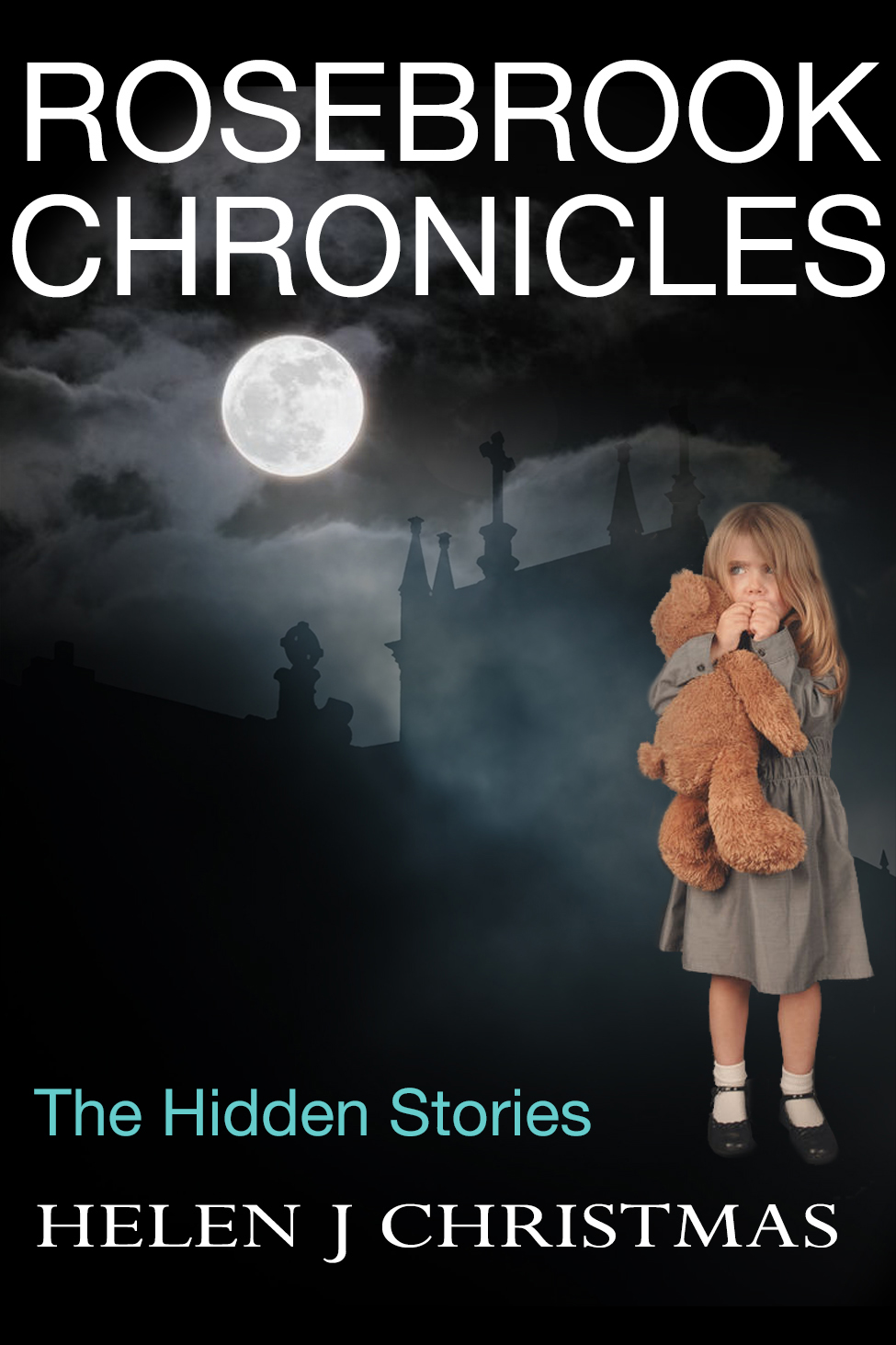
I confess to feeling an anti-climax when I reached the end of my series but fortunately, had an idea for a new book. After writing such a huge saga, I wanted to try writing smaller stories. Such was the thinking behind Rosebrook Chronicles, The Hidden Stories. This novel follows the lives of three lesser known characters, all of whom are abused as teenagers. It is the interlocking stories of these characters that drive the plot, a blend of social history and psychological suspense, told from the heart and quite different from my thriller series. It also provides a background.

Writing this, I also experimented with different writing styles, one being present tense, the other first person, which I really took to. So with all this experience under my belt, what would I advise other writers?

This year I started a standalone psychological thriller set in modern day Sussex. I found it a little difficult to get into though, with a whole new cast of characters. It helps to have an outline plot to base your story on, but the one thing that works is getting to know your characters. Try to imagine how they think. Plot their back story, consider their family and friends network, where they work, maybe even what music they like. I’m sure this why my series became so easy to write in the end, because the characters to me felt like real people.

I occasionally end up writing extracts based on one character or scene; something to focus on if the writing process becomes cumbersome. So don’t give up. 

Reading helps too. I like to lose myself in a good book as much as I like writing and with so many good psychological thrillers around, it is inspiration for the soul.

BIO: Helen lives in Sussex with her husband where they work from home in their idyllic 17th C cottage. They began their web design business in 1998 (still running) and other than writing, Helen loves walking, cooking and photography.

Books by Helen J Christmas: 

Beginnings

Visions

Pleasures

Retribution: Phase One

Retribution: End Game (series: Same Face Different Place)

Due to be published in July

Rosebrook Chronicles, The Hidden Stories.


SISTER SCRIBES: SUSANNA BAVIN ON SKIPPING

Do you ever skip parts of a book? You don’t want to give up on the book because you’re interested enough to want to know the ending… but, still, you find yourself skipping through bits of it.

I have a group of friends I meet up with each week for coffee – well, hot chocolate, in my case. We talk about all kinds of things, but this week there was a conversation about books and one friend talked about a book she had started reading with pleasure, but then she had gone off it a bit, though she still wanted to know what happened at the end, so she had skipped parts of it.

That got me thinking about what might make a reader skip bits of a book and I have come up with three reasons why I have done it:


  1. Padding…

… by which I mean excessive description. Yes, description is important – of course it is. It creates the setting and contributes to the mood and atmosphere. It deepens the reader’s relationship with the character and submerges the reader more fully in the book. But you can have too much of it. It shouldn’t make the description read like a piece of authorial self-indulgence. I’m thinking now of a book in which the writer spent two whole pages describing the kitchen(!). And then there was the novel in which an architect spent a whole chapter walking round a city, admiring its buildings and finding inspiration for his own work. It didn’t advance the plot – or if it did, I missed that part because I skipped to the next chapter.

  1. Lecturing

Or should I call it The Dreaded Lecture? In another novel involving a real theatre, the author had obviously done his homework – the operative word being ‘obviously.’ He couldn’t stop himself sharing every single thing he had learned about the theatre’s history. It turned into a page and a half of lecture. It didn’t advance the plot and nothing in the paragraphs of history was ever referred back to as being a crucial detail later on in the book. In fact, this theatre appeared only once in the narrative and then the action moved on elsewhere. In other words, the author hadn’t understood that, just because you’ve picked it up in the course of research, doesn’t mean you have to commit it to paper.

  1. Back Story

I’m not saying there should never be back story. Some is essential to an understanding of the plot, but entire chapters of it…? I came across a book a while ago, which involved a family which, in spite of minor tensions, was clearly happy and united, with Mother as the lynch-pin. Early on in the plot, Mother died in a freak accident. How would her adoring husband cope? What fresh responsibilities would fall on the shoulders of our young heroine? What would happen next? What actually happened was a trip back in time to wander through Mother’s childhood and see how she grew up to meet and marry Father. I wasn’t interested in that – I wanted to know what happened next.

Summer Reads

A Maiden’s Voyage Rosie Goodwin

Thursday’s child has far to go . . . 

1912, London.

The latest book in the Days of the Week series from Rosie Goodwin – A Maiden’s Voyage – is sure to be a hit with her many fans. I have to say I think this a great idea for a series and the way Rosie Goodwin has come up with the stories and characters to express the sentiment of each day has been truly imaginative.

Thursday’s child is the story of Flora Butler who lives in London, working as a lady’s maid to Constance Ogilvie. It suits Flora perfectly; she enjoys her work and is able to provide for her parents and four younger siblings. But  when tragedy strikes Flora faces a difficult decision – move to new York with her mistress, or lose her job and stay with her family.

Before long, Flora and Connie are heading to Southampton to board the RMS Titanic…

With strong settings and likeable characters, this is a page turner of a book to sail away with.


Secrets of Santorini by Patricia Wilson

How far would you go to save those we hold deep in our hearts? What would you sacrifice to save the ones you love from harm? Secrets of Santorini is a love story, it’s ancient history with a modern twist. But most of all, it’s a love letter to the gorgeous island of Santorini.

Sent away to a convent school in Dublin at the age of five, Irini McGuire has always had a strained and distant relationship with her mother, Bridget, a celebrated archaeologist who lives on the paradise island of Santorini. So, when Irini receives news that Bridget has been injured at a dig and is in a coma, she knows it is finally time to return to the island of her birth.

Reading through her mother’s notes at her bedside, Irini starts to realise how little she knows about Bridget’s life. Now, driven by rumours that her mother’s injury was no accident, Irini must uncover the dark secrets behind her family’s separation.

Will she discover the truth about her parents and her past before it is too late?

The story flips between the past and the present day as Irini pieces together her mothers past. One for the suitcase – whether real or imaginary. You’ll feel you’re in Greece as soon as you start reading.


The Woman in the Photograph Stephanie Butland

The Woman in the Photograph by Stephanie Butland

It’s 1968 and Veronica Moon is a junior photographer on a local paper in an Essex. She never gets good assignments, and no one takes her seriously. And then she visits the picket line at Dagenham Ford Factory and her life is changed forever.

At the front line of the fight for equal pay for women workers she meets Leonie – a privileged, angry activist, ahead of her time and prepared to fight for equality with everything she has. Veronica has never met anyone quite like her. She breaks off her engagement and moves to London with Leonie to begin a game-changing career and an intoxicating friendship.
Fifty years later and Leonie is gone. Veronica is a recluse with a crippling degenerative disease. For a while she was heralded as a pioneer, leading the charge for women everywhere. But her career was shockingly and abruptly ended by one of the most famous photographs of the twentieth century. It is a photograph that she took.
Now, as that controversial picture hangs as the centrepiece of a new feminist exhibition curated by Leonie’s niece, long-repressed memories of Veronica’s extraordinary life and tumultuous, passionate and – at times toxic – friendship begin to stir. It’s time to break her silence and step back into the light.

And she will no longer hide from the truth about that dark time.

Beautifully written, it draws you into the period from the first page. Such evocative writing and careful attention to detail really brought the 1970s to life.

Wilde Women by Louise Pentland

Robin Wilde is crazy busy with her exciting job and her lovely new man. She’s parenting with flair, and she’s feeling better after the heartbreak of last year. But with so little time to herself, and best friend Lacey’s increasing struggle with post-natal depression, the cracks are beginning to show. Cue a team trip to New York. It might just be the tonic Robin, Lacey, Auntie Kath, Edward and even Piper need.

Will the city that never sleeps make them or break them …

The latest adventures of Robin Wilde is sure to be a hit with Louise Pentland’s many fans. Witty, fun, and full of warmth that will leave you with the feel good factor.

The Women of Primrose Square by Claudia Carroll

Claudia Carroll takes us back to Primrose Square with a new set of characters.

When Frank Woods at number seventy-nine Primrose Square comes home to a surprise birthday party thrown by his wife and adoring children, it is his guests who get the real surprise.

Finding himself alone, he befriends the cantankerous Miss Hardcastle, who hasn’t left her home for decades, and Emily Dunne – fresh out of rehab and desperate to make amends.

As gossip spreads through Primrose Square, every relationship is tested, and nothing in this close-knit community will ever be the same again.

Full of warmth, humour and compassion. A perfectly lovely summer read.

Available from www.amazon.co.uk and www.waterstones.com


My Writing Process – Morton S. Gray

I am a published writer living in Worcestershire, UK with my husband, two sons and tiny white dog, Lily. I wrote my first novel when I was fourteen. It was a swashbuckling seafaring adventure, complete with galleons, cannons and a dashing hero. The story was heavily influenced by the Errol Flynn films I used to watch with my grandmother on Sunday afternoons. I got swallowed up after that by the education and work system and didn’t write much more than reports and meeting agendas for many years.

Starting to write more seriously when I was taking a break from work due to ill health, I took lots of writing courses and began to shortlist in writing competitions. Then in 2016, I got my publishing break, I won Choc Lit Publishing’s Search for a Star competition!

I have had three books published by Choc Lit so far – The Girl on the Beach, The Truth Lies Buried and Christmas at Borteen Bay, these are all romances with a mystery to solve and set in my fictional seaside town of Borteen. I am promoting the three Borteen Bay series while I finish my next books.

I write almost everywhere I go the old-fashioned way with notebook and pen – cafés, appointments, waiting for trains. I have piles of notebooks filled with stories. I generally prefer to write away from home, as I get too distracted by things that need doing in the house and, of course, by the dog. At least writing longhand in this way, the first time I put the words onto my computer it acts like a first edit of the manuscript.

My genre is romantic suspense, but I usually get so carried away with the mystery part of the book that I have to catch up with the romance when I’m editing. I don’t plan, I just write, that way the novel writing process is enjoyable for me as I don’t know what is coming next. My novels appear to naturally evolve. I read a book called Big Magic by Elizabeth Gilbert (the same person who wrote Eat, Pray, Love) and in it she talks about ideas and stories floating in the ether waiting to download to a receptive person and this is truly how it feels when I’m working.

I love writing, but with a teenager doing exams, a dependent mother, a husband who works abroad and a demanding dog, I often struggle to find time to myself (hence the haunting of coffee shops!). Nothing can compare to the feeling I get when the words are flowing and I get very twitchy if I haven’t had space to write.

For aspiring writers I think the most important thing is to write a story that sings to you, because that will allow you to write a story that sings to your readers too.


Biography for Morton S. Gray

Morton lives with her husband, two sons and Lily, the tiny white dog, in Worcestershire, U.K. She has been reading and writing fiction for as long as she can remember, penning her first attempt at a novel aged fourteen. She is a member of the Romantic Novelists’ Association and The Society of Authors.

Her debut novel The Girl on the Beach was published after she won the Choc Lit Publishing Search for a Star competition. This story follows a woman with a troubled past as she tries to unravel the mystery surrounding her son’s new headteacher, Harry Dixon. The book is available as a paperback and e-book.

Morton’s second book for Choc Lit The Truth Lies Buried is another romantic suspense novel, The book tells the story of Jenny Simpson and Carver Rodgers as they uncover secrets from their past. This book is available as an e-book, paperback and audiobook.

Christmas at Borteen Bay is Morton’s first Christmas novella. It is set in her fictional seaside town of Borteen and follows the story of Pippa Freeman, who runs the Rose Court Guesthouse with her mother, and local policeman Ethan Gibson, as they unravel a family secret as Christmas approaches.

You can catch up with Morton on her website www.mortonsgray.com, on

Twitter – @MortonSGray, her Facebook page – Morton S. Gray Author – https://www.facebook.com/mortonsgray/ and 

Instagram – https://www.instagram.com/morton_s_gray/

Purchasing links for The Girl on the Beach at http://www.choc-lit.com/dd-product/the-girl-on-the-beach/

Purchasing links for The Truth Lies Buried at http://www.choc-lit.com/dd-product/the-truth-lies-buried/

Purchasing links for Christmas in Borteen Bay at https://www.choc-lit.com/dd-product/christmas-at-borteen-bay/