RETREATING IS THE BEST STEP FORWARD BY CASS GRAFTON

One of the many things I’ve learned as a writer is the importance of location. This isn’t about the settings of novels so much, but rather places where it’s possible to escape from day-to-day life and become fully immersed in a story in the making.

Most authors, when at home, tend to write in whatever space they have created for the purpose, anything from a desk in the corner of a room to a dedicated office or (my personal dream) a writing hut in the garden. When the opportunity arises, though, the chance to go away—especially with other writers—is the perfect mix.

Although I’m lucky enough to ‘retreat’ with four of my writing friends each year, usually on an escape into the Shropshire Hills, I’ve also enjoyed a few Cornish writing experiences through The Writing Retreat, superbly run by Jane Moss and Kath Morgan, who not only offer their insight and experience through optional tutoring and one-to-ones they also provide plenty of personal time to write. I’m booked onto my third retreat with them next March and can’t wait—though I’ll have to diet before I go so that I can enjoy the delicious meals they dish up every day!

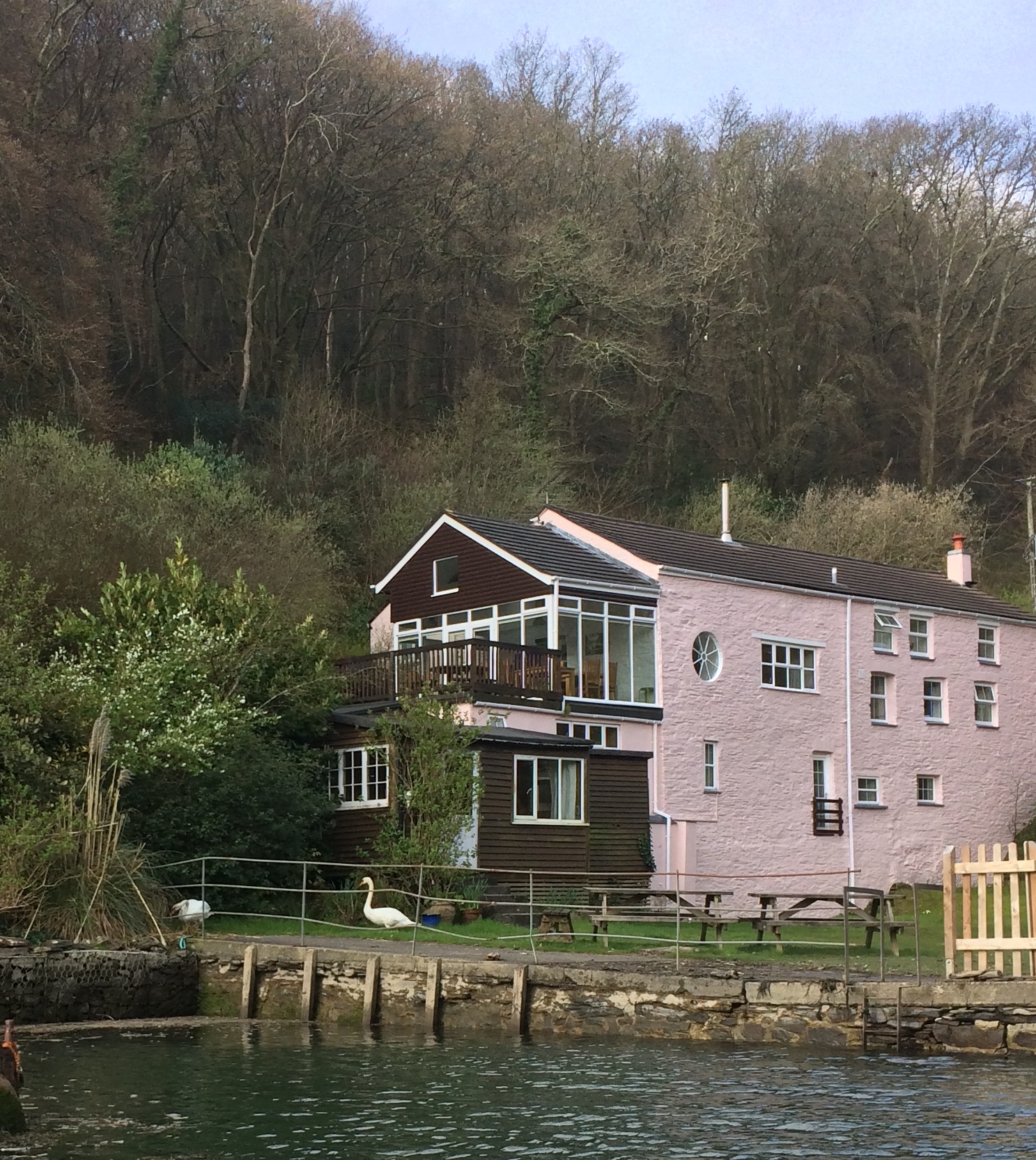
My most memorable stay with Jane and Kath so far took place a few years ago in a truly remarkable location: the Old Sawmills, a property situated on a secluded creek off the River Fowey in Cornwall.

I was deep into the writing of a book I hoped would be the first in a romance series, set in the fictitious town of Polkerran Point (also in Cornwall), which had several parallels with the town of Fowey and the village of Polruan, situated further down the river from the isolated creek that is home to Old Sawmills.

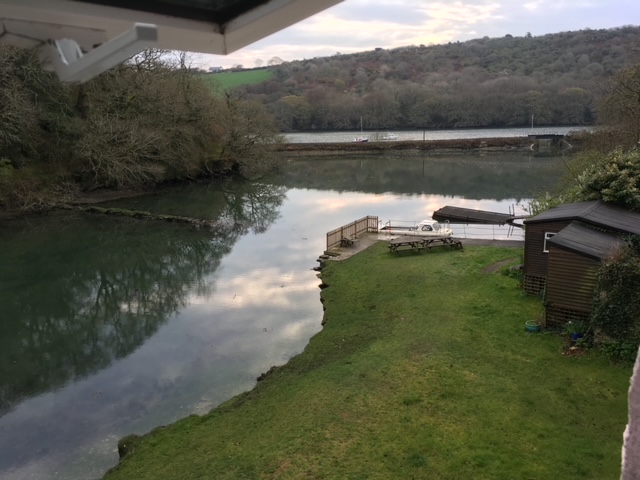
This fabulous property sits on a tidal inlet, only reachable by boat at high tide or by walking through the woods from Golant or uphill and down dale from Fowey (a much longer route).

The mill building has a fascinating history spanning centuries and was converted some years ago into accommodation, with a music studio built on the lower ground floor. Many musicians have stayed there over the years, and some iconic albums have been recorded in this distinctive location, including Oasis’s Definitely Maybe, and several by Muse, including Showbiz and Origin of Symmetry.

Stalled in my writing for months, once installed in my room at Old Sawmills, I quickly realised I’d found my happy place. My bedroom overlooked the top end of the creek, beautiful in any season, and sat in the window there or curled up on a squashy leather sofa in the light, bright sitting room, the words flowed.

Perhaps it’s not surprising. Not only had many musicians created their masterpieces there, but Kenneth Grahame is also believed to have been inspired to write Wind in the Willows after picnicking in a little creek off the River Fowey—allegedly this one—an experience that is reflected in the opening chapter and describes the setting perfectly.

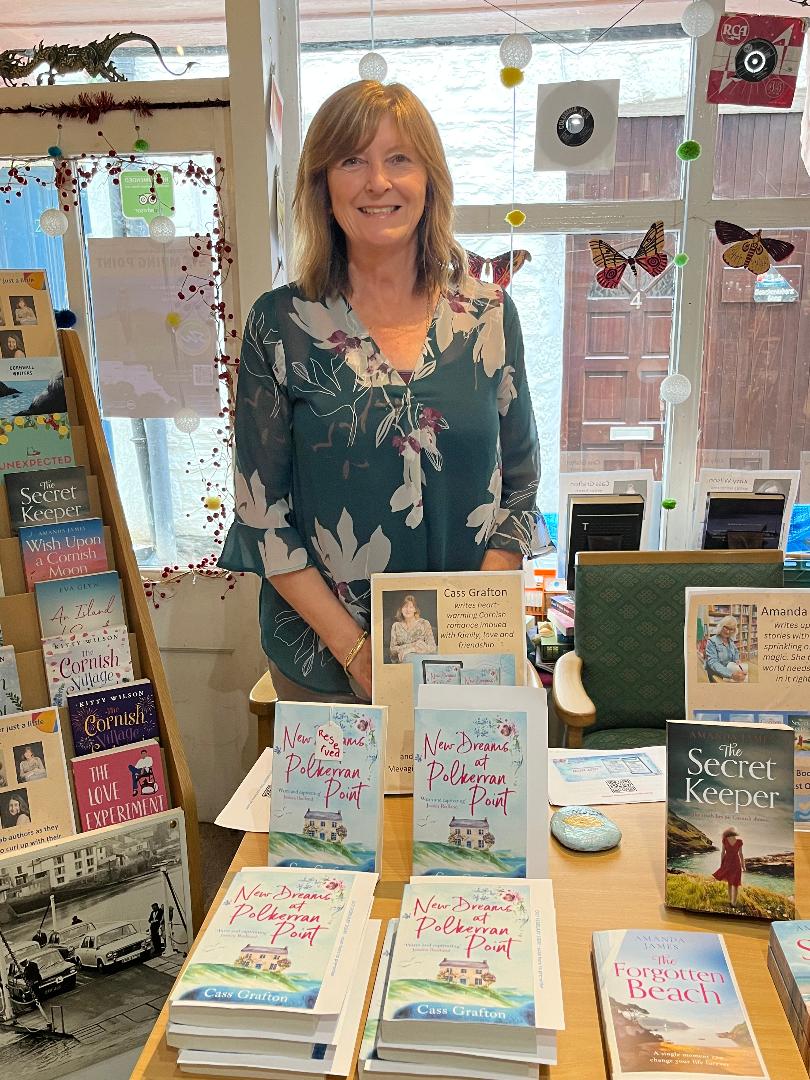
For myself, not only did staying at Old Sawmills give me the space and opportunity to pour my heart into my book—now published as New Dreams at Polkerran Point—but the setting of the recording studio will be a key location in the third book in the series.

Currently for sale, who knows what the future holds for Old Sawmills? In my dreams, a reclusive writer will buy it and happily sit in the conservatory, nature all around, as they pen novel after novel, lost in a world of their own creation.


Visit https://www.thewritingretreat.co.uk/ for more information.


WHY GO ON A WRITING RETREAT BY JO THOMAS

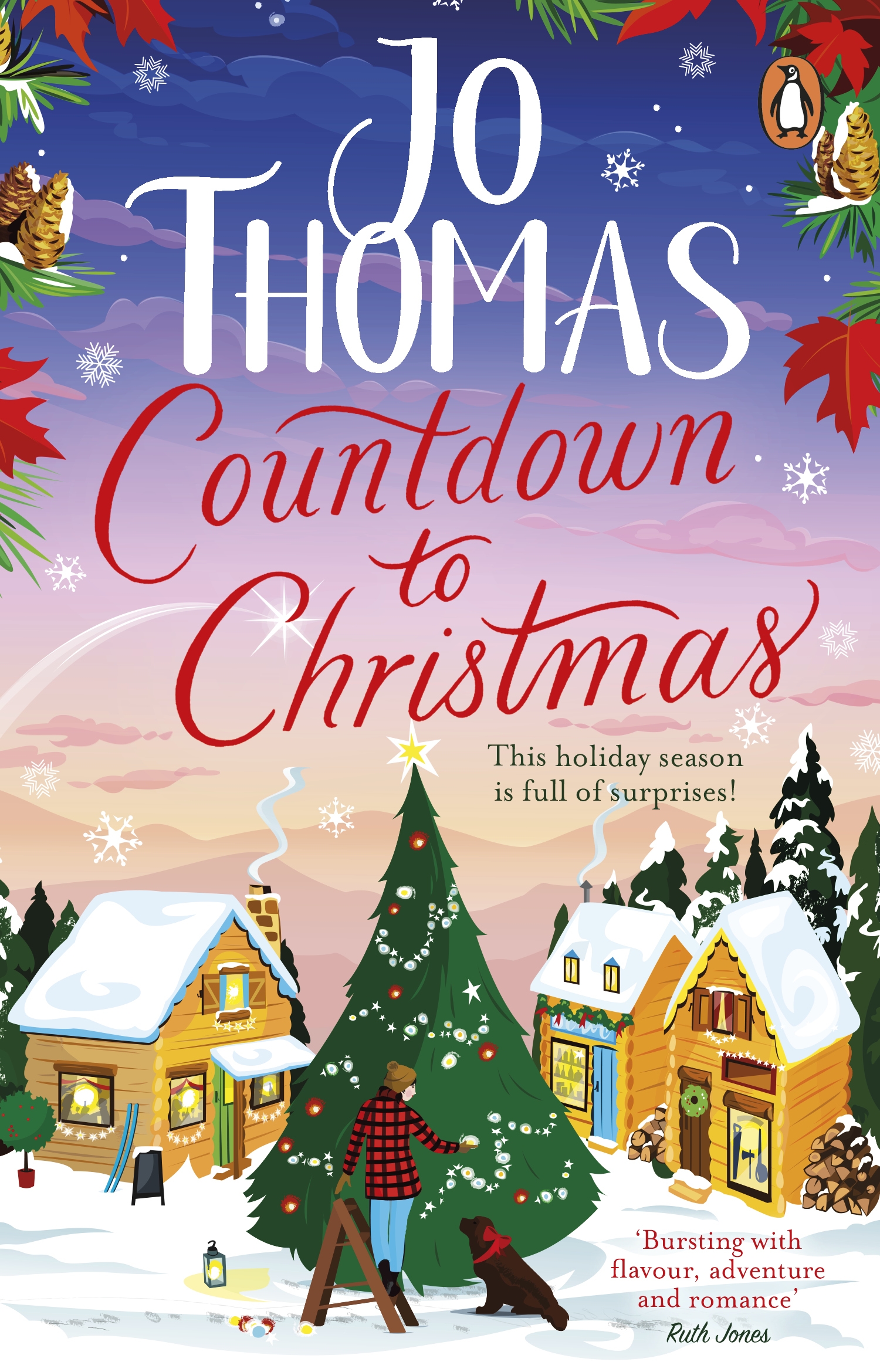
To celebrate publication of  Countdown to Christmas, Jo Thomas shares the magic of writing retreats…

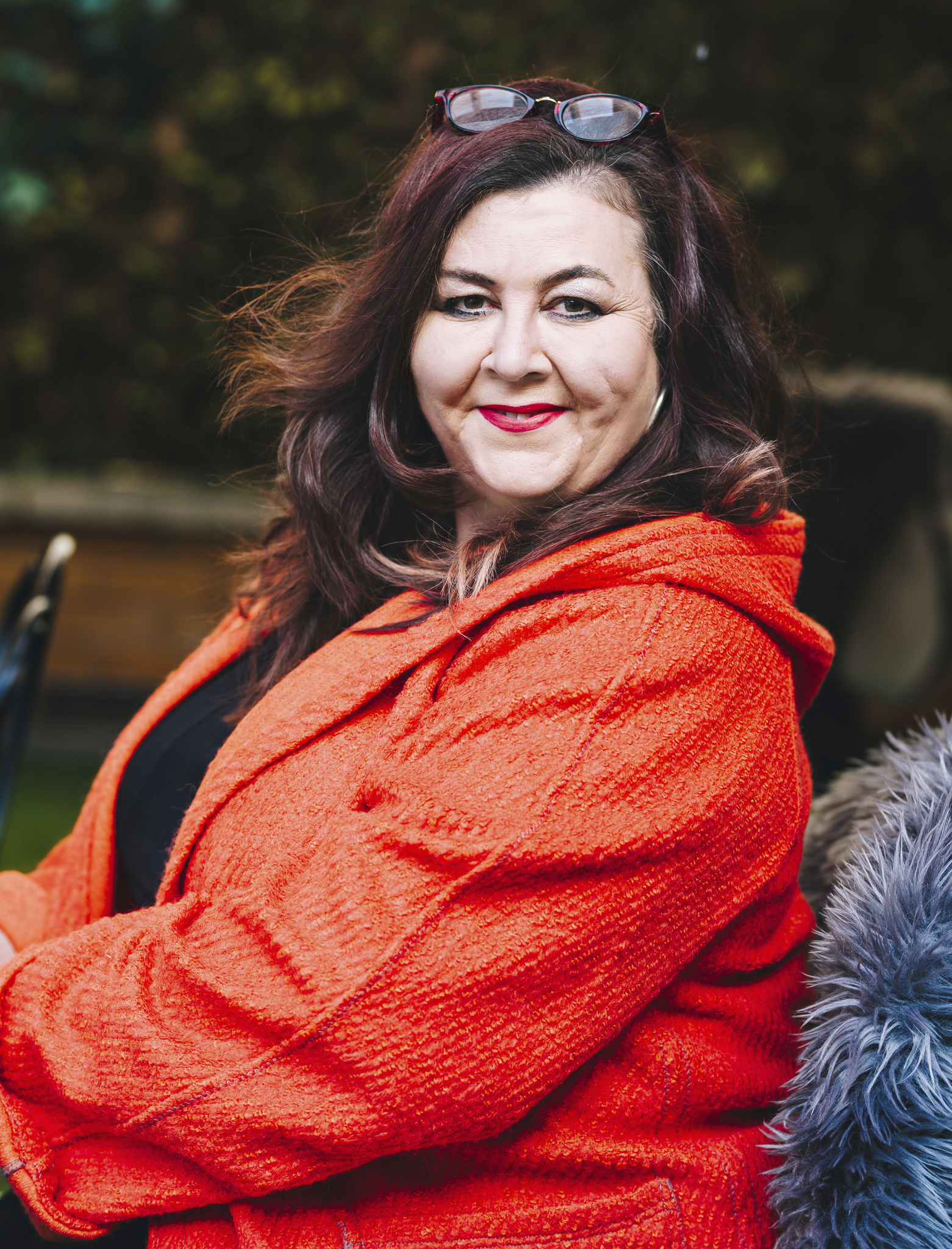
credit: Gemma Griffiths Photography

I love the chaos of busy family life. People coming and going. The dogs greeting everyone, tails wagging; the hustle and bustle in my kitchen. I thrive off it….most of the time. But sometimes I need everything a writer’s retreat gives me.

The first writing retreat I went on was a house in Scotland, Cliff Cottage, owned by a writer who enjoyed the company of other writers. It overlooked the sea and was a marvellous place to sit and work and leave daily life behind.

There is nothing like spending time with other writers to get the juices flowing, ideas bouncing, plots unblocked and for laughing together. Generally, writers get other writers.

I went on to go on writing courses in France with Anita Burgh, Veronica Henry and Jane Wenham Jones and eventually after years of trying and failing I got my first book, The Oyster Catcher written. After that, Chez Castillon become a place to go and get words on the page for me.

I love morning tea with writer friends…… drinking tea in your dressing gown and discussing a plot problem that’s holding you up or talk through an idea that’s come to you in the night.

Now that I run retreats in France, we generally meet on the morning of the first full day to introduce themselves, tell us why they’re there, what they’re writing and what they want to achieve in that week.

For many people making time to get away from everyday life has taken a lot of effort and juggling, not to mention organising travel and paying for that time away. I don’t want anyone to feel they haven’t achieved something by the time they’ve left. Even if it’s a plan for going forward.

Then I’ll make time to meet with everyone, one to one. It may be over a coffee in café in the town, by the pool in the shade of the covered terrace or over a gin and tonic in the bar across the road. Somewhere we can talk about the path forwards; talking ideas, finishing the book, finding an agent. Anything.  A week away is like a fullstop on busy everyday life and whilst you may not write a book in that week I do want everyone to go home feeling they know how to keep going.

And so we leave with plans, food memories from meals out at the bistro or the restaurant by the river or oyster tastings on a Sunday morning, with new clothes bought from the linen lady at the Monday morning market, shoved into our already tightly packed cases. We have laughed together, swapped stories, even cried in some cases as we support and encourage each other in our writing. We swap email addresses, make WhatsApp groups and new friends. And we promise to meet again, same time, same place….. new words to go on the page. It’s a place of support, encouragement, celebration and laughter. A little pause on everyday life to keep the wheels of our writing routine turning as we go back to everyday life and I return to busy kitchen, happy dogs and family life around the table.


Countdown to Christmas by Jo Thomas is published by Penguin (£8.99)

JANE CABLE REVIEWS

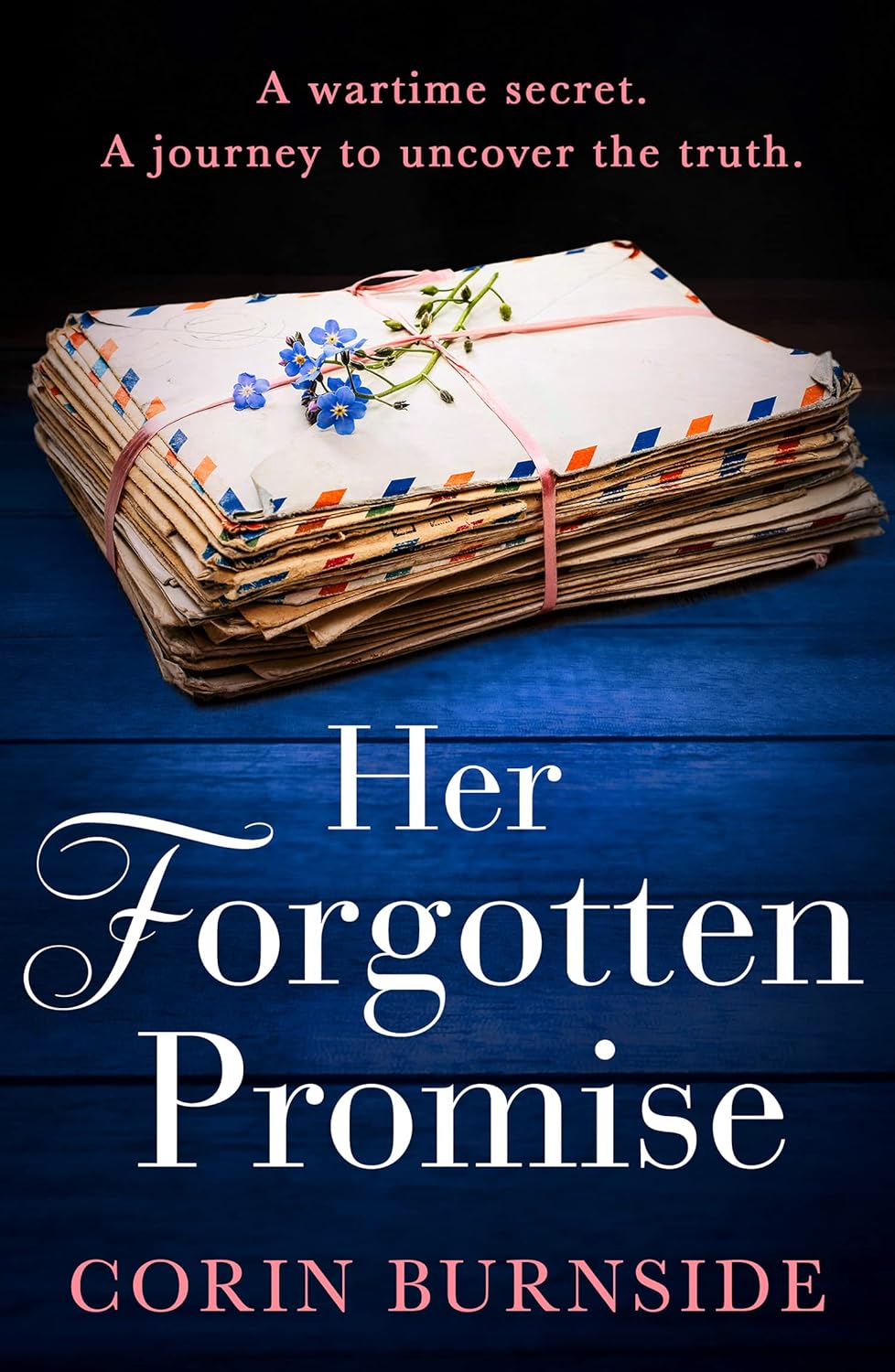
The Forgotten Promise by Corin Burnside

I’m normally a fan of dual timelines, but with this book I enjoyed the Second World War timeline so much I would have preferred for it to have filled every page. Maggie and Agnes’ story was so moving, and it was refreshing to read about a same sex romance in that period. The war around them was well researched and felt real, and I enjoyed this aspect very much.

The premise of the book, without giving too much away, if that when Agnes is recruited to join SOE she is forbidden from telling Margaret, because they are only ‘friends’. In the end she does leave a letter promising to return, but it never reaches its intended recipient.

I found myself hanging on every word of Agnes’s time in France, but not so the contemporary story. I found elderly Margaret’s periods of confusion and clarity a bit too convenient to the narrative, to be honest. But it didn’t spoil the book overall.

Call me grumpy, but I just wish that the title related better to what was between the pages; the book is called The Forgotten Promise, but to me the whole point was that neither of them did forget.


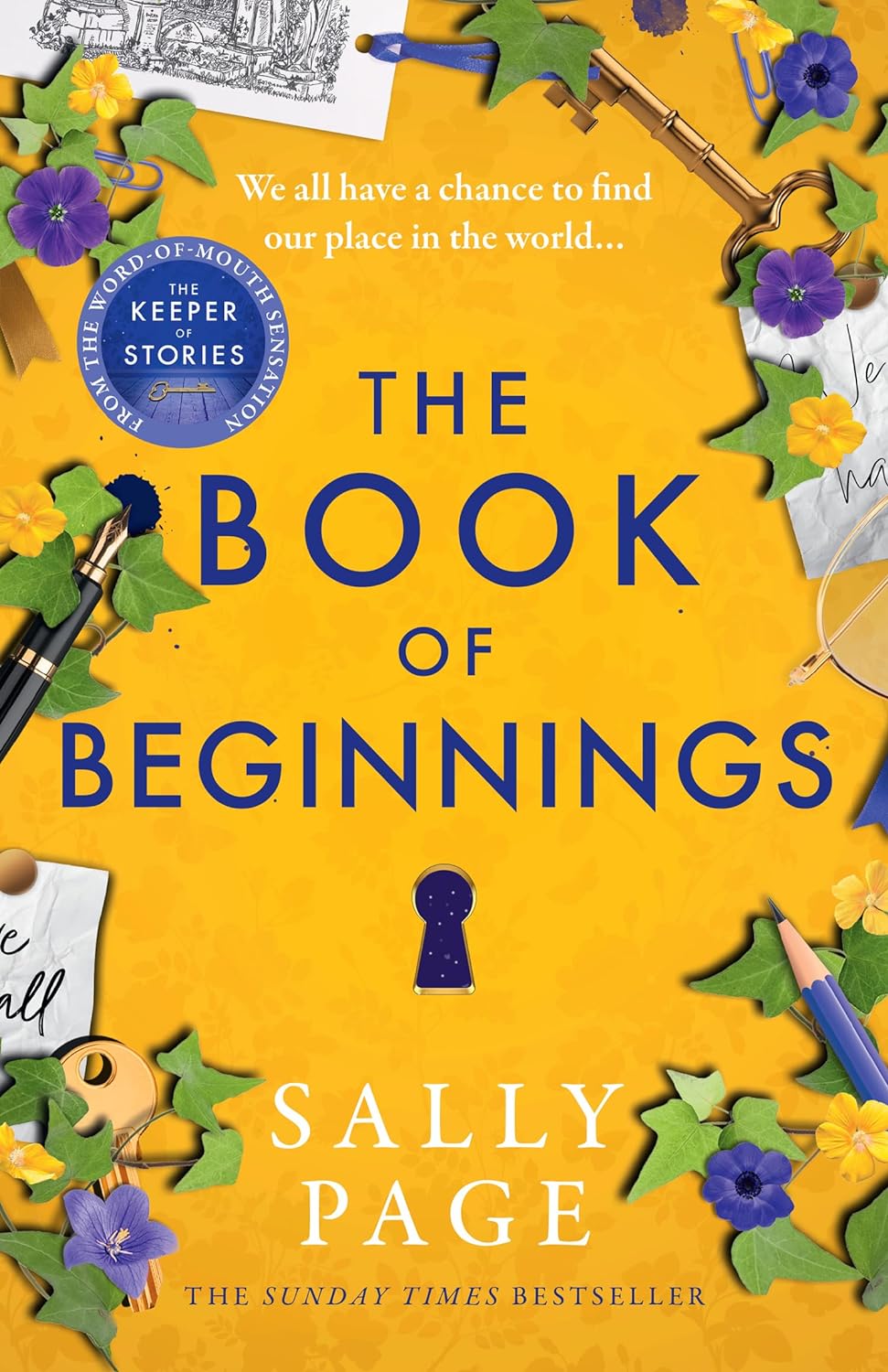
The Book of Beginnings by Sally Page

I love books about friendship, and this must be up there among the best. Although it took me a while to settle into it, once the cast of characters began to build around ‘Average Jo’ I was enthralled, and wanted to know more about them.

When Jo’s uncle develops dementia and her relationship breaks down, she goes to London to look after his stationery and hardware shop. Isolated and lonely, her confidence in shreds, she meets some of the people living and working around her, including Ruth, the runaway vicar, and Malcolm, a retired analyst who buys a new notebook every week. And slowly, maybe a little too slowly, their friendship begins to form.

This book is rich in vivid detail; about the settings, the characters, and the ghosts who may or ma not walk on Christmas Eve in Highgate Cemetery. Although there were small parts of the plot I did not like, they didn’t detract from the whole and I was left in awe of the writer’s skill.


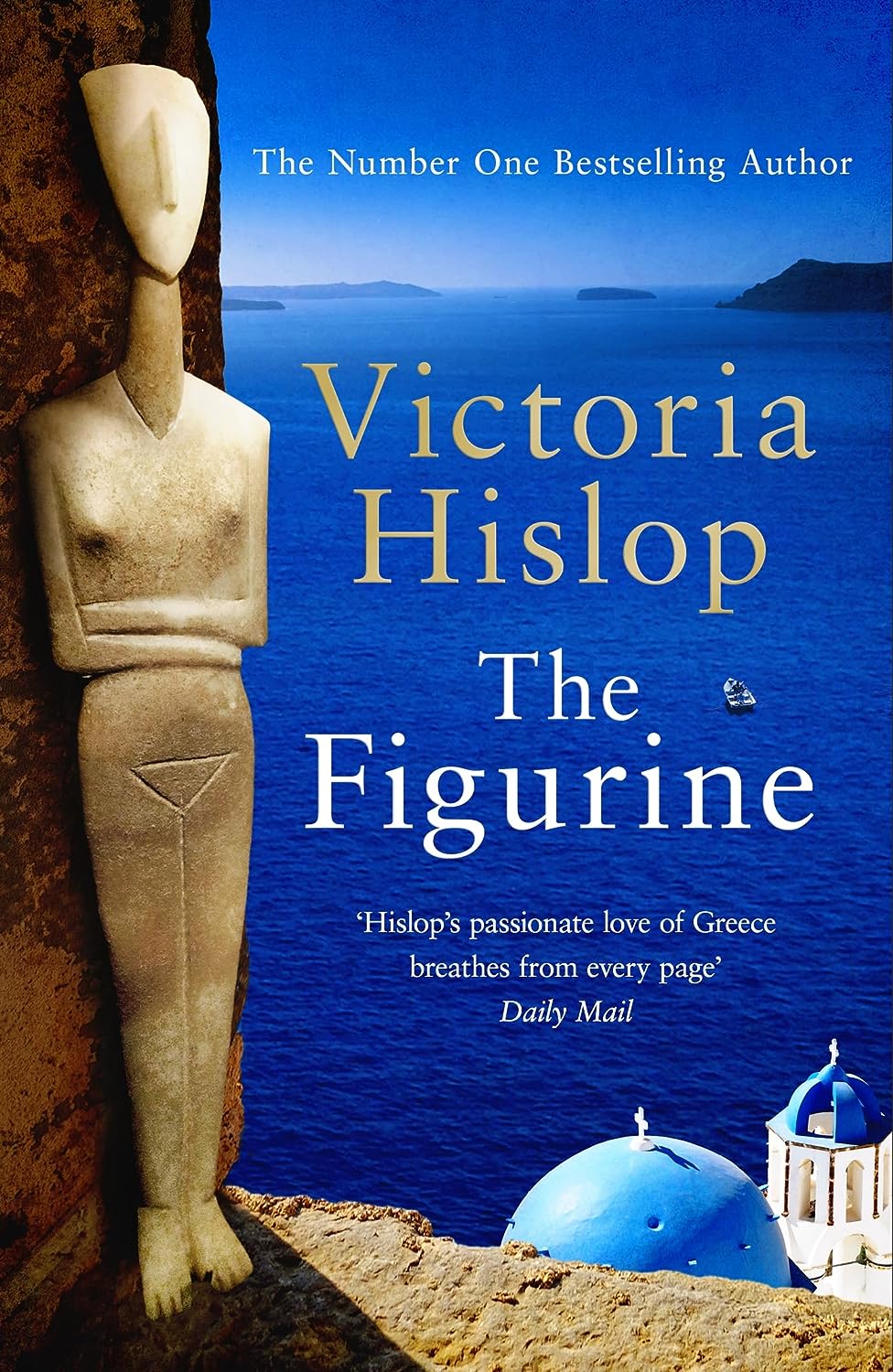
The Figurine by Victoria Hislop

As always, the sense of Greece at a certain moment in time is created perfectly by Victoria Hislop. The oppressive atmosphere of young Helena’s grandparents’ apartment when she visits in the 1970s echoes the regime her grandfather is part of, and the whiff of corruption is never far away. And when, years later, she discovers an Athens of her own, the sense of new freedoms is palpable too.

I also really liked Helena as a character and was sufficiently interested to know how her story unfolded to almost forgive the head-hopping, which blighted the early parts of the book in particular. There was a vividly drawn supporting cast too, but I felt there were too many of them at times, too many scenes which contributed little to the overall narrative. I did enjoy the story, but overall it was too long in the telling for my taste.

On one level I feel bad criticising such a successful and established writer, but on the other, I do not want to misrepresent my personal opinion of the book.


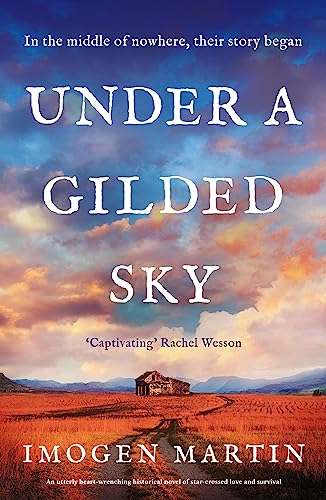
PUBLICATION DAY SPECIAL: UNDER A GILDED SKY BY IMOGEN MARTIN

Where do I start with this wonderful novel? With the sense of place and time, I guess, because it was so very brilliant. It’s set in rural Missouri in the 1870s and reminded me greatly of the childhood books I adored by Laura Ingalls Wilder.

The story opens when, much to her older sister Ginny’s horror, teenager Mary-Lou brings home an injured drifter. The sisters pretend their father is still alive, just sick upstairs, to keep themselves safe while Lex heals, but running the farm is a struggle in financial terms, although they cope on every practical level.

Then Lex leaves, and it isn’t giving too much away to say that a sweeping love story ensues. Beautifully done, but not overdone, embedded in both the social mores of the time and the freedoms of homestead life. The characterisation – and I mean all the characterisation, right done to the couple Ginny meets on a train – is wonderful, and I genuinely struggled to put this book down.

A strong contender for one of my books of the year and I just had to ask Imogen how she had placed her reader in the American Midwest in the 1870s, when she lives in twenty-first century Wales:

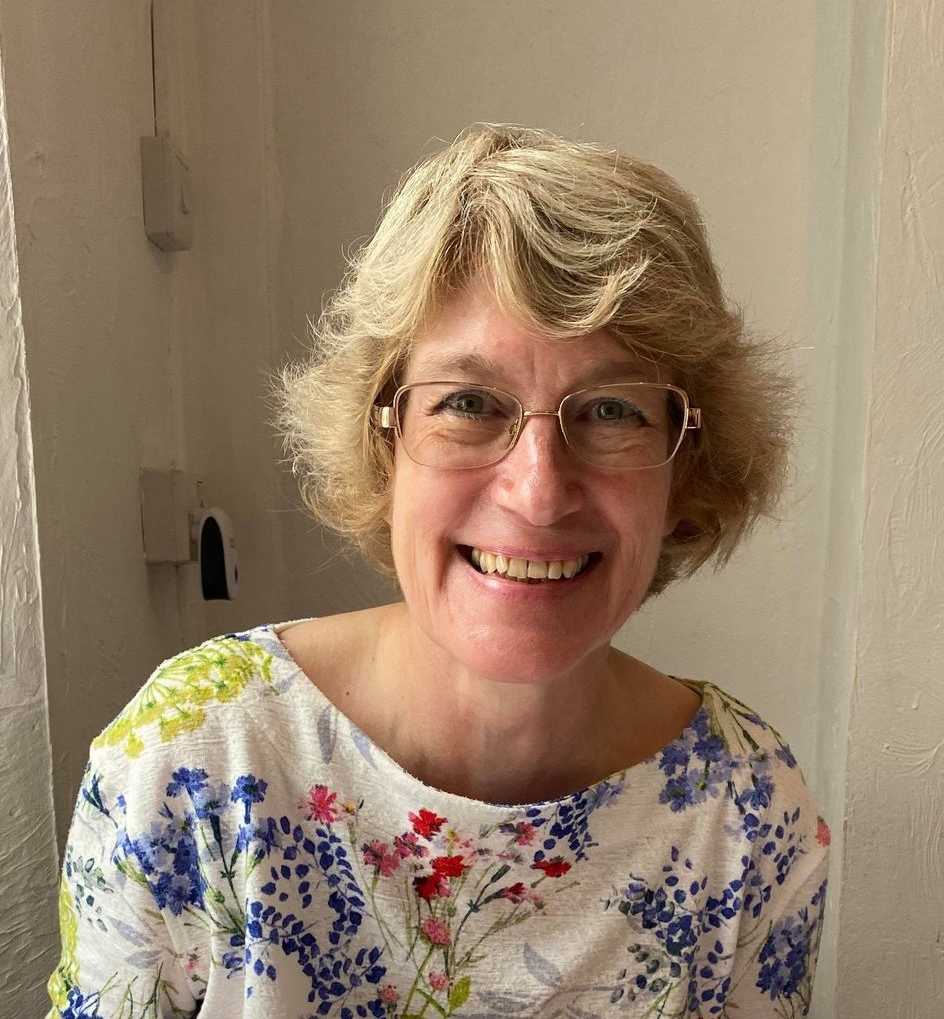
Credit: Faye Chamberlain

The story for Under a Gilded Sky had been in my mind for a long time. The first and most important thing was how my protagonists, Ginny and Lex, would get to know each other and fall in love. I hope their characters drive the story. Once I had written the first draft, I zoned in on the exact time and place. The novel is set in the Midwest and Boston, and begins in 1874, 9 years after the Civil War.  Although I have travelled in the States, I needed to do deep research. Luckily, the internet is a treasure trove of maps, photographs, academic papers, newspaper articles.

I’m a visual person and I needed to see my characters in their settings. Ginny’s homestead is the classic layout in the Midwest: what’s known as the I-House, with two rooms, a passage between, and the kitchen at the back. Not many remain, but Jessie James’ family home in Missouri survives because of his notoriety, so that was a great visual cue.

I wanted the size and price of Ginny’s farm to be accurate so I poured over the beautiful copperplate writing of page after page of the 1880 Agricultural Census for Missouri. I used William Strassburg’s farm in Pulaski County as a guide.

The episode in the Missouri Governor’s Mansion (my heroine has a rich cousin who is determined to find a rich suitor for her) uses the exact layout and décor of the real Mansion, using the rich details on their website.

The moments of research I most loved was when I found a nugget that would enhance the story. For example, I read on a history website about the devastating grasshopper plague of 1874 and 1875 which afflicted western Missouri and created financial strains. An academic from University of Missouri wrote a paper about the Missouri Banking Fraud of 1861, so I threaded this into Ginny’s aunt’s story.

I tried to capture train journeys of that time. Charles Dickens wrote letters about travelling on a train in Massachusetts and, although earlier than my setting, I used snippets such as his description of orange peel and nuts on the floor.  My best research moment was when, after hours of Googling, I discovered the exact timetable for Ginny’s journey from St Louis to Boston. She leaves at 7.20am, because that is the accurate time from 1875.

Looking back on my notes now, I see a huge level of detail. My hope is that this has made the story feel authentic, without the reader thinking they are walking through a museum.


TEN YEARS AN AUTHOR… JANE CABLE SHARES HER MOST IMPORTANT LESSONS

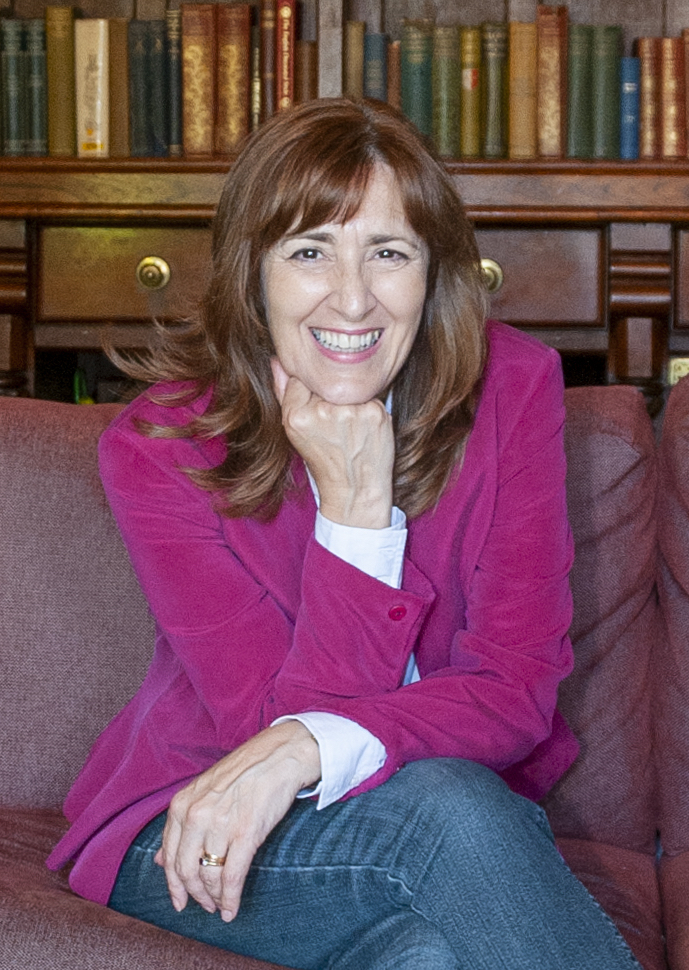
Jane Cable self published her first book in 2013, after it reached the final of a major national competition sponsored by Harper Collins. After a brief flirtation with an agent and another publisher, in 2018 she signed to Sapere Books, for whom she writes haunting romances. Two years later she achieved her dream of becoming an Harper Collins author, writing as Eva Glyn. So far four women’s fiction titles have been published by One More Chapter, three of them set in Croatia.

This week, lessons eight to ten:

Publishing deals are increasingly hard to find

One thing I really wish I had been able to tell my twenty-something self was to prioritise my writing then, because publishing would become an increasingly tough business. Sadly that still holds true today.

Think about it; when one of the mainstays of your business plan is the 99p ebook (of which the platform selling it will take a very large share), a huge number will need to be sold to make anything like a profit. And it seems to me a bit of a fallacy that the costs involved are lower; the only thing missing are printing and physical distribution, and those can be done very cheaply in bulk, especially when you consider the differential in price.

So publishers have to be incredibly careful about what they acquire. Celebrity authors are bankers who bank roll the rest of us, but very little else is certain. Even authors with contracts can find themselves in choppy waters if the first book of a deal does not sell well. It’s brutal, but it’s a business. And sadly, with a cost of living crisis gripping the country and beyond, I can’t see it getting better any time soon. Sorry.


You will spend more time marketing your books than you ever imagined

When new authors blithely ask what they need to do to make sure their book sells I do have a wry little smile to myself. If there was a magic bullet and I knew what is was, I would be top of the Amazon rankings.

The one thing I can say with a degree of certainly is that you need to choose your marketing channels and stick with them consistently. I can tell when some authors have a book out in the near future because suddenly they pop up on social media, after an absence of months or even years. In that time all but your closest contacts are going to forget you.

Of course marketing takes time. I spend at least an hour on it each day, mainly on social media, but also looking at other promotional opportunities such as advertising, preparing new graphics, polishing up my website and Amazon pages, writing guest blogs… The list is pretty endless, but it’s only by trial and error you will discover what works for you.


A good edit is the best learning experience you can have

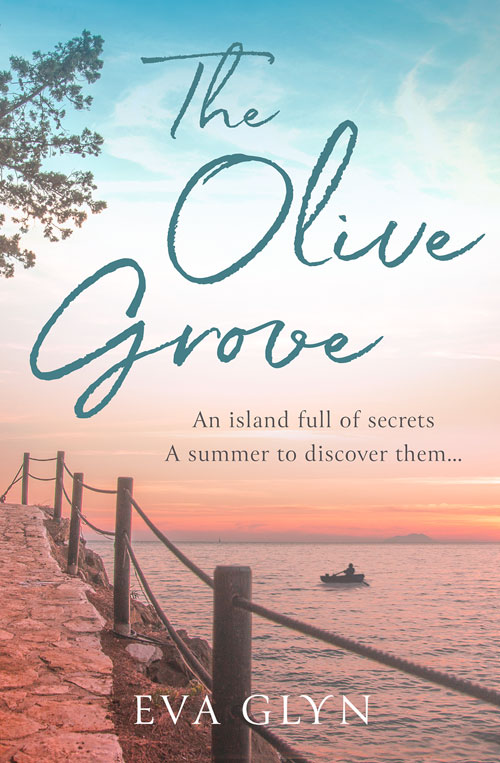
The first book I wrote for One More Chapter was The Olive Grove, and when the structural edit came back it wasn’t so much a case of ‘could do better’ as ‘must do better’. I was devastated, but the notes I was given were so detailed they provided a roadmap for how to improve the book, so it could become the best seller that it has.

I learnt so much from that experience. How to fill the pages with wonderful settings and deep, credible emotions. How to take a reader inside the story and keep them there, turning every page. It was the most valuable learning experience of my entire writing life, and I have pumped what I learnt into everything I’ve written since. Of course, that doesn’t mean I’m perfect and every time I receive an edit back from One More Chapter I am trembling not only with fear, but with anticipation.

Each and every one has made me a better writer. And that’s very exciting indeed.


Lessons one to seven have been published on the previous two Wednesdays.


NEW BOOKS FROM THE CARIADS

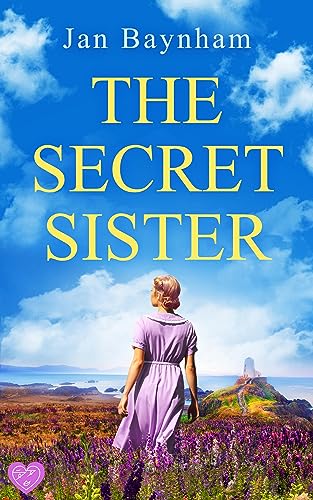
The Secret Sister by Jan Baynham, reviewed by Jane Cable

This beautiful book transported me not only to Sicily, but to mid Wales during the Second World War, and the claustrophobia of the small communities where everyone knew everybody else’s business. It is here the book starts, in 1943, when Italian prisoner of war Carlo meets Sara, who had been trapped in an abusive marriage.

The Secret Sister is unusual for a dual timeline because the whole wartime narrative is played out before the story moves on to 1968, but I can see it had to be this way for the story to work, and the author definitely made the right decision to do so. It is in this second part of the book that we travel to Sicily and Baynham brings the island to life in a wondrous whorl of colours, tastes and sensations. I was absolutely transported there and now cannot wait to visit the island.

I thoroughly recommend this emotional tale of family secrets and enduring love.


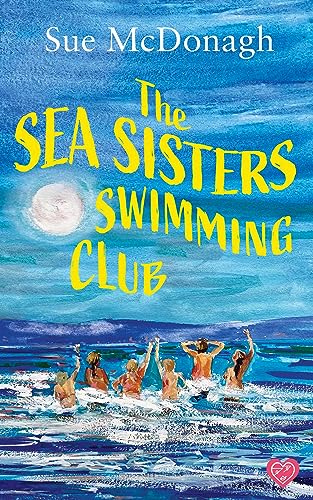
The Sea Sisters Swimming Club by Sue McDonagh, reviewed by Morton S Gray

Fran is a survivor and a woman cast adrift by a heart attack which cut short her police career. She is finding the adjustment to life outside of the force difficult and unsettling. She really doesn’t know who she is at the beginning of the novel. An opportunity to house sit by the sea in Wales offers her the chance to explore options for her future and rediscover her spirit.

Wyn is also wounded by life after an accident changed him forever both mentally and physically. He agrees to teach Fran to swim and they get ever closer, but he is hiding secrets of his own and has a needy ex-wife.

Enjoyed the references to the Art Hotel encountered in other Sue McDonagh books and the comradery of the sea sisters. I loved some of the secondary characters too – Elin, Gavin, Caitlin. And the novel made me want to enjoy coffee and cake by the sea, even if I don’t venture into the waves beyond paddling, but who knows I may get braver like Fran after being shown a glimpse of possibilities by this book.

A feel good, inspiring read which made me want to read more of Sue McDonagh’s novels.


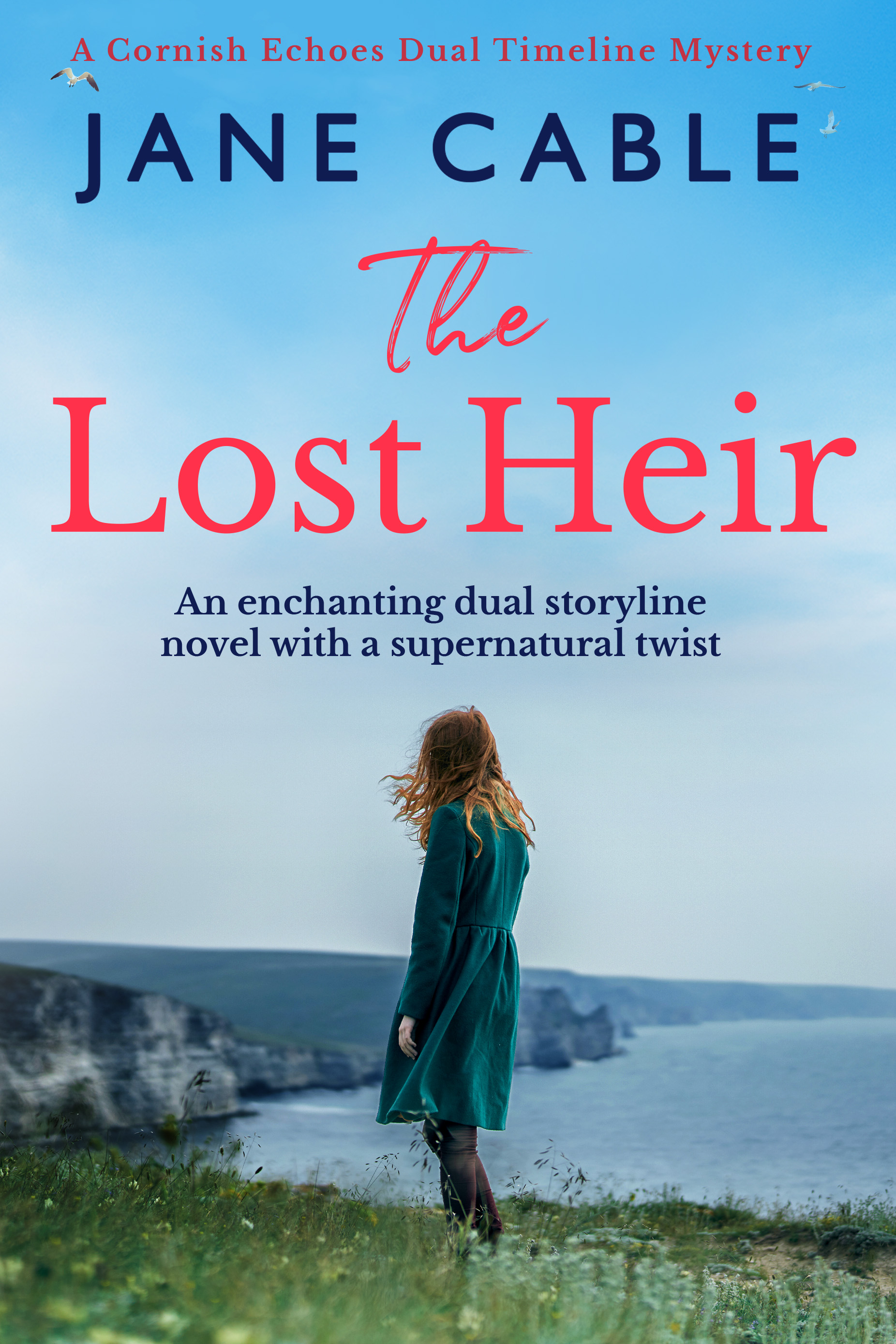
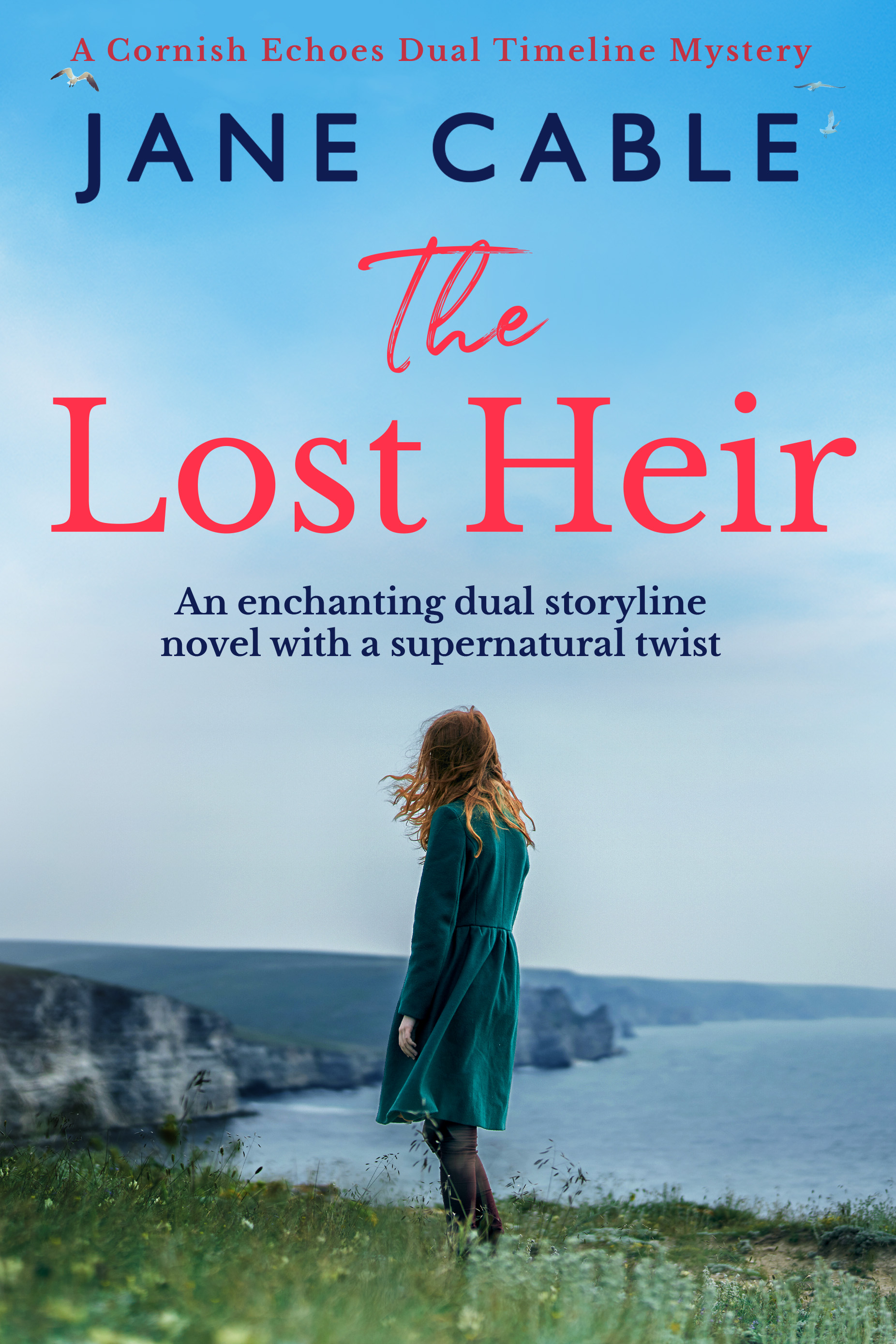
The Lost Heir by Jane Cable, reviewed by Kitty Wilson

The Lost Heir is a dual timeline story that flits between Regency Cornwall and Cornish life in 2020. For the historical element, Jane Cable has taken her location and characters straight out of the Cornish Archives and built a world around them that you can absolutely believe to be true, or at the very least, wish it was.

Jane Cable meshes history, romance, and the supernatural and touches on subjects that are far from easy to write about, rape, the scandal of illegitimacy, the limitations placed on women in Regency times, the lockdowns of recent years; and yet each and every storyline is written with an insight and sensitivity that pulls the reader thoroughly into the world inhabited by these characters.

It is the descriptions of Cornwall however that set this book far above others of a similar vein. I was galloping across the cliffs with William, sat with Harriet as the oil-lamps flickered and I found myself escaping to this book whenever I had a few spare minutes, racing through the story desperate to know how Franny would resolve her situation, keen to know if the modern-day romance could possibly play out as I wished it to.

I thoroughly enjoyed this novel and if you too want to escape to Regency Cornwall, then I highly recommend that you do so with this beautifully captivating, insightful and evocative book.


TEN YEARS AN AUTHOR… JANE CABLE SHARES HER MOST IMPORTANT LESSONS

Jane Cable self published her first book in 2013, after it reached the final of a major national competition sponsored by Harper Collins. After a brief flirtation with an agent and another publisher, in 2018 she signed to Sapere Books, for whom she writes haunting romances. Two years later she achieved her dream of becoming an Harper Collins author, writing as Eva Glyn. So far four women’s fiction titles have been published by One More Chapter, three of them set in Croatia.

This week, lessons five to seven:

Writers who have successfully self published tend to be more savvy

I started out by self publishing my first novel, The Cheesemaker’s House, because at that time in particular, publishers were afraid of ghosts. In romance books anyway. I knew nothing about the process, so put in into the capable hands of assisted publisher Matador, but even so it was a very steep learning curve.

I needed to understand retail distribution, I didn’t know book bloggers existed, and barely anything at all about Amazon categories, let alone going wide or narrow. The whole process of publishing and marketing baffled me, but I had to learn pretty quick. Also to moderate my expectations about the sales the book might achieve, although the ebook at least vastly exceeded them.

All of these were important lessons to take with me when I found a publisher. Everything from assessing the contract to understanding the control I would be giving up, and the promotion I would still need to do. If I hadn’t indie published first I would have been clueless.


Writer friends you really trust are invaluable

Ten years ago I had only one writer friend, introduced to me by a neighbour, and that was Claire Dyer. Through getting to know her I learnt the value of having someone to talk to about all aspects of our craft and of the crazy world of publishing we operate in, and we are friends to this day.

Writers talk about ‘finding their tribe’, and I found mine first in Chindi, a group of independently publishing authors in Chichester, where I was living at the time. Three of us moved on to find deals more or less together and we have remained close, but I learnt so much from almost every member of that group I will be forever in their debt.

As my career has changed, I have made many new writer friends, but there is a solid core of those I trust implicitly; people I can turn to when times are tough, and celebrate the successes too. Without them, being an author would be a very lonely business.
When you’re in the publishing wilderness, keep writing if you can

Overnight success in publishing is rare and most authors have periods they either feel they are never going to make it, or that they have been in the wilderness so long there is no possible way of crawling back.

It is so important to keep writing. One famous author described her work as her life raft when her publisher dumped her, and I totally understand that. Writing is as much a vocation as it is a profession, and without it many of us would feel even more lost. It can be a life, and mental health saver, but if you take a break then that is fine too. Your brain and body will tell you what you need to do if you listen to them.

Of course you also need to keep writing to have something to submit. Or even a drawer full of somethings, so that when that deal arrives you can offer more than one book, because you’re going to need it. It proves you have the work ethic, commitment and ideas it takes to succeed now it’s your turn to shine.

Lessons one to four were published last Wednesday, and lessons eight to ten will be published next week.


TEN YEARS AN AUTHOR… JANE CABLE SHARES HER MOST IMPORTANT LESSONS

Jane Cable self published her first book in 2013, after it reached the final of a major national competition sponsored by Harper Collins. After a brief flirtation with an agent and another publisher, in 2018 she signed to Sapere Books, for whom she writes haunting romances. Two years later she achieved her dream of becoming an Harper Collins author, writing as Eva Glyn. So far four women’s fiction titles have been published by One More Chapter, three of them set in Croatia.

Today, lessons one to four:

Making connections through social media is fun

I know social media isn’t for everyone, but I do feel sad when authors say they hate it. I love interacting with other writers, bloggers and readers, chatting about books in general and hunting around for interesting content to post on my feed. On Twitter especially there are people from around the world who share my posts most days, and I of course reciprocate. I even feel I know them quite well.In my business life I used to do a fair bit of face to face networking, which being a shy person I did not always enjoy, but it taught me to treat my virtual networks in the same way; that to make it enjoyable (and successful) you need to put in more than you hope to get out. Although some days it seems like a uphill struggle to think of something to say, if I keep this in mind I still enjoy the interaction.

Twitter is LinkedIn for writers

So often people dismiss Twitter as ‘just talking to other writers’. Firstly, I don’t see the problem with that. Writers are readers too, and big recommenders of books other than their own. They have blogs and mailing lists you can swap with, and what’s even better is that their natural audience is the same as yours.But more than that, there are a large number of book reviewers and publishing professionals using Twitter every day. Pitches are announced, book deals, new publishers even. By connecting with these people they at least know your name. And you never know when that could be important.

You never stop honing your craft

And you never should. Every single book you write is a learning experience. If I had the time I would love to go back and rewrite my first novel, The Cheesemaker’s House – my skills as an author have improved so much. But perhaps I’m being too fussy, because readers still absolutely love it.Like most authors I take great pride in everything I produce. And I want that pride to be justified. After all, I am asking readers to invest not only their money, but their valuable leisure time, and in return they deserve my best.


Publishers acquire books because they think they will sell

There is no other agenda here. It doesn’t matter how beautifully you write, or how lovely a person you are; publishing is a business and money talks. Of course your contacts and reputation as a writer will put you a notch further up the slush pile, but without a book that will work in the market of the moment (which of course changes all the time), you will still be rejected. It’s nothing personal.It is the way of the world, and understanding this will help to protect your mental health. I’m lucky that I have a reasonably thick skin, but of course rejections still hurt. I have just learnt not to dwell on them. It only takes one book to land on one desk at the right time. Keep believing.

Lessons five to seven will be published next Wednesday.