SUNDAY SCENE: DANIELLE OWEN-JONES ON HER FAVOURITE SCENE FROM STONE BROKE HEIRESS

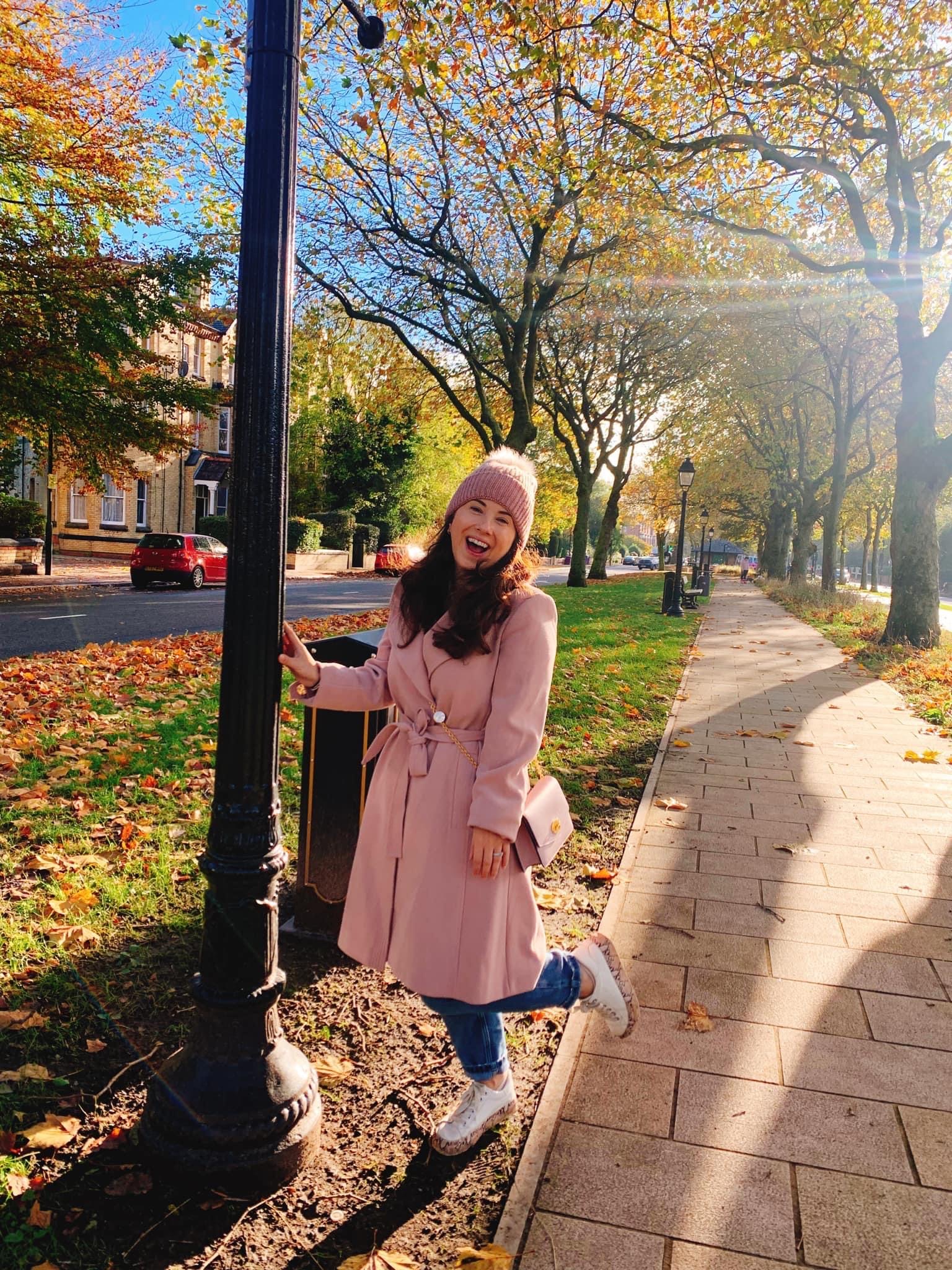
It was as I walked along the tree-lined Princes Boulevard, a leafy avenue in the heart of Toxteth, while the warm sunshine dappled the emerald leaves, that I admitted defeat – I was seeing the area with new, sober eyes and I was ashamed of how fast I was to judge it at first.

The boulevard was a hive of activity on such a beautiful day. Cyclists pulled over from the designated cycle lanes and gulped from fluorescent sports bottles. Visitors stopped to marvel at the art installations and read the plaques that revealed the history of the area. I stood alongside the groups and pored over the amazing heritage. Each plaque explored a different topic – the religious buildings reflecting its multi-faith community, its once thriving nightlife, the history of activism and the legacy of Liverpool’s role as a major port city.

Through my ignorance, all I’d associated Toxteth with was the riots, but here it was, resplendent in its regeneration and the proud community basking in its glory.
An installation at one end of the boulevard – just before the inviting, gold adorned gates of leafy Princes Park – was especially eye-catching, with striking golden text and gilded patterns inscribed in the stone stating: ‘Our Home, Our Life, Our Future’. Would it be my home, my life and my future too?

The freshly laid, pastel grey pavement was decorated with the occasional mosaic showcasing inspirational quotes. I stood above the one featuring words once spoken by Nelson Mandela: ‘The greatest glory in living is not in never falling, but in rising every time we fall.’

I had my answer; Toxteth had given it to me. I turned and headed back to my flat – back home.

My debut novel, Stone Broke Heiress, was originally set in London. It was my agent’s brilliant idea during pre-submission edits to change the location to Liverpool, Toxteth specifically. It sounds like a total cliché, but that really was a lightbulb moment. The new, Northern setting that I knew so well transformed the book in every way. From a pitch perspective, it gave the book an interesting angle for publishers when Clare took it out on sub (it was picked up by Bookouture in a two-book deal). But the setting also affected every aspect of the book and the more I wrote about the city I loved, the more the ideas flowed and the story grew stronger.
There was something else important to consider too. Unfortunately, the first thought that springs to a lot of minds when people hear ‘Toxteth’ is the 1981 riots. When I was researching the area for my book, I knew I had to include a reference to the riots forty years ago, together with the challenging years the area experienced afterwards. However, Toxteth has undergone an exciting period of transformation over recent years and I made a conscious effort to highlight the positive changes when writing those scenes.

A significant development in the area is the £4million, newly renovated Princes Boulevard – a leafy, tree-lined avenue that runs through the centre of Toxteth. The history of the area, both good and bad, is told through installations and information plaques dotted along the stunning boulevard. This example of regeneration is a vital part of Toxteth – combining both its history and its future. That’s why I chose the boulevard as the backdrop to a key scene in my book, when the protagonist, Bella, sees the area through new eyes and regrets how fast she was to judge it based on first impressions.

 

www.danielleowenjones.com


Mark Ellis My Writing Process


Q1: I took up writing when I sold my computer services business in the early 2000s, having always had an ambition to be an author. I have so far written 5 books in the DCI Frank Merlin World War 2 detective series. The four published books are Princes Gate (set in January 1940), Stalin’s Gold (September 1940), Merlin At War (June 1941) and A Death In Mayfair (December 1941). Merlin At War was nominated for a CWA Dagger in 2018. My aim is to continue to follow Merlin’s adventures through to the end of the Mark Ellis, author

Q2: The book I am promoting now is the 5th in the series, Dead In The Water, which will be published by Hachette (Headline) on May 19th. It is set in August 1942 and revolves around two artistic masterpieces stolen from an Austrian Jewish family before the war and which end up in London with fatal consequences.


Q3: As I am writing a historical series set in a specific period, my principal framework is the timeline. As you can see above, all books are separated in time by 6 to 9 months, so when I finish the latest I know roughly when the next one will be set.When I’m starting work on the new book, I focus intently on the exact time slot of the story. I research that heavily and that process often prompts plot ideas. I am already working on Frank Merlin 6, which I have decided to set in Spring 1943, and plot ideas are beginning to occur to me. When I have roughly formulated what ideas to pursue, I just start writingand see where they take me. I usually do not know who did what until I am about two thirds of the way through the book. I write a first draft straight off without stopping to edit. Then I do many edits before sending the manuscript off to the publishers. I did about 15 edits of Dead In The Water which is about the norm.


Q4: As is clear from above, I am not really a planner. I rather think of myself as a sculptor, except that I don’t have a piece of stone or marble to work with. My first draft is the working material. Once I’ve created that I start chipping away.


Q5: The word count of the new book is approximately 110,000. The word count of my first draft was over 200,000 so you can see a significant editing job was done. My plots tend to be quite complex and I don’t think I could manage anything much shorter but I think 110,000 to 130,000 is a good length for a thriller.


Q6: I am conscious as I write my first draft of teeing up various characters and situations but as I say don’t formally plan a structure in advance. After a while, I tend to find everything comes together in its own way. I seldom make major structural changes when I get down to editing.


Q7: I find writing the first draft very hard work. Also waiting for comments on the submitted manuscript is tough.


Q8: Editing is good fun. Also I love creating a fictional world all of my own and then sharing it with my readers.

Dead In The Water by Mark Ellis is out now in paperback by Headline Accent, £9.99.


SUNDAY SCENE: CATHERINE KULLMANN ON HER FAVOURITE SCENE FROM PERCEPTION & ILLUSION

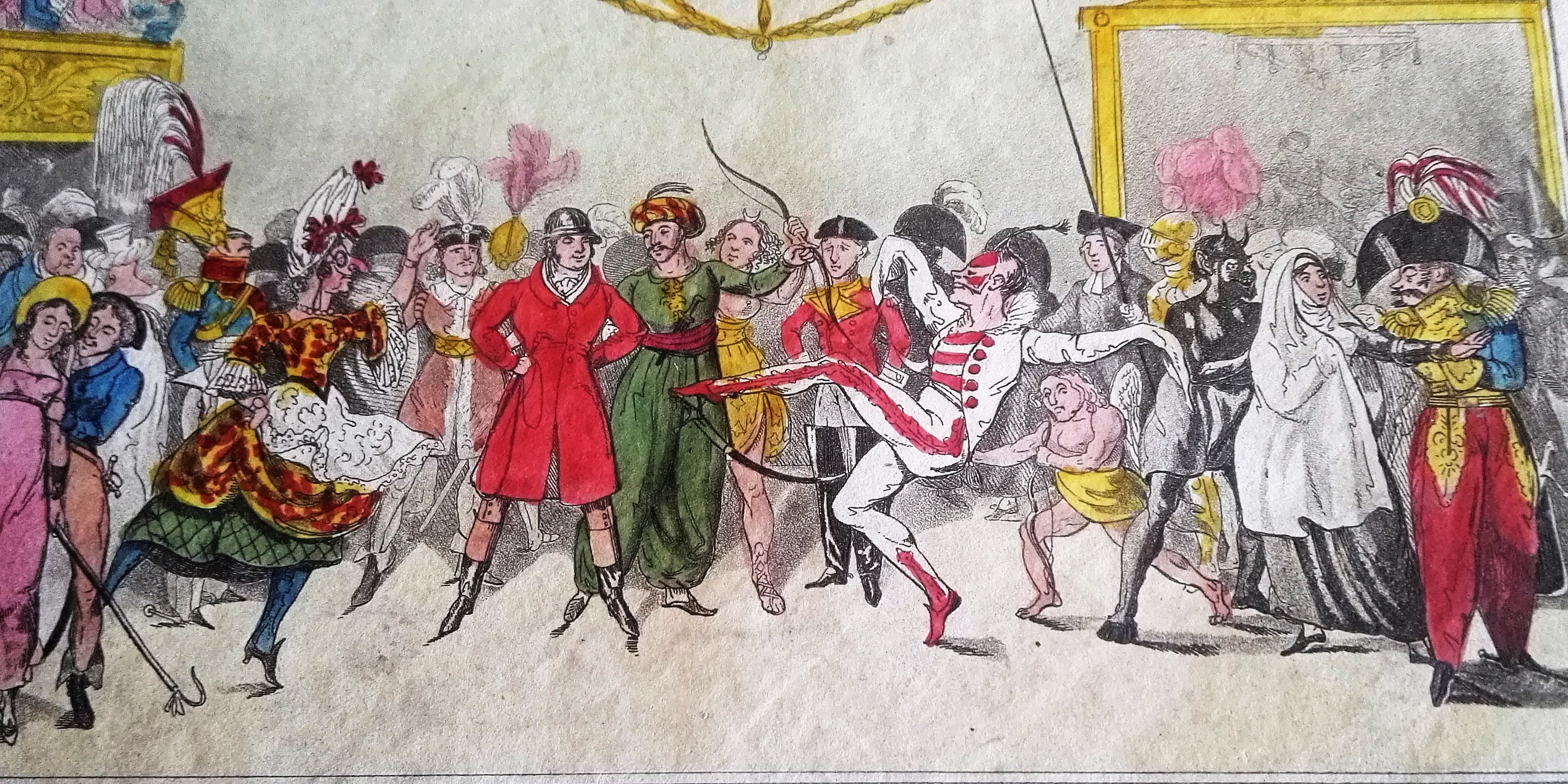
Burlington House, London, 1 July 1814

 We are guests at that famous masquerade given by the members of Watier’s club to the cream of the English nobility and demi-monde in honour of peace between Great Britain and France.

This is a favourite scene of mine for two reasons. First, it is a pivotal scene in my Perception & Illusion. Lallie’s and Hugo’s marriage is in difficulties. Here, they dance together, although he does not know who she is.


Lallie hastily inspected the surrounding gentlemen. There was Luke Fitzmaurice, dressed as Hamlet with a skull-mask on a stick—poor Yorick, she assumed. He would be a good choice, but before she could gather her courage and beckon him to her, a sister Muse called imperiously, “Prince Hamlet,” and he immediately obeyed the summons.

Others had also chosen their partners and, panicking a little, Lallie sought Hugo’s eye. She did not know whether to be pleased or annoyed when a coquettish glance paired with a seductive curve of her finger brought him to her side.

“Clio,” he bowed. “I am honoured.”

It was different dancing with him when she didn’t have to conceal her reactions. The Grecian gown permitted only the lightest of stays and she shivered when his hands clasped her waist and she had to mirror the position for the jetées of the valse sauteuse. She felt his every movement beneath her fingers and had to resist the temptation to pull him closer to her. To her relief the music slowed and they could move again into more open attitudes, revolving about one another in seductive harmony.

Who was she? Although the fast waltz did not permit much conversation, her voice was tantalisingly familiar but Hugo could not match it to any woman of that height. She danced very lightly and followed his lead so exquisitely that he conjectured she had come from the ballet. If only he could waltz like this with Lallie. Then he felt guilty for thinking of his wife with another woman in his arms. He didn’t know what impulse had made him obey the unspoken invitation. Perhaps it was because the Muses’ entrance had provided a welcome distraction from his cheerless thoughts. He was sick of London, sick and tired of the Season, but dreading the return to Tamm. How would he and Lallie fare once back in its cold halls? If it were not for that cursed duel, he might have had some hope, but she still held herself aloof. He had never thought he would miss that little sigh of hers.

“Ah, Clio,” he said as they took a turn about the room afterwards, “how fortunate we would be if you only recorded our victories, but sadly our defeats and lack of judgement must also be noted in your scrolls.”

“If I were to remember only his victories, man would look continuously to the past, seeking to repeat it. But he may learn from his mistakes, sir, and perhaps even earn forgiveness or, at least, a second chance.”

“To err is human?” he asked seriously.

“Indeed, sir and are we not all called upon to forgive? But see, my sister comes for me.” As she spoke, another Muse took her hand and pulled her from him to disappear into the crowd.

“The carriage is outside if you still wish to leave early,” Thalia whispered.

“I do. And you?”

“I think I’ll stay awhile.”


This brief exchange between Lallie and Thalia is the other reason I love this scene. I simply had to know what happened when Thalia returned to the party. This led to The Murmur of Masks. Although written after Perception & Illusion, it was published first as my debut novel.


www.catherinekullmann.com

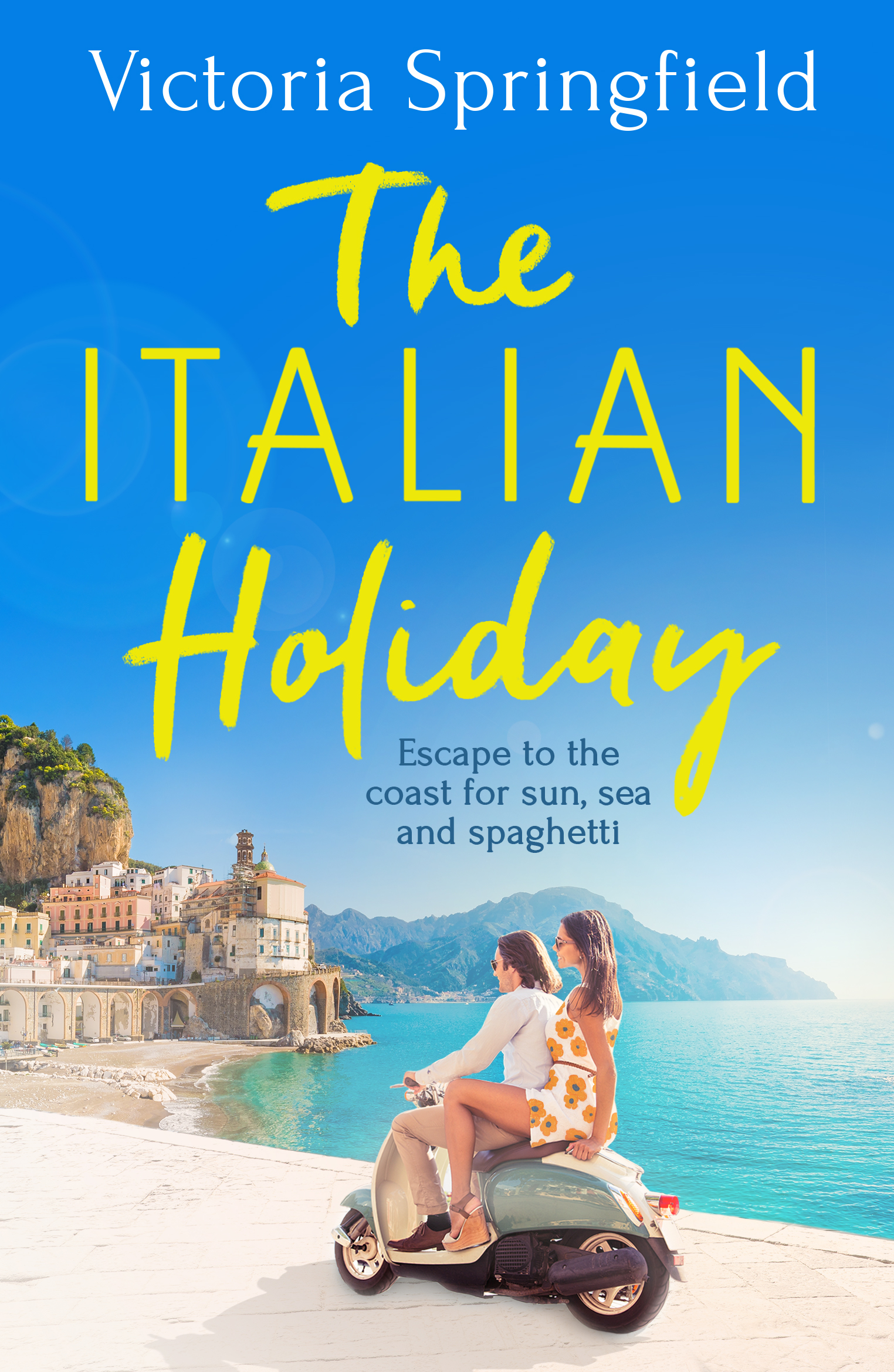
SUNDAY SCENE: VICTORIA SPRINGFIELD ON HER FAVOURITE SCENE FROM THE ITALIAN HOLIDAY

Choosing a favourite scene from my debut novel The Italian Holiday was rather like choosing a favourite pasta sauce or flavour of Italian gelati – impossible not to keep changing my mind!  My unlucky-in-love heroine, Bluebell has always wanted to visit Italy but taking her granny’s place on Loving and Knitting magazine’s trip isn’t quite what she had in mind.  When she realises she has picked up the wrong suitcase at Naples airport, Bluebell is horrified – until she discovers the colourful, confidence boosting dresses inside fit like a glove.

Bluebell and her unlikely new pals stay at the fictional Hotel Sea Breeze in Minori, a charming seaside town just along the coast from Amalfi.  I first visited Minori in 2015, and my then-boyfriend and I loved it so much we ‘eloped’ there to get married two years later.  Exploring the area whilst on honeymoon, I knew that it would make the perfect setting for a story of unusual friendships, finding love when you least expect it – and how the right dress can change your life.

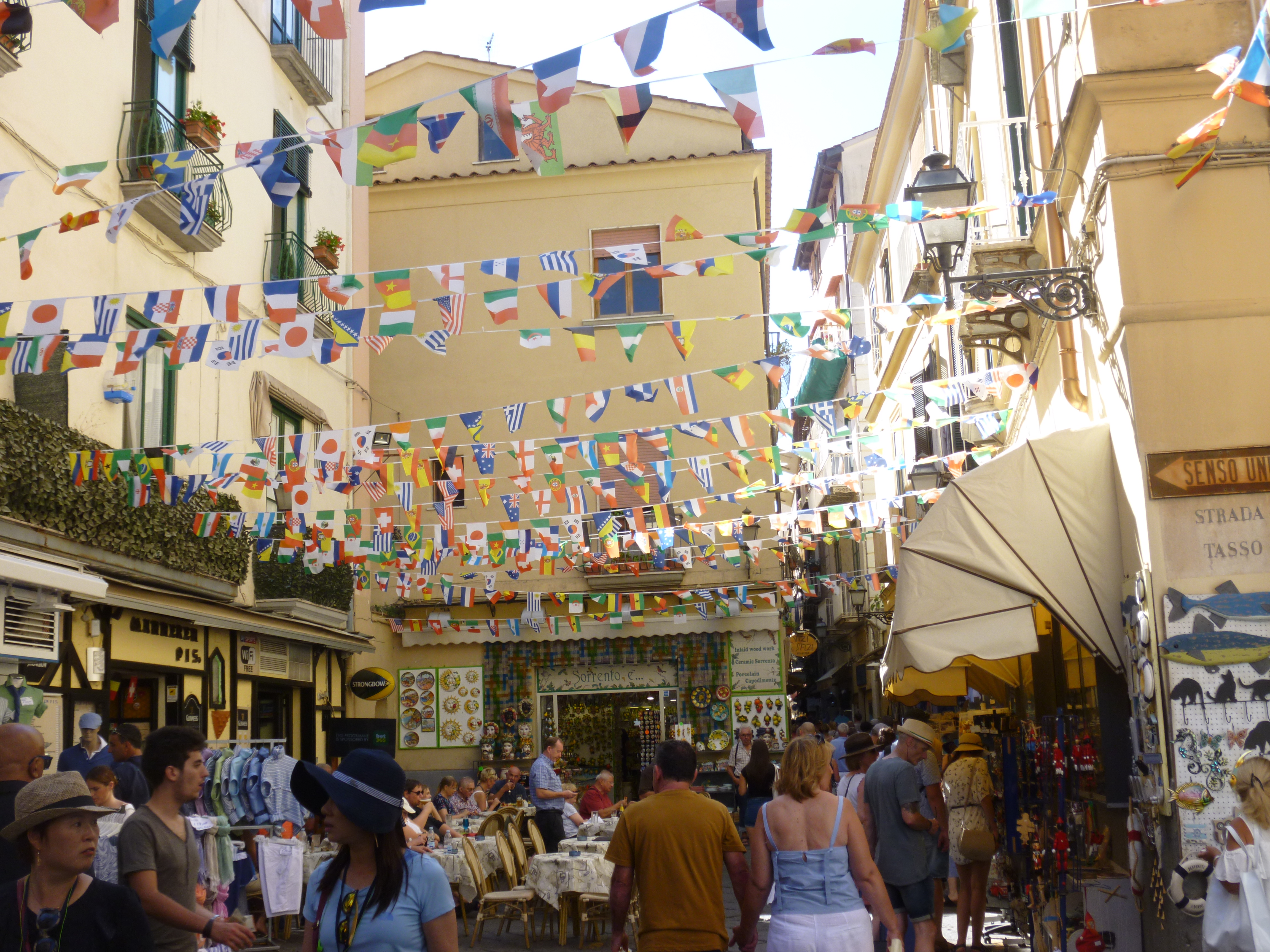
My protagonists explore the gardens in Ravello, take a boat trip to Positano and visit unforgettable Capri but I have chosen a day trip to Sorrento, in the first part of the book, as my favourite scene.  The women are up early ‘despite their late night dancing on the seafront’ and assemble ‘by the reception desk, chatting away, clutching a mixture of sun hats and cardigans just in case the fine June day turned out to be too hot or too cold.’  Bluebell and her new friend, 72-year-old Miriam, holidaying abroad for the first time since her husband’s death, swap stories at the back of the coach whilst little Evie is busy with her ‘top-secret knitting project.’

When the guide they are due to meet in Sorrento is taken ill, down-to-earth Brenda comes to the rescue and leads the others on her own tour, exploring the via San Cesareo where ‘boxes of soft peaches and oversized knobbly lemons were piled up beneath canopies hung with waxy red chillies…Italian mothers bargained with stall holders and remonstrated with recalcitrant children.  Overhead, strings of colourful flags criss-crossed the narrow street.’  Down in the marina, they feast on ‘bruschette fragrant with oil and garlic, topped by the brightest chopped tomatoes with shredded basil…peppers and aubergines cooked until they were soft and velvety.’

The women, near strangers until now, begin to gel and the reader gets a hint of the adventures that lie ahead.  Spotting a wedding in the cloisters where the glamorous outfits are a far cry from ‘the sturdy pastel two-pieces worn at a typical English wedding for fear of upstaging the bride,’ Bluebell wonders if she is quite as cynical about love as she likes to think she is.  Meanwhile Miriam gets a ‘faraway look in her eyes’ perhaps thinking of handsome Tommaso who runs Minori’s Trattoria di Napoli where the women ate the previous night.

After their busy day in Sorrento, the ladies are looking forward to an early night except for Bluebell who has a date with ‘tight-trousered’ hotel waiter Andrea.  Bluebell plans to wear a special outfit from the mystery suitcase: ‘the prettiest dress of them all.’  Later that evening, the ‘orange, full-skirted number covered in big white poppies’ will attract the attention of an intriguing young man, sending Bluebell and Miriam on the trail of the mysterious girl in the poppy-print dress.


The Italian Holiday and A Farmhouse in Tuscany are published by Orion Dash.  Victoria’s new book, set in Lucca, The Italian Fiancé is out August 2022.

Twitter: @VictoriaSWrites


SUNDAY SCENE: MISA BUCKLEY ON HER FAVOURITE SCENE FROM ARCHANGEL

I love writing romance. Throwing two people who are often poles apart and watching the sparks fly. In my novella ARCHANGEL, my leads are as different as you can get. Gabriel is an ex-criminal who used to deliver questionable packages, while Abigail is a sculptor selling her art in a L.A. shop. Gabe is practical, level-headed man who doesn’t believe in much. Abigail is a medium and believes in heaven and hell, and all that entails.

So how do two such opposing people even meet? Well, ARCHANGEL is a paranormal romance. The antagonist has sold his soul to the devil for power, sealing the deal with a series of grisly murders – that Abigail “sees” happen. Gabriel is the guy sent to protect her… though it ends up being a lot more.

In the following scene, Gabe has taken Abigail for dinner, then a stroll around the hotel they’re staying at. At the pool side, they’ve gotten talking about his sketchy past, and Abigail decides to move things along. Not only is this their first kiss, but here we see her absolute belief that Gabe can be a better man.


“I trust you, Gabriel,” she said, her voice soft but earnest. “I know you think I’ve every reason not to, and perhaps you’re right. But I didn’t ask for good. I didn’t ask for perfect. I asked for someone to protect me, and you have. You will.”

“You need more than that.”

“You are more than that. You just don’t give yourself enough credit.”

I told hold of her wrists and pulled her hands from my face. “With good reason. You’ve no idea what’s going on in my head.”

Her laugh shocked me. It bounced off the tiled walls of the pool room, rich and pure. Still laughing, she tugged her wrists free and then wrapped her arms around my neck. Her floral scent filled my senses. Her body against mine shut my brain down.

“It’s probably similar to what I’m thinking,” she murmured, then her lips were on mine, firm yet sweet.

 The temptation to taste her overwhelmed me, and I gave in with very little resistance, if any. Her lips were fruity from the wine we’d drunk. I licked them and they parted, giving me access to her mouth. I slid my tongue in and her groan vibrated against my teeth, sending shocks of desires though my bones.

 My determination to keep things professional evaporated like dew in the desert. I carded the fingers of my right hand into the thick silk of her hair. My left hand found her hip. I pulled her close, and she moulded against me, her arms tightening.

 Warning bells rang. I told them to go to hell. For once I just wanted to lose myself in someone who wasn’t being paid to make me feel good. In someone who believed in me, even when I couldn’t.


What I really love about this scene is Gabe’s shift from cynical disbeliever, opening up – even if it’s just a little – to someone else and the possibility of being loved. I think most people deserve that in their lives.


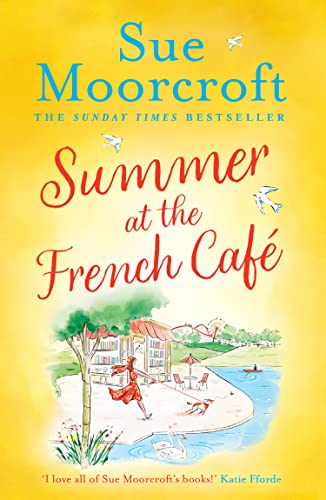
PUBLICATION SPECIAL: SUMMER AT THE FRENCH CAFE BY SUE MOORCROFT

As the saying goes, this is the first Sue Moorcroft book I have read, but it won’t be the last. On the face of it, Summer at the French Café is a happy ever after holiday read, but actually the book is far more.

So, what makes it stand out? The sense of place, certainly, and I love that. As I read I could actually see every place the author described; Parc Lemmel, the bookshop café at the story’s heart, the local villages… and without a single sentence of overblown description. All I needed to know was dropped seamlessly into the narrative in an exceptionally skilful way.

But more than the quality of the writing, I love the fact there is a very serious issue at the heart of the book, one that isn’t squashed or skimmed over in the search for a happy ending, one that is dealt with in a sensitive and realistic manner. That issue is emotional control; how it can be used in relationships, the reasons people accept it, and the dangerous patterns that mean it can echo across generations and years.

I asked Sue Moorcroft why she decided to tackle this insidious form of coercion…

“I’m interested in human behaviour, so when I read about control within relationships, I wanted to write about it. It provided the perfect secret behind central character Noah giving up his life in Dordogne and moving across France to Alsace. I write love stories, so the mystery had to be nuanced rather than a simple jeopardy.

I remembered someone who, when she lost her husband, refurnished and redecorated her home. I’d never come across that reaction to widowhood. She explained, ‘He liked to be the one to choose. But now I can.’ To me, this put their relationship in a whole new light. When we’d invited her out and she’d said, ‘I’ll have to check,’ had she meant with her diary? Or with her husband? When we’d picked her up, he escorted her to the car and looked inside to say, ‘Good evening’. How old-fashioned and courtly, I’d thought. But was he checking she was going out with who she’d said she was? If so, did this behaviour make her feel cherished?

Or did she resent it and feel controlled?

She also once mentioned that she’d married young and that her (by then deceased) dad had been a similar man to her husband…

I’ll never know if I jumped to conclusions, but my suspicions informed the background I gave Noah’s ex, Florine. When Florine’s controlling father died, she felt adrift. Attentive Yohan came along, telling her what she looked best in what he liked so that she could like it too, and she felt secure again. But leaving Noah for Yohan pitched her into a very different relationship.

The interesting thing about control, and which provided the nuances I was after, is that it doesn’t have to involve a traditional bully. Yohan doesn’t hit Florine or her daughter Clémence – he loves them. In fact, he almost suffocates them with his love, wanting constant knowledge of where they are or to have them with him, using his anxieties over them to cut them off from others, so he can bask in their undivided attention. His behaviour stems from his own insecurity and immaturity. Mix in a little self-importance and selfishness, and you have a controlling man. Yohan isn’t a main character, which means that Summer at the French Café is not his story – but the plot around Noah won’t work without him.”


Jane Cable


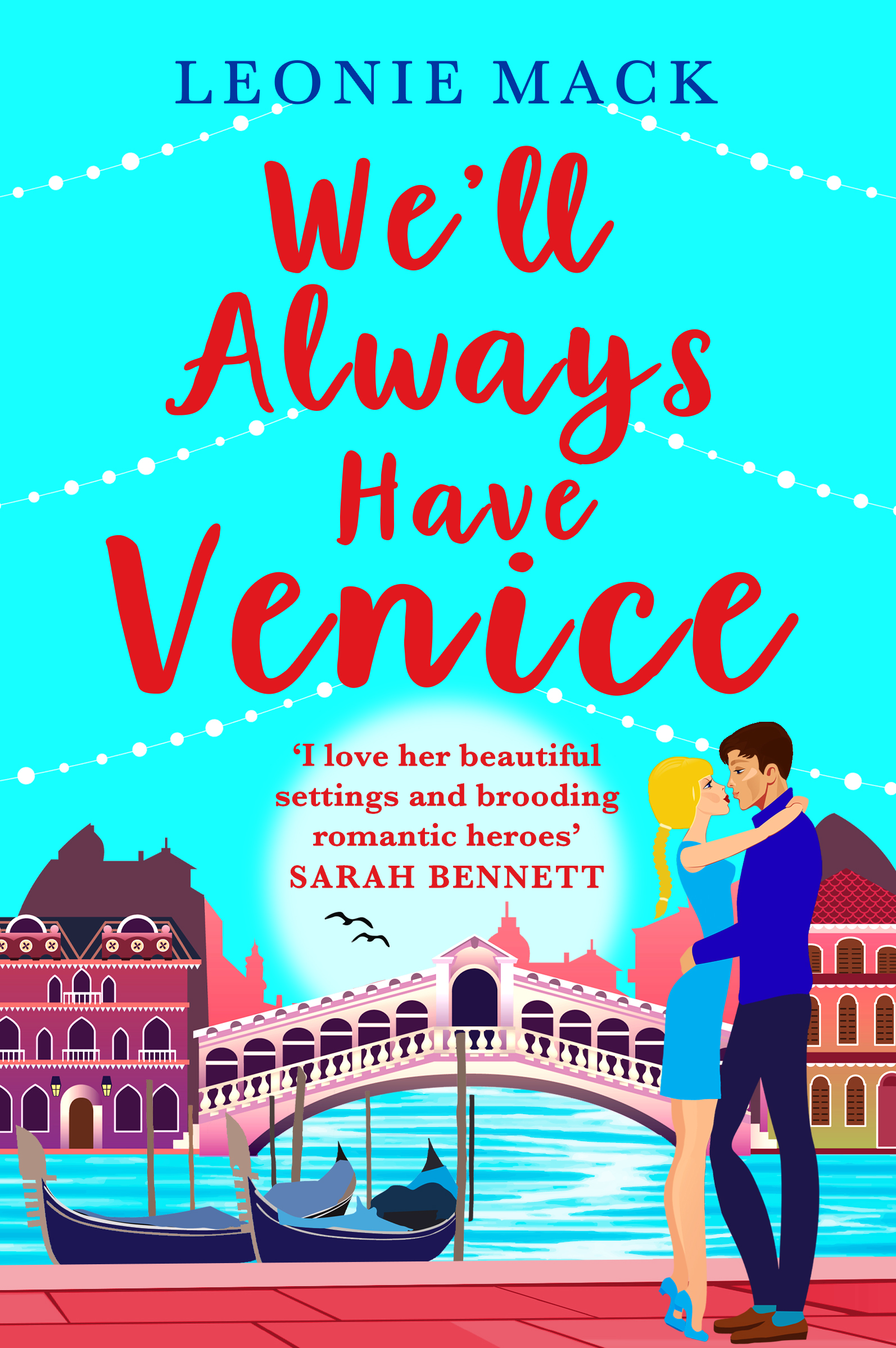
SUNDAY SCENE: LEONIE MACK ON HER FAVOURITE SCENE FROM WE’LL ALWAYS HAVE VENICE

My latest book, We’ll Always Have Venice, is my second romantic comedy set in Venice and is a summer love story, following the winter adventure of A Match Made in Venice. Whereas the first book explored Murano and the ancient art of glassmaking, as well as the old city itself, the second book features the idyllic lagoon and the further islands, including Burano.

The main character, Norah, is a marine microbiologist exploring the lagoon to collect samples every weekend with her guide, rower and oarmaker Gianluca. Every weekend is an adventure, taking refuge in an island monastery during a storm, picnicking with flamingos and dodging cruise ships.

One of my favourite scenes is where they accidentally disturb some fishing nets and bump into the fisherman and his son. But they’re not catching fish. The nets contain a local delicacy only available in May. And with true Burano hospitality, they end up pleasantly tipsy on Prosecco with stomachs full of delicately fried crab.


Gianluca squinted at the net. ‘Moeche,’ he said, a grin breaking out. He dropped her hand and strode over to the fishermen. He beckoned to Norah with quick fingers. ‘It’s crabs. Look!’

At the word ‘crabs’, she shrank back. Crustaceans were her least favourite form of marine life, coming in after gelatinous zooplankton and ectoparasitic flukes. She shook her head fiercely at Gianluca.

‘These aren’t just any crabs,’ said Gianluca with enthusiasm.

‘These,’ explained the fisherman grandly, ‘are nude crabs. Or they will be in some days, I hope.’

‘Did he say “nude crabs”?’ Reluctantly curious, she approached and inspected the specimen in the palm of the older man’s hand. ‘That’s carcinus aestuarii, the common green crab. And it’s about to moult. Natural behaviour for this species in spring, I believe.’

‘But have you ever eaten it, fried lightly in oil?’ Gianluca said, his face lit up. He turned to the older man and spoke in rapid dialect. A moment later, they were shaking hands and clapping each other on the shoulder like long-lost friends.

Norah watched with a smile tugging on one side of her mouth. Her brain filled in the blanks of the conversation:

‘For your nòna, I will give you a good price – and because you can speak my dialect!’

‘I have always wanted to meet a nude crab fisherman!’

‘Lucky for you the crabs are nude and not the fisherman – bahahaha.’

They followed Emiliano and Daniele back to the island of Mazzorbo, where they sorted the crabs into submerged baskets according to the imminence of their moulting and retrieved the jelly-like specimens that had already shed their shells and were crawling around nude.

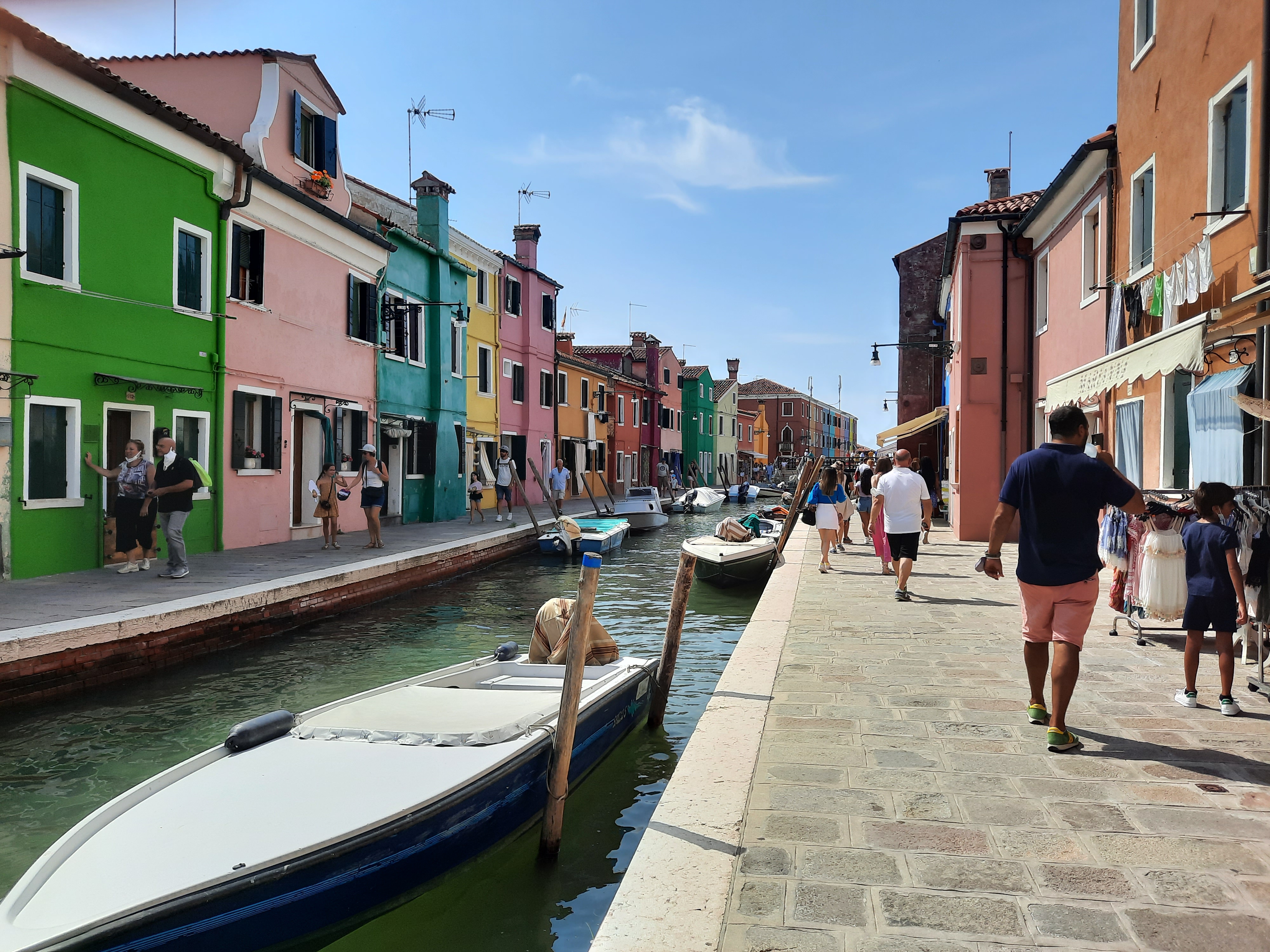
Norah’s stomach rumbled as Gianluca rowed up to Burano. Earlier that day, they’d stopped for lunch at an osteria on the eastern side of the island, but she hadn’t seen the main canal. The fondamenta was bustling with tourists visiting the lace ateliers or stopping at market stalls, and locals wandering to their favourite spots for their evening aperitivo. The brightly coloured houses – sky blue, hot pink and lime green – were a shock after the graduating greens, blues and browns of the lagoon. Flapping laundry hung from ropes under the upper windows. The buildings were only two or three storeys high, making the island feel like a village in comparison to its grand old sister to the south.

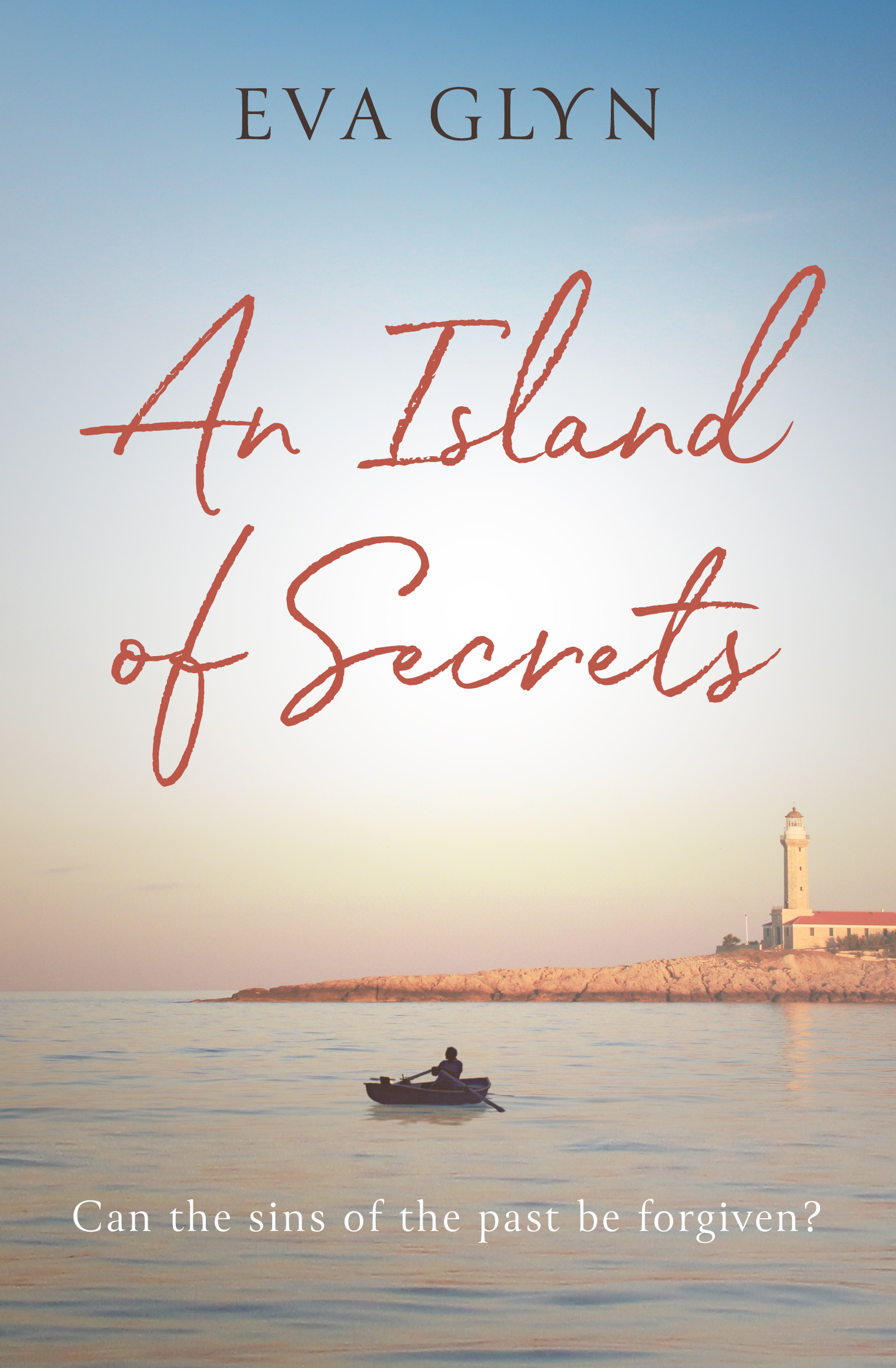
SUNDAY SCENE: EVA GLYN ON HER FAVOURITE SCENE FROM AN ISLAND OF SECRETS

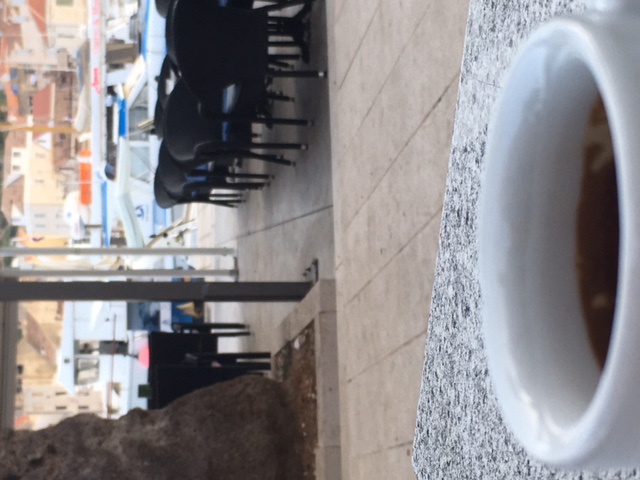
It’s every writer’s dream, isn’t it? To sit in the exotic location where you’ve set your book and actually write the scene. From exactly the same place as your character; to see what they see, hear what they hear, smell what they smell. Well, one morning when I was on the Croatian island of Vis researching An Island of Secrets, I made it happen when early one morning I picked up my notebook and strolled down to the harbour…


Although a few cafés were open at this hour Leo had chosen one in front of a broad flight of steps in a corner of the harbour, its tables tucked back into a narrow space between a pizzeria and a bakery. Not the one where she usually bought her bread, but today that might change too. Or it might not. If she was to stay in Komiža then something damn well had to – she’d been here a month and she couldn’t go on as she was.

Cigarette smoke drifted around her and music was playing from a radio further down the quay. A few local people were about and the crew of one of the holiday yachts moored on the mole had settled at a table somewhere behind her, but generally there was an air of peace about the place and she felt herself relax. A scrawny black and white cat with the swagger of a prize-fighter strolled past, but the tiny tabby cleaning itself under one of the chairs seemed unimpressed.

There were two reasons she had chosen this place to have her coffee. The first was that she could see The Fishermen’s House from here, and the second that yesterday she had found a photo from 1944 in the online archive of a museum in Split and she was pretty sure she recognised where it had been taken.

She pulled out her phone and looked again. Yes, that was definitely the narrow building where the tobacco shop now was, and the distinctive carved lintels above the windows of the property directly to her right were in the picture too. The palm trees were in the correct places, although in the photo they were barely taller than the men and now they towered more than four storeys high.

She had scanned the faces of the commandos in vain for anyone who looked vaguely like Grandad. But although she had been disappointed, she knew he might recognise some of the men and the thought made her tingle with excitement; she had already emailed the photo to Auntie Mo so she could show it to him. It was progress of a sort and there was pitifully little else to say. How the hell did you find out about some random woman who lived sixty years ago in a foreign land? Especially when you weren’t entirely sure who that woman was.


Leo is in Komiza to try to find out what happened to the woman her grandfather, Guy Barclay, had to leave behind when his commando unit pulled out in 1944. When Guy first arrived on Vis, the only part of Yugoslavia not occupied by the Germans, his mission had seemed straight forward, but then he stumbled across a brutal execution on a remote hillside that changed everything.

These executions – of female partisan fighters who had fraternised with their male colleagues – really happened, and at the time their British allies were powerless to do anything about it. But it made me wonder, what if one of them had tried? I had my hero and I had my story.


Find out more about my books set in Croatia at evaglynauthor.com