SISTER SCRIBES GUEST: ANDREA MICHAEL ON WRITING FRIENDSHIP IN FICTION

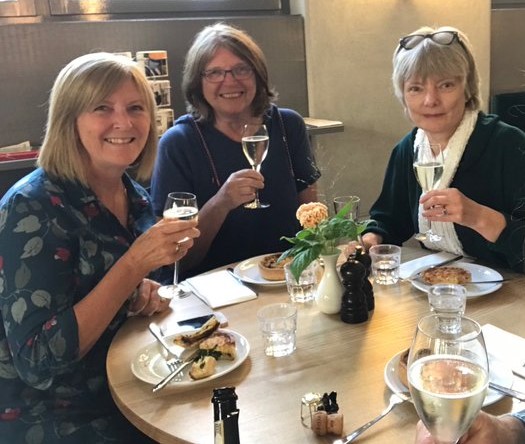
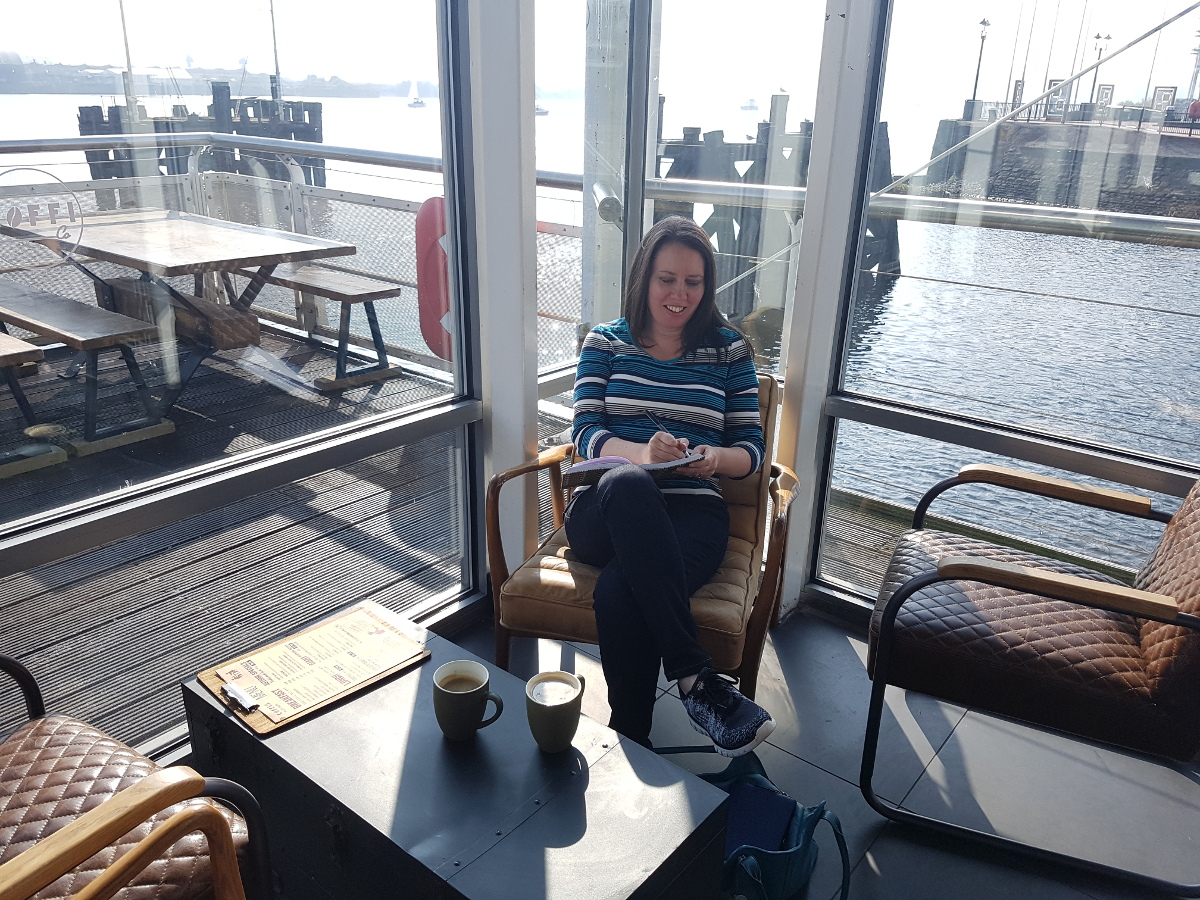
At Sister Scribes we often talk about how important friendship is within the writing community. Andrea Michael is one of those friends, we have shared publishers and parties, we share an agent and a similar sense of humour. I adored her latest book, a novel about the love involved in friendship, it made a change to reading about romantic love and was insightful and honest. With it out in paperback this month, I’m buying myself a forever copy. I’m so happy to host her on Frost, talking about writing friendship in fiction. Kitty x

When I wrote romantic comedies, it was easy to see the importance of a best friend. You needed someone to talk some sense into your main character, encourage risk, push them towards their destiny. They needed to be a support system, offering an opportunity to rant and rave and cry. That’s what best friends are for.

Without friends, it’s hard to convince your reader to trust your character. Why don’t they have people in their life? Why don’t we get to see more of who they are? Are they a real person? Are they loveable?

But most of the time this best friend never gets to have their own adventure, they always exist in relation to the main character. They are the equal opposite, the voice of reason or rebellion, depending on what the main character needs. They didn’t exist on their own.
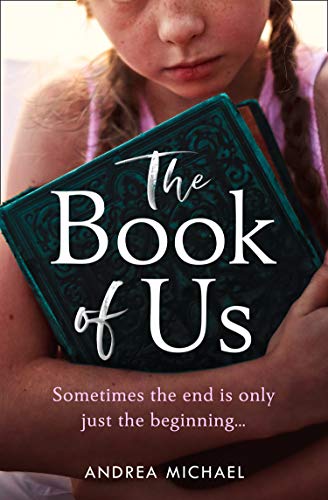
And that was where the idea for The Book of Us came from. We so often focus on the romantic relationships that change our lives, but what about the important friends who have made us who we are?

Loll and Cass are two friends who fell out years ago. They became intensely close at university, Loll’s anxiety and shyness made smoother by Cass’ outgoing and wild nature. They evened each other out, knew each other’s traumas, weaknesses and dreams. And they planned to spend their life having adventures together.

But things change and sometimes when you make a close friend at that age, you want to know who you could be without them. Either you’re in the shadow or you’re always the leader, and either can be exhausting. Sometimes you just need a chance to grow apart before you come back to see if you still fit.

Writing friendship could be boring – after all the moments that make our friendships are often gradual, quiet and uneventful. We rarely have a manic pixie dream friend plonk herself in our laps and declare herself our best friend.

But much like with a love story, it’s about how it unfolds, how it falls apart, and why it comes back together. Nostalgia only really works when we bring in all the things our readers relate to – a seemingly carefree younger life. Staying out late, getting in trouble, thinking things were complicated when now you realise they were just so simple.

It’s the complexities and problems that I find the most interesting – the secrets and sore points and things unsaid. And the natural rhythms and waves that can come back into play a decade later. A true friendship, even one that ends (through big fireworks or a slow trudge) has an impact on who we are today. And that’s where the magic is, for your audience and your reader.

We just have to hope readers find friendships as complicated and precious as romances, just as they are in real life. Because sometimes your soul mate is your best mate.


Andrea Michael writes books to explore complicated relationships. Having trained in using writing for therapy, she really believes in the magic of stories to change your life. Failing that, sparkling wine and obnoxious sing-a-longs also do the trick.

Follow her on Twitter: @almichael_
 

SISTER SCRIBES GUEST: LINDA HUBER ON FAMILY SECRETS

I’m delighted to welcome the lovely Linda Huber, a prolific author and fellow Swiss resident, to Frost Magazine today, where she’s talking about how family secrets inspired her writing.

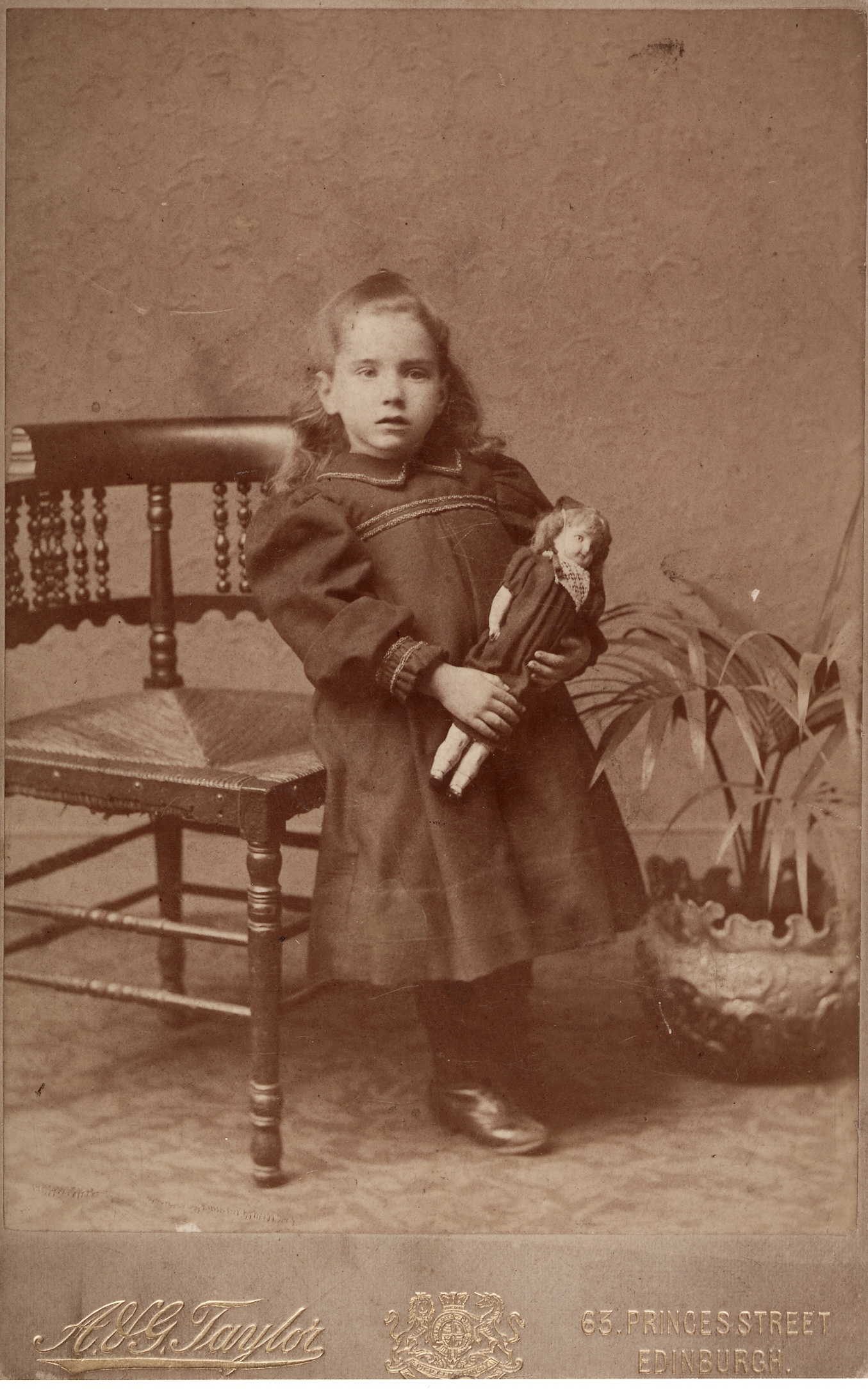
It’s always fascinating, talking to older family members and hearing their stories of days gone by. I remember my grandmother talking about her life growing up in Edinburgh with her parents and brothers. The family were keen photographers so we have a wealth of photos ranging from Granny as a toddler in 1890-something, all the way up to her last years, when she lived in Glasgow with her younger brother.

What she never mentioned was either of the wars she lived through, apart from the odd comment about food rationing. Another taboo was the death of my grandfather when my mother was just fourteen. He died in an industrial accident on the railway, where he worked, so Granny was given compensation – a return train ticket to London. It was her first and only trip outside Scotland. How I wish I’d been old enough to know I should be questioning her greedily, saving up her answers for my own children. I was still a teenager when she died, and there was too much Mum didn’t know either.

That’s how it is with family secrets, I think – usually, they’re not so much grisly skeletons in the closet as things that are just too hard to speak about. Or maybe, details are simply forgotten over time, not mentioned because nobody thinks to. When I was researching my family tree, I came across a distant little cousin who’d drowned in a Glasgow swimming pool in the 1940s, aged eleven. I’d never heard of her, and my mother could only just remember hearing her talked of. It was a tragedy lost over generations, though I’m sure little Agnes’s close family still remember.

Other secrets are grisly and terrible. A few years ago, I read a news story where someone had kept something truly awful from his nearest and dearest for over twenty years. I won’t say more because they are real people, but this man’s wife and children had no idea that the person they were living with was capable of what he had done. That started me thinking… and the end result is my ninth psychological suspense novel, The Runaway.

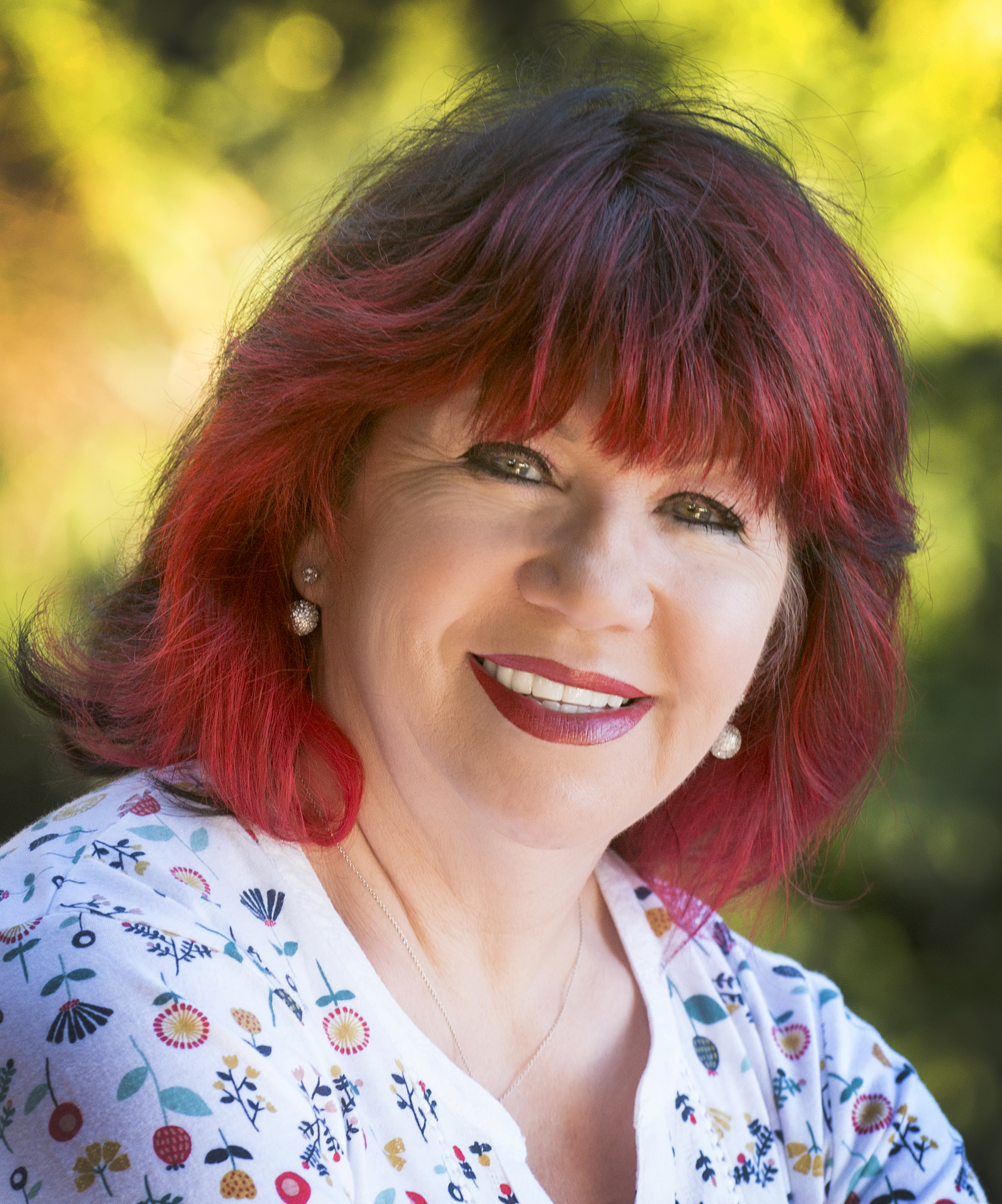
Cass (left) and Linda (right)

In the book, Nicola, Ed and Kelly Seaton relocate from London to lovely Cornwall. It should be a fresh start for them all – teenager Kelly had got in with a bad crowd, Ed had lost his job and Nicola was struggling to keep the family on an even keel. So they moved into Ed’s old family home by the sea. Nicola was determined to make a success of the new life, but little did she suspect what had happened in the house when Ed was growing up. He’d kept his secret well…

This is the third book I’ve set in Cornwall; I’m making no secret of the fact that I love the place! The Seaton family’s new home is near St Ives, which has fabulous beaches and a beautiful old town. It’s years now since I’ve been there, but one day I’ll go back. And meanwhile, I can write about it.


Linda Huber grew up in Glasgow but went to work in Switzerland for a year aged twenty-two, and has lived there ever since. Her day jobs have included working as a physiotherapist in hospitals and schools for handicapped children, and teaching English in a medieval castle.

Her writing career began in the nineties, when she had over fifty short stories published in women’s magazines before turning to longer fiction. The Runaway is her ninth psychological suspense novel.

Find out more about Linda at www.lindahuber.net or follow her on Twitter @LindaHuber19

SISTER SCRIBES GUEST: KIRSTEN INTERVIEWS WRITER AND TUTOR CHRIS MANBY

Today I ask the questions of Chris Manby.  Chris was the tutor on my very first retreat and we have since become good friends. Over to you, Chris.

  • First off the blocks. Plotter or pantser?

Definitely a plotter! I used to be a pantser but a series of short deadlines meant I had to get a strategy. I use screenplay principles to work out what needs to happen when though of course I often stray from my plan

  • How do you organise your work?

I’m a real geek.  When I get my deadline, I work out a timetable with daily word count based on the average length of a novel.  I make sure I allow myself weekends off (though rarely take them).  Then I just get writing.  I don’t stick to rigid hours but I do stick to daily word counts.

  • What is the hardest part of writing?

Getting through the mid-section of a book without losing pace and enthusiasm. Plotting helps as it means I can write something from the end instead and often that will inform what needs to happen in the middle.

  • And what is the most rewarding?

Most rewarding is returning to a manuscript after a week or so away from it and thinking “that’s actually not so bad”.

  • How has your writing style developed over time?

Photo credit: Michael Pilkington

I’m not sure my style has developed much at all!  I still think the first short story I had published –when I was fourteen – is one of the most elegant things I’ve ever written.  But I do now avoid swearing in my books. American readers in particular don’t like it.

  • What do you see as the greatest success of your writing career?

In the noughties, I had a few top ten bestsellers. That was wonderful.  But what felt like real success was when my sister said she loved one of my novels! It was The Worst Case Scenario Cookery Club.

  • And what was the deepest disappointment?

Any book that doesn’t sell is a disappointment but after twenty years I’m learning not to equate sales figures with a book’s intrinsic merits. I know my best-selling books are far from my best work!

  • Talk us through how you develop your characters.

In the same way we get to know a new friend.  The more time you spend with them, the better you know their quirks, their hopes and their dreams. Sometimes characters surprise me.

  • Sister Scribes is all about women writers supporting each other. Do you have a ‘go to’ bunch of fellow female writers you value and rely on?

I met a wonderful bunch of women in 2000 when, together with Fiona Walker and Jessica Adams, I edited an anthology called Girls’ Night In for War Child. Lucy Dillon and Alexandra Potter are two great friends from those days.  They’re always up for a glass of fizz and a chinwag.  More recently, through the Place To Write I’ve made some fantastic new friends, who are always ready with a word of encouragement. I don’t often show writer friends my work in progress though. I’m easily discouraged by faint praise. Better not to risk it.

  • Can you tell us anything about your next project(s)

I’ve just finished a ghost-writing project and now have three months to write a novel.  Fortunately, it’s already planned to the “nth” degree.  It’s called “What the Heart Sees” and the hero is… well, he’s small, dark and very, very hairy.


SISTER SCRIBES GUEST: JAN BAYNHAM ON WRITING HER DEBUT NOVEL

Jan Baynham is a good friend to all the Sister Scribes and here she provides an insight into writing her debut novel, Her Mother’s Secret: The Summer of ’69. Susanna Bavin asks the questions.

You started out as a short story and flash fiction writer. What made you decide to write a full-length novel?

On retirement, I joined a writing group where I wrote my first short story. Very soon, I could see my stories getting longer and longer. After enrolling on a novel-writing course at Cardiff University, I enjoyed being able to explore characters in more depth and delve further into their stories. I still write shorts but now it tends to be when I’m editing or doing research for a novel. When writing a novel, I love getting to know my characters so well that I miss them when I come to the end and I enjoy visiting new locations with them. The length of a novel allows me to create more involved plots and sub-plots for the characters to experience than I’m able to do in a short story or piece of flash fiction.

What was the initial idea behind the story from which it all grew?

The novel started out as a short story. At the time, I’d been reading a novel where the rustling in the trees sounded like whispers and inanimate statues took on the form of the ghosts of people they represented. Combining both ideas, I asked myself what if the whispering could show the presence of a past family member. Always fascinated by family secrets and the bond between mothers and daughters, I knew I had the basis for a story. In both the story and the novel, I leave it to the reader to decide what the whispering represents. In the short story, Alexandra’s search for the truth was resolved quite quickly whereas in the novel there are many more twists and turns, obstacles and setbacks before the story concludes.

Tell us about the places that feature as the backdrops of the story.

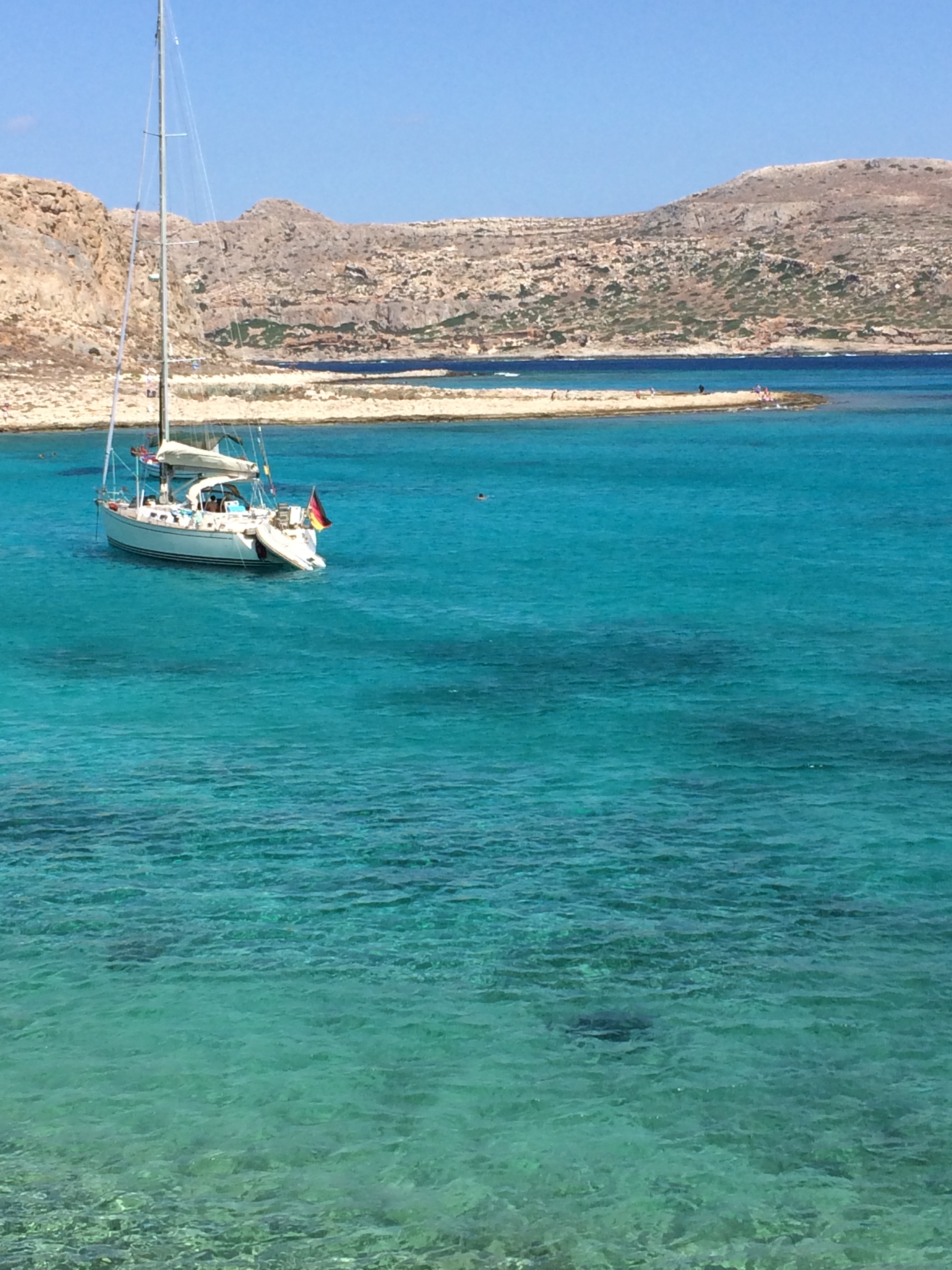
Once I’d decided that my main character Elin would be an artist, I chose a setting where the surrounding colours would be more vibrant and intense than in her home country of Wales. Having visited many times and being struck by the wonderful palette of colours seen in every landscape, Greece was my choice of background. The island is not based on one particular place but is an amalgam of areas I’ve visited. Every holiday has contributed to the whole backdrop where I’ve tried to show the climate, the vivid colours of the sea and the flowers as well as the warmth of its people.

How important is the mother-daughter dynamic to the story?

The mother/daughter relationship is central to the novel. Alexandra is grieving after the untimely death of her mother, Elin. She experiences a whole gamut of emotions from deep loss and its accompanying sadness, through to anger that her mother has abandoned her. When she learns there is part of her mother’s life she knew nothing about, Alexandra goes to Greece with the hope of finding answers.

What have you learned about the writing/editing process? Is there a piece of advice you’d like to share?

Everything suggested by my lovely editor at Ruby Fiction was very clear and straight-forward, but one thing stood out. I hadn’t always got the dates or passing of time issues right. Elin’s story is interspersed with diary entries and these didn’t always tally! The way I dealt with these continuity edits was to have a calendar in front of me and highlight the dates as events happened. Although a diary may not feature in another novel, I will definitely use a calendar to check the passing of time in future.


SAMANTHA TONGE ON WINNING THE VERY FIRST JACKIE COLLINS ROMANTIC THRILLER AWARD

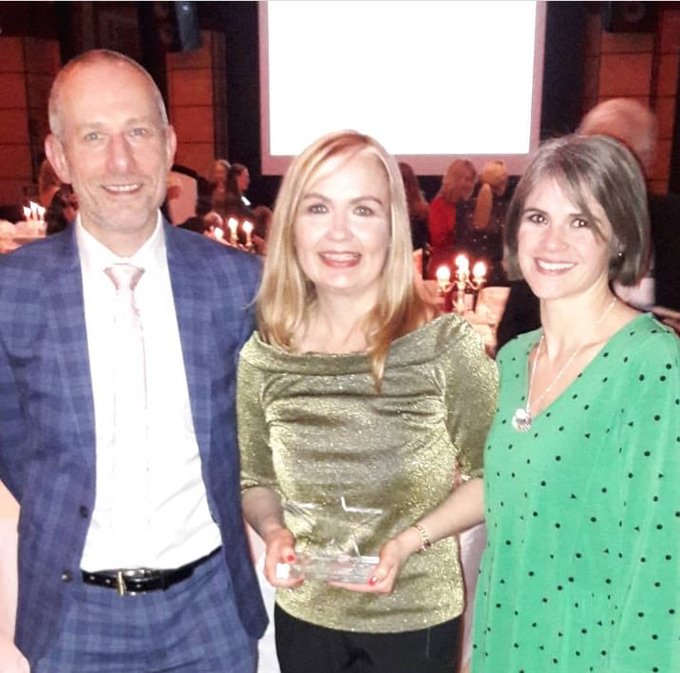
Excuse the pun, but what a thrill it was to win the first ever Jackie Collins Romantic Thriller Award at the Romantic Novelists’ Association 2020 awards ceremony. First and foremost because it is a huge honour to be connected, even in a tenuous way, to such an amazing person. I loved her Lucky Santangelo character when I was a young woman.

Jackie Collins wrote real page-turners that whilst glamorous and escapist, somehow seemed real. And what an inspiration she was, writing 32 novels and achieving over half a billion sales. She was a funny, feisty woman who created kick-ass heroines and it was an extra honour to have the award handed to me by her granddaughter. I was also thrilled to win as the competition was so stiff, the other contenders being the wonderful Dorothy Koomson, Lucinda Riley, Virginia Heath and Lauren Westwood.

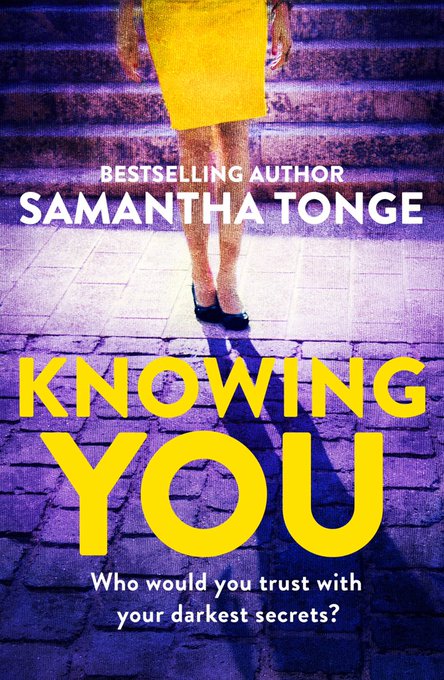
Knowing You is my second dark women’s fiction novel – previously I’d had nine romantic comedies published. It was challenging changing my direction, but with my brilliant agent’s help, Clare Wallace from the Darley Anderson Literary Agency, I learned so much and it felt like a real validation, at the ceremony, to hear my name read out. I still remember that moment. A real whoosh went through me and I think I managed to mumble a few words at the podium, in a daze!

I was also so pleased because I’d poured my heart into writing Knowing You. It is a story about being brave enough not to conform, not to fit in. It’s about taking control of your life in the face of adversity. The main character is kind-hearted children’s editor, Violet. When her partner leaves she seeks the advice of her new flatmate, Bella, whom her old friends disapprove of. However when Violet was a child, her closest confidant and companion was a boy called Flint. Her mother didn’t approve of their closeness and he suffered a terrible end. Therefore Violet is determined that the same thing won’t happen to her new best friend now…

Samantha Tonge (centre) with her husband and her agent

The awards ceremony which took place on March 2nd, in the RNA’s diamond anniversary year, was a glittering occasion, attended by legendary romance authors Sophie Kinsella and Carole Matthews – and Strictly Dancing star Anton du Beke. Yes, I managed to speak to all three! Everyone’s outfits were fantastic and after the ceremony we enjoyed a buffet.

I feel incredibly lucky to belong to such an association that promotes such a popular and wide genre. For some reason it’s been much maligned and romance books rarely get shortlisted for the big industry awards, despite its millions of readers. As Milly Johnson said, at the podium, when she collected the Outstanding Achievement Award: ‘We are the glorious counterbalance to this climate of hate.’ More than ever we need happy ever afters and gripping reads that whisk us away and it’s great to see such stories recognised by the RNA. ​​​​​​

Samantha Tonge


Ian Chapman, COO of Simon & Schuster and close friend of Jackie Collins announced the new Jackie Collins Romantic Thriller Award in 2019 which S&S will sponsor for a minimum of 5 years. Jackie Collins was a creative force, a trailblazer for women in fiction and in her own words “A kick-ass writer!’. Since her debut The World is Full of Married Men in 1968, her books have sold in their millions in more than 40 countries and she is one of the world’s top-selling novelists. She passed away in September 2015 after years privately battling breast cancer.


Click below for all category winners https://romanticnovelistsassociation.org/news_article/romantic-novel-award-winners-2020/

My Writing Process – Tracy Baines

tracy-baines-author

I’ve always wanted to write novels, but it felt overwhelming, and to be honest, I didn’t have the confidence to dive into something so all encompassing – so I wrote articles and short stories. I’m so glad I did something – other than procrastinate. I learnt so much from writing short stories: brevity, character, structure and so on. It’s the same skills – you just need more stamina if you’re writing a novel. Gosh, I never knew how draining sitting down all morning could be.

I could always find the time for a short story and it taught me that I could finish things. Finishing is so important. I’ve lost count of the times I’ve heard people say they’ve got loads of beginnings. If you’re struggling, I’d say choose one thing and keep going until you finish it. My short stories have been published in magazines various magazines in the UK and abroad.

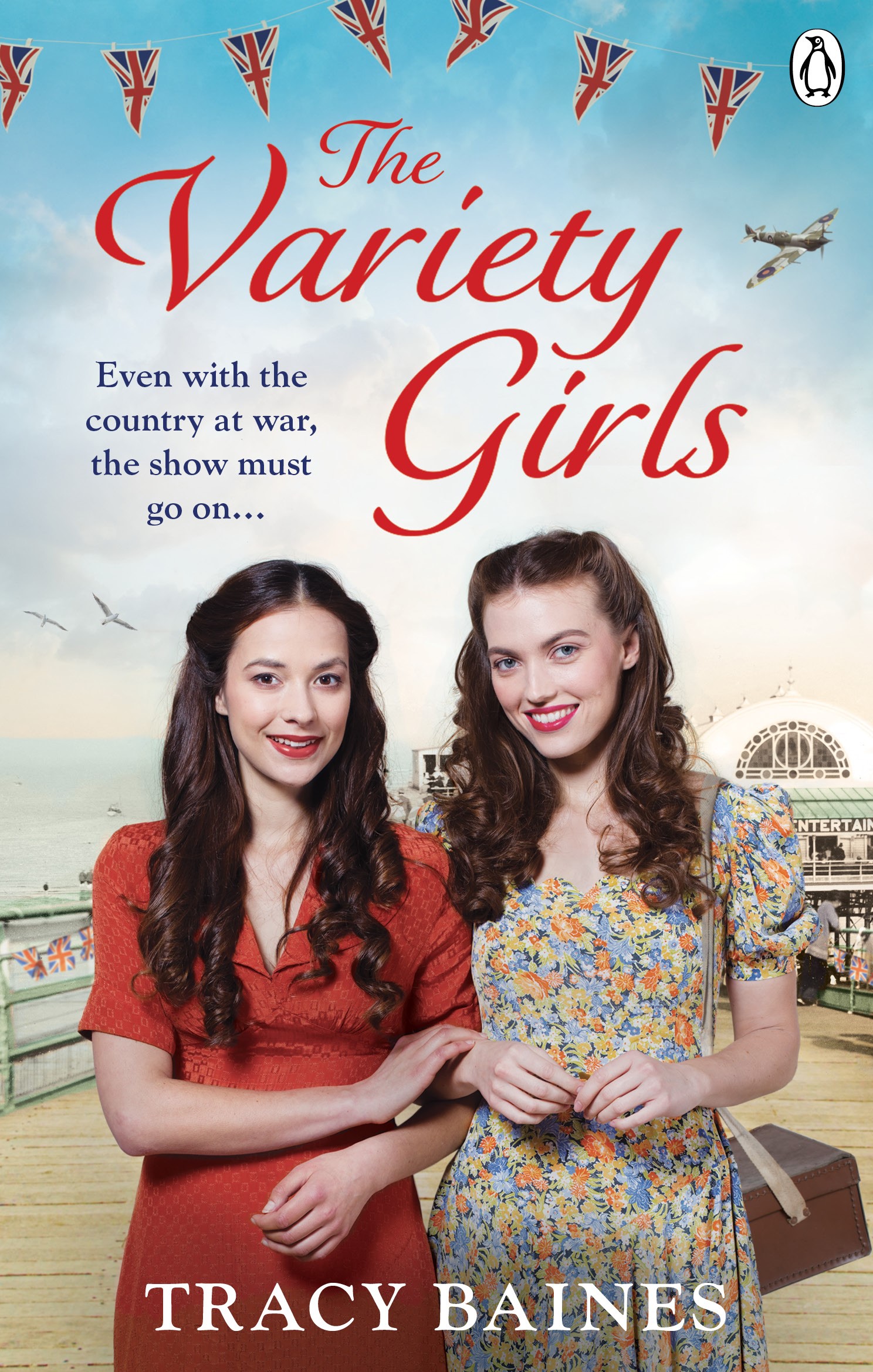
At the moment I’m working on the Christmas with the Variety Girls  – the sequel to The Variety Girls which was published by Ebury Press in February 2020.

I always write straight to my computer but I make a huge amount of notes by hand. I also go back to writing by hand if I get stuck and can’t get the words flowing. I don’t know why it works, but it does. Most mornings I’ll write a page of A4 of free flow. It’s like a warm-up to get the motor running and I find I can express myself more easily when I do this.

Daydreaming is important to me too. I play around with ideas for as much time as I can before I begin to write. I’ll read a lot of books for background details and research, and some of that will inspire a character or a scene. My books are set in the Variety Theatre during WW2 and I love reading books about old theatre and music hall stars to get creative thoughts flowing.

When I start writing I tend to stick with one character and work out what she wants most of all. Then I work out what could stop her getting it. Gradually all the other characters and events start to pop into my head. I make a synopsis, then develop a plan or outline which will change as I go along. It’s like having a road map. I can take detours here and there, but I always have a road to go back to. I’ve found this stops me from panicking about where I need to go next.

I try to work for a few hours each morning, actually writing, but I’m thinking about it most of the time. I might work in the evening if I’ve had a disrupted day. I tend to write more when I’m past the middle point. Some days are better than others. But if I’m having a bad day I’m happy as long as I get something down that moves the story forward. I know I can always go back and fix it. Again, the short stories helped me because I am not afraid of deleting huge parts of text to get to the nub of the story

Early in my career I was lucky enough to be mentored by Margret Graham – who also writes as Milly Adams and Annie Clarke. I’ve learnt an enormous amount from her and also from reading her many books. I am loving her latest – Girls on the Home Front series.  She is a superb teacher and if you ever get chance to get to one of her workshops crawl there if you have to. She’s also written two books that are brilliant in explaining things such as show and tell etc. No waffle, just practical advice and instruction – and plenty of exercises. You learn how to write by writing – you have to do the work – but having someone wonderful to mentor you makes such a difference.

Margaret’s explanation of structure took me time to understand. It’s very simple but there is such depth to it. It is foremost in my mind when I sit down to work out my novels: normal world, point of change, a rising arc of tension, crisis point or darkest moment, the slipper test, resolution. If you want to know more I can highly recommend The Writers Springboard. She describes structure so simply.

When the writing’s going well there’s nothing like it. It must be what drugs are like. I forget time and am totally in my little world. And when a character  arrives unannounced and tells you their story. Sublime. The difficult part is maintaining the momentum when the words aren’t flowing. It’s turning up at the desk, day after day, in the hope that this will be the day it all starts making sense.

My advice for other writers would be not to think you’re too old, not clever enough, thin enough, rich enough. Have confidence, work hard but most of all enjoy it. It will shine through in your writing.

the-variety-girls-tracy-baines

The Variety Girls published by Ebury Press £6.99

www.tracybaines.co.uk

SISTER SCRIBES GUEST: JESSIE CAHALIN ON LIVING THE DREAM

I first became aware of Jessie when this amazing blog appeared, featuring books in handbags, but it was some time before we met, introduced by the lovely Angela Petch at an RNA conference. There is a certain symmetry between us; she is a Yorkshire author living in Cardiff, and I am a Cardiff author living in Cornwall. That, and the fact she is a wonderfully giving and collaborative person, makes me consider her a Sister Scribe.


When I reached my mid forties, I realised my career ambition had overshadowed my creativity.  Stuck on a treadmill of administration, I signed off educational action points for teachers but had not achieved any of my own goals.  Days started at 6am and ended at midnight.  Fuelled with coffee, I survived on very little sleep, but my life-long dream to write a novel haunted me.  A health scare prompted me to grab time for myself and take control of my destiny.

Characters hassled me for years and it was time to set them free in my novel, ‘You Can’t Go It Alone’.  I tapped away on my laptop keyboard for six months; it was fun to finally meet the characters. At times, their behaviour shocked me, but they showed me there is more to life than action planning and policy making. Sophie, a character in the novel, showed me the importance of the simple things in life.  She also made me smile again.

Writing improved my wellbeing, and I wanted to learn more about the craft.  I sought the advice of a professional editor and engaged in cutting, cutting and shaping. Novel completed, I closed my laptop, ticked off one point on my bucket list, and hopped back on to my life. I mused that I would re-read my words again one day.

Unbeknown to me, my husband read the manuscript of ‘You Can’t go It Alone’.  He published the novel, without my knowledge, as he knew I would dilly dally. He threw me into the world of indie publishing.  It shocked me, but I decided to grab the opportunity and make connections with the writing and reading community via a blog and social media.  Initially, the aim of my blog was to share book reviews of all the books that had resonated with me over the years. I named the blog Books in my Handbag as all my books are on the kindle, in my handbag.

Playing on the theme of handbags, I tweeted photos of my novel in my handbag. Overwhelmed with the positive comments about the photo, I realised it would be fun to ask authors to send their photos. I developed the Handbag Gallery to showcase the authors’ books and provide a unique boost to the marketing of hundreds of authors. I now have almost fourteen thousand followers on Twitter, and the photos of book in handbags are always a hit.

The Handbag Gallery connected me to lots of authors, and they have supported me with the writing process and promotion.  With pearls of wisdom from indie and traditionally published authors and hard work, I achieved bestseller rankings across UK, Canada, Australia and New Zealand.  I was third in contemporary women’s fiction in Canada. The day my book was placed beside Margaret Atwood, I felt as if the stars had aligned.

Last year, I moved beyond virtual connections with authors reached out to the Romance Novelists’ Association. It is wonderful to meet with authors in the local RNA chapter and became a member of the New Writers’ Scheme.  I don’t know what the future holds for ‘Loving You’ because I am exploring benefits of the traditional and indie publishing routes.  I have started my third novel and have been offered opportunities to write articles in magazines My experience shows you do have to speculate to accumulate.  I am celebrating three years of my blog and living the dream in writerly heaven. Moreover, I have taken control of my health and wellbeing.

Wishing everyone the strength to follow their dreams.


Visit Jessie’s website at http://www.JessieCahalin.com    or follow her on Twitter @BooksInHandbag

MILLY JOHNSON ON WINNING THE RNA’S OUTSTANDING ACHIEVEMENT AWARD

Sunday Times Bestselling Author Milly Johnson on winning this prestigious Outstanding Achievement Award and what the Romantic Novelists’ Association means to her. 

I cannot tell you how delighted I was to receive an email telling me that I was being given the RNA Outstanding Achievement Award this year – this very special 60th anniversary year too.  It was one of those ‘pinch-yourself’ moments: how was it that me, a northern bird with no industry connections, who always wanted to be an author but never really thought it would be possible, was getting this accolade? It made me quite reflective of all the years between those moments and I realised

Credit: Chris Sedgewick

how much hard work I’d done to be published and stay published. I was never under any illusion that getting a book out there would bring me instant fame and fortune but still, there was never anything I wanted to do as much as hold a book, written by me with my name on the cover. And here I am published, and actually selling a few copies as well.  I never get blasé about it, it’s a thrill every time to see my name on a new book, to see it out there in the wild.

I have grafted, gone above and beyond the call of duty as you do for something you want with all the fibre of your being. I remember reading an early Carole Matthews book, loving her work, looking up to her, wanting to be published like she was, promoting her to status of goddess in my head and then a few years later she was my pal and we had the same agent. I remember well that longing to be ‘one of the chosen’ and so I can easily put myself in the shoes of those who are looking at me and imagining themselves published one day.  If they want it hard enough, and put the work in, and if one agent rejects them, and they move on to the next never taking a no as the final answer, then one day that call will come to say they’ve got a deal. Then the hard work begins. I used to equate that first publishing deal with the pinnacle of Everest, but it’s not even Base Camp. And often in this job, writing the book is the easiest part!

I am so looking forward to the evening. I have many friends there shortlisted for an award that it is sure to be a jolly one, and my plus one for the evening is my best novelist pal Debbie Johnson, because you need someone who understands the intricacies of this crazy job, to trust with all your niggles and to act as a sounding board when you feel like screaming because you’ve had the worst review ever written by anyone. And you are there for them when the reverse happens. A bit of kindness in this game goes a long, long way. And it’s always the best Karma to pay it forward.

I joined the RNA when I was published, not before. I was quite adamant that’s the way I’d do it and what a misguided fool I was! Had I joined before I would have benefitted from so much inspiration and guidance, I would have had so many more writer friends to mix with rather than do it all alone. I missed out on help and fun and a lot of Prosecco. But join I did eventually and it was one of the best investments I made becoming part of the association. I encourage any other writer not to follow in my footsteps as far as my stubbornness goes, but to join as soon as you can and take advantage of the wealth of wisdom its ‘fabulousness of authors’ has to share.


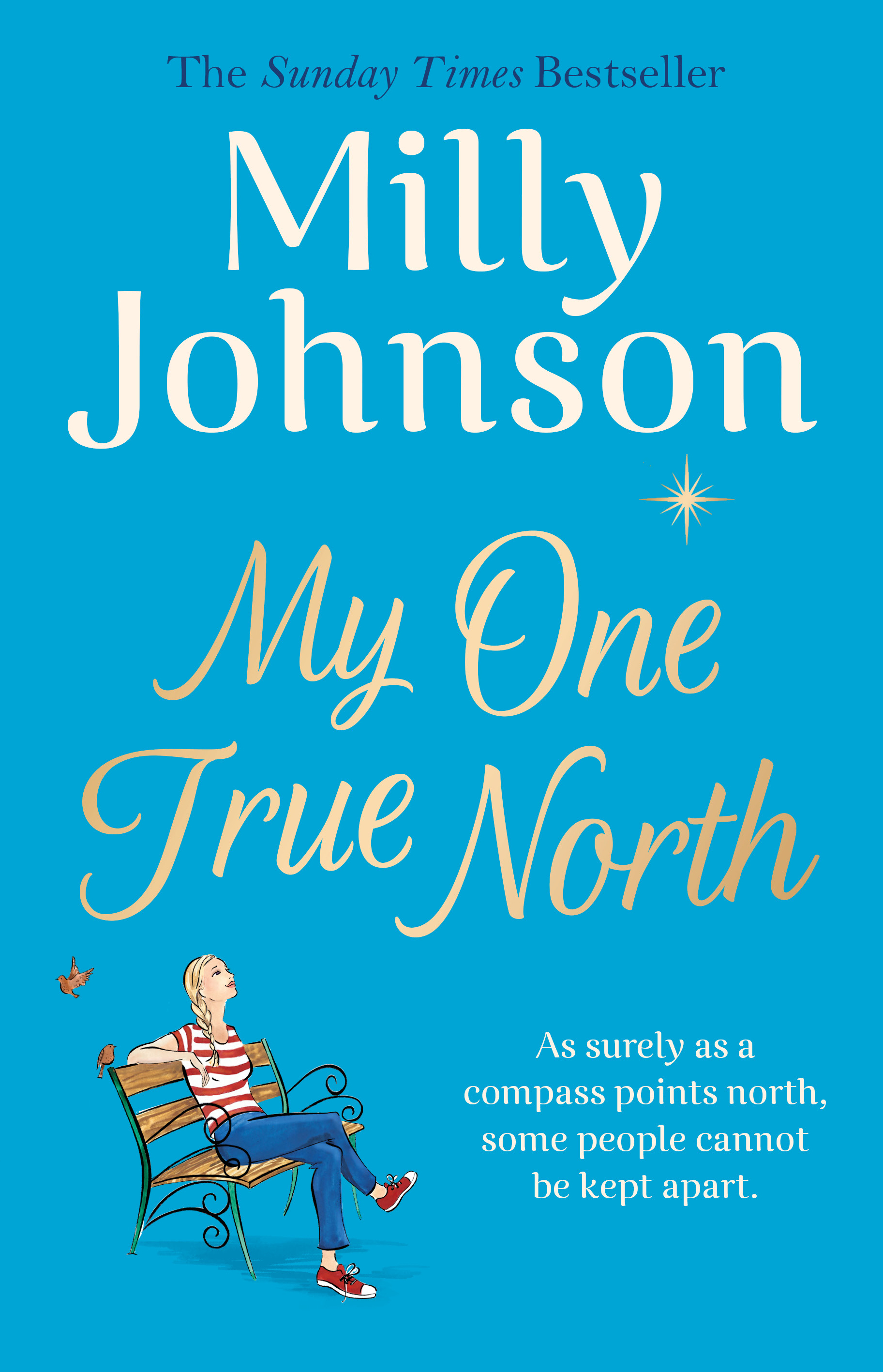
My One True North by Milly Johnson is published on 5th March by Simon and Schuster and is available to pre-order now.