SISTER SCRIBES: KITTY WILSON ON WRITING A SERIES

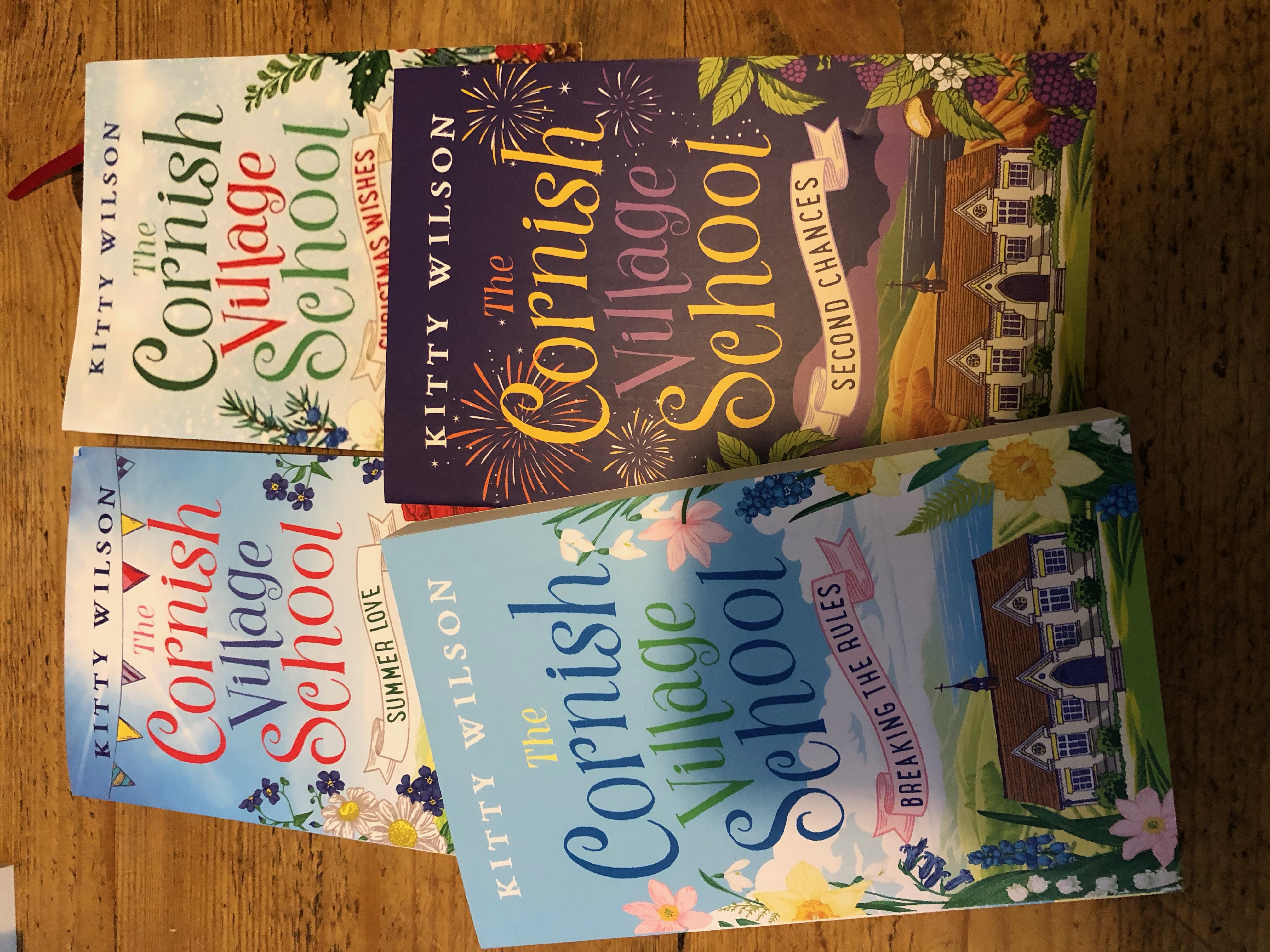
When I wrote the first book in The Cornish Village School I had initially intended for it to be a stand-alone. The thought of turning it into a series wasn’t something that had occurred to me, not for one moment. But my publisher suggested that this was a great idea and I happily agreed. Being a self-flagellating writer type – many of us are –  I was astonished at the suggestion that readers would want to read about Penmenna School more than once but was very willing to do as I was told (such a good girl). I was worried though about what I would write about, how many single teachers can one small school have?

I am currently finishing writing the fifth and final in the series and have loved every minute of my time in Penmenna. It has expanded from a tale of a headteacher to a series that has embraced the highs and lows of a whole community and I am saddened that this is my last foray into the village. It was my choice but is bittersweet all the same. On the other hand whilst it feels odd to be on the brink of creating a brand-new world – I have inhabited Penmenna for the last three years – it’s exciting too. A whole new blank sheet to fill with whatever and whomever I want.
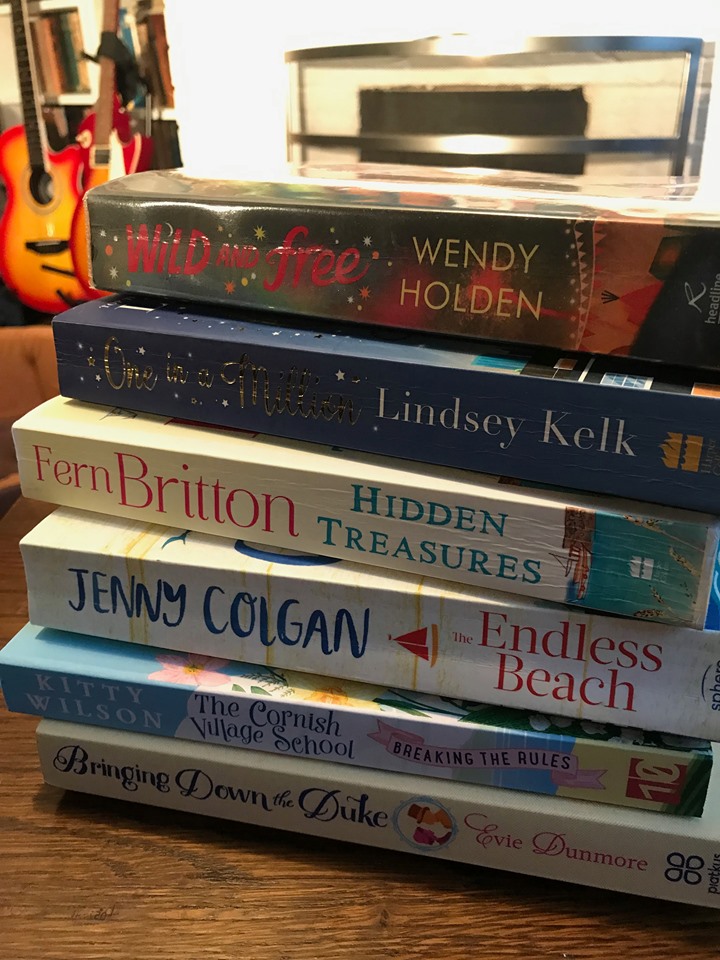
As a reader, I read the most when I was an adolescent, before the responsibilities of adult life caught up with me and I loved a series, then they were often trilogies. I devoured everything I could find on my mother’s shelves, the Jalna books come to mind, Norah Lofts, and R F Delderfield.

Why did I enjoy reading these books so much? With a series each book feels like returning to good friends. The start of a new book within a series is both comfortable and exciting, you have created a bond with the characters, feel you know them, where they’re going, and it’s exciting willing them on. The end of a book often feels as if it’s come around too soon, you want more time with them, you’re not ready to say goodbye.

The same is true when it comes to writing. Currently I am finishing up Marion’s story. She began in the first book as a velociraptor draped in Cath Kidston and was the ultimate baddie, loathsome. Having a series means I have been able to develop her and turn her into a heroine. I am fully rooting for her now and really hope readers will do the same as her story finishes.

But it’s not all been plain sailing. The tricky thing with writing a series, unless you plan every last detail (and I am a planner), something will come back to bite you. I have had so many plot possibilities pop into my head, have written chapters and then realised I can’t use them because they contradict something miniscule I wrote in one of the other books. So, whilst you know your characters better – a bit like real people – certain things have happened in their world which prevent them from moving on in a way that would be helpful to your current plot. And you have no-one to blame but yourself.

Do keep your eyes peeled for the cover reveal of the final book in The Cornish Village School series, it will be coming on Valentine’s Day and I cannot wait to share it with you.


SISTER SCRIBES GUEST: JANE WENHAM-JONES ON THE BIG FIVE O

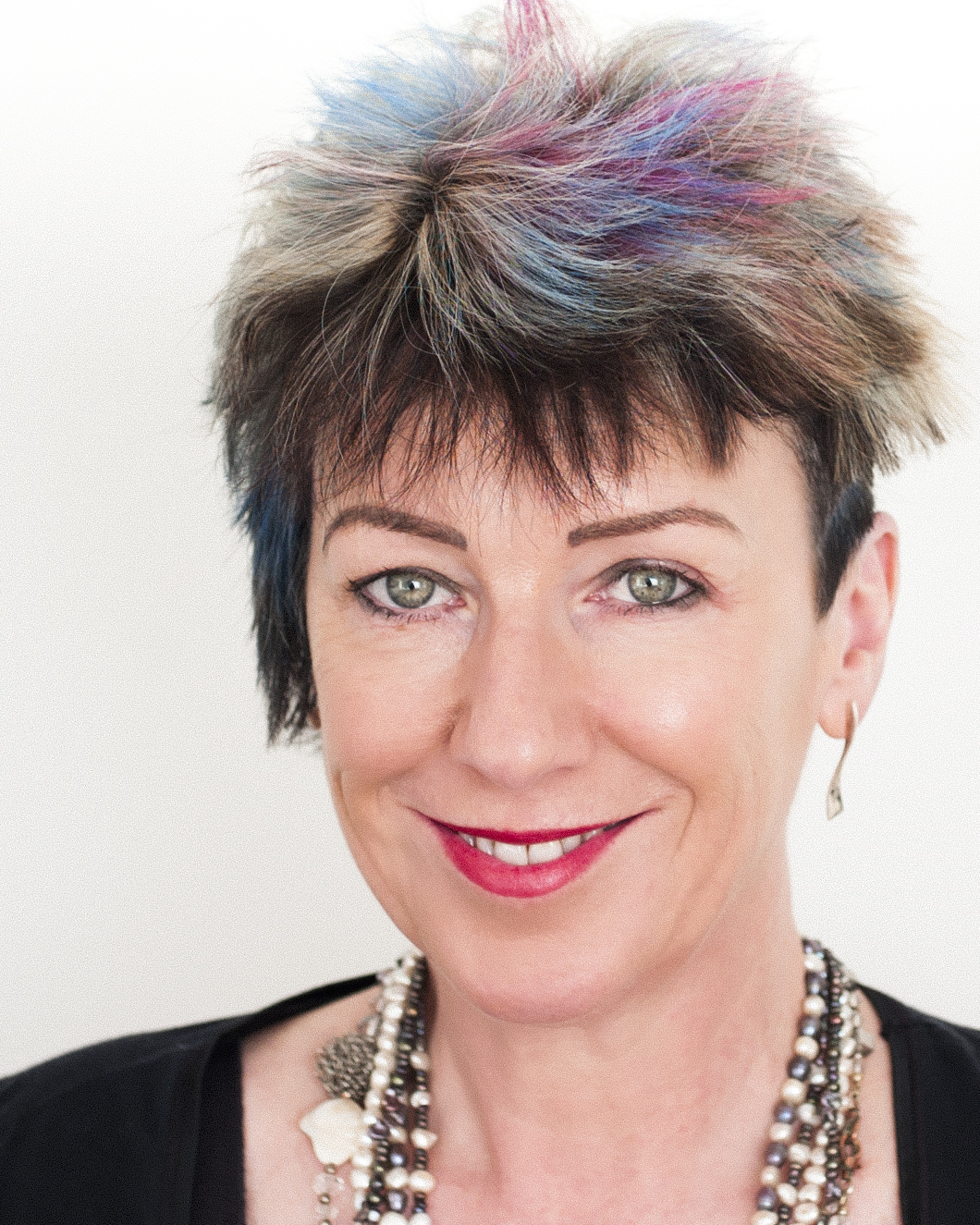
Following on from the RNA article in Frost last week I’m delighted to welcome Jane Wenham-Jones – novelist, columnist and presenter  – to Sister Scribes today. Thank you, Jane, for answering our many and varied questions.


First off the blocks. Plotter or pantser? Or does it vary by what you are writing (short story, novel, ‘how to’ book etc)?  

I started off as a Pantser, but I am now – through bitter experience ha! – a plotter. I plotted my last novel – The Big Five O – fairly forensically as it follows the stories of four different women and I needed to make sure it was balanced and the timeline worked. When I wrote a weekly column, however,  I would often just begin writing and see what came out… And I tend to write articles with just a vague idea of the content. I am on my tenth book as we speak and I have a one-sentence description for each chapter on a sheet beside me, but whether the novel will end up like that is another matter…

What, for you, is the very hardest part of writing?

Getting started. I am such a procrastinator. My son used to say he could always tell when the novel wasn’t flowing because even HIS shelf of the airing cupboard had been tidied…

And what is the most rewarding?

Writing “The End” (There’s nothing like it!!)

Photo credit Bill Harris

What do you see as the greatest success of your writing career? And what was the deepest disappointment?

One came from the other. When the publishing house that took my first two novels didn’t want the third (“too many serious issues”) it felt like the end of the world. I really thought it was all over. But this led indirectly to my writing Wannabe a Writer?, which in turn has led to many opportunities and has apparently, and gratifyingly, helped lots of writers (many of them now more successful than I am!) get published. I now have a patchwork ‘career’ which I love, and all the interviewing I do – I’ve done events with hundreds of top authors and celebs – which brings me great joy, started from one event for that small publisher who took me on for my third novel. As one door closes etc …

As you know, Sister Scribes is all about women writers supporting each other through their writing journeys. Do you have a ‘go to’ bunch of fellow female writers you value and rely on? If so, how did you meet them and how do you support each other?  

The RNA (Romantic Novelists’ Association) is a wonderful institution and I have made many terrific friends through it, who have been wonderfully supportive. I email often with Katie Fforde, Judy Astley, Janie Millman, and others and it is good to have someone at the end of a screen who knows what it’s like when one is only capable of pairing the socks…

What are your wishes and ambitions for this year and this decade?

My own chat show anyone?

And finally.  I LOVED the Big 50.  So funny and warm. How do you celebrate big birthdays yourself?

Ah thank you so much x It was fun to write. I love a party but I tend to cower when it comes  to  big birthdays. I spent 40 in a darkened room and ran away for my 50th. But now – having lost people far too young and had a life-threatening illness myself, I think how ridiculous that all was. If I haven’t been crushed by a passing bus by the time I’m sixty, I shall have a ball!


The Big Five-O by Jane Wenham-Jones is published by Harper Collins in paperback and in e-book formats. www.janewenham-jones.com @JaneWenhamJones

JANE WENHAM-JONES REFLECTS ON TEN YEARS OF PRESENTING THE ROMANTIC FICTION AWARDS

One of the most anticipated highlights of Romance Reading Month is when the announcement of the shortlistees for the Romantic Novel Awards is made which this year will be on the 3rd Feb. The awards themselves will be held on 2nd March 2020 at The Leonardo Hotel, Tower Hill, with prizes in nine categories of Romantic Fiction as well as the award for Outstanding Achievement.

Jane Wenham-Jones has hosted the RNA awards since 2011. Here she reflects on ten years of sparkly gowns, celebrity guests and Awarding Excellence in Romantic Fiction.

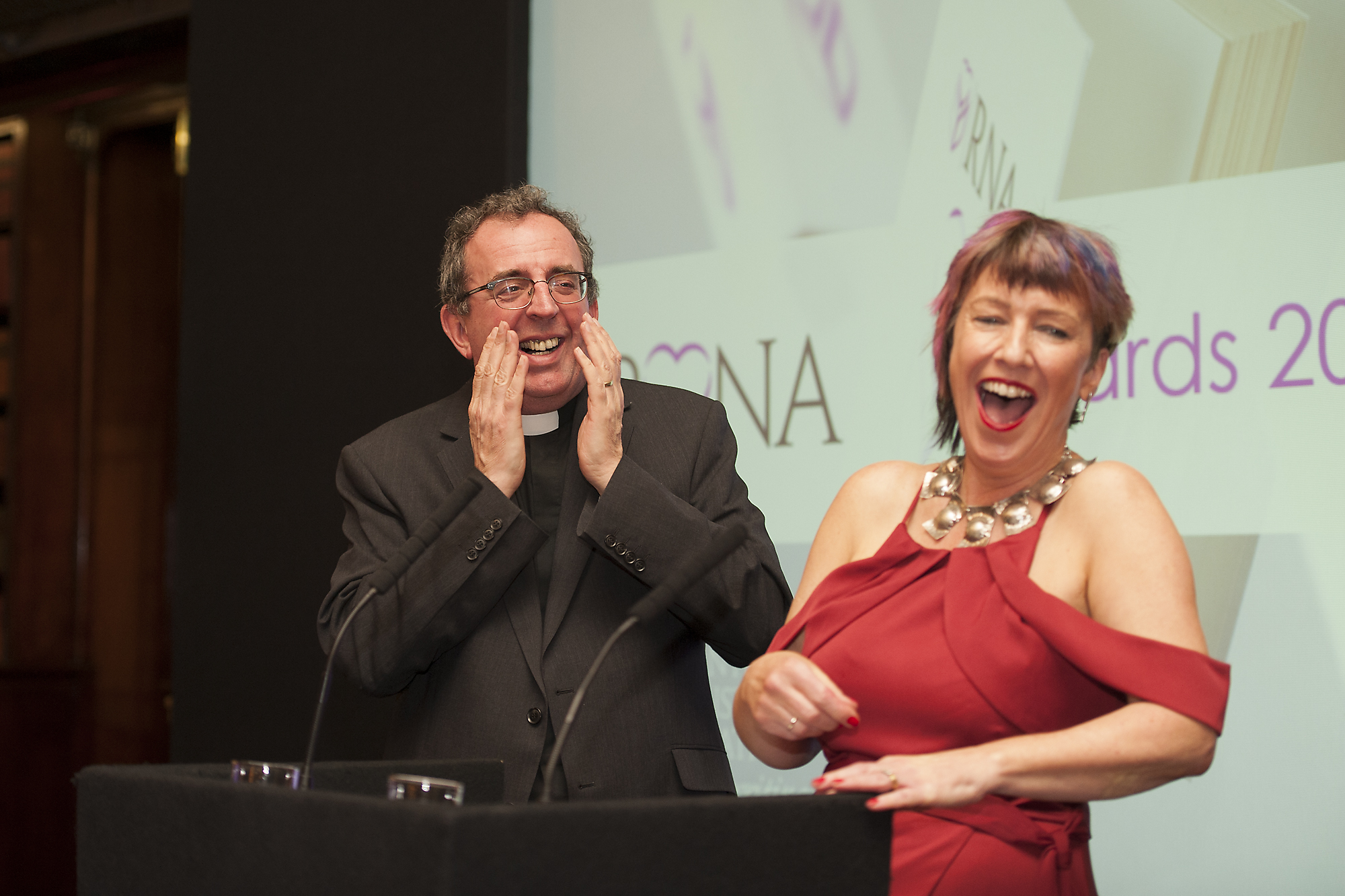
“It is usually around this time of year that I start spending an inordinate amount of time looking at frocks. When I first presented the Romantic Novelists’ Association Awards, it was with Tim Bentinck – David from The Archers – and I wore an over-the-top glittery affair in fuchsia, which set the pattern for the next ten years. In that time, I have got stuck in a dress, had to involve a veritable team to zip me up, and had the formidable Catherine Jones (ex-army) shove an authoritative arm down my front to tape up my cleavage so I didn’t do a Judy Finnegan. Who, as it happens, made the night when she gave out the awards with the lovely Richard Madeley a couple of years later.

Photo credit Marte L Rekaa

The award ceremony is one of the highlights of my year. It is glorious to celebrate the very best in romantic fiction – a massively-selling and important genre that warms hearts worldwide – and uplifting to see the very real joy on the faces of the winners. I usually mispronounce the name of at least one of these and quite often drop my notes, but thanks to our marvellous celebrity guests we laugh on.   I have choked with hilarity with the Reverend Richard Coles, developed a small crush on Barbara Taylor Bradford  and gazed in awe at the beauty and elegance that is Dame Darcey Bussell. Prue Leith, Fern Britton, Alison Weir and Peter James have done the honours too, and were all funny and as hugely supportive as you would expect.

The Romantic Novelists’ Association does much to dispel the image of the romantic author floating in a cloud of pink chiffon dreaming of tall, brooding, macho men sweeping small fluttery females off their delicate size threes and the annual awards are a celebration of the reality and diversity of writing about love, as well as a jolly good excuse to drink lots of champagne. The next one is going to be extra special as it falls in the year this brilliant organisation gets its bus pass. We have a famous guest to hand out the gongs, an exciting new award in memory of the late, great Jackie Collins and more on the various short lists than ever before. I’ve got the dress early. Bring it on and Happy Birthday RNA!”

www.janewenham-jones.com

To celebrate 60 years of the Romantic Novelists’ Association, Romance Reading Month will run throughout February #RNA60 #RomanceReadingMonth

Throughout the month the focus will be on different ways that readers can access romantic fiction and will be highlighting different sub-genres and authors as well as supporting libraries during #LoveMyLibraryWeek On Valentine’s Day the RNA will be launching a new Facebook Group, the Romantic Fiction Book Club. The group has been created by a number of RNA members to provide a safe and cosy place for romance lovers to chat about their favourite books. The RNA will also be championing romantic fiction from underrepresented authors. RNA Chairwoman Alison May said, “We have bursaries available for new and mid-career authors from under-represented groups. We invite authors and readers to share their diverse romance novels using the hashtag #RNADiverseRomance.”

If you would like more details about Romance Reading Month or the Romantic Novelists Association then please visit www.romanticnovelistsassociation.org


SISTER SCRIBES: CASS GRAFTON ON WHY WRITING IS A NEVER-ENDING ADVENTURE

For me, pursuing a career as a writer is not just a journey; it’s an expedition into a world I’m still discovering. It’s ‘the world inside my head’ meets ‘the world out there’, and they are only on their third date. It seems fair to say, therefore, that I’m not only a writer but also an explorer.

I’ve been published since 2013, a combination of solo and co-writing across seven novels, some indie published and some with a publisher, Canelo Escape. Everything I’ve written so far has had, at its core, a love story —I love romantic storylines.

So, how is my writing career now on its third ‘date’? It’s to do with the genre of romance and the many categories that further define it. I’ve published in two of these ‘sub’ categories: historical romance (Regency era) and time-travel romance. These were the first two ‘dates’, and they went quite well—I’m certainly going to be seeing them again—but for now I’m rather excited about my upcoming third. This date is with contemporary romance.

When I was young, I dreamed of writing love stories, but always in the present day. No breeches and fluttering fans; no flitting to and fro through the centuries courtesy of a charmed necklace. My dream was of writing modern romances—relatable, believable and with characters doing everyday things, but always, ultimately, falling in love.

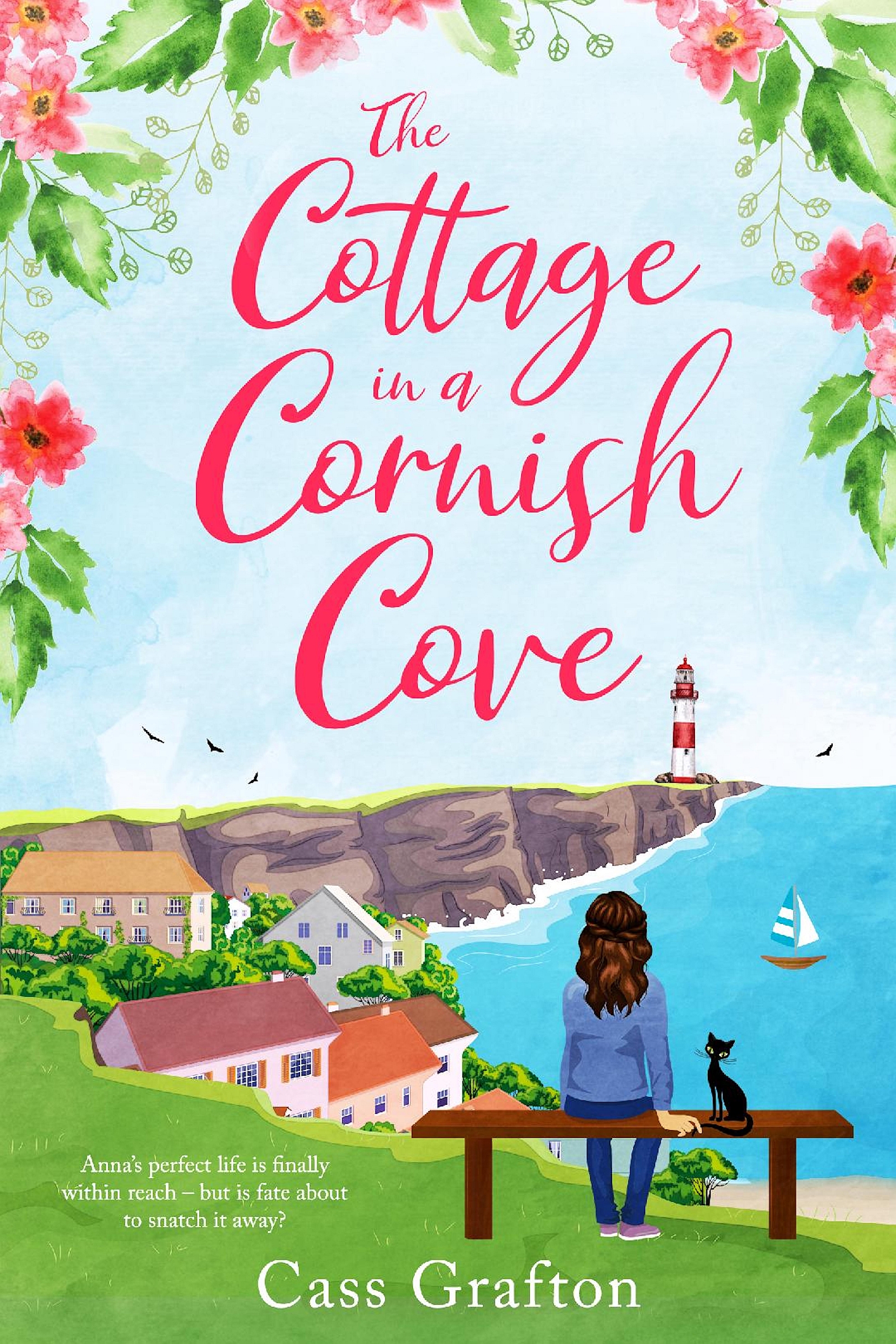
I’ve been toying with the idea behind The Cottage in a Cornish Cove since the days when my hair was a box-shaped perm, my shoulder pads needed scaffolding to support them and keeping in touch with non-local friends was done by a landline phone or with good old pen and paper.

Although the story I’ve now written bears little resemblance to those initial ideas other than the inciting incident that sets the plot in motion, I view it with the affection of an old friend, one of those worlds inside my head that simply took a long time to emerge and meet the world outside.

So what’s it about, I pretend to hear you cry?

It’s a heart-warming tale of discovering all you never wanted is exactly what you need.

Much of Anna Redding’s happiness as a child came from the long summer holidays spent with an elderly family friend, Aunt Meg, in the charming village of Polkerran.

With Aunt Meg’s passing, Anna is drawn back to the West Country, relocating to the Cornish cove where she was once so happy. Settling into her new life, and enjoying her work for the older, reclusive and—to be honest—often exasperating Oliver Seymour, Anna is delighted when Alex Tremayne, an old crush of hers, reappears in Polkerran and sweeps her off her feet.

The stars finally seem to be aligned, but just as Anna thinks all she’s ever wished for is within reach, a shock discovery reveals she’s living a dream that isn’t hers…


As for those other dates, is the adventure over? Definitely not! They are part of my on-going expedition, my journey as a writer, so I won’t be deserting them. Ada Bright (my co-writing partner) and I still have a third time-travel romance up our sleeves, and I have two Regency romances in the works, which I hope to finish soon.

In the meantime, though, if you’re up for a bit of eavesdropping on my third date, come and join us in gorgeous Cornwall, wallow in the quaintness of Polkerran, get to know the locals and fall in love with romance all over again.

The Cottage in a Cornish Cove will be released on 11th February 2020.


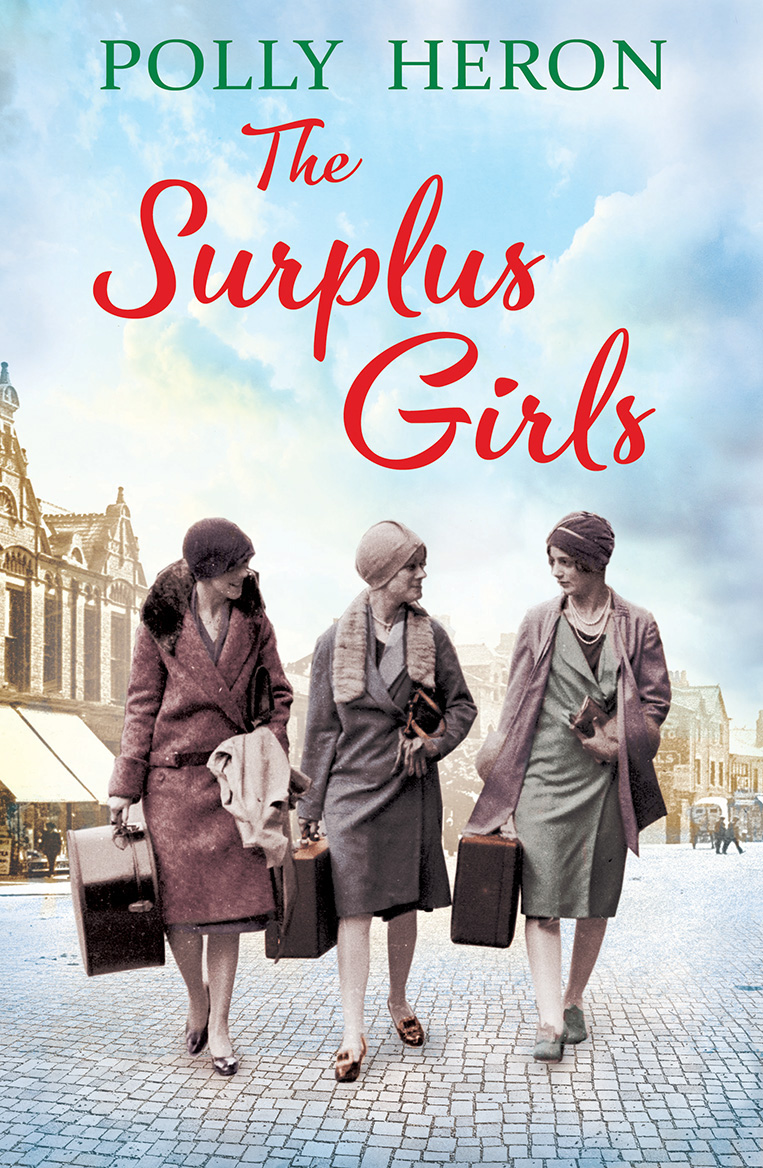
The Surplus Girls by Polly Heron

I’ve been excited about The Surplus Girls ever since fellow Sister Scribe Susanna Bavin (writing for Corvus as Polly Heron) told me about the concept over a year ago. It is just such a brilliant idea to write about the lives of these neglected women, living in the aftermath of the first world war, in the form of a series of sagas.

The surplus girls were, quite simply, the women who lost fiancés and boyfriends (or even just potential partners) in the war. Whatever their class they had been brought up to expect marriage and children, but now there were not enough men to go around and they were ill prepared for any other sort of life. Most would need to find gainful employment with little or no training, and all would have to look for other ways to make their lives as fulfilling as possible.

The Surplus Girls is set in the suburbs of Manchester in the early 1920s, with a cast of characters from both working and middle classes. Belinda Layton, a mill worker, lives with her late fiancé’s family and after four years of deep mourning is beginning to feel a little smothered by their kindness and intense grief. Belinda’s own family is even further down the social scale, living hand-to-mouth as her feckless father drinks away what little they have.

When Belinda bumps into her old teacher she hears the term ‘surplus girls’ for the first time and is forced to consider her future, beginning to dream of leaving the mill and working in an office. At first this seems hopeless, but then she is introduced to spinster sisters, Prudence and Patience Hesketh, who have their own reasons for opening a business school for young ladies.

Polly Heron has a rare talent for portraying the atmosphere of a setting with a few carefully selected sentences, which never detract from the pace of the plot. And pacey plot it is, making The Surplus Girls hard to put down.  The detail of the era is there, forming a rich background tapestry, but I never once felt I was bogged down by it. While I could see, hear and breathe the world the characters inhabited, as I reader I was free to enjoy being transported there and immerse myself in their story. And it takes a great deal of skill for an author to achieve that.

SISTER SCRIBES’ WOMEN’S WRITING WISDOM 2019

During 2019 Sister Scribes were lucky enough to welcome women writers we admire and have some connection with to Frost and in the process we learnt a great deal. With a new year approaching, here as some of the choicest nuggets to mull over.


Alexa Adams: My network of women who I can depend on, confide in, and trust has exploded, and I have a hard time recalling how I ever got by without them. These friendships are the most unexpected gift that writing has bestowed on me, and for them I am immeasurably grateful.

Carol Thomas: Three top tips for working collaboratively:
1) Take a little time to find your way, but also be prepared to step up. Somewhat obvious but … the key to collaboration is collaborating.
2) Be prepared to compromise. Working as part of a group will require it at some point.
3) Be actively supportive of others; you’ll get more from it than you might think. Rightfully so, when it comes to working in a group, you tend to get out, what you put in.

Catherine Boardman: Telling stories is what I love to do.  The solitary nature of sitting down to write suits me perfectly.  Yet it is the support and friendship of fellow female writers makes the procrastination so much more fun.

Daisy Tate: THERE ARE NO FOES in the world of women’s fiction. Along this windy path I’ve walked, I have only met people who are there to help others.

Dr Gaby Malcolm: Ignore anything other than constructive criticism and admire your own work.

Jessica Redland: So far, our joint venture [The Yorkshire Rose Writers] has worked well and we love working together. We’re both excited to see where it could go in the future. My advice to anyone thinking about such a venture, though, is be really clear on your aims and your time commitment right at the start so you’re on the same page.

Maddie Please:  I try to keep the boxes of stationery under control but boxes of pencils, Sharpies and Post-it notes are like cat-nip to me!

Merryn Allingham: When several members of my book group announced recently they didn’t like historical fiction, I was disappointed. But stunned when one went on to say she couldn’t see the point of history. For me, discovering the past doesn’t just illuminate quirky corners of a bygone age but helps understand the world of today….. Researching history complicates that first simple ‘take’ on a culture and a period, changes our perspective, makes connections. And, crucially,  illuminates our own troubled present. Worth paying attention then!

Rachel Brimble: I could not write without women from the past, the present and undoubtedly, the future. Here’s to the strong women who have gone before us and who continue to walk with us today!

RL Fearnley: I realise that I don’t have to write ‘women’ in my stories, I just have to write ‘people’. It should not be a revelation to see that these two things are not mutually exclusive. After all, in worlds where anything is possible, why can’t the quiet, plain girl at the back of the class be the one who takes up the sword and slays the troll?

Tracy Rees: Exploring our dreams as far as possible makes us happier, fuller people, which in turn allows us to help and support others.


SISTER SCRIBES GUEST: LORNA COOK ON THE IMPORTANCE OF WRITING BUDDIES

I love this post, it sums up everything I have found to be true of the writing community. After reading and loving The Forgotten Village, I was lucky enough to meet Lorna at the Joan Hessayon Award this year, which she deservedly won. She was an absolute joy – funny, friendly and unassuming – and I cannot wait for her next book. 


When I started writing my debut novel, The Forgotten Village, I had zero writing buddies. Not one. I had just had my second child and we were going through that odd stage together where she slept most of the day (and not at all at night!). It left me slightly frazzled, very jaded and I was left to my own devices while my hubby went out to work and I took maternity leave. I joined lots of little groups with my tiny newborn but I sorely missed colleagues. And that joy of real human interaction that has nothing to do with nappy-chat was hard to find.

Don’t get me wrong – I did not go through the equal amounts of pain and joy of writing a novel so I could make chums. That was the happy by-product of this crazy and often misunderstood realm of fiction writing. And it is misunderstood. When I very quietly, very cagily, tell people I write novels it is only because someone has asked me directly ‘So, Lorna, what do you do for a living?’

And then begin the questions about how much I earn and if I am the next JK Rowling. Every single time. Praise be for The Romantic Novelists’ Association. I’m not sure I’d be quite as sane (manic laugh) as I am now without the RNA and the wonderful friends I’ve found there who just get it.  I joined the RNA’s New Writers’ Scheme in 2017 and no one ever made me feel as if I ‘wasn’t quite one of them’, because I was unpublished. I had found likeminded souls, who knew the pain and pleasure of being a novelist. Most of them were also unpublished like me and we’ve had many an hour of gossiping about industry one-to-ones at the RNA conference, about disastrous critiques from independent editors and the sheer joy of meeting new people.

I joined the RNA’s Chelmsford Chapter and was made to feel instantly welcome. I try to make it to all the lunches, which are once a month so I can share in dramas and pain, excitement and what everyone is working on at the mo. It’s brilliant. I always come away motivated. As a result of the Chelmsford Chapter, a few of us have formed a breakaway writing group called … wait for it, ‘Write Club’. You think we’d be better at puns than this – what with being writers, but there it is.  And once a month we meet and share in the ups and downs, as well as helping each other with our current WIPs.

I owe so much of my sanity to the RNA and the friends I’ve found there. Honestly, I don’t know where I’d be without it.


LORNA COOK lives by the coast with her husband, daughters and a Staffy named Socks.  She is the 2019 winner of the RNA’s Joan Hessayon Award for her debut novel The Forgotten Village, which sold 150,000 copies and reached Number 1 in the Kindle Chart. Her second novel, The Forbidden Promise, is out in spring 2020. A former journalist and publicist, she owns more cookery books than one woman should and barely gets time to cook.

@LornaCookWriter (Facebook) @LornaCookAuthor (Twitter) @LornaCookAuthor (Instagram)  http://www.lornacookauthor.com

SISTER SCRIBES: KITTY WILSON ON WHY SHE WRITES ROMANCE

I was due to speak as part of a panel on Why I Write Romance at Exeter Literary Festival the other day, and knowing that my Sister Scribes post was due I thought I could write about speaking at such events. Unfortunately, chronic ill health meant I was unable to go and thus my intentions disappeared into the ether.

But all was not lost, jotting down my thoughts on why I write Romantic Comedy I inadvertently wrote an essay of over 3,000 words. Too many for here but I can at least share my number one reason for loving romance with you.

Simply put, I love the sheer humanity of romance. Romance is universal, most of us have a desire to find a partner, someone you can share your life with, grow old alongside. But the ability to be a calm, confident and capable individual in life is often lost when faced with someone you are attracted to, even if you didn’t realise you were attracted to them until you start stammering and the flush of your face is radiating like a beacon.

I’ve learnt that no matter how golden or blessed someone appears to be, they usually share this awkwardness, self-doubt is at its height when it comes to meeting a potential partner, self-sabotage often unwittingly kicks in and age does not always make us worry less.

Oh my god! Did I just say that? I said that out loud? Now I’m going to go home and worry for three days.

The adolescent fear – my face is covered in spots and my sibling did something mortifying in school – they’ll never fancy me now, I may as well never leave the house and just curl up in a corner and die.

The slightly older fret – how can anyone love me with a saggy tummy and too much grey hair, I’m nowhere near as attractive as I was when I was in my twenties (although I’d argue actually you’re heaps more attractive but that’s a tangent I’ll get lost in for hours) they’ll never fancy me now…and repeat.

Romance as a genre reminds us everyone feels like this and we are not alone. The playing field here is level. Romance is relatable. Really relatable.

I love a literary novel and am in awe of how those writers deal with topics of race, gender, class, poverty, abuse, justice and so on and when I read literary fiction I feel clever and worthy because that’s how attitudes over the years have conditioned me to feel but romance is what I want to read.

I want to read about the heroine battling with the mundane, the washing machine that’s broken just as she’s stained her best dress and is due to meet the person of her dreams for their first date. I want to read that the dog has just pinched the dinner our hero or heroine has spent hours slaving over and it is now being vomited up over the living room – these things make me feel less alone, make me feel comforted. They make me feel reassured (and thus able to giggle) about my own life which is largely spent in the house dealing with domestic catastrophes rather than my imagined-and-never-quite-realised life trekking across continents being glamourous.

Romantic comedy reminds me that we all have our insecurities, we all have our everyday tribulations, sometimes we can be our own worst enemy but we are all in this together, we all share these emotions but hopefully, like the protagonists of romantic comedy, each day we grow and with that earn our own personalised happy-ever-after.