

Words for the Wounded Host Their Annual LitFest Literary Festival

Words for the Wounded Host Their Annual LitFest Literary Festivallogo

Great excitement – Words for the Wounded which raises funds for wounded troops and veterans by creating  opportunities for aspiring writers and readers is holding its annual LitFest again on April 16th.

The WforW LitFest Day will be held as always at the lovely Downley Community Centre, School Close, Downley, High Wycombe HP13 5TR
10.00am to 5.00pm.

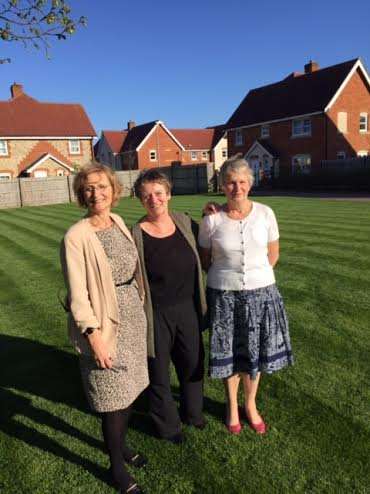
As everyone knows by now, the three grannies, Margaret Graham,  Jan Speedie (both Frost Magazine writers) and Penny Deacon absorb all the costs of the charity and therefore 100% of everything they raise goes to where it should.
Words for the Wounded Host Their Annual LitFest Literary Festival

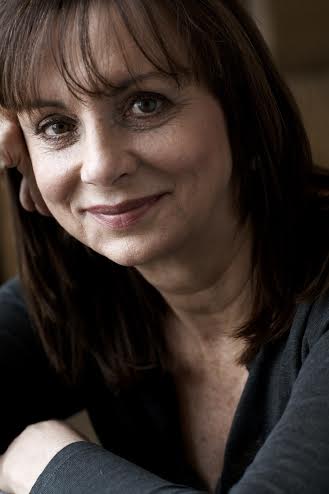
The speakers this year are:  Sunday Times No 1 bestselling author and a patron of WforW –  Elizabeth Buchan talking about her work.
Words for the Wounded Host Their Annual LitFest Literary Festivalelizabeth buchanan

Jemima Hunt, editor and literary agent, and director of The Writers’ Practice with advice on editing your work and attracting an agent.
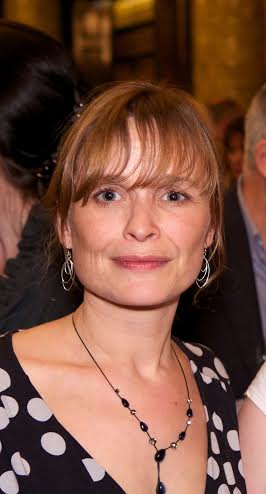
Tracy Baines, successful women’s magazine  short story writer with tips about getting published.
Catherine_Balavage_023
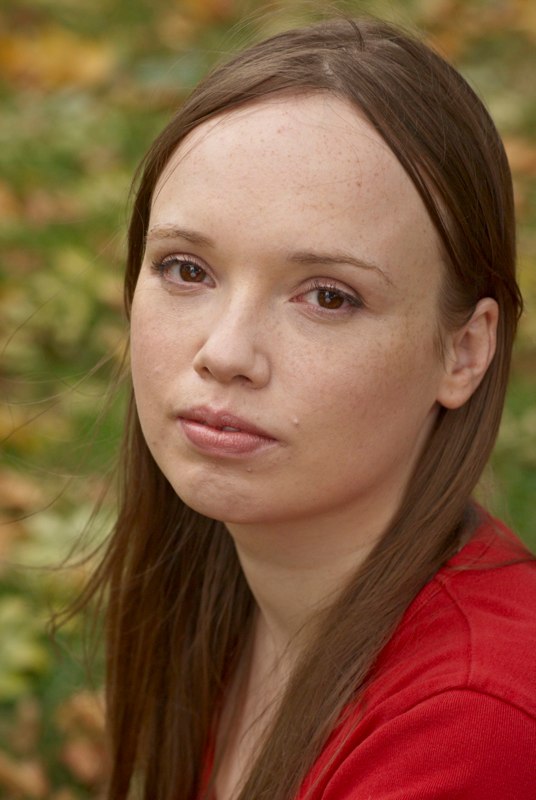
Further excitement as Catherine Balavage, blogger and editor of Frost Magazine will be joining the day to talk about blogging, running a magazine, and her various successful books.

Paul Vates, the brilliant actor, and friend of Words for the Wounded, will be reading from the work of our speakers.

Sharon Bennett will be displaying her art.

Cost £35 (which includes lunch with wine, morning coffee and afternoon tea)

For Tickets, send a cheque or postal order to: (cheques payable to Words for the Wounded)
Words for the Wounded
12 Woodcote Green, Downley, High Wycombe, HP13 5UN
Please include a SAE

Trains from London are frequent, and there are taxis for the 10 minute journey.
www.wordsforthewounded.co.uk

Early Chapters by Gillian Holmes of The Editor | Get Published

Meet Gillian Holmes – literary editor By Margaret Graham1

Frost is delighted to have an editor of Gillian’s calibre to help aspiring authors. It’s particularly apt, because the fundraising Independent Author Book Award, run by www.wordsforthewounded.co.uk is open for entries until 6th March 2016.


Last year’s winner, Jane Cable, is now represented by the Caroline Sheldon Literary Agency as a direct result of the competition. Felicity Trew of the Caroline Sheldon Literary Agency is judging this year’s Award.


So over to Gillian:


Early Chapters


It’s tough being a writer, and we editors appreciate that. I have never written a book – if you don’t count the half-written romance with a Daniel-Craig-as-Bond-type hero, but the least said about that the better. So all writers who have the tenacity and commitment to complete a novel have already earned my full admiration.


However, on the other side of the coin, having worked as an acquiring editor, a reader for literary agents, and a reader for competitions, you can appreciate, I’ve probably read more than my fair share of opening chapters and synopses. And sometimes I stop within half a page. It sounds brutal, but when you have a lot of manuscripts to read, you simply don’t have the time or the inclination to read on to see if it improves.


So here are ten tips to help you catch the eye of the judges.


First the Don’ts:


  1. Please do not, and really I mean this, open with a dream. Ask any editor/agent/reader. There is nothing more irritating than to be pulled into some action, only to find it’s not real. Can I add here, do not ever use dreams as a way to move the plot forward. Please.
  2. Do not open your book with backstory… if we don’t know the characters, how can we be interested in their backstory?
  3. Do not start the book with a minor character. No matter how good the writing, as soon as the reader realises that the character they have been reading about disappears by chapter 2, they will give up.
  4. Do not open with your character doing mundane stuff – getting ready for work, having breakfast, unstacking the dishwasher, going out the door – because although you may think it’s a great contrast with the explosive action that comes later, the reader may never know that. They’ll have given up just as your character is locking their front door.
  5. Do not mince your words. Starting any book with exposition and/or long descriptions of the character or location can be mind-numbing for the reader. Dive in, all will reveal itself as the book unfolds. Speaking of long descriptions: watch out for flowery language and too many adjectives. Having to wade through paragraphs of wordy prose before you even get to the story is frustrating and time-wasting.


Now the Dos


  1. Give the reader a snappy opening line that immediately intrigues.
  2. The submitted chapters should be the very best they can be, so I would suggest you hire an editor/copy editor. It can be an expensive business, but do it for just these three chapters in the first instance. It makes a huge difference to the reader, and could give you some useful advice for the rest of the book.
  3. Keep the pace moving and don’t get bogged down in irrelevant detail.
  4. Introduce us to your characters – the reader needs to be invested in them from the start.
  5. If you’re sending a prologue as part of your first three chapters, make sure it’s relevant and interesting, not just a convenient way to give backstory.

Soon I will be giving you some hints on writing the synopsis.


gilliansholmes@hotmail.com

www.wordsforthewounded.co.uk
http://www.carolinesheldon.co.uk