The parents story: Our one-year-old daughter Melody should be learning to play and laugh, not fighting for her life. Instead, she is battling a devastating cancer, with the only drug that could save her costing more than £20,000 per month and not funded by the NHS.
Melody was diagnosed with a very rare and aggressive form of acute myeloid leukaemia (AML) when she was just four months old. She endured two rounds of intensive chemotherapy, requiring countless blood and platelet transfusions, a prolonged stay in Intensive Care, and several weeks on a ventilator. Doctors then told us that a bone marrow transplant was her only chance of survival. Melody underwent her transplant at Great Ormond Street Hospital, and for a brief moment, we dared to hope.
But that hope was soon shattered. Melody suffered every conceivable complication, including severe acute Graft-versus-host disease (GVHD), and despite everything she fought through, devastatingly, within just 30 days she relapsed. The leukaemia remained.
We have now been told that there are no other treatment options available in the UK, as all have been exhausted, and that our only remaining path is palliative care. We have been encouraged to spend time at home and cherish the remaining weeks we have left together, but as parents, we cannot accept that this is the end of the road while there is still a chance to help our little girl.
Right now, there is one final glimmer of hope: a specialised drug available only in America that could give Melody a chance to reach remission. Time is absolutely critical. Our incredible oncology team at University Hospital Southampton (UHS) made an emergency specialist request to the MHRA to approve the use of this drug for Melody, and we are profoundly grateful that approval was granted.
However, approval alone does not save Melody.
The drug costs £20,500 per month, and without the funds in place, it cannot be ordered or started. Crucially, we are able to order the drug as early as this week, but only if the money is raised in time. Every day we lose, risks the leukaemia progressing beyond the point where this treatment can help her.
Melody needs this treatment to have any chance of achieving long-term remission and becoming eligible for a second bone marrow transplant, something that cannot be considered for at least two years after her first transplant. Without this drug, there is no bridge to that future at all, making this medication her lifeline in the meantime.
This means that without this fundraiser, Melody cannot receive the treatment.
Melody will be the first person in England ever to receive this drug. While that is daunting, it also represents a vital opportunity, not only for her, but for what this treatment could mean for other children facing the same diagnosis in the future.
Asking for help as parents is incredibly hard, but we are running out of time. This treatment represents hope where there is otherwise none. Every donation, no matter the size, brings us closer to ordering the drug and starting treatment before it’s too late.
Thank you for reading, for caring, and for standing with Melody when she needs it most.
Get into spooky season with these autumnal versions of mini little calzone pizzas. Filled with oozing cheese, these showstoppers are perfect for parties!
Prep Time: 40 mins
Bake Time: 15 mins
Servings: 8
Tip
For a vegetarian option, substitute the pepperoni for either eight cooked sliced mushrooms or 150g cubed roasted squash.
Soak the string in a little olive oil before using, to make it easier to remove.
Equipment
Large bowl
Wooden spoon
Rolling pin
Scissors
Pastry brush
Food-safe cooking string
Tea towel
Ingredients
350 g strong white bread flour
One 7g sachet of fast acting yeast
½ tsp sugar
200ml water
200g packet mozzarella cheese, drained and cut into 8 pieces
100g pepperoni slices
350g jar of tomato pasta or pizza sauce
1 egg yolk
1 tsp paprika
Handful of fresh basil leaves to decorate (optional)
Method
1. Pre heat the oven to 200’C.
2. Tip the flour into a large bowl and stir in the sugar and yeast. Now make a well in the middle and add the water, stirring until all the flour is mixed in and you have a soft dough.
3. Turn out onto a floured surface and knead for five minutes until the dough is smooth and elastic.
4. Wash out the bowl, place your dough into it and cover with a tea towel. Now leave to rest for five minutes.
5. Divide the dough into eight equal pieces and roll these out. Now top each piece of dough with a slice of pepperoni, a spoonful of sauce, a piece of Mozzarella and another slice of pepperoni.
6. Bring the edges of the dough together, enclosing the filling and pinch well at the top to seal.
7. Now tie a piece of string around the ball three times, crossing over at the top and the bottom. Pull the string just tight enough that the dough looks like the segments of a pumpkin.
8. Mix the egg yolk and paprika and brush all over the pumpkin balls. Then place these in the oven and bake for 15 minutes till they are cooked through and golden.
9. Allow them to cool for 5 minutes before snipping the string and carefully removing it, and if using, garnish with baby basil leaves
Pumpkin Spice Muffins
Makes 12 @ 70g per muffin
Prep time: 10 minutes
Ingredients
215g pumpkin puree (this comes in a can and is available in supermarkets)
2 eggs
125ml/g sunflower or vegetable oil
75ml/g water
300g caster sugar
225g self raising flour
1 tsp bicarbonate of soda
3 tsp mixed spice
Pumpkin seeds
Equipment
Large mixing bowl
Whisk or spoon
Lined muffin tin
Measuring spoons
Method
Preheat the oven to 160°c (fan).
In the large mixing bowl, whisk together the pumpkin puree, eggs, oil and water then add in the sugar, flour, bicarbonate of soda and mixed spice and whisk until a smooth batter is formed.
Divide the batter evenly between the muffin cases, top with a sprinkling of pumpkin seeds and bake for 25-30 minutes until risen, golden and springy to the touch.
Allow to cool before serving.
Mummy Sausage & Pumpkin Pies
Makes 9 portions
Ingredients
350g plain flour
2. 175g salted butter, cubed
3. 4 tbsp cold water
4. 350g sausage meat
5. 150g pumpkin purée
6. 1 tsp dried sage
7. ½ tsp salt
8. 1 egg
9. 18 edible eyes
Equipment
1. Mixing bowl
2. Lined baking tray
3. Rolling pin
4. Spoon
5. Fork
6. Knife
Method
1. Preheat the oven to 200°C (fan).
2. In the large mixing bowl, combine the flour and butter by rubbing it together between your fingertips, until a crumb consistency is achieved. Add the water and bring together with your hands to form a pastry dough. Wrap the dough in cling film and pop in the freezer to rest while you make the filling.
3. Wash up the mixing bowl then use it to combine the sausage meat, pumpkin purée, sage and salt. Set to one side.
4. Take the dough out of the freezer and, on a lightly floured surface, roll it out into a large rectangle (2-3mm thickness) then portion into 12 smaller rectangles.
5. Place 9 of the pastry rectangles onto the tray and spoon the sausage filling into the centre of each one leaving an index finger width border around every edge.
6. Beat the egg, then use your finger to egg wash the edges of each pie.
7. Cut the remaining 3 rectangles into 1 cm strips and lay them over the filling of each pie, using the egg washed edges to stick them. Trim if necessary.
8. Use your finger to egg wash the strips then bake the pies for 20-25 minutes until golden. Allow to cool slightly before placing two edible eyes on each one and serving. They can also be enjoyed cold.
Homemade spaghetti and spooky “eyeballs”
This scary, saucy spaghetti and “eyeballs” recipe will be a fun and frightening addition to your Halloween! Incorporating homemade pasta, meatballs and a delicious tomato sauce, these tick all the boxes and are sure to delight children and adults alike. While we recommend making your own, if you’re short on time, feel free to buy ready-made pasta for a simplified (but still full of fun!) version.
Serves 4
Prep time: 45 mins
Cook time: 25 mins
Ingredients
For the pasta:
315g plain flour
3 eggs, beaten
For the meatballs:
750g lean beef mince
150g breadcrumbs
1 egg, beaten
1 tsp salt
1 tsp pepper
4 slices mozzarella cheese
Black olives, sliced
For the pasta sauce:
1kg passata
1 tbsp tomato paste
2 tsp garlic granules
1 tbsp dried mixed herbs (or dried basil if that’s all you can find)
1 tsp salt
1 tsp pepper
Reserved pasta water
Equipment
Rolling pin
Knife
Mixing bowl
Baking tray
Large saucepan or casserole dish
Piping nozzle or bottle cap
Method
To make the pasta dough:
Form the flour into a heaped pile on a clean surface, then create a well in the centre.
Pour the beaten eggs into the centre of the well then fold in the flour, bringing it in from the edges. This will be a little messy at first but keep going until all of the egg has been worked in and a dough is formed.
Use a little extra flour to knead the dough until smooth, then wrap in cling film and place in the fridge to rest for around 20 minutes.
To make the meatballs:
While the pasta dough is resting in the fridge, prepare the meatballs.
Preheat the oven to 190°c (fan).
In the mixing bowl, thoroughly combine the beef mince, breadcrumbs, egg and seasoning.
Form the meatballs (approx. 40g each, see pictures for size estimate) and place onto a baking tray.
Cook the meatballs in the oven for 20-25 minutes until browned and cooked through.
Set aside on the counter (ensure these aren’t left out for more than two hours).
To make the eyes:
Use a piping nozzle, bottle cap or cut freehand to create 24 discs of cheese, placing them on a plate.
Top each disc with a black olive slice to create an eyeball and leave in the fridge until assembly.
Rolling the pasta:
Once the meatballs are cooked, it will be time to roll and cut the pasta.
Place a large saucepan or casserole dish filled with salted water on the stove and bring to a rolling boil.
Take the pasta dough from the fridge and cut into 4 equal pieces.
Lightly flour a clean work surface, then roll one of the pieces out—the aim is to get it as big and as thin as possible without the dough breaking or sticking. Extra dustings of flour throughout will likely be needed to achieve this.
Fold the rolled dough in half and then onto itself again before using a sharp knife to cut it into thin strips.
Pick up the strips and give them a good shake to unravel them, dusting with a little extra flour to prevent them sticking.
Set aside and repeat for the other 3 portions of dough.
Carefully drop the pasta into the pan of boiling salted water and cook for 5 minutes.
Before draining, reserve some of the pasta water in a cup/jug for the sauce.
Drain the pasta and set to one side.
To make the sauce:
Return the saucepan/casserole dish to the stove over a medium heat.
Pour in the passata, tomato paste, garlic granules, dried herbs and seasoning.
Bring to a simmer and cook out the tomato paste for a few minutes.
Add in a few tablespoons of the reserved pasta water to thin out the sauce.
Assembly:
Add the meatballs to the sauce to allow them to heat through then add the cooked pasta.
Once everything is heated through, arrange the meatballs on top of the pasta and place a disc of cheese and an olive slice on top of each one to create the eyeballs.
Garnish with freshly chopped parsley and serve hot.
Recipe from FAB Flour’s Easy Peasy Baking campaign, launched by UK Flour Millers, making baking simple. You can find more Easy Peasy Baking recipes, information on the campaign, and info on how flour nourishes the nation over on the FAB Flour website: https://fabflour.co.uk/ or on social: @fab_flour on Instagram or @fabflour on Facebook and X (formerly Twitter).
Meet your new obsession: Iconic Biscuit Brand, Tim Tam Unveils Sweet & Salty Sensation
Indulge now or miss out – available for a limited run
Fancy something sweet but also in the mood for something savoury? Well, Tim Tam Sweet & Salty is here to satisfy both of your cravings in one irresistible bite. Australia’s iconic chocolatey biscuit now features a new salty, savoury twist – it’s the snack you’ll obsess over. Available exclusively in Tesco stores nationwide for a limited time only, this flavour is here for a good time, not for a long time, so you’ll have to be quick to catch it!
These were a huge hit in the Frost office. They are definitely the right amount of sweet and salty. The salty is like a hint of seasoning. The packet lasted about five minutes, and then another one was dove into. Definitely one of our favourite biscuits now. What will they do when the limited edition biscuits run out? Sob.
Tim Tam Sweet & Salty brings the signature velvety cream filling and iconic chocolatey coating of Australia’s most loved treat and takes it up a notch for savoury snack lovers. This reimagined Tim Tam features a bold, savoury twist, it’s the biscuit for Brits who want it all. Sweet? Tick. Salty? Double tick. Self-control? Optional.
Talyah Falabella, Tim Tam International Marketing Manager, says: “Tim Tam has been Australia’s favourite chocolatey biscuit for over 60 years, and we’re excited to bring this new, even more irresistible flavour combination to the UK. This biscuit was originally inspired by an April Fools’ prank on social that went viral. The demand from consumers to make this into a real product was so high we just had to make it a reality. Tim Tam Sweet & Salty provides the ultimate indulgence for sweet and salty lovers to enjoy by combining 2 favourite flavours together to create one irresistible biscuit.”Why choose sweet or salty when you can have both? Get your hands on Tim Tam Sweet & Salty now.
Tim Tam Sweet & Salty is exclusively available in Tesco stores nationwide from 16th July, until stock runs out, RRP £2.50
Have you ever walked into your kitchen and wondered how it became a daycare, conference room, and nursing station all at once? You’re not alone. More families today are choosing to live together across generations. Some do it to share expenses. Others do it out of love—or necessity. Either way, modern homes are doing more than ever before.
According to Pew Research Center, multi-generational households in the U.S. have quadrupled since the 1970s. Rising housing costs, longer life expectancy, and changing cultural norms have all played a role. It’s not just about saving money. It’s about staying connected. But let’s be honest—living with your in-laws or your grown kids isn’t always simple. That’s where smart design comes in.
In this blog, we will share practical design ideas that make life smoother, cozier, and more respectful for everyone under one roof.
Why Shared Spaces Need Rethinking
Most homes weren’t built with three generations in mind. They were designed for the nuclear family: two parents, a couple of kids, maybe a dog. Now, many households include grandparents, adult children, and even grandchildren—all with different routines, noise levels, and privacy needs.
This change is pushing homeowners to think differently about space. It’s not just about cramming in more beds. It’s about creating zones where people can live together without stepping on each other’s toes. That often means adjusting layouts or repurposing unused areas of the house.
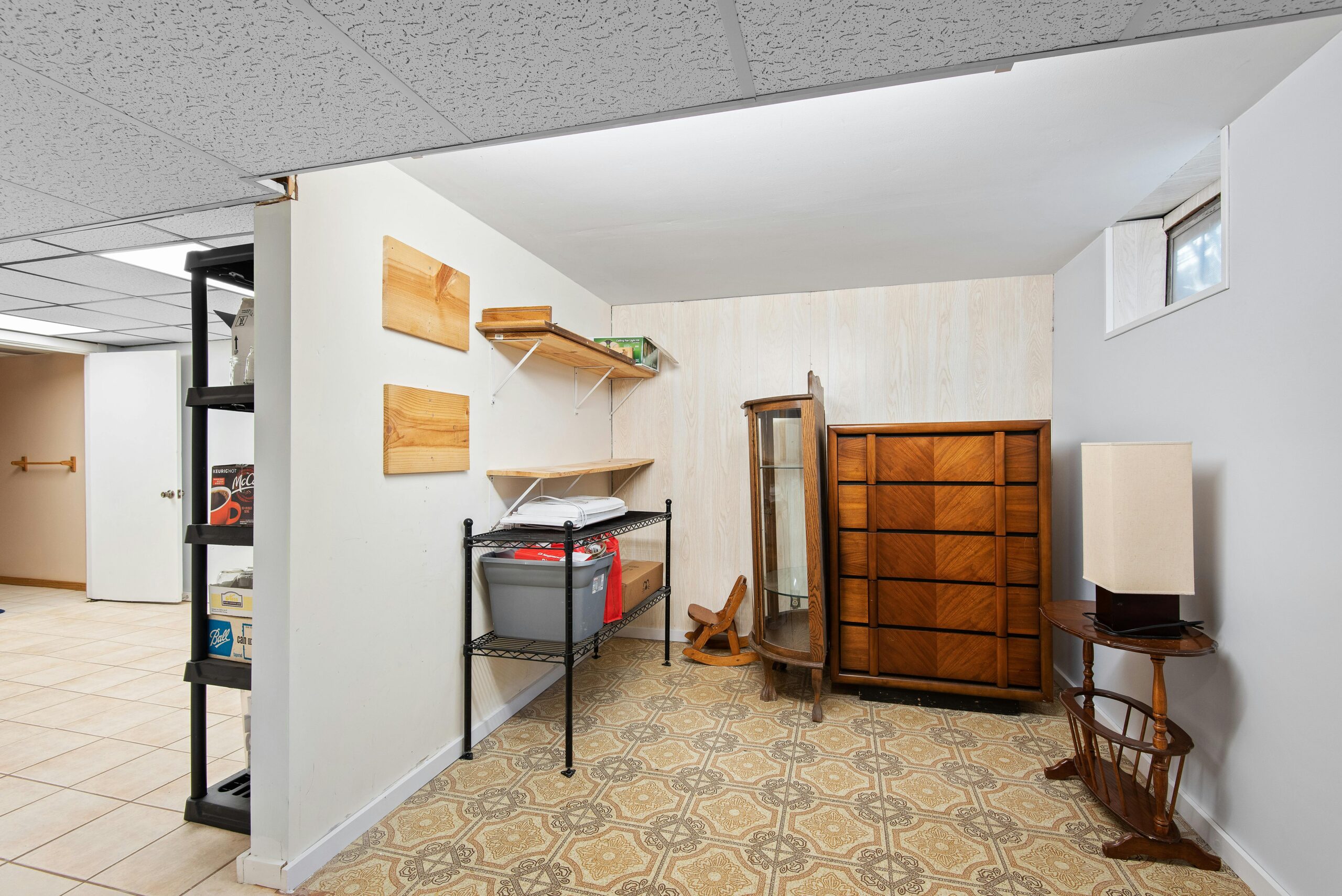
If your current layout feels cramped or chaotic, you’re not stuck. Solutions can range from small adjustments to full renovations. For example, turning a lower level into a private suite is one smart way to give everyone their own corner. If you’re thinking along those lines, working with a basement remodeler can help you design something that’s functional, attractive, and tailored to your family’s needs.
These projects aren’t about fancy finishes. They’re about flow, boundaries, and comfort. A well-designed lower level might include a small kitchenette, full bathroom, and living area—giving someone the feel of a private apartment without needing to move out.
Privacy Isn’t Selfish—It’s Survival
Let’s be real. Even the most loving families need space. Grandma doesn’t want to hear your toddler’s morning tantrum. Your son probably doesn’t want his video call interrupted by your book club. That’s why good design for multi-generational homes includes clear physical separation.
One popular method is to create separate entrances. It gives older parents or adult children more independence. They can come and go without needing to tiptoe past a sleeping baby. Pocket doors, soundproof panels, and dedicated bathrooms are also great for reducing friction.
Think about scheduling, too. Are there enough bathrooms for the morning rush? Can someone shower without waking up the whole house? These little stressors add up. Design isn’t just about pretty colors. It’s about making daily life easier to live.
Shared Kitchens Without Collisions
Now let’s talk about the busiest room in the house: the kitchen. In multi-generational households, the kitchen is where everyone eventually crosses paths. That’s fine—unless you’re all trying to cook at once.
To make a shared kitchen work, focus on zones. Set up separate food storage areas. If you can, add a second fridge or even a small kitchenette in another part of the home. That way, people can prep or snack without waiting in line.
Islands with multiple seating options help, too. Some folks like to chat while others cook. Others just want to eat in peace. Offering different ways to use the space keeps things flexible.
And don’t forget lighting. Good overhead lights and task lighting reduce strain and help people of all ages move around safely. Consider non-slip floors as well—stylish ones exist, we promise.
Multipurpose Living Areas That Work for All Ages
When designing for more people, flexibility is key. A single room might need to host a toddler during the day and a Zoom meeting at night. Choose furniture that can shift or store easily. Sectionals with hidden storage, fold-out tables, and stackable chairs all come in handy.
Media zones are another big deal. If one group wants to watch the news while another plays video games, it helps to have separate viewing areas. Don’t rely on one central TV to satisfy everyone. You’ll just end up arguing over the remote.
Keep noise control in mind, too. Rugs, curtains, and soft furniture help absorb sound. You’re not turning your home into a recording studio—you’re just making it more livable.
Bathrooms Designed for Comfort and Access
Bathrooms can be a pain point if not set up right. For multi-generational homes, you’ll want a mix of accessibility and function. Walk-in showers with grab bars serve older adults, while lower counters and step stools help young kids.
Storage is key. Give everyone a designated space for toiletries. This isn’t just about neatness—it’s about respect. Nobody likes digging through someone else’s floss and face cream to find their razor.
If you’re short on bathrooms, consider adding a powder room or expanding an existing half-bath. Even one more toilet can save you from daily family drama.
Outdoor Space: The Overlooked Hero
Let’s not forget the outside. Yards, decks, and patios are often underused. But they can be game changers for large households. A small garden can become a calming retreat. A covered patio offers space for grandparents to sit while kids play.
Outdoor zones can also double as work or study areas during good weather. Add some shade, plug-ins, and strong Wi-Fi, and you’ve got a makeshift office. Fresh air helps with mood and productivity. It also gives people a place to go when they need a break—from each other.
And yes, invest in comfy outdoor furniture. If it’s not comfortable, no one will use it.
The Emotional Side of Shared Living
Good design helps people live better together. But design alone can’t fix every problem. Multi-generational living works best when paired with mutual respect and clear expectations.
Having separate spaces doesn’t mean building walls emotionally. It means giving each other room to breathe, so the time spent together can be enjoyable—not just forced proximity.
Talk openly about needs. Ask what makes people feel comfortable, heard, and safe. Then use that input to guide your decisions. You’re not just designing a space. You’re shaping the daily lives of people you care about.
Building with Intention
Multi-generational living isn’t a trend. It’s a return to something older and wiser—something that puts people first. But to make it work in today’s world, homes need to keep up. That means better layouts, smarter use of space, and choices that support comfort, privacy, and connection.
The good news? These changes aren’t about luxury. They’re about function. You don’t need a mansion to make it happen. You just need a plan—and maybe a few honest conversations.
So whether you’re adding a suite, updating your kitchen, or turning a forgotten space into something beautiful, remember: the goal is to live together without losing yourself. With thoughtful design, you can create a home where everyone feels welcome—and no one has to fight for the last seat at the table.
Major life transitions often bring financial challenges that can feel overwhelming. Facing a divorce, career change, or relocation often strains our financial resources and emotional wellbeing simultaneously. The stress that comes with money worries during these periods can make clear thinking and decision-making even more difficult.
Financial pressure during transitions like divorce creates a unique kind of stress. Bills continue to arrive while income and living situations may change dramatically. Many people find themselves navigating unfamiliar territory, perhaps managing household finances independently for the first time or adjusting to a significantly different budget. This uncertainty about the future can trigger anxiety that affects sleep, relationships, and overall health.
Learning effective ways to manage this specific type of stress is important for moving forward successfully. With thoughtful planning and the right support, it’s possible to move forward through these challenging waters and establish financial stability again. The path forward involves practical steps combined with emotional resilience.
The Hidden Financial Impact of Divorce and Separation
Divorce and separation bring financial challenges beyond legal fees. UK statistics show divorce costs range from £2,500 for simple cases to £30,000 for complex situations. The typical uncontested divorce costs around £14,500 including legal fees and lifestyle adjustments. Early consultation with a family law firm in Nottingham helps individuals understand these costs and prepare necessary budget changes.
Housing costs create major pressure after separation. Many families must maintain two homes on income that previously supported one household. This often drains savings or creates new debt. Tracking new expenses and having open conversations about shared housing costs brings clarity. Tools for projecting future housing expenses help families get ready for these changes.
Legal expenses increase if disputes reach court, though even amicable agreements have costs. These combine with practical expenses like moving, childcare, or support sessions. Keeping detailed records of all expenses brings clarity and supports future planning.
The emotional impact of financial stress deserves attention. Anxiety and sleep problems are common. Work performance may suffer due to distraction. Noticing warning signs like avoiding financial decisions helps prevent further problems.
Financial Self-Care Strategies During Family Transitions
Building an emergency fund becomes important during major life changes. Financial specialists recommend saving three to six months of essential expenses in an accessible account. This fund provides breathing room when income becomes unpredictable during separation. Creating this financial buffer is essential, which is why practical budgeting takes priority during times of change. Track all expenses for at least one month to understand your spending patterns. Then create a realistic budget focusing on essential needs like housing, utilities, food, and childcare. Apps and spreadsheets can reveal spending habits and identify possible savings areas.
Setting clear financial boundaries with former partners prevents ongoing stress. Written agreements outlining shared obligations remove assumptions and reduce future conflicts. Using digital payment methods creates accessible records for both parties when questions arise.
Professional financial advice proves helpful during challenging transitions. While some people manage independently, others benefit from expert guidance about settlements, obligations, and planning options.
Protecting Children’s Financial Wellbeing Through Transitions
Children need age-appropriate explanations about financial changes. For younger children, simple reassurances about meeting their basic needs provide security. Older children might understand budget adjustments, but should never carry adult financial worries.
Maintaining stability in children’s essential expenses requires planning. When possible, prioritise keeping children in their schools and continuing important activities that provide emotional support. Small sacrifices in other budget areas often preserve this stability. Planning ahead helps manage financial stress from childcare costs.
Clear communication about shared financial responsibilities for children is essential. Detailed parenting plans should specify who pays for what, including everyday expenses, medical costs, and activities. Nottingham divorce lawyers can create legally binding agreements that protect children’s financial interests.
Planning for future educational expenses requires extra attention after family changes. Parents should document how these costs will be divided, whether for university or vocational training. Setting up dedicated savings accounts with contributions from both parents helps keep educational goals on track despite family transitions.
Checklist: Financial Documents to Gather Before Meeting with Advisors
Before consulting with Nottingham family solicitors, gather key documents to improve advice quality. Collect recent bank statements, tax returns from the past three years, and pension information. Include mortgage details, insurance policies, credit card statements, and existing court orders. Having these documents ready is part of the pre-divorce checklist recommended by financial experts.
Also collect property valuations and vehicle registration documents if these assets form part of a settlement. For business owners, organise company records alongside investment account statements. Include accurate details about debts and loans, as missing information complicates negotiations.
Rebuilding Financial Confidence After Major Life Changes
Establishing an independent financial identity marks an important step after separation. This includes opening individual bank accounts, building personal credit history, and setting new financial goals. For those who previously shared financial responsibilities, this independence feels both challenging and rewarding.
Credit scores need special attention during life changes. Request credit reports from all three major bureaus to understand your current position. Then build or repair credit through responsible credit card use, timely bill payments, and debt reduction.
Recovery Timeline and Warning Signs
Financial recovery after divorce follows familiar patterns that help set realistic expectations. Most people experience three phases: initial adjustment lasting approximately 6 to 12 months, stabilisation taking 1 to 2 years, and long-term rebuilding extending beyond 2 years. This outlook prevents discouragement when recovery takes time.
Warning signs of financial anxiety include ongoing money worries disrupting sleep, avoiding financial tasks, or using spending as a coping mechanism. If these signs appear, seek support quickly. Local Citizens Advice offices in Nottingham or government services like MoneyHelper offer confidential help for debt, budgeting, and benefits. Taking note of signs of financial anxiety is important for getting help.
Creating a future-focused financial plan with achievable milestones provides motivation. Start with small goals like building an emergency fund or reducing specific debts. As successes accumulate, confidence grows, making larger goals like homeownership or retirement planning feel achievable again.
I became a writer in 2002. That was the year I began a four-year break from full-time work at the British Embassy in Berlin to look after our children, then aged eight and ten, so my diplomat wife could work full-time. She took over my job in the embassy. I’d begun my first novel, Eternal Life, in 1986. That was when the British Embassy in Vienna, where I was then working, got its first word-processor. I thought: ‘wow – you can edit your work before printing it! That’ll make writing much easier.’ Of course, it didn’t. But although I made some progress with my writing while I was working full-time as a diplomat, in Vienna, Moscow and Berlin, I found taking a break from full-time work transformative.
In the four years from 2002, I started writing for the Financial Times, sold two treatments to a film company, attended writing courses, and wrote two novels. When I returned to the Foreign Office full-time in 2006 as Director of Overseas Territories (Saint Helena, Bermuda, the Falklands & Co), then as Ambassador to Ukraine, I continued to write.
Unfortunately, the Foreign Office hated me trying to publish fiction and be a diplomat at the same time. They even threatened me with disciplinary action if I persisted after a bust-up in 2014, when I was working as British Consul-General in Istanbul. I started publishing excerpts from my romantic comedy The Cheat on-line. They objected to the rude words! It was a difficult situation.
I’m a bit manic, to be honest. Every morning, after a bit of yoga, I walk my partner to her work, then sit down until lunchtime to write. In the afternoons and sometimes in the evenings I focus on writing-related jobs, including organising book tours and social media – I have a website, a podcast, and post on TikTok, YouTube, Instagram and Linkedin. My “Lessons in Diplomacy” videos on TikTok have the best response – I work hard to publish good stuff for my 5,000 followers! Linkedin yields most speaking opportunities, including talks about “Lessons in Diplomacy”. I always make time to attend schools and universities, in particular, to discuss the book and answer questions.
You have written non-fiction and fiction. What is your favourite?
I love both! Creating characters and stories in fiction is a thrill. I love to work late into the night on a scene, then review what I’ve written in the morning, and find that characters, apparently independently, have led the story into unexpected places. Writing Lessons in Diplomacy was a different experience. The months of painstaking research, scouring my records, fact-checking and – above all – choosing the most fun, enlightening stories to illustrate the “life lessons” that make up the book, was rewarding. Like other writers, I sometimes worry that I’m putting too much of myself on display. When the publishers urged me to include even more Russian honeytrap stories about my travels to Novosibirsk, Vladivostok and elsewhere from 1992-95, I declined. But maybe if there’s ever a Volume 2 I’ll go further.
I loved Lessons in Diplomacy. What are your hopes for the book? Do you want to help people become diplomats?
The aim of Lessons in Diplomacy is three-fold. I wanted a book about diplomacy that was fun to read, opening up the truth about diplomatic life to the non-expert. Too many of us have a stereotypical view of upper-class twits swanning round the globe. Diplomacy is changing fast, including many more women and other under-represented groups becoming diplomats and ambassadors.
The book is also designed as a collection of life lessons from diplomacy. It’s not for nothing that the book includes chapters on “How to craft a career”, “How to drink wine and know things”, and “How to know people”. The skills and attributes that make a good diplomat can be applied to many – perhaps all – jobs and careers. I hope people find it useful.
Finally, I hope the book is a breath of fresh air for anyone studying politics or international relations. Many academic textbooks about diplomacy are written by great academics who have never been a diplomat. Others are written by great diplomats who have never written a book. I’m hoping readers will find Lessons in Diplomacy both useful and a great read.
You have lived an exciting life. What made you go into diplomacy?
My parents’ life was a lot more exciting than mine! They moved in 1951, as young adults, to northern Nigeria, and later to Lesotho, in southern Africa. Living in different countries instilled in me a deep interest in what made countries tick, as well as a restless desire to travel. Diplomacy was an obvious job choice, and I had great fortune in getting into the Foreign Office – on my second attempt. But as I say in Lessons in Diplomacy, “Don’t judge a book by its cover.” The jobs I did before the Foreign Office – in the Department of the Environment and the Treasury – were some of the most exciting I ever did – far more so than most Foreign Office jobs!
Germany, Berlin, 08.04.2003
Leigh Turner, author, with his children Owen and Anna preparing cakes. Working on a novel set in the Foreign Office. Job Swaps.
(c) Stefan Boness/Ipon, www.iponphoto.com
I loved how you took some time out to be with your children. Do you wish more men would do this?
The four years I spent looking after the children full-time, while my wife took my job in the British Embassy in Berlin, were the best four years of my working life. I was able to form a deeper bond with my children, to look at the world in a different way. I encourage all men to take seriously the option of some time out to help raise their kids. I recognise that not all parents have jobs that allow them to stop work for four years; or enough income for one parent to support the family. But do explore the options! Many women thought a man taking time off to bring up children was fabulous. But many men were hostile. They seemed to feel threatened by what I was doing.
Who are your favourite authors and books?
I’m an eclectic reader. I immensely enjoy modern thrillers such as Lee Child or Vince Flynn. But I also love romantic thrillers – I recently enjoyed books by Sophie Kinsella and Mhairi McFarlane. And I have a soft spot for the classics – I’m nearing the end of a “read all books by Dickens” campaign, and love anything by Anthony Trollope. I’ve written a lot about Trollope on my rleighturner.com blog – although he’s a 19thC writer he has a lot to tell us about relationships, gender and power.
What advice do you have for aspiring writers?
Persevere, and train your writing skills! Submitting books to agents and publishers is a cruel, unrelenting slog. But you have to keep doing it in the hope that one day, your painstakingly constructed work will see the light of day. There’s also the option of self-publishing, which I have tried, and which can work brilliantly. But it’s worth trying for a “traditional” publishing route first, if you can, to give your book the best chance.
I’m also a huge fan of honing your art. Writing courses are great ways to get feedback on your work, and mutual support. I go on courses regularly, and am even teaching on one in September 2025, in Lesbos, Greece. Details of the Lesbos course, and on other writing courses I’ve attended, and recommend, are on my blog.
Writing groups are also terrific. I’m in a virtual group with five writers from the US and Canada that meets every month. Their comments on my work have helped me improve my writing. They’ve also strengthened my self-belief – invaluable!
What’s next?
I’m currently working on a trilogy of romantic comedies I call the “Diplomats in trouble” series. I’m excited about it, although, as always, it’s not yet certain it will ever see the light of day. My hero Angus is a protagonist many test readers, mostly women, love to see try, and fail, and try and try again, to find love and a meaningful relationship in the chaos that is modern life. Watch this space.
Leigh has also written extensively about Russia’s war on Ukraine, in his book “Lessons in Diplomacy” and on his website.
When choosing a roof for your home, the decision goes far beyond simply selecting a material or style. Your roof defines your home’s character, safeguards your family, and influences energy efficiency. Homeowners in places like Longmont, Colorado, face unique challenges due to local climate conditions, including hailstorms, snow, and intense sunlight. This makes choosing the right roof particularly important in a community that values both aesthetics and practicality. Longmont’s blend of modern neighborhoods and historic districts means residents have diverse needs for roofing solutions. A roof must complement architectural styles, withstand harsh weather, and meet local building codes. The right choice combines visual appeal with functionality, offering durability and energy savings. Let’s explore how to make the best decision.
1. Understanding the Basics of Roofing Materials Roofs come in various materials, each with distinct advantages and limitations. Asphalt shingles remain the most popular choice due to affordability and versatility. Metal roofs, often preferred for their durability, reflectivity, and contemporary appeal, have become increasingly common in areas with significant weather variations. Clay and concrete tiles exude a timeless charm but require a sturdy structure to support their weight. Slate offers unmatched elegance and longevity but comes with a higher price tag. Finally, wood shakes provide a rustic look, though they demand regular maintenance to prevent weather-related wear. By understanding these materials, homeowners can identify options that align with their budgets, aesthetics, and functional needs.
2. Considering Climate and Local Weather Longmont’s weather patterns, including heavy snowfall, intense sun, and occasional hailstorms, demand roofing materials that prioritize durability and weather resistance. Asphalt shingles reinforced for hail impact or metal roofs with specialized coatings provide excellent options for these conditions. Local roofing professionals, like a trusted Longmont roofing company, possess in-depth knowledge of regional needs and building standards. Consulting with them ensures your choice balances style and resilience. Whether preserving energy during summer or preventing leaks in winter, the right roof adapts to environmental challenges while enhancing your home’s aesthetic appeal.
3. Aligning with Your Home’s Architecture A roof should complement your home’s architectural design, seamlessly blending function with style. For example, asphalt shingles pair well with modern and suburban homes, while metal roofs can elevate minimalist or industrial aesthetics. Traditional homes, including those with Victorian or colonial designs, often benefit from slate or clay tiles, adding timeless character. When selecting a roofing material, assess your home’s structural lines and facade. A mismatch between your roof and architecture can diminish curb appeal and reduce overall property value.
4. Balancing Longevity and Maintenance Roofing is a long-term investment, so durability should rank high on your list of priorities. Materials like slate and metal boast impressive lifespans, often exceeding 50 years, but they come with higher upfront costs. Asphalt shingles, though less durable, remain budget-friendly and easier to replace. Additionally, some materials require regular maintenance, such as sealing, painting, or cleaning, to maintain their appearance and functionality. Before committing, evaluate your willingness to invest time or money into maintenance. Opting for materials requiring less upkeep can save headaches and costs in the long run.
5. Emphasizing Energy Efficiency Energy-efficient roofing not only reduces environmental impact but also saves on utility bills. Reflective surfaces, like those found in metal or light-colored shingles, minimize heat absorption and lower cooling costs during summer. Similarly, well-insulated roofs reduce heat loss in winter, making your home more comfortable year-round. Roofing materials with high solar reflectance and thermal emittance ratings ensure optimal energy savings. In areas like Longmont, where sunny days are abundant, choosing energy-efficient options can significantly reduce cooling demands while aligning with sustainable practices.
6. Weighing the Costs and Long-Term Value While the upfront cost of a roofing material is an important factor, evaluating the long-term value is equally crucial. A lower-cost material, like standard asphalt shingles, might save money initially but could require more frequent replacements. On the other hand, investing in premium options such as slate, metal, or clay tiles often pays off in terms of durability and reduced maintenance costs. Factor in additional expenses, like installation, underlayment, and repairs, to get a complete picture of your investment. A quality roof boosts resale value, enhances curb appeal, and minimizes unexpected expenses, making it a wise choice for homeowners prioritizing long-term benefits over immediate savings.
7. Choosing Sustainable Roofing Solutions Sustainability has become a key consideration for modern homeowners. Eco-friendly roofing options, such as metal, recycled shingles, or living roofs, align with environmental goals while delivering functional benefits. Recycled shingles utilize repurposed materials, reducing waste without compromising performance. Similarly, metal roofs are fully recyclable at the end of their lifespan, making them an excellent choice for eco-conscious buyers. Living roofs, though less common, provide natural insulation and stormwater management while enhancing air quality. By selecting sustainable options, you contribute to reducing your home’s environmental footprint while enjoying energy-efficient and durable roofing solutions.
8. Enhancing Safety and Weather Resistance Safety is a non-negotiable aspect of roofing. Certain materials excel in withstanding specific weather conditions. For instance, metal and slate roofs offer superior resistance to hail and fire, while asphalt shingles reinforced with impact-resistant technology can handle moderate storm damage. Consider the slope of your roof, as steeper slopes tend to shed snow and rain more effectively, reducing the risk of structural stress. In areas prone to extreme weather, installing additional features like storm anchors or sealing can bolster your roof’s performance. Investing in high-quality, weather-resistant materials safeguards your home and ensures peace of mind.
Choosing the perfect roof for your home is a blend of style, functionality, and foresight. It involves assessing your local climate, home architecture, budget, and personal preferences. Longmont residents, for example, face specific weather challenges that demand thoughtful consideration of materials and installation techniques. Beyond immediate needs, the right roof enhances energy efficiency, reduces environmental impact, and elevates property value. By prioritising quality, durability, and professional guidance, you can ensure your roofing investment protects your home and reflects your lifestyle for years to come.
Not at all. I wanted to be a writer! But I studied at London School of Economics in college, and fell in love with living abroad and foreign affairs. It was the 1990s and communism had collapsed, which was a fascinating time to be in Europe. After I graduated, I edited a newspaper in Prague, then worked as an intelligence analyst for the U.S. government in Cambridge, England, shuttling back and forth to the Balkans. I found I was passionate about intelligence work, so I applied to the CIA. While waiting for my application to process, I attended law school and studied international law. 9/11 happened while I was in law school, and I felt grateful I was on a job track that would serve my country.
When did you realise you wanted to be a writer?
For as long as I can remember! I’ve always loved books and words. My adolescence and young adulthood are littered with failed attempts at novels. While traveling Europe in my twenties – exploring, trying to figure out who I was – I remember musing in my journal that, while I’d probably follow a more practical career path, my secret dream was to be a writer. But it wasn’t until I’d worked as a spy that I had something really meaningful to write about, that it all came together.
What do you think is behind the world’s fascination with the CIA and the world of spies?
The secrecy, I think. Espionage is an entire world beneath the surface, a netherworld. And spying is a profession of high stakes, where lives and geopolitics – the fate of both people and nations – are on the line. Also, espionage involves inherently colorful characters – people willing to commit the ultimate betrayal.
Your characters are so vivid. Do you base them on real people?
My characters are mostly composites, except for the station chief, who was inspired by a real person. Also, the expat community is based on real people, and much of the dialogue is taken verbatim from actual conversations.
Can you describe your writing routine.
I try to go for a three-mile run each morning. Then I either go to my local coffeeshop or set up camp in my study and write for a few hours. I can’t write too much without printing out and editing, because things read differently to me on paper, and I need to get the story right before I proceed too far.
The book is negative about the CIA. Where you disillusioned?
A bit. I joined the Agency a few months after 9/11, and it was a time of transition and, at times, chaos. My first tour, as a counterterrorist case office in Baghdad during the apex of the war (fall 2004 to fall 2005), was challenging: we weren’t making much progress, the work environment was stressful, and most of us – myself included – returned with PTSD. I made decisions in a fog of war and espionage that haunted me and carried their own trauma. The fundamental skill required for the job – manipulating people – never sat easily with me. Now, years later, with the dust settled, I have a softer view of that time. I wouldn’t say my book paints the CIA in a negative light so much as it paints espionage in a negative light. For me, spying was an uncomfortable, debilitating profession, and that’s what I wanted to convey.
What are your thoughts on the CIA now. Did you find writing the book healing?
I think the CIA has made a lot of progress. The war on terror is over, and the Agency has had time to take a breath, evaluate its operations and internal culture. It’s more introspective and self-critical now. When I was there, the Agency was a bit of an old boys network. Since then, the “Me Too” movement has had an impact: there are rules about and awareness of sexual harassment; female officers speak up about inappropriate treatment; and women fill more leadership positions. I do think writing my book was cathartic. When I finished, I realized how many of my ghosts had come out on the pages. They’re still with me, but now I can better articulate and make sense of them.
The book is unflinchingly honest and brave. Did you ever have a moment of doubt about putting your heart and soul on the page?
Thank you! Yes – though more so after my book was published. I wrote my manuscript in a vacuum (CIA rules prohibit me from showing my writing to anyone until it’s been cleared), so I didn’t even think about getting my story out in the world at the time. Exposing my inner turmoil was still an abstraction. Once I was published, I realized that now everyone could see my scars and the effect espionage had on me. But so many former intelligence officers have found my book resonant, I’ve felt more reward than apprehension in telling this story.
Joseph Weisberg, creator of the TV series The Americans, called your book the “the most realistic espionage story I’ve read.” How did that feel, and do you agree?
Well, I haven’t read all the spy novels out there, so I feel unqualified to judge! But I take Joe’s blurb as a huge compliment, and was honored to get such an amazing endorsement from the creator of a masterful, iconic series. I do think many spy novels skew toward the sensational – car chases, roof scaling – and mine is based more on my own experiences, and the tradecraft and operations I conducted. Also, tradecraft is fundamentally psychological, not technological or gadget-based, and I think my story reflects this. Above all, I wanted to convey a visceral sense of espionage, and insiders tell me I’ve succeeded at that.
What books, films and TV shows get the spy world right?
For film, Beirut, Spy Game, and Ghosts of Beirut are some of my favorites. For novels, Graham Greene’s The Quiet American and most of le Carré books (The Little Drummer Girl is my favorite) – all written years ago, but, in the most important ways, as authentic today as they were then.
It’s nice to have a female voice in the world of spy novelists. Do you think you’ve paved the way for more?
I hope so! It’s shocking to me how few female spy novelists there are (though, we’re out there – I’m in good company with Merle Nygate and Alma Katsu, to name a few).
What’s next?
Another spy novel! This time, a female protagonist. It’s about the intersection of spying and writing…and I think that’s all I can say for now!