Hakkasan is celebrating Year of the Monkey with a new Chinese New Year Menu

Hakkasan is celebrating Year of the Monkey with a new Chinese New Year Menu

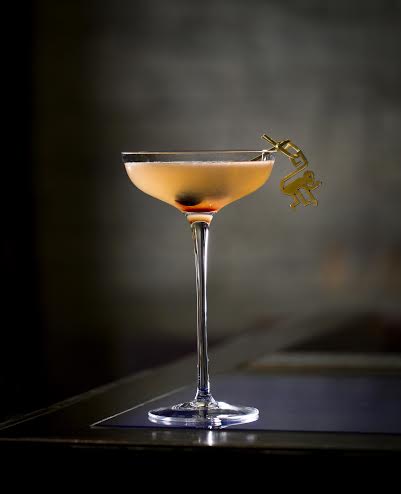
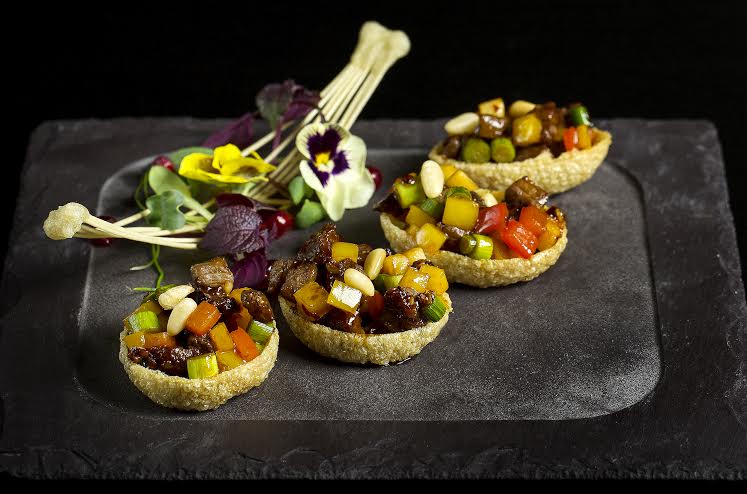
Hakkasan is celebrating Year of the Monkey with a new Chinese New Year MenucocktailOne of Frost’s favourite restaurants, Hakkasan, is celebrating the Year of the Monkey with a new Chinese New Year Menu. We have tried it and it is sublime. The review will be up soon, in the meantime check out the video below and the food porn pictures. Sigh.

The menu is available until the 22nd of February.


Charles Dickens and The Star Chip Enterprise

A few years ago was the two-hundredth anniversary of the birth of Charles Dickens, the Star Chip Enterprise is not, and here you may draw a breath of relief, his missing masterpiece and this is not an essay in literary history. However in 1859 Dickens published ‘ A Tale of Two Cities ‘ and included a typical rich description of ‘Husky chips of potatoes, fried with some reluctant drops of oil ’. This is the first acknowledged recorded use of the word chip used in reference to fried potatoes. In ‘ Oliver Twist ‘ he went on to mention fried fish warehouses. You can imagine the likes of Fagin and Dodger fighting over hot freshly fried fish and how tasty it would be.
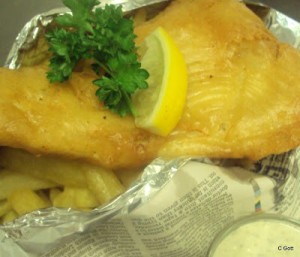
Fish and ChipsFried fish quickly became a staple part of the lower class diet during the Industrial Revolution when the new steam trawlers could fish out in the Atlantic and bring back fresh fish from Iceland and Greenland. The increasing ease of travel with the vast railway network being developed would enable the efficient, fast delivery of fish across the country from the great coastal ports. The fish was fried in deep pots usually in rendered animal fat, such as lard, which has a high smoking point and is able to reach very hot temperatures.

The humble potato chip did not begin with Walter Raleigh bringing Queen Elizabeth the first potatoes from the new world.* They probably, dare we admit it, originated in France or more hopefully Belgium, clever people the Belgians, think Hercule Poirot he was Belgian. In the United Kingdom, chip shops became popular in the north of England and across the border in Scotland. Dundee City Council claims that “…in the 1870s, that glory of British gastronomy – the chip – was first sold by Belgian immigrant Edward De Gernier in the city’s Greenmarket.” The first chippy or chip shop stood on the present site of Oldham’s Tommyfield Market and is commemorated with a blue plaque. So who was it who first sold fish and chips together and created the nation’s favourite dish.

There is as often the case some rivalry as to who first offered the combination, some confusion and more than a little north verses south pride involved. What is certain is in 1863, a John Lees began selling them in Mossley market in Lancashire while Joseph Malin opened the first recorded fish and chip shop in East End London in either 1860 or 1865. The concept of the fish restaurant was introduced by Samuel Isaacs a successful wholesale fishmonger. His first restaurant opened in 1896 serving what is now a fish and chip shop standard, fish, chips, bread and butter and a hot tea for nine pence.

His restaurants were carpeted, had waited for service, tablecloths, flowers, china and cutlery and for the first time what was seen to be the luxurious standards that went only with fine dining for the very wealth was available to the working classes. The chain expanded throughout London and across the popular south coast holiday resorts to eventually number thirty restaurants. His Brighton restaurant at the then prestigious location, number one Marine Parade eventually became a Harry Ramsden’s fish and chip shop, arguably now the country’s most famous fish and chip restaurant chain and operator of the world’s biggest fish and chip shop in Guiseley, West Yorkshire.

Samuel Isaac, god rest his soul, also started what is now almost an art form with his trademark logo of a fish and a pun with the words ‘ This is the Plaice ‘ . Many of today’s fish and chip shops have great names like The Cod Father, Doctor Chipargo’s and Cod by Mr. Chips ( all book and movie themes, what a well-educated bunch of fryers ). An enterprising English couple Nicky Perry and Sean Kavanagh-Dowsett took on the might of New York’s finest deli’s and eateries with A Salt and Battery but my own personal favourite excluding today’s title is the snappy;

SuperCodaFriedulisticChipspeAlliRoeshop. 

Simply stunning.


The Technical bit

So fish and chips became a staple of the nation’s diet and our number one favourite dish. Indeed, it was so popular and such that during World War II fish and chips remained one of the few foods in the United Kingdom not subject to rationing. Today the fish used is commonly Cod or Haddock but other fish such as Pollack, Whiting, Coley and even Rock Salmon can be substituted. Because of concerns about over fishing, it is best to source from a reputable supplier or consult the Fish Online guide. More traditional chippies and some restaurants still use beef fat to fry their fish and chips because of the flavour it imparts. Obviously, this makes the chips unsuitable for vegetarians and so many fry in blended vegetable oils,

Chips are traditionally thicker than French fries. How much cooking fat soaks into a chip depends on the surface area to volume of potato ratio, the frying temperature and how long they are cooked. Chips generally absorb less oil then fries due to their structure they do however take longer to cook than fries. Chips are often blanched or cooked through at a low temperature then flash fried to reheat and crisp the outside at a temperature between 175 and 190 °C (345–375 °F). The best potatoes to use are floury potatoes with a soft, dry texture look for King Edwards, Maris Piper, Romano or Desirée potatoes.

Many fish and chip shops traditionally use a simple water and flour batter, adding a little sodium bicarbonate or baking soda and a little vinegar to create lightness, as they create bubbles of carbon dioxide in the batter. Many restaurants now use a beer batter as the naturally present carbon dioxide in the beer lends a lighter texture to the batter. The sugars present in the beer also help produce a wonderful golden brown colour on frying. A simple beer batter might consist of a 2:3 ratio of flour to beer by volume. The type of beer makes the batter taste different, the alcohol itself is cooked off, so little or none remains in the finished fried fish.


My Perfect Beer Battered Fish

I cannot state how simple my recipe is just beer, flour and seasoning. No eggs, baking powder, turmeric for the colour it could not be easier or tastier. Experiment with some local ales and lagers until you find your own favourite. Lagers are fine and produce very light fine results almost like tempura. I find a nice session bitter or IPA will create a nutty, tasty batter. Your batter is always better made slightly in advance to allow the flour to absorb a little of the liquid and let the gluten relax. Do not make it to early however as the raising agents will effervesce and disappear with time leaving a flat batter mix.

4 thick White Fish fillets ( around 200 – 225 gr per portion )

100 gr Self Raising Flour plus a little for dredging the fish

A Bottle of Beer

Sea Salt and freshly ground Black pPepper

for the frying

3 pints Lard or Dripping to cook

Sieve the flour into a large bowl and add a generous amount of salt and pepper. With a whisk, mixing continuously, add the beer to the flour until you have a thick, smooth batter about the consistency of thick cream. Place the batter in the fridge to rest for between 30 minutes. In a large heavy bottom, pan heat the oil to 160°C / 320 F using a thermometer to check. If you do not have a thermometer have a few cubes of stale white bread to hand. Place a bread cube in the oil if it rises to the surface and cooks to a golden brown in a couple of minutes the oil is hot enough.

Take two tablespoons of flour and place in a shallow tray, season well. Dredge each fish fillet in the seasoned flour until covered. Shake off excess flour and dip into the batter mix before carefully lowering into the hot oil. Fry the fillets for around eight minutes or until the batter is crisp and golden, turning the fillets from time to time with a large slotted spoon.

When the fish is cooked using the slotted spoon remove the fish from the hot oil, drain on kitchen paper, cover with greaseproof paper and keep hot to serve with home-made chips, plenty of lemon and chunky tartare sauce.

* I have to include a link to one of my favourite comedians ever Bob Newhart

( Fish and Chips are not as unhealthy as you would first think, fish and chips have 9.42 grams of fat per 100 grams – the average pizza has 11, a Big Mac meal with medium fries has 12.1. Fish and chips have 595 calories in the average portion with an average pizza around 871. For a healthier method of frying use vegetable oil instead of the beef dripping ).

Ain’t Soup Super – A Brief History of Soups

The word restaurant ( or restoratif ) was first used in sixteenth century France to describe a cheap, concentrated soup or broth served by street vendors. It was marketed with almost miraculous properties, said to be able to cure exhaustion, the word means ‘something restoring’, and from the very earliest times, a soup or potage was often the staple diet of invalids due to it being able to be easily digested. Most cultures have an example of this tradition in some form, the cure all kosher chicken soup or the squaddie sipping beef bullion from a cube or paste.

These early soups probably bore little resemblance to what we eat today made from a few carefully chosen fresh ingredients. The word restaurant as we use it today, took on the modern association in the 1760’s when a Parisian shopkeeper started serving pots of soup on his premises. As French gastronomy developed so did the soup from the traditional hearty Pot-au-feu becoming elegant, refined Consommé, luxurious cream-based velouté and velvety puréed vegetable classics.

The word soup is most certainly derived from the Latin suppa meaning ‘ bread soaked in broth ‘. There is probably little to distinguish early soups from stews, made with whatever ingredients were available, meat scraps, bones, vegetables, maybe grains and lots of herbs. The pot would hang over the fire and cook for several hours. The French Petite Marmite is perhaps the closest we have to these early soup dishes, the aromatic meat and vegetable broth served in the pot in which it is cooked.

From a culinary perspective, soups can be broken down into four groups, broths and Consommé such as Cock-a-leekie. Vegetable purées such as tomato, curried parsnip or carrot and coriander. Thickened soups such as Mulligatawny, using rice or a traditional chicken velouté made with stock and a roux. The last group is the soup / stews like the Petite Marmite and rustic Minestrone.

Soup

Preprepared Soups

The first concentrated, portable soups were devised, mostly likely by trial and error in the eighteenth century by reducing stocks down to form a very thick syrup that could then be dried out and stored. Today the Japanese make their favourite miso soup is from concentrated pastes. Commercially made soups really came of age with the development of canning, Americans consume approximately two and a half billion bowls of the Campbell’s Soup Company condensed soups three most popular flavours Tomato, Cream of Mushroom, and Chicken Noodle Soup alone. Microwaveable bowls have further expanded the ready-to-eat soup market, even more, offering an almost instant, convenience food.

The concept of dried food is not particularly new but it was not until the twentieth century and vacuum technology allowed scientists to perfect freeze-drying or dehydrating food stuffs. Maxwell House developed a technique to produce coffee granules in 1963. The rest of the food industry soon saw the potential and powdered soups grew to account for just under twenty-five percent of the UK market by 2000.Food manufacturers continue to innovate and changes in packaging saw the growth of fresh soups and today Heinz are introducing soup pastes to replace powder bases.


* Fresh chilled soups, however, still only accounted for 14.4% of retail soup sales in 2000, compared to 61.5% for ambient wet (mostly canned soups) and dry soups, 23.6%. The relatively small size of the sector was reflected by only 13% of adults interviewed agreeing that chilled soups in cartons were actually better quality than canned soups.

The Soup Market Market Assessment Key Note Publications Ltd, January 2001


The Recipe

I make soup regularly and always have onions, garlic, leeks and celery to hand to add some base flavours to whatever soup I am making. A stick blender or food processor quickly makes light work of pureeing the cooked vegetables into a smooth soup. The rest of the ingredients are pretty common and essential in a well-stocked kitchen. The secret to this classic is a spoonful of marmalade to add a little extra sweetness and an orange undertone to the finished soup.


Carrot and Coriander Soup                                                                                       serves 4

1 kg carrots, peeled and roughly chopped

2 large Onions, peeled and roughly chopped

3 sticks of Celery, washed and roughly chopped

2 cloves of Garlic, peeled and chopped

50 ml quality Olive Oil

1 litre of Water or light Chicken or Vegetable Stock if available

2 tablespoons thick cut Orange Marmalade

1 tablespoon Coriander Seeds

Sea Salt and freshly ground Black Pepper


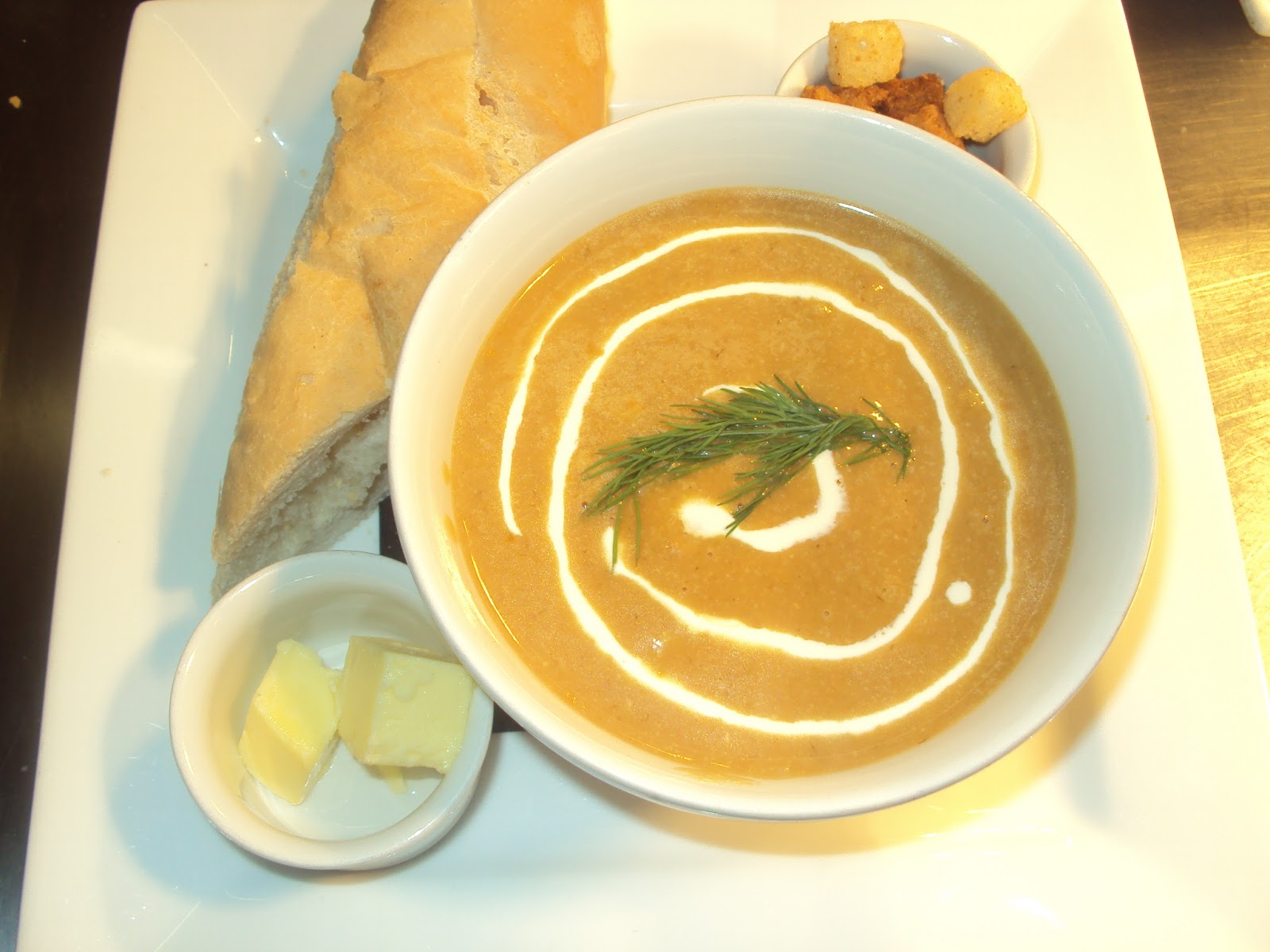
Heat the oil in a large, heavy bottomed pan and sauté the vegetables and garlic for ten minutes until soft without colouring. Toast the coriander seeds in a small pan or under the grill for a couple of minutes to release the essential oils then blitz in a food processor. Add to the vegetables along with the water and marmalade. Bring to the boil, cover with a tight-fitting lid and simmer for twenty minutes. Take off the heat and allow to cool for a while before blending in a food processor or with a stick blender. Correct the seasoning and return to the heat to warm thoroughly before serving. You can finish with a little cream if you are feeling decadent and some chopped fresh coriander leaves.


Four exciting Riojas for winter

rioja,Vina real

Riojas from Vina Real

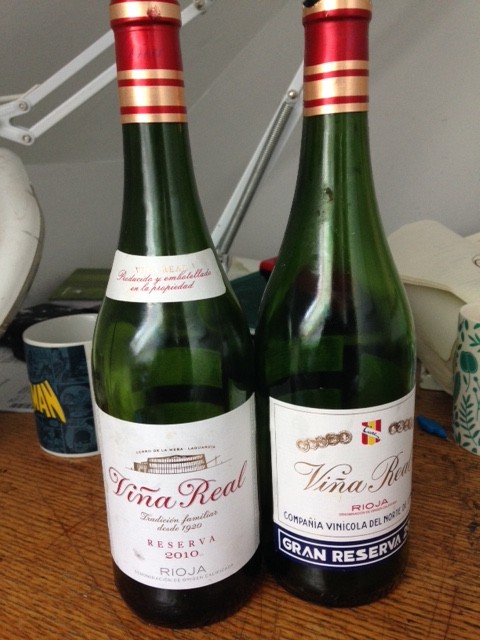
The picture above shows two empty bottles of Rioja sitting on my desk. The reason why they are empty is that we drank the lot over Christmas – and very good they were too!

Rioja is one of the classic wines of Spain. Made primarily from Tempranillo grapes, it has a strong, rich flavour of berries and a slightly leathery smell. It is a wonderful robust wine, and just the thing to drink in the evening, when there is a slight chill in the air. It can be drunk by itself – preferably in front of a log fire – or it can accompany strong beef stews or slices of Jamon Iberico, Manchego cheese and rich olives. It’s a macho wine from the land of bullfighters!

I was fortunate enough to be sent four bottles of wine from Vina Real. They represent a wide range of Riojas, so I thought it would be fun to compare them.

The first one was a Vina Real Rosada. (£11.05) from Majestic. This is unconventional – a rose wine made with 15 per cent tempranillo and 85 per cent viura – a white grape grown extensively in the Rioja region. I wasn’t greatly impressed with this one. It was a brave experiment, but I thought the flavour was just a bit thin and it didn’t suit the Rioja style of wine.

The Vina Real Crianza 2011 (£11.60 Lea and Sandeman) was a much better buy. Crianza has to be aged for at least two years old. This had lovely rich flavours of plum and vanilla. We drank it with meatballs and rice and loved it!

The Vina Real Rioja Reserva 2010 is only available from independent outlets, price £18.95. A Rioja Reserva has to be at least three years old. This means that the tannins have softened, so it’s not so sharp. It is gentler on the palate. This was sumptuously fruity, nicely oaked and had a long finish.

Best of all was the Vina Real Gran Reserva (£28.85 Majestic). A Rioja Gran Reserva has to be least five years old. This one had lovely scents of candied fruit and coffee. Save this one for wine aficionados, who can really appreciate it! All in all, a great selection and worth hunting out.

Villa Maria Reserve Wairau Valley Sauvignon Blanc 2014 Review

Grapes Sauvignon Blanc

This wine is fruity and fresh. Savoury with the perfect balance of acidity: this wine is the perfect wine to bring in the New Year. Ripe fruit characters, intense aromas of passion fruit, grapefruit and blackcurrant with a subtle underlying of gooseberry on the nose. The palate is concentrated with tropical flavours and it has a long finish. Delicious. 


Winemaker Notes

A classic Wairau Valley style bursting with the trademark ripe fruit characters found in this sub region. The nose displays pure and powerful aromas of peach, grapefruit, blackcurrant, and underlying fresh aromatic herbs like rosemary and lemon thyme. The palate is concentrated with an enticing array of gooseberry, melon and guava flavours, balanced by a fine thread of acidity, and a savoury refreshing finish.

Vineyards

The fruit for this wine comes from a combination of vineyards with varying soils and viticultural techniques throughout the Wairau Valley. The common thread between the vineyards was an unrelenting focus on vine health. This was achieved by careful yield adjustments and water management as well as a balanced approach to vine nutrition

Winemaking

All Sauvignon Blanc grapes were harvested at the cool of night to retain aromatics and freshness in the grapes. The fruit was destemmed, crushed, and pressed before cold settling. The clear racked juice was inoculated with selected aromatic yeast strains. Cool, slow fermentation in stainless steel tanks took place to retain distinctive sub-regional and varietal characteristics

Vintage

The climate in Marlborough has high sunshine hours, but temperatures during the growing season are regulated by the cooling ocean influence. In 2014, Marlborough had warmer than usual spring, followed by temperate summer. Overall, it was a bountiful harvest with excellent quality grapes; intensely flavoured and picked in pristine condition. All Sauvignon Blanc grapes were harvested between early March until mid April.

Food match

Enjoy with:

  • Fish/Shellfish
  • Salads & Picnics
  • Mild Creamy Cheeses


Grapes: Sauvignon Blanc 100.0%

Region: Marlborough

ABV: 13%

pH: 3.00

Total Acidity: 6.80 g/l

Residual Sugar: 3 g/l

Drink: Now to 2 years 

Reserve Wairau Valley Sauvignon Blanc 2014


Villa Maria Cellar Selection Pinot Noir 2013 Review

Villa Maria Cellar Selection Pinot Noir 2013 Review.jpg

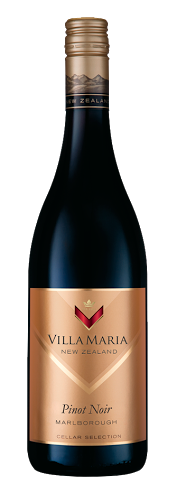
Villa Maria Cellar Selection Pinot Noir 2013 is a rich, textured wine with subtle spice flavours and red cherry notes. This is a sensual wine, elegant and intensely flavoured. It gives a red fruit burst and is medium bodied with a clean and long finish. Cranberry and spice make it perfect for winter.

Winemaker Notes

The 2013 Cellar Selection Pinot Noir displays a fragrant bouquet of dried herbs, red cherries and subtle smoky notes. On the palate the wine is concentrated with juicy red berry fruit flavours, integrated acidity and fine grainy tannins.

Vineyards

The fruit for this wine originates from a diverse range of vineyard sites in both the Awatere and Wairau valleys in Marlborough. Soil types range from clay loams, adding depth and concentration to the wine, whereas the stony limestone soils contribute perfumed aromatics and texture.

Winemaking

The wine is made with true respect for the fruit with gentle handling through the winery.The fruit was chilled, destemmed and cold soaked for 10 days before being fermented using a mixture of indigenous and cultured yeast. The ferments peaked at 32°c to extract the desired colour and tannins. The wine was then post macerated for a further 3-5 days to soften tannin profile before gently pressing. It was matured for 10 months in new and seasoned french oak barriques, resulting in a silky refined and layered Marlborough Pinot Noir.

Vintage

The 2013 vintage was warm and dry, although quite mild temperatures throughout the summer months resulting in pronounced aromatics and ripe tannins.

Food match

Enjoy with:

• Grilled & Roasted Red Meats • Grilled & Roasted White Meats • Pizza/Pasta
• Mild Creamy Cheeses


Grapes: Pinot Noir 100.0%

Region: Marlborough

ABV: 13.5%

pH: 3.55

Total Acidity: 6.20 g/l

Residual Sugar: 0.00 g/l

Drink now…2 to 5 years 


Five fab last-minute Christmas food buys

Having been to a heap of Christmas food shows and taste tested a fair amount of what’s on offer, I have come up with my top five Christmas food buys. They’re the tastes that won’t let you down and, with Christmas looming large now, there’s still time to pick them up…

best Christmas foods

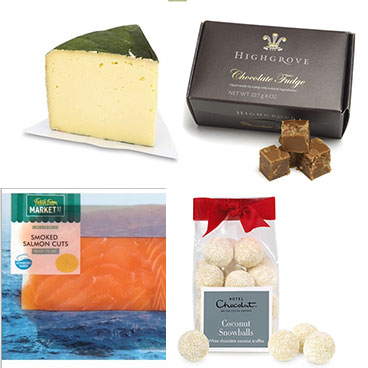
Cornish garlic yarg Available at Waitrose, this subtle semi-hard speciality is covered in garlic leaves and is fabulous with a slice of traditional Christmas cake. £1.92 per 100g, Waitrose

Chocolate Fudge Can’t take any more Christmas chocolate? You might find room for this creamy, chocolatety treat. Enjoy a square a night and don’t tell anyone you’re hiding the box under your bed. £5.95 for 227g, Highgrove (available at Fortnum & Mason stores)

Smoked salmon cuts Perfect for topping canapes, slipping alongside scrambled eggs and adding to pasta, these salmon cuts are cheap and so, so delcious. £2 per 100g, Morrisons

Coconut Snowballs – Oh, these are fun. coconut truffle in white chocolate dipped in dessicated coconut. Guaranteed to keep your festive spirits up if there are no real snowballs in sight. £5.50 for 100g, Hotel Chocolat

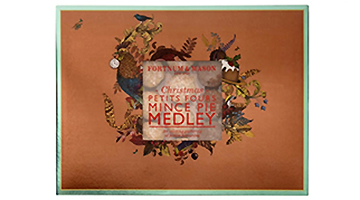
Fortnum and Mason Petits Four mince piesFortnum & Mason Christmas Petits Fours Mince Pie Medley – And finally, I don’t let a Christmas go by without a box of these sumptuous mini mince pies – so much smaller than even the miniest mince pies, they are packed with sumptuous fillings and the pastries are melt-in-the-mouth soft. Only bring them out for your favourite guests. £18.95 for a box of 32, Fortnum & Mason

Merry Christmas everyone – here’s wishing you lots of fabulous festive eating and fun!


Last Minute Christmas Gift Guide for Mums: Chambord & Licor 43

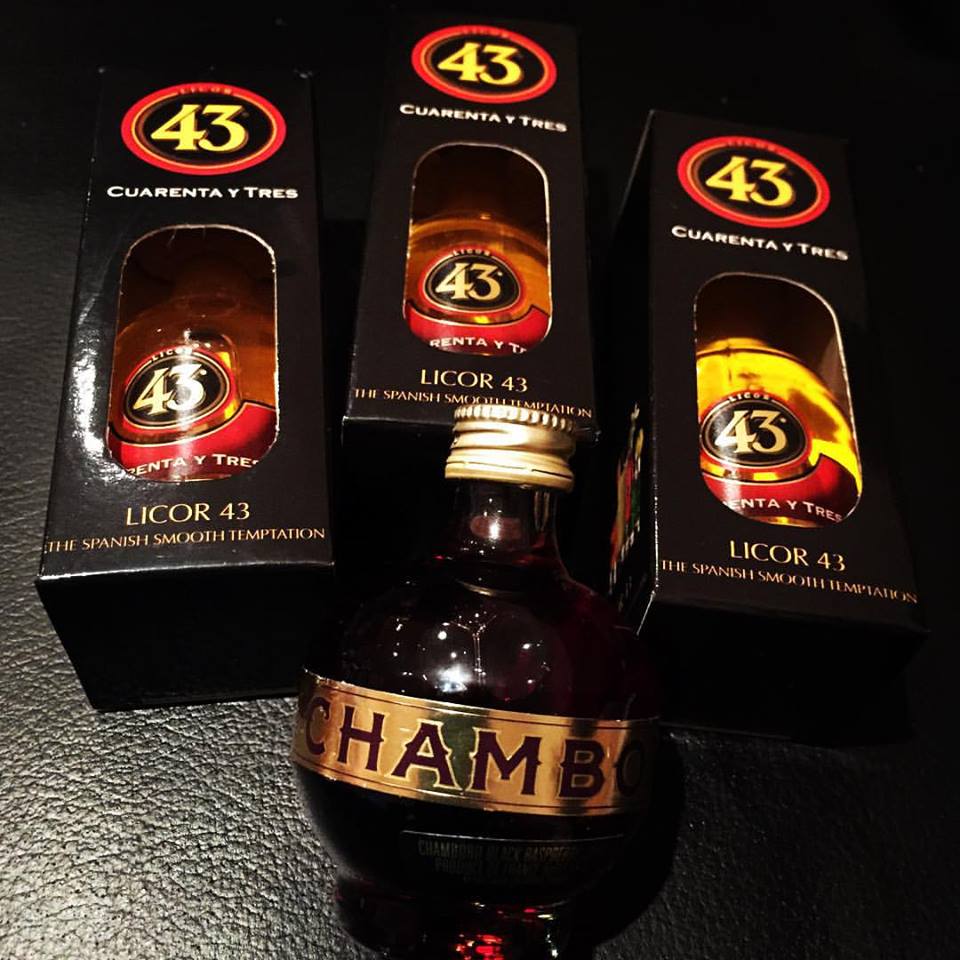
chambordchambordandlicor43Panicking about what to get mum for Christmas? These two make great stocking fillers or proper presents for mum: Licor 43 (the premium, Spanish liqueur) and Chambord (the premium French Black Raspberry liqueur). The Chambord 20cl bottle is available in a beautiful gold box, and is the perfect stocking filler. It retails at all major supermarkets throughout the UK for just £7.50. Licor 43 70cl (700ml) bottle is available from ASDA stores and asda.com nationwide as well as through www.drinksupermarket.com with an RRP of £17.50-£17.99.


Cocktail recipe ideas below. 

Licor 43 winter serves for 2015


Mulled Wine 43

  • 50 ml Licor 43
  • 125 ml shiraz
  • 15 ml lemon juice
  • 1x sugar cube
  • 4 dashes of angostura bitters
  • 4 dashes of orange bitters
  • 1x cinnamon stick

Soak sugar cube in both bitters, place soaked cube, lemon juice and wine into a pan and place on the hob until hot. Add Licor 43 and pour into a balon glass. Garnish with a cinnamon stick.


Spiced Cider

  • 50ml Licor 43
  • 125ml cider (apple or pear)
  • 15ml lemon juice
  • 2x barspoons of honey
  • 4 dashes of angostura bitters
  • 4x dashes of orange bitters

Place all the ingredients, except the Licor 43 into a pan and heat on the hob until warm. Add the Licor 43 and pour into a balon glass.


Spanish 43 Coffee 

• 25ml Licor 43
• Black coffee
• Whipped cream
• Cocoa powder

Warm the Licor 43 and pour into the coffee. Top carefully with the whipped cream and garnish with cocoa powder.


Chambord Royale

You take the fizz, you top with Chambord, and puff! Now watch the bubbles storm.

Ingredients 

  • Chambord Black Raspberry Liqueur
  • Champagne, prosecco or cava

Method
Pour your favourite fizz into a flute glass and top with Chambord. Garnish with a raspberry.


French Martini

Christmas calls for a classic cocktail. Take pineapple juice and shake, shake, shake it with Chambord and vodka and voila! You have the French Martini.

Ingredients 

  • 15ml Chambord Black Raspberry Liqueur
  • 50ml vodka
  • 60ml pineapple Juice

Method
Vigorously shake Chambord with vodka, pineapple juice and plenty of ice.


Chambord Very Berry

Brrr. When the snow is cold but the fire is burning, warm your hands with a Chambord Very Berry.

Ingredients 

  • 25ml Chambord Black Raspberry Liqueur
  • 125ml red wine
  • 25ml fresh lemon juice
  • Spoonful of sugar
  • 3 raspberries
  • Slice of lemon studded with cloves

Method

Crush raspberries in a wine glass with sugar, then add Chambord, wine, and lemon juice. Top with hot water and garnish with a slice of lemon.

For more inspiration visit www.facebook.com/ChambordUK

The Christmas tree looks best when there are presents beneath it. Wish your friends and family Joyeux Noel with a 20cl bottle of Chambord packaged in a beautiful gold box. Available from all major supermarkets (asda.com, tesco.com, sainsburys.co.uk) throughout the UK. RRP: £7.50. Bon!