Alzheimer’s disease – prevention is better than cure – and safer and cheaper

By Patrick Holford, Food for the Brain 

Preventing Alzheimer’s is easy, but it is being ignored!

Everybody wants a cure for Alzheimer’s. The medical industry has spent around $100 billion searching for one and, so far, come up relatively empty-handed with over thirty failed drug trials. Yet a simple to administer, cheap test could predict Alzheimer’s and allow preventative measures – saving the NHS over £60million a year. 

The focus to date has been on drugs that lower two of the chemical compounds associated with Alzheimer’s and dementia in general – amyloid and p-tau, a pair of messed up proteins that can lead to plaques in the brain and tangled nerves. There is a third compound – an amino acid called homocysteine, that becomes toxic if you have too much, that the drug industry and the Alzheimer’s charities don’t talk about, for reasons that will become clear.

Predicting Alzheimer’s

The actual clinical measures that are used to diagnose Alzheimer’s are a decline in cognitive function and shrinkage of the central area of the brain called the medial temporal lobe. Both changes in cognitive function and brain shrinkage can be picked up thirty years before a diagnosis of Alzheimer’s is made.  

Current study

So now a £10 million study is underway to see if a blood test for p-tau, or amyloid, will ‘predict’ if you are more likely to develop the disease and there are plans for a major program to identify those at risk so they can be treated as early as possible.  This sounds sensible but there are serious drawbacks. To begin with not everyone with raised p-tau or amyloid go on to develop Alzheimer’s. 

Drawbacks and side-effects

This means, as a recent article in the New York Times entitled, ‘Apparently healthy but diagnosed with Alzheimer’s,’ pointed out, people without a diagnosis or no brain scan showing shrinkage, could well be offered new drug treatments that are, so far, only marginally better than placebos but have awful adverse effects. 

These include brain bleeding or swelling which has occurred in more than one in four participants in the last two drug trials and resulted in seven deaths. Medical agencies in the US, EU and UK are reluctant to licence their use but are under a lot of pressure to do so. 

So thousands of desperate people with early stage Alzheimer’s or cognitive decline, hoping for a cure, are queuing up to join these drug trials because they perceive these drugs, that so far come with little or no benefit plus highly unpalatable side effects, are a better alternative than doing nothing.

The research

But are there really no alternatives? Well, none that patients are routinely told about. They involve changes in diet and lifestyle, that are very likely to improve your overall health, including that of your brain, and very unlikely to cause damaging side effects. 

Almost all money for research, pledged by governments and raised by Alzheimer’s charities, is going in the direction of drug treatments. Alzheimer’s Research UK’s (ARUK) website says, “we exist for a cure”. Yet, most of the money is going toward amyloid and p-tau related research, neither of which has been established as causal. In other words, high levels may just be a consequence of the disease process.

Homocysteine

The same is not true for raised blood levels of homocysteine. If levels rise in the brain, it shrinks faster and cognitive abilities decline. If it goes down, they improve, and brain shrinkage slows. This means that it is causing the damage and so would logically be a target for treatment. The only way to do it, however, is with high dose B vitamins (B6, B12 and folate). Several gold standard, placebo-controlled trials have found this to be very safe and effective. But this approach is not patentable and so yields nothing like a drug profit.

But the benefits of treating homocysteine don’t stop there. It is a much better biomarker of risk for Alzheimer’s than plaque and p-tau both because it is more easily measured and more safely lowered. And when it is lowered, unlike those two, it actually improves cognitive function and slows brain shrinkage by as much as two thirds. It also helps to stop p-tau formation.

Routine checks save £60million a year

Routinely checking homocysteine levels could prevent thousands of cases. Just doing this “could save costs to the UK economy of approximately £60 million per year,” says Dr Apostolos Tsiachristas, Associate Professor in Health Economics at the University of Oxford. His research also estimated it would promote healthy longevity, adding 14 years to life expectancy. 

About half of people over 65 have a homocysteine level above 11mcmol/l, which is where it starts to become damaging. 

Supporting studies

In one study a third of those treated ended the study with no clinical dementia rating, meaning they could no longer be diagnosed with cognitive impairment. Those with sufficient omega-3 DHA, which is the most important structural fat in the brain, had 73% less brain shrinkage compared to placebo when given the B vitamin treatment. In contrast, in the last anti-amyloid treatment trial, brain shrinkage accelerated by about a fifth in those getting the drug, compared to placebo and not one person achieved a clinical dementia rating of zero.

It should be clear by now, after decades of scientific research that amyloid plaque is not a cause of Alzheimer’s, but a consequence. The same is likely to be true for p-tau tangles.

As an analogy consider your teeth. Is plaque the cause of tooth decay?  Sure, flossing your teeth and getting the plaque scraped off by the dental hygienist helps, but what causes the plaque? The answer is a bad diet – in this case, one high in sugar and low in fibre. Despite fifty years of research there is no ‘cure’ for tooth decay, but it can be prevented. The same concept applies to Alzheimer’s, which is as preventable as tooth decay with the right diet and nutrition and lifestyle – which also happens to include less sugar and more fibre.

pastedGraphic.png

Alzheimer’s Prevention

How preventable is Alzheimer’s? It accounts for two thirds of dementia cases. The most conservative figure is 40%. More optimistic estimates say around 80%. Since only one in a hundred cases is caused by genes Alzheimer’s may be entirely preventable in those 99% who do not have the rare causative genes and act early enough to optimise all diet and lifestyle factors. It is not an inevitable consequence of the ageing process as evidenced by the fact that the majority of people don’t get it.

Why the difference in figures? 

Why the difference in figures? It’s all to do with what is or isn’t included in prevention studies. The most widely used review for dementia prevention in the UK is the 2020 report of the Lancet Commission, authored by Professor Gill Livingston. Both this and the first edition in 2017 failed to even mention homocysteine, despite being repeatedly sent all the evidence of the undeniable beneficial effects of homocysteine-lowering B vitamins by the Oxford Project to Investigate Memory and Ageing (OPTIMA) at the University, headed by former Deputy Head of Medical Science, Professor David Smith.

This is a major and damaging error and has led to the widespread belief that B vitamin supplements are not part of the usual list of preventive actions. But it should be corrected, especially considering that a US National Institutes of Health study attributes 22% of the risk of Alzheimer’s to raised homocysteine. Also, the best study of all, looking at 396 studies in total, published in 2020, concluded: ‘Homocysteine-lowering treatment seems the most promising intervention for Alzheimer’s disease prevention.’ 

Other prevention studies you may have read are possibly based on data from the UK Biobank. This major research data bank also ignores homocysteine, not for any malevolent reason but simply because it wasn’t measured when it was enrolling people. So, one of the single biggest risk factors and arguably the simplest to change, is repeatedly ignored.

Given that a conservative half of Alzheimer’s cases could be prevented, shouldn’t half the available research money be spent on prevention? This certainly doesn’t happen at the moment. Of the three leading charities, two spend nothing on prevention. ARUK claim to spend 5% but none of this goes towards B vitamins or other brain-friendly nutrients such as omega-3 or vitamin D. They too ignore homocysteine, and the beneficial effects of lowering in with B vitamins, as first shown in a 2010 Oxford University study they actually helped fund!

Prevention studies are almost always going to under-estimate (never over-estimate) the power of prevention due to excluding risk factors, but also because they largely ignore the ‘1+1=3’ compounding impact of interactive risk factors. B vitamins, for example, don’t work without sufficient omega-3 and omega-3 oils don’t work in people with raised homocysteine, because of a lack of B vitamins. This has been shown in four trials – in the UK, Holland, Sweden and China. The combination of B vitamins given to people sufficient in omega-3 DHA improved the reduction in brain shrinkage from 53% to 73%. Pollution exposure is a risk factor but, in those with lower homocysteine this effect is much reduced. Poor sleep is a risk factor, but less so in those who exercise. 

For the past five years leading UK researchers led by neurologist Professor Peter Garrard, who is the Director of the dementia research group in the St George’s, University of London Neuroscience Research Section, have tried to get funding to test the most promising combination – B vitamins and omega-3 – to no avail. Such a trial is badly needed and would cost of a fraction of that being spent on amyloid or p-tau.

So, what if a person does everything right – enough B vitamins to keep homocysteine low, sufficient omega-3, low sugar, high fibre diet, enough vitamin D (Alzheimer’s is four times less likely in those with sufficient vitamin D), and an active physical, intellectual and social lifestyle, plus good sleep and not too much stress? 

The only ongoing study and database, the COGNITION Biobank, that assesses all these risk factors as well as including blood tests of four critical biomarkers, homocysteine, omega-3 index, vitamin D and HBA1c, which measures glucose control, is being run by the charity foodforthebrain.org. It describes itself as ‘citizen science’ because anyone can get involved doing a free online Cognitive Function Test, filling in a questionnaire about their diet, lifestyle and medical history, and sending in a blood sample from a home test kit. 

pastedGraphic_1.png

So far, over 400,000 people have been tested. But, unlike the £10 million trial, funded by the People’s Lottery, the Gates Foundation, ARUK and the Alzheimer’s Society, it gets no funding. It is literally funded by the citizen scientists who chip in £50 a year and pay for their own tests. Their message is simple: prevention is better than cure – don’t jump.

To test yourself visit www.foodforthebrain.org.  To find out more about prevention visit www.alzheimersprevention.info 

ABOUT THE AUTHOR

Patrick Holford is a Nutrition and Mental Health expert & Founder of the Institute for Optimum Nutrition, VitaminC4Covid, and the charitable Food for the Brain Foundation, where he directs their Alzheimer’s prevention project, including Alzheimer’s Prevention Day. Patrick reads hundreds of studies a year assimilating the latest health breakthroughs and turning them into practical advice to make it easy for everyone to live a healthy life. He is author of 46 health books translated into over 30 languages. www.alzheimersprevention.infoand https://foodforthebrain.org/ 

References:

These are key papers regarding stated facts in this article.

New York Times article: https://www.nytimes.com/2024/03/04/health/alzheimers-amyloid-diagnosis.html

Homocysteine and p-tau: https://foodforthebrain.org/the-p-tau-delusion/

Donanemab review in the British medical Journal: BMJ 2023;382:p1852 

http://dx.doi.org/10.1136/bmj.p1852

Telegraph reports 7 deaths and brain shrinkage: https://www.telegraph.co.uk/news/2024/02/19/alzheimers-drugs-shrink-brain-scientists-warn/

Health economics of B vitamins: Tsiachristas A, Smith AD. B-vitamins are potentially a cost-effective population health strategy to tackle dementia: Too good to be true? Alzheimers Dement (N Y). 2016 Aug 11;2(3):156-161. doi: 10.1016/j.trci.2016.07.002. PMID: 29067302; PMCID: PMC5651357.

Omega-3 and B vitamin interactions and studies: Smith AD, Jernerén F, Refsum H. ω-3 fatty acids and their interactions. Am J Clin Nutr. 2021 Apr 6;113(4):775-778. doi: 10.1093/ajcn/nqab013. PMID: 33711096.

Less brain shrinkage and cognitive decline with B vitamins and sufficient omega-3: Jernerén F, Elshorbagy AK, Oulhaj A, Smith SM, Refsum H, Smith AD. Brain atrophy in cognitively impaired elderly: the importance of long-chain ω-3 fatty acids and B vitamin status in a randomized controlled trial. Am J Clin Nutr. 2015 Jul;102(1):215-21. doi: 10.3945/ajcn.114.103283. Epub 2015 Apr 15. PMID: 25877495; see also  Oulhaj A, Jernerén F, Refsum H, Smith AD, de Jager CA. Omega-3 Fatty Acid Status Enhances the Prevention of Cognitive Decline by B Vitamins in Mild Cognitive Impairment. J Alzheimers Dis. 2016;50(2):547-57. doi: 10.3233/JAD-150777. PMID: 26757190; PMCID: PMC4927899.

NIH Alzheimer’s prevention review: Beydoun MA, Beydoun HA, Gamaldo AA, Teel A, Zonderman AB, Wang Y. Epidemiologic studies of modifiable factors associated with cognition and dementia: systematic review and meta-analysis. BMC Public Health. 2014 Jun 24;14:643. doi: 10.1186/1471-2458-14-643. PMID: 24962204; PMCID: PMC4099157.

Meta-analysis of 396 studies favouring homocysteine-lowering B vitamin treatment: Prof Yu study Yu JT, Xu W, Tan CC, Andrieu S, Suckling J, Evangelou E, Pan A, Zhang C, Jia J, Feng L, Kua EH, Wang YJ, Wang HF, Tan MS, Li JQ, Hou XH, Wan Y, Tan L, Mok V, Tan L, Dong Q, Touchon J, Gauthier S, Aisen PS, Vellas B. Evidence-based prevention of Alzheimer’s disease: systematic review and meta-analysis of 243 observational prospective studies and 153 randomised controlled trials. J Neurol Neurosurg Psychiatry. 2020 Nov;91(11):1201-1209. doi: 10.1136/jnnp-2019-321913. Epub 2020 Jul 20. PMID: 32690803; PMCID: PMC7569385.

What Is IIH? Idiopathic Intercranial Hypertension Explained By Natalie Peeke

September has always been one of my favourite months , the leaves starts to change colour , the temperature starts to drop, wearing slippers and snuggling under a blanket is more acceptable. Children return to school with new school uniform and start a new chapter of their lives. Everything just feels like it’s changing and I love it. However the past 2 years September has also meant something else to me, it is the month of awareness for IIH. 

What is IIH I hear you ask ? It stands for Idiopathic Intercranial Hypertension. Clear as mud right ? When the doctor told me that he said it with his serious doctor face on and I chuckled and said ‘in English?’ Basically it means that I have high fluid pressure in my brain , idiopathic means that they don’t know what the cause is. 

So I’m going to talk to you about some of the fabulous symptoms that go with having IIH in order to raise awareness for this rare condition. 

  • a constant throbbing headache which may be worse in the morning, or when coughing or straining.
  • temporary loss of vision. 
  • feeling and being sick
  • feeling sleepy
  • feeling irritable
  • finding it difficult or painful to look at bright lights 
  • hearing a pulsing noise in your ears
  • problems with co-ordination and balance
  • mental confusion
  • loss of feeling or weakness

Glorious isn’t it? IIH is often treated with medication , I am taking a drug called Acetazolamide which comes with its own and rather long list of side effects. The one that has effected me most is my sense of taste , especially with drinks, pop especially cola now tastes so bitter I can’t stand to drink it. And fruity drinks tast very sour. 

As of yet there is no cure for IIH but the lovely people at www.iih.org.uk are constantly raising money for better , more effective treatments as well as supporting those affected with IIH and their families. 

For me personally some days are are bearable , and others are not. Everyday is painful but what keeps me going is the support I have from my family , my amazing partner , beautiful children as well as the online community, with a rare condition it can be easy to feel as though you are alone and that others don’t understand what you’re feeling but there is always support out there. No one is alone. 

Top Tips for busting Perimenopause

Top Tips for busting Perimenopause: from co-Founder of Valerie, Wizz Selvey.

These are some simple everyday tips that should be prioritised when you’re dealing with symptoms that sound like they might be Perimenopause. Hormone replacement therapy (HRT) may still be necessary for some people, but following these foundational strategies can help support added HRT, or help you on your way to leveling out a regular day to day.

1. Feel Strong
Overtraining, HIIT and excessive cardio will drain your natural energy levels, and deplete hormones, so focus on supporting your skeleton through resistance training. Pushing your body too hard will only increase cortisol production, which in turn can weaken your immune system. So focus on training smart, not hard.

In mid-life we should prioritise building strong bones and muscle around the joints, because of the hormonal fluctuations and the impact that has on bone health. A full-body gym (or home) strength routine that focuses on choosing a goal and slowly increasing the intensity over time gives all of your muscles a chance to rest and build strength; providing balance, flexibility, and support to your body and joints. Body-weight training is a good place to start, and there are some great beginner routines on YouTube or social media to follow along to at home.

2. Feed Your Body Right
Stay as close to ‘whole and natural’ as possible and have a full range of nutrients. Think about groups of protein, fat, and carbs. As our bodies age and hormones begin to fluctuate, our nutritional needs change too. The most common nutrient that women lack in mid-life is protein. Generally speaking, we should have at least 1 gram per 1lb of body weight just to manage our normal nutritional health. These protein requirements change with hormone fluctuations, infections, and other types of stress, depending on the person.

Understanding the role and basic principles of nutrition is never more important than as we transition through to menopause. Our bodies need fats (cholesterol) and protein (amino acids) to make hormones. It is important to make sure that whatever diet you follow, you are nurturing yourself with the correct amount of protein, fat, and carbohydrate. To manage Oestrogen really effectively it’s crucial to eat these as whole foods and both insoluble and soluble fibres; supporting a healthy gut microbiome.

3. Manage Everyday Stress
We all know it’s harder to cope, think and function at your best when you’re stressed, but this is amplified by fluctuating hormones. Try meditating (apps I recommend are: Calm, Headspace, Healthy Minds Program, and Smiling Mind – the last two are free.), focusing on diaphragmatic breathing, or some grounding practices like forest bathing, to bring you back down to earth. Or mitigate the stress before it starts to mount by keeping your environment toxin and clutter-free, phone-free time, trying some novel activities, and socially connecting in person.

Another way to decrease stress can be limiting your alcohol intake; because it is a stressor to the brain and body — and its impact is worse in Perimenopause stages. If drinking is on the cards, make sure you stay optimally hydrated with foods/electrolytes and take supplements to help support your liver and brain function (suggestions below).

4. Recharge Your Body and Mind
Sleep’s one of the hardest things to maintain when mid-life gets to you, but it is really important for your the brain and body to maintain a regular circadian rhythm by going to bed and getting up at the same time each day. As we age our Lymphatic System starts to slow, which is one of the reasons we don’t feel refreshed from sleep. One way to manually stimulate this is through diaphragmatic breathing.

Diaphragmatic breathing gets the Lymphatic system moving, but also works to relax the nervous system. Do your best to breathe through your nose in bed, as this will decrease the chances of sleep apnea, which can limit diaphragmatic breathing and create stress in the nervous system. These things act as a gateway for jaw clenching or grinding, that can further impede Lymphatic flow. 

Wearable devices can really kickstart your sleep routine, such as Oura, Sensate, and Whoop. Manual lymphatic techniques such as Body Brushing are also great ways to help improve your overall circulation. I always have a Herbal Tea before bed, and Pukka make a really great Nighttime Tea that I recommend to everyone.

5. Supplements
I know, supplements are a minefield, with endless options! As this field is not very well regulated, it’s really important to know what you’re looking for, read the labels and stay aware. 

Here are some key points to look out for when choosing a high-quality supplement:

What are the therapeutic effects? Find this by checking the dosing amount of ingredients in the bottle. 

What fillers and other potentially toxic compounds are included? These can diminish the benefit of the supplement. What else, besides what you need is in there?
What is included in the supplement to help manage your symptoms? Nutrients such as Magnesium, Vitamin D, Omega fatty acids, and Adaptogens are very important to have and perhaps best in a blend. 

Lastly, what’s the delivery method? (pills, liquids, sublingual etc.) The right delivery method is going to help the nutrients get to work as quickly as possible. Liposomal formulations (like Valerie’s liposomal product) really are the best to ensure quick absorption and assimilation or bioavailability.

Fight Heart Disease Like Cancer Book Review

Fight Heart Disease Like Cancer

By Michael V. McConnell, MD, MSEE

Fight Heart Disease Like Cancer by Michael McConnell is a must read for everyone. It is a fantastic book that lays down the facts of heart disease and then tells you how to avoid it. This book is a gift to humanity. I know that may seem like overkill, but if everyone read it, and impacted the changes, then it would save millions of lives.

Micheal McConnell, a cardiologist and clinical professor of medicine at Stanford University School, is clearly a man with a passion. People do not take heart diseases seriously enough and there are many myths about bit. Heart disease is the number one killer of men and women. It also presents differently in women and women are more likely to die from it. He has even given all author royalties from sales of this book to the American Heart Association and the American Cancer Society. An impressive man indeed.

Unbeknown to many, the main cause of heart disease—the world’s number one killer of women and men—is a cancer-like “tumour” inside the coronary arteries that keep our hearts beating. Although this similarity to cancer is well-established in medical journals, most people (and their health care providers) don’t approach heart disease as seriously as cancer, even though it’s just as deadly. In Fight Heart Disease Like Cancer, cardiologist Michael McConnell shares the stories of his family, patients, and research to lay out a modern and effective approach to preventing, screening for, and treating heart disease like cancer to avoid its dire consequences.

Highlighting the latest research on the substantial overlap between heart disease and cancer—from shared risk factors to screening for early detection to new and powerful therapies—Dr. McConnell also highlights the many ways our society can reduce heart disease for all. Fight Heart Disease Like Cancer will guide you step-by-step on how to prevent, screen for, and treat heart disease to live a healthier and longer life.

Out now | Hardback 232 pages | ISBN 9781421448466 |

Happy Mammoth Hormone Harmony Review

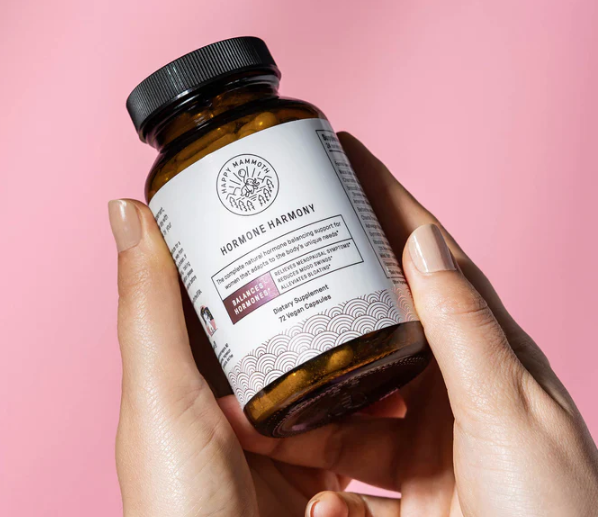
Happy Mammoth Hormone Harmony  £54.99 happymammoth.com

I am always wary of supplements even though I tend to be a sucker for them. Sounds like a contradiction? It is, but I won’t put just anything into my body. I had heard of Happy Mammoth and the reviews I have read are brilliant. So I jumped at the chance to review their Hormone Harmony supplement.

I can’t say how impressed I am. I have had three babies and the youngest is two. Losing weight has been hard, especially around my belly. I had an emergency C section and I also have an underachieve thyroid. I exercise as much as I can and try to eat enough protein. I took Happy Mammoth Hormone Harmony for a month and my stomach is flat. It definitely reduced my bloating and fluid retention. While supplements aren’t for everyone this one definitely worked for me. I loved it and I’m considering using it long term. Great stuff.

Contains a blend of plant extracts shown to relieve symptoms of Menopause, decrease symptoms of premenstrual tension, and support reproductive hormones.

  • Reduces bloating and fluid retention in 1 to 3 days
  • Eliminates hot flashes in as little as 4 to 7 days
  • Induces deep, uninterrupted sleep in 5 to 7 days
  • Starts shifting hormonal weight in 15 to 30 days

Quitting Smoking: 3 Ways to Cope with Withdrawal

Although more people know about the harm of smoking, many people continue to smoke across the world. As estimated in the Journal of Smoking Cessation, around 40% of smokers in England make at least one quit attempt in any given year, with most being unaided. However, in many cases, smoking cessation fails– with some quit attempts lasting less than a day. This high failure rate is primarily due to the addictive nature of smoking, inducing withdrawal when a smoker stops their habits.

Quit smoking
Very few smokers can quit without having the urge to smoke. Common withdrawal symptoms include cravings, irritability, appetite changes, constipation, and difficulty concentrating— all of which can negatively affect daily life and make smoking cessation more difficult. However, even if staying smoke-free is hard, it’s not impossible with the right tools and methods. Below are four ways to cope with withdrawal and quit cigarettes for good.

Nicotine replacement therapy


Overcoming your cravings is one of the biggest challenges of a quitting smoker, so there’s nothing wrong with using nicotine cessation products. Nicotine replacement therapy (NRT) uses products like nasal inhalers, nicotine patches, and nicotine pouches that contain lower dosages of nicotine than cigarettes, allowing you to ease cravings. Nicotine pouches are becoming increasingly popular around the world, with global tobacco companies British American Tobacco and Philip Morris International heavily investing in pouch brands. Online retailer Prilla showcases the different nicotine pouches from ZYN, VELO, On!, and Rogue, with each brand targeting a slightly different market that allows smokers to easily match their nicotine habit to specific pouches. For example, you can choose various flavours and strengths according to your preferences, from the popular cool mint to tobacco-flavoured options.

Another alternative is nicotine gum. NRT maker FertinPharma has a wide selection of products, including chewing gums and tablets. In 2020, the company produced nearly three billion NRT doses that have helped more than 3.2 million people reduce and quit smoking— showcasing the effectiveness of these smoking cessation products.

Seek counselling


Connecting with loved ones can be a great way to get through the struggles of tobacco cravings. But in some cases where a smoker is struggling, it may be more effective to have a counselling specialist. A study from BMC Primary Care compared the effectiveness of counselling between a general practitioner and an intensive counselling group programme. Final results showed that the latter was more effective in boosting quit rates by 5.8 %, especially when done in lieu of pharmacotherapy.

If you struggle with relapse, it’s best to seek counselling on behavioural therapy. Professionals can aid you with strategies to better control your environment and reduce the severity of your withdrawal symptoms. At the same time, they can also offer encouragement and guidance on challenging days, allowing you to better navigate tempting triggers and address them in healthy ways.

Pick up a new hobby


Many people habitually smoke to relax from the hustle and bustle of daily life. But when quitting, withdrawal can easily ruin the mood. It’s necessary to cope with these negative feelings to avoid going into relapse, so it’s important to invest time into new things that replace cigarette use.

One way to replace this bad habit is to take up a healthier and more productive one. Be careful to avoid idle activities that you used to associate with smoking, such as watching television or drinking. Instead, it’s best to take your mind off cravings by being active, such as gardening, solving puzzles, or engaging in exercise. These activities can also help you ease any stress, lessening the temptation to smoke.

All smokers who stop smoking will inevitably face withdrawal symptoms. But by taking the right and healthy methods to overcome these tobacco cravings, smokers are more likely to successfully quit for good. For more lifestyle advice, we have plenty more articles to read at Frost Magazine.

Article written by Corey Holland.

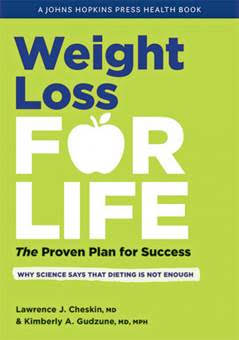
Major new book – Weight Loss for Life, from Johns Hopkins University

I have had three children and my weight has fluctuated after every one of them. My third is almost one and now I want to lose the weight so I was interested in reading this book. I am glad I did. It is a comprehensive and non-judgemental plan backed by the latest, and best, science. I found it easy to read and follow. I highly recommend it.

Major new book – Weight Loss for Life, from Johns Hopkins University’s Healthful Eating, Activity & Weight Programme

Weight Loss for Life

The Proven Plan for Success

By Lawrence J. Cheskin, MD, And Kimberly A. Gudzune, MD, MPH

This is not a fad diet book. This is the most comprehensive, scientifically based-programme to lose weight and keep it off, with practical details about diet and nutrition, movement and motivation, medications, supplements, surgery, and more.

In Weight Loss for Life, two experts from the Johns Hopkins Healthful Eating, Activity & Weight Programme provide you with all of the information you need on your weight lossjourney. They bring together leading experts in behavioural health, nutrition, exercise, and nursing to help you develop a plan that works best for you—and one that’s not just focused on just restricting calories or certain foods. Anyone struggling with unwanted weight gain or obesity will find this programme to be helpful, compassionate, and clear.

A central feature of the programme is a Personal Plan of Action to help you set up reachable goals, plan your meals, and make time for movement. All the recommendations are customisable based on your personal health and needs. You’ll find interactive features too, with surveys throughout asking you to reflect on your own eating habits as well as barriers to success. And unlike other books Weight Loss for Life covers it all: supplements, prescription medications, med spas, and surgical options. If you struggle, it can help you get back on track. Throughout, testimonials from others who have followed the programme along with hundreds of photographs and drawings will help educate and keep you motivated along your weight loss journey.

Weight Loss for Life is the guide to the science and art of achieving and maintaining a healthful weight.

“This evidence-based, easy-to-understand approach to weight loss provides readers with the appropriate tools they need to be successful long term in reaching their own individualized goals. More comprehensive than other weight loss books on the market, this book is a valuable resource for anyone wanting to lose weight safely and effectively.” – Virginia Quick, PhD, RDN, Rutgers University

Lawrence J. Cheskin, MD, is Adjunct Professor of Medicine at Johns Hopkins School of Medicine and Professor and Chair of Nutrition and Food Studies at George Mason University. Kimberly Anne Gudzune, MD, MPH, is Associate Professor of Medicine at Johns Hopkins School of Medicine, where she is the director of Johns Hopkins Healthful Eating, Activity & WeightProgramme.

Hardback, 400 pages, 131 colour photos, 10 colour illus., 9781421441948, £22.00

https://www.press.jhu.edu/books/title/12203/weight-loss-life


Some Common Signs of Bipolar Disorder

With so many mental health problems plaguing the lives of people these days, it can be difficult to know what to look for in terms of symptoms. Some symptoms are similar across a range of disorders, and with conditions such as bipolar disorder, there are various symptoms that you have to look for. Many of those who suffer from this condition do not realize that they have it, and they do not seek medical intervention or treatment. This can be very risky and can result in a vastly reduced quality of life.

There are all sorts of options that may be considered if you are diagnosed with this disorder, and this includes ketamine bipolar disorder treatment. Of course, before you can receive suitable treatment, you need to first get a diagnosis, and this means seeking advice and support from your healthcare provider. It is also worth familiarizing yourself with some of the common signs of this disorder. We will look at some of the common signs of bipolar disorders in this article.

Some of the Signs to Look For

There are various signs and symptoms to look out for in order to determine whether you or someone you know may be suffering from bipolar disorder. Some of the main ones include:

Episodes of Depression

One of the things you may experience when you have bipolar disorder is episodes of depression, and there are many symptoms that you may experience during these episodes. This includes irritability and sadness, loss of interest in life, lack of energy, feeling worthless, extreme pessimism, feeling delusional, having hallucinations, sleep difficulties, and thoughts of suicide.

Episodes of Mania or Hypomania

The other extreme of bipolar disorder is episodes of mania or even hypomania, and this is where you may experience extreme highs in sharp contrast to the lows your experience during a depressive episode. Some of the symptoms you may experience include speedy talking, agitation, feeling elated, having a lot of energy, feelings of grandeur, illogical thinking, not wanting to sleep or eat, making rash and illogical decisions, and more.

Cycling Episodes

As a sufferer of bipolar disorder, you will experience both highs and lows, although many experience lows more often than highs. Some also find that the episodes of depression and mania cycle rapidly, and this means that you can suddenly go from being extremely low to being extremely high in a very short space of time.

Getting Help and Treatment

The episodes and symptoms that you experience when you have bipolar disorder can make all aspects of your life very difficult to cope with. When you are roller-coasting from extreme lows to extreme highs, everything from maintaining relationships to being able to work can be affected.

This is why it is so important to seek medical advice and support if you feel you may have bipolar, as this means that treatment can then be considered. This can then make a big difference to both the symptoms and your life.