Exponential Growth – How It Affects Our Lives And Why It’s Good To Understand It – by Award Winning Author Dr Kathleen Thompson

Frost Magazine asked our resident medical doyen Dr Kathleen Thompson to explain clearly and simply that though restrictions are starting to relax because the Covid rates have fallen, that is not the end of the story, and we STILL need to be careful, and mindful for ourselves and our communities.  So over to Kathleen:


Many of us rather fancy ourselves as amateur Epidemiologists nowadays. After all, we know about R rates, virus variants, flattening the curve – just tell us the data and we’ll decide ourselves what to do – how hard can it be?

Actually although Epidemiology appears deceptively simple – it isn’t, there are many hidden complexities and potential pitfalls. This is why expert Epidemiologists always interpret data with supreme caution and sometimes make recommendations which armchair practitioners don’t really understand.

So as Covid rates have fallen, and restrictions start to relax, I want to explain Exponential Growth. A bit of maths I’m afraid, but I’ll try to keep it interesting.


When we think of increases, we tend to think of straight-line growth (first graph) – it’s what we learned in school and what we do see in everyday life.

However growth in nature is usually achieved by doubling, which if unchecked, creates a graph like the second one.

Bacteria (single cells which cause infection) are a good example. One bacteria splits into two; then each of these split again, making four, then there are eight and so on. Importantly it takes the same time for eight bacteria to double to sixteen as it does for one bacterial to split into two. For quite a while, it looks like there isn’t much happening in the second graph, but then very quickly the rate of increase takes off. If you look at the numbers on the vertical axes of the two graphs, it takes the same time for 1 to grow exponentially to over 524,000, as it takes for 1 to grow to just 20 with straight-line growth.

It’s not just bacteria that grow by doubling – cancer cells do too. People think cancer is fast-growing. Actually it doesn’t grow particularly fast, but cancer cells don’t stop growing. Normally, our bodies control our cells – once we reach adulthood, our bone cells are instructed to take a rest so that we don’t become giants. However if we break a bone, these bone cells are activated again, to produce just enough bone to repair the damage. Cancer cells ignore our body’s instructions and just keep growing, not fast, but continuously doubling. So, whereas a 0.5cm tumour won’t grow that quickly, by the time it reaches 5cm, it will then grow to 10cm in the time it took to grow from 0.5 to 1cm. This is why catching it early can make such a difference.

With Covid, it’s more about how many people are getting infected, and without interventions like social distancing, vaccination etcetera, this infection rate will also tend to double exponentially – so 100,000 infected people rise to 200,000 people as quickly as one infected individual rose to two.

Exponential Growth partly explains why, yes, it’s safe to cautiously expand our social interactions as per the Roadmap, but so long as Covid exists in the community, it’s by no means all over, and a sensible approach is essential if we are not to slip back. So please take care and stay safe.

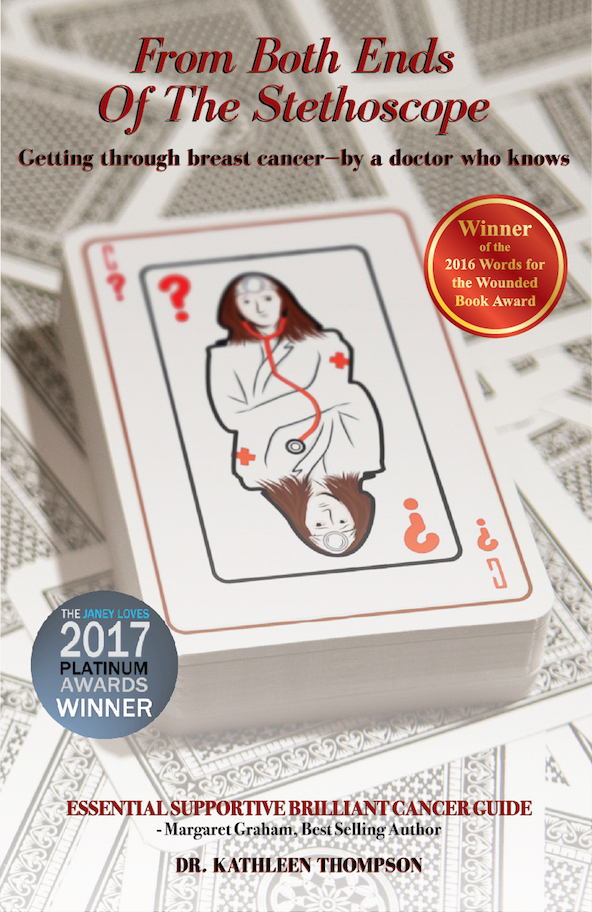
By Dr K Thompson, award-winning author of From Both Ends of the Stethoscope: Getting through breast cancer – by a doctor who knows

http://www.amazon.co.uk/dp/B01A7DM42Q http://www.amazon.com/dp/B01A7DM42Q
http://faitobooks.co.uk

Note: These articles express personal views. No warranty is made as to the accuracy or completeness of information given and you should always consult a doctor if you need medical advice.
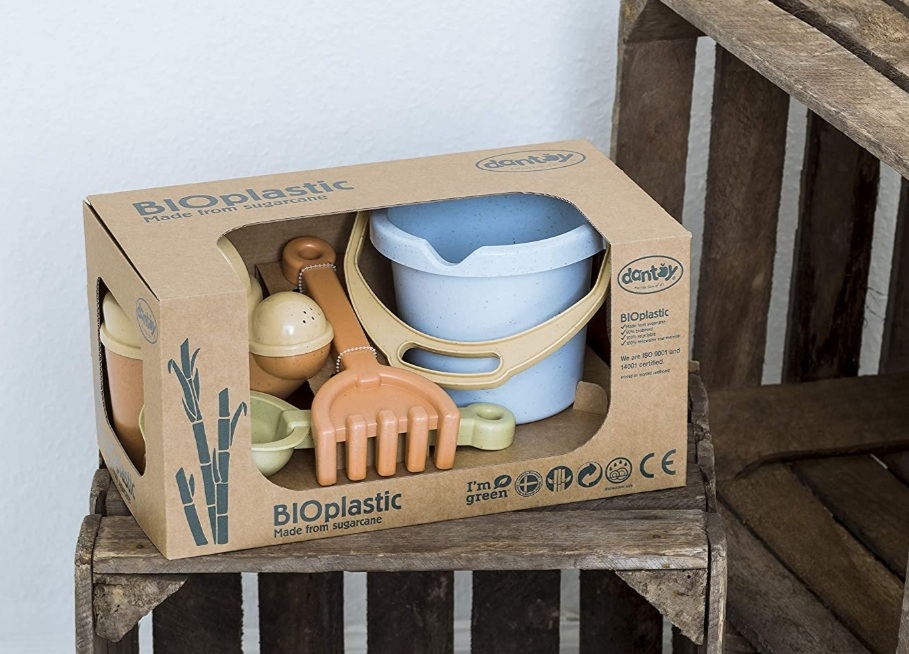
Dantoy – my children’s type of toy, and mine too by Natalie Jayne Peeke West Country Correspondent


Like any other parent will be aware, every birthday and Christmas with young children not only produces a mountain of hastily torn wrapping paper but even bigger mountains of boxes and of course plastic from within those boxes plus the pesky wires used to secure the toy in place.  The mess is endless and unfortunately most of it is not recyclable.

I was infuriated when we bought our son a £70 dinosaur toy for one of his birthdays only for it to be broken 3 months later, resulting in a upset boy and a utterly annoyed me, I wasn’t annoyed with my son but myself for insisting we spend that much money on a toy that despite being advertised for his age icould not withstand his rough play. Lesson learnt.

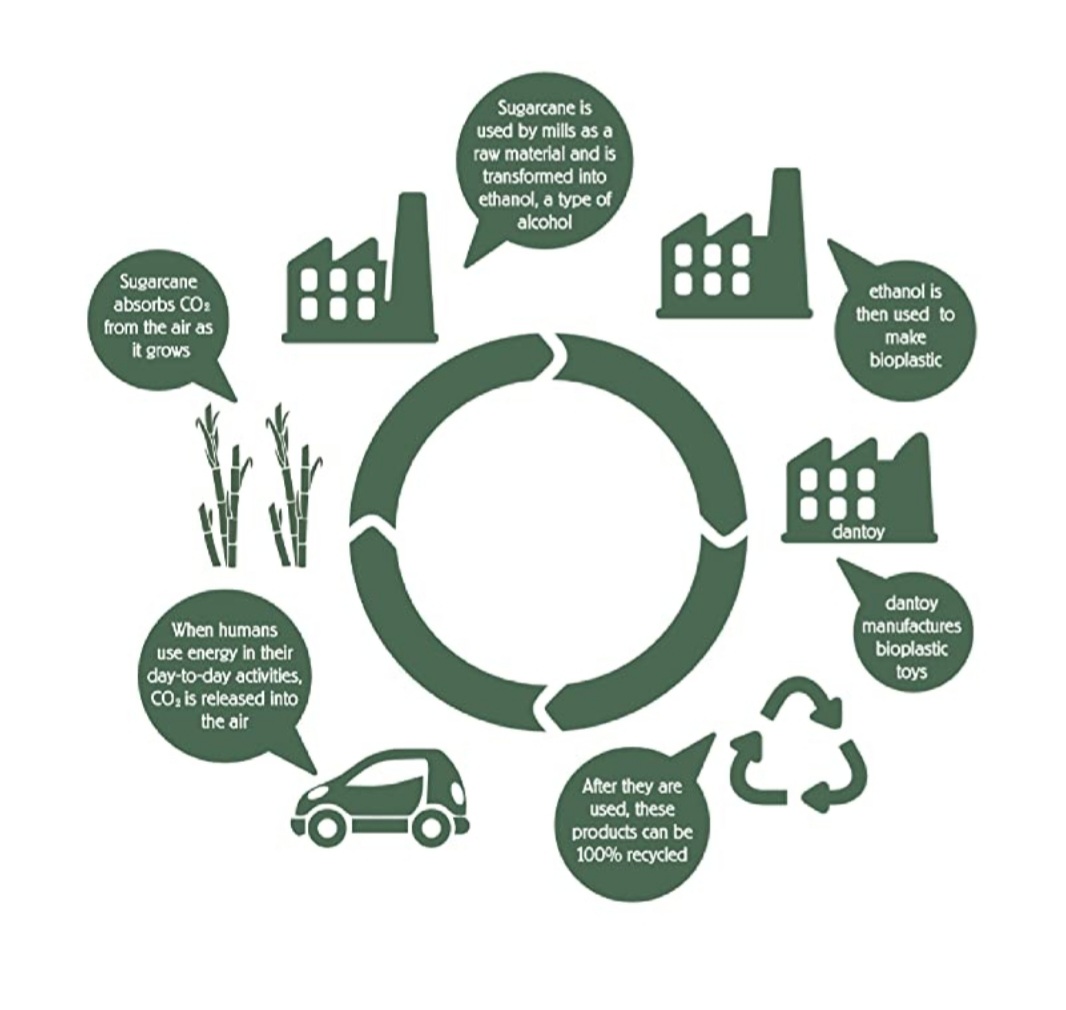
Earlier on this year I discovered Dantoy make a Bioplastic wide range of toys, made of at least 90% sugarcane which is a sustainable material and the Bioplastic is 100% RECYCLABLE. It is a breath of fresh air to find an eco-conscious range that is also high quality, colourful, sturdy and most importantly fun .

The beautifully simply design encourages endless imaginative games together and independently. Building children’s confidence and physical development through play.

The lovely people at Dantoy sent me a playset, I say me but my daughter is the key critic here. She received the Beach time Fun set which includes a bucket, spade, rake and watering can. So far we have not had chance to test it on a beach – however great fun was had playing with the set at Bath time and of course in her bedroom where she fully engaged her imagination and was building unicorn sandcastles on a magical beach.

My daughter said the colours are “pretty” and she has had endless hours of fun and I am confident that her toys will stand the test of time. We can only recommend such a sustainable and child proof playset. 

https://dantoy.dk/en/

The Writers’ Festival Season is fast approaching and Joffe Books is in the forefront

JOFFE BOOKS AT THE SUMMER FESTIVAL OF WRITING

18 July | 19:00 BST / 14:00 ET

Digital-first publishing is a growing trend in the industry. This panel of expert digital-first publishers Sara-Jade Virtue, Jenny Geras and Jasper Joffe will be discussing the benefits and the process and answering questions from the audience and Harry Bingham.  Find out more here

Meanwhile back at the ranch, or rather Joffe Book of the week…

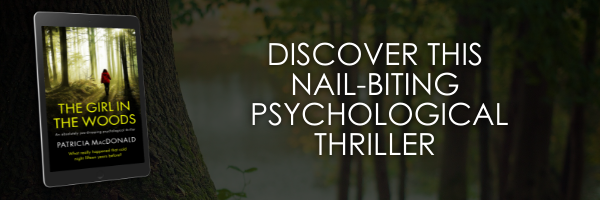
NEW FROM BESTSELLING AUTHOR PATRICIA MACDONALD

Discover this nail-biting psychological thriller today for only 99p / 99c (half price during the launch)

Blair’s best friend was murdered, and now a shocking confession reveals the wrong man has been in jail for fifteen years.    If he didn’t kill her, who did?

And now one or two more – just love Joffe’s covers.


 Hell’s Half Acre by Jackie Elliott  99P / 99C

One betrayal two suspects  three murders…

After being shot, Andi Silvers has been ordered to take it easy by her boss at the Coffin Cove Gazette.
But she’s back to drinking and refuses any help. Instead, she’ll do what she knows best and follow her next lead. Ricky, the former mayor’s son, has disappeared and Andi seems to be the only one who cares.

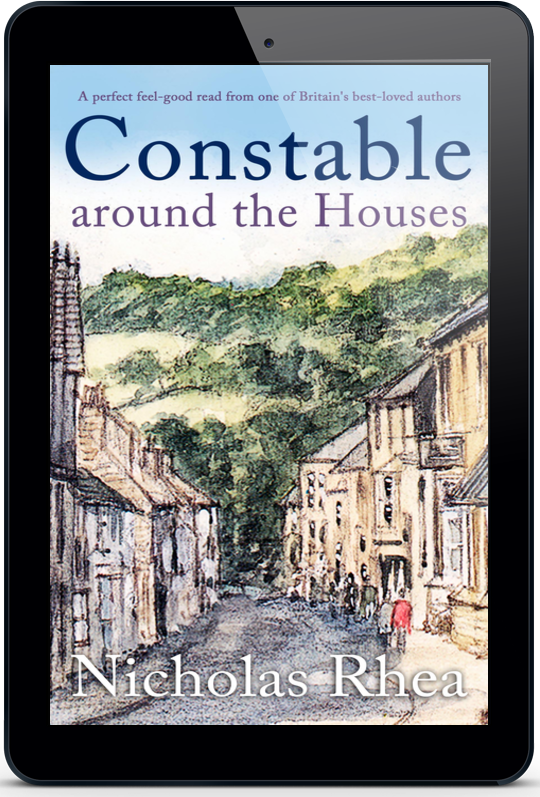
 Constable Around the House by Nicholas Rhea  £1.99 / $2.99

Sergeant Blaketon has ruled the roost in Aidensfield for longer than anyone cares to remember. Now comes the bombshell that he’s ready to retire. Who’s going to keep order in the village?
Constable Nick has some big shoes to fill . . .

“It’s original, it’s funny . . . one of life’s little pleasures.” Yorkshire Post

Lots to keep you busy, and a Summer Festival to organise.  Enjoy.

More information from Joffe Books here

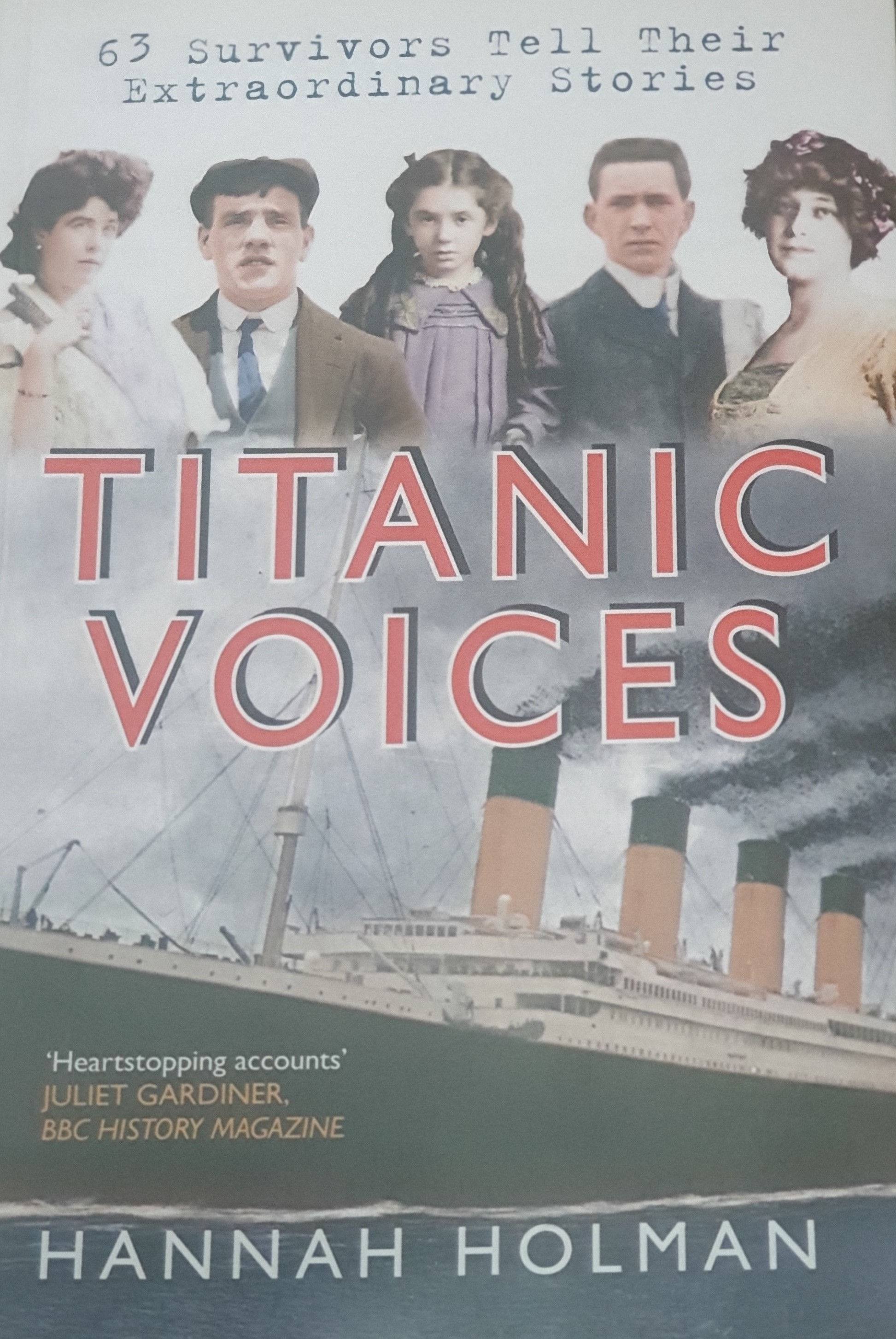
Titanic Voices By Hannah Holman reviewed by Natalie Jayne Peeke West Country Correspondent


There were over 700 survivors of the Titanic disaster and their horrific experience has captivated readers and moviegoers for over 100 years. But what was it actually like for a woman to say goodbye to her husband? For a mother to leave her teenage sons? For the unlucky many who found themselves in the freezing Atlantic waters? Titanic Voices is the most comprehensive collection of Titanic survivors’ accounts ever published and includes many unpublished and long-forgotten accounts, unabridged, together with an authoritative editorial commentary. It is also the first book to include substantial accounts from female survivors and those travelling third class.
The Titanic sunk 109 years ago, tragically killing roughly 1,517 people. There  is little doubt that it was the biggest maritime disaster and because of it, laws on lifeboats were introduced to prevent it ever happening again.

Thanks to films and TV shows we have an  insight into the doomed maiden voyage, but what was it actually like ?

Hannah Holman beautifully presents the accounts of men and women in first class, second class, steerage and the crew members. I have savoured this book, it is accessible because you can read each account individually.

Each chapter belongs to a lifeboat – starting with the first lifeboat launched and the accounts of those survivors and ending with The Carpathia and its passengers.

It is a an eye-opening experience: you feel the anxiety, the heartache, the uncertainty. All the time you are reading you are thinking this is awful yet remarkable.

Admittedly I did have a slight shock when reading this as one of the survivor account was that of a passenger called Margaret Graham, I knew it couldn’t be the same Margaret Graham who is a Editor of Frost Magazine but it did give me goosebumps and I had to email her to confirm it!

I fully recommend this to anyone who has a interest in history, bookworm or no this is a book that you will not want to put down

Available as paperback or eBook here

My Writing Process Joy Ellis

1) What have you written, past and present.

To be honest, quite a lot, and mainly in the last five years. I’m at present writing my 26th book for Joffe Books, but have two more completed novels lurking in a cupboard (and in a completely different genre) that will probably never see the light of day. There are twelve books in the DI Nikki Galena, Fen Series; seven in the DI Jackman and DS Evans series; three Matt Ballards; and one stand-alone novel. Oh, and two more completed and already in the editing process with my publisher. Right now I’m working on book thirteen in the Fen Series. I sometimes wonder just how much mileage you can get from one detective, but from the messages sent to me by the amazingly supportive ‘Nikki Fans’, I’m beginning to think I’ll rival Coronation Street for longevity! 

2)What are you promoting now.

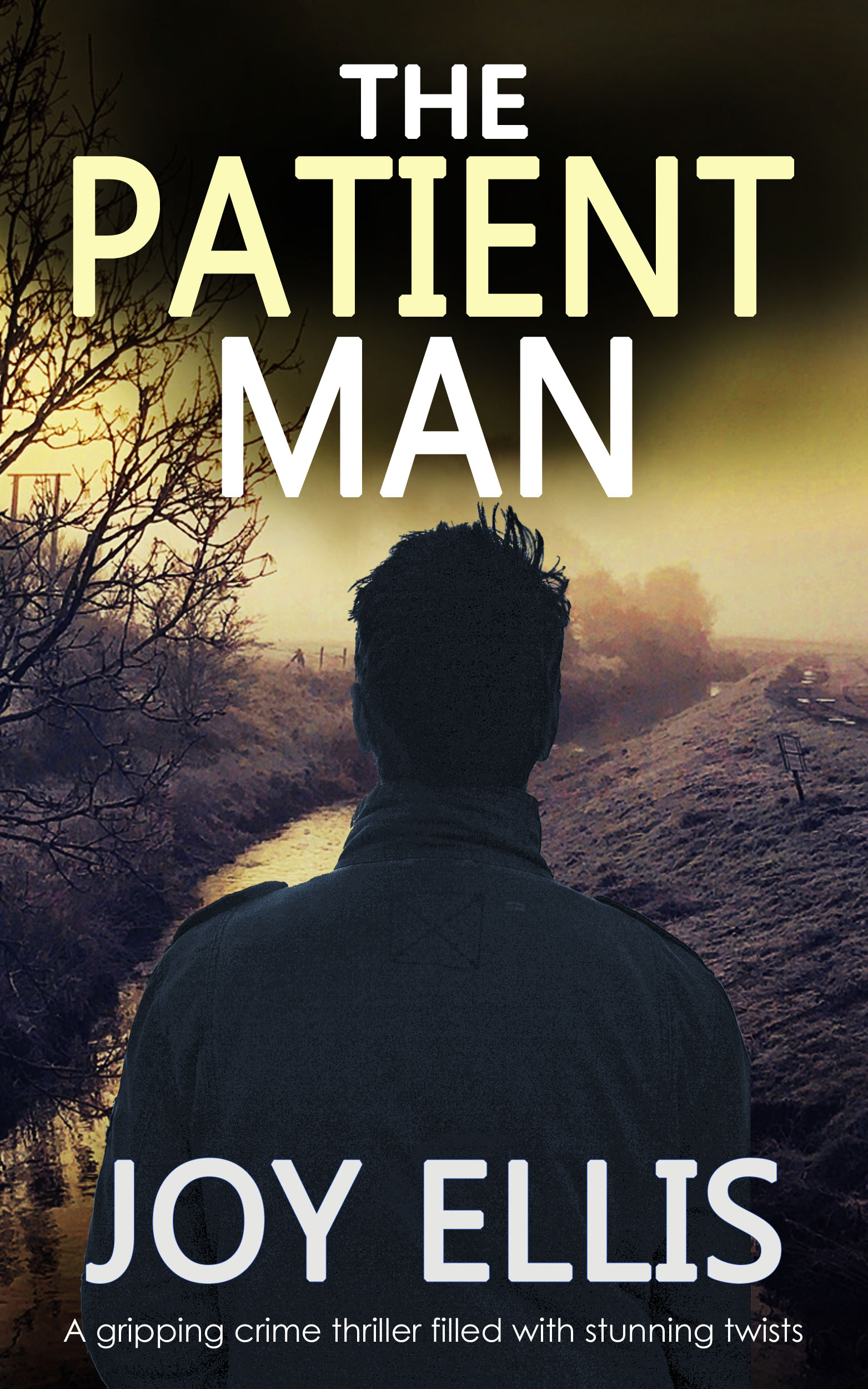
At the moment, because of it being shortlisted for The British Book Awards, Book of the Year, Fiction: Crime and Thriller section, all interest is on The Patient Man, Book 6 in the Jackman series. I loved writing this book as it was one that allowed me to use some wonderfully dysfunctional characters, and a particularly vindictive and vengeful killer who had set his sights on Jackman and Marie. I have to confess to enjoying writing the ‘baddies’ as the scope of what they are capable of is endless. Having said that, I always strive for a satisfactory outcome, which means good triumphing over evil… well, most of the time…

3) A bit about the process of writing.

It always starts with asking myself, ‘What if…?’ Just a thought, a vague idea that almost instantly begins to escalate. At that point I grab a notebook and scribble down these tenuous threads that might lead to a new novel. A whole book can materialise from a couple of lines hurriedly written in a notebook. They sometimes take the form of a cameo; a brief scene played out in my mind, and that becomes the foundation for the novel. A perfect example of this was when I was considering a plotline for one of the earlier books in the Fen Series. I envisaged the collapse of a building, trapping two strangers, a man and a woman. Believing the injured woman trapped with him to be dying, the man confesses that he has just killed someone. But, what if she didn’t die? What if she remembered what he had told her? And what if, he discovered that she was still alive? No more was needed to begin writing Stalker on the Fens.

4) Do you plan or just write.

I’m an organic writer, so once I have written Chapter One, I’m off! No detailed plans, I just work with my basic idea and run with it. I firmly believe that I set the scene, introduce my characters, then hand the whole thing over to them to do as they will. If I don’t, half the time they highjack the story anyway! 

5) What about word count.

It’s a little bit odd, but I seem to write each novel to finish up with a similar word count. It’s not intentional, as far as I’m concerned, the book is as long as it needs to be. It just works out that way. I use Word for my manuscripts, type in Times New Roman, font size 12, and always double space the text. For four books in a row, when I finally typed those wonderful words, The End, it was on page 406, and I have no idea how that happened. As to wordage, it’s generally around 120,000 words. My last book was a little longer and came in at 127,949 words, but of course that’s before my editor gets to work and prunes it heartily! 

6) How do you do your structure

This is quite hard to describe, because although I know how important it is, especially for a new writer, to structure a book well, it isn’t something I do consciously. Perhaps because of having written so many books, I’ve found a mental blue-print, and work to that automatically. And it’s as simple as one, two, three… because that is exactly what it is. A beginning, a middle, and an end. I’ve always thought of it as three acts, the first where you introduce the characters, the location and present the problem; the second where that problem is confronted; and the final act, where the problem is solved. And through all of this I endeavour to keep up the tension, and pay careful attention to the pace of the novel. Pace is incredibly important, and I see that as a wavy line with peaks and troughs. Build the pace and hold it, then slow it down and allow your reader to breath again! Then stick them back on the roller-coaster for a while! If you don’t give them time to gather themselves, they will fall, exhausted and gasping, across the finish line and wonder what on earth that was all about. Even if I’m not totally conscious of it, I know I’m aiming to structure my book to continually connect with my reader and keep them with me, page after page, until we reach a satisfactory ending… together.

7) What do you find hard about writing.

About the actual writing, very little! The hard part is when life gets in the way! If I’m on a roll, I really resent appointments, and doing all the things that still have to be done to exist. And as I’m not exactly in the first flush of youth anymore, sitting for long periods of time does me no favours! I am sometimes forced to stop simply through pain, and that is irritating beyond words, especially if the muse is with me. Yes, for me, the hardest thing about writing is striking a work/life balance, and I can truthfully say, that’s one thing I’m rubbish at!

8) What do you love about writing.

How long have you got? I love everything about writing. Recently however I’ve come to realise things that I never truly appreciated before the pandemic. I’ve always loved books and reading. My favourite present at Christmas as a child would be a book. It provided escapism, company, and adventure. Now, from some of the heart-warming messages that I’ve received in the last year, I’m understanding how much deeper this goes. Books have been an absolute  lifeline to so many people during this worldwide period of isolation and fear, and it’s really come home to me that writing books, is actually helping people to cope in extreme situations. It’s very humbling, and some of the stories I’ve been sent have literally reduced me to tears. So, I have to say the thing I love about writing the most, is finally understanding the positive power that books have to really make a difference.


Globally, 1 in 4 women have nowhere to manage their periods safely.

Fempowered is WaterAid’s period subscription box, offering plastic free and 100% organic-certified period products with 100% of profits going to WaterAid projects.

water aid, periods, period poverty,

Fempowered monthly period subscription box: £10 including a £3 donation to WaterAid.

This Menstrual Hygiene Day on 28th May, international charity WaterAid is asking the British public to help transform the lives of women and girls around the world by subscribing to Fempowered, WaterAid’s monthly period subscription box. 

The box costs £10 a month and, with 100% of profits (£3/box) going to WaterAid projects, it provides a unique way for people to get eco-friendly, organic and plastic-free sanitary products delivered to their homes each month, while helping women and girls around the world to manage their periods safely and with dignity.

As a special offer, Fempowered is also offering new subscribers 30% off their first three boxes, using the code IMNEWHERE.

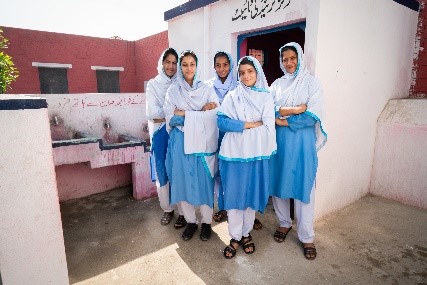
On any given day, 288 million people are menstruating. Yet one in four have no access to a decent toilet, and therefore nowhere safe and private to manage their period. Globally, 37% of schools do not have decent sanitation, meaning nearly 700 million pupils attend a school without a working toilet that locks. As a result, many girls skip school when on their period putting their future goals in jeopardy.

In many places, talking about menstruation is also shrouded in shame and silence. Often, girls don’t know about periods before they start, and many live in fear of rejection from their communities just because they’re bleeding.

Through purchasing WaterAid’s Fempowered bespoke period box, subscribers can support the international charity’s vital work to end this silence and discrimination around periods and help ensure all menstruating women and girls have access to the knowledge, facilities and materials to enable them to manage their periods and feel empowered to lives their lives to the full.

Therese Mahon, Regional South Asia Manager at WaterAid said:

“Globally, one in four women and girls are denied access to a decent toilet and a private space to manage their periods hygienically and with dignity. Menstrual health requires access to female friendly toilets with water and soap available at all times. Without access to these facilities at home, school, work and in public places during their menstruation, girls are at risk of missing school, whilst women can miss out on the chance to earn a decent income. 

“Periods are nothing to be embarrassed about yet there still exists a culture of silence and shame, which means the needs of women and girls are often overlooked, impacting their health and opportunities.

“Through Fempowered’s monthly period box, people can help us tackle stigma and discrimination and ensure those who menstruate can manage their periods with dignity.”

To subscribe and to find out more about Fempowered’s sustainable period products that give back, visit www.fempowered.me.


How Do You Feel About Getting Back In The Office? – Airdri Survey Shows Surprising Responses – by Award Winning Author Dr Kathleen Thompson


After over a year of home-working, offices are cautiously opening their doors. So how do you feel? Excited, nervous or both?

However it’s affecting you, the chances are you’re not alone, and the Airdri survey of 1,000 working British adults provided some interesting reasons why people are concerned about returning to the office:

58% had reluctance relating to having to look smart and dress in office attire

68% said that the commute was putting them off working back in the office

Only 16% were concerned over picking up germs from colleagues and communal areas

With my doctor’s hat on, I’m slightly concerned at the apparent lack of concern about spread of infection as we mix more. We’ve seen how Covid rates sneak up on us before, and whilst we absolutely should enjoy our well-earned new freedoms, we must remain cautious too. Let me explain exponential growth rate and why it can catch us unawares. When we think of growth graphs we usually think of straight lines. However natural growth is often exponential, meaning the graph curls upwards, ever more steeply. The reason is usually due to doubling, so one bacteria splits into two, each of which then split into four and so on – the same with cancer cells, which is why a tumour can be small for a long time and then appear to really take off. Viruses are a bit different but the way they spread follows a similar pattern. So growth starts off deceptively slowly, but because the time for infections to double is the same, whether it’s one infection to two, or 100,000 infections to 200,000, the infection rates can get faster and faster if we do nothing to intervene. Fortunately, with testing, monitoring, vaccination and other controls such as social distancing, we can suppress this exponential growth very successfully. So yes do enjoy those long awaited hugs, but don’t fling out the hand sanitizer or masks just yet – take things slowly, follow the guidelines and stay safe.

And that’s where companies like Airdri can help. To quote Steve Whittall, group director of R&D and operations:

“Whilst employees might not be overly concerned about picking up germs back in the office, it is at the top of mind for business owners/team managers concerned about the safety of staff and visitors.”

“We have seen huge sales increases in our air sanitiser technology – SteraSpace which again shows the investment many firms are making to ensure the safety of their staff. Maybe so much so, that it’s given employees something else to worry about – what to wear”.

Stay safe people, and have fun choosing your outfit.

By Dr K Thompson, award-winning author of From Both Ends of the Stethoscope: Getting through breast cancer – by a doctor who knows

http://www.amazon.co.uk/dp/B01A7DM42Q http://www.amazon.com/dp/B01A7DM42Q

http://faitobooks.co.uk

Note: These articles express personal views. No warranty is made as to the accuracy or completeness of information given and you should always consult a doctor if you need medical advice.
Introducing…Sugar Coated The “face” of ethical hair removal

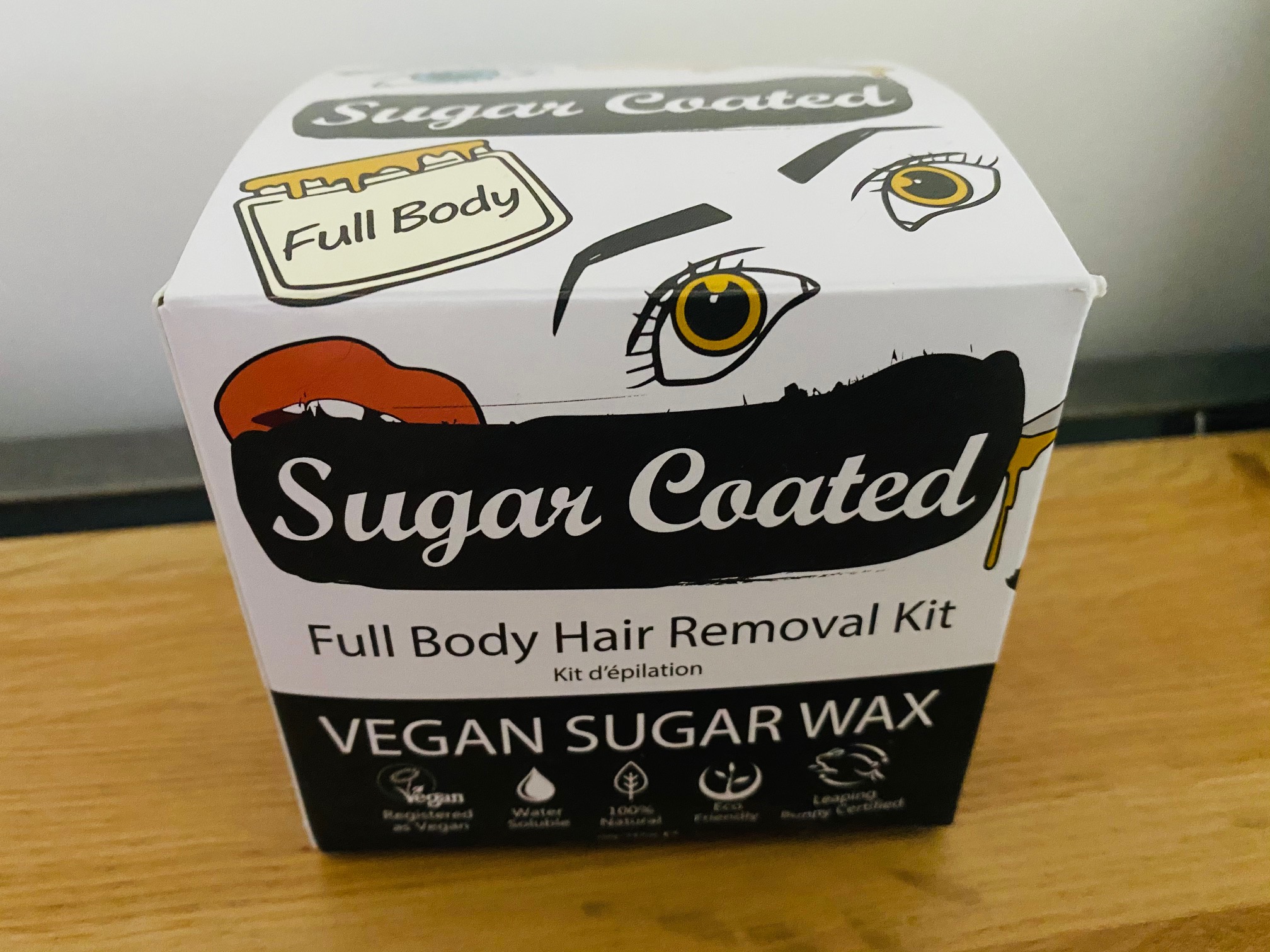
sugar coated vegan wax. Made from pure sugar syrup and water, Sugar Coated is the future of hair removal and the ethical alternative to waxing that will have you yelling “give me some sugar!”
Not only is Sugar Coated ultra-effective, more gentle on skin and the environment, but it is also vegan, 100%
natural, completely water soluble, biodegradable, and eco-friendly with its washable and reusable strips.
Inspired by an ancient method of hair removal dating back to 1900 BC, sugar waxing is tried and tested, and
loved by generations
Sugar Coated covers every hair removal need with a full body kit, as well as specific to leg hair, facial hair, bikini line, underarm and arm, and even hair removal on tattooed skin.
Each of these is made with a specific essential oil including rosehip, lavender, calendula, lemongrass, and almond for optimum skin healing and nurturing.
Say goodbye to those super sticky waxes, burning creams and painful epilators and give your skin a sweet treat with Sugar Coated Hair Removal.

Available at Next, Feel Unique, and Amazon.

Sugar Coated is the brainchild of Rosie Khandwala. Her story goes back
to the shores of the Indian Ocean on the north-east coast of Tanzania.
Growing up in Tanzania sugar waxing was the only form hair removal she
used. She learnt how to sugar wax from her mother and older sisters as

well as working in her cousin’s salon.

When she moved to the UK in 1987 she was amazed that sugar waxing
didn’t exist, so she started making her own. Seeing this glaring hole in the
market she and her husband started manufacturing at home to introduce
sugar waxing to the UK market. She soon outgrew the kitchen and they
found premises nearby where she is still manufacturing the sugar wax

today.

Sugar Coated is the vegan sugar wax that has the heritage and recipe
with a track record. This is the “face” of ethical hair removal. Made in the
UK with eco-friendly and ethical manufacturing at the heartbeat; Sugar
Coated is a product we want you to be proud to buy and share your
experience with friends just as its creator Rosie is sharing hers with you.