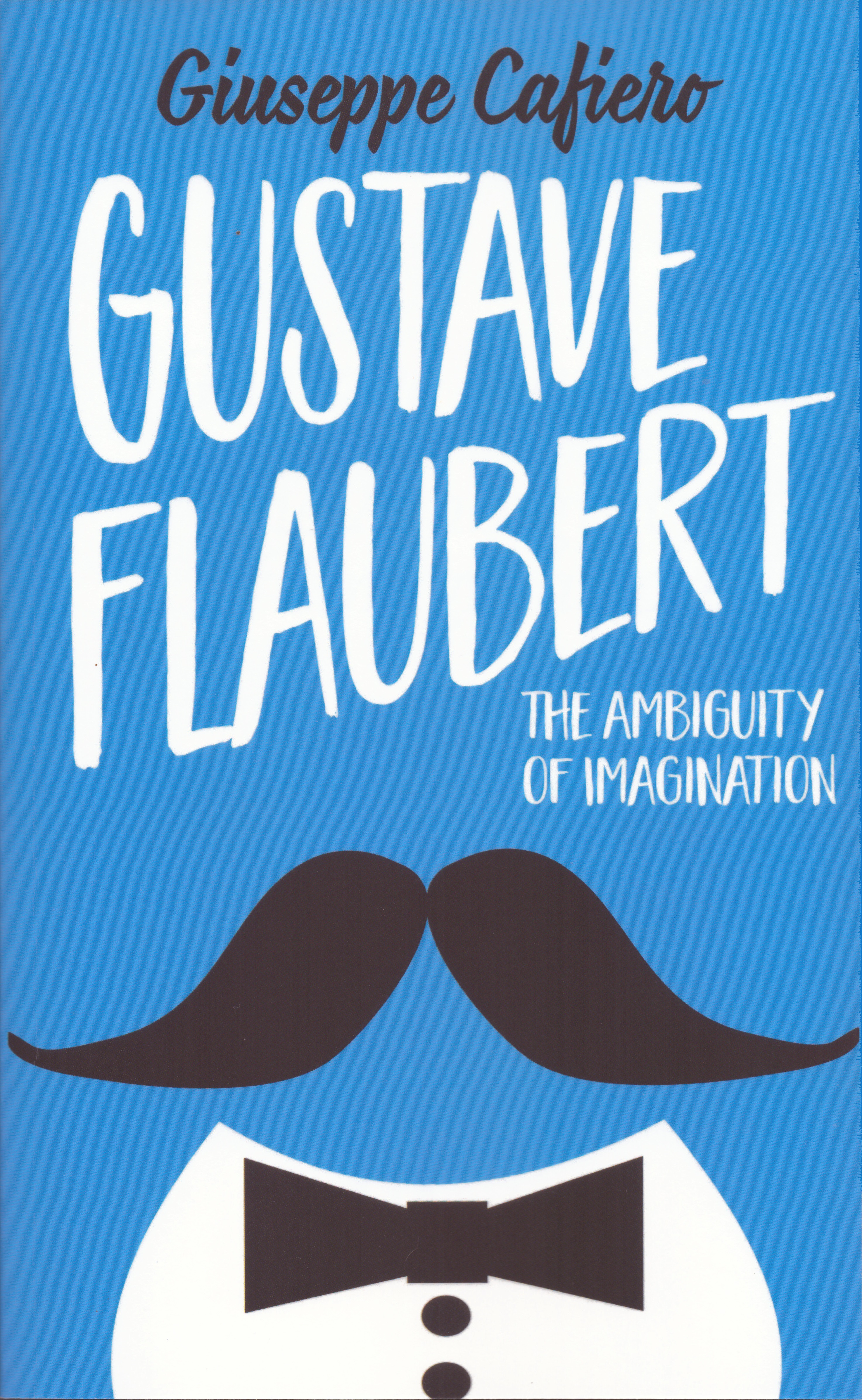
Gustave Flaubert: The Ambiguity of Imagination, by Giuseppe Cafiero

By Staff Writer

This latest novel from acclaimed Italian author Giuseppe Cafiero is a wry and racy journey through the world of French writer par excellence, Gustave Flaubert.

Gustave Flaubert: The Ambiguity of Imagination is part of Cafiero’s acclaimed ‘ambiguities’ series, which offers surreal and metafictional accounts of the lives of great authors and artists such as  Edgar Allan Poe (The Ambiguity of Death)  and Vincent Van Gogh (The Ambiguity of Madness).

Cafiero refers to this singular treatment as ‘bio-fiction’, a genre of his own creation and which is best defined as the playful interchange of truth and fiction in a broadly biographical account of its subject.

Rather than presenting a serious trawl through the life of the controversial, and somewhat seedy, Madame Bovary author, the novel takes its lead from a minor footnote in the works of Flaubert.

One of the books that Flaubert had planned to write, but never did, was entitled ‘Harel-Bey’, which as his letters attest would have been set in Middle East. In The Ambiguity of Imagination, that decision comes to haunt him – literally – as the titular Harel-Bey pops into existence with a huge grudge against his creator, both for leaving him a mere rough sketch and for writing him as a blind man.

Described by Cafiero as an “Arab who spent his life in the salon of the frères Goncourt, authors of a famous Journal, where he was born in an evening of drunkenness and carousal from the fervent imagination of Monsieur Gustave Flaubert”, Harel-Bey embarks on a voyage of discovery through the author’s oeuvre and correspondence, in the company of one Monsieur Bouvardstar of another unfinished Flaubert work, Bouvard et Pècuchet.

Like a spurned child, he has one mission in mind – to wreak revenge against the fully fleshed-out protagonists of Flaubert’s published novels and stories. In doing so, he visits locations described in Flaubert’s novels, and meets some of the characters therein, including the famed Madame Bovary.

Told in epistolary form, the novel – translated from the original Italian – is rich in period detail and liberally sprinkled with direct quotations from Flaubert’s works and letters, as well as deliberately evoking the distinctive literary style of the French writer himself.

The novel does hang – somewhat loosely – around the plot concerning Harel-Bey, but the real joy is in the fascinating, semi-biographical peek into the mind of a great writer and the fruits of his imagination.

However, to get the most out of this singular novel, its many allusions and references, it’s best that the reader should already have, or seek, acquaintance with Flaubert’s works beforehand. 

Gustave Flaubert: The Ambiguity of Imagination by Giuseppe Cafiero (Clink Street Publishing) is available now on Amazon UK, priced £9.99 in paperback and £2.84 in Kindle Edition. Visit www.giuseppecafiero.com


WforW Georgina Hawtrey-Woore Award for Independent Authors Fiction Category: Joint 2nd Place winners

And so we come to the last stage of  the inaugural year of the Words for the Wounded Georgina Hawtrey-Woore Award for Independent Authors. The excellence of the entries, especially that of the winners would please Georgina enormously, just as it has pleased the judging panel.

Georgina died, too young, in 2017. As a senior editor at Arrow, Georgina was determined that her authors should fulfil their potential, and, more, she was also a great supporter of WforW. To commemorate her life, the three grannies who run Words for the Wounded determined that Georgina should be honoured. To this end Jan, Margaret,and Penny renamed the competition and re-jigged its structure. So now there are four categories.

This year they are delighted  that not only are the entry numbers up, so too is the standard: ‘It is heart warming to see so many excellent entries, and a great treat to read them and Georgina would be thrilled.’ Of course, though, there have to be winners and ultimately the team led by Milly Adams, one of Georgina’s  authors, reached unanimous decisions. As in the Non-Fiction Category, the WforW judging team decided on joint 2nd place winners in the Fiction Category: ‘Just too close to call‘ was their  comment.

In alphabetical order:

Joint 2nd Place winners of the Fiction Category.

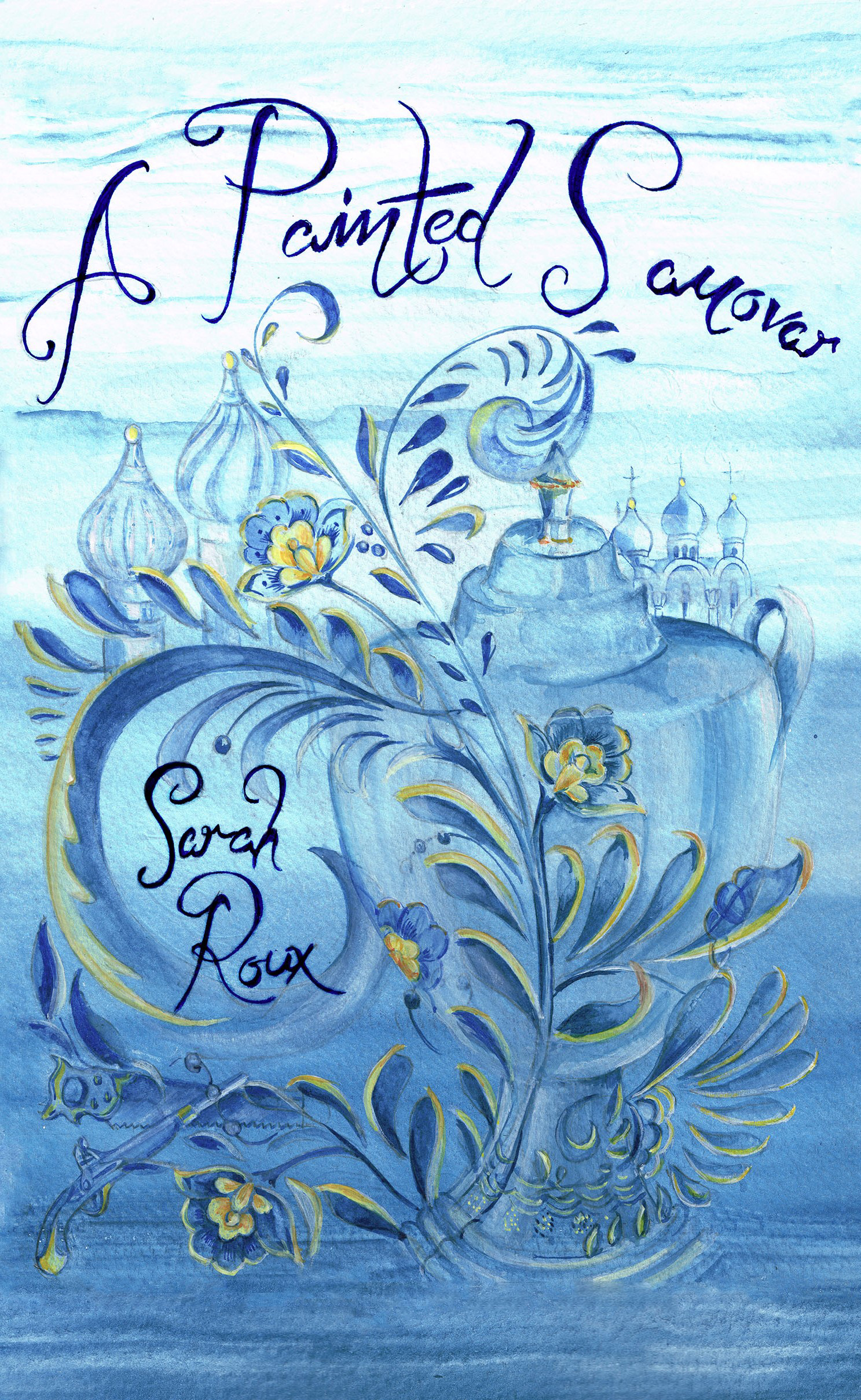
A Painted Samovar by Sarah Roux.

A well crafted and evocative novel which takes us from the Russo-Japanese war of 1905 in which Isaac fights for his country, Czarist Russia, only to seek refuge in Britain post war. Later war beckons again, but this time Isaac has further decisions to make: whether to fight for his adopted nation, Britain, or  to return to Russia which is in a state of growing political turmoil. He  returns to Russia, leaving his wife and children. Will he ever see them again? Only if he undertakes a perilous journey. Does he, doesn’t he? And what were the reasons for leaving Britain in the first place? Read it and see.

As with life, either decision would have had problems, and how does one ever know what is/was the right one. and this was skilfully handled by the author.

A fascinating period, well handled; a human story set in a chaotic context, which after all, is so often the case in world affairs.  An epic story, with a complete structure and bags of human interest. It left the team with lots to think about.

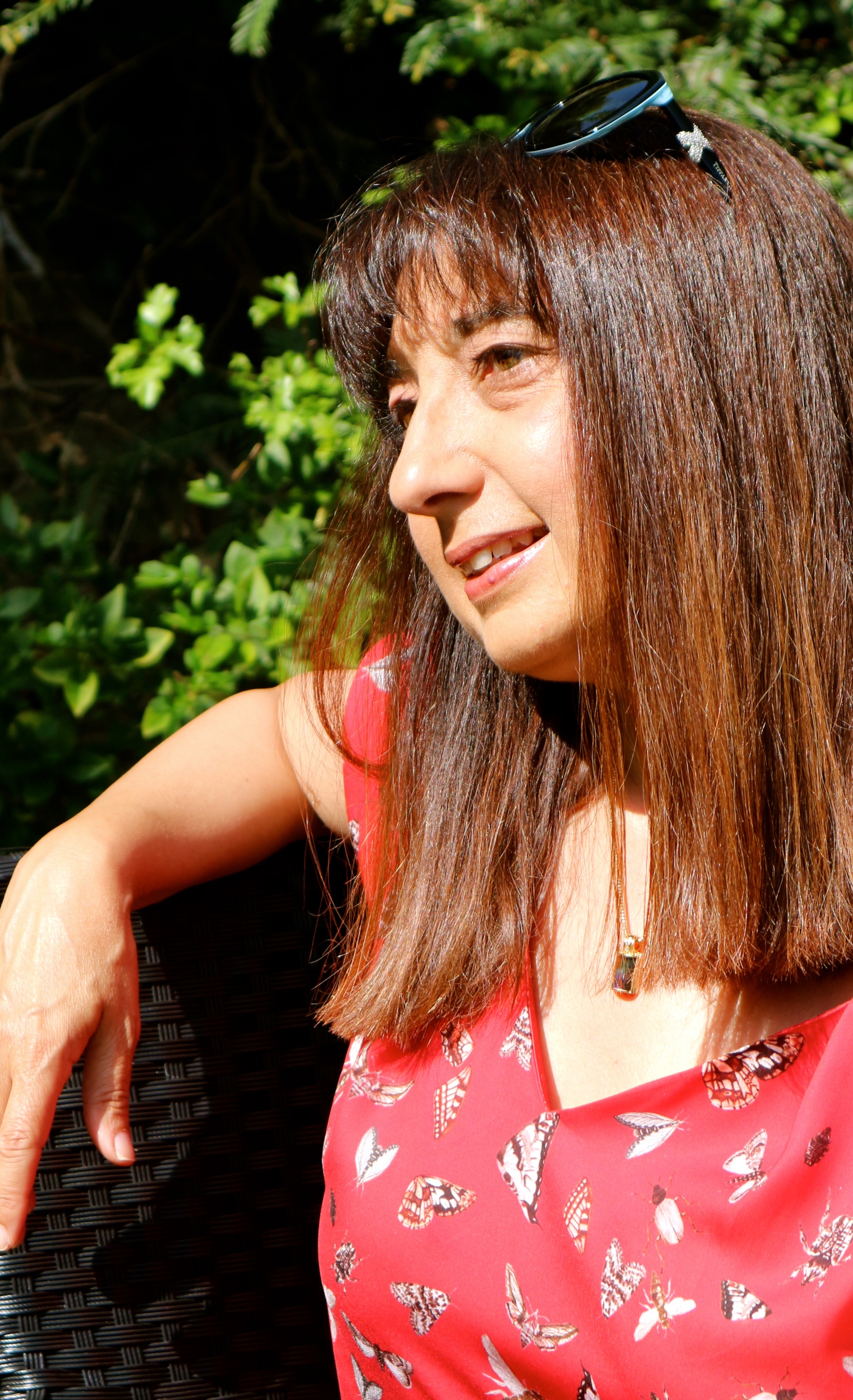
Sarah Roux writes under a pen name; a convergence of her grandmothers which sadly never happened in real life. Born and bred in North London, she now resides in Buckinghamshire with her husband and son.

When she’s not writing, researching or parenting, she can usually be found wandering the stacks of the local community library where she is a volunteer librarian and trustee.

Sarah let us know the backstory to A Painted Samovar and it was interesting to hear that as an ardent lover of history, Sarah has always felt the sting of injustice when discovering an untold story or a forgotten figure hidden in the footnotes.

Her way of dealing with this is to write novels. A Painted Samovar was born out of the discovery that her maternal grandfather, a Jewish immigrant from the Russian Empire, was one of four thousand men expelled from Britain during the Great War and plunged into the Russian Revolution. Her grandfather was one of the lucky ones who eventually made his way back to Britain after four years away.

Although he never spoke a word about what had happened, Sarah likes to think he would be happy to have his life and those momentous times remembered; albeit in an entirely fictional way.

Learn more about Sarah on: www.sarahroux.co.uk


A Painted Samovar available on: https://www.amazon.co.uk/Painted-Samovar-Sarah-Roux/dp/1999795709/ref=sr_1_1?ie=UTF8&qid=1528377700&sr=8-1&keywords=A+painted+samovar+by+sarah+roux


Joint 2nd Place in Fiction Category

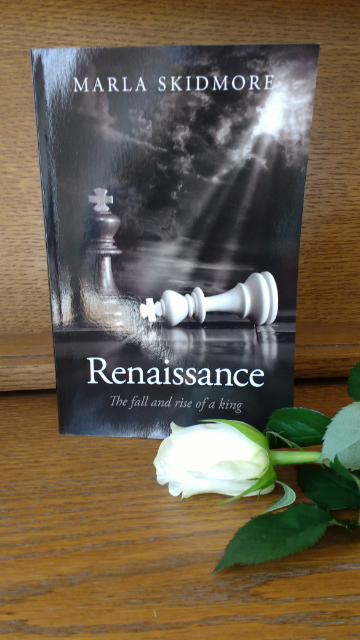
Renaissance – The Fall and Rise of a King by Marla Skidmore


Set in the time of the Plantagenet Richard III and his challenger, Henry Tudor, Renaissance captures the essence of that turbulent period, galloping the reader into Richard’s battle to retain power in the face of Henry Tudor’s challenge at the Battle of Bosworth. We can hear the clash of weapons, see the fist of mail, the thunder of hoofs, and then – the death of the perhaps much maligned Richard III. But is it death?

Marla Skidmore grasps the nettle of her research and invests it with her interpretation, and a good dash of imaginative realisation, to bring to life this period which is clouded by myth and legend. The author uses the relationship between Richard and his celestial mentor Father Gilbert to discuss and reveal a different slant on Richard who might not after all be the monstrous villain of William Shakespeare’s play, and of the Tudor histories.

The premise was fascinating, and the execution skilled.

A memorable novel of what ifs…


Frost Magazine was delighted  Marla Skidmore had the time to tell us more about herself and the writing of Renaissance:

I grew up in Richard III country, in a small medieval city located on the edge of the Yorkshire dales – between Middleham and York – where I met and married my soldier husband at the tender age of 18.  After following the flag for a number of years, I decided to return home to become a mature student at Leeds University – I told my family “it will only be for 4 years.”   7 years later I emerged with a BA(Hons) in English and History, a Masters in English Literature and a PGCE and went on to teach in Further and Higher Education.

It was during a prolonged break in my career, due to a serious health issue, that I returned to writing. I had dabbled in it on and off for years – writing short stories, poems and even the beginnings of a couple of novels, but life in the shape of career and family commitments always got in the way of me giving it my full attention.  It was natural therefore that when I was forced to take a ‘time out’ my love for literature; for words and a fascination for history would lead me down the path of writing a historical novel.

I was well into the 5th chapter of a romantic murder mystery, set during the Napoleonic Wars, when at lunch with a group of university friends, at the time of the rediscovery of Richard III’s grave and the ensuing controversy about his reburial place, I speculated about what he would have made of all the fuss.  A member of the group (a respected medieval historian) challenged me to write the story – “do one about Richard in blue jeans” were her words. The idea took root and snippets of a story constantly inserted themselves into my mind.  Finally, I had to put aside my Napoleonic novel – the result is ‘Renaissance – The Fall and Rise of a King.’  My Richard did not turn out to be in blue jeans but I did bring him into the 21st century – in my own way.

I promised myself that I would resume writing the earlier story as soon as ‘Renaissance’ was written but now ideas for a sequel are running through my head – about that most loyal of Richard’s friends, the mysterious Francis Viscount Lovell.  So…here I am… with a published novel, one partially written novel and another in the researching stage – which one of the latter two do I tackle first? Can one write two novels simultaneously?

Breaking News…

Marla tells us: ‘Renaissance’ was reviewed by author Helen Hollick’s team of Bloggers on 24th May and it has received their ‘Discovering Diamonds’ seal of approval as a recommended read.’

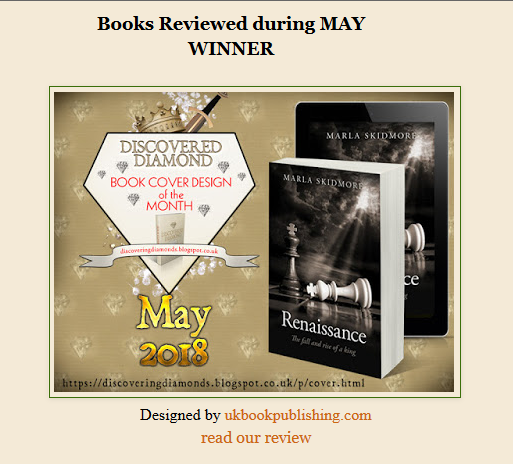
‘ It gets better…when I got back from holiday on Monday evening I found another email from her informing me that the book was winner of ‘Discovering Diamonds’ Cover Design for the Month of May and will be put forward for Cover of the Year in December.’

She is being interviewed on a podcast which will go out on UTube; the Richard III Society is publishing a review in the September issue of their quarterly magazine – The Bulletin; and their American branch would like her to do an interview for their June Newsletter. Bravo…

https://www/facebook.com/MarlaSkidmoreAuthor/

The book is available on Amazon:

Also on Booklinker: http://mybook.to/TheRiseofaKing and you can also find Marla on Twitter: @marlaskidmore44

And this ends what has been a fabulous list of authors and books, and a most impressive inaugural WforW Georgina Hawtrey-Woore Award for Independent Authors. Frost Magazine will be meeting the winners of next year’s award in 2019. We can’t wait.


5 Ways to Prep Your Car Like A Pro Before a Road-Trip

Summer is upon us, and you know what that means: it’s time to soak up some sunshine and go on many, many road trips! However, before embarking on your next adventure, prepping the car is essential. Without the right preventive measures, your car is more susceptible to breaking down and suffering unexpected problems.

To lower those risks, check out these five ways to prep your car like a pro before a road trip:

  1. Get professional maintenance service and a tune-up

Never leave for a road trip before taking your car in for a tune-up at the auto-shop. It’s imperative that you get an oil change, check the fluid levels of the coolant system, and test to see if your air conditioner, lights, turn signals, and general braking system are working properly. In addition, make sure the battery is securely in place, the tires are not under-inflated, and no serpentine belts are damaged. Not only does your car need to perform at its best, it should be unquestionably safe to drive. 

2. Read up on your car manual 

You should know your car better than anyone else. That’s why it’s imperative you take action to read up on car maintenance. In times of trouble on the road, a professional will most likely not be there to help us. But when we educate ourselves on basic car repairs and learn how to do them, like replacing a flat tire or jumpstarting a battery, stress and anxiety will be the last things on our minds during those scenarios. 

3. Clean everything inside and out

A clean car never fails to feel like a new car. Therefore, clean out your interior by throwing away trash, wiping grime off surfaces, and vacuuming dirt off the floor. Applying car interior dressing can help protect surfaces and keep them looking fresh, giving your car a polished finish. Being stuck in a dirty and messy vehicle for hours on end is just a nightmare! Regarding the exterior, give the car a good wash and wax to add an extra layer of protection against outside elements. Plus, in the long run, keeping your car clean combats premature deterioration and damage.

4. Organize an emergency kit and important documents

Put together an emergency kit if you haven’t already. You never know when unforeseen circumstances will happen. Within a car emergency kit, include basic medical supplies, clothes suited for all types of weather, a flashlight, flares, emergency money, and jumper cables. Subsequently, keep important documents in the glove box such as a copy of your driver’s license, insurance, and car registration. In the event that an officer pulls you over or an accident with another driver occurs, you will be prepared to immediately present your information to them.

5. Make accommodations to the passengers if necessary 

Consider the passengers riding in the vehicle with you: kids, a significant other, friends, pets, etc.? Each person will have different needs that must be fulfilled to feel at ease on the road. For example, kids are less likely to throw tantrums if they have some form of entertainment by their side, such as a book, game, or snack. A significant other, on the other hand, may spend the entire road trip in the front seat and would love to pack extra pillows to make themselves more comfortable. Pets should stay secure in place with a harness or reside in a crate; just like we need seatbelts, our pets require the same precaution of safety in the event of an accident. 

A road trip is by far one of the most fun trips you can take in the summer. What could be better than a promising open road, new experiences, and precious time spent with loved ones? 

But before you make this summer even better than the last one, make sure your car is 100% prepped and prepared for a road trip so you and your passengers are always safe and ready for anything that arises while having a blast. 

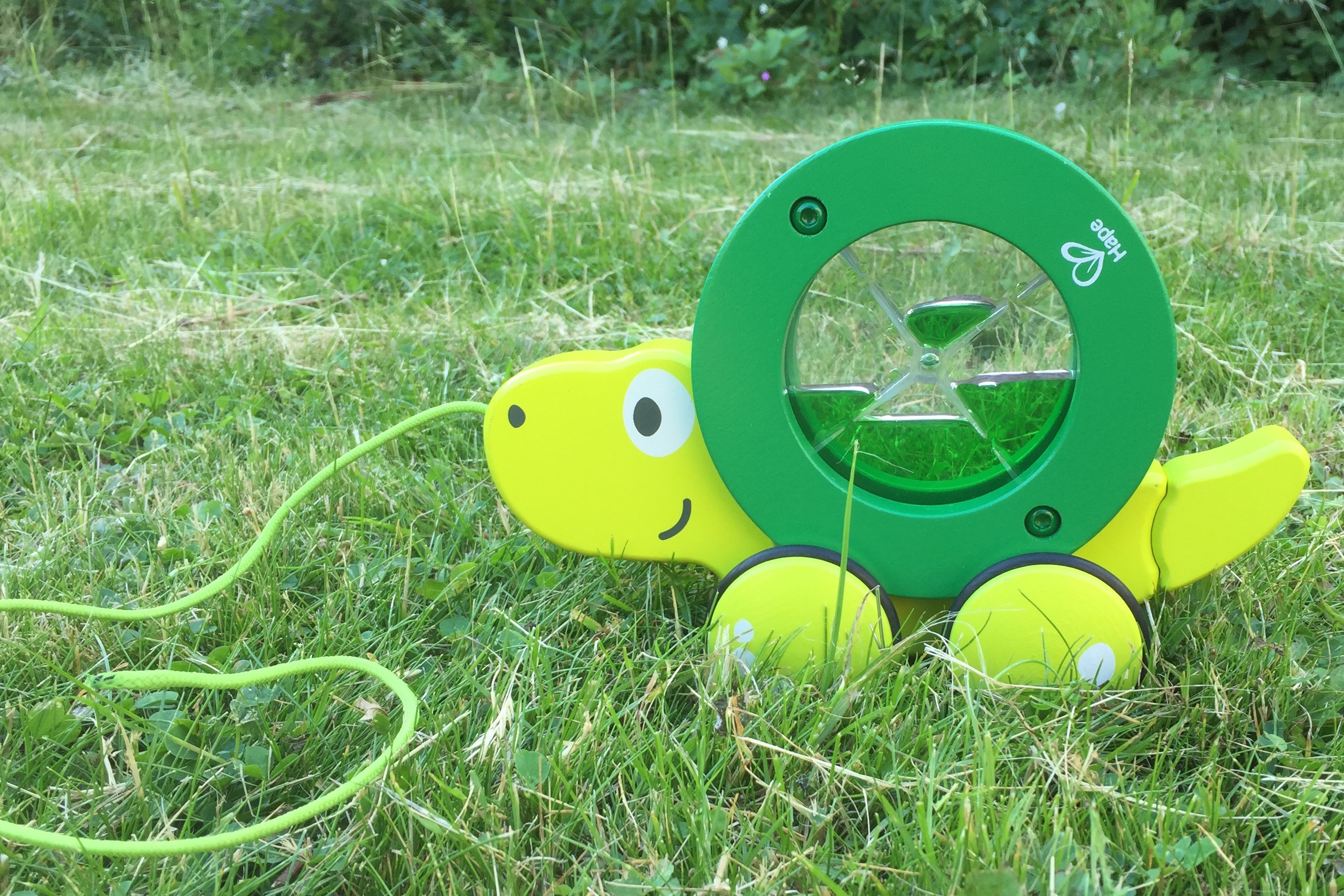
Tito Pull Along by Hape by Dr Kathleen Thompson


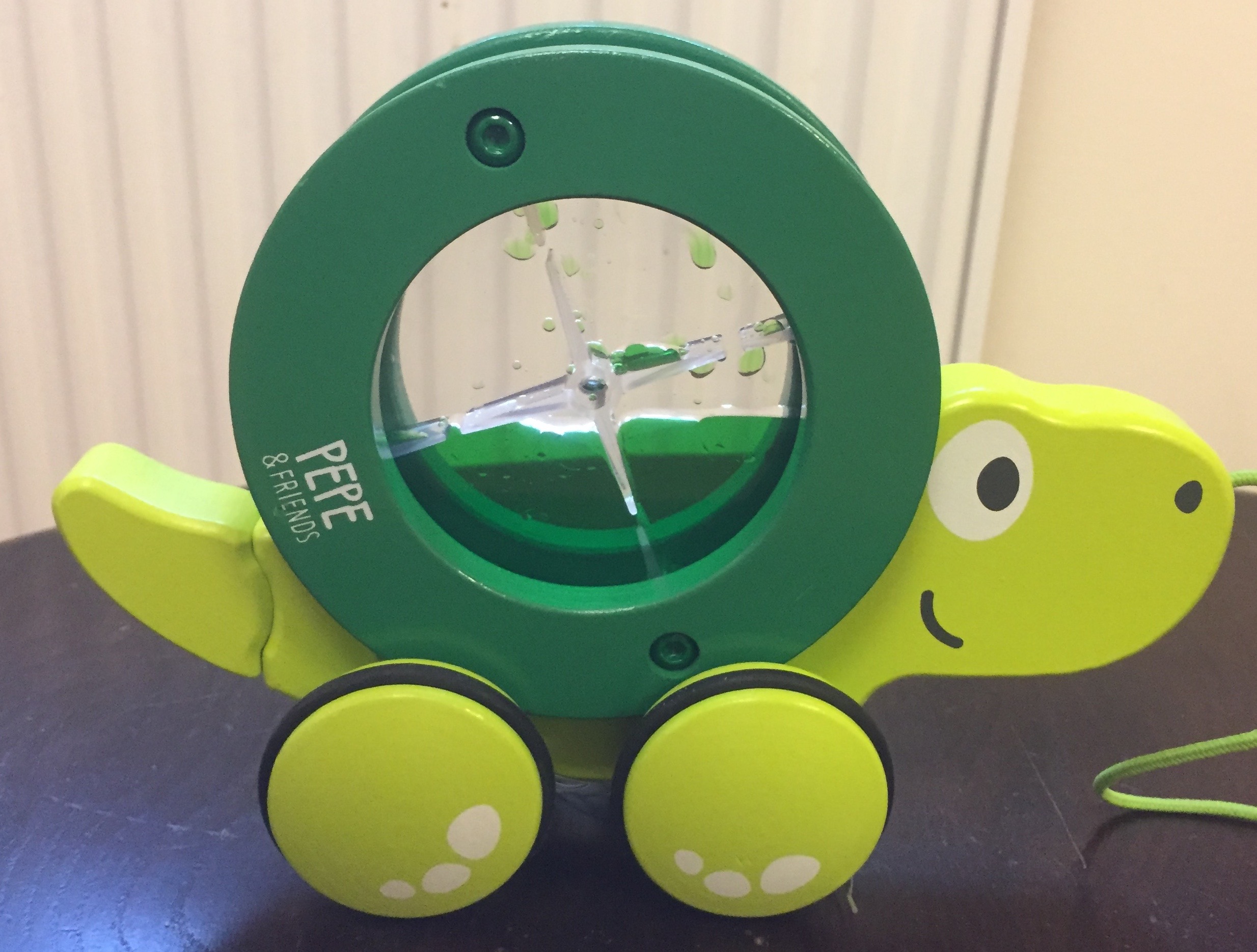
This delightful pull-along turtle is part of the Pepe & Friends series by Hape. As with all Hape toys, it is high quality and lovely to look at. For grandmas like me, the unique feel of old-fashioned wood, merged with a modern design is just perfect and takes me back to my own childhood (I find this is happening just a bit too often nowadays).

Its eye-catching light green body contrasts with the dark green ‘shell’ – which is actually a circle filled with green liquid, which turns. This makes the liquid splash into the different segments, creating attractive shapes, as the toddler pulls it along.

It is a nice size – big enough to catch the interest of your little one, but small and light enough for them to handle easily, when they have just got the hang of walking.

I know my grandson loves it – and that is the ultimate test, isn’t it?


www.hape.com/uk/en


By Dr K Thompson, author of From Both Ends of the Stethoscope: Getting through breast cancer – by a doctor who knows

http://www.amazon.co.uk/dp/B01A7DM42Q http://www.amazon.com/dp/B01A7DM42Q

http://faitobooks.co,uk


A Day in the Life of Ellie Holmes

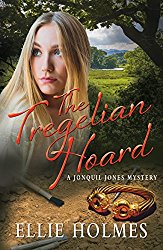
Ellie Holmes, 2nd place prize winner of the International Words for the Wounded Independent Author Book Award with he wonderful The Flower Seller tells Frost Magazine readers about her day – as an author.

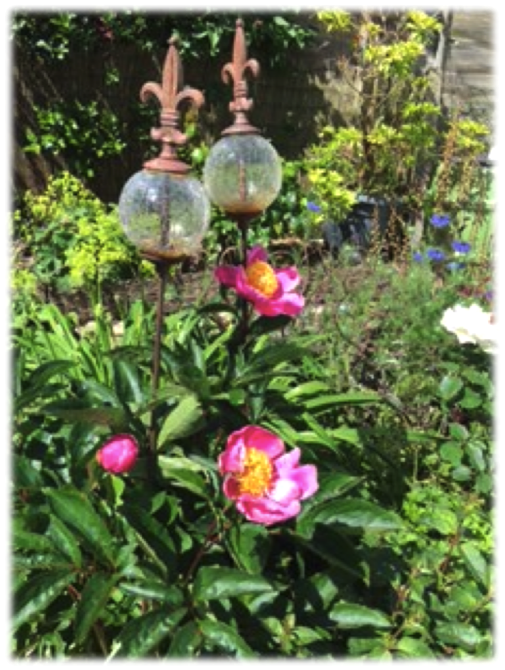
When the sun is shining I like nothing better than to relocate from my study to the garden. I only have a small garden but I have worked hard to create a calming oasis full of colour and interest. It is a place for calm and relaxation, wonder and inspiration.


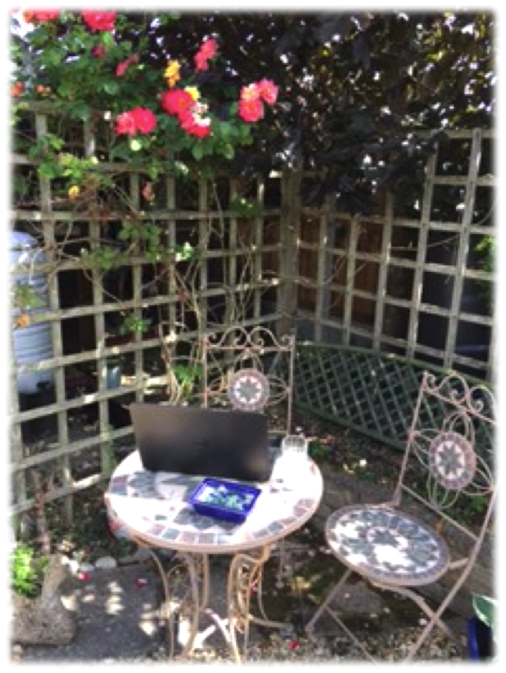
I am not blessed with a garden office – now there’s a tempting thought – but I do have a lovely patio table and chairs set in the shade of a red Acer with roses in bloom above my head.


It is the perfect spot to while away a few hours working on the plot of my latest novel. Although my wi-fi does reach this part of the garden, I try not to get distracted by the constant whirl of social media. I limit myself to having a quick look at Facebook and Twitter whenever I take a tea break. Writers need to be disciplined. You have to put in the hours whether you are feeling it or not, waiting for the elusive muse to descend is not an option for the serious writer.

When I need to refill the well of creativity I will take a break for an hour or so and take my longhaired Dachshund Willow for a walk across the nearby fields. Enjoying the countryside and watching Willow mooch along chasing captivating scents and bugs, allows my subconscious to work out any kinks in my complex plots. Often, I will come back from a walk with a fresh idea or an insight into what I had previously thought was an intractable problem without even being aware I have been thinking about it.

If the words are flowing I will work for as long as I feel comfortable but I never write myself dry. Ernest Hemingway espoused: “…never to empty the well of my writing, but always to stop when there was still something there in the deep part of the well, and let it refill at night from the springs that fed it.” I always work like this. It means that when you start work the next time you have something to say, you are never left staring at an empty screen bereft of ideas.

When I am writing a first draft I will write the whole thing from start to finish. Only once the bones of the story are down will I go back and start the lengthy process of editing and polishing.

I am pantser not a planner. I always know how my stories are going to start and how they are going to finish but I never know how I am going to get from the beginning to the end. It keeps the journey interesting.

Ellie Holmes writes commercial women’s fiction. 

http://Author.to/EllieHolmes


WforW Georgina Hawtrey-Woore Award for Independent Authors: Fiction winner


This is the inaugural year of the Georgina Hawtrey-Woore Award for Independent Authors. Georgina died, too young, in 2017. As a senior editor at Arrow, Georgina was determined that her authors should fulfil their potential, and, more, she was also a great supporter of WforW. To commemorate her life, the three grannies who run Words for the Wounded determined that Georgina should be honoured. To this end Margaret, Jan and Penny renamed the competition and re-jigged its structure. So now there are four categories.

This year they are delighted  that not only are the entry numbers up, so too is the standard. ‘It is heart warming to see so many excellent entries, and a great treat to read them and Georgina would be thrilled.’ Of course, though, there have to be winners and ultimately the team led by Milly Adams, one of her authors, reached unanimous decisions. As in the Non-Fiction Category, the WforW judging team decided on joint 2nd place winners: ‘Just too close to call’. These will be discussed on 12 June.

 Fiction Category


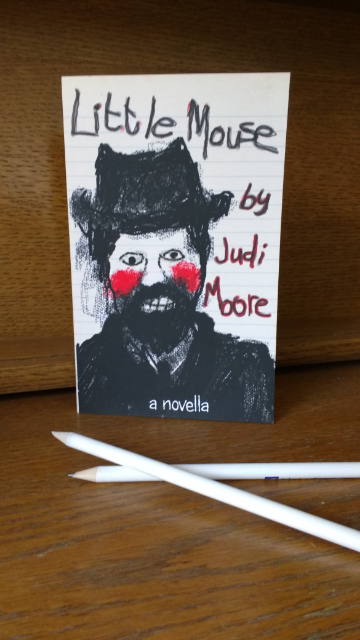
1st Place: Little Mouse by Judi Moore

After Kristallnacht in 1938 Doktor Theodore Goldstein, his wife Lisl, and their small son Theo, flee from Berlin to Edinburgh, where they find succour with a relative and build a new life. But then a friend from the old days arrives, a friend who might not be what he seems. Or perhaps it’s what he has been all along?

Little Mouse is what any fiction judging team longs for, a book which is different, and it is one that this team felt was supreme. Little Mouse is succinctly written, structured perfectly, the point of view intact, the characterisation of all the characters spot on, even to the ‘voice’ of the almost four year old, Theo. Within a page it becomes unputdownable, and sustains the attention, leading the reader to the ultimate question: ‘What would I do?’

Judi Moore captures exactly, or so one imagines, the sense of peril felt by this Jewish family in Nazis Germany. She understands the historical perspective, and steadily peels back the layers to reveal the true nature of the friend, but can he really be as they suspect?

Moore’s understated style is multi-layered and subtle as we follow the passage of Theo’s young life as he is forced to burst into an early maturity. Decisions must be made, but what will be the cost to him?

Does this sound tantalising? Well it should. We were all left feeling thoughtful, stretched, enlightened, and moved. Such a novel, such writing and still that question: what would we do?


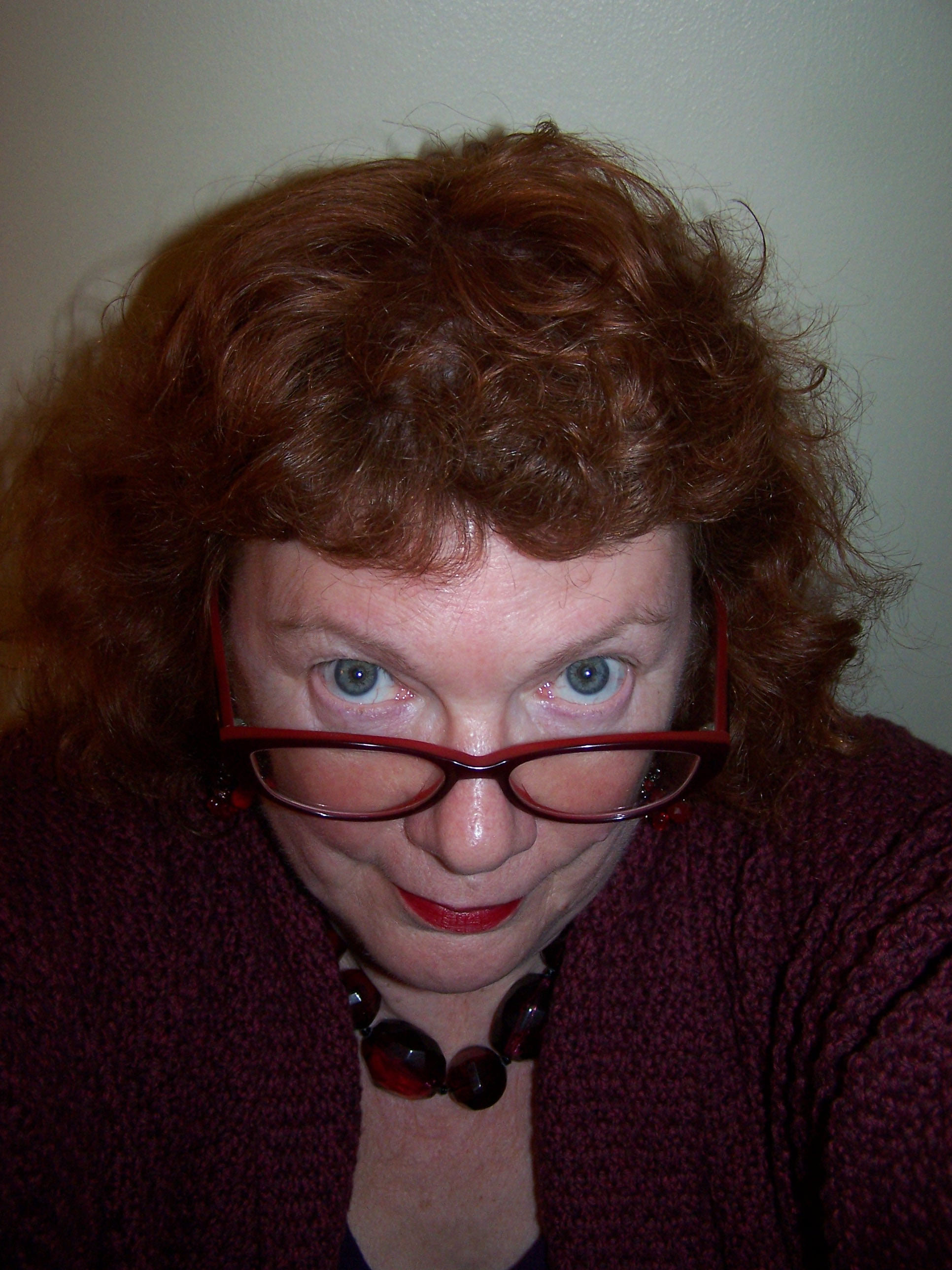
More about Judi Moore:

I’ve been a professional writer since 1997 producing poetry; long and short fiction; and reviews of poetry, books and music. Between 2006 and 2013 I worked as a part-time creative writing tutor at university level. In 2016 I was commissioned by the Open University choir to write lyrics for a 20-minute piece of music for choir, brass ensemble and percussion, premiered in November 2017.

As I have not, so far, hit the big time with my writing I’ve been living on fresh air and bowls of steam for more than 20 years. And I’ve enjoyed every day of it. I love being steeped in writing: making it, reading it, reviewing and beta-reading other people’s, and providing workshops and teaching materials to enhance other people’s practice of it.

And more about Little Mouse:

The first novel I published (by no means the first I wrote) was Is death really necessary? It is set in 2038, as some of what happens in it is still beyond our current technology. I decided that Theo Goldstein should be a factor throughout the book. To fulfill that purpose the reader had to first meet him as a small child and then re-encounter him as an old man. The book needed to start with a bang, so I started jotting down dates, working back 100 years from various points in the future and seeing what was happening around then that looked bangworthy. And there was Kristallnacht, an event I’d always wanted to write about. So I set the beginning of the book on Kristallnacht 1938 and used their experiences in 1938 to show what had made the family so dysfunctional by the beginning of Is death really necessary? in 2038.

Unsurprisingly, all that luscious backstory completely overwhelmed the novel’s actual story. I cut. And cut. And cut. Which left all this unused good stuff in forlorn electronic piles. When the dust of publishing Death had settled I revisited those piles. I reckoned if I could develop a plot to weave through, something worthwhile could be made of it. In the interstices of other work I evolved the story about a villain from the war threatening the Goldsteins new life in Edinburgh. Herr Dr Schmeling (also cut from Death) immediately recommended himself as a suitable scoundrel. Et voilá.


http://www.judimoore.wordpress.com


Little Mouse by Judi Moore, pub in conjunction with Moo Kow Press.

Available from Amazon.co.uk in e-book and paperback: https://www.amazon.co.uk/Little-Mouse-Judi-Moore/dp/1785100998/ref=sr_1_1?ie=UTF8&qid=1528378014&sr=8-1&keywords=Judi+moore+Little+Mouse


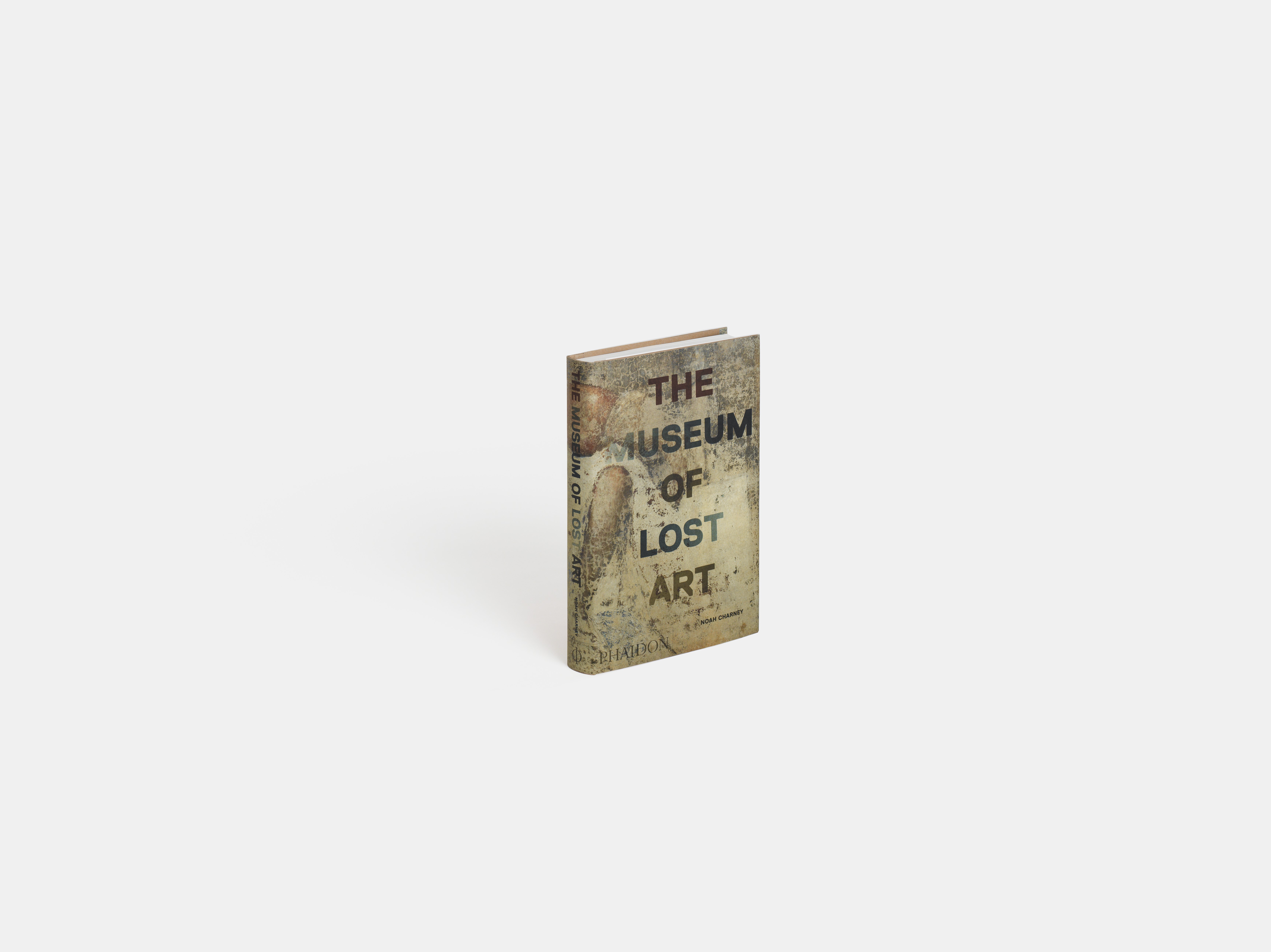
THE MUSEUM OF LOST ART by Noah Charney: review by Penny Deacon


Noah Charney aims to convince us that ‘it is important to study what has been lost, and why, to understand how art can best be preserved in the future, to appreciate what has survived and just how delicate is that miraculous fraction of mankind’s creative history.’ He is passionate and eloquent and persuasive.

Heather Benning, The Dollhouse: Dusk #3, 2007, printed 2011, Kodak Endura digital C-print, 50.8 × 76.2 cm (20 × 30 in) Picture credit: Courtesy of Heather Benning (page 204, upper)

How can art be lost? Quite easily, it seems. In sixteenth century Italy artists sought to have sprezzatura, a ‘studied carelessness’ which meant making the work look easy – and therefore it was the practice to destroy preparatory drawings. We know Michelangelo did this – and can only imagine what we have lost. Most losses, though, have their roots in natural disasters, human greed or  prejudice, or were simply collateral damage. This is, in many ways, a melancholy book.

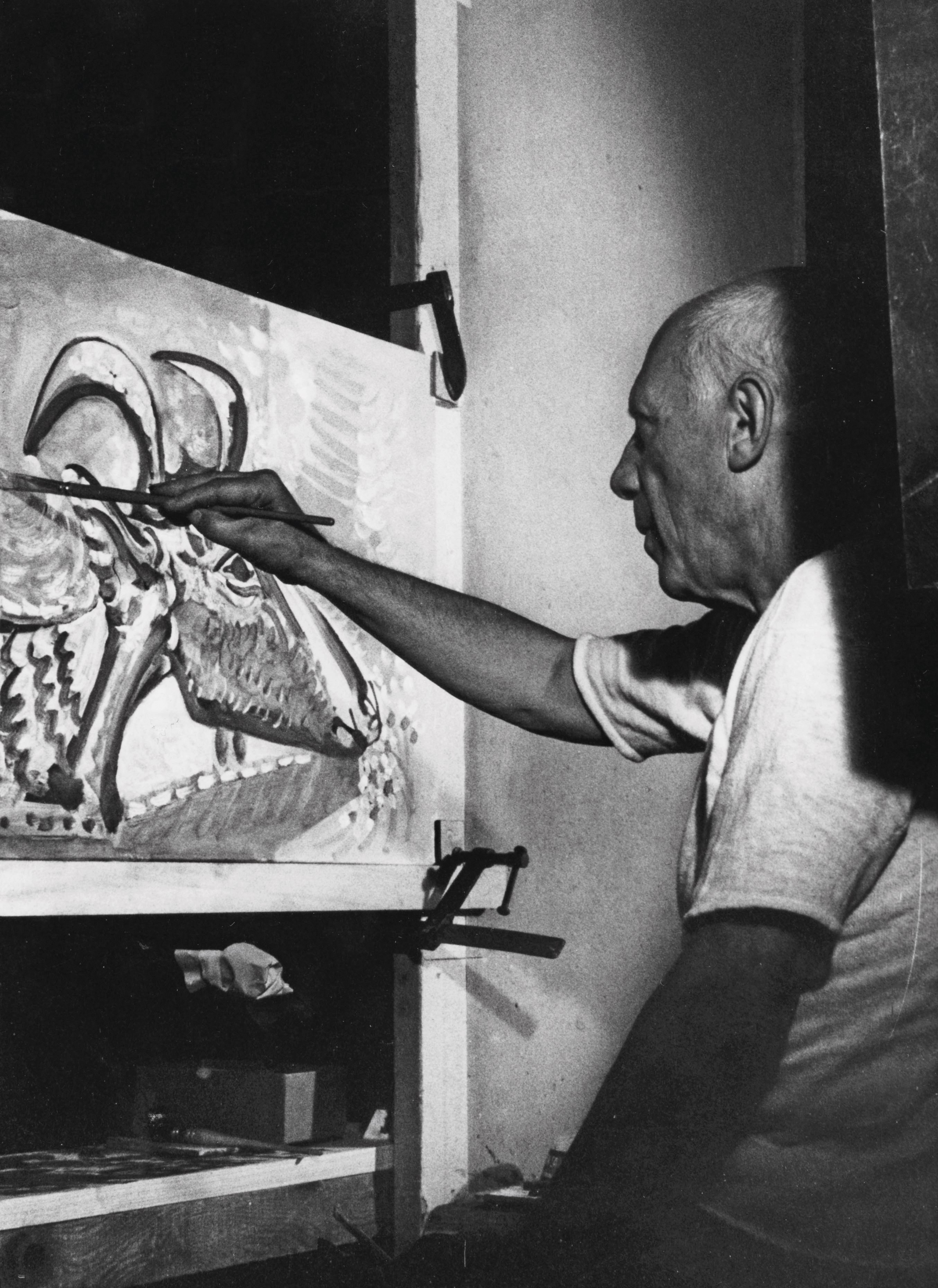
Still from the film Le mystère Picasso, 1956, dir. Henri-Georges Clouzot. Picture credit: © Succession Picasso/DACS, London 2018 (page 200)

After a comprehensive introduction the sections of The Museum of Lost Art are organised into types of loss: Theft, War, Accident and so on until the intriguing Lost, or Never Was. The conclusion which follows allows us some hope of future recoveries, and instances of earlier unexpected finds – and less unexpected negotiated ransoms. Charney also considers the value of 3D printing (the reimagining of Palmyra’s Arch of Triumph which was rebuilt in Trafalgar Square) and ends with a sad story of the ultimate piece of performance art.

Each section is enclosed  within the story of a work of art which was once lost but eventually found or recovered. Within each section is history, drama and exploration which gives the research an often gripping pace without losing contact with its evident scholarly roots. I found it fascinating. The story of art thief Adam Worth (apparently the model for Conan Doyle’s Moriarty, but far more engaging) is worth a film in its own right.

The high quality art work which illustrates this book is a poignant reminder of some of what has been lost. Read this book for the adventure and drama it reveals, but also let it make you grateful for what remains. And remember that one of the reasons for the founding of our National Gallery was to preserve artworks against the chances of loss through human carelessness or greed.

Museum of Lost Art by Noah Charney. Pub Phaidon £19.95


WforW Georgina Hawtrey-Woore Award for Independent Authors: 2nd Place winners of Non-Fiction Category


This is the inaugural year of the Georgina Hawtrey-Woore Award for Independent Authors. As many of you will know by now, Georgina died in 2017. As a senior editor at Arrow, Georgina was determined that her authors should fulfil their potential, and, more, she was also a great supporter of WforW. To commemorate her life, the three grannies who run Words for the Wounded determined that Georgina should be honoured. To this end they renamed the competition and re-jigged its structure. So now we have four categories.

This year,  Margaret Graham, Penny Deacon and Jan Speedie are delighted to say that not only are the entry numbers up, so too is the standard. ‘It is heart warming to see so many excellent entries, and a great treat to read them;Georgina would be thrilled. Of course, though, there have to be winners and ultimately our team led by Milly Adams, one of Georgina’s authors, reached unanimous decisions. Unusually for WforW, we have joint 2nd place winners in two of the categories, so close was the standard.’

Frost Magazine  featured First Place on 9th June, so now we bring you up to speed on the Joint 2nd Place winners.


Joint 2nd Place (in no particular order) :

a Testament of Grief  – Jennifer Wilkin Shaw
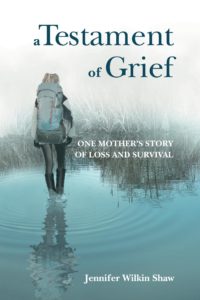
A personal memoir exploring the passage of grief by a widowed mother who has lost her fourteen year old daughter.

No, it’s not an out of control reveal, but more a prose poem which explores and narrates the path of grief. On the one hand she talks to her daughter, on the other she compares her grief with that of Mary, mother of Jesus, who also experienced the horror of a lost child.

Judges’ Comments:

a Testament of Grief is written in short paragraphs, just like the fragmented thought line of a person in pain and despair. A painful but beautiful book to read as the author questions herself, her daughter, life.  For those who have lost a child, or wish to understand those who have, this is essential reading.

As Jennifer Wilkin Shaw charts her way through the treacherous waters of a bottomless grief, towards a very distant shore, we hope it it might make others feel not quite so alone.
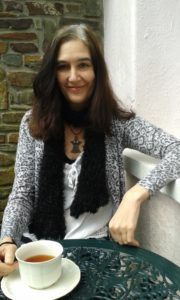


Jennifer says: When my daughter Charlotte died on Dartmoor, it felt like my life was over. Having already lost my husband to suicide I was terrified. But strangely, and without realising it I was slowly  becoming fluent in a topic I would never have chosen; grief. In order to move forward I had to  accept these metaphorical lemons that life had given me.

It was then I  discovered that trauma is like compost. New life and creativity can spring from it. I was compelled to write about the grief in a new and surprising way. This gave rise to a book that doesn’t leave anything out: the truth about grief, warts and all, and I mean all!

From this – others who were suffering would have a companion and be spared the shame and aloneness of something  we find so hard to talk about.

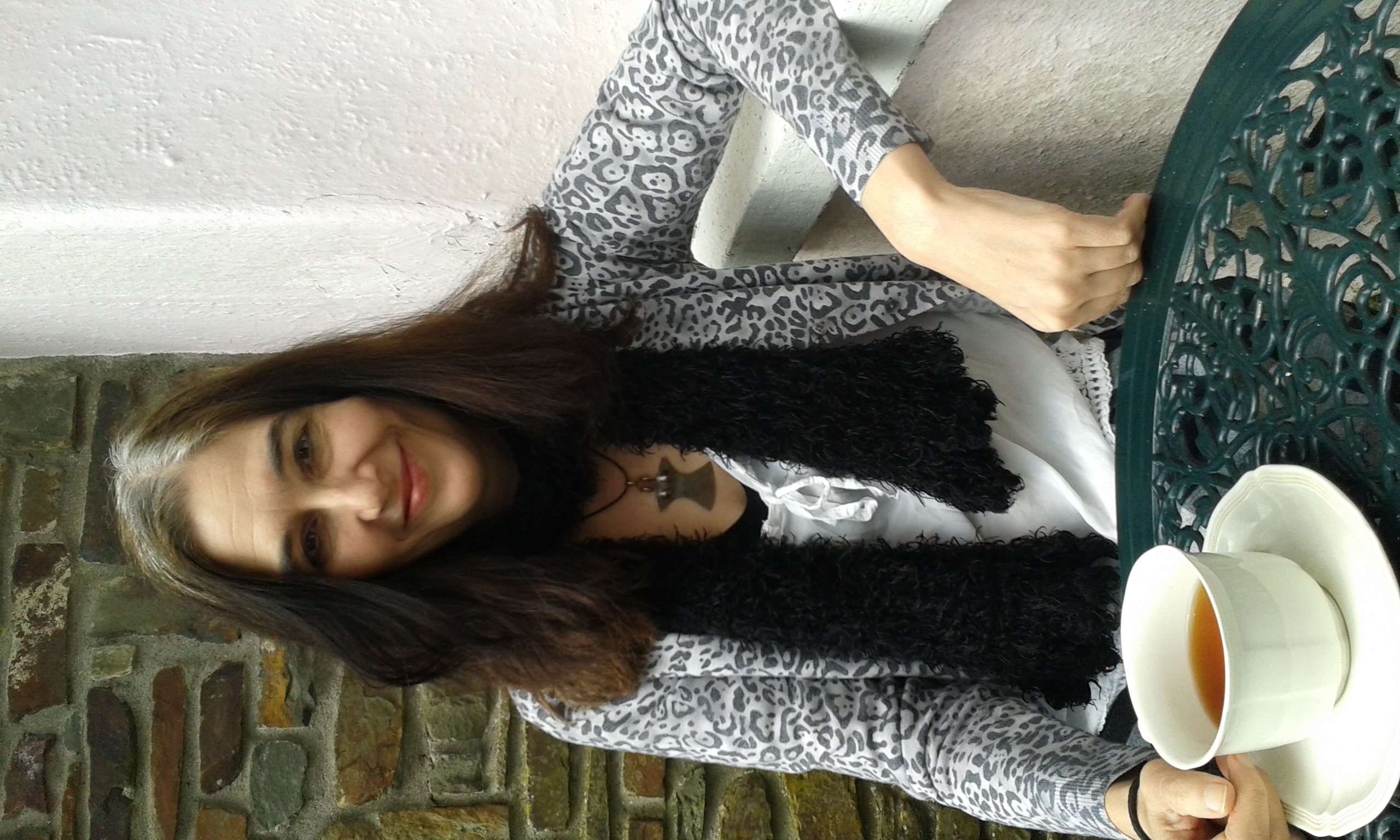
Born to a sunny Sri Lankan secretary and a Canadian musician in a two room London flat, Jennifer attended one of the capital’s finest schools. A risk taker, she has owned/ run successful restaurants in Norwich, London and Devon and has worked for Devon’s Health Service co-ordinating Smoking Cessation services, creating breakfast clubs and reducing inequalities.

Winner of the Temull cup for English, Jennifer, a History of Art graduate understands suffering. Her constant smile belies her husband’s suicide and the sudden death of her only child Charlotte, on Dartmoor, which made international news. She wrote about the grief and ‘A Testament of Grief’ was born. Among the online reviews is the word ‘Masterpiece’.

Having staged her own musical, Jennifer has now finished writing a talk on Spider-Man, trauma and creativity. Her third play- about domestic violence, the protagonist, a 90 year old demented female killer, will have its second read shortly. She is also working on her second book.

Jennifer lives in Frithelstockstone, Devon which you can’t say after 10 Gins to a taxi driver. Luckily she survives on tap water and drives an old rust bucket.  She often writes in coffee shops with a sharp pencil and a macchiato.

a Testament of Grief by Jennifer Wilkin Shaw pub Simone Bluestock Publishing

Available as e-book or paperback from Amazon.co.uk.

https://www.amazon.co.uk/Testament-Grief-Mothers-Story-Survival/dp/0995594902

https://www.facebook.com/jennifer.wilkinshaw

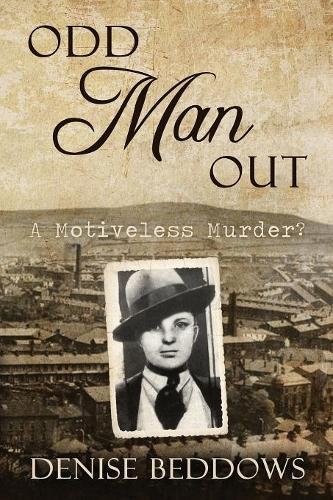
Joint 2nd Place: Odd Man Out – A Motiveless Murder?   By Denise Beddows


The Words for the Wounded judging team could not separate  a Testament of Grief and Odd Man Out   so, as mentioned,  they’ve created a joint 2nd place.
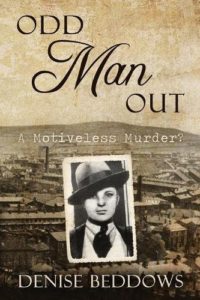
Odd Man Out is an extraordinarily well researched and, the judging team felt, empathetic sensitive exploration of a murder.

In post war Rawtenstall, a Lancashire mill town, an elderly woman, Nancy Chadwick, was brutally murdered 70 years ago. A transgendered conductress, Margaret ‘Bill’ Allen was arrested, and convicted for this apparently motiveless crime, though she barely knew Nancy Chadwick. Margaret  was duly hanged.

So what do we know about Nancy? She was an elderly woman, described by her own family as abnormal and was found beaten to death. Five days later a suspect, also deemed ‘abnormal’ was arrested. So was this a case of an easy ‘fix’ based on prejudice and ignorance? Or was it a correct conviction?

Judges’ Comments:

70 years on, Denise Beddows painstakingly explores the event, but never loses accessibility or immediacy. The wealth of research material never becomes heavy, just intriguing as Beddows reveals detailed information which gives body to the crime. Is that an unfortunate use of words? Perhaps, but it becomes clear that information was suppressed, so was this conviction in 1948, during a bitter winter and when Britain was still recovering from the war, a miscarriage of justice?

Did the wrong person hang? Read it and decide. Beddows has produced a cracking real life  ‘whodunit’.

Denise shared with Frost Magazine her reasons for writing Odd Man Out. which as titles go, is a cracker.
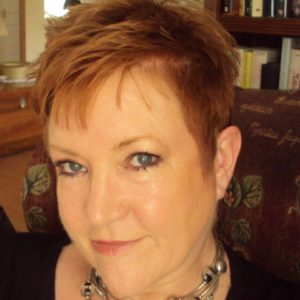
A couple of years ago, I stumbled across mention of a 1948 murder which had taken place in a law-abiding community in Lancashire. Former wartime bus conductress, the transgendered  Margaret ‘Bill’ Allen, had brutally slain a 68 year-old woman whom she barely knew. Surprisingly, perhaps, it was the first murder ever recorded in the town. Even more surprising was the fact that my mother, an avid fan of tabloid murder reports who had also worked on the buses in wartime Lancashire, had never once mentioned the execution of one of her fellow ‘clippies’. Press reports on the case were few and mostly inaccurate, so I felt I had to learn more. On scrutinising the police and criminal files, medical and prison records etc., I was shocked to discover that critical witness testimony had been suppressed by the police and vital lines of enquiry not followed up.  Described by the trial judge as a ‘senseless and motiveless killing’, the case had sunk without trace into the dusty annals of crime.  With the seventieth anniversary of the murder approaching, however, I felt it was time to take another look at this allegedly ‘motiveless murder’.

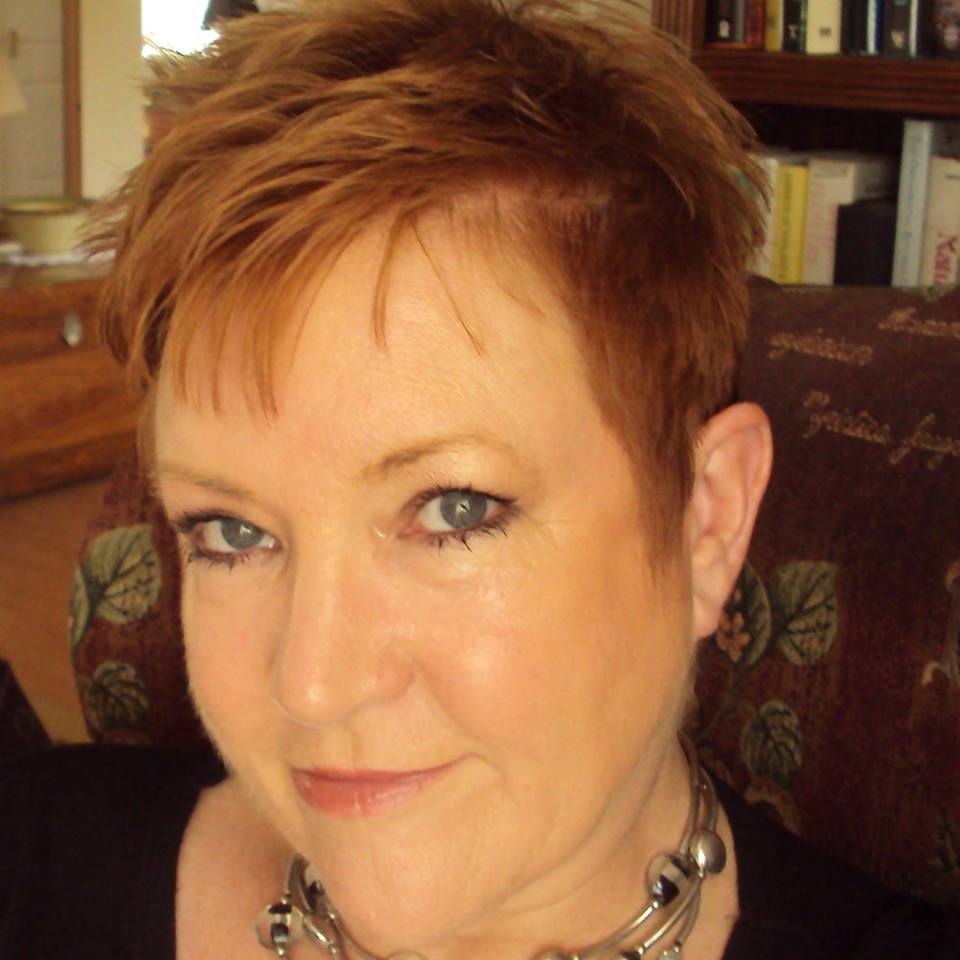
Chalfont St Peter based author Denise Beddows has lived, worked and played in 20 countries across several continents but has maintained a home base in Buckinghamshire since 1982. With a background in research, investigation and intelligence analysis, Denise nowadays writes biographical fiction, local history, true crime and screenplays, both under her own name and as DJ Kelly. A member of the Society of Women Writers & Journalists and of the Society of Authors, she has had over 100 articles published in local, national and international press and journals and she reviews books, films and plays for journals, societies and publishers.

A volunteer researcher for several history and heritage groups, she regularly gives talks to a variety of community groups. She is married with one grown-up daughter.

Denise, who also writes under the name of D J Kelly, has also written the well received Buckinghamshire Spies & Subversives, The Famous and Infamous of The Chalfonts and Gerrards Cross, Chalfont St Peter and Gerrards Cross at War, A Wistful Eye – The Tragedy of a Titanic Shipwright, Running with Crows – The Life and Death of a Black and Tan, Homes for Heroes – Life in a 1940s Prefab (ghost written with Joan Brant).

Odd Man Out – A Motiveless Murder? by Denise Beddows. pub by Misbourne Press in paperback
Available from: https://www.amazon.co.uk/ODD-MAN-OUT-Motiveless-Murder/dp/178697973X/ref=sr_1_sc_1?ie=UTF8&qid=1528376817&sr=8-1-spell&keywords=odd+man+out+Denise+beddowes
www.wordsforthewounded.co.uk