The Business of Books: When Academic Research Matters – Jane Cable meets academic Ria Cheyne


What is your book related job?

I’m an academic (university lecturer) who specialises in genre fiction, particularly the representation of disability in literature. This means that I spend a lot of my time talking with students and colleagues about books, and reading fiction and what other people have written about it. A big part of my job is teaching students and all the administration that goes with that, but another key part is producing new interpretations of or theories about literary texts, which I present at conference and publish in journals and books for other academics. You can see some of my presentations and publications on my website.


What is the most rewarding part of it?

It’s a privilege to be able to spend so much of my time reading, writing, thinking, and talking about books. Teaching is also very rewarding: I love the performance element of lecturing, and it’s immensely satisfying when a student who has struggled finally grasps a key idea or offers a really original insight. Like most academics, I could earn more, and work fewer hours, doing something else—it’s not a job you do unless you’re passionate about it.

Recently, I’ve been working on a new project, the Disability and Romance Project. I’m working with romance readers, writers, and publishers to explore how readers respond to depictions of disability in romance novels, and why authors write disabled characters. I’ve found it really satisfying to work directly with people in the industry, and there’s been a really phenomenal response from the romance community so far, with over 500 people taking part in our survey of romance readers.
What do you consider to be your major successes?

The academic job market is so over-subscribed at the moment that managing to get a stable academic job has to be considered a big success for anyone in my field – after my PhD I spent several years doing the academic equivalent of temping before I got a permanent position, and lots of people aren’t that fortunate.

More recently, I’ve just finished writing an academic book on the representation of disability in genre fiction, which will be published by Liverpool University Press. It explores how the portrayal of disability in science fiction, fantasy, horror, crime and romance might shape public attitudes towards disabled people, and it’s been a really long-term project; I first had the idea for the book almost ten years ago! I was also really pleased to receive the Romance Writers of America Academic Research Grant for the Disability and Romance Project. It was great to have that confirmation that one of the key organisations for romance values my research.


Have you always loved books, and what are you reading at the moment?

I’ve always loved books, and been a voracious reader. When I was a child I’d switch my light off and pretend I was asleep when my parents came to check on me last thing at night…then put the light back on and read for hours after they went to bed! As usual, I’m reading a mixture of non-fiction academic books and genre fiction. On the non-fiction side, I’m reading Mad at School by Margaret Price, a brilliant book about mental illness and the university system. I’ve just finished The Burial Hour, the latest in Jeffery Deaver’s series of novels about quadriplegic investigator Lincoln Rhyme, and I’ve started Rook Song, a science fiction novel by Naomi Foyle, after really enjoying Astra, her previous novel.


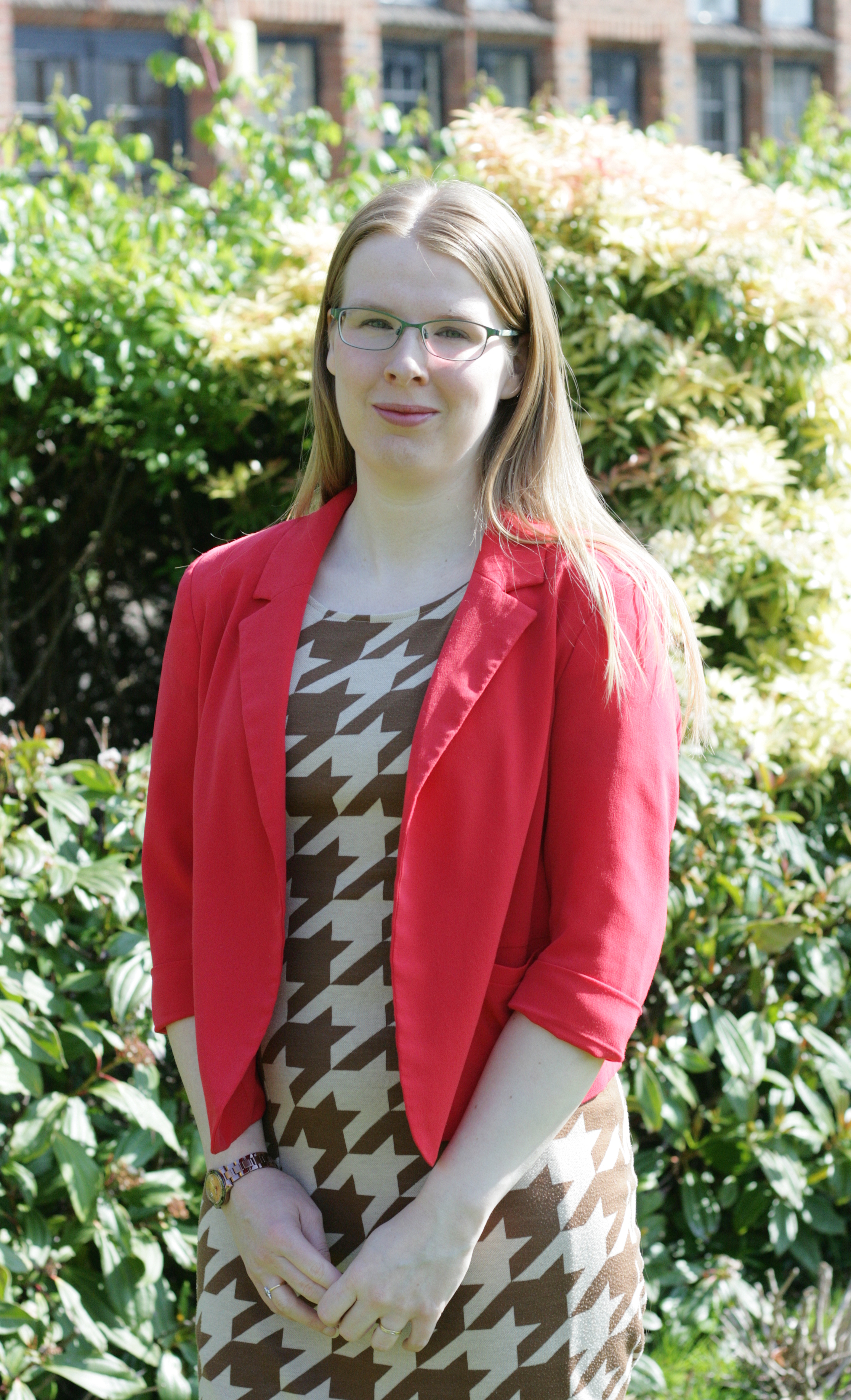
Bio: Ria Cheyne (@riacheyne) researches literature and disability at Liverpool Hope University, where she is a Senior Lecturer in Disability and Education. She runs the Disability and Romance Project – follow on Twitter or Facebook.
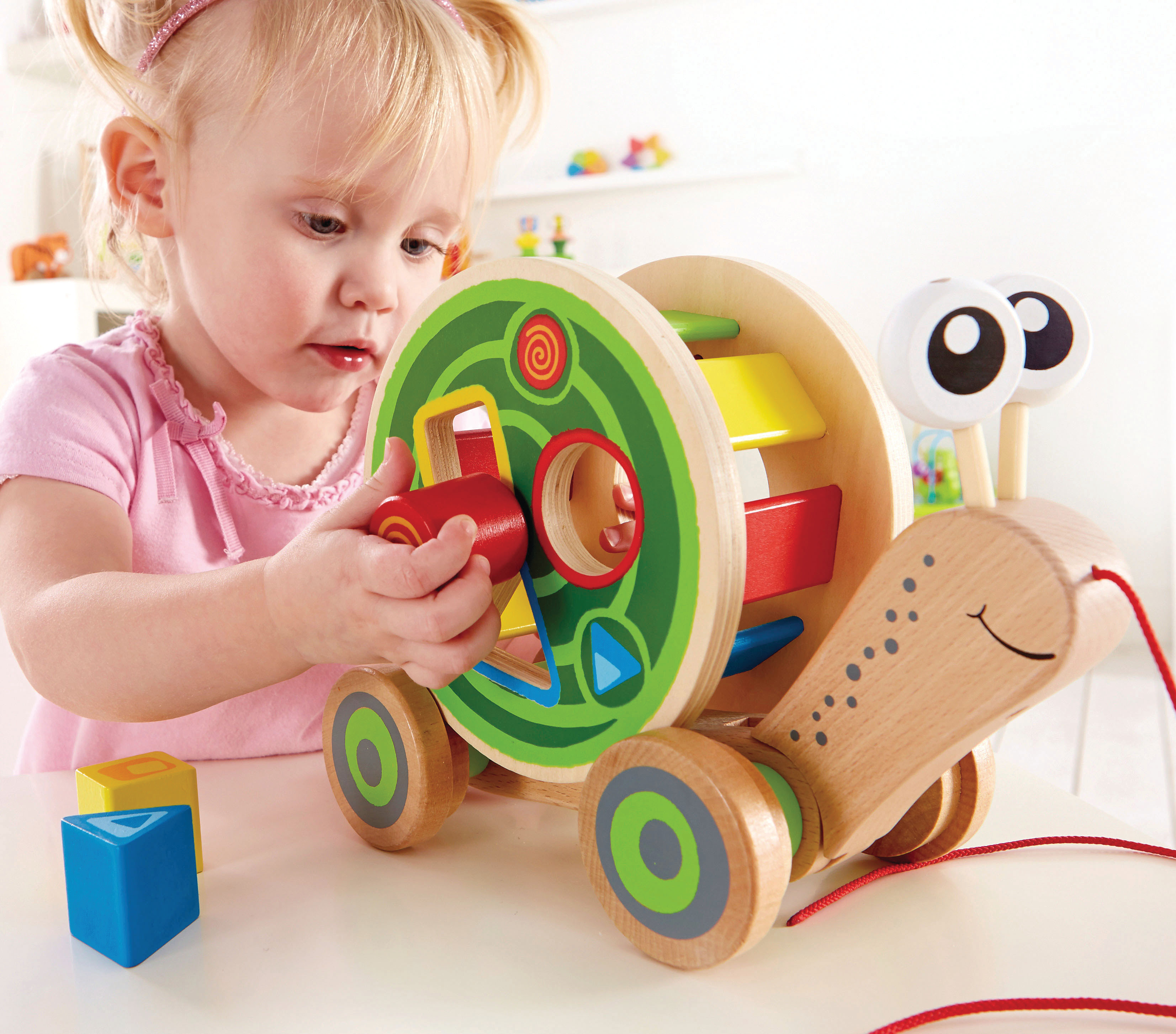

 

Hape Walk-A-Long Snail Review | Toys

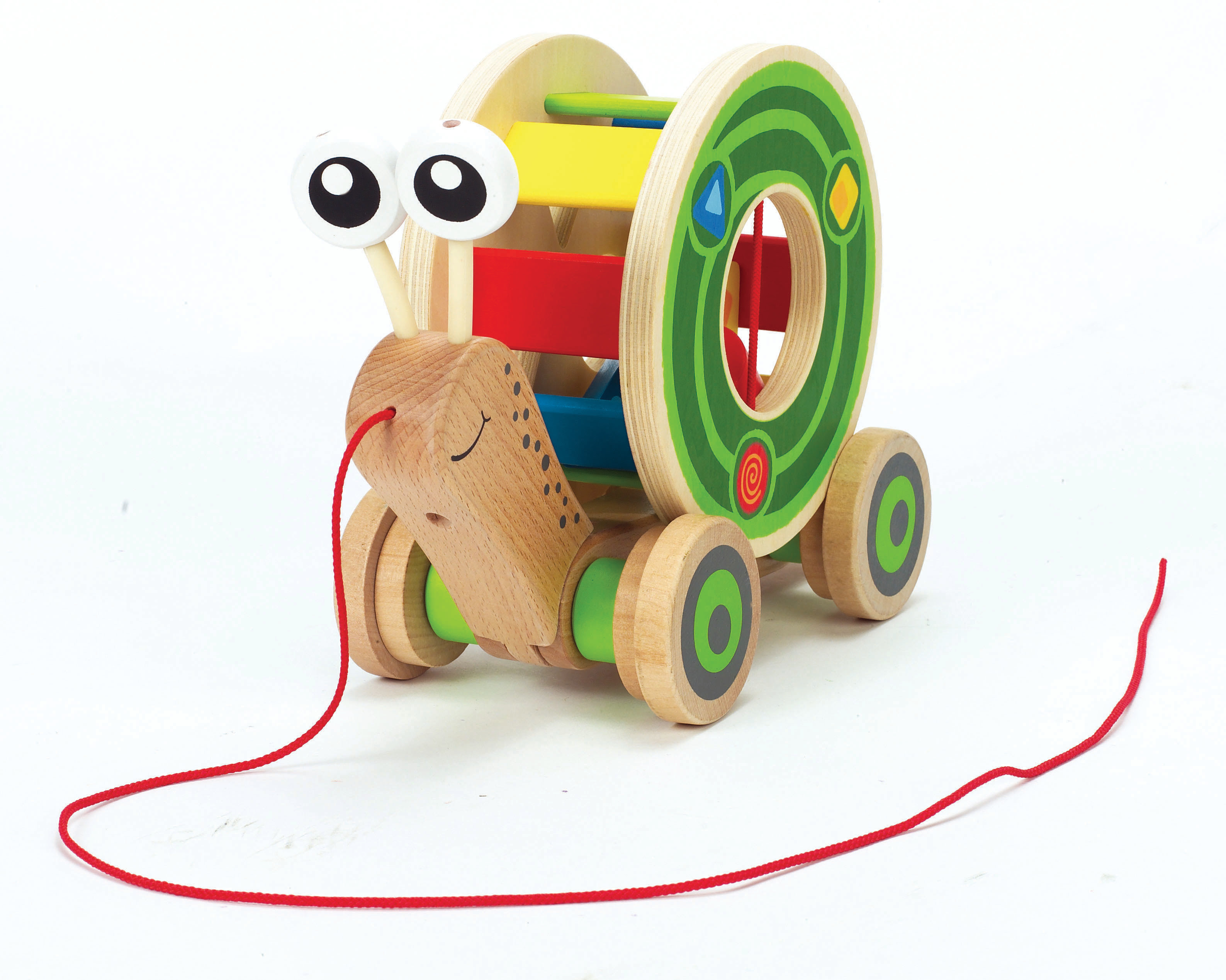
Frost loves the Hape Walk-A-Long Snail. First of all it is cute and looks so happy. Next, it is also a shape sorter. Your little one can pull it along like a cute companion or sit and play with the snail. It is wooden, high quality and very well made. It is also eco conscious. What more could you want?

When your child starts walking, they’re going to need a faithful companion to explore and play with. This is where the Hape Walk-A-Long Snail comes in to save the day.

This playful little snail will become your child’s favourite toy as he loyally tags along. Once they’ve got used to this friendly snail, they won’t want to go anywhere without him.

The snail is extremely versatile and totes a shell full of wooden blocks that can be removed to not only lighten the load, but also to use as a separate colourful shape sorter toy. You can even set up the blocks to create a “maze” that the snail can navigate through.

Your child can experience the wonders of the Walk-A-Long Snail from as young as 12 months. With the high quality wooden construction, your children are in safe hands and are ready to explore the world around them alongside their playful snail companion.

As with the entire Hape range of products, this unique Walk-A-Long Puzzle has been thoroughly designed to the highest of safety and quality standards. Also, with a commitment to sustainability, Hape only use eco-friendly materials and water based paints in order to produce their much loved products.

Give your child a toy that not only provides hours of entertainment, but also allows them to learn valuable skills, getting them ready for a bright future.

Hape’s Walk-A-Long Snail measures H18.6, W11.2, D30.1cm and is available from Argos for £24.99.


Preview of Cheltenham Literature Festival 6 – 15 October by Milly Adams


As everyone knows by now, Frost Magazine is interested in literature, not to mention drama, and painting… Well, the arts in general, but especially literature. So have a look at Cheltenham’s mouth-watering line-up.


Around 1,000 speakers will take part in more than 550 events, from literary heavyweights and emerging talent, to the very best poetry and celebration of classic literature, including Salman Rushdie, Alan Hollinghurst, Sarah Waters, Amit Chaudhuri, Roddy Doyle, Claire Tomalin, Paul Hawkins, Philippa Gregory, Michael Morpurgo, Ian Rankin, Joanne Harris and the 2017 Man Booker Prize shortlisted authors.

The packed poetry programme includes Jackie Kay, John Burnside, Michael Symmons Roberts and Lemn Sissay as well as the stars of the next generation with Andrew McMillan, Luke Wright, Hollie McNish, Rob Auton, Inua Ellams and Sabrina Mahfouz.


This year’s Festival theme Who Do We Think We Are? will ask key questions about British identity and celebrate Britain’s rich literary and cultural heritage, and Cheltenham will also welcome five Guest Curators bringing fresh perspectives and voices:

Will Gompertz, BBC Arts Editor; Sarah Moss, novelist, travel writer and academic; Robin Niblett, Director of Chatham House; Jess Phillips, Labour MP for Birmingham Yardley; and Nikesh Shukla, author, editor and campaigner.


Sounds like a feast, doesn’t it. Lots of my favourites… Must get along.


Theatre Review:  Mrs Orwell at Southwark Playhouse, London


Reviewed by PAUL VATES

“The story unfolds with a subtlety one would expect only from a good writer.”


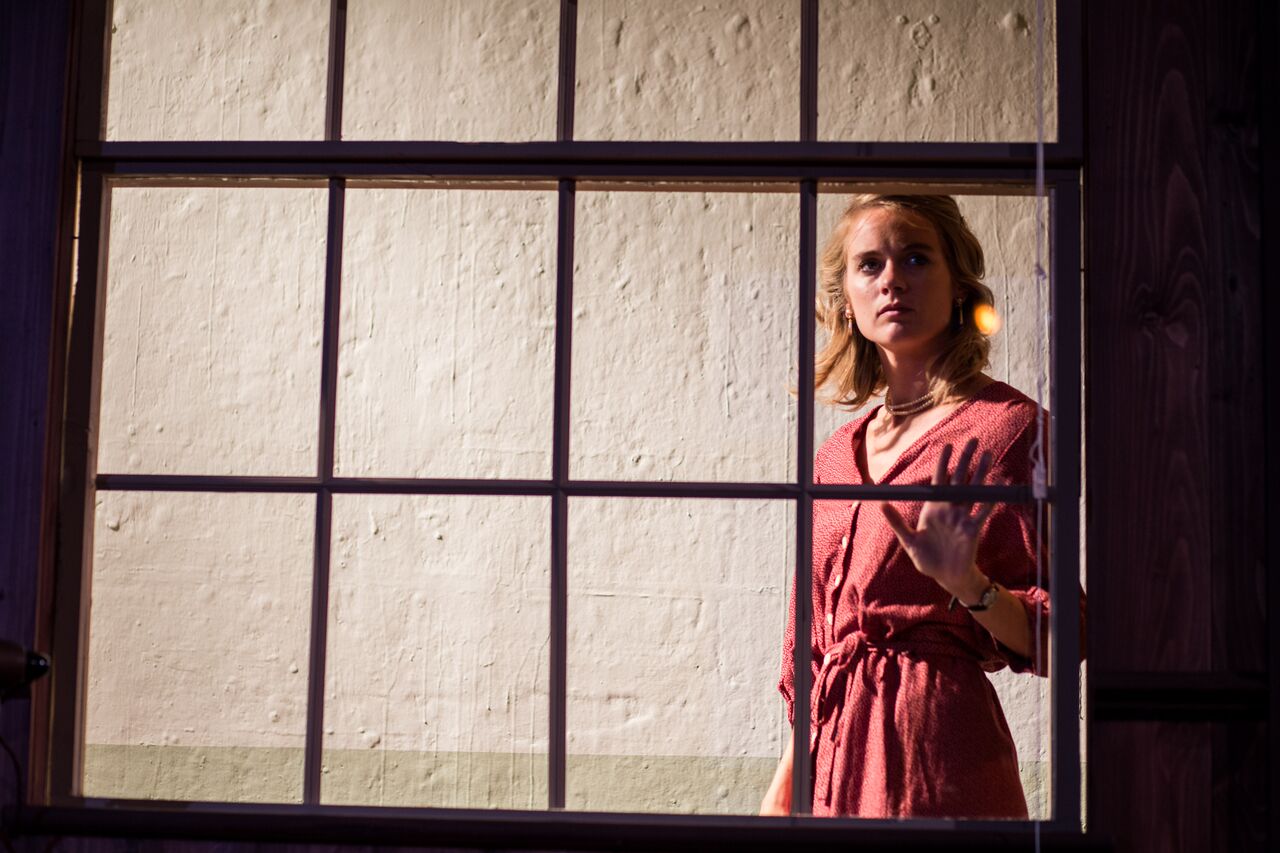
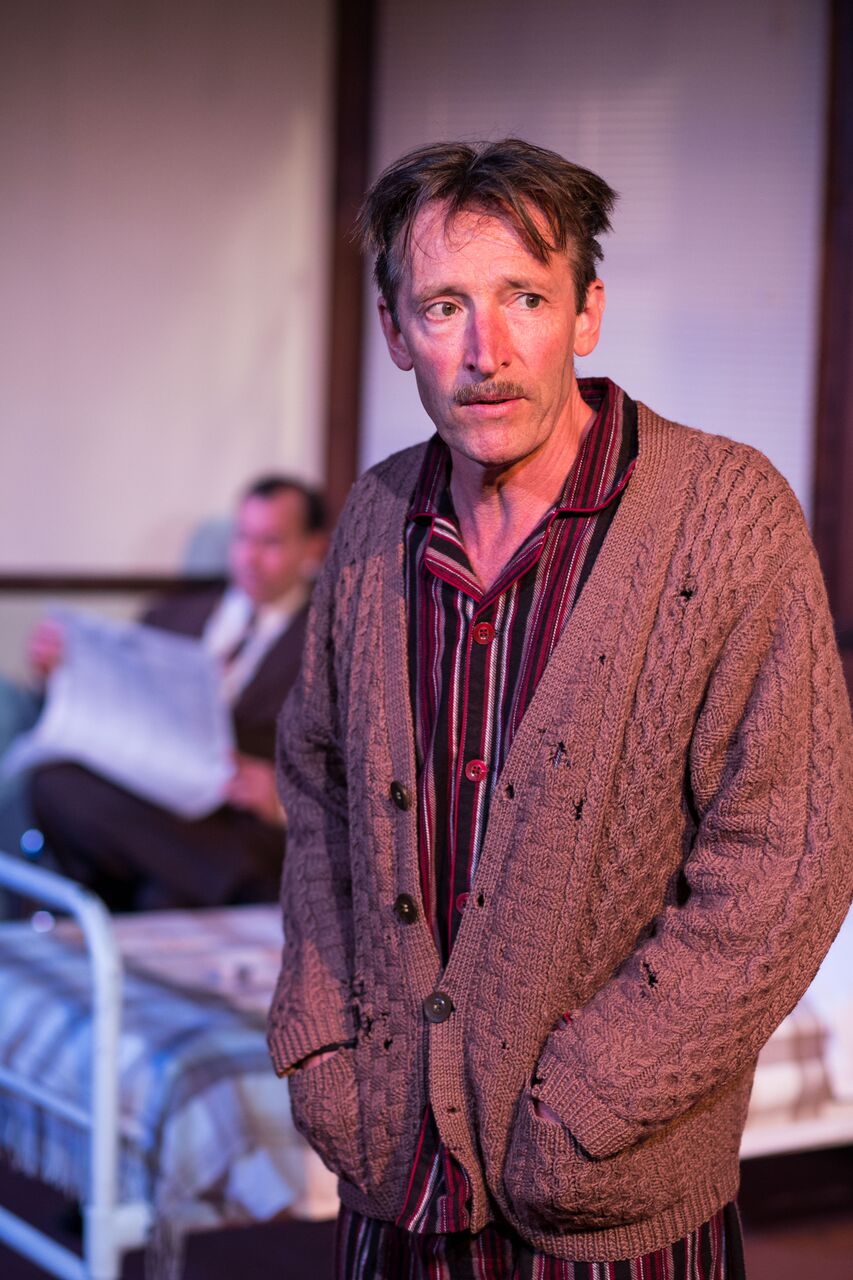
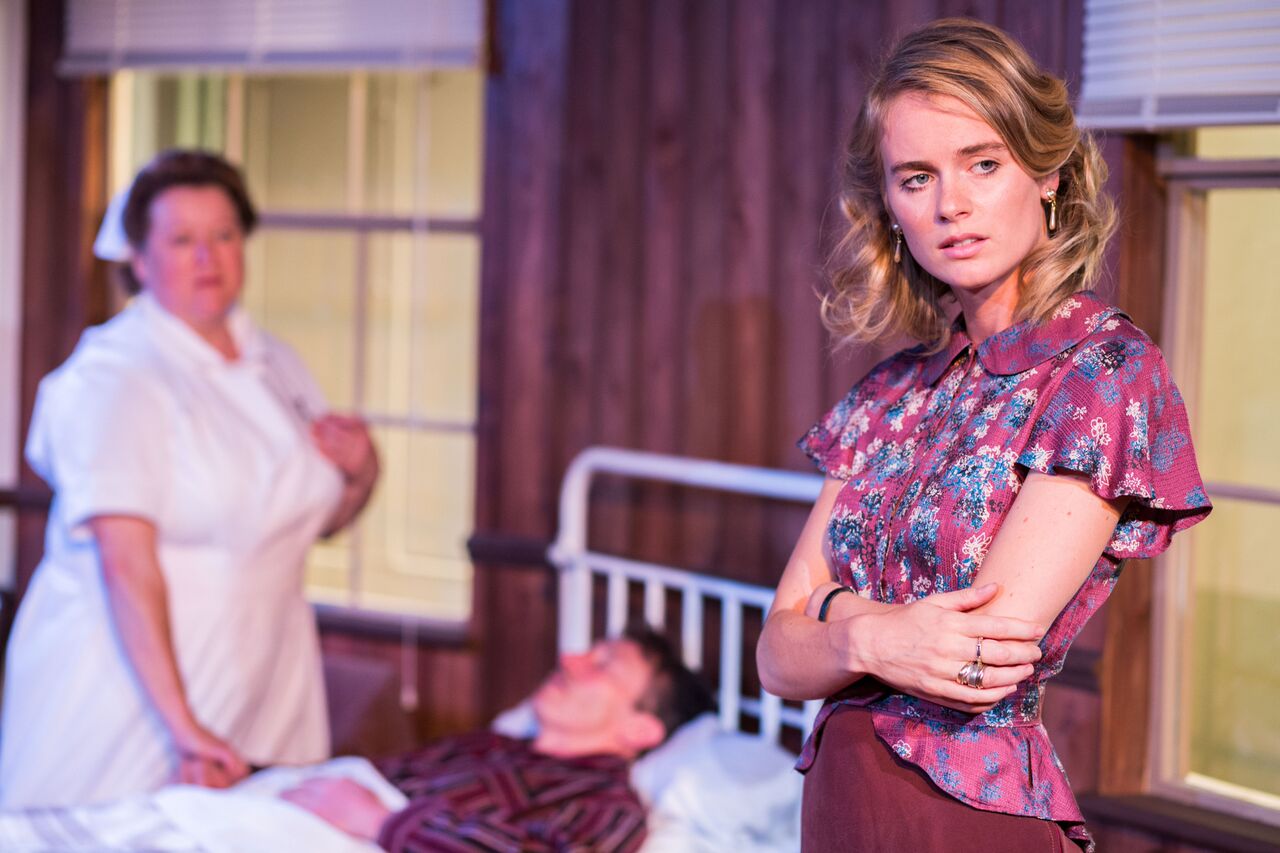
It is 1949. George Orwell is in hospital with TB. The outspoken author is struggling and sees salvation in Sonia Bronwell, an assistant magazine editor twenty years his junior. He proposes to her, placing her in an unexpected dilemma. George is rich. The love of her life, Maurice, is married to another woman. Decisions, decisions….


Mrs Orwell has deservedly transferred from The Old Red Lion pub theatre to Southwark Playhouse. This was my third attempt to see the play and I am very pleased I didn’t give up. Tony Cox’s script is that almost-disturbing mix of old-fashioned crispness with the depth that modern audiences desire. Nothing seems to be happening most of the time, yet the story unfolds with a subtlety one would expect only from a good writer – Cox must be on.


Cressida Bonas plays the eponymous character, with style and grace, but without much edge. She doesn’t quite attain the gravitas that the titular character requires. Instead, Peter Hamilton Dyer’s stand-out performance as George I think usurps her.  It’s not that she is weak. Far from it, but she is on stage with a brilliant cast: Edmund Digby Jones plays Lucian Freud with a sexy ooziness; Rosie Ede plays the Nurse both strict and kindly; Robert Stocks plays Fred Warburg, Orwell’s agent, business-like and sure, seeing and knowing everything, but seldom giving his own view – apart from a roaring speech near the climax of the piece.


Jimmy Walters’ direction is quiet and understated. He has allowed the actors time to breathe with a play that, on the page, must appear quite dry and unappealing, so thick is it with conversation instead of action.


The set was designed by Rebecca Brower and includes, apart from the hospital room, the corridor leading to the room. At first this felt like a gimmick – the actors being heard via a microphone – yet it soon became an ingenious device, to hint at the outside world that is only a door away and what is happening behind George’s back.


Mrs Orwell is a slow-burner. It creeps up on you and clings to you. That is a good thing.


Produced by Proud Haddock.

Images: Samuel Taylor.

Performances until Saturday 23rd September 2017.

Monday-Saturday at 8pm, with Tuesday and Saturday matinees at 3.30pm.

(No performances 14th,15th,16th).


Running time: 1 hr 55 (plus an interval)


Southwark Playhouse, 77-85 Newington Causeway, London SE1 6BD

www.southwarkplayhouse.co.uk

Twitter: @ProudHaddock, @swkplay, #MrsOrwell


Tickets are priced at £20 (£16 concessions) available from the theatre’s website on by calling the Box Office on 020 7407 0234.


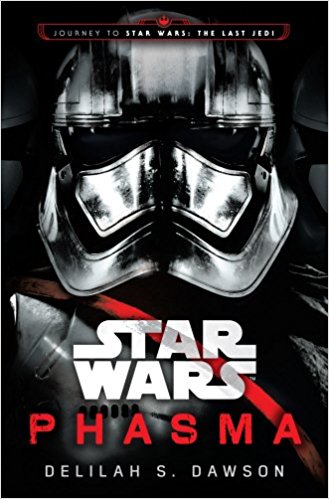
Book Review of: Star Wars: Phasma by Delilah S Dawson:


Review by Chris Donaldson.

Interspersed between the canon of Star Wars films most of us know, is another body of work – mostly books but a couple of animated tv series also – that expand the universe.  They flesh out minor characters and add back story to various events that are briefly alluded to in the films.  These works are fodder for the fanboys and girls and possibly ignored by the rest of us who don’t crave that much depth.


The latest is now with us, and Delilah S Dawson’s Star Wars : Phasma deals with the origin story of the eponymous Captain Phasma, a female officer of the first order (bad guys), briefly introduced in ‘The force awakens’ and apparently to be given a bigger role in the forthcoming ‘The last Jedi’.  In the films she is portrayed – behind a chrome mask- by Gwendoline Christie.


Like all things Star Wars this moves at a cracking pace, it’s immediacy heightened by the use of third person present tense, which keeps us in the heart of the action throughout the opening, and switches to past tense during the flashback chapters that introduce us to a young Phasma.  These chapters are the recollections of Vi Moradi, a captured resistance spy (good guys) held on board the ‘Absolution’ a first order Star destroyer ( Resurgent class don’t ya know…) as she is tortured by a mysterious crimson armoured Stormtrooper who, with a secret agenda of his own, is obsessed by Phasma.


Their battle of wills is the catalyst for the exposition and most of the drama, and their relationship has a well structured development with some surprise twists and turns, further than that I won’t spoil…


The writing is economical throughout, and I think it’s fair to say, well serves the universe it inhabits.  Do you need to read it to enjoy/endure the films? No.  If you’re a big fan already is it worth a read? Well yes (and you bought the hardback on September 1st and read it the same day).  Dawson knows and has obvious affection for this universe, and if you want some competent backstory to your favourite Space farm boys, droids et al, you should give it a look, either on Ebook, or the heftily priced hardback (20 of your earth pounds thank you).


Star Wars: Phasma by Delilah S Dawson. Published by Century on 1st Sept 2017.  Price £20.00. Ebook available

Christopher Donaldson is the award winning author of Not a Girl.


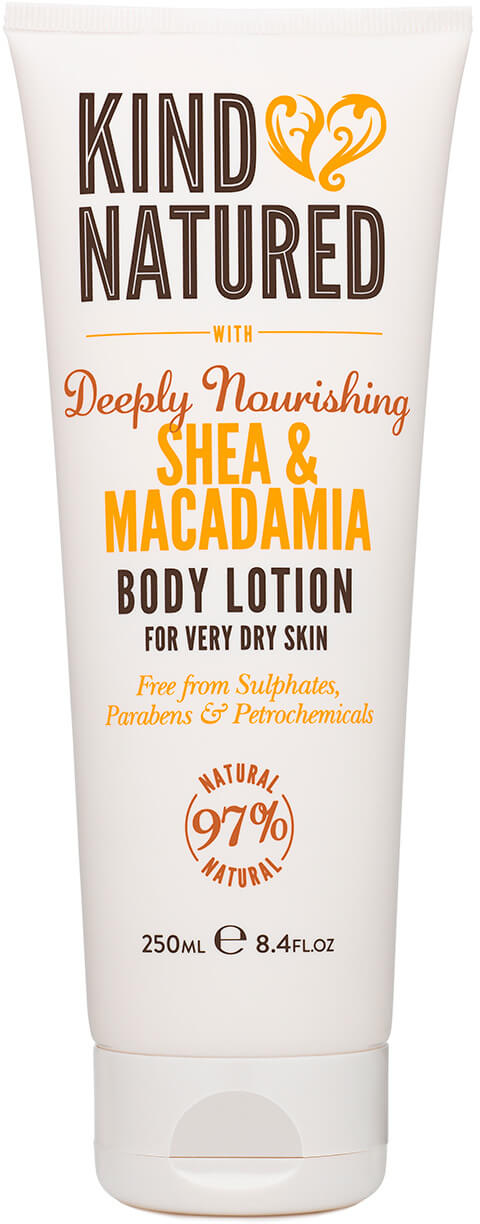
Be Kind to your Body with Kind Natured

Before your tan fades and you dive into those winter woollies make sure to pamper your body with Kind Natured nourishing body lotions. Free from sulphates, parabens and petrochemicals Kind Natured’s hair and body products are 97% natural – and they smell delicious too.

Slough off that dry, flaky skin with Coconut and Monoi Foaming Sugar Scrub and follow with lashings of deeply nourishing Shea and Macadamia Body Lotion.

Natural sugar crystals blend with coconut, shea and minoi to create a sumptuous foaming sugar scrub that is free from microbeads. It smells of  golden summers on the beach and is gentle on the skin, leaving it feeling soft and smooth.


Follow up with Shea and Macadmia body lotion to nourish and protect very dry skin. The rich lotion helps skin regain suppleness and smoothness, so lather it on and let your skin drink it in.

It’s a shame to cover that beautiful skin in sweaters really.

Tested on people not on animals, all products are reasonably priced – £4.99 for the body lotion and £5.99 for the Foaming scrub. Available at Boots and free delivery on orders over £10 direct from www.kindnatured.com


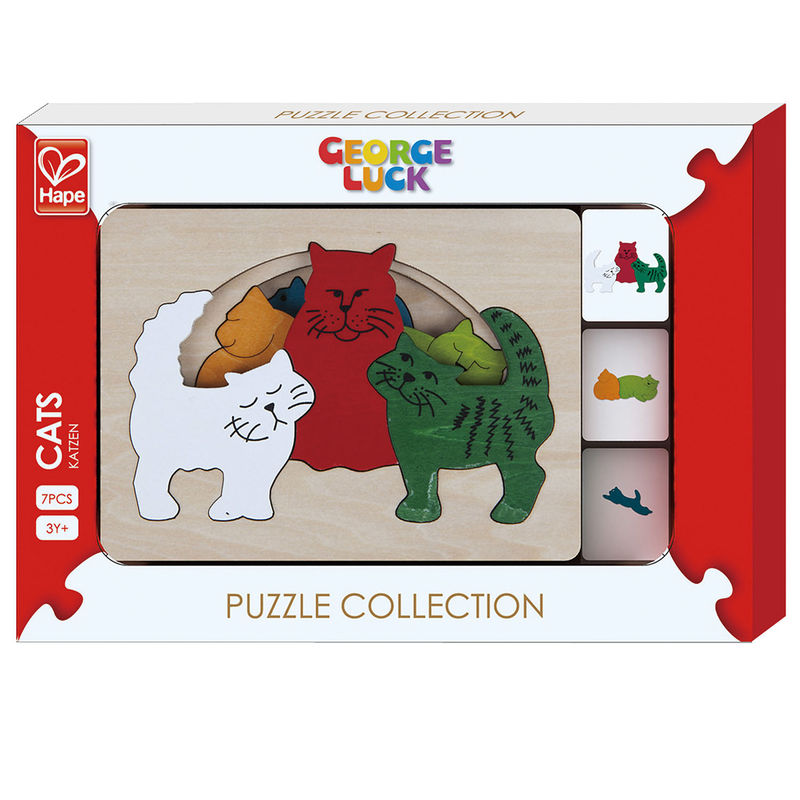
George Luck wooden puzzles at Hape

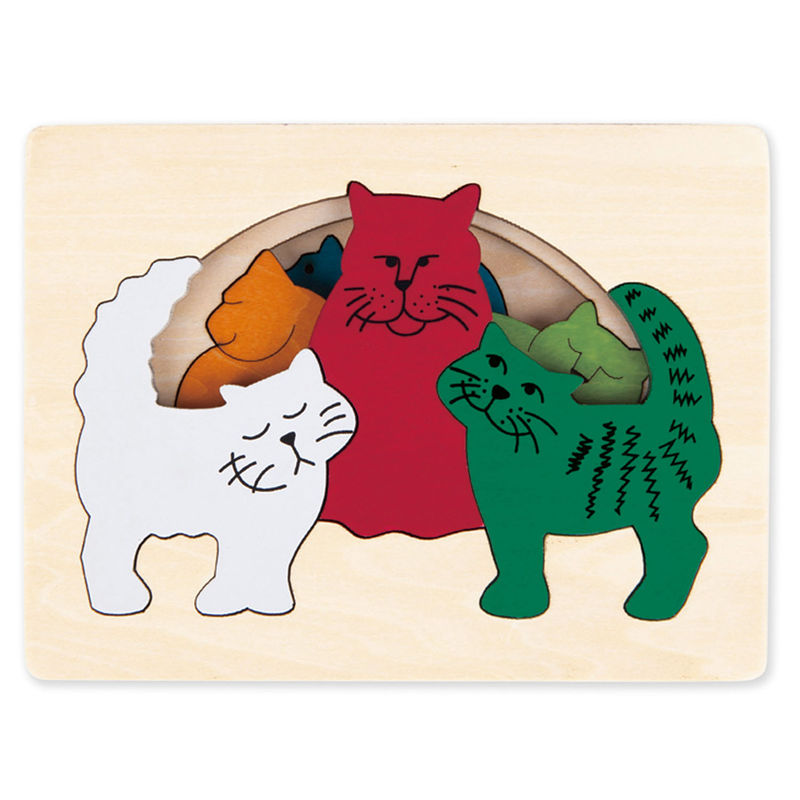
Hape_Cats_puzzle

If your children are trooping off to one birthday party after another and you are all out of gift ideas why not check out the selection of beautiful little puzzles at Hape. Made from wood and water based paints there are plenty of designs to choose from.

We particularly liked the new Cats design. Six little cats tightly snuggled together, helping to develop dexterity, shape recognition and hand-eye co-ordination.

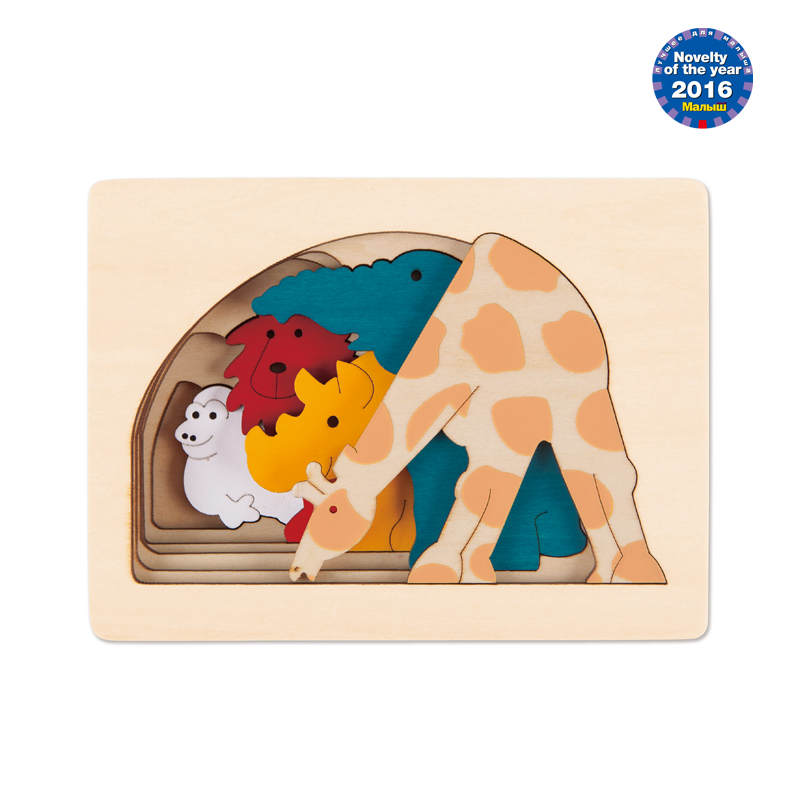
If there is a budding David Attenborough in your family they’ll love the award winning George Luck Grasslands puzzle. Five animals waiting patiently at the watering hole. Spot the cheeky monkey peeping out from behind the lion, rhino, elephant and giraffe.

Hape’s wooden toys are fun as well as educational and made to be handed down rather than tossed away.

Available from all good toy retailers. RRP £8.00

www.debenhams.co.uk

University Is Too Expensive and a Waste of Time, Say UK Graduates

BY ASTRID HALL

One in four graduates now regret having gone to university, according to research.

A survey found the most common reasons to rue time spent in further education are paying too much for their degree, wasting their time and making bad choices such as not choosing subject or institution more carefully.

The study of 2,000 graduates also revealed nearly half work in a job where they could have reached the same level through a trainee or apprenticeship scheme.

And although an overwhelming 93 per cent said they enjoyed their experience of freedom away from their parents, nearly half agree their current job is in no way related to their degree.

Recent graduates are in over £18,000 of debt after a three-year course and stuck in an underpaid job unrelated to their degree.

Joe Crossley, Business Development Director, of Qube Learning who commissioned the study, said: “It’s natural for a lot of graduates to finish their degrees expecting to jump on the career ladder almost immediately, but this is often far from the truth.

“Many students feel the pressure to achieve a high grade otherwise they feel they risk being unemployable but when they finally secure a job, their qualification becomes redundant.

“It’s also surprising how few undergraduates are advised on alternative routes to university studies. With the amount of debt now accompanying higher education, other options, like Apprenticeships, need to be made more clearly available to people looking to pursue a chosen career.”

More than four in five agree there is an emphasis on achieving either a 2:1 or first classification with a third admitting they don’t even get asked about their degree in job interviews.

The research found just a fifth were made aware of apprenticeships as an option in place of undergraduate university studies following A Levels, with less than five per cent told about distant or online learning.

One quarter graduated without any qualifications useful to their career, with just under half admitting they could be where they are now without a degree.

The study found a list of degrees that Brits think are a ‘waste of time’ with Fashion, Drama and Media Studies appearing in the top ten.

Nearly two thirds of respondents who graduated with qualifications considered ‘pointless’ admitted their degree didn’t help them to secure their current job.

It was also revealed the university degrees that the nation believe to be the most useful, with 88 per cent agreeing a degree in Medicine beats a degree in Law or Engineering.

However, just under half of those who have studied a degree in Medicine said they could have gotten the same job through an apprenticeship scheme or something similar.

One in five said because of their studies they are now behind either those who did apprenticeships or those who went straight into work.

Two in five said they feel they are underpaid in their current job despite having a degree with less than one in ten using skills developed during their degree on a weekly basis.

One in ten have since changed careers since graduating and are now investing their time in new qualifications.

One in five admits to working in an unpaid role in order to get their current job with more than one in ten never using skills developed during their degree.

Half of respondents said time management was one of their most treasured takeaways from their experience compared to 29 per cent whose most valuable skills were the ones bespoke to their chosen career.

If given the option to go back and do it all again, nearly one quarter of grads would go down an alternative route to university studies such as an apprenticeship, online qualification or learning a trade.

Over half agree their university experience did more for their social life than their education, with nearly one in five leaving university having met their partner.

A sixth of graduates admitted to wasting their time at university and a further one third of respondents said the ability to make new friends was a key skill gained from their experience.

Joe Crossley, from www.qube-learning.co.uk continued: “It’s imperative that people from as young as 16 years old should be made aware of the educational choices that are out there for them. It does not have to be a traditional path of A-Levels and University, there is a huge amount of scope for individuals to learn a trade, through Trainees and Apprenticeships, whilst being educated at the same time.”

TOP TEN MOST ‘POINTLESS’ DEGREES ACCORDING TO RESEARCH CONDUCTED BY QUBE LEARNING

1. Acting

2. Outdoor adventure and environment

3. Office skills

4. Film studies

5. Dance / choreography

6. Drama studies

7. Celtic and Anglo Saxon Studies

8. Fashion merchandising

9. Media studies

10. Religious Studies