Armada by Ernest Cline Book Review

armadabookreview

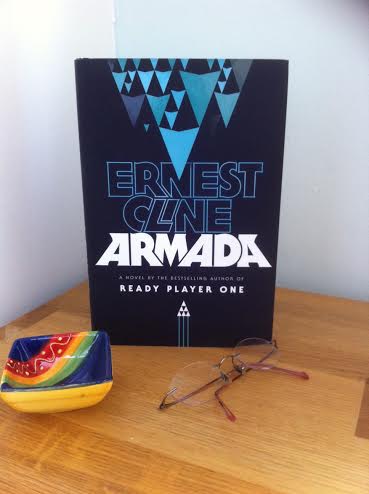
Armada arrived on my desk and as a total non-gamer I approached it with diffidence. Halfway through the first page, however, I settled down with the main character, Zack Lightman, as he daydreamed through another boring maths class at high school hoping something would happen to take him away from all this. And who hasn’t felt this?

Ernest Cline writes with a fine sense of empathy, and a deliciously casual sense of humour and it is this that works extremely well: I reminded myself that I was a man of science, even if I did usually get a C in it.

So there was Zack, glancing through the window, and lo and behold, along came a flying saucer – every geek’s dream. It is a flying saucer that happens to be straight out of the video game he plays every night. It is a popular online flight simulator called Armada, in which gamers protect the earth from alien invaders.

Suddenly, the problem is real, or is it?

I discovered there is a dormant area of geekism at my core as I enjoyed Zack’s skills which are fully utilized. Not just his, but millions of gamers across the world who have to raise their game to save the earth from what’s about to befall.

I kept thinking: reluctant students, beware the dream, as I read on, following Zack and his new comrades as they scramble to prepare for the alien onslaught. Plenty of twists, turns, and tension but also the emotional conundrum of his father’s premature death, and his mother who has fun, but won’t commit to any bloke … No, I won’t go on. Read it.

I found it satisfactory on many levels, not the least that it is accessible to young adults, and old ducks like me – a rare accomplishment.  Armada is a journey towards emotional intelligence and understanding, a journey towards some questions answered, others posed – huge questions they are too.  Armada’s a good ‘un.

Armada by Ernest Cline

Published in hardback by Century £16.99

Also available in ebook

Ernest Cline is the author of the bestselling Ready Player One
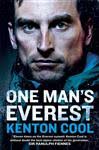


One Man’s Everest by Kenton Cool by Frances Colville

kentoncool

You don’t have to be an expert, or even a novice climber to enjoy Kenton Cool’s memoir, One Man’s Everest. I’m a wimp of the first order when it comes to heights, particularly if there is a sheer drop in the vicinity. So was this book for me? Yes – I couldn’t put it down.

Kenton Cool (what a fabulous name for a mountaineer) has devoted most of his adult life to climbing, whether completing challenges, or as a climbing guide.  He writes with humour and self deprecating understatement which belies the enormous achievements of his career, the summit (no pun intended) of which has not in his opinion yet been reached.

Cool keeps technical language to a minimum and while I’m sure his fellow mountaineers and climbers would find much to enjoy in the book, there is also plenty to interest the rest of us.  For this is the tale of one man’s determination to conquer not only the highest peaks in the world, but also his own physical handicaps and his self doubts about what his choice of lifestyle does to his wife and young family.  He talks about motivation and about the hardships he and fellow climbers endure.  He writes too of the toll the increasing popularity of ‘big peak’ mountaineering takes on the environment and the dangers casual commercialism brings to climbers and their support networks.  Poignantly he also talks about the terrible impact of the recent earthquake in Nepal and the devastation it has caused to a people he clearly holds in very high regard.

I’d have liked more information about how he recovered sufficiently from his ear ly accident – after which he was told that further climbing was completely out of the question – to be able to climb Everest on several occasions.  You can’t please everyone.

Perhaps appealing to a wide range of readers is one of the best tests of a successful memoir and One Man’s Everest achieves this. It is readable, inspiring, and I recommend it wholeheartedly.

One Man’s Everest will be published as a Preface hardback on 27th August 2015.

http://www.prefacepublishing.co.uk


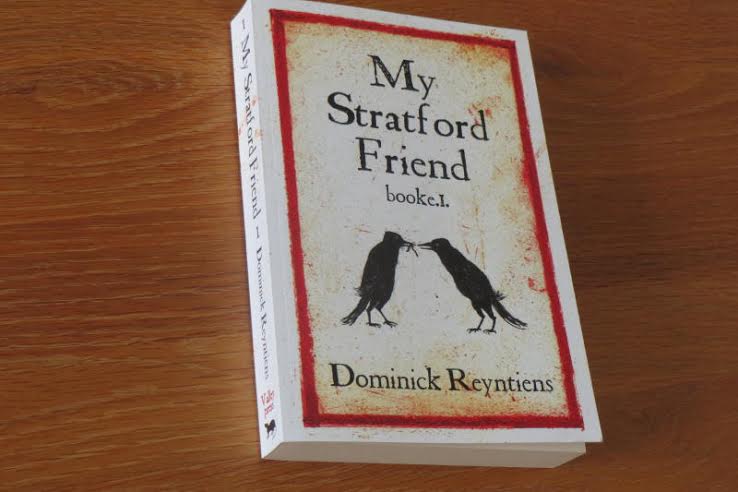
My Stratford Friend – Dominick Reyntiens by Frances Colville

pic 1.Stratford

Taking the reader back to the time of Shakespeare and setting the scene of his early years – what’s not to like? Once the author  Dominick Reyntiens gets into his stride, he captures the essence of the period and creates believable characters and settings.

I love the way Reyntiens integrates actual names and phrases which appear in Shakespeare’s writing.  For example on page 1 we learn that Tom’s horse is called Prospero (an important character in The Tempest), and later on we meet the matched pairs of horses, Lysander and Hermia, Helena and Demetrius, all names used by Shakespeare for characters in A Midsummer Night’s Dream.  A man wearing the head of an ass appears as a precursor of Bottom.  And we’re introduced to a Robin Goodfellow otherwise known as Puka – a clear link with Shakespeare’s Puck in Midsummer Night’s Dream.  This is clever stuff and makes for a fascinating read.  I found myself constantly looking out for references to the plays, and at the same time wondering just how many I had missed.

I don’t know, not having done extensive research on Shakespeare’s life myself, whether this is the true version of events.  But I don’t think that matters.  It’s definitely a possible version, an interpretation of the evidence we have, and a personal view of what might have happened, and that after all is what historical fiction is all about. What’s more, it’s a fast paced well-plotted story.  And I very much look forward to reading the next instalment.

Available from Amazon.co.uk


A Day In The Life / Hester Young

Today finds me far from the New Jersey suburb that I call home, in the midst of a research trip for my second novel. My husband and I have left our kids with my mother and journeyed to Arizona. The timing isn’t perfect–my first book, THE GATES OF EVANGELINE, has a lot going on publicity-wise as we prepare for our U.S. release. But the sequel needs some love, too, so here I am!

A DAY IN THE LIFE : HESTER YOUNGsonoradessert

Today, we begin the morning at a B&B on the edge of Tucson, a city I used to live in. I take a 5 AM stroll on the trail out back and watch the sun come up. Lizards, birds, and rabbits scuttle and hop about, and I even spot an antelope jackrabbit. I make notes on the different types of cactus and desert plants I see so that I can accurately describe them in the book later.

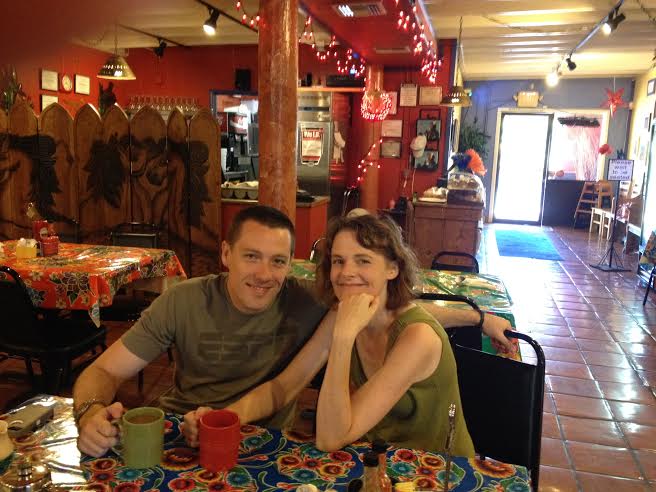
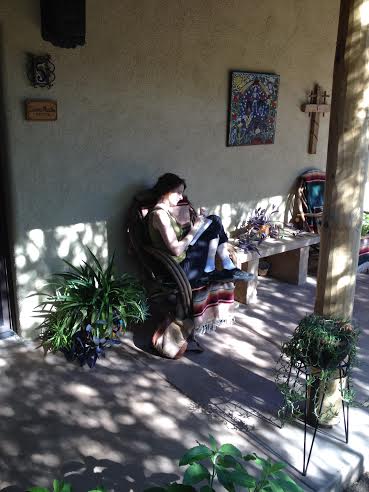
A DAY IN THE LIFE : HESTER YOUNGcoyotepauseMy husband and I enjoy a breakfast of tortilla chips, black beans, and nopalitos (a type of cactus)at a place called Coyote Pause. I scan through publicity and marketing emails regarding THE GATES OF EVANGELINE while he frets over the weather reports. Looks like we will be braving temperatures of up to 46 degrees Celsius! My first novel required research trips to Louisiana during Mardi Gras–this is not quite as cushy. We chat and review our plans for the day, and then I sneak in some writing time with a notebook in the courtyard before it gets too hot.

A DAY IN THE LIFE : HESTER YOUNGwriting

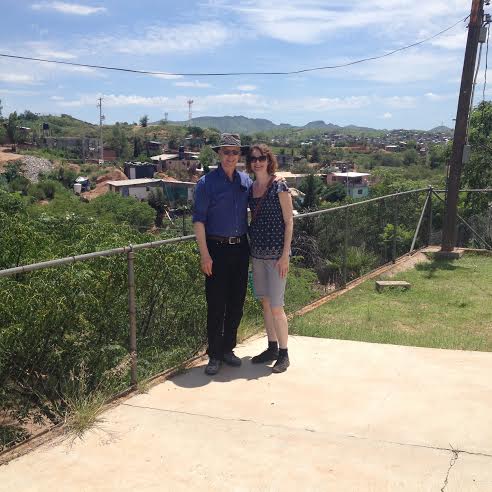
Next, we head an hour south to Nogales, an Arizona town that borders a Mexican city by the same name. I’ve arranged a tour tomorrow with an officer at U.S. Customs and Border Patrol to get info for the book. Today, we are meeting Scott Nicholson, an American charity worker who has offered to guide us through the Mexican side of Nogales and show us one of the city’s poorest communities.

Tirabichi Dump

Scott brings us to Tirabichi, a garbage dump once home to thirty families who made their living recycling found materials. The dump has recently been shut down by the government and its dwellings destroyed by a pair of suspicious fires that killed one resident. Few families remain. My work-in-progress has a scene set here, so I get a good look around and speak a bit with the caretaker in my stilted Spanish.

Tirabichi Grave.j

Over lunch, we chat with Scott about his life and work. Though American, he lives and works at a Mexican community center called HEPAC, which offers free lunches for local children, adult education courses, and a new affordable child care center. In his free time, Scott hikes seven miles through the desert to leave water for desperate migrants who might otherwise die as they seek to cross the border. I am amazed by his big heart. Meeting interesting individuals with powerful stories is one of my favorite parts of being a writer.

A DAY IN THE LIFE : HESTER YOUNGhesterandscott

My husband and I return to the U.S. mid-afternoon and check into a local hotel. I spend a couple hours writing while he naps. When he wakes, we do a Facetime call with our children, who breathlessly relate their day’s adventures.

Although we aren’t expecting high cuisine from this dusty border town, we find a surprisingly delicious Italian restaurant in a neighboring town. It’s strange to go from the poverty of Mexico to sipping wine and nibbling an eggplant appetizer, but I suppose this is what writers do: move in and out of worlds. Tonight I am particularly grateful for all that we have. I can’t wait to integrate the things I’ve seen into my latest novel.


The Gates of Evangeline by Hester Young

hesteryoung

When The Gates of Evangeline arrived – kerplunk – on my desk and I read the blurb, ‘Charlotte ‘Charlie’ Cates, a New York journalist and single mother mourning the recent, unexpected death of her young son …  my first thought was – not for me. I don’t do grieving mothers. They tear me to shreds.

Thankfully, I flicked through the first page, and was hooked.

Hester Young handles her material with aplomb, and though we are aware of Charlie Cates’ loss we are not manipulated by it. Instead, Young, who writes in the first person present, with spare and finely edged language, takes us on Charlie’s journey -from the urban New York to small town Louisiana.

It is here, in the sultry state with its swamps, and evocative history, that she takes a commission to write a true-crime book based on the case of Gabriel Deveau. Gabriel is the young heir to a wealthy and infamous Southern family who was kidnapped thirty years ago and it is a crime that has never been solved.

Charlie ‘witnesses’ events through hallucinations, which drive her onwards. She uncovers long-buried secrets of love, money, betrayal and murder. The facts appear to implicate those she most wants to trust.

The Gates of Evangeline is gripping, with a tremendous sense of place, (I need to put Louisiana on my list of places to go). It is a sense of place that I found reminiscent of James Lee Burke, one of the most atmospheric authors I have read, and whose work I love.

Young has created a Gothic epic, a great whodunit with a slightly but ‘in context’ supernatural bent. I couldn’t put it down, and found myself trying to work out who indeed ‘dunit’. I was half right, but that’s the thing with Young, there’s always another twist, an unpredictability that is in keeping, but surprising.

In The Gates of Evangeline, Hester Young, who lives with her husband and two children in New Jersey, has created a carefully crafted and fantastic literary debut.

Read it, but don’t expect to be able to put it down. This is a new crime series, which is great news. Can’t wait for the second to hit the bookstands.

Frost is publishing Hester Young’s A Day in the Life in a week.

Hardback by Century at £16.99


Beneath The Bonfire By Nickolas Butler Book Review

beneaththebonfirebookreviewBeneath The Bonfire is a collection of ten short stories, all set in small town America. Each story shows one thing absolutely: the talent of Nickolas Butler. He is a voice of America and a master of human emotion. He may well become one of the great American writers, if he is not there already. I found it hard to put this book down, the stories drew me in and stayed in my mind. Some were happy and others sad, but all came with a slice of Americana and characters it is hard to forget. It is hard to pick a favourite so I won’t, but I will pass this book along to a friend, such is its power to entrance.

Nickolas Butler’s debut novel, Shotgun Lovesongs, has become an international bestseller and won numerous accolades, including France’s Prix Page/America, previously won by Chad Harbach’s The Art of Fielding. Now, in Beneath the Bonfire, he demonstrates his talent for portraying “a place and its people with such love that you’ll find yourself falling for them, too” (Josh Weil, author of The Great Glass Sea).

Young couples gather to participate in an annual “chainsaw party,” cutting down trees for firewood in anticipation of the winter. A group of men spend a weekend hunting for mushrooms in the wilderness where they grew up and where some still find themselves trapped. An aging environmentalist takes out his frustration and anger on a singular, unsuspecting target. One woman helps another get revenge against a man whose crime extends far beyond him to an entire community. Together, the ten stories in this dazzling, surprising collection evoke a landscape that will be instantly recognisable to anyone who has traveled the back roads and blue highways of America, and they completely capture the memorable characters who call it home.

Beneath the Bonfire is available here.


Month 7 of My Reading Challenge by Frances Colville

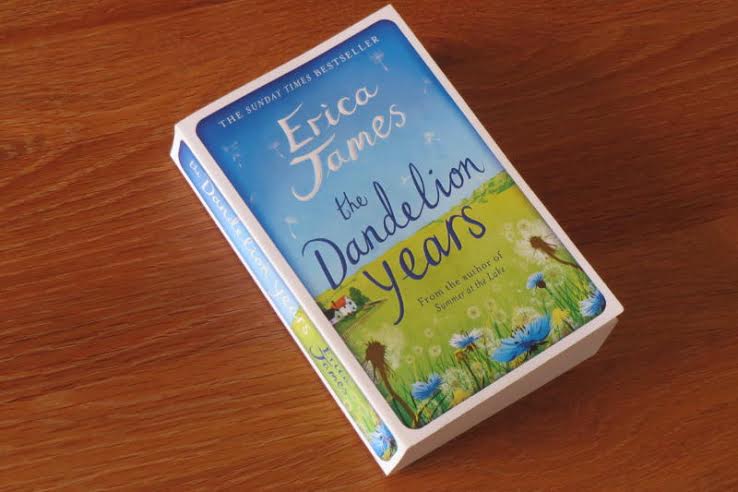
At the beginning of this month for various (non-book-related) reasons, I wanted to read something light, enjoyable and relaxing, and I found just that in Erica James‘ latest book The Dandelion Years.  A quick and easy read, this is a good story with characters I could identify with and of course a happy ending.  Just what I needed.  And any of Erica James’ 18 other books would have done the same job for me.

Month 7 of my reading challenge by Frances Colville1ericajames

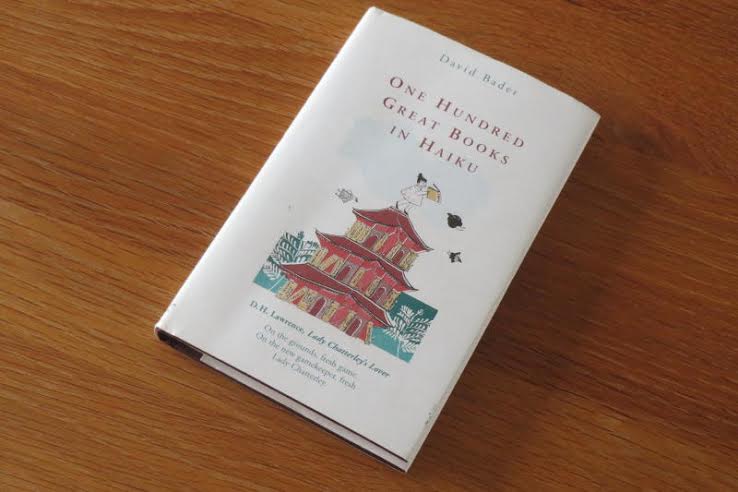
All month I’ve been dipping into a fascinating little book called One Hundred Great Books in Haiku by David Bader.  For anyone unfamiliar with the term haiku, it describes a very short poetic form, originally Japanese, which traditionally uses no more than 17 syllables, divided into 3 lines in a 5,7,5 format.  This particular book as its title suggests, uses the haiku form to express the titles of a hundred famous books.  My personal favourite  is the following which describes Brave New World by Aldous Huxley:

Euphoric drugs, sex,

cloning, the past forgotten.

So what else is new?

My bet is that once you’ve read the book you’ll want to try writing haiku yourself!

Month 7 of my reading challenge by Frances Colville2haiku

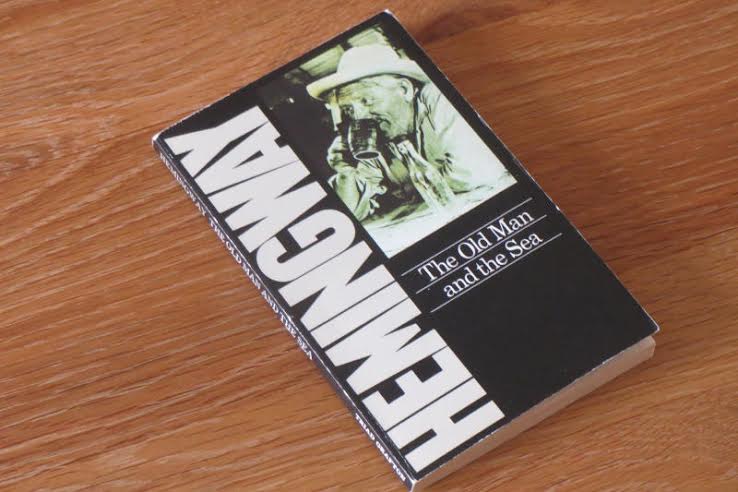
I have my family well trained and they know that a well-chosen book is always at the top of any present list of mine. The haul on my birthday this month didn’t disappoint.  The first thing I picked from the pile was an old and battered copy of Ernest Hemingway’s The Old Man and the Sea.  I hadn’t read this before and I was intrigued by a quote on the back cover saying that this might just be the best short story ever written.  Maybe – maybe not.  I don’t feel qualified to judge.  But it is superb. And I’m sure that this seemingly simple tale of an old man’s battle of wills against a huge fish, and at the same time against old age and loss of dignity, will stay in my mind for a long time.

Month 7 of my reading challenge by Frances Colville3

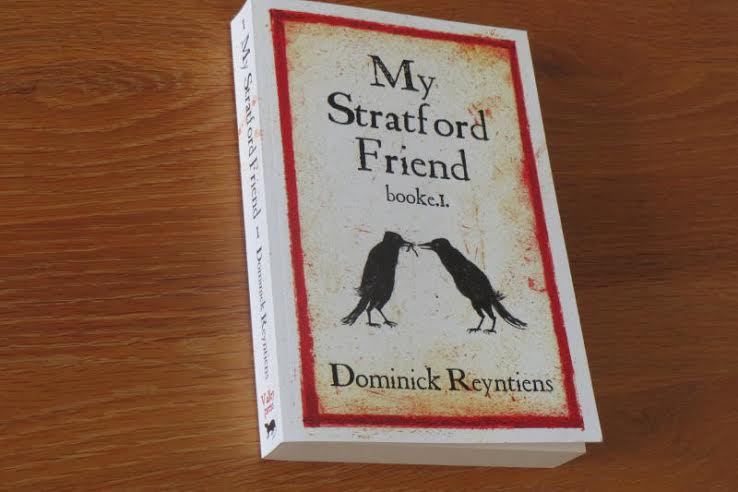
I’ve also been reading a couple of very recently published books this month and recommend both for different reasons.  One Man’s Everest by Kenton Cool is a fascinating account of the author’s life as a climber, his motivations and obsessions and his many climbing successes.  Not just a book for people interested in climbing, and well worth reading.  My Stratford Friend by Dominick Reyntiens is also fascinating; the story is told from the point of view of Tom, a lifelong friend of William Shakespeare and is a good combination of fact and fiction as well as being a compelling read.  Fuller reviews of both books can be found elsewhere on Frost.

Month 7 of my reading challenge by Frances Colville4

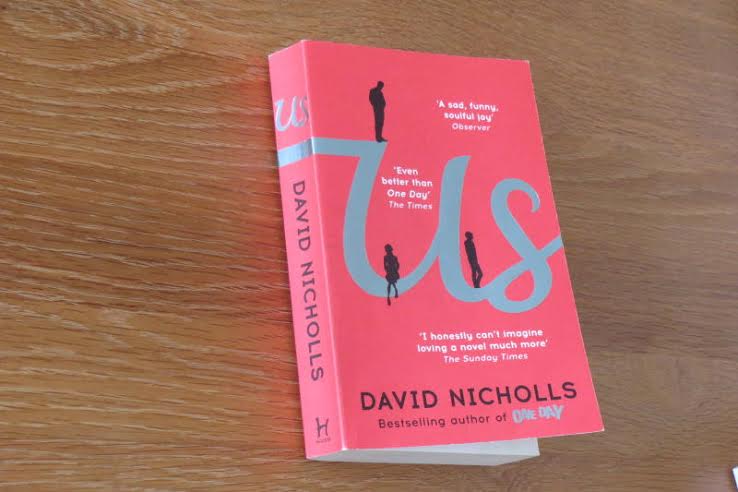
I thought I was ending the month back where I began, with something light and relaxing.  But a few chapters into Us by David Nicholls I decided this was a book with hidden depths. It is funny and it is entertaining, and it will make a good film, I’m sure.  But it also has serious points to make about relationships (husband/wife and parent/child) and in particular the big question of how you go back to being just a couple once your children have left home and being a parent is no longer the definitive role in your life.

Month 7 of my reading challenge by Frances Colville5us


Streets of Sin – A Dark Biography of Notting Hill by Fiona Rule Book Review

A DAY IN THE LIFE  By Fiona Rule 4

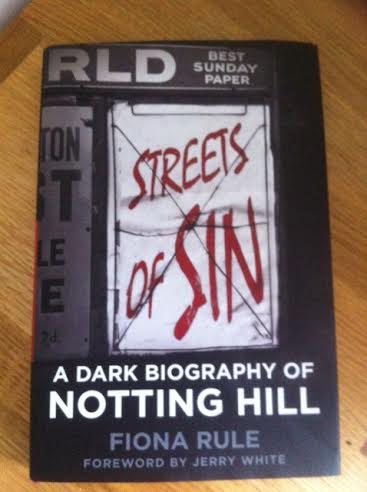
Think Notting Hill, the film, then wonder about Notting Hill, the place. Historian Fiona Rule has all the answers in her latest book, Streets of Sin. Rule has researched her subject meticulously, and presents it in a way that is accessible, and fascinating.

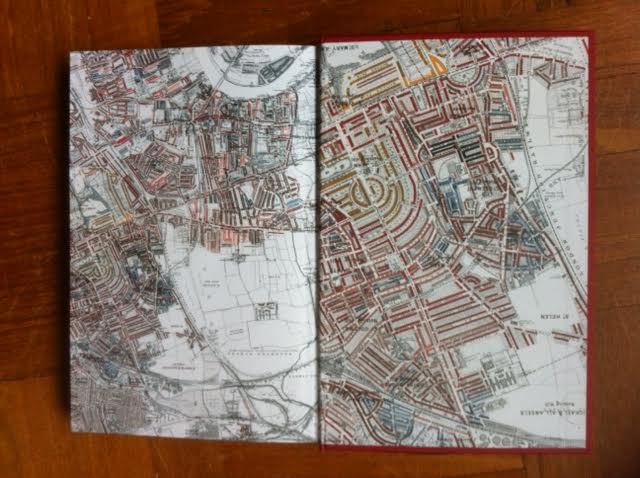
She takes us through the area, much as she does in one of her walks, tracing Notting Hill from its beginnings in the mid 1700s to the present. It began as a small rural community, some half an hour’s walk from the edge of the metropolis, and that half an hour was to be crucial in the initial failure of Notting Hill as a money spinning residential area for its developer. It was just too far from the centre to work as well as Marylebone or any of the closer developments.

Rule lifts the layers of Notting Hill’s history, revealing dreams gone wrong, broken people, piggeries, Rachman, the Profumo affair, and London’s first race riots. Add a dollop of characters such as the murderer Christie, and the musician, Hendrix, give it a good stir, and here you have, ladies and gentlemen – Notting Hill.

Streets of Sin – A Dark Biography of Notting Hill  by Fional Rule

I found Streets of Sin unputdownable. OK, my own research as an author leads me to devour anything historical, but walk these streets, put places to names, see what’s under the surface and you’ll be hooked. It is an easy read, an informative read. I loved it.

About the author: London-based historian, researcher and bestselling author Fiona Rule is widely respected as a specialist in the history of the capital and the Victorian era. She has appeared as an expert on several radio and television programmes including BBC London’s Breakfast Show and The Robert Elms Show, Find My Past and The Great British Story with Peter Snow. Her previous critically acclaimed historical titles include The Worst Street In London (Ian Allan 2008, reprinted 2009, 2010, 2012) London’s Docklands (Ian Allan 2009) and London’s Labyrinth (Ian Allan 2012).

Streets of Sin: A Dark Biography of Notting Hill by Fiona Rule (published by History Press 8th August RRP £17.99 hardback) is available to purchase online and at all good book retailers. For more information please visit www.fionarule.com or follow her @Fiona_Rule