Design Ideas That Support Multi-Generational Living

Image Source

Have you ever walked into your kitchen and wondered how it became a daycare, conference room, and nursing station all at once? You’re not alone. More families today are choosing to live together across generations. Some do it to share expenses. Others do it out of love—or necessity. Either way, modern homes are doing more than ever before.

According to Pew Research Center, multi-generational households in the U.S. have quadrupled since the 1970s. Rising housing costs, longer life expectancy, and changing cultural norms have all played a role. It’s not just about saving money. It’s about staying connected. But let’s be honest—living with your in-laws or your grown kids isn’t always simple. That’s where smart design comes in.

In this blog, we will share practical design ideas that make life smoother, cozier, and more respectful for everyone under one roof.

Why Shared Spaces Need Rethinking

Most homes weren’t built with three generations in mind. They were designed for the nuclear family: two parents, a couple of kids, maybe a dog. Now, many households include grandparents, adult children, and even grandchildren—all with different routines, noise levels, and privacy needs.

This change is pushing homeowners to think differently about space. It’s not just about cramming in more beds. It’s about creating zones where people can live together without stepping on each other’s toes. That often means adjusting layouts or repurposing unused areas of the house.

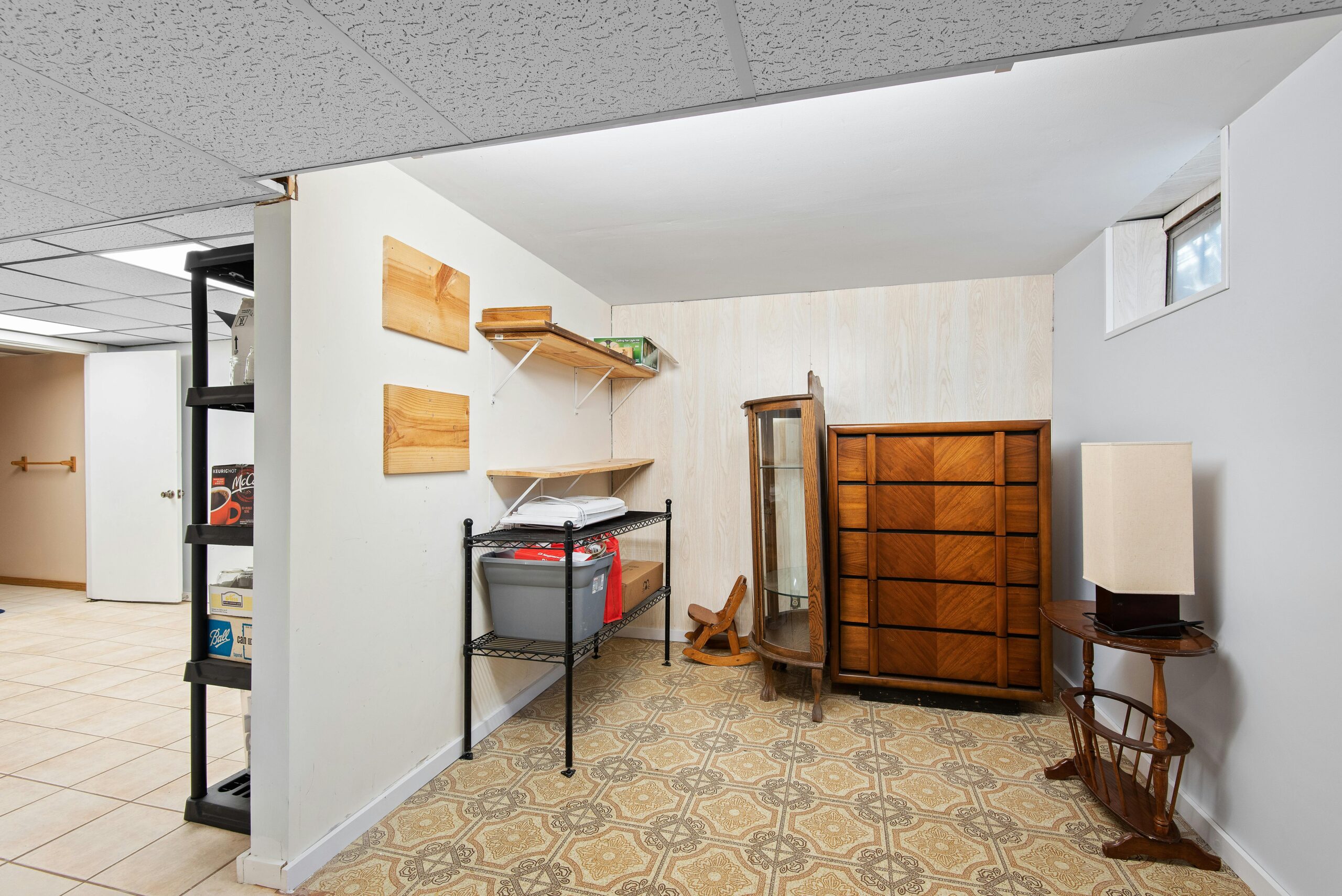
If your current layout feels cramped or chaotic, you’re not stuck. Solutions can range from small adjustments to full renovations. For example, turning a lower level into a private suite is one smart way to give everyone their own corner. If you’re thinking along those lines, working with a basement remodeler can help you design something that’s functional, attractive, and tailored to your family’s needs.

These projects aren’t about fancy finishes. They’re about flow, boundaries, and comfort. A well-designed lower level might include a small kitchenette, full bathroom, and living area—giving someone the feel of a private apartment without needing to move out.

Privacy Isn’t Selfish—It’s Survival

Let’s be real. Even the most loving families need space. Grandma doesn’t want to hear your toddler’s morning tantrum. Your son probably doesn’t want his video call interrupted by your book club. That’s why good design for multi-generational homes includes clear physical separation.

One popular method is to create separate entrances. It gives older parents or adult children more independence. They can come and go without needing to tiptoe past a sleeping baby. Pocket doors, soundproof panels, and dedicated bathrooms are also great for reducing friction.

Think about scheduling, too. Are there enough bathrooms for the morning rush? Can someone shower without waking up the whole house? These little stressors add up. Design isn’t just about pretty colors. It’s about making daily life easier to live.

Shared Kitchens Without Collisions

Now let’s talk about the busiest room in the house: the kitchen. In multi-generational households, the kitchen is where everyone eventually crosses paths. That’s fine—unless you’re all trying to cook at once.

To make a shared kitchen work, focus on zones. Set up separate food storage areas. If you can, add a second fridge or even a small kitchenette in another part of the home. That way, people can prep or snack without waiting in line.

Islands with multiple seating options help, too. Some folks like to chat while others cook. Others just want to eat in peace. Offering different ways to use the space keeps things flexible.

And don’t forget lighting. Good overhead lights and task lighting reduce strain and help people of all ages move around safely. Consider non-slip floors as well—stylish ones exist, we promise.

Multipurpose Living Areas That Work for All Ages

When designing for more people, flexibility is key. A single room might need to host a toddler during the day and a Zoom meeting at night. Choose furniture that can shift or store easily. Sectionals with hidden storage, fold-out tables, and stackable chairs all come in handy.

Media zones are another big deal. If one group wants to watch the news while another plays video games, it helps to have separate viewing areas. Don’t rely on one central TV to satisfy everyone. You’ll just end up arguing over the remote.

Keep noise control in mind, too. Rugs, curtains, and soft furniture help absorb sound. You’re not turning your home into a recording studio—you’re just making it more livable.

Bathrooms Designed for Comfort and Access

Bathrooms can be a pain point if not set up right. For multi-generational homes, you’ll want a mix of accessibility and function. Walk-in showers with grab bars serve older adults, while lower counters and step stools help young kids.

Storage is key. Give everyone a designated space for toiletries. This isn’t just about neatness—it’s about respect. Nobody likes digging through someone else’s floss and face cream to find their razor.

If you’re short on bathrooms, consider adding a powder room or expanding an existing half-bath. Even one more toilet can save you from daily family drama.

Outdoor Space: The Overlooked Hero

Let’s not forget the outside. Yards, decks, and patios are often underused. But they can be game changers for large households. A small garden can become a calming retreat. A covered patio offers space for grandparents to sit while kids play.

Outdoor zones can also double as work or study areas during good weather. Add some shade, plug-ins, and strong Wi-Fi, and you’ve got a makeshift office. Fresh air helps with mood and productivity. It also gives people a place to go when they need a break—from each other.

And yes, invest in comfy outdoor furniture. If it’s not comfortable, no one will use it.

The Emotional Side of Shared Living

Good design helps people live better together. But design alone can’t fix every problem. Multi-generational living works best when paired with mutual respect and clear expectations.

Having separate spaces doesn’t mean building walls emotionally. It means giving each other room to breathe, so the time spent together can be enjoyable—not just forced proximity.

Talk openly about needs. Ask what makes people feel comfortable, heard, and safe. Then use that input to guide your decisions. You’re not just designing a space. You’re shaping the daily lives of people you care about.

Building with Intention

Multi-generational living isn’t a trend. It’s a return to something older and wiser—something that puts people first. But to make it work in today’s world, homes need to keep up. That means better layouts, smarter use of space, and choices that support comfort, privacy, and connection.

The good news? These changes aren’t about luxury. They’re about function. You don’t need a mansion to make it happen. You just need a plan—and maybe a few honest conversations.

So whether you’re adding a suite, updating your kitchen, or turning a forgotten space into something beautiful, remember: the goal is to live together without losing yourself. With thoughtful design, you can create a home where everyone feels welcome—and no one has to fight for the last seat at the table.

Collaboration with our brand partner.
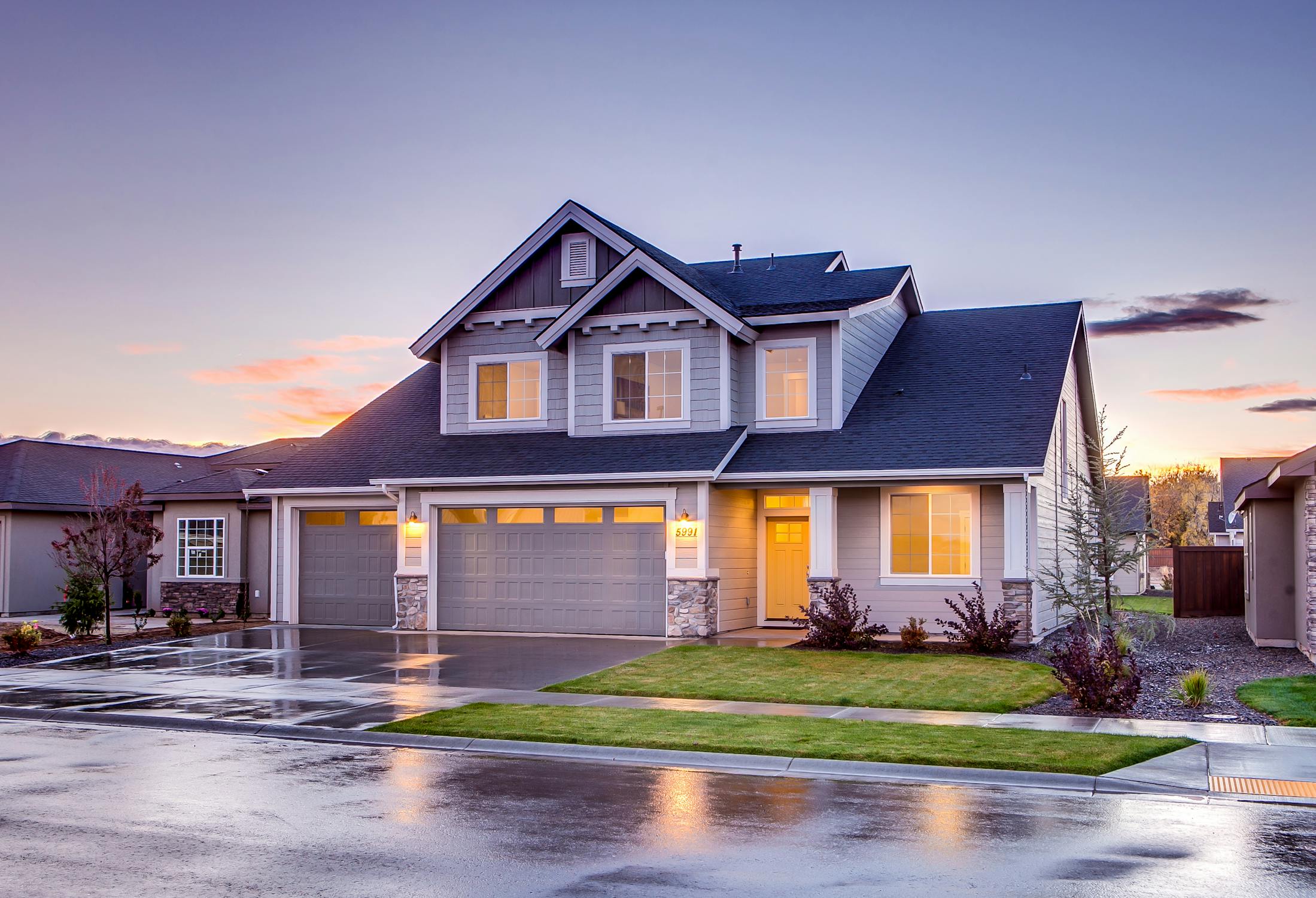
 Invest to Save: Ten Home Upgrades That Lower Your Bills

In a world where the cost of living continues to climb, finding ways to save money has become more important than ever. In cities like Portland, where expenses are 19% higher than the national average, people might hesitate to spend a large amount of money. But when it comes to your home, the right investments can lead to long-term savings and increased value. These upgrades reduce monthly bills and, at the same time, make your home more sustainable and comfortable. 

Let’s explore how spending smartly now can pay off significantly in the future.

1. Upgrade Your Insulation

Proper insulation is the backbone of an energy-efficient home. Poorly insulated walls and attics allow heat and cold to escape, forcing your HVAC system to work overtime. Investing in high-quality insulation ensures that your home stays comfortable year-round while lowering energy bills. Consider eco-friendly options like spray foam or cellulose insulation for maximum efficiency and minimal environmental impact.

A trusted HVAC Lakeland specialist can evaluate your insulation needs and recommend soulutions that boost enrey efficiency and reduce utility costs. High-performance insulation reduces heat transfer, creating a more consistent indoor temperature no matter the season. It also lessens your dependency on heating and cooling systems, ultimately decreasing wear and tear on these appliances. 

2. Focus on Your Home’s Siding

Upgrading your siding is a game changer for both energy efficiency and curb appeal. Modern siding materials, such as fiber cement or insulated vinyl, provide better thermal performance, helping to maintain indoor temperatures and reduce heating and cooling costs. Moreover, high-quality siding gives your home a refreshed appearance, complementing Portland’s charming aesthetics. Consulting a professional Portland siding contractor is essential to ensure the job is done correctly and efficiently.

Upgraded siding also protects your home from weather damage, reducing maintenance costs over time. Professionals can recommend materials best suited for your area and ensure proper installation, preventing future issues like moisture intrusion or drafts. Though it’s a substantial investment, the combined benefits of energy savings and enhanced curb appeal make it an excellent long-term decision.

3. Install Energy-Efficient Windows

Old or single-pane windows are often ignored culprits of heat loss. Replacing them with double or triple-pane energy-efficient windows prevents drafts and improves insulation. Look for windows with low-emissivity (Low-E) coatings and tight seals. Though the initial investment may seem steep, the reduction in heating and cooling costs will quickly balance the expense.

Energy-efficient windows also offer noise reduction and increased UV protection for your interiors, preserving furniture and flooring. These windows add to your home’s value and can greatly enhance comfort levels by eliminating cold drafts in winter or excessive heat in summer.

4. Switch to LED Lighting

Lighting accounts for a substantial portion of a home’s energy use. By replacing incandescent bulbs with LED alternatives, you can reduce your energy consumption by up to 75%. LEDs also last much longer, meaning fewer replacements and less waste. This simple upgrade has one of the fastest returns on investment.

Modern LED bulbs come in various designs and brightness levels, making it easy to find an option that suits your home’s aesthetic. Moreover, smart LED bulbs can be controlled remotely or programmed for schedules, providing extra convenience and energy efficiency.

5. Add a Smart Thermostat

Smart thermostats, such as Nest or Ecobee, let you control your home’s temperature remotely and adapt to your routine over time. These devices optimize heating and cooling schedules, ensuring you only use energy when needed. The result is not only lower energy bills but also a more comfortable living space tailored to your preferences.

With advanced features like motion sensors, these thermostats can adjust temperatures automatically when rooms are unoccupied. They also provide detailed energy reports, helping you identify areas for further savings. The initial cost is quickly recouped through the reduced energy usage they facilitate.

6. Opt for Solar Panels

Solar energy is one of the most sustainable ways to power your home. While it’s true that solar panels require a major chunk of your budget, many states offer tax incentives and rebates to make it more affordable. Over time, generating your own electricity reduces your dependence on the grid and can even earn you credits for excess energy.

Solar panels also contribute to reducing your carbon footprint. Advances in solar technology have improved efficiency and durability, ensuring your system delivers value for decades. 

7. Upgrade Your Water Heater

Traditional water heaters often waste energy by constantly heating water. Switching to a tankless water heater or a high-efficiency model ensures you use only what you need when you need it. These systems also take up less space and have a longer lifespan, adding to their overall value.

Tankless water heaters heat water on demand, eliminating standby energy losses. High-efficiency models are often eligible for rebates, further offsetting initial costs. The result is reduced water heating bills and an endless supply of hot water tailored to your household’s needs.

8. Seal Air Leaks

Air leaks around windows, doors, and ductwork can lead to significant energy loss. Simple solutions like weatherstripping, caulking, or adding door sweeps can drastically improve your home’s energy efficiency. These small fixes are inexpensive and easy to implement but offer noticeable savings over time.

Sealing air leaks also improves indoor air quality by keeping out pollutants and allergens. When paired with proper ventilation, this upgrade ensures a healthier living environment while reducing energy consumption. 

9. Install Low-Flow Fixtures

Reducing water usage is just as important as cutting down energy consumption. Installing low-flow faucets, showerheads, and toilets reduces water bills without sacrificing performance. Many modern fixtures are designed to maintain high pressure while using less water, making them a practical and cost-effective upgrade.

Low-flow fixtures also help conserve water resources, a critical consideration in areas facing water shortages. With sleek and modern designs available, these fixtures blend functionality with style, enhancing both savings and aesthetics.

10. Improve Your Landscaping

Strategic landscaping can help lower energy bills by providing natural insulation. Planting shade trees around your home reduces heat in the summer, while evergreen shrubs act as windbreaks in the winter. Native plants also require less water and maintenance, saving money on irrigation and gardening.

Thoughtful landscaping doesn’t just reduce energy costs; it also boosts property value. Incorporating permeable paving and rain gardens can manage stormwater effectively, further enhancing environmental benefits. Investing in professional landscaping ensures a design that complements your home while maximizing energy savings.

Saving money doesn’t always mean cutting corners; sometimes, it means making smart investments. Each of these home upgrades not only reduces your monthly bills but also increases the value and comfort of your home. While the initial costs may feel overwhelming, the long-term benefits far outweigh the expenses. By thinking ahead and taking proactive steps, you can achieve a home that’s both economical and sustainable. 

Collaborative post with our brand partner.

Tropical Collection by Monique Lucas | Interiors

Island inspired kitchen & dining ware that will transport you to sunny climes.

New Tropical Collection from Monique Luca New Tropical Collection from Monique Luca

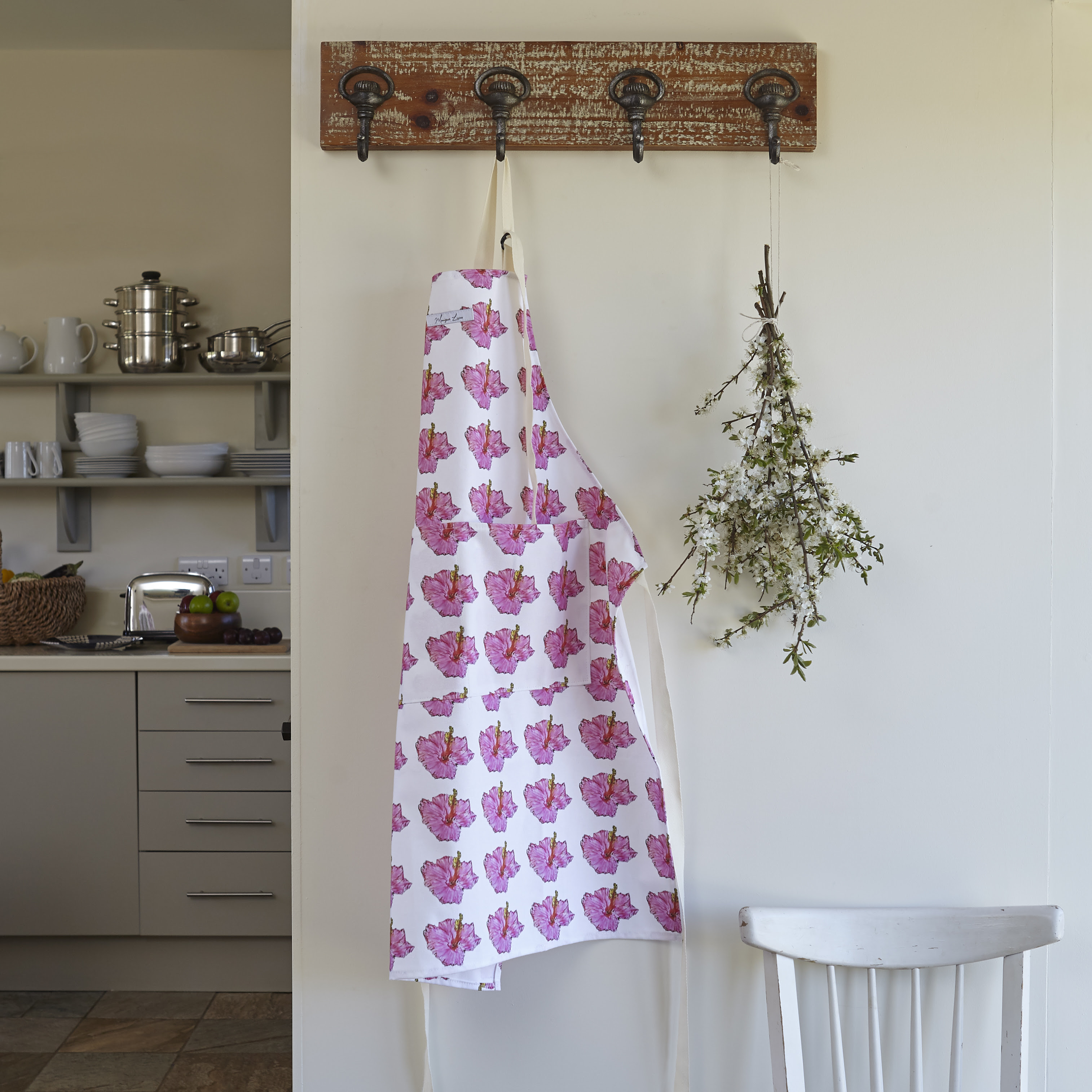
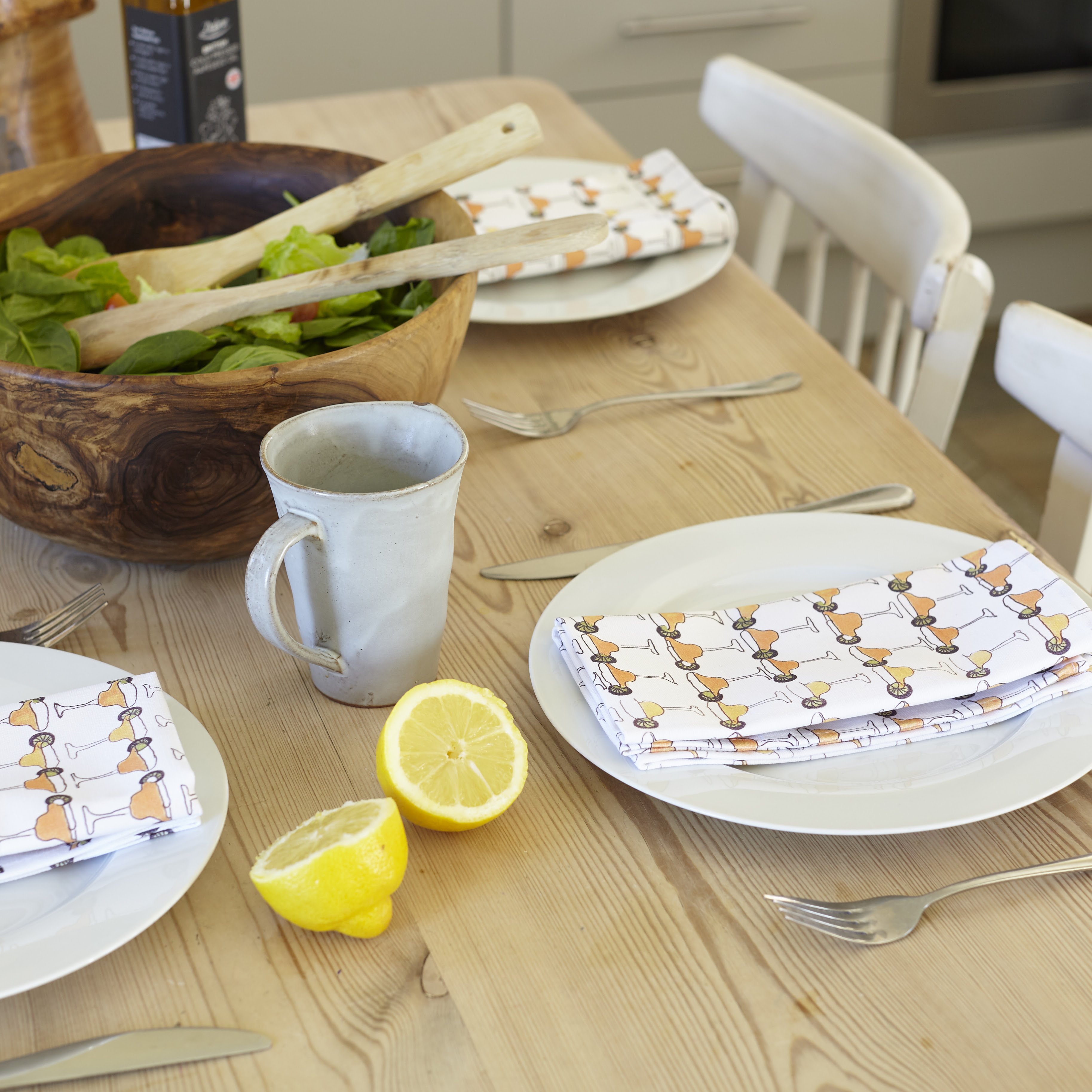
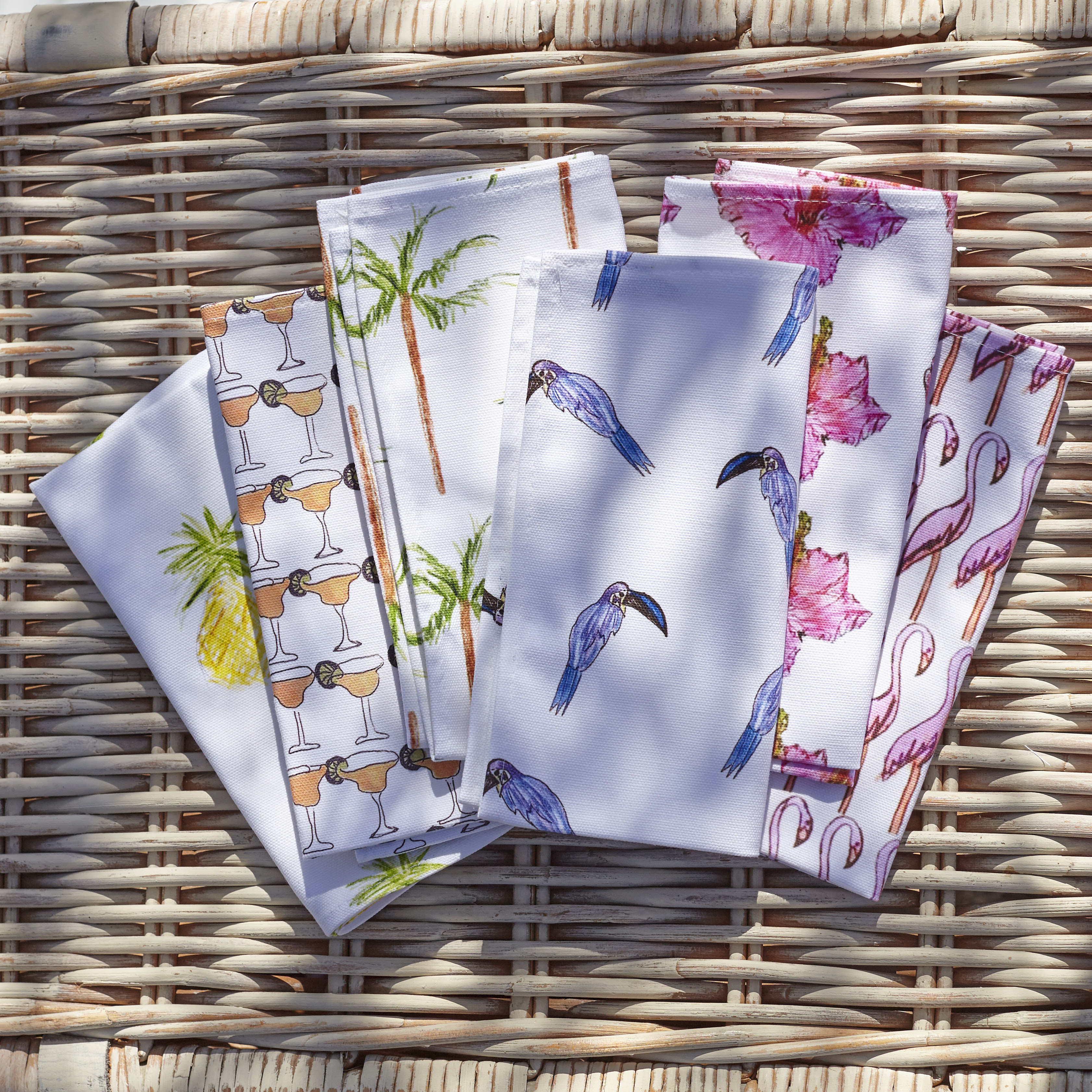
Welcome in the summer months with these gorgeous new tropical patterns from Monique Lucas, inspired by a love of islands near and far. The hand drawn designs include Pineapples, Hibiscus, Flamingos, Palm Trees, Parrots and Daiquiris. 

All products are designed and made in the UK, using organic cotton and eco-friendly inks. 

Founded in 2018, Monique Lucas turned her full attention to her namesake brand in 2020, in the midst of the pandemic. Inspired by her love of islands, both the ones she grew up on and those she’s visited, Monique combined this with her passion for interiors and patterns to create her designs. Whether the exotic islands of the Far East, the sultry Florida Keys, or the more homely islands around the UK, Monique has found continual inspiration from coastal life. The surroundings of the sea, greenery and ever-changing nature inform and inspire the detailed, vibrant designs. 

New Tropical Collection from Monique Luca New Tropical Collection from Monique Luca

Monique Lucas products can be purchased directly from www.moniquelucas.co.uk and are also available from Not On The High Street. International shipping available. 

PRICING:

  • Napkins start from £38 for a set of 4

  • Oven gloves start from £20

  • Tea Towels start from £16

  • Aprons start from £32

  • Monique Lucas is also available for wholesale from faire.com


The Big Ben Wall Clock | Interiors

We love this unique and classy wall clock. It really adds a touch of sophistication to a room. 

Strike sleek style into your home with The Big Ben Wall Clock.

The Big Ben Wall Clock

Traditional and contemporary all in one, replace the tiresome & typical clock, with this designer stick on vinyl wall feature.

Individualise with this interior. The architectural design brings British heritage onto your wall within minutes.

With an impressive and iconic build it’s been beautifully created to bring a smooth finish against the wallwith a 3D clock that is easily removable for when the batteries need changing.

The Big Ben Wall Clockinteriors

Place class and creativity onto your wall – instantly bring the hip London vibe into your home. This great British landmark will stand majestic and modern against your wall.

Get entwined in the design of Big Ben, without the need for noisy chimes – its charming appearance is sleek and chic.

The delicate and decorative structure of the building is reconstructed in every inch of this wall clock, with the ornamental metal hands and ultra-quiet ticking movement.

Time to dine, why not in front of the statement piece of décor that reflects the bustling big city vibe?

This funky feature is available for only £11.99 now.

Features:

Easy application and removal

4 x Vinyl Stickers

3D Clock Face (Mechanism requires 1x AA Battery)

Carved metal hands & Ultra quiet ticking motion

From prezzybox.com