SISTER SCRIBES’ READING ROUND UP: APRIL

Kitty:

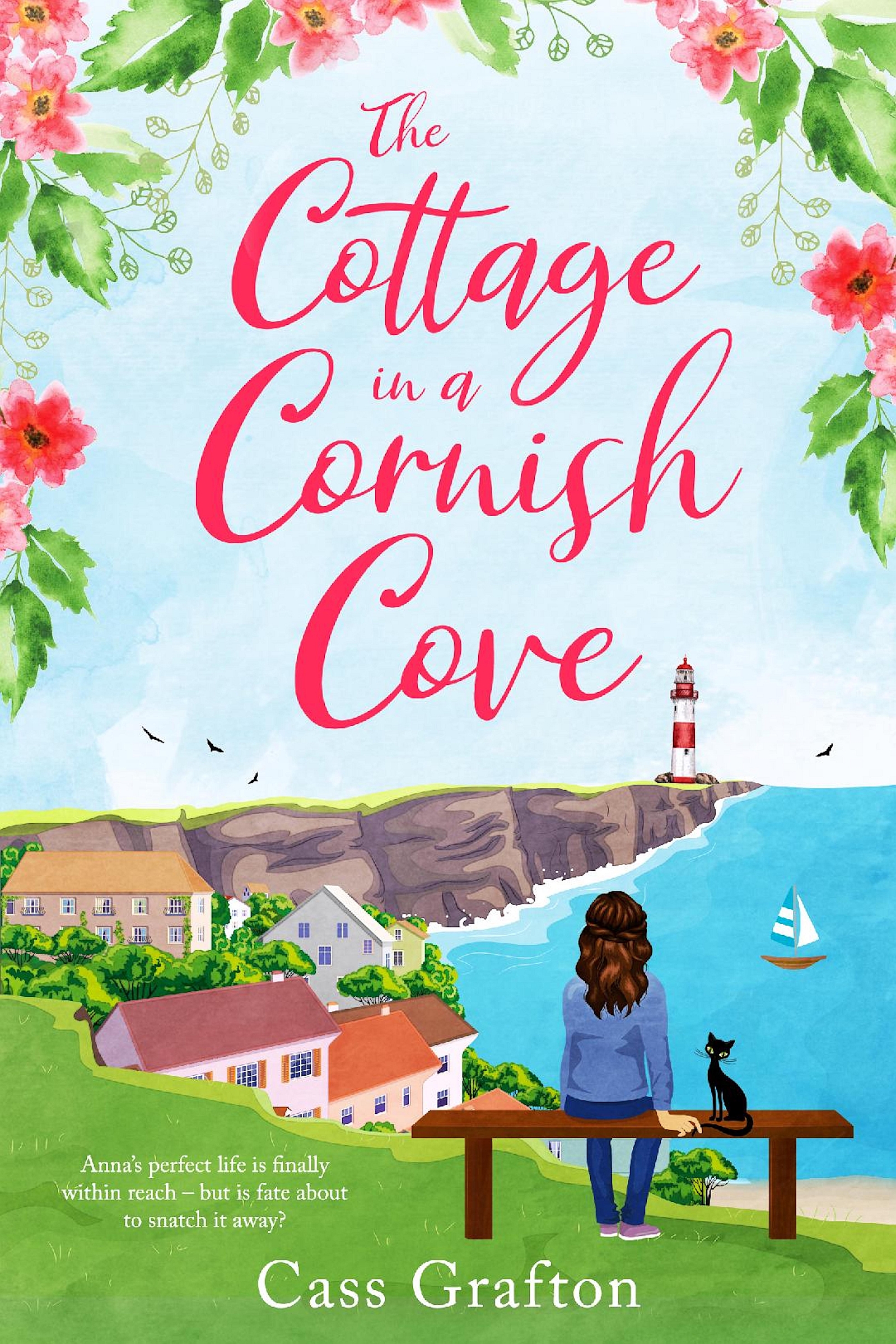
Firstly, I thoroughly enjoyed The Cottage in a Cornish Cove, a romantic comedy set in Cornwall and written by a fellow Sister Scribe. Cass Grafton’s descriptions of the county made me feel as I were home, I could see Polkerran beautifully in my mind and the descriptions of community were so well done that I could hear the characters calling to each other as they made their way around the village. Her gentle humour is woven throughout and I was genuinely willing the hero and the heroine together.  I particularly loved how she starts each chapter with a quote from classic romances with each one giving a snippet of what we can expect from the chapter.
I picked up expecting The Charm Bracelet by Ella Allbright a romance and what I got was so much more. The concept behind this novel, the charm bracelet with each charm marking a major event in, and telling the story of, Jake and Leila’s lives, is fabulous. I fell in love with Jake from the very first page and absolutely adored the way his character developed from boy to adult and was willing the relationship on with my whole being. There is however a twist to this tale and this was what made the book so special for me. The author has turned my heart inside out and this story will stay with me for a long time.  Highly recommended.


Jane:

First this month my reading took me to Dorset and the Jurassic coast around Lyme Regis. Georgia Hill’s timeslip On a Falling Tide had some lovely comments made about it by other authors I thought I should try it for myself.

The book travels between the 1860s, where Lydia wants no more than to be a fossil hunter but is expected to marry to further her uncle’s business interests, and the present day where Charity is searching for her roots following her grandfather’s death. The two women are linked by an ammonite Charity finds on the beach, but as the story unfolds what binds  them together runs far deeper than that. To say more would give away too much of the story, but Georgia Hill has created a fantastically malevolent ghost – and a heart warming love story – all rolled into one.
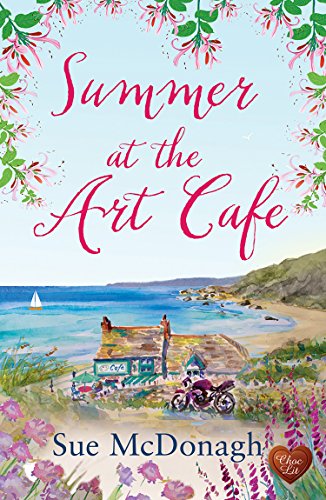
I was looking for a proper comfort read when I was reminded I hadn’t read any of Sue McDonagh’s romances by seeing the gorgeous new cover for her third book. Sue is a proper creative all rounder – she’s an artist as well as a writer so paints her own cover images.

I decided to go back to the beginning so downloaded Summer at The Art Café. The premise is wonderful; Lucy wins a gorgeous motorbike in a raffle and despite – or maybe because of – her husband’s disapproval, she decides to learn to ride it and in the process finds so much more than just the freedom of the roads.

What I loved the most about this book is that the characters settle under your skin without you noticing – they are all so effortlessly real, and that is a true gift. From bike instructor Ashley, to his six year old daughter, to Lucy’s best friends at the café, they all rang true and their journeys were convincing. For me the icing on the cake was that the book is set in my native South Wales, but it would be a delightful read for anyone who enjoys a satisfying romance.
 

SISTER SCRIBES GUEST: STEPH HAXTON ON MOVING THE MUSE

Steph Haxton was one of the first local writers I met when I moved to Cornwall. Historian turned author (or gamekeeper turned poacher, as she’d have it), her research is meticulous and her wit legendary. Unfortunately for me she’s now moved to Scotland, but how would the sometimes elusive Mrs Muse take to the change?


Mrs Muse, plugging a new novel set in Scotland, by June should have been sitting on the doorstep of our new home. But I’d had not a peep for weeks. She’d showed briefly at Holyrood Palace; she’s a sucker for anything royal. But after a quick tap on the shoulder, she scarpered again.

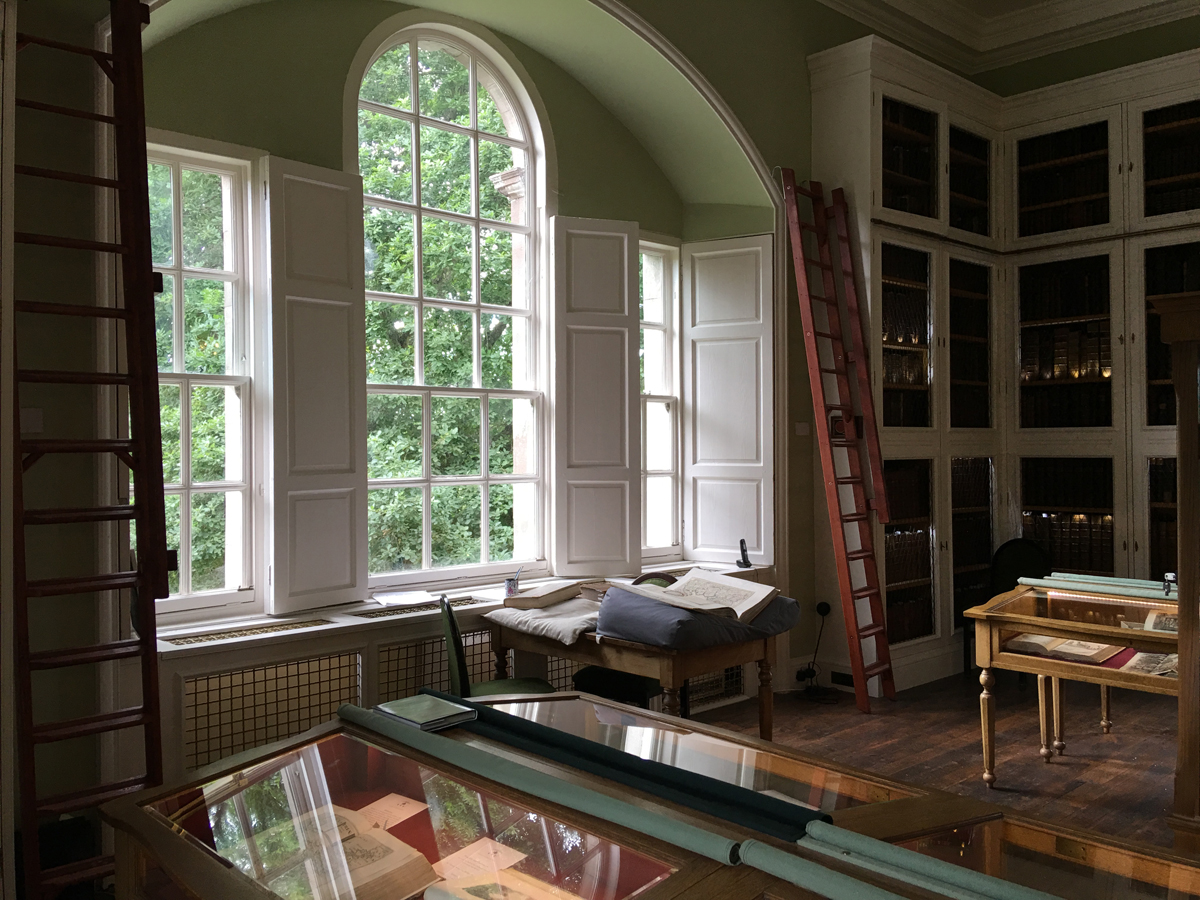
A month later I decided to head up the M90 to Innerpeffray Library, a place highly recommended by a fellow bibliophile. With an overview of where I was headed, I let the Sat Nav tell guide me. My relationship with it being troubled, when it directed me off the dual carriageway not far outside Perth, I was immediately suspicious.

‘Turn right to Roman Road.’ It didn’t look likely, was signposted something else.

But round two sharp bends, there it was! Only a bloomin’ Roman road; straight, classic width, ditches either side bordered by beautiful woodland. Wow!

I had to stop a few miles on, when the trees dropped away.  On a ridgeway, I faced a breath-taking view over the Strathearn. Thirty seconds later, four police motorcyclists in formation swept past, easily doing 50mph. Incongruous on a rural lane, they were clearly enjoying a Roman road too!

Before long the brown sign for Innerpeffray Library sent me down a potholed track. A turf path though trees, a red squirrel bouncing ahead of me, led me past ancient yews surrounding a tiny chapel where a rash of goose-bumps swept me from head to toe. Around another corner stood the Library.

‘Hello! You took your time!’ said my precocious afflatus.

Beautiful books and friendly faces greeted me. A lovely volunteer explained the Roman origins of the site and the library’s history. I took a sharp intake of breath: 1680, a date central to my next novel. I had been looking for somewhere to ‘place’ the female protagonist. Even if Mrs Muse hadn’t been elbowing me in the ribs, I’d have known – this was it!

The weird coincidences continued: the gentleman giving me a tour of the reading room originally came from the Roseland. That might account for his choice of pages in Camden’s ‘Britannica’. But his finger, pointing straight at Pendennis, the castle at the core of my books? No. THAT was extraordinary. There was more.

The exhibition in the display cases was on ‘Emigration’. A member of the Library had researched and highlighted a name amongst the many hundreds in the borrowers’ registers.  Haxton. Ours is not a common surname anywhere so, of all the names in Perthshire, the odds of that had to be pretty long.

I was still shaking my head in disbelief when a charming couple came in. We were introduced. Roman re-enactors, they live about 500 yards from our new address. When they shared an experience that Mrs Muse began applauding with gusto, I beat a retreat on ‘overload’!

Deliberately taking a different road back to the A9, I found myself approaching the junction that I’d taken so warily almost exactly two hours earlier, but from the opposite direction.

There, sweeping across the carriageway ahead and disappearing into the trees, were four police motorcyclists. The same ones? I’ve no idea.

All I could hear was Mrs Muse yelling, ‘They aren’t police riders! They’re the ghosts of Romans, horsemen, and they continually ride the same route on one day every hundred years. They’ve just updated their steeds …’

I don’t care where she’s been, but Mrs Muse is definitely back!


SISTER SCRIBES GUEST: JESSIE CAHALIN ON LIVING THE DREAM

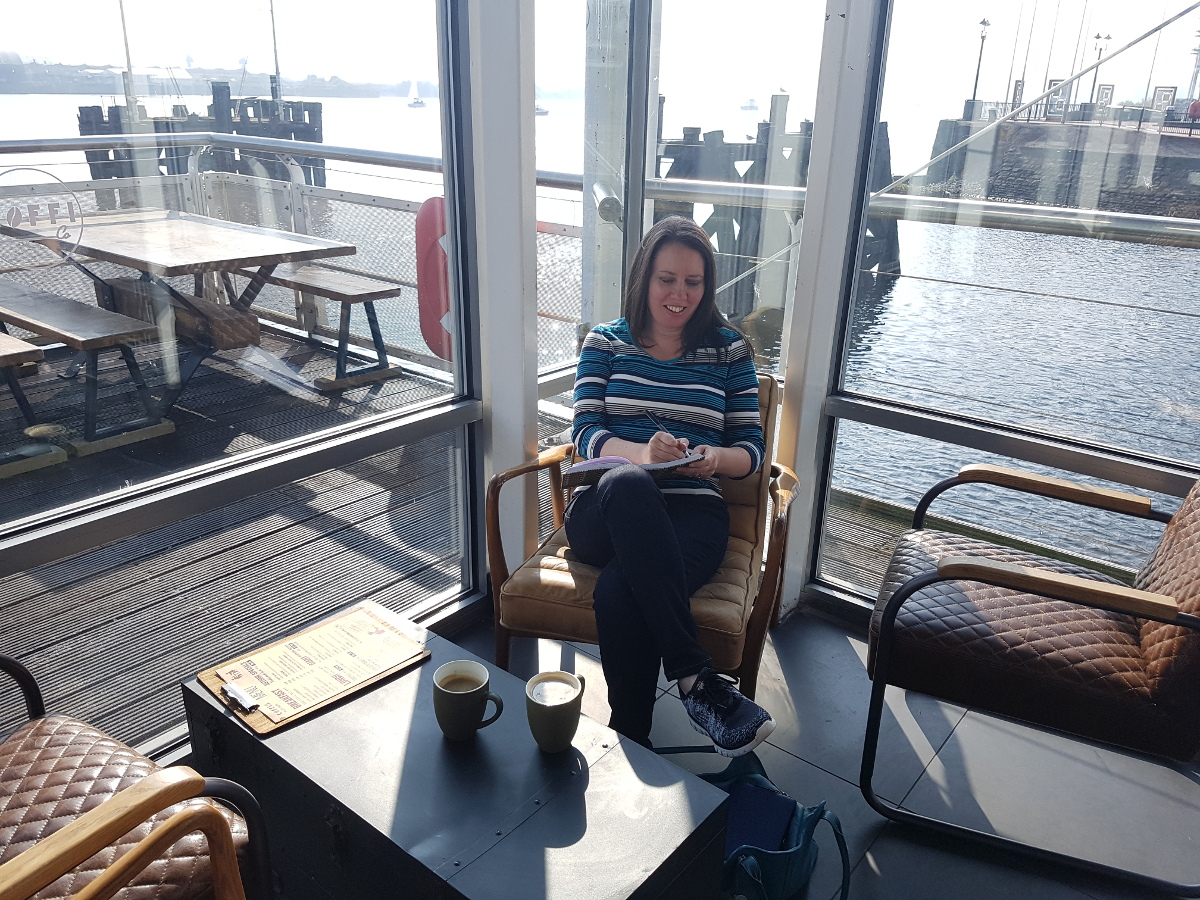
I first became aware of Jessie when this amazing blog appeared, featuring books in handbags, but it was some time before we met, introduced by the lovely Angela Petch at an RNA conference. There is a certain symmetry between us; she is a Yorkshire author living in Cardiff, and I am a Cardiff author living in Cornwall. That, and the fact she is a wonderfully giving and collaborative person, makes me consider her a Sister Scribe.


When I reached my mid forties, I realised my career ambition had overshadowed my creativity.  Stuck on a treadmill of administration, I signed off educational action points for teachers but had not achieved any of my own goals.  Days started at 6am and ended at midnight.  Fuelled with coffee, I survived on very little sleep, but my life-long dream to write a novel haunted me.  A health scare prompted me to grab time for myself and take control of my destiny.

Characters hassled me for years and it was time to set them free in my novel, ‘You Can’t Go It Alone’.  I tapped away on my laptop keyboard for six months; it was fun to finally meet the characters. At times, their behaviour shocked me, but they showed me there is more to life than action planning and policy making. Sophie, a character in the novel, showed me the importance of the simple things in life.  She also made me smile again.

Writing improved my wellbeing, and I wanted to learn more about the craft.  I sought the advice of a professional editor and engaged in cutting, cutting and shaping. Novel completed, I closed my laptop, ticked off one point on my bucket list, and hopped back on to my life. I mused that I would re-read my words again one day.

Unbeknown to me, my husband read the manuscript of ‘You Can’t go It Alone’.  He published the novel, without my knowledge, as he knew I would dilly dally. He threw me into the world of indie publishing.  It shocked me, but I decided to grab the opportunity and make connections with the writing and reading community via a blog and social media.  Initially, the aim of my blog was to share book reviews of all the books that had resonated with me over the years. I named the blog Books in my Handbag as all my books are on the kindle, in my handbag.

Playing on the theme of handbags, I tweeted photos of my novel in my handbag. Overwhelmed with the positive comments about the photo, I realised it would be fun to ask authors to send their photos. I developed the Handbag Gallery to showcase the authors’ books and provide a unique boost to the marketing of hundreds of authors. I now have almost fourteen thousand followers on Twitter, and the photos of book in handbags are always a hit.

The Handbag Gallery connected me to lots of authors, and they have supported me with the writing process and promotion.  With pearls of wisdom from indie and traditionally published authors and hard work, I achieved bestseller rankings across UK, Canada, Australia and New Zealand.  I was third in contemporary women’s fiction in Canada. The day my book was placed beside Margaret Atwood, I felt as if the stars had aligned.

Last year, I moved beyond virtual connections with authors reached out to the Romance Novelists’ Association. It is wonderful to meet with authors in the local RNA chapter and became a member of the New Writers’ Scheme.  I don’t know what the future holds for ‘Loving You’ because I am exploring benefits of the traditional and indie publishing routes.  I have started my third novel and have been offered opportunities to write articles in magazines My experience shows you do have to speculate to accumulate.  I am celebrating three years of my blog and living the dream in writerly heaven. Moreover, I have taken control of my health and wellbeing.

Wishing everyone the strength to follow their dreams.


Visit Jessie’s website at http://www.JessieCahalin.com    or follow her on Twitter @BooksInHandbag

SISTER SCRIBES’ READING ROUND UP: FEBRUARY

Cass:

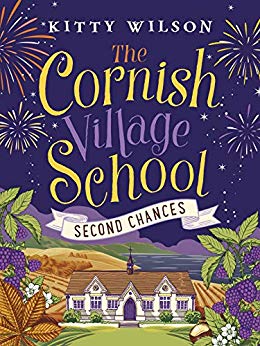
Having loved Kitty Wilson’s debut novel, The Cornish Village School: Breaking the Rules, I already knew what to expect from the pen of this talented author: relatable characters, a fabulous Cornish setting, lots of emotion and laughs-a-plenty.

The Cornish Village School: Second Chances is the story of Sylvie, who’s had to give up her dreams in the past and is also doing her best to recover from a recent loss whilst being the best mum she can be to her little son, Sam (adorable!) and Alex, who’s come to Penmenna with his adopted daughter, Ellie (adorable and hilarious!), to help her escape the horrors of her past and to also take a break from the pressures of his job.

Surround these two new characters with the regulars from the first book, Rosy and Matt, still cosily besotted with each other; Chase and Angelina (who’s still weird, but perhaps a bit mellower… sometimes); the controlling Marion Marksharp (still loving that name), and you have a fun read, layered with depth, as both Sylvie and Alex reveal their past wounds, at first to themselves and then to each other.

A fabulous second novel from Kitty Wilson, who writes rom-com at its very best.


Jane:

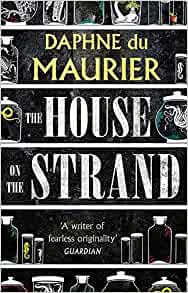
Given most of my novels have a time-slippy element it’s surprising I haven’t read Daphne du Maurier’s The House on the Strand before. In truth I only picked it up because my talks partner, Sue Kittow, has written a book of walks based around du Maurier’s work and we’ve been asked to speak about the author to a local group.

From the first chapter I was hooked. The book dates from the 1960s and the protagonist is Dick Young, a man who can only be described as having a mid life crisis, and is lent a house in Cornwall for the summer by an old university friend – on the condition he helps him with an experiment. This involves taking a drug which transports him to the early fourteenth century, a brutal time by any standards, and even as a helpless bystander he becomes emotionally involved in the lives of lords, ladies and serfs living around Tywardreath then.

I enjoyed this well crafted book and alternately racing to finish it and throwing it down and stomping off yelling “oh, you stupid man!” at Dick. Although the writing was so vivid I travelled back to medieval times, the contemporary story of a man struggling to make sense of his life – and in so doing putting his family’s happiness at great risk – gripped me even more. Through the lens of time Dick could be seen as a selfish bastard but this book is actually a heart-wrenching portrayal of what addiction can do to the body and mind. As relevant today as it was in the 1960s.

Set firmly in the past – this time the early nineteenth century – is To Have and To Hold, another great book from Valerie Holmes. Her Yorkshire setting is so beautifully drawn I could see it in my mind’s eye as I read, and I love the way she draws her characters from outside ‘the ton’ – it makes them seem so much more real, somehow.

This is a great adventure/love story that begins with a runaway mill boy and ends… well, that would be telling, wouldn’t it? Poldark fans should love it. Valerie’s new book, In Sickness and in Health, is available for pre-order now.


SISTER SCRIBES’ READING ROUND UP: JANUARY

Jane:

The last book I read in 2019 was Raynor Winn’s The Salt Path, a fitting end to the year. It was our book club choice, one we’d begged the library for after having suffered the poet laureate’s egotistical whinge about doing the same walk at roughly the same time.

Phrases such as ‘greatest surpasses least’ spring to mind. Raynor Winn and her husband Moth had nothing left to lose when they embarked on the South West Coastal Path in the summer of 2013; no home, no jobs, no money and in Moth’s case, having been diagnosed with a terminal illness, no future. And yet the book is a joy, well deserving of its award nominations and best-seller status.

That isn’t to say it sugar coats the pill. I felt desperate with them, thirsty with them – and mostly hungry with them. But I also saw the beauty that surrounded them, heard the wash of the waves, the weather howling in from the Atlantic as autumn started to bite. That is the genius of Winn’s writing, the power of her words. That and making an autobiography read and feel like a novel.

There is a lovely postscript to my review too: yesterday I went to hear Raynor Winn speak and had a long conversation with Moth, still very much alive. He told me she wrote the book as a gift for him, for when he can no longer remember the wonderful thing they did. Which makes it a love story as well.

When Kate Field found out I was reading The Salt Path she begged me not to read her new book next because she thought it would be an anti-climax. It is typical of her modesty, but wide of the mark. Hers is a completely different book and I wouldn’t even begin to compare them.

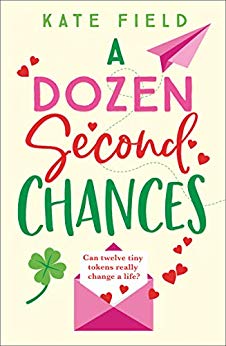
A Dozen Second Chances is just the sort of romantic fiction I like. The characters are real and relatable, mature and shaped by their lives. And being characters in a book Eve and Paddy have had plenty of history, which has done just that. The will-they-won’t-they story of their second chance made me unwilling to put the book down, with a clever and beautifully sewn up plot and satisfying ending.

On a personal note I loved the fact they are archaeologists. The heroine of my next book is as well and I could see Kate’s research had gone along similar lines to mine. I just hope she enjoyed it as much as I did.


Kitty:

January is the perfect time to catch up with my reading and I have read several books that I have absolutely loved.

Our Sister Scribe, Susanna, published her first book as Polly Heron – The Surplus Girls. Jane has already shared an extensive review on Frost but I have to add that I adored it and I urge saga lovers to give it a go.

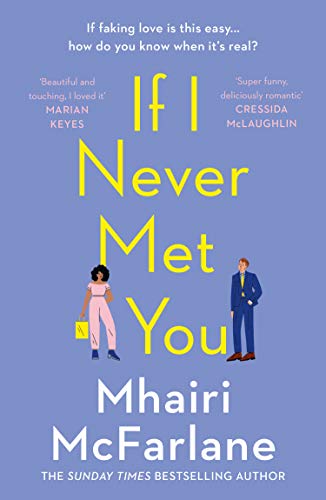
I also raced through Mhairi McFarlane’s If I Never Met You and, true to form, it didn’t disappoint. I love everything about Mhairi’s writing, it’s always fast-paced, insightful and genuinely funny – guaranteed to make me cackle. In this one the heroine is in her mid-thirties when her life and expectations are thrown into disarray and she starts a faux-romance with the office Lothario. Truly fabulous.

And finally, Cathie Hartigan’s Notes From The Lost. A timeslip with part of the story set in wartime Italy and part set in modern-day Exeter. I fell so heavily in love with Alfie, an escaped POW hiding out in mountains and villages and found this book to be uplifting and restorative, with both parts seamlessly woven together. I cannot wait for some time to pass so I can have the pleasure of reading it all over again.


SISTER SCRIBES: JANE CABLE ON PLANNING FOR CREATIVITY

It’s the first morning of the decade and I’m making plans. Or rather I’m ordering dreams and prioritising my wish list, licking them into some sort of order. But shouldn’t the magic of creativity just be allowed to flow?

To my mind that’s a ridiculously self indulgent approach when you have chosen writing as a career. Having some sort of plan is so much better than sitting at a crossroads scratching your head. I have so many ideas for books I’ll probably never write them all – but which should I be following up? And what else needs to be done to make them successful?

Over the last few years I’ve developed a plan for planning – an easy ‘to do’ list for January 1st (or thereabouts), which keeps me on track.

  • Scrawl a quick review of the previous year in two sections – what went well, and what didn’t. Coming straight off the top of your head helps focus on what’s been important to you; what you need to do more of and what needs putting right.
  • Consider how you’d like to develop your writing life this year in each and every direction. For me the most important things are to understand more about (and hopefully write!) books with stronger hooks, and to find out more about winning at Amazon. Once you’ve worked out what your priorities are, allow yourself to dream a little – where would you like to be in five years’ time? How will this year’s plans help you to get there?
  • Now you have the basics you can set out your goals for the year. In my business life I had many clients who used the SMART system (specific, measurable, attainable, relevant and timely) and they’re a pretty good rule of thumb for writing too. Except I quibble a little with ‘attainable’ here, because I like to think in writing we continue to grow beyond our current skill sets – and what’s wrong with stretching ourselves anyway?
  • Next write down what you’re not going to do this year. It may sound a bit negative, but most people are prone to a bit (or a lot) of time wasting so cutting the draining tasks from your life is actually one of the most productive things you can do. One of my weaknesses is volunteering for too much so I’ve promised myself nothing new this year.
  • Then write down what you are going to do – the things that will make the biggest difference to your reaching your goals. What works in your writing life? What makes you feel good about it? What do you have to do more of to succeed?
  • The last part of my plan is to break down my goals and put them on a timeline. I do a rough quarterly guide, then an action plan for the first few months of the year. This will develop as projects move on. I also use quite small boxes for each month so I’m not tempted to overfill them and tackle too much too soon. I have a tendency to want everything to happen now, so this is very useful in spreading the workload. And, of course, it leaves room for some all important flexibility. Because even in the most ordered of worlds, real life happens.

So all this comes with a caveat: you can only plan everything when you are in control of everything. And in writing, as with most careers, you’re not. I was expecting my next book to be out by now, but it isn’t. Nobody’s fault – just one of those things. And I suspect when I look back this time next year there will be other things that haven’t happened too. But without any plan at all, I wouldn’t even know where to start.


SISTER SCRIBES’ BOOKS OF THE YEAR 2019


Kitty: I knew when I was reading it that Circe would be a book that stayed with me for a long time and I’m happy to call it my book of the year. I’m already itching to re-read it, an absolutely wonderful read. 

I finished Circe by Madeline Miller this month and I cannot do justice to how much I loved it. The story of Circe, a woman locked in by her divinity whilst also dealing with the very female roles of mother, daughter, sister and lover. This retelling made Circe much more accessible and empathetic than the male-centric version that I grew up with. Full of self-discovery, courage and empowerment it turns the myth of vicious witch into a story of a true heroine. I loved it so much that having read it once I am going to store it, like a secret treasure, for a re-read in a few months so I can wallow in it slowly and feel the magic again.

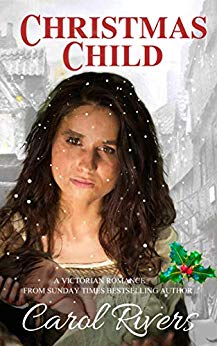
Susanna:  I love Carol’s 20th century sagas, but this year she wrote her first Victorian story, which happens to be my favourite historical setting. Carol Rivers + Victorian = one very happy reader!

One of the things I love and admire about books by Carol Rivers is that, while some authors get a bit stale and produce books that feel samey, Carol always writes something fresh, using new ideas, at the same time as remaining true to the drama and strong sense of personal relationships that characterise her books. Christmas Child is a story for any time of year, not just for the festive season. An emotional and enthralling tale, it follows Ettie as she faces up to life’s dangers and challenges and learns the hard way that not everyone deserves to be trusted. I love stories set in Victorian times and I’m delighted that Carol Rivers has, for this book, left behind her customary 20th century setting and moved into the 19th century. I hope there will be more Victorian stories to come from this wonderful writer.

Cass: A hilarious yet poignant story of self discovery, where you are laughing out loud one moment and holding back tears the next.

“Everyone should be adopted, that way you can meet your birth parents when you’re old enough to cope with them.” So says Pippa Dunn, the eponymous heroine of Alison Larkin’s debut novel, The English American (which has its roots in her autobiographical one-woman comedy show of the same name). Adopted as an infant and raised terribly British (attending a posh boarding school, able to make a proper cup of tea and in the ‘love’ camp for Marmite on toast), Pippa – now 28 – discovers her birth parents are American. Finally, she begins to understand why she’s so different from everyone she knows. Pippa sets off for America, soon meeting her creative birth mother and her charismatic birth father. Moving to New York to be nearer to them, Pippa believes she’s found her ‘self’ and everything she thought she wanted. Or has she? This is a hilarious yet poignant story where you are laughing out loud one moment and holding back tears the next. Pippa’s journey is very funny, yet deeply moving, and I highly recommend The English American to anyone who loves to finish a book with a smile on their face and a warm feeling in their heart.

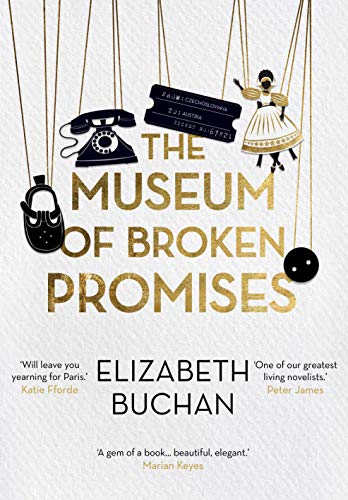
Jane: Elizabeth Buchan’s The Museum of Broken Promises is, like her other books, a slow starter. I have learnt to be patient while she creates a tapestry of detail so rich and wonderful, holding my breath until to story tips into second, third and fourth gears and becomes unputdownable.

The book is set in Paris in the present day and in Prague in the 1980s. The end of the Cold War was in touching distance, yet nobody knew it, and this adds an additional poignancy to the narrative. Laure, a young woman coming to terms with the death of her father is an au pair to a businessman and party insider, and while trying to make some sense of life behind the Iron Curtain, meets a dissident musician who steals her heart and soul. Years later in France, she sets up the Museum of Broken Promises, full of artefacts people donate in attempt to avenge or assuage the pain of betrayal – and some of them belong to her own past. Slowly the book teases out truths from a long ago Czechoslovakian summer. One moment achingly beautiful, the other shocking in its violence, the whole fits together like a handmade glove. It stayed with me, too – and it’s only now I’m writing this review I finally understand the most important promise. And who broke it. A must read. Honestly.

Kirsten: Beautifully written and no matter how grim the present times feel, at least we are not living in a plague village in 17th century Derbyshire!

I love historical fiction and I was late to the party with  Year of Wonders by Geraldine Brooks. It was published in 2002 and was recommended to me several times before I finally grabbed myself a copy. The book is set in 1666 and it’s based on a true event. The Great Plague has reaches the quiet Derbyshire village of Eyam through a contaminated piece of cloth that has been sent to a tailor from London. It’s the only place in the region that’s been affected and the villagers make the extraordinary decision to isolate themselves totally so that the plague cannot spread further – so no one allowed in or out until the plague has run its course or everyone has died. This story is told through the eyes of 18-year-old Anna Frith as she confronts ‘the loss of her family, the disintegration of her community and the lure of a dangerous and illicit love’. I loved it. It’s sad and interesting and touching and fascinating and I had no idea that anything like this had happened. I wonder how we’d have reacted in the same situation.

SISTER SCRIBES’ READING ROUND UP: NOVEMBER

Jane:

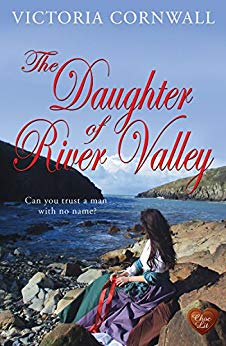
My first read of the month was The Daughter of the River Valley by Victoria Cornwall and I enjoyed this book so much. It drew me in from the beginning – it was so refreshing to read a story set in Victorian times with a fiery female working class character, and which wasn’t unrelenting doom and gloom. Well written and meticulously researched, I absolutely loved it.

I’ve had a real historical month and also adored Tracy Rees’ Darling Blue (now republished as The Love Note). Set in Richmond in the 1920s it charts the stories of three women, during a year when each of their worlds changes beyond recognition. The cast of characters is beautifully drawn, and rather than being a predictable flapper-fest, the novel addresses some of the important issues of the day, including the way the First World War changed both people and society. But for all that it isn’t a heavy read; it’s sensitive and joyful and at times impossible to put down.

Finally, in the name of research, I read Alice Chetwynd Ley’s A Reputation Dies. It’s a detective story set in London in 1815 and her use of period language is so rich it was a joy to read. I felt completely immersed in the period and enjoyed this historical cosy crime very much indeed.


Kirsten:

I love historical fiction and I was late to the party with  Year of Wonders by Geraldine Brooks. It was published in 2002 and was recommended to me several times before I finally grabbed myself a copy. The book is set in 1666 and it’s based on a true event. The Great Plague has reaches the quiet Derbyshire village of Eyam through a contaminated piece of cloth that has been sent to a tailor from London. It’s the only place in the region that’s been affected and the villagers make the extraordinary decision to isolate themselves totally so that the plague cannot spread further – so no one allowed in or out until the plague has run its course or everyone has died. This story is told through the eyes of 18-year-old Anna Frith as she confronts ‘the loss of her family, the disintegration of her community and the lure of a dangerous and illicit love’. I loved it. It’s sad and interesting and touching and fascinating and I had no idea that anything like this had happened. I wonder how we’d have reacted in the same situation.


Susanna:

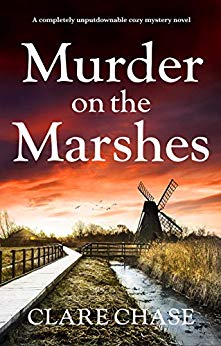
The first two novels in Clare Chase’s Tara Thorpe series, Murder on the Marshes and Death on the River, are set in and around Cambridge and the Fens. In the first book, Tara is an investigative reporter, while in the second, time has moved on and she is now a police officer, which makes an interesting transition that adds depth to the story. The plots are clever, with twists, atmosphere, pace, a range of well-fleshed-out characters and plenty to make you think. The settings in the books are beautifully conveyed and show Clare Chase’s skill as a writer. I enjoyed the chemistry between Tara and Garstin Blake and when I read the second book, I longed all the way through for Tara’s nasty colleague to get his comeuppance. There are two more Tara Thorpe books (Murder Comes to Call and Death in the Fens) and I’m looking forward to reading those.