SISTER SCRIBES: JANE CABLE ON HOW WINNING A FACEBOOK COMPETITION INSPIRED A BOOK

As an author, the most frequently asked questions are without a doubt about what inspires you. Sometimes it’s the very smallest thing, but wherever an idea starts it needs to become a snowball, slowly gathering size and pace, to create the perfect storm – if you’ll excuse my rather poorly mixed weather metaphors.

My lastest book Endless Skies had the strangest of starts. My husband Jim and I are huge fans of The Great British Menu, and when one of the then finalists, Colin McGurran, organised a Facebook competition to win a stay at his restaurant with rooms in Lincolnshire, Winteringham Fields, we decided to enter. It was a simple ‘yes or no’ question followed by a draw, so Jim decided to take ‘yes’ and I would take ‘no’. Unfortunately I never did complete my half of the bargain as my mother was rushed into hospital. Fortunately the answer was ‘yes’ and even more fortunately, Jim’s name was drawn out of the hat.
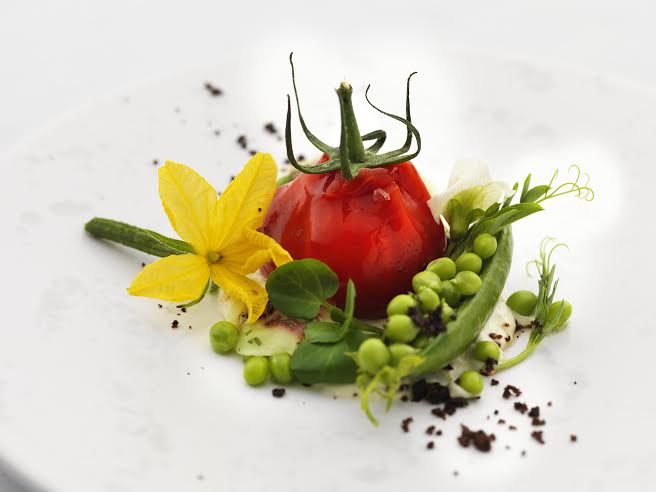
One of Colin’s signature dishes

We arrived at the village of Winteringham on the banks of the Humber on a glorious summer day and once we had checked in went for a walk. The skies above us were blue and quite immense – on a different scale to anything we had seen elsewhere – but half way back across a field of stubble we heard what sounded like thousands of running footsteps behind us. We turned, only to see a curtain of rain approaching. It was a scene so incredible it had to find its way into a book and a tiny seed was planted.

For a while it rattled around in my head as I was working on Another You. Eventually I did some research about the area and discovered it was where Ermine Street ended and the Romans probably tried to cross the Humber. What a great place for an archaeologist to find herself. Alone, under that vast, empty sky.

We returned to Winteringham Fields the next year to celebrate our twentieth wedding anniversary and explored the area further, including the wonderful museum and library at Scunthorpe, where I was able to find out more about archaeological digs in the area. By this time I was writing; Rachel was alive in my head and we were having such fun disappearing down Roman rabbit holes together.

The settings; gorgeous Winteringham with its spectral remoteness and the bustling city of Lincoln were firmly established and the characters were coming along nicely too. Not just Rachel, but her octogenarian friend Esther (based more than a little on my mother, who had died between our first and second visits), and then men in Rachel’s life; Ben, Jem and Jonathan. I had an intricate plot as well, but something just wasn’t working.
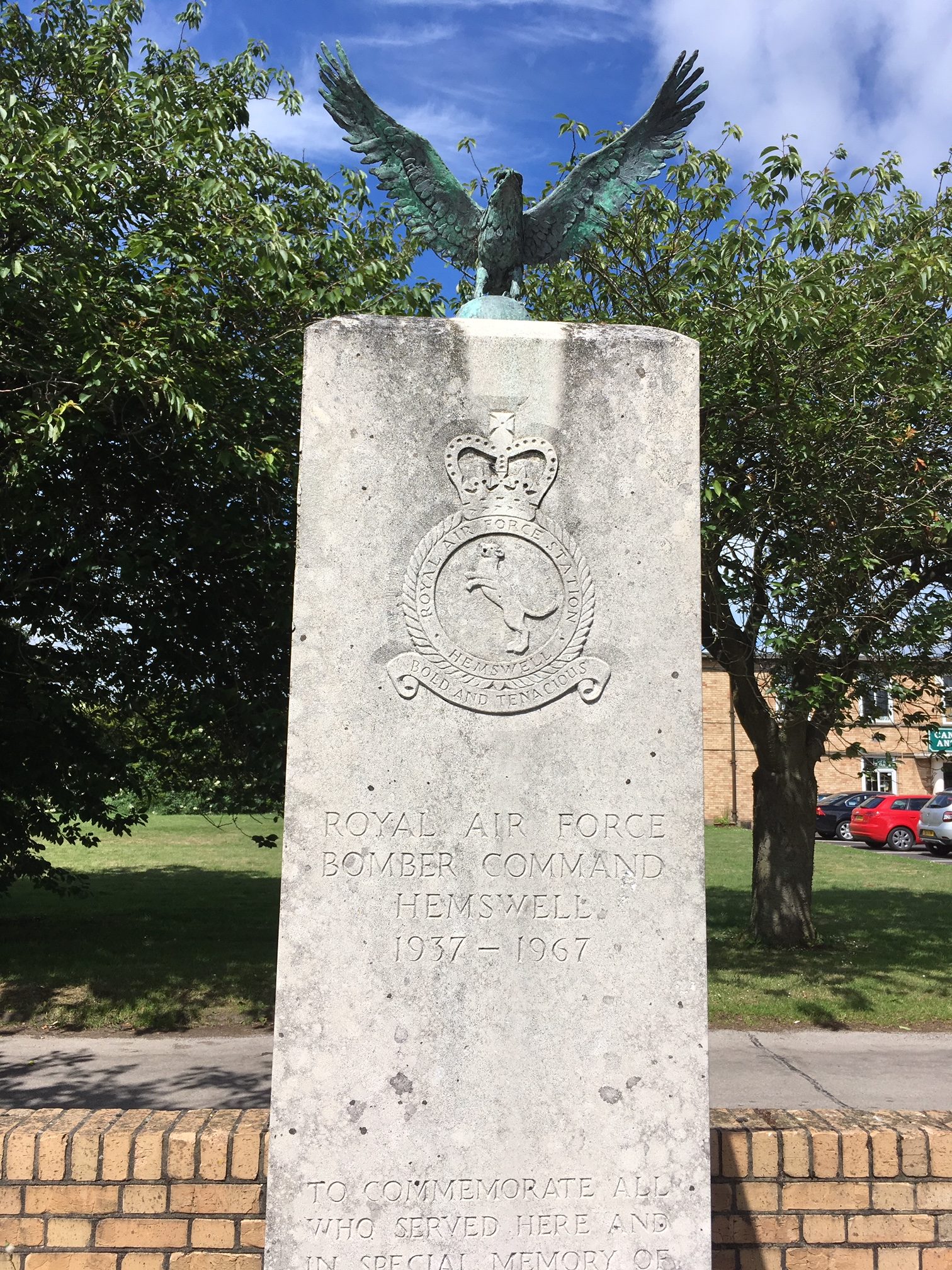
The war memorial at Hemswell

It took another visit to Lincolnshire to fathom it out. Jim is a keen cook and for his fiftieth birthday I arranged for him to spend a day in the kitchen at Winteringham Fields with Colin and his team. While he was up to his elbows in fish preparation I decided to visit the vast antiques centre at the old RAF base at Hemswell in search of a wooden towel rail for our spare room.

I found so much more. Standing in a quiet room at the back of the centre, with the sounds of schoolchildren in the playground next door drifting through the open window, it came to me. World War Two. I was in an old barrack block used by Polish airmen during the conflict and I could almost hear their feet on the lino as they ran down the stairs. The last piece of the jigsaw was in place and I could finish Endless Skies.


During our first visit to Winteringham Fields I reviewed it for Frost and you can read that review here. But not if you’re hungry.
Winteringham Fields Review


SISTER SCRIBES GUEST: KIRSTEN INTERVIEWS WRITER AND TUTOR CHRIS MANBY

Today I ask the questions of Chris Manby.  Chris was the tutor on my very first retreat and we have since become good friends. Over to you, Chris.

  • First off the blocks. Plotter or pantser?

Definitely a plotter! I used to be a pantser but a series of short deadlines meant I had to get a strategy. I use screenplay principles to work out what needs to happen when though of course I often stray from my plan

  • How do you organise your work?

I’m a real geek.  When I get my deadline, I work out a timetable with daily word count based on the average length of a novel.  I make sure I allow myself weekends off (though rarely take them).  Then I just get writing.  I don’t stick to rigid hours but I do stick to daily word counts.

  • What is the hardest part of writing?

Getting through the mid-section of a book without losing pace and enthusiasm. Plotting helps as it means I can write something from the end instead and often that will inform what needs to happen in the middle.

  • And what is the most rewarding?

Most rewarding is returning to a manuscript after a week or so away from it and thinking “that’s actually not so bad”.

  • How has your writing style developed over time?

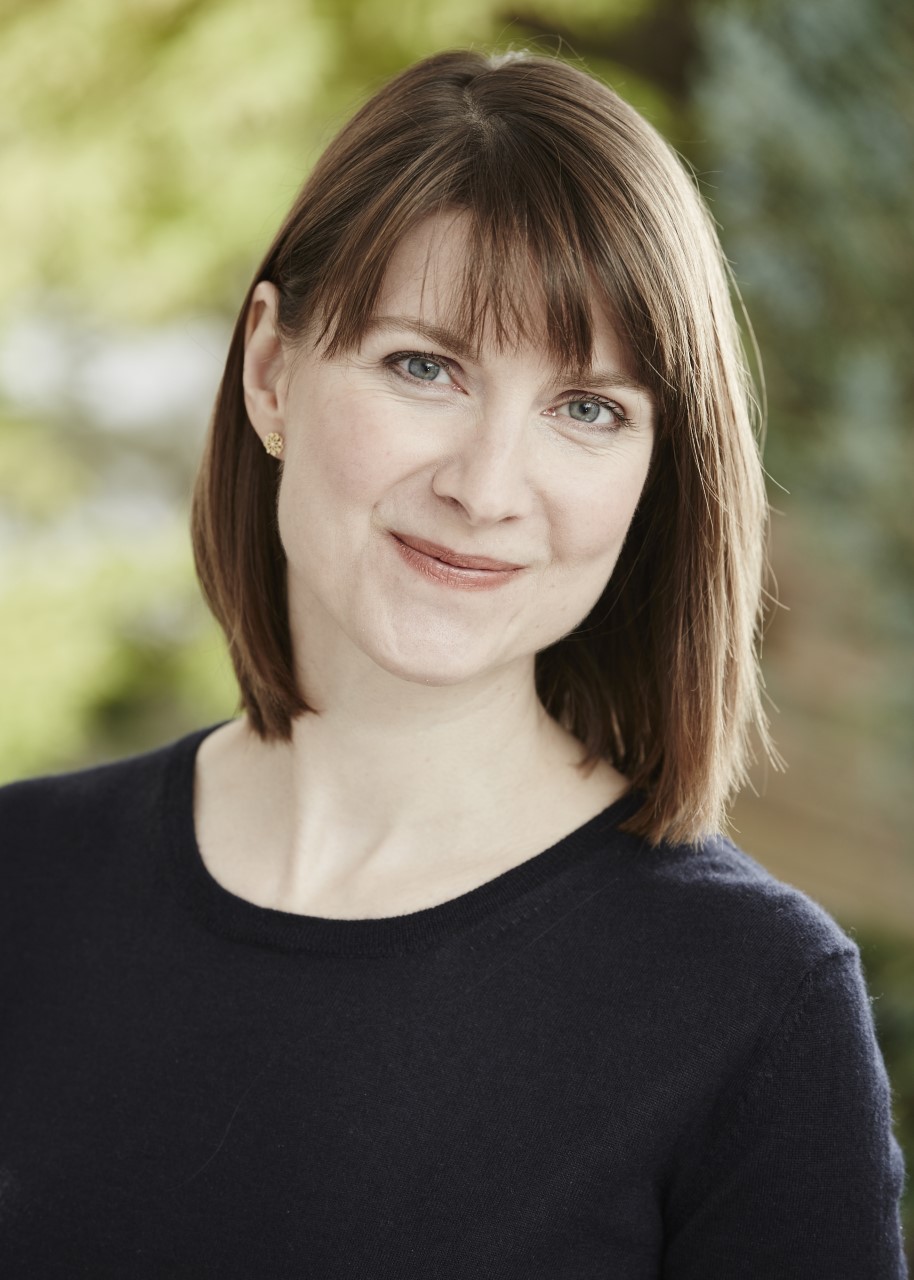
Photo credit: Michael Pilkington

I’m not sure my style has developed much at all!  I still think the first short story I had published –when I was fourteen – is one of the most elegant things I’ve ever written.  But I do now avoid swearing in my books. American readers in particular don’t like it.

  • What do you see as the greatest success of your writing career?

In the noughties, I had a few top ten bestsellers. That was wonderful.  But what felt like real success was when my sister said she loved one of my novels! It was The Worst Case Scenario Cookery Club.

  • And what was the deepest disappointment?

Any book that doesn’t sell is a disappointment but after twenty years I’m learning not to equate sales figures with a book’s intrinsic merits. I know my best-selling books are far from my best work!

  • Talk us through how you develop your characters.

In the same way we get to know a new friend.  The more time you spend with them, the better you know their quirks, their hopes and their dreams. Sometimes characters surprise me.

  • Sister Scribes is all about women writers supporting each other. Do you have a ‘go to’ bunch of fellow female writers you value and rely on?

I met a wonderful bunch of women in 2000 when, together with Fiona Walker and Jessica Adams, I edited an anthology called Girls’ Night In for War Child. Lucy Dillon and Alexandra Potter are two great friends from those days.  They’re always up for a glass of fizz and a chinwag.  More recently, through the Place To Write I’ve made some fantastic new friends, who are always ready with a word of encouragement. I don’t often show writer friends my work in progress though. I’m easily discouraged by faint praise. Better not to risk it.

  • Can you tell us anything about your next project(s)

I’ve just finished a ghost-writing project and now have three months to write a novel.  Fortunately, it’s already planned to the “nth” degree.  It’s called “What the Heart Sees” and the hero is… well, he’s small, dark and very, very hairy.


SISTER SCRIBES’ READING ROUND UP: APRIL

Kitty:

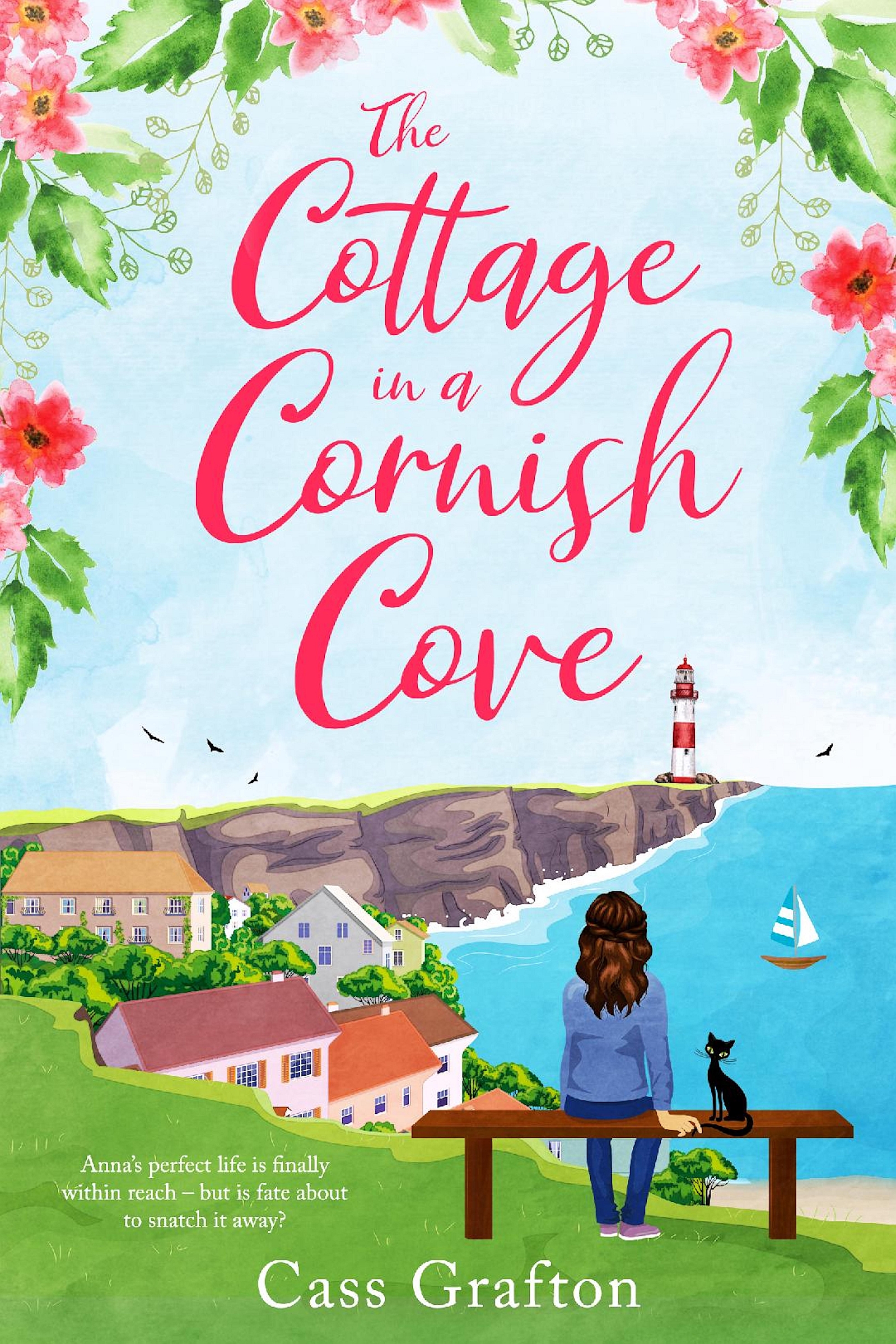
Firstly, I thoroughly enjoyed The Cottage in a Cornish Cove, a romantic comedy set in Cornwall and written by a fellow Sister Scribe. Cass Grafton’s descriptions of the county made me feel as I were home, I could see Polkerran beautifully in my mind and the descriptions of community were so well done that I could hear the characters calling to each other as they made their way around the village. Her gentle humour is woven throughout and I was genuinely willing the hero and the heroine together.  I particularly loved how she starts each chapter with a quote from classic romances with each one giving a snippet of what we can expect from the chapter.

I picked up expecting The Charm Bracelet by Ella Allbright a romance and what I got was so much more. The concept behind this novel, the charm bracelet with each charm marking a major event in, and telling the story of, Jake and Leila’s lives, is fabulous. I fell in love with Jake from the very first page and absolutely adored the way his character developed from boy to adult and was willing the relationship on with my whole being. There is however a twist to this tale and this was what made the book so special for me. The author has turned my heart inside out and this story will stay with me for a long time.  Highly recommended.


Jane:

First this month my reading took me to Dorset and the Jurassic coast around Lyme Regis. Georgia Hill’s timeslip On a Falling Tide had some lovely comments made about it by other authors I thought I should try it for myself.

The book travels between the 1860s, where Lydia wants no more than to be a fossil hunter but is expected to marry to further her uncle’s business interests, and the present day where Charity is searching for her roots following her grandfather’s death. The two women are linked by an ammonite Charity finds on the beach, but as the story unfolds what binds  them together runs far deeper than that. To say more would give away too much of the story, but Georgia Hill has created a fantastically malevolent ghost – and a heart warming love story – all rolled into one.

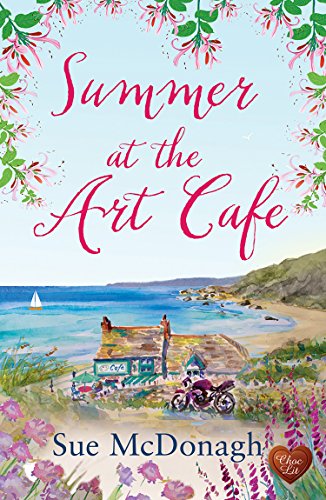
I was looking for a proper comfort read when I was reminded I hadn’t read any of Sue McDonagh’s romances by seeing the gorgeous new cover for her third book. Sue is a proper creative all rounder – she’s an artist as well as a writer so paints her own cover images.

I decided to go back to the beginning so downloaded Summer at The Art Café. The premise is wonderful; Lucy wins a gorgeous motorbike in a raffle and despite – or maybe because of – her husband’s disapproval, she decides to learn to ride it and in the process finds so much more than just the freedom of the roads.

What I loved the most about this book is that the characters settle under your skin without you noticing – they are all so effortlessly real, and that is a true gift. From bike instructor Ashley, to his six year old daughter, to Lucy’s best friends at the café, they all rang true and their journeys were convincing. For me the icing on the cake was that the book is set in my native South Wales, but it would be a delightful read for anyone who enjoys a satisfying romance.


SISTER SCRIBES GUEST: JAN BAYNHAM ON WRITING HER DEBUT NOVEL

Jan Baynham is a good friend to all the Sister Scribes and here she provides an insight into writing her debut novel, Her Mother’s Secret: The Summer of ’69. Susanna Bavin asks the questions.

You started out as a short story and flash fiction writer. What made you decide to write a full-length novel?

On retirement, I joined a writing group where I wrote my first short story. Very soon, I could see my stories getting longer and longer. After enrolling on a novel-writing course at Cardiff University, I enjoyed being able to explore characters in more depth and delve further into their stories. I still write shorts but now it tends to be when I’m editing or doing research for a novel. When writing a novel, I love getting to know my characters so well that I miss them when I come to the end and I enjoy visiting new locations with them. The length of a novel allows me to create more involved plots and sub-plots for the characters to experience than I’m able to do in a short story or piece of flash fiction.

What was the initial idea behind the story from which it all grew?

The novel started out as a short story. At the time, I’d been reading a novel where the rustling in the trees sounded like whispers and inanimate statues took on the form of the ghosts of people they represented. Combining both ideas, I asked myself what if the whispering could show the presence of a past family member. Always fascinated by family secrets and the bond between mothers and daughters, I knew I had the basis for a story. In both the story and the novel, I leave it to the reader to decide what the whispering represents. In the short story, Alexandra’s search for the truth was resolved quite quickly whereas in the novel there are many more twists and turns, obstacles and setbacks before the story concludes.

Tell us about the places that feature as the backdrops of the story.

Once I’d decided that my main character Elin would be an artist, I chose a setting where the surrounding colours would be more vibrant and intense than in her home country of Wales. Having visited many times and being struck by the wonderful palette of colours seen in every landscape, Greece was my choice of background. The island is not based on one particular place but is an amalgam of areas I’ve visited. Every holiday has contributed to the whole backdrop where I’ve tried to show the climate, the vivid colours of the sea and the flowers as well as the warmth of its people.

How important is the mother-daughter dynamic to the story?

The mother/daughter relationship is central to the novel. Alexandra is grieving after the untimely death of her mother, Elin. She experiences a whole gamut of emotions from deep loss and its accompanying sadness, through to anger that her mother has abandoned her. When she learns there is part of her mother’s life she knew nothing about, Alexandra goes to Greece with the hope of finding answers.

What have you learned about the writing/editing process? Is there a piece of advice you’d like to share?

Everything suggested by my lovely editor at Ruby Fiction was very clear and straight-forward, but one thing stood out. I hadn’t always got the dates or passing of time issues right. Elin’s story is interspersed with diary entries and these didn’t always tally! The way I dealt with these continuity edits was to have a calendar in front of me and highlight the dates as events happened. Although a diary may not feature in another novel, I will definitely use a calendar to check the passing of time in future.


SISTER SCRIBES GUEST: STEPH HAXTON ON MOVING THE MUSE

Steph Haxton was one of the first local writers I met when I moved to Cornwall. Historian turned author (or gamekeeper turned poacher, as she’d have it), her research is meticulous and her wit legendary. Unfortunately for me she’s now moved to Scotland, but how would the sometimes elusive Mrs Muse take to the change?


Mrs Muse, plugging a new novel set in Scotland, by June should have been sitting on the doorstep of our new home. But I’d had not a peep for weeks. She’d showed briefly at Holyrood Palace; she’s a sucker for anything royal. But after a quick tap on the shoulder, she scarpered again.

A month later I decided to head up the M90 to Innerpeffray Library, a place highly recommended by a fellow bibliophile. With an overview of where I was headed, I let the Sat Nav tell guide me. My relationship with it being troubled, when it directed me off the dual carriageway not far outside Perth, I was immediately suspicious.

‘Turn right to Roman Road.’ It didn’t look likely, was signposted something else.

But round two sharp bends, there it was! Only a bloomin’ Roman road; straight, classic width, ditches either side bordered by beautiful woodland. Wow!

I had to stop a few miles on, when the trees dropped away.  On a ridgeway, I faced a breath-taking view over the Strathearn. Thirty seconds later, four police motorcyclists in formation swept past, easily doing 50mph. Incongruous on a rural lane, they were clearly enjoying a Roman road too!

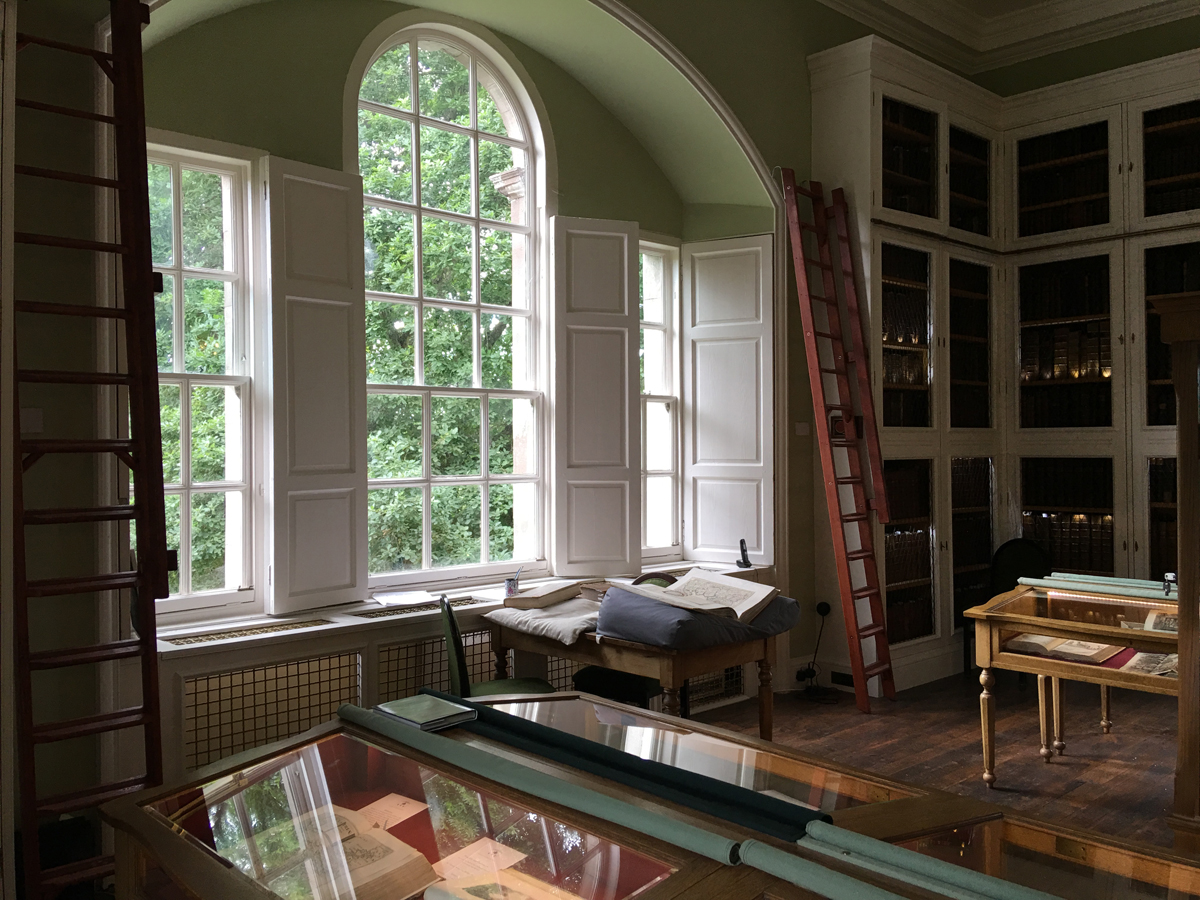
Before long the brown sign for Innerpeffray Library sent me down a potholed track. A turf path though trees, a red squirrel bouncing ahead of me, led me past ancient yews surrounding a tiny chapel where a rash of goose-bumps swept me from head to toe. Around another corner stood the Library.

‘Hello! You took your time!’ said my precocious afflatus.

Beautiful books and friendly faces greeted me. A lovely volunteer explained the Roman origins of the site and the library’s history. I took a sharp intake of breath: 1680, a date central to my next novel. I had been looking for somewhere to ‘place’ the female protagonist. Even if Mrs Muse hadn’t been elbowing me in the ribs, I’d have known – this was it!

The weird coincidences continued: the gentleman giving me a tour of the reading room originally came from the Roseland. That might account for his choice of pages in Camden’s ‘Britannica’. But his finger, pointing straight at Pendennis, the castle at the core of my books? No. THAT was extraordinary. There was more.

The exhibition in the display cases was on ‘Emigration’. A member of the Library had researched and highlighted a name amongst the many hundreds in the borrowers’ registers.  Haxton. Ours is not a common surname anywhere so, of all the names in Perthshire, the odds of that had to be pretty long.

I was still shaking my head in disbelief when a charming couple came in. We were introduced. Roman re-enactors, they live about 500 yards from our new address. When they shared an experience that Mrs Muse began applauding with gusto, I beat a retreat on ‘overload’!

Deliberately taking a different road back to the A9, I found myself approaching the junction that I’d taken so warily almost exactly two hours earlier, but from the opposite direction.

There, sweeping across the carriageway ahead and disappearing into the trees, were four police motorcyclists. The same ones? I’ve no idea.

All I could hear was Mrs Muse yelling, ‘They aren’t police riders! They’re the ghosts of Romans, horsemen, and they continually ride the same route on one day every hundred years. They’ve just updated their steeds …’

I don’t care where she’s been, but Mrs Muse is definitely back!


SISTER SCRIBES: CASS GRAFTON REVIEWS SYRIE JAMES’ NEW RELEASE


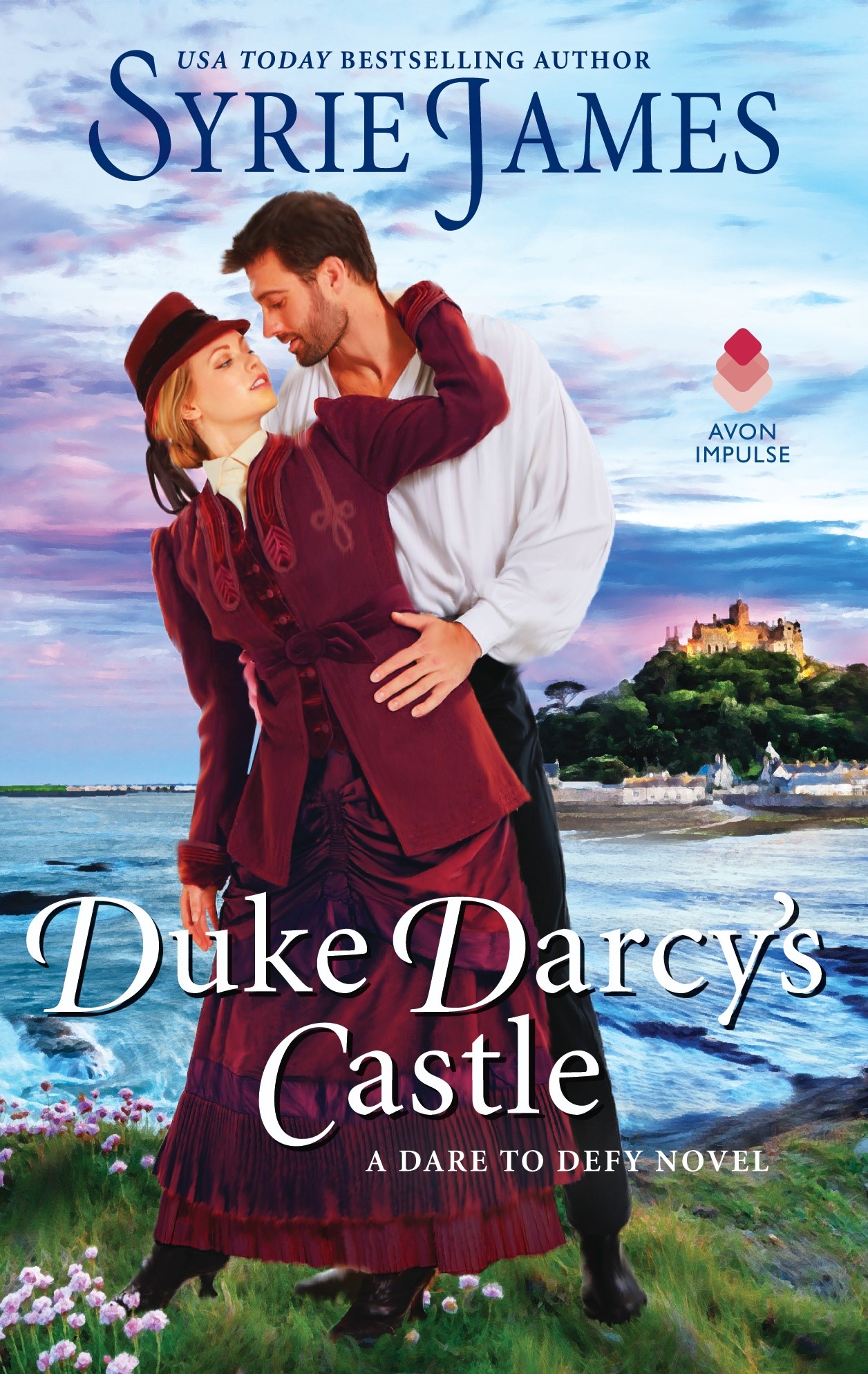
Regular readers of the Sister Scribes’ contributions to Frost won’t be surprised to hear that I’m a huge Jane Austen fan. Aside from enjoying repeated readings of her novels, I also enjoy books that have Jane as either a part of the story or where there is a strong Austen association.

I’d read and loved author Syrie James’ contemporary novels, The Lost Memoirs of Jane Austen and The Missing Manuscript of Jane Austen in the past, so when I was invited to read and review her latest novel, (released through Avon Impulse on 25th February 2020), I leapt at the chance.

Duke Darcy’s Castle is a historical romance, set in the latter part of the Victorian era, and although the title hints at the story being a retelling of Pride & Prejudice, it isn’t, though certain similarities can be detected, not least in the duke’s inability to propose in a way likely to be accepted!

So what’s it about?

Lance Granville, the reluctant Tenth Duke of Darcy, has given up his much-loved naval career to inherit the family title, along with substantial estate debts and an ancient castle in serious need of renovation. Time to find a wealthy wife, perhaps?

Kathryn Atherton is determined to become the first woman architect in Britain. Marriage and children are not part of her plans—ever. Despite family and society opposition, she’s managed to complete her training; now she needs experience. When the architect who has given her a chance is incapacitated, she’s sent in his stead to Cornwall to do the initial sketching for a remodel of Lance’s castle. The last thing Kathryn wants—or needs—is to be attracted to its handsome owner.

Lance is soon entranced by Kathryn, and when he learns she is an heiress whose fortune would save the estate, he sets out to win her hand. But duchesses can’t be architects. And Kathryn has fought too long and too hard to give up her dreams…

With romance novels, the reader often picks up on who will end up with whom before the characters do, but the pleasure is gained from following the path to happiness, and this book does not fail on this, delivering several twists and much to keep the reader engaged along the way.

The book is also a fascinating insight into the late Victorian era attitude towards women pursuing an education, having careers and the restraints and attitudes they came up against.

With beautifully evocative descriptions of the setting, there’s no denying the location of St. Gabriel’s Mount, where the castle is situated, is inspired by St. Michael’s Mount in Cornwall, and the sense of place permeates through the pages.

I think my favourite aspects were the bond of love and friendship Kathryn has with her sisters and also the character of the Dowager Duchess of Darcy, Lance’s grandmother.

As for the story, can two such strong characters, both with conflicting motivations, face up to the need for compromise? Will Lance ever get his proposal right, and will Kathryn’s final decision be to follow her head or her heart?

Duke Darcy’s Castle is well written and very well researched, and I recommend it to those who love historical romances with plenty of passion.


NB: Recommended for mature audiences only, as there are several scenes of an intimate nature.


Syrie James is the USA TODAY and Amazon bestselling author of thirteen novels of historical, contemporary, and young adult fiction. A member of the Writer’s Guild of America, Syrie is also an established screenwriter and playwright.

Follow Syrie on Twitter @SyrieJames


SISTER SCRIBES’ READING ROUND UP: MARCH

Susanna:

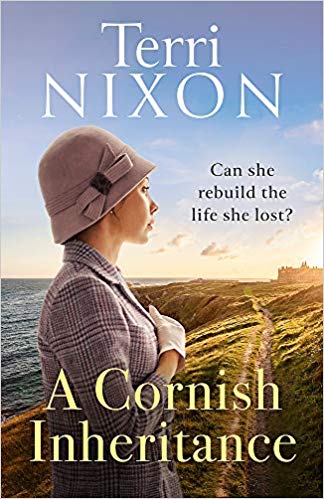
A Cornish Inheritance is an excellent first book in a new saga series. Deceit, tragedy and emotion are the themes in Terri Nixon’s latest novel, set on the beautiful Cornish coast. The characters are drawn in depth and develop throughout the story as each one is tested to the limit. It’s a very twisty-turny plot and you definitely need to pay attention as you get towards the end, but, crikey, is it worth it. This is the first Terri Nixon book I’ve read and now I’m looking forward to reading her Oaklands Manor trilogy.


Kitty:

I have had a busy reading month, the perks of handing in one manuscript and having the luxury of a longer delivery date for the next so I’ve taken over almost all the reading round up this month.

I’ve been reading Christmas books to get me feeling Christmassy as I begin to write my next seasonal book. This has included re-reading the fabulous Jilly Cooper’s How to Survive Christmas. She can be relied upon to make me howl with laughter and certainly did so with this. This book was originally published in the seventies and updated in the eighties and made me realise how much society at large has changed – particularly as I was reading the tips on not getting too upset over your husband’s mistress – and how glad I am for it.

With the same aim, I raced through Sue Moorcrofts’s Let it Snow. This was a truly enjoyable Christmas read, and I loved reading about the choir as they headed to Switzerland, the country was beautifully described and created a detailed picture in my mind. I also really enjoyed the family dynamics within the story (a big plus for me to see ME mentioned empathetically) alongside the romance and this book gave me all the seasonal feels.

Finally, I have been so excited about talking about this book, I’ve been recommending it to anyone unfortunate enough to spend five minutes or more in my company.

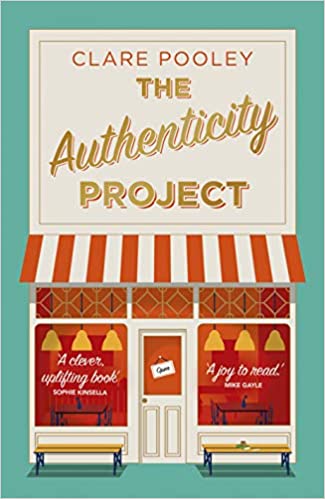
You know how every now and again a book comes along and you fall utterly, utterly in love with it? That has happened to me this year with The Authenticity Project by Claire Pooley and I think it will remain on the top of my feelgood reads list for many years to come.

From the very first page the writing captivated me, and I knew this would be a book to steal my heart. It starts with Julian, an elderly gentlemen who is struggling with loneliness and the façade he uses to cover it. He writes his story in a notebook, leaving it for someone else to pick up and carry on.

The book gets passed from one person to the next and the truth is revealed about people’s real lives, their doubts and fears and how much they are at odds with the way others perceive them. It examines how people struggle regardless of age, class, lifestyle and that we all have burdens to carry. However, it also shows the power of positive human interaction and how small actions can mean so much. It is uplifting and rammed full of optimism, becoming a book about community and support, friendship and love and I defy anyone not to pick it up and be both transported and delighted.  If you get the chance to read it, then do. Feel free to shout at me if you don’t fall in love as much as I did.

Happy reading, Kitty x


SISTER SCRIBES: KITTY WILSON ON HOW ROMANCE IS HOPE

Back in November I wrote a post here about Why I Love Romance as a genre. I explained that I had inadvertently written an essay on this subject and that first post covered how I believe romance is universal and utterly relatable, especially romantic comedy, my own specific sub-genre.

Today I wanted to return to that theme and talk about romance novels giving us hope in an often bleak and daunting world. I truly believe this – that romance novels help us have hope in life, the absolute certainty of a happy ending is sometimes exactly what you need to escape real life, whether it be dreadful news or just the day to day monotony.

Whilst trawling the internet a while ago I came across a tweet from a writer, Angela James, asking people to share their romance positive moments. The response was overwhelming, hope was right up at the top of that list and I have picked a couple as illustrations as they say it so much better than I could.

‘I found Romance after my brother commited suicide. It was a very dark and hopeless time, but Romance taught me that hope can rise again even after the darkest of moments and love, in all its forms, can be found if you just open yourself up to it.’

‘I began reading romance novels after my first miscarriage. I believe they re-wired my brain and helped me remember what optimism felt like.’

‘I started reading romance novels while was undergoing cancer treatment. I needed positive, escapist stories that promised a HEA.’

Now I’m not saying that romance is a cure-all, of course it isn’t. But romance novels are often easy and quick to read thus providing escape for an hour or two. They can’t rid you of the burdens that life brings, but being lost in the pages of a novel can give you a brief pause from them. I fell in love with romance when I became poorly at the age of thirteen. My friends were ringing me and asking if I was dying (I wasn’t but they were a dramatic bunch) and all I knew was that my body wasn’t behaving as it should. If I hadn’t had romance novels to read, to lose myself in, I think I would have struggled to cope.

We all know that life is not a romance but these books do give us the thrill of living vicariously, of confronting challenges and winning, of reading about someone’s longing turning into reality. To be fair, that’s true of reading in general but with romance you get the added ahhh factor, the satisfaction of a romance played out, of willing the hero and heroine on without any of the risk or leaving the comfort of your own home. I can be sunbathing on a tropical island or dancing the cha-cha whilst in reality I’m wrapped in a blanket and drinking a cup of tea, ignoring the stuff that I don’t want to have to deal with at that minute.

Happy-Ever-Afters are a reminder that not everything in life is bleak, that there’s the possibility of dreams coming true, that life contains so much positivity. Building a future with someone you love – the pinnacle of Romance – is forward-facing, optimistic, both the essence of hope and an act of hope. Romance Novels are the reassuring and toasty comfort blanket of the fiction world and I love them.

Edit – I wrote this well before Covid-19 was dominating the globe and considered pulling it, but I stand by the fact that in an ever-turbulent world the predictability of a happy-ever-after is reassuring so I’m off to hibernate with my kindle. Keep safe everyone,

Much love, Kitty x