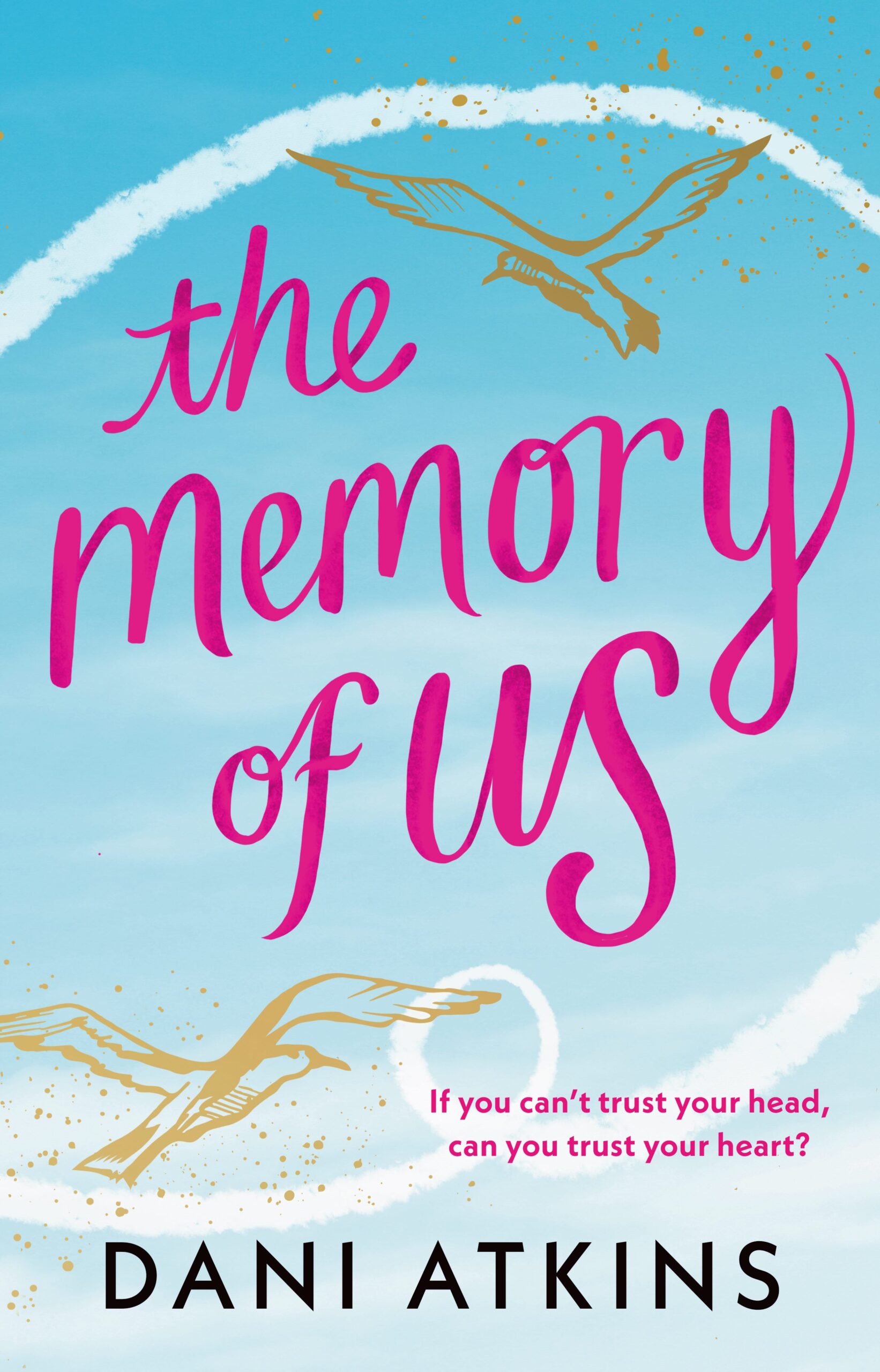
Interview with Dani Atkins The Author of The Memory of Us

The Memory of Us is a fantastic book. How long did it take you to write it?
The Memory of Us took approximately one year to write. I don’t write particularly quickly and
would panic if I had to produce a book any faster.
When I gave up work to write full-time I thought I’d begin at nine o’clock and work through
until five (with an hour for lunch, of course). It wasn’t long before I realised I’m not disciplined
enough for that.
People might be surprised it takes me twelve months to write a book, but I’m just amazed it
doesn’t take even longer!

Where did the idea come from?
My books have recurring themes of love, family, and friendship, often set against a life
changing moment or event. From the outset I knew I wanted this story to feature two sisters
and the unshakeable bond between them. Lexi and Amelia were a joy to write, and I miss
spending time with them.

The book has many themes. How did you manage to thread them all together so well?
I’d like to say it was a result of meticulous planning – except I don’t plan at all. However, I
knew the important plot points, so it was a matter of letting the story unfold naturally and
trusting everything would fall into place.

What is your writing routine like?
My day starts with a dog walk, when I’ll formulate my plan for that day’s writing and often get
ideas for conversations between characters.
Before I begin, I go back and edit the previous day’s work. I know many authors prefer to
keep their eye on the finishing line, but I’m not happy going forward if I think there’s
something that needs fixing.
Mornings are not my most productive time, so it’s mid to late afternoon before I usually hit
my stride.
Before turning off my computer I read that day’s work out loud. I find this to be a useful way
of checking both the pace of the story and the authenticity of the dialogue.

What advice would you give writers who want to maintain a career?
First, to keep reading in many different genres. Seeing how authors tackle a story, handle
the pace, the dialogue and the plot can be very inspiring. It motivates you to bring all you
have to the table the next time you begin to write.
Next, is to just write. Don’t tell yourself that ‘one day I’ll write a book’. Do it. Do it now. It’s
easy to think you don’t have time to write, but you just need to be disciplined and
determined. Don’t set impossible goals. If you aim for just 1000 words a day, in three months
you’ll have a novel.
Lastly, write the book that’s in your heart. It’s more important to be aware of current literary
trends than it is to follow them. At the end of the day, you must write the book you want to
write and tell the story you have to tell. Perhaps it isn’t the same one that everyone is
reading right then; perhaps you are bucking the trend… but it’s just possible you’re starting a
new one.

What’s next for you? 
My next book is well underway and has a working title of PROMISE ME – although I’m sure
that will change – they usually do. It is another emotional drama with some strong characters
who I hope people will fall in love with every bit as much as I’ve done. I don’t want to reveal
too much more, but I will say that I made myself cry writing the very first chapter, which was
a first for me.

The Memory of Us’ by Dani Atkins is just published by Head of Zeus in hardback. I loved it. It is a beautiful and heartfelt novel which takes many themes and ties them together beautifully. The characters are divine and I adored the love story. I was fully immersed in this beautiful book. Superb writing mixes with a novel that keeps you guessing all of the way. I can’t recommend it enough.
Monica Ali, Frank Cottrell-Boyce, Claudia Piñeiro & Jamie Smart to attend The London Book Fair

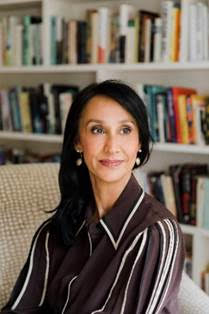
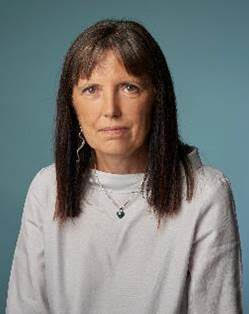
The London Book Fair (LBF) is always a highlight of the publishing calendar. They have revealed the Authors of the Day line-up for the 2025 Fair, which will feature: best-selling novelist and chair of judges for the Women’s Prize for Fiction 2024 Monica Ali as Adult Author of the Day; Argentine novelist and screenwriter Claudia Piñeiro, who was shortlisted for the International Booker Prize, as International Author of the Day; the current Waterstones Children’s Laureate (2024-2026) Frank Cottrell-Boyce as Children’s Author of the Day; and comics artist and British Book Awards winner Jamie Smart as the first ever Creative of the Fair.

Monica Ali (credit Yolande De Vries)
Claudia Piñeiro (Alejandra López

Adam Ridgway, Director of The London Book Fair, said: “We are delighted to reveal our first author line-up for LBF25, which is set to be an incredible showcase of UK and global publishing, as well as the first major international book industry event of 2025. From an International Booker shortlistee to the Waterstones Children’s Laureate, and from Sunday Times best-selling authors to the first ever Creative of the Fair, we couldn’t be prouder to bring such an array of talent to our 2025 Fair. We are really looking forward to welcoming Claudia, Monica, Frank and Jamie to Olympia next year, and we can’t wait to hear their insights at their in-conversation events.”

Claudia Piñeiro said: “I am very honoured and excited to be able to take part in the 2025 London Book Fair and especially to have been invited as an International Author of the Day. I am very aware of the significance of The London Book Fair and of the magnitude of the events that take place. The London Book Fair’s international focus is extremely important. For me, receiving feedback from readers globally teaches me a great deal, as it shows how my stories are read and interpreted in different societies. This, for me, is extremely enriching.”

Monica Ali said: “I’m absolutely thrilled to be appointed Adult Author of the Day and can’t wait to return to LBF after a very long absence. I think the last time I was there was back in 2006, so I’m curious to find out how it’s changed since then. What I do know is that there’s no better place to connect with publishers from around the globe, and to meet writers and readers. I’m excited to be part of an event that celebrates talent and creativity and highlights the importance of books in our cultural landscape.”

Frank Cottrell-Boyce said: I’m delighted to be the Children’s Author of the Day at The London Book Fair 2025, which is gearing up to be another vibrant celebration of international publishing. Writing and reading has transformed my life, and I have written children’s books for more than twenty years because I think they help build the apparatus of happiness inside us. In my role as the current Waterstones Children’s Laureate, I’ve launched the ‘Reading Rights’ campaign in partnership with BookTrust, calling for national provision so that every child – from their earliest years – has access to books, reading and the transformative ways in which they improve long-term life chances. I’m looking forward to joining the LBF audience in London next year to cherish what reading together means, and what – as an industry – we can bring to families.”

Jamie Smart said: I’m thrilled to be the first ever Creative of the Fair at LBF25, what an honour! It’s my first ever London Book Fair so I’m really excited to throw myself into it, meet everyone, and share everything I can about comics and comic-making with anyone who’d like to listen!”

Claudia Piñeiro is best known for her crime novels, which are bestsellers in Argentina, Latin America and around the world. As an author and scriptwriter for television, she has won numerous national and international prizes, including the Pepe Carvalho Prize, the LiBeraturpreis for Elena Knows and the prestigious Sor Juana Inés de la Cruz Prize for Las grietas de Jara (A Crack in the Wall). Many of her novels have been adapted for the big screen, including Elena Knows (Netflix), which was also shortlisted for the 2022 International Booker Prize.

Monica Ali is a bestselling author, whose work has been translated into 26 languages. Her debut novel, Brick Lane, was Booker-shortlisted and subsequently turned into a movie. Her subsequent novels include In the Kitchen, Untold Story, and most recently, Love Marriage, which was a Sunday Times bestseller. As a Fellow of the Royal Society of Literature she has judged numerous literary prizes, and chaired the 2024 Women’s Prize for Fiction. Since 2020, she has been Patron of Hopscotch Women’s Centre, a charity dedicated to empowering women from minority backgrounds to achieve their full potential.

Frank Cottrell-Boyce is an award-winning children’s author, screenwriter and current Waterstones Children’s Laureate (2024-2026). Millions, his debut children’s novel, won the CILIP Carnegie Medal. Frank’s other books include Cosmic, Framed, The Astounding Broccoli Boy, Sputnik’s Guide to Life on Earth, Runaway Robot, Noah’s Gold andThe Wonder Brothers, and have also been shortlisted for a multitude of prizes. In 2023 he launched The Island of Brilliant! podcast with Nadia Shireen, celebrating children’s writing and illustration. Frank’s new novel, The Blockbusters!, illustrated by Steven Lenton, will be published on 15 May 2025 by Macmillan Children’s Books.

Jamie Smart was named Illustrator of the Year at the British Book Awards 2024, and won Illustrated Children’s Book of the Year for Bunny vs Monkey: Multiverse Mix-up. His comic Fish-Head Steve was the first comic to be shortlisted for the Roald Dahl Funny Prize. Jamie has illustrated comics for The Sunday Times, the Dandy and the Beano. His well-loved Bunny vs Monkey and Looshkin stories are regularly published in The Phoenix comic, and as bestselling graphic novels.

The Authors of the Day and Creative of the Fair will take part in ‘In Conversation’ events on different days throughout The London Book Fair. Claudia Piñeiro will be attending the fair on Tuesday 11 March, Monica Ali and Jamie Smart will appear at events on Wednesday 12 March, and Frank Cottrell-Boyce will be speaking on Thursday 13 March. Full details of these sessions will be announced shortly. 

The London Book Fair (LBF) is the world’s largest spring book trade and publishing event and will return to its home at Olympia London from 11 – 13 March 2025.

Further details about The London Book Fair registration and line-up will be revealed in due course and will be available at this page. The full programme for The London Book Fair 2025 will be announced early next year.

www.londonbookfair.co.uk

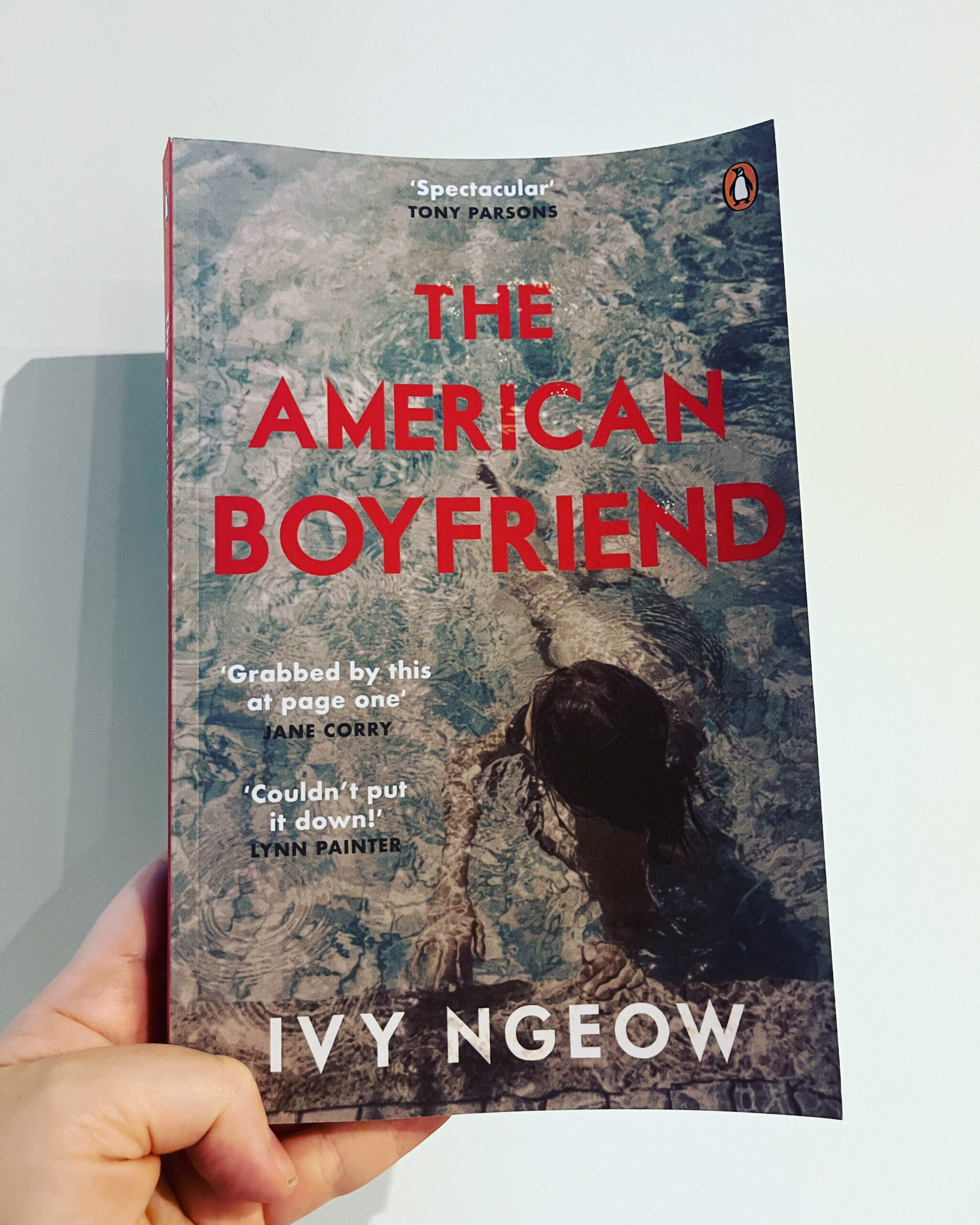
From self publishing to Penguin Random House without an agent: A Writing Journey By Ivy Ngeow

Pitching to Penguin after being signed to small publishers and being self-published.

Beginnings: I had not planned to be an author. I grew up believing that books were written by others, not me, for us to enjoy. Three or four events in my life, like special occasions, led me to “think” I was a writer. I was raised in a rich environment of stories, via my mum, my aunts, my grandparents, my dad, my teachers. I enjoyed hearing them so much that I also began telling them. I had a little burst of success as a 16-year-old in a national short story writing competition with the New Straits Times. I felt that indescribable buzz when I saw my byline among 30 highly-commended entries. 

The hotel rooms: As a university student and an adult, I wrote nothing. I only started when I started travelling for work in hospitality and resort design. I was in hotel rooms and airports a lot. I learned that I really valued and enjoyed observation and being alone, which of course, are the prerequisites of the writing life. I was surprised to be flooded with ideas which had nothing to do with work. I began writing again because as you know, you don’t need any fancy tools or equipment. In those days, I printed and posted my stories from airports, or the nearest post office to the hotel. This period led me to believe I had again some chance of success because I was getting accepted by the Sunday magazines. One story was bought and broadcast by the BBC World Service. I had meetings with agents in Soho back in London, which led to nothing but an inkling that my writing was getting attention, any attention. I took writing more seriously when I invested in an MA in Writing at Middlesex University. As you know it’s not free, so I was taking a big chance but I was working and it paid for the fees. I was astonished to discover that I won the Middlesex University Literary Prize in an international competition, a cash award large enough to cover a third of my fees. The judge was Penelope FitzGerald and about my story, she said she had never read anything like it in her life. 

The agent: I was snapped up by an agent immediately following the prize, a decision that was poor. I had no other offers. After 5 years, she did not get me a deal despite my writing not one but two novels for her to market. I did not write a word for 10 years. My writing stayed on my hard drive. It was deliberate. I had two children whom I wanted to give 120% of my attention. After 10 years and they were in primary school, I started submitting the novel again, and following 87 rejections I won a prize in Hong Kong, also a large cash prize. This novel, my debut, Cry of the Flying Rhino, was the turning point for me, because I now was an author. My entire family flew out to Hong Kong for the award ceremony and the publication. It was a small publisher, like my second novel’s, Heart of Glass.

The pandemic: Following the two novels with small publishers which were given zero marketing and publicity and unsurprisingly, hardly earned any royalties, I started to wonder if indeed they had even been published. I wrote another, Overboard. I got 50 rejections and I decided to start an imprint to publish it as I consider it to be my best book yet. I think my limit for rejections is now 30. I do think there is a limit otherwise you will be querying until you die. I don’t think I have the time or the patience to withstand 87 rejections like I did with the first, and 55 with the second. There’s no point and nobody cares. It’s an art form. It’s not a pizza which is edible and sort of OK even when bad. During the 2-3 years of the pandemic. I ate, sleep, wrote, published. Repeat. It was like a bumper sticker. 

Keep going: I did online courses on self-publishing, keywords, genres and copywriting to study the market. I cannot stress how important it is for a writer. Without knowing the market and the audience, you can’t pitch. I learned to write through editing other people’s work and through reading hundreds of books in the genres I was interested in. The MA will not teach you these skills. My objective had always been to write the best book that could write. This kept me going in the lockdown years. I published a couple more, short stories, and another novel, White Crane Strikes.

Perfect pitch: A famous author, unfortunately I forget who, said that if you cannot tell your story in 17 words, you don’t know your story. That intro letter, one-page synopsis and first paragraph in your manuscript is everything. I wrote The American Boyfriendin November 2021 which I decided I would query until that magic self-imposed 30 rejections before I would publish it myself. I would trade the complete control and higher royalties in self-publishing for a traditional deal because of the connections. By the time I started querying again post-pandemic, I had already distilled my book to the most grabby Netflix 40-word synopsis. I saw a window of open submissions from Penguin Random House Southeast Asia. I was just about to release my book, because I got to 27 rejections. 9 months after querying, in August 2022, I got the best email ever. It was from Penguin and consisted of 5 words: has this manuscript been acquired? 

Worldwide connections: The worldwide connections have been the most astounding and rewarding part of the publishing experience. Having a publicist was already mind-blowing as I had never had one before with self-publishing (that would be me) or with the small publishers I had been with (that would be no one). 

The Penguin publicity, marketing and sales team have opened doors from day one: no. 1 Sunday Times authors providing the cover endorsement quotes, media and press outreach including World Literature Today, Nerd Daily, Culturess, Book Riot, The Telegraph and Elle, being no. 4 on the Straits Times bestseller list in its opening week, being on sale at WHSmith at the airport departure lounge, book launch at West End London bookshop and in the USA, in Barnes and Noble physical bookstores throughout USA and at the airports such as in Key West, Miami International and JFK. I have also been invited to the Jaipur Literary Festival (“the greatest literary show on earth”) in February 2024. I have also seen an uptick in the sales of my other books. These opportunities to build audience trust and author visibility would not have been possible without the Penguin label. This experience has changed the way I see publishing as I come from a “nothing happens” school of thought from my previous publications. I am proud that my book now belongs with the orange-spined classics I grew up reading. I am inspired to keep writing. Stories keep us alive. Stories are more than ever what we need in these times.

My parting words and 5 rules of writing: Persevere. Learn to write. Write the best book that you can write. Believe that top quality writing always stands out. Above all, read.

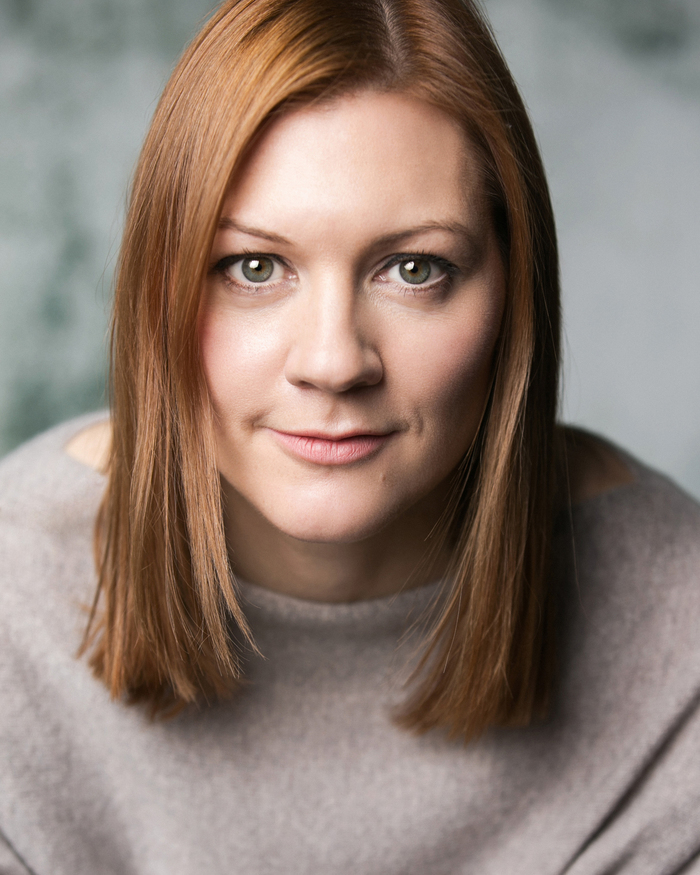
My Writing Process Lexie Elliott


What you have written, past and present
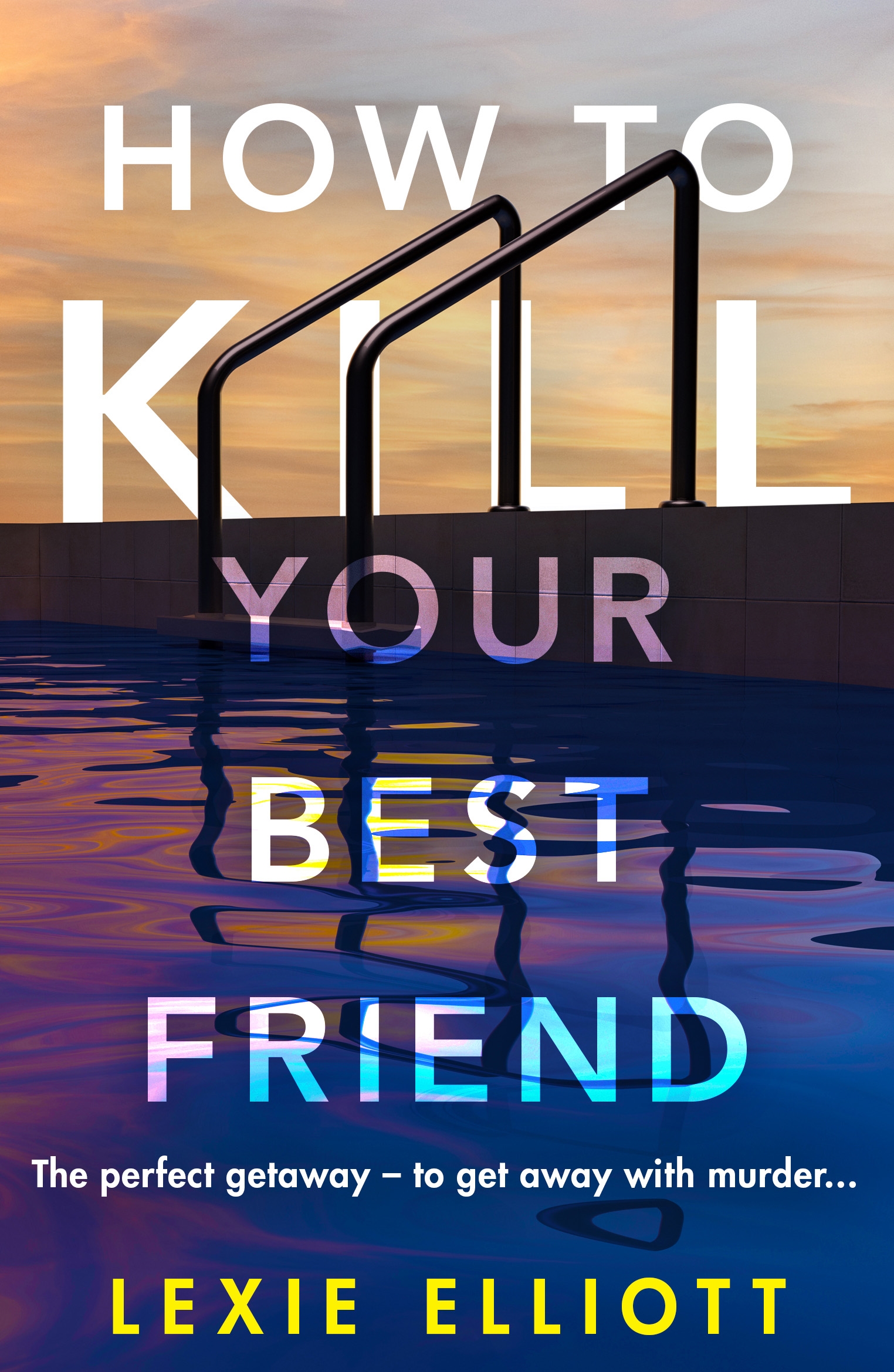
I’ve written three stand-alone psychological thrillers, and my fourth will be coming out in February of 2023. My first novel, The French Girl, was published in 2018, followed by The Missing Years in 2019. How To Kill Your Best Friend was published in North America last year, and will be out in paperback in the UK in July.

What you are promoting now
How To Kill Your Best Friend. It’s a psychological thriller, told through the eyes of Georgie and Bronwyn, who have been best friends with Lissa since they all met on their college swimming team—but somehow, despite her swimming prowess, Lissa has drowned off the coast of the remote island resort she was managing with her husband. Brought together on the island for Lissa’s memorial, Georgie, Bron, Lissa’s grieving husband and their mutual friends find themselves questioning the circumstances around Lissa’s death—and each other…

A bit about your process of writing
I used to write solely outside of my home (because otherwise I would find myself distracted by cleaning or laundry or really just about anything) but the pandemic lockdowns taught me to write at home; now I find I write there more than half the time. I don’t necessarily write every day, but I write most days (including weekends); I usually exercise first thing and then sit down to work after that. I stop either when my youngest son comes home from school or when I’ve simply run out of steam.

I find I write very slowly at the beginning of a new project – sometimes only 500 words in a day— because I’m having to make structural decisions at the same time; at that stage, it’s very useful to have a daily target to aim for to try to maintain momentum. By comparison, the words seem to leap out at the end of a project: I can write 10,000 or more in a week, and daily targets become unnecessary. I always seem to suffer an enormous crisis of confidence at around the 20,000 word mark, which by now is probably very boring for my lovely agent Marcy, who has to talk me down from it every time! I start each writing session by reviewing and editing what I wrote last time, before cracking on with the next section; consequently, my first draft is very clean, without many typos or grammatical errors. My first reader is always Marcy, who gives incredibly insightful editorial notes, and after that, the manuscript will go to my publishing editor.

Do you plan or just write?
I plan; I produce a four-to-five page outline before I start writing. Partly this is because my publisher requires it of me, but I would do it anyway: I’ve learnt that it is far, far easier to make progress when you have some well-thought out guidelines to keep you heading in the right direction. Which is not to say that everything is set in stone before I start writing—far from it. Many elements of the finished novel can and do deviate from that outline, but I tend to find that the beginning and end of the finished product match quite closely with what I had originally intended—it’s just that the middle might take a different route!

What about word count?
The aim is around 100,000 to 110,000 words in the genre of psychological thrillers. It’s not something I worry about particularly—I’ve always come out roughly in that ballpark in the first draft, and anyway, that can be finessed in the second draft if need be.

How do you do your structure?
I know some authors follow a rigid plan with a three-act structure or a save-the-cat beat sheet or something similar, but I’m not one of them. The outline I mentioned before will of course have a particular structure in mind, and those early chapters are crucial for putting in place the scaffolding that will provide the framework for the entire novel, but once I’m past that point, I’m generally more concerned with getting the pacing right.

What do you find hard about writing?
It’s very solitary. You have to persevere on a daily basis without any colleagues to encourage you or reassure you that you’re on the right track. I really notice the difference now that I’m writing fulltime; until last year, I was also juggling a part-time job in fund management, which gave me plenty of professional social interaction for at least three days a week. But now, given that I’m in London but my agent and primary publisher are in the US, if I were to throw an office party it would basically involve me dressing up to drink a glass of wine in a room by myself…

I also find the social media requirements that are part of being a writer in this modern age quite difficult. I’m not a natural self-promoter—I’d really rather just get on with writing!

What do you love about writing?
A lot, actually. On a practical note, it’s an incredibly flexible profession—you can genuinely do it anywhere, and, looking to the future, nobody is going to force you out of the workplace when you reach 65! I also love the interaction with readers. It’s a real privilege that anyone would choose to spend their money and time on my novels, and I’m always incredibly touched when readers reach out to tell me they’ve enjoyed them. I received some particularly poignant correspondence during the pandemic from readers who were struggling and found some escape in my books: a lovely reminder of the power of books to connect people and allow them to experience a temporary sanctuary.

But the main thing I love is the writing itself. To me, language is a delightful sort of magic, and the fact that a story can be taken from one’s head and transported to the page with words is nothing short of alchemy. Every once in a while I get a sentence just right, and it feels like I haven’t so much written it as stumbled across words that were just waiting to be uncovered—that’s a very special feeling.

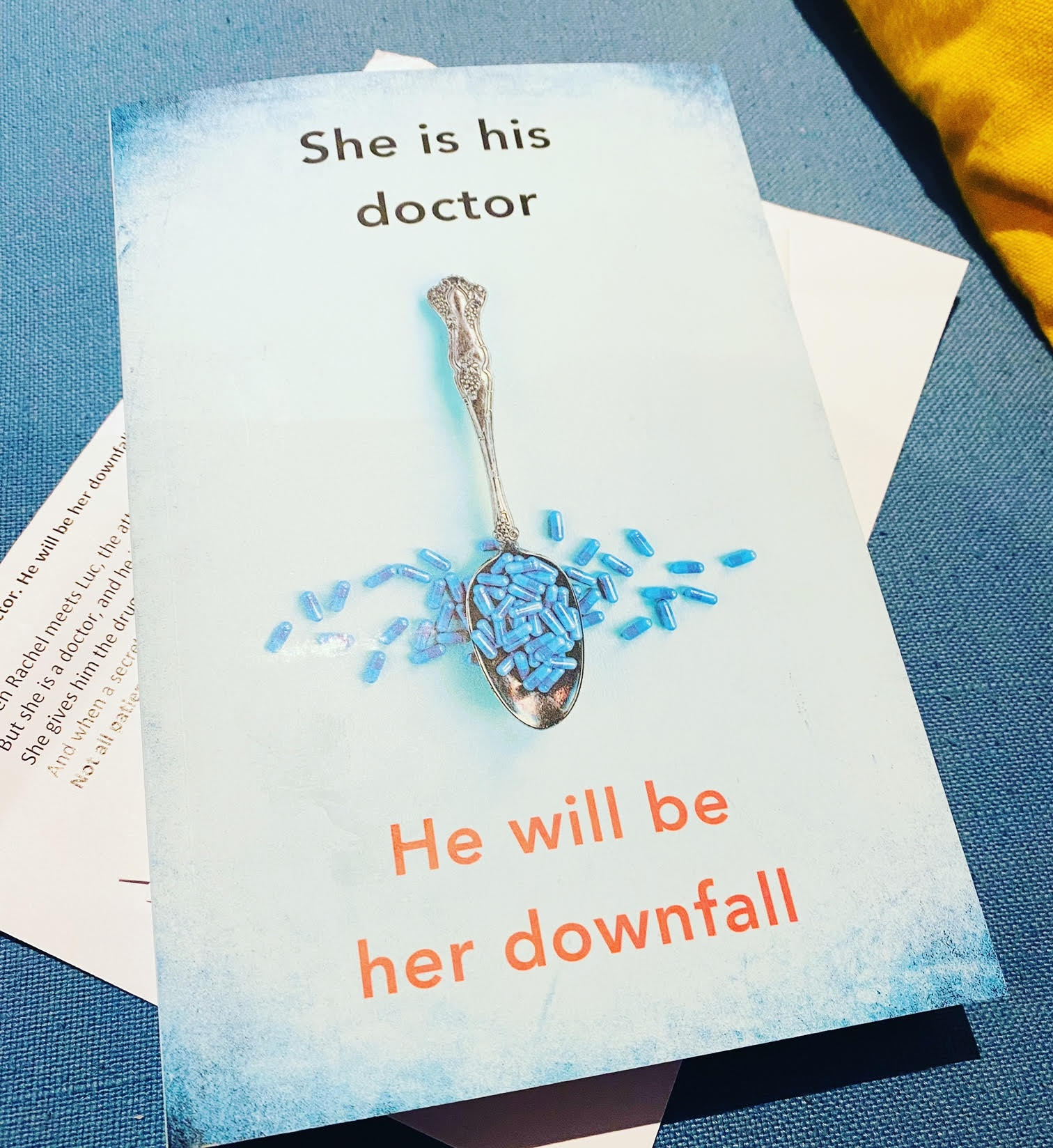
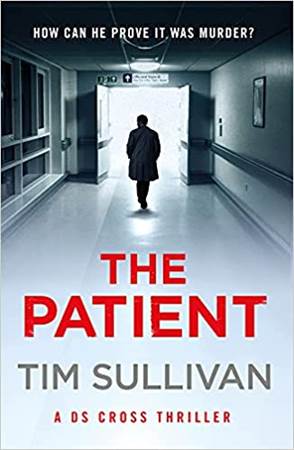
The Patient by Jane Shemilt Book Review

I tend to judge the success of a book on how long I remember it after I have finished reading it. I could not stop thinking about The Patient after I read it. I sometimes still do, months later.

Jane Shemilt brings her characters to life so vividly it is hard to believe they are not real. You become so engaged with them they feel like friends, or people you know and do not like. Ha. The Patient is a superb psychological thriller but it is also a beautiful love story. Complex and multi-layered, it will keep you gripped all the way to the end with a twist you won’t see coming. One of my favourite books of the year. A must-read.

When Rachel meets Luc, the attraction is instant.
But she is a doctor, and he is her patient.
She gives him the drugs he needs – but in doing so, risks everything.
And when a secret is exposed, they’re both in the firing line.
Not all patients are telling the truth.

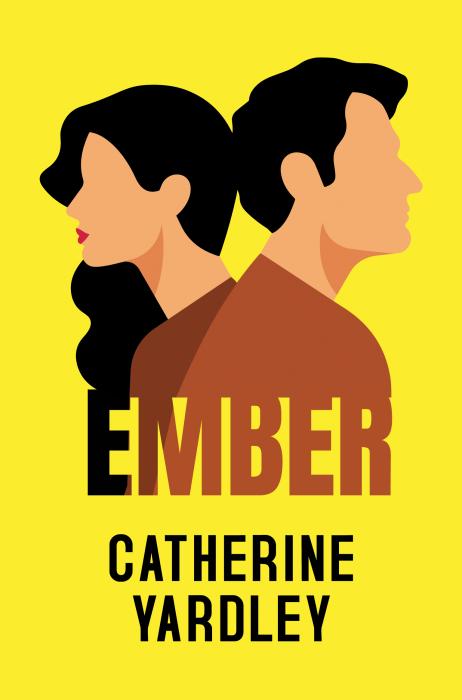
Catherine Yardley My Writing Process.

As a little girl my nose was always in a book. I would even read a book a day when I was ill. I loved Enid Blyton and Judy Blume. I started writing song lyrics because I was in a band when I was younger and then I changed the song lyrics to poems. I sent them off and one of them ended up in an anthology when I was eleven. It was the start of something for me. I also had a very good English teacher who really encouraged me and told me I could be a writer. All a young person needs is for someone to believe in them.

I have been writing since I was in single figures but I let it slide for a few years to go off and work in the film industry. I started again when I had children and I am so glad I did. I got taken on by one of the first agents I contacted and then I got a traditional publishing deal too. All from the first batch of submissions I sent off. I got offered two different publishing contacts for Ember and I decided to go with Pegasus. They have been amazing. I cannot recommend them enough.

What you have written, past and present.

I have written non-fiction in the past, as well as a lot of articles and such. I have been a travel writer, a restaurant critic and a theatre critic. Ember is my debut novel.

Ember, Catherine Yardley, author.

What you are promoting now. 

Ember is a story about a family who’s father left them on Christmas day when they were kids. Thirty years later the younger sister is getting married and that brings their father back into their lives. The story revolves around Dr Natalie Holmes and her boyfriend Rob in the present day, and her parents Tim and Jacqueline in the past.

Natalie goes off the rails when her younger sister gets married and pregnant before her, and her father comes back into their lives. She dumps her boyfriend on the side of the road and drives off in his car. The book is about love and family. A part of the book is about whether or not we should allow family in our lives if they have been left wanting. Can a family that has been torn apart ever heal their wounds? Will Rob and Natalie get back together? Read it and find out!

Here is the blurb:

A family torn apart by their father’s infidelity are forced to confront the past thirty years later. As Natalie’s younger sister, Amanda, prepares for marriage and impending motherhood, her plea for the family to reunite uncovers pent-up tension and animosity. Can they forget the past and become a family again?

Natalie’s life begins to unravel as their father starts to creep back into their lives and family tensions resurface, affecting her relationship with her boyfriend, Rob. Will the couple find their way back to each other, and can a family that has been torn apart ever heal their wounds?

Can you ever walk away from someone you love, or do some fires never die out?

A bit about your process of writing. 

This was my first novel which I wrote simultaneously with another novel. I would wheel my son around in his pram until he fell asleep and then I would write 2000 words on my iPhone. I always try to write the first draft as quick as possible. I like to keep up the momentum and the same energy. I do 2000-3000 words a day. Editing is always tough but I am as relentless as the editing. Ha.

I have three kids so I have to write whenever I can and focus on it. Having kids has trained me to be ruthlessly efficient when I need to.

Do you plan or just write?

I just write. Total panster. You need an idea and a handle on the character. Then just let yourself fly.

What about word count?

I do 2000-3000 words a day.

How do you do your structure?

My agent, Susan, says I have a great sense of structure and it is one of the nicest things anyone has said about me. I think it is because I read so much. I am with Stephen King. To be a good writer you need to both write and read a lot. Reading teaches you to be an excellent writer.

What do you find hard about writing?

Finding the time.

What do you love about writing? 

Everything.

Advice for other writers. 

Get on with it. Don’t give up. Write and then rewrite. Submit endlessly. Don’t let the rejection get you down. You have to be able to take rejection if you want to be a professional writer. Just take the feedback on board, edit and then send away somewhere else. You can do it!

Ember is out on the 31st March and is available from WH Smith, Waterstones, Amazon and The Book Depository.

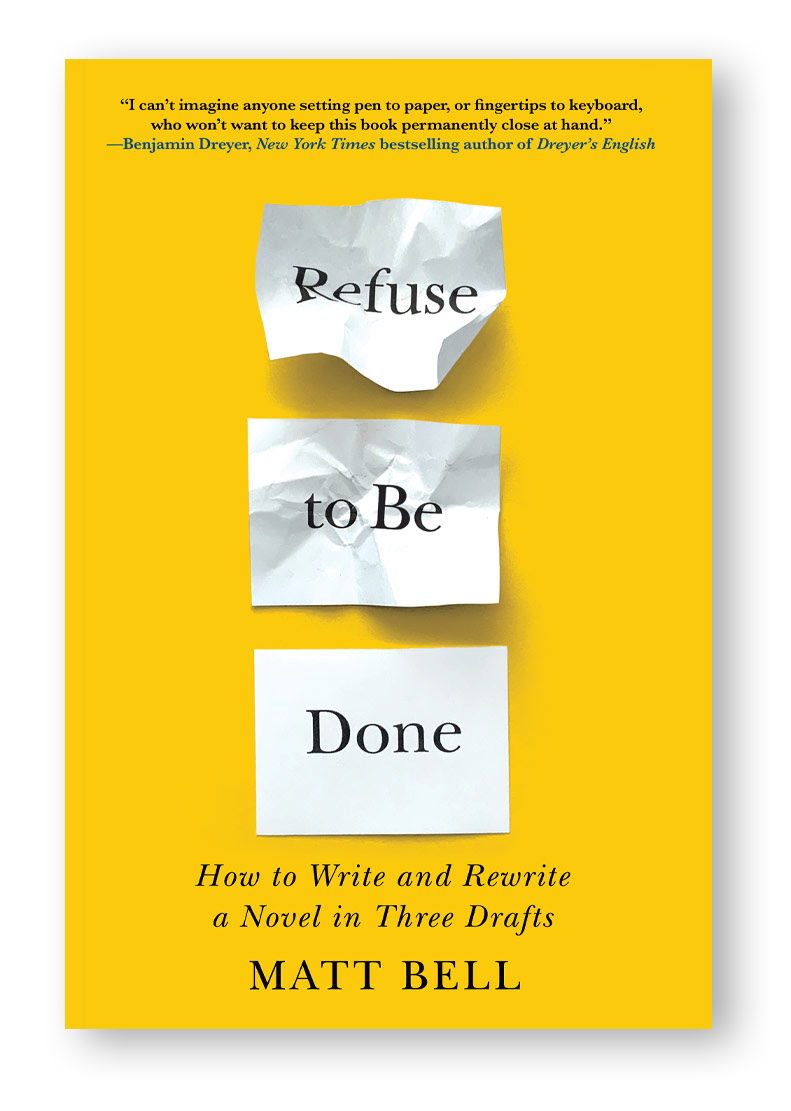
Matt Bell’s March craft book, REFUSE TO BE DONE: an accessible, practical guide to writing and revising a novel—for writers of any genre and level

“I can’t imagine anyone setting pen to paper, or fingertips to keyboard, who won’t want to keep this book permanently close at hand.”
—Benjamin Dreyer, New York Times bestselling author of Dreyer’s English
 We all need help to be the best writer we can be. This brilliant book from Matt Bell not only does that, but it also teaches you have to be efficient, something that is a must as writing becomes a career. I loved this book and I cannot recommend it enough. I will definitely keep it close to hand. — Frost editor, Catherine Balavage.
Acclaimed author Matt Bell draws from years of writing and teaching experience to deliver an accessible, direct, and concise guide to novel-writing full of concrete tips meant to guide writers of any genre, at any stage of their career, from first to final draft.
Matt Bell | Refuse to Be Done: How to Write and Rewrite a Novel in Three Drafts | Trade Paperback Original | $15.95 US/$21.95 CAN |
ISBN: 9781641293419 | ON SALE: March 8, 2022 | Soho Press
Refuse to Be Done is intensely practical, focusing always on specific tasks, techniques, and activities for writing a novel, from the first draft all the way through final revisions. Divided into three main sections—each containing numerous subheadings and detailed items—the book is easy to use at any and every stage of the writing process, whether one is starting from scratch or already has a full draft to revise. Concrete examples from published fiction and media, as well as Matt Bell’s personal experiences, bring further meaning to the tips included, showing how they were developed and how they come to fruition in existing works.

In the first section, Bell shares a bounty of tactics to get through perhaps the most daunting stage of novel-writing: actually writing the book. Intended to push writers through the initial conception and get words on the page, this section includes strategies for process (such as how to regiment one’s writing and track progress), the writing itself (e.g. how to develop characters and determine which scenes to write next), and overcoming writer’s block.

Next, with a complete draft in hand, the second section focuses on reworking the narrative through outlining, modeling, and rewriting. This includes such tasks as fleshing out characters, scrutinizing the plot, and reshaping a manuscript into a more polished form.

The final stage captures Bell’s philosophy to “refuse to be done,” encouraging writers to stay in their novel for as long as they’re able by working through a checklist of revisions. In this layered approach, writers fully work through the text multiple times, focusing on a specific, achievable task through each pass. Whether it’s revising the prose or scrutinizing the structure of each scene, every pass brings the manuscript closer to accomplishing the writer’s ambitions and becoming the greatest it can possibly be.

Written for novices and veteran writers alike, Matt Bell’s accessible, practical guide to novel-writing offers an abundance of strategies to motivate writers and invigorate the revision process, empowering novelists of all genres to approach their work with fresh eyes and sharp new tools to produce their best work yet.

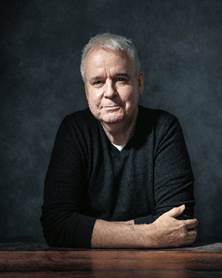
Tim Sullivan My Writing Process

tim sullivan the patientI’ve always written. I wrote and directed my first short film at university and the writing followed on from there. I began writing screenplays with some success, starting in the late eighties with an adaptation of Evelyn Waugh’s A Handful of Dust starring Kristen Scott-Thomas, James Wilby, Judi Dench and Alec Guinness. This was followed by an adaptation of EM Forster’s Where Angels Fear to Tread starring Helen Mirren, Helena Bonham-Carter and Judy Davis. I then wrote and directed Jack and Sarah with Richard E Grant, Samantha Mathis, Ian McKellen, Judi Dench and Eileen Atkins. This led to a screenwriting career in America where I worked with many producers including Ron Howard, Scott Rudin and Jeffrey Katzenberg. I spent a year writing the screenplay for Shrek 4 before the studio decided to go in a different direction with the movie. My last two produced movies were Letters to Juliet starring Amanda Seyfried and Vanessa Redgrave and last year My Little Pony – A new generation. I’ve always wanted to write novels, specifically crime and finally found the time. My series centres upon DS George Cross a socially awkward and sometimes difficult but brilliant detective. He is based in Bristol and has the best conviction rate in the force. His third outing The Patient is released by Head of Zeus on March 3rd.

tim sullivan the patient

What is your writing process?

I’m a morning writer. I find I get my best work done then. Ideas seem fresher and I have the energy to get going. I tend to re-read and edit in the afternoons.

Do you plan or just write?

With screenplays I definitely plan. You have to. But with crime novels I start knowing who has died and who’s done it, but I have no idea how to get there. This can make things complicated and it’s easy to lose faith when you’re not sure which way to go. But I think it means that George Cross, the audience and I are all discovering things at the same time. I think this gives the narrative a more convincing and interesting path.

What about word count?

This varies enormously. I write everything long hand in fountain pen before it gets anywhere near a computer. So, a minimum of 500 words and a maximum of around 2500.

What do you find hard about writing?

The beginning of a book is hard. Until I’ve reached 20,000 words I’m not really sure whether it’s going to be a book at all. I enjoy it a lot more after that. I find it hard not to write long meandering sentences but thankfully I have an eagle-eyed editor who keeps me on the straight and narrow or should I say within the margins.

What do you love about writing?

I used to find the solitary nature of it hard but now it’s possibly what I love about it the most

I love creating characters and relationships. Writing things that move me or make me laugh. 

It’s amazing how many times as a writer you can surprise yourself.

Advice for other writers.

Find the confidence to do it and sit down and write. Write for yourself before you write for anyone else. Sketch down ideas and scenes. Write clutches of dialogue as they come into your head. Don’t sit down and try and write a complete project. Play around a little.

And enjoy it. Everyone writes better when they enjoy what they’re doing.

www.timsullivan.uk

Instagram @timsullivannovellist

Twitter      @timjrsullivan

Facebook   @timjrsullivan

Tim Sullivan is the author of The Patient published by Head of Zeus 3rd March, £18.99