
Top grooming brand BarberBoss has two fantastic electrical launches; 2 innovative products designed to enhance your morning and evening ablutions, with minimal effort. First is the BarberBoss Cordless Water Flosser. The Water Flosser kit includes 4 tips: 2 x Standard, 1 x Orthodontic and 1 x Periodontal, and has an easy-to-use 360° multi-angle flossing and ‘gravity ball’ design, as well as the capacity to clean the whole mouth with no re-fills (unlike the competition!) These have become a TikTok viral sensation and rightly so.  Next, complete your routine with the BarberBoss TriWave Sweep Toothbrush, a brush that does it all! including an adjustable angle brush head to facilitate the ‘bass brushing technique’, recommended by dentists.  I IWe love these fantastic products which leave your oral hygiene in tip top shape. They are great, hi-tech products which take the faff out of your dental health. |
| BarberBoss is an established brand, setting high standards for electronic personal care and trimmer products in the UK and across Europe. Their original men’s grooming range (launched in 2020) has now expanded to include women’s personal care, pet care and oral care products too. The BarberBoss team are dedicated to innovation and excellence; helping customers to look and feel their best, from home. BarberBoss are also committed to giving back to the community, and proudly became the official shaving partner and sleeve sponsor of Birmingham City Football Club (BCFC) in 2023/24, and West Bromwich Albion (WBA) since 2023. By supporting local sports teams they foster community, and reinforce their dedication to making a positive impact. |
 Look Your Best, Everyday | www.BarberBoss.co.uk | Shop on Amazon |
Author Archives: Frostie
Ultra-Processed Women by Milli Hill Book Review

I loved Milli Hill’s book, The Positive Birth Book, and I was excited to read Ultra-Processed Women. I believe our diets are causing health problems. It is not normal that the rate of many diseases has rocketed. Our food is full of rubbish, to put it politely. I have always felt overwhelmed about trying to improve my diet, but Ultra-Processed Women explains everything clearly. It is an eye-opening book which lets you take back control of your diet and health. Other health books I have read made everything too hard to follow and overwhelming. Basically, just give up everything you love and never eat anything nice again. Ultra-Processed Women takes a complicated subject and makes it easy to understand and follow.
Ultra-Processed Women is brilliant and informative. I think every woman should read it. This book is literally life-changing. I will be referring to it regularly. A must read.
In Ultra-Processed Women, acclaimed journalist and women’s health advocate Milli Hill uncovers the shocking truth. From period pain and weight gain to depression, hormone imbalances, autoimmune conditions and even Alzheimer’s, Hill reveals cutting-edge research into the hidden dangers that lurk in your daily food choices.
But this is not just a book about food. Ultra-Processed Women also explores the way the modern food industry has exploited women in their advertising for decades and uncovers the damage being wrought not only on our bodies but on the environment and on our own ability to connect with each other through the fundamentally human experience of cooking and eating.
This isn’t just a wake-up call―it’s a battle cry. Written in Hill’s trademark down-to-earth style, Ultra-Processed Women will help you understand the issues and develop a clear course of action, arming you with tools and practical steps to cut through the confusion, break free from the damaging effects of UPFs, and reclaim your health without guilt or deprivation. Changing the way we eat, Hill argues, is a radical act of resistance to an ultra-processed world.
It’s time to take back control. Your body, your choices, your future.
Milli Hill is a writer and freelance journalist with a passion for women’s rights in childbirth and throughout their reproductive lives. Her book The Positive Birth Book is one of the UK’s bestselling pregnancy guides, and has sold nearly 100k copies since publication in 2017. Her more recent books, Give Birth like a Feminist, and My Period (for preteens), have also topped the Amazon charts.
HQ will publish Ultra-Processed Women on 3rd July 2025 in hardback, eBook, and audiobook formats.
The Sufi Storyteller by Faiqa Mansab Book Review
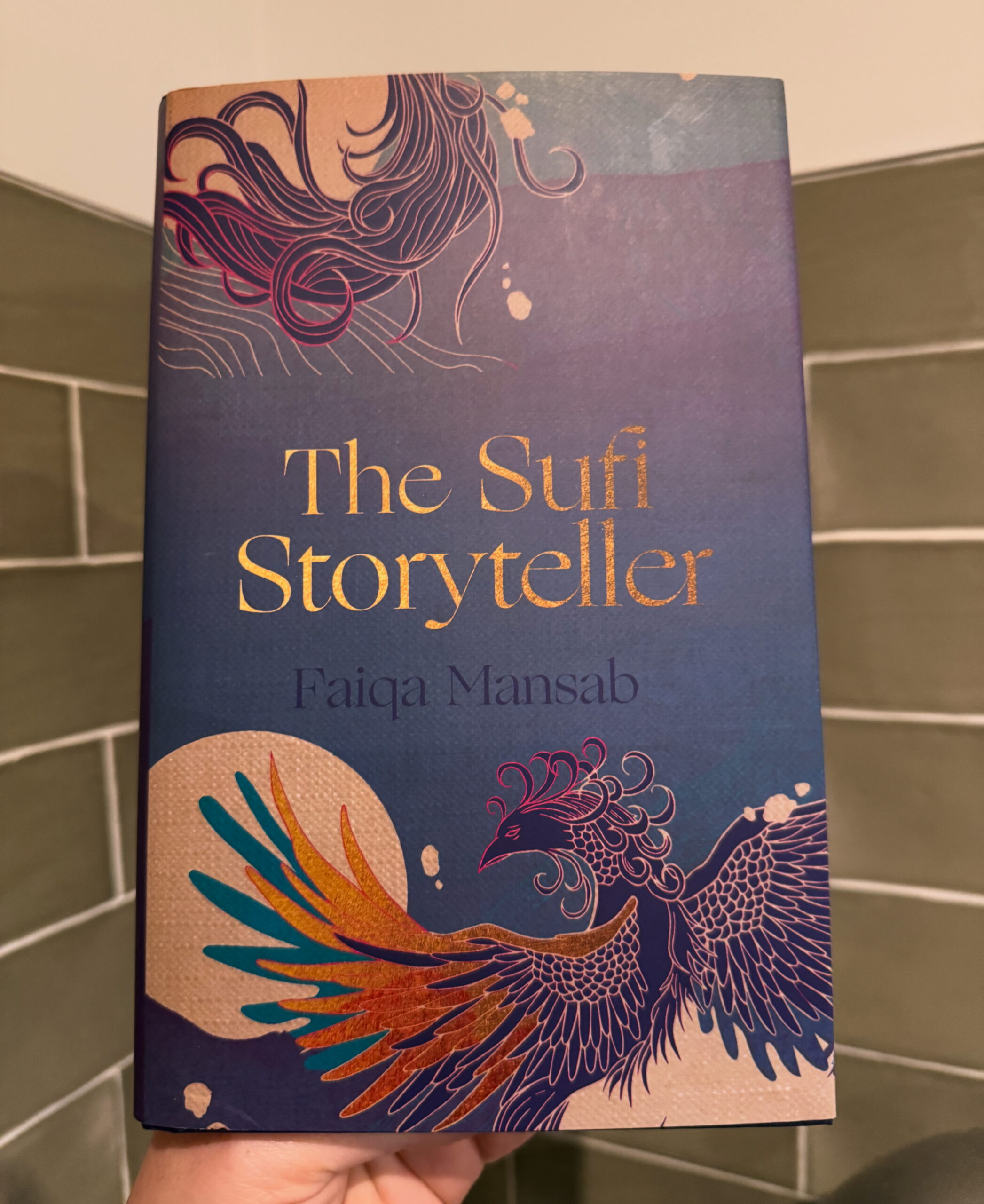
From the first page I was deeply drawn into The Sufi Storyteller. Faiqa Mansab is a fantastic storyteller. Her prose is beautiful and eloquent. This book is steeped in myth and I found the tales of Sufi story traditions fascinating. The books’s deep and full of knowledge, with a murder mystery woven through it. It is high-end literary fiction with a riveting crime twist.
Set in America and Afghanistan, the book is sprawling and is set in the past and the present. The novel is unique and immersive. I was hooked until the very last page. With a darkness that lingers through it, you will struggle to put it down. Faiqa Mansab is a writer to watch. Five stars.
An estranged mother and daughter urgently need to reconnect and navigate a world of Sufi story traditions to catch a killer, and to save each other.Layla is a scholar of women’s histories and stories. Her life is a carefully constructed set of routines in her small American liberal arts college, but all of that is about to change…
Mira is a renowned Sufi storyteller who is running from a terrible past. When she learns that the murdered woman in the library was carrying a note from the killer addressed to her, she is presented with an opportunity to break a cycle of trauma and hurt. To confront her past, she must disclose the truth to Layla.
Together they enter the realm of Story, but can Layla find the forgiveness in her heart necessary to lead them to the answers they are looking for?
This contemporary murder mystery takes readers from small town America to the mountains of Afghanistan.
Kapten & Son Launch Limited Edition Leopard Print Diaper Bag + Inlay Sets. Great, Stylish Parenting Bags. Frost Loves.
It can be hard to be a parent and be stylish. I have spent most of my life as a parent wearing dark colours, usually dressed in jeans and a T shirt. These parenting bags from Kapten & Son are incredibly stylish and functional. They keep you organised and looking good at the same time. They are superb quality and well designed.
They have the wow factor and I definitely got excited taking them out of their dust bags. If you want to be the most stylish parent, grab one now.
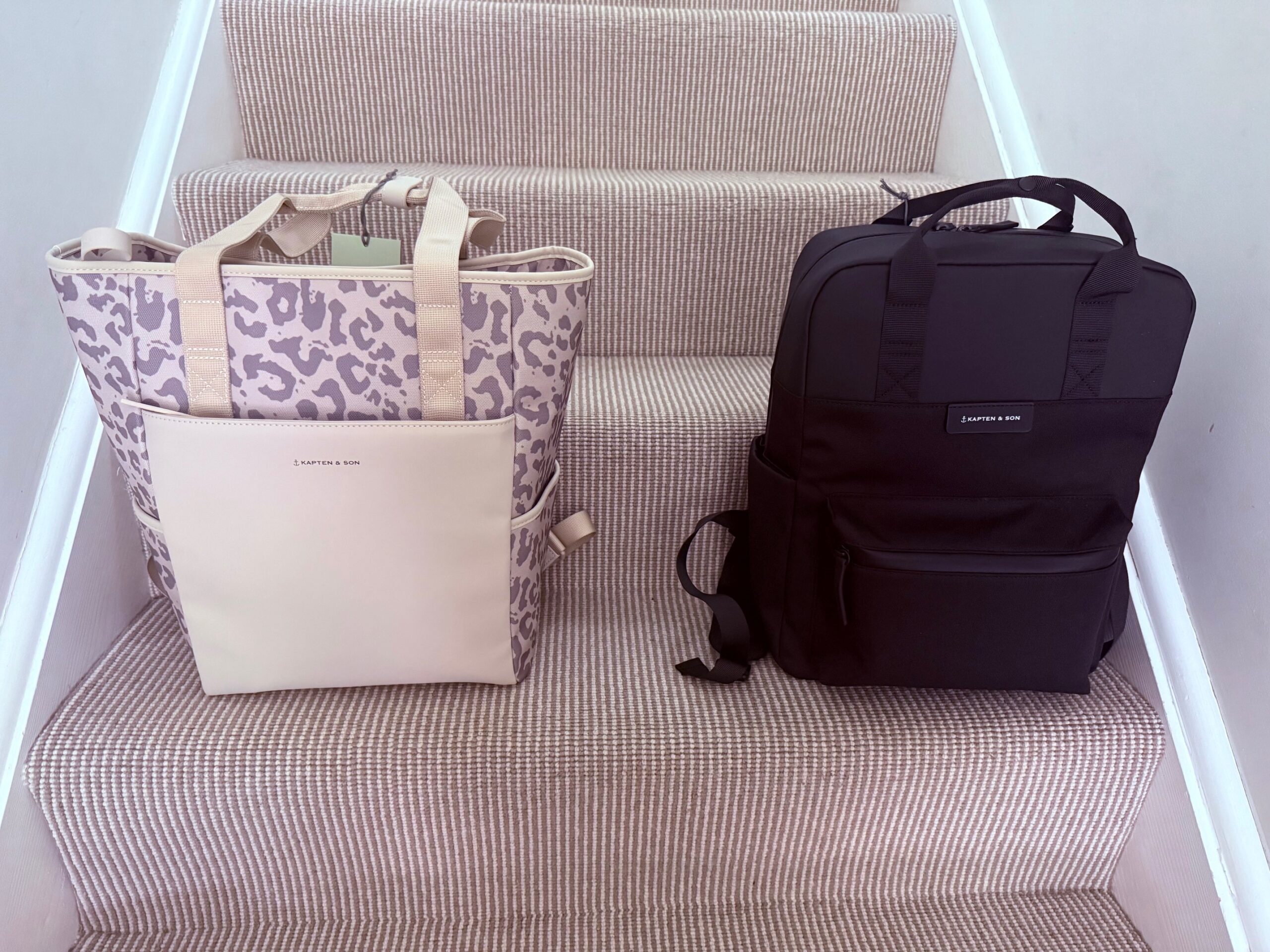
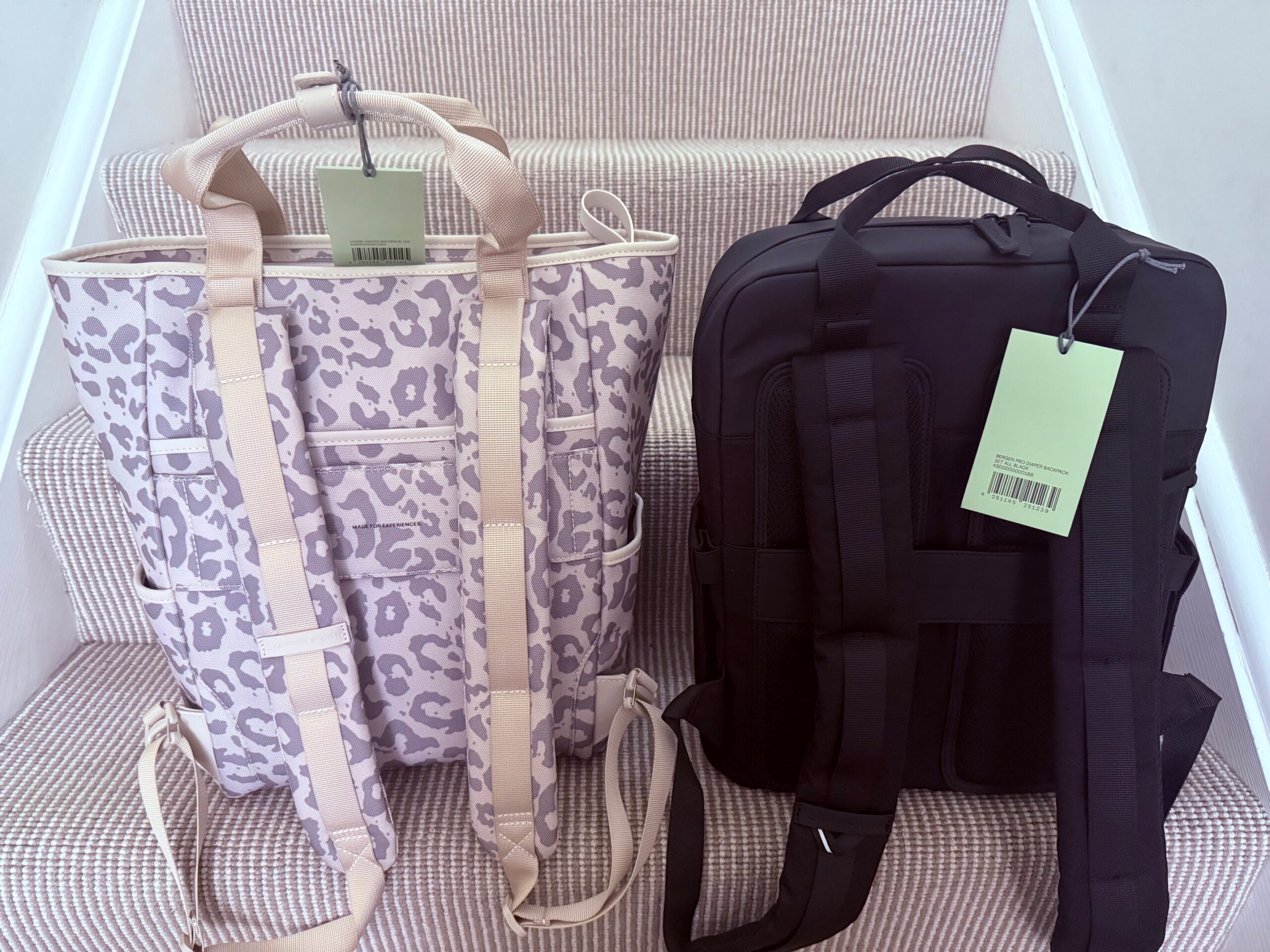

Kapten & Son, the global lifestyle brand known for sleek, functional, and stylish products. have launched a Limited-Edition Leopard Print Diaper Bag + Inlay Sets

The inlay sets combine Kapten & Son’s signature minimalist design with a bold, animal-inspired print, offering both style and practicality for modern parents. Made from high-quality, eco-friendly materials, these inlays provide superior comfort, absorbency, and durability — all while adding a chic touch to everyday baby care.
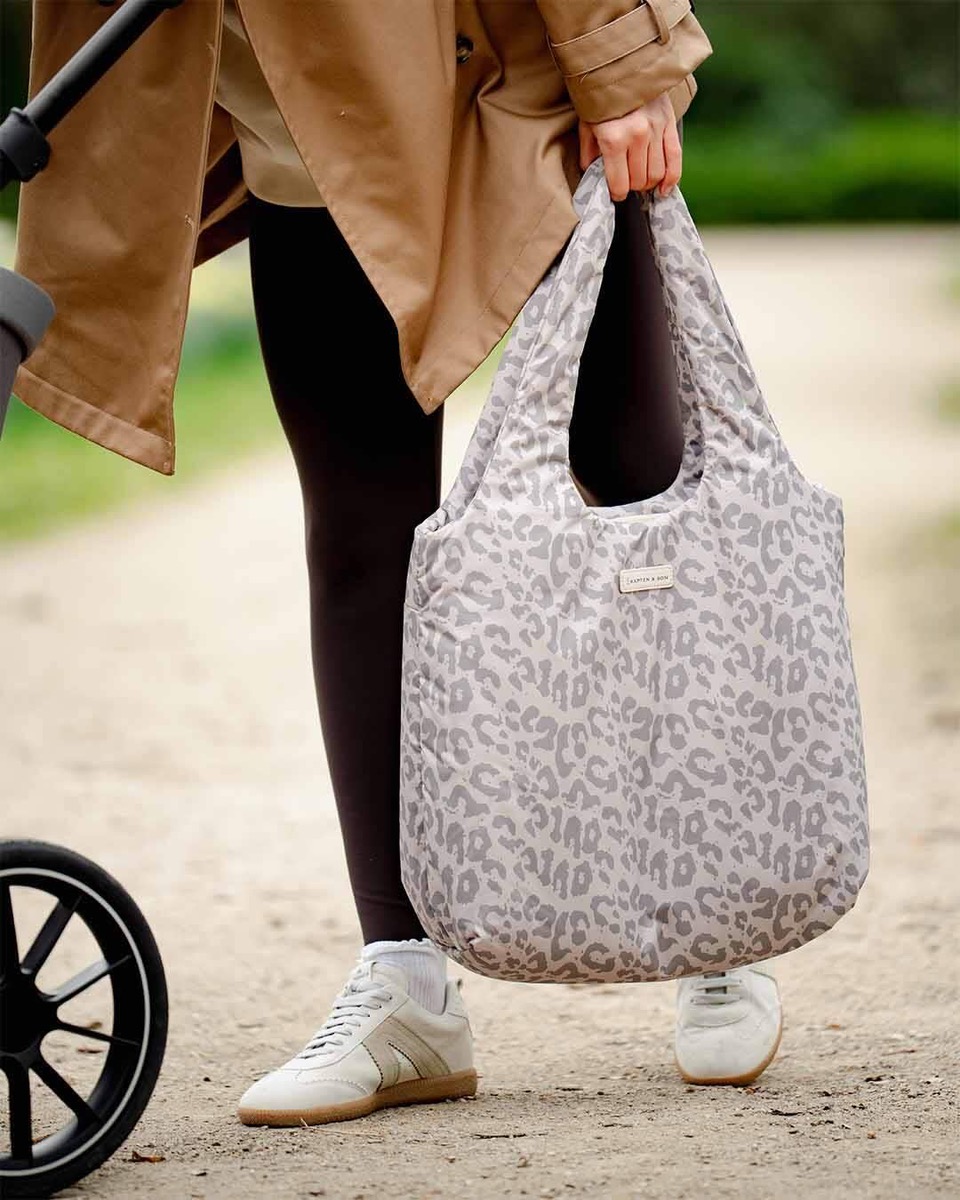
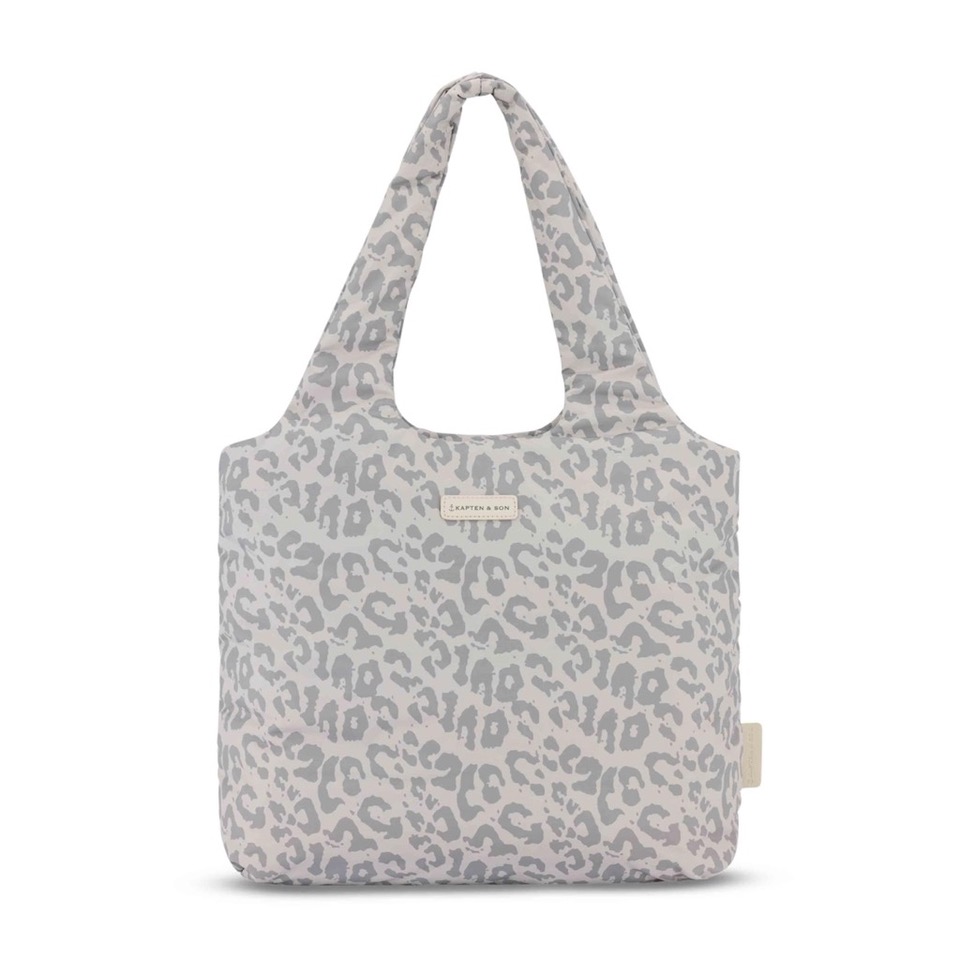
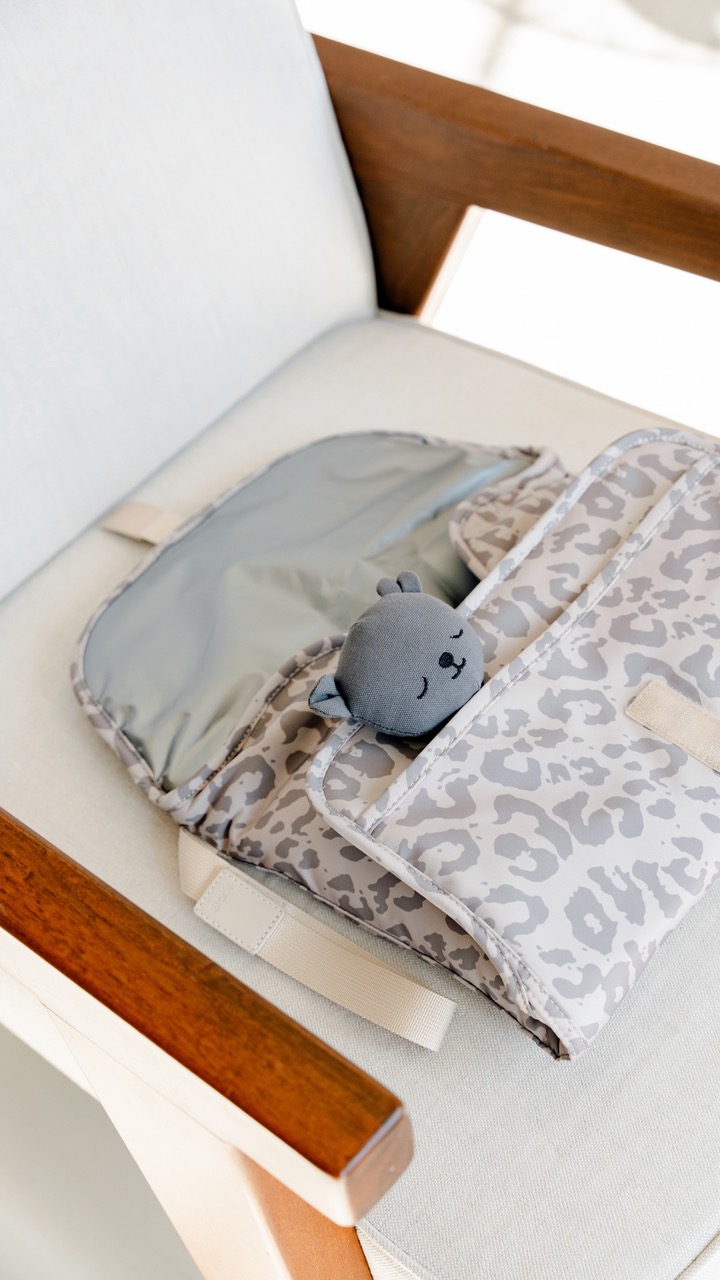
Kapten & Son, the backpack brand known for its high-quality, sleek, and functional products, is proud to announce the launch of its Limited-Edition Leopard Print Sandstone Diaper Bag & Inlay Sets.
Designed for parents who value both style and practicality, this exclusive release combines the brand’s signature minimalist aesthetic with a bold, animal-inspired print for a truly standout product.
Where Fashion Meets Function
The Leopard Print Skara Diaper Bag and Inlay Sets are the perfect accessory for the modern parent who wants to add a touch of sophistication to their everyday baby care routine. Featuring a unique, eye-catching leopard print pattern in warm sandstone tones, the inlays bring together the best of contemporary fashion and unparalleled functionality.
Uncompromising Quality and Comfort
Crafted from high-quality, hypoallergenic materials, the Limited Edition Leopard Print Sandstone Diaper Inlay Sets offer superior absorbency and softness, ensuring babies stay dry and comfortable all day long. The eco-friendly fabric is durable, easy to clean, and designed for long-term use, making it an ideal addition to any parent’s diapering essentials.
Designed to fit seamlessly with Kapten & Son’s signature diaper covers, the inlay sets provide a snug and secure fit, offering peace of mind with every use. Whether you’re out for a walk, running errands, or simply spending time with your little one, the inlay sets offer both style and practicality in every moment.
A Limited Release – Get Yours While They Last
As with all of Kapten & Son’s limited edition products, the Leopard Print Sandstone Diaper Inlay Sets are a one-time release. Only a limited number of sets are available, making this an exclusive opportunity for parents who want to elevate their baby care routine with a bold, stylish twist. Available now on Kapten & Son’s official website and select retail partners, these inlay sets are expected to sell out quickly.
And if you don’t get your hand on one, they have a lot of other stylish backpacks for you to fall in love with.
About Kapten & Son
Kapten & Son is a global lifestyle brand that blends timeless design with cutting-edge functionality. Known for its high-quality accessories, including backpacks, watches, and sunglasses, Kapten & Son continues to expand its product range to meet the evolving needs of modern consumers. The brand’s commitment to sustainability and minimalist design has made it a favorite among fashion-forward individuals around the world.
For more information about the new Limited Edition Leopard Print Sandstone Diaper Inlay Sets, or to shop the collection, visit the website or follow Kapten & Son on social media for updates and exclusive offers.
How to Alzheimer’s-proof yourself: new book claims prevention is possible for 99% of people.
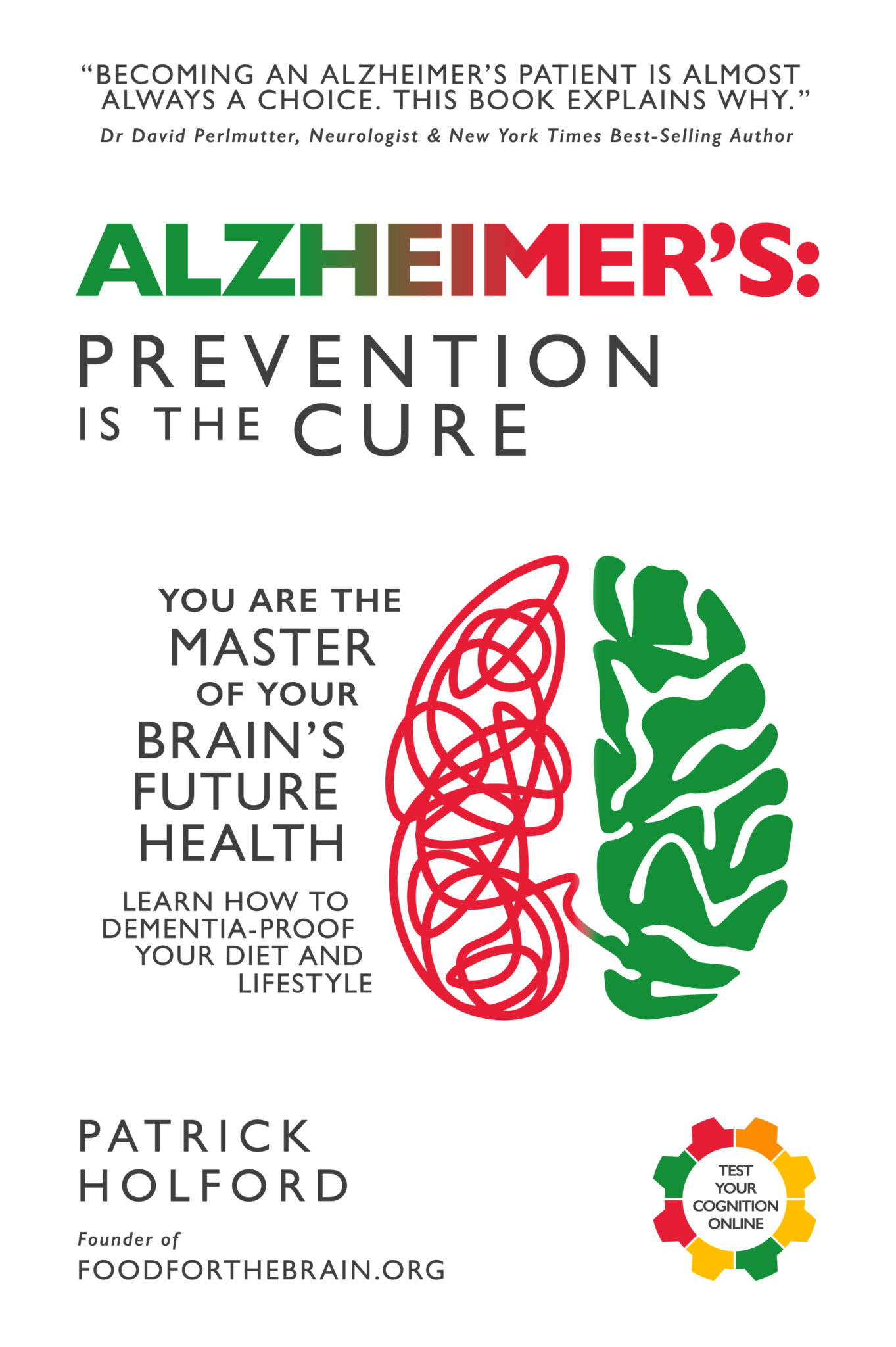
A new book challenges the conventional view of Alzheimer’s, claiming that for the vast majority of people, the disease is not an inevitable part of ageing but something that can be prevented.
This is a brilliant book. Instead of parroting old research and going with the flow, the book is revolutionary and has a lot of new information and research. It leaves you feeling more positive and in control. This book is an essential took kit for good brain health. Tip the odds in your favour with this essential read. I will be referring to it frequently.
Alzheimer’s: Prevention is the Cure argues that less than one percent of cases are due to genetics and that current drug targets, such as amyloid plaques, are neither the cause nor the solution.
The book’s author, Patrick Holford, Chair of the Alzheimer’s Prevention Expert Group and founder of the charity Food for the Brain, suggests that Alzheimer’s is largely the result of lifestyle, dietary and environmental factors.
“Becoming an Alzheimer’s patient is almost always a choice,” says neurologist Dr David Perlmutter, a member of the Expert Group, who adds that lifestyle, not genes, is what’s truly driving the rise in dementia.
According to Holford, cognitive decline is the outcome of a “perfect storm” of negative influences that impair the brain’s structure, function or energy supply. “Every known risk factor affects one or more of these areas, and it’s the combination—many of which we can control—that leads to cognitive decline,” he says.
The book is the result of a global Alzheimer’s prevention initiative launched by Food for the Brain. The project has tested the cognitive function of over 400,000 people through a free online tool, which includes a follow-up assessment of diet and lifestyle. This generates a personal Dementia Risk Index score and practical advice to reduce risk, with users encouraged to retest and track their progress over time.
Holford notes that signs of decline are being detected from as early as age 18, with most people experiencing noticeable impairment by their 70s or 80s. However, he insists that decline can be halted—and even reversed—through the right nutrition and lifestyle adjustments.
The book outlines modifiable risk factors and the impact of addressing them. Central to its message are what Holford calls “the four horsemen of the brain health apocalypse”: insufficient intake of omega-3 fats, B vitamins, antioxidants, and overconsumption of sugar and refined carbohydrates. Increasing omega-3 through fish or supplements can cut dementia risk by 20%, as can optimising vitamin D levels. Supplementing with vitamin D alone has been associated with a one-third reduction in risk.
One of the most crucial—and often overlooked—risk factors is elevated homocysteine, a harmful amino acid in the blood linked to low levels of B vitamins. Rutgers University Professor Joshua Miller supports the book’s emphasis on B vitamin supplementation and omega-3 as key strategies. Professor David Smith of Oxford University, a long-standing advocate of nutritional intervention in dementia, calls for urgent adoption of the book’s prevention model, saying, “The potential benefits are huge, both personally and economically.”
In fact, a recent analysis by Dr Apostolos Tsiachristas, Associate Professor in Health Economics at Oxford, found that reducing homocysteine through inexpensive B vitamin supplementation could save the UK economy £60 million annually and extend life expectancy by an estimated 14 years.
Despite the compelling evidence, mainstream healthcare has been slow to respond. “We’ve spent over two decades urging the health service to prioritise prevention,” says Holford. “This book is my way of giving individuals the information and tools to take charge of their brain health.”
Food for the Brain now offers a home test kit that measures homocysteine, vitamin D, omega-3 levels, blood sugar (HbA1c), and antioxidant status—important markers rarely tested by GPs. Alarmingly, most people fall below the recommended omega-3 index of 8%, with those under 5% at significantly greater risk of dementia and brain shrinkage. Only one in five achieve the government’s recommendation to eat oily fish once a week, which is insufficient to prevent dementia.
Research from the Netherlands supports the connection, showing that people with low levels of omega-3, B vitamins, and vitamin D have over four times the risk of developing dementia. Reducing sugar and processed food intake can lower Alzheimer’s risk by 20%, while increasing antioxidant-rich fruits and vegetables and vitamin C intake also offers protection. One study involving 2,716 over-60s found that those with the highest antioxidant intake had half the risk of cognitive decline.
Beyond nutrition, the book highlights the importance of lifestyle factors such as minimising alcohol, not smoking, regular exercise, social engagement, quality sleep, stress management and sensory health—including hearing and vision. Addressing menopause-related hormonal shifts can also be key for women, with natural HRT showing promise in reducing risk.
Holford’s mission is simple: empower people with science-based tools to take control of their future. The book, available from foodforthebrain.org/books, also supports the ongoing prevention research of the Food for the Brain Foundation.
Alzheimer’s: Prevention is the Cure , by Patrick Holford, is published 1st May 2025 and is available from Amazon and all good book shops. More information can be found here: https://foodforthebrain.org/apic/
Interview With Land of Hope Author Cate Baum

Did you always want to be a writer?
I think I did. I fantasised about being Charlotte Brontë or Daphne Du Maurier, and being a difficult woman living in a big house in the wilds. It was always going to be that or a musician or artists of some kind. I got lazy with music and art when I grew up but writing was a constant. I wrote my first book when I was seven, and I still have it. It was a sci-fi adventure about children who leave Earth in a protective cloud! I’m certainly a difficult woman living in a big house. Not in the wilds though, unless Spain is a sort of wild.
What books did you read growing up?
My parents had a full library and were avid readers. They didn’t prevent me or my sister from reading anything except perhaps the racy works of Jilly Cooper! I remember reading Jane Eyre when I was really young. I didn’t get any of the deep stuff obviously, but it gave me the distinct impression women were in an inferior position in life and even influenced my novel Land of Hope. I also treasured a book called The Wickedest Witch In The World by Beverley Nichols, who I was disappointed to find out was a man. But I still have that book, and it seems to be a sort of phenomenon for people who know of it. I also read Born Free and Tarka The Otter, and these left a big adventurous impression on me but now I can’t read anything about animals in case they die in the end. I think The Razor’s Edge by William Somerset Maugham had the biggest impression on me, and it was my father’s favourite book. I am still fascinated with the idea of running away like Larry Darrell in the novel. The Two Faces of January by Patricia Highsmith is the reason I became a serious writer. It’s such a slapped together novel with somewhat tipsy grammar and a funny arc but the storytelling is just stunning. I wanted to do that. It seemed almost delinquent and I loved it.
What was the idea behind Land of Hope? It has had an amazing reception. Did you expect that?
Yes and no. I think any writer who has their book published is both a complete egoist and suffers from imposter syndrome. I knew I’d written something special because I stopped seeing the seams after I wrote something. I’d read it back and congratulate myself because I didn’t remember writing it. I see that as a sign the muse has been at work and I’ve channelled the words successfully onto the page. I take no credit whatsoever. It’s the lady who sits behind me dictating the story from another world and time where my book already existed for aeons… I’m just the seer with typing fingers.
Can you tell us about your publishing journey?
I went to UCLA in Los Angeles to study screenwriting initially. I loved it and did very well but I found it all a bit banal when it came to sending out queries. So I started back on my novels, and interviewed for an MA course that caught my eye at City University in London. I was so taken with the leader of the course, Jonathan Myerson (award-winning novelist and screenwriter), who just seemed like a guru of all things literary, that I took the place and moved to London for two years to do it. I learned things I didn’t even know I didn’t know about writing. I was a complete pain on the course, as it was hard to go to uni in my forties. But I came out on top, won the prize for best novel (a different novel), and started looking for an agent. It took me about six months of hardcore Excel spreadsheet action researching and understanding you cannot just blanket query. Each submission must be thoughtful and you must want to be with the agent you are querying. They know somehow! And I got a lot of rejections, and a few near-misses before Sabhbh Curran at Curtis Brown took a gamble on me and we started working on the novel in earnest with many passes before she felt it was ready. Including an entire rewrite! She’s great because she invested in me and not just the book, and helped me develop as an author along the way so that by the time she got an offer from The Indigo Press for the manuscript I felt entirely ready to embrace the work.
Jonathan Myerson and I are still friends and it was the best decision I ever made to go to City. He’s interviewing me at the Haringey Arts Festival on July 18th in London at a book signing event.
What’s your writing routine?
I don’t write until it hits me. I’ll think and think. Then I’ll let myself just write as purple as I like, and maybe knock out a good 40k words to make sure the idea has legs. Oftentimes people think they have a book, but it’s just a premise with no development. This might be a whole night of writing, or a few hours here there. But it’s never when I expect it. I have to make room for that happening in my life. It entails shutting the door and entry is prohibited expect in the case of fire or flood. I might not eat or sleep. People are let down. Appointments not attended. It doesn’t matter to me if I’m on a roll. Then, I start out with a synopsis, a habit I procured from my screenwriting days, and I make a beat sheet (every beat of the hero’s journey). I was mentored by Claire Fuller at City, and she drew me a tiny diagram that shows the arc of a novel. I kept it and refer to it constantly! Then I talk each character’s journey through with someone, who is right now my assistant Arthur Lemon, a poet from Estonia who happens to be a fantastic editor and stickler for English grammar. I make a sort of diagram of the story with his notes, and then I take that to my desk and start with a few bits. Once I have a good 50k, I will give that to my readers, who will be Arthur, my husband Henry, and Jonathan Myerson for the next one. I get notes and impressions from them, and kick it all up. Usually I end up with about 20k words from the original 50k and have to really be tough with myself. But actually it’s a bit like cleaning a closet. It feels like a task but then I start enjoying chucking stuff out. I kill all my darlings to a serial level. When I finish, I don’t look at it for a while. There’s usually quite a lot of nonsense in it when I go back. I feel like writing a novel is more about what’s left when you’ve deleted almost everything you thought you’d done well with.
Who are your favourite authors and books?
I love a lot of older writers. Joan Didion’s essays, Emily Dickenson and Sylvia Plath’s poems, and Lucia Berlin’s shorts. I love Milan Kundera and Vladimir Nabokov. Modern writers I love are Michel Faber, Philippe Djian, Virginie Despentes, Rachel Cusk, and Suzanne Collins. But some of my favourite books are The English Patient by Michael Ondaatje, The Red Parts by Maggie Nelson, Bitter Orange by Claire Fuller, and Surfacing by Margaret Atwood. I’ve also recently enjoyed Daisy Johnson’s The Hotel. I could go on all day.
What’s your favourite thing about being a writer? And the least?
Best? That I get to make up stuff for a living and don’t have to speak to anyone except my very favourite people in the world, and then only about abstract subjects. Worst? Writer’s bum. I have to make sure I get on that treadmill of a morning or all is lost.
What’s next?
I am working on my second novel’s synopsis for my agent, which will be in the vein of folk horror and fantasy once again. This time in East Anglia… I’m also looking forward to seeing what’s happening with selling the movie rights for Land of Hope, which is in the pipeline. And in July, Land of Hope comes out in the United States, which is truly exciting!
Land of Hope is out now.
Living without Itch Book Review
Living without Itch (Second Edition)
Proven Strategies and Treatments for Relief
By Gil Yosipovitch, MD, and Zoe M. Lipman, MD
Many members of my family have itchy skin. It is not fun at all and finding a solution can be hard. This book, Living Without Itch, is a great and comprehensive book that covers a range of skin conditions, and how to manage itching. It is an essential read for anyone living with this annoying skin condition.
Chronic itch (medical term pruritus) can be incredibly annoying and has numerous causes, from inflammatory skin conditions, autoimmune disease, insect bites, skin wounds such as burns or scars, as well as treatment, age or illness induced pruritus. In recent years significant advancements in our understanding of mechanisms of itch and new treatments have been developed. Living without Itch offers the millions of people suffering from itch an essential and updated guide on how to find relief from their suffering. Researcher and clinician Gil Yosipovitch, MD, draws from his decades of experience caring for patients to share a treasure trove of easy-to-understand information to educate you on how to manage your itchy conditions.
This book comprehensively covers both acute and chronic itchy conditions, from hives, psoriasis, and eczema, to systemic and neurologic diseases, as well as recommendations for treatment options. Patients share their lived experiences and advice, while contributions from multi-disciplinary experts in nursing, psychology, and alternative medicine provide unique approaches to managing itch. This new edition includes:
- Updated information about the itch pathway—why it occurs and the cascade of events that result in itch
- Newly available treatments
- Special considerations for populations such as individuals undergoing immunotherapy for cancer
- Recommendations for lifestyle interventions, including nutrition, psychotherapy, allergy medications, and behavioural changes.
Completely revised and updated to include important developments in the field since the last edition’s publication, this guide provides the information you need to understand, prevent, and manage itch.
April 2025 | Paperback 168 pages | ISBN 9781421450469 | Price £20.00
Sweet & Healthy: Protein Pancakes From Nature’s Path
As a freelancer my lunch is not always healthy. On busy days I will grab something and then feel bad about my diet. We got sent Nature’s Path Nice & Nobbly Organic Granola. It’s gluten free and it tastes great. If I need a quick breakfast, or lunch I can do so without feeling guilty. My kids also love it.
What’s more, it is packed with protein. You can add Nature’s Path Nice & Nobbly Organic Granola, to add a real deliciousness to everyday pancakes.
Perfect for kids, muscle building or a weekend breakfast treat that won’t leave you feeling guilty.
Nature’s Path Protein Granola Pancakes
Makes 6 pancakes

Ingredients:
150g Nature’s Path Nice and Nobbly Granola
30g vanilla protein powder
2 tsp baking powder
3 eggs
90g Greek yoghurt
Cooking spray
Toppings:
Nature’s Path Nice and Nobbly Granola
Fresh strawberries, raspberries and blueberries
Greek yoghurt
Maple syrup or honey
Method:
- Place the granola, protein powder and baking powder into a food processor and blend until fine.
- Add in the eggs and yoghurt and continue to blend until everything is fully incorporated.
- Place a non-stick pan over a medium heat and spray lightly with cooking spray.
- Start by cooking 3 pancakes, approx 4 tbsp of batter per pancake, leaving adequate space in between each one.
- Cook until risen and bubbles start to appear on the surface, this should take about 3-4 minutes, then flip each one and cook for a further 2-3 minutes until the other side is browned. Remove from the pan and stack on a plate.
- Repeat with the remaining batter.
- Top the pancakes with extra Greek yoghurt, berries and granola before drizzling with maple syrup or honey.