What Is Heat Riveting?

heat rivetingWant to learn something esoteric today? Of course you do! Let me talk to you about heat riveting. Heat what? you ask, I never heard of it. Well, I am here to fix that. It will be great, unusual, information to bring out at a time of your choosing. The weirder the better in my opinion.

Here we go: heat riveting or heat stake riveting, is a simple and cost-effective process that can be very useful in certain situations as it can join small components to form one large component. Got that? There are many different riveting methods but in heat stake riveting the thermoplastic materials, the plastic is plasticised with the electrically heated riveting punch at the point of contact. The material is then formed and pressed together under pressure. The electricity is then switched off so the air cooling can begin. The punch is heated by a heating cartridge and then it is monitored by using a temperature sensor.

This particular type of riveting is not only suitable for thermoplastics, but is also suitable for steel-plastic connections. Heat stake riveting is especially good for safety applications in the automobile industry, for airbag segments for example. The rivets are high in strength and the process is gentle which also makes this method ideal for surfaces which have, or require, a high quality finish. Heat stake riveting is also a cost-effective alternative to ultrasonic riveting. Heat riveting can be used for door trim panels, instrument panels, airbags, trunk trim panels, centre consoles and decorative covers.

Other good things about heat riveting is that it has low energy consumption, it is simple, and various material connections are possible: you can fix different materials such as metal and plastic together. It is suitable for high production volumes and it is quickly available in standard rivet unit sizes. Other riveting methods can be used, it just depends on the material.

So, there you go: all about heat riveting. I hope you enjoyed it.


Why American People Love Donald Trump By Beate Chelette

Why American People Love Trump By Beate Chelette

Credit: wikipedia 

At her lowest point, Beate Chelette was $135,000 in debt, a single mother, and forced to leave her home. Only 18 months later, she sold her image licensing business to Bill Gates in a multimillion dollar deal. Chelette is a nationally known ‘gender decoder,’ respected speaker, career coach, consummate entrepreneur, and author of Happy Woman Happy World. Beate is also the founder of The Women’s Code, a unique guide to women leadership and personal and career success that offers a new code of conduct for today’s business, private, and digital worlds.


The last few months have left me dazed and confused as to why the American people love Donald Trump. I’ve written about it, I’ve unfriended Facebook friends who asked me to endorse him, and I’ll admit I have even learned a few marketing tricks from his campaign.


By anyone’s playbook, Trump is a bully, a narcissist, a misogynist, and a racist. Plus, he’s attracting dangerous followers like members of the Ku Klux Klan. Even his right-hand salute was compared to Hitler’s hand gesture. Despite his politically incorrect behavior and self-bravado, again and again Trump comes out on top.


American people are loving Trump in record numbers. Why?


What we are seeing now is a passionate rift between those who like Trump for his brashness, and those who fear what could happen to our country with a man like him in power. This is what prompted me to take a deeper look at what exactly Trump says that resonates with Americans. It didn’t click until I read Thomas Frank’s article, which you can find here.


At the very bottom of this election sits a deep-rooted dissatisfaction with our systems. Let’s go through the list of what wiped out the American middle class and the hard-working, blue collar employee who used to be able to support his family.


  • We were told our children need college degrees. With rising tuition, shorter classes, more requirements, and schedules that keep our kids in school an average of one year longer, the stress of such an education puts families in debt, often for life.


  • The promised land of gainful employment that a college degree guarantees may as well be Shangri-La. In my daughter’s circle of friends, the picture is dire. They are disillusioned, unemployed or working less than part time, living at home, and fighting over minimum wage jobs just to stay afloat. One friend shares a single waitressing job with a woman who used to be a manager until her company laid off their middle-aged women.


  • Parents put a second mortgage on their homes to support their kids. If they were able to hold on to their houses during the big recession, they still have a long way to being mortgage-free. Many will die in debt. Parents used to be able to lean on their children for financial support in their later years, but now their children don’t have any money to spare. The slide into poverty seems inevitable.


  • Healthcare is out of control. How is it possible that an outpatient procedure like an Epidural  that lasts 10 minutes can put you back $15-25,000? Insane deductibles and co-pays add to the issues. Can anyone actually afford to get sick? If you do, you could be paying back those expenses for the rest of your life.


  • Corporations are under pressure. Americans can’t afford to buy as much now that production jobs have been outsourced to cheap labor countries like China, Vietnam, and the Philippines. Fewer jobs at home means less disposable income for Americans. Suddenly, organizations are in trouble and the middle class is wiped out. Right now you want to be either young with a great, sexy idea that disrupts the market, or already financially set for life. If you are anywhere in the middle, you are screwed.


  • When this country was doing well we opened the borders, as Reagan did, to invite farm workers. It made sense because we needed cheap laborers to do the less desirable jobs that we don’t want to do. We are college educated, after all. This works great when things are good. It falls apart when there are no jobs in the middle for Americans; the top and the bottom are already occupied.


And this is where Trump comes in.


People are tired of losing. They are afraid the little they have left could be lost at any moment. And who isn’t disgusted when a CEO gets fired and is given a multimillion dollar parting gift bonus? Trump nails these pains and fears and dissatisfactions. He promises to be the bully who will shake things up. He has no problem blackmailing, negotiating, or forcing the other side to relent to his wishes. And why wouldn’t they? He’s the Almighty Trump and this is his track record. Truly, he has no plan other than to “change it.”


The American people support Trump because they want to send a message to the system. This is his appeal. Trump will tell the establishments what we want to tell them ourselves, and Americans believe the establishments will listen to a bully.


The bank bailout did nothing for the people, or so we believe. Of course, we didn’t live through the outcome of not providing the bailout, so we don’t really know how bad it could have been if banks were allowed to fold. What we now witness is the effect on our lives and the people around us. Like my girlfriend who lost her house at 62-years-old after battling with the bank for five years. The refinancing they offered was merely an extension of her debt. Total fail. She can’t get back on her feet financially, is such an emotional mess that she can’t focus on work, and the stress of her fight for survival has literally paralyzed her—she awoke one morning unable to move her left arm. There are millions of stories like my friend’s.


That is why Trump is so popular—he promises to be strong enough, independent enough, and crazy enough to take the system on. He will send a message to anyone, anywhere.


Who wouldn’t want that? In some ways I do, too. Let’s shake things up.


But then…


On the flipside, those amongst us who look into the future and carefully examine the past know this type of populism comes with great danger.


History shows that great fear leaders who understand pain-point marketing can rise to unprecedented heights. And once they are in power, they keep manipulating the system, like Putin, Hitler, Castro and many other dictators have done before. In the long run they can cause irreparable harm to a country and its people. And that worries me more than anything else.


March Top Picks: Rhubarb Gin, Mesa Sunrise, Books & Beard Oil

Springtime at Cherry Tree Cottage Cathy WoodmanMesa Sunrise Gluten Free Cereal

Mesa Sunrise is a gluten free cereal. It is crispy multigrain cereal flakes made with organic corn, flax, quinoa and amaranth. It is also wheat free. I thought this cereal would taste healthy. Not good healthy like avocado but, bad healthy. How wrong I was. At a loss for what to have for lunch because I had not gone shopping, I grabbed the cereal and: it’s delicious. I would definitely buy it again. It is crispy and filling too. A win.

The Great British Grooming Company Beard Oil.

Smooths and softens beards, it has Argan oil which helps to alleviate a dry, coarse beard. The bearded men of Frost thought it was great.

The Book: Springtime at Cherry Tree Cottage.

A fun and enjoyable read from bestselling author Cathy Woodman. If you love animals and horses this book will definitely be a hit.

After years of training, horse-mad Flick has finally achieved her dream of becoming one of the few female blacksmiths in the country.

Her first job is in Talyton St George. The little cottage on the green where she is staying is idyllic, and it feels like the fresh start she needs. But she soon finds she is having to work overtime to prove her abilities to the not-so-welcoming locals.

One person very much on her side though is Robbie Salterton. He’s a bit of a local celebrity – a handsome stunt rider who does charity work in his spare time – and he seems to be going out of his way to look out for Flick. But is he just being friendly or does he see Flick as something more?

Despite swearing off men, Flick can’t help wanting to find out . . .

Springtime at Cherry Tree Cottage is available here.

Warner Edward’s Victoria’s Rhubarb Gin Review & Cocktail Recipe

This comes in a gorgeous pink bottle. Warner Edward’s Victoria’s Rhubarb Gin is made using ingredients from the Warner Edwards farm, real rhubarb. It is a tangy gin. It tastes great and is just that little bit different.


Rhubarb Gin Cocktail recipe, give it a try….


Rhubarb Fizz


Classic flavours go into this cocktail and they all work perfectly together.  The ginger adds a zing to the drink whilst the lemon balances the sweetness.  We tried quite a few variations of this one which were all amazing but this recipe stood out as the best.  Another great drink for a celebration.


Ingredients:


  • 50ml WarnerEdwards Victoria’s Rhubarb Gin
  • 10ml Lemon juice
  • 1 Teaspoon grated ginger
  • 10ml Sugar syrup
  • Prosecco


Garnish: Sage leaves

Glassware: Martini

Method: Shake all ingredients (excluding the Prosecco) together and pour into champagne flute then top up with prosecco

Warner Edwards Distillery Victoria’s Rhubarb Gin is available here.


Lover by Anna Raverat. A review by Frances Colville

Lover by Anna Raverat. A review by Frances Colville book review books good reads

What happens when the relationship you thought was solid, even if not earth-shattering, comes to an unexpected end, leaving you with two young children to care for (and explain things to)  at the same time as the job you loved starts to become complicated and untenable?  In her new novel, Lover, Anna Raverat tells the story of Kate and how she copes with just that situation.  T

he book begins with a Charlie  M Schulz quote: Sometimes I lie awake at night, and ask, ‘Where have I gone wrong?’ Then a voice says to me, ‘This is going to take more than one night.’ which sets the scene and tone nicely.

Kate is a well-drawn character with whom it’s not hard to sympathise and her story is told with sensitivity and intuitiveness.  And while it’s not a wholly original plot,  there is enough individuality here to make this novel a good read.

Lover by Anna Raverat  is published by Picador and available in hardback and as an ebook from 10 March 2016


Words for the Wounded Host Their Annual LitFest Literary Festival

Words for the Wounded Host Their Annual LitFest Literary Festivallogo

Great excitement – Words for the Wounded which raises funds for wounded troops and veterans by creating  opportunities for aspiring writers and readers is holding its annual LitFest again on April 16th.

The WforW LitFest Day will be held as always at the lovely Downley Community Centre, School Close, Downley, High Wycombe HP13 5TR
10.00am to 5.00pm.

As everyone knows by now, the three grannies, Margaret Graham,  Jan Speedie (both Frost Magazine writers) and Penny Deacon absorb all the costs of the charity and therefore 100% of everything they raise goes to where it should.

Words for the Wounded Host Their Annual LitFest Literary Festival

The speakers this year are:  Sunday Times No 1 bestselling author and a patron of WforW –  Elizabeth Buchan talking about her work.

Words for the Wounded Host Their Annual LitFest Literary Festivalelizabeth buchanan

Jemima Hunt, editor and literary agent, and director of The Writers’ Practice with advice on editing your work and attracting an agent.
Tracy Baines, successful women’s magazine  short story writer with tips about getting published.

Catherine_Balavage_023
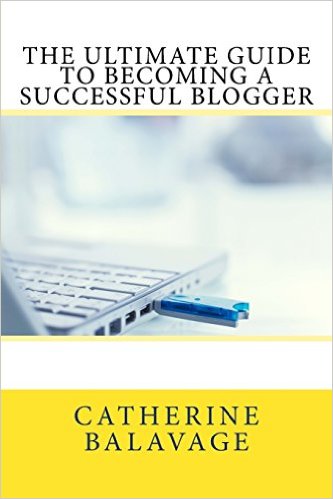
Further excitement as Catherine Balavage, blogger and editor of Frost Magazine will be joining the day to talk about blogging, running a magazine, and her various successful books.

Paul Vates, the brilliant actor, and friend of Words for the Wounded, will be reading from the work of our speakers.

Sharon Bennett will be displaying her art.

Cost £35 (which includes lunch with wine, morning coffee and afternoon tea)

For Tickets, send a cheque or postal order to: (cheques payable to Words for the Wounded)
Words for the Wounded
12 Woodcote Green, Downley, High Wycombe, HP13 5UN
Please include a SAE

Trains from London are frequent, and there are taxis for the 10 minute journey.

www.wordsforthewounded.co.uk

The House at Baker Street by Michelle Birkby Reviewed By Frances Colville

The House at Baker Street by Michelle Birkby Reviewed By Frances Colville

It’s a growing trend to write fiction about the women behind famous men, and a brilliant idea to extend this to write about the women behind fictional characters too; in this case the women connected to Sherlock Holmes and Dr Watson.  The House at Baker Street by Michelle Birkby puts together the scraps of information we learn about these ‘background’ women in the Arthur Conan Doyle stories and gives them a detective adventure of their own.

Both Martha Hudson and Mary Watson are believable characters and the plot is a good one, though not perhaps quite of the standard of an original Conan Doyle.  The book doesn’t have the same period feel as the Conan Doyle stories either, but then why should it?  It was written a hundred years later and doesn’t make any pretentions to be the same as the originals.

As far as I can tell, without extensive knowledge of the Sherlock Holmes books, it fits in well and I didn’t come across any annoying anomalies.  In short, it could have happened!  I enjoyed it very much and I particularly liked the way the scene is now set for further adventures by the same pair of intrepid female detectives.

The House at Baker Street by Michelle Birkby is published by Pan Macmillan and will be available in paperback from 25 February 2016


Does Your Child Need Urgent Medical Attention? By Dr Kathleen Thompson


Healthy children, who have died following a short but severe infection have hit the news recently.

The problem is that young children can become sick within hours. Most recover equally quickly—but, despite best care, some don’t, particularly if they have meningitis or other overwhelming infection.

One year-old William Mead died of sepsis, apparently after ‘111’ staff didn’t appreciate how ill he had become. I won’t comment without knowing all the facts, except to say it can be difficult, sometimes even for experts, to assess whether a small child is seriously ill.

However, as an ex-paediatrician, I do have concerns about telephone diagnosis, whether the 111 service, swine-flu helplines, or GPs asking parents to hold the telephone over a child’s chest so they can hear their breathing (yes I have known this to happen). Professor Neena Modi, a senior paediatrician, has also publically voiced similar concerns recently.

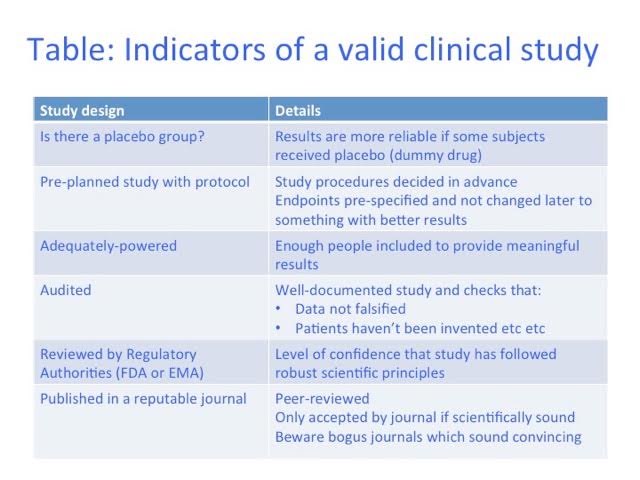
Small children have an immature immune system, and consequently don’t react to, or show signs of, illness in the same way as adults. Whenever I was asked to see a sick child, my first concern was whether they needed immediate emergency treatment, or whether I could take my time, asking more questions and making a detailed examination. The signs in the Table would help me decide, and sometimes I just knew from experience.  I remember assessing a new-born baby, who simply wouldn’t stop crying. Something wasn’t right. We did some tests on the special baby unit—he had meningitis and needed urgent antibiotics. Happily he made a full recovery.

I am not suggesting that every crying child needs an urgent medical assessment—just that signs of illness in babies and toddlers can be subtle, and experience helps.

So how does a parent know whether to seek urgent medical help?

Does Your Child Need Urgent Medical Attention? signsofillnessinbabiesandchildren

The Table provides pointers, however, you know your child, and, even if they don’t shown any of these signs, if you are worried, you must insist they are seen by a doctor—better to ‘waste someone’s time’ than miss a serious infection. As a personal example, I was convinced one night that my young son had meningitis. I rushed him to A&E department, where he made a miraculous recovery, just before my colleague came in to examine him. Embarrassing, but I would do it again.

So if you are worried, what should you do?

Options include:

  • Phone your GP
  • Phone 111 and ask to see a doctor that day (or within the hour if you are really worried)
  • Go to your local A&E department (check first that it is open).

If all else fails, and your child is getting worse, dial 999 for an ambulance.

Although it is important that you are aware of these signs and what to do, please do remember, though, that overwhelming childhood infections are relatively rare. Most infections are not serious, and most times your child will be dancing around the next day.

By Dr K Thompson, author of From Both Ends of the Stethoscope: Getting through breast cancer – by a doctor who knows

http://www.amazon.co.uk/dp/B01A7DM42Q

Further information:

http://www.nhs.uk/Conditions/pregnancy-and-baby/Pages/spotting-signs-serious-illness.aspx

http://www.news-medical.net/news/20120704/Signs-that-a-child-is-seriously-ill-Interview-with-Professor-Middleton.aspx

Note: These articles express personal views. No warranty is made as to the accuracy or completeness of information given and you should always consult a doctor if you need medical advice.


One in Five Women have felt Sexually Discriminated Against in the Workplace

Some bad news on the equality front: a third of working women have experienced discrimination and harassment in the workplace, according to research.

They’ve been spoken over or had opinions dismissed in meetings, received unwelcome comments on their appearance or clothing and been called “woman” and “clever girl”.

The poll of 2,000 working women revealed many have had their work and achievements hijacked by male colleagues or have experienced unwanted touching, brushing or stroking from other members of their team.

One woman lost her job after refusing a marriage proposal from her line manager while another was frequently ordered to make her male colleagues their drinks.

Another reported a male employee was taken on to do the same job as her – and later discovered he was being paid £1,000 more.

And a female shop worker ended up getting unwanted texts from a security guard who went into the manager’s office and took her mobile phone number from personnel records.

Georgina Calvert-Lee, Senior Litigation Counsel at law firm McAllister Olivarius, which commissioned the research to understand better what women are facing in the workplace, said: “It’s sad to hear that these kinds of things continue and are so widespread. It confirms what our clients tell us about their own experiences.

“We’re sure many women will feel as though they are the only ones having to deal with situations like this.

“But we’re certain there will be women out there who don’t actually realise they’re experiencing sexual discrimination or harassment.”

“Sometimes it can feel a bit daunting speaking up; especially if you’re afraid of losing your job for standing your ground.

“But the only way these situations are going to be solved is by making others aware of it and not suffering in silence.”

Of the 42 per cent of women who have ever taken maternity leave, one in 10 said they felt discriminated against when they returned to work.

One mum explained that once she had returned to work after maternity leave her job had ‘disappeared’, and she was given menial tasks which weren’t enough to fill the day.

Another respondent said her manager had told her there was no point in promoting young female staff as “they all leave on maternity anyway”.

One in six women in management said they have been called ‘bossy’ when instructing another member of staff.

Four in 10 women have experienced colleagues trying to turn workplace conversations into sexualised ones.

In fact one in five have felt sexually discriminated against in their current workplace at least once.

Twenty four per cent of women in work have never sought help for the bad experiences they’ve had in at work – but have considered it.

And because of this, many women believe it would make sense to make sure sexual discrimination should be discussed in the work place so it’s recognised a little easier.

Georgina added: “Women who have experienced sexual discrimination and harassment don’t need to suffer in silence.

“It’s illegal, and you can get help. Good companies want to fix it. Other companies can be persuaded by legal action”.

McAllister Olivarius is an international law firm representing people who face discrimination in their professional lives.


TOP 10 MOST FREQUENT DISCRIMINATION AND HARRASSMENT INCIDENTS IN THE WORK PLACE FOR WOMEN


1. Been spoken over of had their opinion dismissed in meetings

2. Received unwelcome comments on appearance or clothes

3. Been called “woman”, “clever girl” or other dismissive terms

4. Been asked to make tea or run errands more than male colleagues

5. Felt unable to complain about being treated unprofessionally for fear of being accused of being oversensitive

6. Been referred to as ‘bossy’ due to instructing another member of staff

7. Been judged / commented on for their sexual attractiveness

8. Having credit for their work taken by male colleagues

9. Been assumed to be the assistant / PA or lower ranking member of staff

10. Experienced unwanted touching, brushing or stroking from other colleagues