SISTER SCRIBES GUEST: LORNA COOK ON THE IMPORTANCE OF WRITING BUDDIES

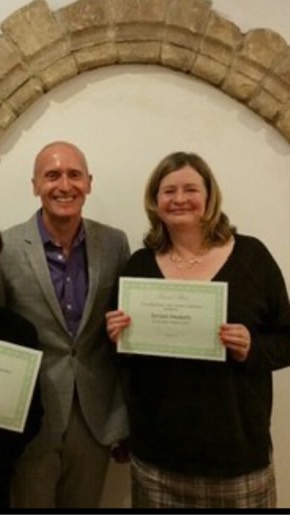
I love this post, it sums up everything I have found to be true of the writing community. After reading and loving The Forgotten Village, I was lucky enough to meet Lorna at the Joan Hessayon Award this year, which she deservedly won. She was an absolute joy – funny, friendly and unassuming – and I cannot wait for her next book. 


When I started writing my debut novel, The Forgotten Village, I had zero writing buddies. Not one. I had just had my second child and we were going through that odd stage together where she slept most of the day (and not at all at night!). It left me slightly frazzled, very jaded and I was left to my own devices while my hubby went out to work and I took maternity leave. I joined lots of little groups with my tiny newborn but I sorely missed colleagues. And that joy of real human interaction that has nothing to do with nappy-chat was hard to find.
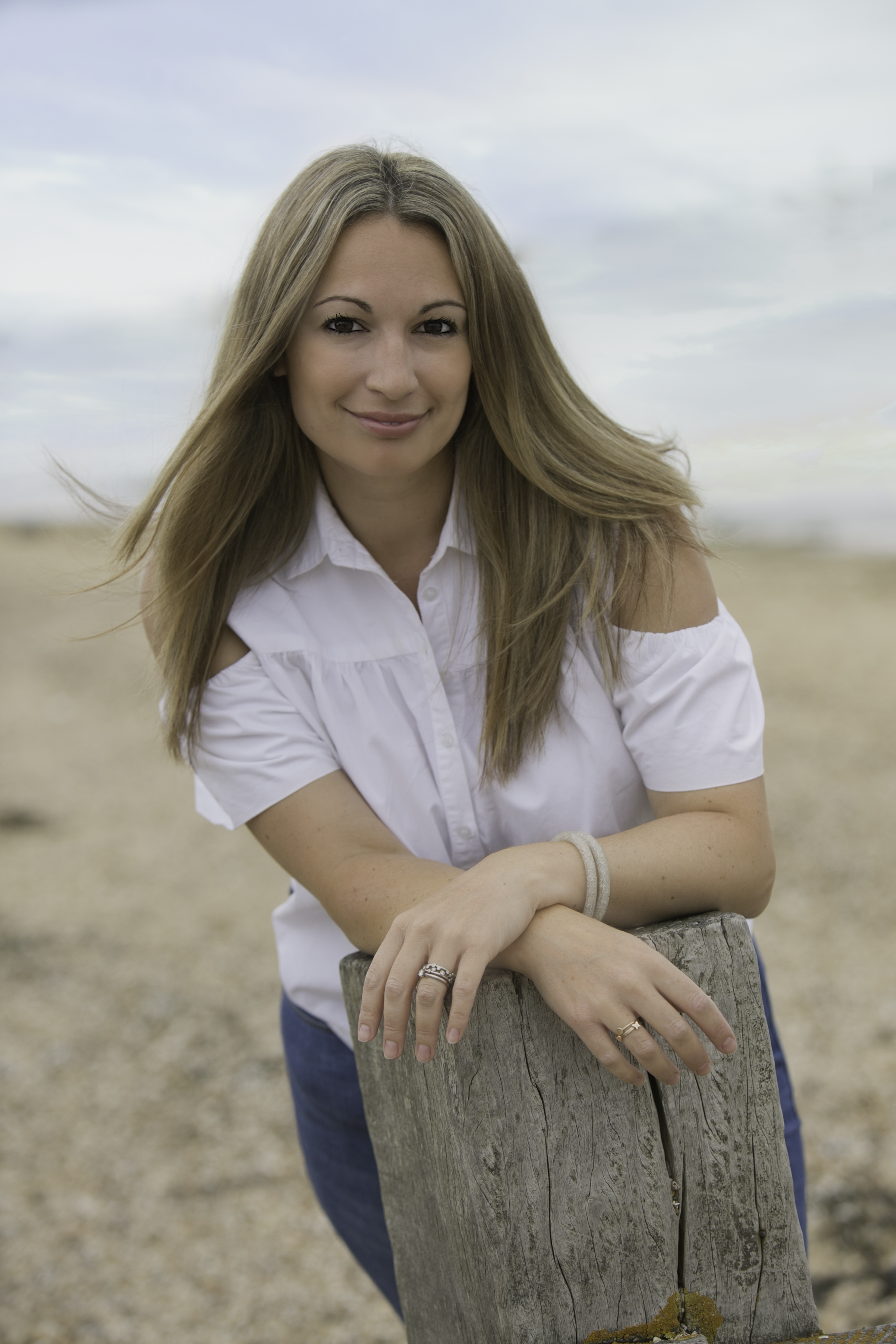
Don’t get me wrong – I did not go through the equal amounts of pain and joy of writing a novel so I could make chums. That was the happy by-product of this crazy and often misunderstood realm of fiction writing. And it is misunderstood. When I very quietly, very cagily, tell people I write novels it is only because someone has asked me directly ‘So, Lorna, what do you do for a living?’

And then begin the questions about how much I earn and if I am the next JK Rowling. Every single time. Praise be for The Romantic Novelists’ Association. I’m not sure I’d be quite as sane (manic laugh) as I am now without the RNA and the wonderful friends I’ve found there who just get it.  I joined the RNA’s New Writers’ Scheme in 2017 and no one ever made me feel as if I ‘wasn’t quite one of them’, because I was unpublished. I had found likeminded souls, who knew the pain and pleasure of being a novelist. Most of them were also unpublished like me and we’ve had many an hour of gossiping about industry one-to-ones at the RNA conference, about disastrous critiques from independent editors and the sheer joy of meeting new people.

I joined the RNA’s Chelmsford Chapter and was made to feel instantly welcome. I try to make it to all the lunches, which are once a month so I can share in dramas and pain, excitement and what everyone is working on at the mo. It’s brilliant. I always come away motivated. As a result of the Chelmsford Chapter, a few of us have formed a breakaway writing group called … wait for it, ‘Write Club’. You think we’d be better at puns than this – what with being writers, but there it is.  And once a month we meet and share in the ups and downs, as well as helping each other with our current WIPs.

I owe so much of my sanity to the RNA and the friends I’ve found there. Honestly, I don’t know where I’d be without it.


LORNA COOK lives by the coast with her husband, daughters and a Staffy named Socks.  She is the 2019 winner of the RNA’s Joan Hessayon Award for her debut novel The Forgotten Village, which sold 150,000 copies and reached Number 1 in the Kindle Chart. Her second novel, The Forbidden Promise, is out in spring 2020. A former journalist and publicist, she owns more cookery books than one woman should and barely gets time to cook.

@LornaCookWriter (Facebook) @LornaCookAuthor (Twitter) @LornaCookAuthor (Instagram)  http://www.lornacookauthor.com
SISTER SCRIBES: KIRSTEN HESKETH IN PRAISE OF WRITING GROUPS

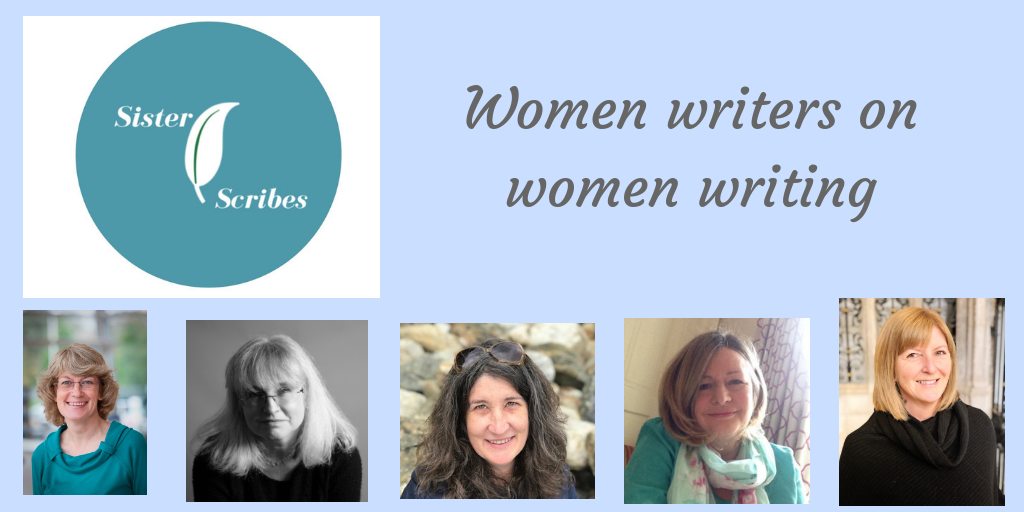
Writing can be a lonely business and much has been written about writers seeking out other writers online. I’m a member of several online writing groups. I’m writing this article as one of the Sister Scribes; five writers who met through the RNA and banded together to become – hopefully – more than the sum of our parts. Then there’s the LLs – aka the Literary Lovelies – a group of writers who met through Twitter. Over the past four years, we’ve chatted most days, virtually cheering each other up and spurring each other on in our quest for world domination … er, publication. Geographically we’re scattered from Devon to Scotland via the home counties and Wales, but everyone makes a real effort to get together for lunch in London and the occasional retreat. Then there’s the informal support group that sprang up during Nano, another one that vents about politics, writers that met at the RNA conference, others that met during a virtual editing course … Wow – reading back through that lot, it’s a wonder I have enough time to do any writing at all!

All these groups have several things in common. We are all novelists- mostly writing romance or sagas or women’s commercial fiction. We are all – with a couple of honourable exceptions – woman. Most are seeking a publishing deal. And we are all – or mostly – ‘of a certain age’!

Which is partly why I love being part of my local writing group. I’ve been a member of Reading Writers for the past three years. It meets on the second and fourth Wednesdays of the month and it is gloriously diverse …. in age, gender and writing predilections. People are writing crime and thrillers, fantasy and sci fi and genres I’d barely heard of before. Many are busy with short stories or flash fiction or poetry or memoir. Lots have – or are planning to – self-publish. Some are biding their time while they learn about the craft of writing.

It all makes for a wonderfully vibrant and exciting group, one that pushes you outside your comfort zone and makes you look at your own writing though fresh eyes. I’ve written before about our ad hoc writing sessions in Coppa Club where a small group of us will meet for a morning to put our writing worlds to rights – before cracking on with the wordcount. A workshop on poetry and another on writing using all the senses really encouraged me to reassess my prose. The one on plotting had me stocking up on multi-coloured Post It Notes. Everyone other meeting is a ‘manuscript night’ where you are encouraged to submit 1,000 words of your WIP – the feedback is robust but invaluable – for example, last time, the 20 and 30 year olds in the group told me exactly why and how the online dating world is not how I had described it #imadinosaur #whoknew?. There have been book launches and pub visits and days out and going to the pantomime that one of the members had written.

And the competitions! Twice my short stories have come second – anonymously judged by external authors or journalists – and both times it was genuinely thrilling – the first and only times my writing has ever won anything. The certificates still have pride of place on the fridge.

All in all, it’s a fabulous group and I’m very proud to be a member of it.

The current treasurer’s a bit rubbish though 😉


SISTER SCRIBES’ READING ROUND UP: NOVEMBER

Jane:

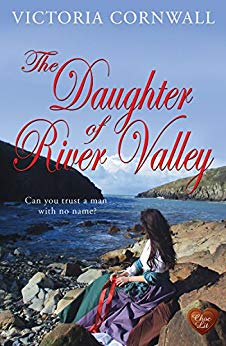
My first read of the month was The Daughter of the River Valley by Victoria Cornwall and I enjoyed this book so much. It drew me in from the beginning – it was so refreshing to read a story set in Victorian times with a fiery female working class character, and which wasn’t unrelenting doom and gloom. Well written and meticulously researched, I absolutely loved it.

I’ve had a real historical month and also adored Tracy Rees’ Darling Blue (now republished as The Love Note). Set in Richmond in the 1920s it charts the stories of three women, during a year when each of their worlds changes beyond recognition. The cast of characters is beautifully drawn, and rather than being a predictable flapper-fest, the novel addresses some of the important issues of the day, including the way the First World War changed both people and society. But for all that it isn’t a heavy read; it’s sensitive and joyful and at times impossible to put down.

Finally, in the name of research, I read Alice Chetwynd Ley’s A Reputation Dies. It’s a detective story set in London in 1815 and her use of period language is so rich it was a joy to read. I felt completely immersed in the period and enjoyed this historical cosy crime very much indeed.


Kirsten:

I love historical fiction and I was late to the party with  Year of Wonders by Geraldine Brooks. It was published in 2002 and was recommended to me several times before I finally grabbed myself a copy. The book is set in 1666 and it’s based on a true event. The Great Plague has reaches the quiet Derbyshire village of Eyam through a contaminated piece of cloth that has been sent to a tailor from London. It’s the only place in the region that’s been affected and the villagers make the extraordinary decision to isolate themselves totally so that the plague cannot spread further – so no one allowed in or out until the plague has run its course or everyone has died. This story is told through the eyes of 18-year-old Anna Frith as she confronts ‘the loss of her family, the disintegration of her community and the lure of a dangerous and illicit love’. I loved it. It’s sad and interesting and touching and fascinating and I had no idea that anything like this had happened. I wonder how we’d have reacted in the same situation.


Susanna:

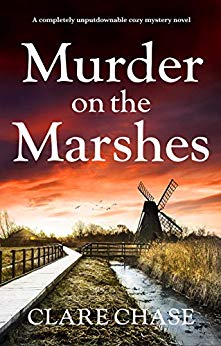
The first two novels in Clare Chase’s Tara Thorpe series, Murder on the Marshes and Death on the River, are set in and around Cambridge and the Fens. In the first book, Tara is an investigative reporter, while in the second, time has moved on and she is now a police officer, which makes an interesting transition that adds depth to the story. The plots are clever, with twists, atmosphere, pace, a range of well-fleshed-out characters and plenty to make you think. The settings in the books are beautifully conveyed and show Clare Chase’s skill as a writer. I enjoyed the chemistry between Tara and Garstin Blake and when I read the second book, I longed all the way through for Tara’s nasty colleague to get his comeuppance. There are two more Tara Thorpe books (Murder Comes to Call and Death in the Fens) and I’m looking forward to reading those.


SISTER SCRIBES: SUSANNA BAVIN ON WHY WE NEED LIFE-AFFIRMING STORIES

Certain types of books have a way of touching readers on a very personal level. For example, starting-again stories are deservedly popular. Who hasn’t at some point said to themselves, “If I could go back and do it all again…” or words to that effect? Call it a natural thought process based on experience or disappointment; call it pure fantasy. The point is that wondering “What if…?” it is part of the human condition and starting-again novels speak to us in a direct way that we can all relate to. One such book is the wonderfully funny and fulfilling The Summer of Second Chances by Maddie Please. Written with a light touch and plenty of chuckles along the way, this is a witty romp that deals with serious themes that add depth to the story.

Another type of book that touches readers in a similar way if the life-affirming story, the sort of book that touches on the strength of the human heart, and encompasses the resilience of the individual and a basic belief in goodness and hope.

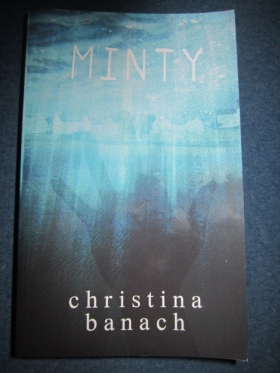
Take Minty by Christina Banach. This is a YA book, but, as an adult reader, I was completely drawn into it. It deals with the difficult subject of death and bereavement and is beautifully observed and deeply moving. As well as tragedy and grief, there is also humour and wit and both the characterisation and the depiction of relationships are both spot-on. The book’s ending is an extraordinary piece of writing, being both heartbreaking and uplifting, and it will take your breath away. In spite of Minty’s central topic, we are very much in life-affirming territory, thanks to Christina Banach’s skill and empathy as a writer. (If this blog makes you buy the book, I’ll know when you are all reading the ending, because shares in Kleenex will go through the roof.)

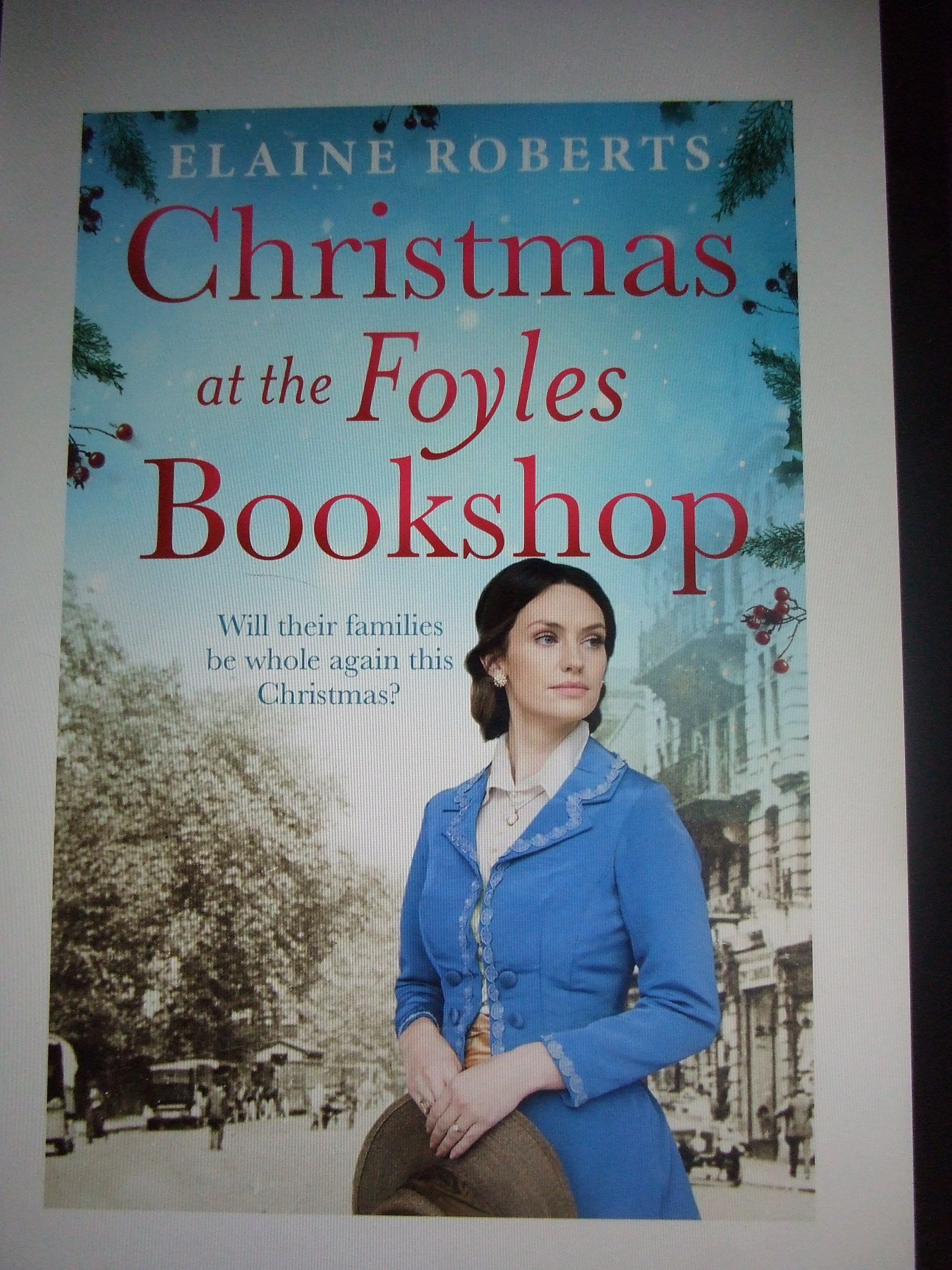
Recently I read Christmas at the Foyles Bookshop by Elaine Roberts. This is the last in a trilogy set in the early part of the 20th century, about three friends, Alice, Molly and Victoria, with each girl taking centre stage in one of the stories. Right from the beginning, the girl I most wanted to read about was Victoria, whose parents died tragically when she was just sixteen, at which point she had to assume responsibility for the younger children; but I had to wait until the final book to delve into her life and find out the answers to all those questions. Victoria has known her share of heartache and now she faces the challenge of a family mystery. Set against the backdrop of the First World War, Christmas at the Foyles Bookshop is an emotional story, filled with love and loss, friendship and family, mystery and duty, heartache and hope. Elaine Roberts has written a heart-warming and engrossing saga that rounds off the trilogy perfectly. It gradually builds up to a gloriously satisfying ending brimming with that special life-affirming quality that, put simply, makes the reader feel good about the world.


SISTER SCRIBES: KITTY WILSON ON WHY SHE WRITES ROMANCE

I was due to speak as part of a panel on Why I Write Romance at Exeter Literary Festival the other day, and knowing that my Sister Scribes post was due I thought I could write about speaking at such events. Unfortunately, chronic ill health meant I was unable to go and thus my intentions disappeared into the ether.

But all was not lost, jotting down my thoughts on why I write Romantic Comedy I inadvertently wrote an essay of over 3,000 words. Too many for here but I can at least share my number one reason for loving romance with you.

Simply put, I love the sheer humanity of romance. Romance is universal, most of us have a desire to find a partner, someone you can share your life with, grow old alongside. But the ability to be a calm, confident and capable individual in life is often lost when faced with someone you are attracted to, even if you didn’t realise you were attracted to them until you start stammering and the flush of your face is radiating like a beacon.

I’ve learnt that no matter how golden or blessed someone appears to be, they usually share this awkwardness, self-doubt is at its height when it comes to meeting a potential partner, self-sabotage often unwittingly kicks in and age does not always make us worry less.

Oh my god! Did I just say that? I said that out loud? Now I’m going to go home and worry for three days.

The adolescent fear – my face is covered in spots and my sibling did something mortifying in school – they’ll never fancy me now, I may as well never leave the house and just curl up in a corner and die.

The slightly older fret – how can anyone love me with a saggy tummy and too much grey hair, I’m nowhere near as attractive as I was when I was in my twenties (although I’d argue actually you’re heaps more attractive but that’s a tangent I’ll get lost in for hours) they’ll never fancy me now…and repeat.

Romance as a genre reminds us everyone feels like this and we are not alone. The playing field here is level. Romance is relatable. Really relatable.

I love a literary novel and am in awe of how those writers deal with topics of race, gender, class, poverty, abuse, justice and so on and when I read literary fiction I feel clever and worthy because that’s how attitudes over the years have conditioned me to feel but romance is what I want to read.

I want to read about the heroine battling with the mundane, the washing machine that’s broken just as she’s stained her best dress and is due to meet the person of her dreams for their first date. I want to read that the dog has just pinched the dinner our hero or heroine has spent hours slaving over and it is now being vomited up over the living room – these things make me feel less alone, make me feel comforted. They make me feel reassured (and thus able to giggle) about my own life which is largely spent in the house dealing with domestic catastrophes rather than my imagined-and-never-quite-realised life trekking across continents being glamourous.

Romantic comedy reminds me that we all have our insecurities, we all have our everyday tribulations, sometimes we can be our own worst enemy but we are all in this together, we all share these emotions but hopefully, like the protagonists of romantic comedy, each day we grow and with that earn our own personalised happy-ever-after.

SISTER SCRIBES GUEST: CLARE FLYNN ON THE BENEFITS OF A CRITIQUE GROUP

I’m delighted to welcome Clare Flynn as my guest. Clare is the author of ten historical novels and a short story collection, and we met over dinner on the opening night of my first ever RNA conference a couple of years ago. Today, she sharing her thoughts on the benefits of critique groups for writers.

Soon after leaving London for the beautiful South Downs and Sussex coast, I had the good fortune to come across two fellow members of organisations I’m in – the Romantic Novelists Association and the Historical Novel Society. One is an author and the other an editor with authorial aspirations, both Eastbourne residents. We decided to set up a critique group and subsequently two more authors have joined our posse. We five now meet every Friday afternoon at a seafront hotel.

Our aim is to offer mutual support and encouragement, share tips on marketing and publishing, and most of all to give constructive criticism of our work. None of us wanted to do workshop style exercises, as apart from the editor we are all published – two of us hybrid, one indie and one trade. What we all have in common is the desire for a sounding board and some tough love during the writing process.

A few days before our weekly meeting, we email each other the extracts we want to review, usually a chapter of around 2,000 words so we get a chance to read them all at leisure. Everyone prints off a copy of each submission annotated with comments and brings it to the session.

We used to read the work aloud but it became too time-consuming and we have so much else to talk about. Instead, we take each submission in turn, with each person offering their comments. The criticism is always constructive and now we know each other well we don’t pull our punches. All of us share a desire to help each other produce the best work possible.

We have had short stories as well as extracts from works in progress. We use the approach of Adopt/ Adapt/ Reject, although most of the feedback makes eminent sense and is mostly acted upon.

Some examples of changes made as a result of feedback in these sessions:

  • Inconsistencies of character,
  • Lack of tempo and pace
  • Anachronisms and clichés etc
  • Details such as titles, uniforms and spotting costume gaffes
  • Metaphors that don’t work or take one out of the story
  • Making awkward sentences flow
  • Avoiding repetition
  • Spelling and grammar
  • Identifying a character going to sit down when they were already seated (it happens so easily!)

Not everyone submits an extract every time if they don’t happen to have a piece ready to review, but the weekly meetings act as a spur to getting the next chapter ready.

The group has been going now for nearly four years. Thirteen published novels have emerged so far from our sessions. This early input identifies any major issues before the final draft is released to the editor, agent and beta readers.

We meet in one of the public lounges and I often wonder what unsuspecting hotel guests think when passing by as we respectable looking women of a certain age hotly debate the choreography of a sex scene or the best way to kill someone off.

There’s always plenty to talk about as well as the work. We share publishing news, marketing ideas, gossip and plans for attending conferences and industry parties. It’s a very supportive and encouraging group.

The writer’s life is by definition a solitary one for much of the time, so having a weekly gathering to share triumphs and setbacks is an absolute godsend.


Clare Flynn is the author of ten historical novels and a short story collection. Her latest novel, The Pearl of Penang, set in Malaya in 1939 through to the end of the war with Japan, is now available for pre-order.

Website http://www.clareflynn.co.uk

Twitter – https://twitter.com/clarefly

Facebook – https://www.facebook.com/authorclareflynn


SISTER SCRIBES’ READING ROUND UP: OCTOBER

Kirsten:

I haven’t been reading very much lately – I’ve been wrestling with proposals and second drafts and teenagers – but one book I have read and very much enjoyed is Bonnie and Stan by Anna Stuart.  It’s a story of mature love and the premise is that after over 50 years together, Stan – who still adores his wife – starts dating again.

In a dual time-line. Bonnie and Stan met during the Swinging Sixties, to the soundtrack of The Beatles and the Merseybeat scene. Bonnie’s the only woman on her architecture course and Stan is in a band. This bit is great fun –music and fashion and energy and sex and working out which one of the band members will end being Stan because they all have nicknames.

In the present day, the two have grown old together, had children and grandchildren. This bit happens at the beginning so I’m not giving anything away but Stan has cancer and is running out of time, and can’t bear the thought of leaving Bonnie on her own so, with his teenage granddaughter Greya, he sets out find Bonnie a new love. And it must remain a secret …

I thought it was a fabulous book – ultimately uplifting but with moments of real terror and fury and vulnerability.


Susanna:

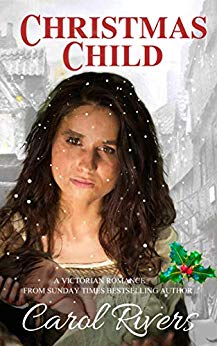
One of the things I love and admire about books by Carol Rivers is that, while some authors get a bit stale and produce books that feel samey, Carol always writes something fresh, using new ideas, at the same time as remaining true to the drama and strong sense of personal relationships that characterise her books. Christmas Child is a story for any time of year, not just for the festive season.

An emotional and enthralling tale, it follows Ettie as she faces up to life’s dangers and challenges and learns the hard way that not everyone deserves to be trusted. I love stories set in Victorian times and I’m delighted that Carol Rivers has, for this book, left behind her customary 20th century setting and moved into the 19th century. I hope there will be more Victorian stories to come from this wonderful writer.


Jane:

I went on holiday last month and as such had a little more time than usual to read, so a couple of books I’d been wanting to get my teeth into for a while came to the top of my TBR pile.

The first was Liz Fenwick’s The Path to the Sea, a truly absorbing book, well researched with the strands of the story pulled beautifully together. It is set in 1962 and 2018, with a clever structure that means the action is set over the same three days of both years, flipping between them, but taking events sequentially in both. It must have been an absolute sod to write, but it’s so beautifully managed it never feels contrived and I was caught up in the story rather than the way it was told, which is exactly how it should be.

Three generations of women come together at Boskenna for the last time, both bound together and torn apart by the secrets and lies between them. It’s a fabulous story, but what I loved the most was that important thing wasn’t what had happened, but why.

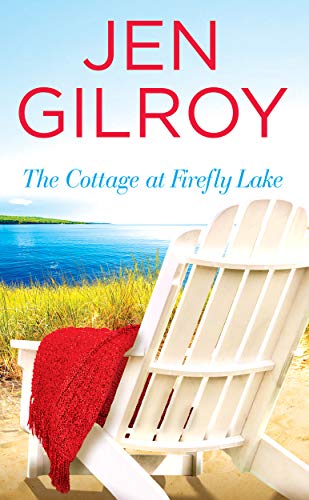
The second book was Jen Gilroy’s The Cottage at Firefly Lake. Far more of a traditional holiday read, it’s a heart-warming small town romance set in Vermont and featuring realistically scarred characters you want to alternately hug then knock their heads together. Two sisters return to Firefly Lake after eighteen years to sell their late mother’s cottage and more than just old passions are ignited in this beautiful place. The book’s just perfect for readers who love a truly emotional romance.


My Writing Process – Karen King

writing, my writing process, I’ve always been a bit of a planner, mainly because when I started my writing career over thirty years ago I wrote for teen magazines and children’s comics and had to send a synopsis of the story first, for approval. Now I’m living in Spain I write mainly romance novels but I still send a synopsis of the story I’m planning to my editor. She will make comments and we’ll flesh out the plot between us before I start writing it up.

I really like to know my characters before I write the story, and often trail Pinterest boards for photos of people that look like my characters, print them out and put them in my WIP folder so I have an image of them while I write. I also create a Pinterest board for every book I’m working on, looking for images that are connected to the story and repining them to my WIP board. I find that really helps me to brainstorm. Once I feel I know my characters well enough I start to write, freewriting the story as it comes and not stopping to edit or correct until I’ve finished.  Then I leave it for a couple of weeks (unless I’m on a tight deadline) then go back and edit it. 

I usually do four different edits, first I read all the way through to get the feel of the characters and story. I make comments in the margin or underline anything I want to change but don’t alter them at this stage. For the next set of edits I work on anything that I’ve marked up and pay particular attention to the story structure and timeline. For the third set of edits I pay attention to characters, dialogue and setting and for the final set of edits I look out for typos and grammatical errors. I’m now lucky enough to work for Bookouture, and we’re usually on a tight deadline so they ask for the first draft, then get back to me with their comments, which works really well. I always find it helpful to get their advice and guidance into making my story stronger.

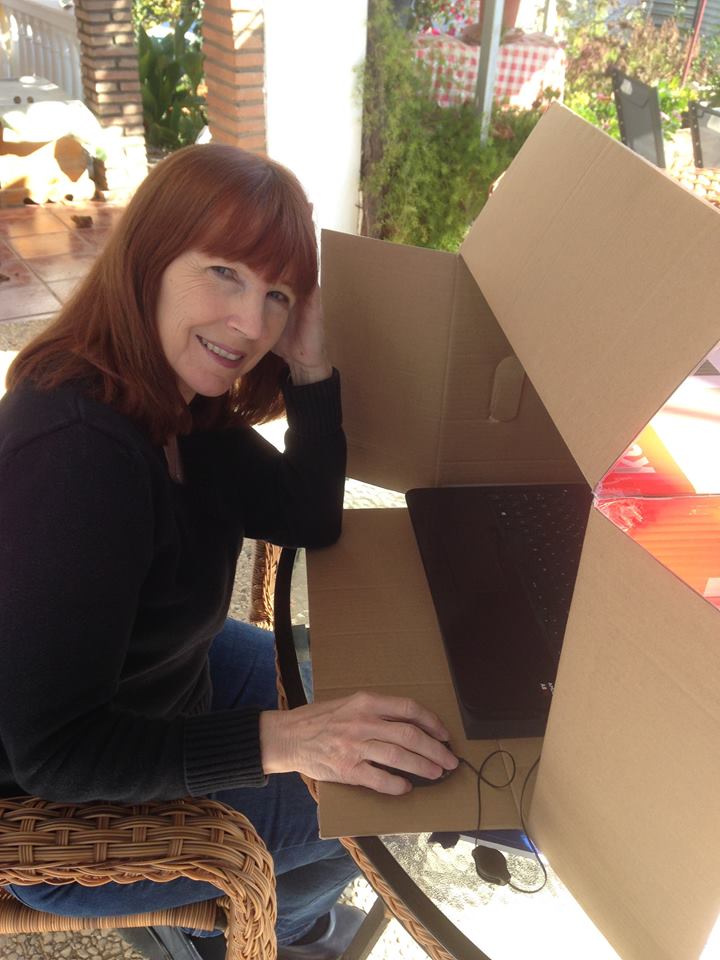
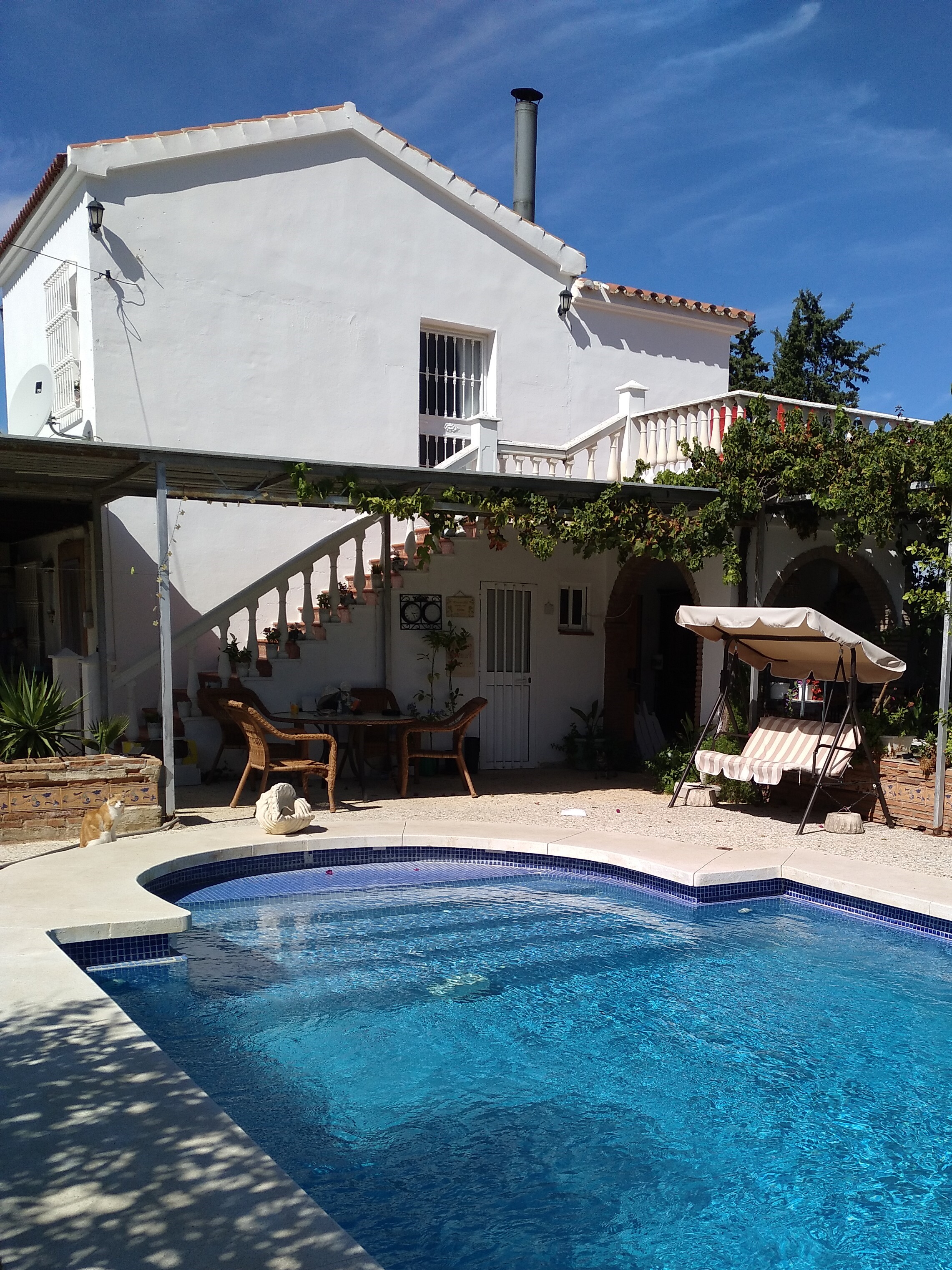
I find I work best in the morning so ideally like to get up, grab some breakfast and start work for a few hours. I write most days and don’t usually have a word count I’m aiming at unless I’m on a tight deadline, then I’ll work as and when I can during the day, and late into the evening too until I meet that wordcount (it can be anything from 2-5,000 words).  I mainly write in my upstairs office which is in the studio apartment on the terrace but can also be found writing by the pool with my laptop in a box to keep the sun off my screen, or at the dining room table. I can write anywhere really, as long as I have my laptop, or a notebook and pen. 

If I get Writer’s Block I simply carrying on writing until the story flows again, then delete any rubbish I’ve written to get me there. Which is why my advice to new writers is – stop faffing about and just write! You can edit afterwards, the main thing is to get your story down.

Contact Links

Website: http://www.karenking.net/

Twitter: @karen_king

Karen King Romance Author Facebook Page

Karen King Young Adult Books Facebook Page

Pinterest: https://uk.pinterest.com/karenkingauthor/

Instagram: https://www.instagram.com/karenkingauthor/?hl=en

Single All The Way

Blurb

Snow is falling, bells are ringing… and my heart is broken. I pick up the phone to tell my mother about Oliver and me. But before I can, she says, ‘I don’t exactly know how to tell you this… But I’m leaving your dad.’
Single together for the first time, 34-year-old Meg and her warm-hearted, long-suffering mother Sally are cancelling Christmas, and running away to a tiny cottage on the Cornish coast. For Meg, it is the perfect place to heal, away from all the mistletoe, while for her mother it has a special, and secret, place in her heart – from a love story that seems a lifetime ago…

Meg and Sally find they’re getting to know themselves, and each other, better than ever before. But as they are unable to resist getting involved in the village Christmas celebrations, they encounter two handsome local strangers.

Sometimes, it’s being away from home that helps you realise where your heart is. What neither woman knows is that, by the time the new year rolls around, one woman will have fallen in love with her husband all over again, and one marriage will be over for good…

An escapist, romantic and heart-warming novel for fans of One Day in December and No One Cancels Christmas.

Buy links

AMZ: https://geni.us/B07XDYL7GHCover
Apple Books: https://tinyurl.com/y4dkhrvl
Kobo: https://tinyurl.com/y6apzqe2
Googleplay: https://tinyurl.com/y5hc6nfn