The Santiago Sisters by Victoria Fox Book Review

The Santiago Sisters by Victoria Fox Book Review

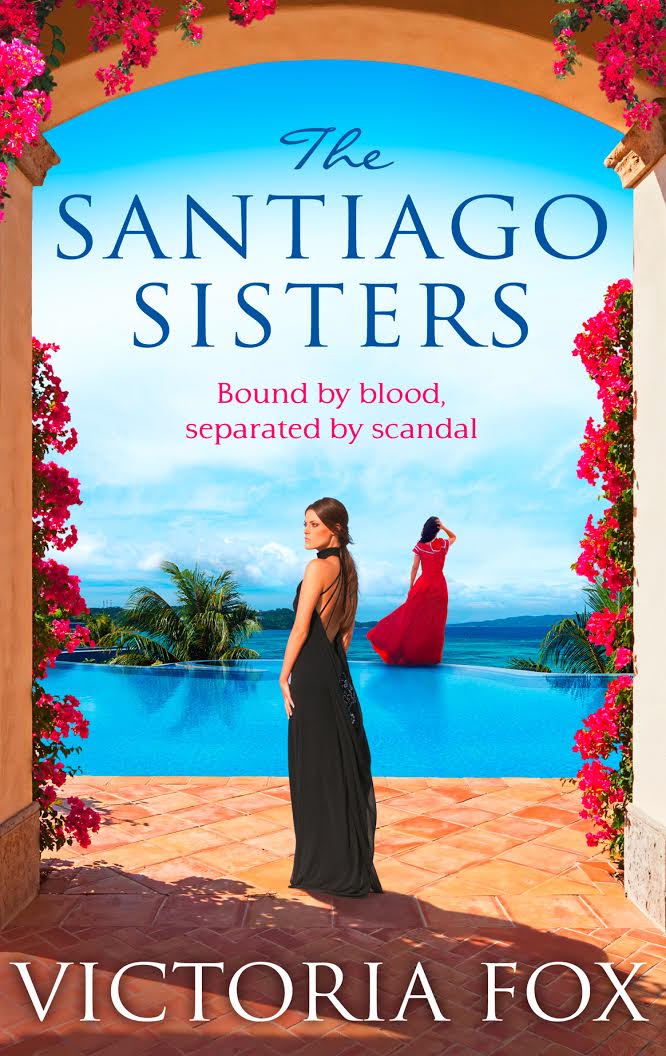
This is another glitzy extravaganza from Victoria Fox, just right for the summer.


Now, now, stop your fussing, we might just get one.


Not only is this a pacey and exciting read, but Fox’s writing romps away from the beginning. Let me quote:


She wondered, sometimes, if they had started off as one person. All things combined, until a silver blade entered their mother’s womb and curled them apart. 


 Isn’t that ‘curled’ sharp  and well imagined. And so it goes on. Buy it, whether the sun is out or not.


So what is it about?


When Argentinian twin sisters Calida and Terisita Santiago are separated aged fifteen they think they will never see each other again. Wrenched from her poor but happy life on their family farm Terisita is adopted by world-famous British actress Simone Geddes, who plans to make her into a superstar actress and showers her with all that money can buy. Terisita, who has spent her childhood reading Mills & Boon novels, is in her element and on the road to becoming one of the world’s most loved movie stars.


Betrayed by her sister,, Calida vows that no matter how famous or successful her twin sister becomes, she will fight her way to the top and take on Terisita. So, have camera, will travel. And Calida does, through the ranks of the world of fashion photography.


The rest you will have to read for yourselves, but I reckon it could well be your cup of tea, or glass of champagne.


Harlequin Mira: July 28th. Paperpack original £7.99


Tiny Prisoners by Maggie Hartley – Reviewed by Frances Colville

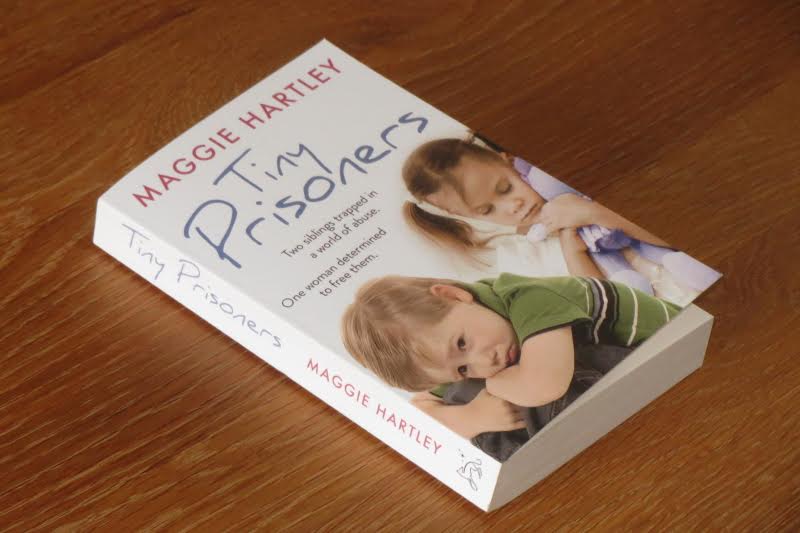
Pic 1 I normally try to avoid books with this sort of strapline - Two siblings trapped in a world of abuse. One woman determined to free them - partly because the horrors unfolding make for very uncomfortable reading and partly because with the best will in the world there seems to be a tendency to veer towards sensationalism. With Tiny Prisoners by Maggie Hartley however, the latter is absolutely not the case. I think this is largely because the story is told from the point of view of Maggie herself, foster carer to Evie ( 2) and Elliot (3) who have witnessed extreme abuse and been neglected and isolated throughout their short lives. Maggie relates her story and theirs in a matter-of-fact and understated way which feels very honest and is therefore all the more compelling. So even if like me you wouldn't usually pick up a book like this, I do recommend that you give it a go - you cannot fail to be moved, saddened, horrified and ultimately uplifted. And also like me, you won't be able to help admiring Maggie hugely. What an incredible woman she must be. Tiny Prisoners by Maggie Hartley is published by Trapeze on 28 July 2016 in paperback at £6.99 and eBook at £4.49

I normally try to avoid books with this sort of strapline – Two siblings trapped in a world of abuse. One woman determined to free them – partly because the horrors unfolding make for very uncomfortable reading and partly because with the best will in the world there seems to be a tendency to veer towards sensationalism. With Tiny Prisoners by Maggie Hartley however, the latter is absolutely not the case. I think this is largely because the story is told from the point of view of Maggie herself, foster carer to Evie ( 2) and Elliot (3) who have witnessed extreme abuse and been neglected and isolated throughout their short lives. Maggie relates her story and theirs in a matter-of-fact and understated way which feels very honest and is therefore all the more compelling. So even if like me you wouldn’t usually pick up a book like this, I do recommend that you give it a go – you cannot fail to be moved, saddened, horrified and ultimately uplifted. And also like me, you won’t be able to help admiring Maggie hugely. What an incredible woman she must be.


Tiny Prisoners by Maggie Hartley is published by Trapeze on 28 July 2016 in paperback at £6.99 and eBook at £4.49


In Search of the Past – A visit to the Somme Part 1 by Penny Gerrard

Frost Magazine is conscious that this year, 2016, marks the centenary of the The Battle of the Somme, which  lasted from July 1st to November 18 1916, with huge loss of life. We are enormously moved and delighted that writer, Penny Gerrard, has written a series of features for us centred around this event, which we will publish over the following weeks.

In Search of the Past – A visit to the Somme Part 1  by Penny Gerrard

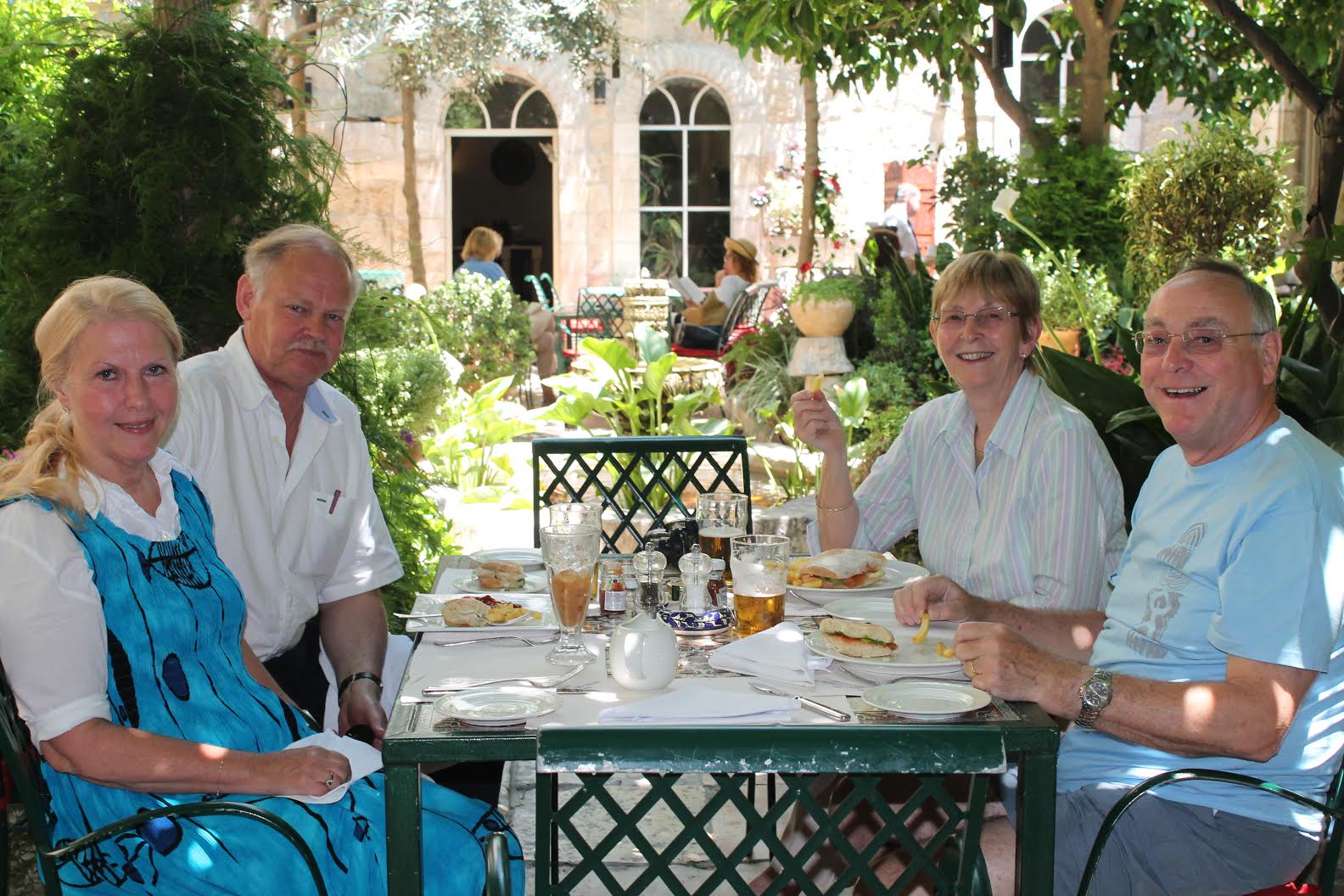
In May of 2014 the germ of an idea was born. Two couples met on holiday and hit it off. The two chaps’ conversation turned to military history and an ambition was shared:  to visit the battlefields of the Somme to track down the sites where their family members had fought and, in some cases, died.   
In Search of the Past – A visit to the Somme Part 1 by Penny Gerrard1

“The Hodsons and the Gerrards meet in May 2014”

It was clear that 2016 was going to be an important year – 100 years since this beautiful area of France was torn apart by the First World War.  Boys and men on both sides battled in awful conditions and came home physically and mentally scarred, or failed to return at all, often with not even a grave to mark their passing.

It wasn’t long before research was under way.  My husband, Francis Gerrard, was looking to visit the grave of his uncle, Gilbert Sexton, a private in the Buckinghamshire Battalion of the Oxfordshire and Buckinghamshire Light Infantry and wanted to establish just how he died.   Was he gassed as had been handed down through the family for the past century?

Richard Hodson‘s ancestors were a very different kettle of fish with three of four being career soldiers to be tracked down – their ranks ranging from 2nd Lieutenant, via Lieutenant, to Captain and, most senior of all, Lieutenant Colonel.   Could he find out enough to enable us to visit the key battle locations as well as one grave and one memorial to those whose bodies were never found?

In Search of the Past – A visit to the Somme Part 1 by Penny Gerrard2

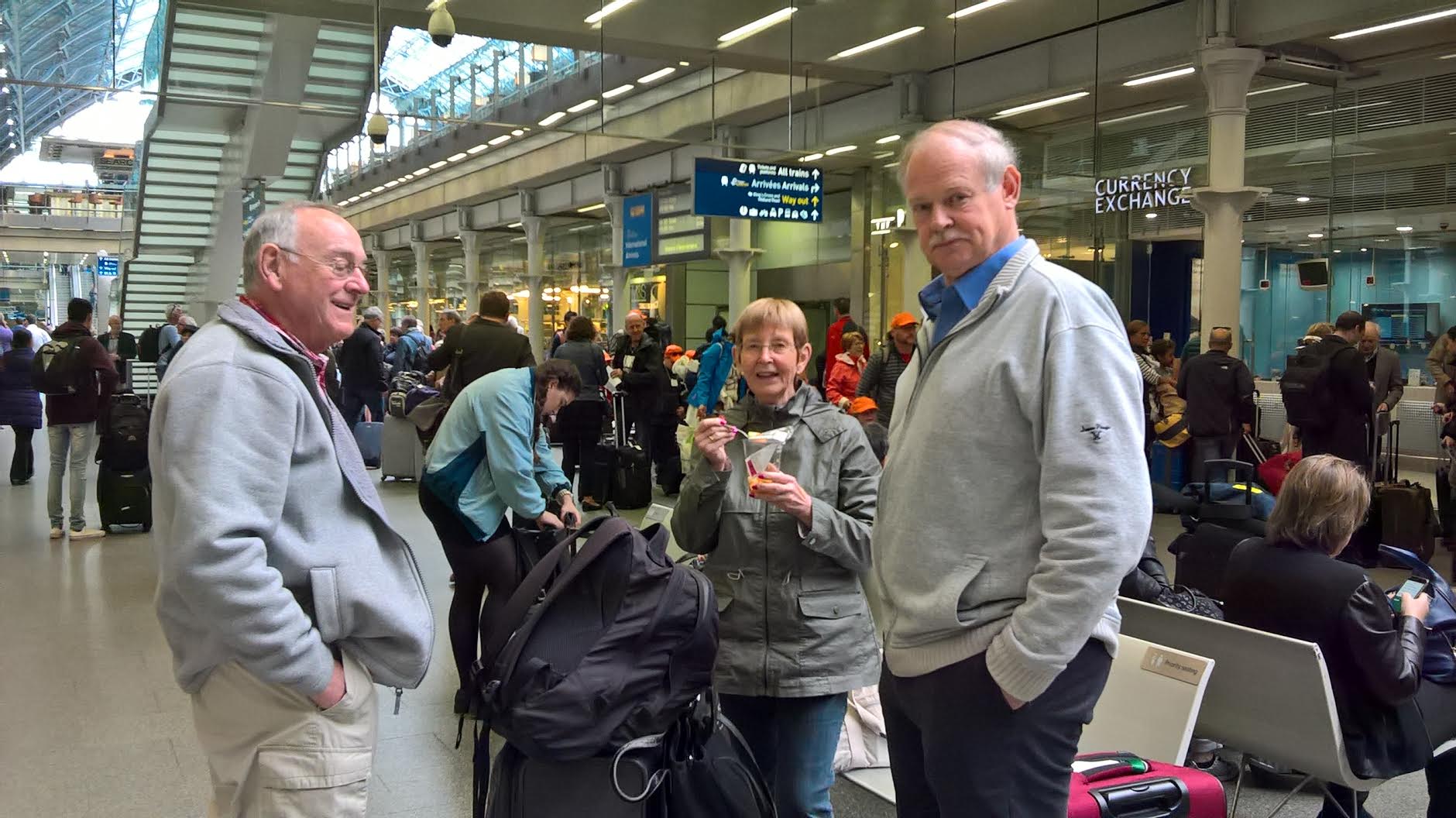
 “Rendevouz at The Eurostar Terminal at St Pancras”

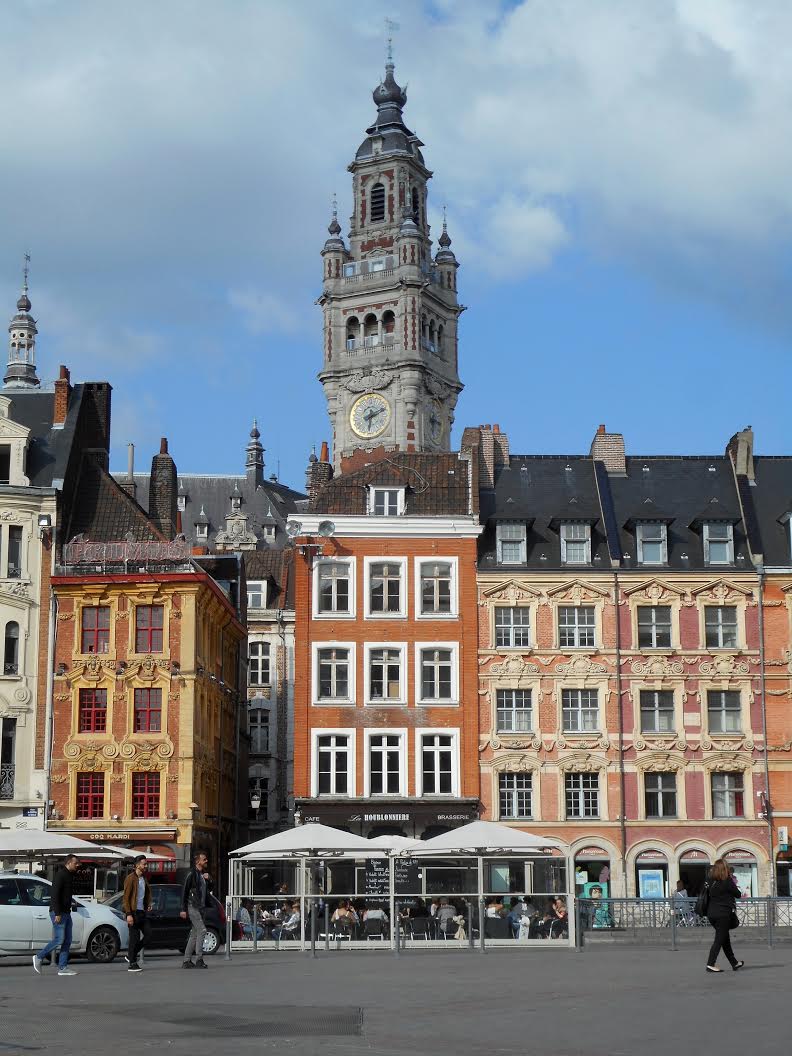
May 2016 saw both couples, Richard and Judy (no not them) and Penny and Francis, joining forces at St Pancras Station for what was to be our first trip on Eurostar.   The train glided sedately through the Kent countryside, then dipped down into the tunnel under the channel before getting its second wind and revving up to full speed for the short dash onwards to Lille – our base for the next few days.

In Search of the Past – A visit to the Somme Part 1 by Penny Gerrard3

“Our hotel – The Bellevue in Lille”

Richard – a former serviceman himself – had planned our campaign with military precision and our first task was to requisition a vehicle – no easy matter as four of us tried to extract the most favourable terms for the car hire with three of us speaking English (loudly) while I spoke French (hesitantly).     Setting off wasn’t without its problems either since the driver’s seat proved resistant to the necessary adjustments to accommodate Richard and his six foot something frame.   Things were not helped by the Satnav stubbornly refusing to speak in anything but French despite the aid of a passing and somewhat astonished workman who was pressganged into assisting with both seat and Satnav.   Richard was finally comfortable and I began putting my college simultaneous translation training into practice as I interpreted the Satnav from the back seat.   We were excited to set off on our first day of exploration.


Day in the Life of Wendy Walker

Day in the Life of Wendy Walker

Sometimes I think my friends envision me sitting at a well-organized antique desk, nicely dressed, showered, hair blown dry, nails manicured and sipping a gourmet coffee while I effortlessly type page after page. It’s a very nice dream! The reality is that after seventeen years of juggling kids, a house, writing and my day job as a lawyer the last five of them, I find myself in a constant state of disheveled chaos, scavenging for time and still in my pajamas when my boys get home from school!


Here is how it unfolded.


After I had my first son eighteen years ago, I decided to stay home to raise my children until they were all in school. I felt lucky to be able to do that and so I took the job very seriously. But after about a year, I felt unfulfilled so I started to write whenever I had free time (which was not very often!). I had two more children in five years and all the while I kept writing. I even wrote in the back of my minivan while waiting for them at pre-school! I picked up the pace after I found an agent who thought she could sell my work. Of course, life is never that straight forward. It was a long road getting to the writing and publication of All Is Not Forgotten. During that time, I published other novels, edited, and eventually went back to work as a lawyer (after fourteen years away from the field).

Day in the Life of Wendy Walker2

But I never gave up the dream of making a career as a writer. I used to tell my boys that it was important to always have a dream, but to also be responsible. I did not stop working as a lawyer. Somehow, I also managed to keep writing. I signed with a new agent and she loved my concept of a psychological thriller based on memory science. I was a bit nervous about switching genres, but I had always enjoyed suspense and thrillers and I was very interested in this story concept. So I dusted it off and wrote All Is Not Forgotten.  It was great advice and I am so glad that my children may get to see my dream come true.


Of course, “living the dream” for me, and so many other writers, is far from glamorous! I spend my days juggling promotional work with family obligations and staring down blank pages of the next novel that is dying to make its way out of my overcrowded head. I sometimes fantasize about the world coming to a halt for a day (maybe two) so I can catch up. But that is one dream that will never come true! Still, as I sit here in my pajamas writing this, a long list of things-to-do sitting beside me, I know I wouldn’t have it any other way.


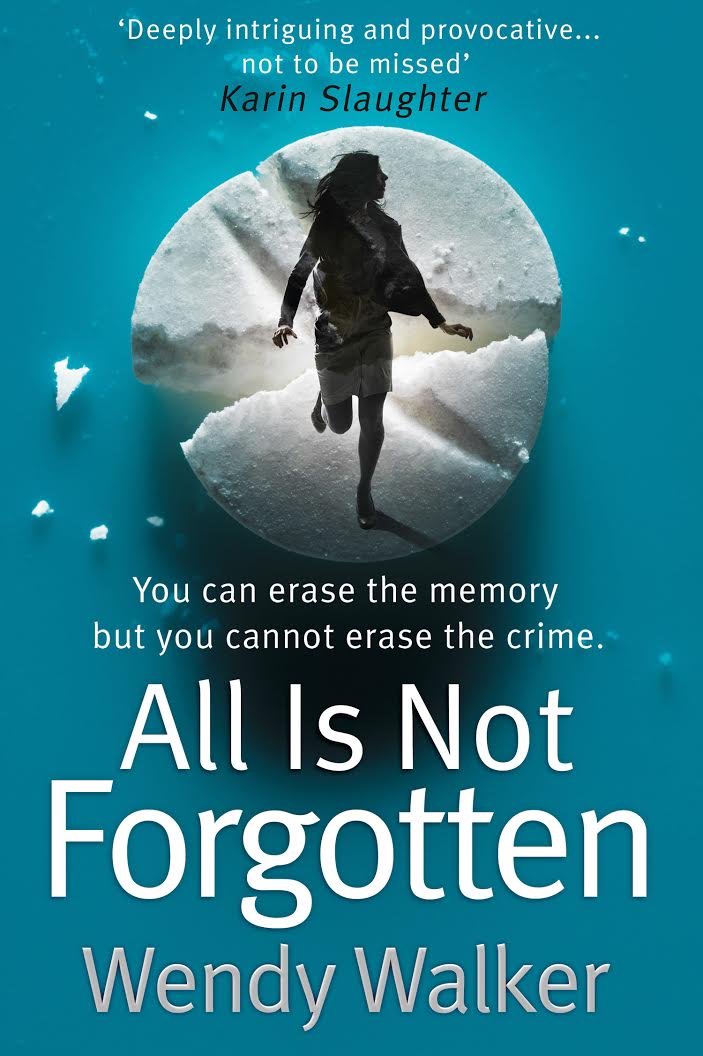
All is not Forgotten by Wendy Walker. HQ £12.99


The Sunshine Vitamin By Abbigail Langstone – Wring

A  COMPLEMENTARY  PRACTICE

with Abbigail  Langstone – Wring. BSc  SBRCP  MAR.

THE SUNSHINE VITAMIN.
Why is it that people feel happier and appear healthier in the summer ?

Could it be due to the fact that people feel more physically able to get outdoors in the fresh air when the weather is more clement and the days are longer ? Could it be the infectious high spirits of involving oneself in events such as Glastonbury, Ascot or Wimbledon ? ( to avoid raising blood pressure I have omitted football or politics) OR Could it be due to an unconscious change in diet. Common sense supported by evidence shows us that people are more likely to eat differently in the summer months. Replacing a “winter warmers” recipe with lighter salads, increasing fish consumption veering more towards a “mediterranean diet”
Linking all of my thoughts above, I would like to tentatively suggest that the singular most likely answer to the question posed is sunlight.( Not rocket science really )


I have previously written about SAD ( seasonal affected disorder) and how research has proved the negative impact of deprivation of daylight on mood. As a holistic practitioner I believe that emotional wellbeing has a positive effect on physical health. Therefore improving mood is going to improve energy and motivate us into action, creating a cycle of general wellbeing
To support and enable healthy functioning of our mind and body we require a balanced diet that contains a full range of vitamins and minerals. As we age are digestive systems can become less effective at producing enzymes needed to aid digestion, especially if other health issues exist. This may lead to vitamin and mineral deficiencies.


One vitamin that has caused a flurry of media interest in recent research is Vitamin D.A  BMJ clinical review (2010) found that 50% of the adult population have insufficient levels of vitamin D and that 16% have severe deficiency during winter and spring. Vitamin D deficiency is characterized by an inability to calcify the bone matrix (Osteomalacia) Resulting in softening of the skull bones, bowing of legs, spinal curvature and increased joint size. Once common these diseases are now rare. Although according to recent press information the diagnosis of rickets in children within certain communities in the UK is on the increase. More generally recognised is the rise in tooth decay in children and osteoporosis in adults. Once thought as only affecting females, osteoporosis can in fact affect both genders. Vitamin D deficiency ( NHS Choices ) may also increase the risk of developing heart disease, bowel cancer, breast cancer, diabetes, MS and autoimmune disorders such as rheumatoid arthritis. People who are at a greater risk of developing Vitamin D deficiency fall into the older age group, but also individuals who have limited access to sunlight e.g. night workers and people living in highly polluted areas.

There are two types of vitamin D. D2 is made by plants and D3 is created by the action of sunlight on the skin. As we age we become less able to synthesize Vitamin D.The process of synthesizing Vitamin Dis complex, involving the skin, liver, kidney and intestines. In the skin, sunlight changes the precursor of Vitamin D into vitamin D3. It is then transported to the liver and converted by an enzyme into a substance five times more potent than D3. This in turn is then converted by an enzyme in the kidneys into the most potent form of vitamin D3. This simplified illustration highlights the vital role that the liver, kidney and intestines have in the process. Therefore any disorders of these organs will inhibit the process.Resulting in a deficiency of Vitamin D.

Poor diet has of course a role in any disease development and surprisingly, malnutrition is an issue of rising concern in the very young and elderly. Natural sources of vitamin D include cod-liver oil, cold water fish such as mackerel, salmon and herring. Egg yolks. Vegetables are low in vitamin D, but best sources include dark green leafy vegetables. Vitamin D is best known for it’s ability to stimulate the absorption of calcium. It is added to milk and other foods, such as breakfast cereals.

Note of caution. Vitamin D has the greatest potential to cause toxicity in comparison to other fat soluble vitamins.

For more information on how nutrition may play a role in your personal health & wellbeing, consider a peek into my “Holistic Health Tips” book. £9.00 incl P+P available from Buena Vista, Gypsy Lane. Weymouth DT4 0BZ. Tel 01305784986.


The Art Conference (TAC) – a new festival this July which sounds interesting


The Art Conference will bring together international speakers from the worlds of technology and art. It sounds suitably hectic and stimulating with Bermondsey’s The Ugly Duck, a three-storey 19th century warehouse,filled with film screenings, panel discussions, digital art installations and an outdoor food court.

The entire ground-floor will play host to a free exhibition which will be open to the general public and it is hoped that pairing the works of local creators alongside internationally-acclaimed visionaries will allow the conference to evoke achievable aspiration in attendees.

Exhibiting artists include Will Vibes, Dan Witz, Tinsel Edwards, Maser, Colin McMaster, Jose Montemayor and Robert Montgomery.

Visitors will also be treated to food and drink from local chefs in the outdoor food court, while networking breakfasts and afternoon teas will be provided by Unity Kitchen, a social enterprise that helps to create jobs and apprenticeships for people with disabilities.

TAC aims to create valuable digital content and interaction with the art and creative community through digital sharing. Using platforms like Facebook and YouTube, TAC will generate an online following and create a digital version of its conference.

Just to round it off, Maser will create a light construction which will be built across the length of a tunnel in the warehouses and Jose Montemayor will present virtual reality booths using the latest technology to take visitors to an alternative dream world.

Why not give it a go?

The Art Conference.
Saturday 23rd – Sunday 24th July 2016.

11am – 8 pm. The Ugly Duck, 47-49 Tanner Street, London SE1 3PL

Gransthread on Kenneth Clarke’s overheard opinion on Theresa May.

A ‘bloody difficult woman’. Compliment or Insult?

Recently Kenneth Clarke was overheard calling Theresa May a ‘bloody difficult woman’. So – insult, or a compliment?


I can’t claim to see inside anyone else’s head, but it was reported as an insult or if one is kind, an observation.


This is a label that has been directed towards me rather often, sometimes behind my back. Well usually, but I have ears like a bat, or a witch as some might say.

Without a doubt I take it as a compliment, because I feel I have earned such an accolade.


Why? A sense of self is hard fought for, and the confidence to stand one’s ground,  when societal or peer pressure is urging one to shut up, and go with the flow, is a precious commodity.


It doesn’t make for an easy life, though, because it equates to putting one’s head above the parapet, but I thought I’d ask around for the opinion of other women across the generations.


Tracy Baines, one of our most successful short story writers, who has three grandchildren, and looks ridiculously young, or is it that she knows some magic elixir says:


‘Depends who is calling me difficult. I think older women are called difficult and younger women are labelled Prima Donnas or drama queens. When I was younger I would have seen it as detrimental but now I think it’s an asset. It’s said by men and women who don’t like it when you are not a pushover. Bring it on I say.


So today I asked a girl who is quite the other end of the spectrum, a mere fourteen. Meg said:


I would take it as a compliment. I have a right to an opinion, and though I listen to the opinions of others, if I disagree I will say so. I know I need to make sure I have a reason for the way I think, but in the end, I have a right to transfer my thought into words, even if others don’t like it.


Another, a mother, said:


I do think men and women have different attitudes. Women are more used to placating others, so tend to keep their opinions to themselves, or subsume their actions into those which will make few ripples. I think they then feel increasingly frustrated by this and as they get older they realize that they have earned their place in the world, and increasingly will not necessarily toe the line just because it is inconvenient for someone else.

So, where are we with this? Perhaps being what is classed as difficult disturbs the status quo? If so, let it. Change is usually good except for the lazy, the scared or the narrow minded.


So, a firm decision from across the generations that to be called bloody difficult is a compliment. As Tracy Baines says: bring it on and more power to our elbows.
Any opinions amongst our Frost Magazine readers?
Would love to hear them at frost@margaret-graham.com


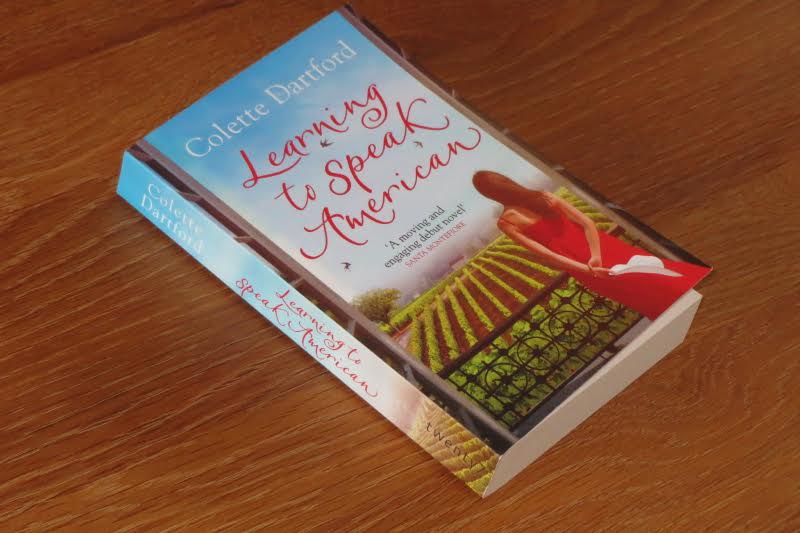
Learning to Speak American by Colette Dartford Reviewed by Frances Colville

Learning to Speak American by Colette Dartford Reviewed by Frances Colville

Learning to Speak American is Colette Dartford’s first novel and is based on her own experience of renovating and living in a derelict house in California’s Napa Valley.


Lola and Duncan Drummond are struggling to cope with life in their Somerset village home after the tragic death of their only child Clarissa.  An attempt, initiated by Duncan, to improve the situation by taking a holiday in California results in a sudden decision to buy a holiday home there. The ramifications of this trip combined with the continued unraveling of their lives in the UK take them on an emotional and sometimes heartrending journey.  But for the first time since Clarissa died, Lola feels able to let go off her depression and consider a future.


A moving story, sensitively handled, which draws you in and  keeps you reading. It’s a little bit predictable, but sometimes you just want a book which doesn’t require too much thought or analysis, which you can enjoy for its engaging characters and beautiful setting. and which tells a story you can involve yourself in.  This does the job well.


Learning to Speak American is published by Twenty7 – the new digital-first fiction imprint of Bonnier Publishing – and will be available as a Paperback Original, priced at £7.99, from July 14th2016.